Lijiang and Dali, Yunnan: A Soul-Healing Journey Through Wind, Flowers, Snow, and Moonlight
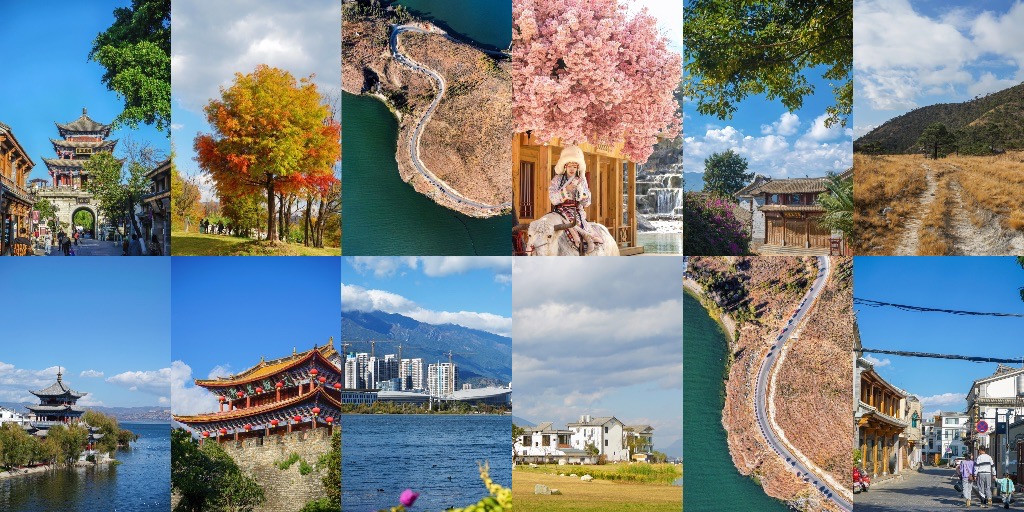
Lijiang and Dali, Yunnan: A Soul-Healing Journey Through Wind, Flowers, Snow, and Moonlight
Some say Yunnan is a place you can visit countless times and never grow tired of. I couldn't agree more. In November 2022, I set foot on this magical land once again, spending seven days letting Lijiang's tenderness heal my weary soul and seeking poetry in Dali's romance of wind, flowers, snow, and moonlight. Though this wasn't my first visit, I was still met with surprises and emotions that filled me to the brim.
From the winding alleys of Lijiang's Old Town to the reflections in Black Dragon Pool, from the quiet stillness of Baisha Ancient Town to the trekking adventure in Ganheba, and then to Dali's Erhai Lake cycling and leisurely strolls through the ancient city—every stretch of the journey unfolded like a scroll painting, and I was fortunate enough to be a figure within that scene. What made it even more special were the like-minded companions I met along the way. The paths we walked together, the views we shared, the stories we exchanged—all became treasured memories.
Itinerary Overview: Seven Days Exploring Lijiang and Dali
Lijiang Section - Day 1: Arrive in Lijiang → Stroll through Lijiang Old Town - Day 2: Lijiang Old Town → Black Dragon Pool Park → Qingxi Park → Shuhe Ancient Town → Baisha Ancient Town - Day 3: Yuhu Village → Ganheba Trek → Blue Moon Valley
Dali Section - Day 4: Lijiang → Dali Old Town - Day 5: Dali Old Town → Caicun Pier → Eco-Corridor Cycling → Shuanglang Ancient Town - Day 6: Dali Old Town → Erhai Park → Xingsheng Bridge → Departure
Lijiang: The Soft, Healing Hours
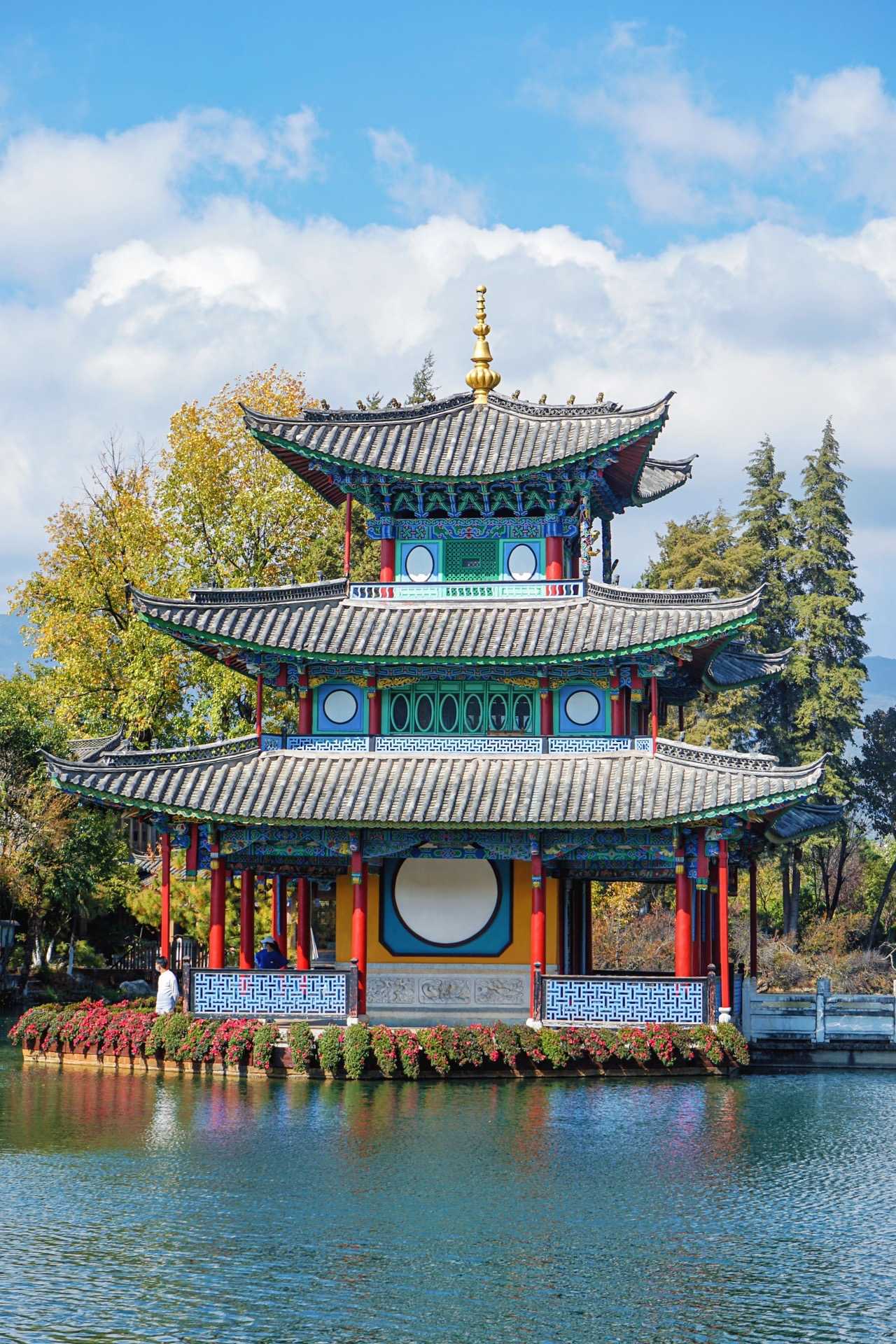
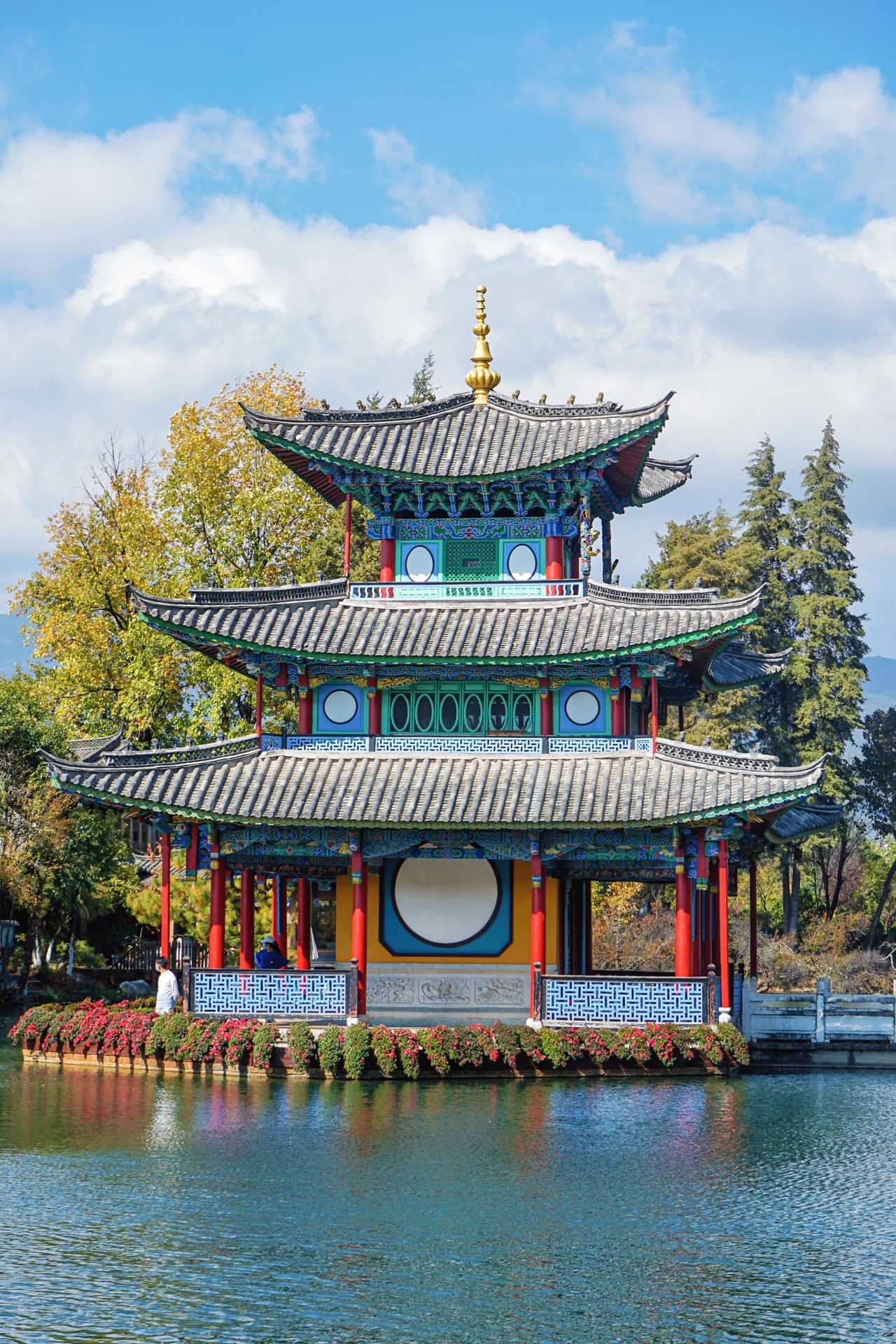
Black Dragon Pool: A Jade Gem on the Plateau
Every time I come to Lijiang, I make a point to visit Black Dragon Pool Park. Also known as Jade Spring Park, this scenic spot sits at the foot of Elephant Mountain in the northern part of the city. Starting from Sifang Street in the Old Town, you follow the Yu River upstream for about a kilometer, and there it is—a crystalline, clear spring pool that has earned fame far and wide as the Black Dragon Pool.
Water gushes from crevices in the rocks, gathering into a lake spanning 40,000 square meters. Surrounded by lush mountains and clear waters, with ancient buildings dotting the landscape, it is often called a piece of jade on the northwestern Yunnan Plateau. This is not only the water source for Lijiang Old Town but also the place where the largest concentration of nationally protected cultural relics in Lijiang can be found. The Five-Arch Bridge, the Moon-Viewing Pavilion, and the reflection of the snow-capped mountains together form a classic postcard image of Lijiang.
Many say you need a ticket to enter Black Dragon Pool, but I've visited several times without ever being charged. This time, although it was a sunny day, the clouds were thick, so I couldn't see the distant Jade Dragon Snow Mountain in the distance—a small regret.
The park is divided into four scenic areas: Yu River, Dragon Pool, Qingxi, and Mountain Forest. It features over a dozen attractions, including a stone memorial archway, the Jade Spring Scenic Area, the Blue Sea and Jade Dragon, the Jade Water Dragon Pool, and the Elephant Mountain Spirit Spring. The ancient buildings include the Guangbi Tower, the Five-Phoenix Tower, the Moon-Viewing Pavilion, and the Dragon God Pavilion, showcasing the finest examples of ancient Naxi architectural ensembles. Behind the park lies Elephant Mountain. My friend Xue Zong and I even did a night climb to the top, where we enjoyed a panoramic view of the entire Lijiang Old Town—the vista was spectacular. During the day, climbing requires a group of four and registration, making it suitable for outdoor enthusiasts.
The Dongba Culture Research Institute and the Dongba Culture Museum are also worth a visit. The museum houses numerous paintings, poems, and Dongba hieroglyphic scripts, making it an excellent place to learn about Naxi ethnic culture, especially suitable for families with elderly members and children.
Practical Information - Address: No. 1 Minzhu Road, Gucheng District, Lijiang City, Yunnan Province - Opening Hours: 08:00–18:00 - Admission: Free (rumored to require a 50 RMB Old Town maintenance fee, but I've never been charged on multiple visits) - Transportation: Take Bus No. 13 or No. 4 to Xiangshan Road Stop, then walk
Lijiang Old Town: Gentle Moments Amid Flowers and Greenery
Lijiang Old Town, also known as Dayan Town, is situated in the central part of the Lijiang Basin. First built in the late Song and early Yuan dynasties, it has a history of eight to nine hundred years. It is one of the most famous towns along the Ancient Tea Horse Road and one of only two ancient cities in China to have been successfully inscribed as a UNESCO World Heritage Site in their entirety.
After finishing a trek in Shangri-La, I returned to Lijiang to rest. There, I ran into Xiao Liu and Jia Mei, whom I had previously hiked with in Yubeng, so we decided to explore the Old Town together again.
The Big Waterwheel: The first thing you see when entering the Old Town are two waterwheels. Some call them the Mother-and-Child Waterwheels, while others refer to them as the Lovers' Waterwheels. Beside them stands the Water Dragon Pillar. Since the traditional wood-and-earth buildings in the Old Town are highly susceptible to fire, this pillar was erected as a symbolic wish for protection against fire.
Mu Mansion (Mu's Residence): The former official residence of the Mu chieftains who ruled Lijiang for generations. It blends Ming Dynasty central plains architectural styles with Bai and Naxi craftsmanship and stands as a landmark building in the Old Town.
Sifang Street: The heart of the Old Town, from which four main streets radiate outward. It is a famous food street lined with小吃 stalls. In the evenings, people gather around bonfires to dance the Guozhuang, creating a lively and festive atmosphere.
Lantern Alley and Oil-Paper Umbrella Alley: Guangyi Street's Xianwen Alley has become famous for the sea of oil-paper umbrellas hanging overhead. The colorful umbrella canopies fill the sky with endless imagination, while the stone-paved road and the umbrellas complement each other, forming a uniquely charming scene.
What I found most healing were the flowers and plants scattered everywhere throughout the Old Town. Spring comes and goes, but flowers are always present. Succulents are a common sight, their adorable little lives softening the entire town. During these three years of the pandemic, I'm grateful that I managed to visit Lijiang twice. Back then, the Old Town was quiet and peaceful, free from the crowded throngs, allowing me to calm my mind and truly feel the city's breath.
White Horse Dragon Pool Temple (Baima Longtan Temple): Located at the southern end of Lion Mountain in the Old Town, this temple is surprisingly serene despite being close to the bustling areas. Built in the 19th year of the Qianlong reign of the Qing Dynasty (1754), it was once an important venue for Lijiang's literati to compose poetry and essays. The collection of Naxi literary and artistic materials housed within is extremely precious.
Zhongyi Market: A food market is a sanctuary for the soul. Wherever I go, visiting the local market is one of my favorite activities, because the hustle and bustle of everyday life is what truly heals the heart. Zhongyi Market is one of Lijiang's largest agricultural markets, offering the most authentic glimpse into local Lijiang life. Here, you can buy fresh ingredients, eat cheap and delicious Lijiang snacks, and see elderly locals dressed in traditional Naxi attire. The night market is especially lively. Be sure to try chicken pea jelly (jī dòu liáng fěn), red heart potato chips (hóng xīn tǔ dòu piàn), and stuffed tofu (bāo jiāng dòu fu).
I ate at a popular rice noodle shop called "Second Brother's Rice Noodles" (Èr Gē Mǐ Xiàn) in the Old Town. You add the various toppings and ingredients into your own bowl, giving you the feeling of cooking your own meal, which made it especially satisfying.
Baisha Ancient Town: Lijiang as It Was Ten Years Ago
Some say Baisha is what Lijiang was like ten years ago—without the noisy commercialization of Lijiang Old Town or the crowds of Shuhe Ancient Town. Here, there is only a simple, old commercial street and many Naxi courtyards, preserving the most original appearance of an ancient town.
Baisha Ancient Town is located about 10 kilometers north of Lijiang city, facing the Jade Dragon Snow Mountain to the north. It was the ancient capital of the Naxi people and once the political, economic, commercial, and cultural center of the Naxi in Lijiang. I finally had the time to visit this time, slowly wandering over from Shuhe Ancient Town, enjoying the beautiful scenery along the way.
The weather wasn't great, so I couldn't see the Jade Dragon Snow Mountain. There were very few tourists on the road, mostly local residents. When I first entered the outskirts of the town, it felt less like a scenic spot and more like an ordinary town. Aside from guesthouses, the most common sights were woodworking shops and second-hand goods stores.
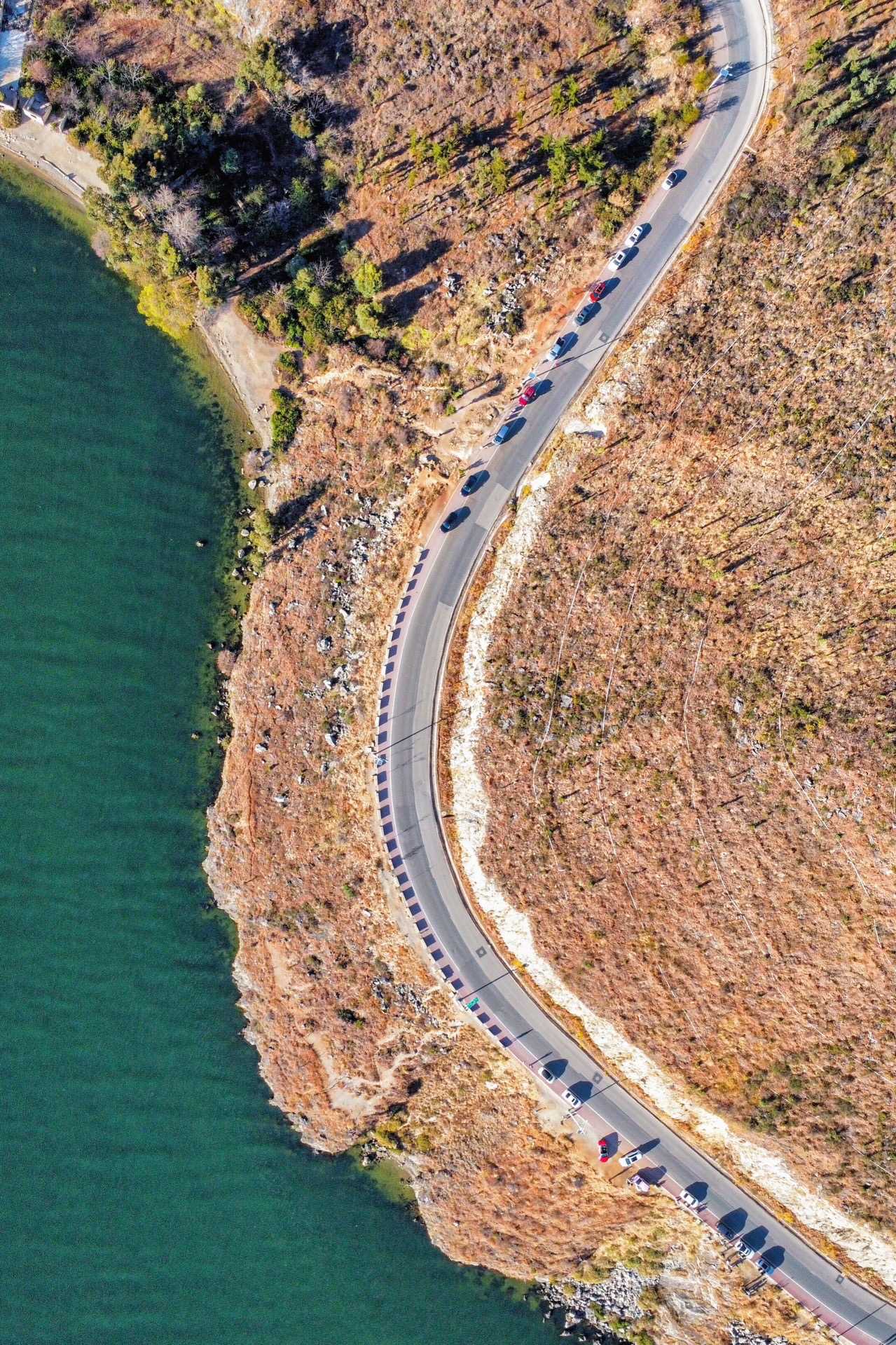
The core area isn't very large, but the commercial atmosphere is much stronger than on the outskirts. Compared to Lijiang's three ancient towns, Baisha has the poorest water quality, looking a bit dirty and messy, which was somewhat disappointing.
Baisha's Sifang Street is the liveliest part of town and was once a bustling trading center. Today, it remains the main place where local elderly Naxi women sell their vegetables. The sight of fresh, organic produce and the elderly women in traditional Naxi attire creates the most touching scene here.
Baisha Murals are the town's most famous attraction. Painted from the early Ming Dynasty to the early Qing Dynasty, spanning over 300 years, they are an excellent way to learn about Dongba culture. They are mainly concentrated in the Dabaoji Palace and the Liuli Hall, adjacent to the Baisha Brocade Art Institute.
Practical Information - Admission: Free - Opening Hours: All day - Time Needed: The core area is small; about 1 hour is enough - Transportation: Take Bus No. 6 to Baisha Intersection Stop, then walk
Shuhe Ancient Town: A Peaceful Post Station on the Ancient Tea Horse Road
During my first visit to Lijiang, I stayed in the Old Town the whole time and never got a chance to explore Shuhe properly. This time, I stayed in Shuhe Ancient Town for two days, taking it slow and soaking in its tranquility.
Shuhe Ancient Town, called "Shaowo" in the Naxi language, meaning "village at the foot of the peak," was one of the earliest settlements of the Naxi ancestors in the Lijiang Basin. About four kilometers north of Lijiang Old Town, you'll find this ancient town known as the "Land of Clear Springs." On clear days, you can see the Jade Dragon Snow Mountain from here.
The famous Ming Dynasty traveler Xu Xiake once passed through this area when he visited Jie Tuo Lin on Lion Mountain. In his writings, he recorded: "Crossing a dry stream over a stone bridge, looking west at the Zhonghai Lake, with willows casting shadows and ripples on the water, there was a large settlement upon it, called Shihe Yuan." "Shihe" is the ancient name for what is now Shuhe Ancient Town.
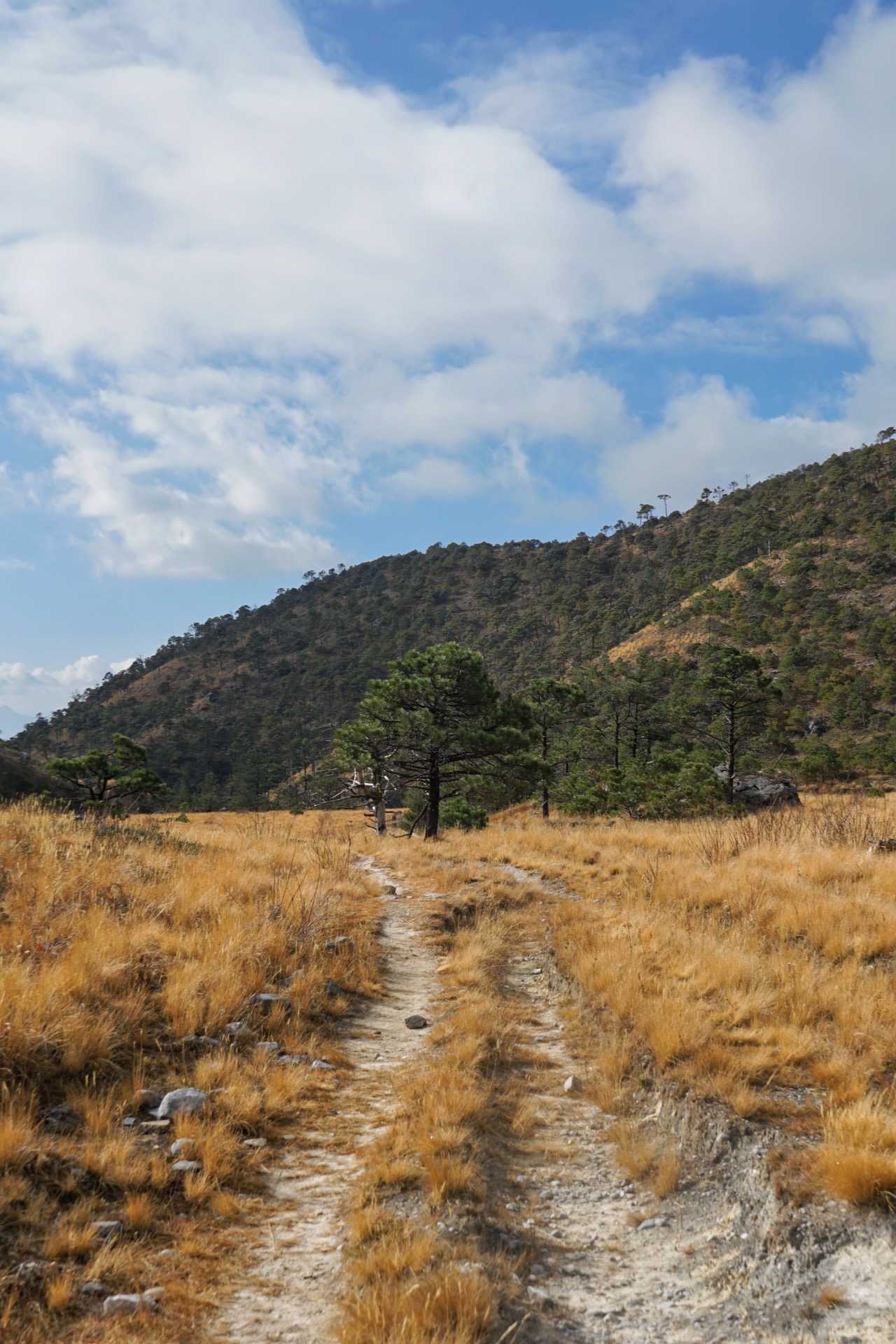
The Ancient Tea Horse Road ran from southern Yunnan through Lijiang all the way to Lhasa in Tibet. After over a thousand years of development through the Tang, Song, Yuan, Ming, and Qing dynasties, Shuhe became a well-preserved post station in the Lijiang Basin. I wandered around the ancient town in my free time. There were very few people, and many shops were closed—the pandemic's impact on Lijiang has been immense.
The town is planted with many bougainvillea, which were in full bloom and absolutely gorgeous. To the north of the village are two dragon springs, Jiuding and Shuhe. Their clear waters divide into three river systems, flowing past houses and courtyards, giving Shuhe both the rugged charm of a mountain village and the elegance of a water town.
Follow the stream from Sifang Street upstream, cross the Qinglong Bridge (Green Dragon Bridge), and you'll reach Jiuding Dragon Spring. The pool is teeming with rainbow trout, as the bone-chilling meltwater from the Jade Dragon Snow Mountain makes it a natural fish farm. By the pool stands Longquan Temple (Dragon Spring Temple), which enshrines Sun Bin, the patron saint of shoemakers. Climb the small hill behind the temple for a panoramic view of the entire ancient town.
The Ancient Tea Horse Road Museum within the town is worth a visit. It mainly introduces the history of the road, including the tea and fur trade and the origins of Shuhe's cobblers, giving you a basic understanding of Shuhe's history. The mural exhibition hall is a must-see, featuring six exquisite murals from the Dajue Palace, painted during the Ming Dynasty.
Practical Information - Admission: 30 RMB - Opening Hours: All day - Address: Shuhe Ancient Tea Horse Road, Gucheng District, Lijiang City, Yunnan Province - Transportation: Take Bus No. 111, which connects Lijiang Old Town and Shuhe Ancient Town - Best Season: All year round
Ganheba Trek: A Date with the Snow Mountain
I couldn't stay idle in Lijiang. Xue Zong and I agreed to go trekking in Ganheba. I set off before dawn. There was no direct bus from Shuhe Ancient Town to Yuhu Village, so I took a bus to a stop about a kilometer away and walked the rest.
When I reached the final stop, the sky was just getting light. On the way to Yuhu Village, I was greeted by the sight of the "Sunshine Gold Mountain" on the Jade Dragon Snow Mountain. Unlike what I had imagined, the sunlight turned the mountain a brilliant red. The morning was misty and ethereal, making me feel like I had stumbled into a fairyland—early birds are indeed not disappointed.
As the sun rose higher, more and more of the mountain was dyed red. By the time I reached Yuhu Village, the mountain had turned a pale red. Yuhu Village, also called Xuesong Village, means "at the foot of the snow mountain" in the Naxi language. The village gets its name from a clear spring to its west, which is as blue and clear as jade, hence "Yuhu" (Jade Lake).
By the time I walked from Yuhu Village to Yuhu Lake, it was fully light. The Jade Dragon Snow Mountain was now shrouded in clouds, and the village below it was incredibly peaceful and healing. This is the starting point for the trek, which covers about 18 kilometers round trip. From Yuhu Village, you pass Longnv Lake (Dragon Girl Lake). The initial section is relatively flat, then after a climb, you reach a grassy meadow. Continuing on, you'll see a white, sandy riverbed—this is the end point, Ganheba. Then you return the same way.

The first part of the journey was easy, mostly flat terrain. However, the cell signal was poor, with no reception in most areas. After crossing a small stream, we started climbing. The trail was well-trodden and easy to follow. We walked for a long time without seeing anyone, making it a relatively小众 (niche) route.
Gradually, we could see the city in the distance, as well as many mani stone piles stacked by fellow hikers. This uphill section was relatively difficult. After several days of rest, suddenly climbing left me a bit breathless. After the steep slope, we reached a valley. We knew we were close to Ganheba. The valley was covered in withered yellow grass. Xue Zong and I played around here for a while, and he happily burst into song.
Just then, thick clouds rolled in. We were worried it might rain, but luckily, it held off. The weather in Lijiang is incredibly changeable. Never hike in the mountains alone, as there's no signal.
The toughest part was the final stretch. The mud was incredibly sticky, caking our shoes with dirt. Later, I checked online guides and learned that during the rainy season, this area is completely flooded, requiring a detour over the mountainside. But we just plowed straight through.
Recommended Gear - Backpack (30–50L), trekking poles, raincoat (essential) - Quick-dry base layer, softshell pants, hiking boots, hat, buff, power bank - Supplies: energy bars (e.g., Snickers), 1 liter of water
Blue Moon Valley: The Blue Tears Beneath the Snow Mountain
After finishing Ganheba, we didn't return the same way. Instead, we pushed forward to Blue Moon Valley. After over 30 kilometers of trekking, we finally reached our destination—a place I had been longing to see. Along the way, we picked up another hiker who had also come from Ganheba, and we walked together for a stretch.
This is romance beneath the snow-capped mountains. At the foot of the Jade Dragon Snow Mountain lies a "blue tear." The lake water is a transparent blue, with hints of green点缀 (dotted) within the almost凝固 (congealed) azure. Looking around from the center of the lake, white clouds stretch horizontally, floating on the mountain peaks, their reflections shimmering on the water's surface. It felt like a dream, a vision of a fairyland.
When we reached our destination, we all stopped to rest. Our fellow hiker was Hui Muslim, so when we started eating pork, Xue Zong mentioned it to me, and I put it away to eat later. We sat by the lake, drinking beer and snacking—it was absolutely fantastic!
Many couples were having their wedding photos taken here. Even though the weather wasn't perfectly clear, it didn't detract from the stunning photos.
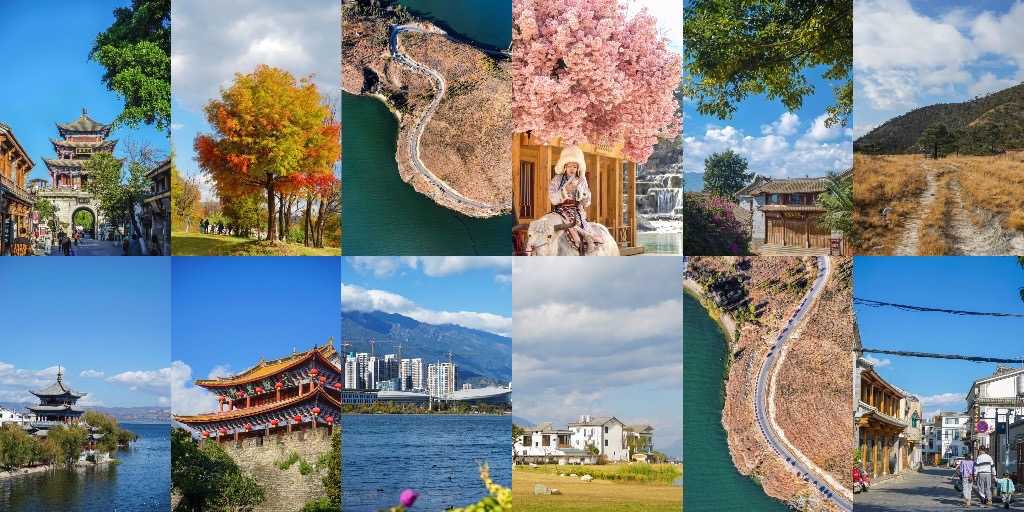
Yuye Lake (Jade Liquid Lake): The water is incredibly clear. You can see the pure white lakebed at a glance. The blue water reflects the Jade Dragon Snow Mountain, looking exactly like a beautiful landscape painting.
Jingtan Lake (Mirror Pool Lake): A small and exquisite spot. The water is exceptionally clear, evoking the poetic line, "The pool's surface is like an unpolished mirror, without a breeze."
Lan Yue Hu (Blue Moon Lake): Surrounded by green mountains and trees. Under the sunlight, the jade-like lake sparkles, giving a surreal, otherworldly feeling.
Tingtao Hu (Listening to Waves Lake): The water level drops significantly here. The stream cascades down like a waterfall, producing a pleasant sound. Standing by the lake, you can hear the water's murmur mixed with the rustling of pines.
Important Notes 1. The water in Blue Moon Valley contains copper ions and is not drinkable. 2. UV rays are very strong. Sun protection is essential: sunglasses, sunscreen, and a hat are a must. 3. The altitude is over 3,000 meters. Avoid strenuous activity. If you're prone to altitude sickness, bring a can of oxygen. 4. For photos, wear solid colors or bright clothing. The light is best between 10 a.m. and 4 p.m. 5. The scenery is heavily dependent on the weather. Choose a clear day for your visit.
As we were about to leave, the sun emerged from behind the clouds. At that moment, the lake was at its bluest—so dreamlike it didn't need a filter. We found a car from the exit of Blue Moon Valley to take us back to the city. As soon as I sat down, I was so exhausted that I fell asleep.
Dali: The Romantic Time of Wind, Flowers, Snow, and Moonlight
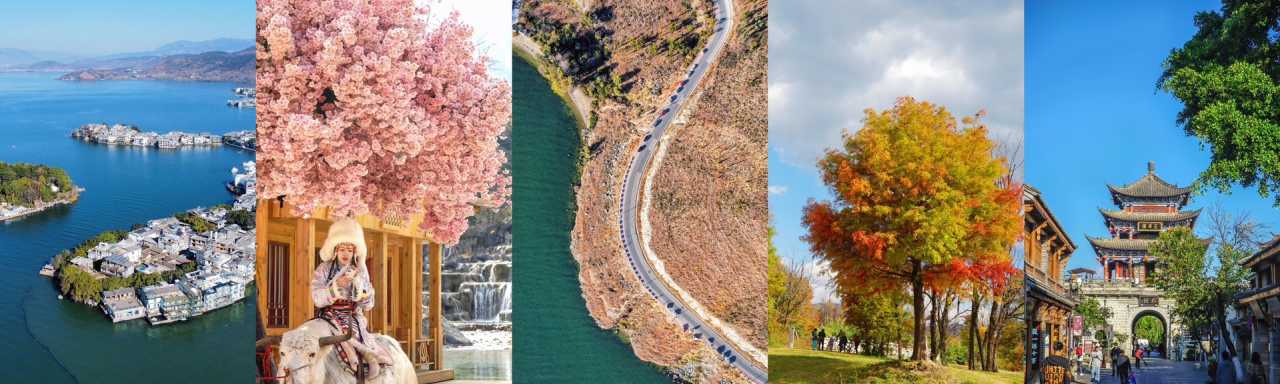
Dali Old Town: An Unexpected Surprise
This was my second time in Dali Old Town. I hadn't explored it much the first time, but this time I took a good long stroll. The ancient city is located in western Yunnan Province. Also known as Yeyu City or Purple City, its history can be traced back to the Tianbao era of the Tang Dynasty.
This Dali trip was entirely unexpected. I had originally planned to wait in Lijiang for Xue Zong to go climb Haba Snow Mountain together. But then A Qiang asked me to accompany him to Dali for a couple of days, and we ended up having many more interesting adventures.
Traveling during the pandemic was truly comfortable—fewer people and more affordable. The early winter in Dali was so pleasant. Strolling through the ancient city, with no crowds on the streets, I could quietly wander through the alleys. This was exactly what I had imagined.
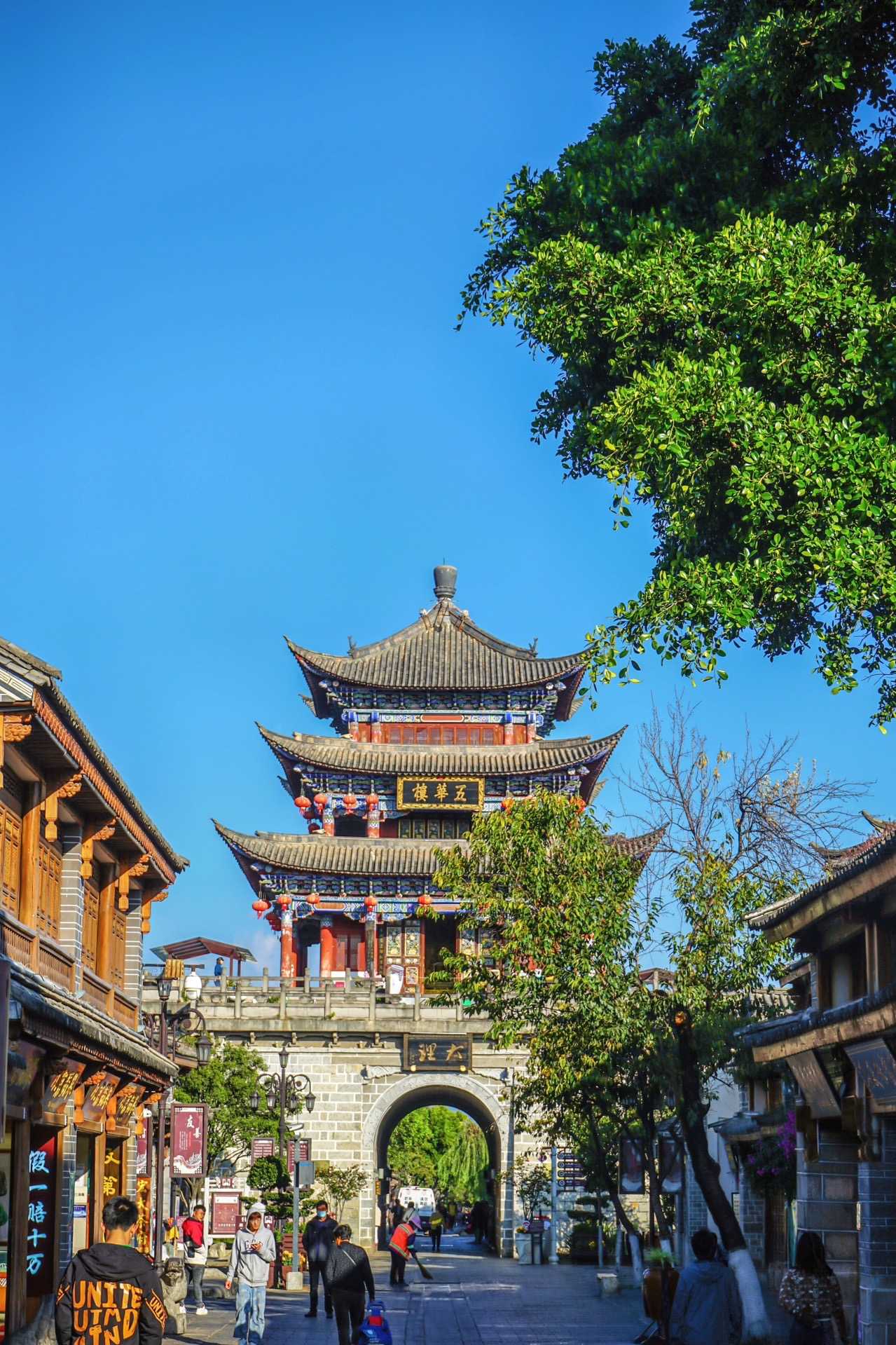
South Gate Tower: Also known as Shuanghe Tower or Chengen Tower, it is the foremost of the four city gates. Built in the 15th year of the Hongwu reign of the Ming Dynasty (1382), it is the oldest and most majestic structure in the ancient city and a symbol and landmark of Dali. The characters "大理" (Dali) on the gate were personally inscribed by the famous writer Guo Moruo when he visited Dali in 1961.
North Gate Tower: Also known as "Anyuan Tower" or "Three Pagodas Gate," it was also built in 1382. Its roof features a double-eave歇山 (gable and hip) style, preserving Ming Dynasty architectural characteristics.
Yuer Road (Jade洱 Road): One of the largest pedestrian streets in Dali Old Town, connecting the east and west gates. I came in mid-November. Although the ginkgo trees hadn't fully turned yellow yet, they were already beautiful. The most stunning time is when the ginkgo leaves are completely golden, turning the entire street into a sea of gold.
Old Town Farmers' Market: Since I had visited Zhongyi Market in Lijiang, how could I skip the market in Dali? Dali Old Town has two farmers' markets, north and south. This time, since A Qiang and I planned to have a BBQ at the hotel, it was the perfect chance to explore. Here, you can see elderly people dressed in Bai ethnic costumes, selling wildflowers from baskets, carrying baskets of homemade rose jam and pickled vegetables, and shouldering poles with homegrown fruits and vegetables. You can find all sorts of exotic fruits and vegetables in the market and sample local specialties.
Wuhua Tower (Five-Flower Tower): The buildings in the center of the ancient city are all uniformly roofed with grey tiles, giving them a simple and elegant appearance. At the heart of the ancient city, supported by four pavilions and surrounded by clear streams, stands this grand and exquisite building—the historically famous Wuhua Tower of the Nanzhao and Dali Kingdoms. In ancient times, this was the official venue for banquets and entertaining distinguished guests. It was five stories high and could hold ten thousand people standing.
Final Thoughts: Yunnan, Always the Next Time
The seven-day journey came to an end, framed by Lijiang's tenderness and Dali's romance. But I know deep down that this is definitely not the last time.
Lijiang taught me what healing means—in the reflections of Black Dragon Pool, on the old streets of Baisha, in the golden sunrise I encountered while trekking Ganheba, and in the dreamy blue of Blue Moon Valley. Dali showed me the romance of wind, flowers, snow, and moonlight—in the alleys of the ancient city, on the cycling path along Erhai Lake, and in the lively, smoky atmosphere of the farmers' market.
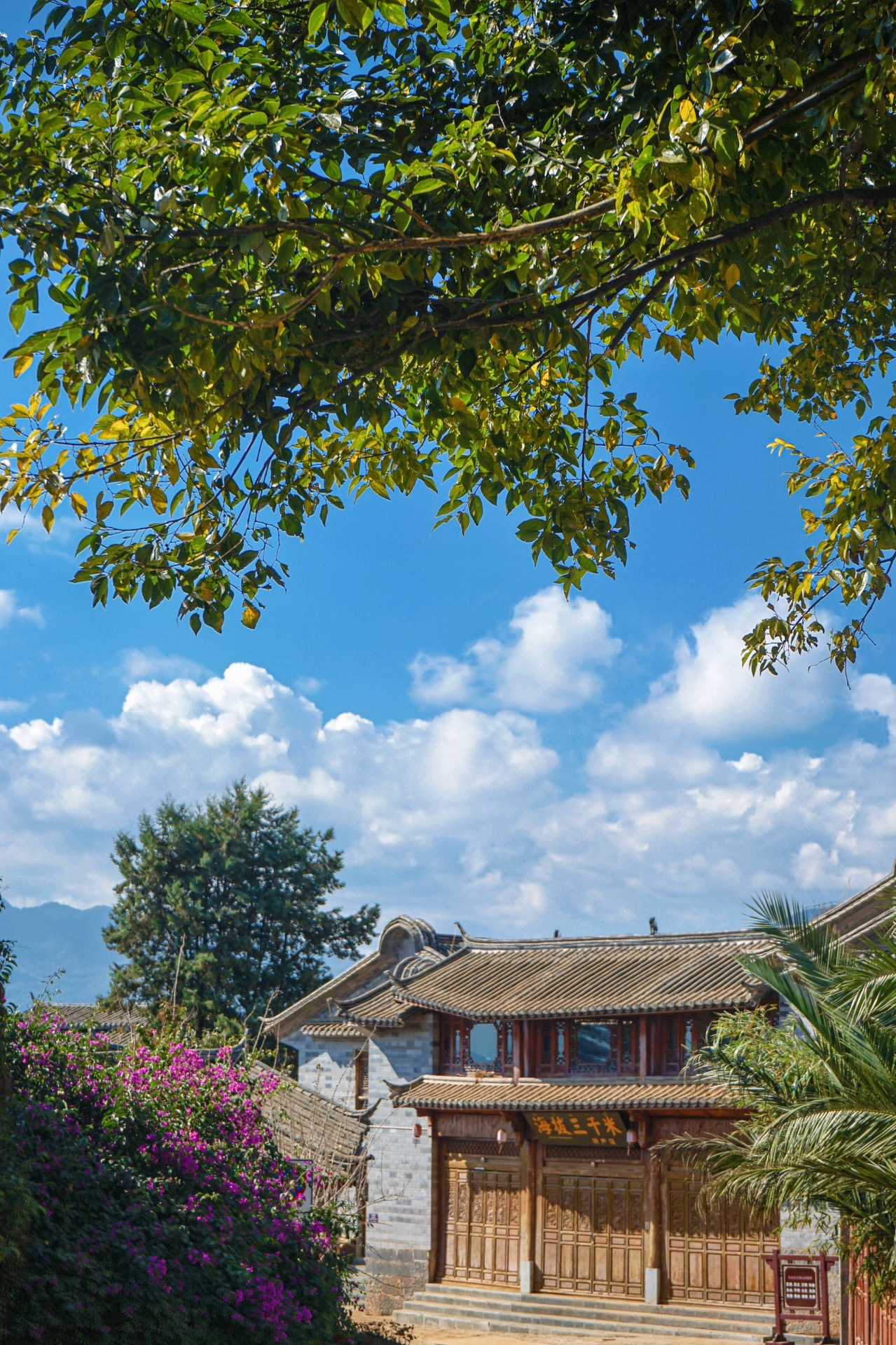
Every time I come to Yunnan, I have different encounters. This time, I set off alone, but I met so many interesting souls—Xiao Liu and Jia Mei, with whom I hiked Yubeng; Xue Zong, who took me on my first trek; and A Qiang, with whom I trekked around Mount Kailash. These chance encounters and fleeting connections gave the journey its warmth.
If you, too, are looking for a place to heal your soul, come to Yunnan. Lijiang's soft, gentle hours and Dali's romance await you. Remember, the most beautiful scenery isn't at the destination, but on the road itself. And the most precious memories aren't in photos, but in your heart.
Travel Tips - The temperature difference between day and night in Yunnan is significant. Bring enough layers. - In the high-altitude areas, remember sun protection and stay hydrated. - Always hike with a companion. The signal in the mountains is poor. - Traveling during the off-season offers a better experience—fewer crowds, beautiful scenery, and lower prices. - Keep an open mind. The people you meet on the road may become lifelong friends.
May you find your own healing and romance in Yunnan.
You should also read:
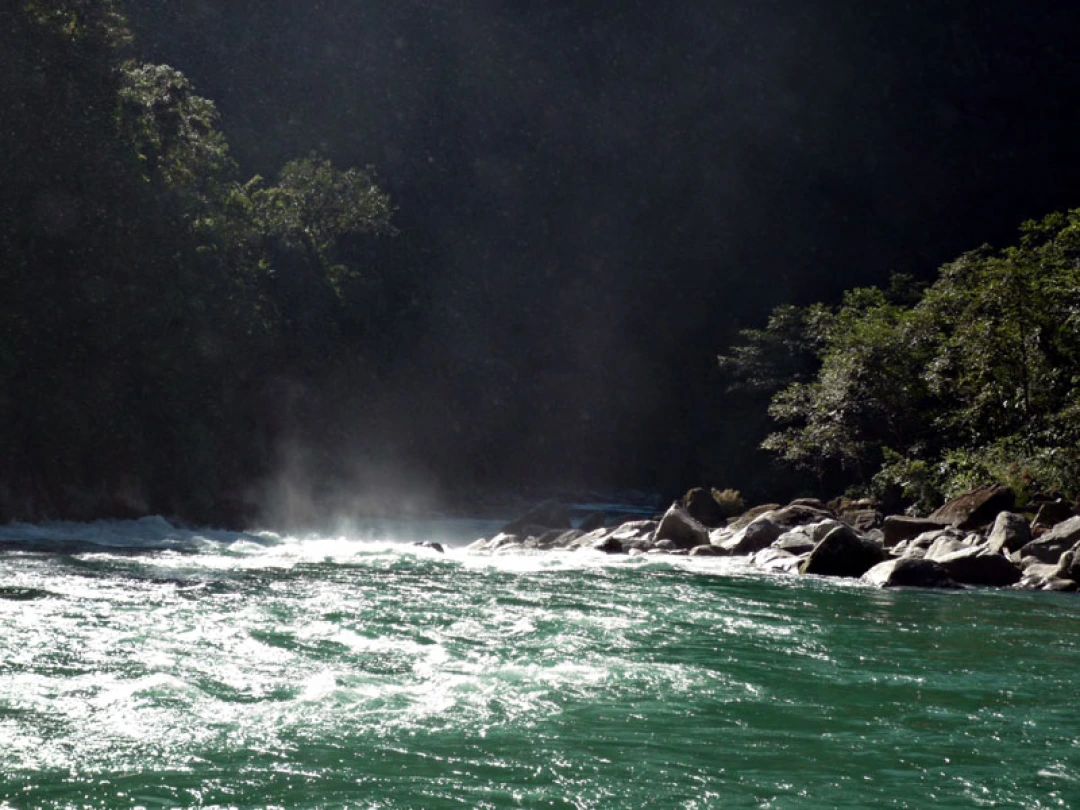
Into the Hidden Valley: A Solo Journey Through the Mysterious Dulong River
Into the Hidden Valley: A Solo Journey Through the Mysterious Dulong River Deep in the northwestern corner of Yunnan Province, tucked away from the modern world, lies a place that feels like a secret whispered among mountains. The Dulong River Valley is not just a…
Continue reading...
Body in Hell, Heart in Heaven: A Pilgrimage Through Tiger Leaping Gorge — A Dialogue Between Heaven and Earth
Body in Hell, Heart in Heaven: A Pilgrimage Through Tiger Leaping Gorge — A Dialogue Between Heaven and Earth Introduction: When the Gorge Splits Open Beneath Your Feet Some say Tiger Leaping Gorge is the closest place on Earth to the border between "hell" and…
Continue reading...
Cloud Travelogue · Dali of Wind, Flowers, Snow, and Moon: A Three-Day, Two-Night Journey of a Free Spirit
Cloud Travelogue · Dali of Wind, Flowers, Snow, and Moon: A Three-Day, Two-Night Journey of a Free Spirit I am a cultured female foodie with a touch of rogue charm. I slung on my backpack, took my lover's hand, and set off on a spontaneous…
Continue reading...