Lijiang, Lugu Lake & Dali: An 8-Day Itinerary | Go Wild While You're Young
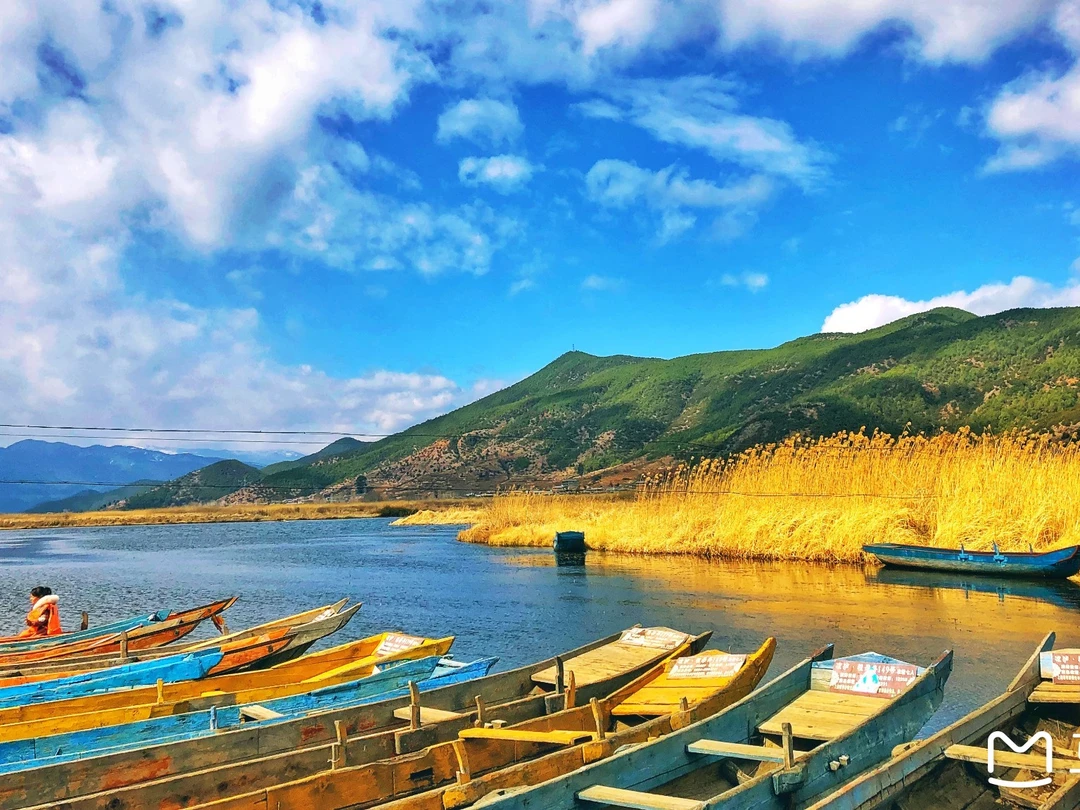
Lijiang, Lugu Lake & Dali: An 8-Day Itinerary | Go Wild While You're Young
A Few Words First: A Spontaneous "Crazy Trip"
There are some things that, if you don't do them when you're young, you might never do at all. Like, in a moment when work is suffocating you, suddenly deciding — let's go. To Yunnan.
My boyfriend Brady and I — two post-95s "old folks" getting ground down by life — finally turned a trip we'd been dreaming about for over half a year into reality in early 2019. I was drawn to Yunnan's ethnic minority culture; he was obsessed with its natural scenery. So, a "must-go" journey began.
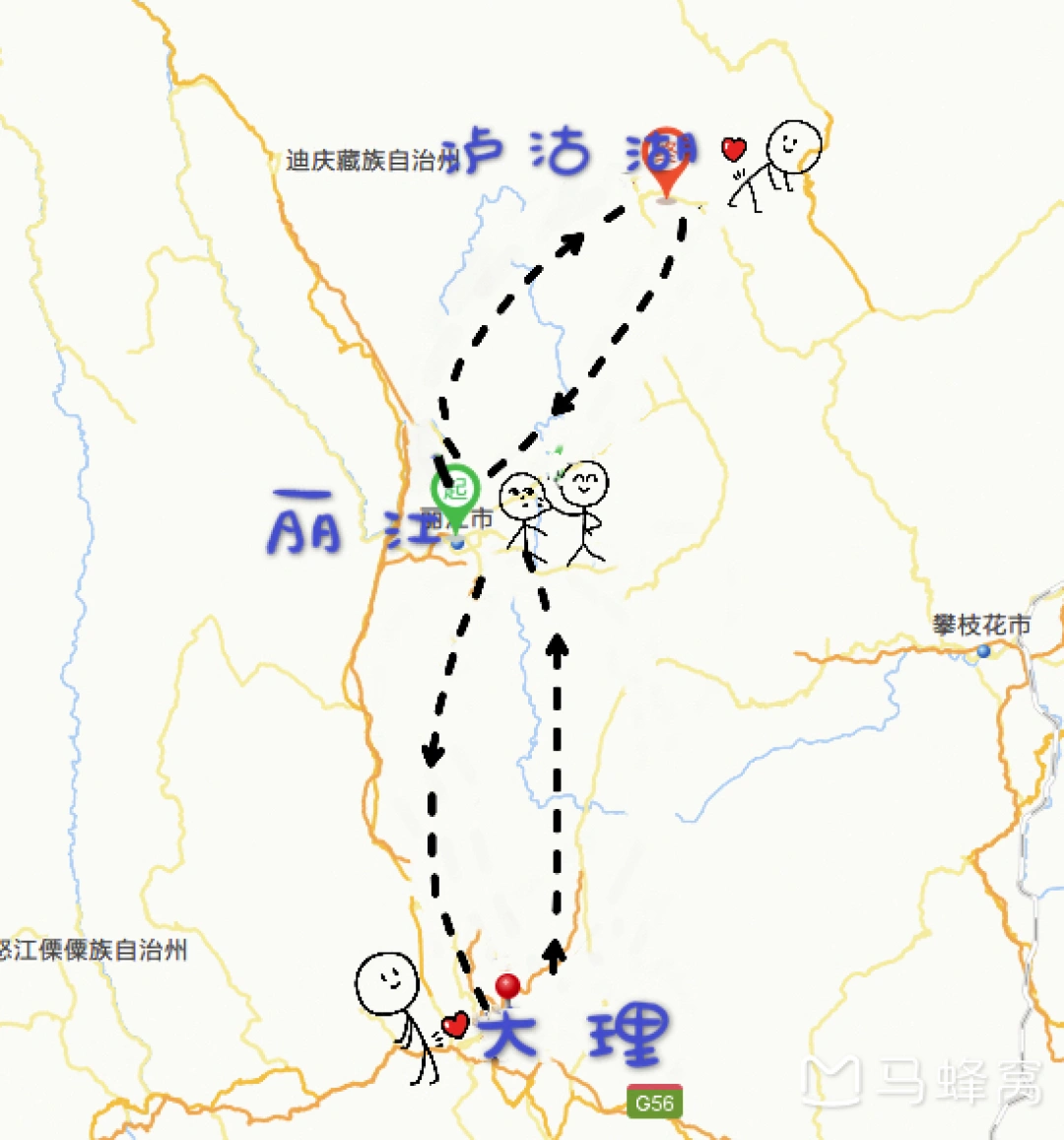
Some people say travel is escapism. But for us, it was more like a deep breath, a chance to hit reset. We decided to make Lijiang our base and draw a circle — first Lugu Lake, then loop around to Dali.
Pre-Trip Ramblings: Hard-Learned Lessons You Need to Know
Before we left, we went through a rollercoaster — refunding tickets, rescheduling, asking for time off, checking the weather... In the end, our plane tickets went from 770 yuan to 490 yuan, and our departure date moved from February 23 to February 16. Don't ask why. The answer is: "Saving money makes you crazy."
We landed in Lijiang at 1:57 AM, booked a hotel near the airport, and planned to head into town the next day. After all that scrambling, here are 9 practical tips you'll thank me for:
Flights: Don't Be Impulsive, But Don't Hesitate Too Much Either
Book your tickets 15 to 20 days in advance for the best prices. Connecting flights are both tiring and expensive — if you can fly direct, do it. As for those 8-yuan or 58-yuan flash deals on Douyin? Office workers, just look and move on. They're not real.
Itinerary: Set the Big Framework, Let the Details Flow

We said we'd make a "meal-by-meal" plan, but ended up hastily setting our route on the day we left. The beauty of independent travel is that plans never survive reality — but the surprises are often better. One thing though: book your accommodation in advance.
Weather: Don't Trust the Forecast
Yunnan's sky is like a child's face — unpredictable. The forecast might say cloudy and rainy, but you'll get blazing sun. Big temperature swings between day and night — a thick jacket is essential. UV rays are brutal. Sunscreen, sunglasses, and a sun hat are non-negotiable. Guys, don't think sunscreen is girly. You'll regret it when you turn into a raisin — a shout-out from someone who learned the hard way.
Luggage: Pack Light
The streets in ancient towns are all cobblestone. Dragging a suitcase is a nightmare. Going to Yunnan in February? Basically forget about dresses. Bring a down jacket and take it off for photos. It's dry, so a thermos is a lifesaver.
Accommodation: Book Early, Communicate Often
Call ahead to confirm the inn's location and whether they charge the Ancient City Maintenance Fee. Inns outside the old town are cheaper, and you're just a short walk away. Innkeepers are usually super helpful — they'll tell you where to go and how to avoid tourist traps. But keep your guard up — some have deals with travel agencies. Compare prices before booking a tour.
Gear: Rent Photography Equipment Online
 If your gear isn't good enough or too heavy, rent online. Time the delivery to arrive at your inn. Let the owner know in advance, and they'll hold it for you.
Local Transport: Keep Cash Handy
Some buses don't accept mobile payments. Didi is the main ride-hailing app, and drivers are friendly — they even taught us how to save on entrance fees. For short distances, renting an e-bike is the best. 50-60 yuan/day gets you 100 km; 80-100 yuan/day gets you over 200 km.
Medicine: Essential for Northerners
People from the north often get an upset stomach or a dry cough when they come to Yunnan. Bring cold medicine and cough syrup. Don't forget that thermos. When we bought medicine, we noticed lots of tourists with the same dry cough.
Other Stuff: Power Bank, Data, ID
Navigation, social media, streaming videos — you need enough data and battery. Bring your student ID or military ID — lots of attractions offer discounts.
Day 1: Shuhe Ancient Town — Finding Yourself Between Bustle and Peace
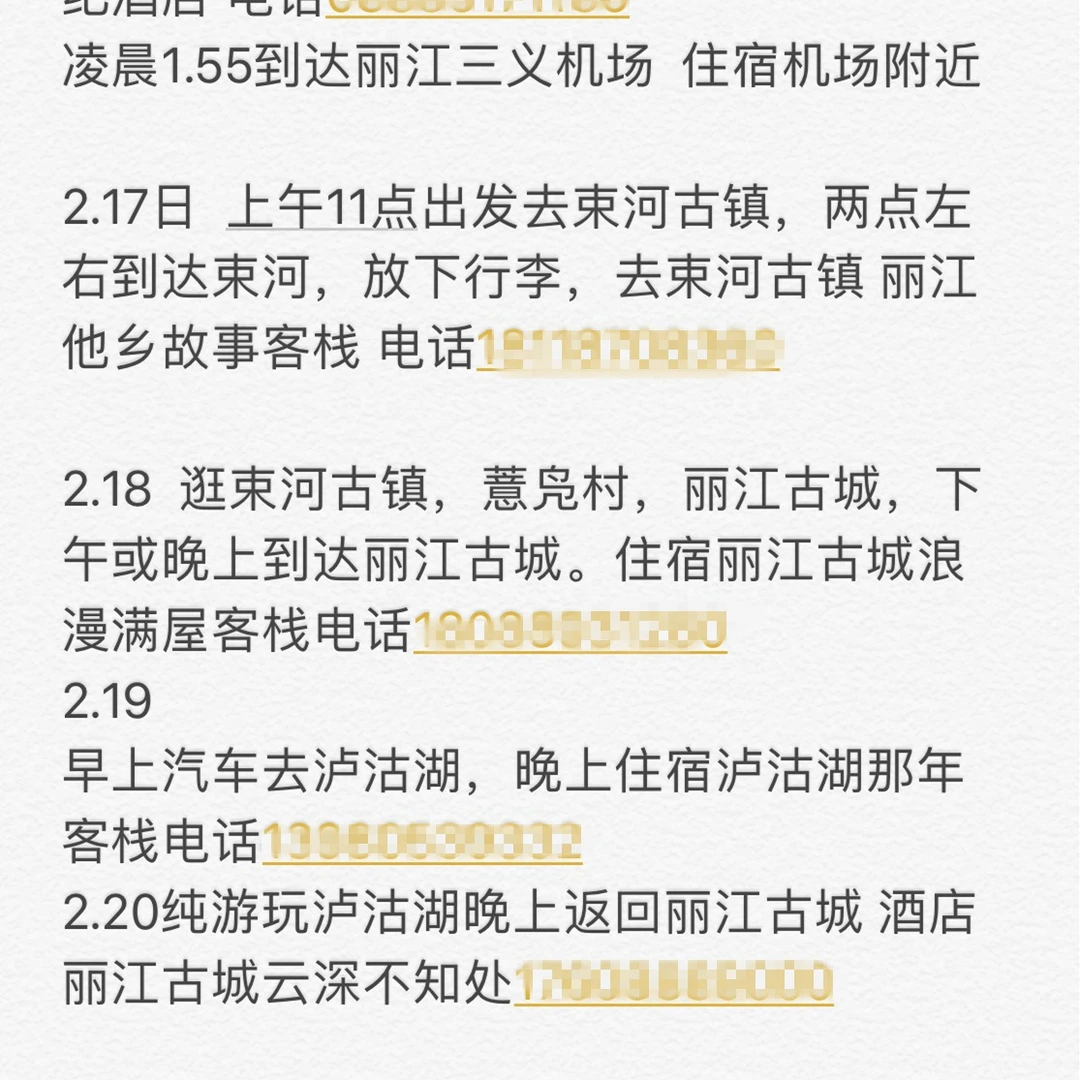
We arrived late, so we decided to sleep in. The beauty of not being on a tour: wake up whenever you want.
We headed to Shuhe Ancient Town around noon. We like quiet places, so Shuhe was our first choice. But honestly, staying in Lijiang Old Town is more convenient — there's an airport bus for 20 yuan per person. Trying to save money, we took the bus and spent nearly two hours getting to Shuhe. We were exhausted.
"His Hometown Story" Inn: The Owner Warmer Than the Scenery
The innkeeper was a talkative guy. He helped us with our luggage, recommended routes, and taught us how to rent e-bikes. He said three groups of guests before us had brought drones — Shuhe is clearly a photographer's paradise.
Our room was a fresh blue, with an open ceiling and wooden decor that felt rustic and vintage. The only downside was no morning sun. But the courtyard's hanging basket chair and pool (too cold to use, though) made up for it. The whole family was easygoing — we could mooch tea and even practice calligraphy. This slow-paced lifestyle was exactly what we wanted.
Wandering Shuhe: Falling for Every Quiet Corner
Shuhe Ancient Town charges at the front gate but is free at the back. We happened to be staying near the back, so we saved some money.
In the afternoon, we wandered aimlessly. Glutinous rice sausages, freshly baked flower cakes... The fresh-baked ones were incredible. The packaged ones we bought online later couldn't compare. Shuhe was quiet, with few people. Many shops had a lazy dog sleeping by the door. We walked the Ancient Tea Horse Road, Sifang Street, and Green Dragon Bridge. Before long, we felt like locals. I bought a folk-style skirt, only to realize later I'd overpaid — remember, always haggle.
Dinner: Preserved Ribs and Chicken Hotpot
Preserved ribs are Lijiang's soul food — cured for at least 15 days, perfectly salty, and more flavorful the more you eat. We ordered a set meal for two: 98 yuan, great value. The hotpot came with "water celery" and mint — the name "water celery" was so unique we had to try it. Cook it a bit longer, and it's decent.
Lijiang flatbread comes in sweet and savory versions. We got sweet, filled with flower paste. A bit greasy after a while. If you're buying gifts, go with flower cakes — they look better.
The real highlights were the flower wines — peach blossom wine, rose wine, green plum wine, and bayberry wine. Sipping wine, listening to folk music — it was so pleasant we didn't want to leave.
Day 2: Chasing Flower Fields on an E-Bike, Finding an Unexpected Old Town Sunset

Neither of us is into hiking, so we decided to cruise around the base of Jade Dragon Snow Mountain on e-bikes. We rented a little red one (60 yuan/day) and explored Baisha Ancient Town and the area around Shuhe. Baisha is tiny — we rode through it in no time.
Honestly, we were looking for the legendary rapeseed flower fields. But after asking around, we learned April is the bloom season. Still, we got a nice surprise later in Dali.
In the evening, we rode to Lijiang Old Town and checked into the "Romantic House" inn. Lijiang Old Town is much livelier than Shuhe. The riverside paths, Wind Bell Alley... We took hundreds of photos without trying. The old town at sunset was breathtakingly beautiful.
Dinner: Blown Away by Naxi Roast Meat and Yak Meat
We ate at [Dianchu Restaurant - Little Pot Naxi Cuisine], ranked #1 for hot food in Lijiang. Stir-fried yak meat was 58 yuan per serving — generous portions, amazing flavor, we cleaned the plate. Naxi roast meat was 38 yuan — wrapped in mint leaves, it was okay, but small portions, not great value. Fried milk fan — I made the mistake of ordering something just because the name sounded good. It was greasy and sour, the only dish we left unfinished.
I insisted on something strong and ordered a cup of 42° small highland barley liquor. I drank half and nearly died from the burn. But that day? Absolutely fantastic.
Day 3-4: Lugu Lake — A Dreamy Journey to a Mysterious Matriarchal Tribe
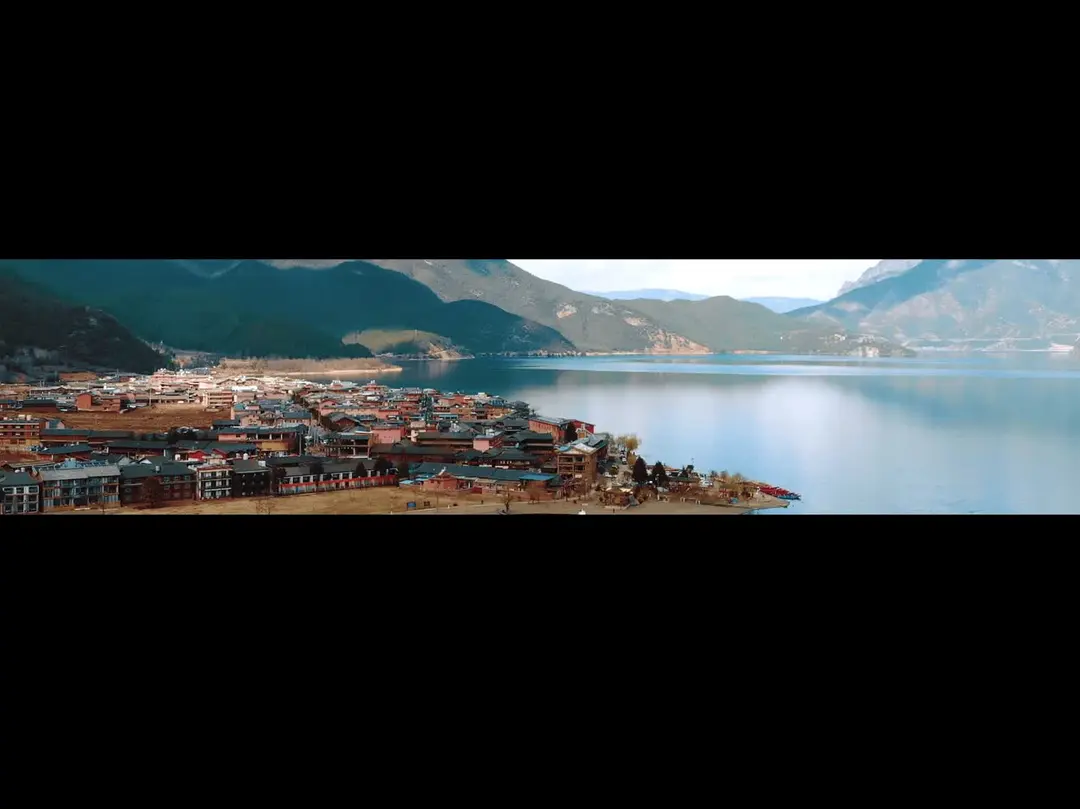
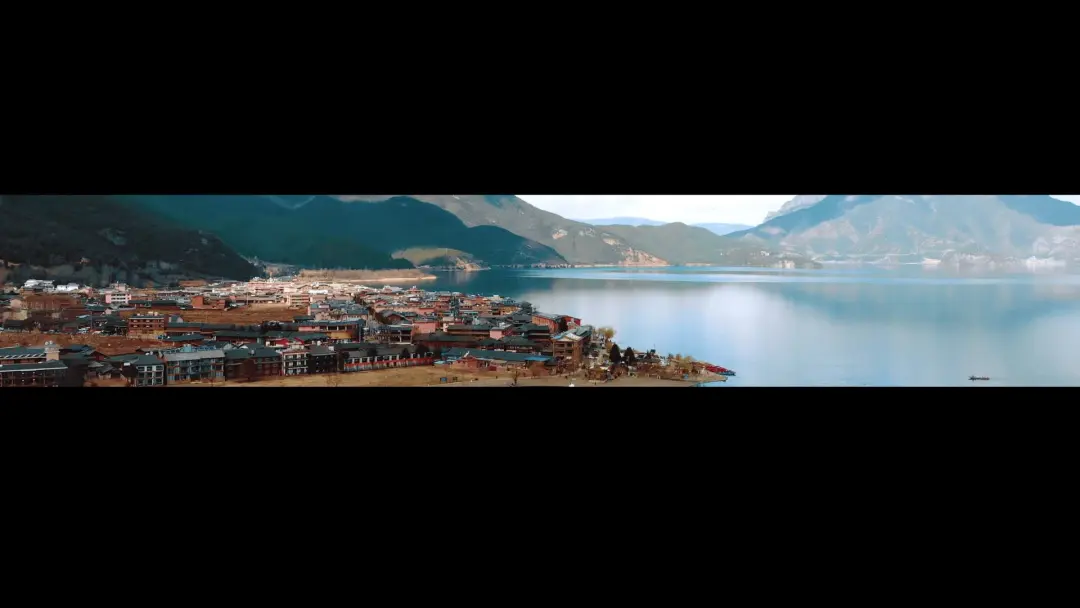
"Lugu" means "a little pond in a mountain ditch" in the Mosuo language. Lugu Lake sits on the border between Yunnan and Sichuan. The mountain roads are treacherous — don't drive yourself if you're a beginner.
We wanted to go independently, but Lugu Lake's attractions are scattered, and it's hard to find taxis. So we booked a bus recommended by our innkeeper — 120 yuan per person round trip. Lesson learned: book a package tour. Don't be like us and pay separately — it ends up costing more.
First Sight of Lugu Lake: Breathtaking
Entrance fee: 70 yuan, usually included in a tour. We stayed between Sanjia Village and Daluoshui. I'd recommend staying right in Daluoshui — more convenient. Lake-view rooms get pricey fast. The 270° lake-view rooms were too expensive, so we didn't get one.
In the afternoon, we did a lake tour for 130 yuan per person, which included afternoon tea, dinner, and a bonfire party. The afternoon tea's roast chicken was the best I've ever had — crispy skin, tender meat, no contest. Dinner was... forgettable.
Every angle on the lake tour was stunning. Lige Village was particularly beautiful, but our driver didn't let us get off. We rode all the way to the Sichuan border and saw the famous statues depicting the walking marriage tradition.
The Mosuo People: The Last Matriarchal Society
The Mosuo aren't counted among China's 56 official ethnic groups. They're China's last matriarchal society. Women run the households; boys are sent away as children to learn trades. Their "walking marriage" tradition means "men don't marry, women don't wed" — lifelong courtship. At the bonfire party, if a woman likes a man, she scratches his palm three times. If he scratches back, he can climb her flower tower that night.
Children are raised by their uncles and don't know who their father is. So never ask a Mosuo child, "Where's your dad?" They respect dogs, have no hospitals — the grandmother treats illnesses, and women give birth at home alone. I don't know how much of this tradition remains, but it's awe-inspiring.
The Walking Marriage Bridge and the Sea of Grass
The Walking Marriage Bridge is where Mosuo lovers meet, known as "the world's number one lovers' bridge." Legend says couples shouldn't walk the whole length, or their fate ends. We walked about a hundred meters and turned back. The Sea of Grass looked like a painting — every snapshot could be a wallpaper.
Back in Lijiang, we ate at [No. 88 Snack Shop] — chicken bean jelly, stuffed tofu, and steamed chicken. The entrance is tiny, but inside it opens up. Our dog's favorite was the spicy crispy chicken bean jelly — numbing, spicy, and crunchy. Mine was the steamed chicken — healthy and delicious.
Day 5-6: Dali — Finding Rapeseed Fields and Like-Minded Friends
Train from Lijiang to Dali: 34 yuan, two hours. In Dali, we met a guy named Dundun — Brady added him from a chat group, and he became our personal photographer.
Rapeseed Fields: A Happy Surprise
Dali is warmer than Lijiang, and the rapeseed flowers were in full bloom. While cycling along Erhai Lake with Dundun, we stumbled upon a field. The old man at the gate charged a fee, but once paid, we could do whatever we wanted. We got our "tomato and egg" photos — red dress against yellow flowers, perfect.
Local Food: Braised Chicken, Tree Bark and Tree Flowers
Dundun took us to a village eatery where the food was authentic and affordable. When the braised chicken arrived, Brady was stunned and gave it a perfect ten. The mashed potatoes had green peppers mixed in — nice texture. The "water celery" and taro soup was light and delicious, way better than in hotpot. Cold mixed tree bark and tree flowers — a type of fungus that grows on trees, tangy in flavor.
Erhai Lake Cycling and Beef Hotpot
Erhai Lake was peaceful, with seagulls circling overhead. We cycled around Longkan Pier and Majiuyi — so many photo-worthy spots.
Dinner was at "Huoyipiao - Halal Beef Hotpot" — the best hotpot we'd had in a long time. The broth was lamb-based. Drink it first — rich and fragrant. The hand-cut beef was firm and thick, dipped in Brady's sauce — unforgettable. Three of us ate for around 200 yuan, stuffed.
In the evening, we strolled through Dali Old Town — Chenghuangcheng, Foreigner Street, Wuhua Tower... A girl on the street handed us free pastries that filled us up. We stumbled upon the trendy Yangji Flower Cake shop, where you can experience the flower-pounding process. The guy on stage was ridiculously charming.
Day 7: The Ultimate Temptation of Rice Noodles
To save money, we stayed at the same inn for two nights in Dali. The owner was great, his wife recommended photo spots, there were sugar oranges at the front desk, and they even provided hats.
In the morning, we went to [Yunnan Braised Chicken Rice Noodles], ranked #1 for noodle dishes in Dali. The noodles are cooked, then you add your own toppings — chives, chili, pickled vegetables... At first, it was just okay. But the more I thought about it, the more I craved it. That's the magic of rice noodles, I guess.
A Final Word: Go Wild While You're Young
Eight days of travel — surprises, regrets, arguments, and touching moments. We saw Shuhe's tranquility, Lijiang's liveliness, Lugu Lake's dreaminess, and Dali's romance. We met warm innkeepers, friendly Didi drivers, and a like-minded friend in Dundun. We ate preserved ribs, roast chicken, and beef hotpot. We also stepped on the landmine that was fried milk fan.
But most importantly, we finally stole this time for ourselves from the cracks of daily life.
For you, about to set off: - Don't fear plans falling apart. That's the beauty of independent travel. - Talk to locals. They're the best guides. - Bring enough sunscreen and moisturizer. Yunnan's UV will teach you a lesson. - Most importantly — go wild while you're young.
After all, some views, if you don't see them now, you might never see them again.
You should also read:
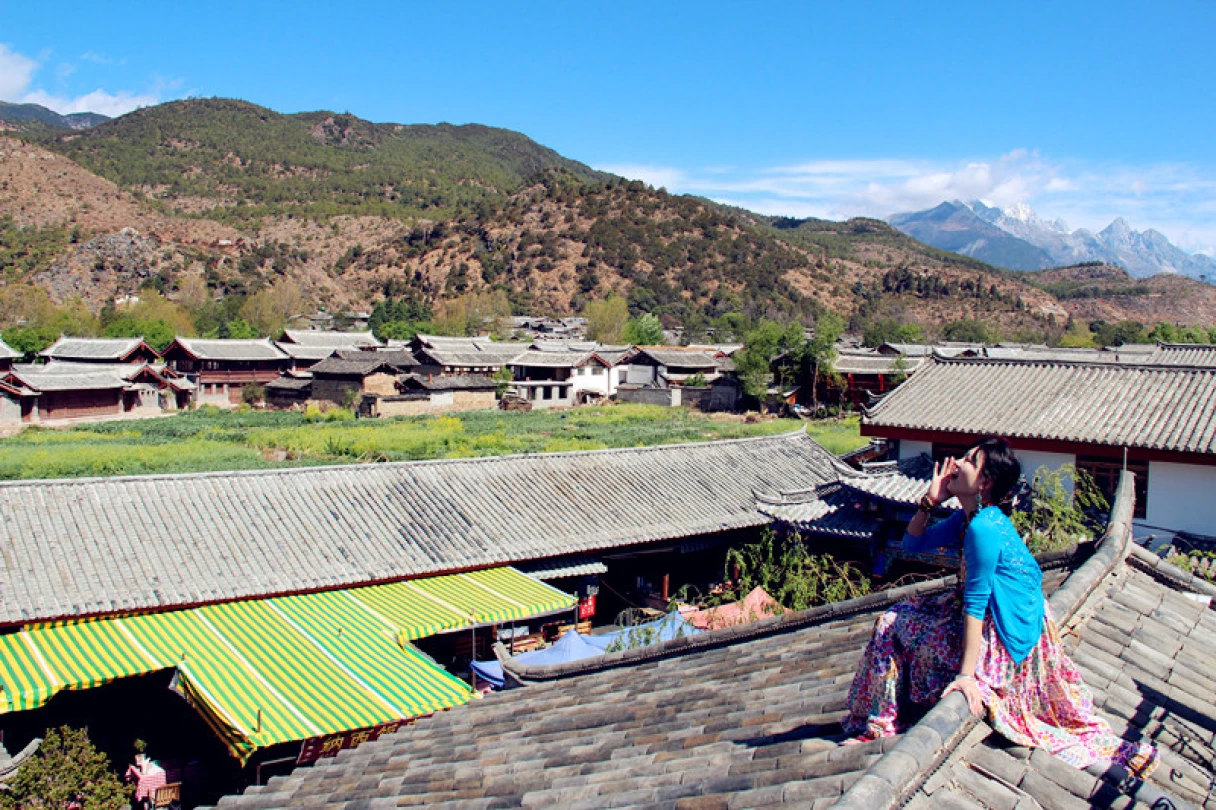
Lijiang Is Still Lijiang, But I Am No Longer Who I Was
Lijiang Is Still Lijiang, But I Am No Longer Who I Was Some places you return to again and again—not for the scenery, but to see how much you've changed. For me, Lijiang is that kind of place. It's like a mirror that never lies.
Continue reading...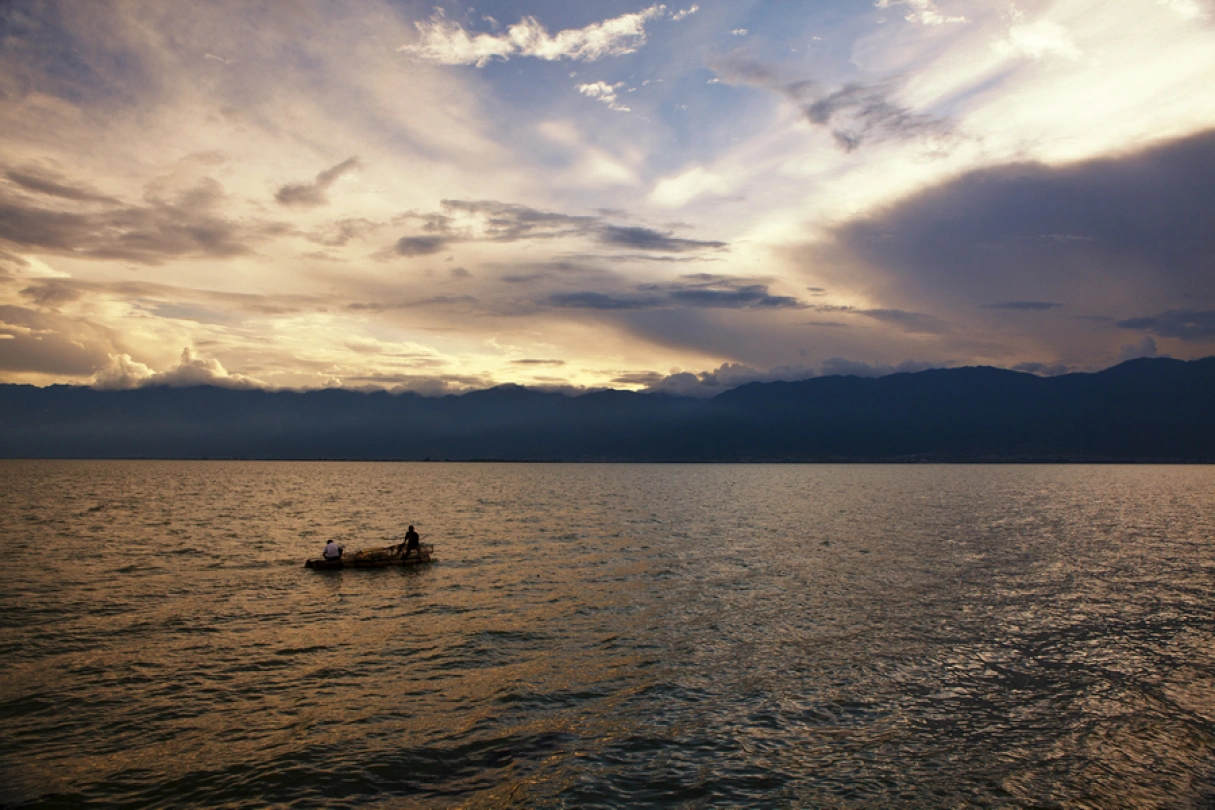
A Journey Through Shuanglang's Guesthouses: Finding Life as It Should Be on the Shores of Erhai Lake
A Journey Through Shuanglang's Guesthouses: Finding Life as It Should Be on the Shores of Erhai Lake Prologue: When Life Hits the Pause Button Have you ever had one of those moments? When the city's towering buildings press down on your chest, when you're swept…
Continue reading...
September: Finding Unexpected Warmth in Yunnan (Kunming, Dali, Shuanglang, Lijiang, Lugu Lake)
September: Finding Unexpected Warmth in Yunnan (Kunming, Dali, Shuanglang, Lijiang, Lugu Lake) Foreword: One Person's Journey, A Crowd's Story Before I set off, like every first-time solo traveler, I printed out a thick stack of travel guides and rehearsed countless possible scenarios in my head—getting…
Continue reading...