Listening to the Wind, Climbing Mountains, Gazing at Waters, and Savoring History: A 13-Day Journey Through Jianshui, Yuxi, Dali, and Kunming
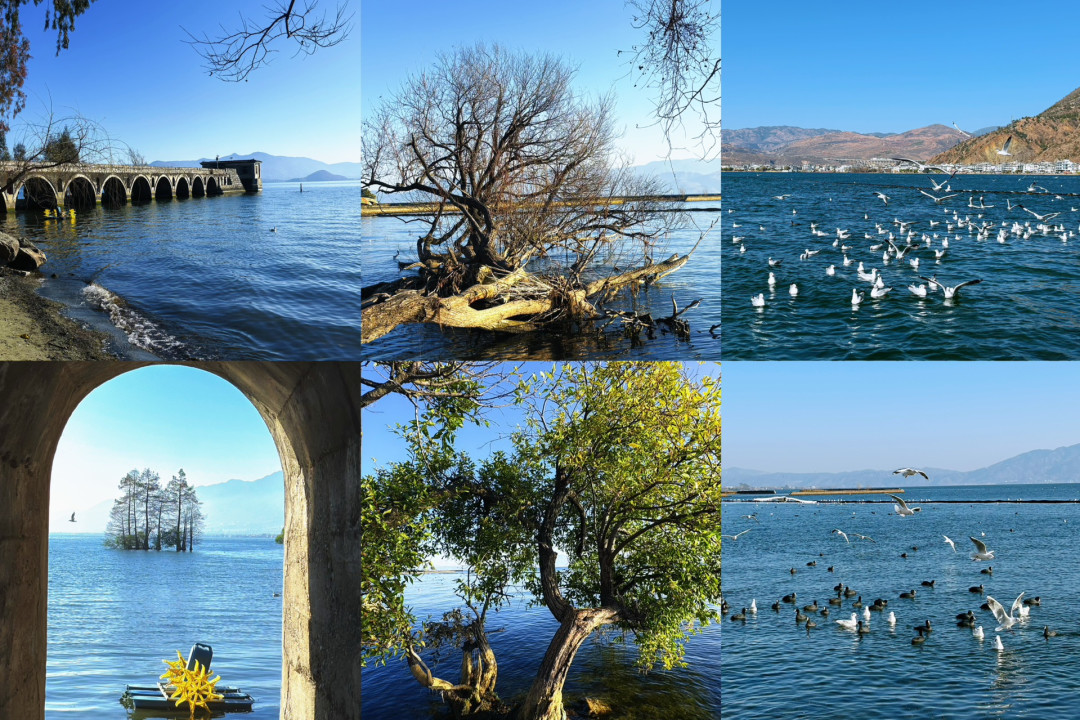
Listening to the Wind, Climbing Mountains, Gazing at Waters, and Savoring History: A 13-Day Journey Through Jianshui, Yuxi, Dali, and Kunming
Prologue: Why Yunnan?
If you ask me which province in China is worth visiting again and again, I’d answer without hesitation: Yunnan. In early February 2026, just before the Spring Festival, Yunnan sits at the cusp of winter and spring. The sun is gentle yet warm, and the breeze carries the scent of soil and blossoms. Factoring in weather, season, and each city’s character, I chose four destinations—Jianshui, Yuxi, Dali, and Kunming—for a 13-day immersive journey. This trip wasn’t just about sightseeing; it was about listening to the wind, climbing mountains, gazing at waters, and savoring history—rediscovering life’s essence at a slow pace.
Day 1: Fly into Kunming, Then Head to Jianshui
Arriving in the Spring City, First Fill Your Stomach
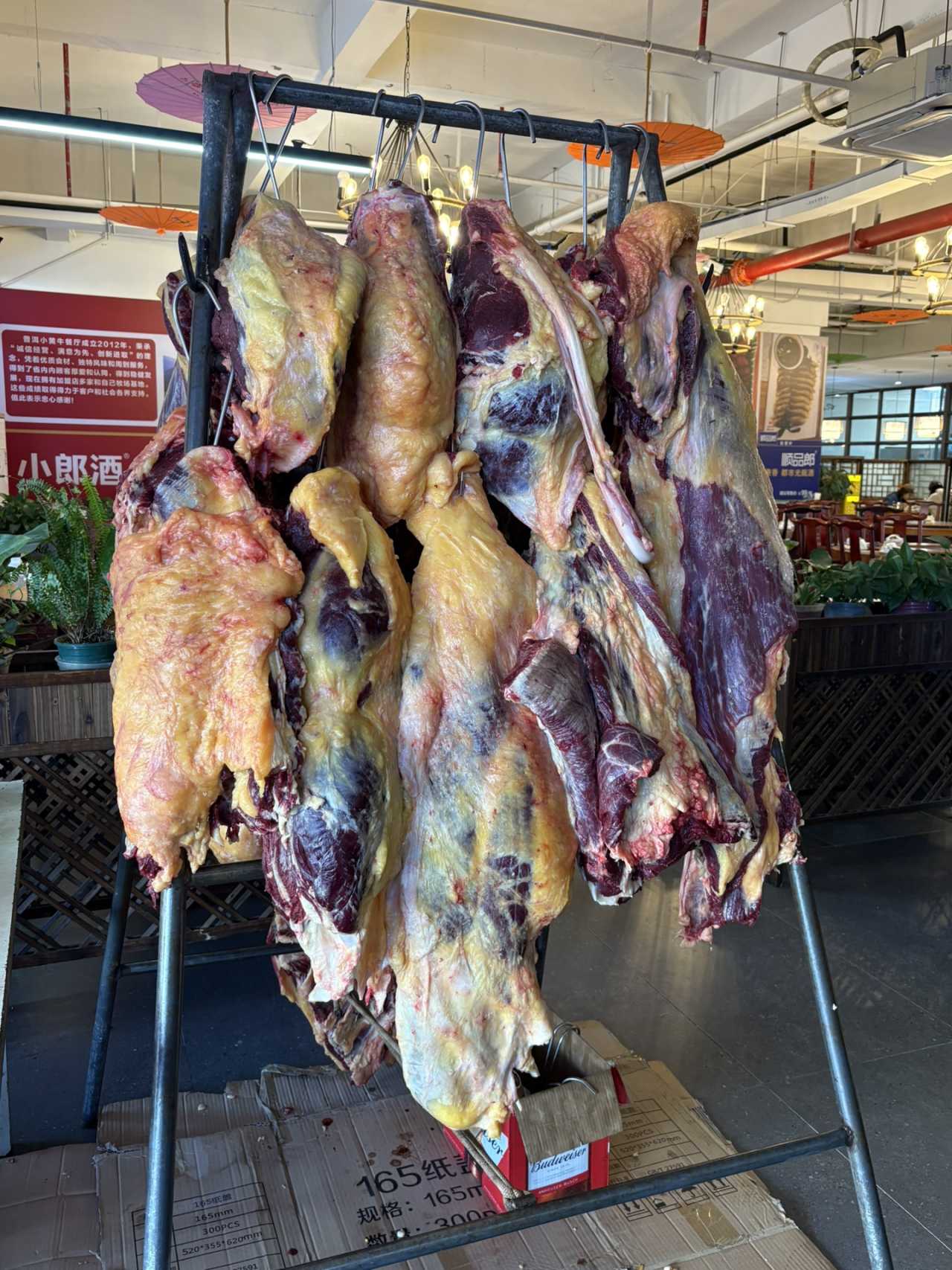
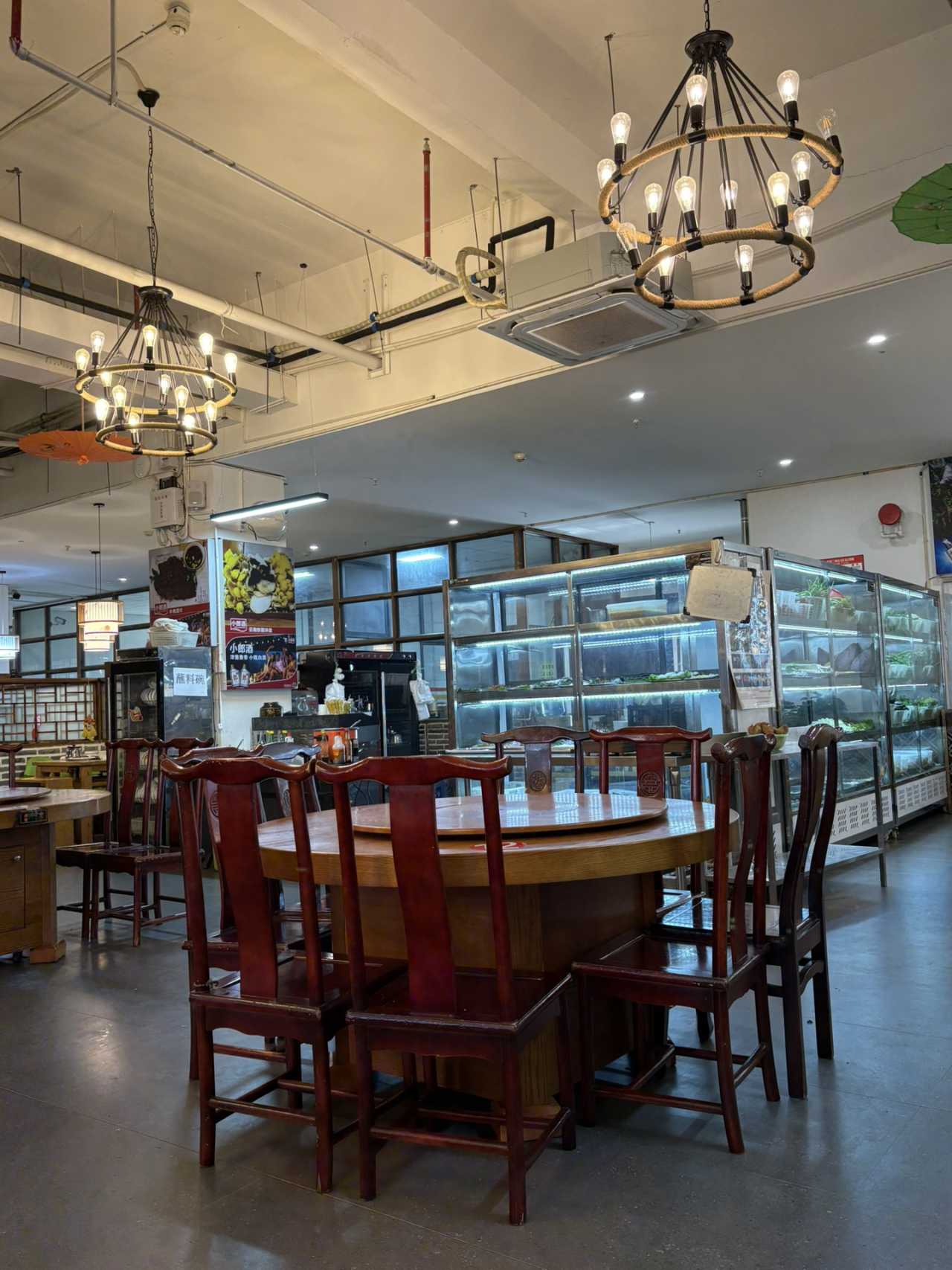
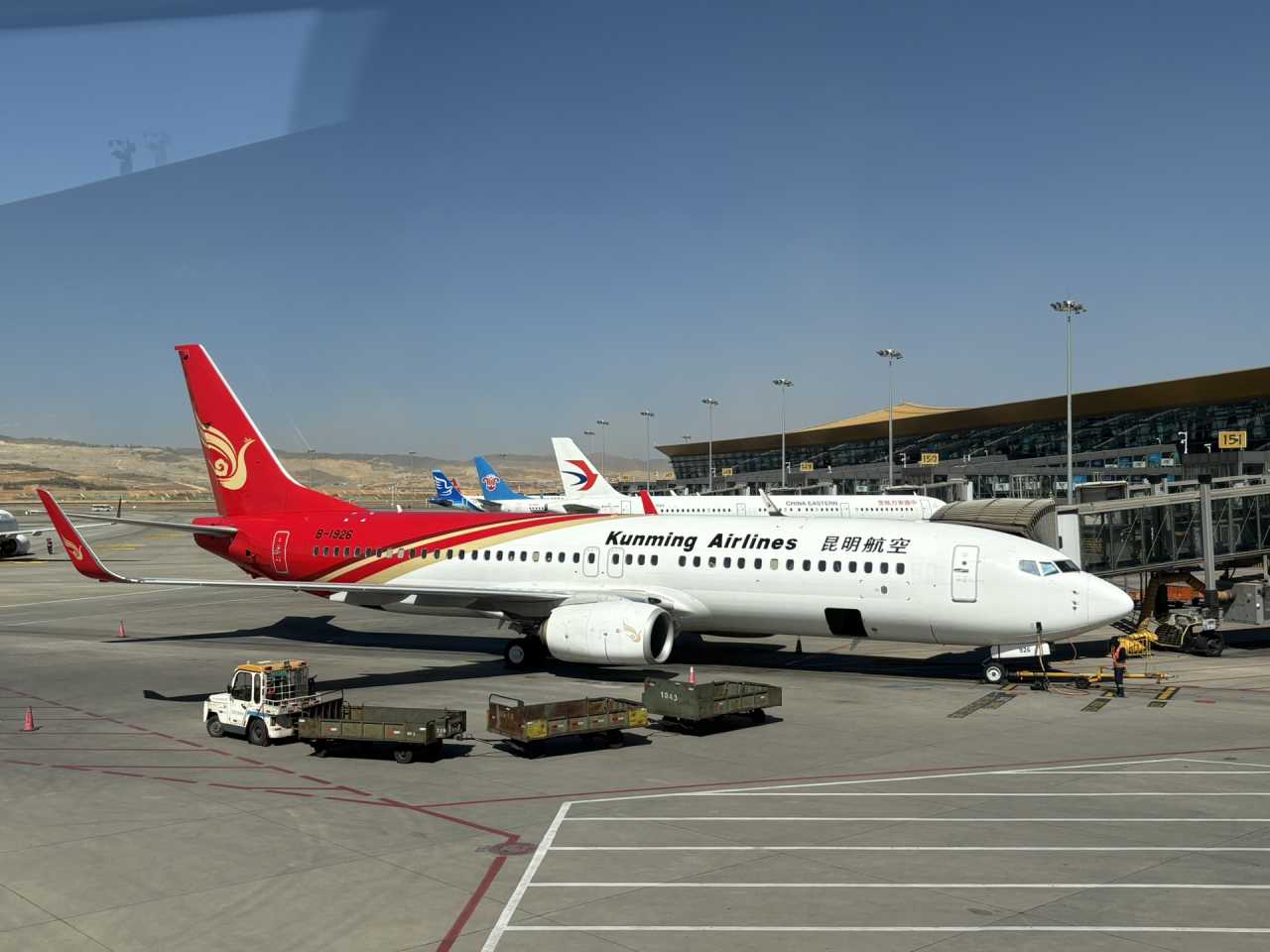
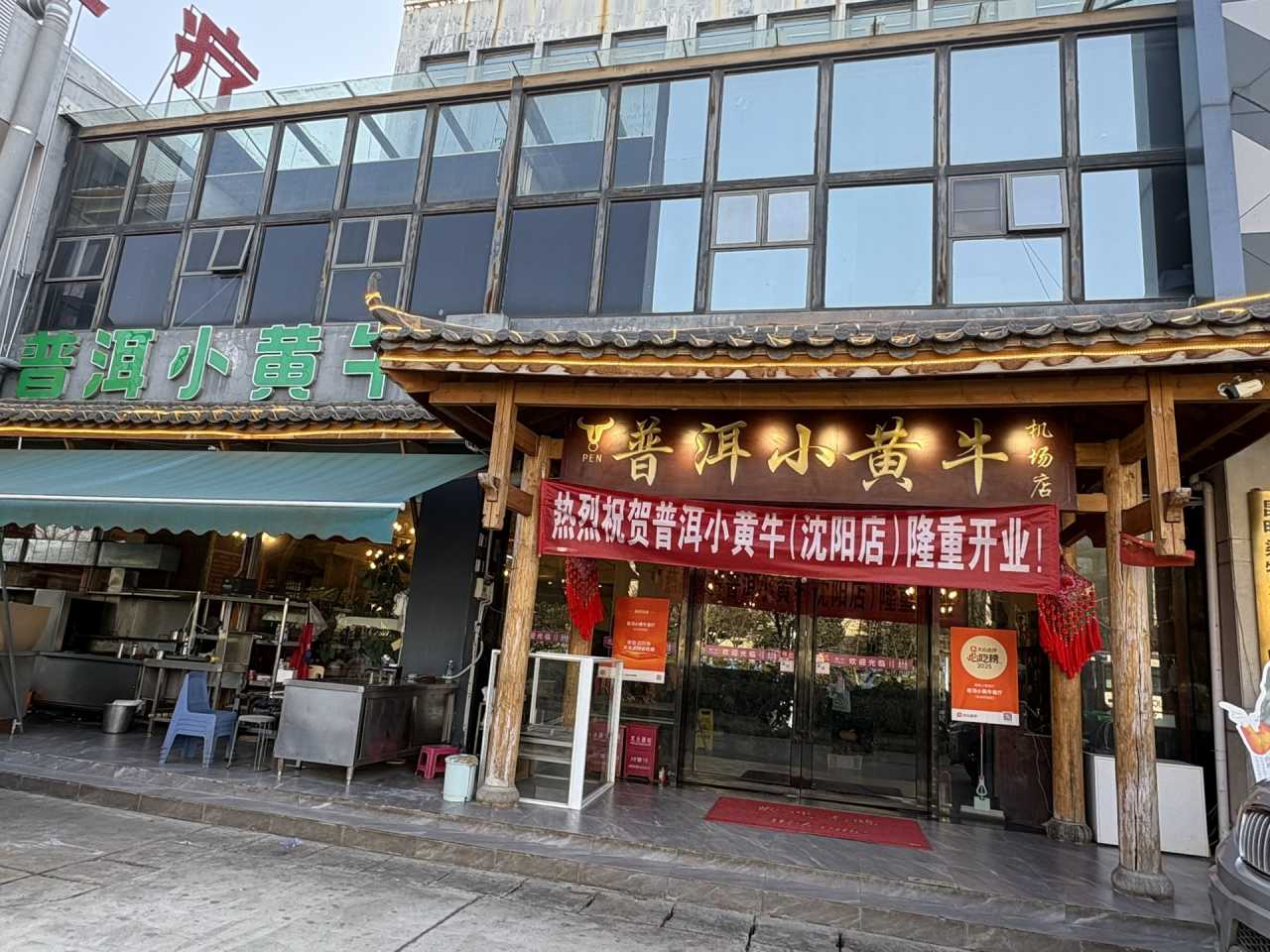
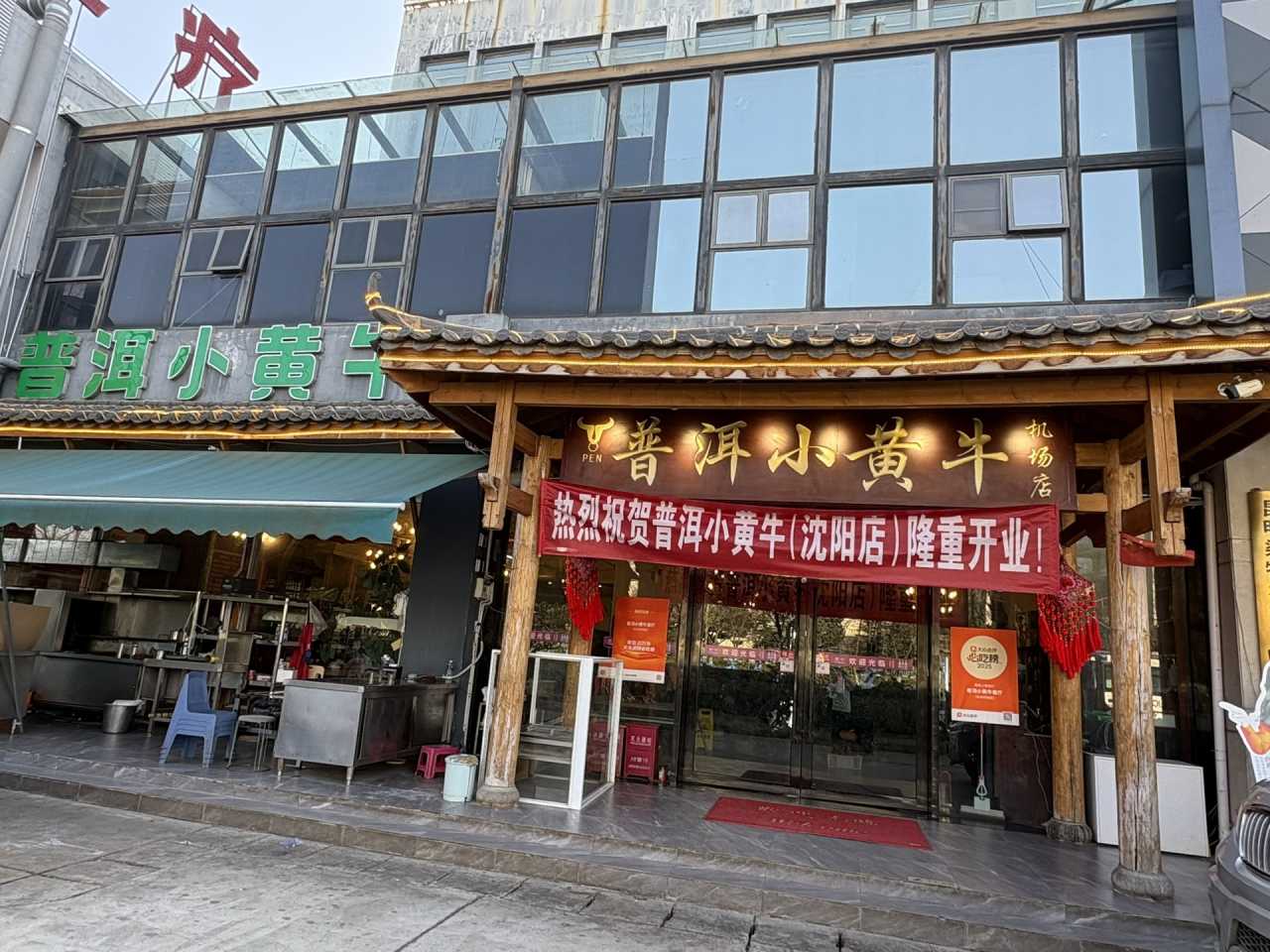
My morning flight touched down at Kunming Changshui Airport. By noon, I was dragging my suitcase out of the terminal. Kunming’s sunshine was more generous than I’d imagined—so bright it stung the eyes. Just 3 kilometers from the airport, there’s a restaurant called “Pu’er Little Yellow Cow” (普洱小黄牛), which made the city’s must-eat list in 2025. I worried no driver would take such a short ride, but to my surprise, one picked up the order instantly. Ten minutes later, I was there.
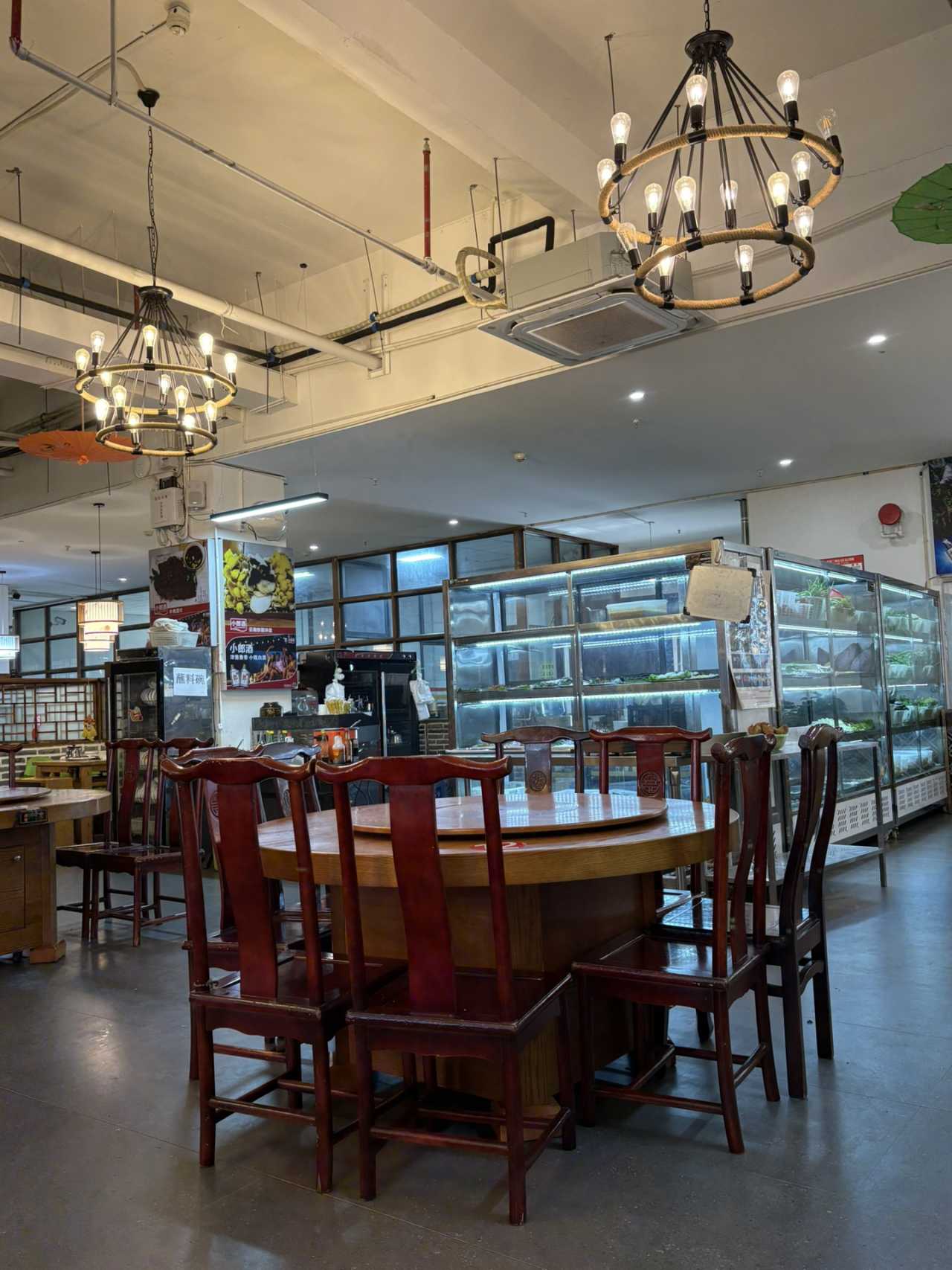
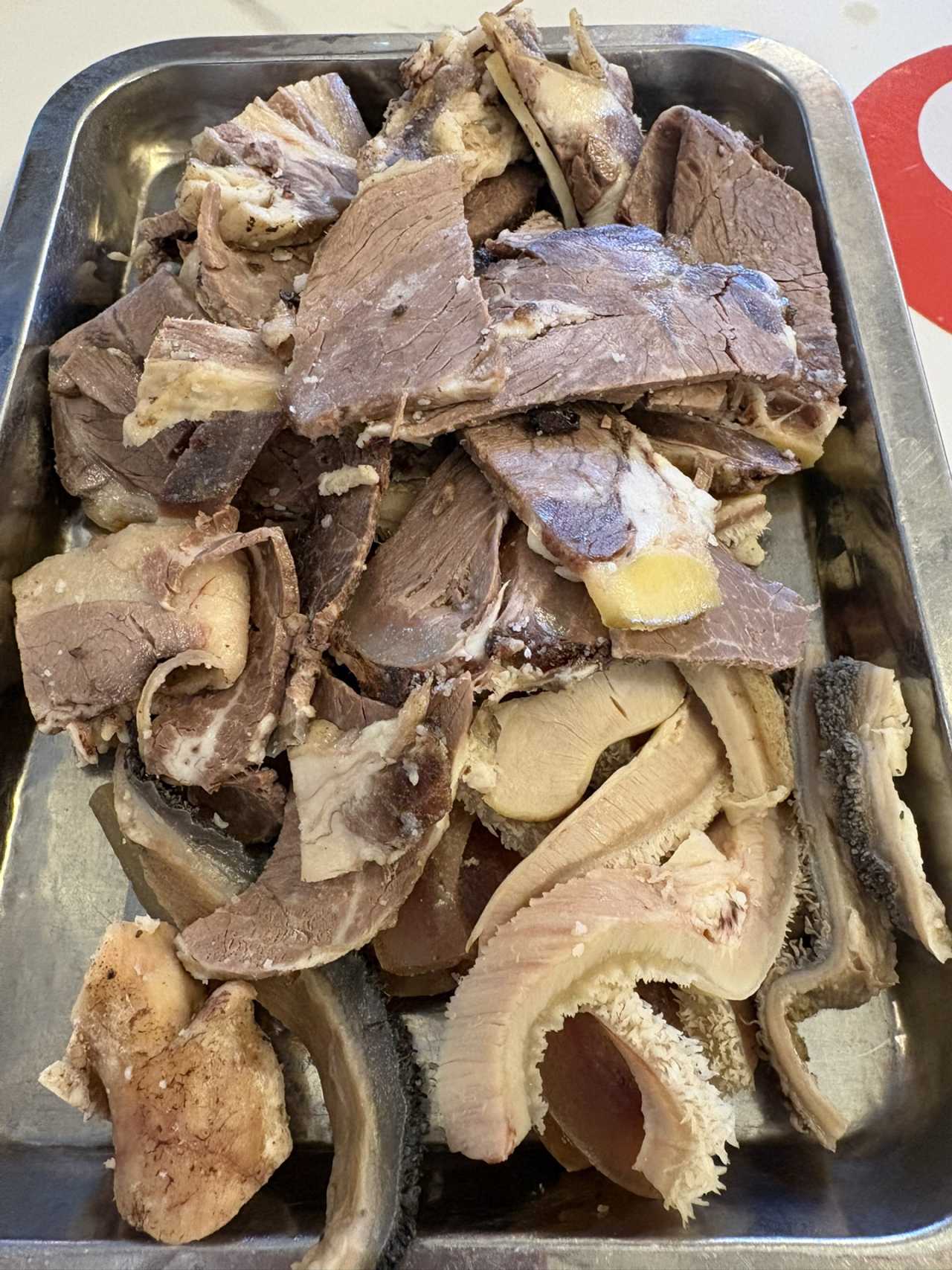
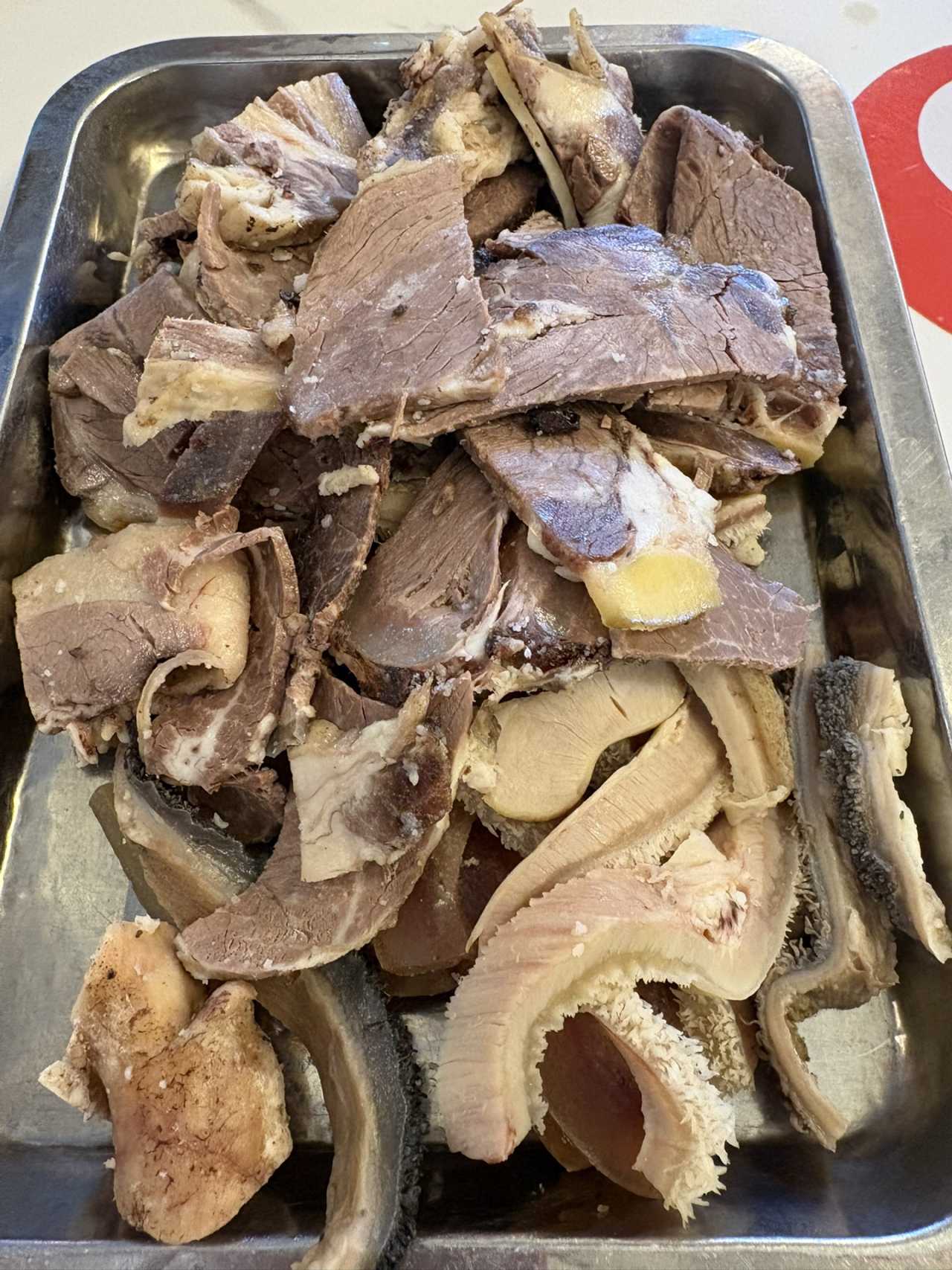
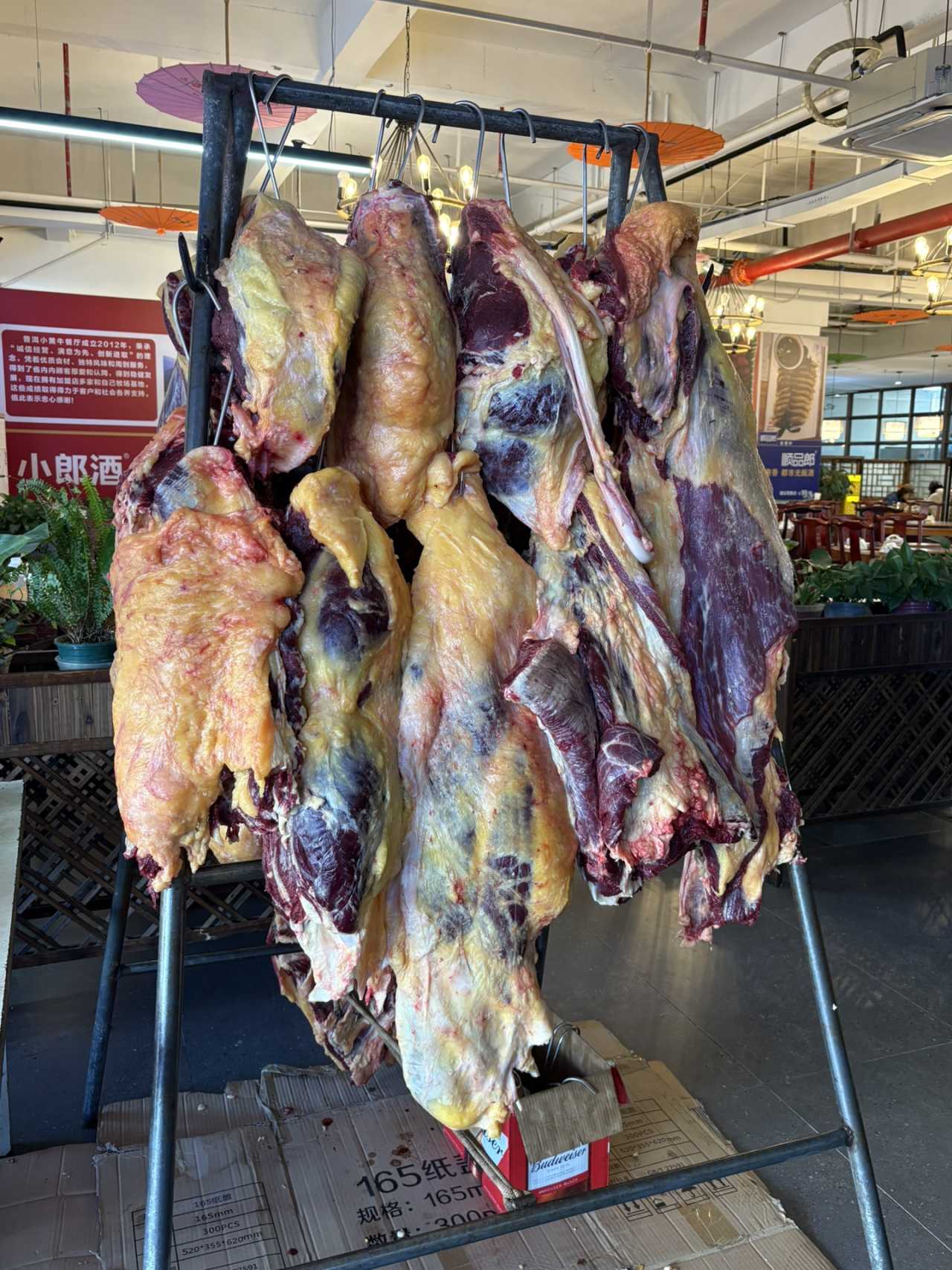
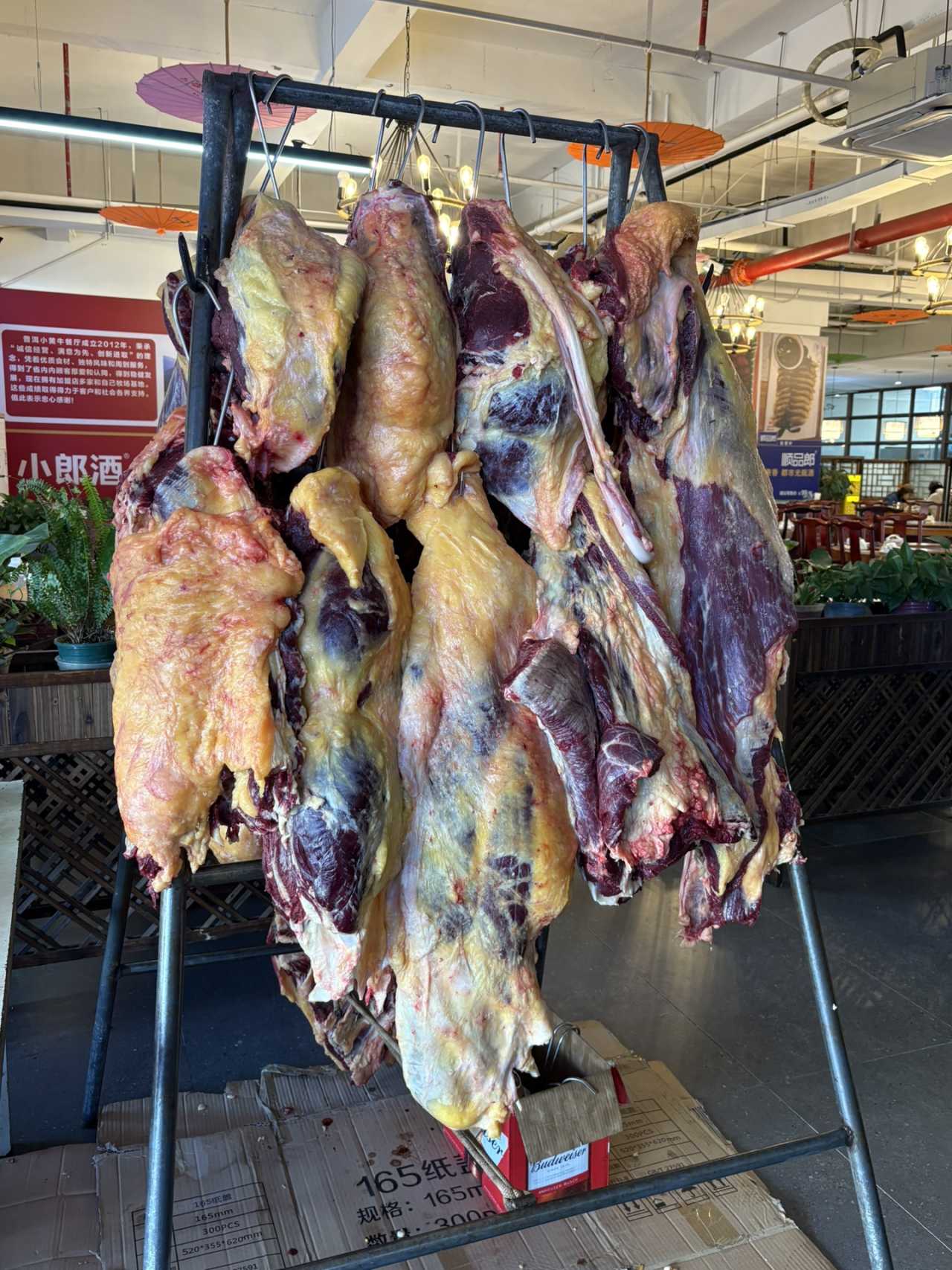
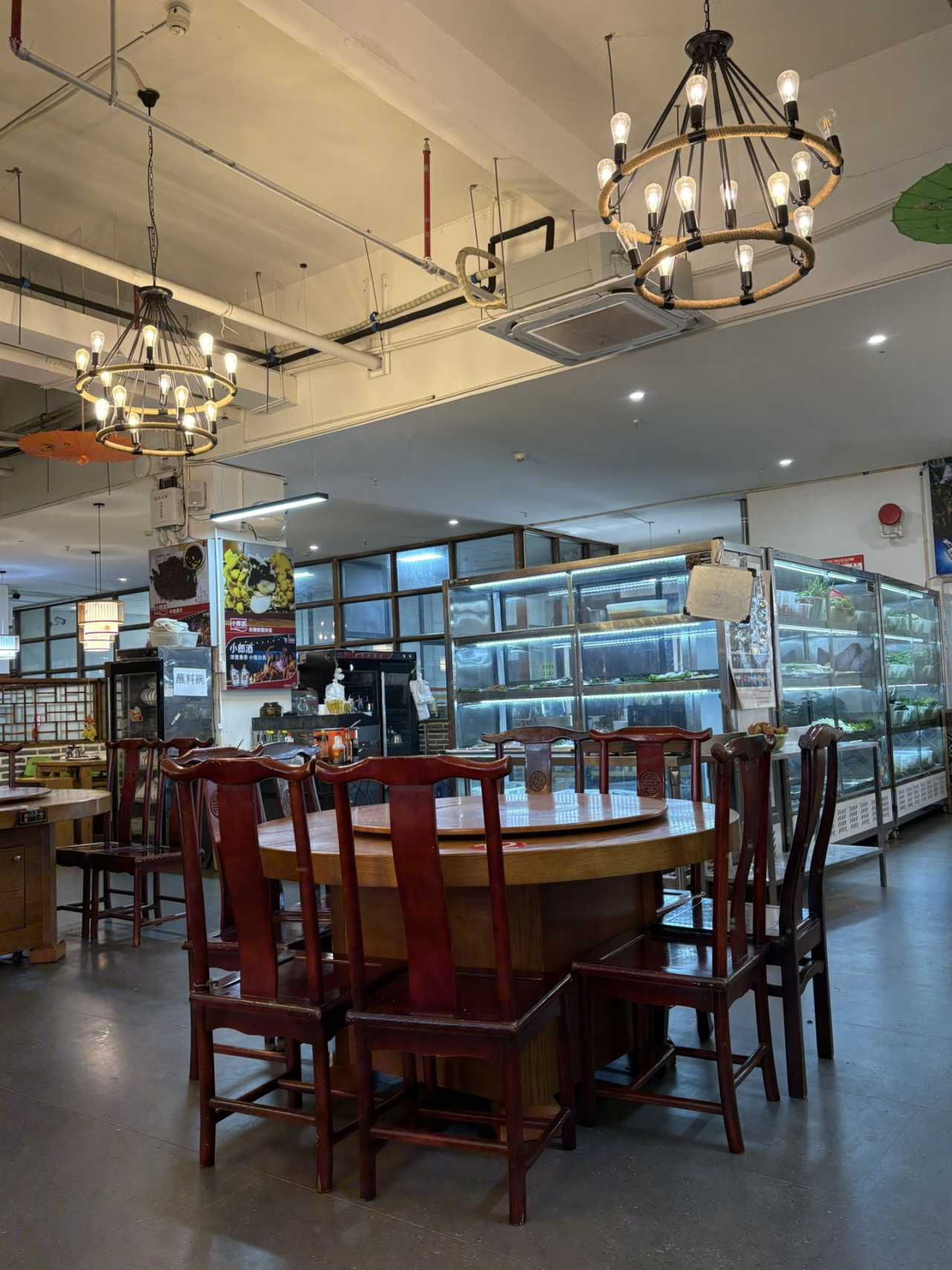
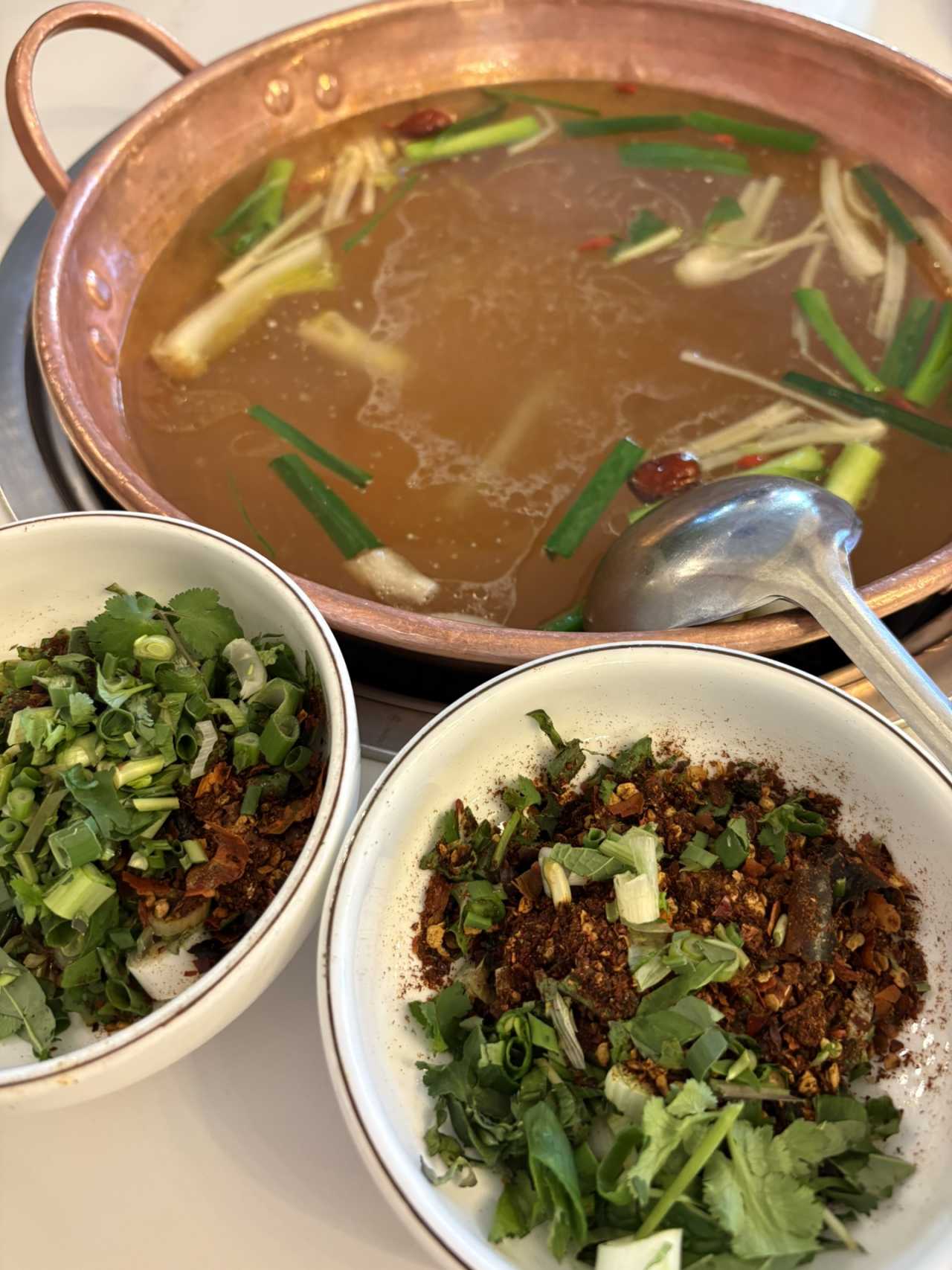
Inside, racks of beef hung by the entrance—a visual punch. It was past lunchtime, so the place wasn’t crowded. I ordered 300 grams of beef, 200 grams of offal, two vegetable sides, and a corn cake. The food came fast, and the portions were so generous I wondered if the owner was running at a loss. The broth was saltier and oilier than Chaoshan-style beef hotpot, but the beef and offal were cooked perfectly—tender no matter how long I simmered them. The corn cake was sweet and fragrant, though a bit greasy. The stir-fry dishes at the next table smelled amazing; clearly, this place excelled at more than just hotpot.
The Crowded Green Train and the Anticipation
After lunch, I rushed to Kunming Railway Station for the train to Jianshui. This was the most crowded leg of the entire trip—people stood everywhere, even in the aisle and at the carriage connections. Clearly, Jianshui is a popular transit hub in the region. Most intercity trains in Yunnan are the “Green Giant” Fuxing models, with dark green bodies that glint metallically in the sun—quite handsome.
About 1 hour and 50 minutes later, the train pulled into Jianshui Station. It was already dark. The station was small but well-signposted. I tried hailing a ride in the designated area for ages but no one picked up, so I switched to the bus. Two girls on the bus had the same problem—Jianshui drivers seem reluctant to take rides from the station, preferring shared trips instead. Luckily, the K9 express bus went straight to the Chaoyang Gate area near the old town, with only four stops—much faster than the regular bus.
First Impressions of the Old Town: Blue Bricks, Quiet, and Sound Sleep

I got off at the lively Chaoyang Gate Square. Dragging my suitcase over the cobblestone path, the wheels rumbled and groaned—a bit of a struggle. My booked guesthouse was tucked deep in an alley to the left of Chaoyang Gate. Its classical, elegant décor blended seamlessly with the old town’s atmosphere. The room was brand new, with a smart toilet, plenty of hot water, and a high-quality toiletries kit—everything I needed. Perhaps exhausted from the journey, my head hit the pillow and I was out like a light. No motor vehicles in the old town—the night was so quiet I could hear my own breathing. This is what a vacation should feel like.
Day 2: Came for Leisure, Left in Awe of History
Morning Surprise and the Ritual of Breakfast
Waking up early, I discovered a free attraction right next to the guesthouse—the Jade Buddha Temple (玉佛寺). Its tall spire was visible from the second-floor courtyard. The guesthouse, though small, prepared a delicate breakfast for each guest, served in the entrance pavilion. Sunlight streamed in, and for a moment, I felt like an ancient scholar.
I chose Jianshui initially to soak up the leisurely vibe of a southern old town and see how it differed from the north. Little did I know, this small city harbored astonishing historical depth. At the archway near the old town’s small train station, two inscriptions read “Land of Literature and Renown” and “Zou and Lu of Southern Yunnan” (a classical reference to Confucius’s homeland)—during the Ming and Qing dynasties, Jianshui’s literary culture flourished, with its scholars accounting for half of Yunnan’s imperial exam passers, a feat known as the “Lin Half List.” I immediately bought a five-attraction combo ticket (115 yuan), which allowed entry via QR code—very convenient.
Chaoyang Tower: 28 Years Older Than Tiananmen
Chaoyang Tower is the old town’s landmark, hailed as the “First Tower of Yunnan.” It was built 28 years before Beijing’s Tiananmen, earning it the nickname “Little Tiananmen.” Constructed in the 22nd year of the Ming Hongwu era (1389), it’s now over 600 years old. Climbing to the second and third floors, I found exhibits on the old town’s history and restoration records. Looking down from the third-floor windows, pedestrians looked like tiny ants. Time seemed frozen.
Zhu Family Garden: The Grand View Garden of Southern Yunnan
Known as the “Grand View Garden of Southern Yunnan,” the Zhu Family Garden was the residence and ancestral hall of the Zhu brothers, local gentry from the late Qing dynasty. Construction began in the early Guangxu years and took over 30 years to complete. The Zhu family made their fortune in mining, then supported the revolution before briefly aligning with Yuan Shikai, rising and falling in turn. The garden’s layout—“five rooms, six side rooms, five halls, one large courtyard with four small ones”—blends central Chinese architecture, borderland culture, and Western decorative elements. It’s worth a close look.
For lunch, I ate at “Bridge Full Garden” (桥满园) near the garden. The steamed fish was heavy on spices, with a unique flavor; the steam pot chicken was a bit greasy, and the broth was mediocre. Afterward, I bought wax apples and blueberries—fresh and cheap. The blueberries were far better than anything I’ve had in the north.
Jianshui Confucius Temple: The Largest Confucian Temple in Southern China
At 3:30 PM, I entered Jianshui Confucius Temple. With over 700 years of history, it’s the largest Confucian temple in southern China, second only to Qufu’s in Shandong. The “Supreme Harmony and Vital Energy” archway, the oval-shaped “Sea of Learning,” the Star Gate, the Hall of Great Perfection—every element exudes solemnity. Inside the Hall of Great Perfection, 28 giant pillars, 22 carved lattice doors, and imperial plaques from eight Qing emperors left me awestruck. The most precious artifact is a stone stele titled “Confucius Playing the Zither,” carved in 1462, with both text and imagery—a true cultural treasure.
The Big Board Well: A Living Relic
Leaving the temple, I followed Westbound Road to the Big Board Well (大板井). Its formal name is “Pubo Spring,” built in the early Ming Hongwu era. It’s the most famous ancient well in Yunnan, often called the “First Well of Southern Yunnan.” Locals even say, “First came the Big Board Well, then came Jianshui City.” Visitors can draw water with a public bucket to taste—but must never pour it back. The well’s water is essential for making Jianshui’s famous baked tofu. Across the street, the “Zeng’s Board Well Tofu Shop” (曾记板井豆腐坊), dating back to the Qing Guangxu era, gained fame from A Bite of China. For just 5 yuan, you can enjoy all-you-can-eat soy milk and tofu pudding, and watch the hand-wrapping process.
Day 3: Slow Time on the Meter-Gauge Train
Lin’an Government Office and the Examination Hall
In the morning, I continued visiting the remaining attractions on the combo ticket. The Lin’an Government Office was the political center of southern Yunnan during the Ming and Qing dynasties. Restored and reopened in 2019, the building looks new but lacks historical patina, and the live performances felt half-hearted—good for a quick stop. The Examination Hall nearby was where students from four prefectures took the imperial exam for the xiucai degree during the Ming and Qing—essentially the ancient equivalent of a middle school entrance exam. The exhibits here were richer, with interactive performances and even a computer simulation where you could test yourself at different levels.
For lunch, I chose “Wonderful Taste Pavilion” (奇味轩), ordering stir-fried chive sprouts with pork and stir-fried beef with Litsea cubeba (a peppery, citrusy spice), paired with cherry tomatoes and complimentary rice soup. The sweet-salty balance hit the spot.
The Meter-Gauge Train: A Century-Old Romance
The afternoon’s highlight was the Jianshui Meter-Gauge Train. Its predecessor, the Ge-Bi-Lin-Ping Railway, was built in 1915. Converted from narrow gauge to meter gauge in 1970, it was relaunched as a sightseeing train in 2015. The 13-kilometer route takes about an hour one way, from Lin’an Station to Tuanshan Station. Wooden carriages, white gauze curtains, the rhythmic clatter, and a guide narrating history along the way—the experience was immersive. A complimentary bottle of water and a lion-shaped cake were included.
First stop: Shuanglong Bridge Station, with a 30-minute layover to admire the famous 17-arch bridge. Second stop: Xianghui Bridge Station, 20 minutes, where a French-Chinese hybrid station house housed a café. Third stop: Tuanshan Station, with a 2-hour layover to explore Tuanshan Ancient Village and the Zhang Family Garden. After descending, I took the scenic bus back for 3 yuan, or walked 8 minutes to get a closer look at the meter-gauge tracks.
Back in the old town by evening, I had a bowl of chive sprout rice noodles in a century-old mansion. The taste was average, but the atmosphere was unmatched.
Day 4: Yuxi, Tobacco Memories at the Foot of Hongta Mountain
From Jianshui to Yuxi
Early in the morning, I took a taxi from the guesthouse to the high-speed rail station for Yuxi. My first impression of Yuxi came from the Yuxi Cigarette Factory and Hongta Mountain cigarettes. Fuxian Lake lies between Kunming and Yuxi, and many travelers skip Yuxi altogether for Kunming. But I decided to stay two days and soak in the city’s vibe.
Yuxi Station was far less crowded than Jianshui. I checked into the Hampton by Hilton near the station—great service and a hearty breakfast. The front desk recommended a driver from a local taxi company, which later proved to be a solid tip.
Nie’er Music Square and Hongta Mountain
Lunch was at the old branch of “Hongyuan Restaurant” (鸿源饭店). I ordered their signature soy sauce chicken, sautéed pork slices, and pea sprout soup. The chicken was numbing and spicy, quite good; the pork slices had a slightly bitter aftertaste, which I didn’t love. Afterward, I strolled to Nie’er Music Square. Yuxi is the hometown of Nie’er, the composer of China’s national anthem. The square is designed as a giant violin, with a bronze statue of Nie’er playing the violin at the top. On both sides, “score bridges” feature the sheet music of the March of the Volunteers and Entering a New Era inlaid on the pavement.
I took bus No. 2 to Hongta Mountain—a recommended route for a deep dive into Yuxi. Entering the Hongta district, the streets became greener and more orderly. At Hongta Mountain Park Station, the air even smelled of tobacco. The Hongta Group headquarters stood across the street, and the red pagoda at the mountain’s base was solemn and majestic. I climbed a dirt path to the top, overlooking the entire city of Yuxi.
Behind the mountain, the Tobacco Culture Museum offered a deep dive into tobacco history. Exhibits covered cigarette production, the Hongta Group’s development, and old smoking tools like snuff bottles and pipes. Tired, I sat down for a creative coffee—six latte art designs were directly printed by the machine.
The Sweet and Salty of Xiaomiao Street
Descending the mountain’s back side, I followed a scenic winding road lined with sculptures narrating tobacco history. I took a bus to Xiaomiao Street, which sits next to the Yuxi Confucius Temple—though the temple was quite small. The snack street was modest, with offerings similar to those in other cities. The hotel-recommended “Hong’s Cold Rice Noodles” (洪记凉米线) was in an alley across the street. Their signature two-meter noodles and iced porridge were both too sweet for my taste. I went to another shop and ordered a bowl of savory small-pot rice noodles—that hit the spot. As night fell, the snack street gradually came alive.
Day 5: Fuxian Lake, a Blue Spa for the Eyes
The Pure Beauty of a Plateau Gem
Fuxian Lake is known as the “Pearl of the Plateau.” Though not the largest by area, its water storage is staggering—nearly 70% of the total for Yunnan’s nine plateau lakes. The deepest point reaches 158.9 meters, with an average depth of 95 meters, making it China’s second-deepest freshwater lake. The water maintains Class I quality, with exceptional clarity—maximum visibility of 12.5 meters—and is drinkable. Because it’s so deep and relies mainly on rainfall and groundwater recharge, the lake’s water fully exchanges only once every 167 years, making its ecosystem extremely fragile.
A Day Trip Around the Lake
At 9 AM, the driver picked us up on time at the hotel. First stop: Gushan Island. Backlit, the photos had a pre-dawn stillness. Second stop: Bijia Mountain at Luchong Scenic Area. The entrance fee was 15 yuan, and the vertical climb was only 76 meters, but it offered the best panoramic view of Fuxian Lake.
For lunch, we had copper pot fish and potato rice in Chengjiang County town. The driver said prices here were half of what you’d pay by the lake. The original-flavor fish broth was incredibly fresh, and the fish was springy. Afterward, we passed a canola flower field. In early February, Yunnan’s canola was already in full bloom. The driver stopped so we could take photos.
The Pink Sand Beach was the biggest letdown of the trip—it was essentially muddy water with a hint of pink only visible at certain times. The area was tiny, and without the pink, it was just murky sludge. In contrast, Star Fish Cave was stunningly beautiful. The water was crystal clear, appearing deep blue from a distance. White sailboats and colorful flowers along the shore made every shot postcard-worthy. There was also a trendy café, perfect for zoning out.
After the tour, it was a 1.5-hour drive back to Yuxi. A full day of blue therapy left me utterly relaxed.
Day 6: Dali, Shivering in the Wind of Xiaguan
From Yuxi to Dali
I checked out at 10 AM. While waiting for a ride, the driver who took us around the lake yesterday happened to be picking up today’s guests. He gave us a free lift to the station—a small stroke of luck. The train from Yuxi to Dali took about 3 hours. Dali Station was noticeably busier. Most tourists stay in Dali Old Town, about a dozen kilometers from the station. Traffic jams are common, so the trip takes 30–40 minutes.
My booked guesthouse was near the south gate of the old town, surrounded by other guesthouses and restaurants. Most guesthouses in Dali are built by local Bai families and leased to outsiders to run. Ours was the childhood friend’s house of our Bai driver, now rented to a Shandong operator. The facilities were simple but clean, with no elevator—though staff helped with luggage at check-in and check-out.
“One Step Away” and the Cold Wind by Erhai
After checking in, it was nearly 4 PM. The mushroom hotpot place I’d originally chosen wasn’t open yet, so I went to a must-eat restaurant called “One Step Away” (一步之肴). It was about 7–8 kilometers from the old town, near Sansheng Island. I ordered dry-fried mixed mushrooms, passion fruit fish, and porcini mushroom steamed rice. The food was decent, and the ambiance was nice, but it wasn’t worth a special trip.
After the meal, I realized the restaurant was just a few dozen meters from Erhai Lake—hence the name “One Step Away.” The wind by the lake was fierce this season, especially across a barren vegetable field. It was so strong I could barely stand, and the noise was deafening. To make matters worse, we couldn’t get a ride. Two girls and I walked 1 kilometer in the freezing wind to the main road. Luckily, our car arrived first; they were still waiting. This was the famous Xiaguan wind of Dali’s “Wind, Flowers, Snow, Moon”—the wind of Xiaguan, the flowers of Shangguan, the snow of Cangshan, and the moon of Erhai. Truly lived up to its reputation.
Back in the old town, I felt alive again. The south and north gates had some character, but the interior was all small shops—not much different from other old towns. I bought freshly baked flower cakes, which were indeed tastier than the packaged ones. Passing the mushroom hotpot restaurant featured in Meet Yourself (a popular TV drama), I admired the lovely succulents at the entrance.
Day 7: Cangshan Silent, White Clouds Come and Go
Climbing Cangshan, Gazing at Erhai from Afar
The very words “Cangshan Erhai” evoke romance. In the morning, it was hard to hail a taxi to Cangshan, so I took a direct shuttle from the old town gate—18 yuan round trip, departing on the hour or when full.
To save energy, I chose the cable car. Cangshan has three cable cars: the Ximatan one reaches the summit at 3,920 meters, with altitude sickness a risk; the Gantong cable car balances height and safety, with enclosed 6-person cabins; the Zhonghe cable car is an open-air double chair, offering unobstructed views. I chose Gantong, whose base is already at 2,260 meters.
At the top station, I descended a few hundred steps to find Wuyazi’s “chess puzzle”—though here it was Chinese chess, not go. Then I climbed up again. The Qingbi Stream was dry in winter, unremarkable. The Jade Belt Road was well-designed, traversing 19 peaks along the mountainside, all flat with no steps, connecting the three cable cars. We walked about 1 kilometer before turning back. The descent offered better views, with Erhai’s full outline clearly visible.
Gantong Temple and Jizhao Nunnery
Exiting the cable car station, a path opposite led uphill to Gantong Temple and Jizhao Nunnery. Gantong Temple is a thousand-year-old monastery, hailed as the “First Mountain of Cangshan and Erhai” and the “First Zen Temple of Yunnan.” Its origins trace back to the Han dynasty, with reconstruction in the Tang. Ancient trees tower inside, incense smoke curls—a perfect place for quiet contemplation.
Epilogue: Yunnan, Worth Visiting Again and Again
Thirteen days of travel—from Jianshui’s cobblestone streets to Yuxi’s Hongta Mountain, from Fuxian Lake’s blue dreams to Dali’s Cangshan and Erhai—each stop left its own unique memory. Jianshui’s deep history, Yuxi’s tobacco culture, Fuxian Lake’s purity, Dali’s wind, flowers, snow, and moon—Yunnan’s charm lies in its diversity, and in its slow pace.
If you want to try a trip like this, remember: book the Jianshui meter-gauge train tickets in advance; approach Fuxian Lake’s Pink Sand Beach with caution; Dali’s Xiaguan wind is no joke—bring a jacket; and most importantly, slow down and feel every landscape, every story, every breeze.
Yunnan. Truly worth visiting again and again.
You should also read:
Into the Hidden Valley: A Solo Journey Through the Mysterious Dulong River
Into the Hidden Valley: A Solo Journey Through the Mysterious Dulong River Deep in the northwestern corner of Yunnan Province, tucked away from the modern world, lies a place that feels like a secret whispered among mountains. The Dulong River Valley is not just a…
Continue reading...
God’s Abandoned Palette: A Self-Drive Journey Through Yunnan’s Dongchuan Red Land
God’s Abandoned Palette: A Self-Drive Journey Through Yunnan’s Dongchuan Red Land Travel has never been about reaching some distant geographic coordinate. It’s about encountering, along the way, the version of yourself buried beneath the rubble of daily routine. During this May Day holiday, I finally…
Continue reading...
Body in Hell, Heart in Heaven: A Pilgrimage Through Tiger Leaping Gorge — A Dialogue Between Heaven and Earth
Body in Hell, Heart in Heaven: A Pilgrimage Through Tiger Leaping Gorge — A Dialogue Between Heaven and Earth Introduction: When the Gorge Splits Open Beneath Your Feet Some say Tiger Leaping Gorge is the closest place on Earth to the border between "hell" and…
Continue reading...