Lugu Lake: When the Lake Becomes an Upside-Down Sky, I Saw Stars and Rainbows
Lugu Lake: When the Lake Becomes an Upside-Down Sky, I Saw Stars and Rainbows
Some say Lugu Lake is the sky turned upside down. When I finally stood before that highland lake, watching the water and sky merge into an indistinguishable painting, I understood the weight of those words. This wasn't poetic exaggeration—it was the most precise description of this magical land.
In October 2015, I set out on my journey to Lugu Lake. As someone who visits Yunnan several times a year, my friends were baffled when they learned I had never been to Lugu Lake. Honestly, I couldn't explain it myself. Why had I longed for it for so long yet never made the trip? Perhaps the timing wasn't right, or maybe I was waiting for that moment when I could just drop everything and go.
Then one day, scrolling through travel blogs filled with stunning photos of Lugu Lake's starry skies, the urge to see it with my own eyes became unbearable. I frantically posted on my social feed: "Anyone up for stargazing at Lugu Lake?" After all, setting up a tripod by the lakeside late at night requires a companion. And so, a journey full of surprises began.
The Pre-Trip Dilemma and Preparation
To be honest, I was overwhelmed with choices before departure. Where to stay? Should I bring a suitcase? Most online guides were for self-drive trips, but I could only rely on public transport. I asked a friend who had been there, but all she remembered was her travel buddy falling into the lake—nothing else. Frustrated, I posted a lament online, and a bunch of热心 people flooded me with route and accommodation suggestions.
In the end, I didn't follow a single one. Even my initial resolve not to hire a private car crumbled, and I ended up with a chartered tour.
My Itinerary: - DAY 1: Chengdu → Xichang (train), overnight on the train - DAY 2: Xichang → Lugu Lake, stay at Lige - DAY 3: Private car tour around the lake, stay at Lige - DAY 4: Relaxing day at Lige, stargazing at night, stay at Lige - DAY 5: Relaxing day at Dazu Pier, stay at Dazu - DAY 6: Return trip
Photography Gear: Canon 5D3 with a 24-70mm lens and a prime lens. I also brought a Polaroid camera but never took it out. Most selfies were taken with my phone and a selfie stick—though I later found holding the phone worked better. Post-processing was done with Lightroom and Magic Light. Despite taking a class, Photoshop remains a mystery to me.
Transportation: A Battle with Mountain Roads
In October 2015, Lugu Lake Airport had just opened, but there were no direct flights from Chengdu. The only option was a transfer in Kunming, with off-peak tickets around 400 RMB (excluding airport construction fees and fuel surcharges). For non-drivers from Chengdu, the most common choice was a train plus bus combo.

I took an overnight train from Chengdu to Xichang, arriving the next morning. Then, from Xichang Train Station, I took Bus No. 12 to the last stop—note: it passes through Xichang West Bus Station (the tourist hub), but don't get off there. You need to ride all the way to the final bus station to buy tickets for Lugu Lake. We bought tickets for the 9:20 AM bus and arrived at Lugu Lake at 5 PM.
From the Lugu Lake scenic area entrance to Lige, we shared a ride with fellow travelers who would join our chartered tour the next day—20 RMB per person.
For the lake circuit, options included electric scooters, bicycles, or private cars. A private car cost 300 RMB, or 50 RMB per person for a shared ride. Before leaving, I was determined to rent an electric scooter, but seeing the winding mountain roads along the lake—and realizing neither my companion nor I were skilled riders—I gave up. I have to give a huge thumbs up to those cycling around the lake!
Important Reminder: Buy return tickets from Lugu Lake to Xichang in advance. The driver from Xichang usually reminds passengers about this.
Accommodation: Off-Peak Surprises and Lessons
"Don't book accommodation in advance during the off-season!" I can't stress this enough. In the off-season, there are plenty of rooms, and prices are half of what you'd find online.
I stayed at two guesthouses in Lige. The first was booked online for two nights; the second I found after hearing fellow boat passengers mention they were staying in Lige.
Lige Mood Guesthouse: They had a lovely dog named "Girl" and a nice terrace. The environment was pleasant, but hot water stopped after midnight, and the door was locked at 12 AM—inconvenient if you're out stargazing late. The room lighting was dim, no disposable slippers, and you had to ask at the front desk for disposable toothbrushes. Price: 169 RMB/night.
Jiangnan Yaju: We found this room upon arrival in Lige. The owner, from Zhejiang, was very warm. The room had a small outer door that didn't lock, so we could come and go as we pleased. Hot water was available 24/7, but some TV channels had no signal. No disposable slippers. Price: 80 RMB/night.
Unexpected Guesthouse (Dazu Pier): The view of the lake from the doorstep was what drew me to this place. But during the off-season, they told us only a 200 RMB room was available, even though online listings showed 140 RMB and 160 RMB options. The owner said they no longer partnered with the booking site. We wanted a ground-floor room to avoid carrying luggage upstairs, which was 40 RMB cheaper, but the front desk gave conflicting information. Eventually, we paid 180 RMB for a second-floor room. The room was spacious with disposable slippers, but the shower door was transparent—awkward for companions. I'm not sure if hot water also stopped at midnight; when I got up at 6:30 AM the next day, there was none. Price: 180 RMB/night.
Personally, I preferred the rooms at Dazu Pier—most were lake-view rooms. Many guesthouses in Lige claim to have lake views, but the trees block them. If you're not driving, book one night in advance and find the rest upon arrival—it's cheaper than online and may bring pleasant surprises. (These tips apply only to the off-season; in peak season, book ahead.)
Food: A Taste of Lugu Lake
The food near Xichang Bus Station was terrible—avoid eating there. If you've already had barbecue in Xichang, you can skip the barbecue at Lugu Lake.
The silver fish and egg omelet (银鱼烘蛋) at Lugu Lake was delicious but best shared with a group—two people eating a whole plate can feel heavy.
Recommended Restaurants: - Na'er Zhukang in Lige: We stayed in Lige for two days and three nights and ate here for all but two meals. The owner was great—he thought the soup wasn't up to par (we thought it was fine) and gave us a discount. He also shared travel tips and carpool info. - Zhaxi's in Lige: Right next to our guesthouse. I recommend the roast suckling pig—the skin was tasty, but the meat was bland. - Sichuan Wild Veggie Restaurant in Lugu Lake Town: We skipped the driver's recommendation and chose this Sichuan-style place. Generous portions, and the stir-fried wild veggies were excellent. Again, the silver fish omelet is a must, but order it with a group.
These are personal opinions, not ads.
Tips and Essentials
Lugu Lake has a big temperature difference between day and night—bring warm clothes. A shirt under the sun is fine, but it's chilly in the shade, so don't catch a cold.
Many guesthouses shut off hot water after midnight—ask in advance and take a comfortable shower before then.
Stay safe when stargazing at night; bring a flashlight.
The journey is long—pack motion sickness meds if needed.
Besides clothes to make you look good, I always bring my gear. This trip was mainly for stargazing, so a tripod was essential. My Riwa curling iron was also a must—it's compact, straightens curls, and creates airy bangs. Hairbands are a staple too—they make your face look smaller and younger.
Moments That Stole My Breath
First Sight: The Surprise of a Double Rainbow
I don't like complaining during trips. Weather changes, and prices have their reasons. Even when it started pouring as we entered the scenic area, and the grass sea didn't look like the photos, and my companion muttered, "Oh, is that it?"—I kept a light heart.
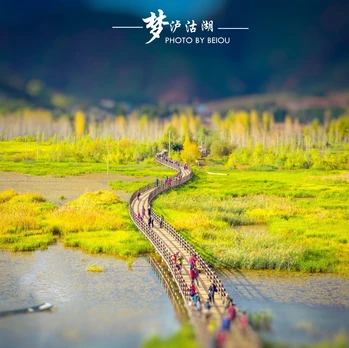
While everyone else was buried in their phones, I glanced out the window and saw something unforgettable—a double rainbow! I screamed for the driver to stop so I could take a photo. I'd never seen a double rainbow before. This was the first gift from the place I'd longed for.
See? Even with dark clouds, the two rainbows were crystal clear. I couldn't remember the last time I'd seen a rainbow. Seeing two double rainbows upon arrival made me dance like a child. The tough journey—winding mountain roads that even made me, who rarely gets carsick, uncomfortable—was all worth it.
As the bus moved on, another rainbow appeared outside. But a man in the back was in a hurry, so the driver didn't stop. Finally, at Daluoshui, I caught a faint double rainbow on the lakeside boardwalk. Seeing two double rainbows in a row made me feel like the first day alone was already worth it.
The Lake Circuit: Navigating a Tricky Driver
When chartering a car for the lake circuit, remember: stop whenever you see a beautiful spot. Why emphasize this? Because we had a problematic driver.
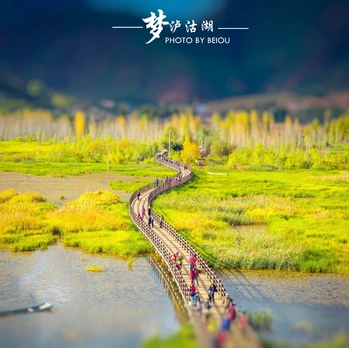
From Lige to Lugu Lake Town, the driver didn't point out any sights (as promised the day before)—we had to ask him to stop. When we didn't ask, he sped past. At noon, when we reached Lugu Lake Town, he complained that another driver he knew had already finished the circuit, clearly unhappy with our frequent stops.
But we reminded ourselves: we paid for this car. We stop where we want, as long as we want. So from then on, we lingered at every spot, dragging the trip out until 5 PM.
Later, when we wanted to hire a car from Dazu to Lugu Lake Town, he tried to overcharge us. We compared prices and didn't let ourselves get taken advantage of.
In the early morning at Lige, the driver was late for our agreed time. I had to rush my companion, who was still eating, and she ended up surrounded by dogs while holding her pancake. But the quiet Lige with few tourists brought us good moods (my companion only felt scared).
Unexpected Joys
The ducks at Lugu Lake always came in pairs. During our evening walks in Dazu, two ducks strolled down the road, side by side. As a single person, I blurred them in my photos out of spite.
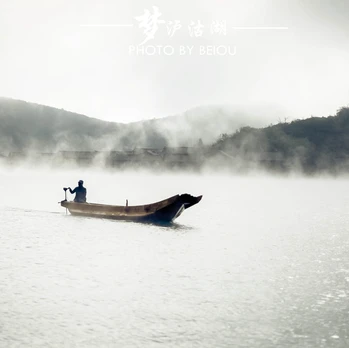
I love photos where faces aren't visible. For someone with a big face like mine, profiles are the only way to go. I spent over half an hour at one spot—trees, wooden boats, such a picturesque setting.
"The scenery I love is silent." On the lake circuit road, I was drawn to the prayer flags. They're not just symbols of blessing but also a beautiful sight. Many times, I didn't want to leave the beautiful views, but I had to. Just sitting quietly by the lake for a few minutes was enough.
Some spots had no viewpoints and few tourists. Those were the places that took my breath away. We spent ages taking photos there—first with the camera, then with the phone. Even the young couple in our car waited until we finished before slowly moving on.
Dazu: An Unexpected Gem
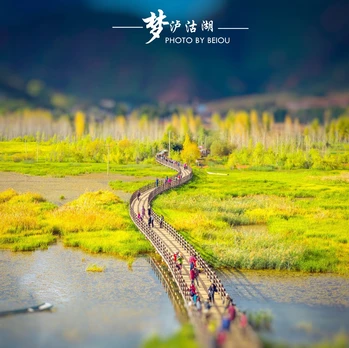
Dazu Village, with its row of lake-view rooms, is a village on the Sichuan side of Lugu Lake. On our last day staying there, my recommendation shifted from Lige to Dazu. Fewer tourists, locals fishing—this peaceful village won me over.
I couldn't find the white tables and chairs I'd seen online, but when we passed a spot with similar chairs, I excitedly jumped out to take photos. Even with the harsh sunlight, I had to "pose."
Tip: The UV rays at Lugu Lake are strong—wear sunscreen. My companion, despite applying sunscreen and aloe vera gel at night, still got sunburned. I regretted not bringing sunglasses.
The Lake as an Upside-Down Sky
The Lama Temple: The Mosuo people are deeply religious, following their indigenous Daba religion while also embracing Tibetan Buddhism. This temple is the only Bonpo sect Lama temple at Lugu Lake, commonly called the "Great Sutra Hall."
The Mosuo Museum was closed that day, but the flower field behind it became our photo spot. Compared to the museum, the cosmos flower field was a much better place for us to show off.
At Wuzhiluo Pier, we took a boat to Princess Island. Prices: 50 RMB for a trip near the grass sea, 70 RMB without getting on the island, 100 RMB to the island. Near the Walking Marriage Bridge, you can also take a boat to the grassy marsh for 40 RMB.
It started raining as we boarded, and I worried about waves. But after passing through the grass sea, blue skies and sunshine emerged. The boatman said a unique feature of boating on Lugu Lake is constantly bailing water out of the boat—it was nerve-wracking.
On the return trip, I chose the bow. I love slow travel, so I was annoyed when the boatman said everyone had to be back in 10 minutes. While other tourists went ashore, my companion and I took photos on the boat, and the boatman kept urging us. But these little things didn't spoil the mood—the sun was out!
The Walking Marriage Bridge and the Last Rainbow
The Walking Marriage Bridge (走婚桥) is located in the grass sea area of Lugu Lake's southeastern waters. It's the only bridge on the lake. Over time, silt has built up beneath it, making the water shallow and allowing reeds to grow thick—hence the name "Grass Sea." This bridge is a meeting place for Mosuo men and women, who practice the "no marriage, no living together" custom of walking marriages.
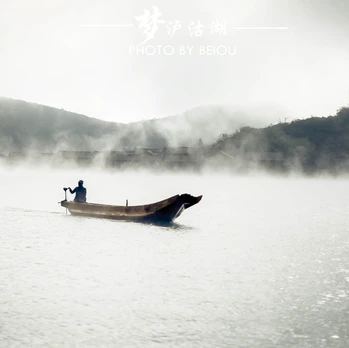
At the other end of the bridge, there's a small uphill path that offers a panoramic view—highly recommended.
On the way back to Daluoshui, the road had potholes, and our car got stuck. As everyone got out to push, another rainbow appeared. Seeing rainbows two days in a row—how could I not love this place I'd been longing for?
On the return trip, I saw Goddess Mountain. Wasn't that a halo over its peak? The sunset's glow reflected on Lige Peninsula, making the lake sparkle. This was Lige at its most beautiful. I happened to catch a boatman returning and snapped this shot. The boats in Lige are all colorful and charming.
Stargazing: Coming for the Starry Sky
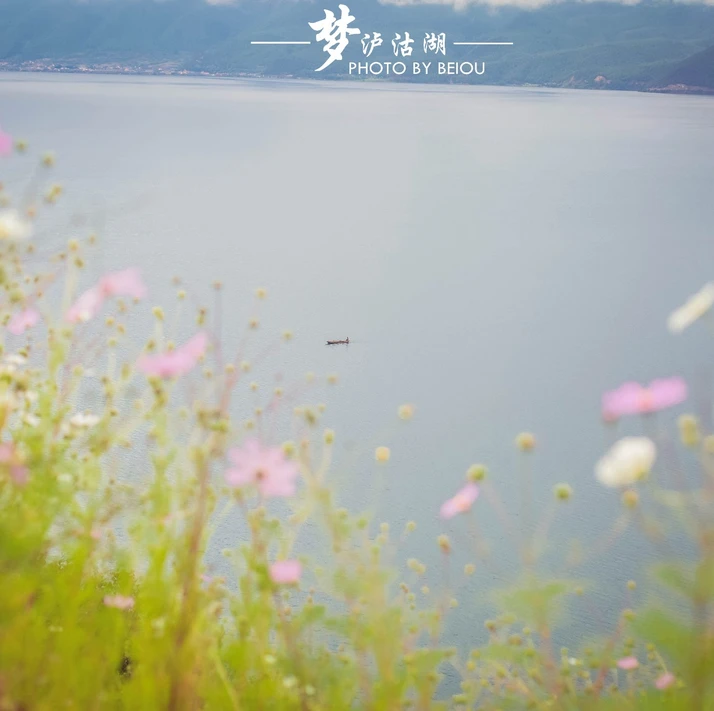
After a day of circling the lake, we rested and prepared to go stargazing at night. Despite my love for the stars, my photography skills are limited.
What I can remind you: stay warm, and make sure your flashlight has batteries! The lakeside wind is strong at night, and it's dark with trees blocking the way—be careful not to fall into the lake. Keep your belongings safe and try not to lose anything.
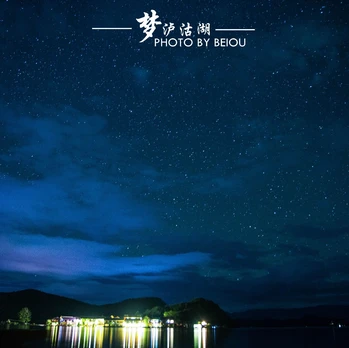
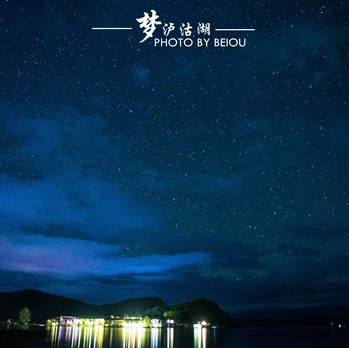
After taking this photo, clouds rolled in, and the stars disappeared. But even so, the moment of waiting and anticipation was beautiful enough.
Lige Peninsula: Slow Living
I've always believed that to truly experience a place, you need to take it slow. I spent two days and three nights in the small Lige area—now I could find my way around with my eyes closed.
I posted online that I didn't want to leave, and a friend said a week wouldn't be enough. Indeed, traveling so far—even with the airport, it's still 70 kilometers away—you should stay a few extra days.
At noon, the lake sparkled, but the UV rays were strong. If you want a lake-view room, choose the second section of Lige, close to the lake. If not, the first section has more guesthouses to choose from.
I'd always wanted to stay at a particular guesthouse but could never book it online. I only discovered it when I was about to leave Lige. Next time, I'll bring my parents there.
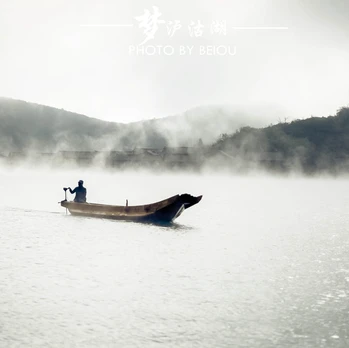
I bought postcards from a small shop where the owner sourced items from all over. I admired his lifestyle—raising a little dog, playing guitar and sunbathing when there were no customers. I noticed that dogs I encountered, both on the road and in life, were too aloof—they never showed me their faces. It dampened my enthusiasm for getting a dog before I'd even started.
I loved this photo. It seems most people share similar wishes: health and happiness for family, and all dreams coming true.
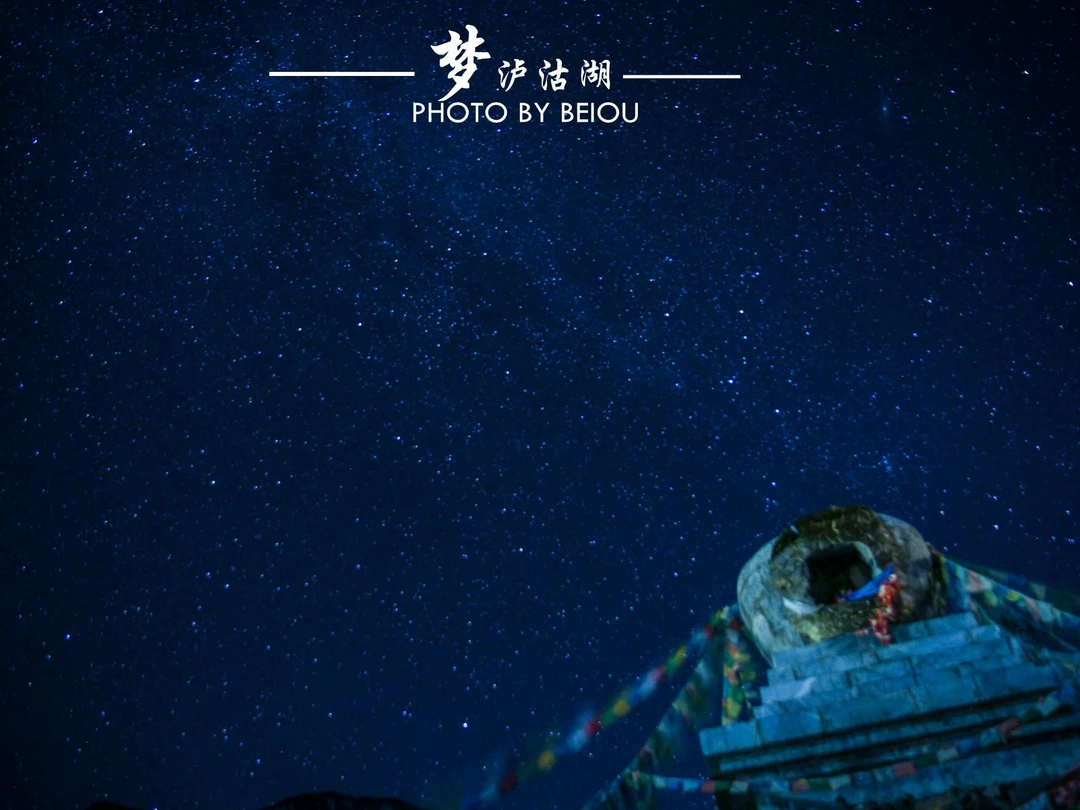
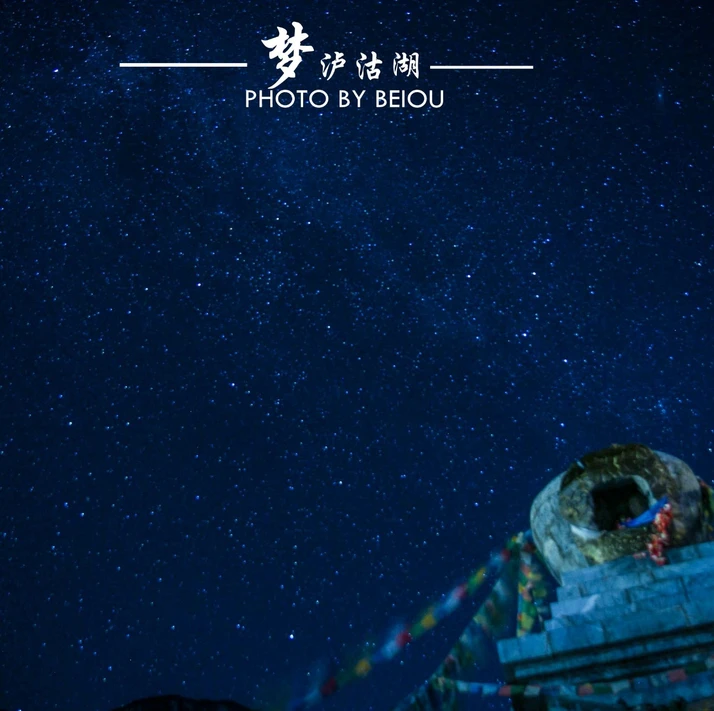
In the afternoon, I walked from Lige Village to the Lige Viewpoint to scout for stargazing spots. Thankfully, the night didn't disappoint. The prayer plaques had bells, and when I was taking photos at the merit monument, the constant jingling was eerie at first. Later, when I came back to photograph the stars, I saw the same couple from the afternoon shooting starry wedding photos—the fear faded a bit, though they left soon after.
I found the utility poles oddly cute. Behind them was Goddess Mountain under the stars. The white pagoda was actually a merit monument, but the pillar on top had fallen off at some point.
Even though I'm a tough girl, going up the mountain alone at night to take photos was terrifying. Since there were only two of us, we went up early. The moonlight was still bright, and people were singing in the village bar, so it wasn't so scary. When I saw the starry sky I'd captured, excitement outweighed fear.
Tip: As an amateur, I can only remind you to stay warm and safe when stargazing.
Blue Tones at Dazu Pier
Before coming to Lugu Lake, I never expected to see different scenery every day. The weather forecast showed light rain and clouds, so I could only hope for the best. But this place I'd longed for didn't disappoint.
Sunny, cloudy, rainy, rainbows, sunrise, sunset, stars, mist—whatever weather and scenery there was, we experienced it all in those few days.
We agreed with the driver to leave for Dazu at 9 AM. After checking out and having breakfast, we had some time to spare. Seeing mist by the lake in the distance, we decided to check it out—and the view was breathtaking. In front of such beauty, words failed me. My vocabulary is limited, so I'll let the photos speak.
Even in the chilly morning, I had to take off my bulky down jacket for a photo with this stunning backdrop. This out-of-focus shot became my favorite of the morning. By the time we reached the viewpoint, the sun was out, but the mist hadn't cleared, so most of today's photos had a blue tint.
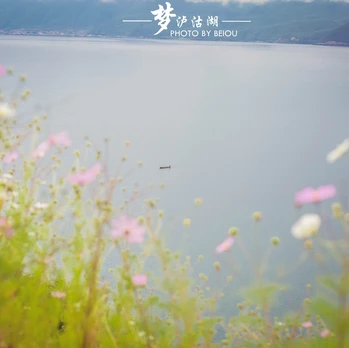
Under the sunlight, Lige in the mist looked unreal.
Dazu Village is located on the beautiful shores of Lugu Lake, the last village on the Sichuan side, bordering Yunnan's Xiaoluoshui Village. To the east are Lover's Beach, Goddess Bay, Lugu Lake Town, and the Grass Sea; to the west are Yang Erche Namu's home, Xiaoluoshui, Nisai Lover's Tree, and Lige. Behind it, the Lion Mountains encircle the area, and across the lake is Daluoshui.
Dazu felt larger than Lige, but walking from one end to the other still took time—mostly because we kept stopping to take photos. The Mosuo people live here—kind and simple, practicing both Tibetan Buddhism and Dongba religion in harmony. You can see Mani stone piles and white pagodas built by villagers everywhere, and many traditional customs are still preserved.
Choosing to stay in Dazu was a good decision. Again, during the off-season, don't book rooms in advance. Dazu in the off-season is quiet and blue. Walking along the road is wonderful, but watch out for large vehicles and cars.
I especially loved the lake photos taken at Dazu—the water sparkled with various shades of blue. There are lakeside dining spots here, and for the atmosphere, we braved the cold wind to eat a meal outside. Even with the sun, the lakeside wind was strong—so decide for yourself: stay warm indoors or enjoy the vibe outdoors.
Walking at night was freezing, but seeing two ducks strolling along the road was heartwarming. We took photos of them for ages, and they just kept walking, making single people jealous.
In the End: What Lugu Lake Taught Me
Looking back on this journey, I understand why Lugu Lake is called "the sky turned upside down." Here, the sky and lake have no boundaries, stars and rainbows can appear together, and the heart finds a long-lost peace in this purity.
This trip taught me a few things: First, don't complain about the weather or prices during a trip—you never know what surprise awaits you next. Second, during the off-season, you can find accommodation upon arrival—it's cheaper and may bring unexpected delights. Third, when chartering a car for the lake circuit, insist on stopping where you want—don't let the driver dictate your itinerary. Fourth, and most importantly: some places, you have to see for yourself to truly understand their beauty.
Lugu Lake, I came for your starry sky, but you gave me the entire universe as a surprise. May everyone who longs for this place find their own stars under this upside-down sky.
You should also read:
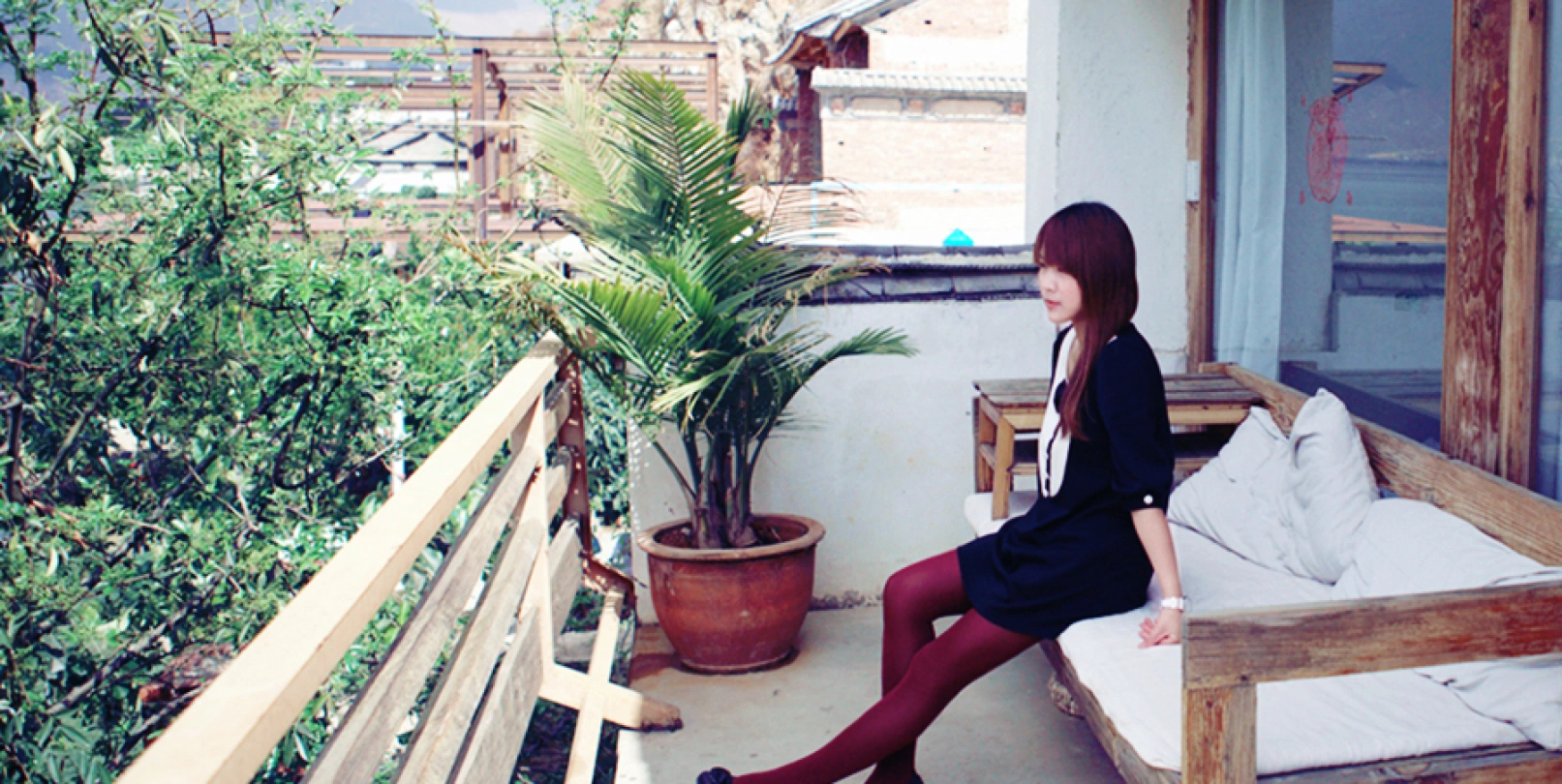
A Solo Journey to Yunnan: Shuanglang Chapter — Meeting Your Truest Self by the Erhai Lake
A Solo Journey to Yunnan: Shuanglang Chapter — Meeting Your Truest Self by the Erhai Lake Introduction: When a Dream Finally Becomes Reality Some say Yunnan is a place meant for solo travelers. It took me three full years to truly understand that. Two years…
Continue reading...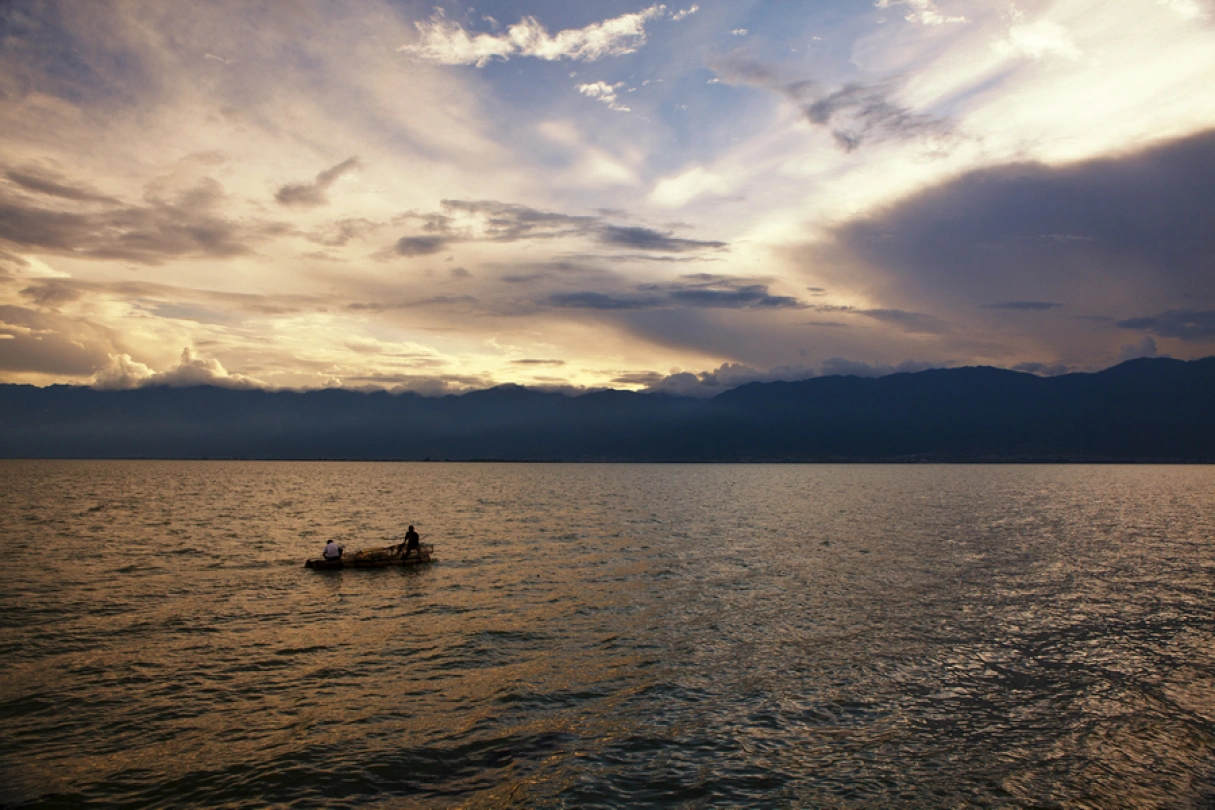
A Journey Through Shuanglang's Guesthouses: Finding Life as It Should Be on the Shores of Erhai Lake
A Journey Through Shuanglang's Guesthouses: Finding Life as It Should Be on the Shores of Erhai Lake Prologue: When Life Hits the Pause Button Have you ever had one of those moments? When the city's towering buildings press down on your chest, when you're swept…
Continue reading...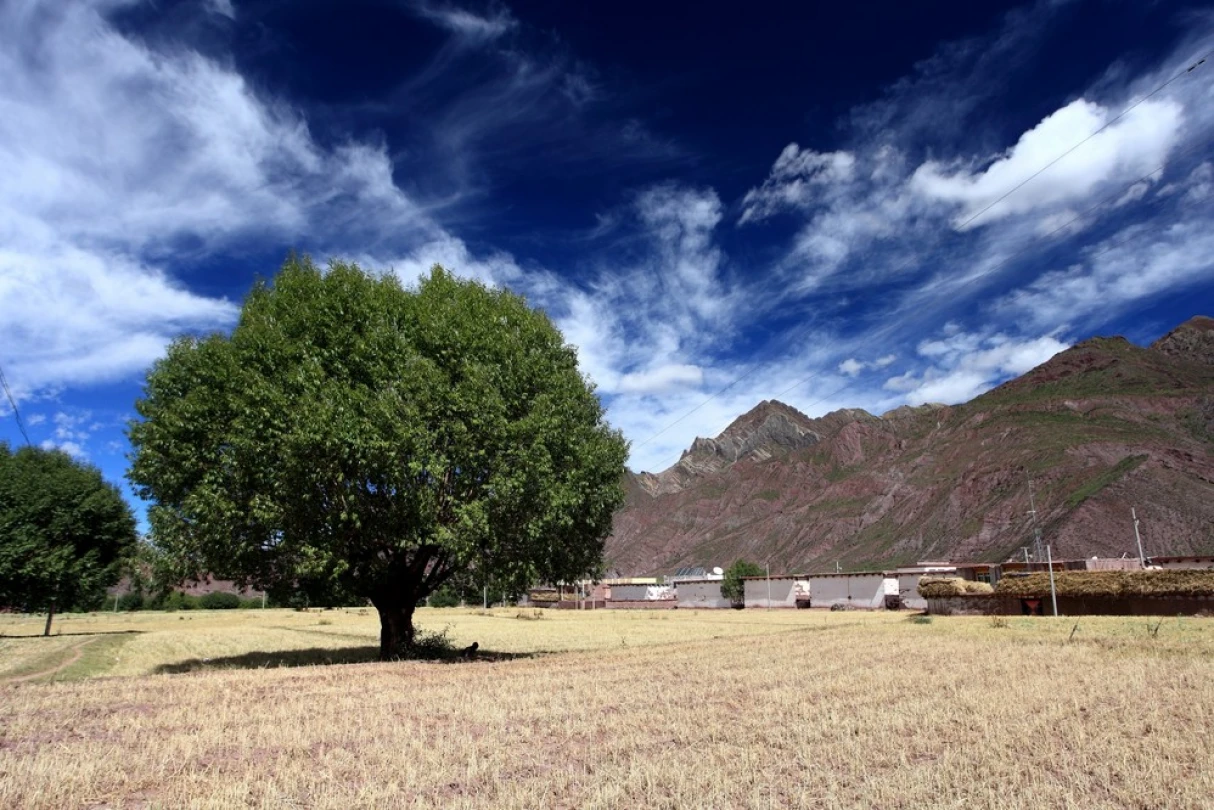
Big Bear and Little Cat Explore China: [A Self-Guided Tour of the Shangri-La Region: That Sky, So Blue It Feels Unreal!]
Big Bear and Little Cat Explore China: [A Self-Guided Tour of the Shangri-La Region: That Sky, So Blue It Feels Unreal!] Prologue: Why Shangri-La? In September 2011, my friend and I followed the Yunnan-Tibet Highway into the Greater Shangri-La region. Six days of travel, without…
Continue reading...