Mangshi Unhurried: A Four-Day, Three-Night Border Town Ramble, Finding Life's Ease in Slow Time
Mangshi Unhurried: A Four-Day, Three-Night Border Town Ramble, Finding Life's Ease in Slow Time
If you ask me what kind of travel heals the urban soul best, my answer is simple: find a border town that's neither too big nor too small. Don't chase attractions. Don't hunt down internet-famous spots. Just wander, eat, and let time slow down.
Mangshi is exactly that kind of city.
As a travel enthusiast who fancies himself the "Master of the House of Random Musings," I habitually put every trip into words. But when it came to Mangshi, I hesitated. This city is so small—so tiny that it barely seems to need a guidebook, so compact that you can stroll through all the "sights" in a casual afternoon. Yet, it's precisely this smallness that holds the most authentic烟火气 (the warm, bustling essence of everyday life).
So, with my wife and her two close friends—a party of four—we spent four days and three nights slowly drifting through this Yunnan border town. No tight itineraries. No must-visit check-in spots. Just aimless wandering and an endless parade of food.
Why Bother Writing This "Travelogue"?
Last year, I started turning my shorter travel notes into "trip memos" for my social media and WeChat public account. But Mangshi is different. It may not have a ton of content, but it's far too rich to be summed up in a thousand words.
More importantly, before we left, my wife did extensive research on Xiaohongshu (China's Instagram-like platform). She found that many popular posts, chasing clicks, were either incomplete or misleading. We wasted a fair bit of time going in circles—like looking up one post for a spot, only to discover that all those check-in points were actually on the same street.
So I decided to record my own "guinea pig" experience, stringing together those scattered打卡 points (photo-worthy check-in spots) into a clear route. This isn't a standard guide—just an honest share, hoping to help others avoid the same detours.
Our Four Days, Three Nights: A Spontaneous Border Town Wander
Day 1: Arrival and a First Taste of the Night Market

On the afternoon of March 25th, we flew from Chengdu Tianfu Airport to Mangshi. After checking into our hotel, our first stop was "傣家活螃蟹 (Dai-style Live Crab)" in Manghuang Village. The crabs were fresh and plump, with a unique Dai-style preparation that left a strong impression.
That evening, we returned to our hotel—chosen specifically for its proximity to the "新玩厂夜市 (New Play Factory Night Market)." We grabbed a few skewers of barbecue at "贺广小肉串 (He Guang Small Meat Skewers)" across the street, then wandered into the market. The New Play Factory Night Market isn't huge, but it's bursting with life—a dizzying array of snack stalls and handicraft shops.
Day 2: Classic Check-Ins and Unexpected Discoveries
Morning started with a bowl of authentic rice noodles at "银家早点 (Yin Family Breakfast)." Then we headed to "树包塔 (Tree-Enveloped Pagoda)"—a stunning sight where a massive banyan tree has grown around a Buddhist pagoda, one of Mangshi's iconic landmarks.
Next, we set out to find the网红打卡点 (internet-famous photo spots) my wife had seen on Xiaohongshu: those dreamy street shots with blue skies, white clouds, and palm trees. Many posts vaguely said "团结大街 (Unity Avenue)," but after wandering for ages, we discovered the real spot was on "菩提街 (Bodhi Street)." To make it worse, it was just a few minutes' walk from the Tree-Enveloped Pagoda—we'd taken a huge detour.
At noon, we had dessert at "芒市很芒 (Mangshi Is Very Mango)," then lunch at "兰英锅贴店 (Lanying Pot Sticker Shop)." After a rest until 3 PM, we headed to "大树咖啡 (Big Tree Coffee)," but it was so packed there wasn't even standing room. Improvising, we went to "蜂巢咖啡 (Honeycomb Coffee)" nearby—nice atmosphere, and the drinks came with real honeycomb, a unique touch.
Around 4 PM, we visited the Silver Pagoda first, then the Golden Pagoda. We waited for sunset at the Golden Pagoda—the golden light spilling over the stupa was breathtaking. Dinner was at "傣族古镇 (Dai Ethnic Ancient Town)," where we had手抓饭 (hand-grabbed rice). Before heading back to the hotel, we made another round of the New Play Factory Night Market.
Day 3: The Rare Plants Garden and an Unexpected Find
Breakfast was at the "银家早点 (Yin Family Breakfast)" branch near our hotel. Then we went to "勐巴娜西珍奇园 (Mengbana Xi Rare Plants Garden)." It's home to many rare plants and peacocks—free-roaming ones you can get close to.
For lunch, we returned to the hotel area for "瑞丽活螃蟹 (Ruili Live Crab)"—their招牌菜 (signature dish) is dry-fried spicy crab. In the afternoon, we'd planned to visit "孔雀湖 (Peacock Lake)," but we heard the peacocks there were also free-roaming and the entrance fee wasn't cheap. So we scrapped it and kept wandering downtown.
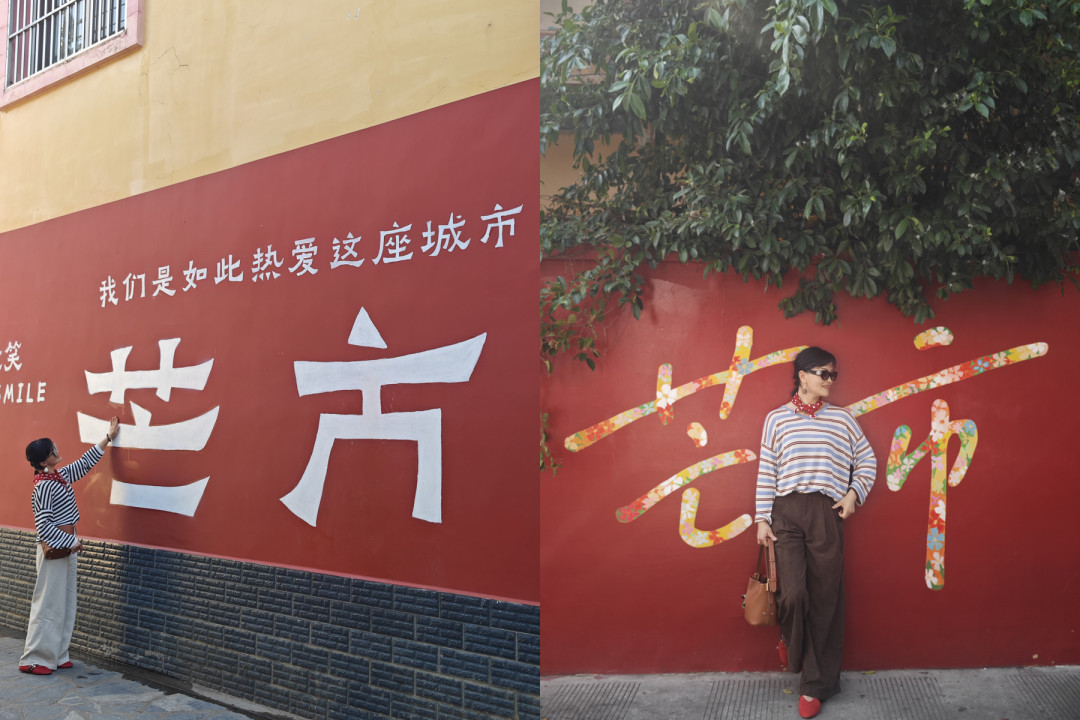
First, we stopped at Mangshi Square. Then we found two spots with the characters "芒市 (Mangshi)"—one in an alley beside "芒市世纪酒店 (Mangshi Century Hotel)," and another on the street opposite "菩提寺 (Bodhi Temple)." We also dropped by the temple and "丙午集市 (Bingwu Market)." Although many shops were closed in the afternoon, the old-school market vibe was wonderfully nostalgic.
Dinner was at "钱家傣味餐馆 (Qian Family Dai Cuisine)" near "五棵树 (Five Trees)." The area also has "五云寺 (Five Clouds Temple)" and a few cafes—a perfect spot for zoning out.
Day 4: A Day Trip to Ruili
We rented a car for a day trip to Ruili. After breakfast at "连梅早点 (Lianmei Breakfast)," we drove over. In Ruili, we had spicy crab at "金螃蟹 (Golden Crab)," visited "一寨两国 (One Village, Two Countries)" to soak up the border atmosphere, saw the national gate at "姐告口岸 (Jiegao Port)," and finally went to "多宝之城 (City of Many Treasures)" to admire the jade.
Back in Mangshi, we experienced the must-try "白云洗头屋 (Baiyun Hair Wash House)"—a head wash and massage by Myanmar girls, 50 yuan for 45 minutes, incredible value. Dinner was at "岩兴烧烤 (Yanxing Barbecue)" in "芒杏村 (Mangxing Village)." The whole village is lined with barbecue stalls, thick with smoky, lively energy.
Finally, we drove to the Golden Pagoda for night views, returned the car at the airport, and caught the 23:45 flight back to Chengdu, landing at 1:20 AM.
Getting Around: Money-Saving, Effort-Saving Tips
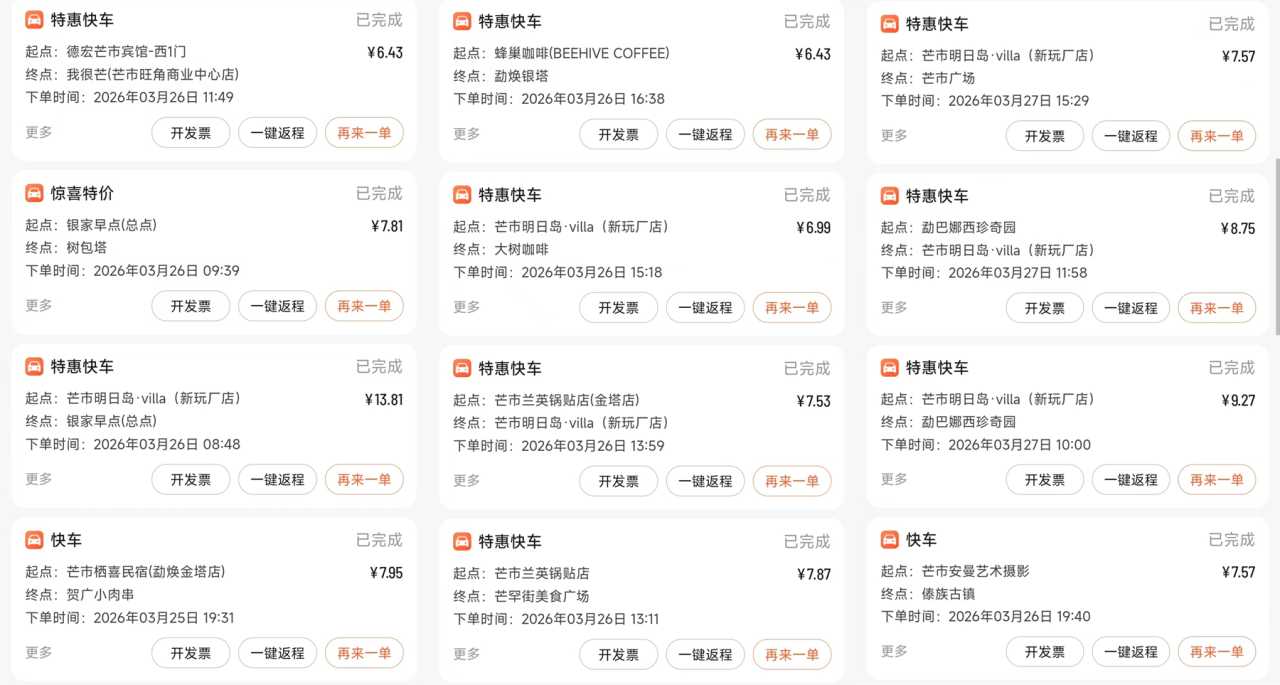
Mangshi is really small. We took 15 Didi rides across the city to all major sights and food spots, spending less than 120 yuan total. Shared e-bikes are also everywhere—super convenient and great for younger travelers.
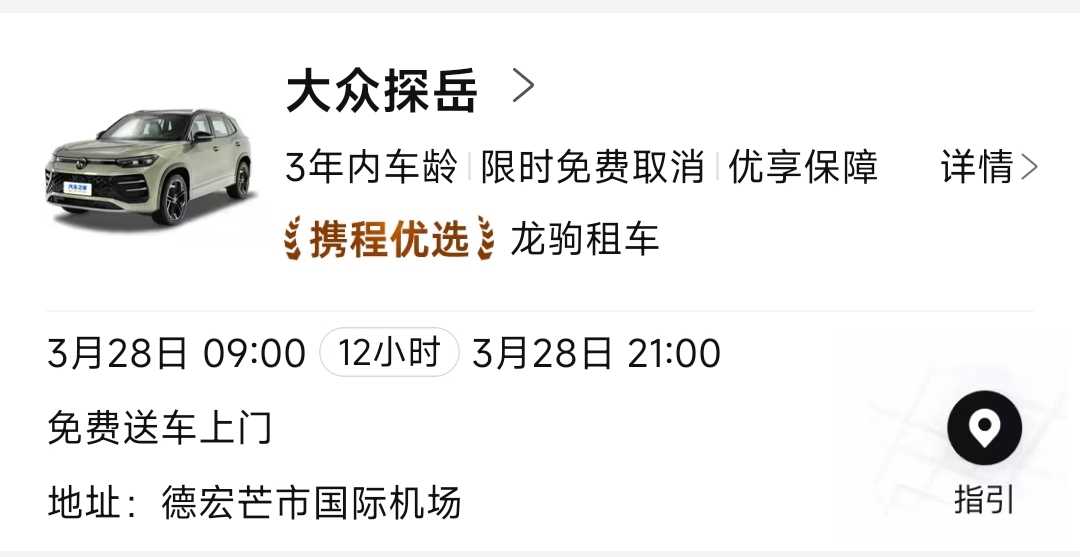
If you're driving, Mangshi, Ruili, Tengchong, and Baoshan form a neat circuit, perfect for a road trip. We rented a car for our Ruili day trip, and the rental company was great—they even delivered the car to us early.
Special Note: About Kunming Airlines
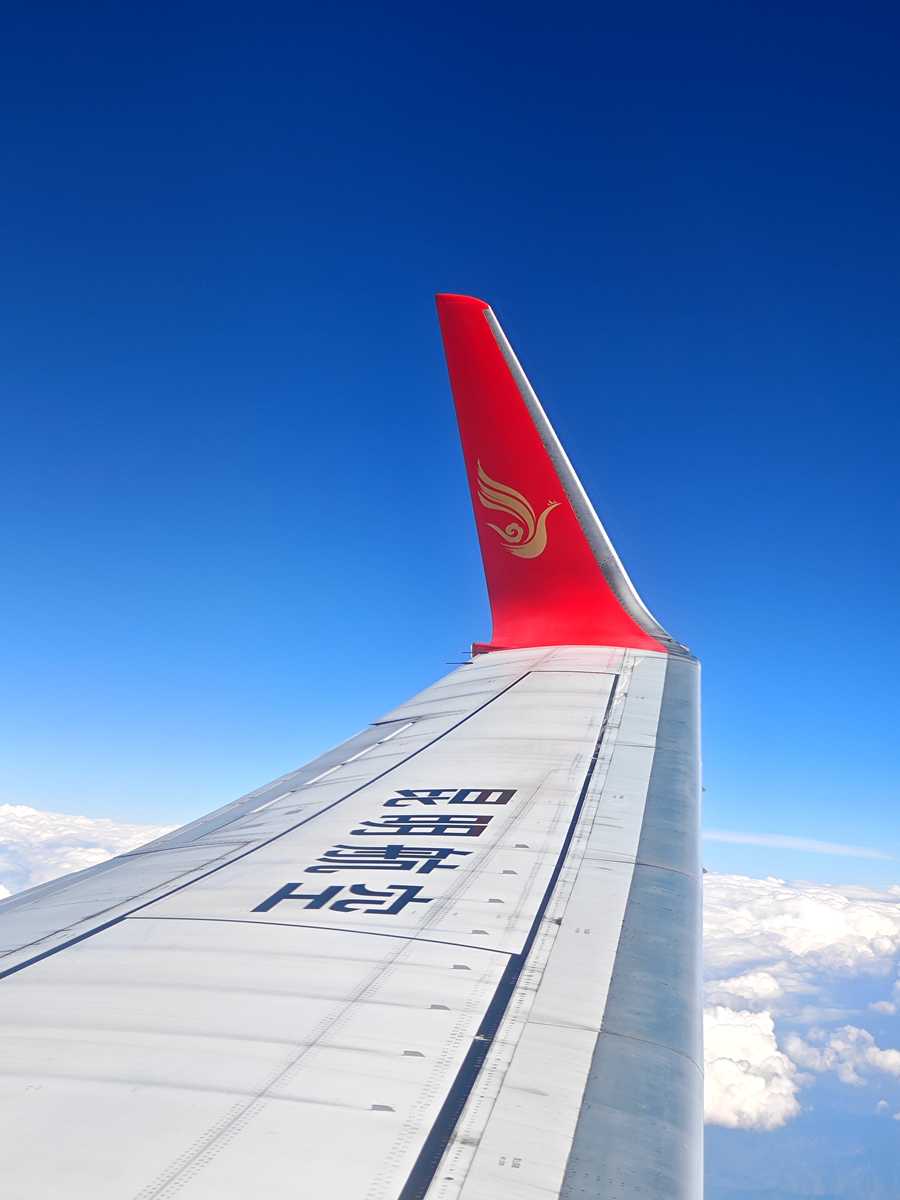
The only thing I'd complain about this trip is Kunming Airlines. The outbound ticket was only 200-something yuan, but the seats were so cramped it felt like "sitting on a tiger's bench"—other passengers on 航旅纵横 (Flight Master app) joked the same, with a weirdly funny vibe.
The real kicker came on the return flight. Airport staff told us Kunming Airlines only allows carry-on luggage under 14 inches! I've flown for years, including budget airlines like Spring Airlines and AirAsia, and I've never had an issue with a standard 20-inch carry-on. We had to check all three 20-inch bags. Luckily, the counter agent was kind and waived the fee for the third one.
Hotel Recommendation: A Hidden Gem Near the New Play Factory
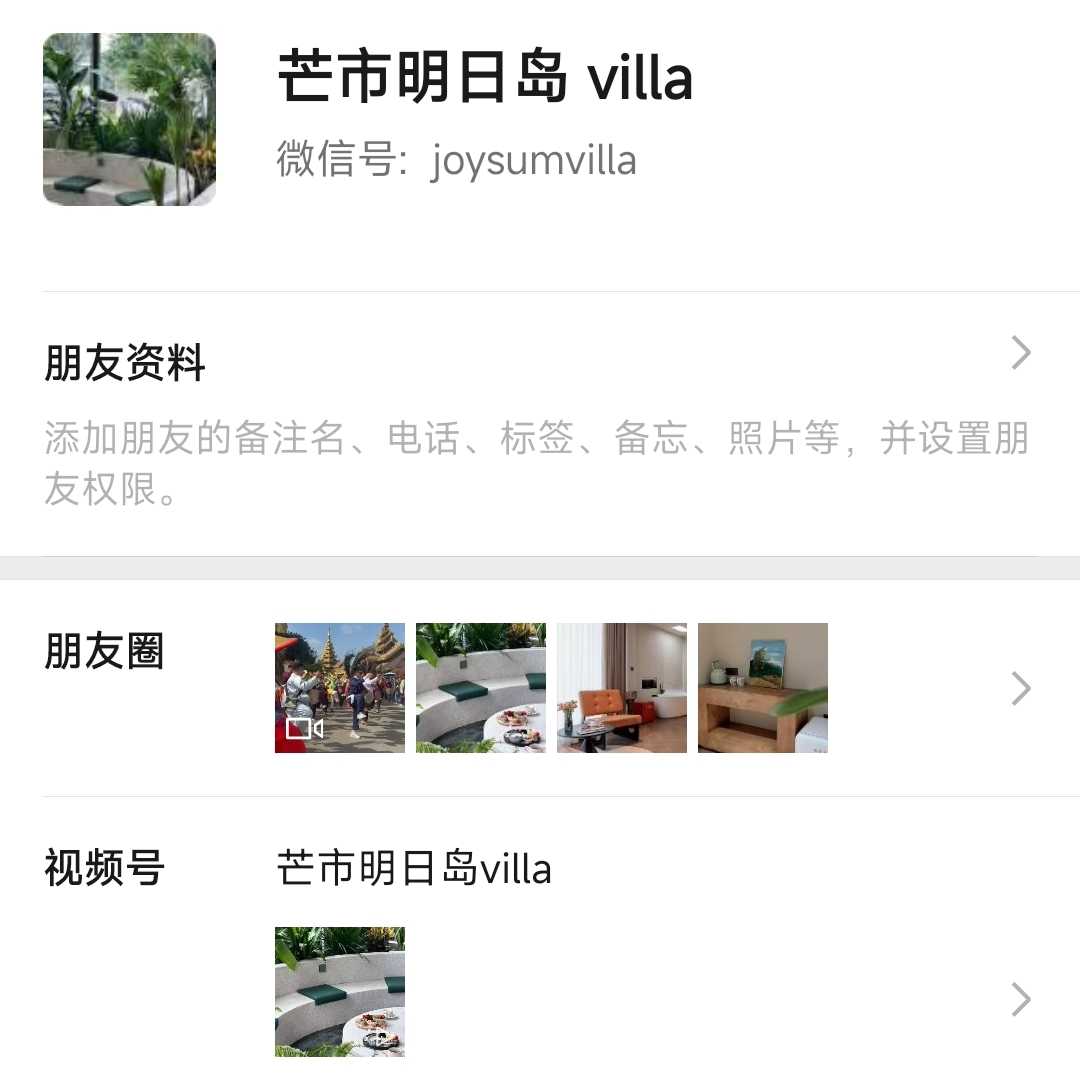
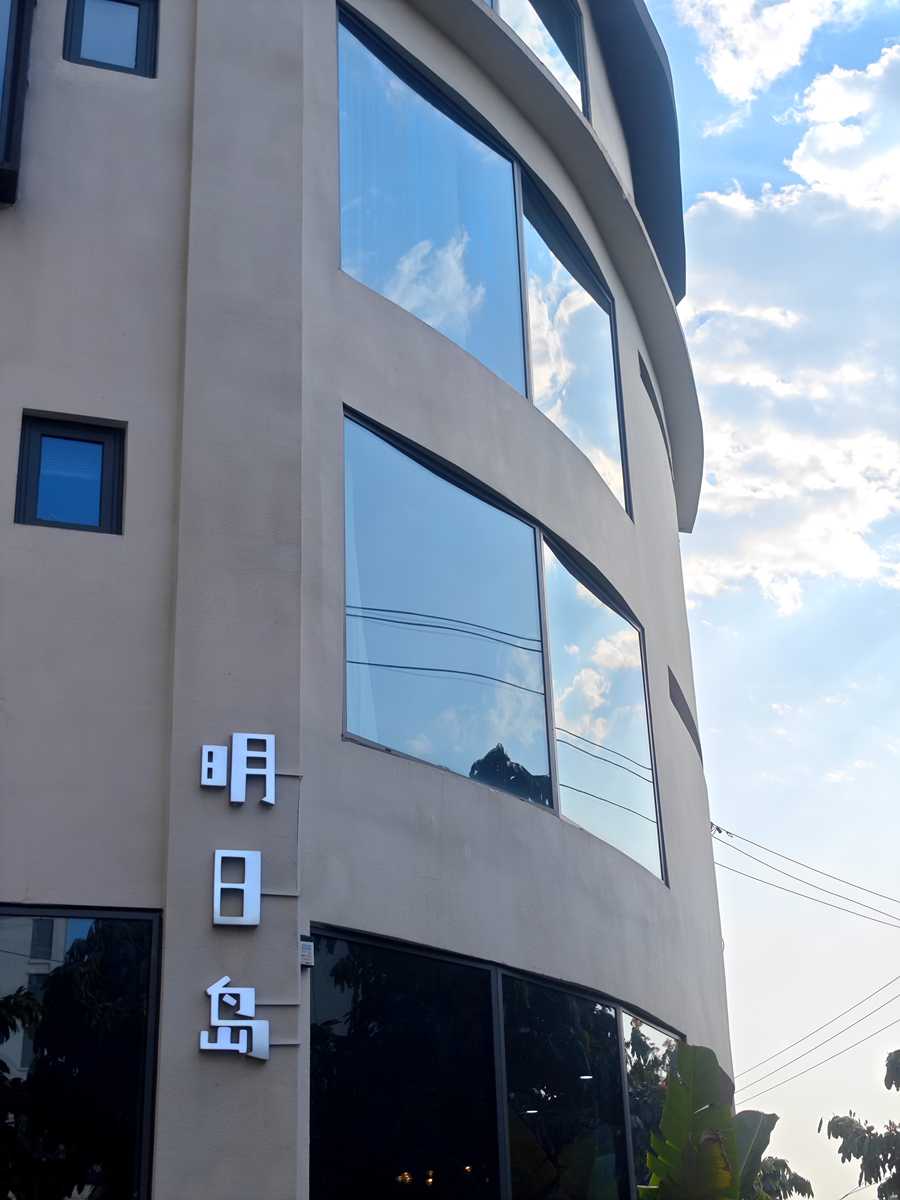
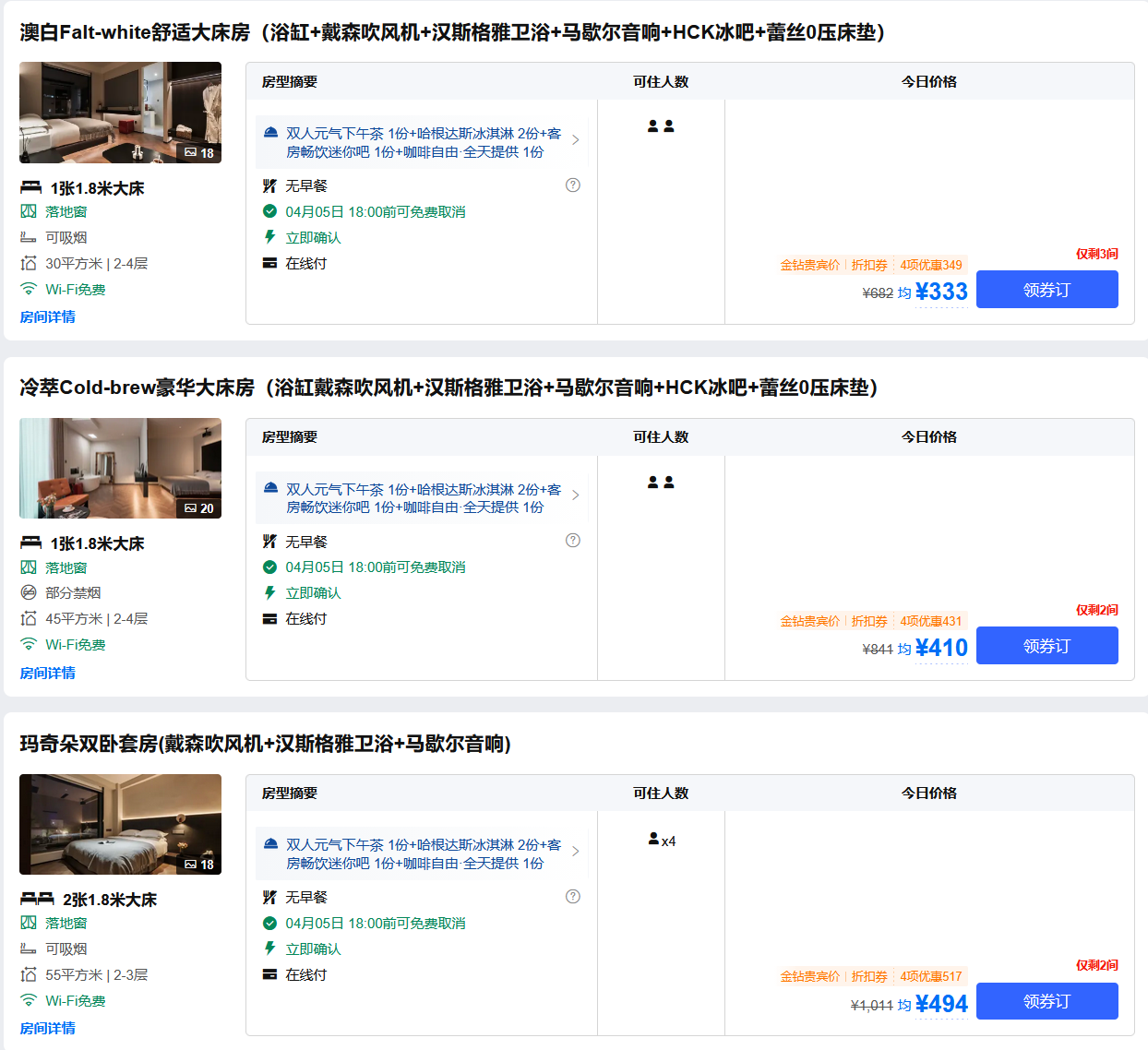
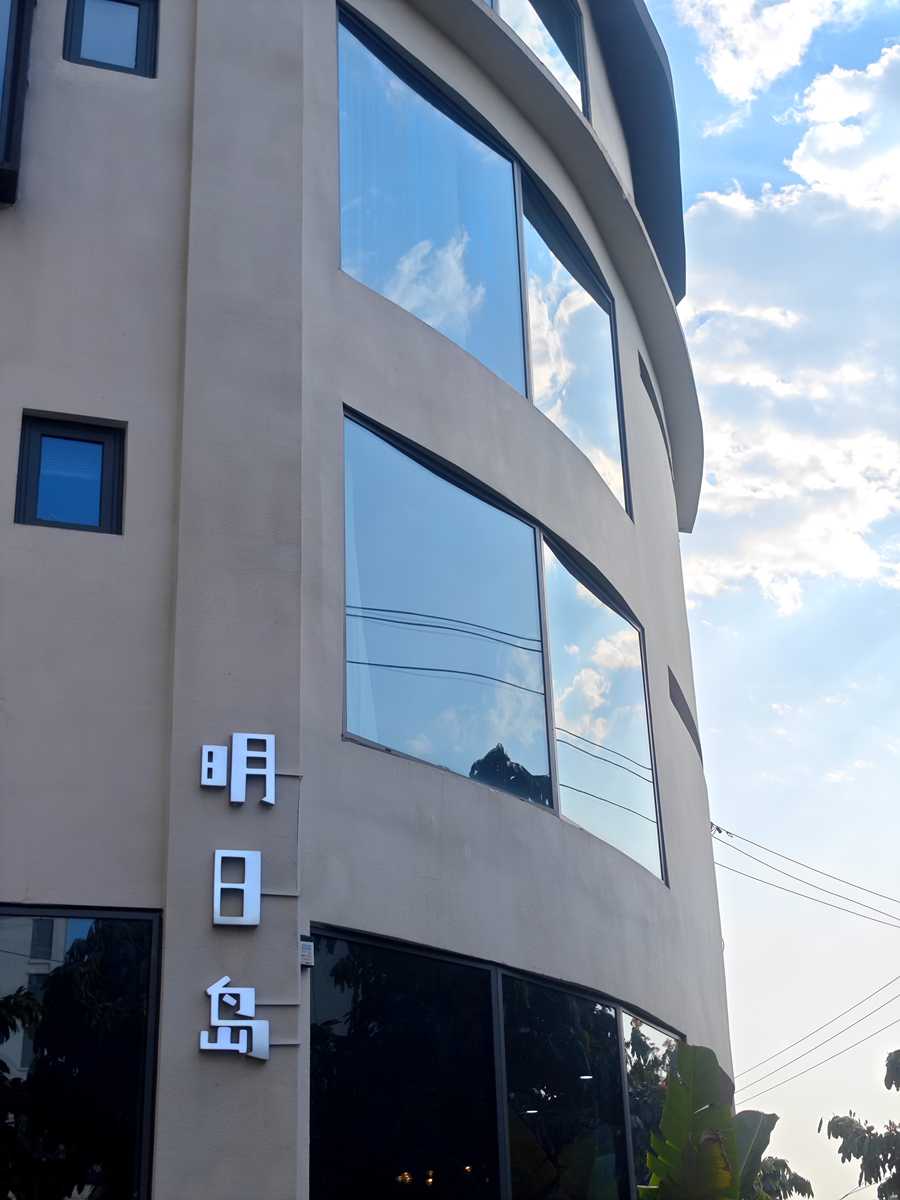
The民宿 (homestay) we stayed at was right next to the New Play Factory Night Market—perfect location. The landlady was warm, and the young woman managing the place recommended some excellent restaurants.
I highly recommend the "冷萃 (Cold Brew)" king-size room—spacious, great view, and not facing the street, so it's quiet. Other room types are also good, with great value for money.
One small gripe: the room's projector was mounted way too high. Unless you're over 2 meters tall, you can't reach the USB port, and all the built-in streaming apps require a membership to watch anything.
Avoiding the "Detours": A Connected Route for Check-In Spots
Mangshi's internet-famous check-in spots are all on one line. Here's a clear route:
Classic Route: Tree-Enveloped Pagoda → Bodhi Street (near Mangshi Hotel) → Guanyin Temple (next to Ahe Coffee) → Bodhi Temple → Mangshi Century Hotel (for the "芒市 (Mangshi)" sign) → Mangshi Square → Baiyun Hair Wash House
This entire route is walkable—each spot is 5–10 minutes on foot. A perfect way to avoid wasted steps.
Other Check-In Spots: - The "芒市 (Mangshi)" sign on a red brick wall: at the New Play Factory Night Market, visible at night - Another "芒市 (Mangshi)" sign: in the alley next to Mangshi Century Hotel - The "我在芒市 (I'm in Mangshi)" photo wall in Bingwu Village: visible right at the village entrance
About the "California Vibe" Check-In Spot: It's near "五棵树 (Five Trees)" at the entrance of "钱家傣味 (Qian Family Dai Cuisine)"—a supermarket promotion turned it into a "California-style" photo spot. Honestly, I still don't get why.
Eating and Drinking: An Incomplete Record of Mangshi's Food
Mangshi's food scene has a few must-tries:
牛油果奶昔 (Avocado Milkshake): A daily ritual. We tried several places, and the best was at the New Play Factory Night Market.
泡鲁达 (Paoluda): First tasted at "芒市很芒 (Mangshi Is Very Mango)." Sweet but not cloying, very distinctive.
小米辣木瓜水 (Small Chili Papaya Water): The signature drink at "南旭的茶 (Nanxu's Tea)." The name sounds intimidating, but it's actually sweet and sour, very refreshing.
香辣蟹 (Spicy Crab): We tried three places—Dai-style Live Crab in Manghuang Village, Ruili Live Crab at New Play Factory, and Golden Crab in Ruili. Each had its own character, all worth trying.
烧烤 (Barbecue): Mangxing Village is a whole street of barbecue stalls. We went to "岩兴烧烤 (Yanxing Barbecue)"—the flavors were solid.
Final Thoughts: Mangshi's Ease Hides in Every Unplanned Moment
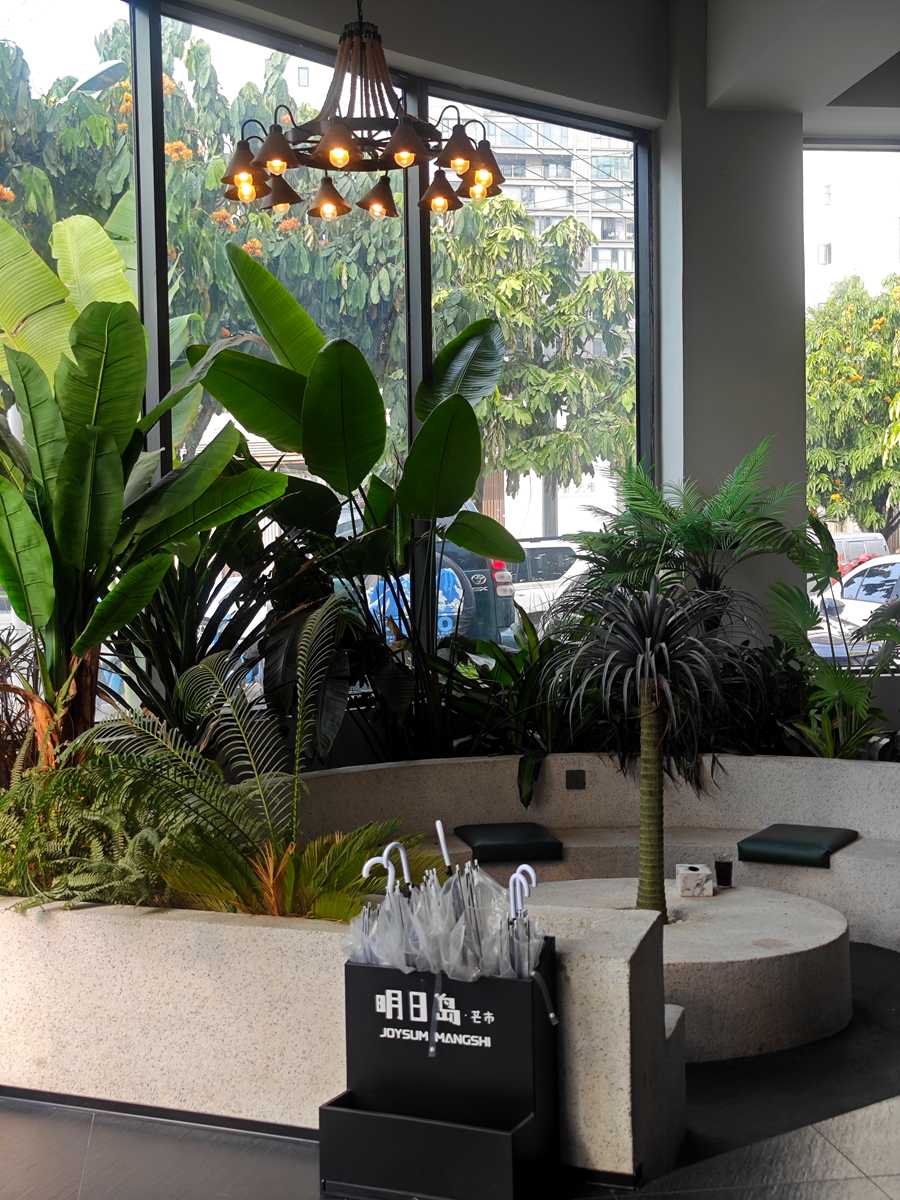
Four days, three nights. We walked a lot and ate a lot. But what I'll miss most isn't any particular sight or dish—it's that "unhurried" state of being. In Mangshi, you don't need to rush. You don't worry about missing anything. Because this city is so small, you can measure it with your feet. So small, you can stop anytime and just stare into space.
If you want to experience this kind of ease, remember a few things: 1. Don't over-plan—just go with the flow 2. Shared e-bikes or taxis are plenty—no need to rent a car 3. Ignore the misleading internet posts—connect the check-in spots into a single walk 4. Definitely try the Myanmar-style head wash—50 yuan for 45 minutes of pure joy, worth every cent
Mangshi is small. But it's big enough to help you find, in slow time, the life you were meant to live.
You should also read:
Seize the Day While Youth and Time Remain – My Ten-Day Honeymoon in Yunnan
Seize the Day While Youth and Time Remain – My Ten-Day Honeymoon in Yunnan Setting Off, to Remember How We Look in Love "Seize the day while youth and time remain" – this phrase was like a seed quietly planted in my heart, finally sprouting…
Continue reading...
If Life Were Only as Sweet as First Encounter – Immersed in Lijiang’s Gentle Time
If Life Were Only as Sweet as First Encounter – Immersed in Lijiang’s Gentle Time Never forget the things you promised yourself you would do. Never forget the places you promised yourself you would go. No matter how difficult or how far, as long as…
Continue reading...
Complete Guide to Fuxian Lake: A Yunnan Hidden Gem I've Visited Three Times – Ask Me Anything!
Complete Guide to Fuxian Lake: A Yunnan Hidden Gem I've Visited Three Times – Ask Me Anything! Why Fuxian Lake? If you ask me which place in China is worth visiting again and again, my answer isn't Lijiang or Dali – it's Fuxian Lake. In…
Continue reading...