Misty Purple Smoke, Beauty Crowned on Mount Lu — A Two-Day Budget Guide to Lushan [Practical Tips]
Misty Purple Smoke, Beauty Crowned on Mount Lu — A Two-Day Budget Guide to Lushan [Practical Tips]
Foreword: Rediscovering This "Mountain of Culture"
When you think of Mount Lu, what comes to mind? Is it the boldness of Li Bai's "torrent plunging three thousand feet from high," or the philosophical musings of Su Shi's "true face of Mount Lu, never known"? As a nationally certified 5A scenic area, Mount Lu certainly lives up to its reputation. But let's be honest: if you're coming expecting the jagged pines of Huangshan or the surreal rock formations of Zhangjiajie, you might feel a bit let down.
Mount Lu's terrain isn't particularly steep. While there are a few sheer cliffs, the mountain feels more like a gentle elder—slow, composed, and unassuming. Its charm doesn't lie in jaw-dropping natural wonders, but in the echoes of history hidden among its peaks and streams. Simply put, within this 5A-rated attraction, the last "A" is awarded to culture.
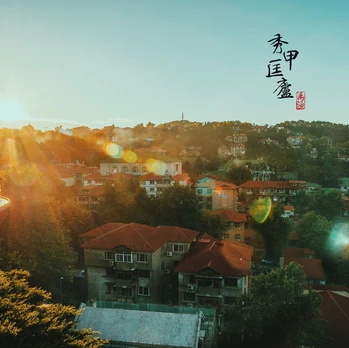
Here's another fascinating detail: on most mountains, reaching the summit means finding a viewing platform. But on Mount Lu, the summit is home to an actual town—Guling Town. This town and its surrounding attractions carry nearly all of the mountain's cultural weight. Ancient poets mostly left their verses in relatively flat areas; the truly treacherous spots, given the limitations of their time, were rarely visited. The fact that we can now easily scale cliffs and gorges is thanks to the nameless workers who built the paths. So when your legs ache from climbing, remember them—your fatigue is but a fraction of a fraction of their sweat.
Here's a golden rule for Mount Lu: Paths near Guling Town are easy; paths far from town are real hiking. And the only places that will truly test your stamina are Four Springs, Five Elders Peak, Dragon Head Cliff, and Stone Gate Gorge.
Getting There, Staying, and Eating: Budget Traveler's Money-Saving Secrets

How to Get Up the Mountain
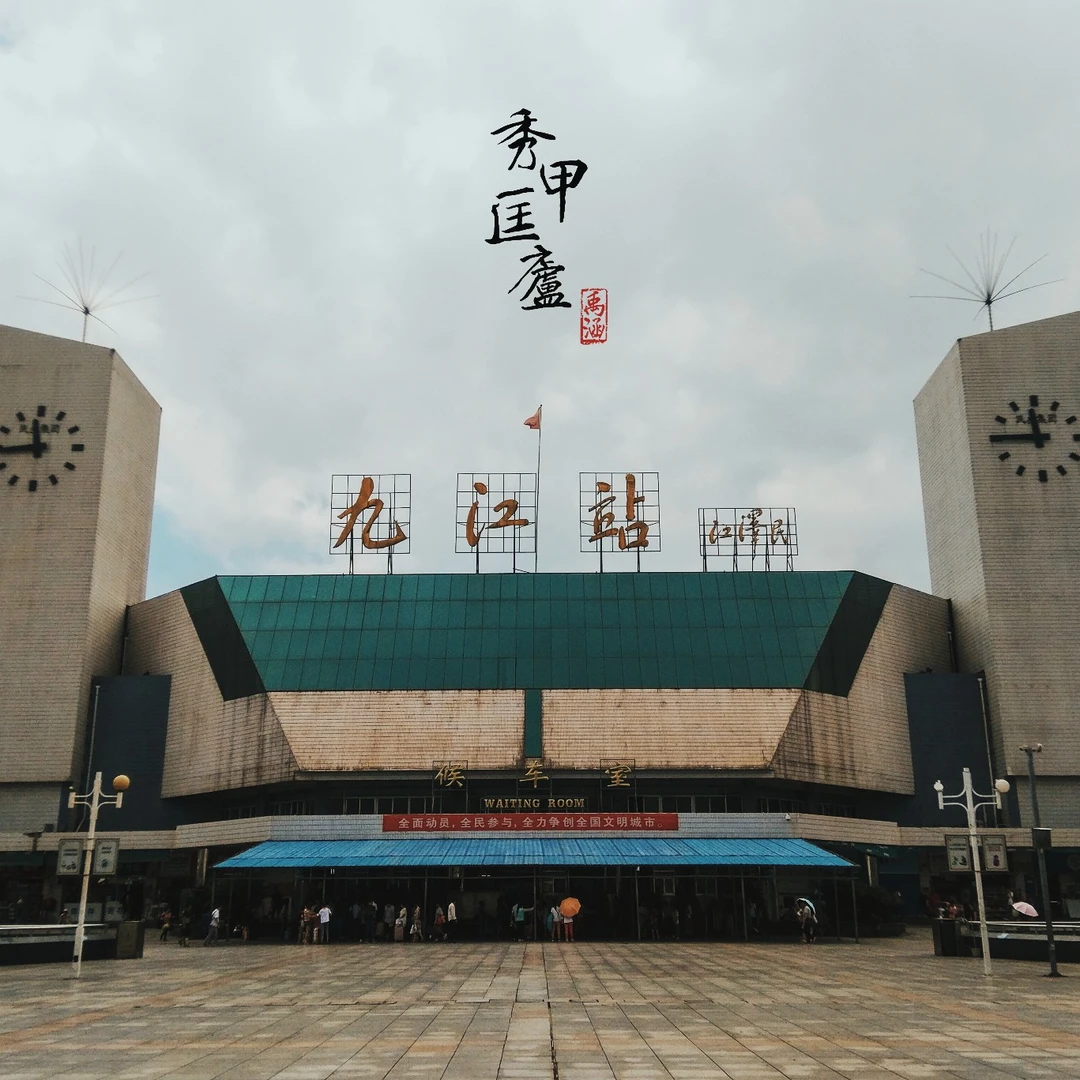
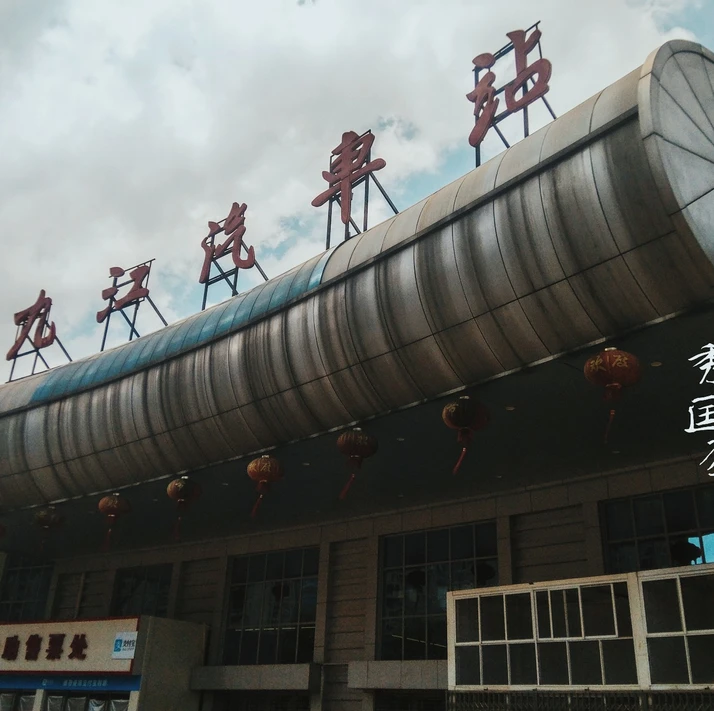
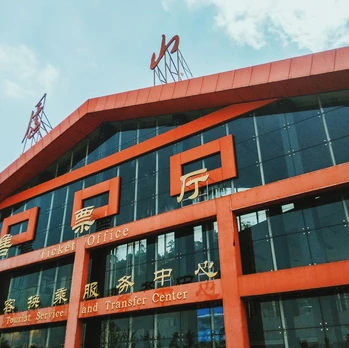
Mount Lu falls under the jurisdiction of Jiujiang City, but it's still a distance from downtown Jiujiang. After getting off at Jiujiang Railway Station, walk to Jiujiang Long-Distance Bus Station, where direct buses to Guling Town run. The fare is 15 yuan. The bus will pass through the main entrance of Mount Lu Scenic Area. You'll need to get off, buy your ticket, and then hop back on the same bus to continue up the mountain. Remember the bus license plate—the bus will only wait 15 minutes. From the entrance to Guling, it's another 40 minutes of winding, sharply curving mountain roads. Motion sickness pills are a must.
Admission: 180 yuan (student ticket: 90 yuan).
Getting Around the Scenic Area
The attractions on Mount Lu are spread far apart, so the shuttle bus is unavoidable. It costs 80 yuan and comes with a card that, along with your fingerprint, gives you unlimited rides for seven days. Don't try to skip this expense—you'll walk yourself into exhaustion.
Where to Stay
Average accommodation on the mountain runs around 100 yuan. I highly recommend Lushan Youge Youth Hostel. The owner is incredibly kind. If there are enough guests, he holds a "mini lecture" at 7:00 PM at the front desk, explaining itineraries in detail. If enough people want to see the sunrise, he'll set up a WeChat group and help arrange a driver to Five Elders Peak for 20 yuan per person.
Eating
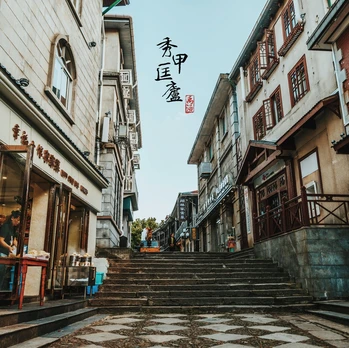
Guling Town has plenty of restaurants, from homestyle cooking to local specialties. You won't go hungry, no matter your budget.
How to Get Down
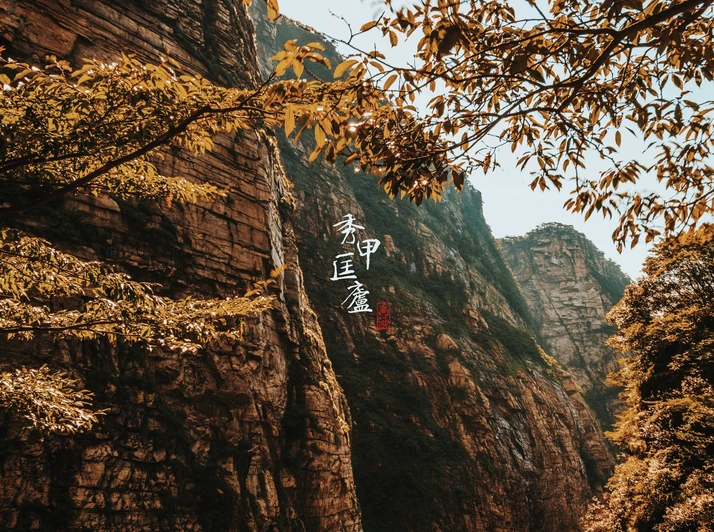
Two options: - Store your luggage at the entrance: Descend directly from Four Springs and take a bus back to the main gate. - Bring your luggage up the mountain: No matter your route, you'll eventually return to Guling Town and take the bus down. The pickup point is the same as where you arrived, and the fare is still 15 yuan.
Attraction Zones: You Can't See It All at Once, So Don't Be Greedy
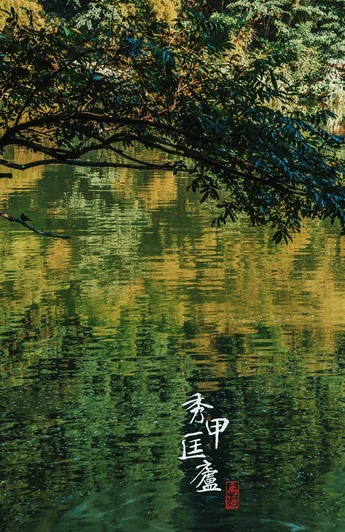
Mount Lu is divided into four main areas. Seeing everything in one trip is virtually impossible.
🏔 Western Guling Line
Rugin Lake → Flower Path → Splendid Valley → Immortal's Cave → Dragon Head Cliff → Yellow Dragon Pool → Power Station Dam
🏔 Eastern Guling Line
Mei Lu Villa → Lushan Conference Site → Lushan Museum → Mao Zedong Poetry Garden → Lulin Lake → Lushan Botanical Garden → Hampo Pass → Five Elders Peak → Four Springs
🏔 Base of the Mountain (No Guling Town)
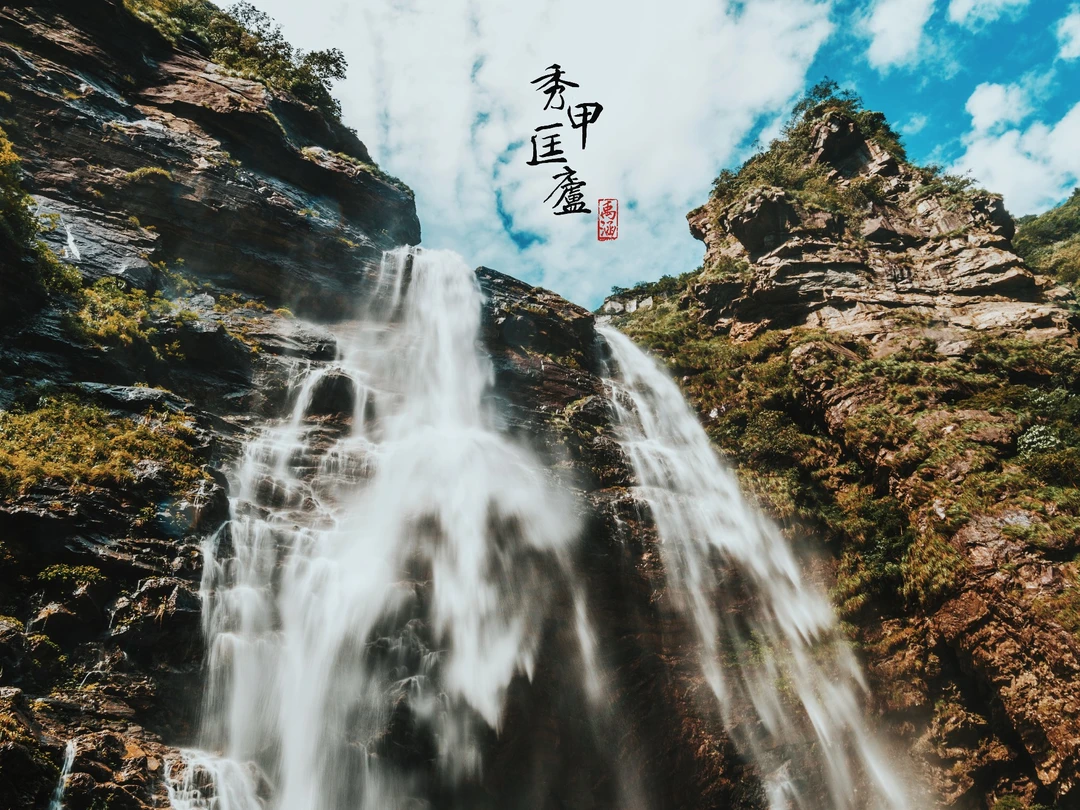
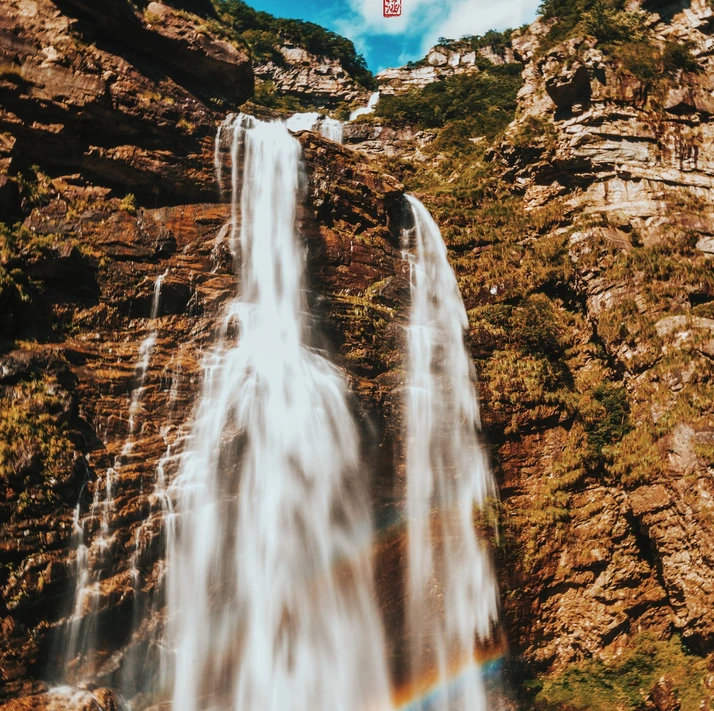
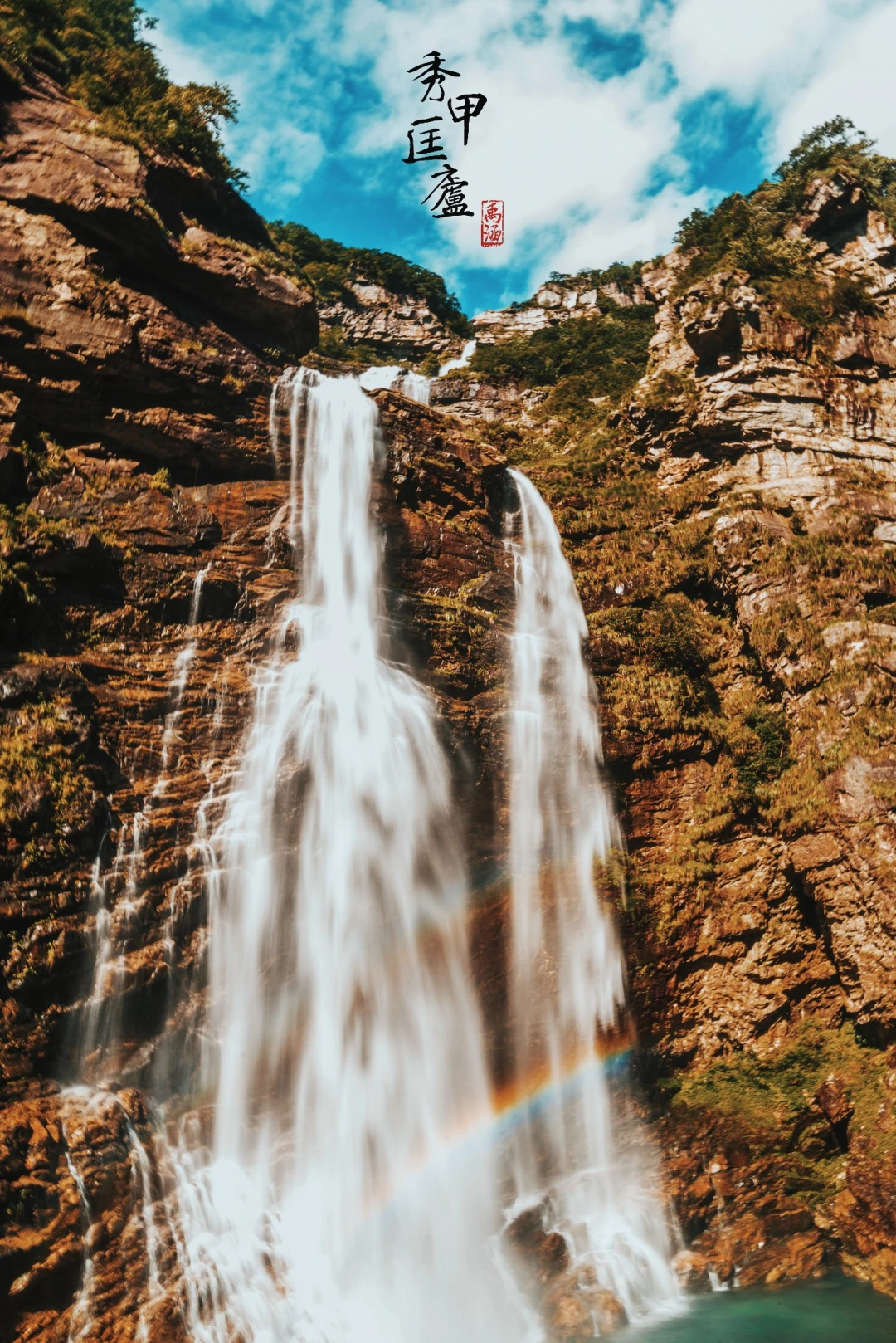
White Deer Academy → Donglin Temple → Xilin Temple → Xiufeng Waterfall (this is the actual site of Li Bai's "torrent plunging three thousand feet")
🏔 Guling Town
Romance on Lushan Cinema → Guling Main Street
Important Notes: Pitfall Avoidance Guide
Shuttle Bus
Both the eastern and western lines have starting points in Guling Town, with stops at every attraction entrance. First bus: 7:30 AM; last bus: 6:30 PM. Keep an eye on the time.
Western Line Highlights
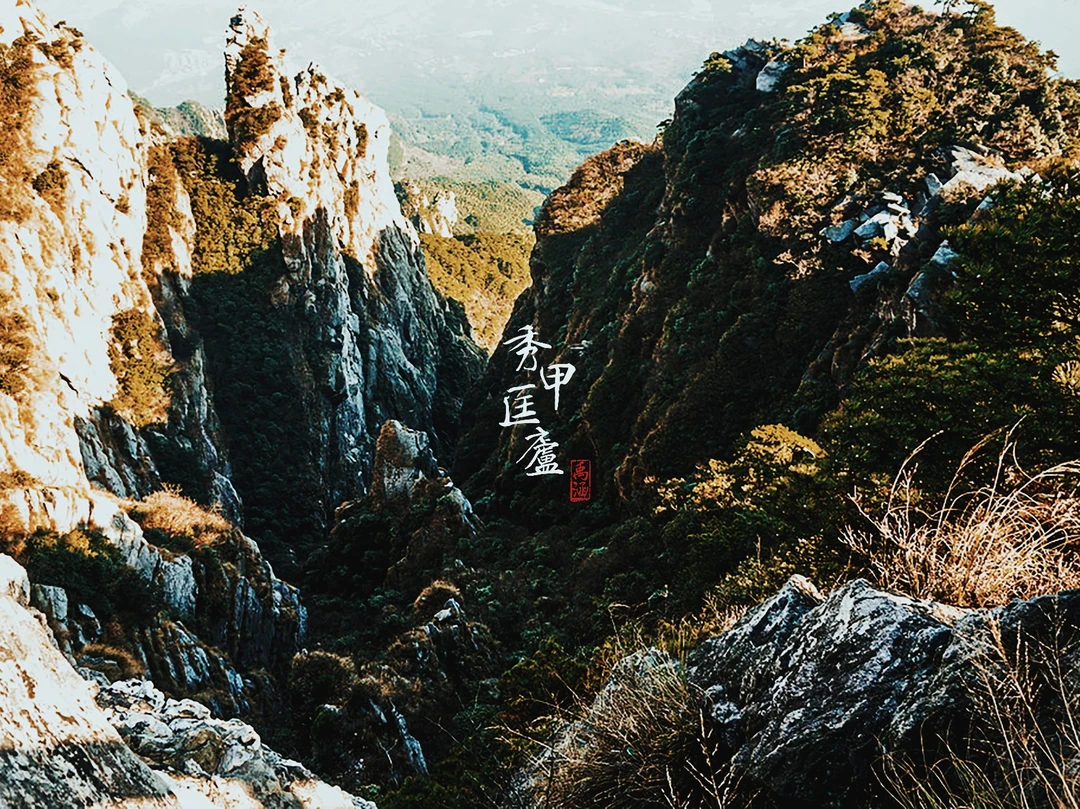
- Rugin Lake, Flower Path, and Splendid Valley are connected. After visiting them, you can walk to Immortal's Cave.
- Big Heavenly Pool is actually just a wishing pool in front of a temple. Don't expect much. It's located with Dragon Head Cliff. From Dragon Head Cliff, you can either return the same way to catch the bus, or hike to the Suspension Bridge (about 2 hours). Beyond the bridge is Stone Gate Gorge, with the Xinglong Cable Car that goes directly to Power Station Dam.
- Power Station Dam, Yellow Dragon Pool, Black Dragon Pool, and Three Treasures Tree are grouped together. From Three Treasures Tree, you can hike up directly to the eastern line.
Eastern Line Highlights
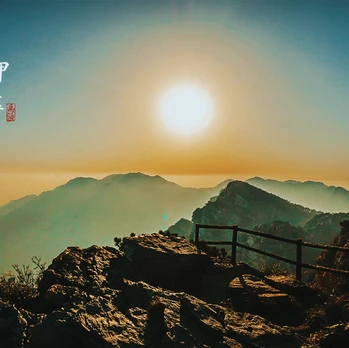
- Five Elders Peak offers spectacular views. The climb takes about 1 hour. Peaks one through four are close together; peak five is the farthest. The best sunrise spot is on peak five, but if you're short on time, peak four is also excellent. After reaching peak five, you can descend directly to Four Springs, but it takes nearly 2 hours. Five Elders Peak is closed during thunderstorms.
- Big Mouth Waterfall—avoid it. It's a complete scam.
- Four Springs Station to the main attraction is about a 1-hour walk, mostly downhill. Don't bother with the cable car that looks like a monorail; it only skips the flat sections and doesn't save you from the truly steep parts.
- Descending from Four Springs: If you stored your luggage at the entrance, you can hike straight down and catch a bus back to the main gate. If your luggage is on the mountain, you'll have to return the same way to Four Springs Station. There's a checkpoint where they'll ask if you want to buy a return ticket. If you're going straight down, you don't need it. If you're going back up, buy the 2-yuan ticket, and you'll get a cash refund when you return.
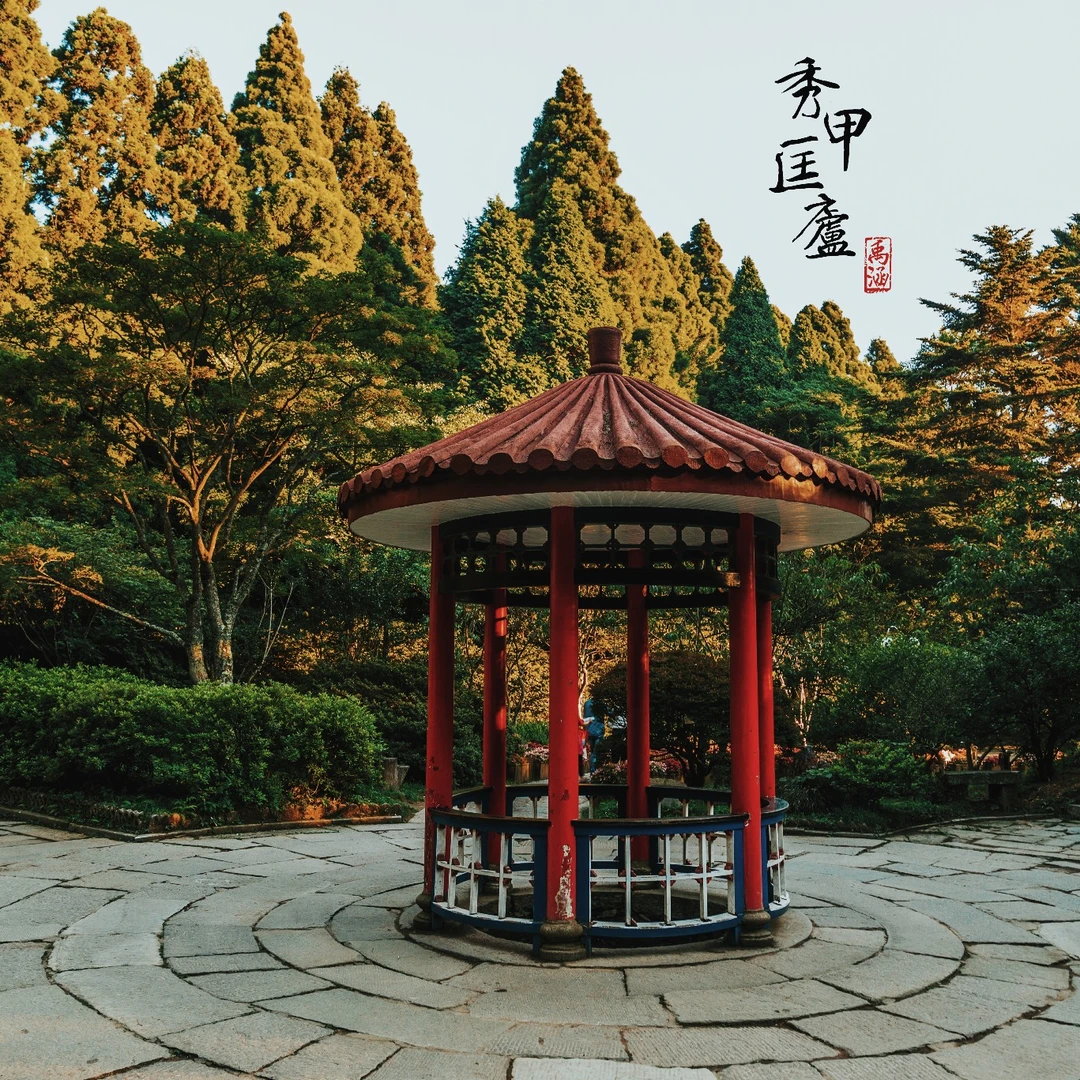
- Hampo Pass offers a view of Poyang Lake. The best viewing spot is on the hill opposite the archway. It's grouped with the Lushan Botanical Garden.
- Lulin Lake, Lushan Museum, and Mao Zedong Poetry Garden are all in one stop.
- Lushan Conference Site is next to the Anti-Japanese War Museum and Lushan Mansion (the first building with an elevator on the mountain). Worth a visit.
- Mei Lu Villa—if you walk uphill from here, you'll find a church, and further up, the Romance on Lushan Cinema.
Time Allocation
- Five Elders Peak: 2 hours
- Four Springs: 3 hours
- Other attractions: more flexible timing
Personal Reflections: Why Mount Lu?
The Book of Documents mentions "Fuqianyuan," which is Mount Lu. Sima Qian wrote in the Records of the Grand Historian: "I traveled south to Mount Lu and observed where Yu dredged the nine rivers." The Book of Songs also contains the line "In the middle of the fields there is a hut." And Sun Fang's Fu on Mount Lu from the Jin Dynasty directly states: "South of Xunyang Commandery lies Mount Lu, the guardian of the nine rivers."
I didn't come to Mount Lu because of Li Bai and Su Shi's poems, nor because of the film Romance on Lushan—to be honest, watching it now feels a bit silly. But directed by Huang Zumo in 1980, Romance on Lushan was China's first love story after the Cultural Revolution. And the Romance on Lushan Cinema, since the 1980s, has played the film 24 hours a day, 365 days a year, for 35 consecutive years. That itself is a legend.

Why have I been so fixated on Mount Lu? Because this mountain carries the weight of so much ink and culture. The natural scenery is beautiful, but what truly lingers are those timeless verses. When nature and humanity intertwine, they create legends known to every household.
Pillow Stream Rock, Imperial Stele Pavilion, Immortal's Cave, Five Elders Peak—without the weight of history, they might just be ordinary rocks. But under the limited conditions of ancient times, climbing such a remarkable mountain would naturally evoke a sense of transcendence, as if one had turned into an immortal.
Mount Lu also has another face: In the 21st year of the Guangxu Emperor's reign, over twenty nations—including Britain, Russia, the United States, and France—built villas here, along with churches, banks, shops, schools, and hospitals. In the 26th year of the Republic of China, Zhou Enlai twice climbed Mount Lu to negotiate with Chiang Kai-shek, helping to forge the united front against Japan. On July 17, 1937, Chiang Kai-shek delivered his important wartime speech on Mount Lu. In 1959, 1961, and 1970, the Central Committee of the Chinese Communist Party held three critical conferences on the mountain.
On Mount Lu, wherever you walk, you'll hear stories. Which road did Chiang Kai-shek take up the mountain? Which road did Mao Zedong take? Which road did Lin Biao flee down? The small Mei Lu Villa once housed the supreme leaders of both the Nationalist and Communist parties. These tales are written into every rock and blade of grass.
Closing Words: If I'm Lucky Enough to Come Again
If I ever get the chance, I'd love to spend a good stretch of time on Mount Lu. The cool mountain air makes it an ideal summer retreat.
Mount Lu's charm isn't about making you gasp, "Wow, so beautiful." It's about letting you, as you wander, brush up against the pulse of history without even realizing it. It doesn't shout—but it lingers.
Finally, a piece of advice: When you go to Mount Lu, don't just bring your eyes. Bring your heart.
All images in this article are not to be used for commercial purposes.
You should also read:
A Journey Through Time: The Earthen Forest of Yuanmou — April 2011 Chuxiong & Yuanmou Self-Drive Guide
A Journey Through Time: The Earthen Forest of Yuanmou — April 2011 Chuxiong & Yuanmou Self-Drive Guide Some journeys are destined to take root in your memory. In April 2011, I set out from Shuhe in Yunnan, heading north toward the Chuxiong Yi Autonomous Prefecture,…
Continue reading...
Dreamland – Lijiang: A Talking Comic Travel Guide
Dreamland – Lijiang: A Talking Comic Travel Guide Prologue: When Lijiang Takes Root in Your Heart Some places leave a mark on you forever. They're like an old song on repeat, suddenly playing in your mind on an ordinary afternoon. For me, Lijiang is that…
Continue reading...
Solo in Yunnan: A Wanderer’s Guide to the Land of Eternal Spring
Solo in Yunnan: A Wanderer’s Guide to the Land of Eternal Spring There’s something magical about traveling alone. No compromises, no schedules to keep, no one to please but yourself. I’ve been on the road for nearly three months now, and not once have I…
Continue reading...