No Regrets: I’ve Been to Lijiang, and That’s Enough
No Regrets: I’ve Been to Lijiang, and That’s Enough
There’s a certain magic that clings to the air in Yunnan—a blend of ancient stone, alpine chill, and the faint, sweet scent of flowers. For years, I’d dreamed of Lijiang, that fabled city of canals and cobblestones, of snow-capped peaks and turquoise lakes. But dreams can be fragile things, easily shattered by overhyped expectations or a single rainy afternoon. So when I finally stepped off the plane, I braced myself for disappointment. What I got instead was a journey so rich, so unexpectedly perfect, that I can say with absolute certainty: I have no regrets. I’ve been to Lijiang.
This isn’t just a travelogue; it’s a love letter to a place that exceeded every hope I dared to harbor. From the sizzling pans of a hidden restaurant to the dizzying heights of a sacred mountain, here’s how Lijiang stole my heart—and why yours will never feel the same after you visit.
The Taste That Stayed: Floating Grace’s Claypot Rice
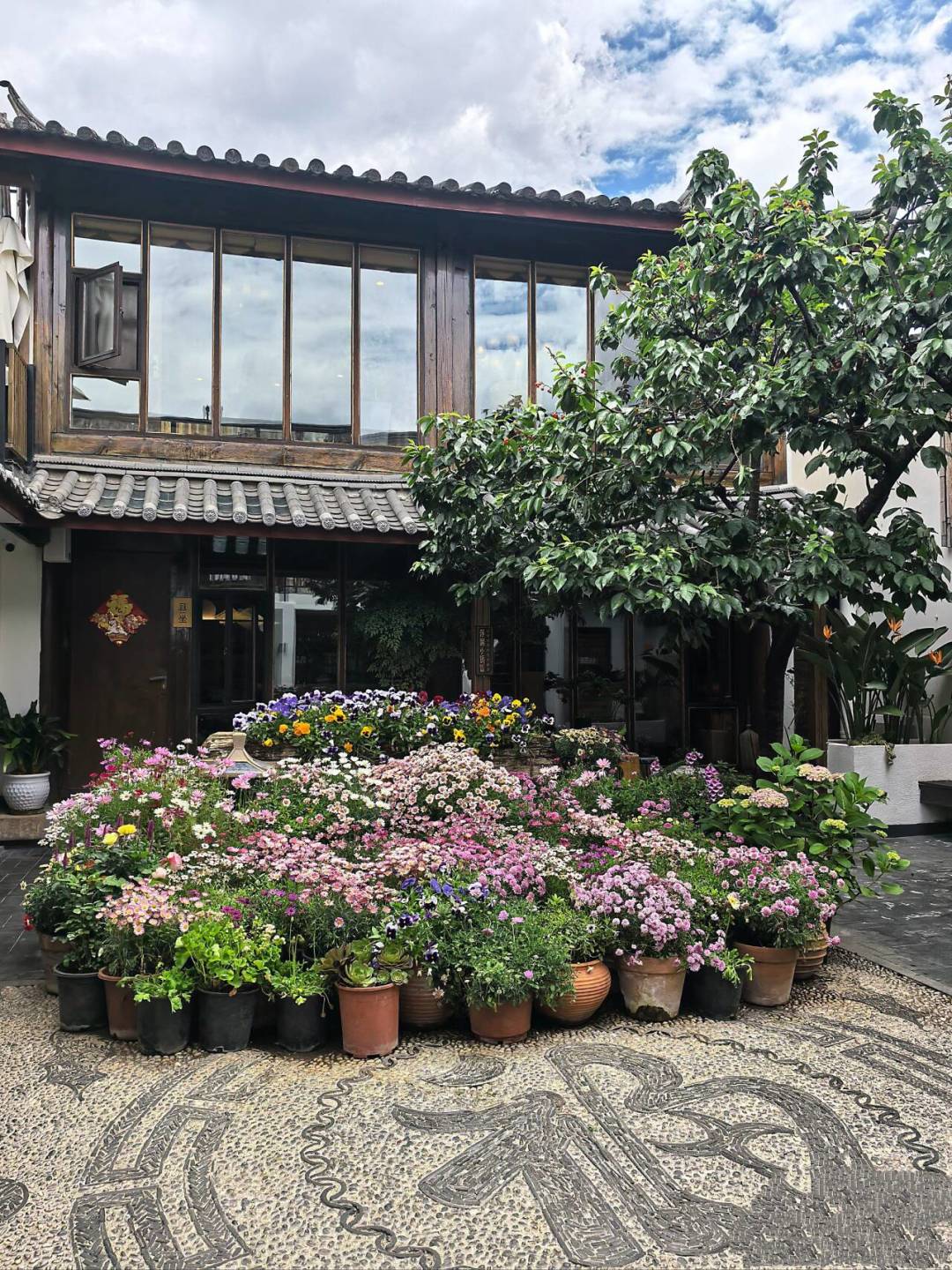
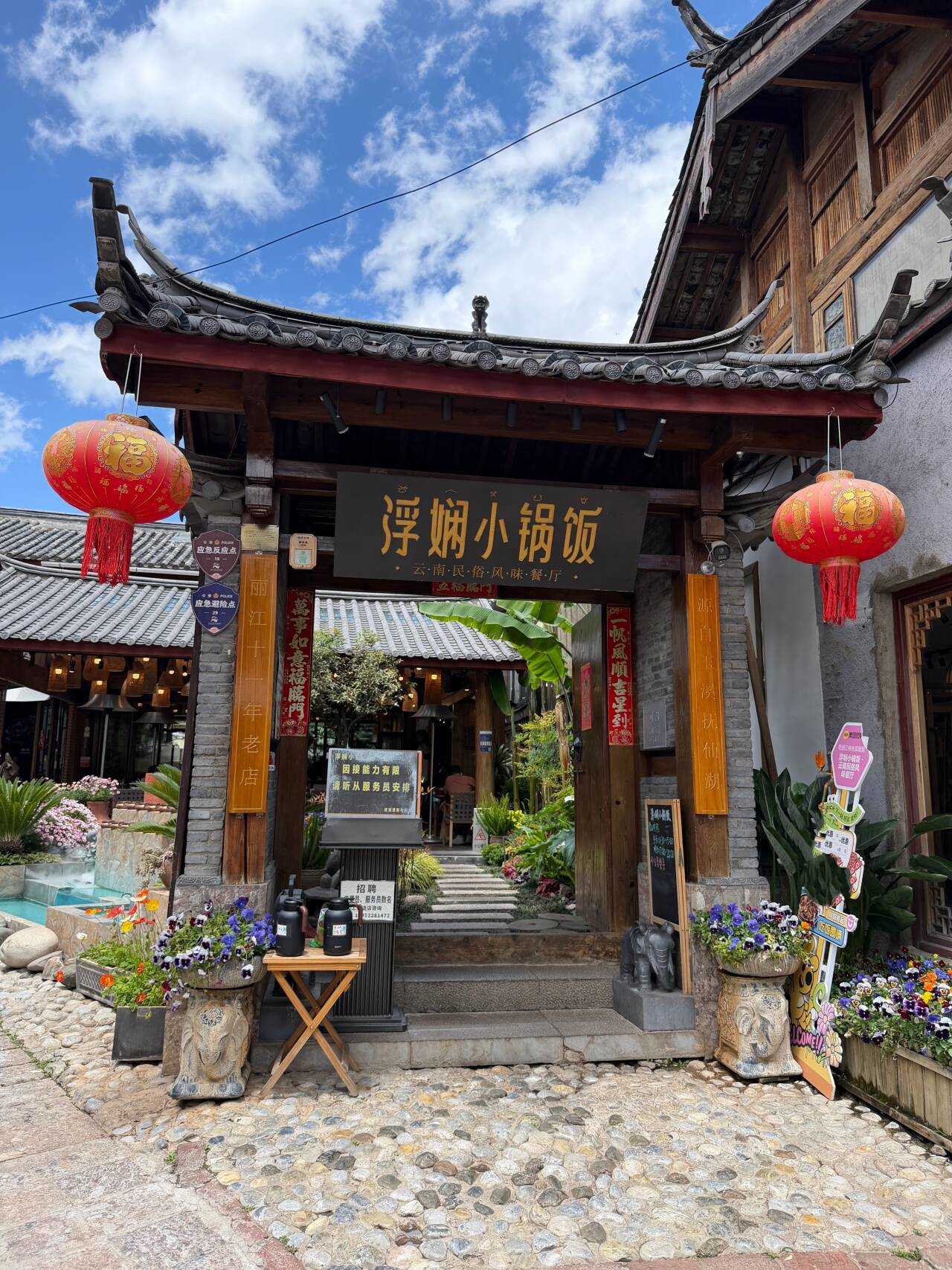
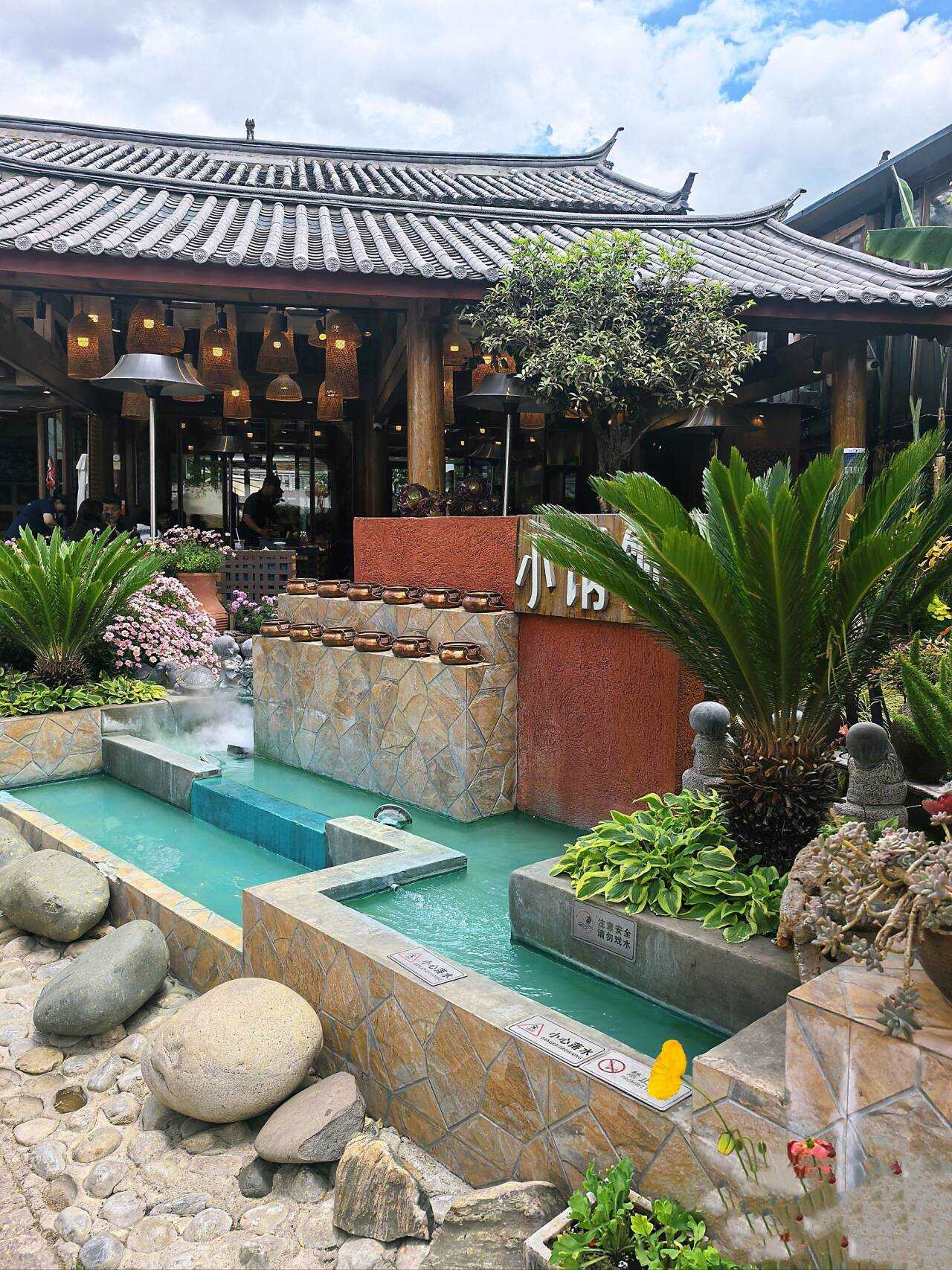
Let’s start where every great story should: with food. I’d heard whispers about a little restaurant in Shuhe Ancient Town called Floating Grace (Fu Xian) Small Pot Rice, a family-run gem that had been perfecting its craft for eleven years. The reviews were glowing, but I’ve learned to be skeptical of online hype. Still, my stomach won the argument, and I found myself standing in a queue outside a courtyard bursting with flowers.
Let me tell you: the wait was worth every second.
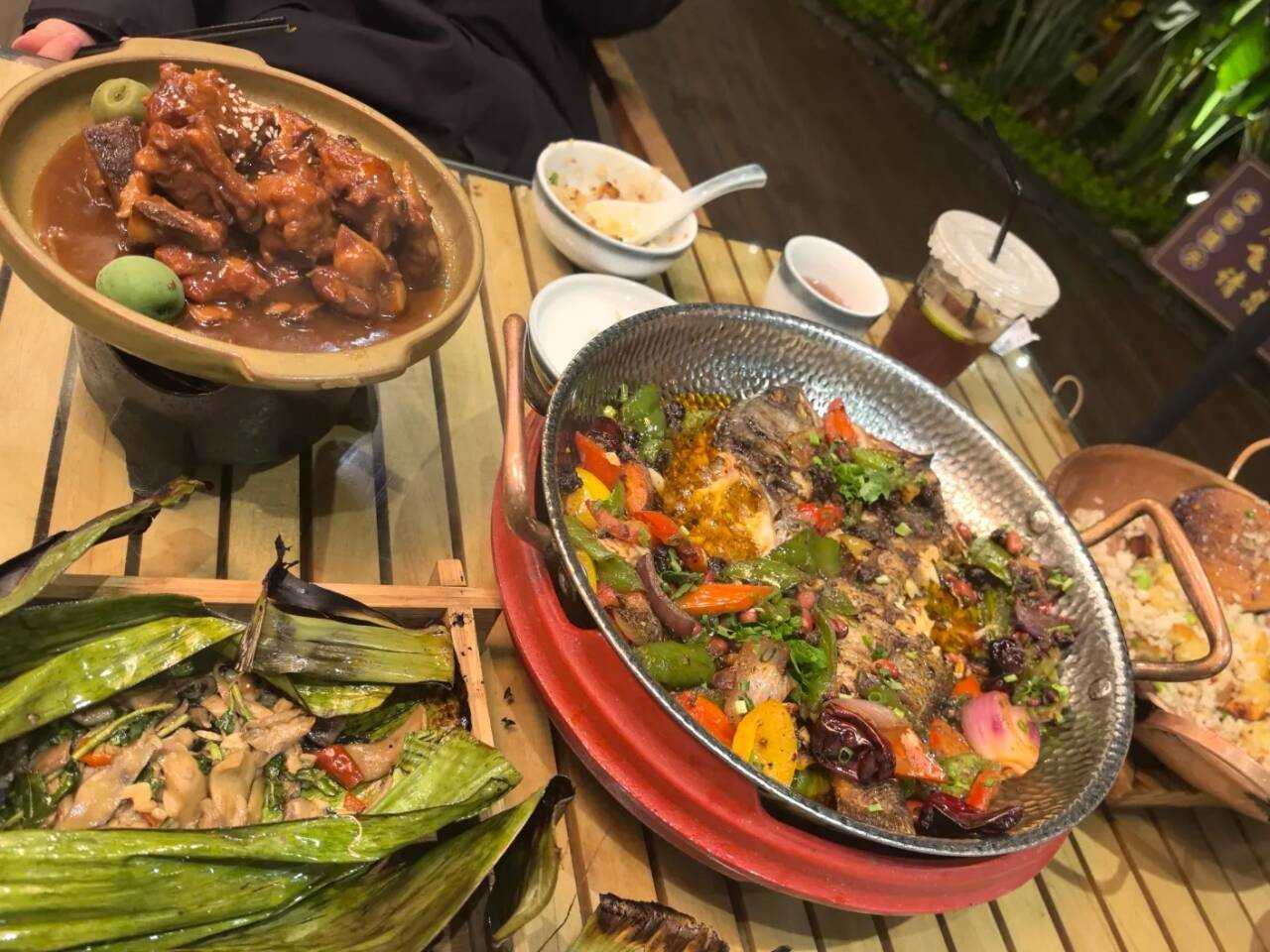
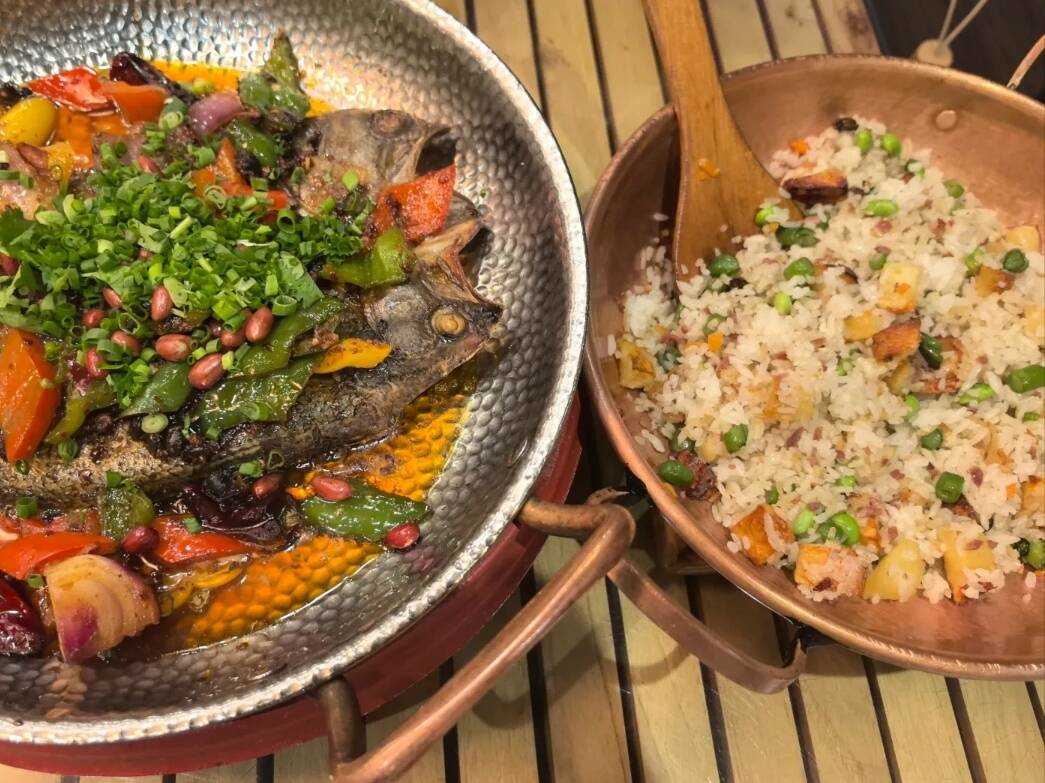
The star of the show was their signature small pot rice (xiao guo fan) . Picture this: a clay pot arrives at your table, steam curling upward like a whispered promise. Inside, baby potatoes have been slow-cooked until their skins are crackling gold, their interiors impossibly creamy. The rice beneath is a study in texture—each grain distinct, fluffy yet firm. But the real treasure lies at the bottom: a layer of golden, crispy guoba (guōbā) , the caramelized crust that forms when rice meets heat and patience. It crunches under your teeth, releasing a nutty, smoky flavor that makes you close your eyes and chew slowly, savoring every bite.

Then came the Pu’er tea braised pork belly. The meat was so tender it practically dissolved on my tongue—rich, unctuous, and utterly decadent. But here’s the trick: the tea leaves cut through the fat like a knife through silk, leaving behind a subtle, earthy bitterness that cleanses the palate. It’s the kind of dish that makes you reach for another spoonful before you’ve finished the first.
To balance the richness, I ordered a plate of water spinach (shui xing yang hua) —a local green so crisp and refreshing it felt like a cool breeze after a summer storm. The vegetables were stir-fried simply, with just a hint of garlic, letting their natural sweetness shine.
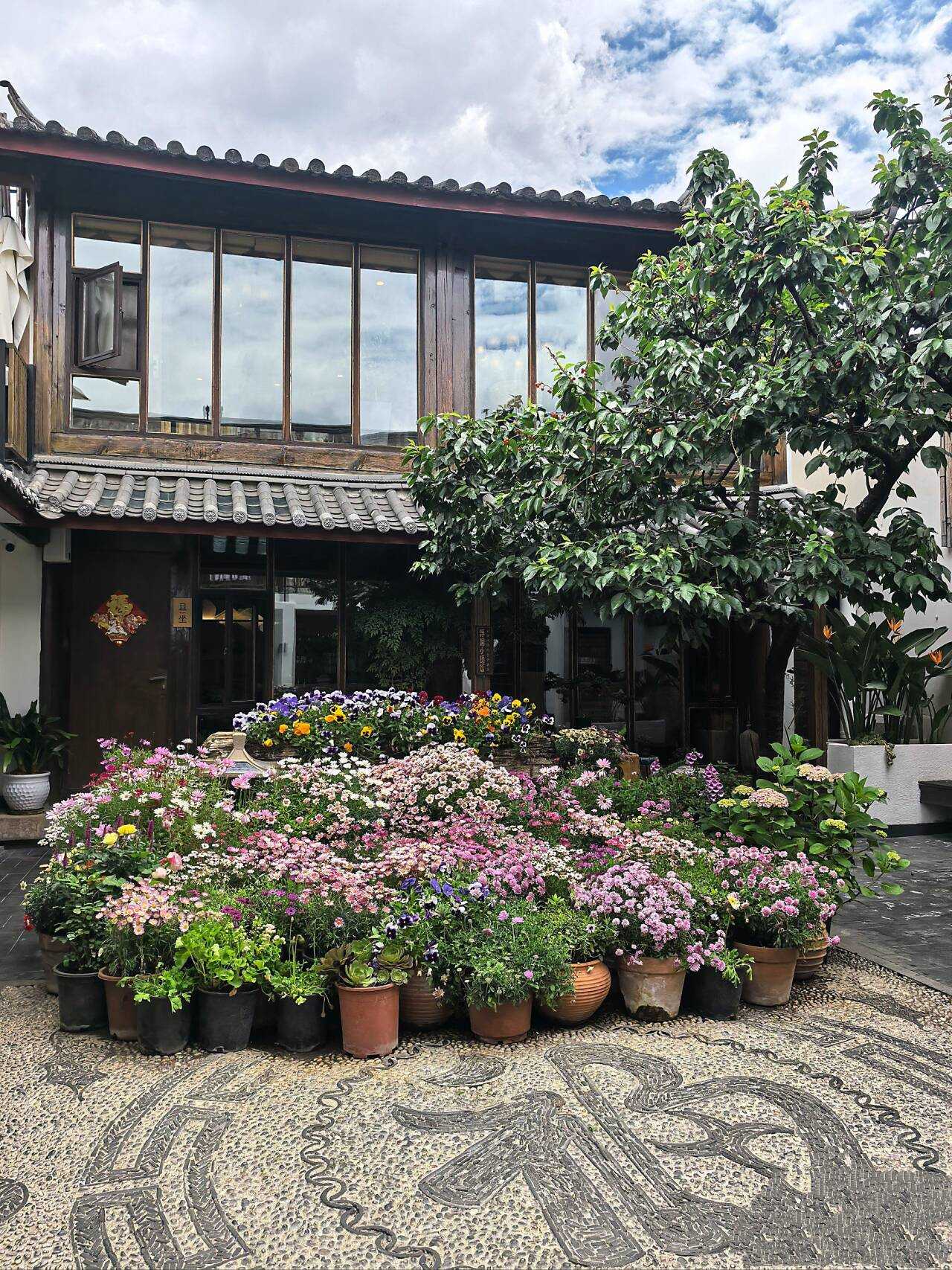
And the setting? The restaurant is a flower-wrapped courtyard, a riot of roses, jasmine, and bougainvillea cascading from trellises and window boxes. Every corner is Instagram-ready, but the real beauty is in the details: the gentle clink of ceramic spoons, the murmur of contented diners, the way the afternoon sun filters through petals onto your plate. The staff were warm and genuine, treating us like old friends rather than customers. For the quality, the price was a steal.
Tip: If you’re in Shuhe, don’t skip this place. Arrive early or prepare to wait—but trust me, you’ll thank yourself later.
Conquering the Jade Dragon: A Mountain That Gave Me Wings
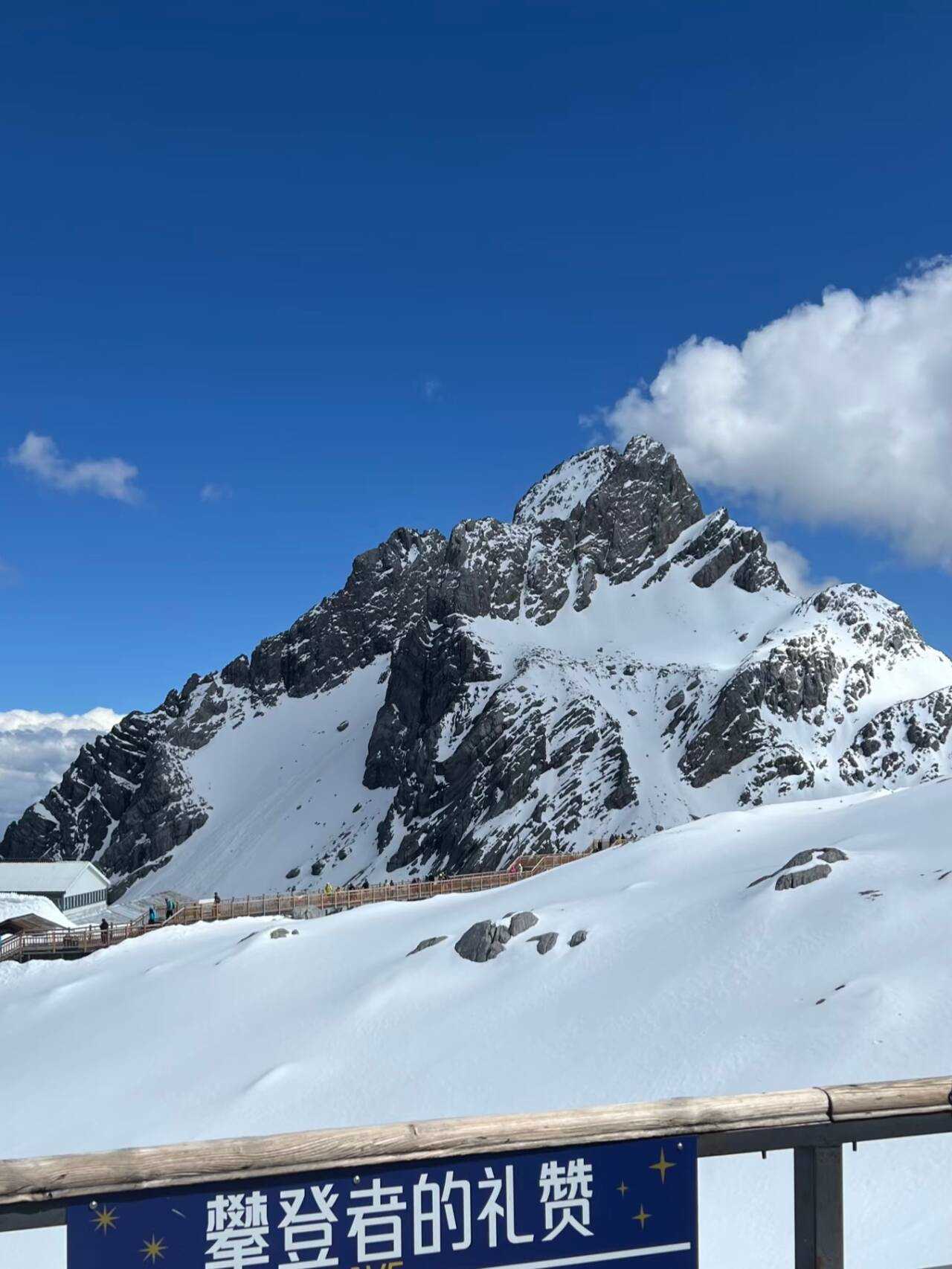
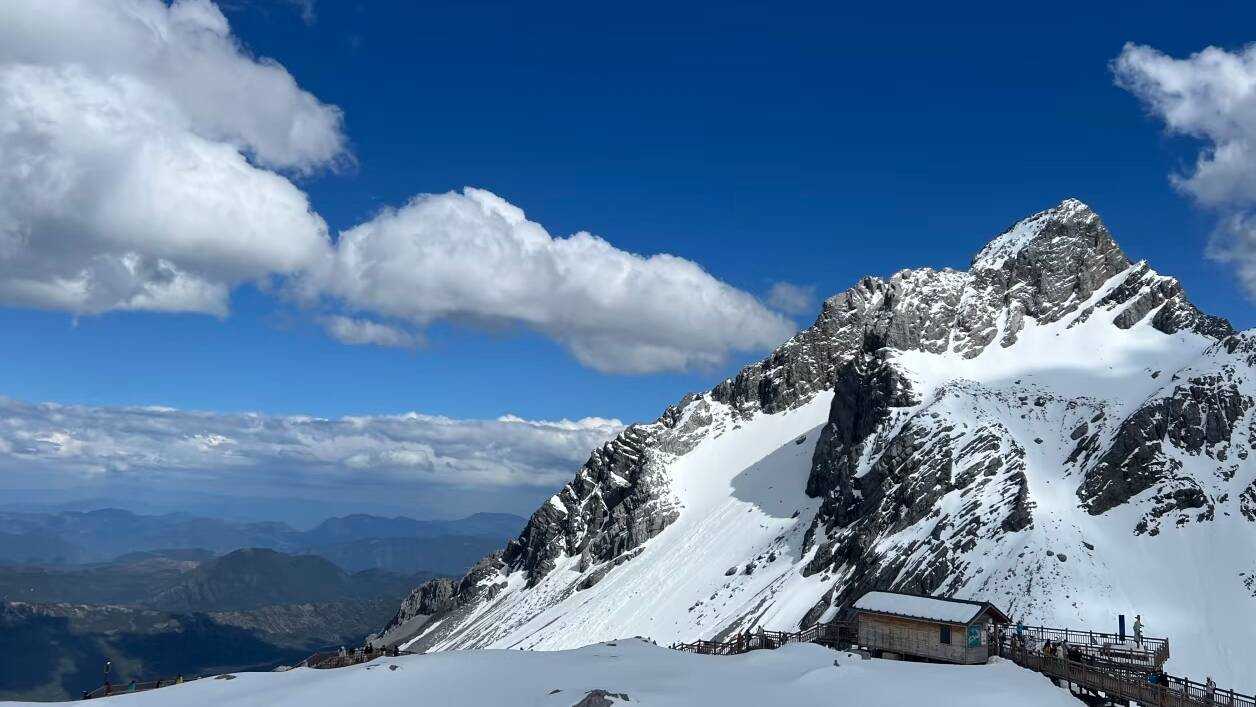
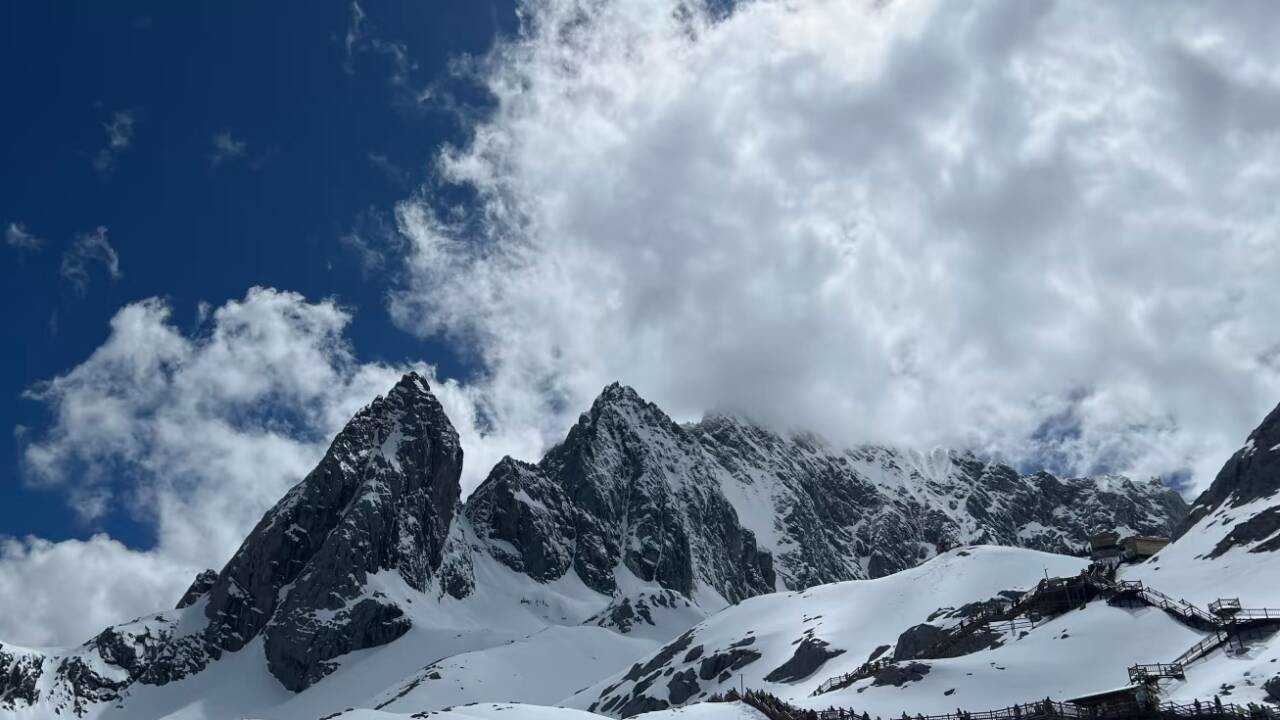
The next morning, I woke before dawn with a knot in my stomach. Jade Dragon Snow Mountain (Yu Long Xue Shan) is no ordinary peak. At 5,596 meters (18,360 feet), it’s a sacred giant that demands respect—and a bit of luck. I’d spent days researching: the labyrinthine process of booking the big cable car (da suo dao) tickets, the debate over whether rented down jackets were a scam, the altitude sickness horror stories. But on May 14th, the clouds parted, and the mountain smiled.
The weather was glorious. Not a single wisp of fog. The sky was a shade of blue so deep it felt like a painting. As the cable car began its ascent, my legs went weak—not from fear or altitude, but from sheer, unadulterated excitement. I’d never climbed a snow mountain before, and here I was, floating upward into a world of white and blue.
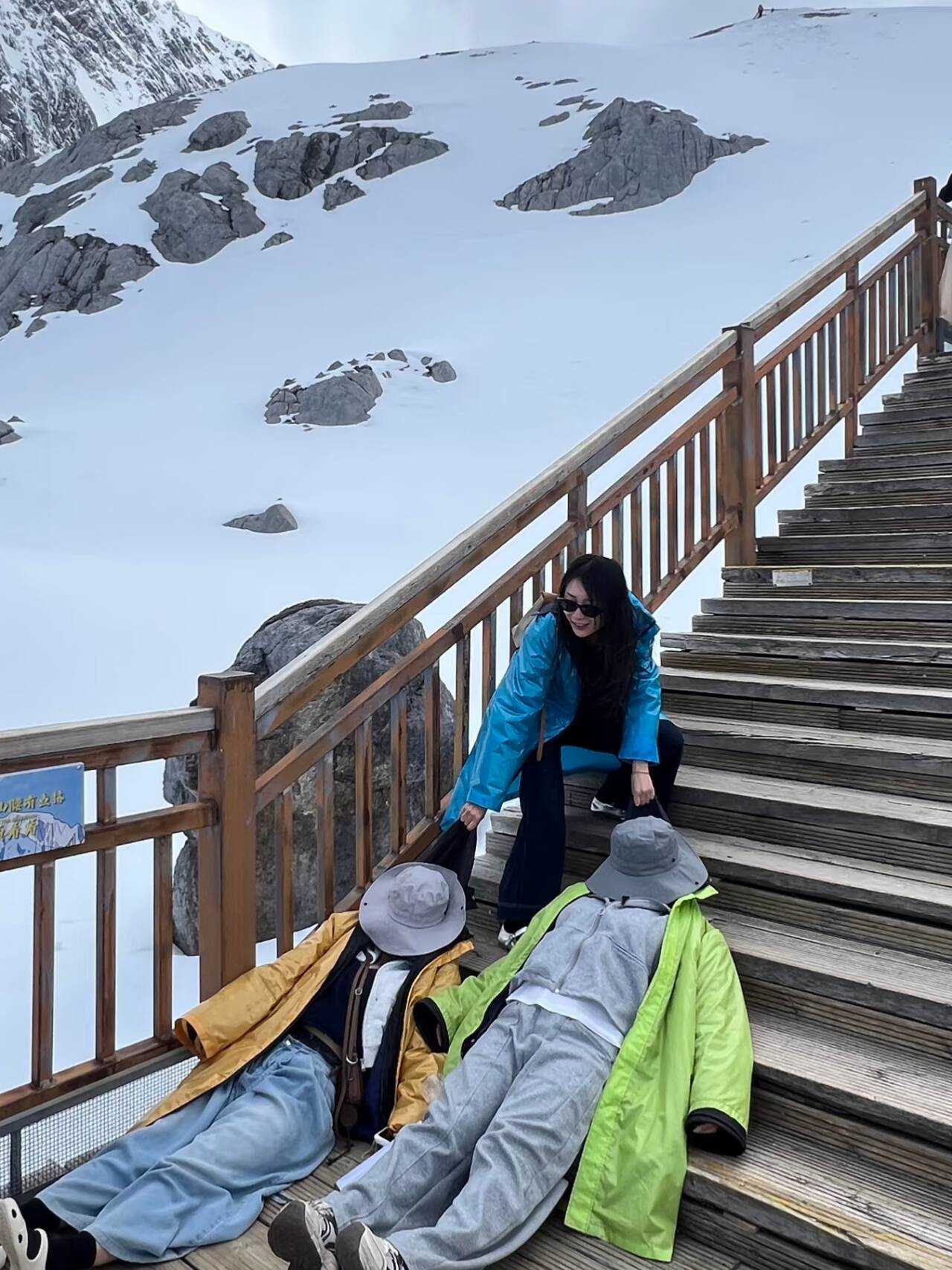
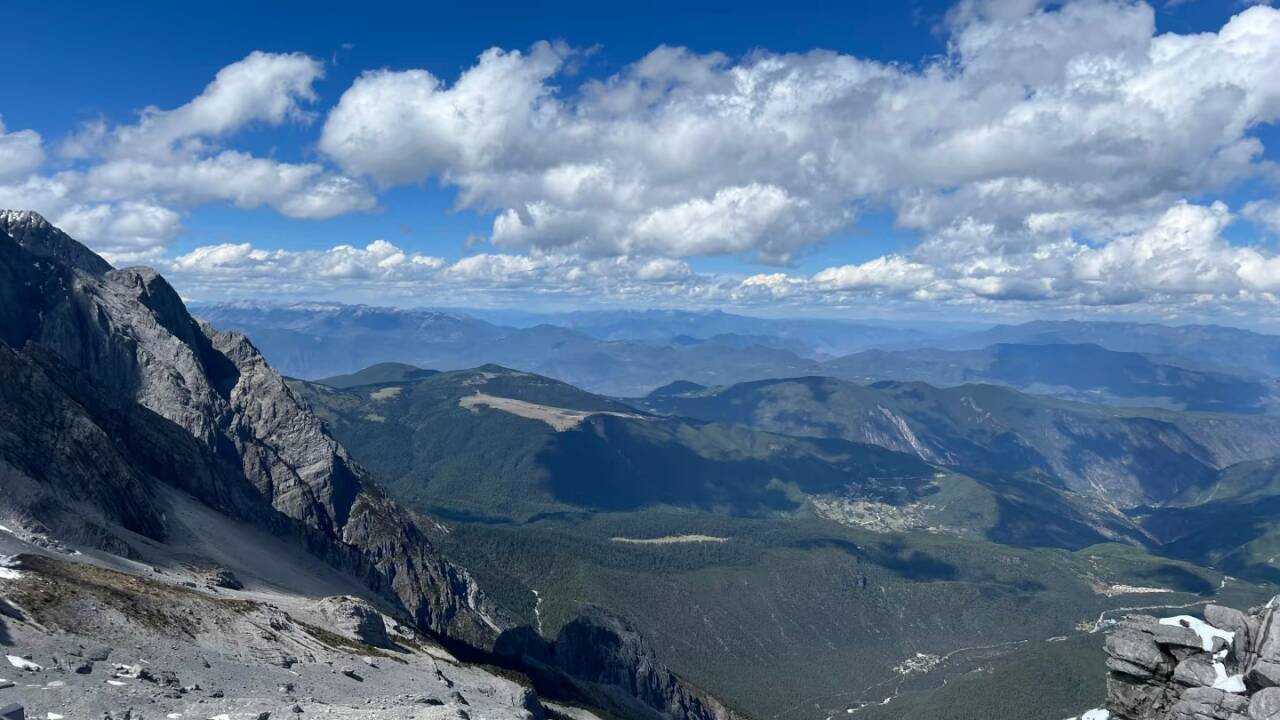
At the top, the air was thin and cold, but my heart was racing. The views stretched for what felt like infinity—jagged peaks, ancient glaciers, and a silence so profound it rang in my ears. I stood there, breathless, and thought: This is what it means to be alive.
Practical advice for first-timers: - The big cable car ticket is a beast to secure. Book online as early as possible—they sell out within minutes. I used the official WeChat mini-program and refreshed like a maniac. - Is the rented down jacket worth it? Yes, if you don’t have your own. The wind at the summit is unforgiving, and a thin layer won’t cut it. But if you’re visiting in summer, a good fleece and windbreaker might suffice. I opted for the rental, and it saved me. - Altitude sickness is real. Take it slow, drink water, and consider bringing oxygen canisters. I didn’t need them, but I saw plenty of people who did.
I’d planned to write a detailed guide, but honestly, I’m too lazy. If you have questions, drop them in the comments—I’ll share everything I learned, including the “blood and tears” moments.
The Lake That Stole My Breath: Blue Moon Valley
By mid-afternoon, I was back on solid ground, heading to Blue Moon Valley (Lan Yue Gu) . I’d seen the photos—those impossibly turquoise waters framed by snow-capped peaks—but I assumed they were filtered. They weren’t.
I arrived around 3 PM, and the lake was still glowing. The water is a shade of blue that defies description: part Caribbean, part glacial melt, part magic. It’s caused by copper sulfate from the surrounding mountains, but knowing the science doesn’t make it any less surreal. The lake stretches in a series of terraced pools, each one a slightly different hue, connected by small waterfalls that sparkle in the afternoon light.
I walked along the wooden boardwalks, past couples taking selfies and children splashing in the shallows. The air smelled of pine and wet stone. For a moment, I forgot about time, about schedules, about everything except the sheer, unapologetic beauty of this place.
Pro tip: Go in the late afternoon. The crowds thin out, and the light turns golden. Wear comfortable shoes—you’ll want to wander.
Wandering Through Time: Lijiang Old Town
That evening, I returned to Lijiang Old Town, a UNESCO World Heritage site that’s equal parts charm and chaos. The ancient streets are paved with smooth, uneven stones—beautiful to look at, treacherous to walk on. I clocked 12 kilometers on my feet, weaving from the South Gate to the Wenchang Palace Observation Deck, getting lost in a labyrinth of canals, bridges, and wooden shopfronts.
The old town is alive with contradictions: traditional Naxi architecture housing modern cafés, the sound of folk music mixing with pop hits, the scent of grilled yak meat mingling with lavender soap. It’s touristy, yes, but in the best possible way. Every alley reveals something new: a hidden temple, a courtyard garden, a street artist painting watercolors of the moon.
Warning: Those cobblestones are no joke. Wear sturdy, comfortable shoes, or you’ll be limping by the end of the day. And don’t try to follow a map—getting lost is half the fun.
Final Thoughts: No Regrets, Only Gratitude
As I sat in a tiny tea house near the observation deck, watching the sun set over the old town’s rooftops, I felt a quiet, profound peace. I’d eaten food that made my soul sing, stood on a mountain that made me feel both tiny and infinite, and walked through a town that felt like a dream.
I came to Lijiang with expectations, and I left with memories. No regrets. Not a single one.
Key takeaways for your own journey: 1. Food first: Don’t skip Shuhe Ancient Town’s hidden restaurants. The small pot rice and Pu’er braised pork belly are life-changing. 2. Plan the mountain carefully: Jade Dragon Snow Mountain requires early booking and preparation. But the reward is worth every ounce of effort. 3. Embrace the wandering: Lijiang Old Town rewards those who get lost. Let the cobblestones guide you. 4. Timing is everything: Visit Blue Moon Valley in late afternoon for fewer crowds and magical light. 5. Pack smart: Comfortable shoes and layers are non-negotiable. Altitude can hit when you least expect it.
Lijiang isn’t just a destination—it’s a feeling. A feeling of standing at the edge of the world and realizing that you’re exactly where you’re meant to be. If you’re still debating whether to go, stop. Book the ticket. Pack the bag. And let this ancient city work its quiet, enduring magic on you.
No regrets. I’ve been to Lijiang. And now, so have you.
You should also read:
Wandering Lijiang, Finding Myself: A Seven-Day Journey Through Time and Soul
Wandering Lijiang, Finding Myself: A Seven-Day Journey Through Time and Soul Weibo | Xiaohongshu: Steel Teeth Xiao Jia WeChat Official Account: TinyVision Some journeys are for seeing the scenery; some journeys are for finding yourself. In September 2012, my friend of over a decade, Chen…
Continue reading...
Never Stop Walking: A Solo Journey Through Yunnan – 19 Days of Wandering Through Lugu Lake, Lijiang, Shangri-La, Dali, Shuanglang, and Kunming
Never Stop Walking: A Solo Journey Through Yunnan – 19 Days of Wandering Through Lugu Lake, Lijiang, Shangri-La, Dali, Shuanglang, and Kunming Weibo / WeChat Official Account ID: Fan Nuan Backpacking far and wide, with good wine always by my side The land of colorful…
Continue reading...
When Young, You Should Go Far Away: A Solo Soul Journey to Lijiang, Lugu Lake, and Shangri-La
When Young, You Should Go Far Away: A Solo Soul Journey to Lijiang, Lugu Lake, and Shangri-La Ever since I got "neurotic," I've felt so much more energetic — that sentence sounds absurd, but it was the truest reflection of my state of mind before…
Continue reading...