On Wheels Through Western Yunnan: 10 Days, 2,500 Kilometers — A Healing Journey Chasing Mountains, Rivers, and Lakes
On Wheels Through Western Yunnan: 10 Days, 2,500 Kilometers — A Healing Journey Chasing Mountains, Rivers, and Lakes
Living too long in a city of concrete and steel, there's always a voice calling from within — go far away, to places where you can see snow-capped mountains and hear the wind cutting through canyons. So my "Xiao Ba" and I set foot in Yunnan for the third time. This time, we spent ten full days driving over 2,500 kilometers, packing the mountains, rivers, lakes, clouds, mist, and stars of western Yunnan into our memories.
Why Yunnan?
In 2017, to celebrate our fourth wedding anniversary, we hurriedly spent five days in Dali and Shangri-La, only passing through Lijiang. Last year, we drove from Shanghai to Kunming, stayed one night in Mile, and flew home. Each departure felt like we owed Yunnan a longer embrace.
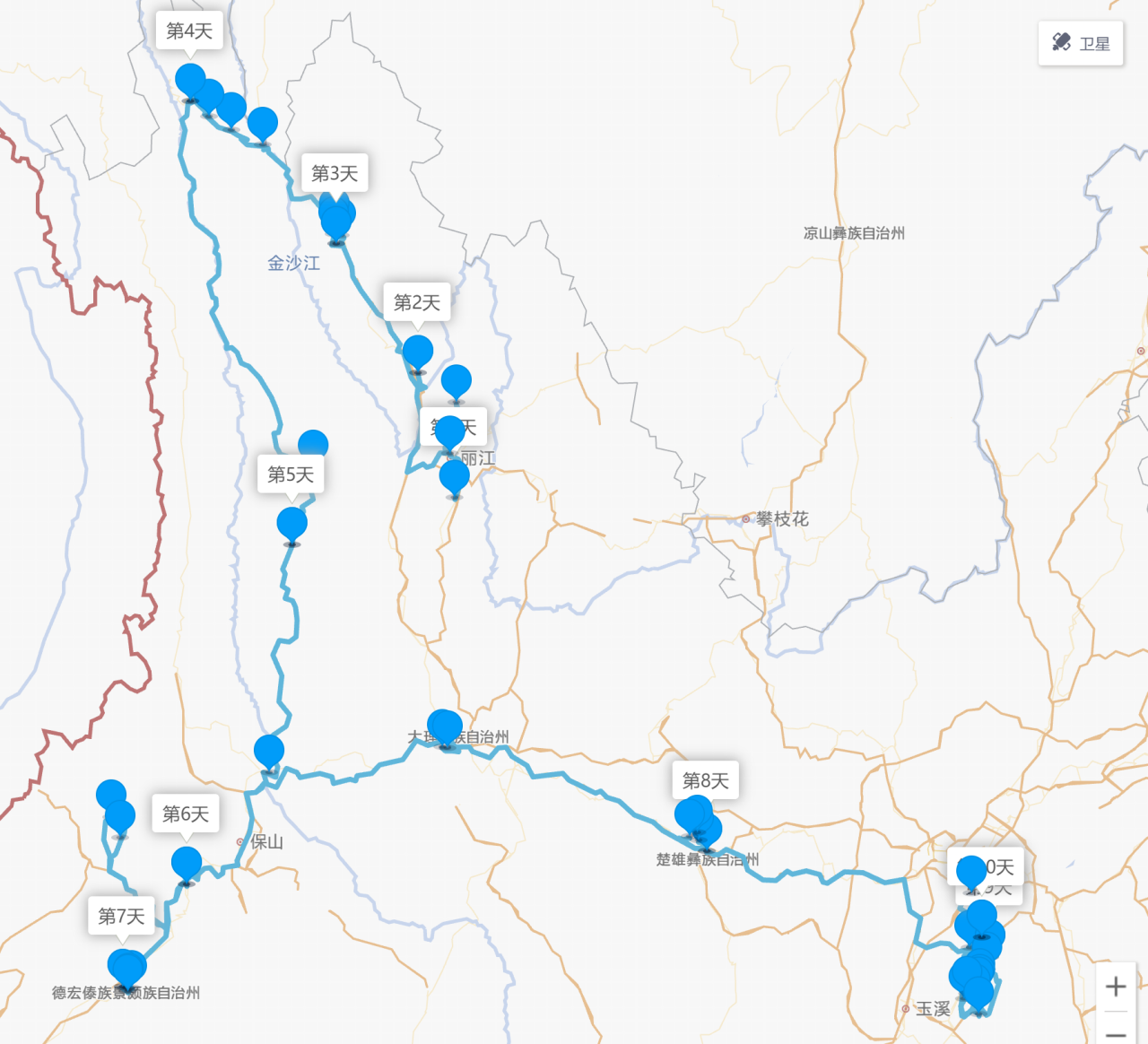
This time, we decided not to rush. Instead, we truly "stepped into" this land. Starting from Lijiang, we passed through Diqing, Nujiang, Baoshan, Mangshi, Dali, Chuxiong, and Yuxi, finally returning from Kunming. Over 2,500 kilometers of road brought us the awe of iconic landmarks, the delight of hidden gems, and the serendipity of landscapes that don't even appear on maps.
Stop 1: Lijiang — A Rainy Emerald Wonderland
Spruce Meadow (Yunshanping): Dreaming in a Misty Forest
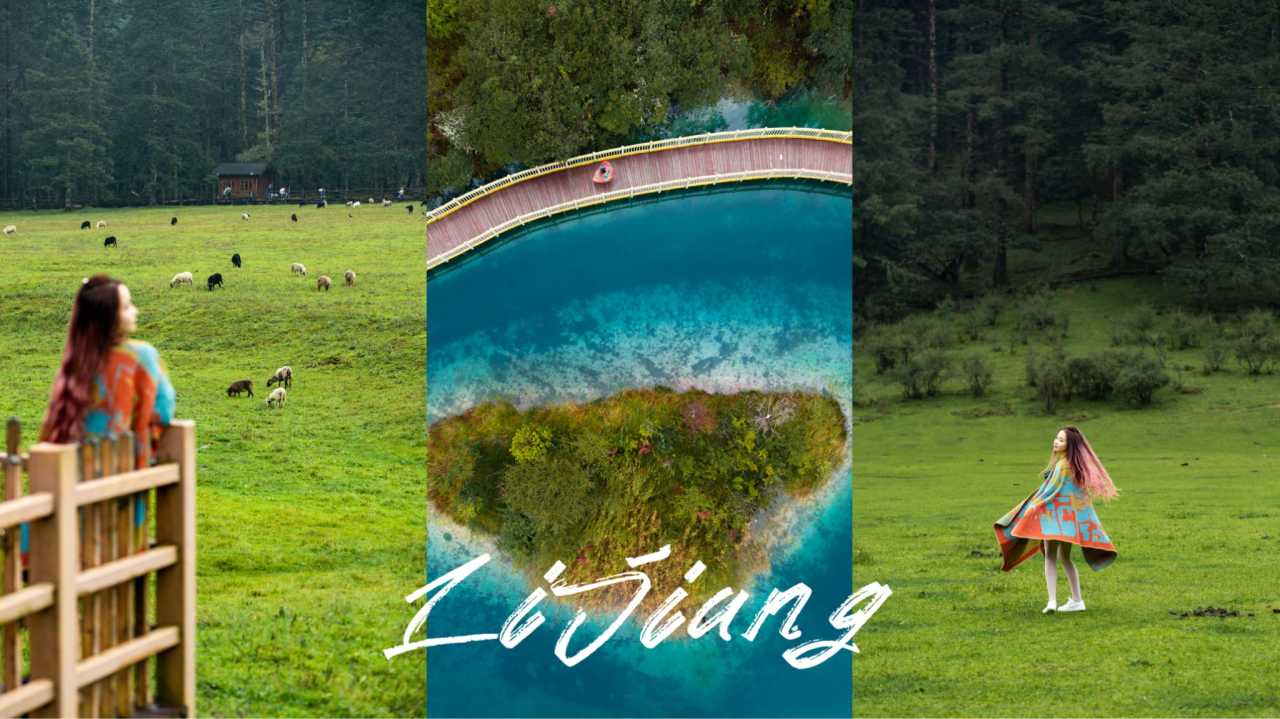
On our first day in Lijiang, a light rain fell. We abandoned plans to summit Jade Dragon Snow Mountain — why force it in bad weather? Instead, we headed to Spruce Meadow halfway up the mountain, home to alpine meadows and dense spruce forests.
At 3,240 meters above sea level, Spruce Meadow is considered the entrance to the "Third Kingdom of Jade Dragon" in Naxi folklore. Legend says it's a place of tragic love, but walking in felt like stumbling into a fairy tale. Moss clung to the spruce trees, rain made the leaves shine, and the air was thick with the scent of earth and greenery. Wrapped in mist, the distant snow peaks appeared and disappeared. Cattle and horses grazed leisurely on the meadow.
Practical Tips: - Ticket: 100 RMB/person for Jade Dragon Snow Mountain scenic area (purchased on-site) - Spruce Meadow cable car: 60 RMB/person (includes bus + cable car), buy on the mini-program "Lijiang Tourism Group" - Go in the morning — fewer people, and the deeper you go, the quieter it gets - If you don't want to walk the boardwalk, a 20 RMB sightseeing car takes you there in just one minute
Blue Moon Valley (Lanyuegu): Blue That Even Clouds Can't Dim
After Spruce Meadow, we took the bus to Blue Moon Valley. I thought an overcast day would drain the color from the lake, but when I looked down from the bus, I was stunned — the water was as clear as sapphire, raindrops rippling across the surface.
Blue Moon Valley consists of four lakes: Jade Liquid Lake, Mirror Pool Lake, Blue Moon Lake, and Listening to Waves Lake. For the bluest water, get off the bus and head right — the floating boardwalk (Lovers' Path) there is perfect for photos. But you'll need patience to capture a shot without people; it's also a popular spot for wedding photos.
Practical Tips: - Visit order: Spruce Meadow first, then Blue Moon Valley (the bus is one-way, no backtracking) - Park at Parking Lot 2, closest to the Spruce Meadow cable car bus stop - Arrive before noon; afternoon crowds of tour groups and wedding photographers swell
Stop 2: Shangri-La — A Hidden Paradise Above the Clouds
The White Cottage at the Foot of Haba Snow Mountain
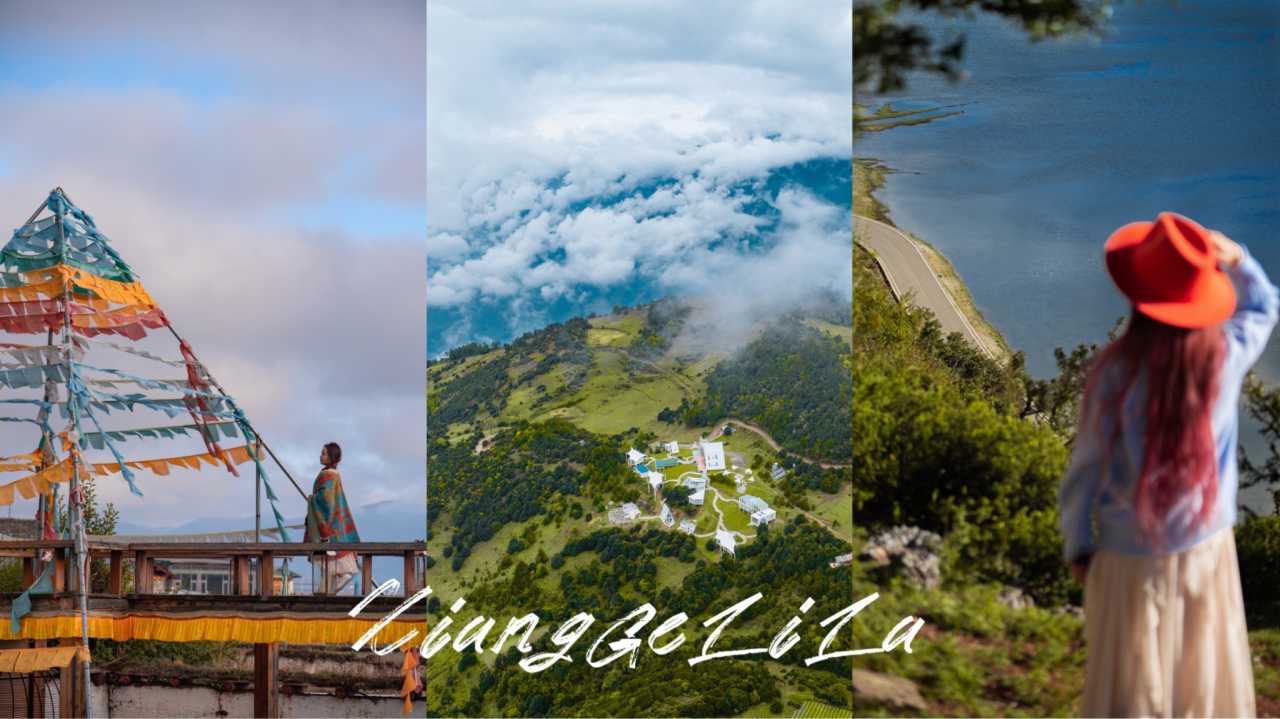
Heading north from Lijiang, we chose a guesthouse tucked into the mountainside of Haba Snow Mountain for our first night in Shangri-La. Honestly, it wasn't convenient — a 20-kilometer winding mountain road from Tiger Leaping Gorge took over an hour. But the moment I saw photos, I knew I'd climb every peak to stay there.
The guesthouse consisted of white cottages scattered across the meadow like little churches. Ours was in the front row with an unobstructed view, featuring a bathtub on the terrace where you could soak while gazing at the snow mountain. Though the weather was bad that day and clouds hid the peaks, the dreamy mist gave the place an even more magical quality.
Practical Tips: - Address: Group 20, Laoyao Shang, Dongpo Village Committee, Tiger Leaping Gorge Town - Price: Starting from 1,300+ RMB for basic rooms - The mountain road is narrow with difficult passing — ascend before dark - The last stretch is a steep dirt road; on rainy days, ask the innkeeper to pick you up
Napahai Lake: A Rainy Season Surprise
The next day, we planned to take the Eastern Ring Road to Baishuitai (White Water Terrace). But heavy rain and thick fog at dawn forced us to change plans. We didn't leave the guesthouse until noon, taking National Road 214 to Napahai instead.
Unexpectedly, the sky cleared just as we arrived. Napahai is a seasonal lake — full during the rainy season (May to November), dry and grassy the rest of the year. We'd visited five years ago in the dry season, and the scenery was far less impressive.
Driving along the lake's ring road, we found several perfect photo spots:
- Alpine Botanical Garden: A high vantage point overlooking the entire lake — mountains, meadows, water, and road all in one frame
- S-Curve on the Ring Road: A massive S-bend with distant mountains and the lake right beside you. When the light is good, the water turns sapphire blue, reminiscent of Erhai Lake's famous S-curve, but here you'll have it almost to yourself
- Flooded Road: When the water rises in the rainy season, it covers the road, creating a unique "water highway." We rented an off-road vehicle and drove through it. Even at slow speeds, the deepest sections sent up huge splashes. Small cars shouldn't attempt it — tow trucks are on standby nearby
Practical Tips: - Napahai is within the Diqing Airport no-fly zone; no drone photography allowed - Spend at least two hours exploring slowly - Drive the ring road clockwise or counterclockwise, depending on your accommodation
A Tibetan-Style Surprise
For our second night in Shangri-La, we booked a Tibetan-style hotel with low expectations — and were blown away. Hidden in a village, it was converted from local homes, with a backyard full of cosmos flowers. The room was enormous, over 80 square meters with a private courtyard, offering views of Shika Snow Mountain and Napahai from inside.
At dusk, orange clouds and the moon seemed close enough to touch. That night, we captured a vast expanse of stars.
Practical Tips: - Hotel: Shangri-La Saluoye Wild Luxury Hotel - Address: Bulun Village, Jiantang Town, about 15 minutes from Napahai - Price: Starting from 500+ RMB for basic rooms
Stop 3: Deqin — Chasing the Golden Sunrise Through Clouds
The Old 214 National Road: A Forgotten Path Into Tibet
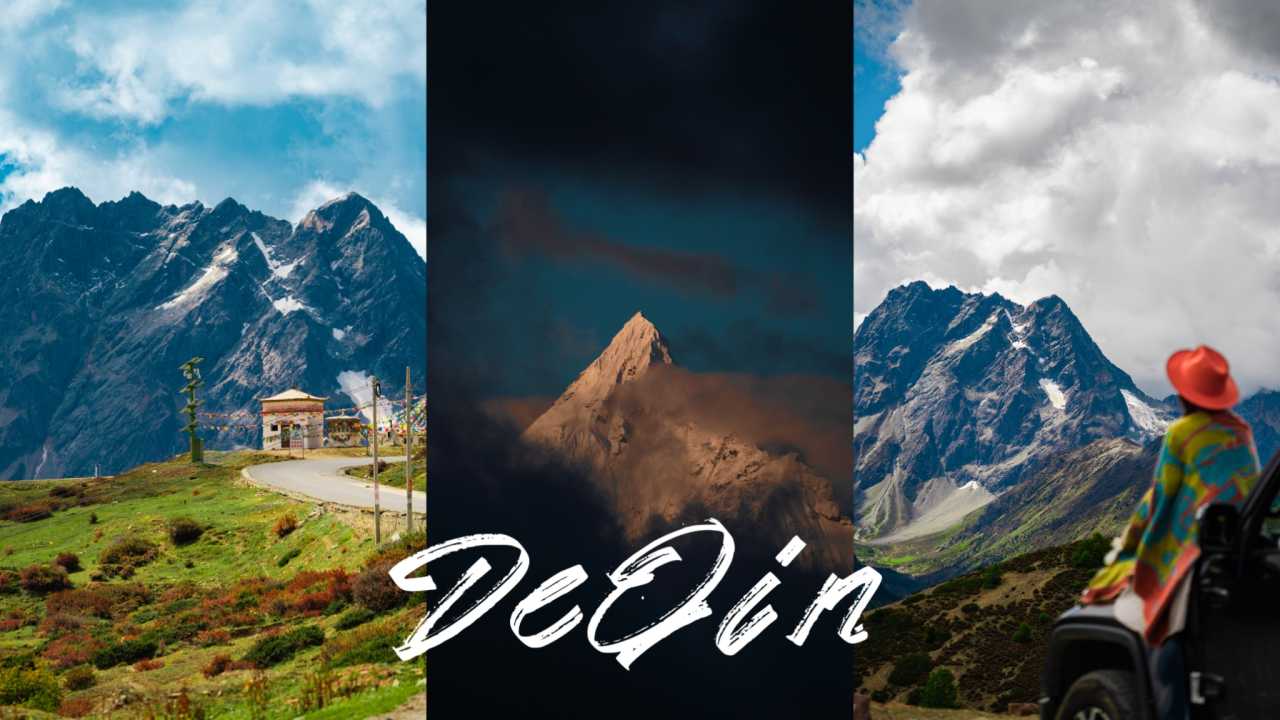
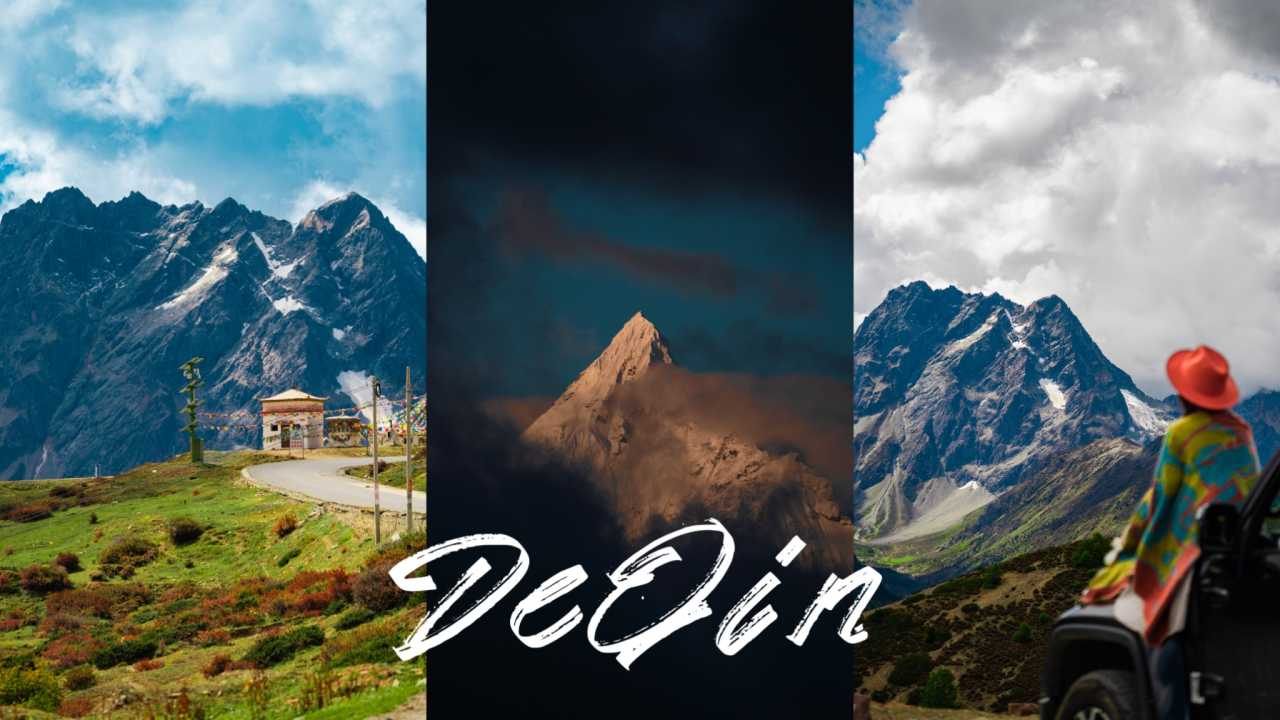
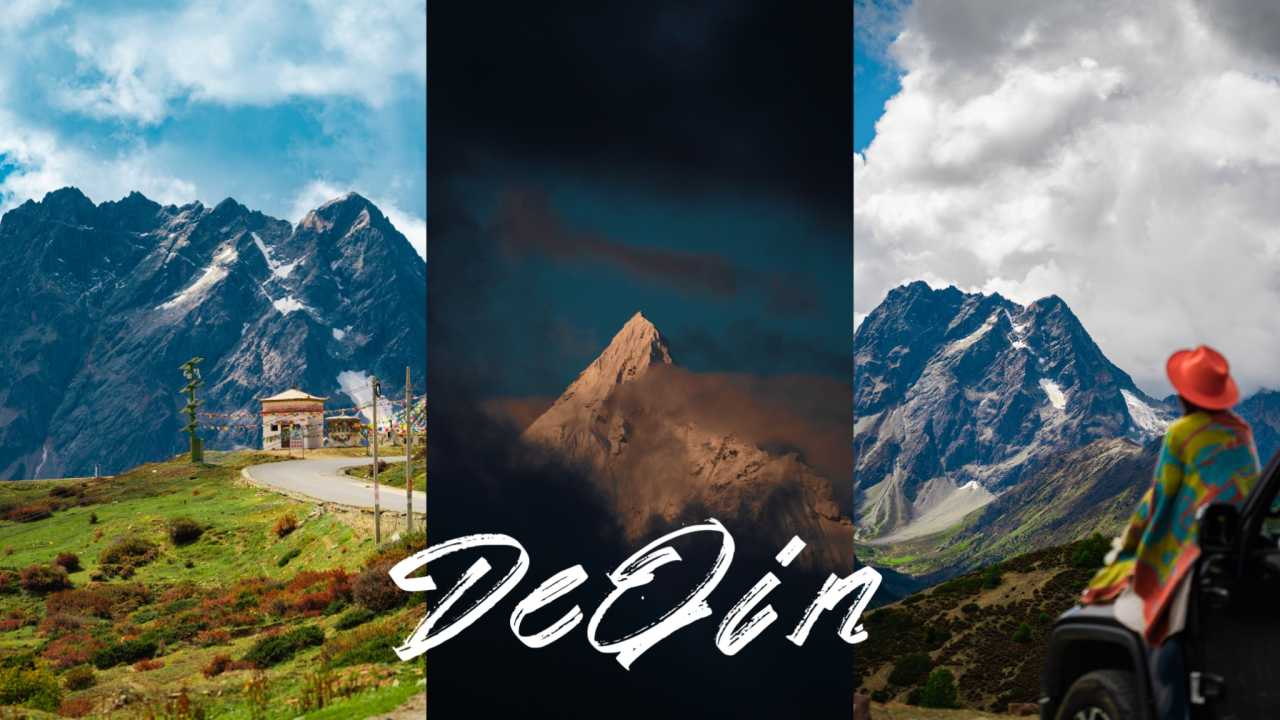
From Shangri-La to Meili Snow Mountain in Deqin, we took National Road 214. But the road that truly captivated us for half a day was the old 214, now downgraded to Provincial Road 236 — once a vital route from Yunnan into Tibet.
This road climbs continuously from over 3,000 meters to 4,292 meters. Along the way, you can see Baima Snow Mountain up close, with layered roads and vegetation unfolding before you. In early October, the leaves were just beginning to turn yellow; a few weeks later, the autumn colors would be brilliant. There were few cars, and multiple pull-offs made for easy photo stops.
But we hit trouble at the Baima Snow Mountain pass — a massive traffic jam. Due to COVID restrictions in Tibet, many truck drivers were using this route to transport supplies, causing gridlock. We had to turn back, losing over an hour, but the scenery along the way was compensation enough.
Practical Tips: - From Shangri-La, navigate to "Provincial Road 236" and turn right before Tunnel 3 on National Road 214 - Road conditions are fine for small cars, but watch for falling rocks - High altitude — watch for altitude sickness; no strenuous activity
Meili Snow Mountain: A Fleeting Stroke of Luck
We rushed to arrive at the Wunongding Observation Deck for Meili Snow Mountain just after 6 PM. But the clouds were too thick; sunset was already lost. Though I knew the chances of seeing the "Golden Mountain" (sunrise on the snow peaks) in October were slim, we stayed overnight at Wunongding anyway, following the principle of "since we're here."
Our guesthouse had a great location, with the observation deck right across from our room. The owner said the weather had been gloomy until today, but in her experience, there might be a tiny chance of seeing the golden light tomorrow. So I set my alarm for 6:30 AM and prayed for a miracle.
The next morning, before my alarm even went off, car headlights outside woke me — people were already rushing to the observation deck to claim spots. The clouds were thick, the fog heavy. Just before 7 AM, the clouds lit up as sunlight hit them. A large patch of mist and cloud parted, revealing a brief glimpse of the golden mountain. It wasn't overwhelming, but it was unforgettable. I recorded over 40 minutes of time-lapse on my phone, chasing the mountain peak through the clouds — a fleeting, rare luck.
Practical Tips: - Guesthouse: Meili Snow Mountain Moju Viewing Guesthouse, 1,500 RMB - For the golden sunrise, stay near the Wunongding Observation Deck — no need to wake up too early - Feilai Temple and Yubeng Village also offer shooting spots, but Yubeng requires hiking or a ride, not ideal for a road trip
Stop 4: Lanping — An Unexpected Encounter with the Lancang River
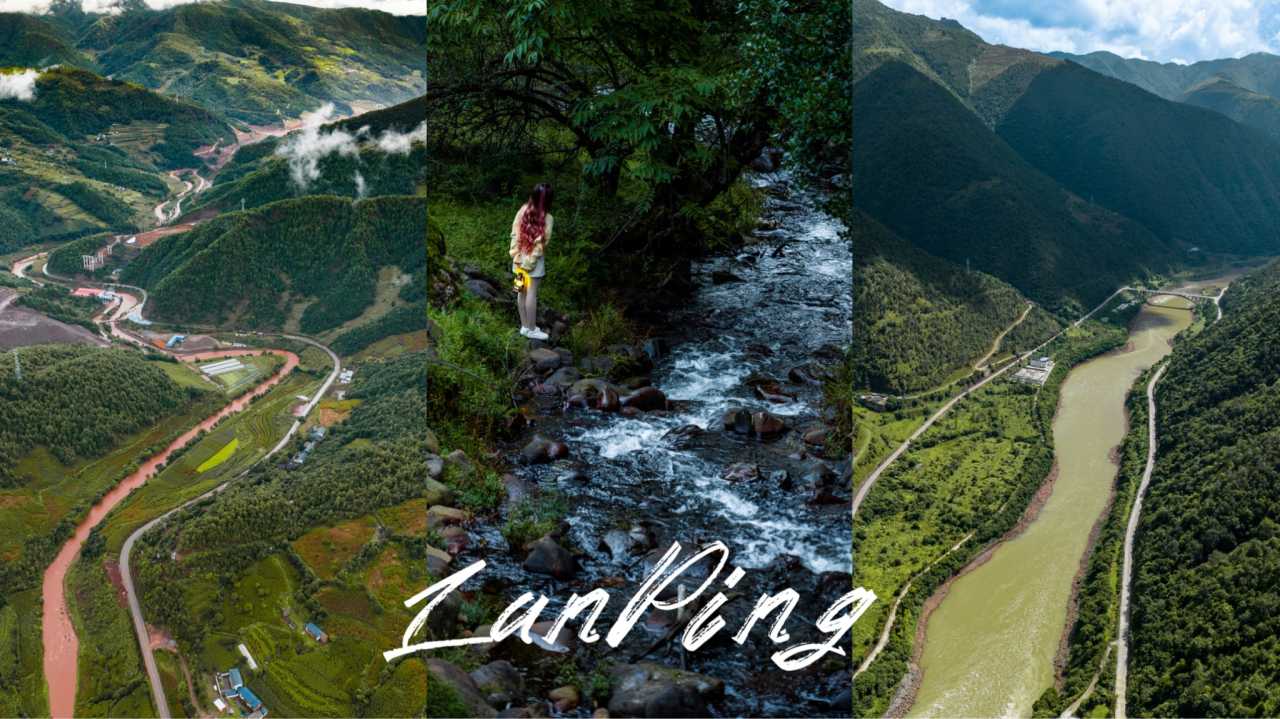
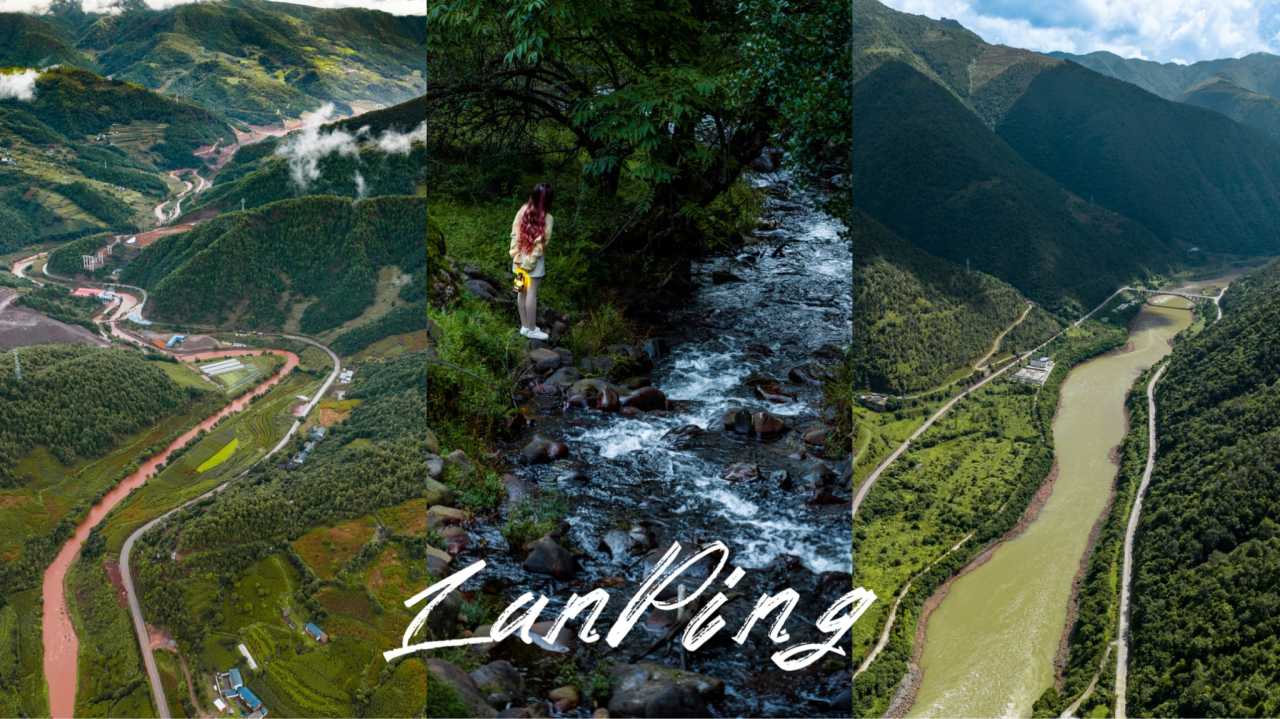
From Deqin, we originally planned to head to Bingzhongluo and the First Bend of the Nujiang River in Nujiang Prefecture. But when we tried to turn onto the Degong Bridge, we were stopped — the Degong Highway, scheduled to open on September 30, had extended its traffic control period.
After futile negotiations, we had to reroute. But this "accident" led us to the Lancang River. Heading south from Deqin along the Dewei Line, the Lancang River wound through the canyon, its water shimmering a mesmerizing blue in the sunlight. In that moment, I realized — the beauty of travel lies in those unplanned surprises.
Stop 5: Baoshan and Mangshi — Pretending to Be in Southeast Asia
Baoshan: An Exotic Hidden Gem
In Baoshan, we found a Southeast Asian-style resort hotel. With international travel off the table, it became our perfect "pretend we're in Southeast Asia" escape. Surrounded by tropical plants, with a pool, coconut palms, and thatched-roof huts, every shot looked like a vacation spread.
Mangshi: A Different Dai Flavor
Mangshi is the capital of Dehong Dai and Jingpo Autonomous Prefecture. Its Dai culture feels more authentic and less touristy than Xishuangbanna's. We visited local Dai villages, ate authentic Dai-style barbecue, and even experienced the joy of the Water Splashing Festival.
Stop 6: Dali — The Blue Hour at Sunset
From Mangshi, we drove east back to Dali. Though we'd visited many times, each trip brought new discoveries.
This time, we found a stunning photo spot by Erhai Lake — the blue hour at sunset, when the sky gradates from blue to orange, and distant Cangshan Mountain merges with the nearby lake. For a moment, I felt like I'd stepped into a real-life La La Land.
Stop 7: Yuxi — A Pink Sand Fairy Tale
Our last stop was Fuxian Lake in Yuxi. Here lies a pink sand beach, with turquoise water and soft pink sand that looks straight out of the Maldives. We spent an entire afternoon shooting until the sun dipped below the horizon.
Final Thoughts: Reflections on 10 Days and 2,500 Kilometers
This road trip threw rain, fog, traffic jams, and road closures at us — but also delivered unexpected beauty and joy. Yunnan's magic lies in its unpredictability. You never know what the next turn will reveal.
About Us: - Me: A "middle-aged girl" at heart, travel blogger, trip planner - Xiao Ba: Not a "dad" — my "roommate" for nearly 12 years, married for 9. Wild photographer, full-time driver, camera carrier, and luggage hauler
Full Itinerary: - Day 1: Shanghai → Lijiang (stay in Lijiang Old Town) - Day 2: Lijiang (Spruce Meadow, Blue Moon Valley) → Shangri-La (stay at Haba Snow Mountain) - Day 3: Shangri-La (Napahai Lake loop drive) - Day 4: Shangri-La → Deqin (Old 214 National Road, Meili Snow Mountain) - Day 5: Deqin → Lanping (Lancang River) - Day 6: Lanping → Baoshan - Day 7: Baoshan → Mangshi - Day 8: Mangshi → Dali - Day 9: Dali → Yuxi - Day 10: Yuxi → Kunming → Shanghai
Per Person Cost: 11,000 RMB (includes flights, car rental, accommodation, meals, and tickets)
Final Tips: - Yunnan's rainy season (May to November) brings changeable weather, but that very unpredictability makes travel full of surprises - Check your car before driving — especially brakes and tires - In high-altitude areas, protect yourself from sun and cold; bring common medications - Respect local cultures, especially ethnic minority customs
Mountains, rivers, and lakes are not the destination — they're the starting point. Every departure is a step toward a better return. I hope this travelogue gives you a little courage and inspiration to set out on your own journey.
You should also read:

Into the Hidden Valley: A Solo Journey Through the Mysterious Dulong River
Into the Hidden Valley: A Solo Journey Through the Mysterious Dulong River Deep in the northwestern corner of Yunnan Province, tucked away from the modern world, lies a place that feels like a secret whispered among mountains. The Dulong River Valley is not just a…
Continue reading...
God’s Abandoned Palette: A Self-Drive Journey Through Yunnan’s Dongchuan Red Land
God’s Abandoned Palette: A Self-Drive Journey Through Yunnan’s Dongchuan Red Land Travel has never been about reaching some distant geographic coordinate. It’s about encountering, along the way, the version of yourself buried beneath the rubble of daily routine. During this May Day holiday, I finally…
Continue reading...
Body in Hell, Heart in Heaven: A Pilgrimage Through Tiger Leaping Gorge — A Dialogue Between Heaven and Earth
Body in Hell, Heart in Heaven: A Pilgrimage Through Tiger Leaping Gorge — A Dialogue Between Heaven and Earth Introduction: When the Gorge Splits Open Beneath Your Feet Some say Tiger Leaping Gorge is the closest place on Earth to the border between "hell" and…
Continue reading...