Pilgrimage to Meili Snow Mountain: A Wild Self-Drive Adventure from Shenyang to Shangri-La
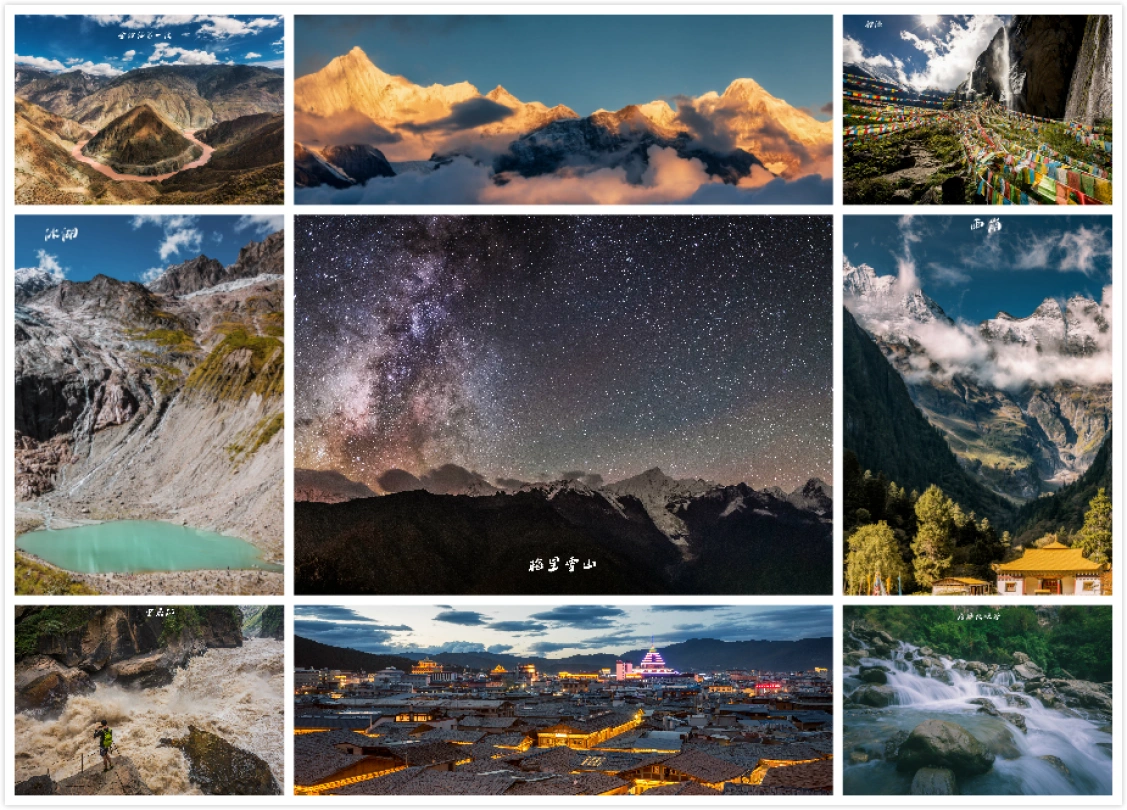
Pilgrimage to Meili Snow Mountain: A Wild Self-Drive Adventure from Shenyang to Shangri-La
Departure: A "Crazy" Plan Made on a Whim
On the eve of National Day in 2017, I was living the usual mundane life, stuck in a routine between home and work, when my phone screen suddenly lit up. A friend sent a message: "Want to go to Yunnan?" At that moment, my heart skipped a beat. Images of Cangshan Mountain, Erhai Lake, and the poetic charm of wind, flowers, snow, and moonlight instantly flooded my mind. As someone who spent most of my time running into the mountains, I thought: Finally, I can switch things up and experience a more idyllic, refreshing world.

But I clearly underestimated the situation. My friend quickly added: "We're going to Yubeng." Yubeng? The place hikers call "Hell Yubeng"? I paused for a moment, then shrugged it off—well, I was destined to be a mountain person after all. The world of gentle scenery was never meant for me.
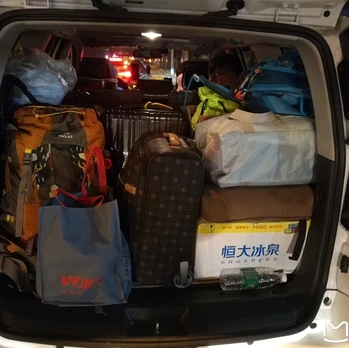
What made it even crazier was my friend's next words: "We're driving there." Driving from Shenyang to Yunnan? My first reaction was: That must take at least a week, right? However, Gaode Maps showed that the direct distance from Shenyang to Feilai Temple was less than 4,000 kilometers—theoretically reachable within 48 hours. For a group of wild souls, going from idea to decision took only a few minutes, but this pace still made me uneasy. Is it too late to jump out of this ride?
Unfortunately, once you're on the "pirate ship," there's no turning back. After careful consideration, we decided to take the expressway all the way to Sichuan, then switch from the Sichuan-Tibet Highway to the Yunnan-Tibet Highway, heading straight for Feilai Temple. Our original intention was to enjoy the scenery along the way, but we soon realized that despite having three experienced drivers in our group, the relentless fatigue from non-stop driving took its toll. We had planned to drive nonstop, day and night, but eventually, exhaustion caught up with us, forcing us to spend a night in Litang. The most nerve-wracking moment came just before reaching Feilai Temple: our car, unable to withstand the harsh conditions of the Yunnan-Tibet Highway any longer, suffered a blowout on a rain-soaked mountain road. Fortunately, we escaped unscathed, though the memories are unforgettable.
Our Itinerary: Westward Bound, Through Rain and Shine
- Day 1–3: Shenyang → Sichuan Border (26 hours) → Kangding (39 hours) → Litang (48 hours, overnight stay)
- Litang → Feilai Temple: 13 hours
- Day 4–7: Yubeng Trekking
- Day 8: Feilai Temple → Shangri-La (the three crazy members split up and headed north to Daocheng)
- Day 9: Shangri-La → Tiger Leaping Gorge → Lijiang
- Day 10: Lijiang → Shenyang
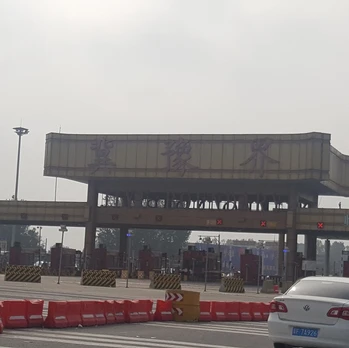
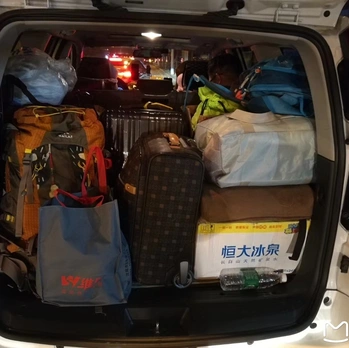
From Shenyang to Tibet in just two days and two nights? It sounds like a fantasy, but we made it happen—though the journey was filled with exhaustion, a blowout, and a harrowing rainy night. Yet, it was precisely these unexpected events that made this trip one of a kind.
Heaven on One Side, Yubeng on the Other: A Mythologized Paradise
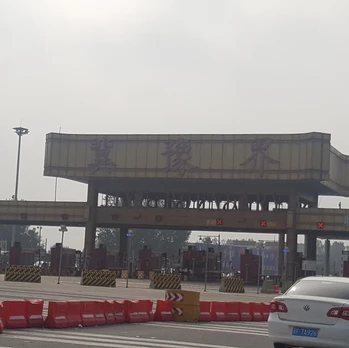
When I first heard the name "Yubeng," I assumed it was a place perpetually shrouded in rain. But just like Huludao (Gourd Island) has no gourds and Bayuquan (Mackerel Circle) has no mackerel, Yubeng isn't always rainy. On the contrary, snow-capped mountains and glaciers are everywhere here. Perhaps "Xuebeng" (snow avalanche) or "Bingbeng" (ice avalanche) sounded too ominous, so the locals chose the name "Yubeng" (rain avalanche) instead.
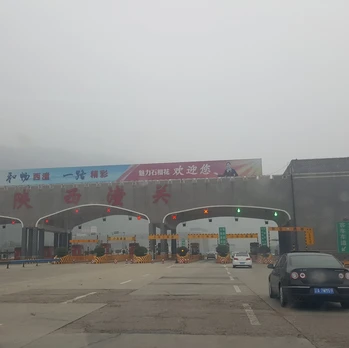
In recent years, as hikers have increasingly explored the area, catchphrases like "Heaven on one side, Yubeng on the other" and "If you can't go to heaven, go to Yubeng" have become clichés. I've never liked labeling places, because "no investigation, no right to speak" is a truth I hold dear. Before setting out, my impression of Yubeng was simply that of a somewhat challenging trekking route, with scenery that speaks for itself.
However, after several days of firsthand experience, I think calling Yubeng "heaven" is a bit of an exaggeration. It's more like a secluded paradise—quiet, pure, but far from perfect. If you plan to come here, please lower your expectations. You might spend a whole day hiking several kilometers, covered in mud, only to find the views aren't particularly stunning. If you're unlucky enough to encounter rain, Yubeng can even live up to its reputation as "hell." In short, temper your expectations, and you might just be pleasantly surprised.
Trekking in Yubeng: Well-Established Routes and Self-Torture Challenges
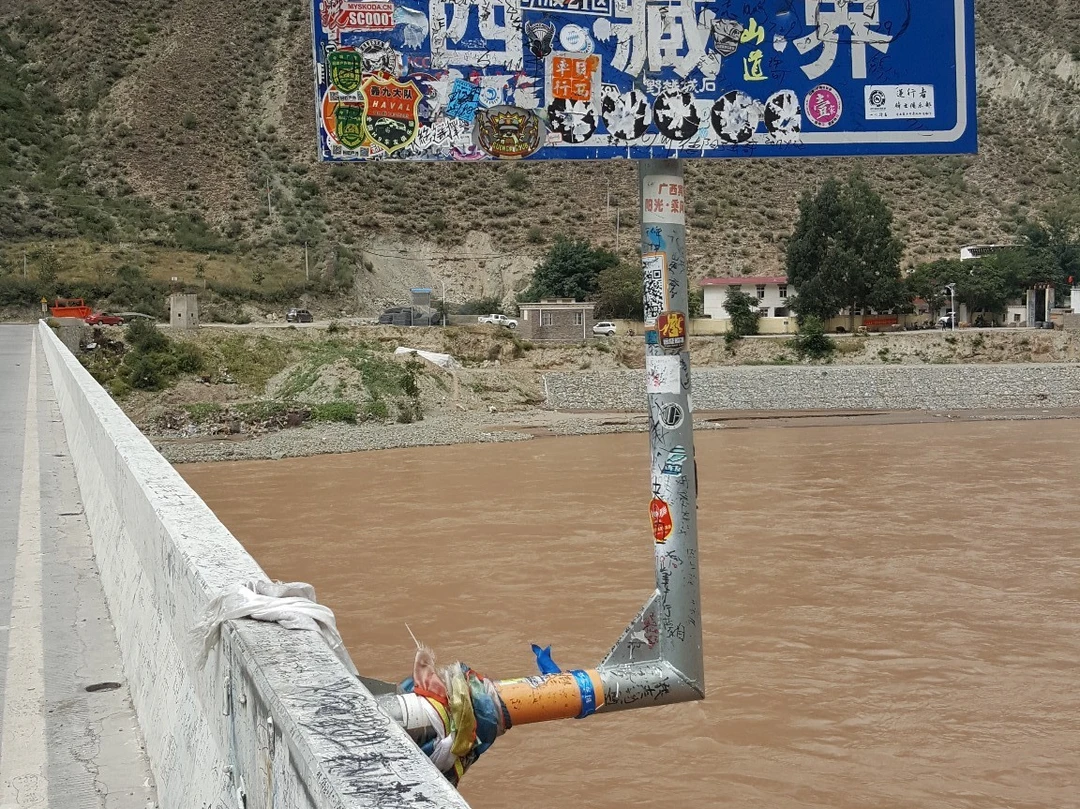
The trekking routes in Yubeng are quite mature, with the main ones being:
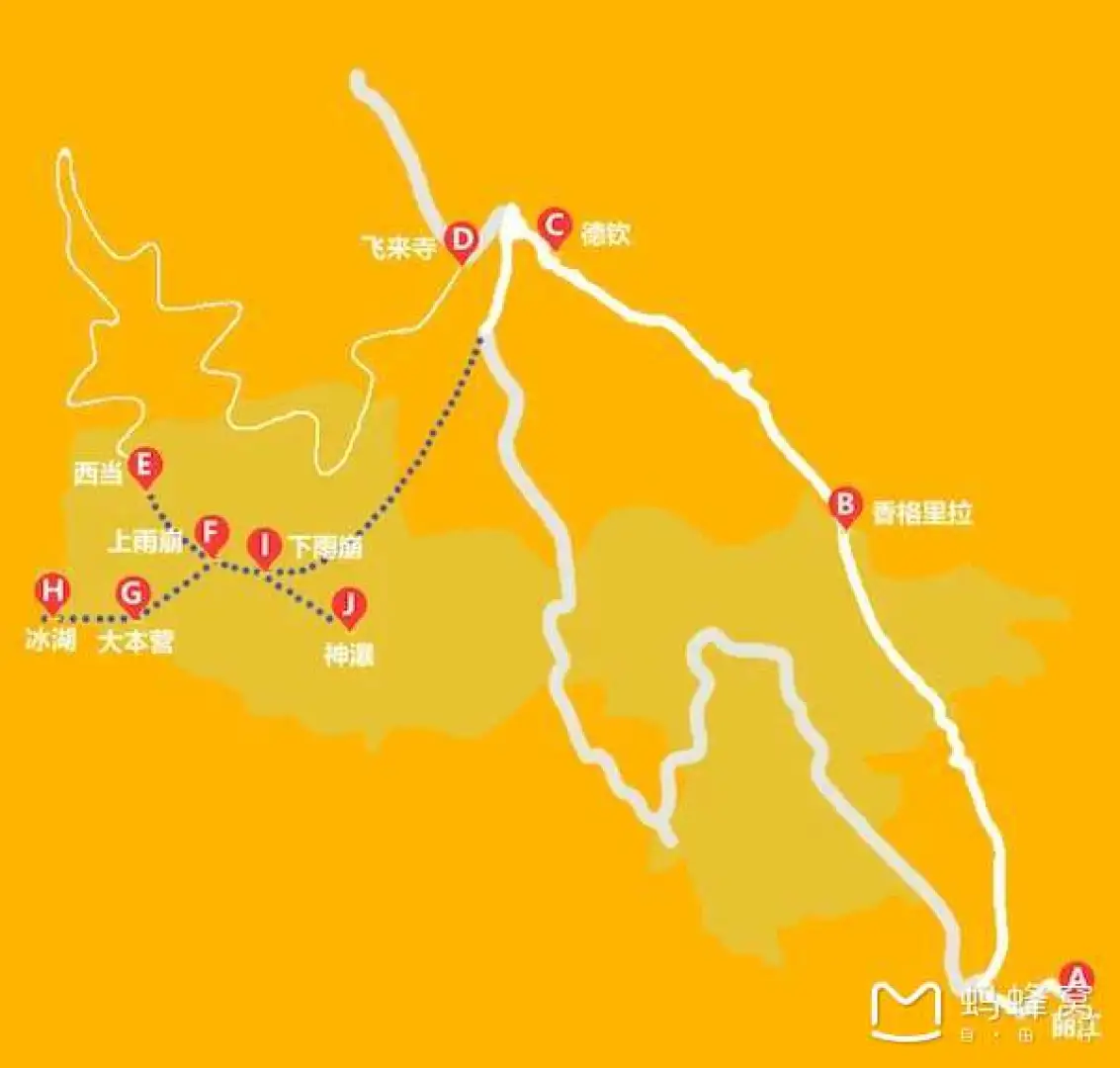
- Xidang Hot Spring to Yubeng Village (E→F): This is the main route into Yubeng Village, with relatively low difficulty, suitable for first-time trekkers.
- Upper Yubeng → Ice Lake (F→G→H): This route offers a close-up view of the majestic Ice Lake, with snow-capped mountains accompanying you along the way—a classic Yubeng trail.
- Lower Yubeng → Divine Waterfall (I→J): The Divine Waterfall is a sacred site for Tibetan Buddhists; trekking here allows you to feel the power of faith.
- Lower Yubeng → Ninong Gorge → Xidang Hot Spring (I→E): This is an exit route from Yubeng, featuring unique canyon scenery, though some sections are a bit treacherous.
These four routes are relatively low in difficulty, with the main challenge being physical endurance rather than danger. With proper preparation, most people can complete them.
However, there is one route widely described as "self-torture level"—Lower Yubeng to Divine Lake and back. This trail has always been portrayed as extremely dangerous, a path that can literally break your legs. With an elevation gain approaching 5,000 meters, coupled with countless hikers' exaggerated accounts, it has almost become an urban legend. Due to time constraints, we didn't venture to Divine Lake on this trip. But if you have the time, stamina, and courage, feel free to take on the challenge—just make sure you're fully prepared.
Final Thoughts: The Meaning of Travel Lies in Every Moment on the Road
From Shenyang to Shangri-La, from Yubeng to Lijiang, this journey was filled with madness, exhaustion, thrills, and surprises. We endured 48 hours of non-stop driving, suffered a blowout on a rain-soaked mountain road, trekked through the mud of Yubeng, and gazed upon the sacred purity of Kawagebo (Meili Snow Mountain) in the morning light at Feilai Temple.
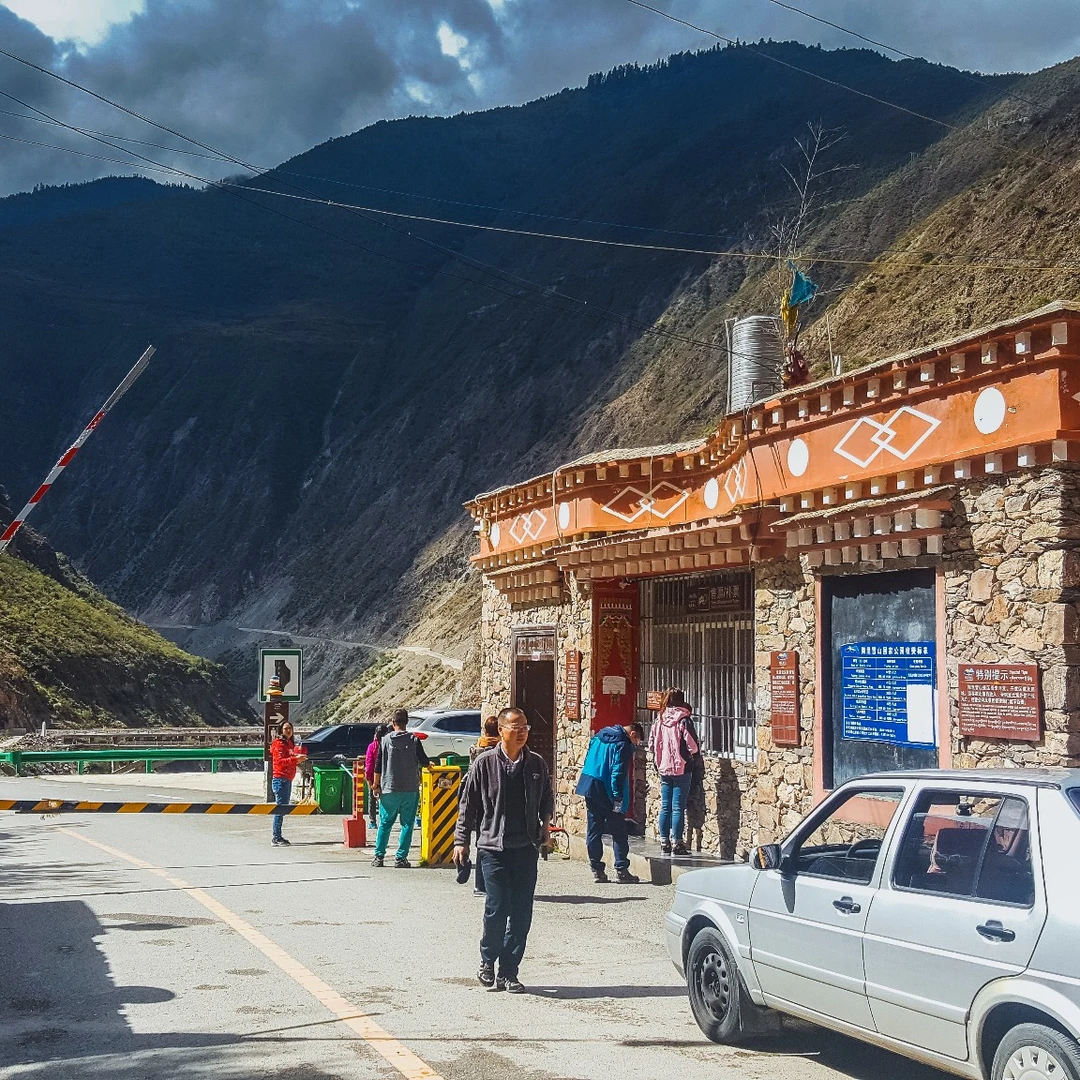
Some say travel is about escaping the trivialities of daily life; others say it's about finding a better version of yourself. For me, the meaning of travel lies in those unexpected moments—whether it's the panic of a blowout, the mud-caked clothes from a Yubeng trek, or a ray of sunlight at the foot of a snow-capped mountain. Together, they form the backdrop of this journey, turning the name "Colorful Clouds of the South" (Yunnan) from a mere geographical label into a story etched in memory.
So, if you also want to go to Yunnan, to Yubeng, to Shangri-La, remember this: lower your expectations, bring enough courage, and then—just go. Because the most beautiful scenery is often found along the way.
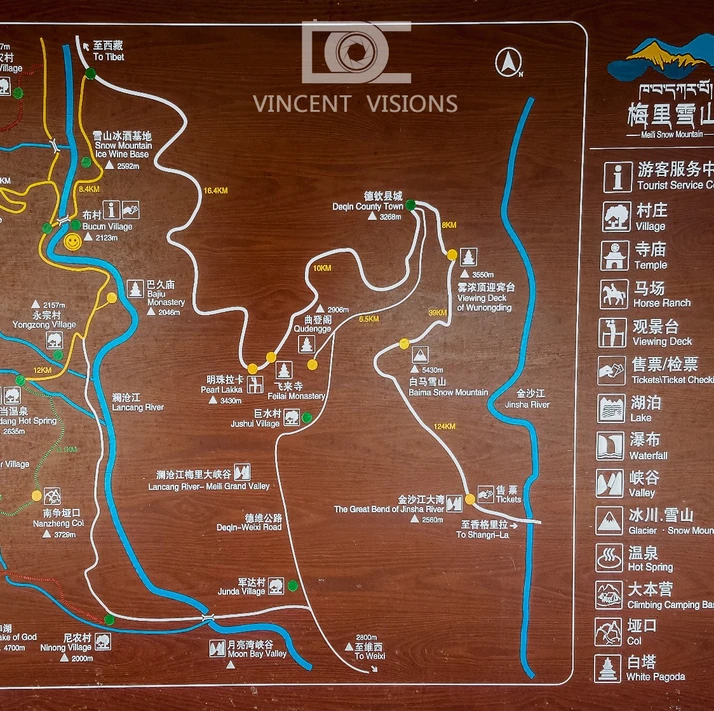
Key Notes: - Destinations: Shangri-La, Yubeng, Feilai Temple - Travel Dates: October 1, 2017, 10 days total - Per Person Cost: Not disclosed - Travel Companions: Friends - Core Experiences: Self-driving, trekking, pilgrimage to Meili Snow Mountain
Practical Tips: - Self-driving caution: Plan rest stops for long drives to avoid fatigue. - Yubeng trekking: Choose suitable routes, prepare physically, and watch out for rain. - Divine Lake challenge: A self-torture-level route requiring good fitness and gear; it's best to go with a group.
You should also read:

God’s Abandoned Palette: A Self-Drive Journey Through Yunnan’s Dongchuan Red Land
God’s Abandoned Palette: A Self-Drive Journey Through Yunnan’s Dongchuan Red Land Travel has never been about reaching some distant geographic coordinate. It’s about encountering, along the way, the version of yourself buried beneath the rubble of daily routine. During this May Day holiday, I finally…
Continue reading...
Body in Hell, Heart in Heaven: A Pilgrimage Through Tiger Leaping Gorge — A Dialogue Between Heaven and Earth
Body in Hell, Heart in Heaven: A Pilgrimage Through Tiger Leaping Gorge — A Dialogue Between Heaven and Earth Introduction: When the Gorge Splits Open Beneath Your Feet Some say Tiger Leaping Gorge is the closest place on Earth to the border between "hell" and…
Continue reading...
Cloud Travelogue · Dali of Wind, Flowers, Snow, and Moon: A Three-Day, Two-Night Journey of a Free Spirit
Cloud Travelogue · Dali of Wind, Flowers, Snow, and Moon: A Three-Day, Two-Night Journey of a Free Spirit I am a cultured female foodie with a touch of rogue charm. I slung on my backpack, took my lover's hand, and set off on a spontaneous…
Continue reading...