Pilgrimage to Yubeng: When Your Feet Measure Heaven, Life Becomes Worth It
Pilgrimage to Yubeng: When Your Feet Measure Heaven, Life Becomes Worth It
Right now, I'm sitting in front of my computer, lips still cracked, calves aching faintly, the blisters on my ankles scabbed but not yet healed. Yet when I close my eyes, the snow-capped mountains of Yubeng, the prayer flags, the mani stones, the biting wind, and the thin air all come rushing back vividly. Those five days felt like a dream I never wanted to wake from.
If you ask me why I went to Yubeng, my answer might sound a bit mystical — because it's so close to heaven that you can hear your own heartbeat and the whispers of faith.
Why Yubeng? The Ultimate Pilgrimage for Hikers
Yubeng is hidden deep in the mountains of Diqing Tibetan Autonomous Prefecture in Yunnan Province. You might not recognize the name Diqing, but mention Shangri-La, Meili Snow Mountain, Baima Snow Mountain, or Potatso National Park, and you'll have an "aha" moment. The beauty of this land is so pure it takes your breath away, and that purity is inseparable from the devout faith of the local Tibetan people. Snow peaks, forests, gorges, prayer flags, mani stone piles — every scene tells a story of reverence and protection.
For hiking enthusiasts, Yubeng is a name you can't ignore. It's not some Instagram-famous spot; it's a place you must make a pilgrimage to on foot. Whether you want to challenge yourself, seek faith, explore a hidden paradise, or simply escape the chaos of city life, Yubeng gives you a reason you can't refuse.
But honestly, is Yubeng really worth it? Only those who have walked that path have the right to answer. And my answer might just be hidden somewhere in this article.
Pre-Trip Preparations: Itinerary, Altitude Sickness, and Other Must-Know Details

My Actual Itinerary vs. Original Plan
Original Plan: - Dec 1: Shanghai → Lijiang / Shangri-La - Dec 2: Shangri-La → Deqin → Baima Monastery - Dec 3: Feilai Temple (Golden Sunlight on the Snow Mountain) → Xidang → Hike to Upper Yubeng - Dec 4: Upper Yubeng → Ice Lake - Dec 5: Upper Yubeng → Lower Yubeng → Divine Waterfall - Dec 6: Yubeng → Xidang → Deqin → Shangri-La
Actual Itinerary: - Dec 1: Nanjing → Lijiang → Shangri-La - Dec 2: Shangri-La → Nixi → Feilai Temple - Dec 3: Feilai Temple (Golden Sunlight) → Xidang → Lower Yubeng → Divine Waterfall - Dec 4: Lower Yubeng → Upper Yubeng → Ice Lake (unfinished) - Dec 5: Lower Yubeng → Ninong Grand Canyon → Deqin → Shangri-La - Dec 6: Shangri-La → Shanghai
Key Adjustments Worth Noting
- Why Lijiang first? Flying directly from Nanjing to Lijiang was cheaper, and taking a bus from Lijiang to Shangri-La gave us a buffer against altitude sickness. By the time we arrived in Shangri-La that night, sure enough, the headache hit.
- Why take an off-road vehicle into Yubeng? I originally planned to hike in from Xidang, but in the end, I spent 200 yuan per person on the scenic area's off-road vehicle. It turned out to be a smart move. Hiking in takes 4–5 hours on mediocre terrain with unremarkable scenery. Better to save your energy for Divine Waterfall and Ice Lake.
- Why exit via Ninong Grand Canyon? Compared to backtracking through Xidang, the Ninong Canyon route is gentler, the scenery more layered, and you can reach Shangri-La the same day.
- Divine Waterfall first, then Ice Lake — a logical order. Divine Waterfall serves as a warm-up. Heading straight to Ice Lake might leave you physically drained.
About Our Driver
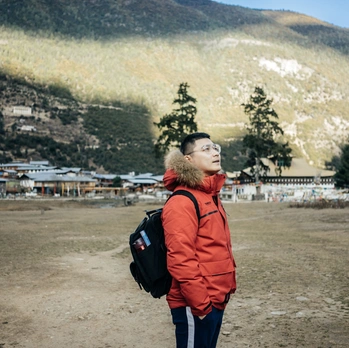
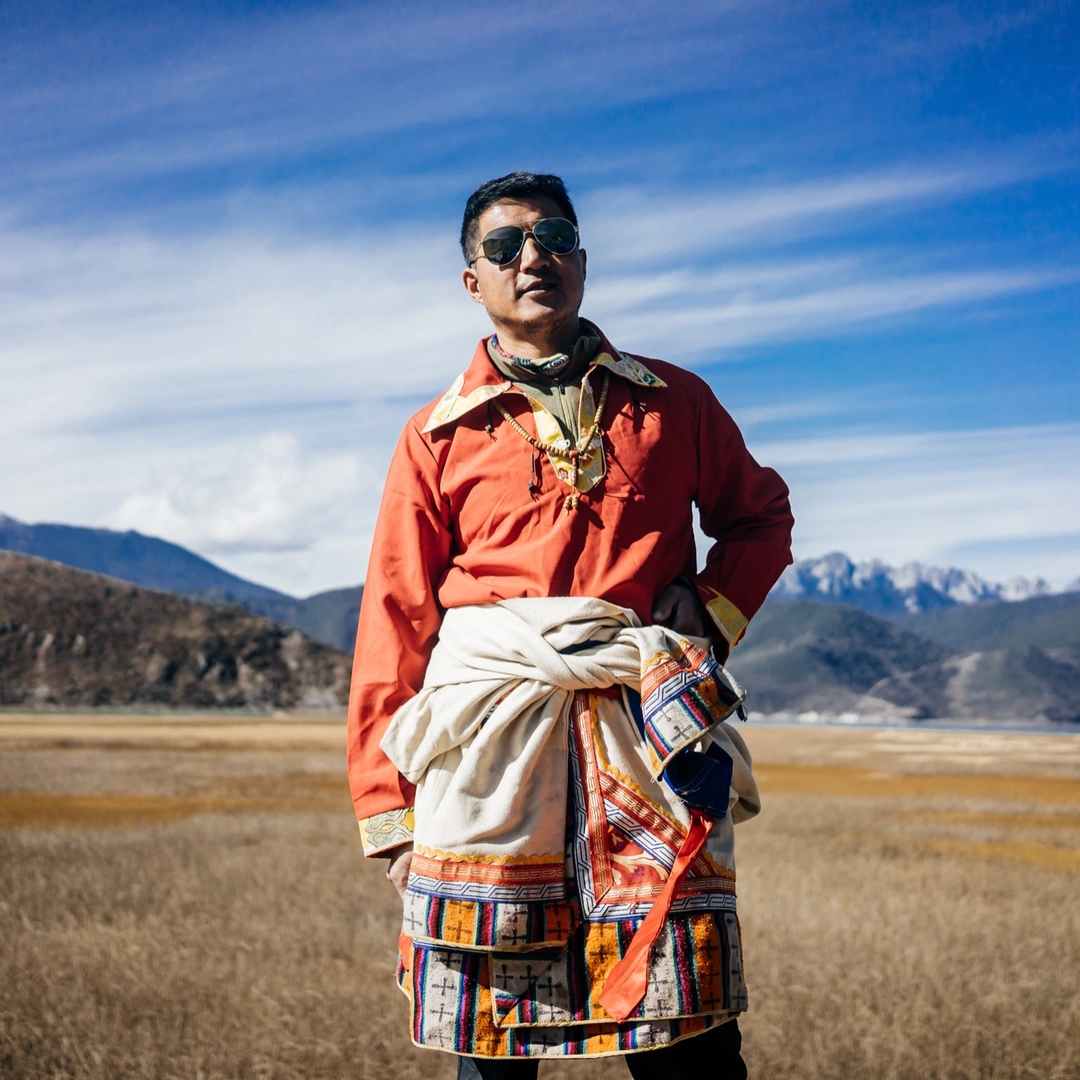
Our driver was a local Tibetan guy we called "Cousin." On the first day, he wore his ethnic attire to greet us, enthusiastically introduced local customs along the way, and even took us to eat authentic Nixi clay pot chicken. Having a local guide like him really helps you avoid unnecessary detours.
First Taste of Shangri-La: Headache, Clay Pot Chicken, and the First Snow Mountain
First Night: The Headache Hits
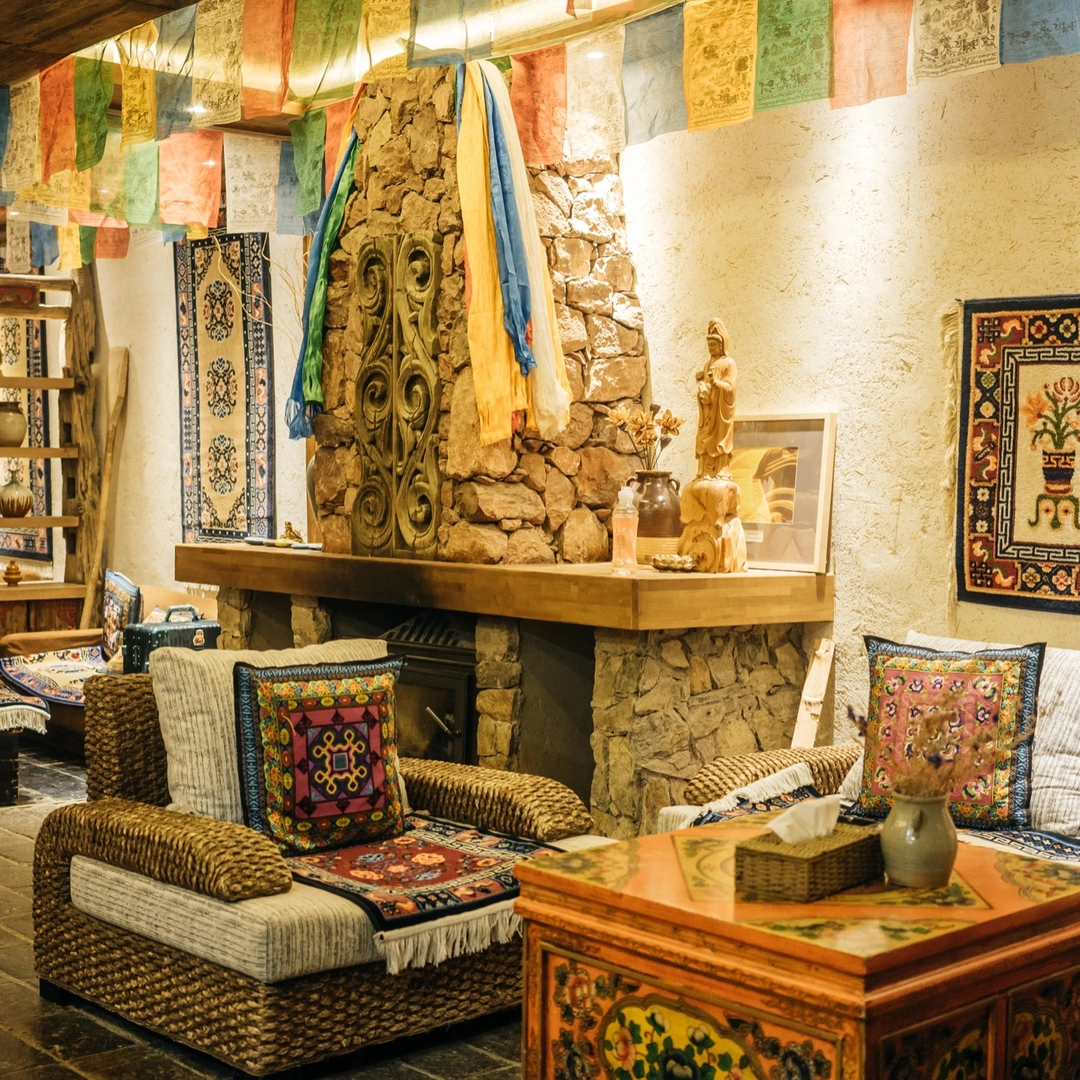
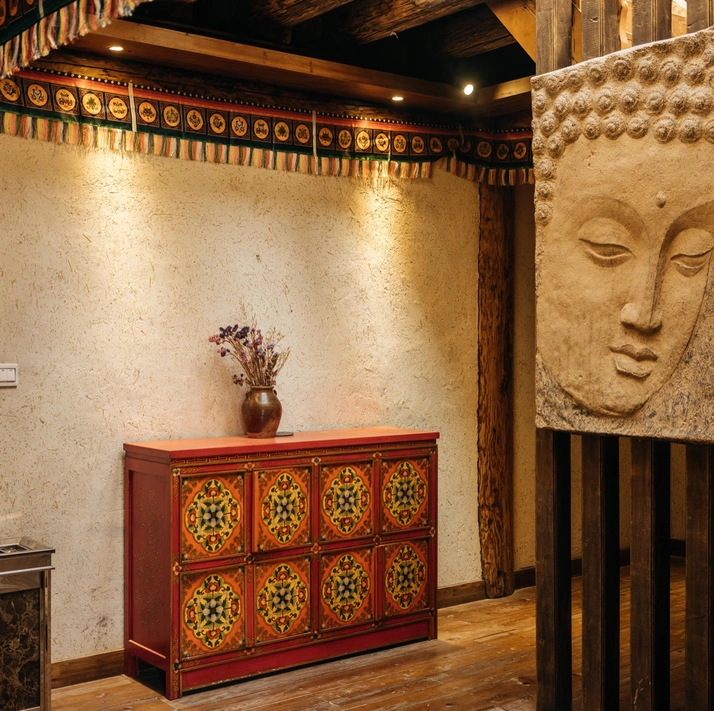
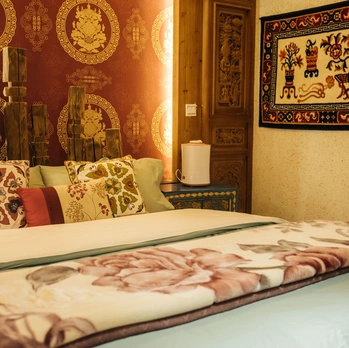
At 8 p.m. on December 1, we arrived in Shangri-La's old town. We stayed at "Guanshanyue Inn" (also called Kunlun Inn), a guesthouse full of Tibetan character. The room had air conditioning, electric blankets, a heated toilet seat, and even a massage bathtub. But at over 3,000 meters above sea level, with a pounding headache, taking a bath was out of the question.
Second Day: Struggling Before Departure
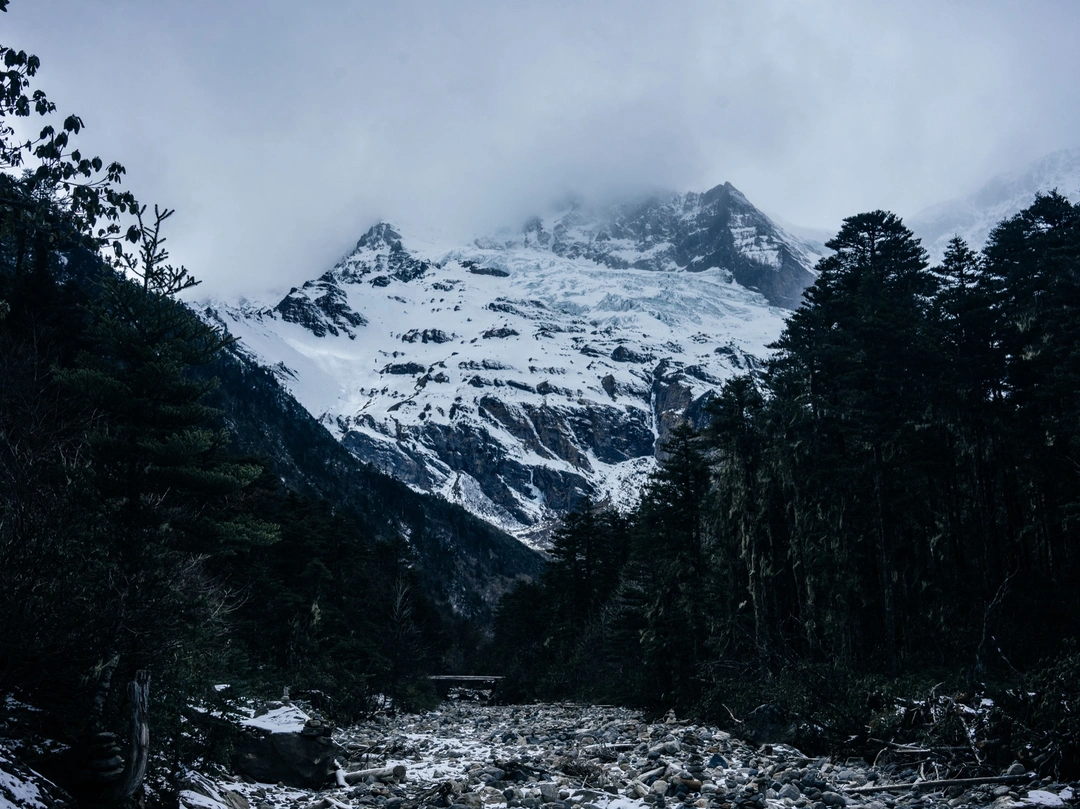
On the morning of December 2, the headache got worse instead of better. Afraid of delaying the trip, I quickly bought a can of oxygen and started breathing it in. But after a while, there was no relief. I just had to tough it out and go.
As soon as we left Shangri-La, the distant Napahai Lake and Yila Grassland caught our attention. Cousin said the lake had risen recently, flooding a large part of the grassland. On the other side of the road, we could faintly see the golden roof of Songzanlin Monastery.
Nixi Clay Pot Chicken: The Most Satisfying Meal
We originally planned to have lunch near Baima Snow Mountain, but Cousin strongly recommended Nixi clay pot chicken. The black earthenware pot, handmade by locals, simmered a free-range chicken in a rich, aromatic broth. The three of us ordered a medium pot, added some vegetables, and ate to our hearts' content. This meal became the most delicious one we had after leaving the old town.
Jinsha River Big Bend and Baima Snow Mountain
After lunch, we continued to the Jinsha River Big Bend. From the viewing platform, the view was stunning, though winter vegetation made it look a bit grayish. Still, seeing cars on the opposite side of the canyon looking like ants gave me a real sense of the valley's vastness.
Next came Baima Snow Mountain — the first snow peak we saw with our own eyes. Cousin took us on a new road that passed a pass at 4,292 meters. When we got out, the air was crisp and pure; I dared not breathe too deeply. From here, we could see more of Baima Snow Mountain, along with a white monastery, prayer flags, and stone slabs carved with scriptures. Everything felt sacred, but altitude sickness kept me from staying long before retreating to the car.
Golden Sunlight on the Snow Mountain: A Once-in-a-Lifetime Miracle
Feilai Temple Viewing Platform
At 8 a.m. on December 3, we arrived at the Feilai Temple viewing platform. Legend has it that those who witness the full golden sunrise on the snow mountain will have good luck for an entire year.
The main peak of Meili Snow Mountain, Kawagebo, stands at 6,740 meters — the highest peak in Yunnan. Its pristine white summit, the mystery of swirling clouds, and the breathtaking moment when the first warm rays of morning light turn it golden are the stuff of everyone's dreams.
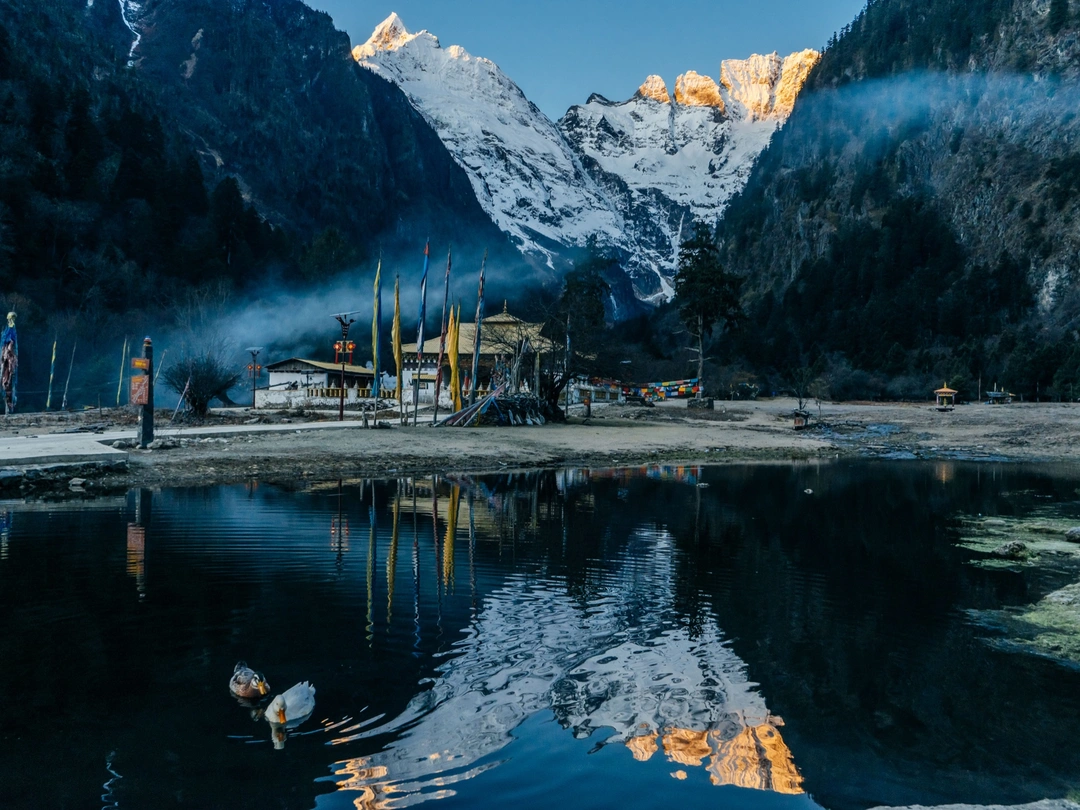
In December, sunrise is around 7:55 a.m. By the time we reached the platform, many people had already set up their cameras. Just after 8 o'clock, sunlight slowly crept onto the summit, and you could see the red glow expanding with your own eyes. Kawagebo, Goddess Peak — each mountain was so beautiful it took your breath away. At that moment, my heartbeat seemed to slow down.
Tip: The viewing platform has two levels. The lower level has a white pagoda, a wider view, and is closer to the mountains. If you want to save on the entrance fee, stay in a room with a view and watch from your balcony.
Golden Sunlight in Yubeng Village
Actually, you can also see the golden sunlight on the snow mountain from Yubeng Village, though the view is narrower. The golden peak seen from Lower Yubeng is smaller, but combined with the monastery, water pools, and surrounding hills, it feels especially peaceful and harmonious. From Upper Yubeng, the view is grander and more complete.
We were incredibly lucky — we saw the clear golden sunrise three mornings in a row. If things don't go well next year, I'll come back and blame the mountain (just kidding).
The Path to Divine Waterfall: A Dialogue Between Faith and Body
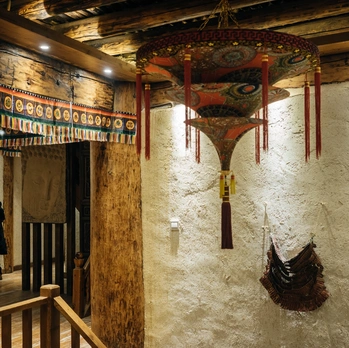
Departing at 1 p.m.
At 1 p.m. on December 3, we set off from Lower Yubeng to Divine Waterfall. The innkeeper urged us to leave early. Divine Waterfall is formed by meltwater from Meili Snow Mountain. For Tibetans, bathing beneath the waterfall is a ritual of spiritual purification.
Leaving Lower Yubeng, we first passed a monastery with prayer wheels along its walls. Even before entering the mountains, you could feel the power of faith.
Sacred Marks Along the Way
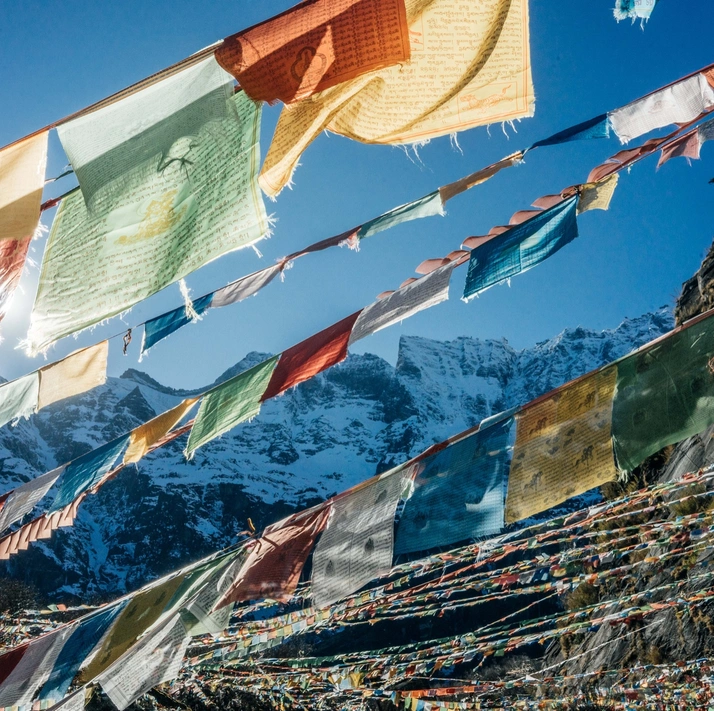
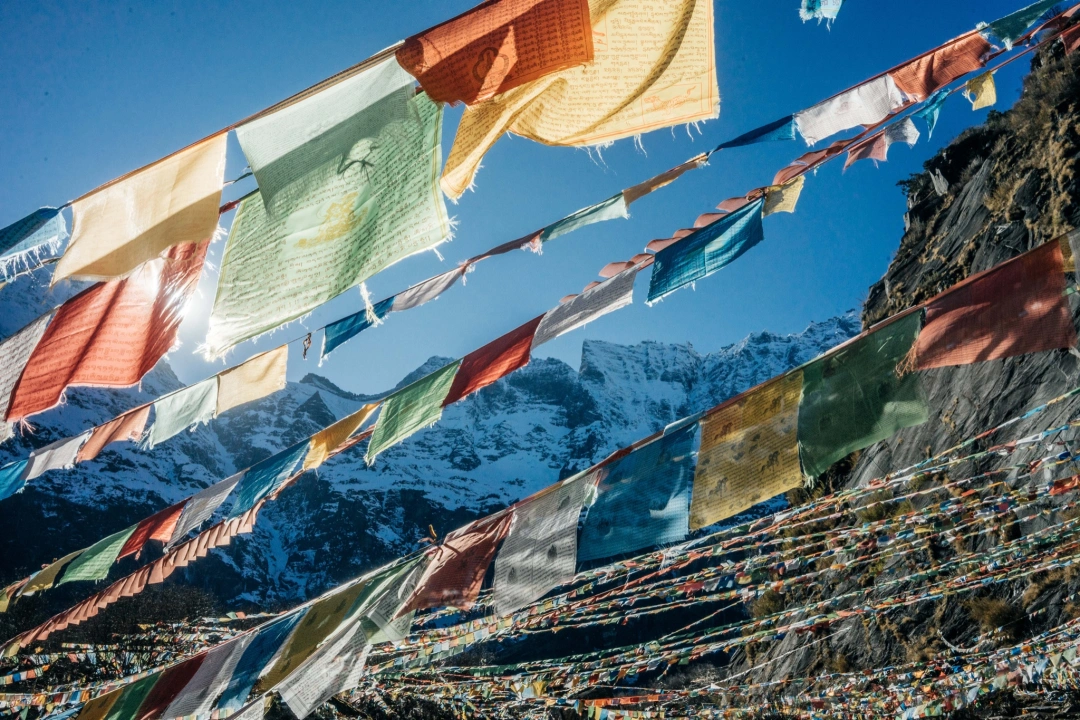
Along the path, mani stone piles and prayer flags were everywhere — left by local Tibetans and also by pilgrims doing the mountain circuit. It's said that each mani stone pile houses a soul, or a wish, or a blessing.
The mountain trail was muddy, but as we walked toward that expanse of white snow, the power of faith made every step feel worthwhile. During peak season, you can rent a mule for the round trip, but in the quiet winter months, you rely solely on your own feet.
Divine Waterfall: Winter's Disappointment and Fulfillment

Near the waterfall, there was a supply station, but it was abandoned for the winter. The waterfall's appearance changes with the seasons — impressive during the rainy season, like a white scarf draped from the mountain at other times. Unfortunately, in winter, it had frozen solid.
As a visitor, you can follow Tibetan tradition and walk clockwise around the waterfall three times for blessings. On the way back, the newly laid stone path looked easy, but going downhill, my toes kept jamming against the front of my shoes, and it started to hurt after a while.
We chased the sunset back to the village. When I saw the village lit up by the evening glow, a sense of calm settled over me. Looking back at the mountain path we had walked, I could barely remember how I had made it through.
Ice Lake: The Unfinished Pilgrimage
Why Didn't We Reach Ice Lake?
On the morning of December 4, we moved from Lower Yubeng to a guesthouse in Upper Yubeng. Don't be fooled by how close the two villages look — it actually takes half an hour to walk between them.
At 11 a.m., we set off from the guesthouse for Ice Lake. It took over half an hour just to leave the village and reach the official trailhead. The first section was very flat, making me naively think Ice Lake might be easier.
But after the flat area, when we started the real climb, I realized how wrong I was. This trail was much tougher than the one to Divine Waterfall — basically a path worn by footsteps, with alternating gentle and steep sections. I had to rest every ten steps.
Timeline: - 11:00 a.m. depart - 12:00 p.m. only 1 km in (elevation 3,400 m, 4.15 km from Ice Lake) - 1:30 p.m. reach Xiaonong Pass (elevation 3,623 m, 2.5 km from Ice Lake) - 2:30 p.m. at a small bridge over a dry riverbed, decide to turn back
At Xiaonong Pass, I almost cried. After crossing the pass, a snow-covered peak wrapped in clouds suddenly burst into view. That feeling of finally seeing something sacred after enduring so much hardship was a reward in itself. But it also meant that Ice Lake was still tucked away in a hollow to the lower right — and it looked far.
On the way back, the headache returned. It started snowing — not the light, fluffy kind, but hard pellets like hail. Cold and hungry, going downhill, my toes slammed into the front of my shoes repeatedly, and the pain was intense.
Regret Is Also a Kind of Fulfillment
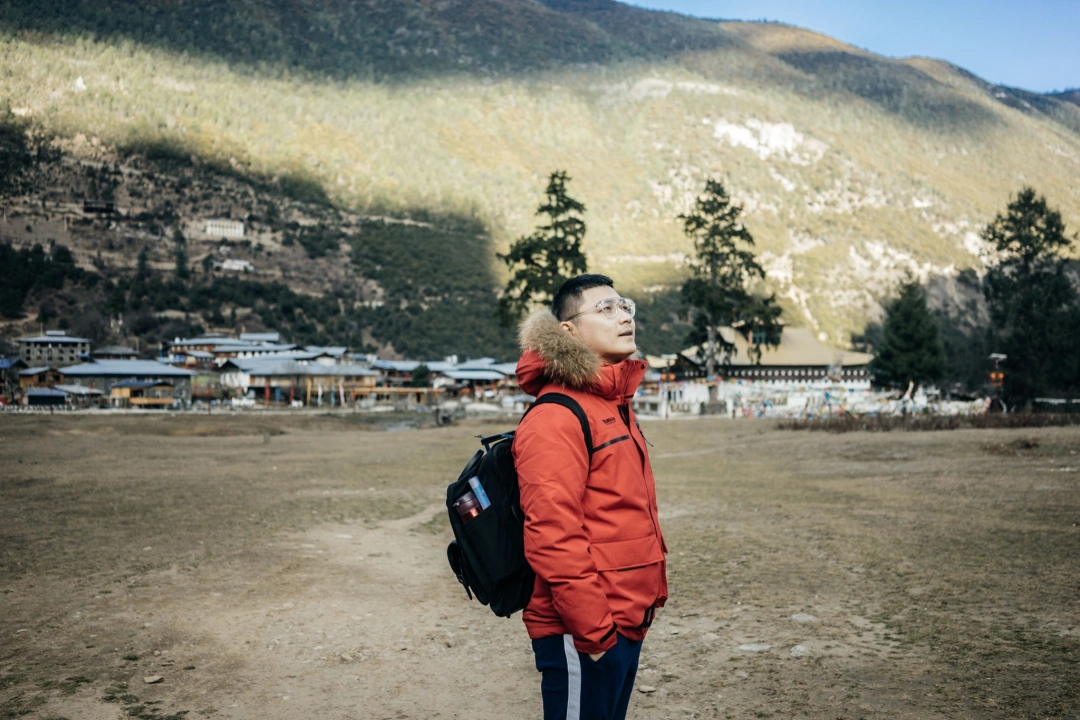
Although I didn't make it to Ice Lake, my travel buddy brought a drone. From the small bridge, there was only 1.5 km left to the lake, and the drone footage showed a few tourists by the shore. Ice Lake is formed by meltwater from Meili Snow Mountain's glaciers and is the main water source for Yubeng Village.
Maybe this was a test from the sacred mountain, giving me a reason to come back and try again. Some regrets actually make the journey more unforgettable.
Leaving the Mountains: Farewell Through Ninong Grand Canyon
On the morning of December 5, we had breakfast in Lower Yubeng and started our descent through Ninong Grand Canyon.
This trail is well-formed, not too difficult, and the slope is gentle. It takes 2–3 hours to reach the canyon, with the main scenery being the massive mountain views. There weren't many people leaving — we only encountered one other group along the way.
Final Thoughts: What Yubeng Taught Me
My five-day trip to Yubeng had regrets, surprises, pain, and moments of deep emotion. I kept asking myself: Is Yubeng really worth it?
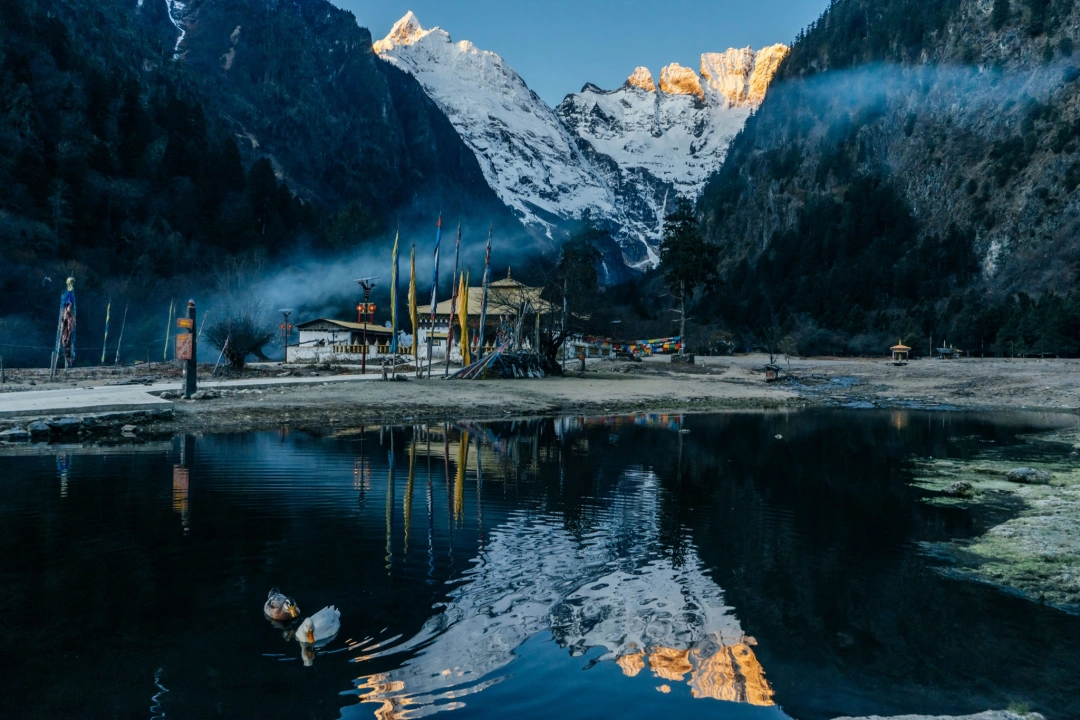
Now I can answer: Yes, it is.
Not because the scenery is stunning (though it truly is breathtaking), but because on this journey, you are forced to have a conversation with yourself. When your legs ache, your breath is short, and your head is splitting, you start to truly think: Why am I here? What do I want?
Yubeng is not a place to check off a list. It's a place to rediscover yourself. It won't give you answers, but it will teach you to ask the right questions.
A Few Tips for Those Heading to Yubeng:
- Prepare for altitude sickness: Arrive in Shangri-La early to acclimatize, bring oxygen canisters and common medications.
- Plan your itinerary wisely: Divine Waterfall first, then Ice Lake. Start as early as possible.
- The off-road vehicle into the mountains is worth it: Save your energy for the hikes ahead.
- Staying in Upper Yubeng is more convenient: It's closer to Ice Lake, and there are shops and restaurants nearby.
- Respect local beliefs: Walk clockwise during the mountain circuit, and protect the environment.
- Bring the right gear: Trekking poles, waterproof shoes, warm clothing, plenty of water, and high-energy snacks.
Finally, I'll end with lyrics from Pu Shu's song "On Jupiter":
You return, you return After weathering the seas, after tasting all joys and sorrows, your heart grows weary and knows to turn back Your face is dusted, your body mud-stained, a lost soul with white hair Returning today is not too late — rosy clouds wash the sky, the bright moon serves as your candle stand
Go to Yubeng, while you're still young, while you still dare to set out. Because heaven is not far, and life is truly worth it.
You should also read:

A Solo Journey to Yunnan: Shuanglang Chapter — Meeting Your Truest Self by the Erhai Lake
A Solo Journey to Yunnan: Shuanglang Chapter — Meeting Your Truest Self by the Erhai Lake Introduction: When a Dream Finally Becomes Reality Some say Yunnan is a place meant for solo travelers. It took me three full years to truly understand that. Two years…
Continue reading...
Dreaming of Lijiang, Dreaming of Shangri-La: A Journey That Lets Your Soul Breathe Deeply
Dreaming of Lijiang, Dreaming of Shangri-La: A Journey That Lets Your Soul Breathe Deeply Life is like a long trek. We're always rushing through the concrete jungle, searching for a glimmer of light in the monotony of our days. Then one autumn, I heard the…
Continue reading...
Body in Hell, Heart in Heaven: A Pilgrimage Through Tiger Leaping Gorge — A Dialogue Between Heaven and Earth
Body in Hell, Heart in Heaven: A Pilgrimage Through Tiger Leaping Gorge — A Dialogue Between Heaven and Earth Introduction: When the Gorge Splits Open Beneath Your Feet Some say Tiger Leaping Gorge is the closest place on Earth to the border between "hell" and…
Continue reading...