Pressing Pause on Life: Stealing a Warm Winter in Xishuangbanna
Pressing Pause on Life: Stealing a Warm Winter in Xishuangbanna
What do you do when life suddenly throws you a knockout punch?
One day toward the end of the year, Lao Liu—still young—found himself in the hospital emergency room, unlocking a "new achievement" in life no one ever asks for: a sudden health scare that had colleagues rushing him to the hospital. When I got the call, I was completely stunned. For the first time, I truly understood that the saying "People don't only die when they're old—death can come at any moment" is no exaggeration.
Thankfully, it turned out to be a scare with no lasting harm. Once he was mostly recovered, I looked at his remaining four days of annual leave and had only one thought: take him somewhere to clear his mind. He hates the cold, and northern China was about to be hit with snow and freezing temperatures. Xishuangbanna became the most natural choice.
And so, in December 2025, we pressed pause on life, bet all our remaining vacation days, and flew to this tropical oasis on the Tropic of Cancer.
Pre-Trip Prep: A Laid-Back "P-Type" Itinerary
Why Xishuangbanna?
In Tianjin, December means bone-chilling wind, with puffer jackets and heavy winter coats as standard gear. Lao Liu's cervical spine issues can't stand the cold. As much as we dreamed of the northeast, sub-zero temperatures were an instant dealbreaker. Thailand crossed our minds too, but it didn't feel particularly safe at the moment. Xishuangbanna, with its rich Southeast Asian charm and warm, pleasant climate, simply walked into our line of sight.
Six Days, Five Nights: No Rushing, Just Feeling

Most online guides recommend about four days for Xishuangbanna. But since this was a "healing trip," we decided not to cram. We used up all our annual leave: six days, five nights, taking it slow.
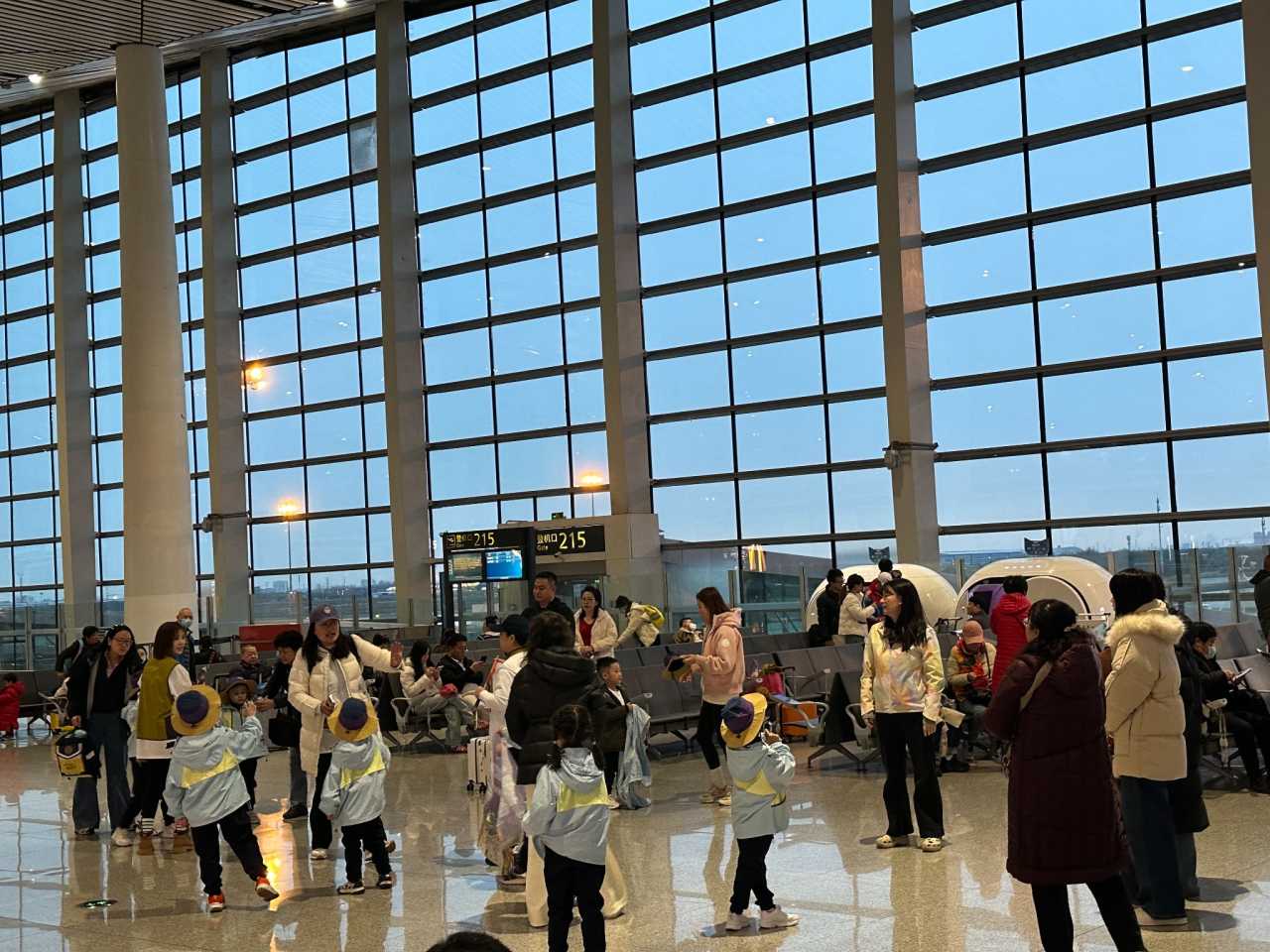
Travel style: Independent travel. We checked out group tour itineraries but found they covered too few attractions, and the transportation timing was terrible—red-eye flights, no thanks. We searched for flights ourselves and picked Hainan Airlines direct to Xishuangbanna Gasa Airport: departing 8:12 AM, arriving 12:25 PM; returning 1:10 PM, arriving 4:55 PM. Perfect timing. Round-trip tickets for two: 3,893 RMB total.
A small tip: Hainan Airlines tickets don't include baggage allowance—you need to purchase it separately. We booked tickets with baggage included in advance. On the way back, we watched a crowd of people fussing over their suitcases at the counter, ultimately wasting money. Buying ahead is absolutely worth it.
Accommodation: One Hotel, No Moving Around
We chose Xishuangbanna Yuetang Mansion, staying five consecutive nights for 1,594 RMB total. I saw a recommendation from a Bilibili content creator, and online reviews were solid, so we booked it straight away. The hotel is inside Gaozhuang, very close to the Starry Night Market—plenty of food and drink nearby. If you prefer peace and quiet, you can choose the old town. We're on an "elderly" schedule—heading back to the hotel around 10 PM—while the younger crowd's nightlife was just getting started. Lao Cui is a light sleeper, so he could still hear doors slamming and people singing karaoke at 2 or 3 AM.
First Impressions of Xishuangbanna: Starting with a Bowl of Rice Noodles
First Meal After Landing: Steaming Hot Rice Noodles
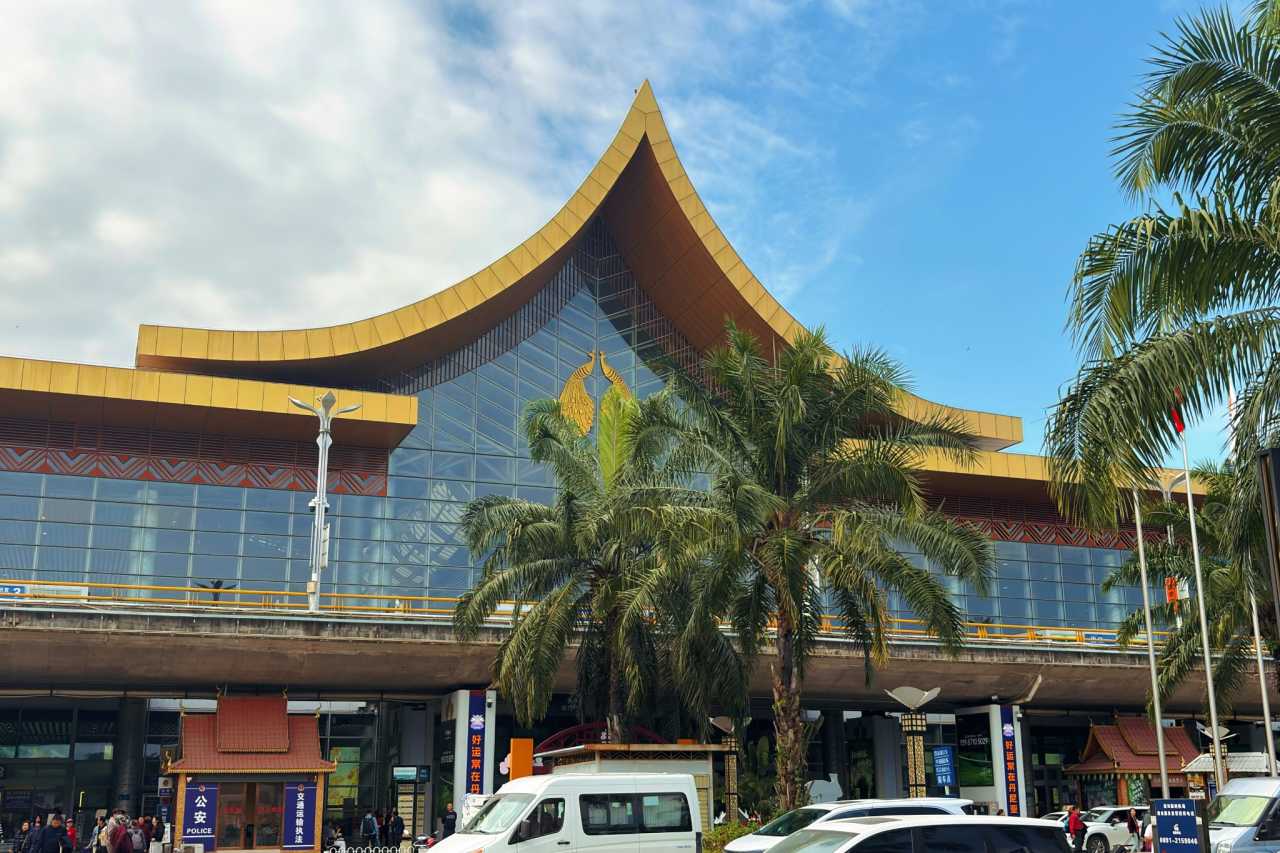
As soon as the plane touched down at Gasa Airport, a wave of heat hit us. You could instantly tell northerners from southerners—anyone dragging a heavy winter coat or puffer jacket was definitely from the north.
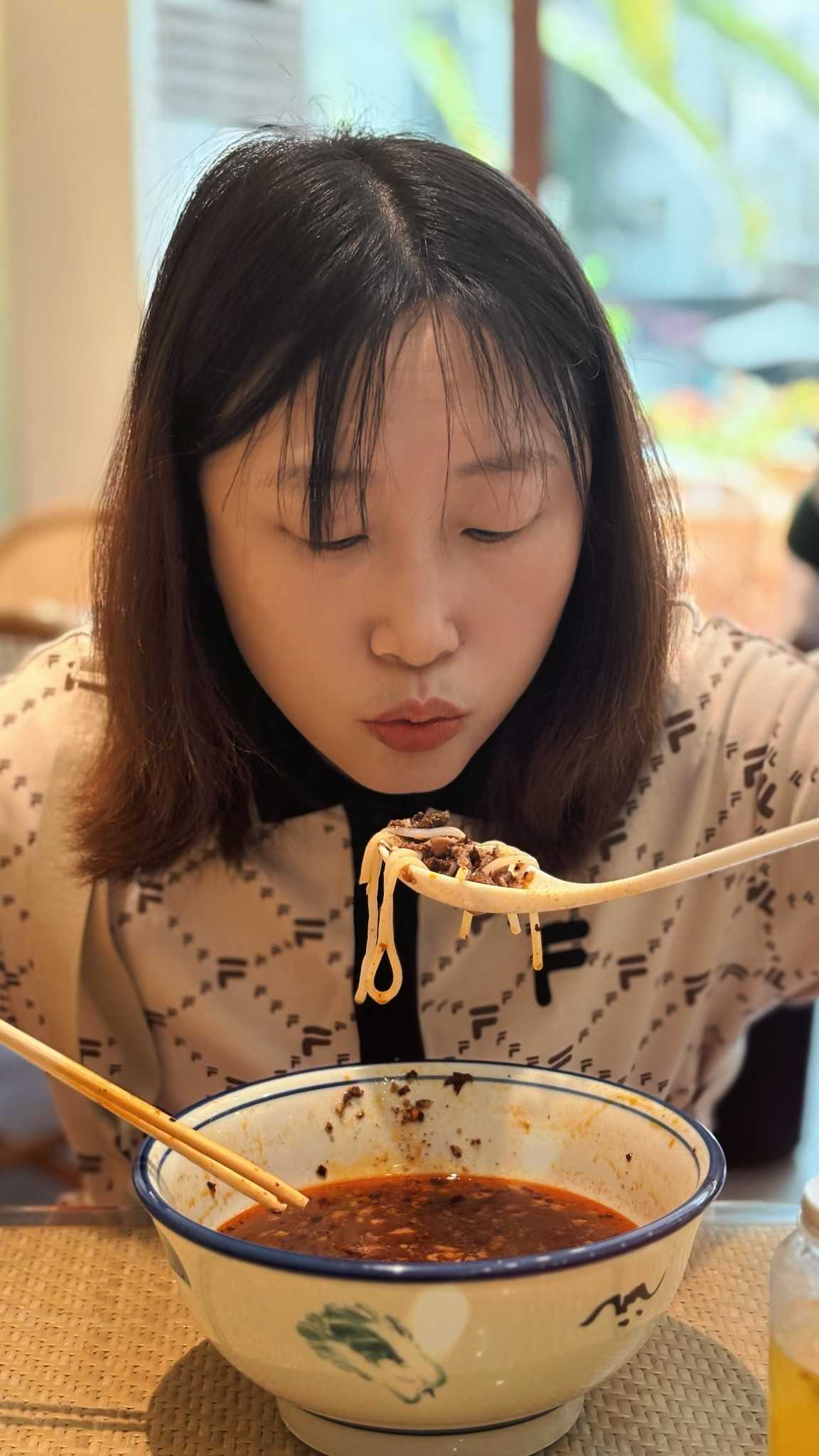
After dropping off our luggage, we headed straight to "Wuhao Menghun Niu Sap Mi Xian" rice noodle shop. Lao Cui slurped down his rice noodles, sweating, and asked, "Honey, don't they have cold noodle dishes here?" They didn't—everything was hot rice noodles. He quietly ordered a glass of chilled passion fruit juice. We ordered the beef offal rice noodles and the fresh beef sauce rice noodles. Even though the server told us which was which, they looked identical—whatever, the important thing was eating. The noodles were softer and smoother than those in Tianjin, with beef slices and bean sprouts perfectly paired. Having our first bite of Xishuangbanna food at 2 PM felt incredibly satisfying.
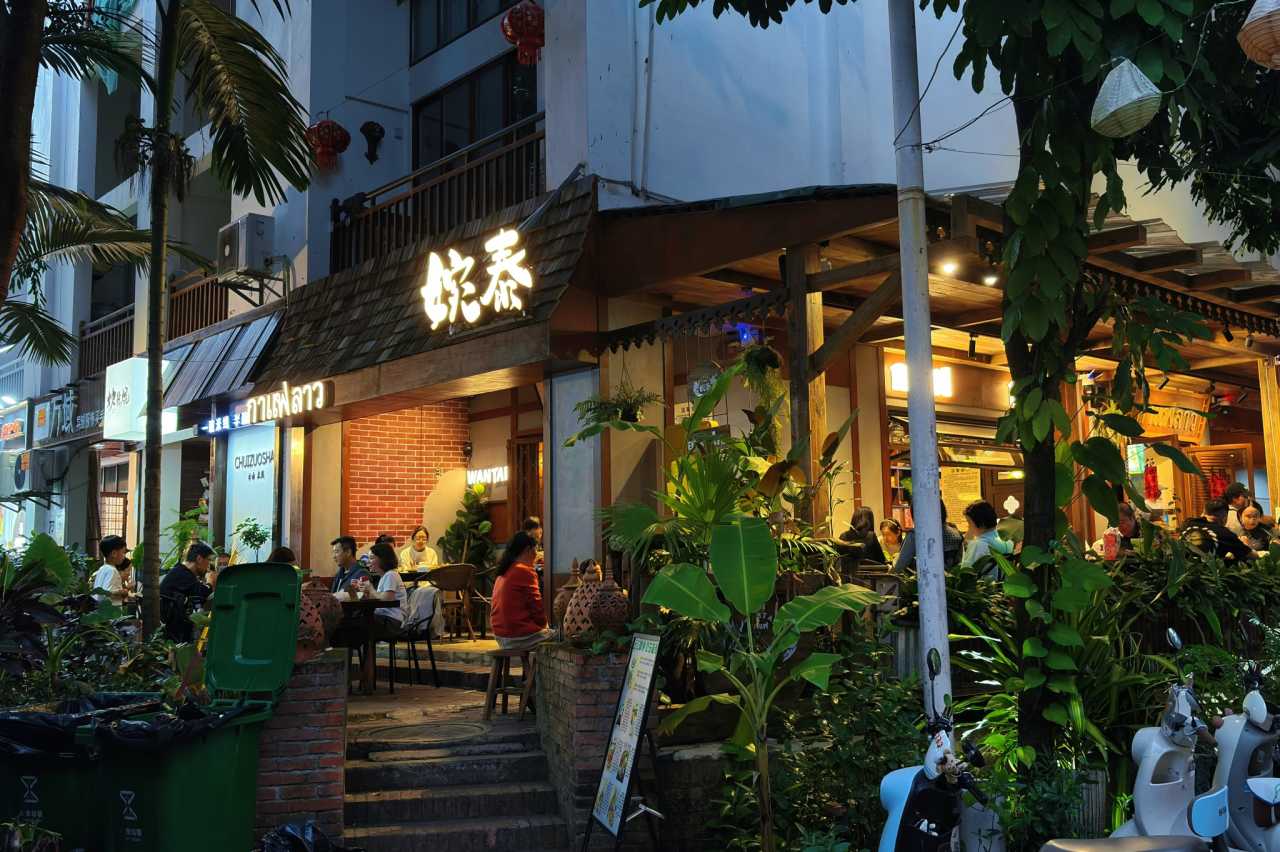
Wantai: A One-Second Trip to Chiang Mai
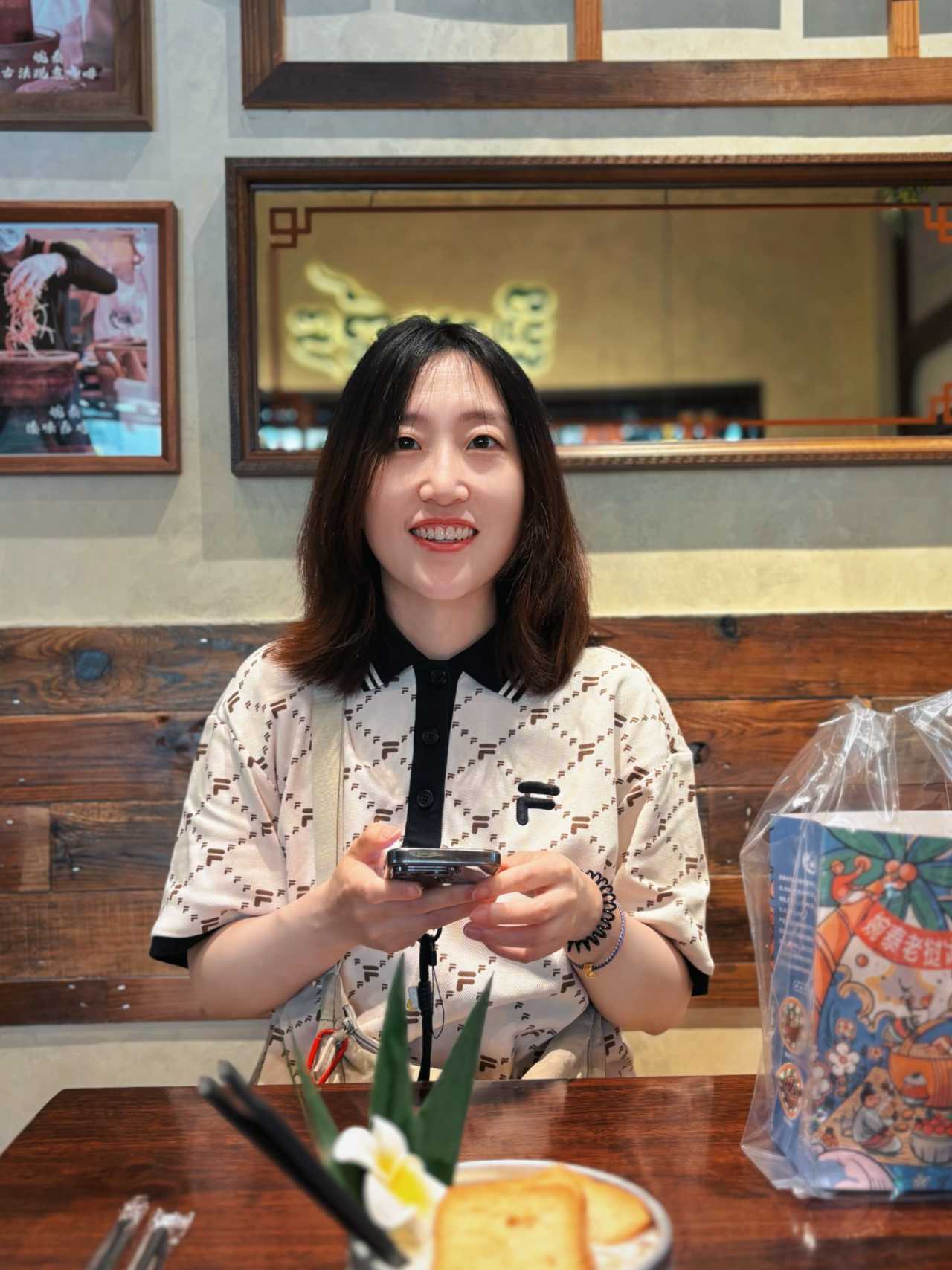
The shop was small, with wooden decor and little hanging lamps, exuding full-on Dai ethnic vibes—it felt like we'd instantly time-traveled to Chiang Mai. The Pa Luda (coconut milk drink) was rich with coconut aroma, but there was way too much purple rice—it was practically a meal in itself. The Lao coffee was unsweetened and tasted a bit strange, but at least it satisfied our curiosity.
Starry Night Market: Chinese Women Who Live for Photo Ops
Travel Photography: From Refusal to Obsession
Gaozhuang Xishuangjing, which means "Nine Pagodas and Twelve Villages," is the core tourist resort area of Xishuangbanna. Jinghong Great Golden Pagoda Temple is the landmark, right next to the Starry Night Market. Travel photography has exploded in popularity—now every scenic spot has its own photo shoots. As soon as we entered the market, we were bombarded by touts: "Miss, want a photo?" You absolutely cannot make eye contact, or you'll be cornered.
I hadn't planned to get photos done, but one lady said, "Two people can share one outfit," and I wavered. For 199 RMB, we chose two sets in a fresh, simple style—not the Hani ethnic or Dai princess looks. The photographer who took my pictures was a guy from northeast China born after 2000, who'd been in Xishuangbanna for three years and gotten completely tanned. He was cheerful throughout the shoot, and the photos turned out natural. The daytime set was especially photogenic. The outfits could be borrowed until midnight, so we wandered through the market in Dai clothing—it felt great.
Mazai BBQ: A Happy Accident
After getting hungry at the market, we spotted a BBQ joint by the roadside with small stools packed with customers. We locked eyes—this was the place. The lemongrass grilled tilapia was fragrant and tender, with almost no small bones. The pounded chicken feet were sour and spicy with a good kick, perfect with a cold beer—one after another. The wrapped brain in Dai spices was small but uniquely flavored. The stinky-egg omelet was fresh and refreshing. The cucumber salad was sour and spicy, whetting the appetite. Along the street, vendors were selling roses. Lao Cui bought one, only to realize later that the girl selling flowers had a baby strapped to her back—he'd fallen for a soft-hearted dad's trick.
Man Ting Park & Temple Wandering: Time Slows Down
Man Ting Park: A 1,300-Year-Old Imperial Garden
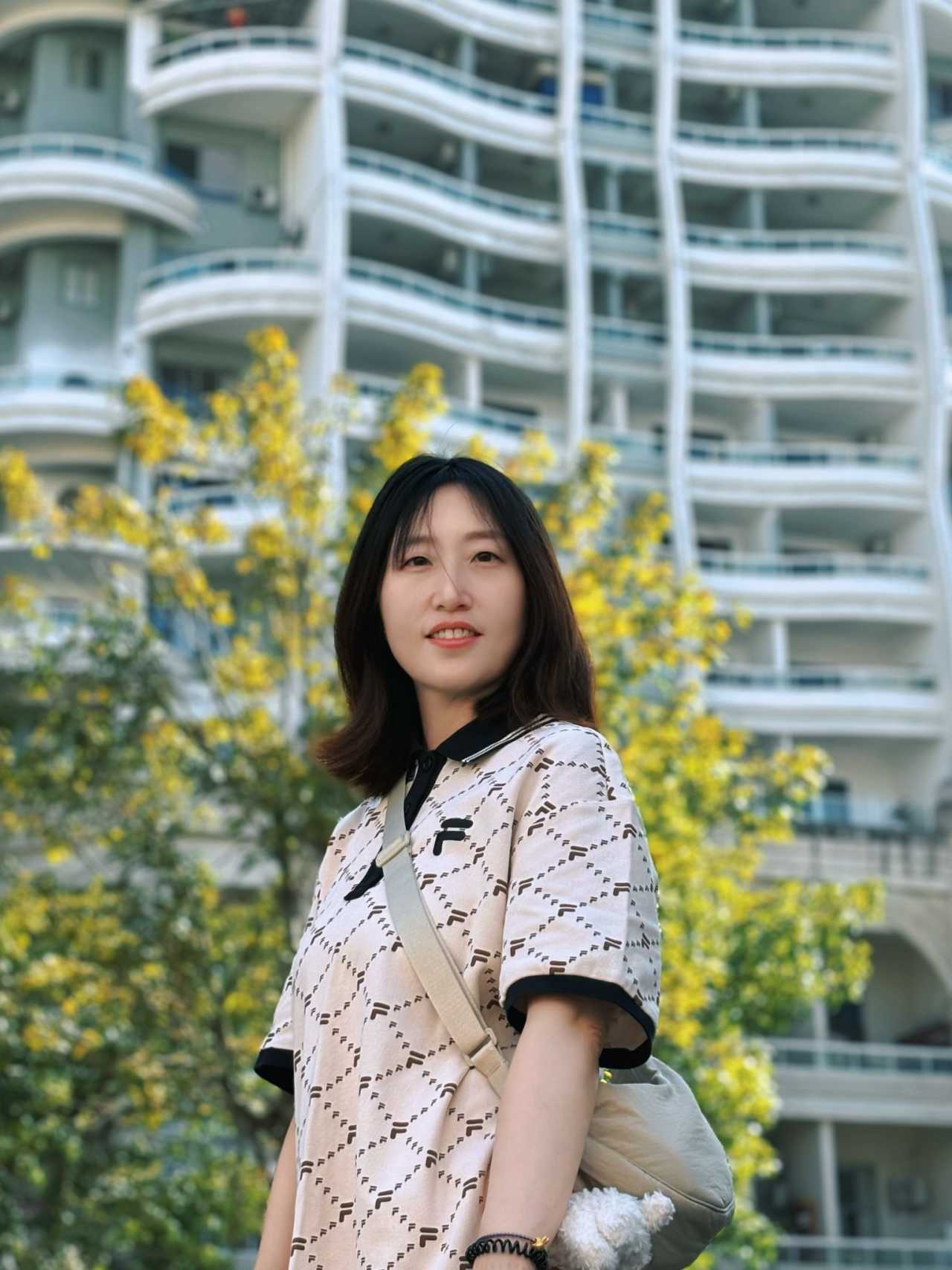
Man Ting Park has a history of over 1,300 years, making it the oldest park in Xishuangbanna. It was once the royal garden of the Dai kings. The vegetation is lush, and the Dai-style architecture features intricate carvings—Southeast Asian vibes everywhere you look. We happened to catch a performance: the Dai king and queen on a procession, full of lively spectacle. There were also black swans in the park, paired up in twos, making you want to make a heart shape with your hands.
General Buddhist Temple: A 1,400-Year-Old Sacred Site
The General Buddhist Temple is connected to Man Ting Park and is a sacred site for Theravada Buddhism. On the second floor, you can join in chanting sutras. Sunlight streaming onto your face made time feel suspended. Red-and-gold lacquered wood carvings of mythical beasts and guardian yaksha statues—every detail exuded exquisite Lanna-style craftsmanship.
Prajnaparamita Temple: The White Pagoda Closest to the Sky
The entire building is silver-white, appearing sacred and solemn against the blue sky. It's known as "the purest white pagoda closest to the sky." The midday sun was scorching. The temple is small—you can walk around it in about ten minutes. We met an auntie traveling solo, with her phone stand, handheld stabilizer, and practiced poses—she had it all down. When she saw us taking awkward selfies, she stepped in to guide our angles and even asked if I wanted to borrow her skirt for photos. Big respect to that auntie—putting herself first, loving herself most.
Menghuo Grand Buddha Temple: Awe and Luck
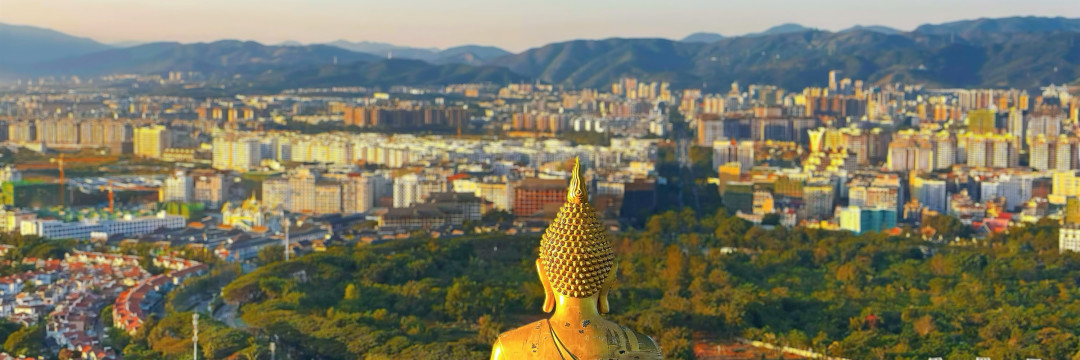
The Grand Buddha Temple features a 49-meter-tall brass Buddha statue, along with performances like the peacock release and water-splashing show. During the peacock release, hundreds of peacocks glided down from the mountaintop—a breathtaking sight. Some peacocks were embarrassingly bald, but the good-looking ones were all "working overtime" in the photo zone. The water-splashing show wasn't running, but some girls we met later said the water-splashing at Dai Ethnic Garden was incredibly fun.
We chose to hike up. From the glass observation deck, we could see all of Jinghong City. As the sun set, the heat completely dissipated. We were incredibly lucky to catch the Bali Grand Parade—a 15-meter-tall, 25-meter-long, 60-ton silver-white mechanical elephant slowly circling the Great Golden Pagoda, occasionally raising its trunk to spray blessed mist.
Peacock Feast: Maximum Ceremony
A banana leaf shaped like a peacock in full display, with dry ice creating a misty, ethereal effect—it was an instant hit on social media. The two-person set was more than generous: grilled fish, grilled chicken, grilled pork belly, fried pork skin, lemon hand-shredded chicken, porcini mushroom fried rice, sticky rice, pineapple rice, plus dipping sauces and fruit. Lao Cui couldn't get enough of the sticky rice. My favorite remained the lemongrass grilled fish, paired with the local passion fruit, lemon, and chili dipping sauce—refreshing and cuts through the richness.
Jinuo Mountain Rainforest Hike: Wild Fun Meets Healing
From "Whining and Complaining" to "Can't Stop Raving"
Before we set out, Lao Cui thought a muddy, uneven trail through the wilderness didn't sound exciting at all. He whined and complained. But thanks to Lao Liu's strong recommendation, he went anyway. And this hike ended up being the absolute highlight of the entire trip. He kept saying afterward, "It was totally worth it!"
The Jinuo Mountain rainforest hike is led by local Jinuo guides, taking you deep into the rainforest world. Climbing hills, wading through streams, swinging on a giant rope swing, climbing banyan trees, rappelling down—the experience was packed. We barely saw the sun the whole time. The air was filled with the scent of vegetation and damp moisture, with streams babbling in the background. All the exhaustion was washed away by the wilderness.
Brave Lao Liu
Lao Cui never expected that Lao Liu would be the only woman in the group to try every single rainforest activity. The giant rope swing, tree climbing and rappelling—she didn't skip a thing. Lao Liu said, "You never know how brave you really are."
Food: Everything Can Be Pounded, Everything Can Be Wrapped
Pounding: Sour and Spicy, Appetite-Opening
Pounded chicken feet, pounded papaya, pounded mango—fresh ingredients mixed with lemongrass, lime juice, chili, and other complex sauces—the Dai flavor is unmistakable. Every place has its own variation. Mazai BBQ's pounded chicken feet is a strong recommendation.
Wrapping: The Aroma of Natural Leaves
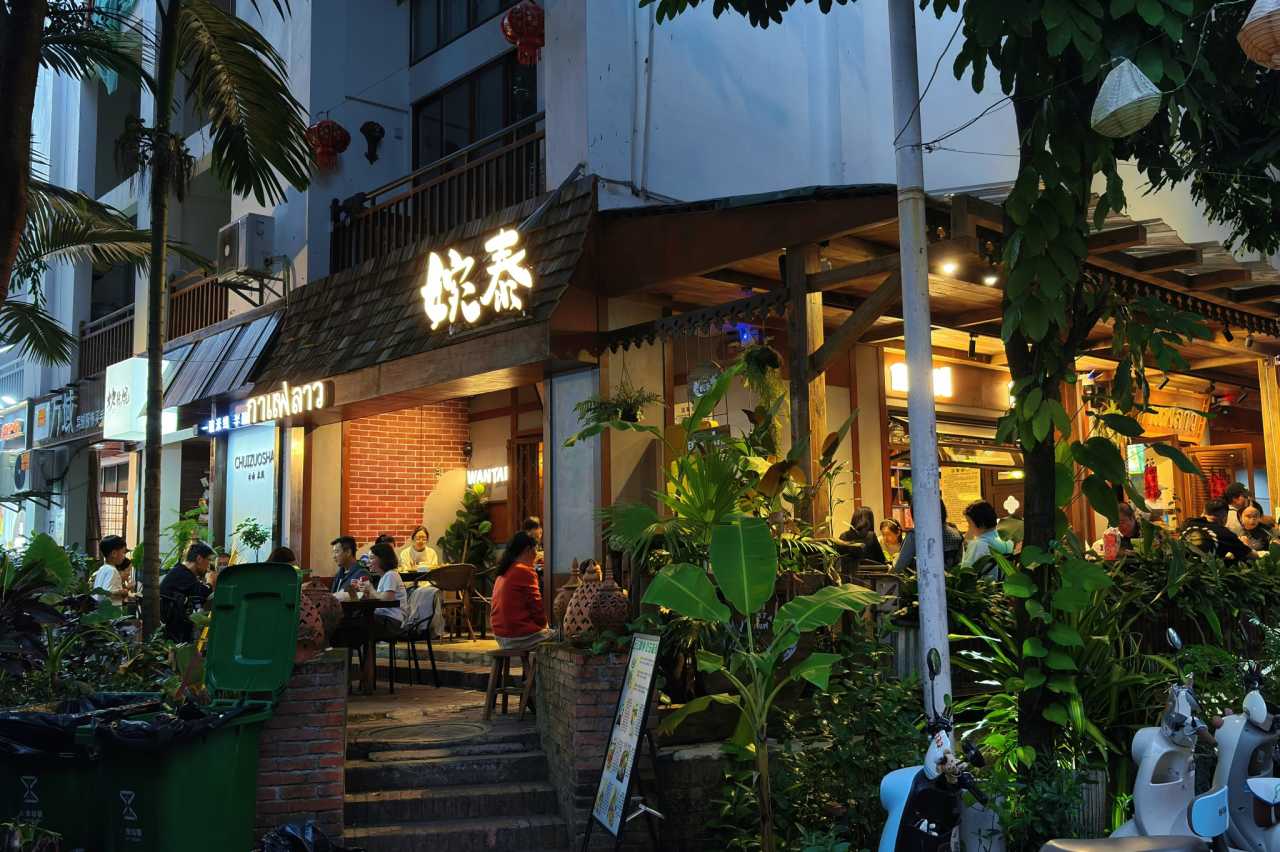
Ingredients wrapped in natural leaves and grilled—grilled fish and chicken retain their original flavors while gaining a unique smoky aroma from the leaves.
Pa Luda: A Sweet Surprise
Sweet coconut milk, purple rice, tapioca pearls, and crispy bread—one sip is pure delight. The ingredients vary by shop. Wudalan's version suited our taste better.
Eating Wild Mushrooms: Haste Makes Waste
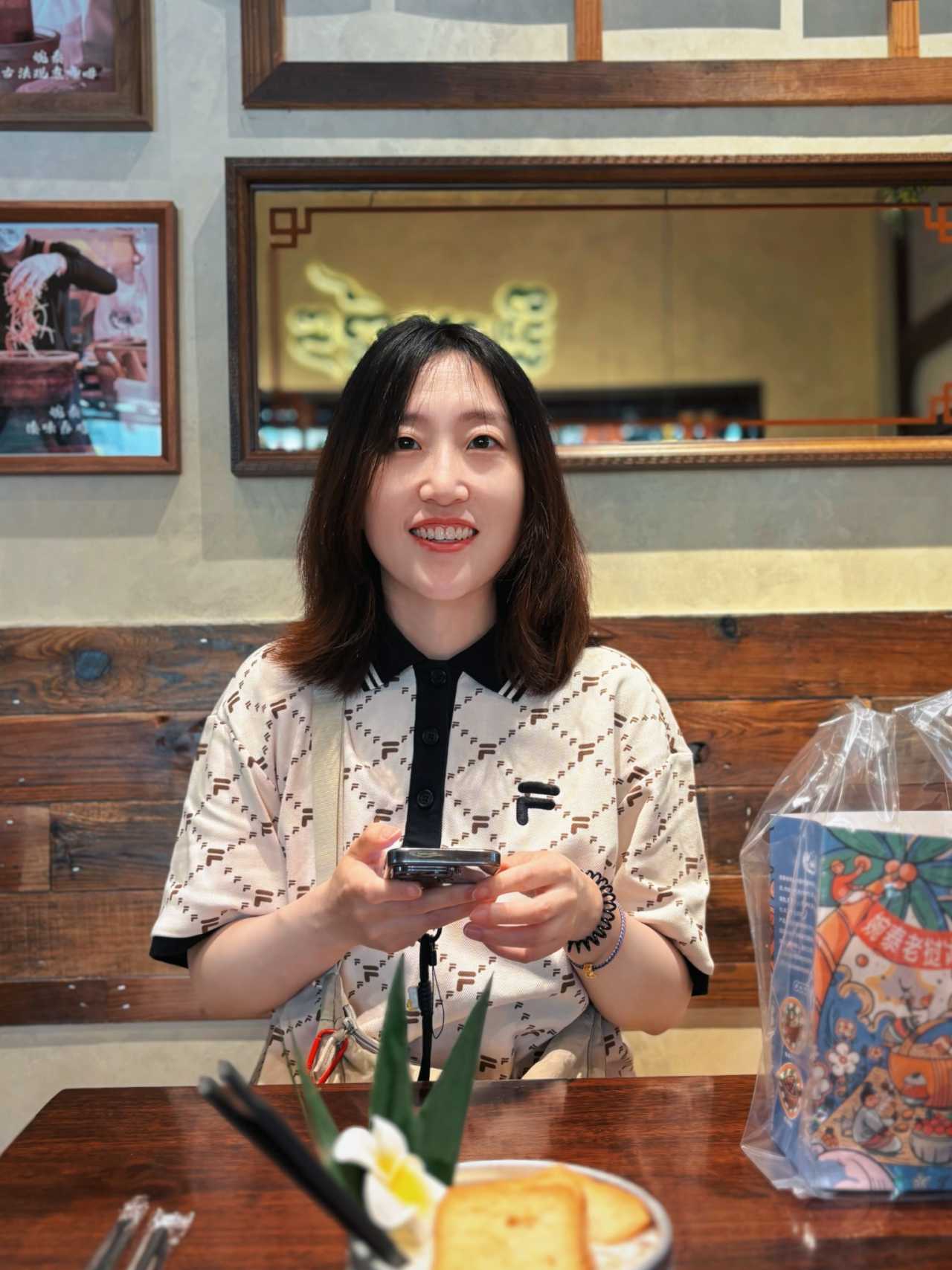
A driver recommended a restaurant where we tried jianshouqing (a type of wild mushroom) and a clay pot chicken and mushroom soup. The broth was genuinely delicious, but the server repeatedly warned us: "You must wait at least 20 minutes before eating." As they say in Yunnan, "Haste makes waste—you can't rush good mushrooms."
Final Thoughts: Pausing to Move Forward Better
Six days, five nights—not too long, not too short. We visited Man Ting Park, the General Buddhist Temple, Prajnaparamita Temple, and the Grand Buddha Temple. We hiked the Jinuo Mountain rainforest. We ate peacock feasts, pounded chicken feet, and mushroom hot pot. We even had travel photos taken at the Starry Night Market.
But most importantly, we had the courage to press pause.
Life won't stop running just because we stop. But we can choose, at certain moments, to temporarily escape the cold, the pressure, and the exhaustion—to go somewhere warm and let our bodies and minds recharge.
Lao Liu said: "This body of mine, not even 40 yet, needs me to take good care of it—eat well, live well. Thank you to every little cell working day and night for me."
Lao Cui said: "I don't care about bags or jewelry. Lao Liu loves to travel, but it's an expensive hobby. Thanks to this trip's sponsor, Lao Cui, for the generous support."
And me? I just want to say: Next time, we'll press pause together again.
Practical Tips Summary
| Item | Details |
|---|---|
| Travel Time | December, dry season, large temperature difference between morning and night, hot at noon |
| Flights | Hainan Airlines direct, round trip 3,893 RMB, baggage allowance must be purchased separately |
| Accommodation | Yuetang Mansion, 5 nights 1,594 RMB, inside Gaozhuang |
| Must-Do | Jinuo Mountain Rainforest Hike (200 RMB/person, includes lunch) |
| Avoid | Fruit scams (avoid small watermelons and "demon fruits") |
| Recommended Food | Mazai BBQ, Peacock Feast, Wudalan Pa Luda |
| Useful Tool | DeepSeek to generate itinerary plans—saves time and effort |
One last thing: No matter how busy life gets, don't forget to give yourself a break. Winter in Xishuangbanna is truly warm.
You should also read:
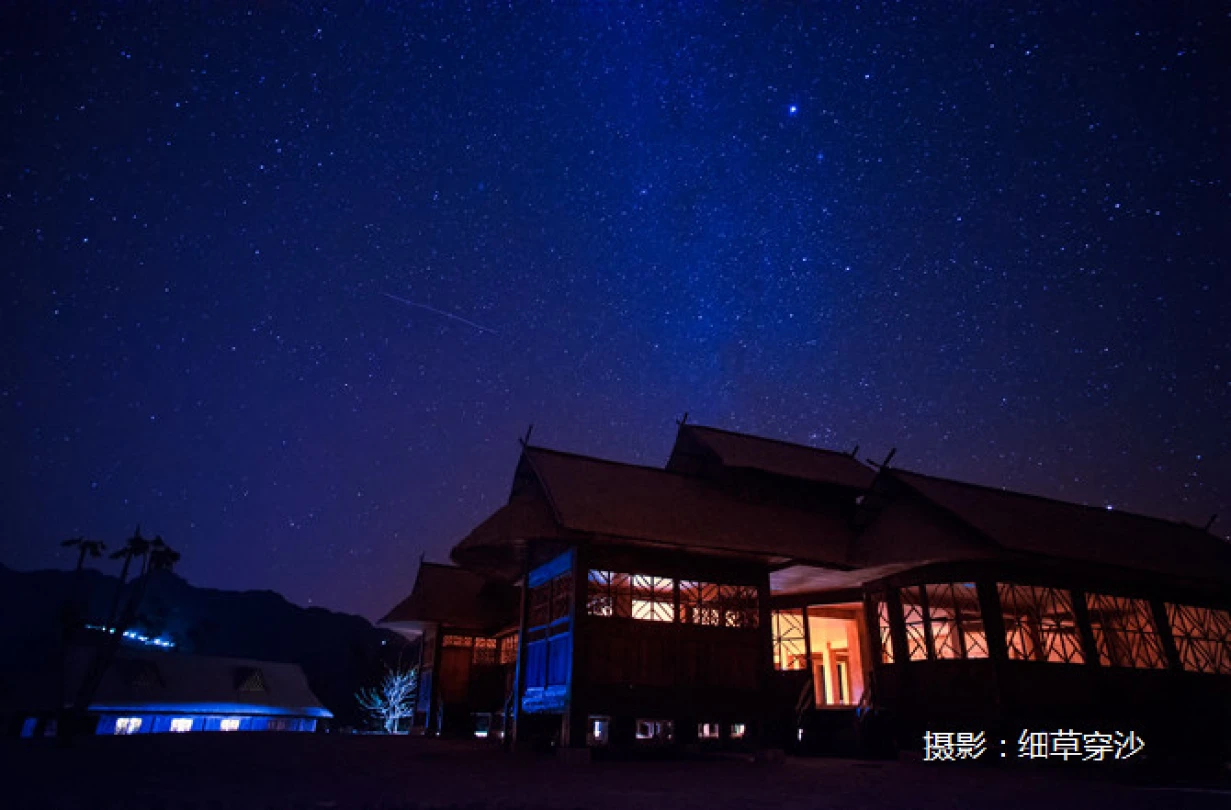
The Hidden Paradise Under the Stars: A Borderland Expedition Through Pu'er, Ximeng, and Xishuangbanna
The Hidden Paradise Under the Stars: A Borderland Expedition Through Pu'er, Ximeng, and Xishuangbanna Introduction: While Everyone Rushed to Lijiang, I Chose Another Path On China's tourism map, Lijiang and Dali have long become pilgrimage sites for "artsy youth"—swarming with tourists and heavy with commercialization.
Continue reading...
Hongmao's Journey of Wind, Flowers, Snow, and Moonlight: From Chengdu to Dali, a Gentle Winter Escape
Hongmao's Journey of Wind, Flowers, Snow, and Moonlight: From Chengdu to Dali, a Gentle Winter Escape I hope the sun is warm, even under the gray winter sky. I hope the flowers are fragrant, even when buried in dry, barren soil. I hope the world…
Continue reading...
Bring a Tripod, Travel Lijiang Alone: A Winter Sun Solo Journey
Bring a Tripod, Travel Lijiang Alone: A Winter Sun Solo Journey When winter in the north wraps itself in smog and biting winds, painting the sky in shades of gray, the dream of Lijiang I'd been harboring began to grow wild and unstoppable. Can a…
Continue reading...