The Hidden Paradise Under the Stars: A Borderland Expedition Through Pu'er, Ximeng, and Xishuangbanna
The Hidden Paradise Under the Stars: A Borderland Expedition Through Pu'er, Ximeng, and Xishuangbanna
Introduction: While Everyone Rushed to Lijiang, I Chose Another Path
On China's tourism map, Lijiang and Dali have long become pilgrimage sites for "artsy youth"—swarming with tourists and heavy with commercialization. But if you ask someone who truly knows Yunnan where the purest, most livable part of this land really is, the answer might surprise you: Pu'er.
In March 2014, as a professional photographer, I led a group of seven or eight friends deep into the Pu'er, Ximeng, and Xishuangbanna regions for a nine-day borderland expedition. This trip had no crowds, no exorbitant entrance fees—only villages under a canopy of stars, warm-hearted locals, and untouched cultural landscapes free from commercialization. If you're tired of tourist-packed attractions and craving a truly immersive journey, this article might just open a new door for you.
Why Pu'er? — Yunnan's Forgotten Paradise
Most people's impression of Yunnan stops at Dali's "wind, flowers, snow, and moon" and Lijiang's "city of romance." But in my mind, Simao (the core area of Pu'er City) is the real place to live. With its moderate altitude, mild and humid climate, ample rainfall, and premium tea production, Pu'er has attracted a legion of "hidden millionaires" who buy villas here, vacation, and enjoy a slow-paced life.
Our trip lasted eight days, and for six of them, we barely saw a single tourist bus. It wasn't until we reached Jinghong (the center of Xishuangbanna) that we finally encountered other travelers. That sense of isolation was exactly what I was after.
Itinerary Overview: A Road Less Traveled in Yunnan
Route Map

Starting from Kunming, we headed west, exited the highway after passing through Simao in Pu'er, crossed the Lancang River (Mekong), and followed small roads straight to the China-Myanmar border. Along the entire route, there were almost no tourist vehicles—we were the only visitors.
Specific Route: Kunming → Simao → Ximeng → China-Myanmar Border → Lancang → Menghai → Xishuangbanna
Cost Breakdown
For 11 people in a chartered bus (a 33-seat coach, very spacious), eight days of accommodation, breakfast, bus rental, driver tips, guide fees, and all entrance tickets were included at 4,500 RMB per person. This cost also covered a night of local villagers' song-and-dance performances, a home-cooked feast, a lecture by a Pu'er tea scholar, and a visit to the China Pu'er Tea Research Institute—experiences not open to the public. Finding a reliable guide lets you see a world that tourists never do.
Day 1: Kunming — A Feast of Cherry Blossoms and Seagulls
March in Kunming is winter cherry blossom season. The city is awash in pink, a breathtaking sight. The red-billed gulls (红嘴鸥) hadn't yet departed, dancing gracefully over Dianchi Lake. We gathered in Kunming, first attending a Pu'er tea lecture where we tasted top-grade Dianhong (Yunnan black tea) and Pu'er tea. As dusk fell, we photographed the gulls against the sunset over Dianchi, kicking off our photo-journey.
Tip: The best time to photograph the gulls is early morning or late evening. Midday light is too harsh, and the crowds too thick, to get good shots.
Day 2: Kunming to Simao — Tea Plantations and an Ancient Town
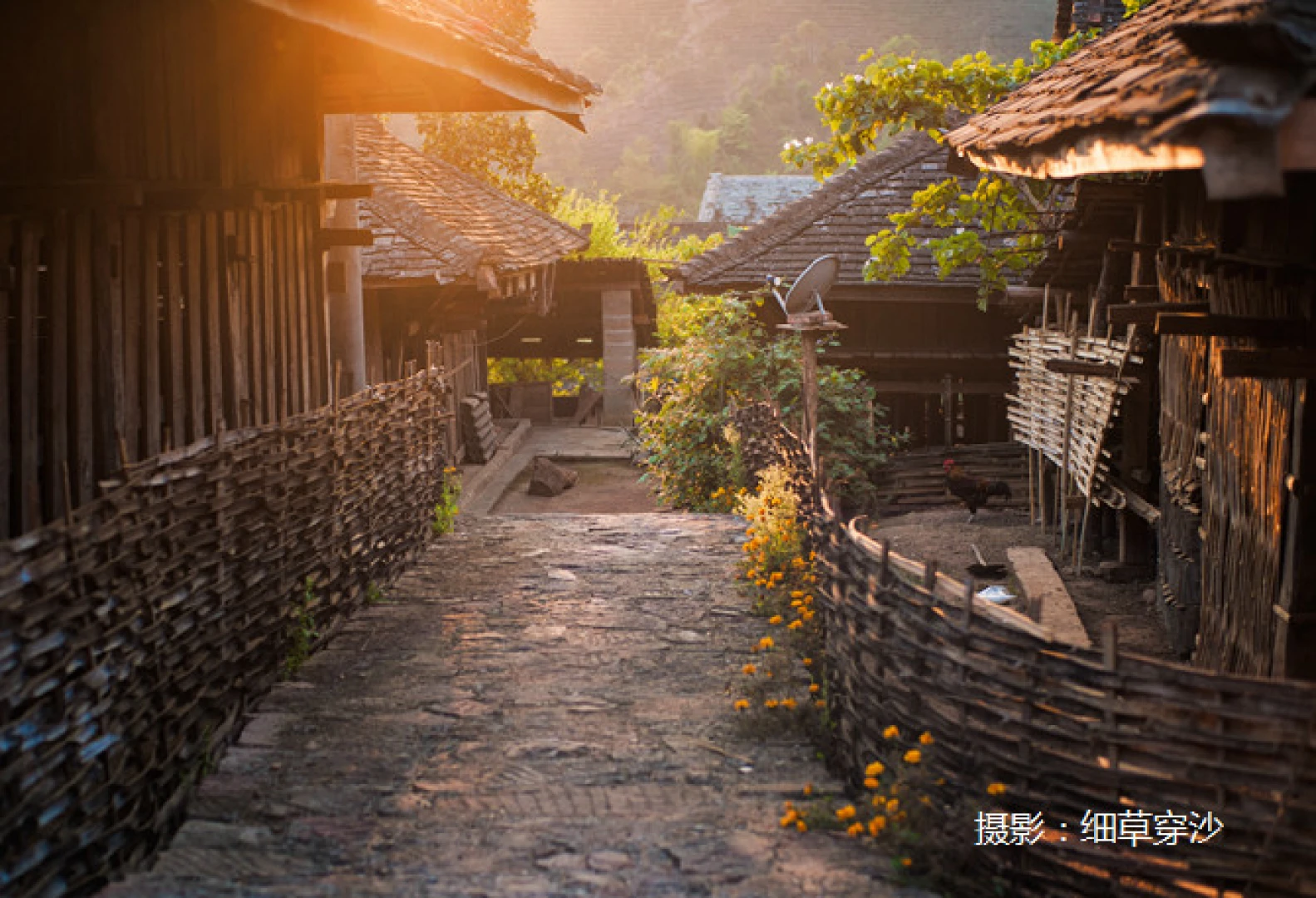
Along the way, we visited a vast tea plantation—the source of China's finest Pu'er tea. We also passed through a place called Bixi Ancient Town (碧溪古镇), the hometown of pop star Harlem Yu (庾澄庆). The town was serene and rustic, its villagers simple and welcoming—and best of all, no entrance fee.
By evening, we reached downtown Simao. This small city captivated me at first sight: few traffic lights, few people, delicious street food, and a comfortable altitude—a true haven for relaxation and recuperation.
Day 3: Ximeng — A Night Under the Stars in a Wa Village
That day, we ventured deep into a Wa ethnic village. The village had no name—it was just off the roadside. In the evening, we ate at the village chief's home. Everyone pitched in to make "chicken rice porridge" (鸡肉烂饭)—incredibly spicy, but also incredibly delicious, costing only 10 RMB per person! After dinner, we sat chatting under the stars, soaking in the peace and warmth of this border village.
Accommodation: A small inn in Ximeng county town, where we could shower and rest. With no tourists around, rooms were easy to find.
Day 4: Mengsuo Lake and Ox-Head Mountain — The Sacred and the Secular of the Wa People
At dawn, we headed to Mengsuo Lake (勐梭湖), the Wa people's sacred lake. The legendary Washan (瓦山) is here—the very place celebrated in the song "The Wa People Sing a New Song" (阿佤人民唱新歌). On Washan, there are many "Ox-Head Mountains." Before liberation, these were sites for human sacrifice; after liberation, ox heads replaced human heads. Though it sounds eerie, what I felt on site was more a sense of solemnity and mystery.
That evening, we arrived at Laodabao Village (老达堡村), where we were fortunate to experience a Lahu ethnic song-and-dance performance. The performers were all members of the village chief's family, hastily assembled for us. We were the only audience. That raw, authentic emotion is something I'll never forget.
Day 5: China-Myanmar Border — A Village Without a Name
That day, we reached the border checkpoint between China and the Wa State of Myanmar. The village here had no name, and villagers could freely cross between the two countries. The friendly armed police officers turned a blind eye, allowing us to wander over. Chinese yuan (RMB) was accepted everywhere.
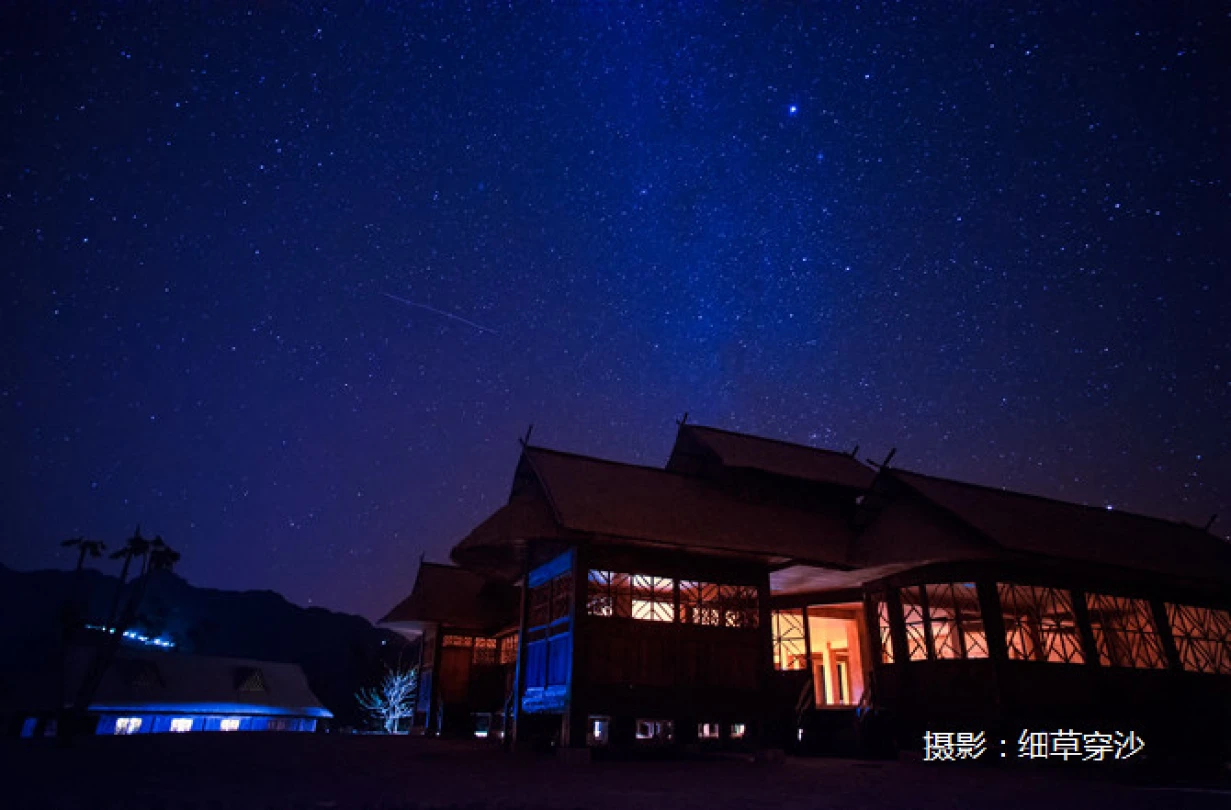
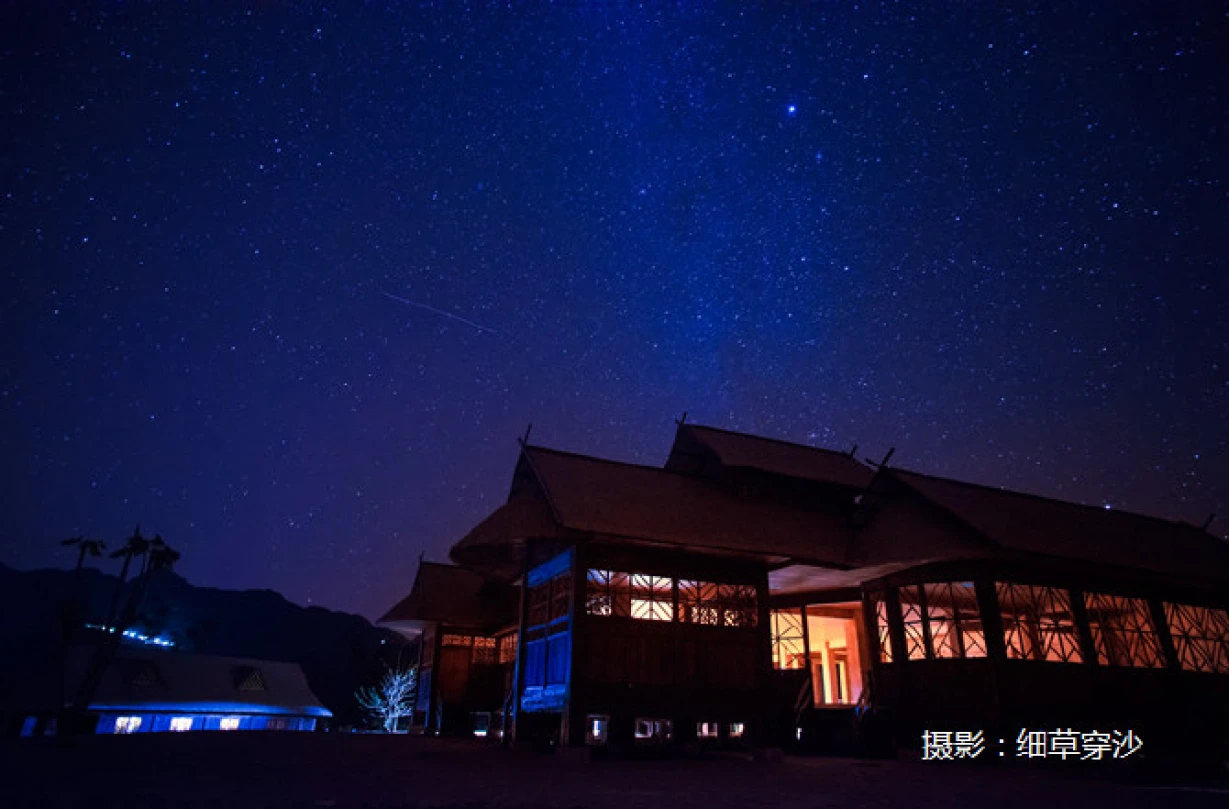
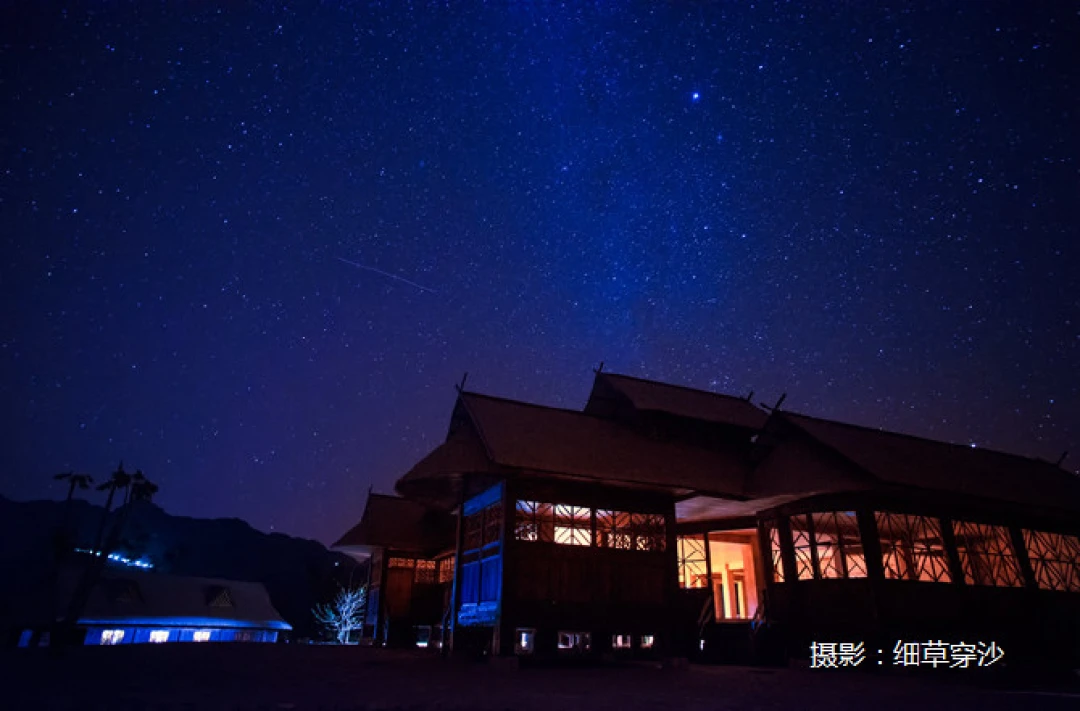
We stayed overnight in a border village at an altitude of about 2,000 meters. The temperature was cool, but the sky was exceptionally clear. Looking up, the Milky Way was vividly visible, as if you could reach out and touch it.
Day 6: Menghai — A Deep Dive at the Pu'er Tea Research Institute
Menghai County (勐海县) is home to the China Pu'er Tea Research Institute, which has developed and promoted many premium Pu'er tea varieties. Thanks to our guide's connections, we were allowed inside the institute. A professor lectured us on Pu'er tea knowledge, and we tasted top-tier tea cakes worth tens of thousands of RMB each. That lesson taught me everything I needed to know to never get cheated when buying tea again.
Days 7–8: Xishuangbanna — Rest and Wandering
For the final two days, we arrived in Xishuangbanna with no scheduled activities—just rest, sleep, and aimless wandering. We strolled along the Lancang River, explored the night market, sampled local snacks (some of which really didn't suit my palate), and soaked in the tropical vibe.
Unforgettable Moments
A Home Under the Stars
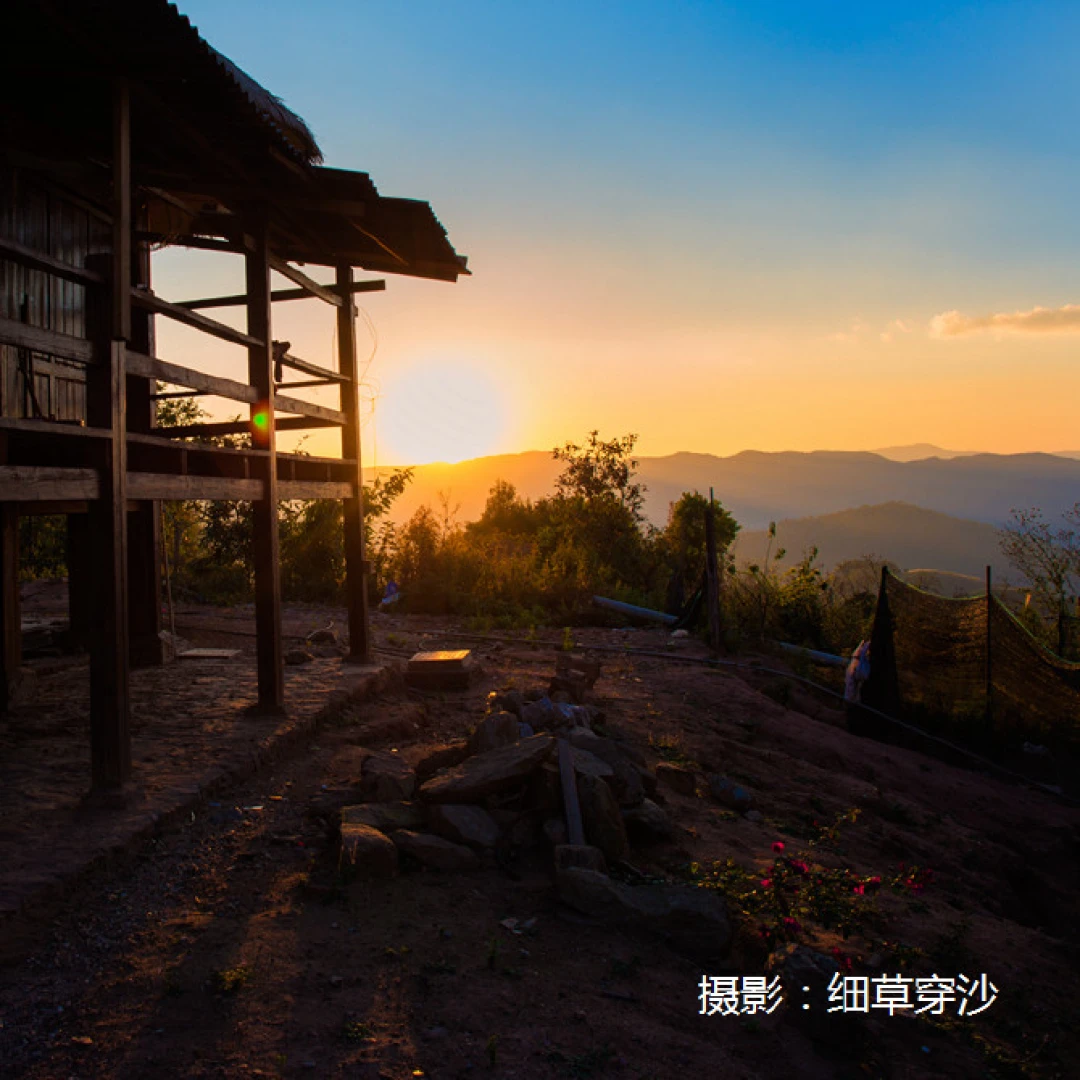
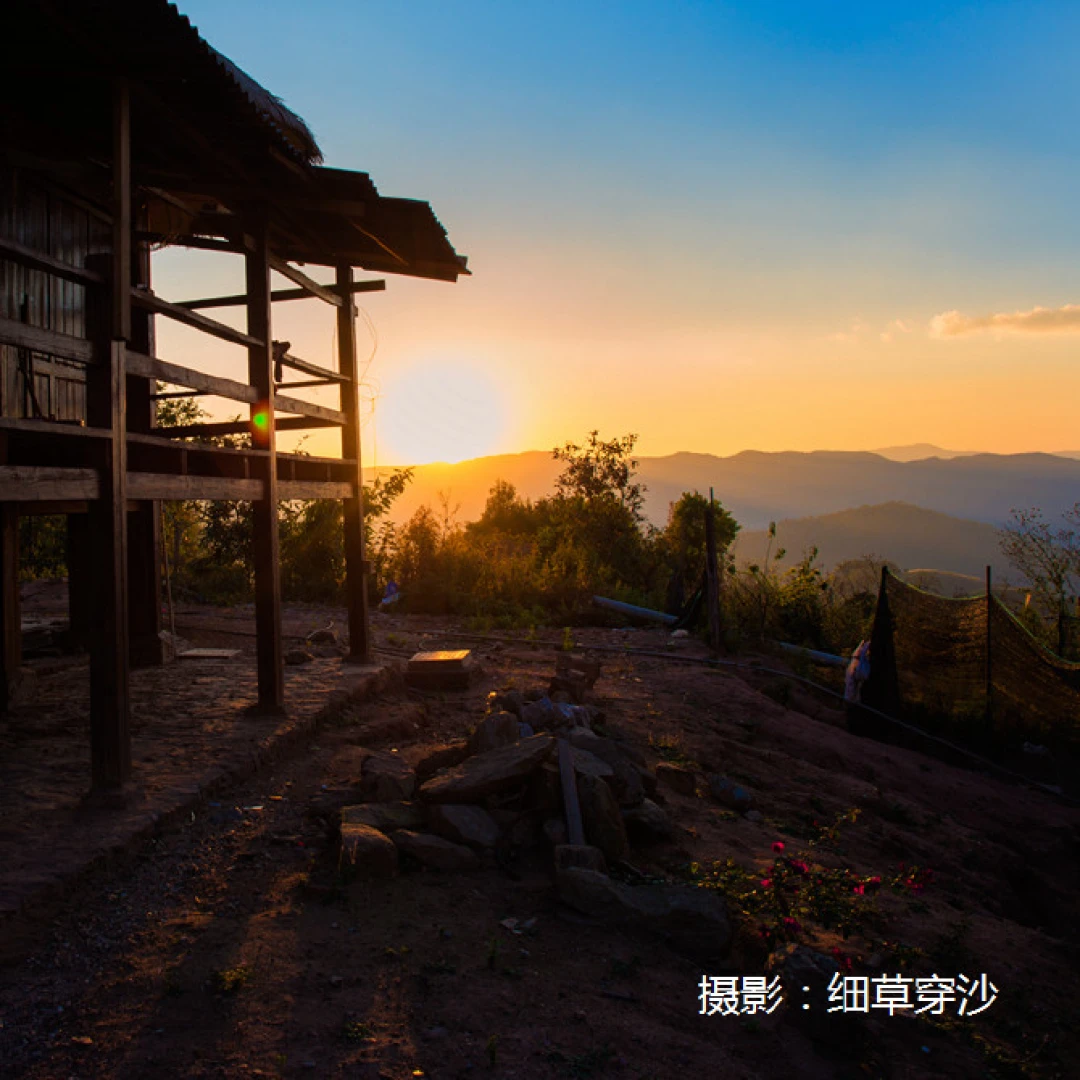
In the Wa village, as the sun set behind the mountains that marked the border with Myanmar, the houses were all two-story structures—livestock on the ground floor, people above. Standing on the second-floor balcony, I looked up to find the sky filled with stars. That feeling of "home under the stars" brought tears to my eyes.
A Border Wedding
We stumbled upon a Wa wedding and joined in, helping to welcome the bride. The bride was quite the sight, riding in style. The villagers stared at us in amazement, and we stared back in equal amazement. That mutual curiosity was more precious than any tourist attraction.
Light Through a Church Window
In a Lahu village, there was a church where light streamed through the cross in a magical way. An elderly woman watched me from the moment we entered until we left, and I watched her back. Though we couldn't communicate with words, the harmony and peace between us were beyond any language.
Practical Information and Tips
Transportation
Regular tourist vehicles can handle the entire route. There are no dangerous roads—only pristine, untouched villages. No need to worry about entrance fees or scams; often, you'll be the only visitor.
Best Season
March is the dry season in Pu'er and Xishuangbanna, with pleasant weather perfect for travel. If you want to see cherry blossoms, December to March is the peak season for Yunnan's winter cherry blossoms.
Things to Note
- Temperature differences are significant in border areas; bring a jacket.
- Local food tends to be very spicy. If you're not used to it, communicate in advance.
- Respect local customs. Do not photograph villagers' religious rituals without permission.
Conclusion: True Travel Is Becoming Part of the Story
This trip had no luxury hotels, no Instagram-worthy check-in spots, not even clearly named attractions. But it was precisely this "sightless" travel that let me experience the most authentic Yunnan—warm villages under a starry sky, genuine smiles along the border, and those private Pu'er tea classes closed to the public.
If you, too, are searching for such a place, put down your guidebook. Follow this less-traveled road, and discover your own "home under the stars."
The author is a professional photographer with a passion for culture and travel. Questions and exchanges are welcome.
You should also read:
Escaping Nanning, Falling Under Lijiang's Spell: Our Four-Person, Ten-Day Yunnan Dream
Escaping Nanning, Falling Under Lijiang's Spell: Our Four-Person, Ten-Day Yunnan Dream Before We Set Off: No Pain, No Obsession Have you ever had that impulse—suddenly tired of the office fluorescent lights, the crush of the subway, the endless parade of identical takeout boxes, and just…
Continue reading...
Into the Hidden Valley: A Solo Journey Through the Mysterious Dulong River
Into the Hidden Valley: A Solo Journey Through the Mysterious Dulong River Deep in the northwestern corner of Yunnan Province, tucked away from the modern world, lies a place that feels like a secret whispered among mountains. The Dulong River Valley is not just a…
Continue reading...
God’s Abandoned Palette: A Self-Drive Journey Through Yunnan’s Dongchuan Red Land
God’s Abandoned Palette: A Self-Drive Journey Through Yunnan’s Dongchuan Red Land Travel has never been about reaching some distant geographic coordinate. It’s about encountering, along the way, the version of yourself buried beneath the rubble of daily routine. During this May Day holiday, I finally…
Continue reading...