Proceed with Caution! Hiking Around Lugu Lake: A Soul Journey Across the Clouds
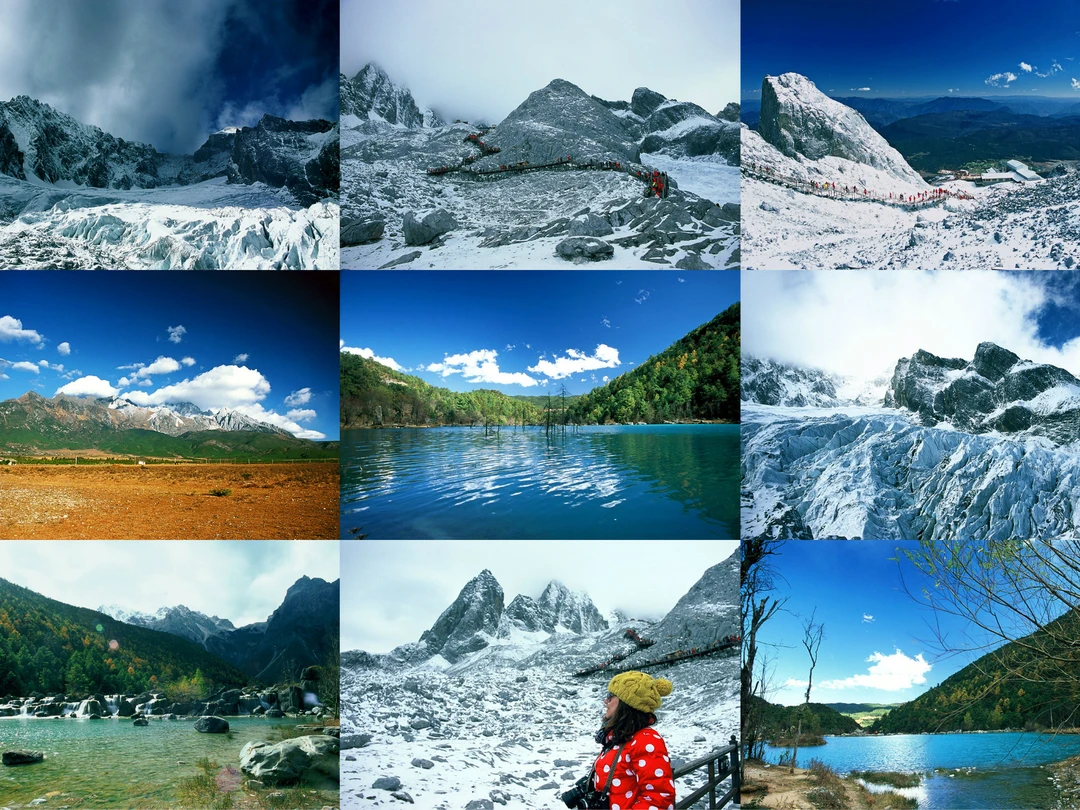
Proceed with Caution! Hiking Around Lugu Lake: A Soul Journey Across the Clouds
Shanghai → Chengdu → Lugu Lake → Lijiang → Jade Dragon Snow Mountain → Lashihai Lake → Kunming → Shanghai | Soul Notes · Extensive Photo & Text Documentary
Opening: Why Lugu Lake?
Have you ever had that feeling—a place you've heard of countless times, seen countless photos of, yet never felt any real interest? Until the moment you actually stand on that land, and realize you almost missed out on a paradise on earth.
For me, Lugu Lake was exactly that kind of place.
Before setting off, I scoured every travelogue about Lugu Lake online. In those photos, the lake water seemed unrealistically blue, and the stories of the Mosuo people sounded like distant legends. I even thought it was just another over-packaged tourist attraction—compared to truly breathtaking places like Bashang Grassland or Yading Nature Reserve, it seemed to lack something.
Until I stood by the shores of Lugu Lake, watching the Ligé Peninsula emerge faintly through the morning mist, listening to the sound of water lapping against the shore—that's when I realized I was wrong.
This place is so beautiful that no camera can capture its soul.
Chapter One: Pre-Trip Restlessness and Chengdu's Feast of Excess
An Encounter, A Promise
In April 2012, I met BOBO in Xiamen. Two Capricorns, both putting on a facade of "whatever," yet both hiding a deep longing for distant horizons. We made a pact: in October, we'd travel the Sichuan-Yunnan route together and do a small-scale hiking trip.
BOBO suggested hiking around Lugu Lake for two days. I hesitated—was that place really worth it?
As it turned out, some answers can only be found by walking the path yourself.
Chengdu: 8 Hours, 5 Meals
November 4, 2012. The moment the plane took off from Pudong Airport, the dream journey officially began.
Chengdu is not a city for a short stop—especially for two foodies and photography maniacs. In our golden 8-hour window, we somehow squeezed in five meals:
- Breakfast: A rushed affair
- Airline meal: Better than nothing
- Shuadu Cold Pot Fish (耍都冷锅鱼): 28 RMB per person, incredible value. The fish fillets were as tender as catfish, with a spicy kick that exploded on the tongue. To this day, I can't understand how anyone in this world doesn't eat spicy food.
- Mama's Pork Trotters (老妈蹄花): Braised until fall-apart tender, served with pickled cabbage. One spoonful of soup, one bite of meat. I finally understood why Chengdu locals have such good skin—all that collagen isn't for nothing.
- Wu Ming Hotpot (吴铭火锅): A medicinal herbal-infused dual-flavor pot. The sesame oil was so fragrant even my hair seemed to want a taste.
In Chengdu, we shuttled between Kuanzhai Alley and Jinli Ancient Street. Every time we passed Jinli's snack street, our stomachs would automatically stop churning—not because we didn't want to eat, but because we physically couldn't fit any more.
Chapter Two: Lugu Lake, I've Finally Arrived

Xichang to Lugu Lake: 7 Hours of Bumpy Road
November 5. After a night of train rattling, we arrived in Xichang. This legendary satellite launch site had a train station that looked somewhat outdated. But the mushroom rice noodles at the bus station were top-notch—BOBO said they weren't good, but I suspect he's just too picky.
The legendary 7-hour bumpy ride from Xichang to Lugu Lake made itself felt from the moment the bus started moving. At noon, the bus stopped at a roadside restaurant. Shivering with cold, I sat there like an empress dowager, waiting for BOBO to bring me food and hot water—he even managed to find post-meal fruit.
At 4 PM, we finally reached Lugu Lake Town. Since it was the off-season, hiring a car to Ligé Island cost 20 RMB per person if we could find others to share, but with no other passengers in sight, we had to pay 80 RMB for a private car. The driver played local folk songs, and combined with the lake and mountain scenery outside the window, my heart was completely intoxicated.
At that moment, I thought: no matter how hard or tiring, it was all worth it.
Ligé Peninsula: Love at First Sight
As soon as we reached the Ligé Peninsula viewing platform, BOBO couldn't wait to take a "been here" photo of me. In the picture, I looked energetic and spirited, but no one knew that the upcoming hike would humble me.
We chose the Peninsula No. 7 Inn. The popular "Other Shore" inn required a two-night minimum stay, but since we planned to hike to Caohai (Grass Sea) the next day, we had to give it up. As it turned out, Peninsula No. 7 suited us better—the owner was always the first to wake up (though never earlier than us) and enthusiastically shuttled guests. Their buckwheat pancakes were a specialty, with a coarse grain aroma and a soft, crispy texture.
Dinner was at Zaxi's family restaurant. The night air by Lugu Lake was chilly, so gathering around the barbecue grill felt warm and cozy. But the 50 RMB roast suckling pig was mostly pig head meat, the 35 RMB lake fish wasn't particularly fresh, and only the grilled eggplant was satisfying. Zaxi gave us a complimentary glass of guangdang wine—low in alcohol, better than nothing.
At night, Lugu Lake lost its daytime vibrancy, but when you looked up at the sky, the stars were scattered like diamonds, and you never wanted to look down again. It had been so long since I'd seen so many stars. Luckily, BOBO was there to capture the moment.
Chapter Three: Hiking Lugu Lake—Two Days, Measuring Paradise on Foot
Our Hiking Route
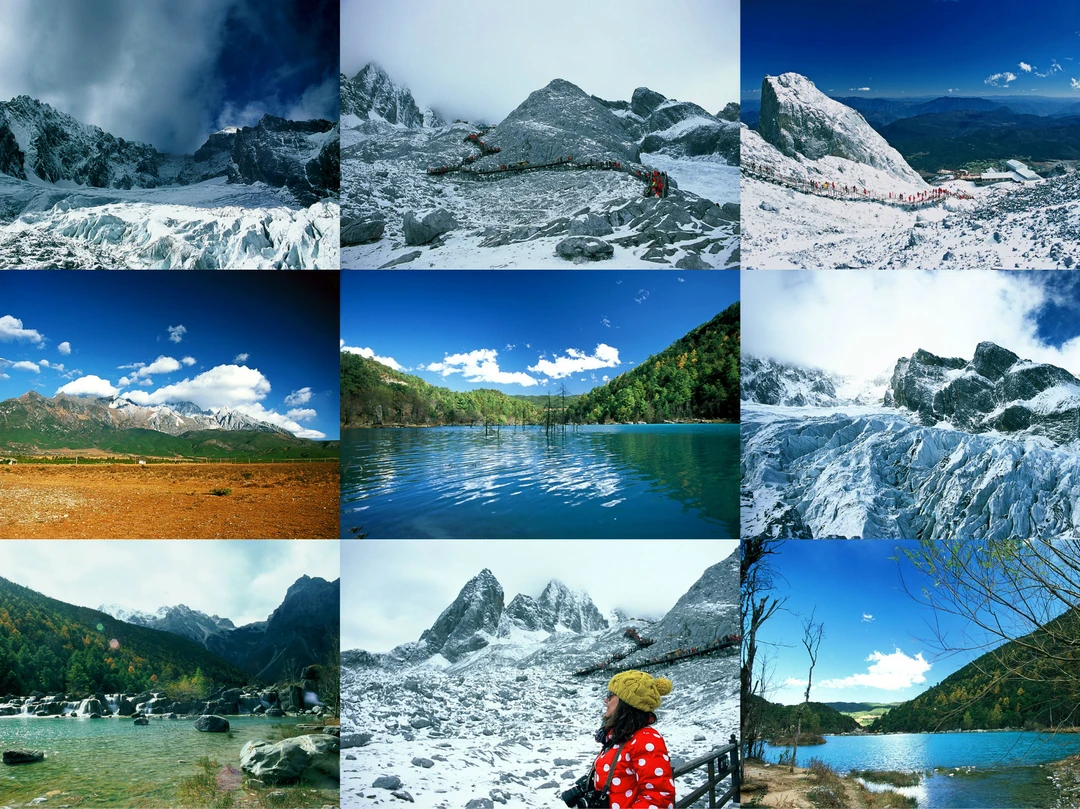
Before we left, BOBO said, "Let's hike," and so this carefully planned itinerary was born:
- Day One: Ligé → Nisai → Xiaoluoshui → Yang Erche Namu's Home → Dazui Village → Zhaojia Bay (Goddess Bay) → Luowa Pier → Caohai (Grass Sea)
- Day Two: Caohai → Daluoshui → Dayuba → Xiaoyuba → Ligé (we took a private car from Caohai to Daluoshui Pier because there wasn't much scenery along that stretch)
Morning at Ligé: A Maiden in a Thin Veil
November 6. The sky over Lugu Lake began to lighten slowly from 7 AM. After leaving our large luggage at Peninsula No. 7, we set off on our grand hiking journey.
The Ligé Island viewing platform is the best spot for panoramic shots. From Peninsula No. 7, you don't need to take the main road—there's a mountain path next to a Mani pile that leads all the way to the viewing platform. In the early morning, Lugu Lake looked like a maiden wearing a thin veil, shy and budding.
Behind us, the Gemu Goddess Mountain stood silently, guarding this land.
For two photography enthusiasts, the journey was constantly interrupted by roadside beauty. We were repeatedly overtaken by other trekkers, but the joy of hiking lies in discovering the beauty others overlook—even if it's just a tiny wildflower by the path.
"This is the first flower I'm giving you," BOBO said, handing me a dandelion.
"Wow, it's a dandelion."
"Wait, this one's missing a petal. Let me find another."
I carefully held onto those two little flowers as we walked and walked. They were so inseparable, stuck together, constantly scattering seeds. It wasn't until BOBO noticed I was still clutching them that I came to my senses—a dandelion's purpose is to fly everywhere and sow seeds.
So, fly away...
Nisai Village: The Legend of the Lover Trees
After two hours of walking, we finally reached Nisai Village. We never found the downhill path mentioned in the guidebooks, so we had to cut through various cornfields, walking under the watchful eyes of cows, sheep, horses, and pigs, slowly making our way toward the lake.
Nisai Village's landmark is the Lover Tree. Legend has it that the male tree, due to too many "walking marriages," had its head chopped off by the gods, leaving it to stand quietly by the female tree's side. Nearby, two sister trees stood together, still bonded in sisterly love.
I was captivated by the stunning blue of the lake, while BOBO was fascinated by all the little animals. A duck became the model in his viewfinder:
"This duck is being artistic," he said.
"The one next to it is like, 'Finding something to eat is more practical.'"
"Another one is posing all prettily, thinking, 'Make myself beautiful, let people feel at ease.'"
That's what a happy duck life looks like.
Xiaoluoshui: An Unexpected Surprise
After saying goodbye to Nisai Village, our next stop was Xiaoluoshui, passing by Yang Erche Namu's home along the way.
Looking back at the mountain path we'd traveled, you realize that the vast lake hidden behind these towering peaks offers a sense of openness and tranquility no less than the ocean.
Xiaoluoshui's scenery wasn't as impressive as Nisai Village, but the charm of Lugu Lake lies in the fact that every village has its own unique beauty. It was here that my favorite impressionistic photos were born—I'm very fond of that series myself.
Luyuan Cliff: When God Spilled the Paint Palette
Leaving Xiaoluoshui, we saw a few trees by the roadside that BOBO named "Lover Trees." The colors looked like God had knocked over a paint palette.
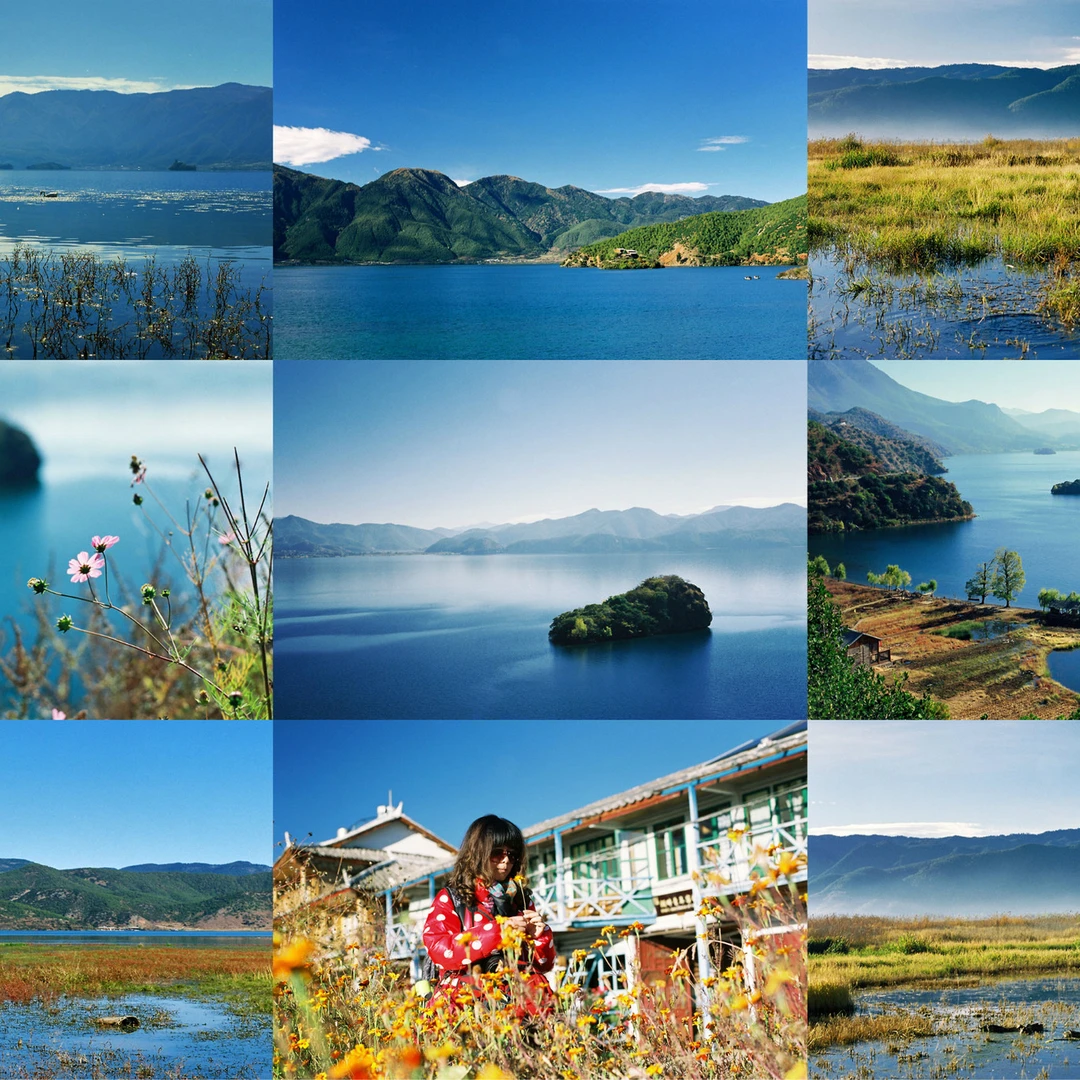
Arriving at Zunaxi Natural Village, there was a Mani pile on the hillside. That guy BOBO had already scrambled up it, while I searched for scenery at the bottom of the slope. As it turned out, this division of labor worked well—what I didn't see, BOBO saw for me; what he didn't capture, I appreciated for him.
BOBO, I am your eyes.
Prayer flags fluttered in the wind at Luyuan Cliff, and the trees below the cliff struck various poses. There were few Mosuo homes along the winding mountain road, only a handful of guesthouses. A Mosuo grandmother in her 70s was drying beans by the roadside; her parents, both over a hundred years old, were still alive. Despite some language barriers, we could roughly understand her meaning.
Good People's Home Cooking: A Lifeline After 30 Kilometers
We had instant noodles at a roadside shop for lunch. Two hours later, the shop owner drove by and gave us a ride. We passed Lover Beach and Dazui Village in the car—the scenery was average, and after Dazui Village, the road no longer ran alongside the lake. The 20-minute ride saved us 1 to 1.5 hours of walking.
We got off at a road marker and turned right, starting a hike with no lake in sight. Ahead was nothing but endless mountain roads and villages. At 3 PM, the sun blazed overhead. During a rest, BOBO lay down on the ground. A backpacker cycling toward us asked with concern, "What's wrong?"
"Nothing, just taking a break."
That guy must have thought BOBO had altitude sickness. Little did he know, that guy was 100 times more energetic than me.
The mountain road stretched endlessly ahead. Looking up, there was no end in sight. But in the middle of nowhere, you had no choice but to keep moving, even if your legs felt like lead.
At the end of the road, a few houses had been set up in the woods, serving home-style stir-fries. A man in his early 40s sat at the entrance and greeted us proactively: "I'm from Good People's Home Cooking. Have you heard of us? You can find us online."
That's when we remembered the guidebook had mentioned this place—30 RMB per person, all-you-can-eat, with free-range chicken and fish. At 4:30 PM, having walked 30 kilometers fueled only by a cup of instant noodles, we were starving.
The owner brought out dried apple slices and bitter buckwheat tea. A mouse walked confidently back and forth nearby—considering how tough it was to find food in such a remote place, we figured we'd let the lowly creature share in our fortune.
This meal was matsutake mushroom and free-range chicken soup. Although matsutake is a premium ingredient, the fact that such a flavorful soup was made in such a short time made me suspect some seasoning was added. But I have to say, the chicken was delicious, the soup was savory, and it had a nice kick from Sichuan peppercorns!
Stir-fried chicken gizzards with green peppers—not many gizzards, mostly chicken liver. Tomato scrambled eggs—the owner used five free-range eggs! Five! I ate two-thirds of it myself, because after the soup, BOBO (with his small appetite) couldn't eat any more and happily ran off to Zhaojia Bay (Goddess Bay) to take photos, leaving me alone at Good People's Home Cooking.
He came back from taking photos and said, "Goddess Bay is just okay."
That comment directly led to me not even bothering to go down and see the scenery when we reached Goddess Bay. Later, looking at his photos, I thought—yeah, just so-so.
Chapter Four: Lijiang and the Journey Home After the Hike
(Due to space limitations in the original text, the subsequent stops in Lijiang, Jade Dragon Snow Mountain, Lashihai Lake, and Kunming are summarized briefly here—but each destination deserves its own chapter.)
From Lugu Lake to Lijiang, from Jade Dragon Snow Mountain to Lashihai Lake, and finally from Kunming back to Shanghai by plane. Along the way, we carried our dusty clothes and full hearts back to the concrete jungle of the city.
But that shade of blue from Lugu Lake has been etched into our bones.
Conclusion: If You Go to Lugu Lake
Hiking is the best way: A private car tour around the lake might be easier, but you'll never truly feel Lugu Lake's charm. Only by measuring it on foot can you discover the beauty in every corner.
Off-season travel has trade-offs: Fewer crowds and beautiful scenery, but finding others to share a car can be difficult. Be mentally prepared.
You don't need top-tier gear: We brought a D90 with 18-105mm lens, an FM2 with ZF50 1.4, a 35D2F, a YASHICA FX-3 with D25 2.8—three bodies, four lenses, various filters, and a tripod. Whatever works for you—the key is capturing the moments that move you.
Lugu Lake's beauty can't be captured in photos: Trust me, no matter how good your camera is, the photos will never come close to what you see with your own eyes.
A soul journey begins with a single step: If you want to go to Lugu Lake, don't hesitate. Some places—you have to walk them yourself to know how beautiful they truly are.
If you enjoyed this article, please don't hold back your thoughts—even just a single word. If you have any questions, feel free to ask, and we'll do our best to answer in our future travels. Thank you!
You should also read:
Golden Luoping: A Romantic Encounter with Sunshine and Seas of Flowers
Golden Luoping: A Romantic Encounter with Sunshine and Seas of Flowers Introduction: The Third Time's the Charm Some landscapes are destined to be seen at the right moment. For me, that was exactly the case with Luoping's rapeseed flowers. On February 22, 2011, the Luoping…
Continue reading...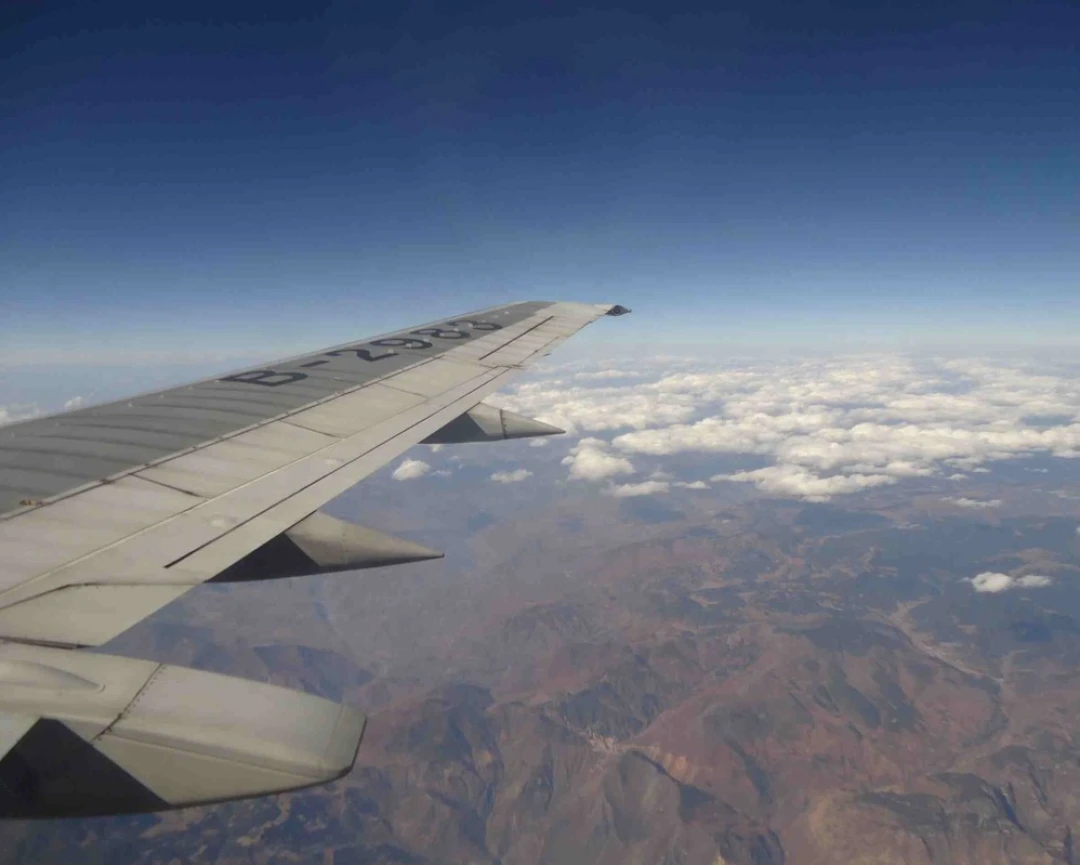
The Meaning of Travel – A Tengchong Story: A Journey of the Heart and Personal Growth
The Meaning of Travel – A Tengchong Story: A Journey of the Heart and Personal Growth Setting Out, Only to Return a Better Self Some say travel is nothing more than leaving a place you're tired of, only to go to a place where others…
Continue reading...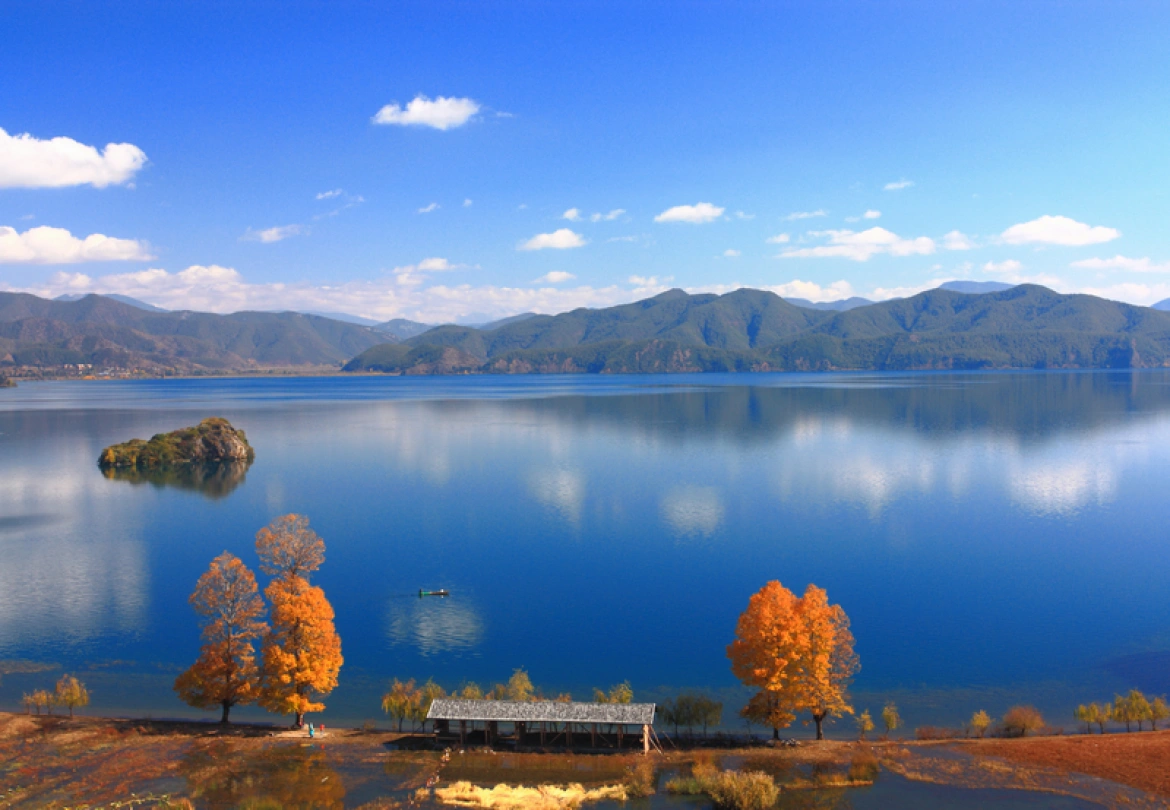
A Spiritual Journey to Lugu Lake in Lijiang: Experiencing the Legend of the Kingdom of Women! (Reproduction and Hotlinking Prohibited)
A Spiritual Journey to Lugu Lake in Lijiang: Experiencing the Legend of the Kingdom of Women! (Reproduction and Hotlinking Prohibited) Off-road自驾, food, hotel and民宿 reviews, Featured Traveler, Tank 300 owner, 200,000 km of self-driving experience. WeChat: y01294987 Ninglang Yi Autonomous County 2010.11.08 · 7 days…
Continue reading...