Puzhehei & Dali: A Dream I Never Want to Wake From, Wandering Through Time, Making Beauty Eternal (Spring-Summer 6-Day Photography Guide)
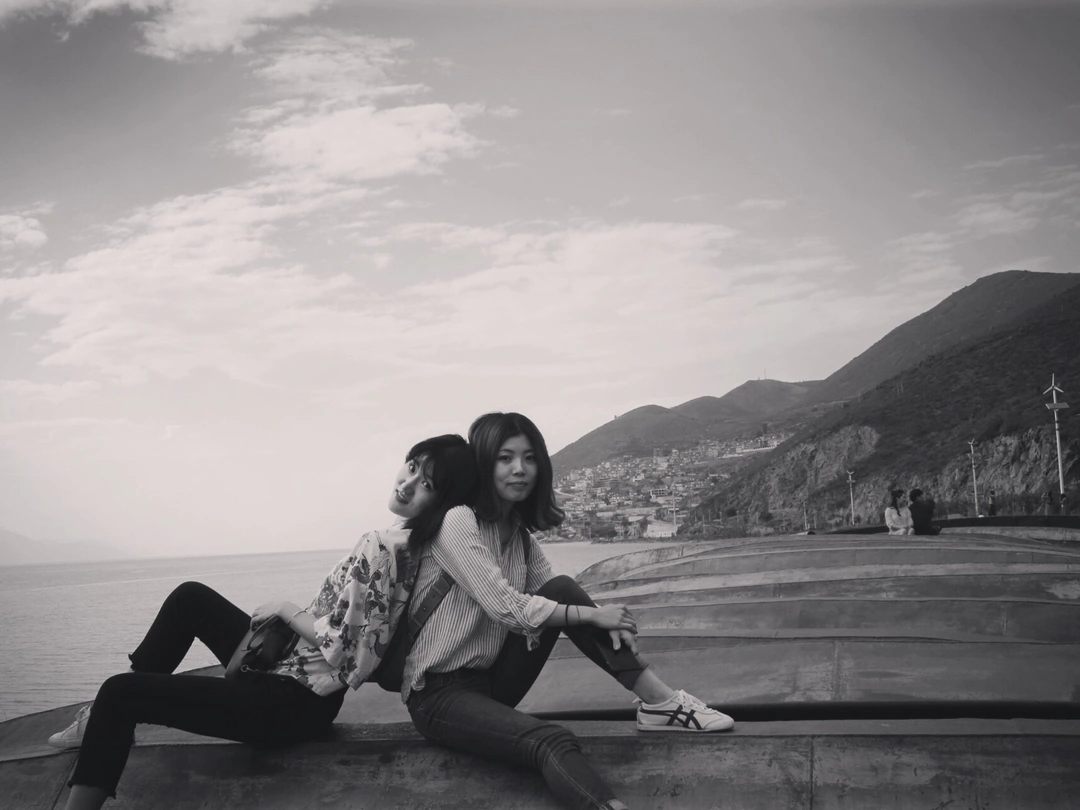
Puzhehei & Dali: A Dream I Never Want to Wake From, Wandering Through Time, Making Beauty Eternal (Spring-Summer 6-Day Photography Guide)
Living in a concrete and steel jungle, looking up at a gray sky, looking down at an endless phone screen. For someone like me who has lived in Beijing for a long time, a "spur-of-the-moment" trip has very simple requirements for a destination: blue sky, white clouds, green mountains, clear water—just these are enough to make me pack my bags.
In May 2017, my friend S and I clicked instantly and spent 6 days leaving our footprints in Puzhehei and Dali, Yunnan. On this trip, I probably shouted in my heart two thousand times: "So beautiful, how can it be this beautiful?"
The sky was so blue it felt like I could touch it just by standing on tiptoe. The lake water was more intoxicating than the finest jade. The bougainvillea bloomed in intense, endless clusters. The mountains rose and fell in layers, like a silent symphony. Clouds came and went, a torrential downpour would suddenly fall, and then the scorching sun would return—every change in the clouds made the scenery before me completely different. The only constant was my fear of missing a single beautiful sight if I blinked.
These days, I've been watching Chen Danqing's "Partial" (局部), and the first lecture is about Wang Ximeng's "A Thousand Li of Rivers and Mountains" (千里江山图). He said that ancient Chinese painters loved to paint landscapes, and there are far more famous landscape works than portraits. As an art layman, I didn't quite understand this before. But as I edited my photos one by one, recalling every plant and tree in Yunnan, I suddenly understood—faced with such breathtaking beauty, people thousands of years ago probably only thought about how to capture even a fraction of it.
This article is my record.
Overview of the Itinerary: 6 Days of Non-Stop Wonder
Thank you to S, who is braver than me but not impulsive, for going on this "whim" trip with me. We divided the work: she was in charge of Dali, and I was in charge of Puzhehei. The pace of the two places turned out to be completely different—Puzhehei was relaxed and free, suitable for all types of people; Dali was more physically demanding, so if you're traveling with family, I suggest simplifying the Dali itinerary.
Day 1
Transportation: Beijing → Kunming Changshui Airport → Kunming South Station → Puzhehei
Attractions: Qingqiu Sacred Land (青丘圣地) — Filming location for "Eternal Love" (三生三世十里桃花)
Day 2
Attractions: Fairy Cave (仙人洞) → Green Dragon Mountain (青龙山) → Torch Cave (火把洞) & Moon Cave (月亮洞) → Puzhehei Village (普者黑村)

Day 3
Attractions: Swan Lake (天鹅湖) → Bailong Lake (摆龙湖)
Transportation: Puzhehei → Kunming South Station → Kunming Station → Dali Station
Day 4
Attractions: Three Pagodas of Chongsheng Temple (崇圣寺三塔) → Erhai Lake Kayaking at Sunset → Dali Ancient Town (大理古城)
Day 5
Attractions: Erhai Lake Cycling Loop → Haishe Park (海舌公园) → Xizhou Town (喜洲镇)
Day 6
Attractions: Cangshan Mountain (苍山, Gantong Cable Car)
Transportation: Dali → Kunming → Beijing
Puzhehei: A Place More Beautiful Than Beautiful
Five Things You Must Know
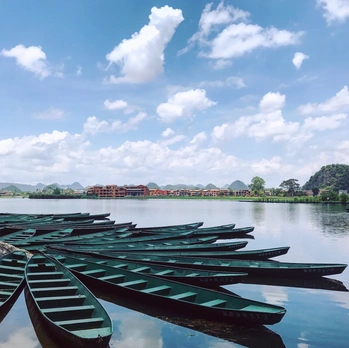
- Puzhehei's peak season is June to August, when thousands of acres of lotus flowers bloom. Late May is the off-season, with fewer people and beautiful scenery. Although the lotus flowers haven't bloomed yet, it has its own unique charm.
- If you can only visit one attraction, I would unhesitatingly choose: Bailong Lake (摆龙湖).
- The swans at Swan Lake are artificially raised. The release times vary each season, so be sure to ask about the schedule before you go.
- Shopping in Puzhehei is very inconvenient. I suggest preparing daily necessities in advance. Even if you stay at the best local hotel, you might not find food if you get hungry at night.
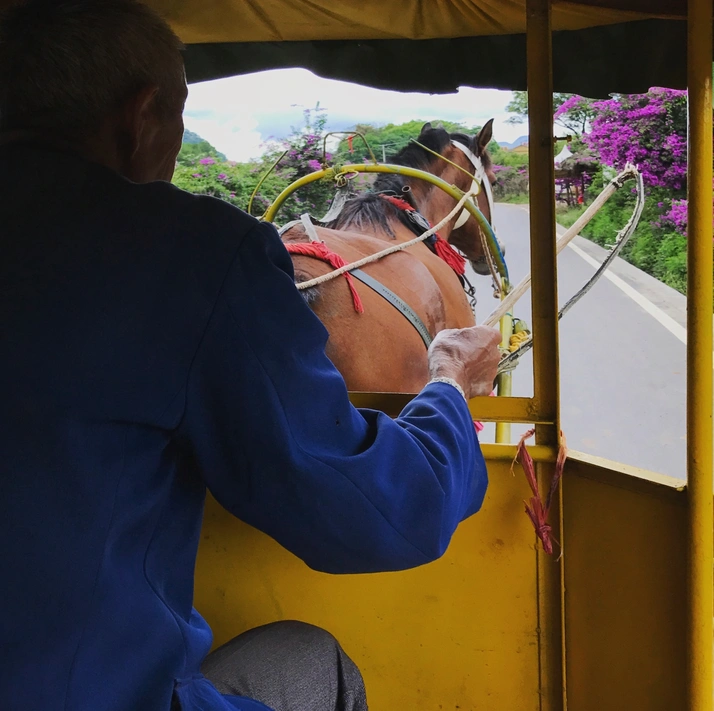
- There are no official taxis with meters; everything is price-negotiated. The main mode of transportation within the scenic area is horse-drawn carriages.
Getting Around: Rent a Car, Buddy!
As soon as you exit Puzhehei Railway Station, many locals will ask if you need a ride. We were cautious and walked straight to the "official taxis" in the distance—only to find that they also don't use meters; it's all private price negotiation. So, just negotiate the price directly with the driver.
You'll need a taxi from the train station to your accommodation in the scenic area. For most attractions within the scenic area, horse-drawn carriages are sufficient. However, for places like Bailong Lake, which is 17 kilometers from the core area, you'll still need a car. Empty cars are rarely seen in the scenic area, and it's hard to hail one on the spot. I suggest negotiating a rental price with a driver in advance or keeping their contact information.
The places marked in large print on the map can be visited in two days. Except for Bailong Lake and Xihuang Wetland (西荒湿地), all other attractions can be reached by horse-drawn carriage. A one-way carriage ride costs 5–15 RMB, depending on the number of people; the more people, the cheaper it is. We only managed to share a ride once for 5 RMB each. The rest of the time, it was just the two of us "chartering" a carriage for 10 RMB per person.
Most hotels have carriages waiting at the entrance. If not, just wave one down on the main road—it's very convenient.
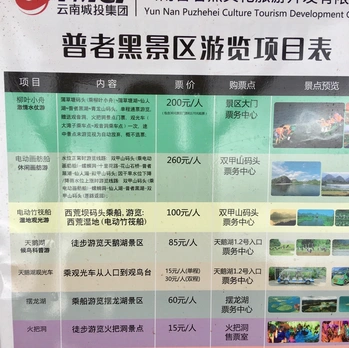
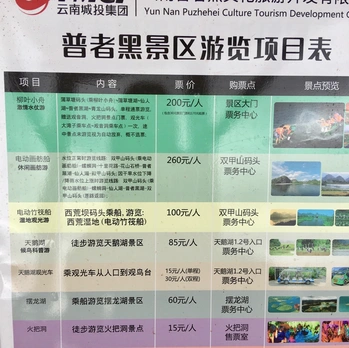
Puzhehei has official tour routes, and tickets are purchased at the ticket office. You can also buy individual attraction tickets. Local villagers (carriage drivers) have their own routes too; just negotiate the price. For example, the official "Willow Leaf Boat Water Fight" route keeps you on the boat for most of the time. We just wanted a short boat ride without spending hours playing in the water, so we chose the driver's custom route. It was a bit more expensive than buying individual tickets, but it saved us the hassle.
Our rental car price reference:
Puzhehei Railway Station → Accommodation: 80 RMB/car
Swan Lake → Accommodation → Bailong Lake → Puzhehei Railway Station: 200 RMB/car
Accommodation: A Peach Blossom Island in a Little Fairyland
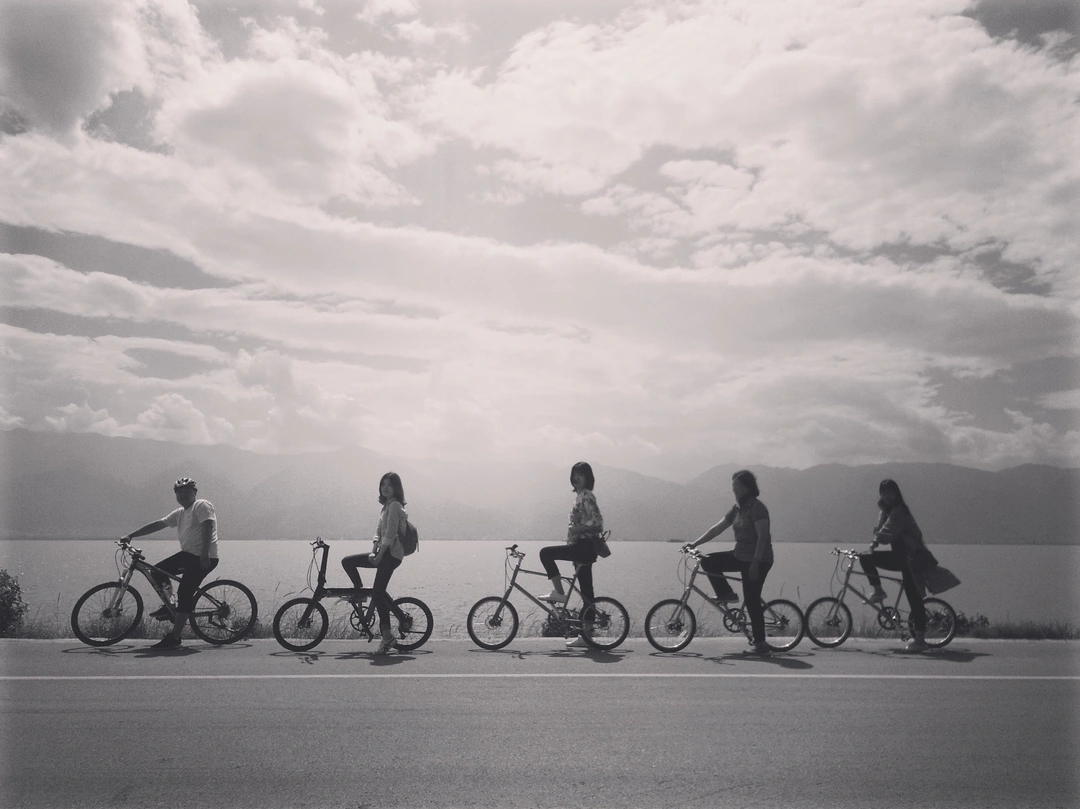
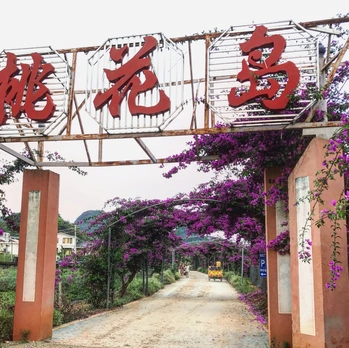
We stayed at Puzhehei Peach Blossom Island Resort (普者黑桃花岛度假庄园) , in a Rongxuan (榕轩) family room for 365 RMB/night. I believe in living comfortably even when traveling on a budget. This place was on the expensive side for the area, but it didn't disappoint us.
Don't expect Puzhehei to be like a fully developed tourist attraction. Although shows like "Where Are We Going, Dad?" (爸爸去哪儿), "Eternal Love" (三生三世十里桃花), and "High Energy Youth League" (高能少年团) have gradually made it famous, what's commendable is that its development is at a "just right" stage—you get to enjoy beauty unpolluted by industry, but you also have to get used to the less-than-perfect service industry.
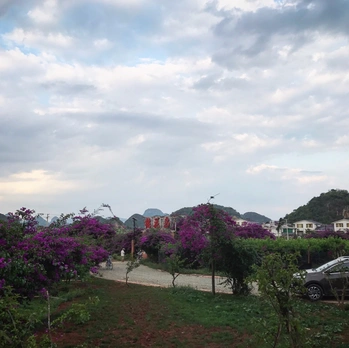
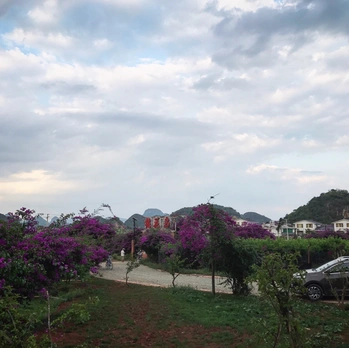
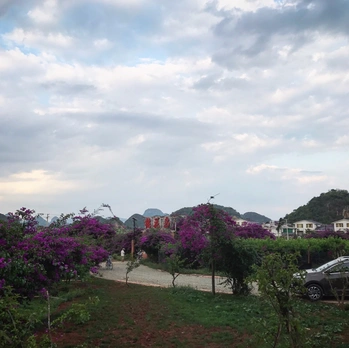
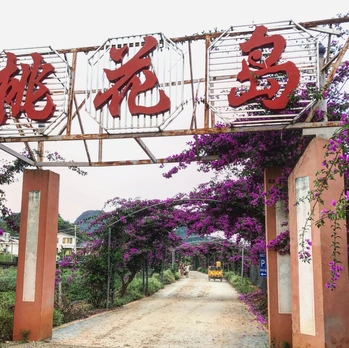
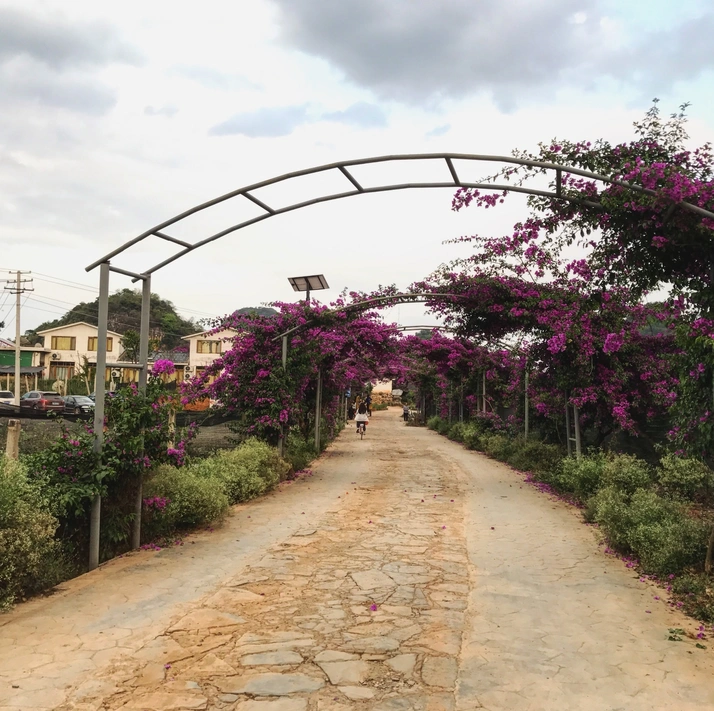
This hotel was as beautiful as a "scenic spot" itself, with views at every step. It's located near the "Ten Thousand Mu Peach Orchard" (万亩桃园). Although we missed the peach blossom season, there were large clusters of bougainvillea everywhere, and we couldn't stop taking photos. With a filter, it's perfect for that "little清新" (fresh and light) aesthetic.
Food: Every Bite is Different
We had all our meals at the hotel—not because we didn't want to eat out, but because there simply weren't any standalone restaurants in the scenic area. All the food was at "farmhouse restaurants" (农家乐) attached to the accommodations.
Although we ate every meal at the hotel, the difference between northern and southern cuisines made every dish feel new. I made a point of photographing the menu. We tried every dish we'd "never heard of": - 三七桃树鸡 (Sanqi Peach Tree Chicken) : A stewed chicken, incredibly tender and flavorful. - 烤湖鱼 (Grilled Lake Fish) : Decent, but nothing special. - 炸荞酥 (Fried Buckwheat Crisp) : Similar to Beijing's "fried crullers" (炸排叉儿), but made with buckwheat flour. The aftertaste is fragrant with a hint of bitterness—worth a try. - 南瓜花卷 (Pumpkin Flower Rolls) : We ordered these with every meal because the local rice was a bit too hard for our taste. - 紫洋芋 (Purple Potatoes) : Dipped in seasoning; could count as half a staple dish.
Guess what the "golden and shining" dish was? — 木须肉 (Moo Shu Pork) . It was completely different from the northern Chinese version. The egg was thin and crispy, covering shredded pork and wood ear mushrooms, with no other vegetables. So the question is: Who exactly is "Moo Shu"?
We had a bowl of chain-brand rice noodles (米线) at Kunming South Station. The taste was mediocre, and it became the only regret of this trip—next time, I must have the authentic kind!
What to Wear: Don't Trust the Weather Forecast!
Before the trip, I checked the weather and saw rain for the whole week. I felt a bit disappointed. But what happened? The rain was mostly just thunderstorms that didn't interfere with our plans. On the contrary, if we had hit a stretch of continuous sunny days, we really wouldn't have been able to handle it.
The locals all say the weather forecast is unreliable. But regardless, you must bring sun protection items! The altitude is high, and the sun exposure is truly different. Sunscreen, long-sleeved shirts and pants, and a sun umbrella—none of these can be missed. It's not just about avoiding sunburn; for people who don't live at high altitudes, the scorching sun is simply unbearable.
Qingqiu: Even More Beautiful Than Qingqiu... (D1)
As soon as I got off the plane in Kunming, I started marveling at how blue the sky was, how low the clouds were, and how fresh the air was. I stood at the entrance of Kunming South Station, snapping photos of the sky like crazy. But when we got out of Puzhehei Railway Station and sped through the mountain roads in the car, I realized that Kunming's beauty was really just "a small witch compared to a big witch" (小巫见大巫).
Standing at the hotel entrance and looking around, I was already captivated by the charm of nature.
After settling in by the afternoon, we headed straight for the most famous spot, "Qingqiu." It wasn't originally a sacred place, just a low-lying area surrounded by mountains and water near Caicaiqing Village (菜花箐村). It became the filming location for "Qingqiu Sacred Land" in "Eternal Love," attracting many tourists who came for the fame.
The most famous sight is the small wooden house nestled among thousands of peach blossoms. But before we even got there, the beauty of the mountains and water along the way made it "impossible to move." It started sunny, with white clouds setting off the intensely blue sky. As we walked, clouds gathered, and the same scenery became completely different.
Following the path straight ahead, we came to a stone engraved with "Qingqiu" (青丘). There were scenes at every step, and we even discovered a "Green Mount Fuji." Lotus ponds, big and small, were visible at nearly every step in Puzhehei.
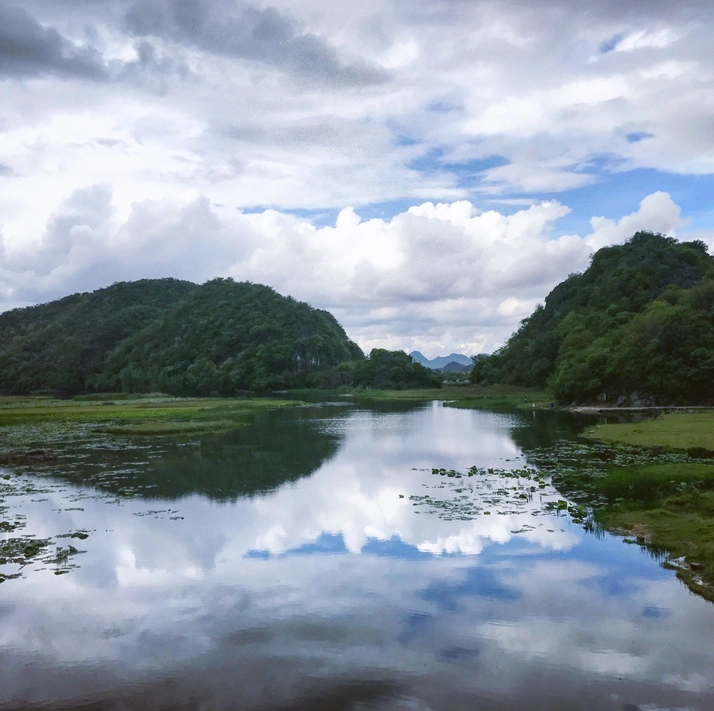
To be honest, everyone who comes for the fame might be a little disappointed by the "Sacred Land"—there are no endless peach blossoms, only a few scattered plastic fake peach trees. But Puzhehei's beauty is never lacking: the lake water reflects the rolling mountains, like rows of symmetrical sound waves, waiting for you to hear that gentle, humming song of Puzhehei.
All of this is more beautiful than "Qingqiu."
On sunny days, shoot the scenery; on cloudy days, shoot the people. With too many clouds, you can't capture highly saturated images, so it's time for some posed photos! We played until 5 PM. The days in Puzhehei are still long, and it doesn't get completely dark until around 8 PM. As we left Qingqiu, the clouds parted, and the sky brightened again.
Take another deep breath: Yes, Puzhehei, a place more beautiful than beautiful, we have arrived.
Fairy Cave & Torch Cave-Moon Cave: Surprises at Every Step (D2)
I'm a "Lord Ye's love of dragons" (叶公好龙) type of cave enthusiast. After seeing the Seven Star Cave (七星岩) in Guilin two years ago, I was quite looking forward to visiting another cave. "World Karst, China's Puzhehei" (世界科斯特,中国普者黑)—this slogan made me even more excited.
After lunch on the second day, we took a small horse-drawn carriage. When the driver heard that we only wanted to see the caves and didn't want to have a water fight (the official route includes a 150-minute "passionate water fight"), he said we could buy tickets from him: Fairy Cave (entrance fee and ferry ticket) → Green Dragon Mountain → Torch Cave, plus all carriage shuttle fees, for 100 RMB/person.
To get to Fairy Cave, we first had to "transfer" to another carriage outside the Fairy Village (仙人村) scenic area. The driver said that only carriages from Fairy Village can enter this scenic area, and he arranged for one that could take us in. Passing through Fairy Village, we saw various types of guesthouses and a folk shopping street where we could buy local handmade accessories.
After taking the carriage to the entrance of Fairy Cave, we needed to take a boat forward. On the right side, a monument recorded the development history of the cave, telling a moving story: In 1991, 11 local villagers discovered this cave. They raised funds themselves and worked day and night for three full years, finally opening it to the public in 1994. Thank you to these 11 people for bringing this beautiful sight to light.
We took a boat into the lake and then into the cave. Fairy Lake (仙人湖) and Puzhehei Lake (普者黑湖) are connected. If you like playing in the water, you can buy the official route and take a small boat to tour both lakes while having a water fight. After disembarking, we officially entered the cave. The boatman rowed back on his own. The cave has a one-way route, and our carriage driver was waiting for us at the exit.
Stalactites and stalagmites formed over millions of years came in various shapes. The cave was lit with colorful lights, making it brilliantly multicolored. Based on their natural forms, people had given them various interpretations: terraced fields, the Great Wall, a welcoming pine tree, an elephant spraying water... Whether you can connect with them depends on your imagination.
The decorations inside the cave were very rustic, and almost all the signs were handwritten, giving it a perfectly endearing "simplicity." Throughout the entire tour, we didn't see any staff members or official photo spots. This clumsy, less "touristy" atmosphere actually made us like it even more.
I'm not sure if it was because of the off-season or if there are just naturally few visitors, but we only encountered about ten other tourists during the whole tour, allowing us to freely admire and take photos.
Bailong Lake: A Lake with Only Us (D3)
After leaving Swan Lake, we called our taxi driver to take us to Bailong Lake, 28 kilometers from Qiubei County (丘北县).
This was a lake of breathtaking beauty.
In Puzhehei, where every step is a painting, the most unforgettable sight is Bailong Lake. I can neither describe its incredibly serene beauty in words nor capture its expansive grandeur in photos. None of the photos can do justice to even one-tenth of what I saw with my own eyes.
Honestly, our deep appreciation for its beauty was probably also because we had it all to ourselves—our boat was the only one on the entire lake.
The boat tour hours for Bailong Lake are 8:00 AM to 5:00 PM, and the tour takes about 50 minutes. We arrived a little after 4 PM, thinking we would catch the last couple of trips, but the ticket office told us, "The boat must have at least 5 passengers to depart." We waited for half an hour, but no other tourists came. The boat ticket was 60 RMB each. To get the boat to leave, we would have to buy 5 tickets. We walked around on the dam for a while, negotiated, and finally agreed to buy two tickets each so the boat could leave!
We never regretted paying double the price. It was all worth it.
Bailong Lake is a man-made reservoir built in 1958 and is one of the 8 medium-sized reservoirs in Yunnan Province. Because it was built during the era of the "Three Red Banners" (三面红旗), it is also called "Red Flag Reservoir" (红旗水库). It irrigates over 3.1 million mu of farmland in the county and is known as the "Mother Lake" of the people of Qiubei.
When enjoying this lake on the boat, be sure to sit at the bow. As the boat slowly moved away from the shore, we ran to the bow. At the moment the view suddenly opened up, it was so beautiful we couldn't even utter a word of praise; we were just stunned into silence.
Dali: The World of Mortals Amidst Wind, Flowers, Snow, and Moon
Getting Around: Only Ride-Hailing Cars Use Meters
The official taxis in Dali don't use meters. Even taxis called via Didi (滴滴) will ask for a fixed price. Only Didi Express (滴滴快车) strictly follows the standard metered fare. So, the most cost-effective option is Didi Express.
There are Mobikes available locally, but allegedly "they disappear overnight" or "they're all in the city management's yard." However, there are many bicycle and scooter rental shops within the ancient town, making it very convenient to rent one.
Food: Endless Bai Flavors
Bai-style barbecue (白族烧烤) features all ingredients coated in a fiery red. The most popular items are chicken tendon, chicken skin, and pork skin. You cook them yourself on a flat pan, while street vendors are always hawking their goods. The more you eat, the hotter you get, occasionally cooled by a breeze, washed down with a big gulp of beer.
Even if you spend three or four days in Dali, you won't be able to taste all the local delicacies. Cold noodles with shredded chicken (鸡丝凉面), stir-fried rice cakes (炒饵块), all sorts of mushrooms with unpronounceable names... Just order any dish you see on the menu that you haven't tried before. Trust that it won't let you down.
Final Thoughts: Between Moments in Time, There Can Be Eternity
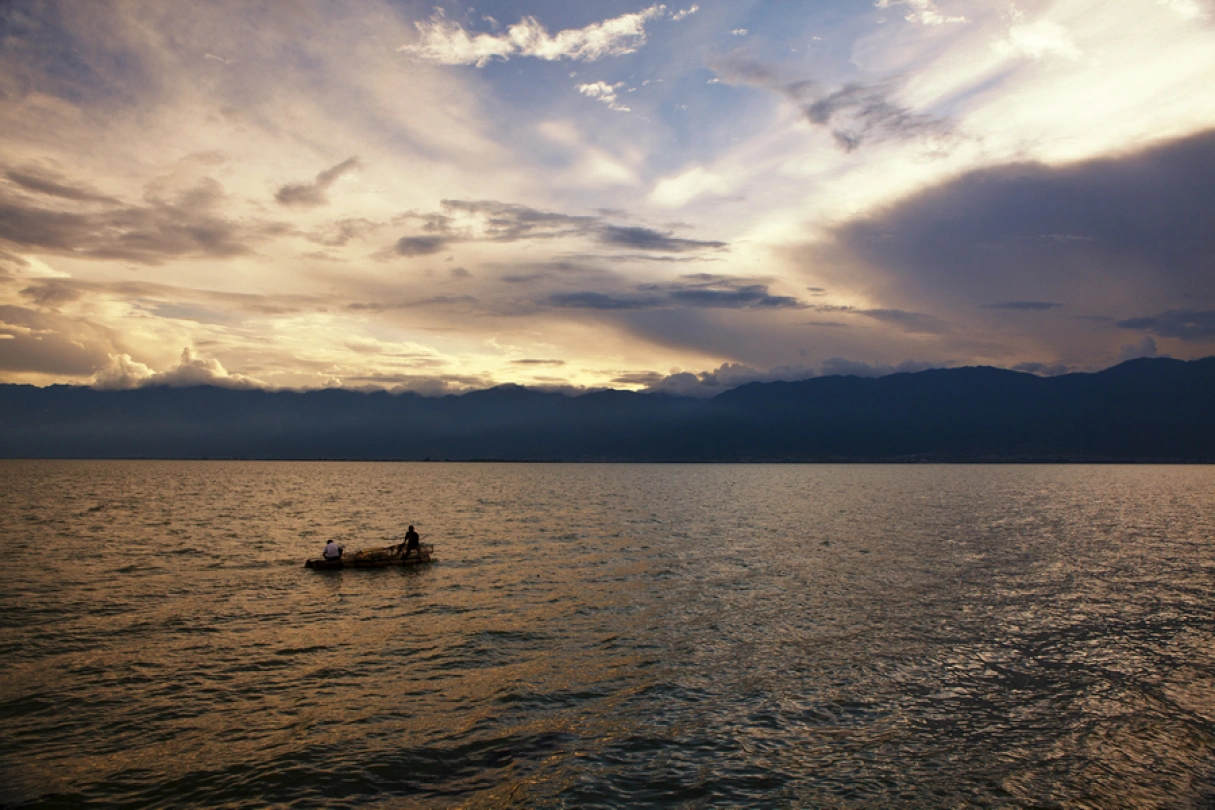
From the emerald waters and green mountains of Puzhehei to the wind, flowers, snow, and moon of Dali; from the dreamlike Qingqiu to the serene Bailong Lake; from the wonders of the caves to the romance of Erhai Lake—these 6 days were a dream I never wanted to wake from.
Some say travel is about going from a place you're tired of to a place others are tired of. But I think good travel isn't about escaping; it's about encountering—encountering scenery you've never seen before, and encountering a better version of yourself.
Puzhehei taught me that beauty can be so simple yet so stunning. Dali showed me that life can be so leisurely yet so passionate.
If you, too, are tired of the city's noise, why not give yourself 6 days to take a trip to Yunnan. You don't need to do too much planning or rush to too many attractions. Just bring your eyes and your heart, and that's enough.
Because some places, once visited, become a lifelong memory.
Finally, a blessing for everyone: May each of you find your own "Bailong Lake," wandering through time, making beauty eternal.
You should also read:
A Journey Through Shuanglang's Guesthouses: Finding Life as It Should Be on the Shores of Erhai Lake
A Journey Through Shuanglang's Guesthouses: Finding Life as It Should Be on the Shores of Erhai Lake Prologue: When Life Hits the Pause Button Have you ever had one of those moments? When the city's towering buildings press down on your chest, when you're swept…
Continue reading...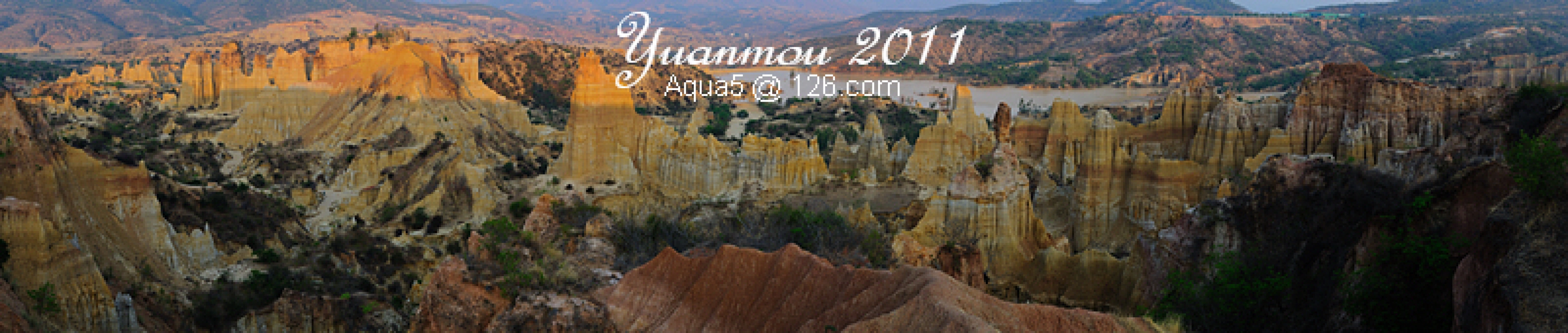
A Journey Through Time: The Earthen Forest of Yuanmou — April 2011 Chuxiong & Yuanmou Self-Drive Guide
A Journey Through Time: The Earthen Forest of Yuanmou — April 2011 Chuxiong & Yuanmou Self-Drive Guide Some journeys are destined to take root in your memory. In April 2011, I set out from Shuhe in Yunnan, heading north toward the Chuxiong Yi Autonomous Prefecture,…
Continue reading...
Dreaming of Lijiang, Dreaming of Shangri-La: A Journey That Lets Your Soul Breathe Deeply
Dreaming of Lijiang, Dreaming of Shangri-La: A Journey That Lets Your Soul Breathe Deeply Life is like a long trek. We're always rushing through the concrete jungle, searching for a glimmer of light in the monotony of our days. Then one autumn, I heard the…
Continue reading...