Rediscovering Lijiang: A 6-Day Journey Through Villages, Ancient Towns, and Wilderness
Rediscovering Lijiang: A 6-Day Journey Through Villages, Ancient Towns, and Wilderness
By Julie | Travel Magazine Contributor
Destination: Lijiang, Yunnan Province
Travel Dates: September 16–21, 2022
Duration: 6 Days, 5 Nights
Travel Style: Solo Adventure
Budget: Mid-range (specific costs vary by preference)
Introduction: Breaking the Stereotype
For years, my perception of Lijiang was trapped in a cliché: crowded souvenir stalls, neon-lit bars, and tourists shuffling through ancient streets like cattle. It was the version of Lijiang that postcards sell—pretty, but hollow.
I first visited six years ago, and the memory had faded into a blur of commercialization. Yet something kept pulling me back. I wanted to find the real Lijiang—the one that existed before the travel brochures took over.
So, as the monsoon season drew to a close in September 2022, I returned. This time, I vowed to go deeper. No more rushing through the main squares. I would follow the narrow alleys, climb the mountain paths, and sit quietly in villages where time moves at its own pace.
What I found was a Lijiang I never knew existed: raw, authentic, and breathtakingly beautiful. This is the story of that rediscovery.
Preview: What Awaits You
Imagine waking up to mist rolling off the Jade Dragon Snow Mountain. Picture yourself wandering through ancient Naxi villages where stone houses have stood for centuries. Taste wild mushrooms that only appear during the rainy season. Sip coffee in a converted farmhouse while watching clouds drift over wheat fields.
This journey takes you to places most travelers miss:
- Hidden villages where Naxi traditions still thrive
- Ancient towns that have shed their touristy veneer
- Wild landscapes that feel untouched by time
- Artisan coffee shops that redefine what "local" means
It's Lijiang stripped of pretense—raw, real, and unforgettable.
Chapter One: Walking with the Naxi
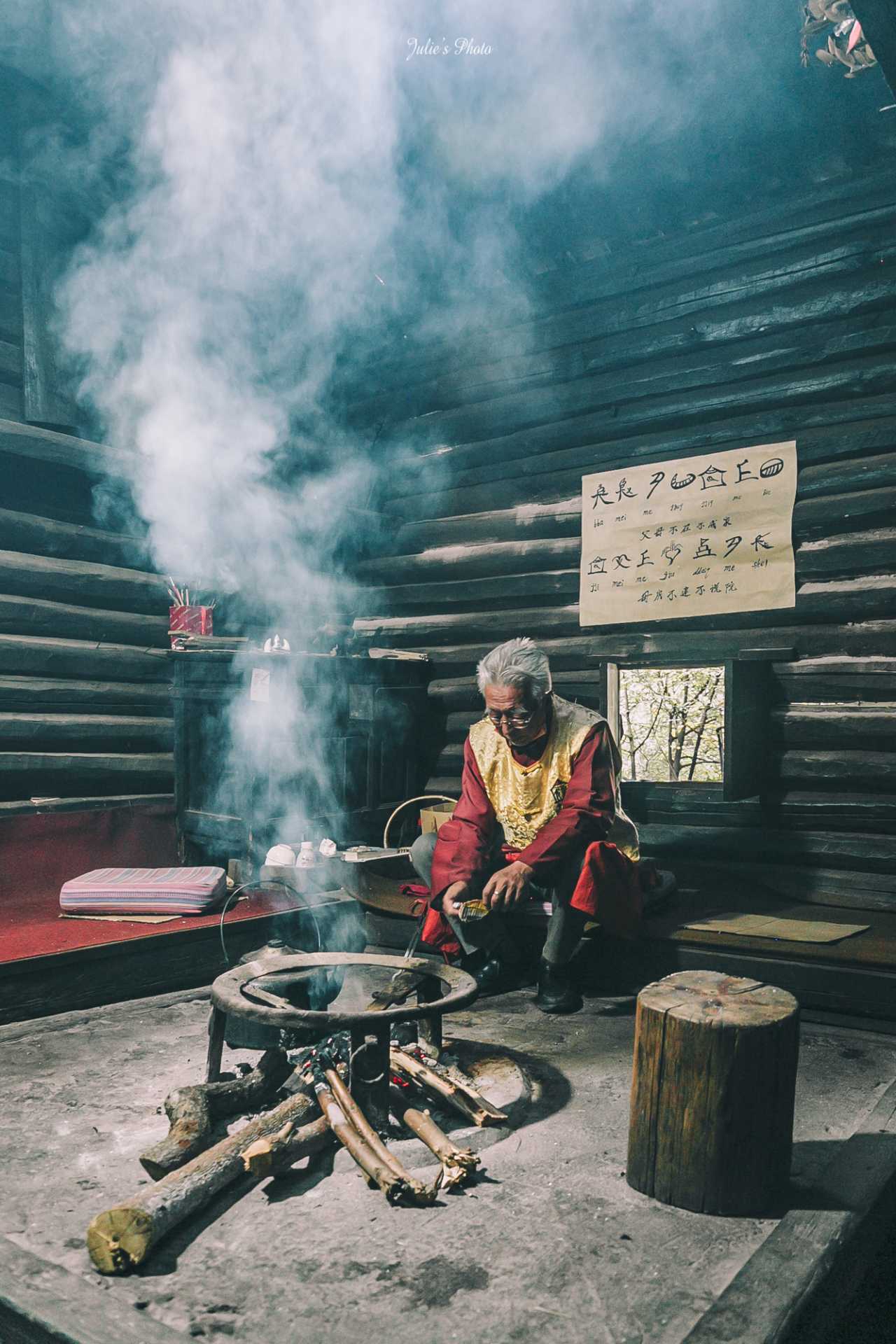
My fascination with the Naxi people was the spark that ignited this trip. Descendants of ancient Qiang tribes who migrated to Lijiang during the Tang Dynasty's Nanzhao Kingdom period, the Naxi are scattered like pearls at the foot of the Jade Dragon Snow Mountain.
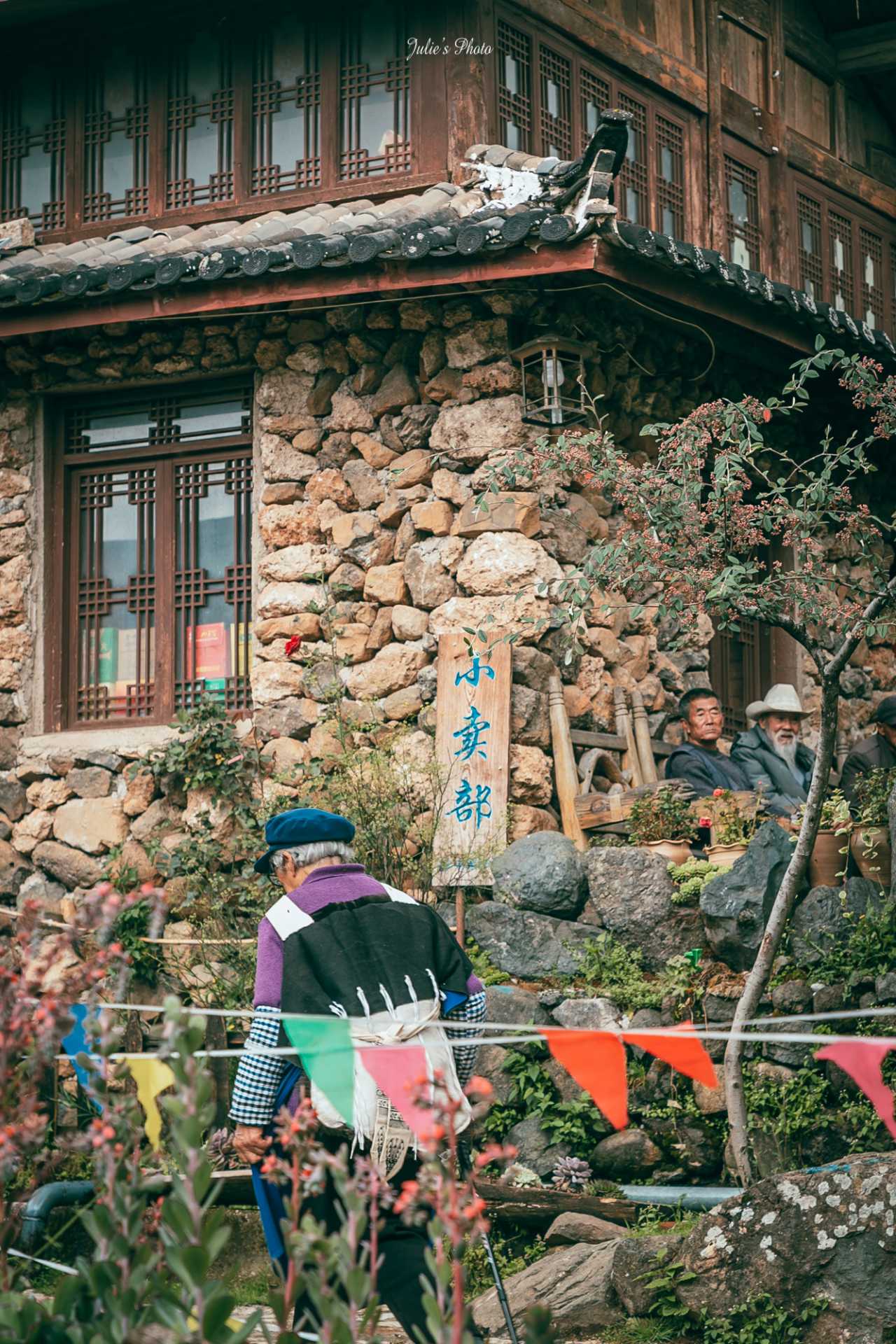
What makes them special? For starters, 95% of all Naxi people in China live in Lijiang—this is their heartland. But it's their culture that captivates: the enigmatic Dongba script (the world's only living pictographic language), their deep reverence for nature, and their unique blend of animism and Tibetan Buddhism.
To truly understand the Naxi, you must head to Baisha Town—not just the touristy Baisha Ancient Town, but the entire administrative region that encompasses several villages. Here's where the magic happens.
Baisha Ancient Town: The Cradle of the Naxi Kingdom
Baisha isn't just another ancient town—it's the birthplace of Naxi civilization. From the Yuan Dynasty onward, the Mu family established their power here, ruling for 22 generations and 400 years. At their peak, their influence stretched all the way to Tibet.
The town's central square features an archway proclaiming Baisha's modern identity: "World Cultural Heritage—Capital of the Naxi Ancient Kingdom." But walk just a few steps off the main path, and you'll find yourself in a peaceful Naxi neighborhood where life continues as it has for centuries.
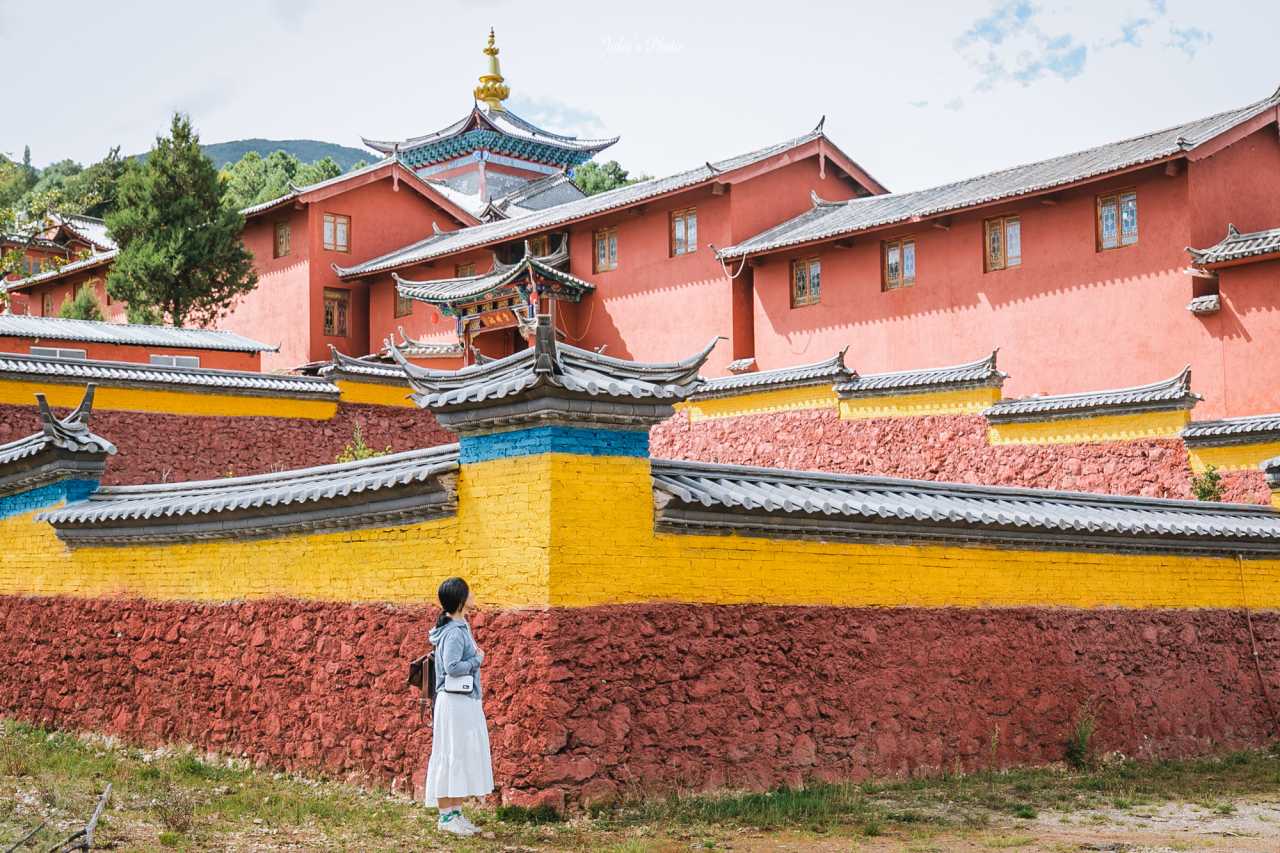
I first visited Baisha six years ago, and returning felt like meeting an old friend. The main square still buzzes with activity, but there are new additions—sleeker cafes, modern signage, and a handful of boutique shops. Yet compared to Shuhe or Dayan (Old Town), Baisha remains remarkably uncommercialized. At night, only a few restaurants run by outsiders stay open. Most tourists don't bother staying here, which means Baisha retains its authentic charm.
Pro tip: Visit early in the morning before the day-trippers arrive. Wander deep into the alleys until the shops disappear and the town transforms into a village. You'll see Naxi courtyards, vegetable gardens, streams, and fields. Watch the cowherds bring their animals home after a morning of grazing. This is Baisha at its most real.
Don't miss: The intangible cultural heritage experiences—listen to Baisha fine music (over 4,000 years old), watch Naxi embroidery and Dongba tie-dye demonstrations, and visit the nearby Baisha Murals.
Yushui Village: Where Dongba Culture Lives
Just a 10-minute drive from Baisha lies Yushui Village. Don't let the name fool you—this isn't just another scenic spot. It's the spiritual heart of Dongba culture.
The Naxi believe that water sources are where nature spirits dwell. Yushui Village, with its crystal-clear springs and lush vegetation, has been a sacred site for offerings to these spirits for centuries. At the center stands a golden statue of a snake-bodied, human-faced figure—the embodiment of "Hehe," the Naxi philosophy of harmony.

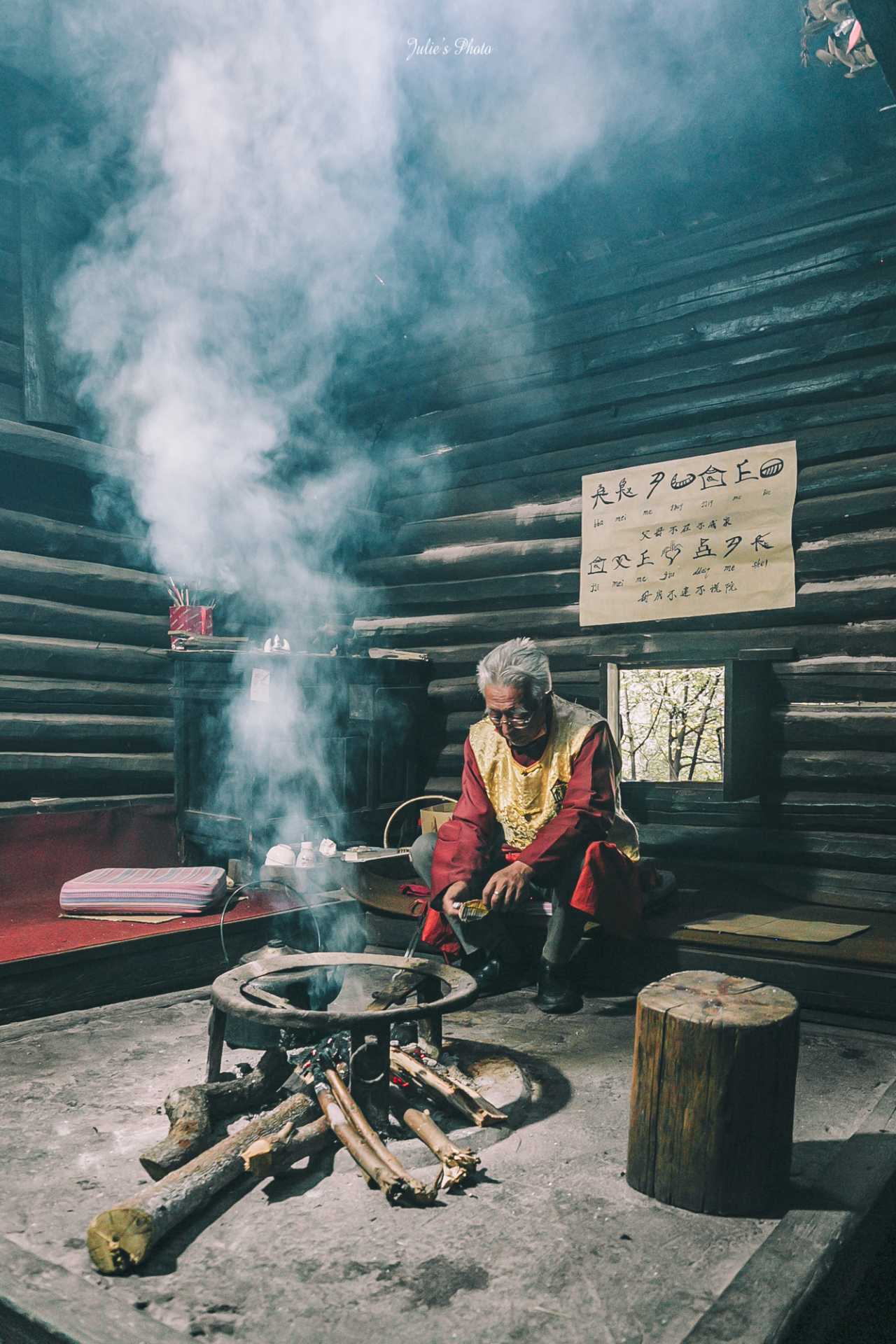
The Dongba script is the star attraction here. Carved into stone walls, these pictographic characters look like ancient cave paintings. They're the world's only surviving pictographic language, and Naxi children still learn them in school today.
Beyond the natural spirit square lies the Dongba cultural heritage base. Here you'll find a museum housing the largest private collection of Dongba artifacts—scriptures, wooden puppets, ritual tools, and photographs of famous Dongba masters throughout history.
The Naxi courtyard is a highlight. Unlike modern Naxi homes, this 200-year-old complex has no modern amenities. The main house (called "mufang" in Chinese) faces north, built into the hillside. A staff member told me the oldest structure dates back two centuries. Local Dongba performers demonstrate traditional life—making tea, cooking over an open fire—bringing history to life.
Yuhu Village: The Stone Village Under the Snow Mountain
In 1922, Austrian-American botanist Joseph F. Rock arrived in Lijiang. Over the next 27 years, he would return six times, collecting 80,000 plant specimens and documents while writing for National Geographic. His base? Yuhu Village.
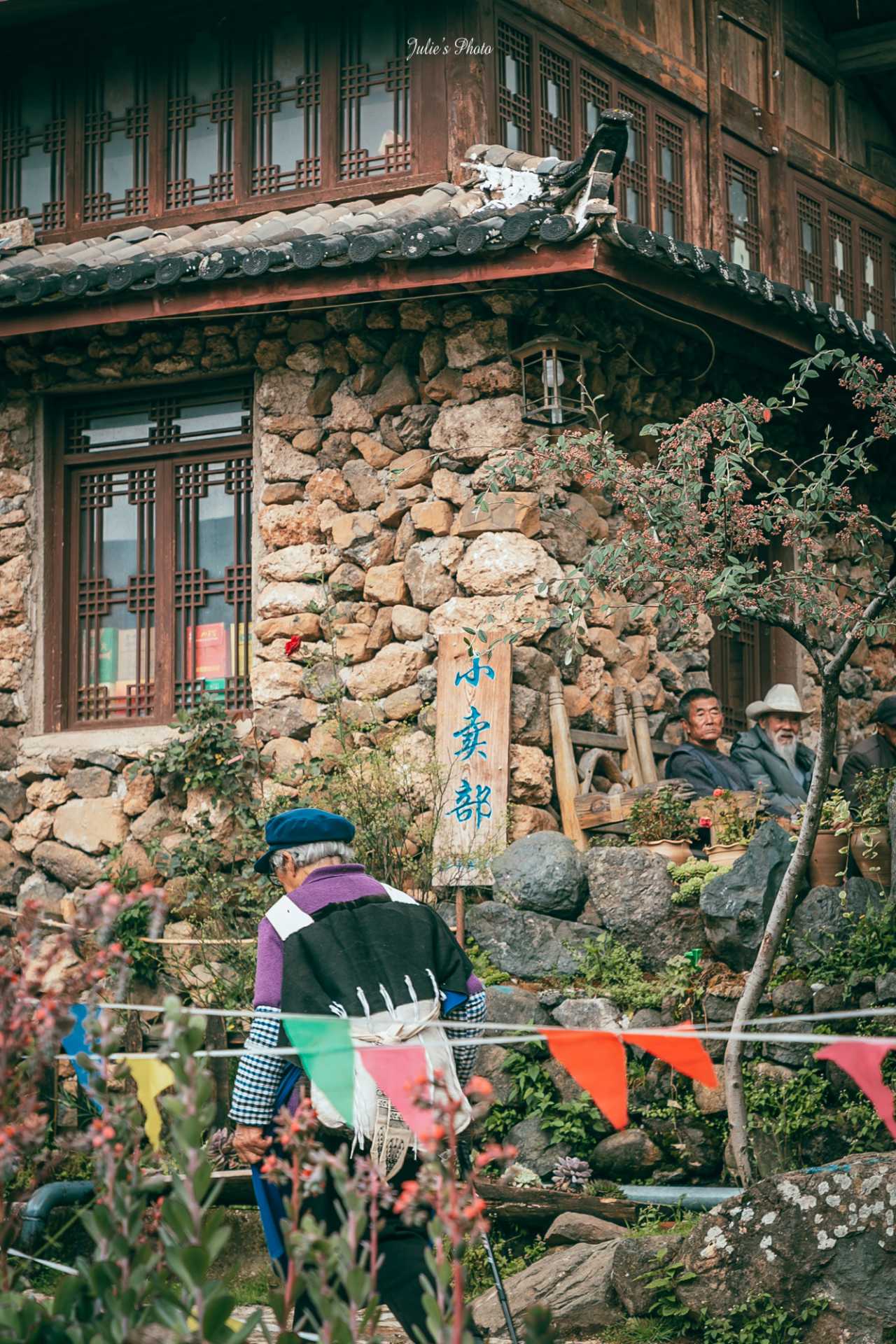
Known locally as "Snow Pine Village" (Xuesongcun), Yuhu is the closest settlement to the Jade Dragon Snow Mountain. The Naxi who settled here built their homes from glacial stone—a departure from the traditional wooden Naxi architecture. The result is a rugged, almost medieval-looking village where stone walls, grey tiles, and "roof cats" (wa mao, decorative ceramic cats perched on rooftops) dominate the landscape.
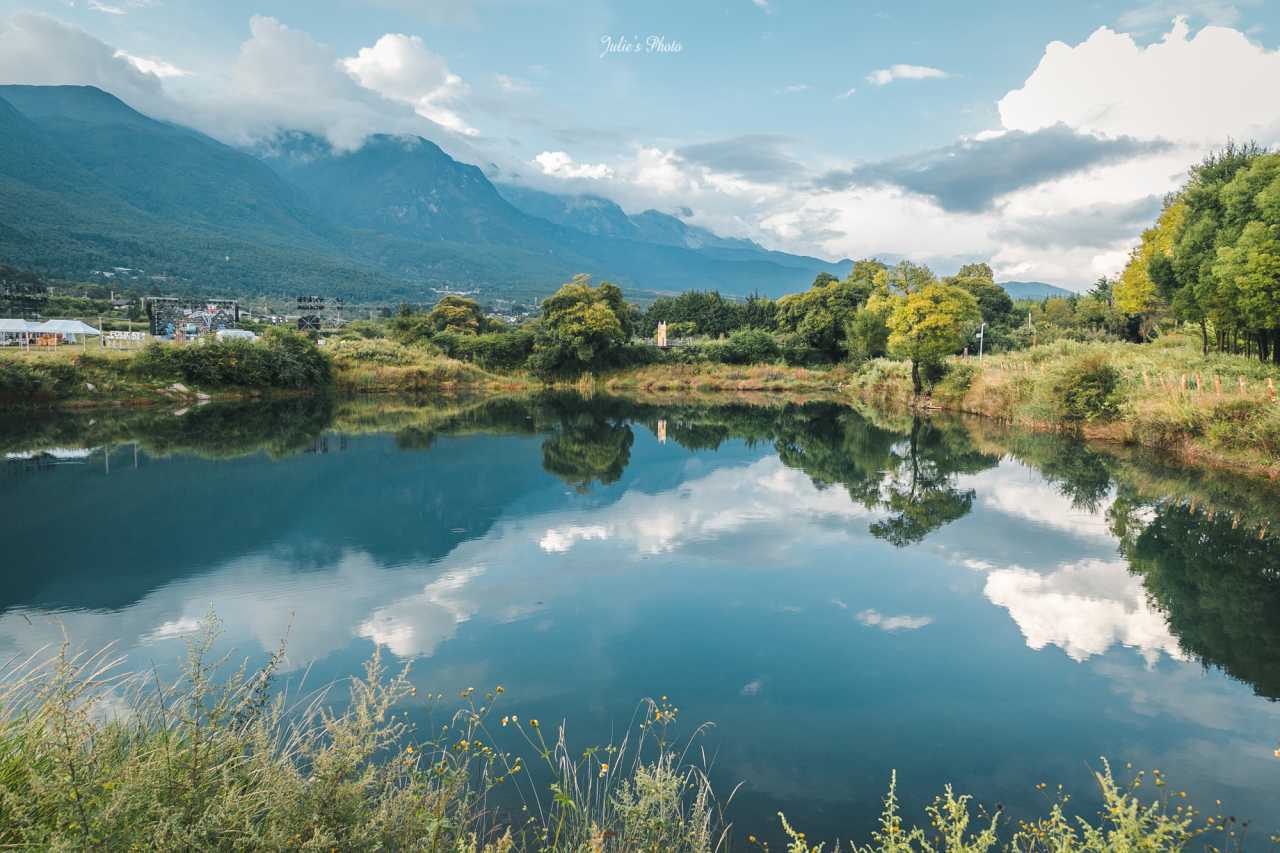
Walking through Yuhu feels like stepping into a Rock photograph. The air is cool and damp. Horses, decorated with colorful saddles, wait patiently for visitors. Horseback riding is a major local industry—villagers claim it's a taste of the ancient Tea Horse Road, which predates the Silk Road by 200 years.
Rock's former residence is a modest Naxi courtyard tucked away in a narrow lane. It's a quick visit, but the real attraction is the village itself. Don't miss Longnv Lake at the edge of town—a stunning body of water that reflects the snow mountain on clear days.
Where to eat: The high-end guesthouse "Villa Yulu" serves excellent food. I had lunch there and it was delicious—more on that later.
Wenhai: Pastoral Paradise
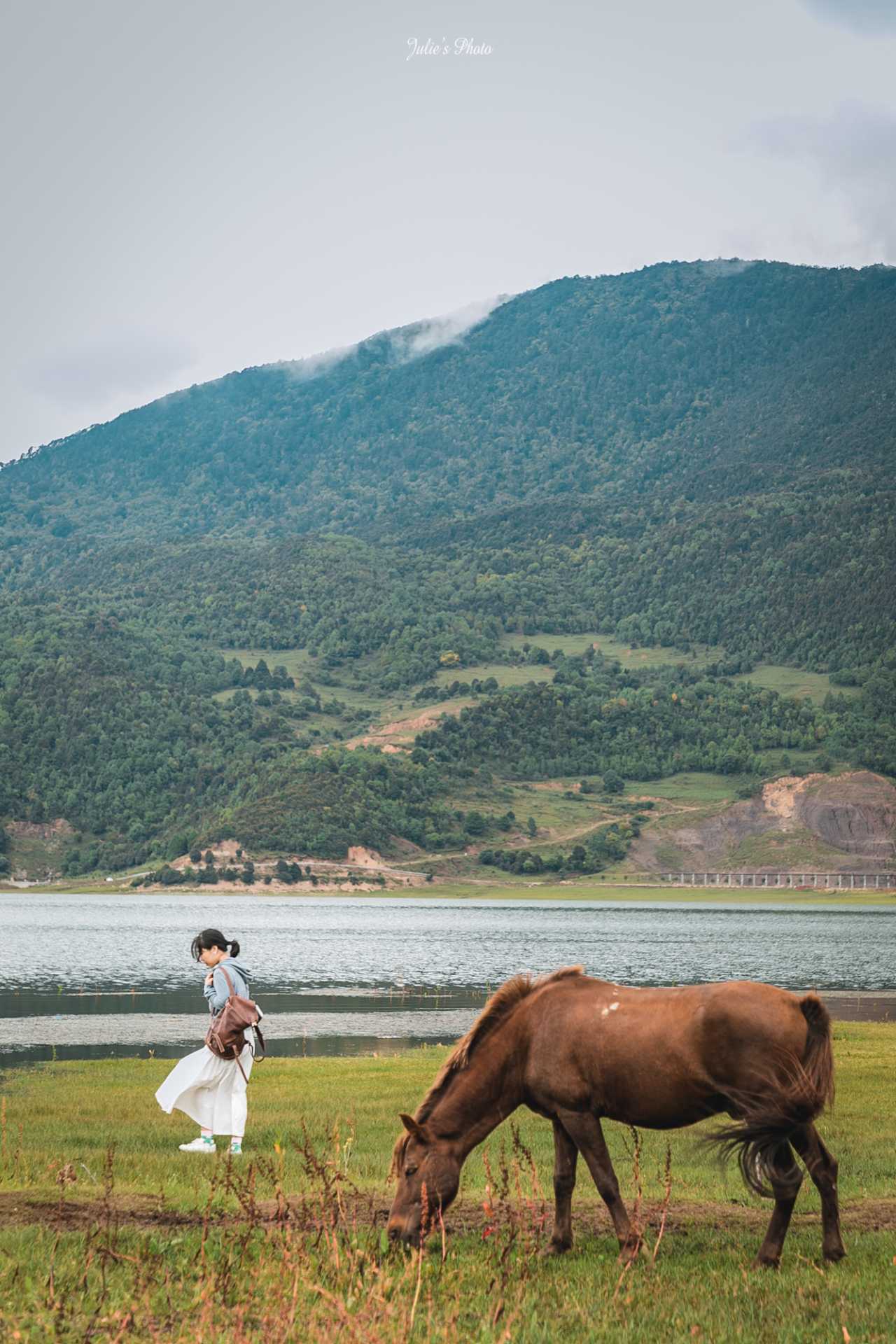
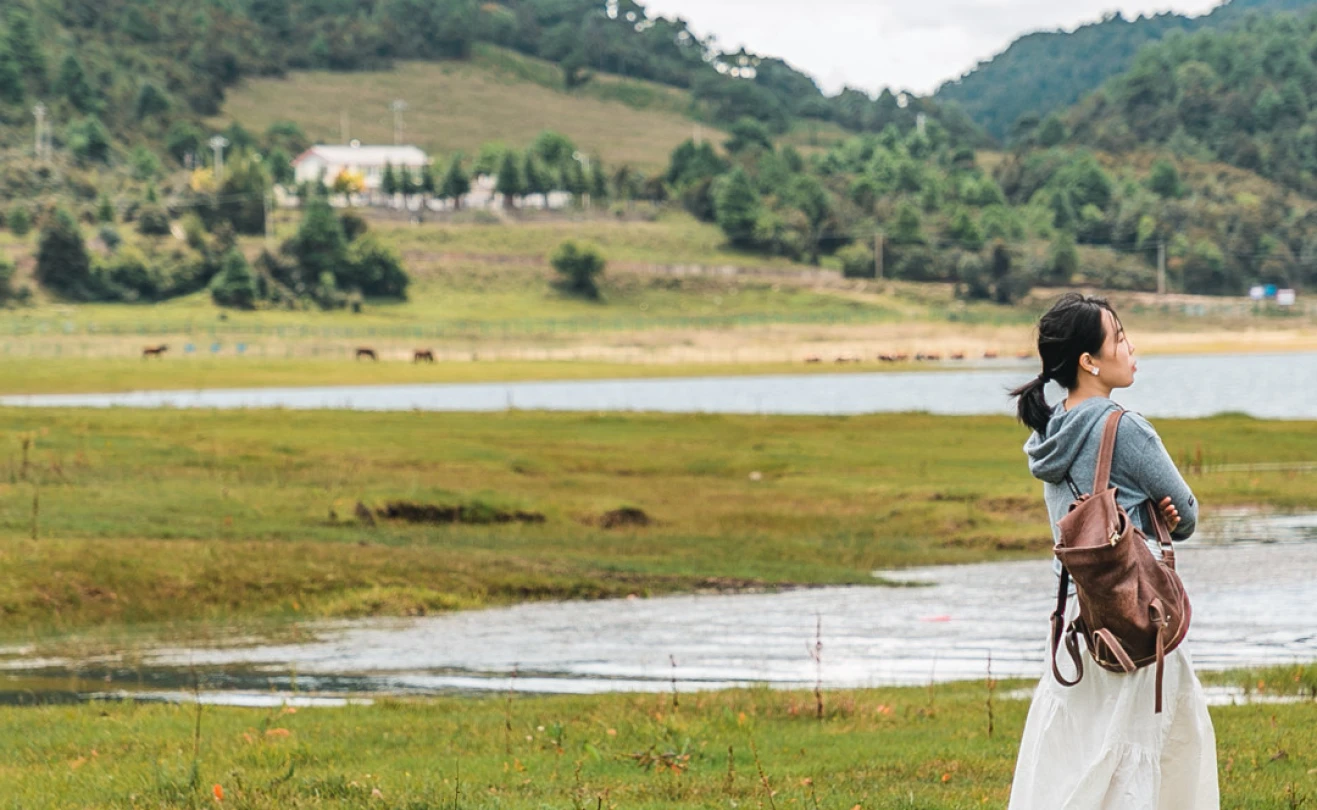
From Baisha, a bumpy mountain road leads to Wenhai. The drive takes about 30 minutes, but the road is rough—be prepared for a bone-rattling ride. The reward? A scene straight out of a pastoral painting.
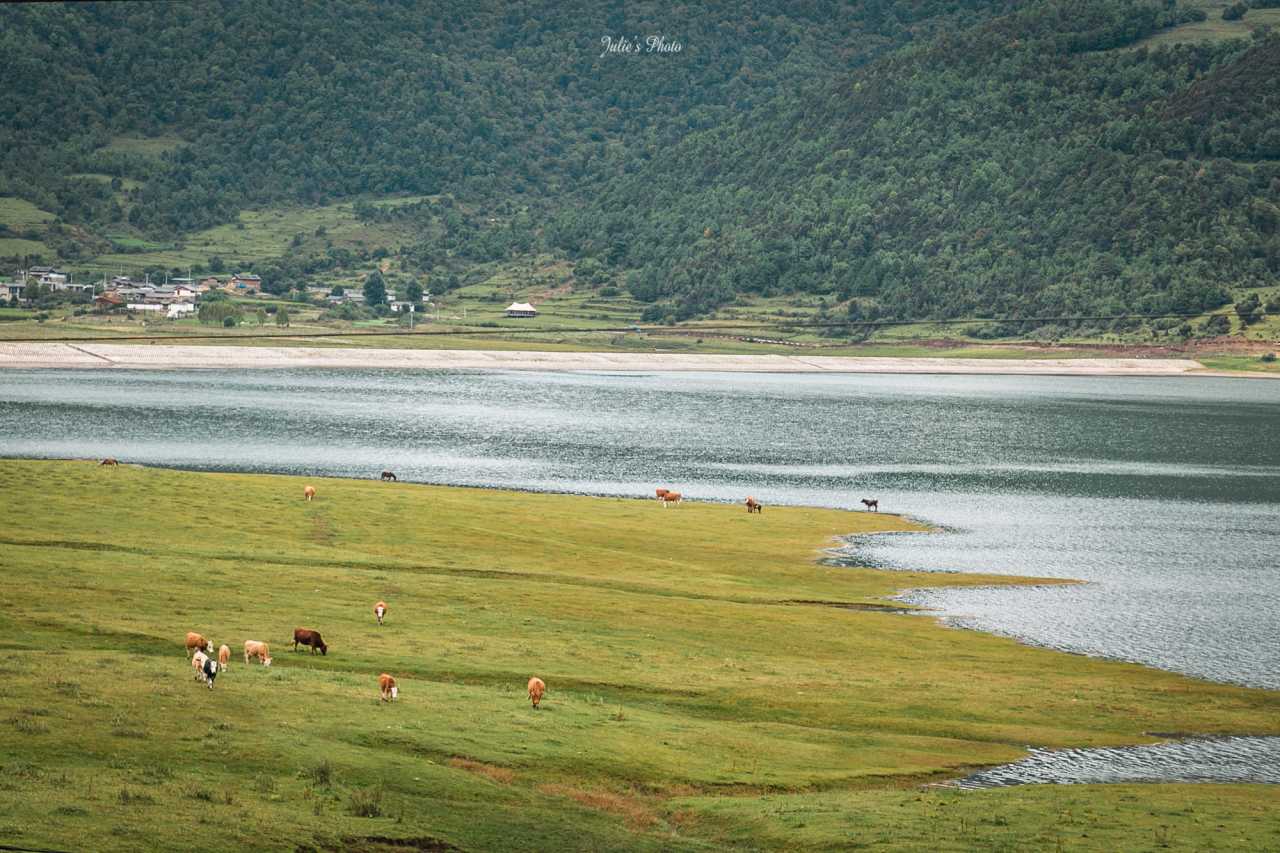
Wenhai means "highland village" in Naxi. At 3,000 meters elevation, it's a seasonal lake—most of the year, it's a vast meadow with a small pond at the center. During the rainy season (April to November), the meadow transforms into a shimmering lake. Cows, sheep, horses, and pigs graze freely on the surrounding grasslands.
A hundred or so households dot the hillsides. These Naxi families have lived here for over 300 years. Wenhai was once an important stop on the Tea Horse Road, where caravans would rest their horses before continuing their journey.
You should also read:

Body in Hell, Heart in Heaven: A Pilgrimage Through Tiger Leaping Gorge — A Dialogue Between Heaven and Earth
Body in Hell, Heart in Heaven: A Pilgrimage Through Tiger Leaping Gorge — A Dialogue Between Heaven and Earth Introduction: When the Gorge Splits Open Beneath Your Feet Some say Tiger Leaping Gorge is the closest place on Earth to the border between "hell" and…
Continue reading...
Cloud Travelogue · Dali of Wind, Flowers, Snow, and Moon: A Three-Day, Two-Night Journey of a Free Spirit
Cloud Travelogue · Dali of Wind, Flowers, Snow, and Moon: A Three-Day, Two-Night Journey of a Free Spirit I am a cultured female foodie with a touch of rogue charm. I slung on my backpack, took my lover's hand, and set off on a spontaneous…
Continue reading...
The Meaning of Travel – A Tengchong Story: A Journey of the Heart and Personal Growth
The Meaning of Travel – A Tengchong Story: A Journey of the Heart and Personal Growth Setting Out, Only to Return a Better Self Some say travel is nothing more than leaving a place you're tired of, only to go to a place where others…
Continue reading...