Revisiting Yunnan: A Deep Dive into Honghe Prefecture – Jianshui, Yuanyang Rice Terraces, Hekou, and Maitreya
Revisiting Yunnan: A Deep Dive into Honghe Prefecture – Jianshui, Yuanyang Rice Terraces, Hekou, and Maitreya
In 2016, my travel list gained another vivid chapter. From the coconut-laden breezes of Malaysia to the refined gardens of Suzhou, and the golden poplar forests of Ejina Banner, I was on the road almost every month that year. Then, by a stroke of serendipity at year's end, I found myself back in Yunnan – not to the familiar haunts of Kunming, Dali, or Lijiang, but to Honghe Prefecture, a region many overlook yet one that holds endless surprises.
If you, too, are drawn to ancient charms untouched by overdevelopment, the dawn and dusk light over rice terraces, and the exotic flair of border towns, this travelogue might just open a new window for you.
First Glimpse of Honghe: Another Face of Yunnan
Honghe Hani and Yi Autonomous Prefecture lies in southeastern Yunnan, bordering Kunming to the north and Vietnam to the south. It lacks Dali's romantic poetry and Lijiang's artistic buzz, but offers a rawer, more profound allure. For this trip, I chose four strikingly different destinations:
- Jianshui: A living ancient city, home to a century-old miniature train and the "Grand View Garden of Southern Yunnan."
- Yuanyang Rice Terraces: The Hani people's millennium-long sculpting of earth into art.
- Hekou: A tropical border town on the China-Vietnam frontier, where one step crosses into another country.
- Maitreya (Mile): A leisurely haven of hot springs and red wine.
Over six days, I switched from winter coats to summer wear, journeyed from an ancient city to terraced hills, then south to the border – a condensed Yunnan dream.
Pre-Trip Notes: All the Practical Info

Itinerary Overview (Dec 22 – Dec 27)
| Day | Route | Highlights |
|---|---|---|
| DAY1 | Shanghai → Kunming | Watch seagulls at Dianchi Lake's Haigeng Dam |
| DAY2 | Kunming → Jianshui | Chaoyang Tower, miniature train, Tuanshan Village, Jianshui folk tunes |
| DAY3 | Jianshui → Yuanyang | Zhu Family Garden, Confucius Temple, Tiger's Mouth sunset |
| DAY4 | Yuanyang → Hekou | Duoyishu sunrise, Bada sea of clouds, Vietnam Town |
| DAY5 | Hekou → Maitreya | Keyi Village, Lake Spring Park |
| DAY6 | Maitreya → Kunming → Shanghai | Return |
Transportation Guide
We traveled by chartered bus – a 19-seater for 9,000 RMB over 6 days. If using public transport, here's the scoop:
- Kunming → Jianshui: Bus 75 RMB / 3 hours; train 29.5 RMB / 3 hours
- Kunming → Yuanyang: Bus 139 RMB / 6-7 hours
- Kunming → Hekou: Bus 149 RMB / 7-8 hours; train 54.5 RMB / 5.5 hours
- Kunming → Maitreya: Bus 40 RMB / 3 hours; bullet train 34 RMB / 0.5 hours
Tip: Buses connect Jianshui, Yuanyang, Hekou, and Maitreya. Self-driving or chartering offers more freedom.
Accommodation Recommendations
- Jianshui: Stay inside the ancient city for easy access to food and sights. We stayed at Tongxin Hotel in the new district – average experience.
- Yuanyang: Xianyun Mountain Lodge – excellent location near Duoyishu viewing platform, with electric blankets and heating (essential in winter).
- Hekou: Asia Theme Hotel – great value, spacious rooms, central location.
- Maitreya: Lake Spring Shangjing Hotel – decent hardware, but elevator issues – choose carefully.
Weather & What to Wear
This trip's temperature range was extreme – from winter wear in Kunming to summer clothes in Hekou, experiencing all four seasons in a single day:
- Kunming / Jianshui: Cold mornings and evenings, warm in the sun. A thick jacket plus autumn layers suffice.
- Yuanyang: High altitude, damp and cold, especially windy at dawn and dusk – a down jacket is a must.
- Hekou: Short-sleeve weather even in December – tropical climate, so bring sunscreen and mosquito repellent.
- Maitreya: Cool mornings and evenings, hot during the day – dress in layers.
Ticket Prices
- Chaoyang Tower: 20 RMB
- Jianshui Miniature Train: Hard seat 100 RMB / Soft seat 120 RMB (30 RMB discount with scenic area ticket)
- Tuanshan Village: 50 RMB
- Zhu Family Garden: 50 RMB
- Confucius Temple: 60 RMB
- Yuanyang Rice Terraces: 100 RMB (includes Qingkou Folk Village, Bada, Duoyishu, Tiger's Mouth)
- Keyi Town: 60 RMB (horse riding, paintball, carriage rides extra)
- Jinping Mountain (Maitreya Giant Buddha): 40 RMB
- Yunnan Red Wine Estate: 20 RMB
Photography Gear
Camera: Canon 5D Mark II
Lenses: 35mm f/1.4, 50mm f/1.4, 85mm f/1.8, 17-40mm
Post-processing: Lightroom + Photoshop
DAY 1: Kunming – A Seagull Rendezvous Under Gray Skies
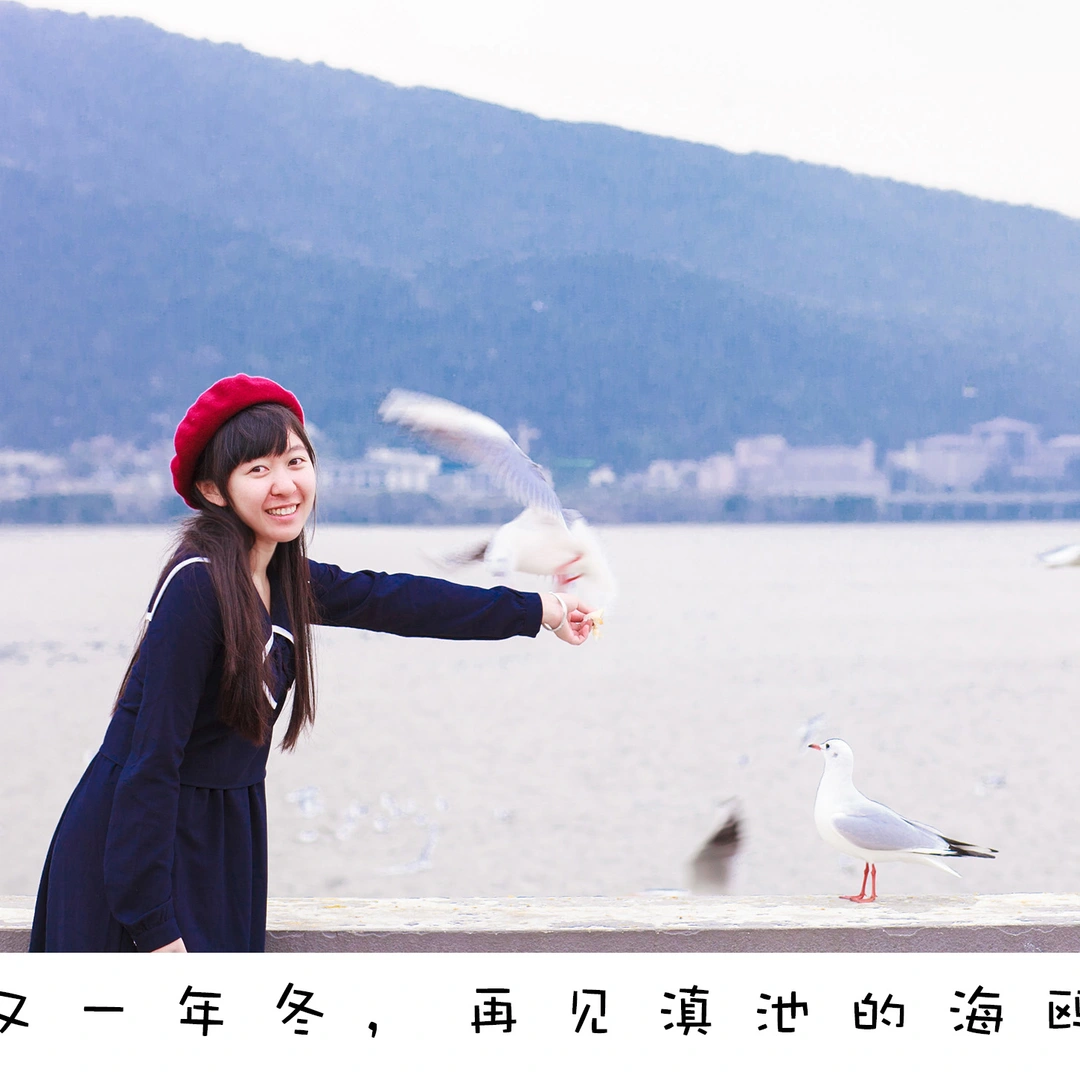
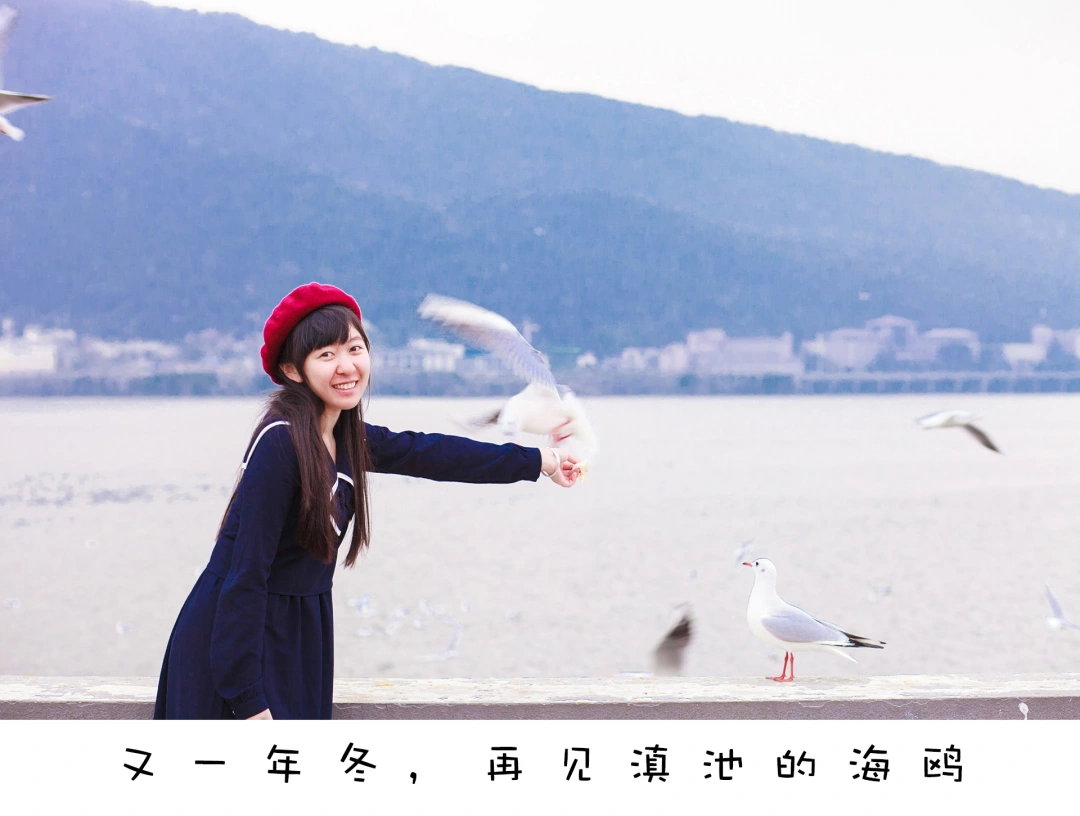
I landed in Kunming at 1 PM, settled in, then headed to Haigeng Dam by Dianchi Lake – a ritual of mine. Every winter, black-headed gulls migrate from Siberia to winter here; this was my third time seeing them.
Unfortunately, the weather was uncooperative – thick clouds blanketed the sky, and Dianchi Lake lacked its usual azure. But the gulls were as enthusiastic as ever. For 10 RMB, I bought a few packs of bread, held out my hand, and they swooped down to peck. My new 85mm lens came in handy, capturing their wings in mid-flap.
The wind was fierce, and I didn't wear a jacket for the sake of photos – ended up catching a cold. Back near the hotel, I had a steaming bowl of rice noodles and turned in early. The real journey begins tomorrow.
DAY 2: Jianshui – More Stunning Than Expected
Chaoyang Tower: The Ancient City's First Wow
We left Kunming at 8:30 AM and arrived in Jianshui four hours later. This ancient city was more intact and vibrant than I'd imagined. After lunch, we headed straight for Chaoyang Tower.
Built in 1389, this eastern gate tower resembles Beijing's Tiananmen, earning it the nickname "Little Tiananmen." Climbing to the top, I looked out over the old town of Lin'an – a sea of green tiles and white walls stretching endlessly, as if time had stopped.
Inside, a photography exhibition called "Looking Back at Lin'an" displayed images taken over a century ago by Frenchman Auguste François, capturing late-Qing Yunnan. The black-and-white photos showed street life, but also brutal execution scenes – a heavy sight. Through the second-floor wooden windows, I watched people and carts moving below, feeling like I'd stepped into another era.
The Jianshui Miniature Train: A Century-Long Time Travel
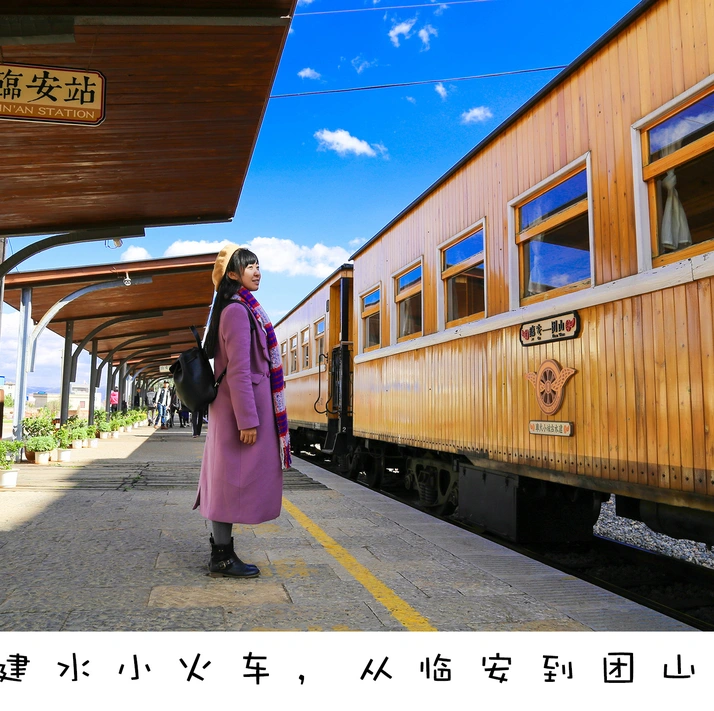
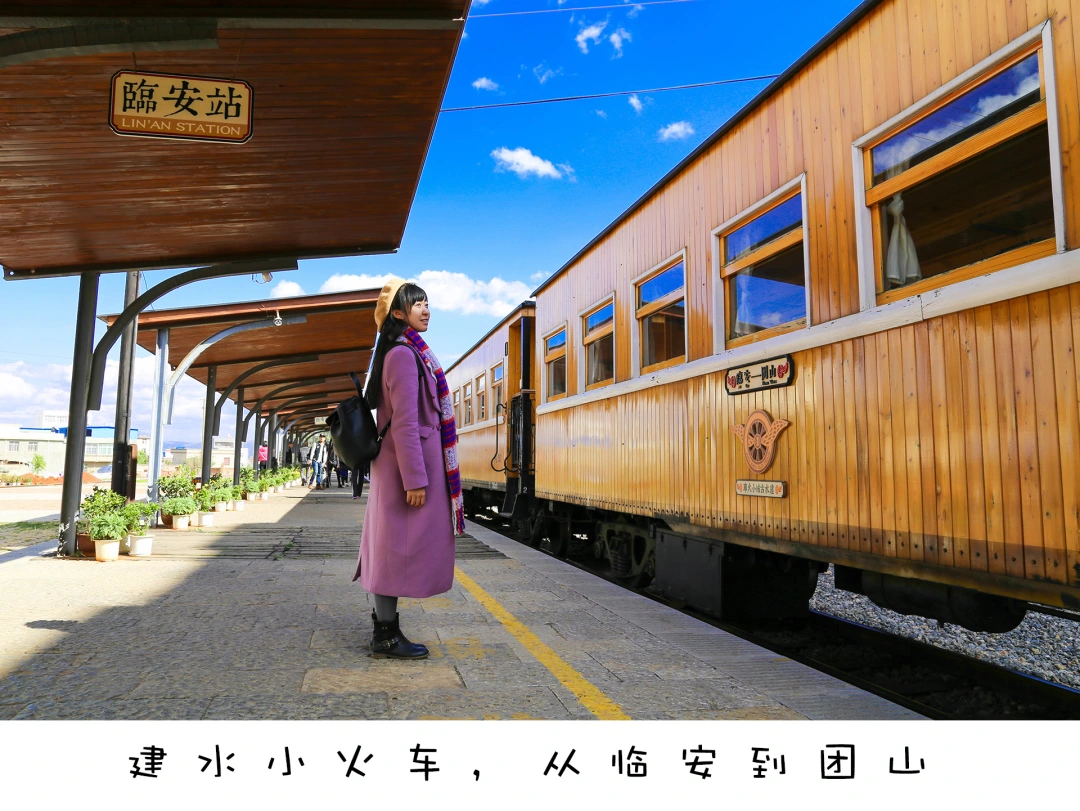
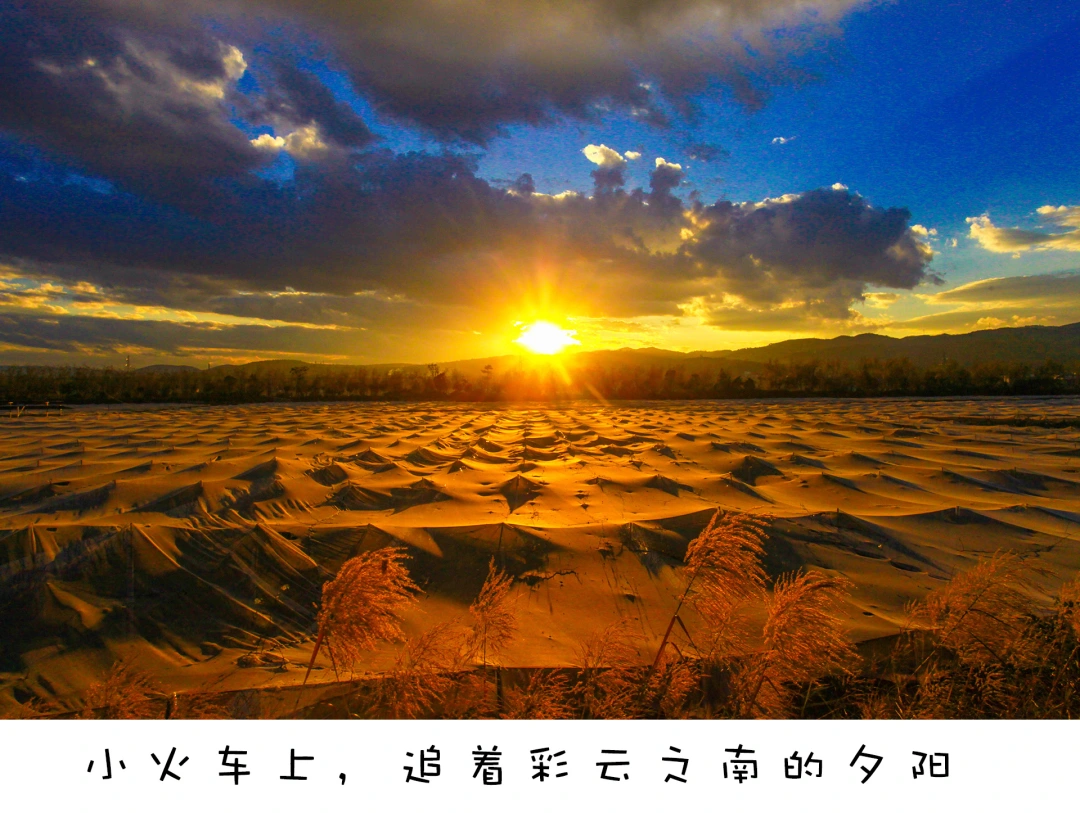
The afternoon's highlight was the Jianshui miniature train. This railway, built in 1915, is China's first and only surviving private railway. Reopened as a tourist line in 2015, it runs from Lin'an Station to Tuanshan Station, covering 12.82 kilometers, passing Twin Dragon Bridge and Xianghui Bridge.
We caught the 2:30 PM departure. The carriages had vintage wooden seats in a French style, reminiscent of the tourist train in Da Lat, Vietnam. Sadly, my 35mm lens broke at Chaoyang Tower, dampening my mood – I couldn't even enjoy the complimentary Jianshui snacks.
Twin Dragon Bridge Stop: First stop was the Seventeen-Arch Bridge. This ancient bridge spans the Lujiang and Tangchong Rivers, with a three-story pavilion on top. From a distance, it looks like a ship; up close, like a rainbow lying across the water. We got off for half an hour to soak in its weathered beauty.
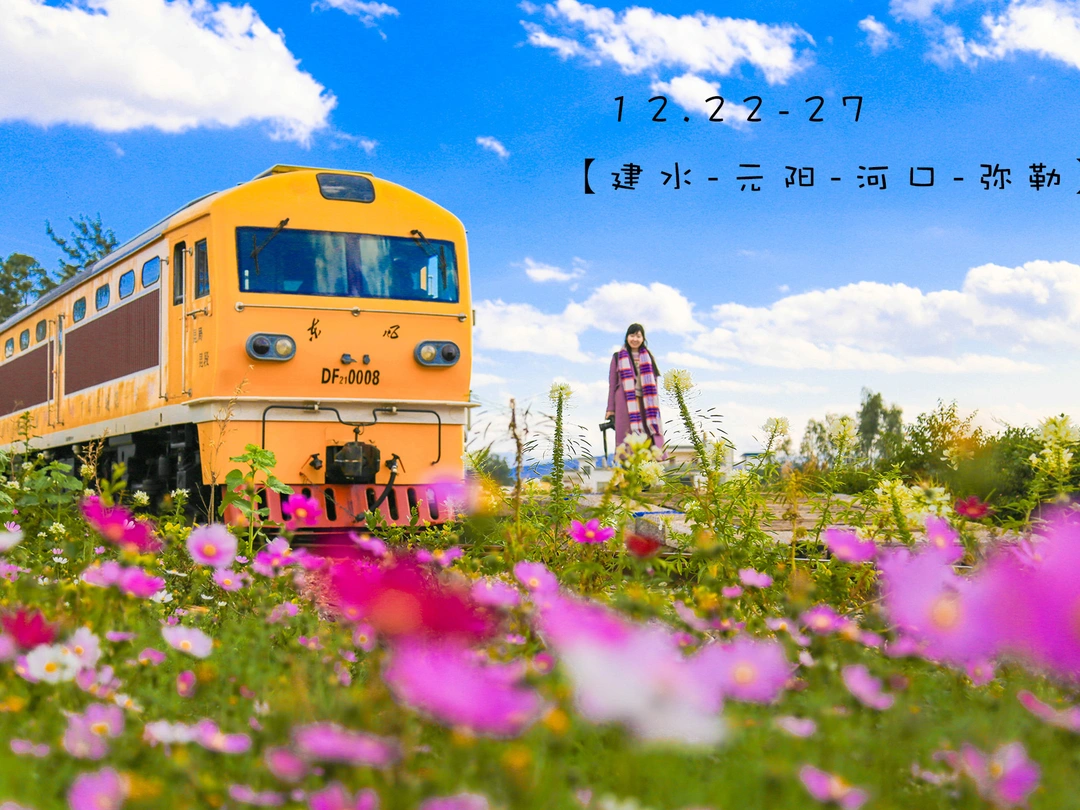
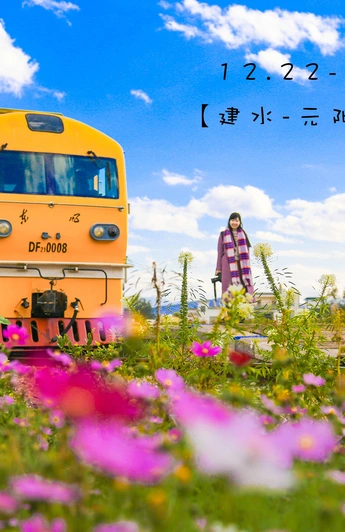
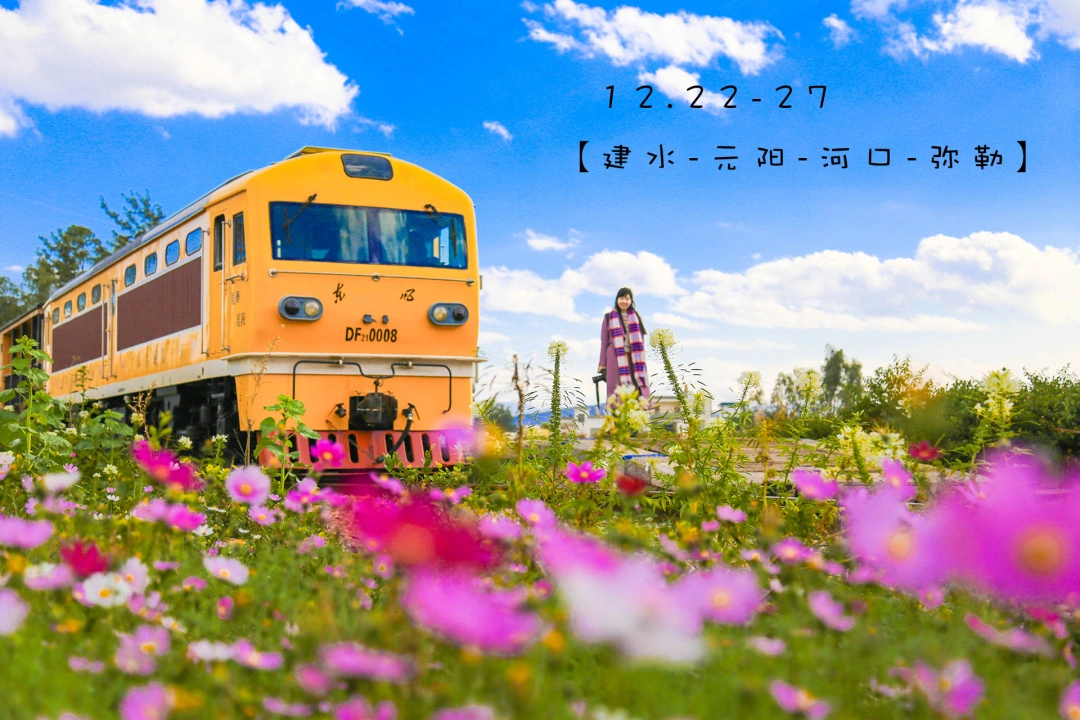
Xianghui Bridge Stop: The most artsy station of the trip. French-style architecture, a vintage office, even the windowsills exuded old-world charm. Beside the station was a patch of cosmos flowers – I used them as foreground and took my favorite photo of the day.
Tuanshan Stop: The end of the line. Tuanshan Village is a southern Yunnan Han immigrant settlement that grew wealthy from tin mining in the late Qing, leaving behind over a dozen well-preserved mansions. Life here moves slowly – elderly folks sit in the sun, children chase each other through alleyways. This was also a filming location for Dad, Where Are We Going? Season 4 – can you spot which house it was?
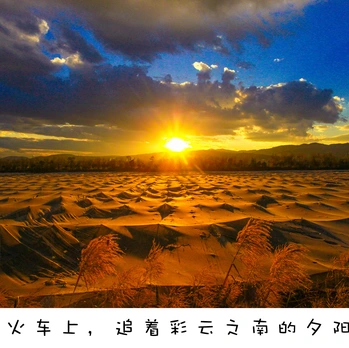
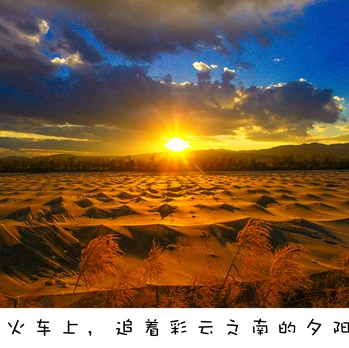
On the return trip, the setting sun painted the carriage in gold as the train chased the horizon. In that moment, all my frustrations melted away.
Jianshui Folk Tunes: The Ancient City's Nightlife
Back in the old town, we strolled through Purple Pottery Street. Jianshui's purple clay pottery is famous, and the night market offered not just ceramics but snacks and handicrafts.
After dinner, we went to Jinlin'an Tea House to hear Jianshui folk tunes – local folk music and storytelling. The host was great at engaging the crowd; even without understanding the dialect, you could feel the passion. If you visit Jianshui, spend one evening listening to these tunes – it's the most authentic cultural experience.
DAY 3: From Jianshui to Yuanyang – Sunset Over the Terraces
Zhu Family Garden: The Grand View Garden of Southern Yunnan
The morning was for Jianshui. First stop: Zhu Family Garden, the estate of late-Qing gentry brothers Zhu Weiqing and his kin. The complex weaves together ancestral halls, living quarters, and gardens with a refinement rivaling Jiangnan gardens. Though not huge, every detail – wood carvings, stone carvings, painted motifs – deserves close attention.
The garden also operates as a hotel: standard rooms 480 RMB, suites 780 RMB, with free entry for guests. If I'd had more time, I'd have loved to stay overnight and experience the "Grand View Garden" after dark.
Confucius Temple: Light and Shadow of Confucianism
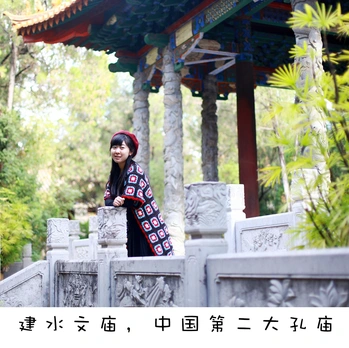
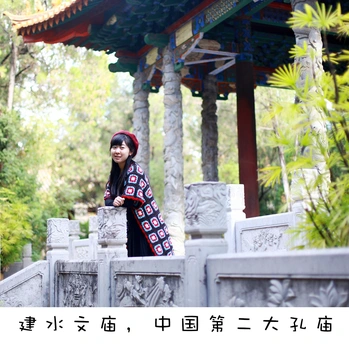
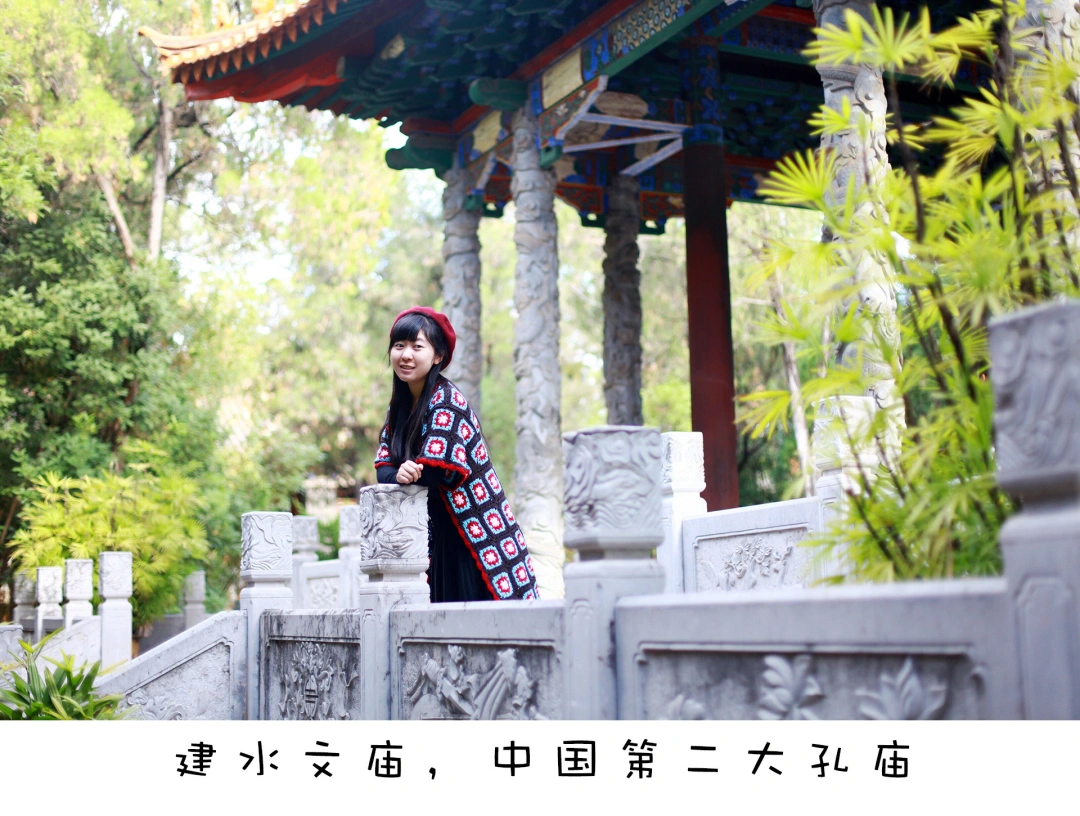
Second stop: Jianshui Confucius Temple, the second-largest Confucian temple in China, first built in 1285. Seven courtyards stretch 625 meters, from the Ten-Thousand-Ren Wall to the Hall of Esteemed Ancestors, each space solemn and imposing.
The weather was perfect – sunlight filtering through ancient trees cast dappled shadows on red walls. I wandered for a long time, taking many photos I loved. Seeing parents bring their children to pray for academic success, I silently regretted not having come here before my college entrance exams.
Yang Family Garden: A Taste of Jianshui
Lunch was at Yang Family Garden. As the saying goes in Jianshui: "Stroll in Zhu Family Garden, admire Zhang Family Garden, and eat at Yang Family Garden." The setting and flavors lived up to the reputation.
The standout was Jianshui grilled tofu – crispy on the outside, tender within, dipped in a special chili powder. I must have eaten over a dozen. Fresh-pressed pomegranate juice, tangy and sweet, was a perfect companion. Every dish was a delight – this meal was the perfect farewell to Jianshui.
Tiger's Mouth Sunset: The Terraces' Grand Opening
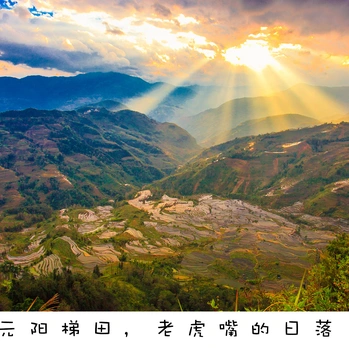
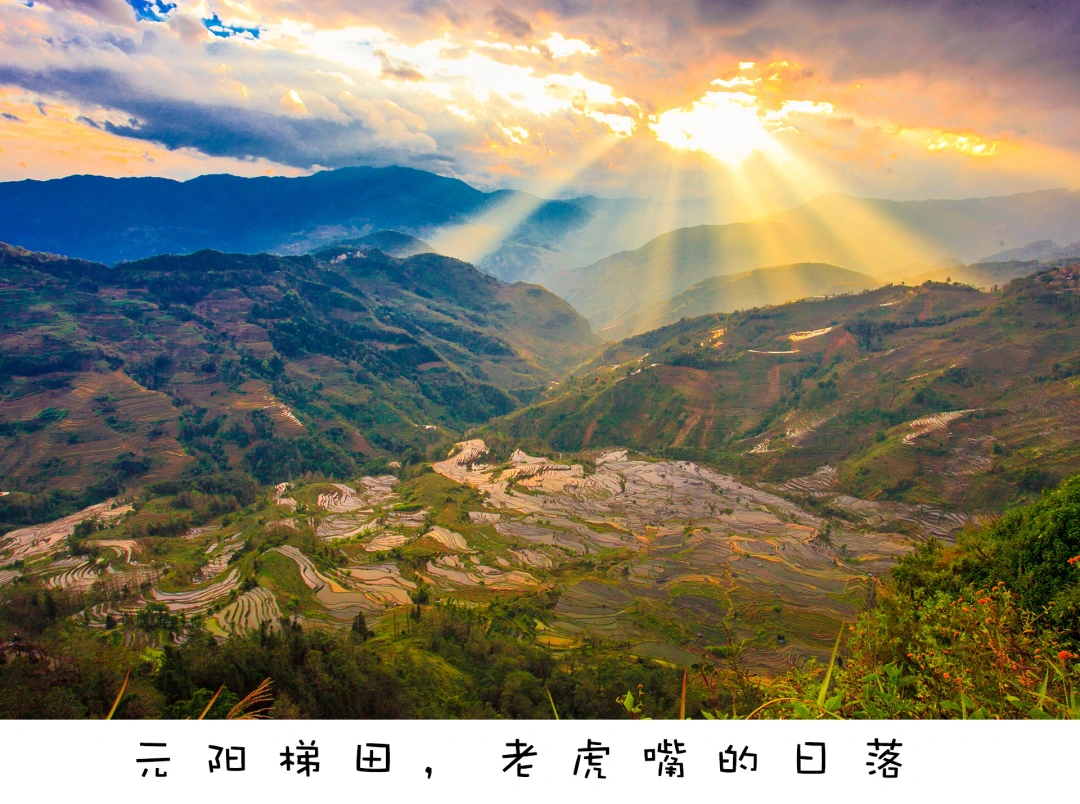
A three-hour drive from Jianshui brought us to Yuanyang. We headed straight to Tiger's Mouth viewing platform to wait for sunset.

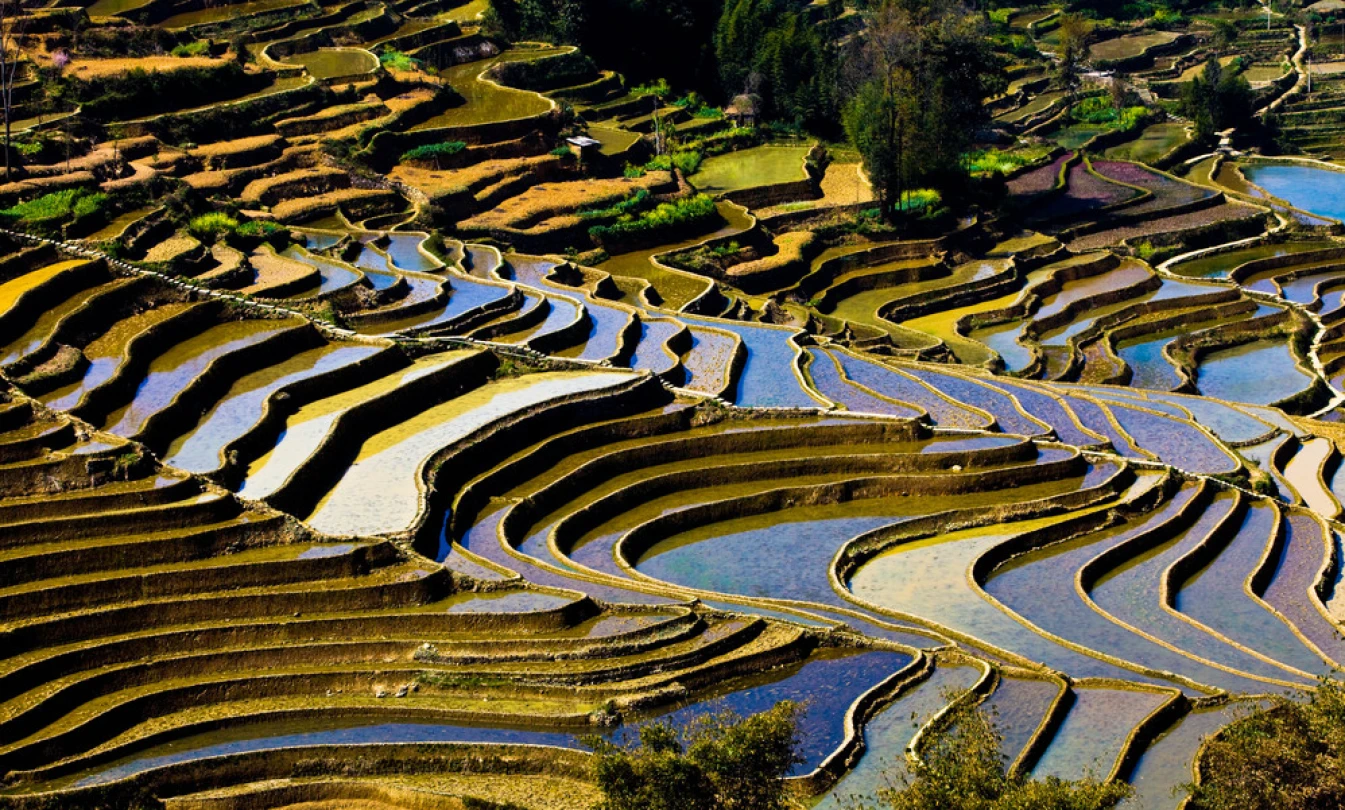
The Yuanyang rice terraces are the Hani people's millennium-long masterpiece, carved into the mountains in layer upon layer. As the sun set, its last rays hit the water, turning the terraces into mirrors reflecting golden light. The wind howled, and the platform was packed with photographers, all holding their breath.
When the sun sank behind the mountains, the sky shifted from gold to orange-red to deep blue, and the terraces followed suit – from gold to red to stillness. It was my first time witnessing a terrace sunset, and I was left speechless.
DAY 4: Yuanyang Sunrise, Then South to Hekou
Duoyishu Sunrise: The Terraces at Dawn
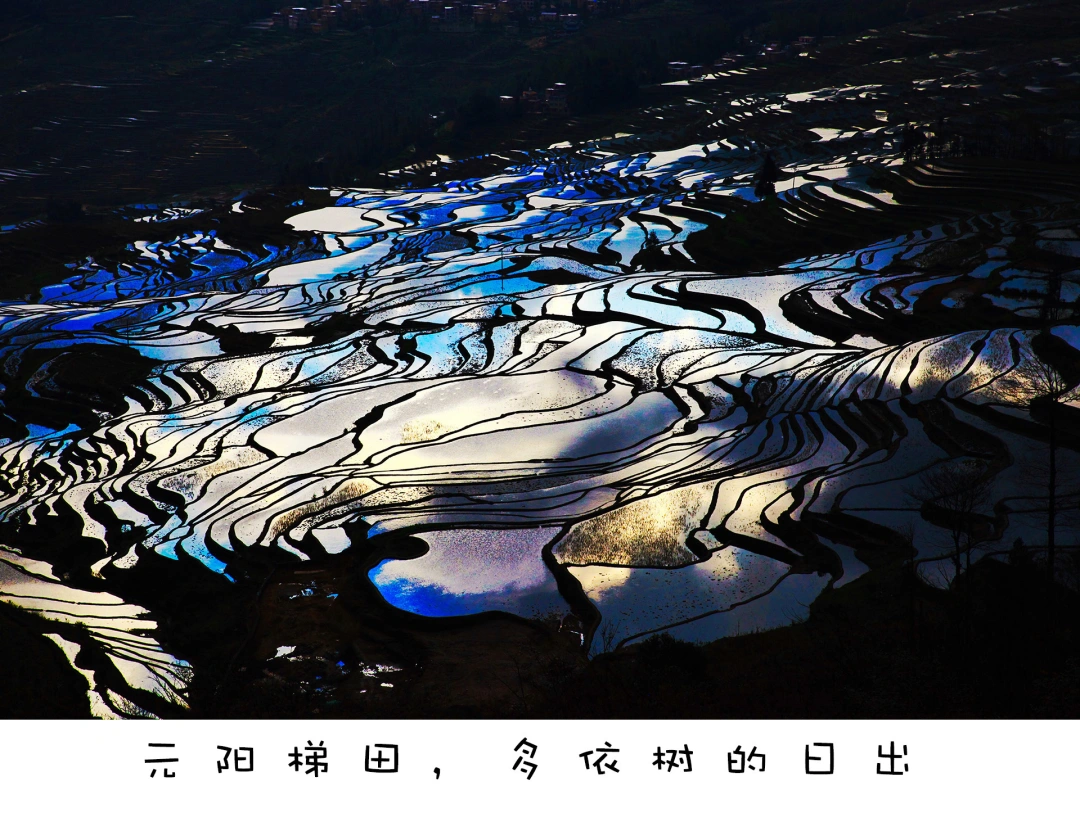
We woke at 5 AM to catch the sunrise. Duoyishu viewing platform is the prime spot – by the time we arrived, many were already waiting.
When the first rays of light crested the ridge and illuminated the terraces, it felt like the world had been set ablaze. Morning mist drifted above the terraces, light and shadow shifting in endless variation. The Hani people's mushroom-shaped houses dotted the landscape like an ink-wash painting.
Bada Sea of Clouds: A Misty Wonderland
After sunrise, we visited Bada. The terraces here are even more dramatic, with clouds rolling between the mountains like a sea. Standing on the platform, watching mist flow beneath my feet, felt surreal.
Hekou: One Foot in Two Countries
We left Yuanyang at noon and reached Hekou three hours later. Here, the town faces Lao Cai, Vietnam, across the Red River. Hekou is Yunnan's only autonomous county with a Yao majority.
The temperature instantly shifted from winter to summer attire. Streets were lined with Vietnamese goods shops and tropical fruit stalls. We visited Vietnam Town, bought some Vietnamese coffee and snacks, and tried the local rice rolls – paper-thin rice wrappers stuffed with minced meat, dipped in a tangy-sweet sauce, light and refreshing.
That night, we stayed at Asia Theme Hotel – the room was astonishingly spacious, offering incredible value.
DAY 5: Maitreya – A Leisurely Day of Wine and Hot Springs
Keyi Village: Yi Ethnic Flavor
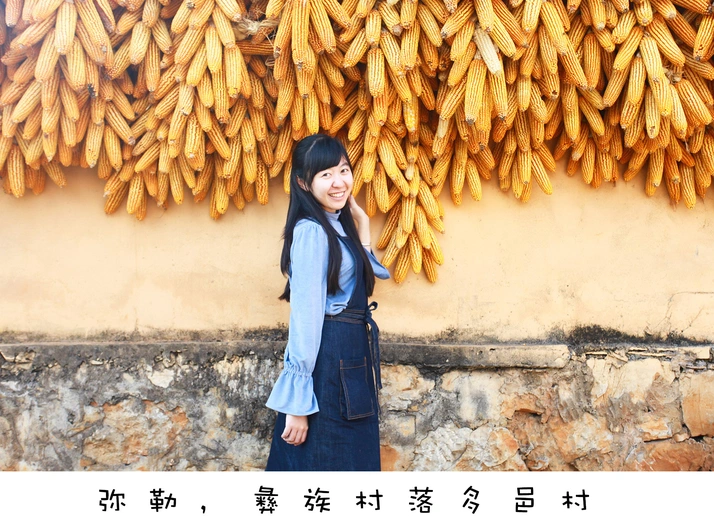
From Hekou to Maitreya took three hours. First stop: Keyi Village, a Yi settlement. The village features traditional rammed-earth houses, murals, and lively Axi Moon-dance performances. We took a horse-drawn carriage and tried real-life paintball – great fun.
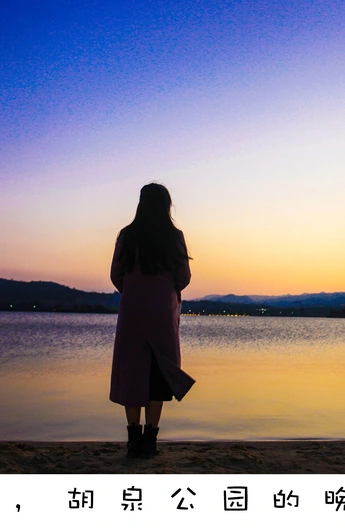
Lake Spring Park: Soaking in Hot Springs
In the afternoon, we visited Lake Spring Park, famous for its hot springs. Soaking in the warm water, gazing at the distant green hills, all the travel fatigue melted away.
We stayed at Lake Spring Shangjing Hotel – decent facilities, but an elevator malfunction trapped me once, a memory I still shudder at.
DAY 6: Farewell to Yunnan, Returning with Memories
The last day took us from Maitreya back to Kunming – a two-hour drive. I had one final bowl of rice noodles in Kunming, then flew back to Shanghai.
Six days, four cities, each with a distinct character – from an ancient city to terraced hills, from a border town to hot springs. Jianshui's antiquity, Yuanyang's grandeur, Hekou's exoticism, Maitreya's leisure – together, they forged an unforgettable journey.
Final Thoughts: Why You Should Visit Honghe Prefecture
If you're tired of the crowds in Kunming, Dali, and Lijiang, come to Honghe Prefecture. Here, there's no trace of over-commercialization – only the most authentic Yunnan: ancient city walls, millennia-old terraces, border-town charm, and hidden culinary treasures.
Jianshui's grilled tofu, Yuanyang's terrace sunrise, Hekou's rice rolls, Maitreya's hot springs – every detail is worth experiencing in person.
It's 2025 now, and I still cherish that trip. If you're planning a visit to Yunnan, put Honghe Prefecture on your list. Trust me – it won't let you down.
You should also read:
Fly to Yuanyang! — A Complete Photography Guide
Fly to Yuanyang! — A Complete Photography Guide A Spontaneous Photography Journey Every year after the Spring Festival, airfare to Kunming hits its lowest point. This year, the holiday came unusually early, and February is precisely the most captivating season for the Yuanyang rice terraces.
Continue reading...
Xishuangbanna Self-Drive Tour: Into the Tropical Wonderland at the Edge of the Sky (Complete Guide)
Xishuangbanna Self-Drive Tour: Into the Tropical Wonderland at the Edge of the Sky (Complete Guide) Introduction: A Dream Fulfilled Thirty Years Early Some journeys are destined to happen at a specific moment in time. For me, a self-drive trip to Xishuangbanna was originally the first…
Continue reading...
Dreaming of Lijiang, Dreaming of Shangri-La: A Journey That Lets Your Soul Breathe Deeply
Dreaming of Lijiang, Dreaming of Shangri-La: A Journey That Lets Your Soul Breathe Deeply Life is like a long trek. We're always rushing through the concrete jungle, searching for a glimmer of light in the monotony of our days. Then one autumn, I heard the…
Continue reading...