Revisiting Yunnan: A Solo Journey Through the Eastern Highlands in Search of Natural Wonders
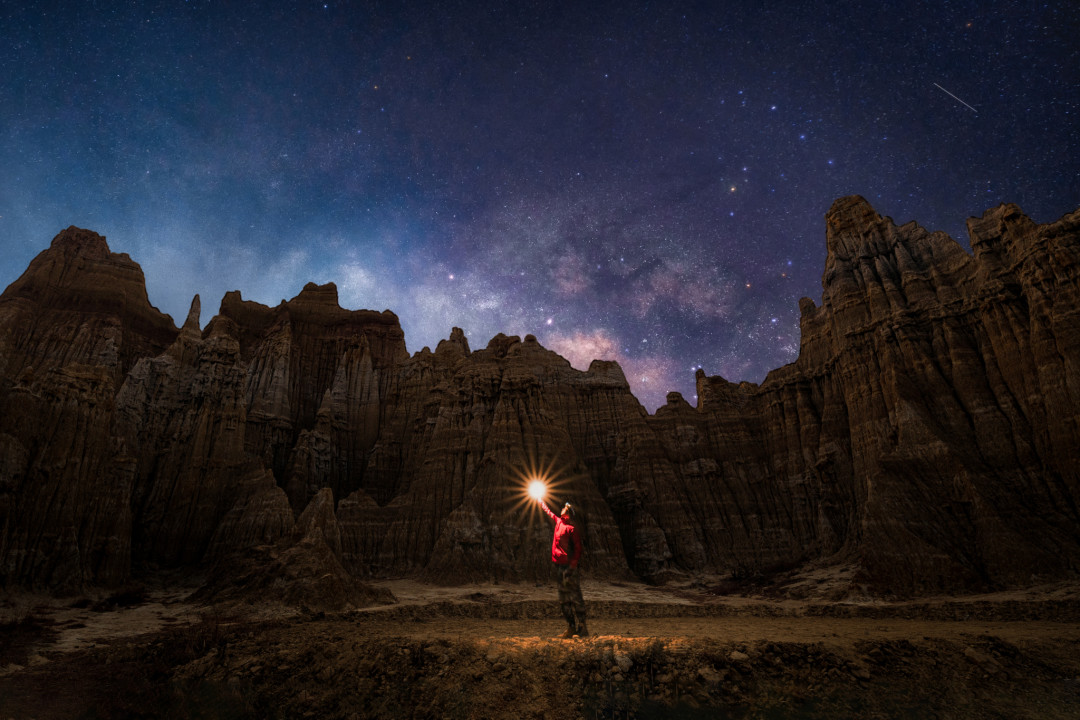
Revisiting Yunnan: A Solo Journey Through the Eastern Highlands in Search of Natural Wonders
Prologue: The Road Back
A year and a half ago, I wrote about my graduation road trip through the vast landscapes of Northwest China—a piece that unexpectedly became my first featured article on the platform. The kindness of strangers who took the time to read my rambling reflections, who paused to share in the emotions stirred by distant horizons, meant more than I can say. Those moments of unspoken connection, that resonance between writer and reader, gave my words a purpose beyond myself. The dream I had long carried—of becoming a travel photographer who captures not just places but feelings—finally began to feel real.
Now, I find myself once again on the road, this time in Yunnan. I still remember my first encounter with this province years ago: the snow-capped Cangshan range reflected in Erhai Lake, the romance woven into every breeze, the lingering magic that never quite let me go. This time, I returned with a heavier pack—both physically and metaphorically—and set out alone on a loop through eastern Yunnan, with Kunming as my base. What followed was a journey of breathtaking natural beauty, a few misadventures, and stories I'll carry with me for a lifetime. Let me take you along.
Kunming: Where Spring Never Leaves
Arriving in Kunming in early February, you'd never guess it was still winter. The chill is absent; the air carries a gentle warmth, as if spring had simply decided to stay year-round. The city doesn't boast dramatic natural wonders—no towering peaks or roaring waterfalls—yet it became my favorite stop on this trip, the place where I lingered longest.
What makes Kunming special is its quiet romance, woven into everyday life. The city's attractions aren't separated from daily existence; they're part of it. Locals don't "visit" these places—they live with them. This fusion of the ordinary and the beautiful is, I think, the city's true charm.
The Seagulls of Kunming
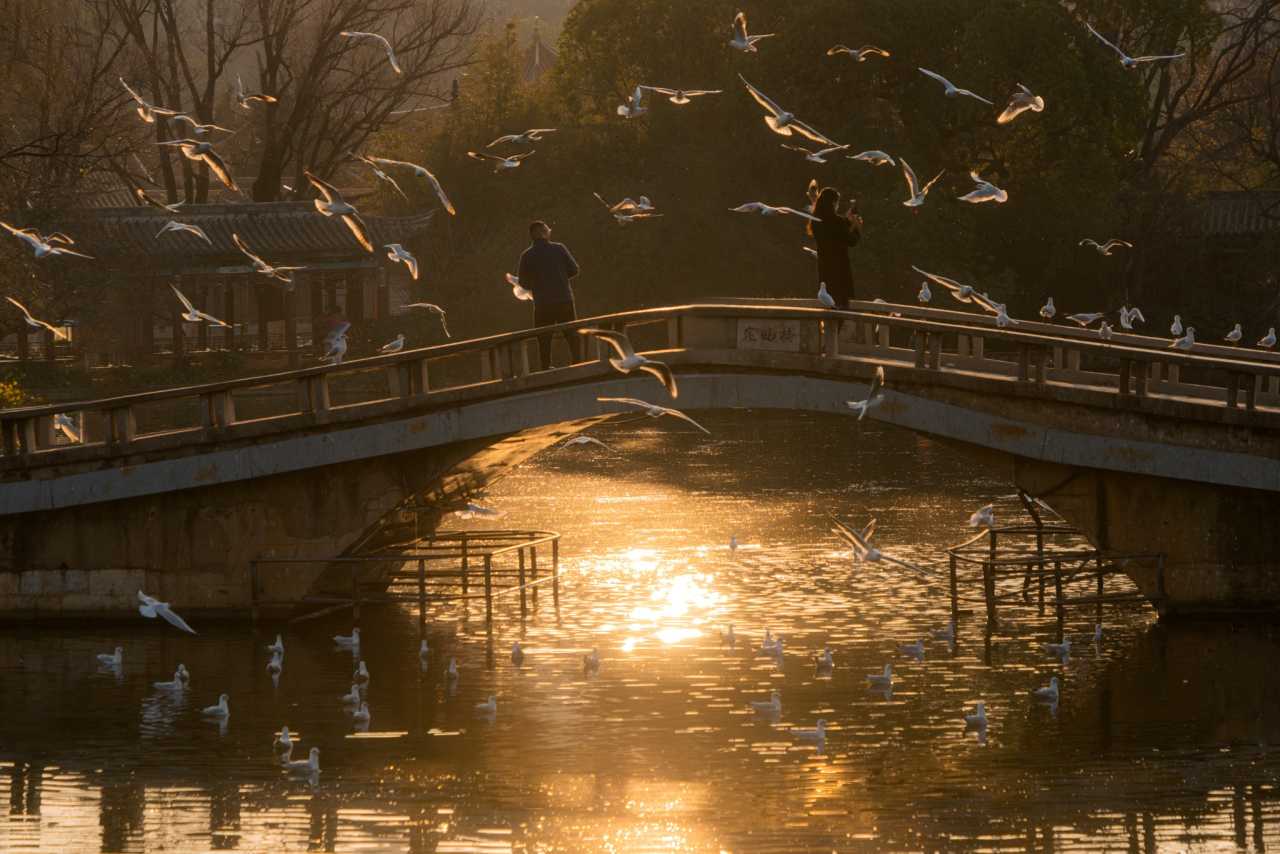
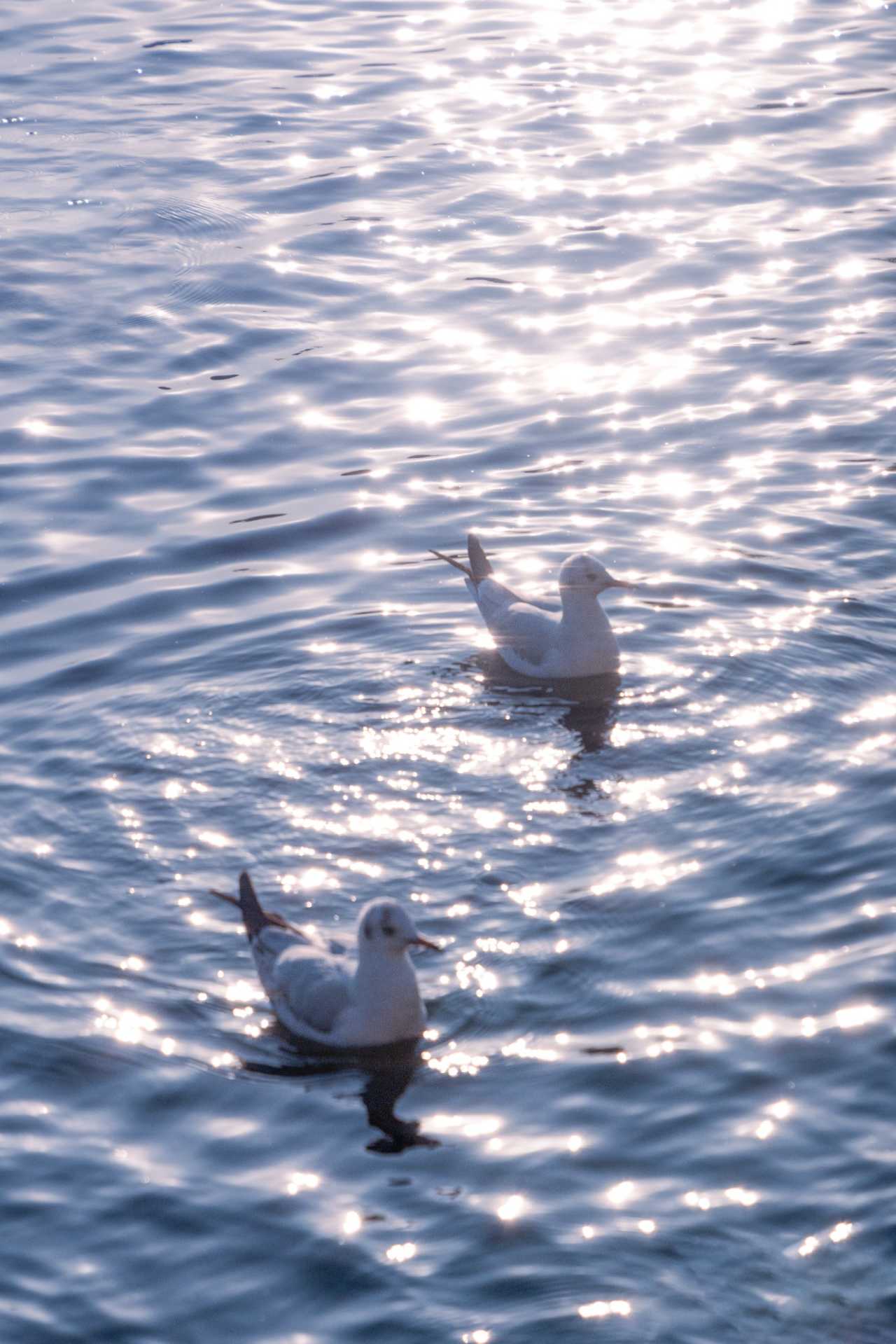
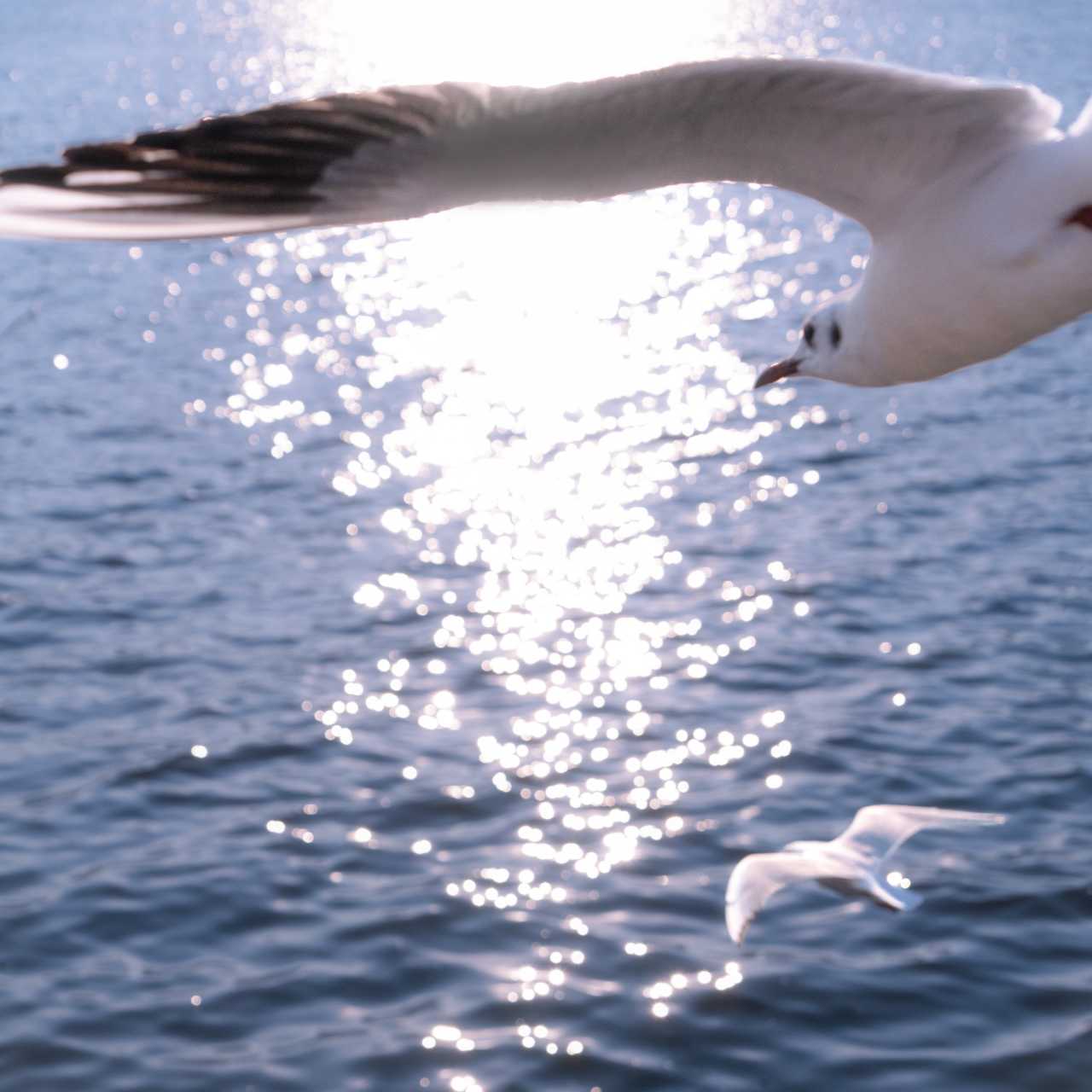
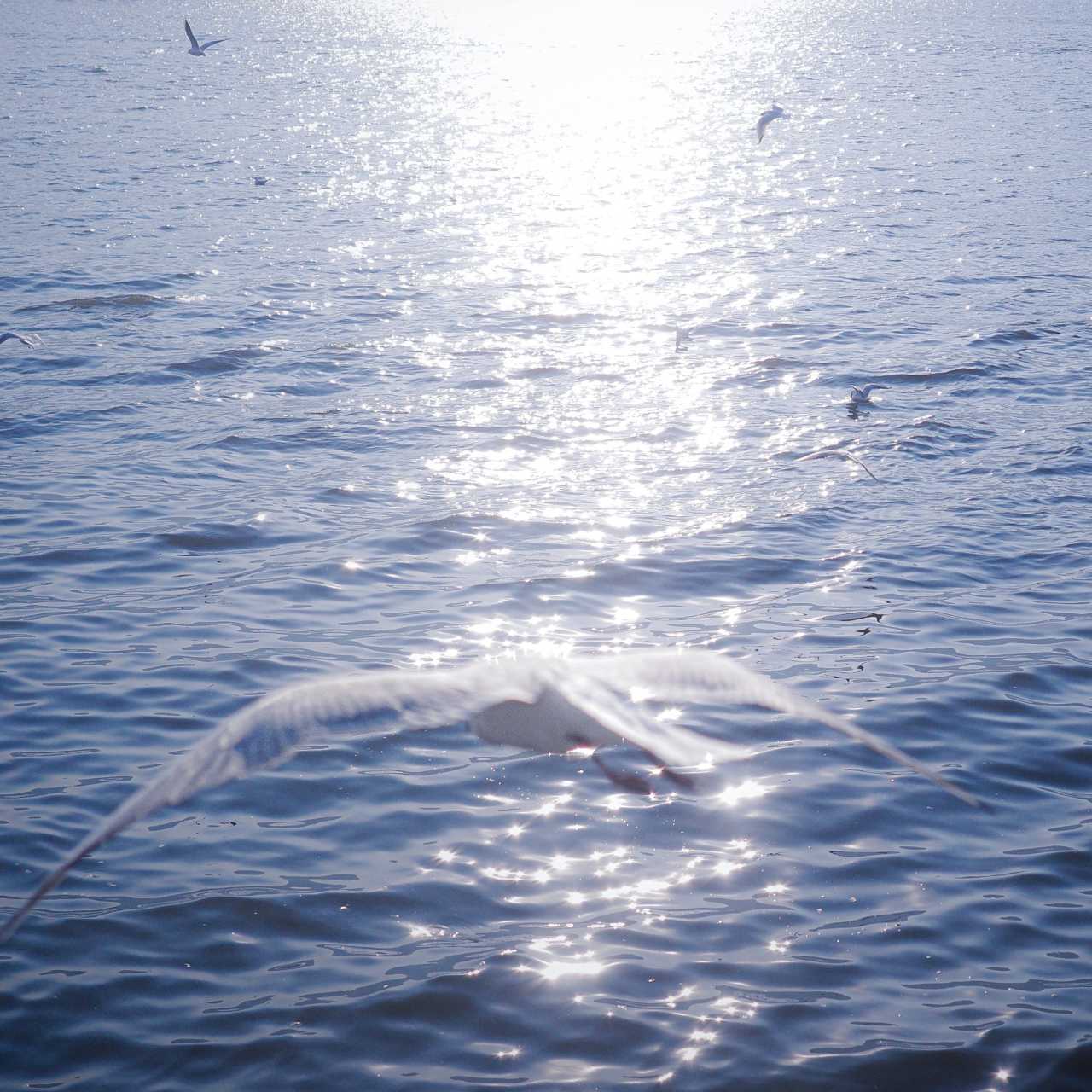
Every winter, Kunming welcomes an unlikely guest: the black-headed gull, migrating all the way from Siberia. Their arrival transforms the city's skies into a theater of motion and sound. Locals flock to Dianchi Lake, bread in hand, to feed these birds—and the gulls, far from shy, accept the offering with theatrical enthusiasm. It's a scene that has become Kunming's signature.
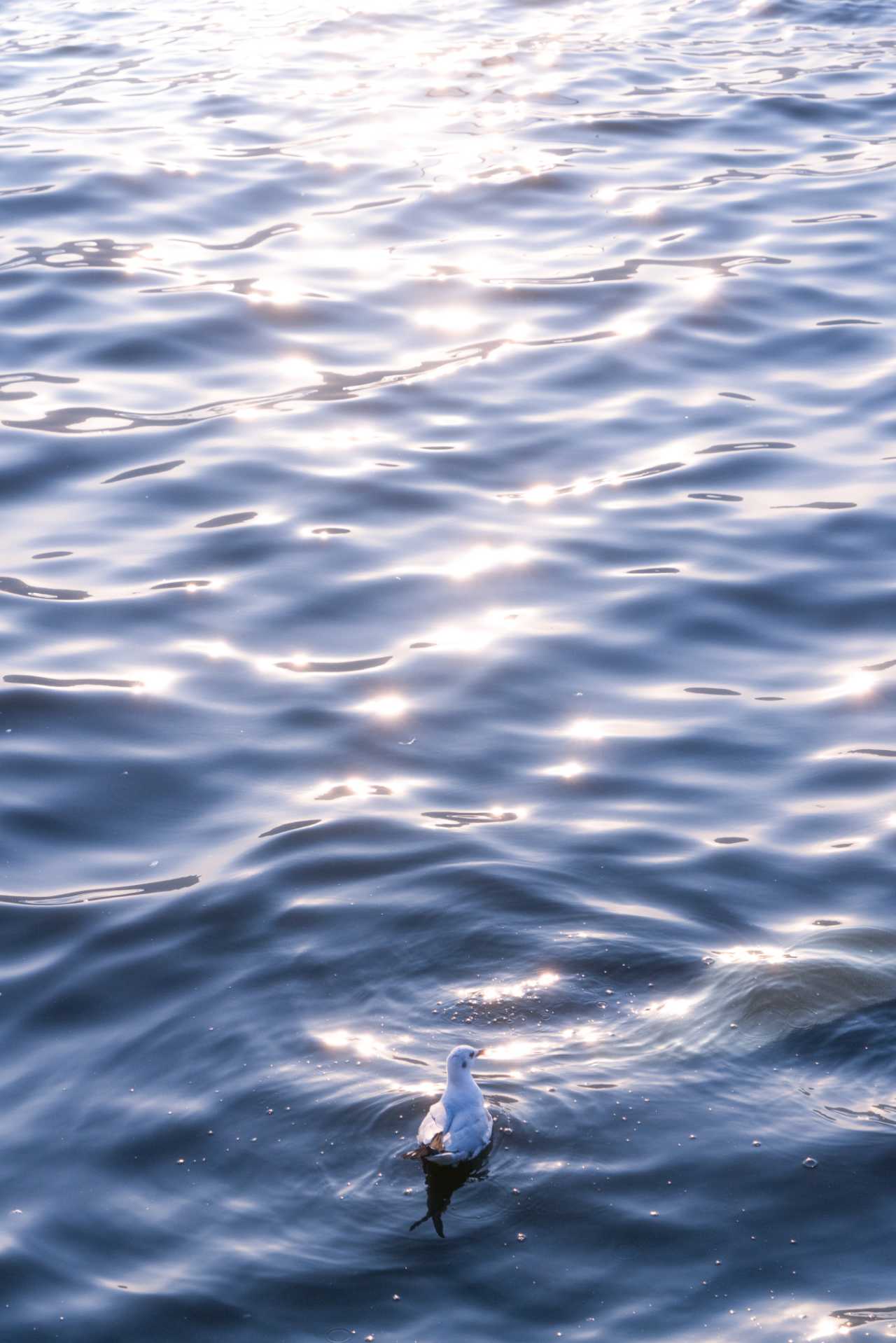
I first met them at Haigang Dam, on the eastern shore of Dianchi Lake—a perfect spot for sunset. As dusk fell, the lake turned violet, the breeze gentle, and the birds danced against a golden sky. Watching people interact with these creatures, I felt time slow down.
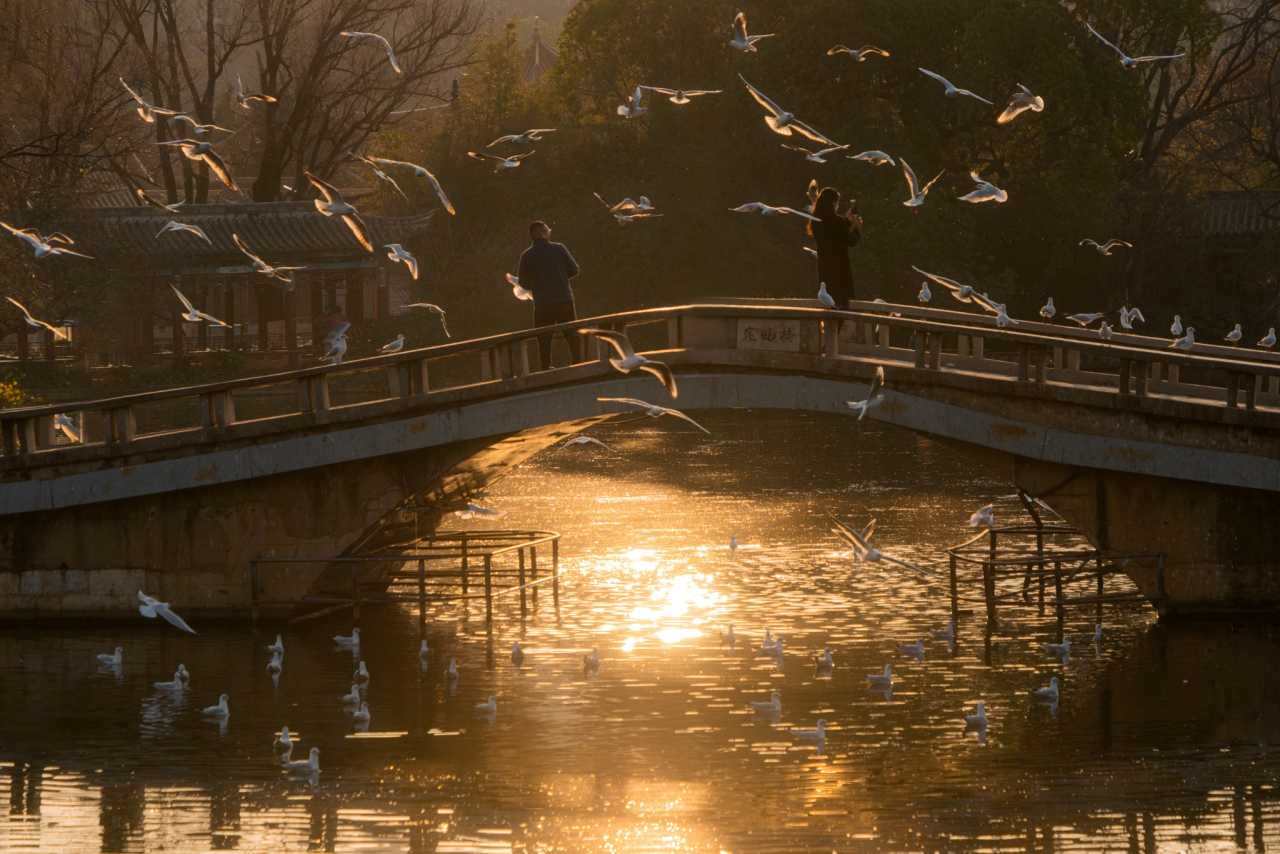
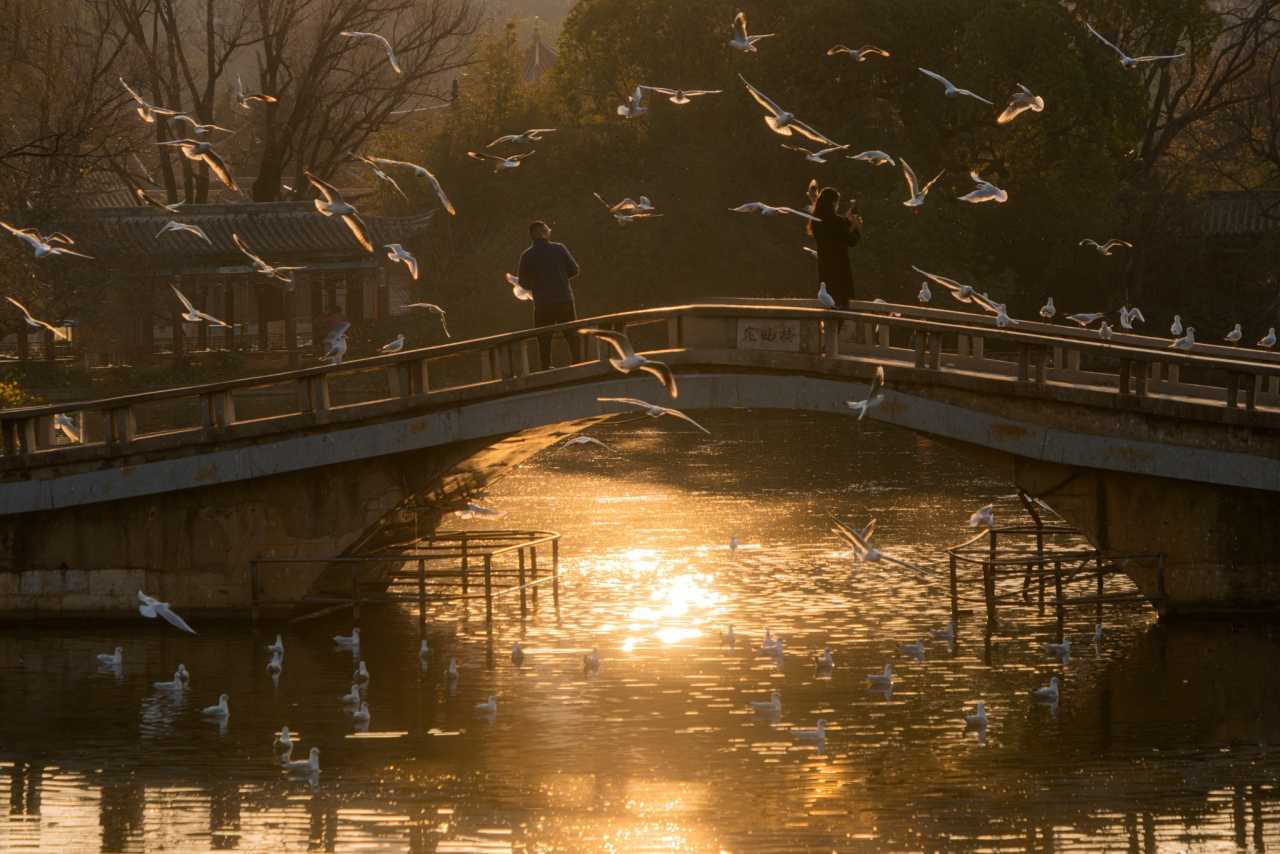
For a deeper experience, I dragged myself out of bed at dawn to visit Cuihu (Green Lake) Park. The morning air was crisp, the sun casting golden ripples across the water. The gulls were already active, swooping toward anyone who crossed the bridge, begging for breakfast. Early risers jogged, practiced tai chi, or simply sat enjoying the scene. It was a perfect harmony: cold and warm, stillness and movement, human and nature. I thought: if I lived by Cuihu, I might finally become a morning person.
At Dingxi Bridge, a beautifully proportioned stone structure, the scene was even more serene. Small boats drifted by, water birds skimmed the surface, and the gulls—mostly black-headed, with their distinctive red beaks and feet—added splashes of color.
Haiguan Park, however, was a different story. Even at 9 a.m., the shoreline was packed. I'm not a fan of crowds, so I planned to stay only briefly. I didn't even buy bread—just picked up a crumb from the ground to try feeding the birds. But the moment I raised my hand, a gull snatched it before I could blink. That instant sparked my competitive spirit. I bought a bag of bread and spent the next hour in a battle of wits with the birds, trying to capture the perfect shot. I succeeded—but my jacket paid the price. As any local will tell you, you haven't truly fed the seagulls until you've been marked by them.
Flowers: The Language of Spring
Flowers are everywhere in Kunming—along streets, by lakes, in parks, at markets. The variety is staggering: different species, colors, and shapes, all competing for attention. It's nature's generosity, a celebration of life itself.
I quickly learned that photographing flowers is harder than it looks. It demands good equipment and even better technique—no wonder seasoned photographers carry heavy gear. During my visit, a Lunar New Year flower display featured rabbit decorations that were both cute and slightly unsettling.
If seagulls are the messengers of spring, flowers are its declaration. People pour out of their homes to admire the blossoms, snapping photos with loved ones. On Valentine's Day, the streets were lined with stalls selling handmade bouquets. Romance, it seemed, was everywhere—and all it needed was someone to share it with.
Stories of Others
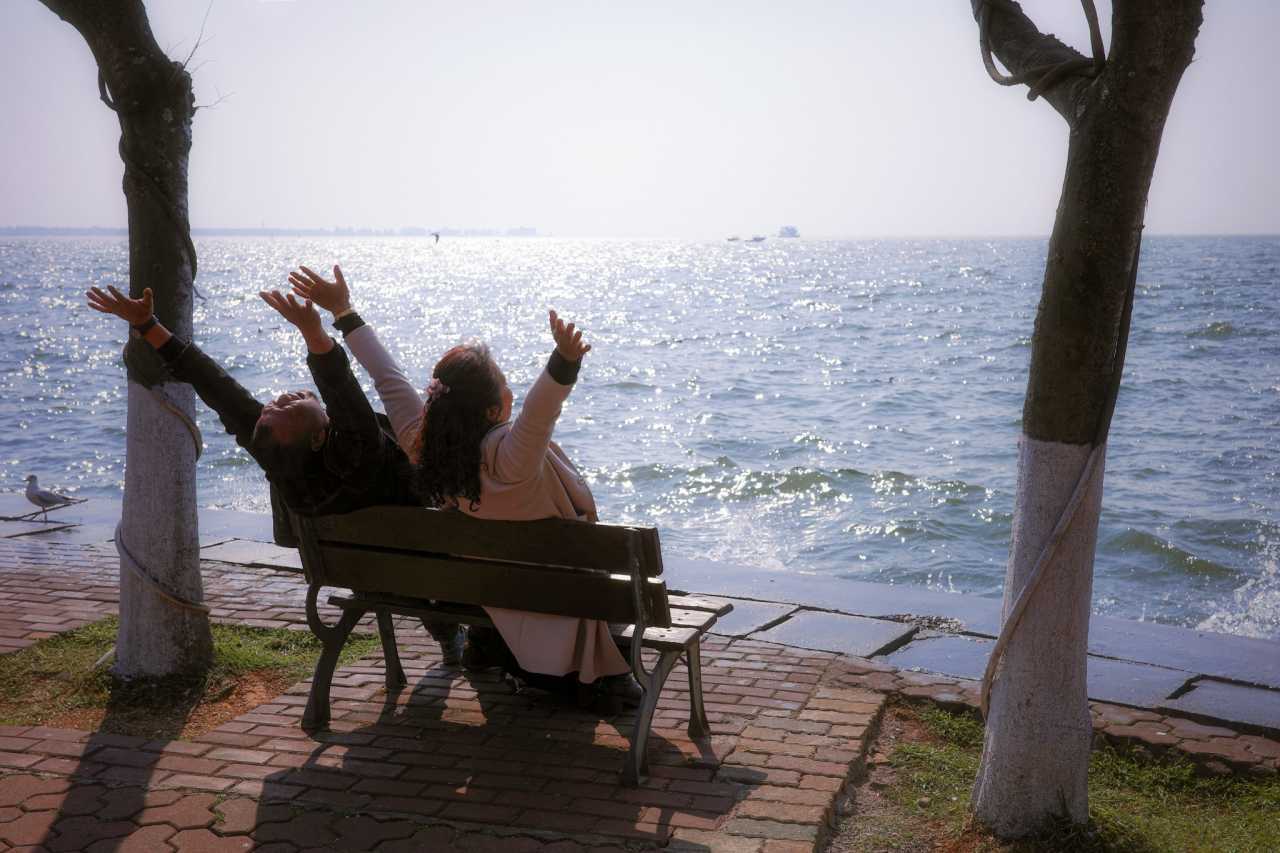
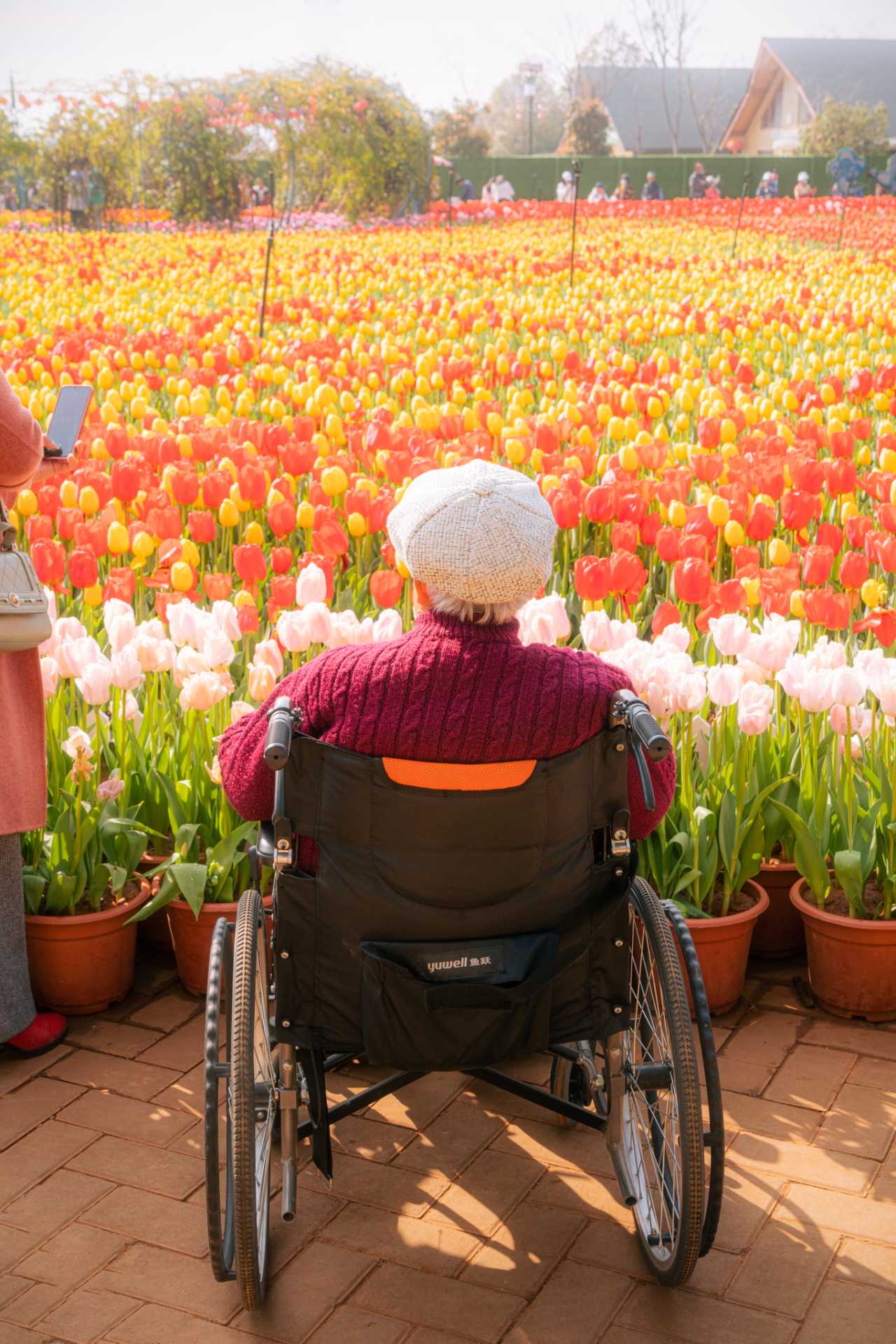
Traveling alone gave me a unique perspective: I became an observer of other people's lives. I found myself drawn to capturing those fleeting moments—a couple posing for a photo, a child chasing bubbles, an elderly woman admiring flowers. These weren't just static images; they were stories waiting to be told.
One afternoon, I watched a daughter photographing her parents by the lake. The father stood tall, the mother smiled gently, and in that moment, they weren't just tourists—they were living proof of a love that had weathered decades. Another scene: a little girl in a red hat, clutching a sugar-coated hawthorn stick, her eyes wide with wonder. It felt like a frame from a movie.
These ordinary moments, I realized, are the true heart of Kunming's romance. It's not just the flowers or the gulls—it's the way people embrace life, find joy in small things, and create beauty in the everyday. Perhaps my solitude sharpened this awareness, but I've never felt so connected to a place through its people.
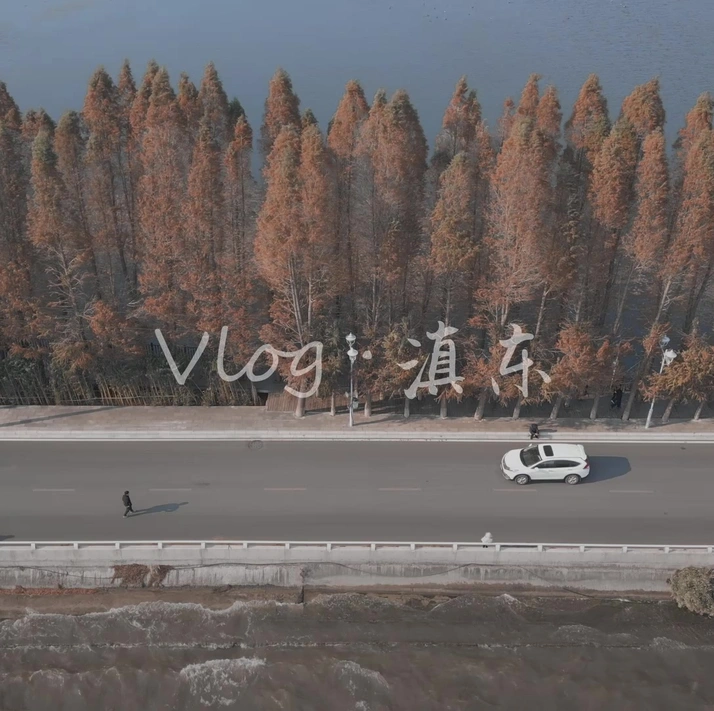
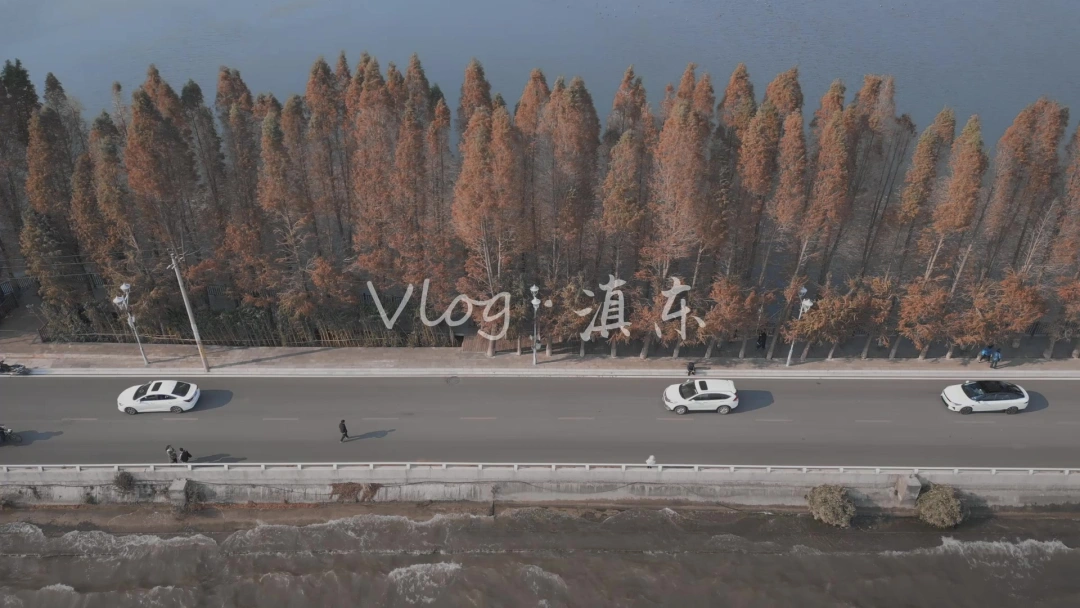
For those seeking pure natural scenery, Kunming's wetlands offer hidden gems. The metasequoia forests, though bare in winter, still create striking compositions—if you have the patience to find them.
Yuxi: The Poetic Waters of Fuxian Lake
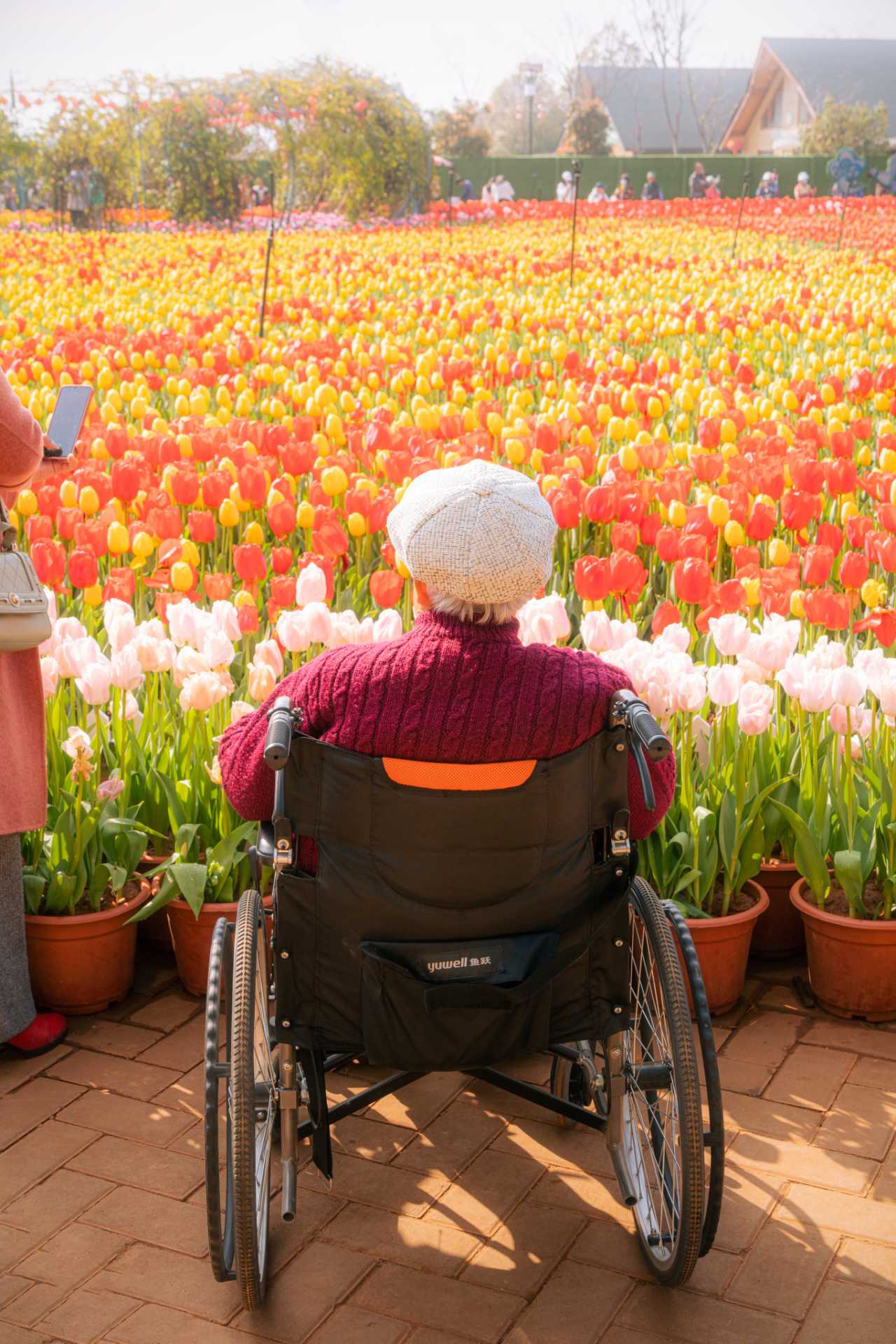
Fuxian Lake lives up to its name—a place of ethereal beauty, as if painted by a poet's brush. The water is so clear and blue it seems unreal, cradled by rolling hills that fade into the distance like layers of ink wash.
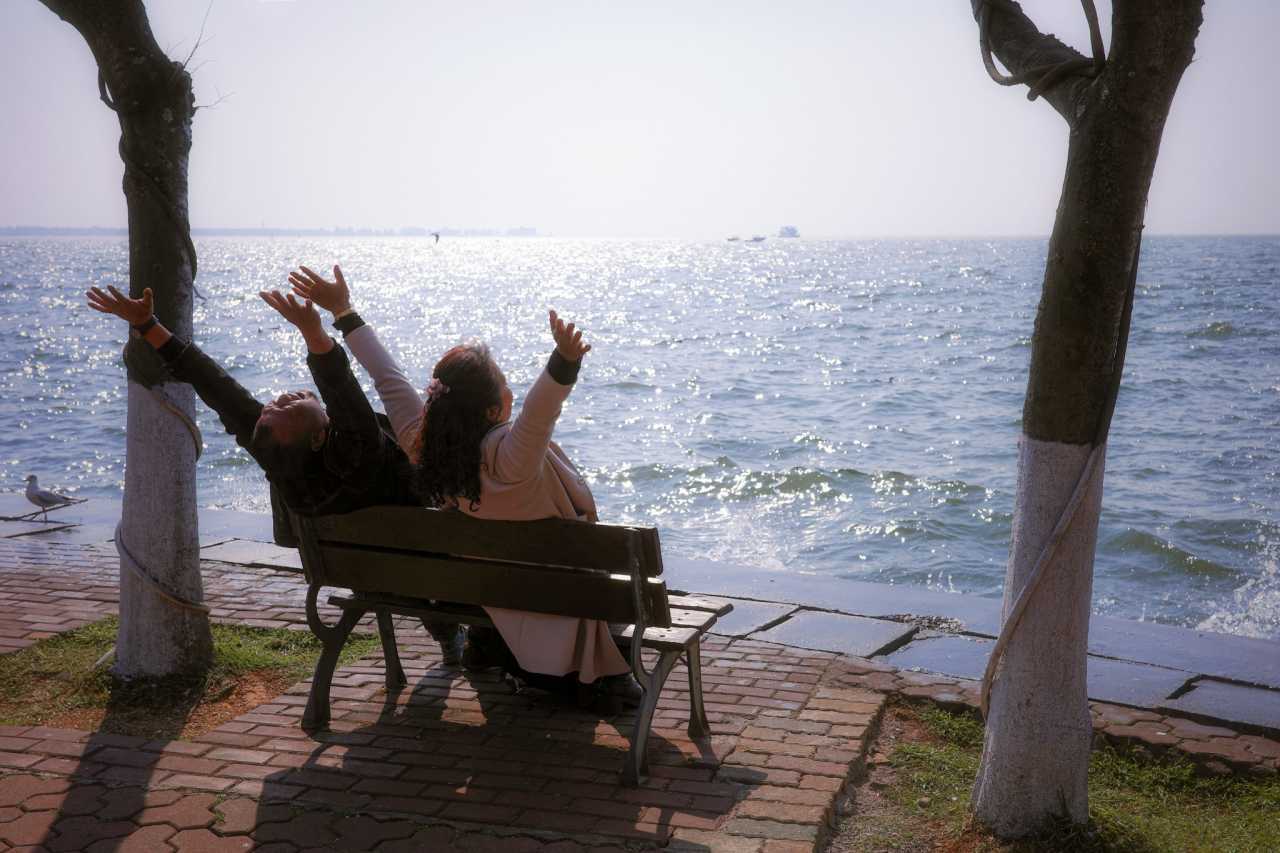
The best way to experience it? Rent an electric scooter and ride the lake road. With the wind in your face and the road stretching ahead, all worries dissolve. I'd park by the roadside, walk toward the shimmering water, and just breathe. The only downside: the road doesn't hug the shore closely, so you can't always stop right by the water.
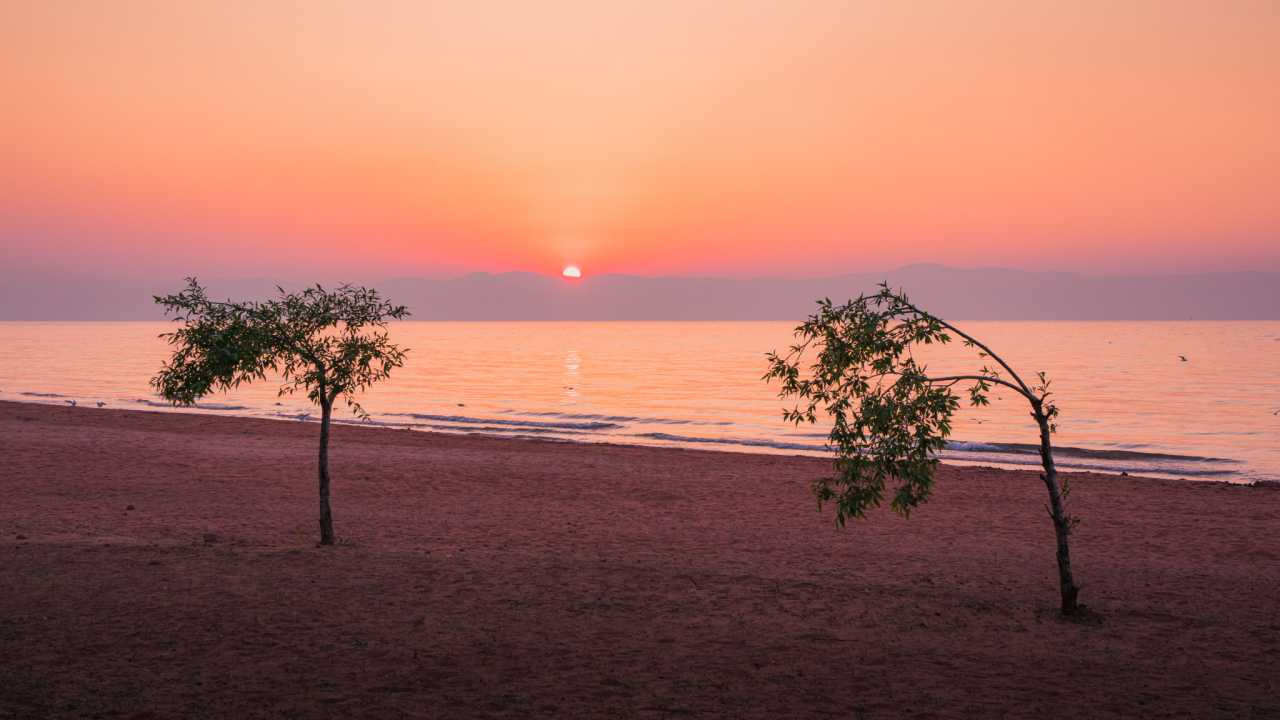
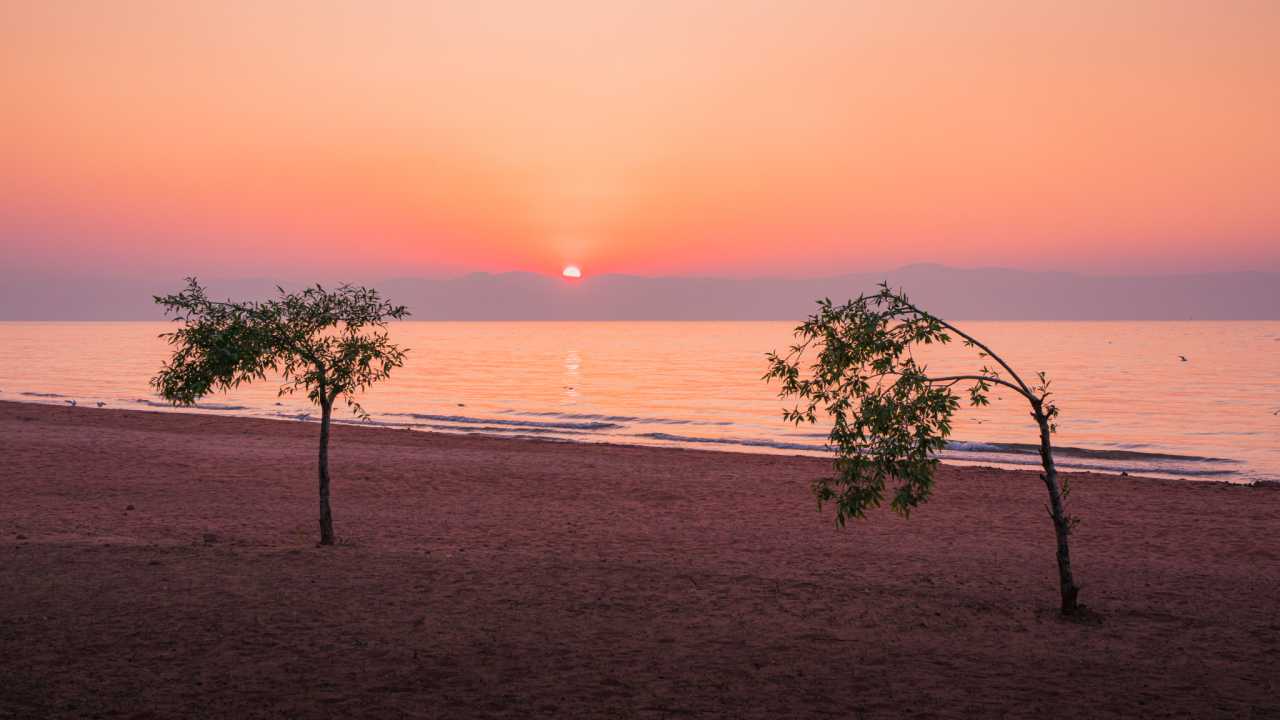
One morning, I visited the "pink" beach, famous for its reddish sand—rich in minerals that glow under sunlight. The color isn't as vibrant as some online photos suggest, but at dawn, when the rising sun painted the sky in shades of rose and gold, it was truly magical. A few gulls splashed in the shallows, and I felt like I'd stepped into a movie.
At Wanzigou, the farthest point my scooter could reach, the water and sand were pristine. I sat there, letting the sun warm my face, and forgot about the next destination. Later that evening, a couple arrived to shoot wedding photos. Love, like the lake, was boundless.
Jianshui: Echoes of History
Jianshui is a city steeped in time. Its ancient streets, well-preserved buildings, and cultural relics attract history buffs and retirees alike—groups of elderly tourists with cameras and guidebooks are a common sight. Walking through its lanes feels like traveling back centuries.
The Jianshui Ancient City, built in the early Ming dynasty, was once the political, economic, and cultural hub of southern Yunnan. Its most imposing structure is the Chaoyang Tower (Sunrise Tower) at the eastern gate, bearing the inscription "Mighty in the Southeast." Looking up at its weathered eaves and intricate brackets, I could almost hear the echoes of imperial decrees and merchant caravans that once passed beneath.
Beyond the ancient city, I explored the famous Jianshui Confucian Temple, one of the largest and best-preserved in China outside Qufu. Its serene ponds, arched bridges, and ancient cypress trees created a meditative atmosphere. Unlike the bustling temple complexes of larger cities, here I found genuine tranquility—only the rustle of leaves and the distant chant of a sutra broke the silence.
The city's culinary scene is equally historic. I sampled the local specialty, 汽锅鸡 (steam pot chicken), cooked in a unique ceramic vessel that traps steam and condenses it into a rich, golden broth. Each sip was a revelation—pure, savory, and deeply comforting. Another must-try is 烧豆腐 (grilled tofu), served with a spicy chili dip that locals swear by. Sitting at a street-side stall, watching the vendor flip the small, golden cubes over a charcoal grill, I understood why Jianshui's food is celebrated.
Yuanyang: The Rice Terraces of the Hani People
From Jianshui, I headed south into the Ailao Mountains, toward the famed Yuanyang Rice Terraces. The drive itself was an adventure—narrow roads clinging to cliff sides, with dizzying drops into mist-shrouded valleys. As I ascended, the air grew cooler, and the landscape transformed into a patchwork of emerald and gold.

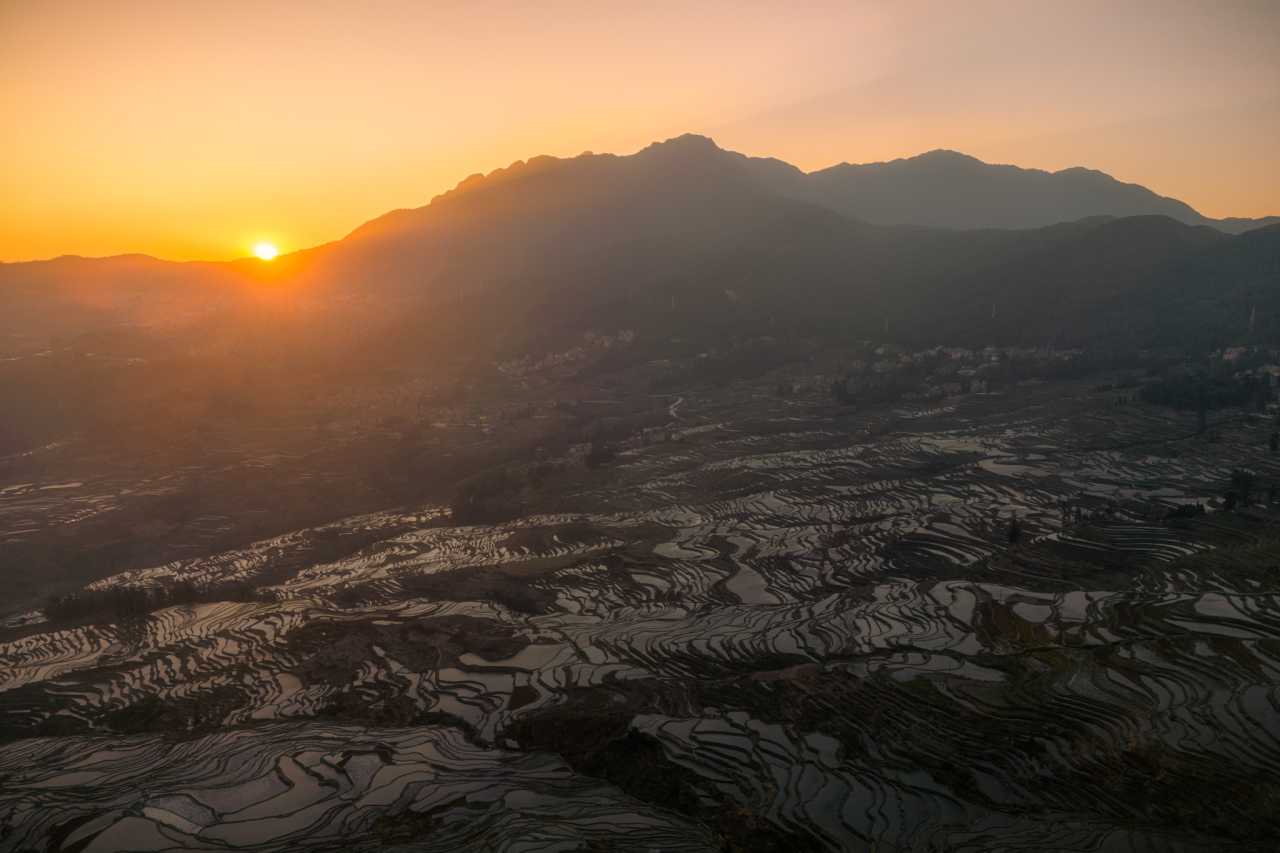
The Yuanyang Terraces, carved by the Hani people over more than a millennium, are a UNESCO World Heritage site for good reason. These aren't just agricultural fields; they're a living art form, sculpted into the mountainside in sweeping, concentric curves that catch the light like mirrors.
I arrived at sunset and made my way to the Duoyishu viewing platform. Below me, the terraces stretched into infinity, each step reflecting the sky's changing colors—from fiery orange to deep violet. Farmers worked waist-deep in water, their silhouettes tiny against the vastness. It was humbling to witness this harmony between human labor and nature's grandeur.
The next morning, I woke before dawn to catch sunrise at Bada. The viewing area was already crowded with photographers, tripods clicking into place. As the first rays of light touched the highest terraces, a collective gasp rose from the crowd. The water turned liquid gold, then silver, then a thousand shades of blue as clouds drifted across the sun. I realized then that no photograph could truly capture this—you had to be there, to feel the chill on your skin, to hear the distant rooster crow, to smell the damp earth.
I spent the rest of the day wandering the villages of the Hani people. Their traditional mushroom-shaped houses, with thatched roofs and earthen walls, seemed to grow organically from the hillside. Children played in the narrow lanes, women wove textiles, and old men sat smoking bamboo pipes on stone steps. In one village, an elderly woman invited me into her home for tea. She spoke no Mandarin, only the Hani dialect, but we communicated through smiles and gestures. She pointed to the terraces outside her window and made a sweeping motion with her hand, as if to say, "This is our life, our history, our soul."
Reflections: The Road Ahead
As I drove back toward Kunming, my mind replayed the journey's highlights: the gulls of Cuihu, the blue depths of Fuxian Lake, the ancient walls of Jianshui, the endless terraces of Yuanyang. But what lingered most wasn't the scenery—it was the people. The seagull-feeding locals, the Hani grandmother, the wedding couple by the lake, the tofu vendor in Jianshui. They reminded me that travel isn't just about seeing new places; it's about connecting with the lives that animate them.
Eastern Yunnan, I discovered, is a land of contrasts: ancient and modern, serene and vibrant, vast and intimate. It's a place where nature and culture intertwine so deeply that you can't separate them. And in traveling alone, I found that solitude isn't loneliness—it's a doorway to deeper observation, to hearing the stories that the wind carries, to feeling the pulse of the earth beneath your feet.
I don't know when I'll return to Yunnan. But I know that a part of me will always be there, standing on a terrace at dawn, watching the sun rise over a thousand years of human ingenuity. And I hope that whoever reads these words will feel a spark of that same wonder, and perhaps, one day, set out to find their own.
Until next time, Yunnan.
You should also read:

Into the Hidden Valley: A Solo Journey Through the Mysterious Dulong River
Into the Hidden Valley: A Solo Journey Through the Mysterious Dulong River Deep in the northwestern corner of Yunnan Province, tucked away from the modern world, lies a place that feels like a secret whispered among mountains. The Dulong River Valley is not just a…
Continue reading...
God’s Abandoned Palette: A Self-Drive Journey Through Yunnan’s Dongchuan Red Land
God’s Abandoned Palette: A Self-Drive Journey Through Yunnan’s Dongchuan Red Land Travel has never been about reaching some distant geographic coordinate. It’s about encountering, along the way, the version of yourself buried beneath the rubble of daily routine. During this May Day holiday, I finally…
Continue reading...
Body in Hell, Heart in Heaven: A Pilgrimage Through Tiger Leaping Gorge — A Dialogue Between Heaven and Earth
Body in Hell, Heart in Heaven: A Pilgrimage Through Tiger Leaping Gorge — A Dialogue Between Heaven and Earth Introduction: When the Gorge Splits Open Beneath Your Feet Some say Tiger Leaping Gorge is the closest place on Earth to the border between "hell" and…
Continue reading...