【Seeing Xiamen Again】Five Years Later, I Finally Understand the Gentleness of This City
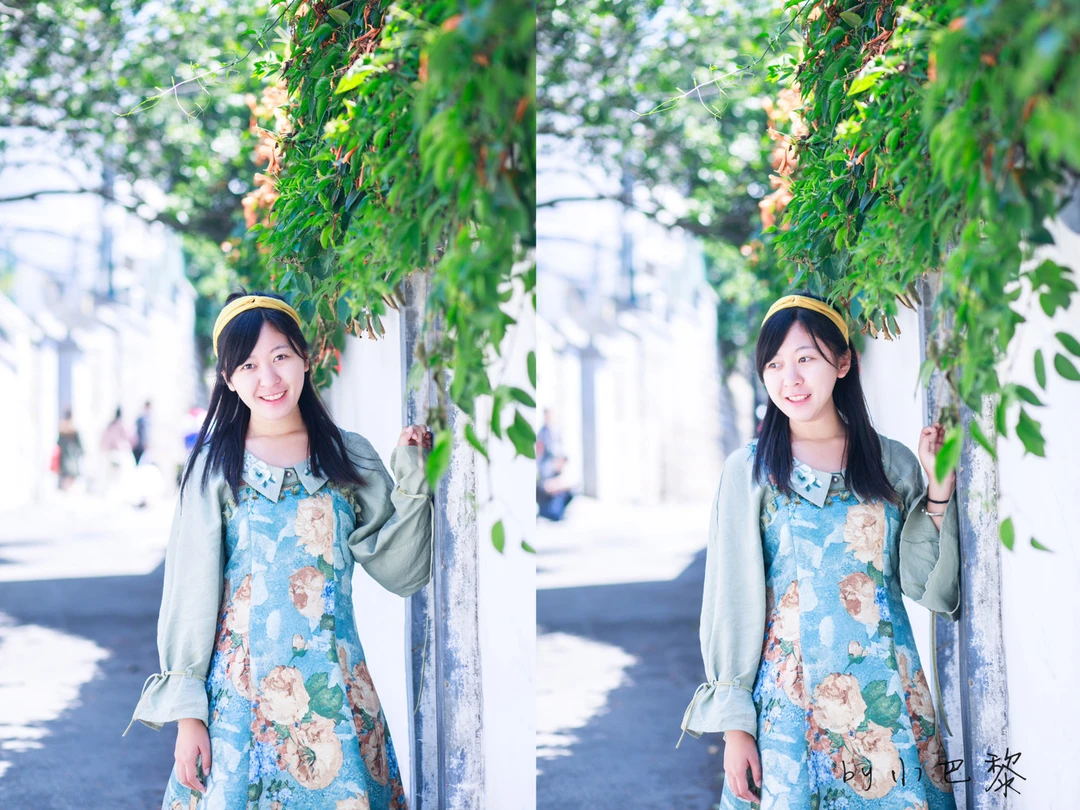
【Seeing Xiamen Again】Five Years Later, I Finally Understand the Gentleness of This City
Prologue: A Journey About Time and Myself
They say it takes two things to forget someone: time, and the appearance of another person.
In 2010, because of someone, I fell in love with photography, writing, and travel. Back then, I naively believed that as long as we went to Gulangyu Island together, I could freeze all the beauty in my lens. But fate always loves to play tricks—in 2013, when I first set foot in Xiamen, I was alone. Days of continuous rain, damp air, and the sound of pianos everywhere all seemed to remind me: that promise was never fulfilled.
After that trip ended, I locked myself at home for months, vowing that one day I would return to Gulangyu and face it with a brand-new mindset.
Five years—not long, not short. During that time, I experienced the pinnacle of success and plunged into suffocating lows. Life is like a surging river; it has to flow around a few bends before it can see a wider sea.
This March, when the weight of life once again made it hard to breathe, I secretly booked a ticket to Xiamen. I say "secretly" because I didn't post anything on my social media. I just wanted to wander freely, capturing moments with my camera and writing them down—this is how I've always lived my life.
To my surprise, this trip to Xiamen completely overturned my memories from five years ago.
Rediscovering Xiamen: Starting from Huaxin Road

The "Little Gulangyu" Hidden in the City
It only takes a little over an hour to fly from Shanghai to Xiamen. When I arrived, the sun was just right, and the breeze was gentle.

We chose to stay at the Yeshe Hotel at 21 Huaxin Road. It's a guesthouse converted from an old villa, with clean and comfortable rooms in a minimalist Japanese style. The toiletries were L'Occitane, and the bedding was so soft that it made me want to stay in bed all day. Every morning, opening the balcony window on the third floor, I could see the beautifully arranged villa clusters in downtown Xiamen.
Huaxin Road is very close to Zhongshan Road, yet it feels like a corner forgotten by time. In the 1950s, when overseas Chinese from Southeast Asia returned to build their homeland, this area was allocated to them for settlement. Over the decades, dozens of old villas have gradually turned into private kitchens, coffee shops, bookstores, and studios, allowing an artistic atmosphere to settle in, layer by layer.
March in Xiamen is like a capricious child—clear skies in the morning, then a drizzle in the afternoon. We wandered through the alleys of Huaxin Road, occasionally running into couples taking wedding photos. That famous bookstore called "Not in the Bookstore" has become a landmark of Huaxin Road and our first stop on the check-in list.
Cat Street: A Surprise Around the Corner
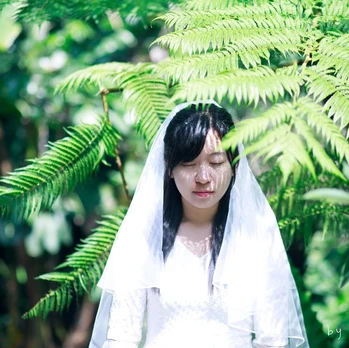
On the second day, we had planned to visit the Botanical Garden, but a sudden rain disrupted our schedule. Checking the map, I found that Ding'aozi Cat Street was nearby, so we decided to take a chance.
Cat Street isn't big—you can walk through it in twenty minutes at most. But if you love photography, you could spend an hour there. Cat sculptures and graffiti walls are everywhere, and there's that rice ball shop where you have to queue to get served. I ordered a kimchi chicken cutlet egg yolk rice ball (a savory rice ball filled with Korean-style pickled cabbage, fried chicken, and a salted egg yolk), and it was genuinely tasty.
At the end of Cat Street, there's a staircase that inexplicably reminded me of Hong Kong and Jiufen (the famous mountain town in Taiwan). This is the best photo spot on the entire street. Standing on the stairs and looking down, you feel as if you can see another expression of the city.
Shapowei: A Complete Transformation in Five Years
When I visited Shapowei five years ago, all I saw were moored fishing boats. This time, I barely recognized it.
Shapowei is the most artistic hub in Xiamen. The streets and alleys are lined with beautiful coffee shops, each one inviting you to step in and sit for a while. In the art district's creative market, all sorts of interesting trinkets are on display. I couldn't help but sigh: the artistic gene of Xiamen people is truly etched into their bones.
That evening, I tried KOL milk tea, which is currently the hottest drink in Xiamen. Actually, I had my first taste of it in Chengdu, but drinking it here felt different—maybe because my mood was different.
The Shapowei of five years later had changed so much that my impression of Xiamen began to shift quietly.
Going to the Tulou: Chasing the Dream of "Big Fish & Begonia"

On the fourth day, the forecast called for rain, so we decided to skip the city center and head to Zhangzhou to see the Tulou (traditional Fujian earthen buildings).
Five years ago, I stumbled upon the Yongding Tulou by accident, but ever since watching the animated film "Big Fish & Begonia" (a Chinese fantasy film set in a mystical world inspired by Tulou architecture), I had wanted to revisit them. This time, I chose Nanjing County, because it has the Yunshuiyao Ancient Town, Hegui Lou, Huaiyuan Lou, and the Hekeng Tulou cluster.
The drive from Xiamen to Nanjing takes about three hours. We signed up for a small pure-play tour group. Departing at 8:30, our G.O (tour guide) picked us up from the hotel in a seven-seat minivan. There were four other guests on board, and we all immediately fell into "sleep mode."
Hegui Lou: A Miracle on a Swamp
Built in the tenth year of the Yongzheng reign of the Qing Dynasty (1732), Hegui Lou is the tallest Tulou in Nanjing County. The most astonishing thing is that it was built on a swamp, with over two hundred pine logs driven into the ground as a foundation. After more than two hundred years, it remains sturdy and intact. Each floor has 28 rooms, for a total of 140 rooms, with staircases at the four cardinal points.
Our guide told us that there are over 50,000 Tulou in Fujian Province, and it would take 220 days to see them all. Today, we only selected four of the most representative ones to visit.
Yunshuiyao: Romance from the Movies

Leaving Hegui Lou, we followed a small path almost devoid of tourists toward Yunshuiyao Ancient Town. Along the way, the guide shared local customs and stories, and even took us to eat some authentic street snacks. It didn't feel like a tour group; it felt more like having a local friend show us around.
Yunshuiyao Ancient Town got its name from the film "The Knot" (a 2006 Chinese romance film starring Chen Kun and Li Bingbing). I deliberately wore a shirt inspired by "Big Fish & Begonia" and took a photo by the large waterwheel at the entrance of the ancient town. If you have the time, I highly recommend staying here for two days.
Huaiyuan Lou: My Favorite Round Tulou

Huaiyuan Lou was my favorite Tulou of the day. Its name carries three meanings: longing for distant loved ones, the original home of the building's owner in "Huai" (an ancient place in Henan Province), and instructing descendants to have far-reaching aspirations.
For five yuan, you can go upstairs, and the view is excellent. Even though there were many tourists, standing on the upper floor and looking down, I could still feel a sense of awe. Unfortunately, I wanted to take some photos in the style of "Big Fish & Begonia," but there were too many people, so I just snapped a couple of quick shots and moved on.
Hekeng Tulou: A Surprise Like the Big Dipper

After leaving Huaiyuan Lou, our guide took us to a tea mountain that was also a filming location for the reality show "Dad, Where Are We Going?" (a popular Chinese TV show). But the real surprise was at Hekeng Tulou—there were absolutely no tourists there, and the silence was almost unbelievable.
The guide led us up the mountain, and the view from there was the best of the day. Seven Tulou were arranged in the shape of the Big Dipper, so beautiful that words failed me. I had finally found the Tulou of my imagination.
Gulangyu Island: No Longer Lost

Five years ago, I stayed on Gulangyu Island for two days and got lost every single day. This time, we again joined a one-day tour, and our G.O took us on a route starting from the seaside.
The Lighthouse at High Tide
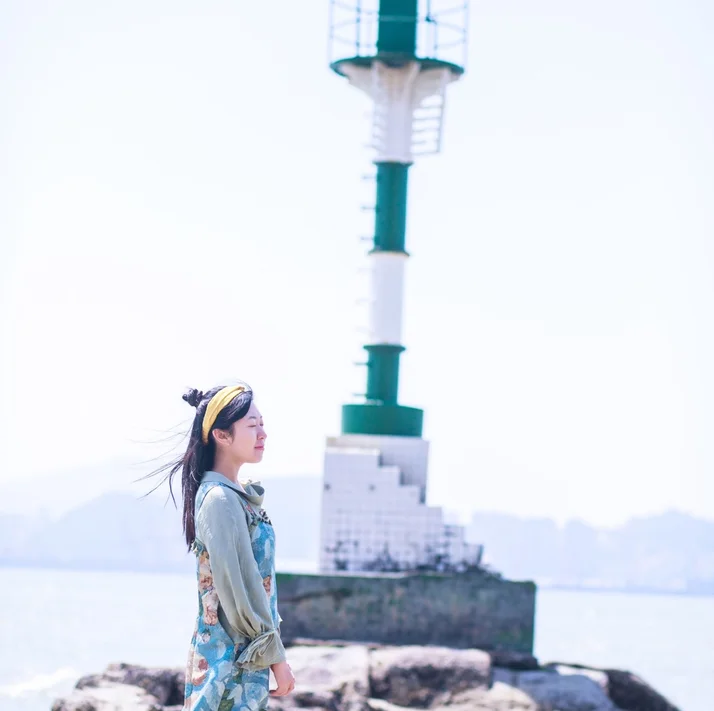
By the sea on Gulangyu, I spotted a lighthouse so fresh and clean that I couldn't take my eyes off it. Although the wind was strong, I scrambled to take a few photos. The funniest part was that as I was shooting, the tide started coming in, and I had to retreat quickly. Looking back, the spot where I had been standing was already submerged.
Hidden Viewing Spots
Our guide took us to two hidden viewing spots. The first was a villa with the ground floor converted into a pie shop, but the second floor was a different world—a quiet little balcony, a beautiful staircase, and a rooftop view that rivaled Sunlight Rock (the highest point on Gulangyu), with the added bonus of no crowds.
The second spot was Huang Rongyuan Hall, which now houses the China Record Museum. A staff member gave us a tour from the first to the third floor, and each level had its surprises. The rooftop balcony offered great views and was also perfect for photos. In the end, I was persuaded to buy a vinyl record by Zhou Xuan, a legendary Chinese singer from the 1930s and 1940s, for 380 yuan.
The Most Beautiful Corner
In the afternoon, I had an obsession—to find that most famous corner for a photo. Our guide led me through the alleys, and when we passed by the Trinity Church, I remembered that rainy day five years ago. Back then, as I passed by, piano music of "Suddenly I Miss You" (a song by the Taiwanese band Mayday) drifted out, and I stood in the rain, crying uncontrollably.

Five years later, passing by again, I no longer felt sad. Time really does fade many things, and we move toward a better direction.
I finally found the most beautiful corner. Although it looked a bit different from what I had seen online, I was still very happy. The shadow of being lost on Gulangyu five years ago finally dissipated in that moment.
Other Places Worth Visiting
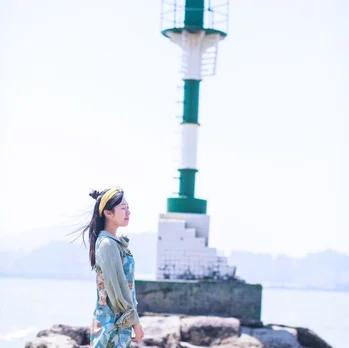
Wanshi Botanical Garden: A Toxic Paradise
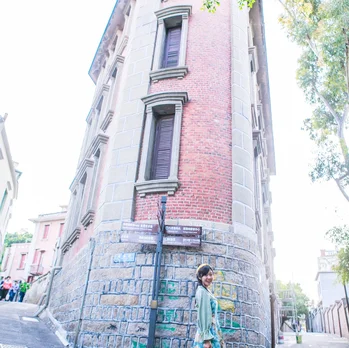
On the last day, I finally visited the Wanshi Botanical Garden, which I had been longing to see. The Rainforest World was a bit lacking in mist, but it was still beautiful. A friend said that Wanshi Botanical Garden is truly addictive—because once you go in, you don't want to leave.
Zhenhai Cape: Xiamen's Little Kenting
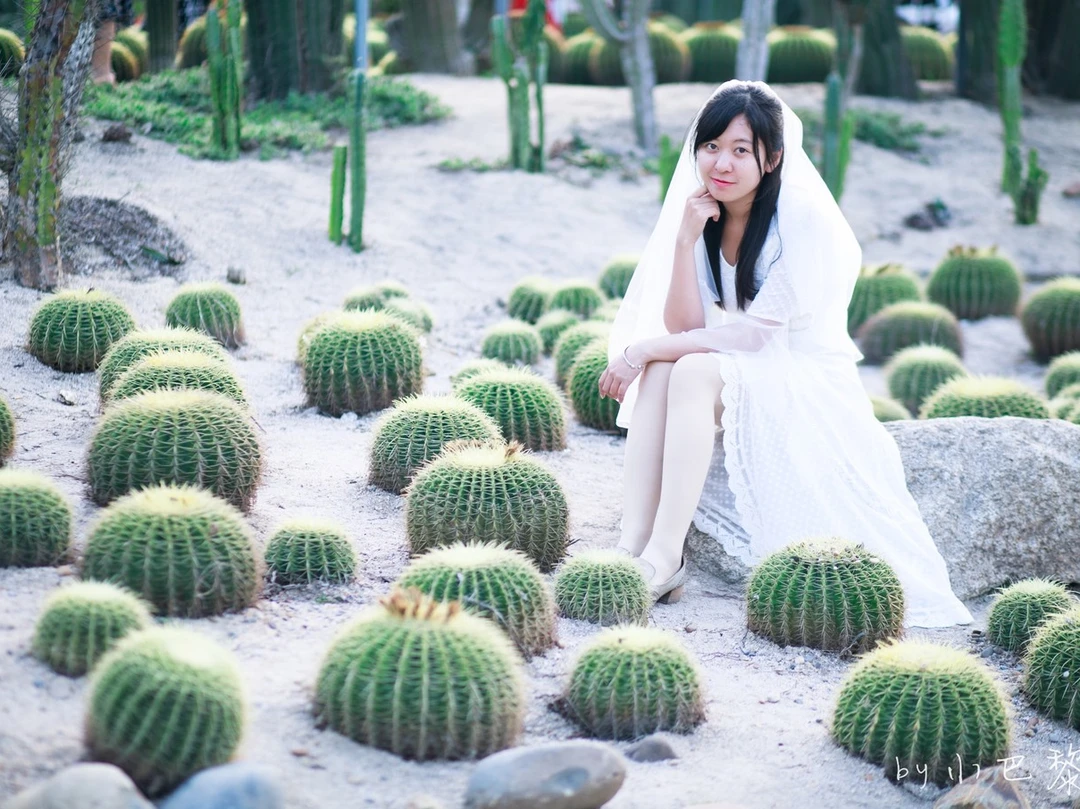
Zhenhai Cape is known as "Xiamen's Little Kenting" (referring to Kenting National Park in Taiwan, famous for its coastal scenery). Although I didn't have time to go, I heard that the lighthouse and sea views there are stunning.
Daimei Ancient Village: The Flavor of Southern Fujian
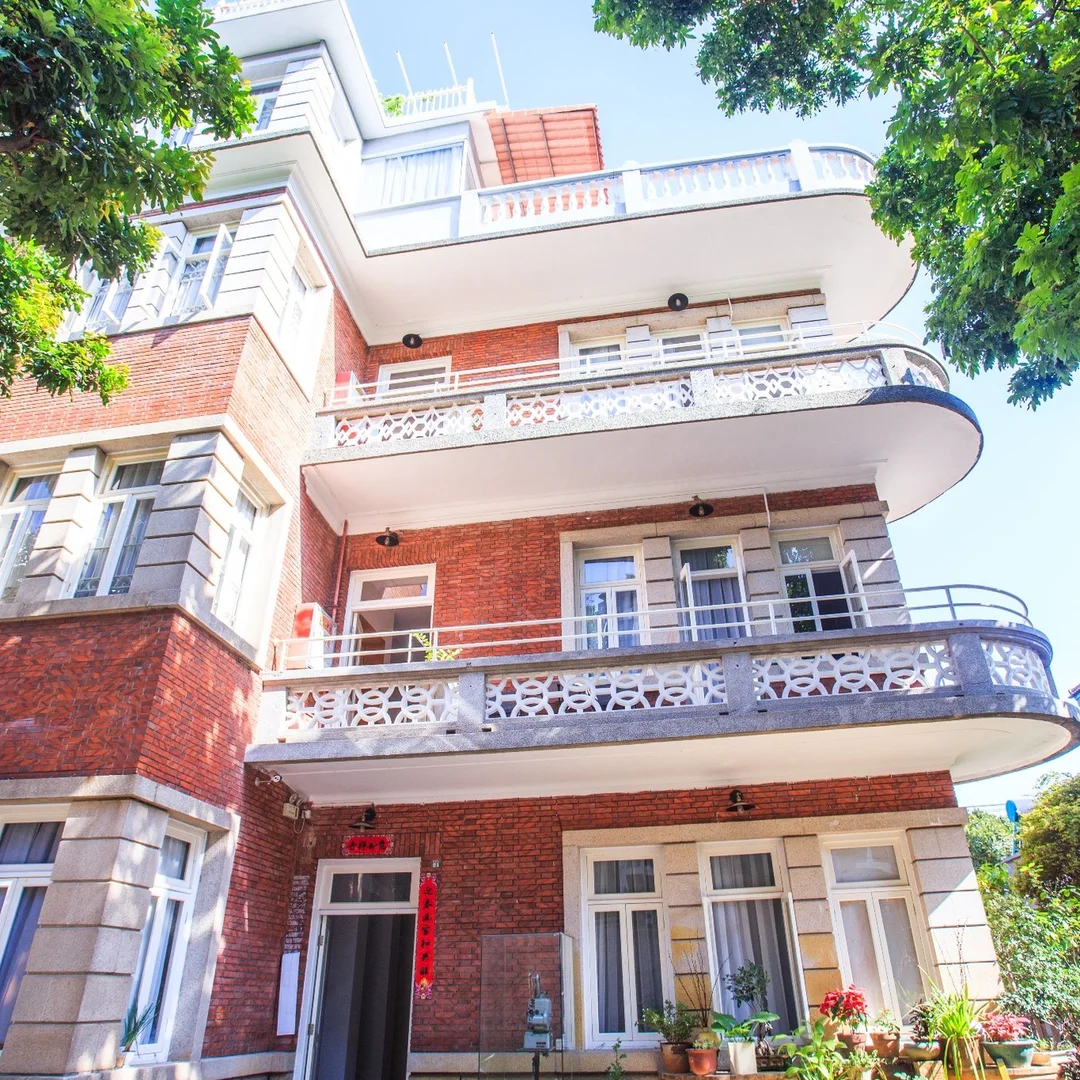
Daimei Ancient Village is a very authentic Southern Fujian village—quiet, rustic, and perfect for a leisurely stroll.
In Closing: On Travel and Friendship
This trip to Xiamen was my first outing with Belle after we made up. It turns out that a friendship built over time isn't so easily destroyed.
We traveled for six and a half days, spending two and a half days on our own and joining one-day tours for the other four. The advantage of small groups is the flexibility in time and plenty of opportunities for photos, and having a G.O guide made things much easier.
As for accommodation, we stayed at the Yeshe Hotel for four days, and I highly recommend it. The Hanting Express at the new Zhongshan Road location offers good value for money, but the drop in comfort was noticeable after moving from a boutique guesthouse to a budget hotel.
Regarding transportation, Xiamen taxis don't overcharge, and the BRT (Bus Rapid Transit) and regular buses are very efficient. Ferry tickets to Gulangyu must be purchased in advance through the "Xiamen Ferry Co., Ltd." WeChat official account, as they are in high demand during peak season.
Finally, while sorting through the photos, I realized how terrible I looked in March—a real low point in appearance. Well, I'll take this travelogue as a reminder to never cut my hair that short again.
The Xiamen of five years later made me rediscover this city. It is no longer the place that disappointed me, but a destination full of surprises and warmth. Good weather, the right company, and the proper mindset can truly transform a trip.
If you also have a past you can't let go of, why not take a walk in Xiamen? Maybe there, you too can find the courage to start anew.
You should also read:
[Sky City] March in Spring: Heading to the Land of Women with My Bestie (Finale)
[Sky City] March in Spring: Heading to the Land of Women with My Bestie (Finale) Prologue: A Long-Overdue Promise The March wind, carrying whispers of earth and blossoms, gently tapped against the windowpane. I sat at my computer, staring at photos of Lugu Lake on…
Continue reading...
An Ancient City, a Serendipitous Encounter: My Journey Through Colorful Yunnan
An Ancient City, a Serendipitous Encounter: My Journey Through Colorful Yunnan "Only after getting drunk do you know the strength of wine; only after loving do you know the depth of feeling." This old saying suddenly carried real weight the moment I set foot in…
Continue reading...
South of the Clouds, Beauty Like This (Nuo Deng - Dali Xizhou - Lijiang)
South of the Clouds, Beauty Like This (Nuo Deng - Dali Xizhou - Lijiang) Kunming Green Lake Park Thank you, Mafengwo, for featuring me on the homepage again! And thanks to all of you for your support! — Sarah If you'd like to connect, feel…
Continue reading...