Self-Drive in Yunnan: Between Ancient Mountain Villages, Where Missteps and Luck Intertwine
Self-Drive in Yunnan: Between Ancient Mountain Villages, Where Missteps and Luck Intertwine
Prologue: When Travel Becomes a Mirror
Some say travel is the litmus test for relationships. Mr. Duan—I call him Xiangzai in private—and I put this theory to the test during our five-day self-drive trip through southwestern Yunnan. From the chaos of Mengjinglai to the tranquility of Wengji Ancient Village, from the mystery of Ximeng to the culinary delights of Lancang, we experienced arguments, disappointments, surprises, and moments of genuine emotion. This journey was a mix of pitfalls and fortune, and it was precisely these ups and downs that made the memories unforgettable.

During the 2017 Spring Festival, we squeezed out five days. I craved warmth, while Xiangzai was drawn to the majestic beauty of Bingzhongluo. After a fruitless argument, I wore him down with persistence and convinced him to follow my planned route through southwestern Yunnan. Looking back now, that was the beginning of my missteps—but hidden within those missteps were unexpected treasures.
Departure: A Journey from City to Tropical Rainforest
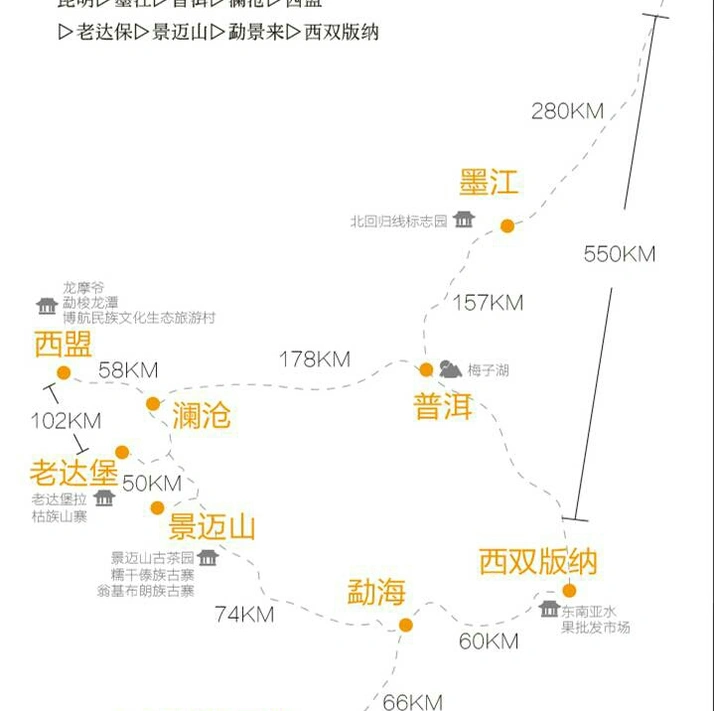
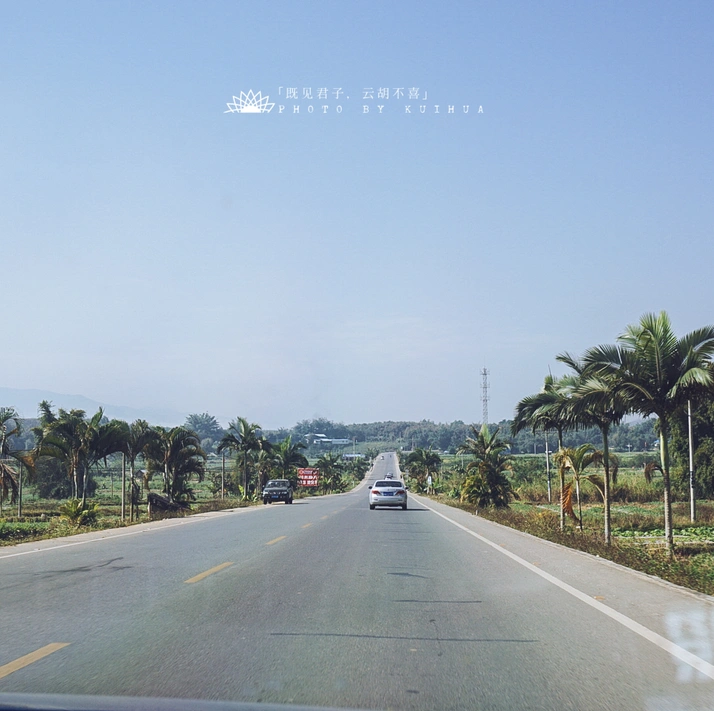
Early on the morning of the second day of the Lunar New Year, Xiangzai picked me up at six o'clock. The highway was clear all the way, and we sped southward, shedding layers of clothing until we finally switched to summer wear. As the car entered the Sixiao Expressway—a stretch often called "China's Most Beautiful Highway"—the tropical rainforest and Pu'er tea mountains flowed past the window like a moving painting.
Returning to Xishuangbanna after many years, Jinghong was almost unrecognizable. High-rises had replaced the low buildings from a decade ago, and resort developments were springing up everywhere. I felt a bit disoriented, the memories of the past blurred by time.
When we reached Menghai, the pastoral scenery made us stop and take notice. At the edge of the farmland lay mountains, their slopes wrapped in thin mist, and waterbirds rose from the wetlands—but such beauty always flashed by too quickly, leaving only an impression in the mind.
Menghun Town was an unexpected delight. This unremarkable Dai ethnic town had cherry blossoms blooming along both sides of the road. Starving, we found a shop selling stir-fried rice noodles—a huge plate for just five yuan, loaded with toppings. The hotel was well-equipped, and opening the window revealed a pastoral view. Strangest of all, the TV could even pick up Japan's Red and White Song Contest—truly a peculiar place.
Mengjinglai: Bustle and Tranquility on the China-Myanmar Border
With such pleasant surprises behind us, the real pitfalls were just beginning.
Standing at the entrance to Mengjinglai, we both stood dumbfounded. Tourist buses arrived one after another, and the crowd was overwhelming. The remote, tranquil ancient village I had imagined was shattered by reality. Xiangzai started grumbling: "Where's the so-called authenticity? We traveled all this way just to see an ethnic theme park?"
Our spirits hit rock bottom. There wasn't a decent restaurant to be found—only set meals were available. We nearly had a major fight, but ended up retreating to our accommodation in silence.
But some places are like that—you call them commercialized, yet they still retain a touch of the original. In the evening, once the tour groups had dispersed, Mengjinglai revealed a different side. We avoided the main street, ducked into the alleyways, and discovered buildings adorned with plants, unique hanging vines, and flowers dangling from small upper floors. Everything softened.
An elderly grandmother was roasting tomatoes. Seeing us pass by, she warmly called out: "Little girl, have some bananas. They're sweet, no charge." I politely declined, but my heart felt warm.
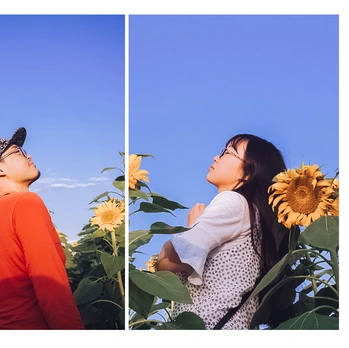
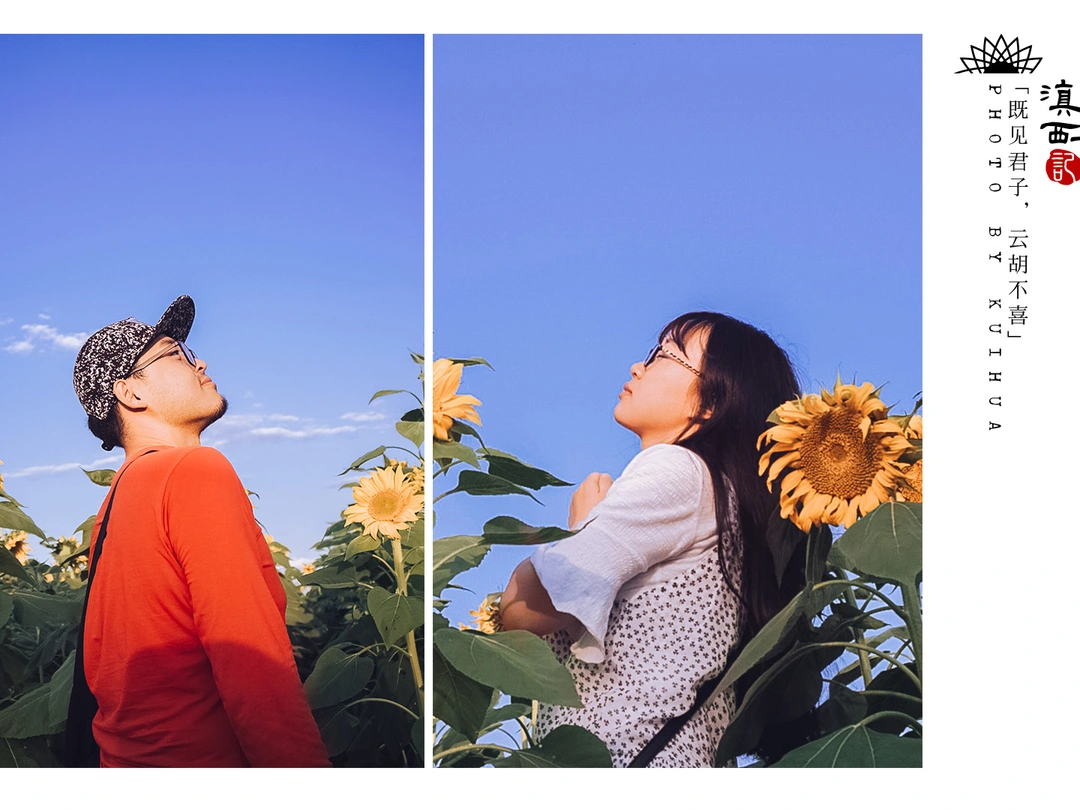
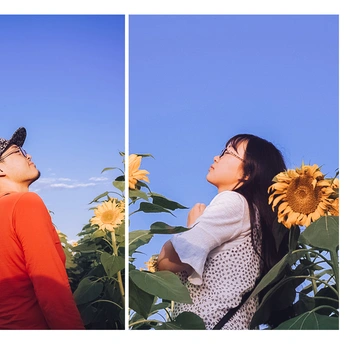
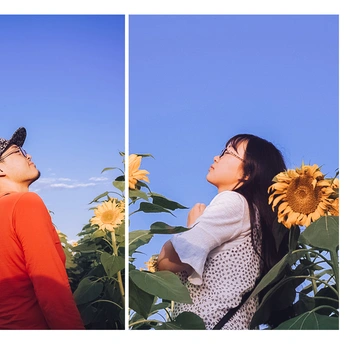
Following a small path beside the village, we unexpectedly came across a large field of sunflowers. The sunset light was just right, and we spent a long time taking photos there. Xiangzai is terrible at portrait photography. Every time I complained, he just shrugged: "I don't shoot portraits." But whenever I asked him to take one, he never refused—the results, however, speak for themselves.
At night, the village returned to its peaceful state. The villagers came back from farming, and the vendors packed up their stalls. We found a bowl of cold rice noodles—though it was really just ordinary street food dressed in Dai-style flavors, on such a night, it felt like a gift.
The truly good impression came the next morning. The innkeeper invited us to breakfast. Lifting the bamboo food cover, the aroma was intoxicating. He brought out a vessel shaped like a wooden stump, filled with steaming hot sticky rice. At that moment, I understood the deep bond between the Dai people and bamboo—their history is woven from water and bamboo.
Wengji Ancient Village: Slow Time Above the Clouds
Leaving Mengjinglai didn't end our streak of bad luck.
Our navigation led us to a blocked road. I thought we would have to hike up the mountain, and frustration filled me. Xiangzai's face was grim too. We walked a few steps into the ancient tea garden, but had no heart to search for ancient tea trees, let alone the legendary "crab claw" tea.
Later, I learned that the reason our company group had such a great time was because they arrived in the afternoon—when the temperature was pleasant, the sunlight perfect, and they could even photograph the sea of clouds. We, on the other hand, had slept in, arriving at every spot at high noon—scorching, exhausted, and completely uninterested.
Just as I was about to resign myself to disappointment, Xiangzai said, "Since we're here, we can't leave empty-handed." The navigation showed that a side road led to Wengji and Nuogan.
Wengji Ancient Village was the gentlest gift of this entire trip. Elderly women walked slowly, and occasionally we encountered women smoking long-stemmed tobacco pipes—a tradition of the Blang ethnic group. Little village dogs lounged lazily in the sun. Time moved very slowly here. Everything was slow. The village nestled beneath ancient trees felt like a place where immortals dwell.
On the way there, I asked Xiangzai: "Do immortals live in the mountains?"
"Deep in the mountains live monsters, waiting to eat clumsy chicken legs," he replied.
He always calls me "clumsy chicken leg," even though I insist every time that I am a "smart, adorable chicken leg fairy." He ignores me completely.
That's just how we are with each other—relaxed and natural, like two children.
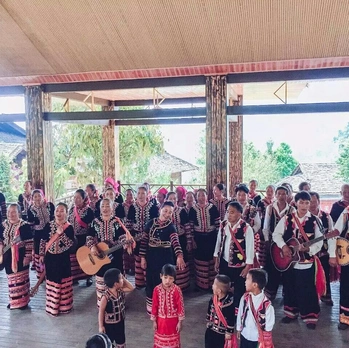
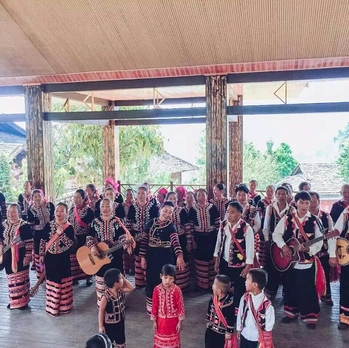
Nuogan Ancient Village wasn't far from Wengji, but we didn't have time to visit. A colleague said Nuogan is more primitive, but also more rundown. What I regret most, though, is missing Laodabao—the place where the "Happy Lahu" songs ring out. I heard there were Spring Festival performances with local villagers as the performers. As we drove past the sign for Laodabao, I pointed it out to Xiangzai. He glanced at me: "You want to go to another ethnic theme park?" I stuck out my tongue and dared not say another word.
Lancang: A Lucky Turn for Food Lovers
By the time we reached Lancang, it was already pitch dark.
We dropped off our luggage and immediately went out to find food. We wandered through streets and alleys, going deeper and deeper into increasingly dim and deserted areas. I was already mentally preparing myself for instant noodles, letting Xiangzai lead me by the hand. At a crossroads, he stopped: "We're here."
A Lahu restaurant, buzzing with noise and people.
We ordered four dishes—making up for two missed meals. My favorites were the fish and the stir-fried banana flowers. Cooking with flowers is a Yunnan specialty, but the flavors here were unique: tangy and spicy, perfectly balanced, bringing out the distinctive aroma of the spices. It was like drunken shrimp, but not quite—an indescribable deliciousness.
In Lancang, I had the two most satisfying meals of the entire trip. Besides the Lahu-style dinner, there was also the morning rice noodles and rice wine tangyuan (glutinous rice balls in fermented rice soup). A roadside vendor had set up a stove and was making the tangyuan fresh. Drop them into boiling water, add an egg, scoop them out, and pour over homemade fermented rice and sweet syrup. A steaming hot bowl warmed the stomach. That morning, I broke my personal record and had two bowls of breakfast.
Ximeng: The Mystery and Disappointment of the Wa Mountain Kingdom
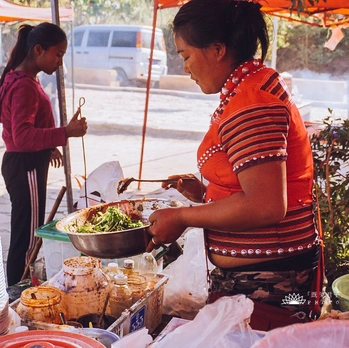
The bold and simple Wa people—they just grab a cleaver, chop up some ingredients in a few swift moves, and whip up a bowl of mixed salad. That's their everyday routine.
But from then on, we never had a decent meal again. The skewers at the Bohang Observation Deck were extremely spicy, while the cold dishes were only mildly so. I took one bite of a skewer, and my eyes immediately turned red—my lips felt swollen from the heat. Xiangzai ate his silently. I thought he wasn't affected by the spice. Later, on the road, he was clutching his stomach while driving: "My stomach hurts from the chili." Only then did I realize his compulsive habit had kicked in again—he can't stop eating until everything on his plate is gone.
At the observation deck, I saw a family of three: a child, the father, and the grandmother. They were stepping on flattened bottles they had collected. A moment earlier, the grandmother had been eating leftovers from other visitors' meals. I stared blankly until Xiangzai pulled me away. He sighed: "There's always a reason for pity, isn't there?" But with natural disasters and human misfortunes, who can really say?
Ximeng was the only place on this trip that left a good first impression. Mengsuo Longtan (Dragon Pool) was beautiful, and Longmoye (Dragon's Ancestral Hall) was mysterious. But I heard there was a ritual taking place that day. As we got closer, a strong smell of blood filled the air, accompanied by a chilling breeze. I grabbed Xiangzai and hurried away.
The Dragon Pool was large, but honestly, you could turn back after visiting Longmoye. Walking the full circumference was exhausting, and those fancy names—Holy Water, Dragon Maiden Valley—were all gimmicks. But that's human nature—we're always curious about the unknown path ahead.
It took us three to four hours to complete the circuit. By the time we drove toward Pu'er, it was already dark. There's no expressway between Ximeng and Pu'er, and driving on the secondary highway at night was difficult. There were many large trucks, steep slopes, and sharp curves. Xiangzai is cautious—he's never gotten a traffic ticket—but sometimes his caution borders on being overly fussy. That night, his temper finally erupted. I can't remember exactly what he said; I just told him to focus on driving, then turned to look out the window and said nothing more.
As we crossed the Lancang River Bridge, Xiangzai broke the silence: "This is the Lancang River Bridge." I wanted to roll down the window and stick my head out, but all I could see were tiny points of light on the river's surface. What a shame.
We reached Pu'er at ten o'clock. The brightly lit city of Pu'er was no longer the Simao I remembered. Famous for its tea, it had also lost its name to tea—back then, Ning'er was called Pu'er; back then, Pu'er was still called Simao.
Epilogue: Missteps and Fortune, All Unforgettable Memories
If I had to describe this trip in two words, I would say: a minefield.
If you asked me whether I regret it, I would say: not at all.
Some say it's on the road that you truly see each other. When two people are together, it's not always sunny paths—there are also thorny thickets. We experienced moments of discontent, arguments, and blame—but once we got through them, we found ourselves a little closer than before.
Those missteps became a catalyst of another kind, turning into unique, irreplaceable memories.
Practical Tips: A Guide for Those Who Come After
Best Time to Travel: November to April. During the Spring Festival or ethnic minority festivals, there are performances that offer a glimpse of unique local culture.
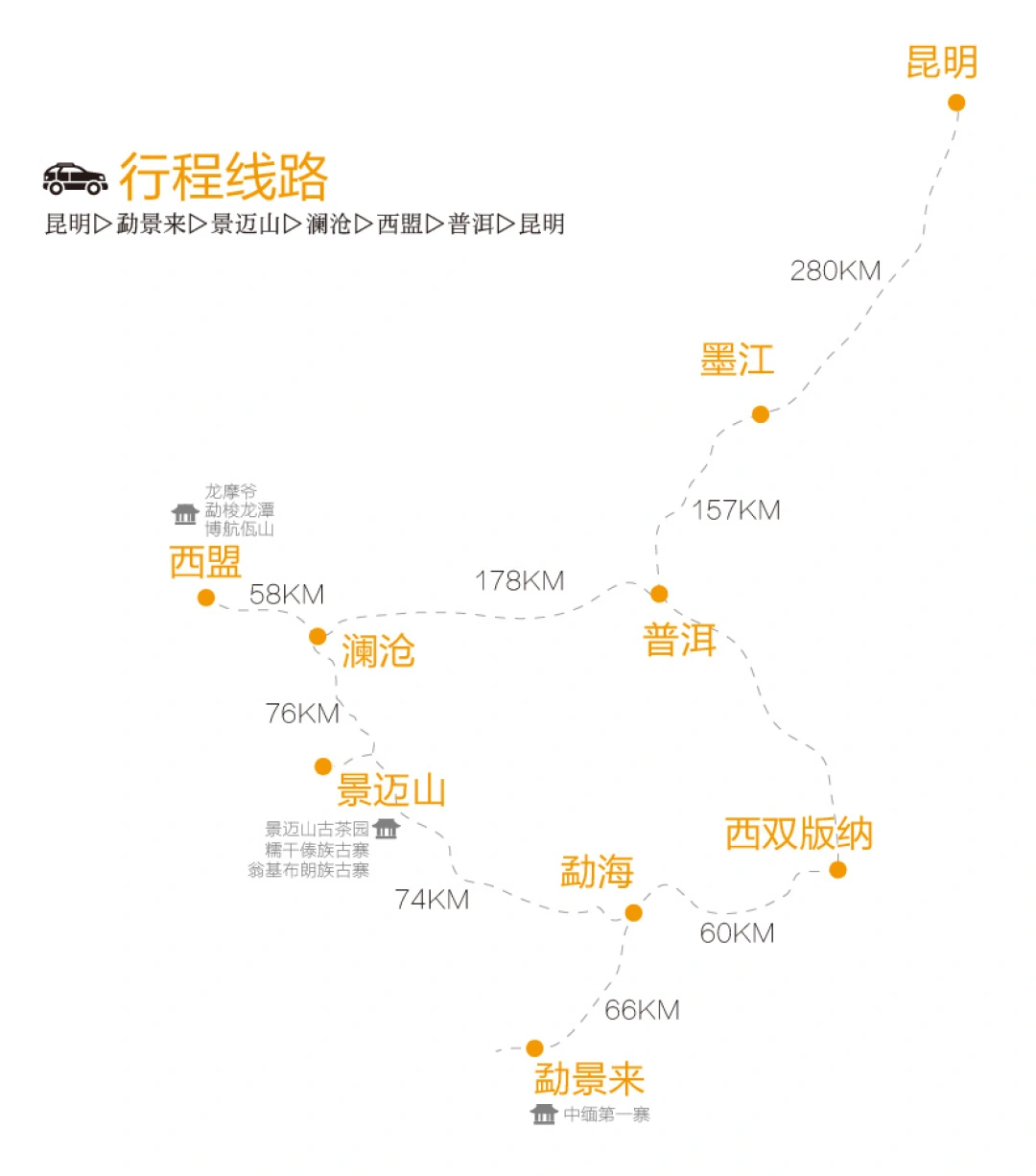
Recommended Itinerary: Five days is definitely not enough. Seven days is just right, and nine to ten days allows you to fully enjoy it. Consider this route: - Menghun → Mengjinglai → Wengji Ancient Village → Nuogan Ancient Village → Laodabao → Ximeng → Pu'er
Ticket Information: Mengjinglai and Mengsuo Longtan each cost 50 yuan. The Mojiang Tropic of Cancer Marker Park is not recommended (unless you're traveling with kids).
Accommodation Tips: You can stay inside Mengjinglai village, but the facilities are basic—it's a roll of the dice. The guesthouses in Wengji Ancient Village are decent; it's worth staying one night to see the sea of clouds.
Food Recommendations: The Lahu-style dishes and rice wine tangyuan in Lancang were the best of the trip. The stir-fried rice noodles in Menghun are cheap and delicious.
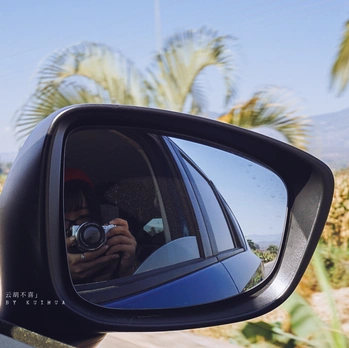
Photography Gear: Sony α5100 with kit lens + Sony RX100 for lightweight travel. Post-processing with Lightroom and Photoshop.
Background Music: The Lahu artist Li Na Luo's "Zhen Xin Ai Ni" (Love You Truly) and "Shi Zai She Bu De" (Really Can't Bear to Leave) are worth a listen.
Final Reminder: Don't sleep in. The sea of clouds at Jingmai Mountain can only be seen in the morning. To witness truly spectacular scenery on a trip, you need perseverance.
This travelogue is dedicated to everyone who has stepped into pitfalls and also reaped surprises on their journeys. May every departure bring you a landscape that is uniquely yours.
You should also read:

God’s Abandoned Palette: A Self-Drive Journey Through Yunnan’s Dongchuan Red Land
God’s Abandoned Palette: A Self-Drive Journey Through Yunnan’s Dongchuan Red Land Travel has never been about reaching some distant geographic coordinate. It’s about encountering, along the way, the version of yourself buried beneath the rubble of daily routine. During this May Day holiday, I finally…
Continue reading...
Two Girls' Graduation Trip: Dali and Shuanglang – A Poetic Farewell to Mountains and Sea
Two Girls' Graduation Trip: Dali and Shuanglang – A Poetic Farewell to Mountains and Sea Preface: Catching the Tail of Youth, Heading South During our senior year of college, my roommate and I – two girls studying in Beijing – decided to bid farewell to…
Continue reading...
Body in Hell, Heart in Heaven: A Pilgrimage Through Tiger Leaping Gorge — A Dialogue Between Heaven and Earth
Body in Hell, Heart in Heaven: A Pilgrimage Through Tiger Leaping Gorge — A Dialogue Between Heaven and Earth Introduction: When the Gorge Splits Open Beneath Your Feet Some say Tiger Leaping Gorge is the closest place on Earth to the border between "hell" and…
Continue reading...