Shaxi: The Valley Wind That Has Blown Through a Thousand Years
Shaxi: The Valley Wind That Has Blown Through a Thousand Years
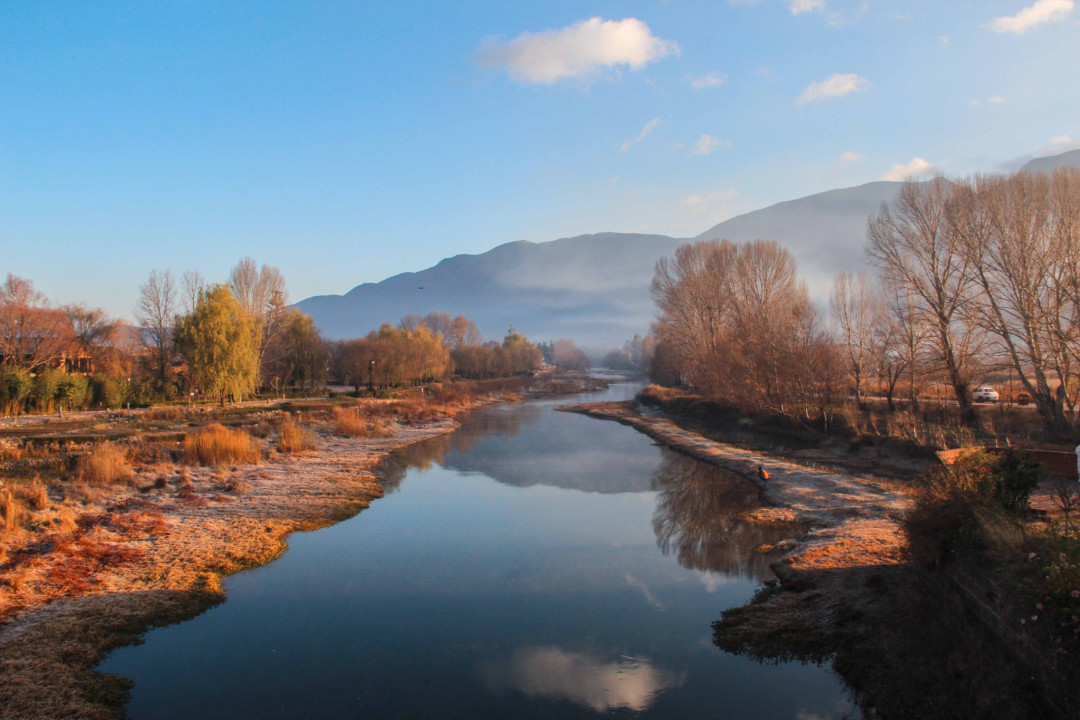
Deep in the mountains of Yunnan, there is a place where time seems to flow more slowly than elsewhere. The sound of the Heihui River has remained unchanged for a thousand years. The hoofbeats on Yujin Bridge have long faded away. But the stone paths and rammed-earth walls, worn smooth by the years, still tell the tales of the Tea Horse Road's bygone era.
This is Shaxi in Jianchuan County—the only surviving ancient marketplace on the Tea Horse Road. It lacks the clamor of Dali's old town, nor is it as commercialized as Lijiang. It simply lies quietly in the valley, letting the wind blow across the rice paddies, past the ancient stage, and into the hearts of every traveler who passes through.
First Encounter with Shaxi: A Place That Makes You Want to Stay
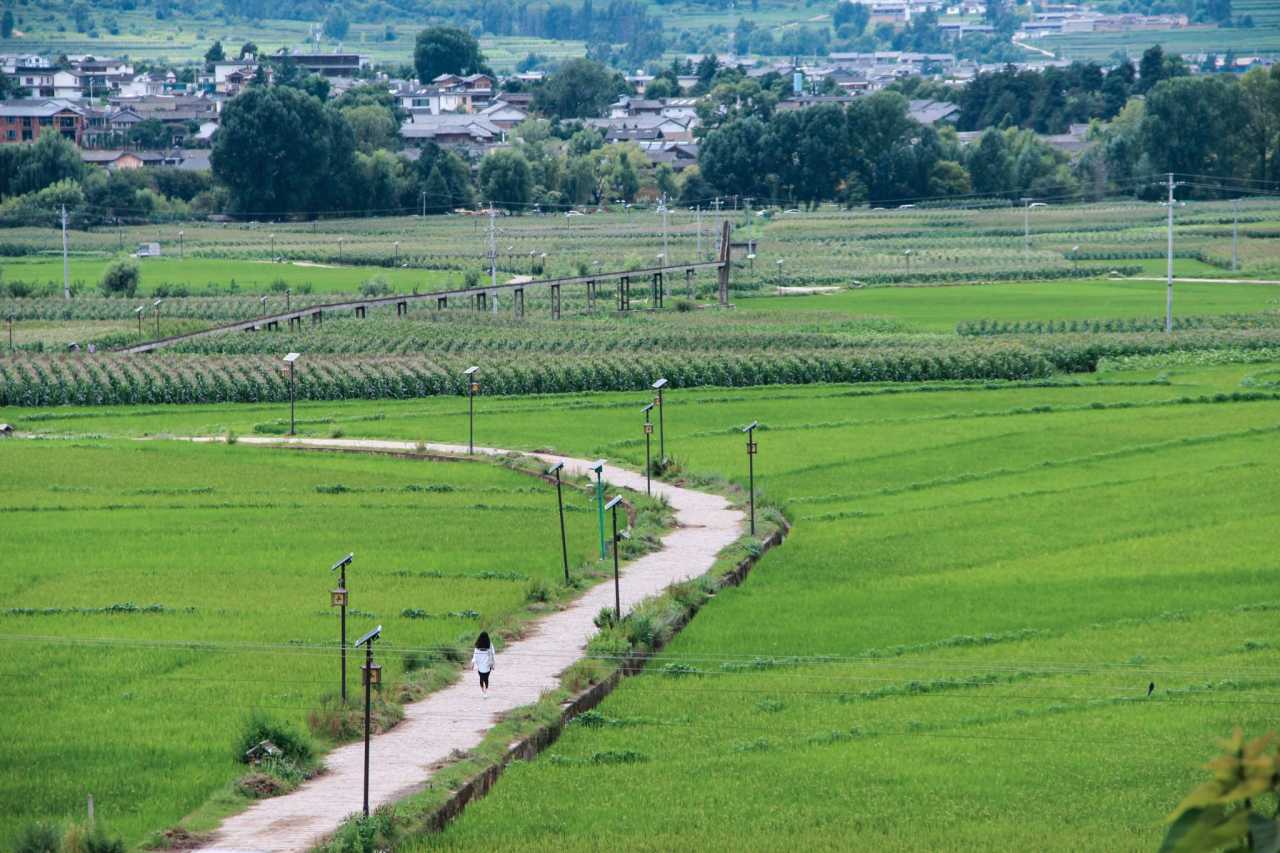
I first arrived in Shaxi on a clear summer day. Under a blue sky dotted with white clouds, vast stretches of rice paddies were lush and green. Farmers worked in the fields, and the corn stalks stood taller than a person. With a deep breath, you could taste the scent of fresh grass. Sunflowers by the fields bloomed brilliantly, like the earth's own smiling face.
Summer in Shaxi is neither dry nor hot. The wind is cool and refreshing. Walking along the paths, your steps unconsciously become lighter. Every day here feels like a plant—eager for ample sunlight and warmth.
The guesthouse I stayed at was in Hualong Village. Opening the window, I could see the fields. Every morning, sunlight streamed through the curtains, accompanied by birdsong and the distant crowing of roosters. Mornings like these make you not want to get out of bed—just to lie there and listen to the sound of the wind.
Daily Life in the Ancient Town: Finding Yourself in Slow Time
Dawn and Dusk at Yujin Bridge
Yujin Bridge is Shaxi's iconic landmark and my favorite spot. At dawn, when the first rays of sunlight touch the bridge's surface, golden ripples spread across the Heihui River. Locals carrying bamboo baskets hurry across, while tourists pause to take photos—this is the everyday scene at the ancient bridge.
At dusk, the quiet bridge becomes even more enchanting. A singer with a guitar strums and sings at the bridgehead, pouring out their emotions. In the distance, flocks of sheep graze by the riverbank. An elderly shepherd sits on a rock, smoking his pipe leisurely. Such a scene naturally makes you slow down, wanting to become part of it.
The Ancient Stage on Sifang Street
Sifang Street is the heart of Shaxi. The ancient stage stands silently there, having witnessed the rise and fall of the Tea Horse Road and the caravan era. Summer is the perfect time for drying roses. Abundant sunlight and dry winds fill the air with the fragrance of roses. These roses will eventually be made into rose wine or pressed flower cakes—a wonderful way to extend the life of the season.
Beside the ancient stage, you can often spot a man dressed as Charlie Chaplin. His name is Yang Lusen. Most of the time, he just sits there—sometimes singing, sometimes writing poetry, sometimes sketching portraits for tourists. Occasionally, he simply sits quietly, watching people pass by. In the eyes of tourists, he may seem idle, even a bit eccentric. In reality, he runs a guesthouse in a Yi ethnic village at the foot of Laojun Mountain and is often invited to Dali for cultural performances. But in Shaxi, he stays in the place he loves, doing what he loves day after day. I like to call him a performance artist.
South Sect Ancient Alley and North Sect Ancient Alley
South Sect Ancient Alley is the path I walked most often. This short alley is lined with shops selling silver jewelry, wood carvings, and fabric crafts. Stepping into different stores, you can admire the unique creations of artisans. Handcrafted items are precious because someone has materialized a piece of their life's time for you.
North Sect Ancient Alley is relatively quieter. Apart from the Zuozuo Café (嘬嘬小馆) where Liu Yifei liked to visit while filming "Meet Yourself" (《有风的地方》), there are elegant travel photography studios, cozy little restaurants, and intimate wine bars. Deeper into the alley, it's mostly guesthouses. Finally, passing through the North Gate, you enter a completely different world.
Autumn in the Valley: A Feast for the Eyes and Soul

Yujin Bridge in Morning Mist
The sun rises late in Yunnan, and winter days bring large temperature differences between morning and afternoon—especially in Shaxi. Before the first light of dawn touches the earth, the valley's fog begins to spread, and smoke from household chimneys rises in competition. This is why people go to Yujin Bridge to watch the morning mist.
At eight o'clock, very gently, where the sun hides, silence stirs. Walking from Hualong Village to Yujin Bridge, passing through villages and fields, the gray-blue sky and earth slowly awaken. Mist hovers above the village, as thin as gauze, like silk or cicada wings. Then it swirls upward, curling and entwining, before dissipating into the wilderness.
The Heihui River flows past Shaxi Ancient Town, slow and calm, with water vapor rising like wisps of smoke. As the sun peeks out from the mountains, a new day begins, and the fields are draped in a golden veil. The cold gray-blue tones of moments ago transform instantly into warm orange-yellow hues. "Dimly seen, the distant village; curling smoke, the market lane"—the scene brings poetry to mind.
The Century-Old Persimmon Tree and Autumn's Messenger
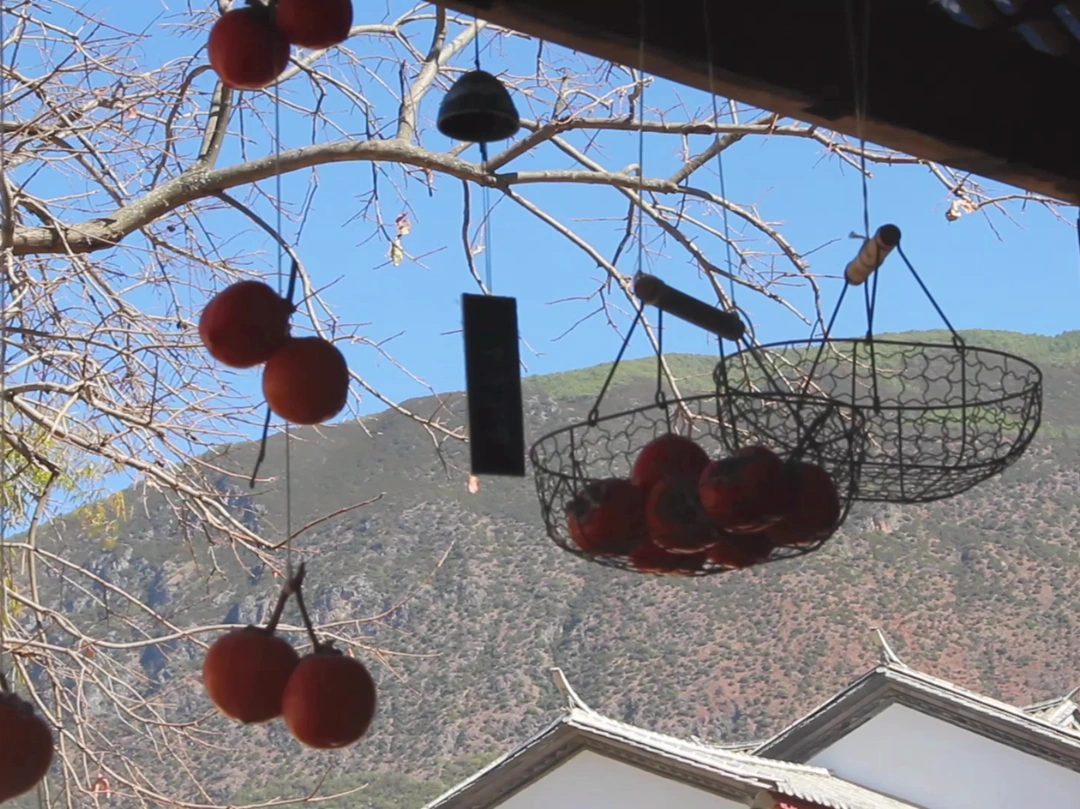
In autumn, Shaxi's persimmon trees are laden with golden fruit. The persimmon tree beside Yujin Bridge is over a hundred years old. Its crown is massive, branches stretching out in all directions, and the fruit is round and plump. Against the blue sky, they look as festive as red lanterns. The ripe persimmons must be very sweet—otherwise, why would the magpies have hollowed out every fruit on the branches?
Grandma Arui's dried persimmons are already ready. Tourists passing by always buy two. The gooey persimmon cakes are as sweet as honey—the taste of autumn.
Shaxi Grain Management Station: A Mark of Time
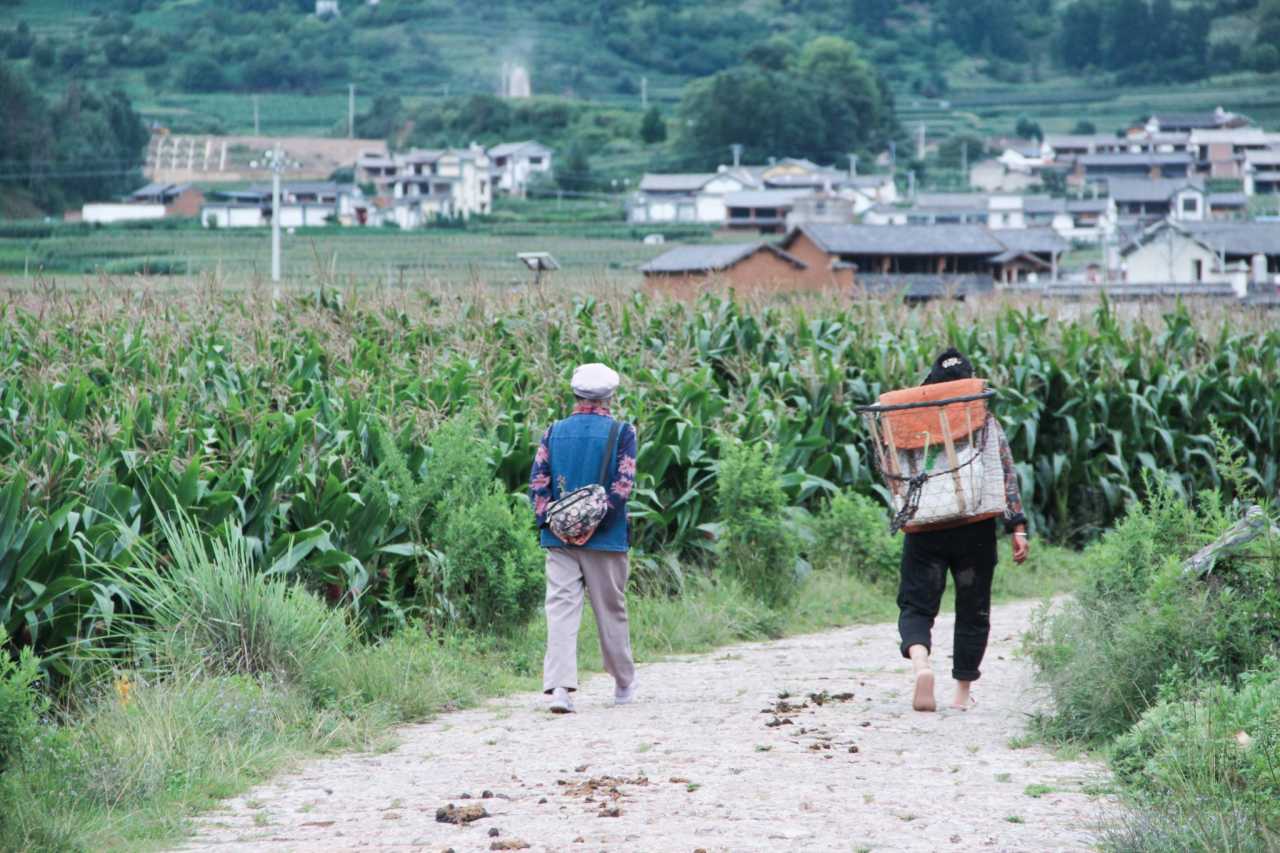
The Shaxi Grain Management Station lies quietly in a corner rarely visited by tourists. In the heyday of the Tea Horse Road, when trade was at its busiest, this grain station must have been incredibly lively. Now, even in a tourist area, few visitors come here.
Built in the 1950s, the old granary is a small Western-style building made of red brick. The grain is gone, the building empty. The entire compound contains only one coffee shop and one small guesthouse, with little commercial development. The adjacent bungalows are still inhabited by locals. Every household dries corn outside their doors, resembling a farmhouse courtyard in Northwest China. The mottled exterior walls are full of nostalgic, old-time charm—precious memories left by history. I hope this place can be preserved and developed, allowing more people to see the imprint of time.
Exploring Shaxi's Unknown Corners: Following "The Valley" to Every Nook
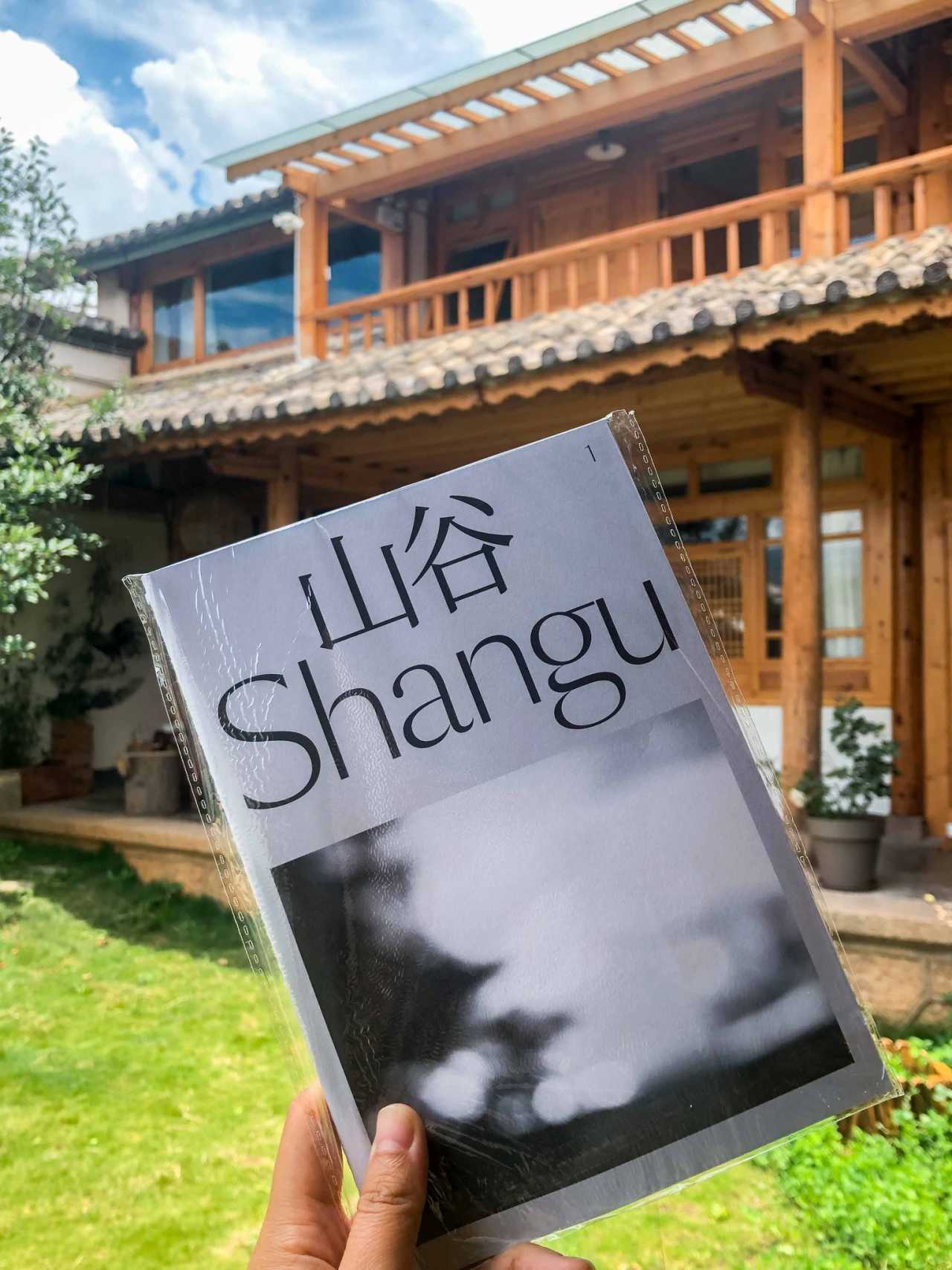
During summer break, a father and son stayed at our guesthouse. Every day, the father took his middle-school son out for research. They asked us to help with an interview about people's views on Shaxi and attitudes toward the ancient town's development and preservation. Afterward, they gave us a copy of "The Valley" (《山谷》).
The father was an editor for "The Valley." During the early creative phase, the team had walked every corner of Shaxi Ancient Town, visiting small shops in town and surrounding villages. Flipping through it carefully, I realized there were so many places we hadn't explored. Shaxi is like a treasure hidden deep in the mountains. Our two-week stay had only shown us the tip of the iceberg. This became the opportunity for us to begin another journey to Shaxi.
Shaxi Pioneer Bai Ethnic Bookstore: Where Books and Poetry Meet
The Shaohua Bookstore in "Meet Yourself" is probably a reflection of Shaxi's Pioneer Bai Ethnic Bookstore. Its location has brought Beilong Village back to life and given Shaxi Ancient Town a touch of modern urban literary atmosphere.
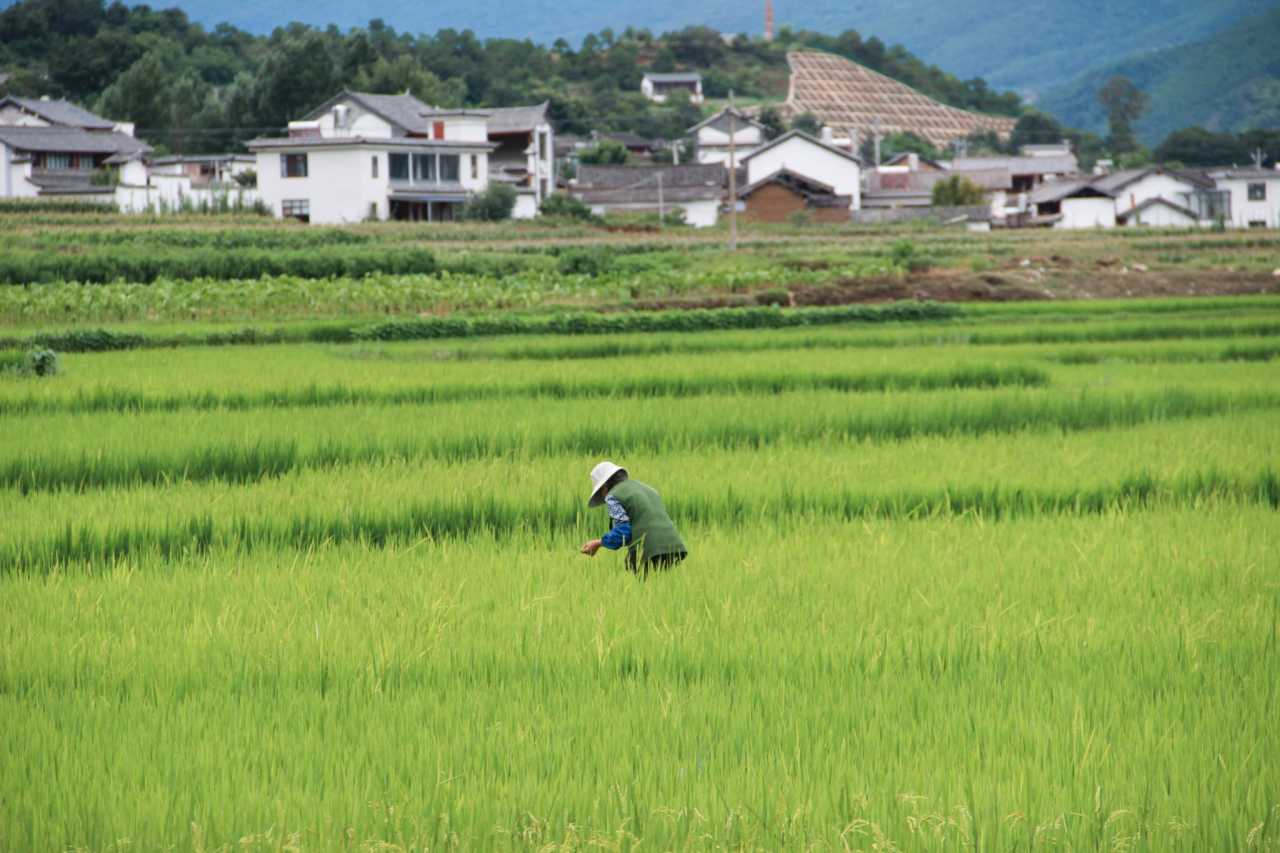
When I came during summer break, it was a bit crowded. Children running around made me uncomfortable, and I left quickly without choosing a book. This time, it had regained its usual tranquility. Hidden under a small bamboo grove, its glass exterior reflected the blue sky and white clouds. The building retains its rammed-earth exterior and herringbone roof, while the interior space is rich, open, bright, and pleasing to the eye.
One wall of books is dedicated to local Yunnan titles, each about an inch thick—difficult to find in bookstores elsewhere, making them a rare treasure. The left and right sides display literary poetry collections and art/documentary books, while the center island features creative cultural products. The most eye-catching are the tile cats (瓦猫) and paper horse prints (甲马)—the tile cat is a Yunnan-specific guardian spirit for protecting homes and warding off evil, while paper horse prints were originally used in sacrificial ceremonies as woodblock prints and have now become decorative souvenirs with many uses.
Beside the bookstore is a building not yet officially opened. A staff member said it will become a permanent exhibition hall in the future. Across from the bookstore is its affiliated café. I visited three times total—once to send postcards, and the other two times just to sit outside and bask in the sun. After all, coffee aroma, sunlight, and a gentle breeze are all free.
Behind the café stands a tobacco-drying tower. The architect adapted it to local conditions, transforming it into a spiritually inspired "poetry tower." Spiral stairs have iron wires hanging from them, with poems suspended at different heights, like notes dancing on a musical staff. Reading a few lines with each step, until you reach the top, you've composed a moving poetic symphony. At the tower's peak—the spiritual height where strangers on earth dwell poetically—the wind passes through, and the soul roams freely.
Shanjing Courtyard: A Traveler's Utopia

In Dengta Village, 5 kilometers from Shaxi Ancient Town, lies an inclusive and welcoming traveler's utopia—Shanjing Courtyard (山风院子). The owner's wife, Luna, was quietly sewing clothes. We had originally planned to do tie-dye here, but didn't have enough time. Luna gestured for us to look around freely, saying not to feel constrained—this was, after all, a place meant for relaxation.
Shanjing Courtyard feels like the ideal home from childhood, complete with a treehouse as dreamy as those in fairy tales. If you like quiet, you can learn tie-dye during the day. If you prefer lively atmospheres, you can join the bonfire music party on weekend nights. Or you can simply order a drink, sit back, relax, and pass the time idly. The owner is easygoing and loves making friends. This courtyard is both his home and a sanctuary for travelers who love life.
I crouched in a corner for a while, playing with the cat, climbed the treehouse, and soaked up the sun. Such pastimes are undoubtedly the most relaxing and comfortable.
Jian Lake and Bailong Pool: Gifts of Nature
Autumn Colors at Jian Lake

Jian Lake, a 40-minute drive from Shaxi Ancient Town, came a little late for us. The autumn scenery had already faded somewhat, with withered leaves scattered on the ground. The lake is vast. We started hiking from the west parking lot, and the first thing we saw was a towering birch forest, with bare white branches exposed. Every tree stretched straight upward, leaving only narrow gaps in the sky visible through the camera lens.
Near the lakeside wetlands, traces of human habitation remained: simple wooden cabins, small boats moored at the shore, and some years-old garbage that even nature couldn't digest. Setting these aside, even in late autumn, you could still see patches of lush greenery.
A fisherman's boat created ripples on the calm lake surface. The waterways wound toward the forest, meandering through the birch grove. Looking up, I spotted a few green eucalyptus trees. I busied myself picking up eucalyptus nuts—their fresh, unique fragrance was calming and grounding.
The Seclusion of Bailong Pool
Heading south from Shaxi Ancient Town, passing Dengta Village, a 15-minute drive brings you to Jiangwei Bridge. And by Jiangwei Bridge, there's an excellent hotpot and barbecue restaurant. The establishment occupies a large area, nestled against the mountains and beside the water, with its own pond. The fish raised on-site are the restaurant's specialty.
After a hearty meal, we headed to the hillside where Bailong Pool is located. The first thing we saw was a small village accompanied by the sound of waterfalls and flowing water. The water from Bailong Pool cascaded down an open channel, serving as the water source for nearby villages.
The path to Bailong Pool is narrow, only allowing one person to pass at a time. After a turn, we suddenly entered a dense forest, where towering trees blocked out the sun. Just a few minutes later, Bailong Pool came into full view. The pool is not large, nestled among the mountains and divided by an arched bridge. Low-hanging branches extended into the water. Under the midday sun, the pool was crystal clear, with stones scattered on the bottom and fish swimming leisurely.
A gentle breeze stirred the pool's surface, creating ripples that shimmered like diamond cracks. Shades of blue-green alternated and shifted, refracting colorful light. At first glance, Bailong Pool seems unremarkable. But it has nurtured the people of nearby villages. The Dragon King is enshrined here, with incense burning continuously on the first and fifteenth days of the lunar month. Few tourists visit, leaving it in isolated existence. Its quietness and seclusion are precisely its unique, understated charm.
Friday Market: The Most Authentic Local Flavor
Besides the regular large Friday market, Shaxi has many other markets to explore. The summer vegetable market is the liveliest. After gathering mushrooms from the mountains, people start selling them at the market around noon. All kinds of wild mushrooms crowd the small market, with locals and tourists packed shoulder to shoulder, and vendors' cries rising one after another.
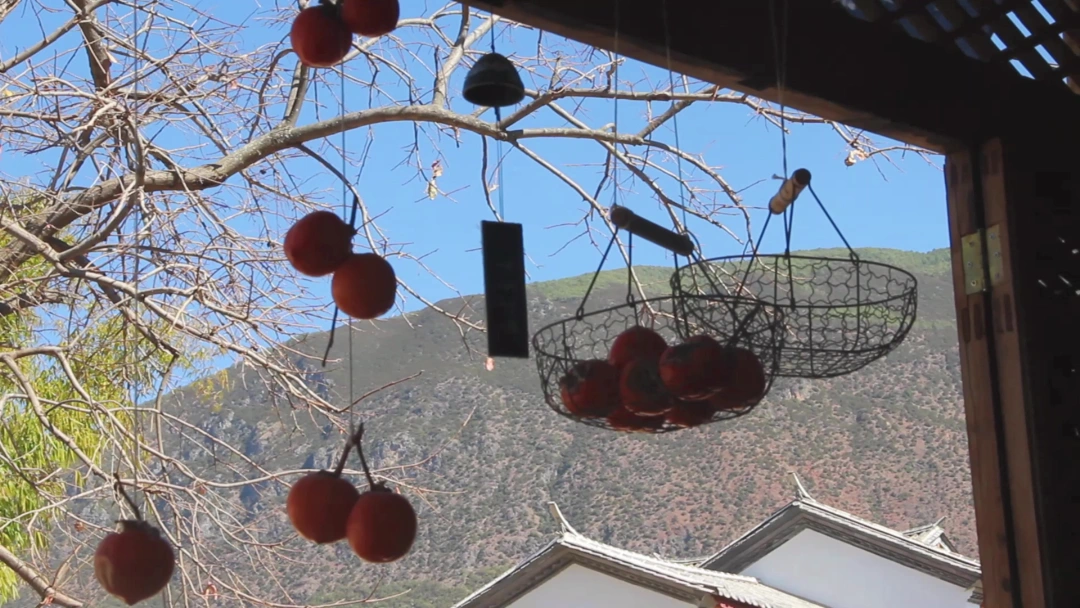
Early December is the season for black truffles. Each one is plump and round, with an intoxicating aroma. Occasionally, someone sets up a stall at Yujin Bridge, where the quality is even better.
Starting from the intersection near the central primary school, vendors line both sides of the street for a full kilometer. Fruits, vegetables, handicrafts, clothing, daily necessities—everything is available. Yunnan's biodiversity is incredible. Many fruits and vegetables we had never even heard of were on display. The market features countless wild greens, dried goods, and medicinal herbs whose names we didn't know—a uniquely Yunnan kind of bustle and diversity.
We stayed in Shaxi for a long time—a month and a half across two visits. Every Friday, rain or shine, we went to join the excitement. The most bustling market was the one before New Year's Day. Crowds surged, and the scene was as grand as a New Year shopping spree. Bai ethnic elders, bent over with bamboo baskets on their backs, carried huge strings of dried chili peppers. Every time we came to the market, we bought a roast chicken to take back to the guesthouse—perfect with some wine.
Epilogue: Shaxi, a Place Where Time Slows Down
Living in Shaxi for a month, my mood was calm every single day. Staying at the same guesthouse, seeing the same scenery, meeting different people, walking different paths—every day felt fresh.
No matter how the world turns, Shaxi has its own rhythm and pace. In this rural town surrounded by valleys and rice paddies, accompanied daily by blue skies and white clouds, you unconsciously shed the endless clutter of thoughts. They say the land shapes the people. After spending time here, both body and mind become relaxed and gentle.
Shaxi is not the kind of place that stuns you at first sight. It's more like a cup of aged Pu'er tea—needing to be savored slowly. Its beauty hides in the morning mist, in the twilight afterglow, in the bustle of market days, and in every ordinary day.
If you too are tired of the city's noise, why not come to Shaxi and stay for a while? Here, you can set aside all your worries and focus only on what to eat for your three daily meals. The rest of the time, you can do whatever you want, letting your body and mind heal from the inside out.
Shaxi—the valley wind blows, free, and everywhere.
You should also read:

A Journey Through Shuanglang's Guesthouses: Finding Life as It Should Be on the Shores of Erhai Lake
A Journey Through Shuanglang's Guesthouses: Finding Life as It Should Be on the Shores of Erhai Lake Prologue: When Life Hits the Pause Button Have you ever had one of those moments? When the city's towering buildings press down on your chest, when you're swept…
Continue reading...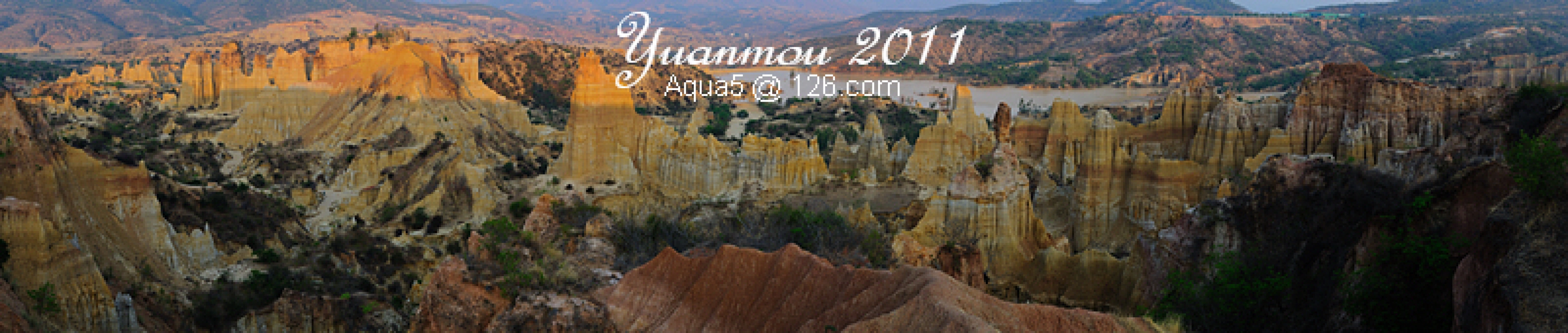
A Journey Through Time: The Earthen Forest of Yuanmou — April 2011 Chuxiong & Yuanmou Self-Drive Guide
A Journey Through Time: The Earthen Forest of Yuanmou — April 2011 Chuxiong & Yuanmou Self-Drive Guide Some journeys are destined to take root in your memory. In April 2011, I set out from Shuhe in Yunnan, heading north toward the Chuxiong Yi Autonomous Prefecture,…
Continue reading...
Dreaming of Lijiang, Dreaming of Shangri-La: A Journey That Lets Your Soul Breathe Deeply
Dreaming of Lijiang, Dreaming of Shangri-La: A Journey That Lets Your Soul Breathe Deeply Life is like a long trek. We're always rushing through the concrete jungle, searching for a glimmer of light in the monotony of our days. Then one autumn, I heard the…
Continue reading...