Sister’s Soft Time in Yunnan: A 7-Day Free-Spirited Journey Through Kunming, Xizhou, Shuanglang, and Lijiang
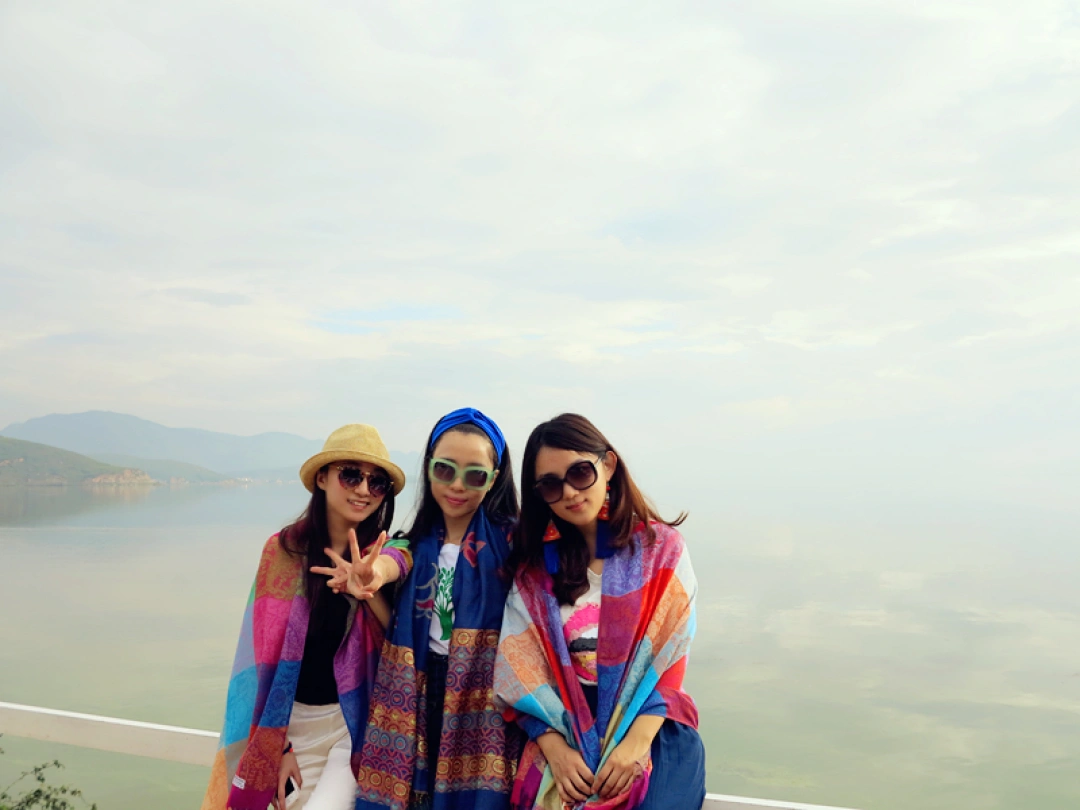
Sister’s Soft Time in Yunnan: A 7-Day Free-Spirited Journey Through Kunming, Xizhou, Shuanglang, and Lijiang
There’s something about Yunnan that whispers to the soul. Maybe it’s the endless blue skies, the way the clouds hang low over the mountains, or the quiet rhythm of life that seems to slow down time itself. For me, this journey began with a single dream: Shuanglang. That little lakeside village on the edge of Erhai Lake had been my obsession for months. I wanted to sit still, breathe deep, and let the days unfold without a plan. So, with two of my closest friends by my side, we set off on a seven-day adventure through some of Yunnan’s most enchanting corners. This is the story of our sisterhood, our mishaps, and our soft time in the clouds.
Destination: Yunnan
- Travel Dates: September 14–20, 2013
- Travelers: Three friends (Q, T, and me, S)
- Route: Beijing → Kunming → Dali → Xizhou → Shuanglang → Lijiang → Chengdu → Beijing
- Budget: Approximately ¥12,103 total (¥4,034 per person) for flights, accommodation, and transport
Pre-Trip Prep: Keeping It Simple
Planning a trip with Q and T was like herding cats—in the best possible way. We accepted early on that our travel style would be “casual.” No rigid itineraries. No must-see lists. Just a few key bookings: flights (via Qunar), hotels (via Qunar and eLong), and a loose list of food spots we wanted to try.
I put together a rough schedule, which became our lifeline for the next seven days. Here’s the final version, with hotel details and prices from September 2013:
- Sept 14: Beijing → Kunming (MU2035, 8:30–11:50, ¥3,258 for three). Stay: Kunming Jinyue Hotel Apartment (¥216, luxury king room).
- Sept 15: Kunming → Dali (high-speed bus, 4.5 hours, ¥138 each) → Xizhou Taoyuan (taxi, 1 hour, ¥120). Stay: Dali Taoyuan Renjia Seaview Resort (¥613, front-facing sea view room).
- Sept 16–17: Xizhou → Shuanglang (rental car, 40 minutes, ¥100). Stay: Dali Shuanglang Haicun Inn (¥1,545 for two nights, double-sided super sea view room).
- Sept 18: Shuanglang → Lijiang Old Town (shared van, ¥30 each). Stay: Lijiang Weimo Jingshe (¥680, luxury view room).
- Sept 19: Lijiang Old Town → Shuhe (taxi, ¥25). Stay: Shuhe Lisiman Boutique Inn (¥700, countryside king room).
- Sept 20: Shuhe → Lijiang Airport (private car, ¥100) → Chengdu (EU2738, 12:10–13:10, ¥1,977 for three) → Beijing (CZ3904, 19:45–22:25, ¥2,265 for three).
Pro tip: Book accommodation as early as possible. Some of my dream inns were already fully booked because we waited too long.
What to Pack: Layers and Sunscreen
Yunnan’s weather is famously unpredictable—“one mountain, four seasons; ten miles, different skies.” Days were warm enough for shorts and dresses, but by late afternoon, the temperature dropped. Evenings called for thick sweaters or shawls. We got used to changing clothes constantly, which felt perfectly normal in a place where everyone dressed according to their own internal thermostat.
Sunscreen with SPF 30+ is non-negotiable. The sun at this altitude is fierce. And bring extra camera batteries—you’ll want to capture every single moment.
Day 1: Beijing → Kunming – A Chaotic Start

The morning began with a familiar pattern: me reminding Q and T to be at the airport by 7:30 a.m., Terminal 2. Miraculously, they showed up on time. But then T admitted she’d forgotten the printed itinerary—the one she’d color-coded with food highlights. Classic. Luckily, I had a black-and-white backup.
After checking in, we decided to grab sandwiches. Big mistake. By the time we finished ordering, it was 8:15 a.m., and we had no idea where we were in the terminal. The three of us sprinted through T2, clutching our breakfast, and made it onto the plane just before the doors closed. The looks we got were priceless.
Once airborne, we left Beijing’s gray haze behind. The sky above the clouds was breathtaking. Q slept, T ate, and I flipped through magazines. Everyone had a role.
Arriving in Kunming
Kunming greeted us with perfect weather. We were so busy laughing and dancing at baggage claim that we somehow ended up at the wrong carousel. Unfazed, we grabbed a taxi to our hotel.
Kunming Jinyue Hotel Apartment was a steal at ¥216. Stylish decor, a bathtub with a view, and a giant bed that the owner insisted could sleep four. No extra charge for the third person. We loved the local hospitality.
After dropping our bags, we headed to Nanping Street. It was crowded and felt like any other shopping district, but the Qiaoxiangyuan Rice Noodles made it worthwhile. We ordered the champion-style crossing-the-bridge noodles (过桥米线), steam pot chicken (汽锅鸡), cold noodles, and blood tofu (血豆腐). It was love at first bite.
Behind Nanping Street, we found a flower market bursting with colors and exotic plants. Nearby, a street split into two worlds: old-style buildings on one side, trendy shops on the other. We wandered, snacked on Shixiong Muguashui (a sweet local drink made from papaya) and fried potatoes, and bought personalized alphabet signs from a tiny boutique.
By evening, we were too full for dinner. But getting a taxi back was impossible, so we did something crazy: we walked. Two hours later, we collapsed into bed. Goodnight, Kunming.
Day 2: Kunming → Dali → Xizhou Taoyuan
We learned that in Yunnan, highways beat railways. So we took a “high-speed bus” from Kunming’s Western Bus Station—a double-decker with panoramic views from the top. We snagged the front seats (sorry, not sorry) and watched the scenery change from sunshine to sudden rain. Four and a half hours later, we arrived in Dali.
From Dali, we negotiated a taxi to Xizhou Taoyuan for ¥120. The rain stopped as we drove past the Three Pagodas (三塔), Cangshan Mountain (苍山), and Erhai Lake (洱海). Dali’s famous “wind, flowers, snow, and moon” began to reveal itself.
Xizhou Taoyuan: A Hidden Gem
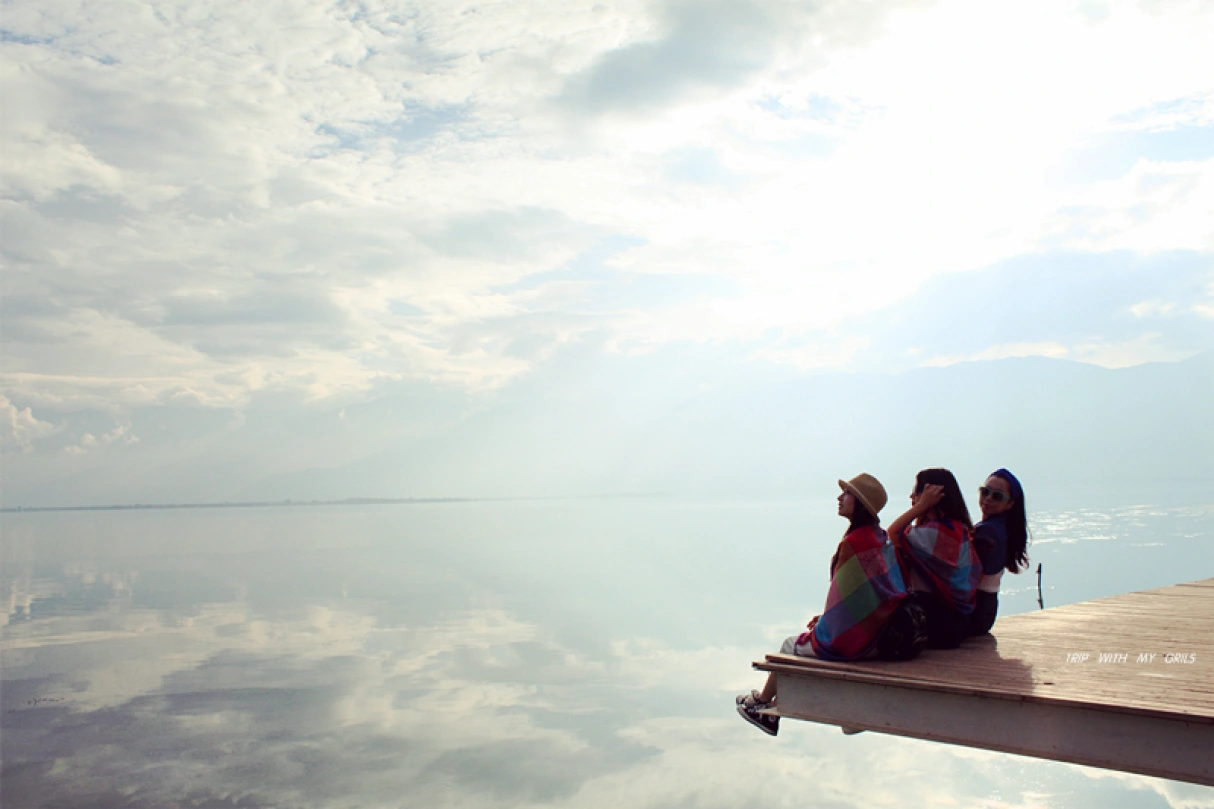
Our hotel, Dali Taoyuan Renjia Seaview Resort, was a revelation. Tucked between Cangshan and Erhai, it felt like stepping into a painting. Our front-facing sea view room offered a perfect view of the lake. We spent the golden hour before sunset taking photos, then enjoyed a local Bai-style dinner at the resort’s restaurant (¥100 for a feast).
That night, the owner offered us homemade plums, tea, and a bottle of their signature “Peach Blossom Brew” wine (桃花酿). We sat by the water, sipping and chatting under the moonlight. This was the slow life we’d been searching for.
Day 3: Xizhou Taoyuan → Shuanglang
We lingered over breakfast (giant steamed buns stuffed with meat—not the plain ones they looked like) and took more photos. A kind stranger named “Second Brother” helped us capture the beauty of the resort.
Reluctantly, we packed up and hired a car for ¥100 to Shuanglang. The drive along the环洱海公路 (Erhai Lake Ring Road) was stunning. Compared to quiet Xizhou, Shuanglang felt lively and under construction, but its charm was undeniable. This is Yang Liping’s hometown—a place of peacocks and soft light.
We stayed at Haicun Inn on Yuji Island (玉几岛) (¥770 per night). The room had a double-sided sea view and a lovely terrace. The inn’s location was perfect—close to restaurants, bars, and shops. (Note: The famous Haidi Life (海地生活) and Peninsula 63 (半岛63) inns were fully booked, and they’re farther south, in a less convenient area.)
Exploring Shuanglang
We wandered through the village, visited an old grocery store to buy postcards, and took a tuk-tuk to see Peninsula 63 and Haidi Life. The iconic white terrace at Haidi Life was crowded, but we waited our turn for the perfect shot.
For dessert, we discovered Mutong Dessert (木童甜品) near Yuji Island. Their mango yogurt, rose chocolate ice cream, and wood ear pudding were divine. We went back multiple times.
That evening, we bought a bottle of wine from “Qinglu” (青庐) and sat on our terrace, talking about everything and nothing. Sometimes, the best therapy is good wine and better friends.
Day 4: Shuanglang Cycling – Pedaling Through Paradise
We rented three bicycles from a shop near our inn (¥30 each for the day) and set off to explore the shores of Erhai Lake. The morning light was golden, and the air smelled of wildflowers and wet earth. We cycled north along the lakeside trail, passing through tiny fishing villages where old women sat mending nets and children waved at us from doorways.
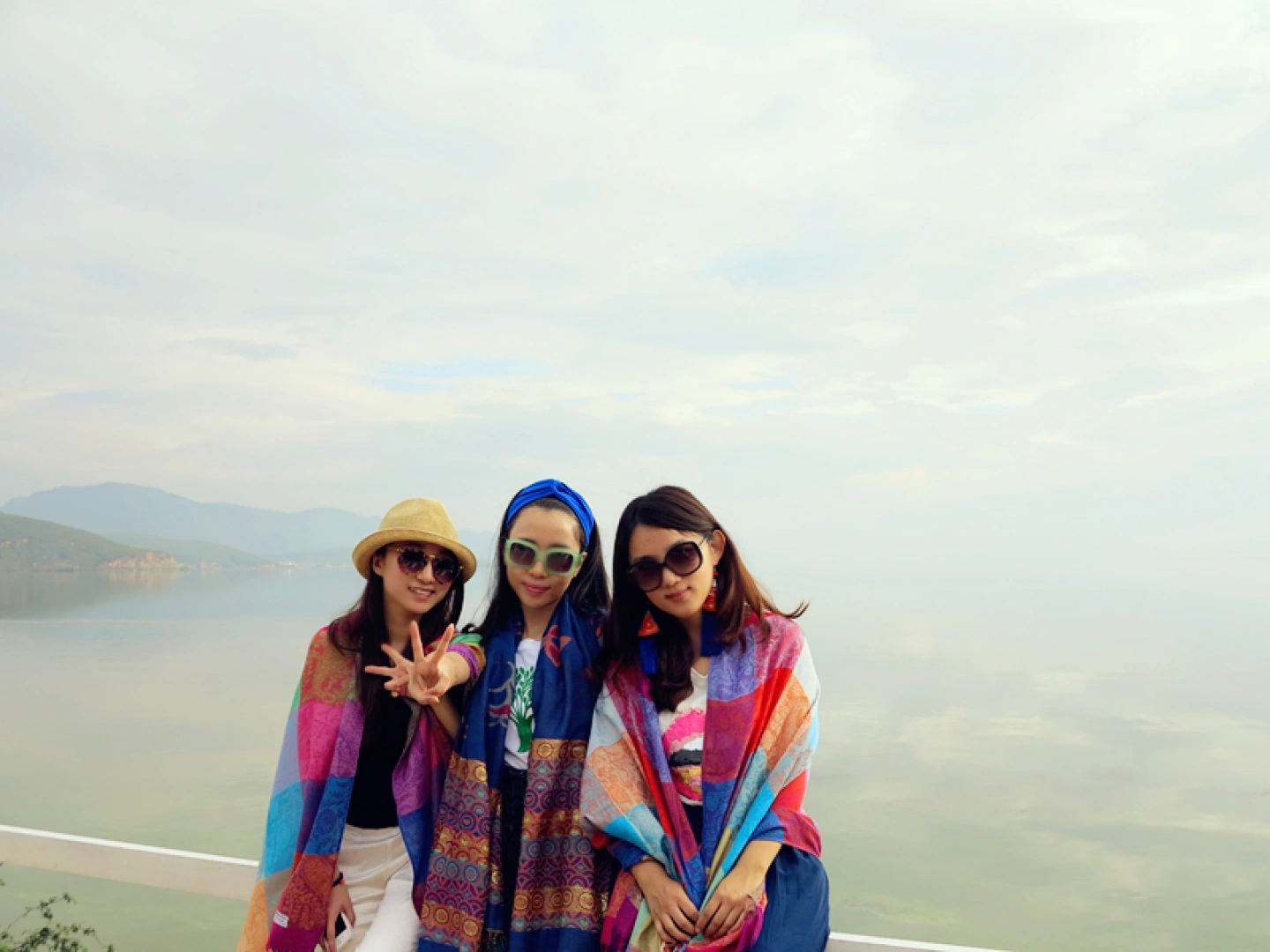
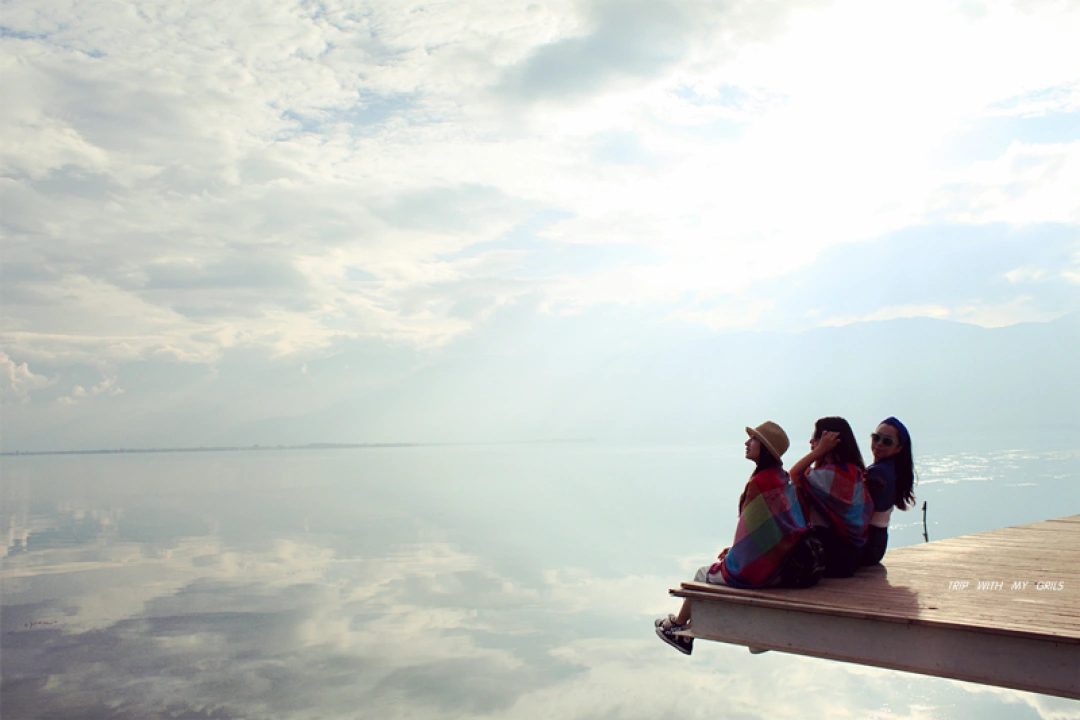
Our first stop was the Erhai Lake Observation Deck, a wooden platform that juts out over the water. The view was postcard-perfect: the lake shimmered like liquid jade, with Cangshan Mountain rising sharply in the background. We took a hundred photos, then sat on the edge, dangling our feet over the water.
Further along, we stumbled upon a small temple hidden among eucalyptus trees. An old monk invited us in for tea. We didn’t understand much of what he said, but his smile needed no translation.
By midday, the sun was blazing. We found a lakeside restaurant and ordered Erhai fried whitebait (洱海银鱼), steamed fish with pickled vegetables (酸菜鱼), and a giant bowl of rice noodles with spicy sauce (凉拌米线). The fish was so fresh it practically jumped off the plate.
Afternoon: The Road Less Traveled
After lunch, we decided to take a detour through the countryside. The road wound through fields of golden rice and tobacco leaves. Farmers in conical hats worked under the sun, and water buffaloes bathed in muddy ponds. We stopped to buy fresh sugarcane from a roadside stall—the juice was sweet and cooling.
By late afternoon, our legs were tired, but our hearts were full. We cycled back to Shuanglang just as the sun began to dip behind the mountains. The sky turned shades of pink and orange, reflected perfectly in the still waters of Erhai.
That evening, we treated ourselves to a foot massage at a local spa (¥60 per person for 60 minutes). Then we found a rooftop bar overlooking the lake, ordered cocktails, and watched the stars appear one by one. The night was so quiet we could hear the water lapping against the shore.
Day 5: Shuanglang → Lijiang Old Town – The Charm of the Ancient City
Leaving Shuanglang was harder than I expected. We had fallen in love with its unhurried pace, the way the lake light changed with every hour, and the friendly faces we’d come to recognize. But Lijiang was calling.
We took a shared van from Shuanglang to Lijiang Old Town (¥30 per person, about 3 hours). The road snaked through mountains, and we watched the landscape shift from lakeside to alpine. As we approached Lijiang, the architecture changed—tiled roofs and whitewashed walls replaced the white-and-gray Bai-style homes.
Lijiang Old Town: A Maze of Wonder
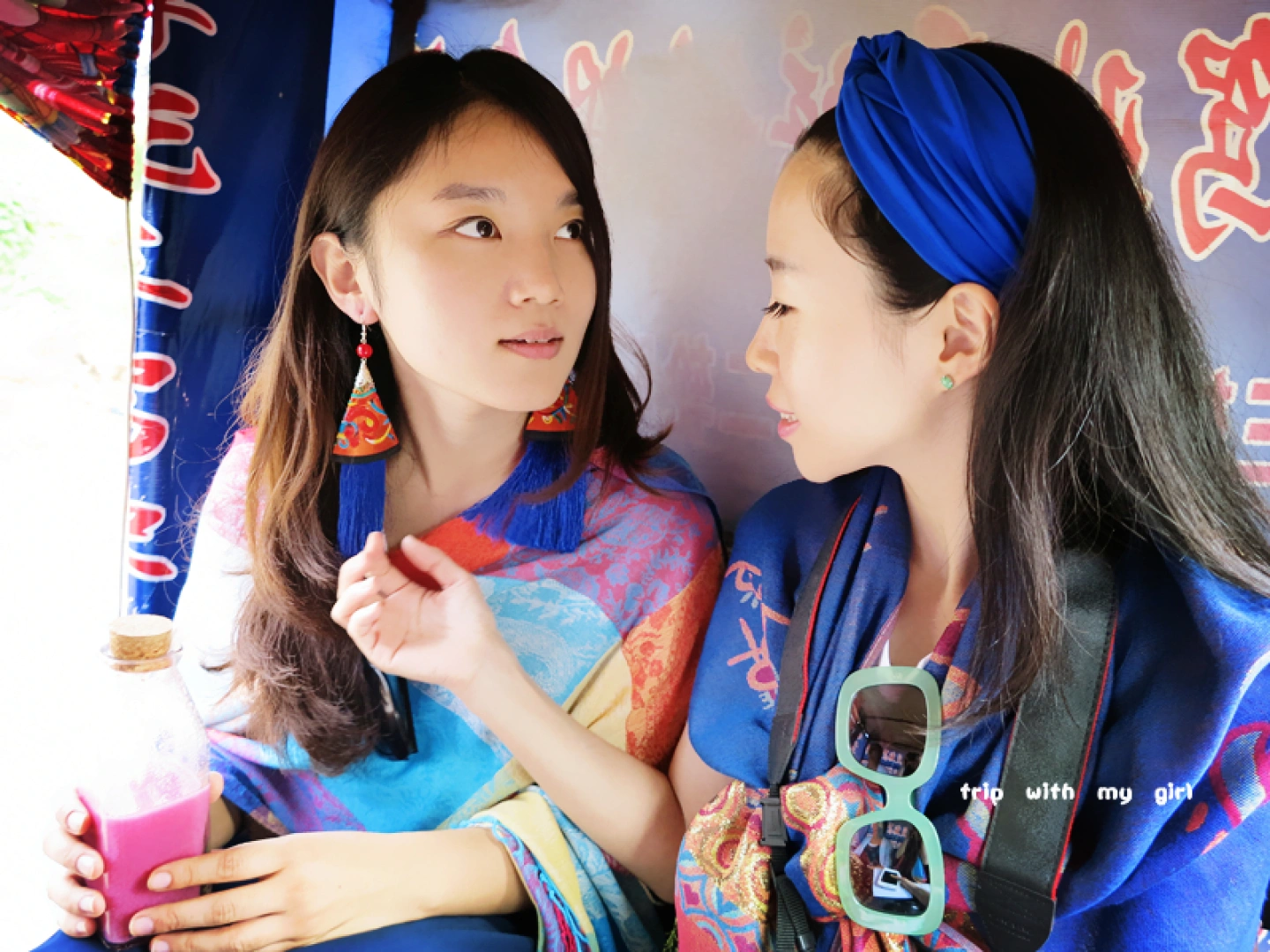
Lijiang Old Town is a UNESCO World Heritage site, and it shows. The cobblestone streets, ancient canals, and wooden bridges are straight out of a fairy tale. But it’s also crowded—very crowded. We checked into Lijiang Weimo Jingshe (¥680 for a luxury view room), a boutique inn tucked away on a quiet side street. The room had a balcony overlooking the old town rooftops, and the owner greeted us with warm tea.
We spent the afternoon getting lost in the maze of alleyways. Every turn revealed something new: a café with a resident cat, a shop selling handmade silver jewelry, a street vendor grilling yak meat skewers (牦牛肉串). We stopped for coffee at a tiny café called “Slow Time” (慢时光), where the barista wrote our names in latte foam.
Evening: A Taste of Naxi Culture
For dinner, we found a restaurant serving Naxi cuisine (纳西族). We ordered Naxi grilled fish (纳西烤鱼), stir-fried wild mushrooms (炒野生菌), and barbecued pork ribs (烤猪排). The flavors were bold and earthy, unlike anything we’d had before.
After dinner, we wandered to Sifang Street (四方街), the central square. A group of local women in traditional Naxi costumes were dancing in a circle, and tourists joined in. We couldn’t resist—we linked hands and danced under the lantern light, laughing at our clumsy steps.
Day 6: Lijiang Old Town → Shuhe – A Quieter Escape
By morning, we were ready for a break from the crowds. We took a taxi to Shuhe (束河) (¥25), a smaller, quieter ancient town just 15 minutes north of Lijiang. Shuhe feels like Lijiang’s little sister—equally charming, but with half the tourists.
We checked into Shuhe Lisiman Boutique Inn (¥700 for a countryside king room). The inn was a restored Naxi courtyard house, with a koi pond, blooming bougainvillea, and a rooftop terrace overlooking the fields.
Exploring Shuhe
Shuhe’s old town is centered around Sifang Street (四方街), a smaller version of Lijiang’s. We wandered through the market, where vendors sold everything from hand-painted fans to dried mushrooms. We bought a set of handmade Naxi embroidery (纳西刺绣) as a souvenir.
The highlight of Shuhe is the Qinglong Bridge (青龙桥), a stone arch bridge built during the Ming Dynasty. We sat on the bridge, watching the water flow beneath, and felt a sense of peace we hadn’t found in Lijiang.
Afternoon: A Cooking Class
One of our friends had booked a Naxi cooking class at a local home. For ¥150 per person, we learned to make Naxi baba (纳西粑粑, a flatbread), steamed chicken with mushrooms (菌菇蒸鸡), and sour-spicy fish soup (酸辣鱼汤). Our host, a grandmother named A-Ma, spoke no English but taught us through gestures and laughter. The meal we made together was the best we’d had all trip.
Evening: A Quiet Goodbye
That night, we sat on the inn’s rooftop, sharing a bottle of rose wine (玫瑰酒) we’d bought in Shuhe. The stars were brighter here, away from the city lights. We talked about our favorite moments—the cyclin in Shuanglang, the dancing in Lijiang, the cooking with A-Ma. We promised to do this again, somewhere, someday.
Day 7: Shuhe → Lijiang Airport → Chengdu → Beijing – The Journey Home
Our last morning came too soon. We packed slowly, savoring the final hours. The inn owner made us a farewell breakfast of rice porridge (粥) with pickles and tea.
A private car picked us up at 10:00 a.m. for the 40-minute drive to Lijiang Airport (¥100). From there, we flew to Chengdu (EU2738, 12:10–13:10, ¥1,977 for three), then connected to Beijing (CZ3904, 19:45–22:25, ¥2,265 for three).
In Chengdu, we had a few hours to kill. We took the airport shuttle to the city center and found a hotpot restaurant near the airport. We ordered mala broth (麻辣锅底), beef tripe (毛肚), duck blood tofu (鸭血豆腐), and sweet potato noodles (红薯粉). It was a fiery, glorious farewell to our adventure.
Final Thoughts
As the plane descended into Beijing, the gray haze of the city appeared below. I felt a pang of sadness—but also gratitude. For seven days, we had lived in a different world: a world of blue skies, slow mornings, and sisterhood. Yunnan had given us exactly what we needed: soft time, in every sense.
Would I do it again? In a heartbeat. But next time, I’d stay longer.
Practical Tips for Your Own Yunnan Adventure
Getting Around
 - Kunming to Dali: High-speed bus (4.5 hours, ¥138) or train (6–7 hours, similar price). The bus offers better views. - Dali to Xizhou/Shuanglang: Taxi or rental car (¥100–150). Negotiate the price before getting in. - Shuanglang to Lijiang: Shared van (¥30, 3 hours) or private car (¥300–400). - Within towns: Bicycle rentals (¥30/day) are the best way to explore.
Where to Stay
- Kunming: Kunming Jinyue Hotel Apartment (¥216) – great value, stylish rooms.
- Xizhou Taoyuan: Dali Taoyuan Renjia Seaview Resort (¥613) – stunning lake views.
- Shuanglang: Haicun Inn (¥770/night) – perfect location on Yuji Island.
- Lijiang: Weimo Jingshe (¥680) – quiet, with rooftop views.
- Shuhe: Lisiman Boutique Inn (¥700) – charming Naxi courtyard.
What to Eat
- Must-try dishes: Crossing-the-bridge noodles (过桥米线), steam pot chicken (汽锅鸡), Erhai fried whitebait (洱海银鱼), Naxi grilled fish (纳西烤鱼), yak meat skewers (牦牛肉串).
- Desserts: Mango yogurt at Mutong Dessert (木童甜品) in Shuanglang; rose wine (玫瑰酒) in Shuhe.
- Drinks: Peach Blossom Brew (桃花酿) in Xizhou; local green tea everywhere.
Packing Essentials
- Sunscreen (SPF 30+)
- Layers (T-shirts, sweaters, a light jacket)
- Comfortable walking shoes
- Reusable water bottle
- Camera with extra batteries
- A sense of adventure (and patience for crowds)
This journey was made possible by the kindness of strangers, the laughter of friends, and the magic of Yunnan. If you’re planning your own trip, remember: the best memories are the ones you don’t plan. Go with an open heart, and let the clouds guide you.
You should also read:

Body in Hell, Heart in Heaven: A Pilgrimage Through Tiger Leaping Gorge — A Dialogue Between Heaven and Earth
Body in Hell, Heart in Heaven: A Pilgrimage Through Tiger Leaping Gorge — A Dialogue Between Heaven and Earth Introduction: When the Gorge Splits Open Beneath Your Feet Some say Tiger Leaping Gorge is the closest place on Earth to the border between "hell" and…
Continue reading...
Cloud Travelogue · Dali of Wind, Flowers, Snow, and Moon: A Three-Day, Two-Night Journey of a Free Spirit
Cloud Travelogue · Dali of Wind, Flowers, Snow, and Moon: A Three-Day, Two-Night Journey of a Free Spirit I am a cultured female foodie with a touch of rogue charm. I slung on my backpack, took my lover's hand, and set off on a spontaneous…
Continue reading...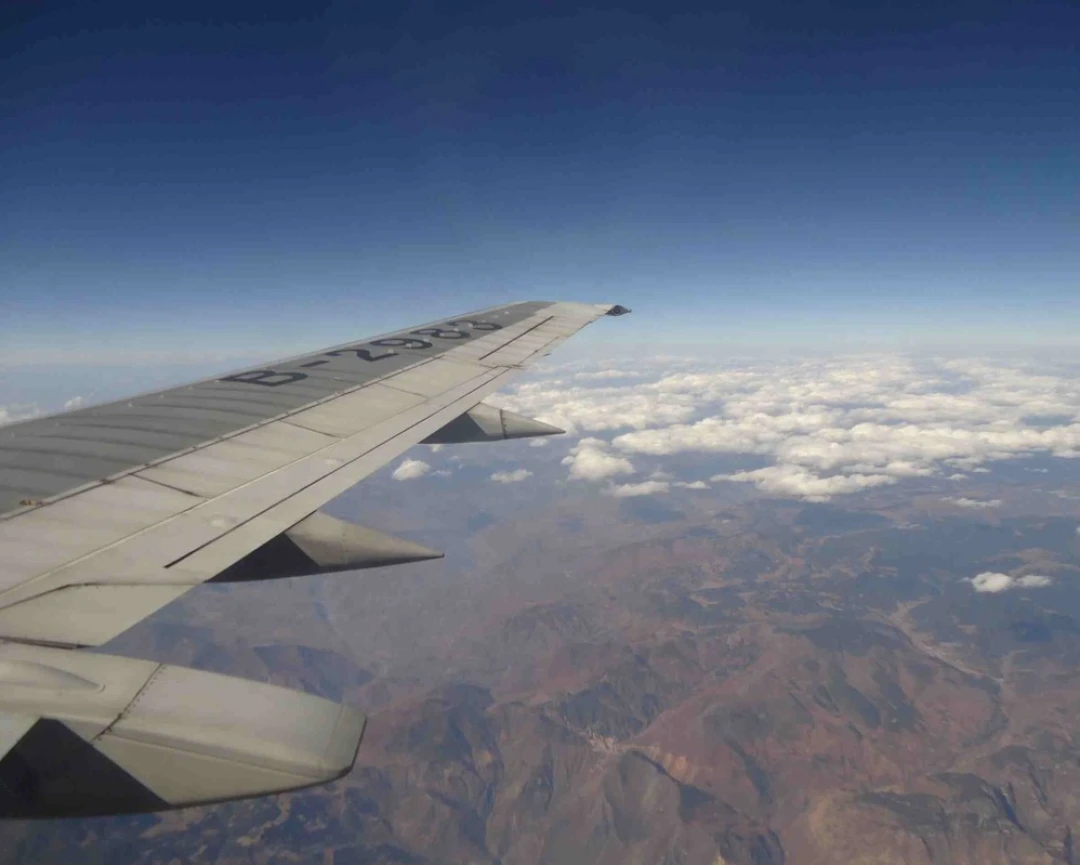
The Meaning of Travel – A Tengchong Story: A Journey of the Heart and Personal Growth
The Meaning of Travel – A Tengchong Story: A Journey of the Heart and Personal Growth Setting Out, Only to Return a Better Self Some say travel is nothing more than leaving a place you're tired of, only to go to a place where others…
Continue reading...