Sleeping In Until Naturally Awake: A Leisurely Journal About Tengchong
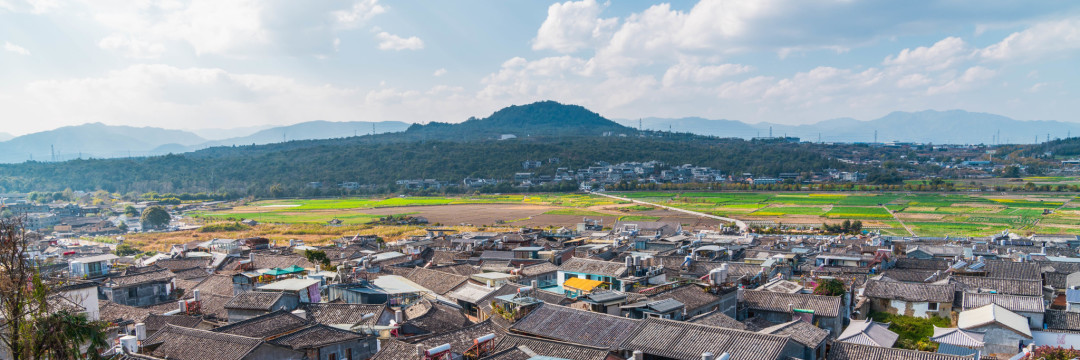
Sleeping In Until Naturally Awake: A Leisurely Journal About Tengchong
On February 6, 2024, China's Ministry of Culture and Tourism released a new batch of national 5A-level tourist attractions, and Heshun Ancient Town in Tengchong was proudly on the list. When the news broke, I was still savoring the laziness and warmth I had just brought back from this border town. It felt like accidentally scoring a free ticket to a 5A scenic spot—quietly delighted, I couldn't help but pick up my pen to jot down fragments of this journey.
Some say Lijiang is for solo romantic encounters, Dali is for hand-in-hand couples, but Tengchong is for the whole family to unwind. This border city, straddling the depths of the Hengduan Mountains, quietly captured my heart with its ecological diversity and cultural depth. Even though early February wasn't the peak season, four days were enough for my wife and me to reach a silent agreement: we'll be back.
Why Tengchong? The "Extreme Frontier" Code from Geography to Culture
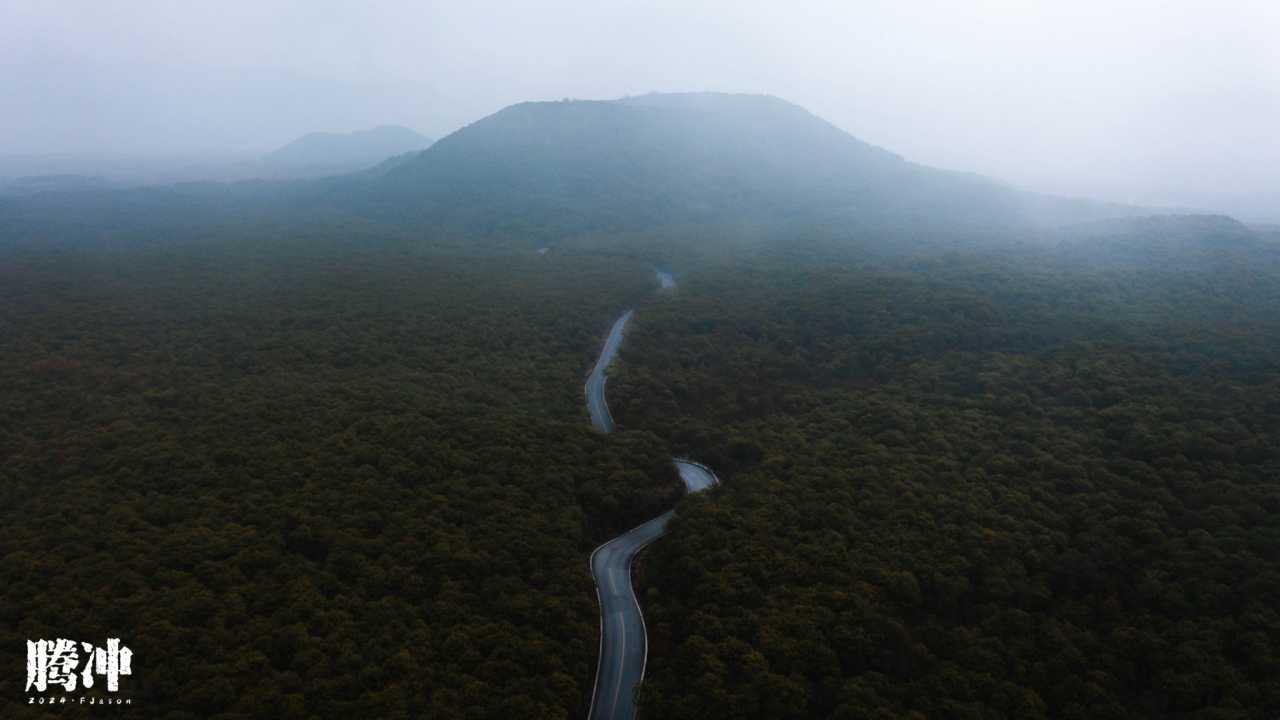
Open a map of China, and you'll see the famous "Hu Huanyong Line"—from Mohe in the northeast to Tengchong in the southwest, this line marks the demographic divide of China's population distribution. Tengchong is the southwestern endpoint of this line. It sits at the foot of the Gaoligong Mountains, which locals describe as "one mountain with four seasons, ten miles with different skies." As the first barrier for the southwest monsoon entering China, it gifts Tengchong with layered natural scenery: tropical rainforest at the base, temperate forests on the slopes, and misty clouds often shrouding the summit.
On the cultural front, Tengchong's depth is even more captivating. Over two thousand years ago, the ancient southwestern trade route blazed by our ancestors had its last stop here. The Ming Dynasty traveler Xu Xiake, upon reaching Tengchong, called it "the first city of the extreme frontier"—the final destination of his travels. During the War of Resistance against Japan, the crucial section of the Burma Road was laid through Tengchong. This transport line, carved out by 200,000 people with blood and sweat, was once the only lifeline connecting China to the outside world during those arduous times.
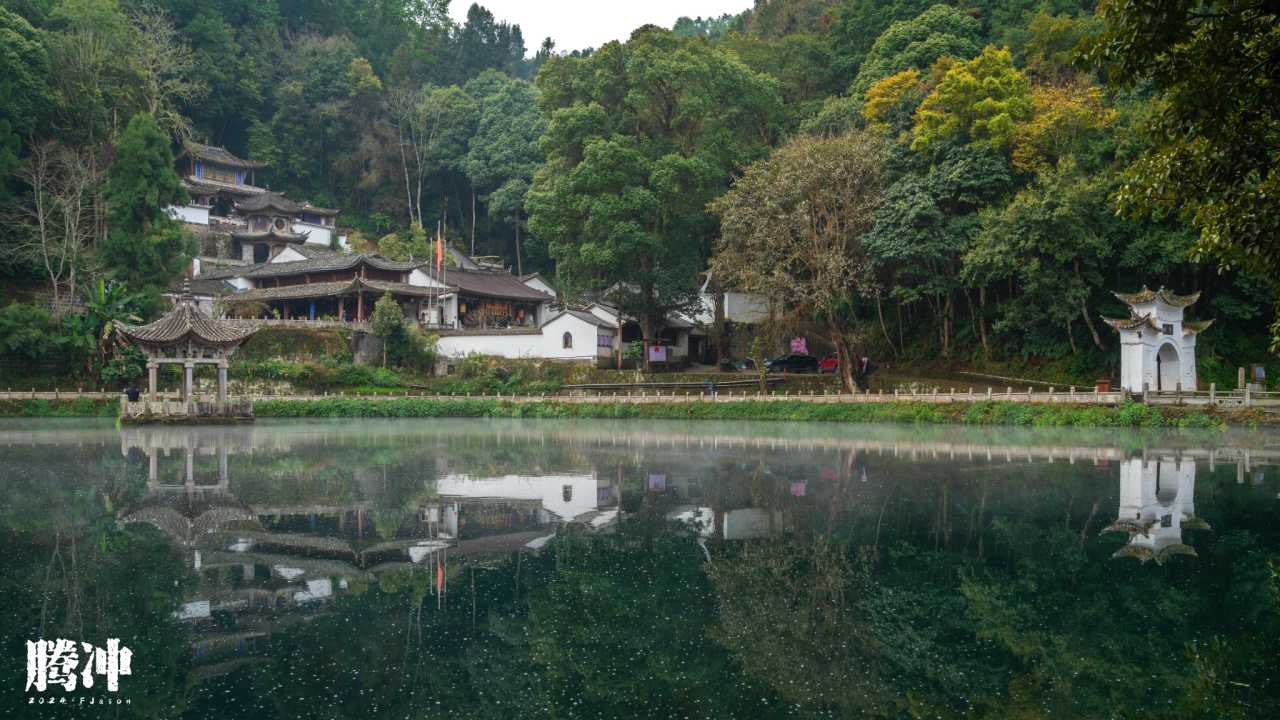
So Tengchong has never been a frivolous tourist city. Every inch of its land holds the dual codes of nature and history.
Five-Day Itinerary: No Rushing, Just Feeling
Our itinerary was simple, even a bit "willful"—we didn't deliberately check off all the popular spots but instead slowed down to follow the sun.
- Day 1: Guangzhou → Mangshi, visiting the Menghuan Golden and Silver Pagodas
- Day 2: Mangshi → Tengchong, checking into Heshun Ancient Town
- Day 3: Tengchong, Hemu Village → Jietou Town → Dadi Tea Sea
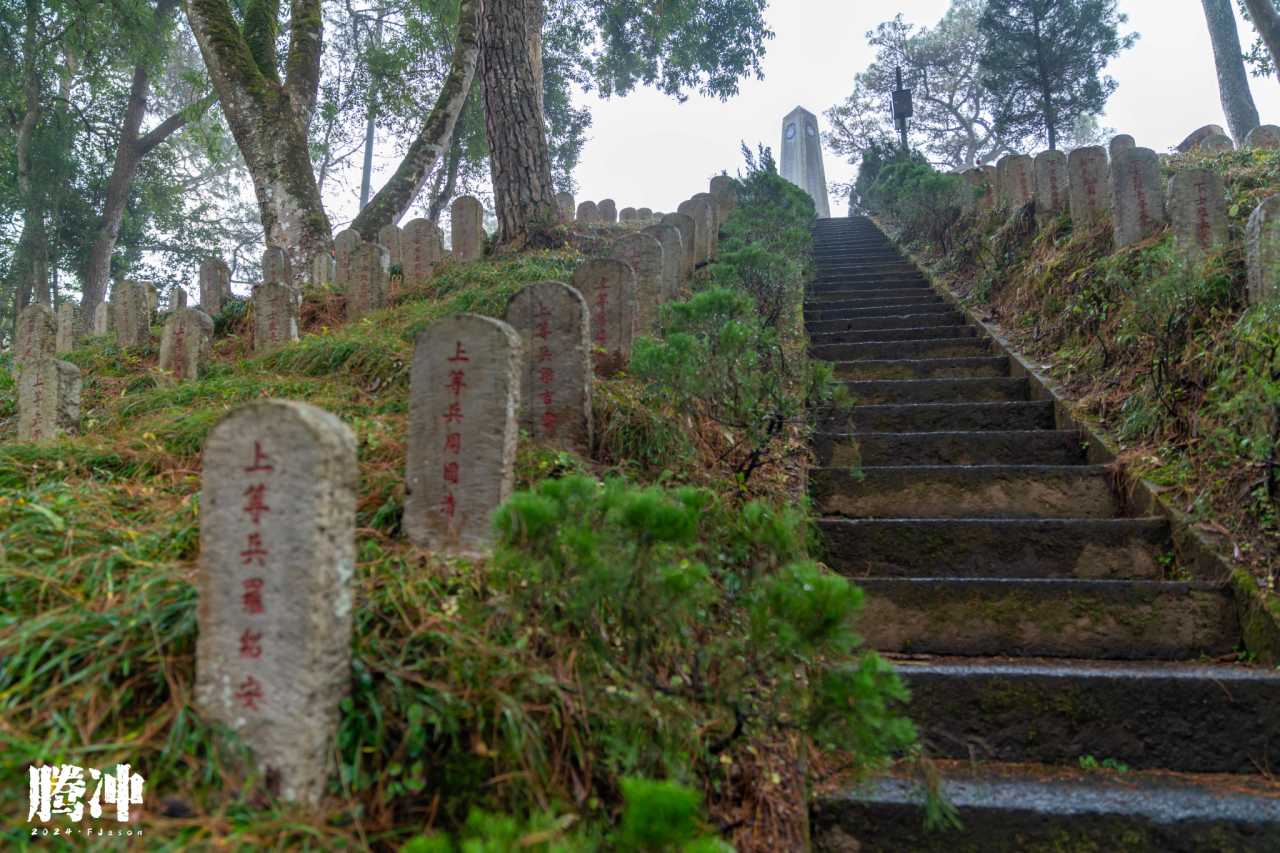
- Day 4: Tengchong, National Memorial Cemetery of the Fallen → Volcano Park → Yue Chun Hot Spring
- Day 5: Tengchong → Mangshi → Guangzhou, strolling through Heshun Ancient Town again
To be honest, we skipped the Rehai Scenic Area and Beihai Wetland because we've seen similar geothermal and wetland landscapes elsewhere. But for first-time visitors to Tengchong or those wanting to take kids on an educational trip, these places are still worth a visit.
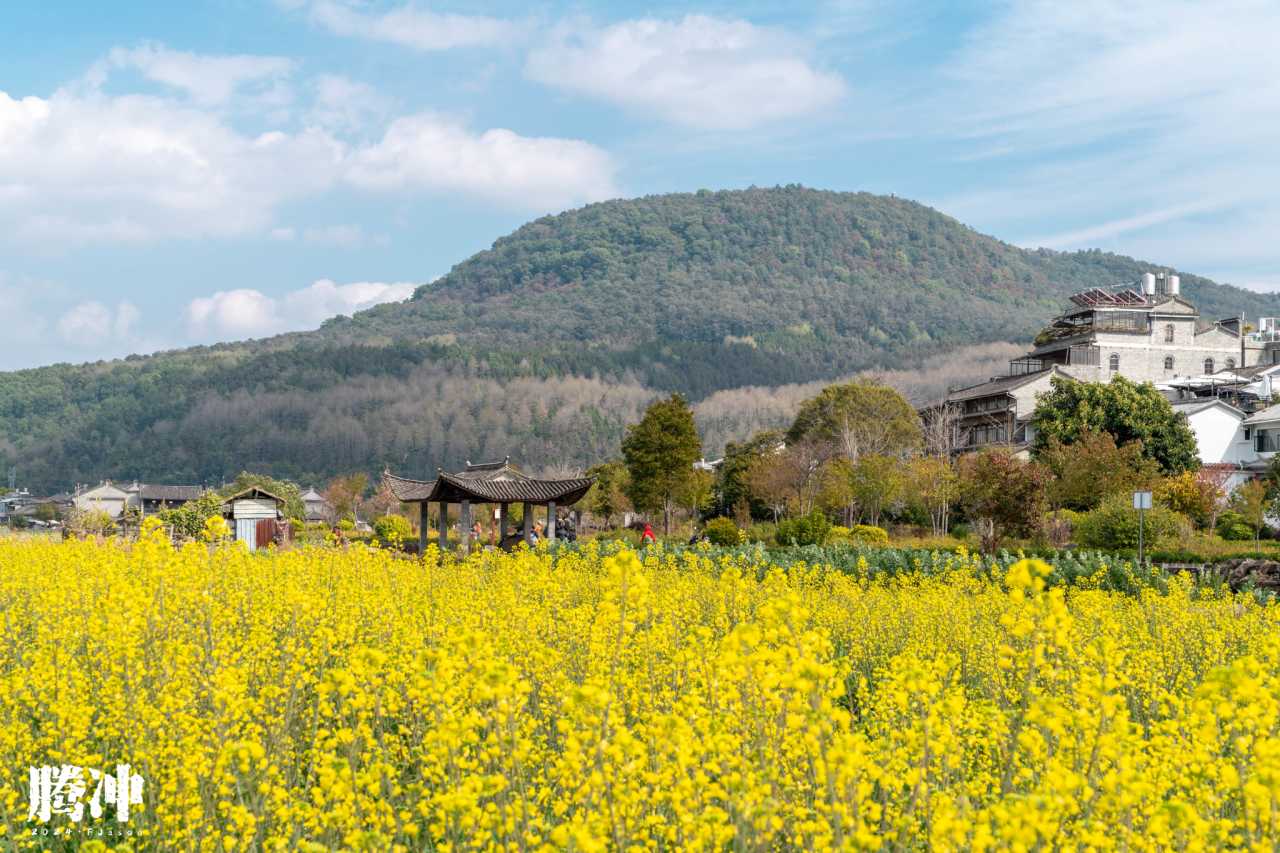
As for flower viewing, early February isn't the peak season, but Tengchong's floral scene has quietly begun: the rapeseed flowers in Jietou Town, the camellias in Hemu Village, the plum blossoms in Zhongying Village, the ginkgo leaves in Yinxing Village (autumn only), and the cherry blossoms in Sakura Valley—each season has its star.
Heshun Ancient Town: Not Just 5A, But a Way of Life

Heshun Ancient Town is undoubtedly Tengchong's "headline IP." We stayed there for all four days of our trip, and our feelings evolved from initial amazement to a lingering attachment after leaving.
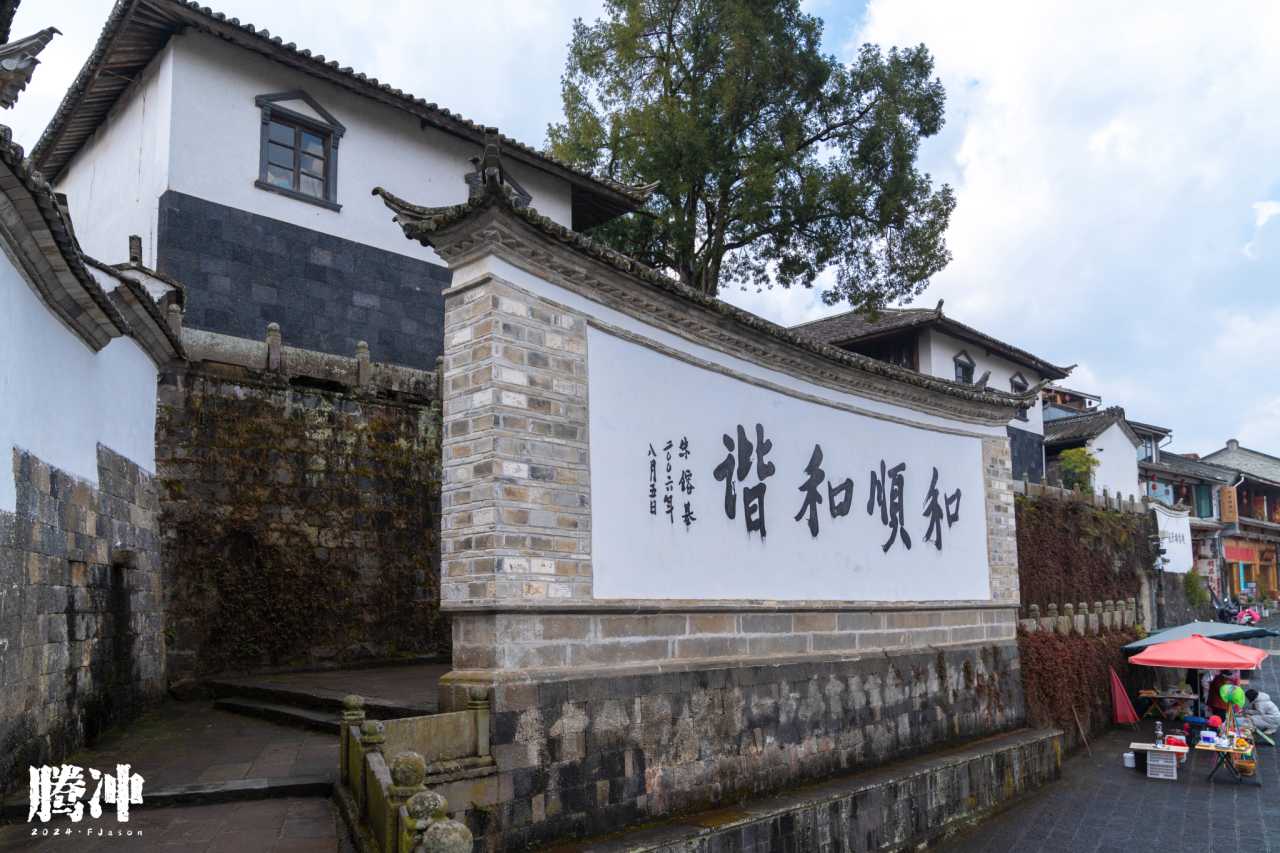
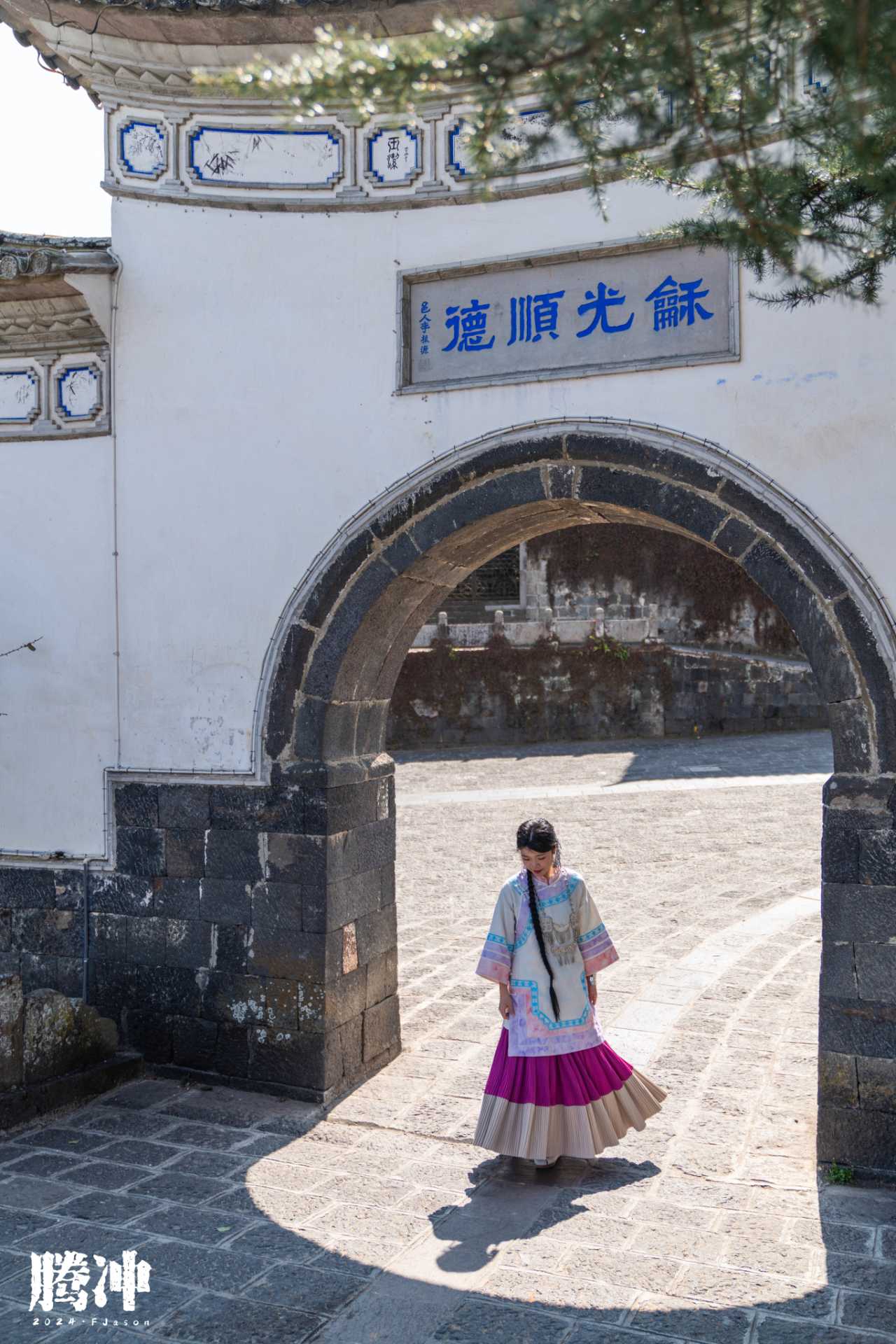
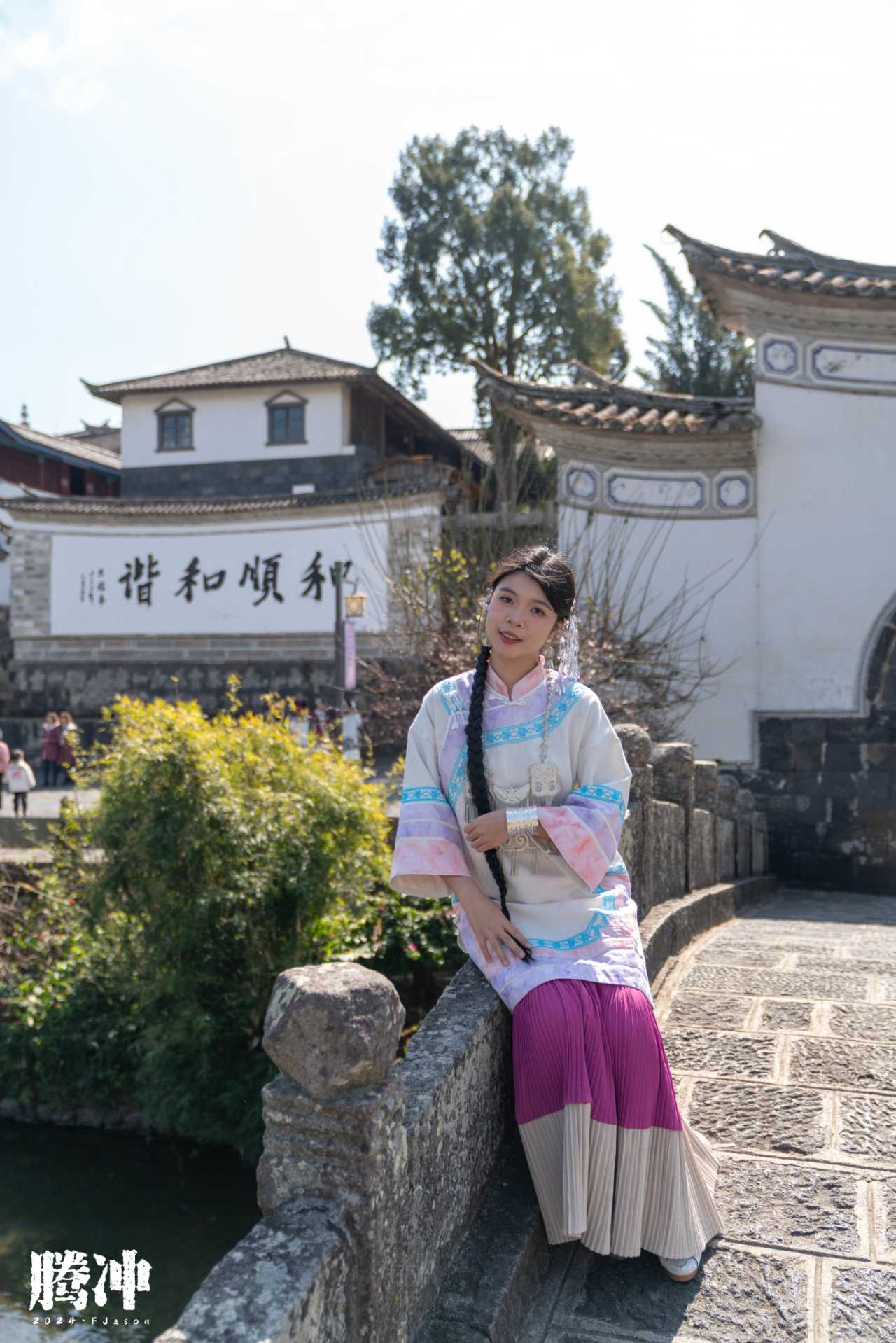
Heshun, anciently called "Yangwendun," is said to have been renamed "Heshun" because it's surrounded by water on three sides, with a small river winding around the village. For over six hundred years, Central Plains culture, Western culture, Nanzhao culture, and borderland culture have collided and blended here, creating a unique overseas Chinese and caravan culture. Surrounded by volcanoes, with blue stone paths and century-old houses in the middle, this layout is hard to find anywhere else in the country.
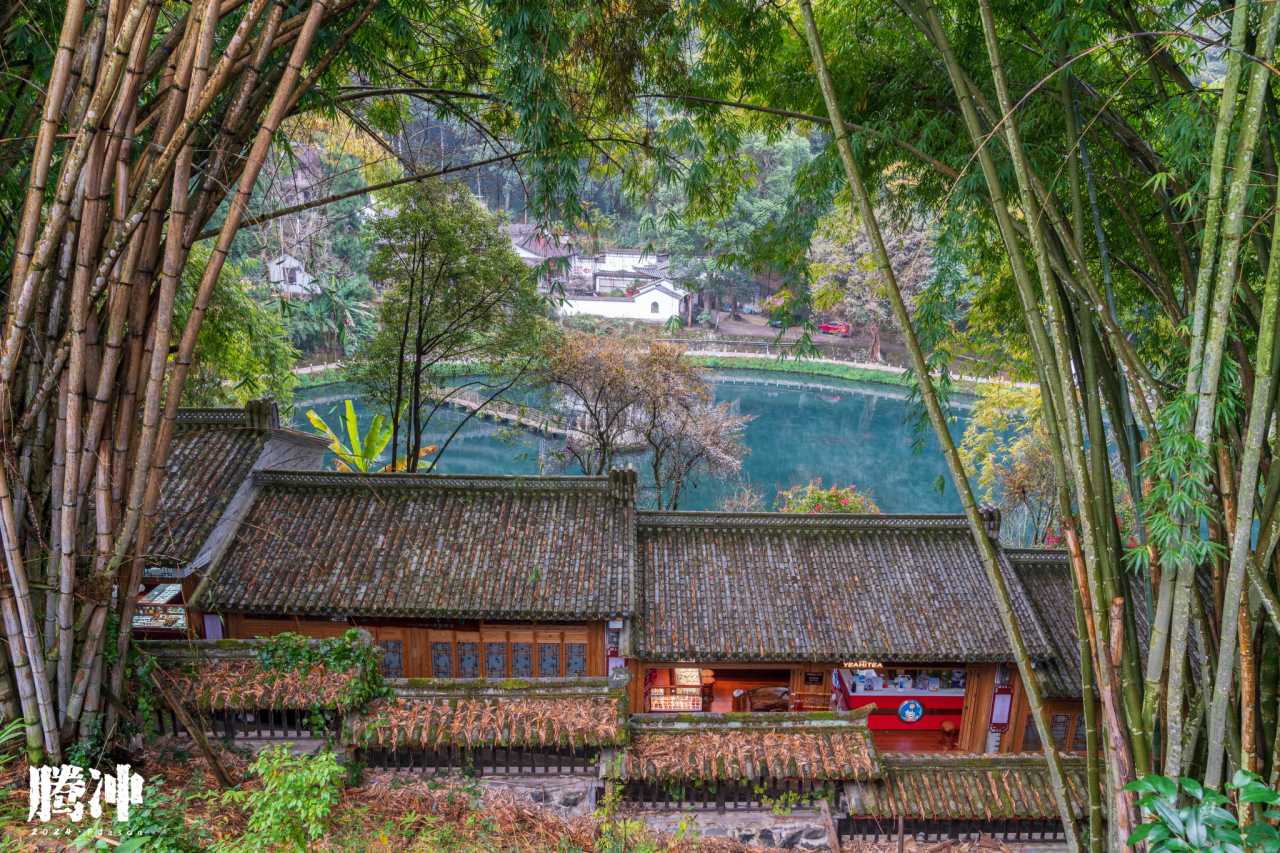
Online, you might occasionally see posts warning people to "avoid" Heshun, calling it too commercialized or boring. After thinking it over, I believe those disappointments stem from two reasons: either the itinerary was too rushed, skimming the surface, or they encountered rainy weather, which dulled the ancient town's charm. As for commercialization—Heshun is indeed changing, but it still retains a strong sense of daily life. Early in the morning, you can see elderly people washing clothes by the river; at noon, children chase each other through the alleys; in the evening, cooking smoke rises from every household. Without these commercialized guesthouses and restaurants, people might complain about it being dirty and chaotic instead.
So before going to Heshun, do a little homework. Learn about its history, slow down, and feel it with your heart—you'll find that the most moving thing here isn't the attractions, but life itself.
Ways to Slow Down: Soaking in Hot Springs, Sipping Tea, and Daydreaming
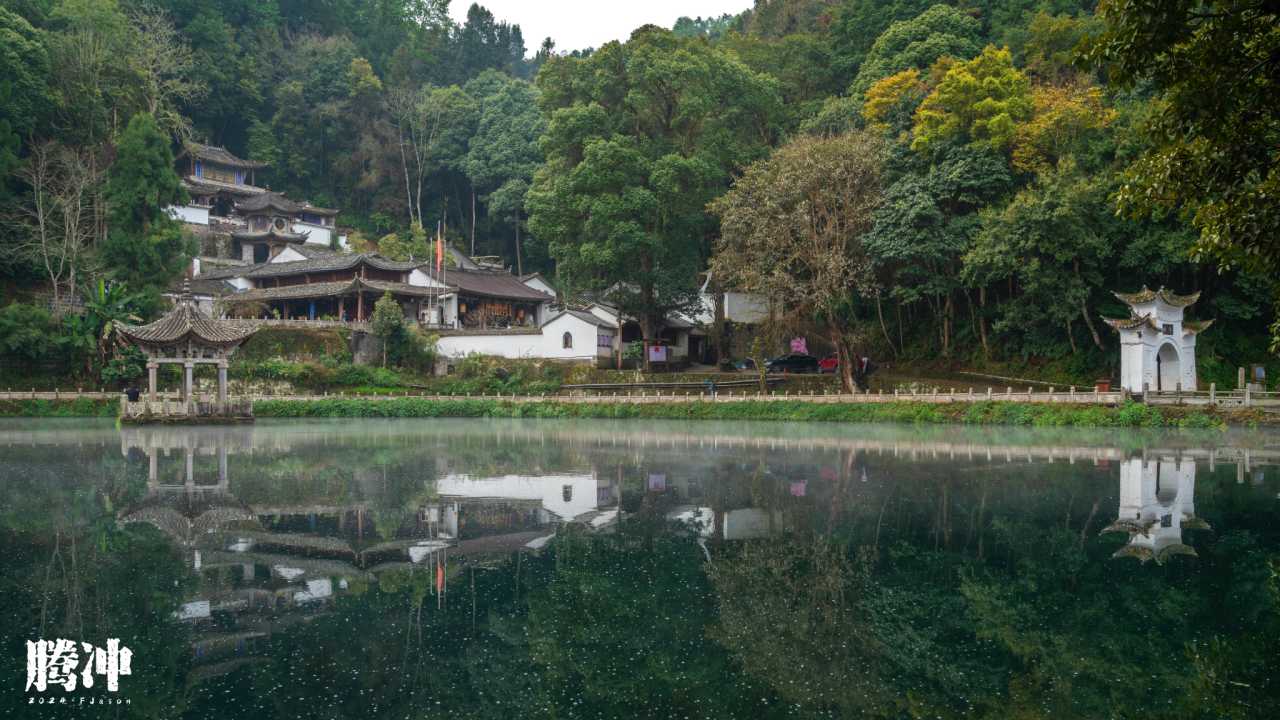
In Tengchong, "leisure" isn't just a slogan—it's a daily routine.
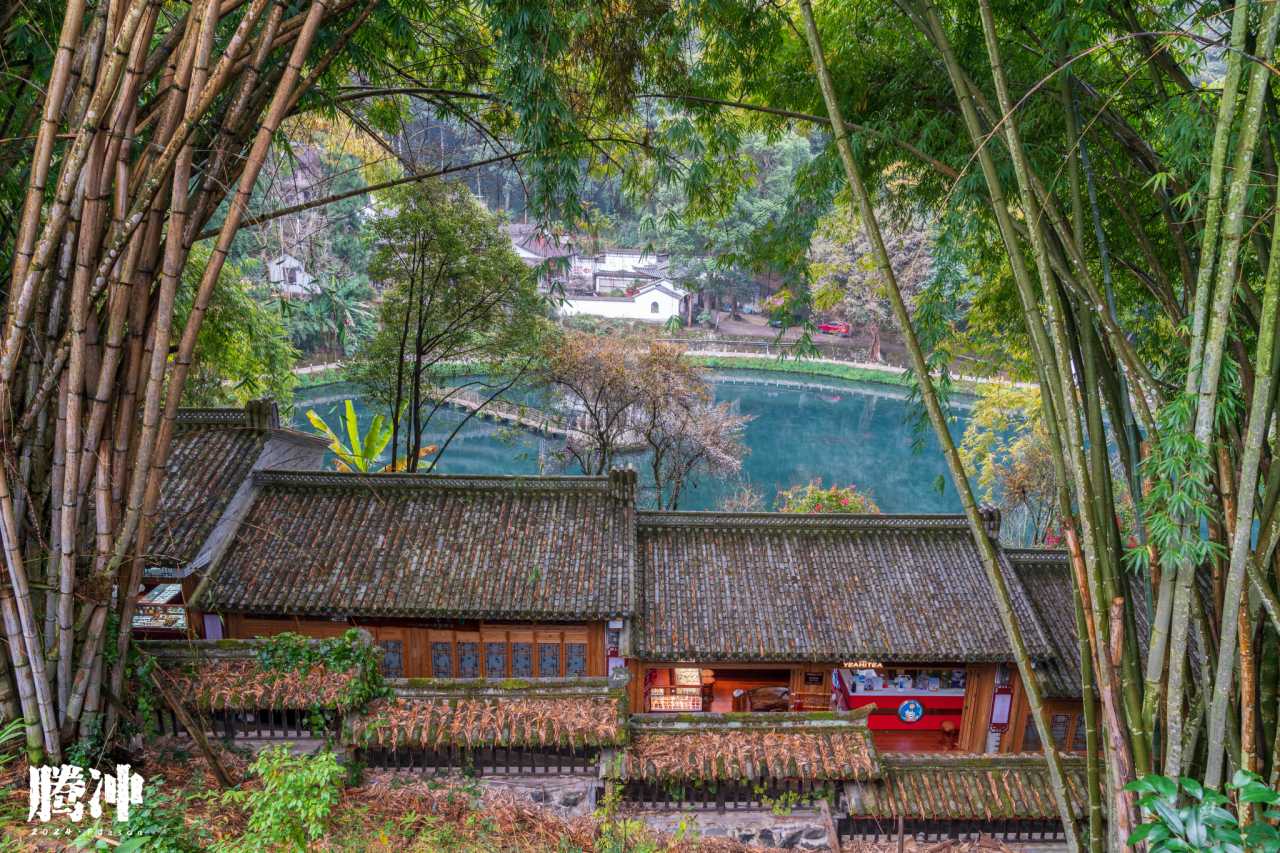
Soaking in hot springs is a must. Tengchong's geothermal resources are abundant, and Yue Chun Hot Spring was one of our most extravagant indulgences on this trip. Immersed in water over 40 degrees Celsius, looking up at the outline of the Gaoligong Mountains, listening to the rustle of wind through the leaves—in that moment, all the noise of the city evaporated.
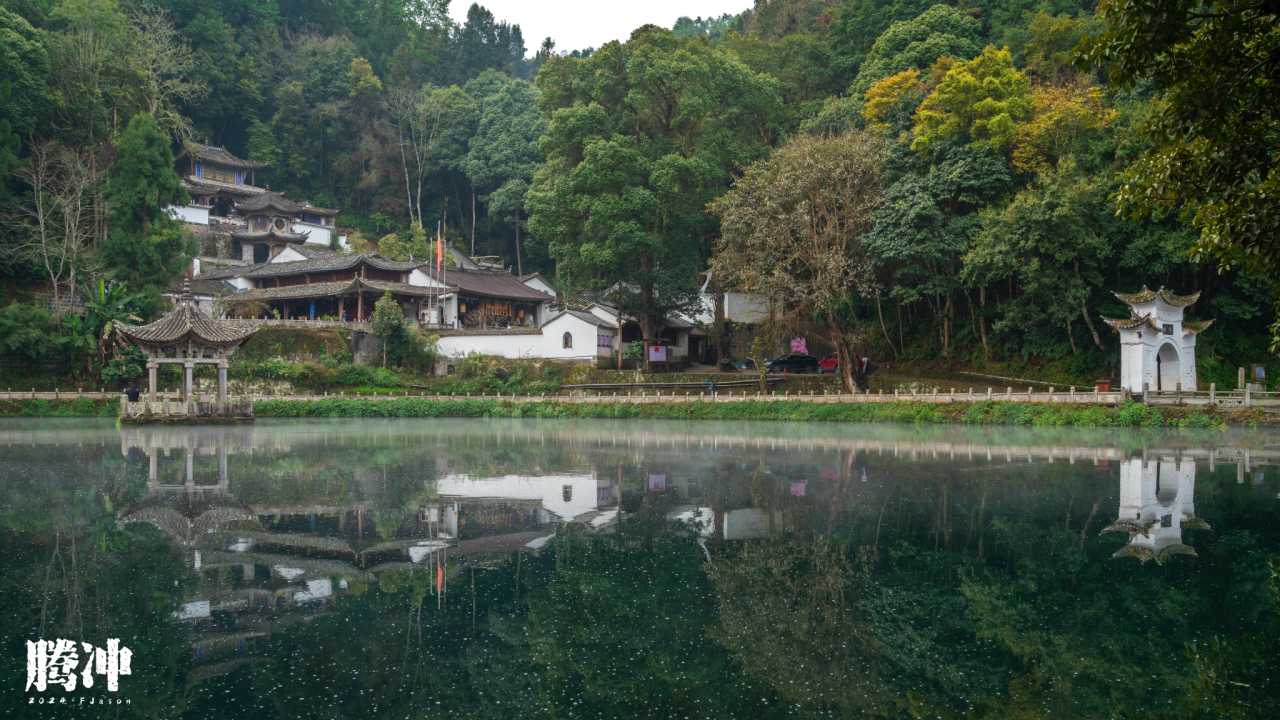
Sipping tea is another ritual. Dadi Tea Sea is hidden in a valley, with endless rolling tea gardens like green waves. We found a quiet corner, ordered some local Pu'er tea, and watched the leaves unfurl in the water as time seemed to slow down. The owner, a young man, lit up when talking about tea. "Tengchong's tea is as good as any," he said, "it just hasn't made a name for itself yet."
Daydreaming is the highest form of leisure. In front of Wenchang Palace in Heshun Ancient Town, there's an open square where we often sat on the stone steps, watching clouds, birds, and tourists coming and going. Sometimes we thought of nothing at all, just sat there, feeling completely emptied out and then filled up again.
The Overlooked Corners: Surprises in Hemu Village and Jietou Town
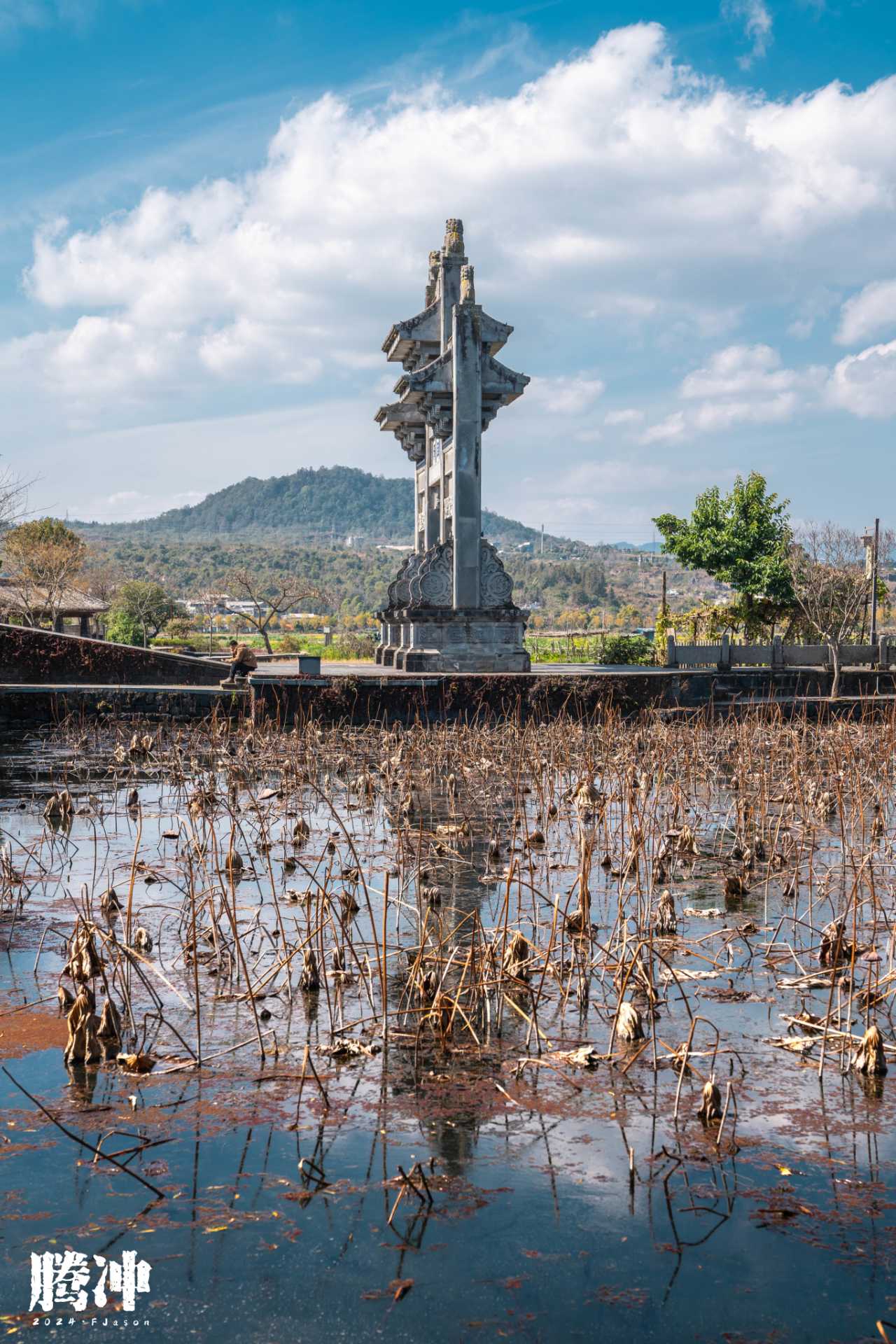
If Heshun is Tengchong's "face," then Hemu Village and Jietou Town are its "heart."
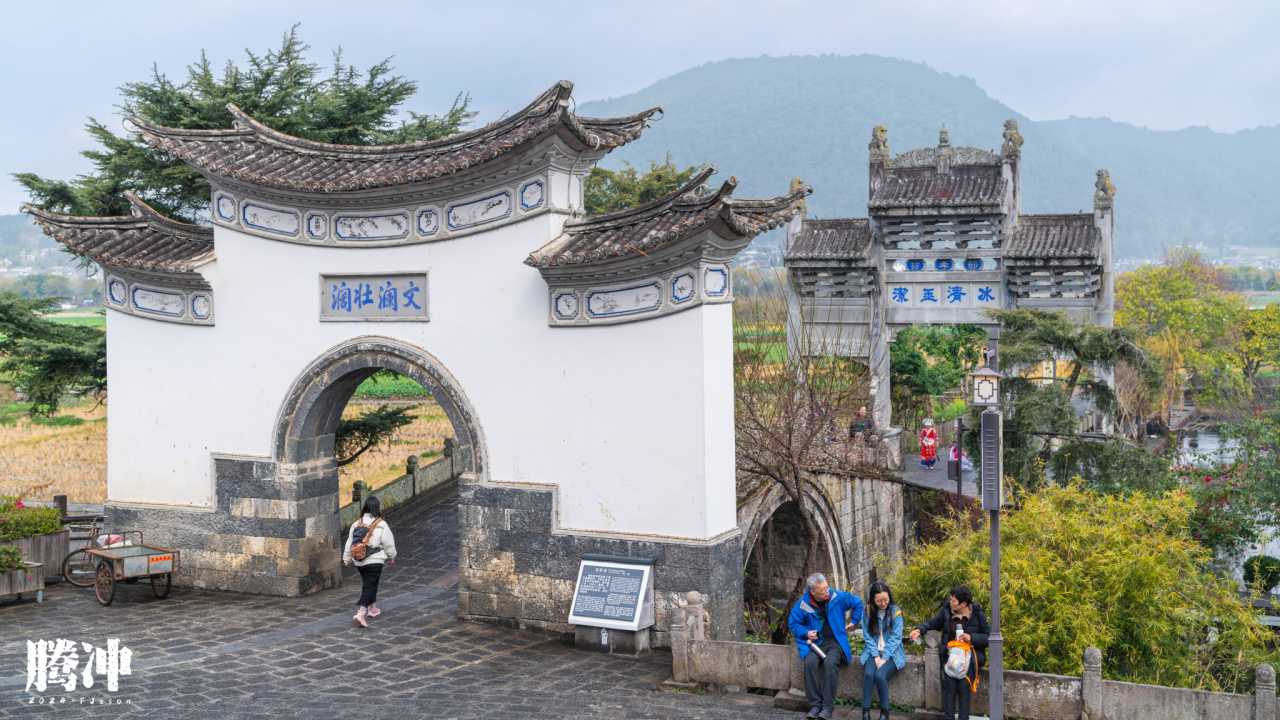
Hemu Village is famous for its camellias, and early February is exactly when they're in full bloom. The village isn't big, with camellias planted in front of every house—red, white, pink—blooming with passion and serenity. At the village entrance, we met an elderly woman who chatted with us in imperfect Mandarin. She said these camellias were planted by her grandfather's generation, nearly a hundred years ago. In that moment, I suddenly felt that this was true "slow living"—not deliberately slowing down, but time itself flowing slowly here.
The rapeseed flower fields in Jietou Town were a visual feast. Though not yet at their peak, vast stretches of golden yellow had already spread out, with the snow line of the Gaoligong Mountains in the distance and the busy hum of bees nearby. We walked along the ridges for a long time, until the setting sun stretched our shadows far and long.
In Closing: Three Things Tengchong Taught Me
A four-day trip to Tengchong—not long, not short. But this city taught me three things:
First, slow down to see the scenery. If you come to Tengchong with a "checklist" mentality, you'll likely be disappointed. But if you're willing to slow your pace, Heshun's blue stone paths will tell you their stories, and the mist over the Gaoligong Mountains will gift you an unexpected encounter.
Second, history isn't cold text. Standing before the National Memorial Cemetery of the Fallen, looking at the names carved into the stone tablets, you'll understand what "every inch of mountain and river cost an inch of blood" truly means. Tengchong's depth isn't built by tour guide scripts—it's etched into every brick and every tile.
Third, the best travel is living like a local. Wake up naturally in the morning, grab a bowl of rice noodles (饵丝) at the alley entrance; brew a pot of tea in the afternoon, watching clouds drift by; soak in a hot spring in the evening, then fall asleep to the sound of insects. Days like these don't need many attractions—they're already beautiful enough.
Tengchong, we'll be back. Next time, maybe in autumn when the ginkgo leaves are golden, or in spring when the cherry blossoms are in full bloom. But no matter what, that heart that "sleeps in until naturally awake" has already stayed here.
You should also read:
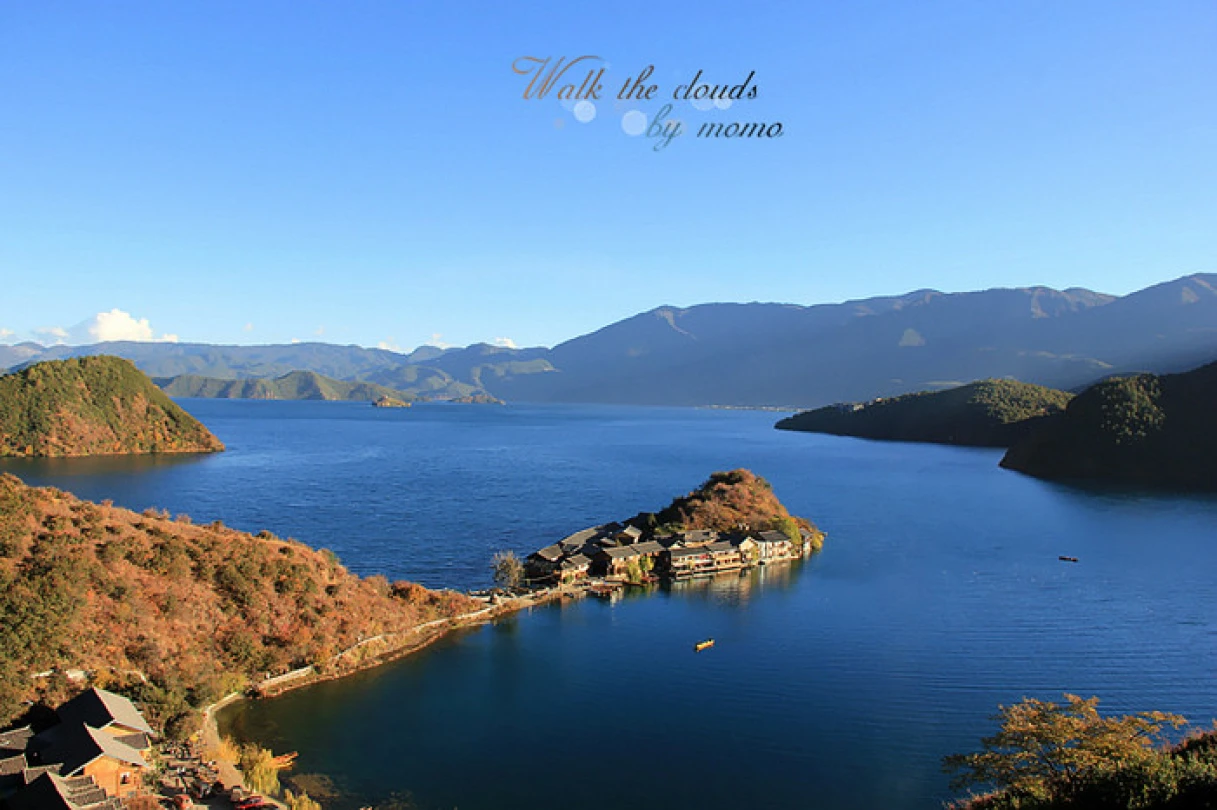
Memories of Yunnan – A Silent Autumn Tale (Lijiang + Lugu Lake + Shuanglang + Tengchong Ginkgo Village + Heshun)
Memories of Yunnan – A Silent Autumn Tale (Lijiang + Lugu Lake + Shuanglang + Tengchong Ginkgo Village + Heshun) Autumn in the south always comes and goes in a hurry, like a dream you barely have time to savor. The streets remain green, the…
Continue reading...
Time Journal: Our Yunnan Honeymoon — Seventeen Days Through Lugu Lake, Lijiang, Dali, and Shuanglang
Time Journal: Our Yunnan Honeymoon — Seventeen Days Through Lugu Lake, Lijiang, Dali, and Shuanglang Prologue: A Spontaneous Honeymoon They say a honeymoon is the gentlest chapter in a love story. Some dream of the turquoise seas of the Maldives, others yearn for the romantic…
Continue reading...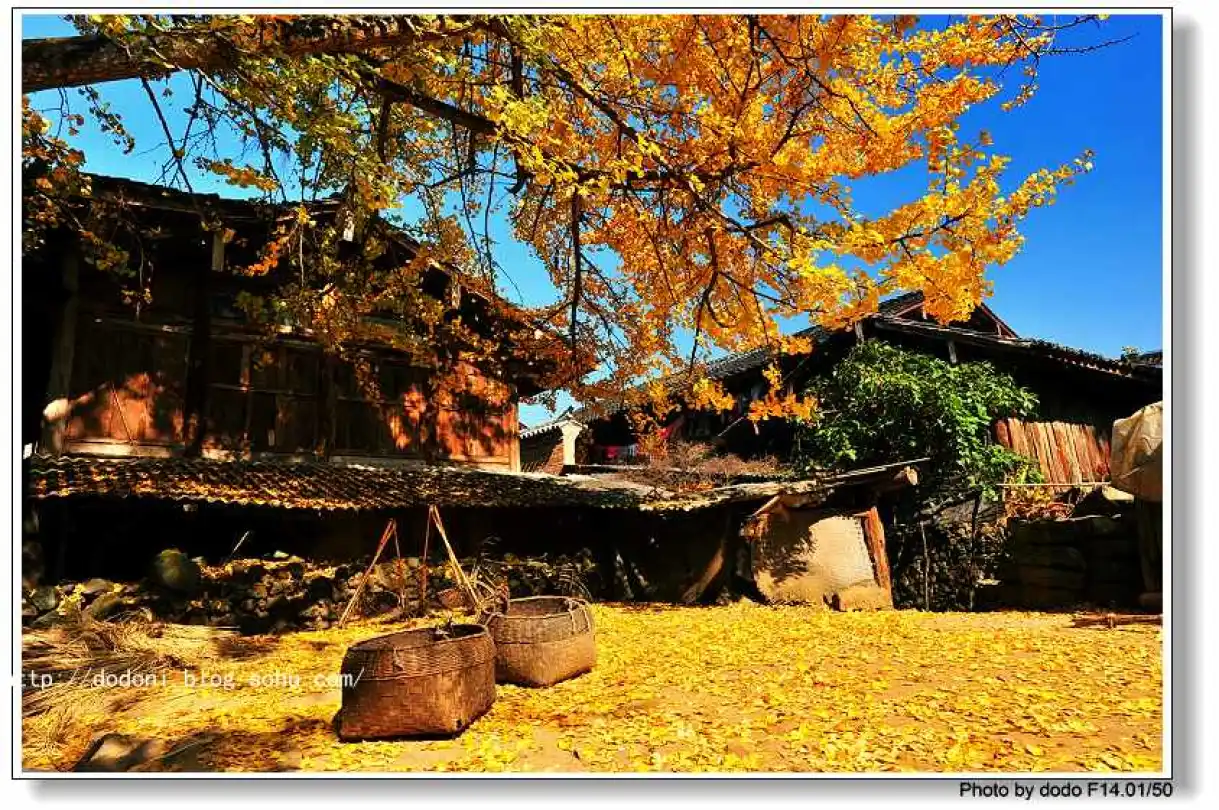
Golden Autumn: A Poetic Tapestry of Light and Shadow in Tengchong's Ginkgo Village
Golden Autumn: A Poetic Tapestry of Light and Shadow in Tengchong's Ginkgo Village A Belated Autumn Rendezvous Everyone harbors a dream about autumn somewhere in their heart. For me, that dream once belonged to Jiuzhaigou—that palette of colors hailed by the world as a "fairy-tale…
Continue reading...