Time Journal: Our Yunnan Honeymoon — Seventeen Days Through Lugu Lake, Lijiang, Dali, and Shuanglang
Time Journal: Our Yunnan Honeymoon — Seventeen Days Through Lugu Lake, Lijiang, Dali, and Shuanglang
Prologue: A Spontaneous Honeymoon
They say a honeymoon is the gentlest chapter in a love story. Some dream of the turquoise seas of the Maldives, others yearn for the romantic streets of Italy. But after careful planning, we chose Yunnan.
Seventeen days — not too long, not too short. We wandered through the tranquility of Lugu Lake, the bustle of Lijiang, the laid-back charm of Dali, and the leisurely pace of Kunming. The mountains and waters of Yunnan have been measured by countless travelers' footsteps before us, but this time, we finally left our own footprints behind.
Like Tibet, it's nearly impossible for first-timers to experience all of Yunnan in one go. The flower seas of Shangri-La, the golden ginkgo trees of Tengchong, the tropical rainforests of Xishuangbanna, the border-town vibes of Ruili — these names have become the seeds for our next adventure.
This travelogue marks the beginning of beautiful memories and lays the groundwork for future journeys. I hope it brings you some joy, and for us, it serves as an eternal keepsake.
Preparations Before Departure: From Beijing to Yunnan, Heading South
Our honeymoon ran from April 26 to May 13. From the decision to go to Yunnan to our actual departure, less than a month passed. Requesting time off, shopping on Taobao, booking rooms, buying tickets, crafting itineraries — everything was a whirlwind of activity.
Packing List: - Camera: Canon 5D3 + Sigma 35/1.4 + Tamron 70-300 VC - Luggage: Two suitcases, two backpacks, one small shoulder bag (which later gave up the ghost) - Clothing: Yunnan has significant temperature swings between day and night — warm layers are essential - Sunscreen: Don't just protect your face — I learned this the hard way. My arms, shoulders, and the tops of my feet all got sunburned and peeled.
Total Cost: Approximately 14,927.98 RMB (for two people)
Practical Tip: You don't need to buy train tickets from Lijiang to Dali in advance — just show up early on the day. The train is about an hour faster than the bus, but there are only three departures daily: 8:26 AM, 5:00 PM, and 8:00 PM.
Chapter One: Lugu Lake — Love at First Sight

April 29: Seven Bumpy Hours for a Single Lake
We started from Beijing, stopped in Chengdu for a day to rest, eat our fill, and visit friends and family, then took an overnight train to Xichang. We'd expected the train conditions to be rough, but it turned out to be mostly tourists and students — not bad at all.
We arrived at Xichang train station at 6:30 AM on April 29, and then the real test began. The bus ride from Xichang to Lugu Lake still gives me chills when I think about it — old, dirty, smelly, and uncomfortable. As soon as we got on, we hit the winding mountain roads: gravel, potholes, constant jolts. The sun beat down on the left side the whole time, and unluckily, that's where I was sitting. Hot, stinky, bumpy — I never get carsick, but I did this time. Thank goodness I'd brought motion sickness patches.
We stopped three times for bathroom breaks, once for a meal, and twice for road construction. After all the twists and turns, we finally arrived at Lugu Lake around 4:00 PM. The entrance fee was supposed to be collected, but a few of us pooled together and gave the driver 40 RMB each, slipping through without issue. We got off at Daluoshui Village.
Practical Tip: There are plenty of bus tickets from Xichang to Lugu Lake, with extra services during holidays. Get to the station early and you'll usually find a seat. If you're coming from Lijiang, the road is much better and the trip takes about 5.5 hours. The airport near Lugu Lake is also almost operational.
After getting off, we shared a ride to Lige Village for 15 RMB per person. The road into Lige Village is too narrow for cars, and dragging suitcases over the cobblestones was a nightmare. Our first night's booking, "Peninsula No. 7," was on Lige Peninsula, and it took us nearly half an hour to walk there — only to find out the inn could have sent someone to pick us up. I was too exhausted to complain, but the view made it worth it.
Our room was a first-floor lake-view suite with floor-to-ceiling windows and a private balcony. Opening the window, the lake was right there. After all that hardship, it was a small comfort.
First Impressions of Lugu Lake: Rice Noodles, Roast Suckling Pig, and a Sky Full of Stars
After settling in, our first mission was food. The taste of Yunnan rice noodles was the first comfort of the trip.
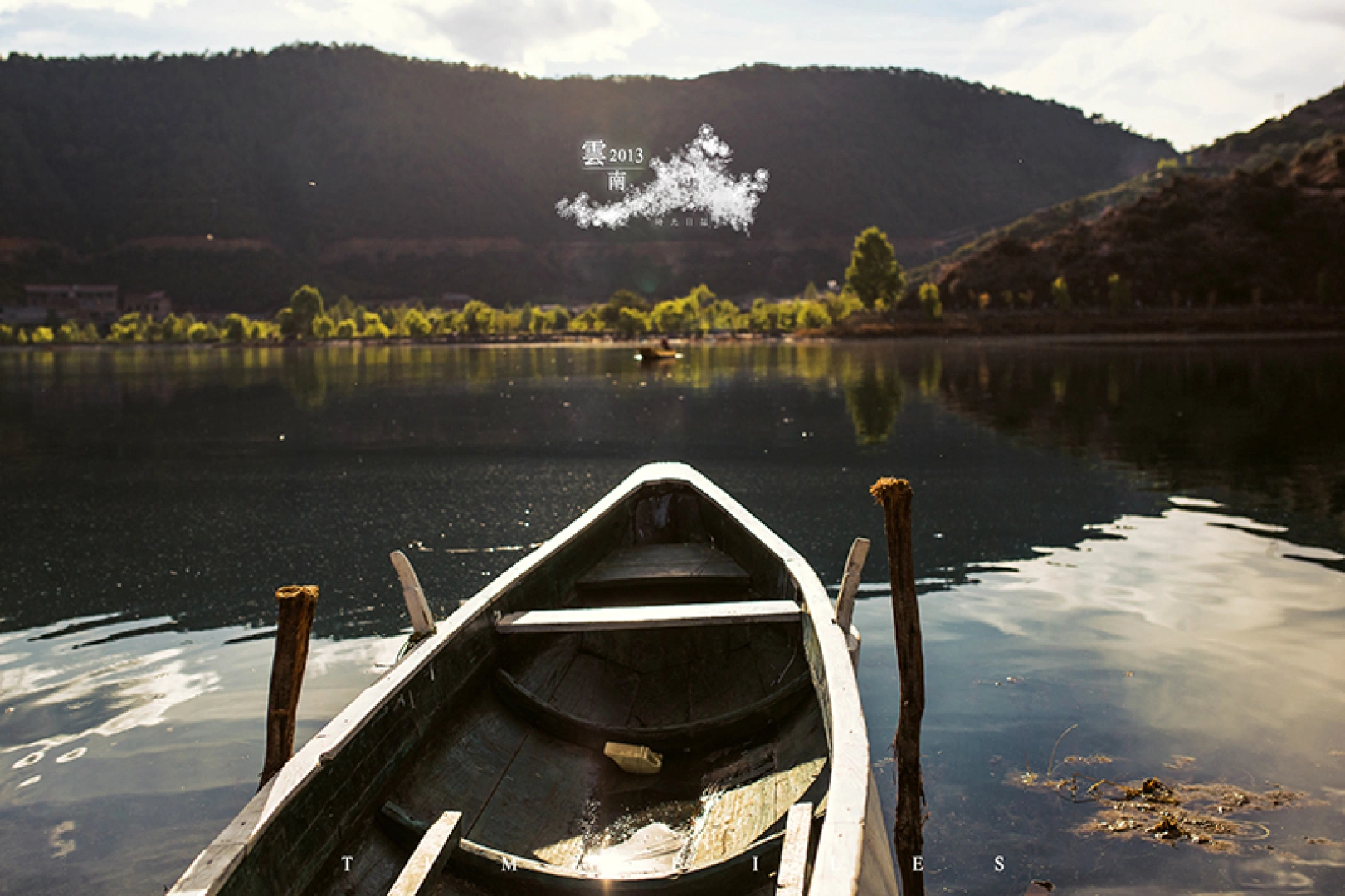
After eating, we ran down to the lakeshore to play. Little ducks roamed freely along the bank. The traditional dugout canoes of Lugu Lake sat quietly on the water, as if waiting for the next story to begin.
Practical Tip: The wind picks up at Lugu Lake around 3:00 PM every day, making boating dangerous. Go early if you want to paddle.
After dark, we couldn't resist trying the roast suckling pig. I recommend "Old Nine BBQ," located between Lige Village and Lige Peninsula. The owner is Mosuo and very kind — seeing that we didn't know how to grill, he helped us the whole way. Two large meat dishes, three vegetable sides, and a beer — only 100 RMB total.
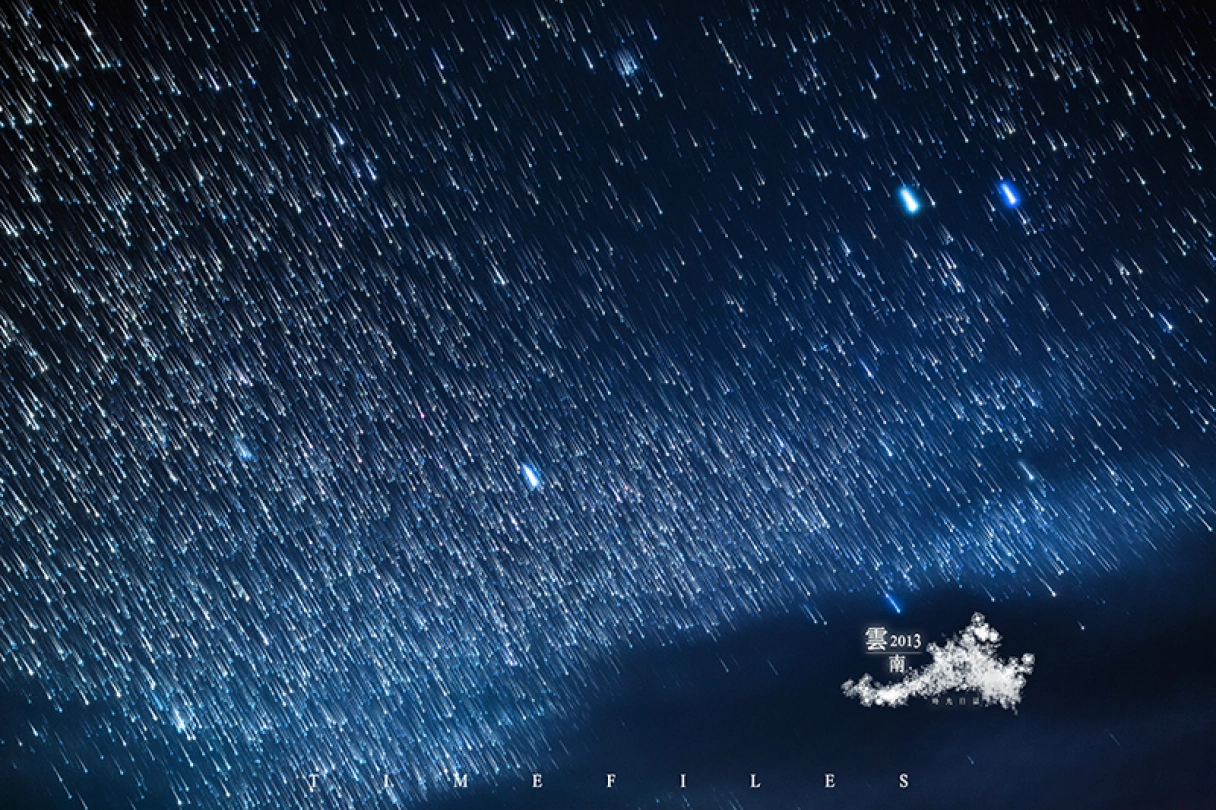
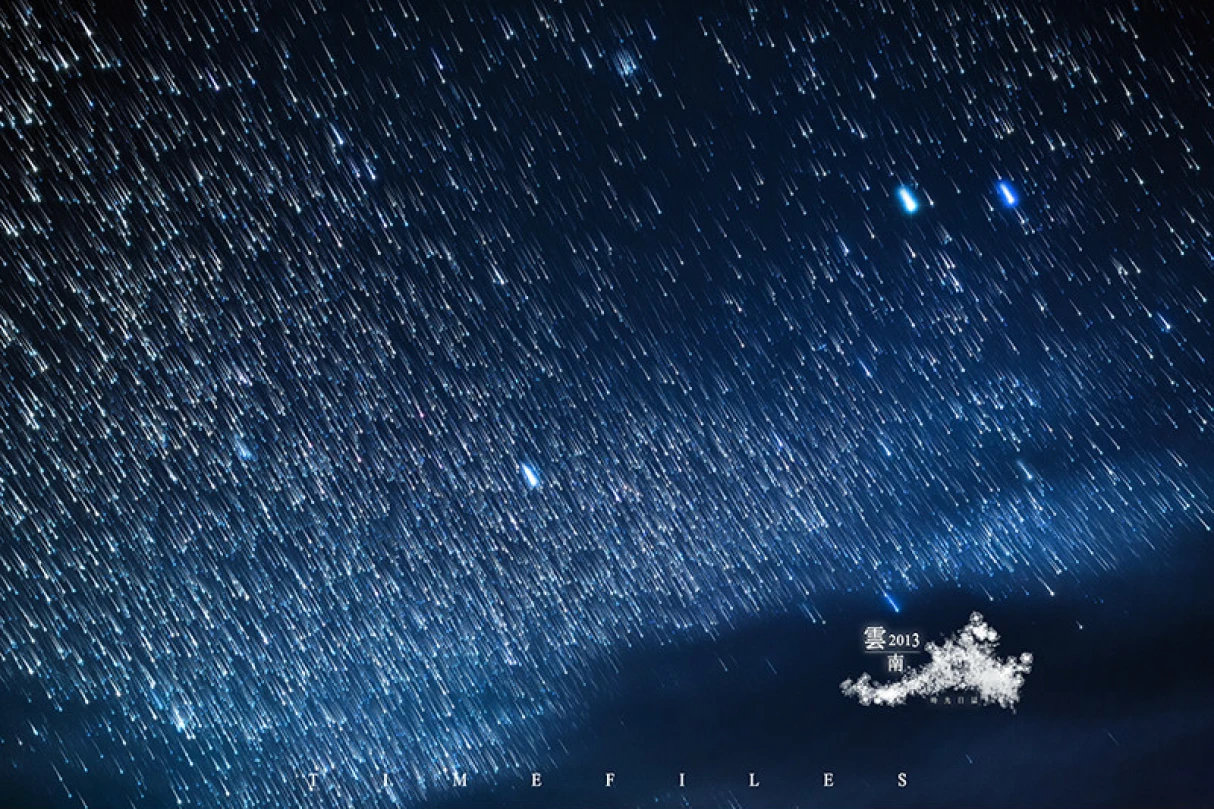
Stepping outside after the meal, we looked up — the starry sky over Lugu Lake was so beautiful it left us speechless. Young couples sat on the railings, shining flashlights toward the stars and singing "Twinkle, Twinkle, Little Star." In that moment, how could you not be moved?
At the "Music Tile House" at the entrance to Lige Peninsula, everyone sang together at the top of their lungs, stirring my heart. There were no fancy lights, no cheesy love songs — in the end, everyone was singing "ABCDEFG." Such a simple melody, but you couldn't help humming along.
April 30: Sunrise at Camel Mountain, the Serenity of Nisai Village
We woke up at 5:30 AM and took a boat to Camel Mountain to watch the sunrise at 6:20 — 20 RMB per person. As we rowed, the water swirled, and the Mosuo boatmen sang folk songs. After the sun rose, tourists from farther away came out to cruise the lake.
After watching the sunrise, we took photos outside the inn. The lake water was crystal clear, and cyclists from other villages had arrived at the dock. In this blazing sun, you'd turn into a dark ball in under an hour. I wore heels to look nice, but ended up carrying them the whole way.
Safety Note: Small snakes occasionally appear along the lakeshore at Lugu Lake — watch your step.
In the afternoon, we moved to the Lover's Tree Resort in Nisai Village. There were far fewer tourists here than in Lige. The area isn't fully developed yet — fewer shops and restaurants — but the scenery is just as stunning. Our room had a large yard in front, and opening the window revealed a beautiful view.
I really regretted only booking three days at Lugu Lake — how could anyone bear to leave such a beautiful place?
In the evening, a heavy rain started, so we could only rest in our room. We had dinner at the inn, hoping for a clear night sky, but the weather didn't cooperate.
May 1: Lake Circuit, a Hiking Adventure, and the Stars Finally Show Up
I woke up before 6:00 AM, hoping to see the sunrise, but the weather was still poor. After a bowl of noodles at the inn, we hired a car for the lake circuit — 260 RMB for the full loop, starting from Nisai and heading toward Xiaoluoshui Village.
Xiaoluoshui and Nisai are at similar levels of development — few people, great scenery. By the roadside, we spotted "Watery Sexuality" (a local aquatic plant) — reportedly named by Yang Erche Namu, a famous Mosuo writer. It started raining at the Grass Sea and the Marriage Bridge, but I could imagine how beautiful it would be here in autumn.
Looking down at Lige Peninsula from a high vantage point, it looked like a painting. We also tried grilled potatoes and sausages — when you're hungry, they hit the spot.
Practical Tip: Cycling around Lugu Lake is really not a good idea. The roads are all winding mountain roads, not hugging the lake, with steep slopes, sharp curves, and lots of cars. It's quite dangerous.
After finishing the circuit in the afternoon, we went back to Nisai Village to find a restaurant. The meal was absolutely terrible. Tip: Nisai has few dining options, and they're expensive and bad. Stick to eating at your inn — don't eat out.
Back at the inn, the weather finally cleared up. We immediately ran back to the lakeshore to play. The inn's dog, "Mary," is the happiest dog I've ever seen — running around joyfully every day.
I spent ten RMB spinning around by the lake while the photographer shot from the shore, capturing my reflection in the water. Then we took a boat to Bird Island — 20 RMB per person, plus an extra ten for a circuit around the island. The water near Bird Island was incredibly clear, completely unpolluted, with a feel reminiscent of Jiuzhaigou Valley.
The weather was so perfect that we couldn't bear to sit still. We decided to hike from Nisai Village to Lige. Climbing the first hill offered a distant view of Bird Island. Taking a small path from the side of Nisai led to the main road. The undeveloped flatland between Lige and Nisai made for easy walking once we descended — no more steep climbs or descents.
Hiking always lets you discover beauty slowly. The water reflected the blue sky, and the setting sun perfectly illuminated Lige Peninsula — it really looked like a painting. The Mosuo boatmen rowed in the golden light, and we were so stunned by the beauty that we went boating two more times.
We had dinner in Lige Village and bought half a watermelon for the trip back. I was already exhausted, and hiking the mountain road in the dark was risky. Luckily, two girls on electric scooters heading toward Xiaoluoshui offered us a ride. Meeting such kind strangers on the road was incredibly touching.
Back at the inn, the owner had organized a barbecue that evening, but we'd missed it. After waiting all night for the stars, they finally didn't disappoint us — the sky lit up. It was breathtakingly beautiful. Unfortunately, I was already asleep, so the photographer went out alone, accompanied by the innkeeper and other guests.
May 2: Saying Goodbye to Lugu Lake, First Glimpse of Lijiang
Another early morning, still no sunrise. The weather at Lugu Lake had been consistently poor in the mornings and good in the afternoons, but our bus to Lijiang left at noon, so we couldn't wait for the afternoon.
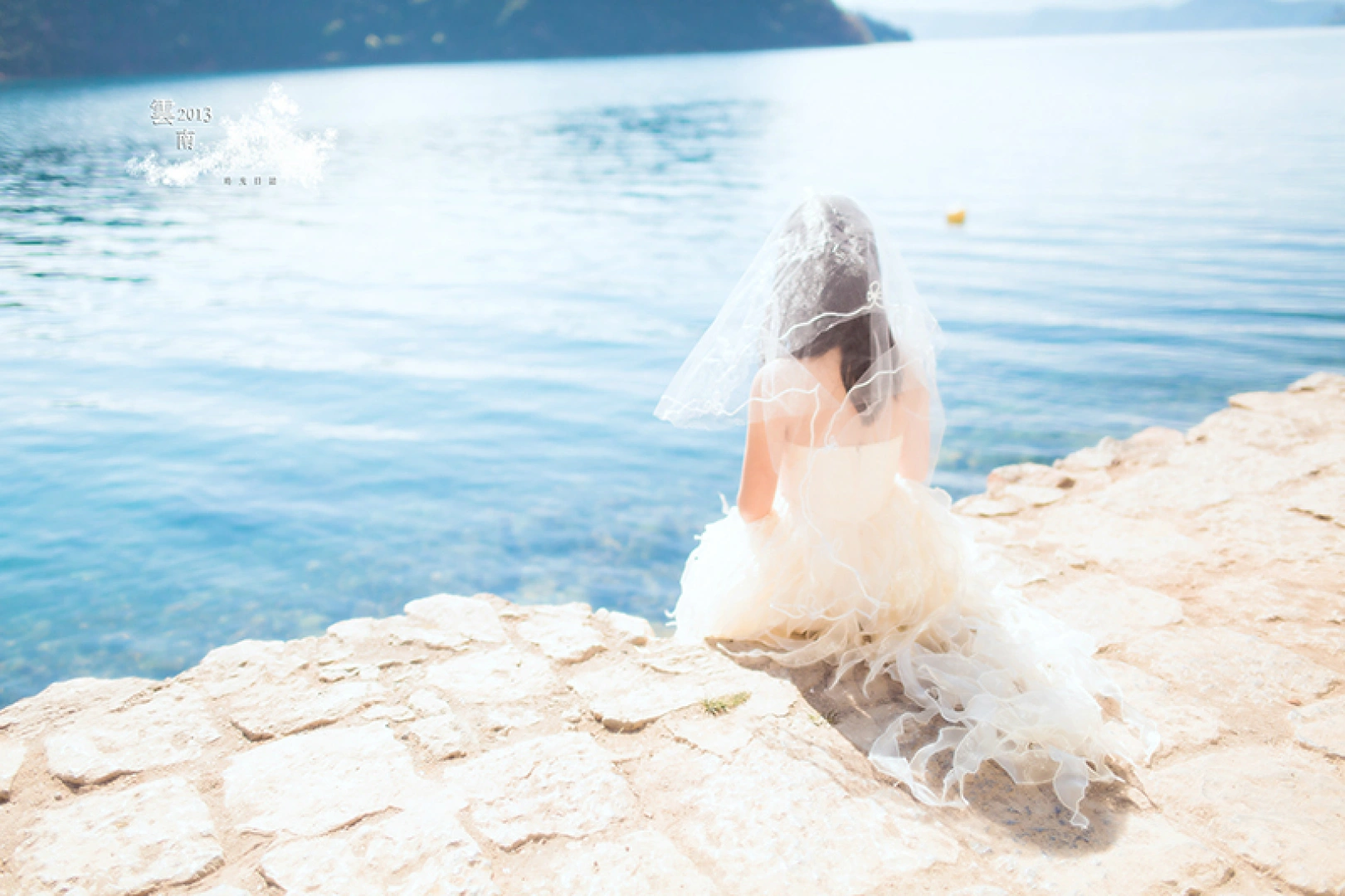
I got up and walked by the lake one last time, said goodbye to the little ducks, to Mary, and to Lugu Lake.
We hired a car to the bus station at Daluoshui for 80 RMB. We had over an hour to wait at the station, which was packed with tourists. The bus to Lijiang was much better than the one from Xichang. It departed at noon and arrived in Lijiang at 5:30 PM.
Chapter Two: Lijiang — The Old Town's Hustle and Tranquility
First Glimpse of Lijiang: Sunset Over the Old Town
When we first arrived in Lijiang, the weather was clear, just in time for sunset. The sunlight bathed the old town, making it stunningly beautiful.
From Lijiang bus station to the old town, take bus No. 11 to White Dragon Square or No. 14 to Zhongyi Market. We dropped our bags and went straight to find food, trying Yunnan's famous chicken rice noodles. The condiments were plentiful, and Yunnan's chili peppers are truly spicy.
I recommend "Yunxian Chicken Rice Noodles," just off Zhongyi Market to the right — authentic flavor and reasonable prices. The restaurants inside the old town have beautiful decor but reportedly poor value for money.
We also tried Ding Ding yogurt, Lijiang flatbread (baba), and tofu wrapped in soy milk (one of Yunnan's "eighteen oddities") — all delicious.
May 3: Shuhe Ancient Town — More Lijiang Than Lijiang Itself
We preferred Shuhe Ancient Town. It's less commercialized, with fewer people, and the water quality is much better. In Shuhe, you can truly feel the flavor of an ancient town.
Route: Take bus No. 11 from Zhongyi Market Station to Shuhe Road Intersection, then walk to the entrance. No ticket is needed — don't be fooled by touts trying to charge you 50 RMB.
You'll know you've reached the real Shuhe Ancient Town when you hit an old street; the roads near the main entrance are all newly built. The water in Shuhe is crystal clear, with flowers lining the way. The bars here lack the noise of Lijiang's old town, offering a peaceful atmosphere instead.
Around noon, a sudden thunderstorm hit. A Golden Retriever by the roadside was startled by the thunder, its expression adorable. After the rain, Shuhe became even more enchanting — fewer people on the streets, making it a better spot for artistic photos of the ancient town than Lijiang.
We had cured pork ribs at a restaurant, our first taste of Lijiang's specialty. The flavor was good, and the value was reasonable.
Back in Lijiang's old town, the weather cleared up again. We accidentally discovered a small path leading from a high point down to Sifang Street. With sunlight on its side, Lijiang's old town looked much more vibrant. Near the Big Water Wheel, there's a spot for making wishes — I wonder if yours is there?
In the evening, we stopped by the Prague Café for a while, though I regret not experiencing Lijiang's bar scene. I bought a set of postcards made from Dongba paper, and the craftsman offered to write Dongba script blessings on them.
May 4: The Lesson of Lashi Lake and the Comfort of Cured Pork Ribs
Looking back on the entire trip, we believe that if you're going to Lashi Lake, you should go first — absolutely not after visiting Lugu Lake and Dali, or you'll be disappointed. Not only were we overcharged, but it also rained, making the experience thoroughly frustrating.
Tip: The touts on Lijiang's streets are unreliable. They offer cheap rides but make up for it with inflated ticket prices. Joining a no-shopping day tour is much more cost-effective.
We hired a car to Lashi Lake for 10 RMB per person... (the unpleasant experience continues, but I'll spare you the details)
Epilogue: The Meaning of Travel
Seventeen days in Yunnan for our honeymoon — not too long, not too short. We experienced the tranquility of Lugu Lake, the bustle of Lijiang, the laid-back charm of Dali, and the romance of Shuanglang.
Every journey has its meaning. Behind those grand mountains and vast waters lie the footprints of countless travelers — and this time, we added our own. I hope this travelogue marks the beginning of beautiful memories and serves as a foundation for our next adventure.
Final Tips: 1. Sunscreen is non-negotiable — don't just protect your face; cover your arms, shoulders, and the tops of your feet 2. Temperature swings are significant — pack warm layers 3. Lugu Lake deserves more time — three days is far from enough 4. Shuhe is more worth exploring than Lijiang — fewer people, clearer water, more authentic atmosphere 5. Visit Lashi Lake first — don't go after seeing Lugu Lake and Dali, or you'll be let down
The meaning of travel isn't about how far you go, but who you go with. Thank you to the photographer @TimeJournalTimeFiles for capturing all these beautiful moments.
Since we've truly lived, the future will surely follow suit. Travel across mountains and rivers, find a place where your soul can rest in peace. Life should be lived just like this.
You should also read:
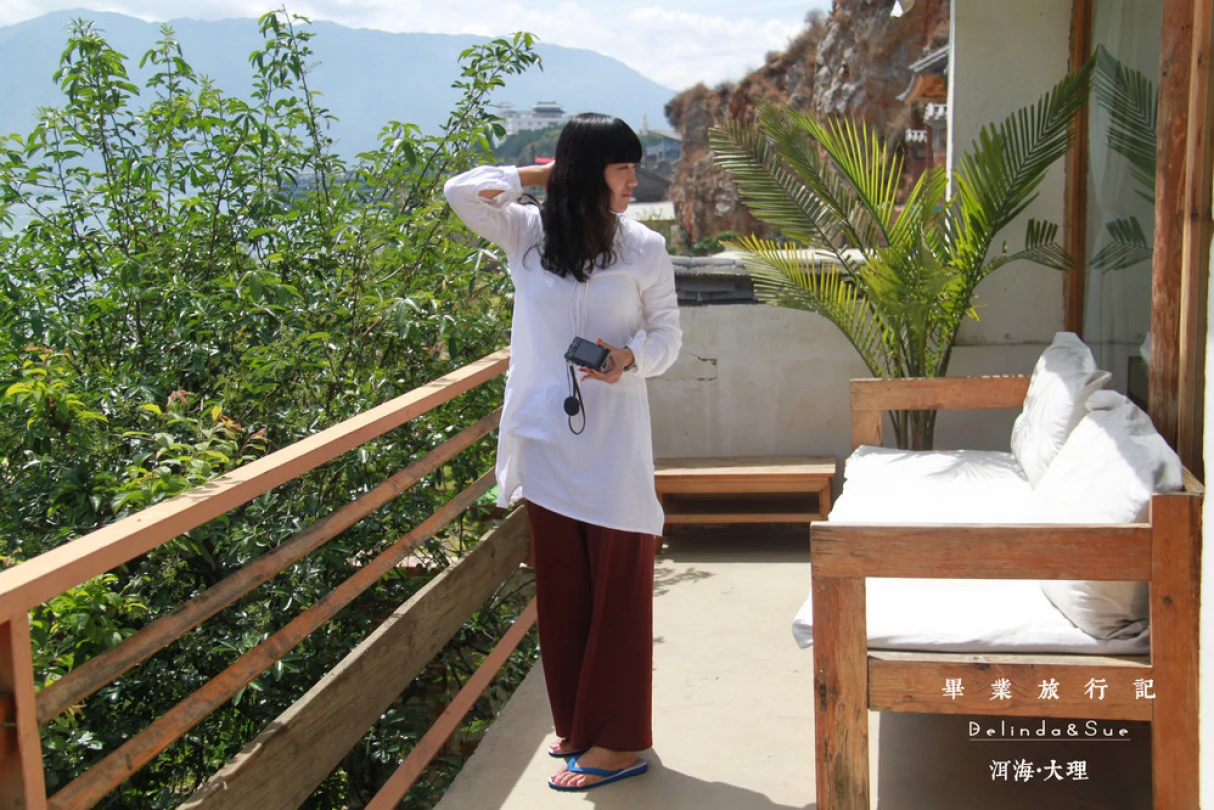
Two Girls' Graduation Trip: Dali and Shuanglang – A Poetic Farewell to Mountains and Sea
Two Girls' Graduation Trip: Dali and Shuanglang – A Poetic Farewell to Mountains and Sea Preface: Catching the Tail of Youth, Heading South During our senior year of college, my roommate and I – two girls studying in Beijing – decided to bid farewell to…
Continue reading...
Body in Hell, Heart in Heaven: A Pilgrimage Through Tiger Leaping Gorge — A Dialogue Between Heaven and Earth
Body in Hell, Heart in Heaven: A Pilgrimage Through Tiger Leaping Gorge — A Dialogue Between Heaven and Earth Introduction: When the Gorge Splits Open Beneath Your Feet Some say Tiger Leaping Gorge is the closest place on Earth to the border between "hell" and…
Continue reading...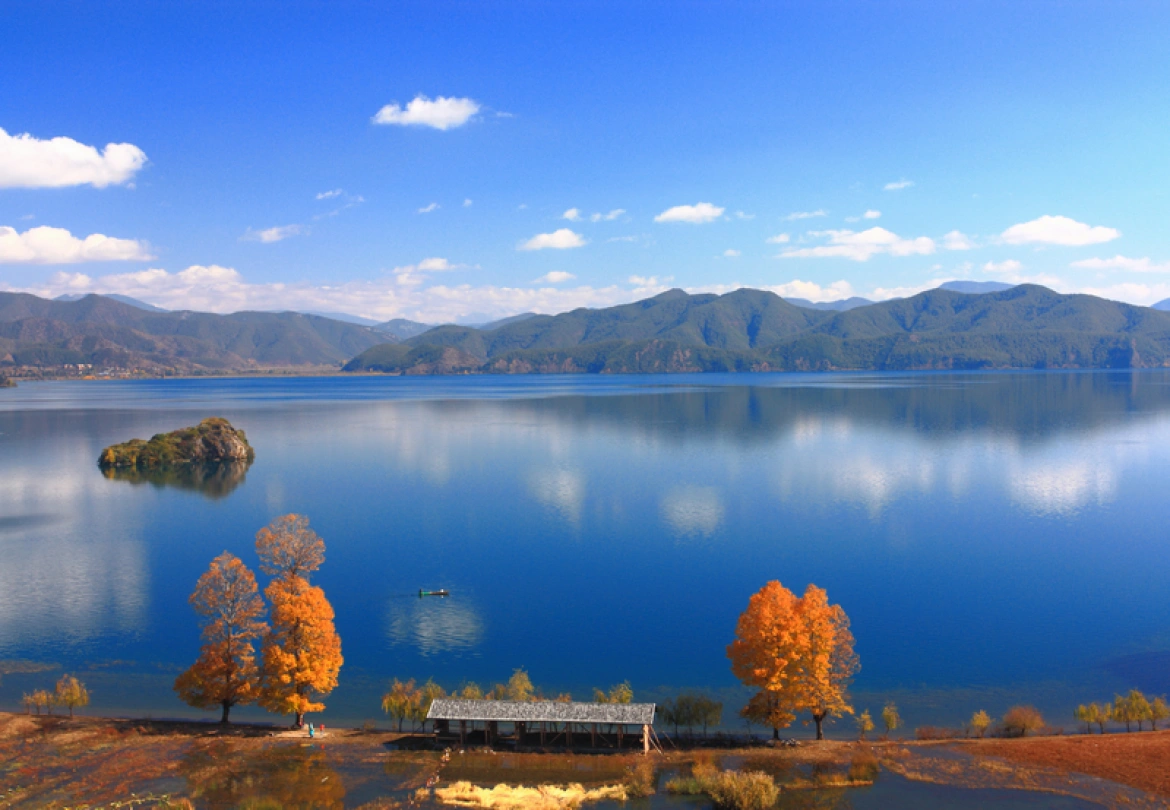
A Spiritual Journey to Lugu Lake in Lijiang: Experiencing the Legend of the Kingdom of Women! (Reproduction and Hotlinking Prohibited)
A Spiritual Journey to Lugu Lake in Lijiang: Experiencing the Legend of the Kingdom of Women! (Reproduction and Hotlinking Prohibited) Off-road自驾, food, hotel and民宿 reviews, Featured Traveler, Tank 300 owner, 200,000 km of self-driving experience. WeChat: y01294987 Ninglang Yi Autonomous County 2010.11.08 · 7 days…
Continue reading...