"Slow" Steps in the Clouds — A Winter Journey Through Lijiang and Dali
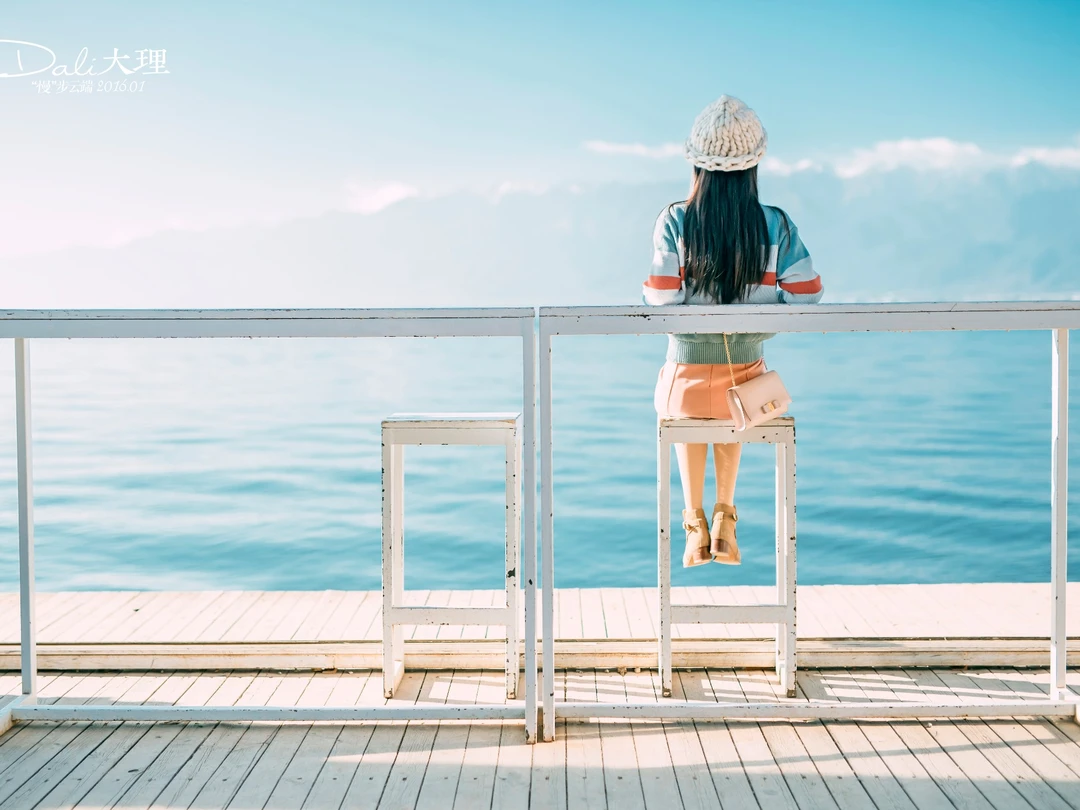
"Slow" Steps in the Clouds — A Winter Journey Through Lijiang and Dali
Prologue: Escaping the Smog, Answering the Call of Sunshine
When winter in Shanghai is shrouded in gray haze, with pedestrians rushing past in heavy coats and masks, I can't help but think back to those days of breathing freely under blue skies and white clouds. Yunnan — a place that had haunted my dreams since college graduation — had been repeatedly postponed by one trivial matter or another. But this time, it came without warning: from the decision to go to booking tickets, less than two hours passed; from booking to departure, barely a week. No detailed itinerary, no deliberate planning. I simply followed my heart, wandering wherever it led.

For my six-day trip, I chose Lijiang and Dali. I gave up Lugu Lake after careful权衡 (weighing the pros and cons) — the round trip takes about 15 hours by car, which was simply too extravagant given my limited time. And Lugu Lake was precisely what made me fall in love with Yunnan in the first place. That regret lingers still. But isn't the charm of travel found precisely in those unexpected surprises and lingering regrets?
Practical Tips Before You Go
Season and Climate: Winter in Yunnan Has Its Own Flavor
Visiting Yunnan in January, you'll find people dressed in every conceivable way — some strolling in shirts and sandals, utterly at ease, while others shiver in down jackets and UGG boots. The temperature difference between day and night ranges from 15 to 20 degrees Celsius (59–68°F). Early mornings and evenings hover near freezing, while during the day, when the sun is blazing, temperatures can climb to 17–18°C (63–64°F). My advice: no matter when you go, bring a jacket that's easy to put on and take off — thick for autumn and winter, light for spring and summer.
Many say the most beautiful time in Yunnan is May and June, when flowers are in full bloom, and the tourist season runs from then until October. But traveling during the off-season this time gave me a different kind of pleasure — fewer than half the tourists, more accommodation options, and friendlier prices. If you ask me, winter in Yunnan is equally worth visiting. Of course, if you can go in March or April, when the weather warms up but the peak season hasn't yet arrived, that's the ideal window.
Transportation Tips: Smart Combinations Save Money and Time
Getting There and Away
From Shanghai, I flew direct to Lijiang with China Eastern Airlines — 995 RMB per person for the ticket, about a 4-hour flight. That's a pretty good deal. Direct flights from Shanghai to Dali are expensive, so many people fly to Kunming first (3 hours), then transfer by plane (45 minutes), train (7.5 hours), or bus (4.5 hours) to Dali — which means a one-way trip eats up an entire day.
For the trip from Lijiang to Shuanglang in Dali, I booked a bus ticket on Taobao for just 20 RMB per person — a 2-hour ride, much cheaper than buying locally. Even better, it supports same-day booking, free changes and cancellations, with departures every morning and afternoon. The driver confirms your nearest pickup point two hours in advance.
For the return trip, I chose to transfer in Kunming — partly to save money, partly because there's only one direct flight from Dali to Shanghai each day, departing at 8:45 AM. Rather than wasting an entire day, it made more sense to transfer at a relaxed pace. In the end, I booked a midday flight from Dali to Kunming (298 RMB per person) and an evening flight from Kunming to Shanghai at 6 PM (588 RMB per person). If you want to save even more, you can take a bus from Dali to Kunming — 120 RMB per person, 4.5 hours.
Getting Around Lijiang
From Sanyi Airport to Dayan Old Town, I don't recommend the airport bus — it only goes to Blue Sky Hotel, about 1 kilometer from the old town, for 20 RMB per person. Dragging luggage that far is a hassle. I had the hotel book a taxi in advance — 80 RMB, 20 minutes door-to-door. Time-saving and effortless.
From Dayan Old Town to Shuhe Ancient Town, you can take Bus No. 11 from the entrance of Zhongyi Market — 1 RMB per person, 40 minutes, then walk about 1 kilometer. A taxi costs 20–25 RMB and takes 15–20 minutes direct.
For Jade Dragon Snow Mountain, I booked a day tour that included round-trip bus service. If you want to go on your own, you can buy round-trip tickets in the old town for 40 RMB per person, about 40 minutes each way.
From Dayan Old Town to Black Dragon Pool Park, it's a 10–15 minute walk from the Big Waterwheel area. Taxis in Lijiang start at 7 RMB, and a one-way trip costs less than 10 RMB.
Getting Around Dali
Shuanglang Bus Station is where long-distance buses drop passengers off in Shuanglang. As soon as you get off, you'll be surrounded by drivers of four-wheeled carts offering rides to your guesthouse for 10 RMB per person.
The loop around Erhai Lake is about 128 kilometers (80 miles). An electric scooter can go at most 70 kilometers — meaning you can only go about 35 kilometers before you have to turn back. I don't like private car hire — it's too expensive for two people, and cycling lets you get closer to the scenery, going fast or slow as you please, stopping to take photos whenever you want. So I only did part of the lake loop, starting from my hotel and cycling along the eastern shore — the eastern side is more beautiful than the western.
From Shuanglang to Taoyuan Village, I took a shared business van for 20 RMB per person — the downside being you have to wait for two other people to fill the seats. If you're feeling flush, you can charter the whole van for double the price. From Taoyuan Village to Dali Airport, a private car costs 150 RMB — cheaper than the quotes from Taobao and other rental companies (170–190 RMB).
Accommodation Recommendations: From Old Town to Erhai, Each with Its Own Charm
Lijiang Tingxin Renwen Inn (297 RMB/night, including breakfast, 2 nights)
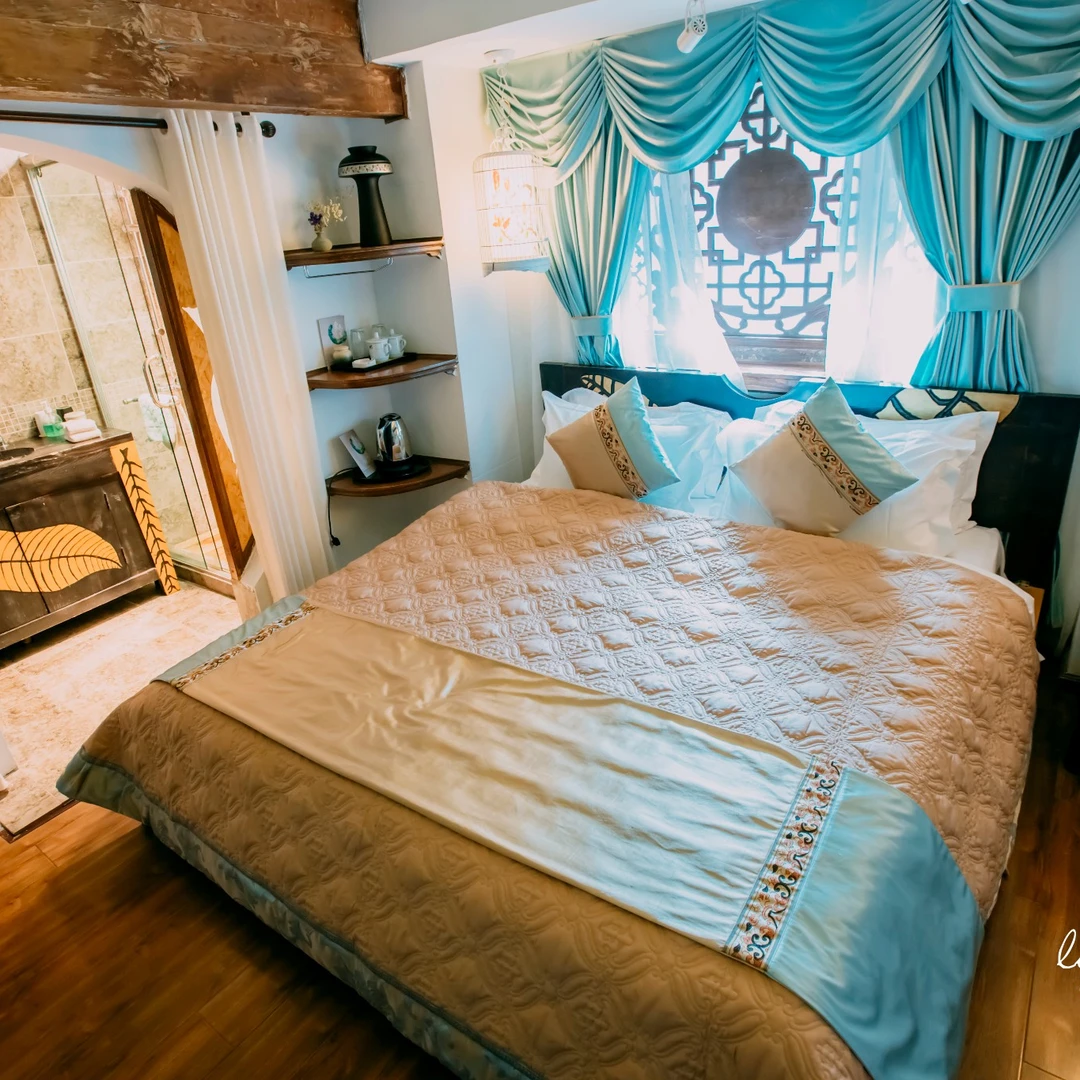
Located inside Dayan Old Town, near Zhongyi Square and Sifang Street — quiet yet central, a 10-minute walk to the old town center. The service was warm and attentive, but the room was a bit cramped. For the price, it's average value within the old town. Compared to Shuhe Ancient Town, I'd recommend staying in Dayan — Shuhe is too quiet in winter, while Dayan is bigger, livelier, and more convenient for getting around. If you're traveling in the off-season, you don't really need to book ahead — there are countless inns in the old town. Just walk around and pick one you like; no need to worry about full occupancy.
Shuanglang Zhimakaihua Inn (249 RMB/night, no breakfast, 1 night)
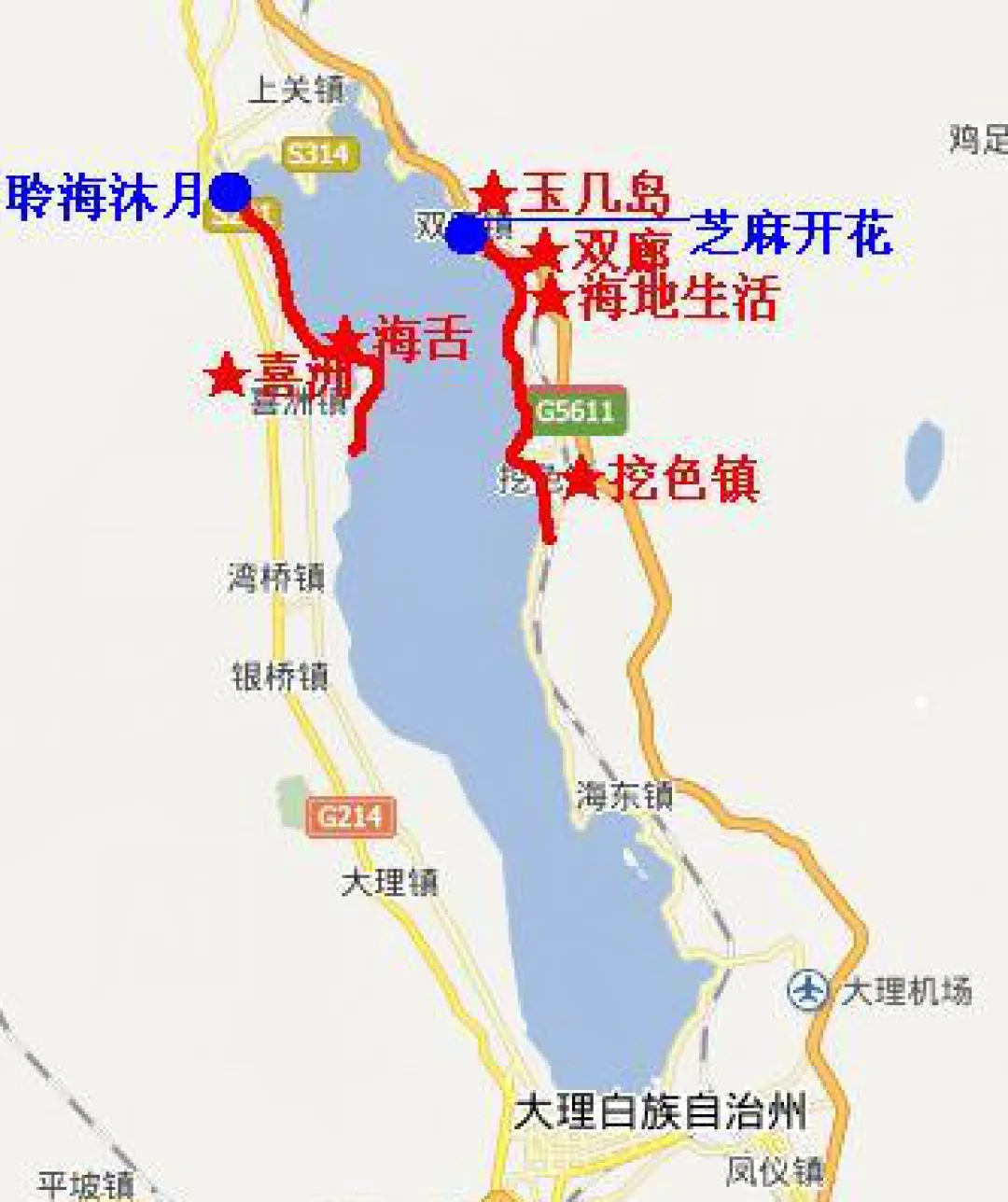
This one's quite popular in Shuanglang, near Yuji Island. Maybe because the reviews were so glowing, my actual experience didn't quite live up to expectations. It's hard to find — the navigation shows a different location than reality, so you have to ask for directions. There's a 200-meter stretch of small gravel road at the entrance that's really tough to navigate with luggage. I booked the "luxury king bed room," which doesn't face the lake — much cheaper than those thousand-yuan lake-view rooms. For Shuanglang, the value is decent. During peak season, book at least 2–3 weeks in advance — I saw several guests at the inn who were turned away because it was fully booked.
Xizhou Linghai Muyue Inn (Sea-view Muyue Room 660 RMB/night, Sea-view King Bed 480 RMB/night, 1 night each)
This is one of the most popular inns in Dali — fully booked nearly 365 days a year. Celebrities, photographers, and models have all stayed here. Room rates range from just over 300 to over 2,000 RMB. You won't find it on any travel booking website — the only way to reserve is by phone. Here's the process: first, browse the official website to pick your preferred room type (I'd suggest having 1–2 backups), then call the number on the website. Within 24 hours, pay the full amount via Alipay or bank transfer, then call again to confirm. The hotel sends a confirmation text once they receive the payment; reply to confirm, and your booking is locked in — no changes or cancellations after that. Usually, you need to book 1–2 months in advance. Most rooms get a discount if you book 2 or more nights. Lucky for me — and partly because it was off-season — I managed to book just 5 days ahead. It wasn't my first choice, the "Sea-view Star Room," but it was better than nothing. The first night's Sea-view Muyue Room was absolutely fantastic — sitting on the balcony in the warm morning sun, watching the lake and sunrise, was pure bliss. Unfortunately, I could only book one night. The second night's Sea-view King Bed Room was a noticeable downgrade — and since I didn't stay in the same room for consecutive nights, I couldn't get the discount, so it actually cost more. One more thing: the inn is right on the lake, and several public areas don't have railings. For safety reasons, children under 12 and adults over 60 are not allowed to stay.
TIPS: Things You Absolutely Need to Know
Packing List: High-SPF sunscreen, hydrating sheet masks, moisturizer, lip balm — these are non-negotiable. No matter the season, Yunnan's UV rays are intense, and the air is dry enough to suck the moisture right out of your skin. My lips started peeling the moment I got off the plane. If you wear makeup, do a sheet mask every single day. My boyfriend Z didn't put on sunscreen and ended up more tanned than when we went to Sanya.
Travel Services: If you're like me and haven't planned your itinerary, you can book tickets, day tours, and car rentals locally on Taobao — prices are lower, and you generally only need to book a day in advance.
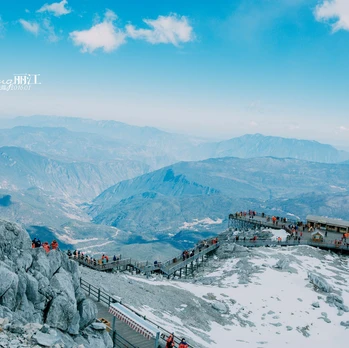
Jade Dragon Snow Mountain Precautions: - Bring your own food or instant noodles for lunch. If you're loaded, you can buy food at the scenic area. - In winter, wear gloves, a scarf, and a down jacket — the temperature difference between the bottom and top of the cable car is no joke. If you haven't dressed warmly enough, just rent a down jacket. - Don't skimp on oxygen — at least one small bottle per person. If you run out or feel any discomfort after reaching the top, go back the way you came immediately. Staying put will only make things worse. - People prone to altitude sickness: the elderly and children; anyone who drank, stayed up late, or slept poorly the night before; and those who are overly excited or emotional. - Move slowly after getting off the cable car. Absolutely no running or fast walking. - I recommend booking a day tour on Taobao — it's a no-shopping, semi-self-guided tour. The price is about the same as going on your own, but it saves you the hassle of queuing for tickets and buying oxygen. My package was 355 RMB per person, including round-trip transportation, entrance fees, eco-bus, and the big cable car. Two bottles of oxygen and one down jacket cost an extra 110 RMB. No other fees. There were also packages that included the "Impression Lijiang" show for a higher price — not recommended, as it cuts into your time at Blue Moon Valley. - On the night after visiting the snow mountain, don't plan any strenuous activities. Altitude sickness will affect you to some degree. Make sure you get plenty of sleep the night before.
Lijiang Old Town Maintenance Fee: 80 RMB per person, purchased at the entrance to Dayan Old Town. It's mandatory — without it, you can't go up the snow mountain, and many other attractions require it. I dutifully bought it on my first day. As it turned out, if you have a face like mine — clearly a tourist — you absolutely need it. I was checked countless times over the next two days.
Personal Safety: If you're a woman traveling alone, don't wander around sparsely populated areas at night. Choose a guesthouse in a lively area. When Z and I walked back from the old town center to our inn at night, we had to turn left and right through alley after alley — no streetlights, not a soul in sight. It felt like a horror movie set.
Scam Prevention: Don't trust strangers too easily — including taxi drivers, restaurant owners, and so on. On our way to Black Dragon Pool, the driver kept pushing us to go to Lashihai and the Ancient Tea Horse Road, lying that the water in Black Dragon Pool had all dried up and we shouldn't bother. Turned out that was completely false. When ordering fish or anything priced by weight at restaurants, make sure you check the price and ask about the weight — otherwise, the bill might shock you.
Money-Saving Tips: Download Meituan and Dianping (Chinese Yelp equivalents) on your phone. Keep your Alipay topped up. Don't rush to pay in cash. Most restaurants offer mobile discounts or group deals.
Travel Style: This is the most important point — when going to Yunnan, you must travel independently. Actually, no matter where you go, if you can do it yourself, don't join a tour group. Nine out of ten tours in Yunnan include at least one shopping stop.
Itinerary: Six Days, Two Cities, One Slow Journey
DAY 1: The Leisurely Old Town, Soft Time
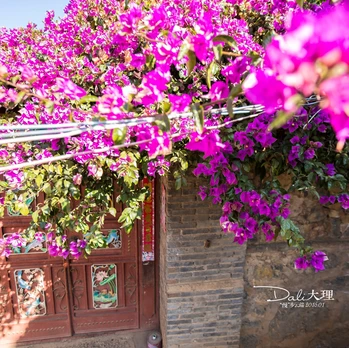
The moment I stepped off the plane, Lijiang's azure, crystalline sky made a great first impression — it had been so long since I'd taken a deep, forceful breath. The driver picked us up on time and delivered us to the inn in less than half an hour. Most of the bougainvillea at the inn's entrance had already withered, except for a cluster on the roof that, thanks to constant sun exposure, was still blooming brilliantly. The staff member said every inn in the old town plants flowers and greenery — the most beautiful time is after April, when the weather warms and a hundred flowers bloom.
Stepping inside — a sun-drenched courtyard, creaky wooden doors, red lanterns hanging high, cute lazy cats and dogs — yes, this was the Lijiang I had in mind. The inn's owner and staff were gathered around eating lunch, two basin-sized containers holding food I couldn't name. They poured us two bowls of hot soy milk and warmly invited us to join them. I smiled and declined — not because I wasn't hungry, but because I worried that differences in taste might create awkwardness. Two Samoyeds in the courtyard were gentle and endearing, about three months old judging by their size. They'd been staring at us with the same pose since we walked in, their eyes innocent and slightly curious. They followed us all the way until the owner called them back at the staircase.
After dropping off our luggage, we went looking for food near the inn. We randomly picked a preserved pork rib hotpot restaurant — preserved pork ribs are a local specialty. The taste was exactly what I expected, and it lived up to its name: that salty, cured flavor that goes perfectly with rice. One pot of ribs with two vegetable dishes recommended by the owner was just right for two. I thought it might not be enough, but there turned out to be quite a lot of ribs in the pot. Several times I thought we'd finished, only to find another piece when I stirred with the ladle. The green vegetable dish had an unforgettable name — "waterborne flower" (水性杨花, a local aquatic vegetable). Later I found it on almost every restaurant's menu. The owner said it wouldn't be available much longer. The texture was a bit like garlic sprouts, but thinner and milder in flavor. At 40 RMB per person, the price was reasonable.
After a short rest at the inn, we set off for Shuhe Ancient Town. On the double-decker bus, the gentle sunlight made us drowsy. No need to worry about missing the stop — plenty of tourists were heading to Shuhe, so just follow the crowd. Getting off the bus, we saw the snow mountain ahead, gleaming golden against the blue sky. Hopefully, tomorrow would be another clear day.
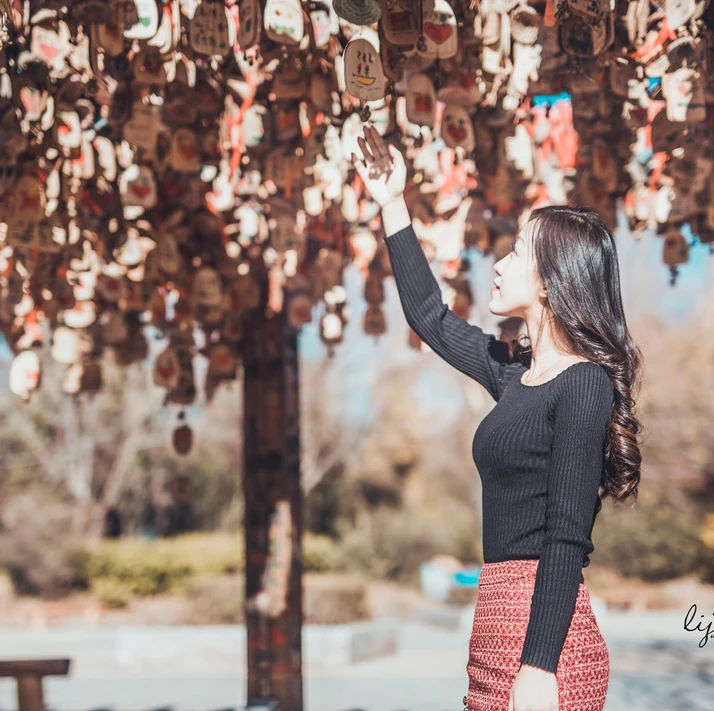
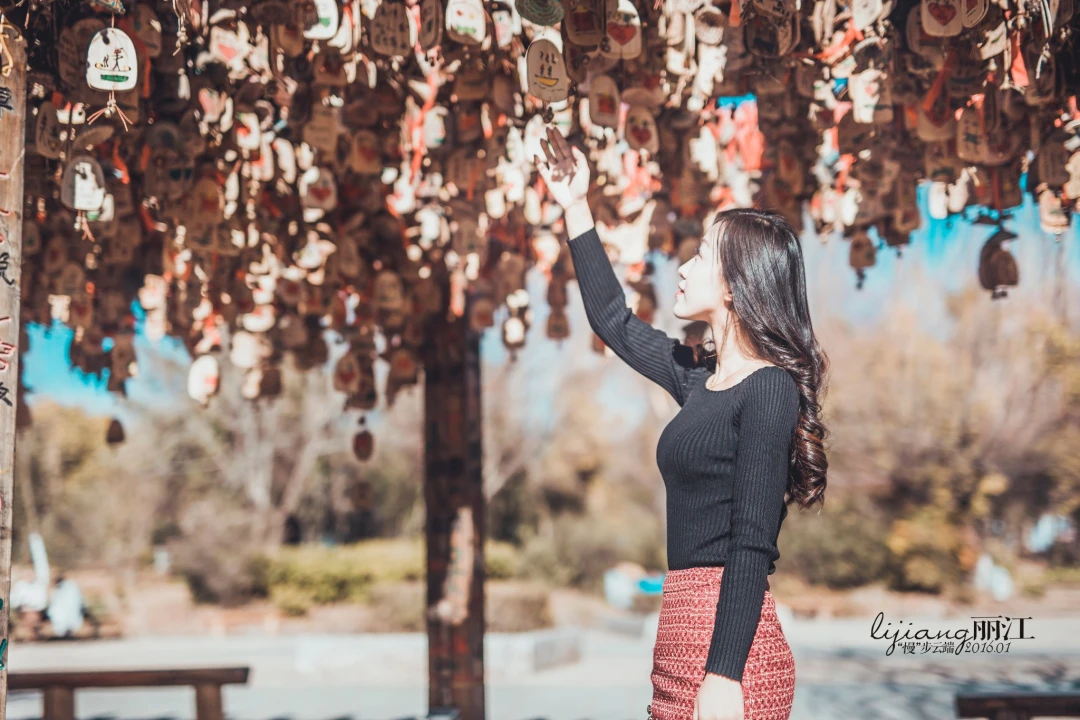
The walk from the bus stop to the ancient town — the light was lovely, the sky was so blue, and with the snow mountain ahead keeping us company, we walked without hurry or fatigue. At the town gate hung rows of wish plaques written by visitors, clinking together when the wind blew. These connected, antique-style plaques also attracted plenty of tourists taking photos.
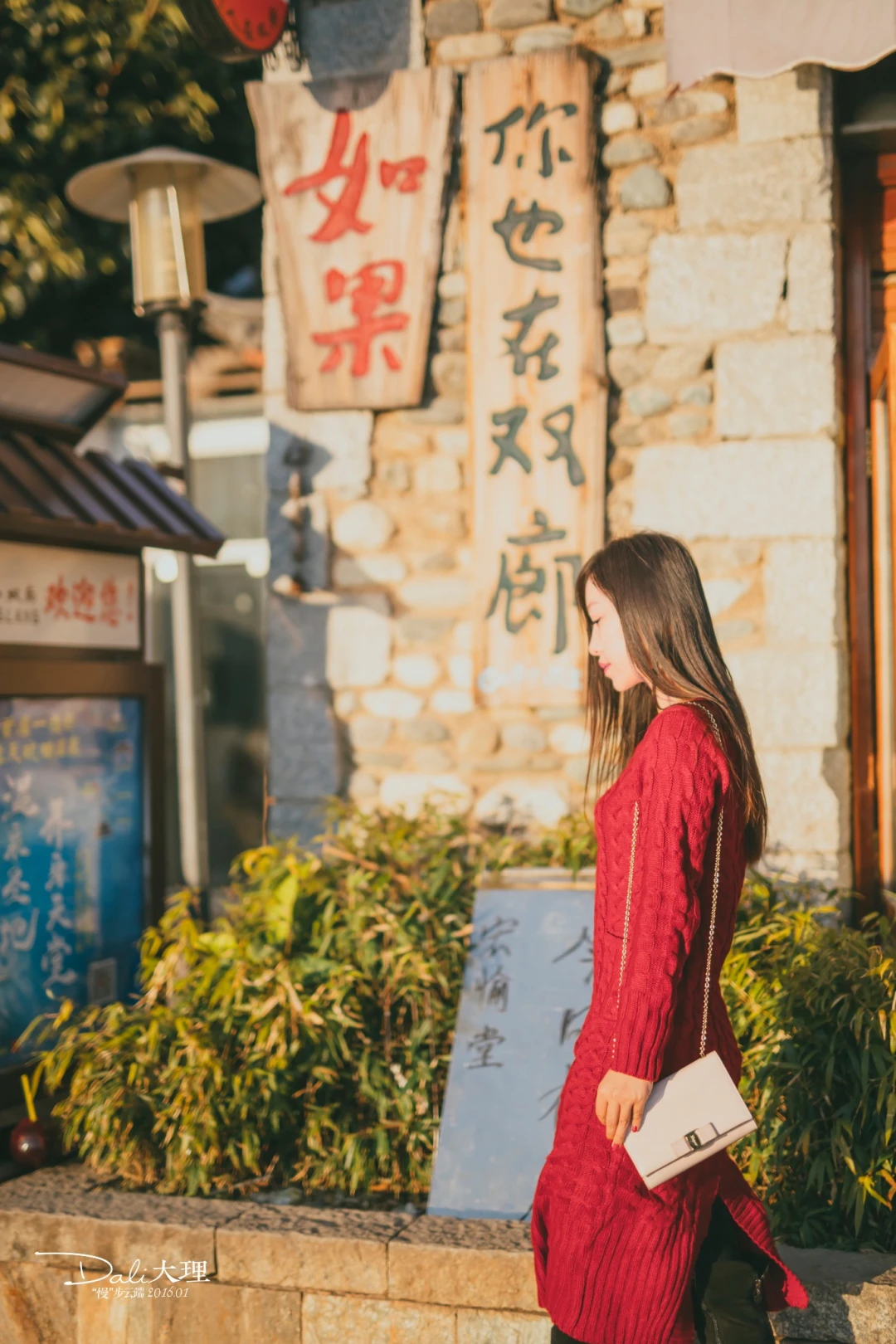
Shuhe Ancient Town is relatively quiet and serene, smaller than I'd imagined — if you're just skimming the surface, you could circle it in about half an hour. But we spent most of the afternoon here, stopping and starting, winding our way through. The occasional background music drifting from various homes, dogs curled up on the ground yawning — everything made you unconsciously slow your pace. When we saw interesting shawls or accessories, we could leisurely bargain with the vendors. When we got tired, we found a nice-looking café to sit for a while. When we got hungry, we grabbed some of the ubiquitous skewers and pastries. You don't need any plan here, and there's nothing you absolutely must do. This travel rhythm reminded me of Chiang Mai in Thailand — wherever you are in a place called "Old Town," time is meant to be spent wandering slowly and indulging in idleness.
By dinner time, the sky was still bright, but the crowds from the afternoon had mostly dispersed. Restaurant staff were calling out and pulling in customers at their doors, yet the restaurants remained nearly empty. We picked a restaurant in a prominent location with decent ambiance. Since it wasn't dark yet, we chose an outdoor table by the river. That's when I noticed something amusing: at the three tables around us, people were sitting in small groups, each with a pot on the table and two or three dishes arranged around it, all staring at their phones. That's right — they weren't customers. They were staff. A bit of a bluff, wasn't it? The owner was clearly using the common Chinese psychology of "go where the crowds are," but the staff's acting was far too half-hearted.
We ordered three dishes and a soup. The taste was acceptable. Using the mobile app to pay saved us about 20 RMB, so the total of just over 200 RMB was acceptable. The owner's arithmetic was terrible, though — and I'm not that easy to fool. I calculated each item for him, and we ended up paying 182 RMB. After paying, I found a group deal on the Meituan app for the same restaurant — dishes almost identical to what we'd ordered, for just 88 RMB. Oh well. Still took a loss.
After dark, Shuhe's temperature dropped, making it feel even more desolate. We walked back toward the exit and hailed a taxi at the entrance — a flat 30 RMB back to Dayan Old Town. Getting off near the Big Waterwheel, the difference was immediately obvious: Dayan Old Town was packed with people, lively and bustling. If the old town we'd seen during the day was quiet and ancient, then after nightfall, it revealed its seductive, enchanting side. No wonder people say Lijiang is a great place for romance and healing heartbreak. The densest crowds were on Bar Street, where staff shouted to lure customers inside, and the bar names were intriguing, designed to make you imagine all sorts of things — "Waiting for You in Lijiang," "Encounter," "No Future," "One Meter of Sunshine," "Peach Blossom," and so on. Every time I passed by, even I couldn't help peeking inside. Through the wooden windows, rock singers on stage were in high spirits, with crowds below swaying and cheering. There were always a few single men and women sitting there with less-than-innocent intentions, drinking colorful concoctions, presumably constructing a not-so-innocent encounter in their minds. I never go to bars, but I suggested we go in and sit for a while to soak up the atmosphere. But remembering we had the snow mountain the next day, we decided to go back early and sleep. Tomorrow night, maybe.
We followed the navigation, turning through several alleys, walking from the clamor and bright lights of the crowds to empty, pitch-black silence — all within about ten minutes. Same old town, but like two different worlds. Without my phone's navigation, I could walk ten times and still not easily find my way back to the inn.
DAY 2: Jade Dragon Snow Mountain — Love and Hate
At 7:30 AM, when we went downstairs for breakfast, Z and I both involuntarily checked our phones to confirm the time — we were astonished to find that Lijiang was still pitch black, with faint cicada sounds in the air. In Shanghai, it's already light by 7 AM in winter.
The inn's breakfast was simple but heartwarming — hot porridge, boiled eggs, pickled vegetables, steamed buns, all freshly made by the inn's auntie. After putting on heat patches, scarves, and hats, we headed to the designated meeting point for the day tour. The meeting point was less than 300 meters from the inn. The bus arrived exactly on time, and we left immediately. Very reliable.
Jade Dragon Snow Mountain was what I was most looking forward to on this Lijiang trip. Yesterday, the taxi driver told us that the snow on the mountain had already diminished significantly compared to previous years — which means in a few decades, the scenery will be much less impressive. Along the way, our guide Shi Tou explained the general schedule and altitude sickness precautions. We stopped at a designated spot to rent down jackets and buy oxygen.
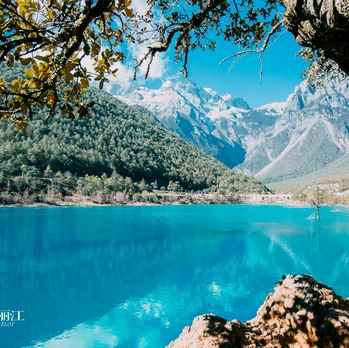
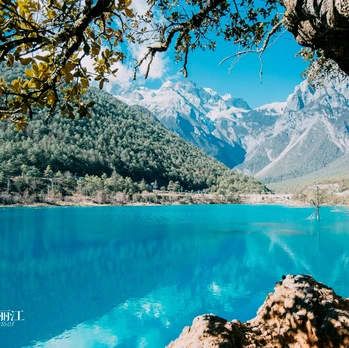
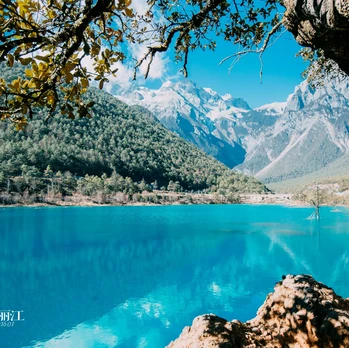
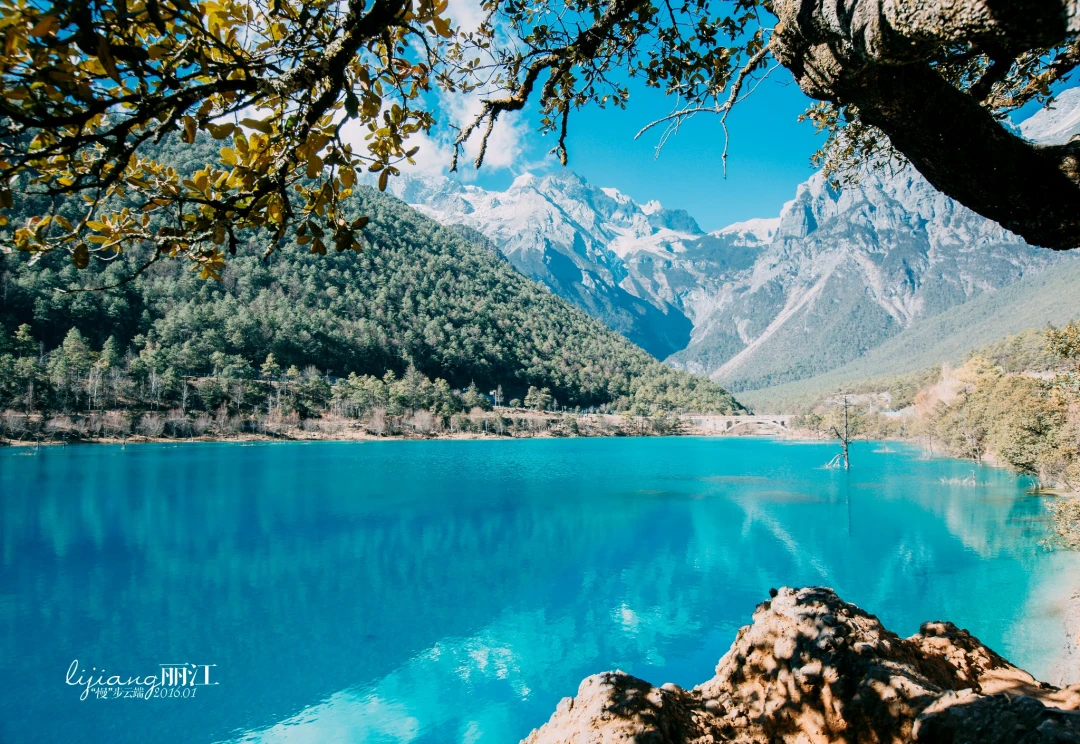
After arriving at the scenic area, our first stop was Blue Moon Valley, at the foot of Jade Dragon Snow Mountain, named for its crescent-moon shape. No separate ticket needed. The river water here comes from melting snow on the mountain, and as it flows, it's blocked by terrain to form four bodies of water — Jade Liquid Lake, Mirror Pond Lake, Blue Moon Lake, and Listening to Waves Lake. We toured from Listening to Waves Lake to Jade Liquid Lake, then to White Water Terrace. I have to give credit to this tour group — the entire visit was self-guided, and they gave us a full 2+ hours at Blue Moon Valley. The weather that day was incredibly cooperative — not a single cloud in the sky. The guide said we were very lucky — the visibility of the snow mountain was excellent, and Blue Moon Valley's lake water was crystal clear under the sunlight, with the snow mountain's reflection clearly visible in the water. Having never been to Jiuzhaigou, we couldn't stop exclaiming, "It's so beautiful!" Even with a wide-angle lens, we didn't know how to frame the shots — everywhere was a scene, everywhere was beautiful!
The most beautiful of the four lakes was Jade Liquid Lake — the water was a vivid, painting-like blue. Above was the pure blue of the sky; below, the saturated deep blue of the lake; and in between, the pure white of snow. Nature had already composed a perfect picture — any random shot looked like a desktop wallpaper.
After visiting White Water River, I thought about taking the electric cart out. When I asked the price — 40 RMB per person — I gave up immediately. It was only about a ten-minute walk. Along the way, I saw many tourists riding the electric carts. Either their guides had fooled them, or they were too pressed for time and had to skim the surface.
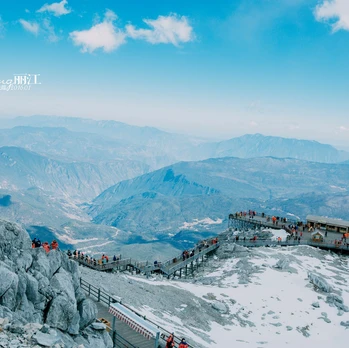
Before going up the mountain, we ate the instant noodles and snacks we'd brought to replenish our energy. Before boarding the cable car, I checked the altitude — over 3,300 meters (10,800 feet). After going up, it felt completely different from below — the temperature dropped sharply, the altitude reached 4,506 meters (14,780 feet), and even in a down jacket, I was shivering. I took a few puffs of oxygen, carefully slowed my pace, and continued forward. Looking out, the snow-capped peaks stretched endlessly, each with a different shape. After climbing a few hundred meters further, I suddenly felt dizzy and lightheaded, my steps unsteady. Although oxygen helped me push through, I decided to stop there so as not to affect the rest of our trip. If I'd been traveling alone, I think I would have pushed on to the end. Z took his own bottle of oxygen and continued alone. About thirty minutes later, Z came back down, panting but triumphant, announcing that he'd reached the highest point accessible by the boardwalk. Okay, he's tougher than me. By then, both our oxygen bottles were empty. For safety, we turned back and hurried down the cable car. Z's altitude sickness eased significantly, but I was still very uncomfortable. That's when it hit me — just as the guide had said: excited, emotional people are most prone to altitude sickness. I'd been too excited on the way up, constantly teasing and mocking Z, who has acrophobia (fear of heights). In the end, he was fine, but I didn't even have the strength to take a photo.
Coming down from the mountain, the other tourists' faces showed the discomfort of altitude sickness — and we on the opposite side weren't much better.
Back at the inn for a short rest, my altitude symptoms eased significantly. Maybe because the wind on the mountain had been so bitingly cold, Z and I both craved something warming to comfort our stomachs. We found a hotpot restaurant called "Stone Pot Fish" near Sifang Street. We don't like spicy food, so we ordered a clear broth pot, a live fish sliced — the head and tail went directly into the pot to cook — plus luncheon meat and tofu skin. Light, refreshing, fresh, and delicious — highly recommended! After the mobile discount, it was less than 200 RMB.
The restaurant's walls were covered with messages and wishes left by previous customers. After eating, we wandered nearby for a while and then went back to the inn. Our original plan to hit the bars was canceled due to altitude sickness.
DAY 3: If You're Also in Shuanglang
Since we had to leave for Shuanglang in the afternoon, we went to Black Dragon Pool Park after breakfast — free entry for visitors who'd already paid the old town maintenance fee. There were very few tourists, though a few elderly locals were walking and exercising. The winter flowers were sparse, and the whole park felt a bit desolate.
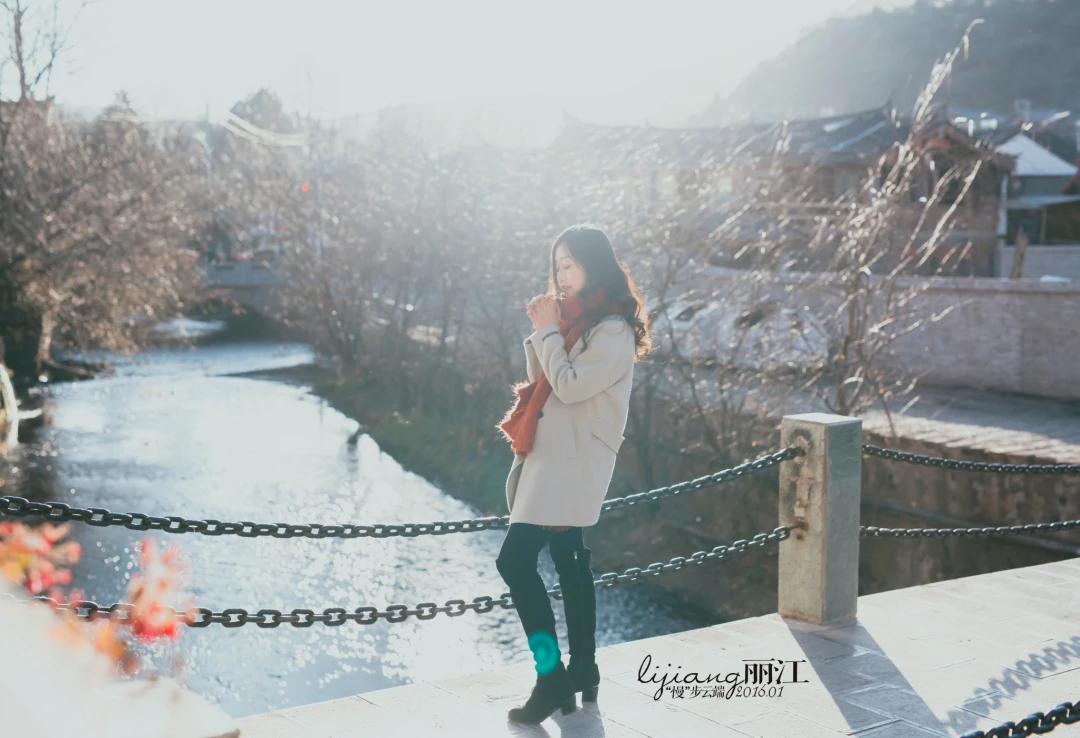
We took a taxi back to the old town, with about two hours to kill before eating. Little bridges, flowing water, flower fragrances, folk songs — the neon-lit, alcohol-fueled night before last seemed like a distant memory. Every now and then, someone would approach us to push half-day or full-day tours. At first, I patiently declined each one, but after being stopped every few steps, I simply ignored them. Lijiang's rising fame has attracted countless domestic and international tourists, and it's also brought endless business opportunities for locals. Many people say Lijiang has become too commercialized — that's also why I didn't visit too many other attractions. I only went to the places I most wanted to see, only keeping the best memories.
For lunch, we had Yunnan rice noodles and various snacks at the food court inside the old town. We strolled slowly back to the inn, picked up our luggage, and took a 2-hour bus to Shuanglang.
My first impression of Shuanglang? "Utter disappointment" wouldn't be an exaggeration — dust flying everywhere, buildings under construction on both sides, the sound of sawing. Where was the清新文艺 (fresh and artsy) paradise I'd heard about? Where was the "facing Erhai Lake, with winter warmth and spring flowers"? Z asked me repeatedly — "Is this really where we're supposed to be?" It wasn't until we got into a four-wheeled cart and saw the lakeside scenery bathed in sunlight that we gasped at how beautiful it actually was. Along the way, the cart jolted and swayed over the bumpy, potholed road. We held our luggage tightly, afraid it would fly out. Passing through countless narrow, crisscrossing alleys that looked even narrower than the cart itself, the driver somehow managed to squeeze past pedestrians every time. I found myself holding my breath for the driver and pedestrians alike, half-expecting the battered old cart to fall apart at any collision.
After getting off, we walked...
(To be continued)
Epilogue: Slow Down, and You'll See the Real Yunnan
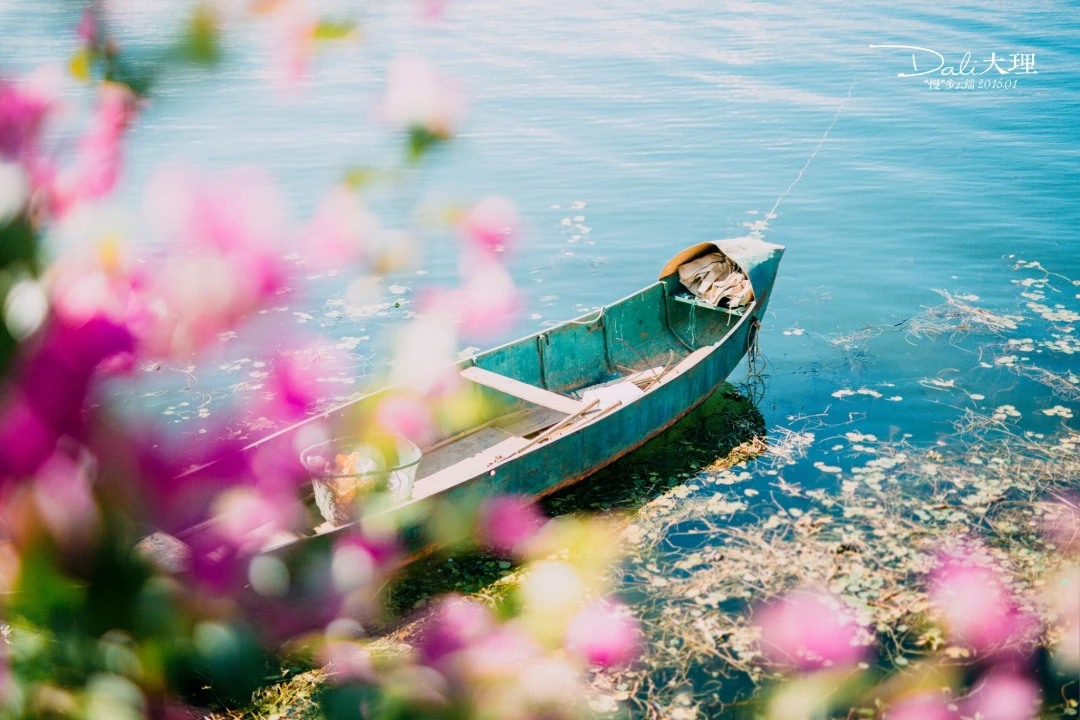
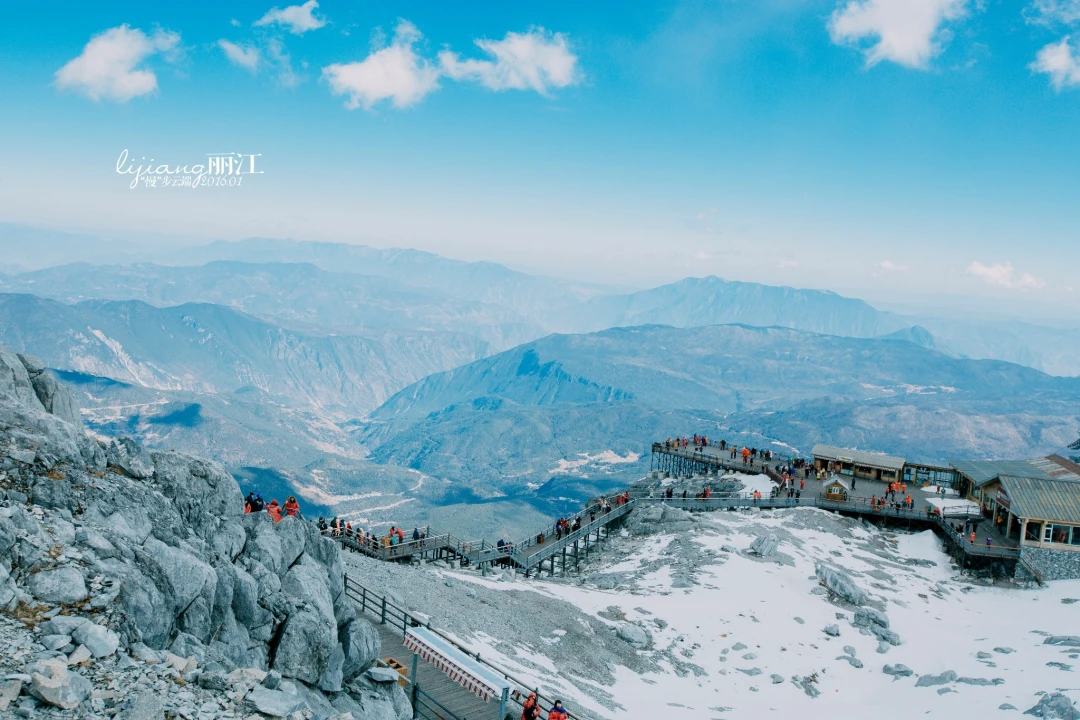
Six days, two ancient cities, one stretch of slow time. From the old town alleys of Lijiang to the snow-covered peaks of Jade Dragon Snow Mountain, from the lakeside scenery of Shuanglang to the tranquil inns of Xizhou — what Yunnan gave me was far more than just scenery.

Some people say travel is going from a place you're tired of living in to a place other people are tired of living in. But I think the meaning of travel is this: it allows us to step away from the trivialities of daily life, to see the world with fresh eyes, and to experience life with a slowed-down heart.
In Lijiang, I learned to do nothing. In Shuanglang, I learned to go with the flow. On Jade Dragon Snow Mountain, I learned to respect nature. And most importantly, I learned — to slow down.
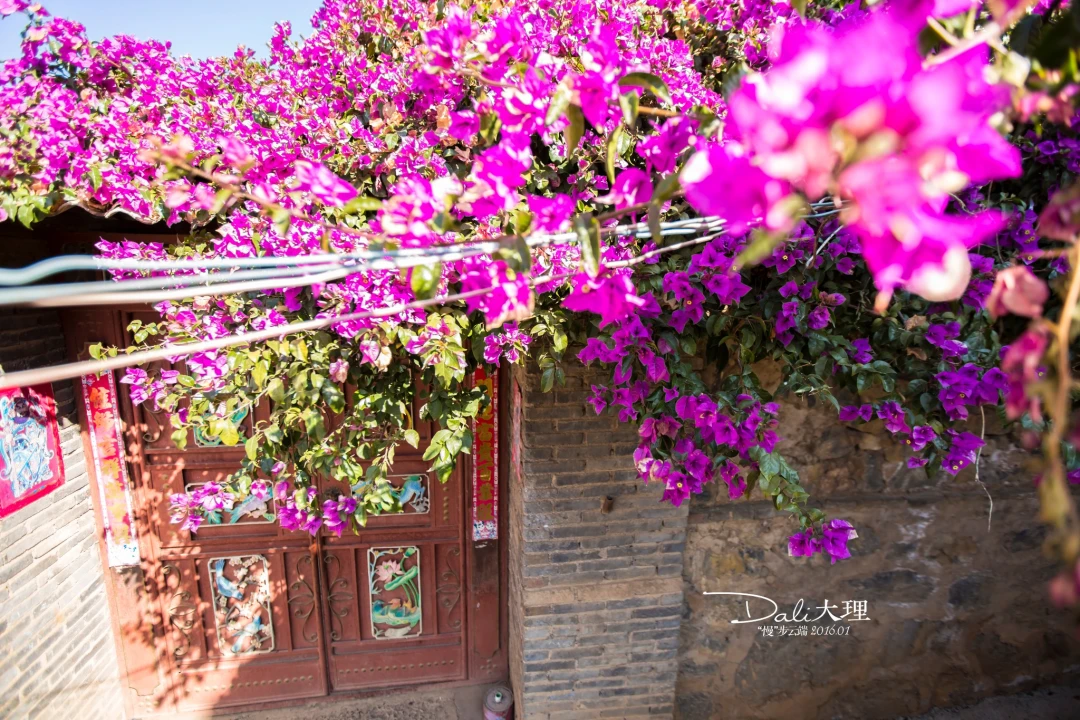
So if you're also planning to go to Yunnan, don't over-plan. Don't rush from one attraction to another. Follow your heart, and go wherever it takes you. Because the most beautiful scenery is often not in the guidebooks — it's in that casual glance over your shoulder when you least expect it.
Finally, a few key words for those about to set off:
- Sun protection — Yunnan's UV rays don't go easy on you just because it's winter
- Moisturizing — The dry air will make your lips and skin protest
- Independent travel — Don't let shopping tours ruin your trip
You should also read:
Two Girls' Graduation Trip: Dali and Shuanglang – A Poetic Farewell to Mountains and Sea
Two Girls' Graduation Trip: Dali and Shuanglang – A Poetic Farewell to Mountains and Sea Preface: Catching the Tail of Youth, Heading South During our senior year of college, my roommate and I – two girls studying in Beijing – decided to bid farewell to…
Continue reading...
Body in Hell, Heart in Heaven: A Pilgrimage Through Tiger Leaping Gorge — A Dialogue Between Heaven and Earth
Body in Hell, Heart in Heaven: A Pilgrimage Through Tiger Leaping Gorge — A Dialogue Between Heaven and Earth Introduction: When the Gorge Splits Open Beneath Your Feet Some say Tiger Leaping Gorge is the closest place on Earth to the border between "hell" and…
Continue reading...
Cloud Travelogue · Dali of Wind, Flowers, Snow, and Moon: A Three-Day, Two-Night Journey of a Free Spirit
Cloud Travelogue · Dali of Wind, Flowers, Snow, and Moon: A Three-Day, Two-Night Journey of a Free Spirit I am a cultured female foodie with a touch of rogue charm. I slung on my backpack, took my lover's hand, and set off on a spontaneous…
Continue reading...