South of the Cloud Ranges: A 2025 Xishuangbanna Road Trip — An Immersive Journey Through Tropical Rainforests and Millennia-Old Cultures
South of the Cloud Ranges: A 2025 Xishuangbanna Road Trip — An Immersive Journey Through Tropical Rainforests and Millennia-Old Cultures
Prologue: Escaping Winter into a Tropical Dream
When the biting winter wind of Shanghai cut through the air, I found myself staring out at the gray, overcast sky, a single thought forming in my mind — go south, to that place wrapped in sunlight and greenery. In January 2025, our family of three embarked on a 15-day self-drive adventure through Yunnan. From the tropical rainforests of Xishuangbanna to the thousand-year-old rice terraces of Yuanyang, from the tea mountains of Pu'er to the ancient tribal villages of Cangyuan, every stop felt like a slowly unfurling scroll, waiting for us to explore and absorb.
This was not just a simple trip; it was a soulful dialogue with nature, history, and culture. If you, too, long to escape the city's clamor, then follow my footsteps as we step into this unique oasis on the Tropic of Cancer.
Pre-Trip Preparations: What You Absolutely Need to Know
Flights: A Game of Price Chess
Starting from the Double 11 shopping festival, we kept our eyes glued to flight deals across various platforms — live streams, flash sales, discounts... But during the winter break, popular routes saw prices soar like a rollercoaster. Direct flights to Xishuangbanna climbed from 2,800 RMB to 3,600 RMB. We gritted our teeth and booked at the end of December, only to see prices plummet again in early January. Our three round-trip tickets came to about 9,400 RMB total. It stung a little, but thinking about the journey ahead, we quickly made peace with it.
Accommodation: The Art of Canceling and Rebooking

With so many hotel booking apps in China and prices constantly fluctuating, I found myself canceling and rebooking almost every day from November until our departure. In the end, I saved several thousand RMB. That said, popular spots like Jingmai Mountain, Ximeng, and Yuanyang had stubbornly high prices for guesthouses and hotels — best to lock those in early.
Car Rental: Full Coverage Insurance Is a Must
The road conditions in Yunnan are far more complex than you might imagine, especially on mountain roads. We opted for a one-way rental (dropping the car at a different location). While some apps offer this service for free, the base rental price tends to be higher. As for insurance, I strongly recommend getting full coverage — those washboard roads, potholes, and gravel slopes are just waiting to give your car a nasty surprise.
What to Wear: Don't Be Fooled by "Spring All Year Round"
Yunnan's weather is a master of disguise. Before 10:30 AM, it feels like winter; after 10:30 AM, it's scorching summer. On this trip, we even encountered a cold snap that hadn't been seen in years, with snow falling around Kunming. So, bring a thick jacket! Also, the rainforest is full of mosquitoes and bugs — long sleeves and pants are more practical. And with intense daytime sun, sunscreen is absolutely non-negotiable.
The Journey Begins: From Shanghai to Mengla
Day 1: Arriving in Mengla, First Taste of the Tropics
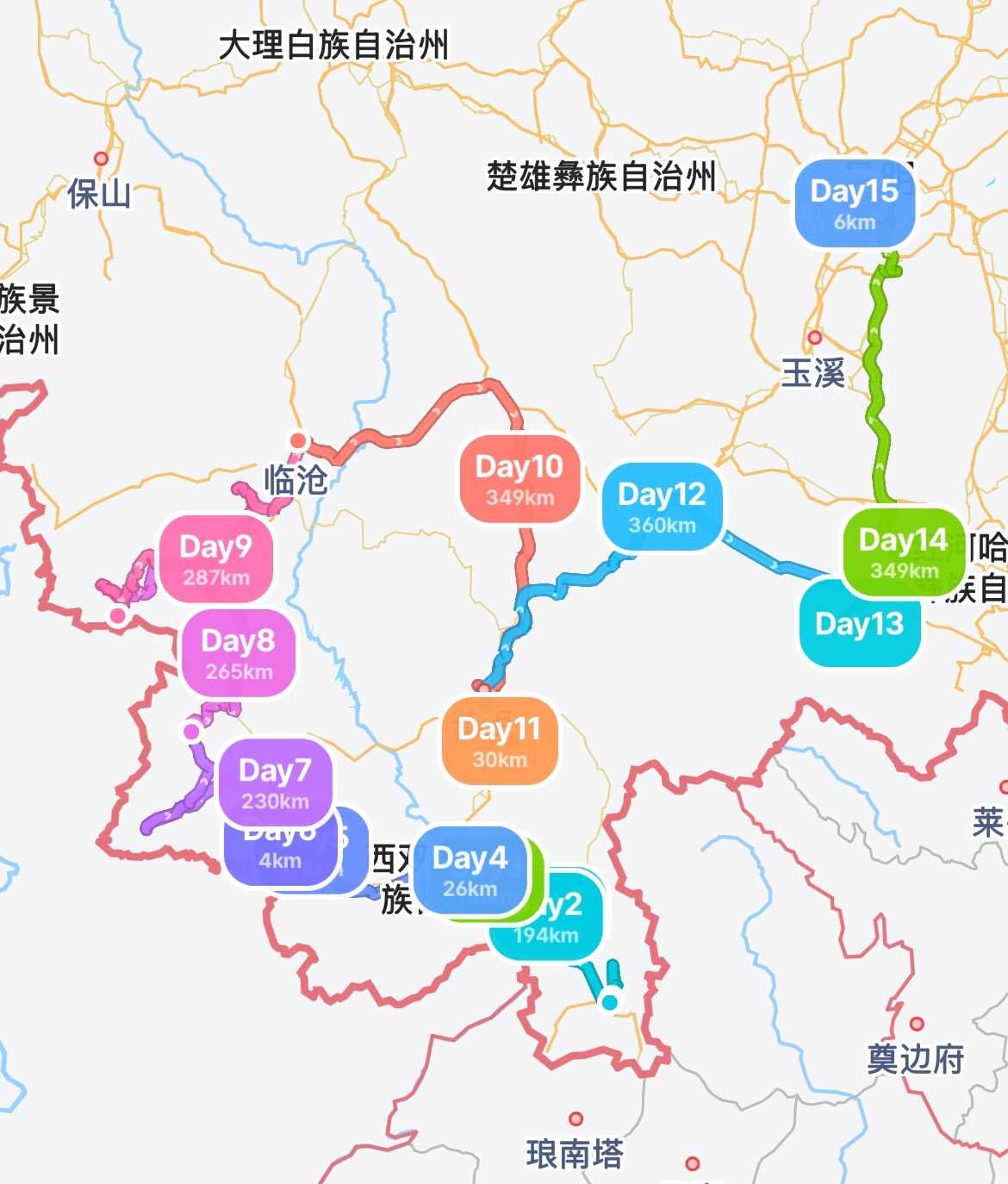
At noon on January 17th, as soon as our child was out of school, we headed straight for Shanghai Pudong Airport. After a five-hour flight, we landed at Xishuangbanna Gasa International Airport. The moment we stepped out of the cabin, the warm tropical breeze hit us — bright sunshine, crisp, sweet air.
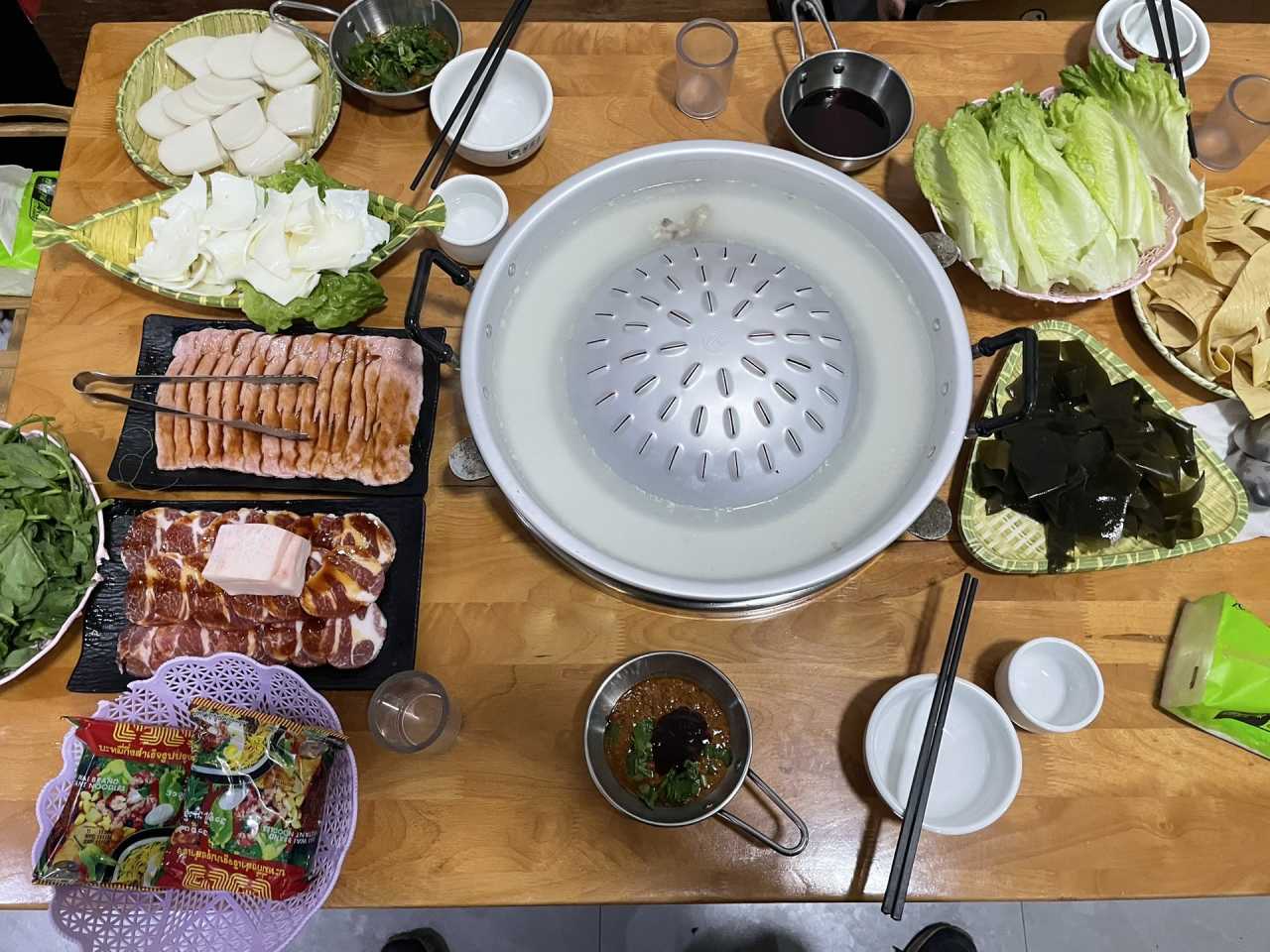
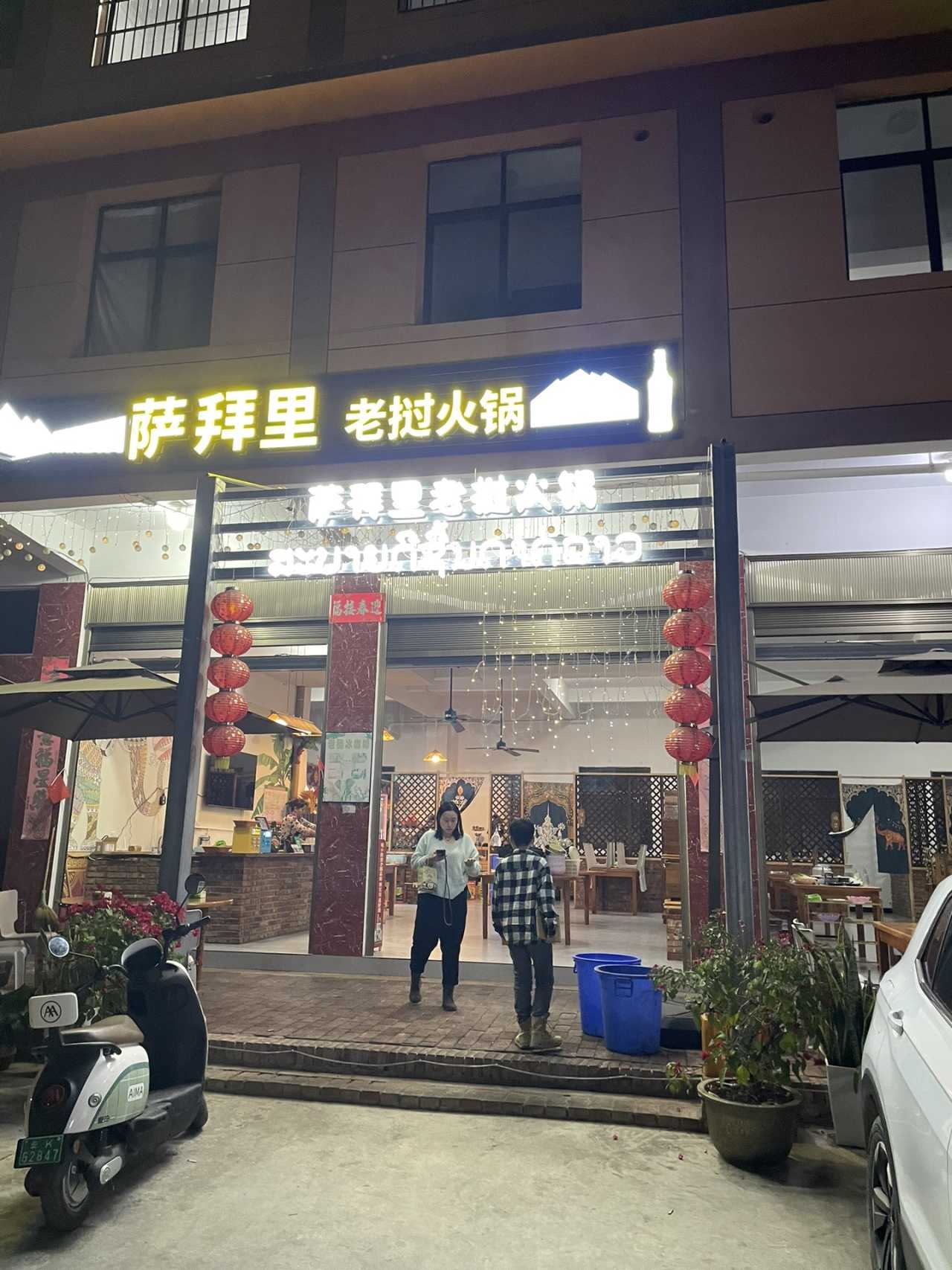
After picking up our pre-booked rental car, we drove directly to Mengla. The nearly three-hour drive was a moving tropical painting, lined with palm trees, banana groves, and bougainvillea. Upon arrival, our first stop was a Lao-style hotpot — sour, spicy, and fragrant, instantly washing away the day's fatigue. We stayed at a hotel in Mengla that night, with the night market just outside our window. But after a long day of travel, we decided to turn in early, saving our energy for the days ahead.
Exploring the Tropical Rainforest: Canopy Walkways, River Drifting, and the Starry Night Market
Day 2: The Market, the Canopy Walk, and the Nanla River Drift
The early morning market at Manlongle is the Dai people's weekly Saturday "market day." We arrived early, when the parking lot was still empty. By the time we passed by in the afternoon, cars were parked all the way out onto the main road. Grilled fish with lemongrass, grilled meat, pineapple rice — every bite was authentic Dai cuisine, utterly irresistible.
Next, we headed to the Wangtianshu (Look-Up Tree) scenic area. Climbing the dozens-of-meters-high canopy walkway, we looked down over the entire tropical rainforest, feeling like we had stepped into the world of Avatar. The suspension bridge swayed with every step — thrilling and exhilarating. In the park, there's a plant called the "miracle fruit," a gift brought back by Premier Zhou Enlai from a visit to Africa. It temporarily numbs your taste buds' perception of sour and bitter — after eating it, even a lemon tastes sweet.
The afternoon's Nanla River drift was the highlight of the day. A four-kilometer kayaking trip on crystal-clear water, flanked by lush tropical vegetation. We kept getting stuck, scraping against branches, and even spotted a few wild monkeys — a series of delightful surprises. We emerged from the water soaked through, but our spirits were soaring.
Back in Jinghong that evening, we headed straight for the Starry Night Market. Dazzling lights, handcrafted souvenirs, and a dazzling array of local snacks — we wandered until our legs gave out before reluctantly heading back to the hotel.
The Plant Kingdom and Buddhist Serenity
Day 3: Borommarachathirat Temple and the Botanical Garden
The previous day's exertions caught up with us, and we couldn't drag ourselves out of bed in the morning. Our planned three temples were reduced to one. Borommarachathirat Temple, with its white pagoda gleaming against the blue sky and white clouds, felt incredibly serene. We sat quietly inside the temple for a while, soaking in the peace. One note: drones are banned here — reportedly because the temple houses sacred relics.
In the afternoon, we visited the Chinese Academy of Sciences' Xishuangbanna Tropical Botanical Garden (the West Garden). It's a paradise for plant lovers. Datura, golden cup flowers, ashoka trees, dragon's blood trees, giant Dutchman's pipe... we couldn't even take in all the lotus varieties. After a few hours, we'd only covered a fraction of the garden, but it was already mind-blowing.
The evening night tour was an unexpected delight. Our guide used a flashlight to search for insects in the undergrowth, teaching us to identify firefly larvae and pointing out the vast clusters of spider eyes in the grass. As we ventured deeper, the ambient light faded, and the sky above became a blanket of stars. The guide taught us stargazing: Venus, Mars, the Big Dipper, the Autumn Quadrilateral, the Winter Triangle... Our child was captivated, and I learned a thing or two myself.
Day 4: The Main Temple and a Jinuo Mountain Rainforest Hike
In the morning, we visited Xishuangbanna's main Buddhist temple (Zongfo Temple). Its golden, resplendent architecture commanded reverence. Behind the temple, a garden and a floating market connected, but we were short on time and could only glance — because the afternoon held a rainforest hike on Jinuo Mountain.
As we drove into the mountains, the dirt roads became increasingly remote. Without a guide, it would have been genuinely unsettling. But when we reached the camp, we found it packed with people. Lunch was a huge spread, just for the three of us, and surprisingly tasty. After the meal, we changed into rubber boots and, led by a Jinuo guide, plunged into the rainforest.
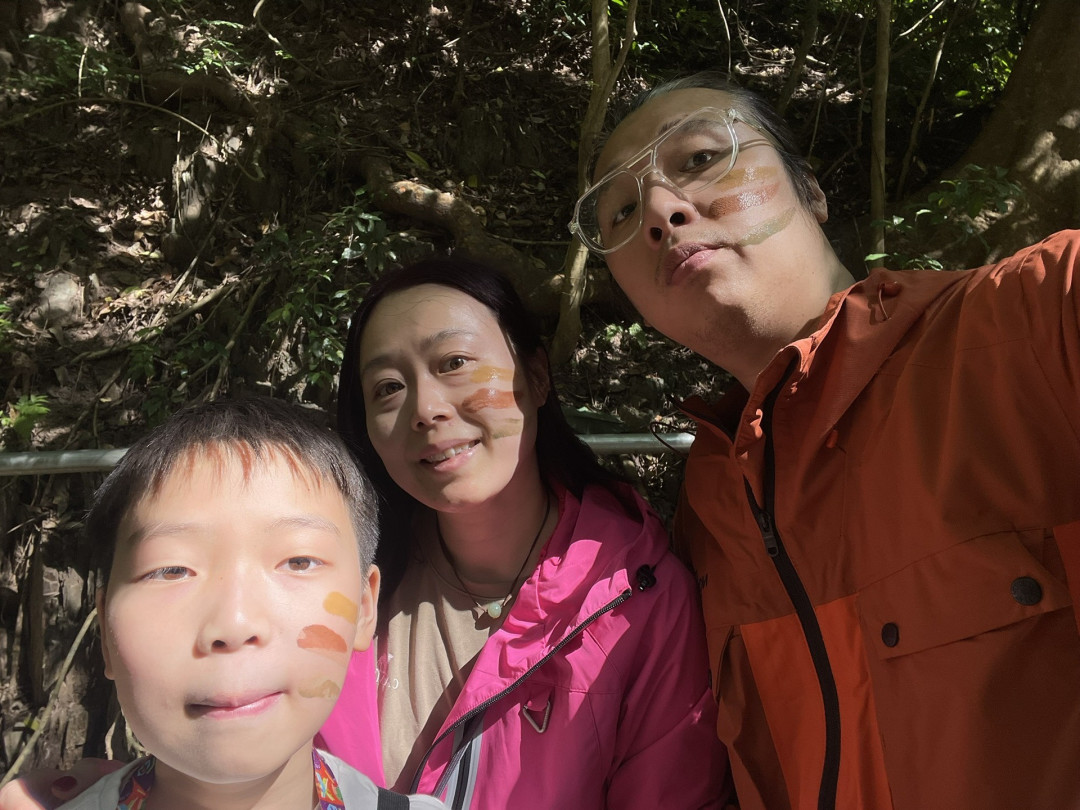
Our guide gave us one-on-one attention, constantly explaining the various plants from the moment we started hiking. Jinuo Mountain is covered in rubber trees; he showed us how to collect latex, identify animal tracks, and even set traps. The entire hike was through water — up and down hills, walking through streambeds with no proper path. It was tiring, but never boring. Along the way, there were play spots set up by locals: colored stones you could use as face paint, which our child loved.
Jingmai Mountain: Pu'er Tea and Slow Living
Day 5-6: The Sea of Clouds and Ancient Villages
From Jinghong, we drove to Jingmai Mountain. There are no paved roads here; getting in and out means navigating gravel and potholed slopes. According to locals, this is intentional — to protect the groundwater and prevent pollution of the tea trees, so they've banned paving.
Before coming, I thought Pu'er tea was just one type of tea. But here, I learned that any tea produced in the Pu'er region is called Pu'er tea. Pu'er white tea, Pu'er black tea... We even got to try a nearly lost variety called sour tea, which survives only because an elder in the village still knows how to make it.
The tea here is delicious and affordable, and the pace of life is enviably slow. We stayed in the village of Manghong. Around 4 PM, feeling hungry, we found a random restaurant. After ordering, the owner insisted we sit down for tea. We drank several rounds before he slowly, leisurely, got up to cook. By the time we finished eating and headed back, we almost missed the sunset.
Jingmai Mountain's beauty lies in its sea of clouds, sunrises, sunsets, and starry skies. Every day, lying on the balcony, watching the distant clouds and scenery, I could lose myself for hours. Over two days, we explored the ancient villages of Jingmai Dazhai, Nuogan, Wengji, Mangjing, Wengwa, and Manggeng. Each place had its own unique scenery and culture. Different ethnic minorities, different architectural styles, different traditional costumes — every bit of it was a visual delight.
Wa Ethnic Mysteries: Dragon Mo Ye and Wengding Village
Day 7: Ximeng Wa Autonomous County
After watching our final sea of clouds and sunrise, we left Jingmai Mountain for Ximeng. The Wa people are a mountain-dwelling ethnic group. In the afternoon, we visited the Dragon Mo Ye (Long Moye) sacred site — a Wa sacrificial ground steeped in mystery. That night, we stayed at a hotel by Longtan Lake. Built in 2019, it had been hit hard by the pandemic and was struggling, but room prices hadn't dropped. Since the hotel was nearly empty, we were upgraded to the most expensive villa — an instant upgrade in experience. We spent a leisurely afternoon making perfume and tie-dyeing at the hotel.
Day 8: Biodiversity Walk Around Longtan
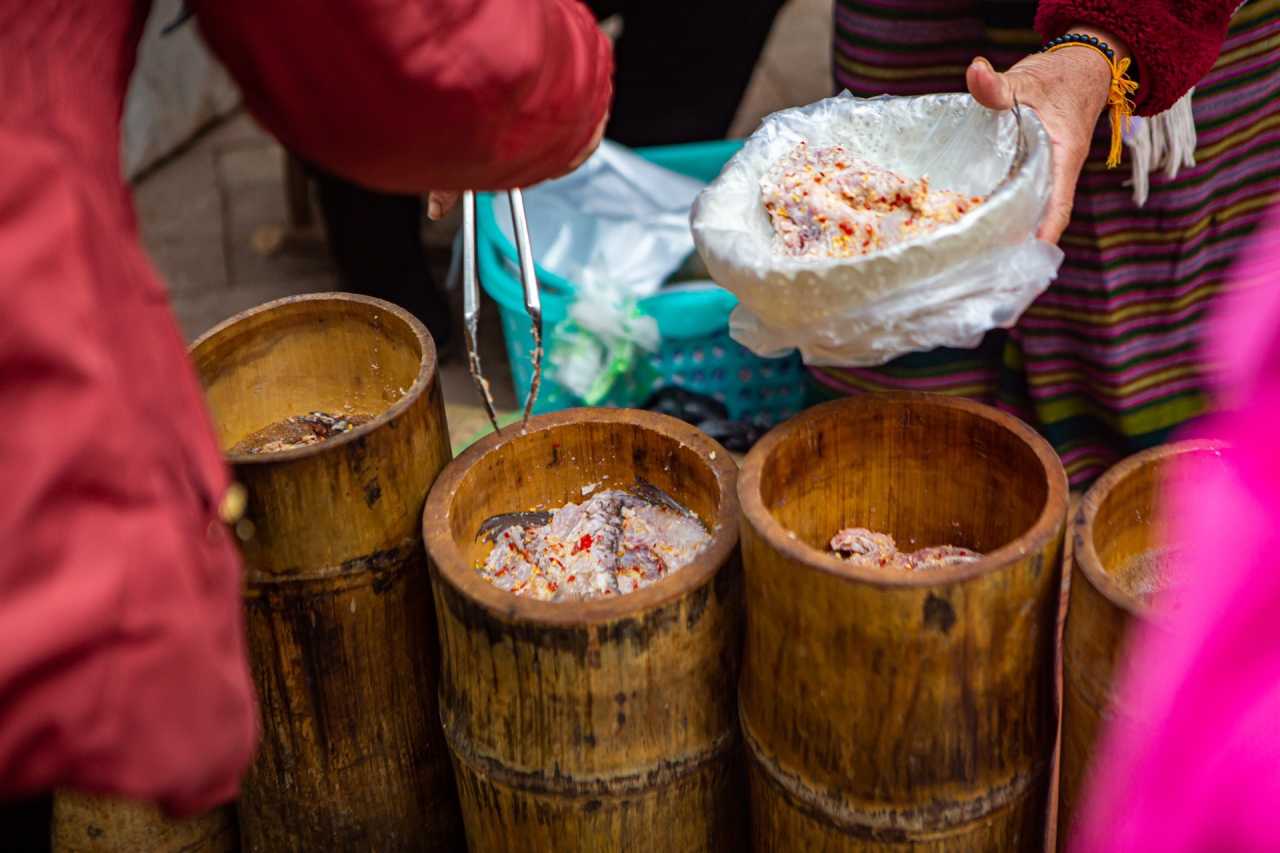
In the morning, we took a biodiversity walk around Longtan Lake. Our guide introduced us to various rare plants and birds — a rewarding experience. At noon, we set off for Cangyuan, a nearly six-hour drive, and we were back on the road again.
Day 9: Wengding Village and Cangyuan Cliff Paintings
Wengding Ancient Village is known as "China's last primitive village." In 2019, the village's thatched huts were completely destroyed by fire. The current village is a reconstruction, with the original residents having moved to new homes about a kilometer away. The scenic area is well-developed, with a welcome ceremony, various rituals, performances, and hands-on experiences — engaging from start to finish. Excellent value for money.
Afterward, we visited the No. 1 cliff painting site at Cangyuan. These ancient rock paintings depict the daily lives of the Wa ancestors — truly awe-inspiring. However, the climb up the endless stone steps was exhausting. Late in the afternoon, just before closing, we visited the Lincang Archaeological Museum. Housed in a compound with an 1980s-style building, the museum's collection was sparse, and the souvenirs were all high-priced collectibles. It felt like the museum could use some rethinking.
The Ancient Tea Horse Road and a Pu'er Surprise
Day 10: Nakeli Tea Horse Station and the Firefly Disappointment
From Lincang, we drove to Pu'er. Along the way, we stopped at Nakeli Tea Horse Station, a former post on the Ancient Tea Horse Road, now a commercialized old street. In the evening, we went to the Pu'er Asia-Pacific Forestry Organization base. We had planned to release fireflies, but a sudden cold snap hit — snow was falling around Kunming — and the fireflies refused to fly. The release failed.
A quick note: Yunnan does have fireflies in winter, but this cold front was too intense. We had to call it a loss.
Day 11: Pu'er Taiyanghe Forest Park and Tea-Making Experience
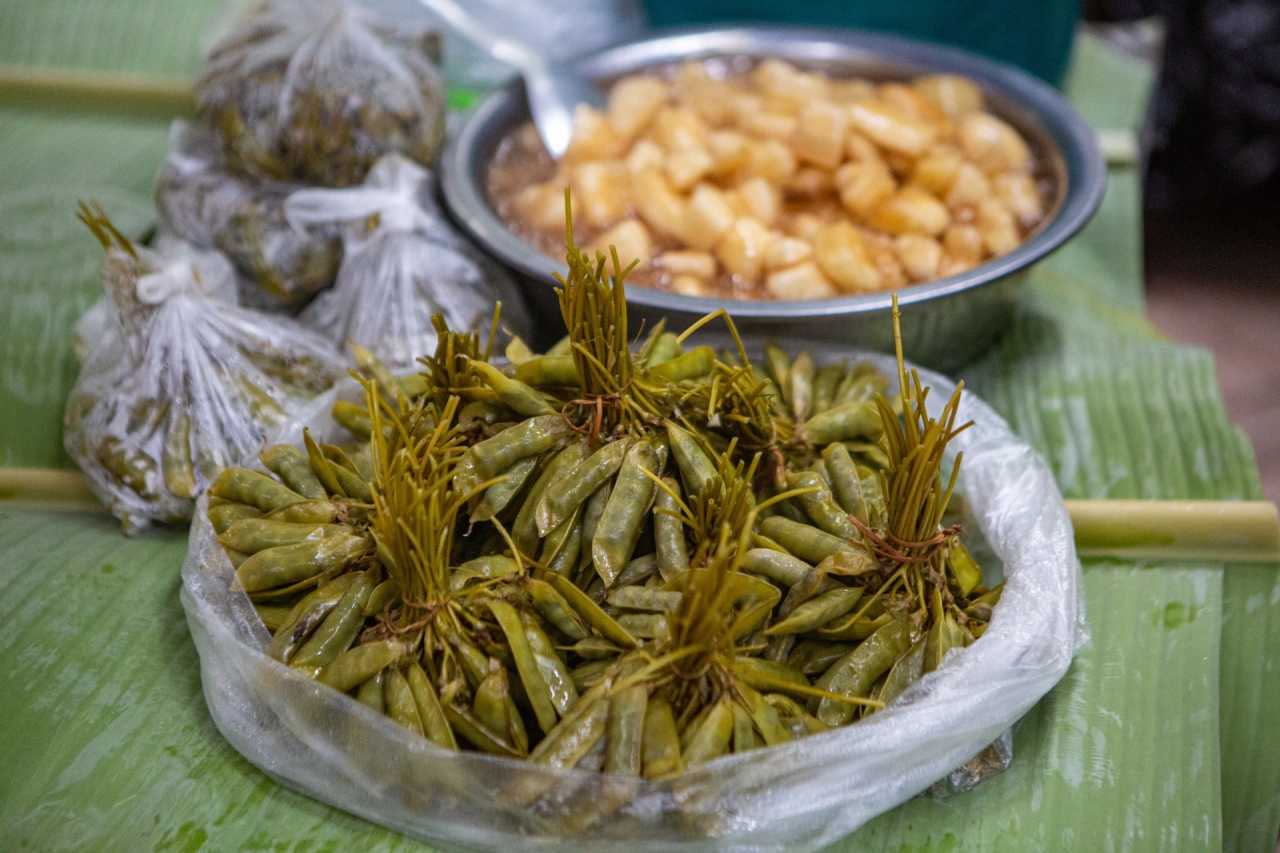
Pu'er Taiyanghe (Sun River) Forest Park is a rising star among tourist attractions. The animals here are incredibly interactive! Despite the cold snap, we had a blast. We engaged with every available animal activity, constantly shelling out "20, 20" (the fee for feeding). In the afternoon, we visited a tea plantation and experienced the entire process: picking tea leaves, processing them, and pressing them into cakes. Bringing home a tea cake we made ourselves felt truly meaningful. During the pressing process, we also gained a deep appreciation for the importance of body weight — the heavier you are, the tighter and firmer the tea cake becomes.
Yuanyang Rice Terraces: Waiting for a Miracle
Day 12-13: New Year's Eve Dinner and Waiting in the Fog
On January 28th, we left Pu'er for the Yuanyang Rice Terraces. Today was Chinese New Year's Eve, but the weather was uncooperative. Thick fog blanketed everything, completely obscuring the terraces. Outside the window, it was a white void. A wave of helplessness washed over me — was this going to be the same as our experience at Namcha Barwa in 2023? Back then, we had extended our stay until the clouds cleared. But this time, our flight tickets couldn't be changed! The forecast predicted three more days until clear skies.
Resigned, we found a restaurant early for our New Year's Eve dinner, then returned to our room to watch the Spring Festival Gala. Silently, I prayed that a miracle would happen tomorrow.
When I woke up on the 29th, the fog was still there. I went back to sleep. Two hours later, I woke again. The fog had lifted! I threw on my clothes, grabbed my camera, and rushed downstairs — but the fog rolled back in. It had cleared for only three minutes. Frustrated, we drove from viewpoint to viewpoint in the rain, hoping to catch even a glimpse. After lunch, we kept searching. Around 4 or 5 PM, the rain stopped, the wind picked up, and the thick fog slowly began to blow away. We rushed back to our guesthouse, set up our tripod, and finally, the terraces revealed themselves in full — the miracle had happened after all!
Day 14: Sunrise Over the Terraces and Kunming's Old Streets
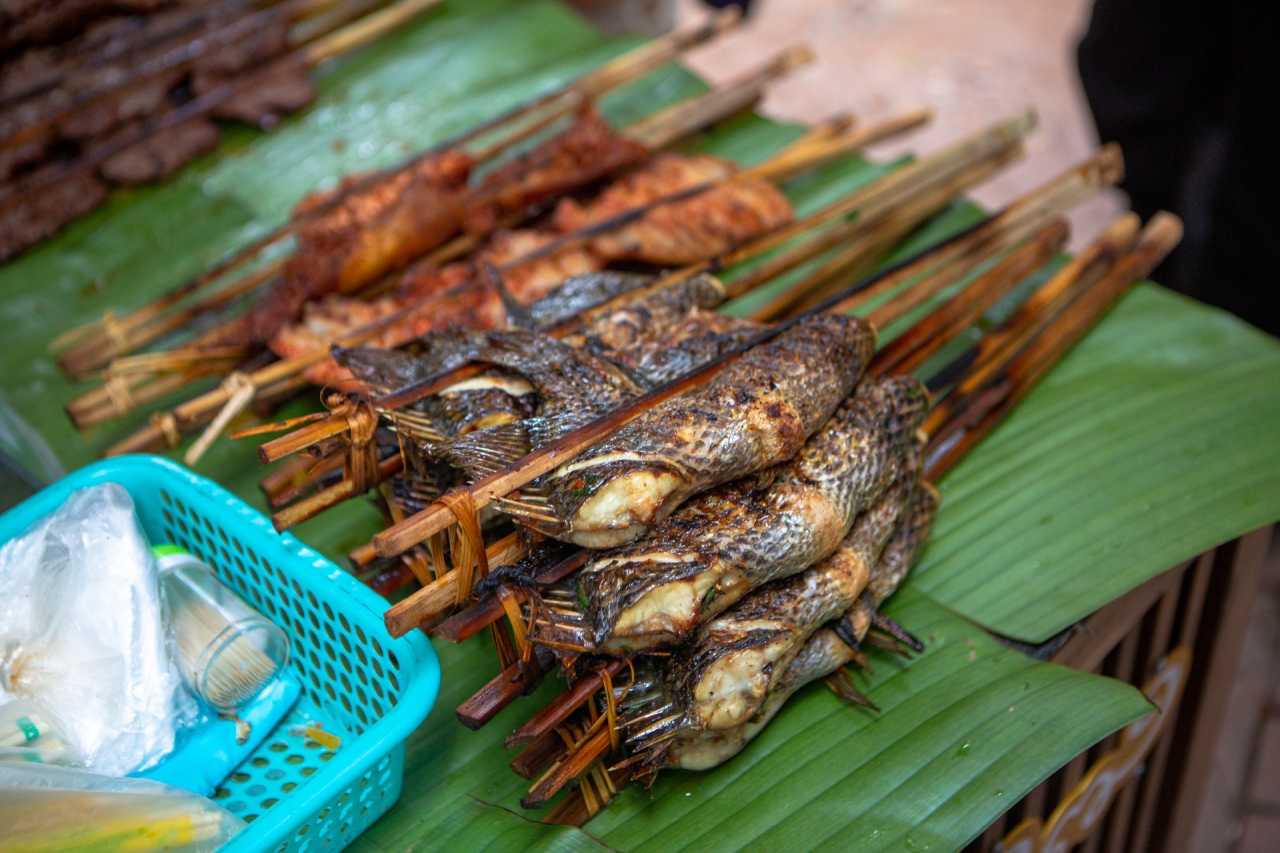
We got up early on the 30th to watch the sunrise over the terraces. Bathed in morning light, they looked like a dream, as if we were in a fairyland. After visiting a few more viewpoints, our Yuanyang adventure came to an end. At noon, we set off for Kunming. On the way, we briefly stopped at Fuxian Lake, but it was incredibly crowded, with cars lining the entire lakeside road. We decided not to linger and headed straight for Kunming. That evening, we explored Kunming's old streets, indulging in a feast of Yunnan street food. It was our last night in Yunnan — bittersweet, but we made the most of it.
Epilogue: Yunnan — A Place Worth Returning to Again and Again
Day 15: Yunnan Provincial Museum and Heading Home
In the morning, we squeezed in a visit to the Yunnan Provincial Museum. Its collection was rich, with several national-level treasures. We were so captivated that we spent the entire morning there, skipping lunch entirely before heading straight to the airport.
This trip deeply impressed upon me the natural beauty and profound culture of Yunnan. From tropical rainforests to thousand-year-old terraces, from primitive villages to modern cities, every stop left me longing to stay longer. Yunnan, this magical land, is a place worth visiting again and again.
Practical Tips Summary
- Food: Yunnan cuisine is predominantly spicy, but milder options are available.
- Temperature Differences: Large swings between morning/evening and daytime — a thick jacket is essential.
- Ethnic Minorities: Yunnan is home to many ethnic groups. It's wise to learn about local customs in advance.
- Self-Driving: Mountain roads are challenging. Drive carefully, and full insurance coverage is a must.
- Fire Safety: Many mountainous areas — be mindful of fire hazards.
- Safety: This is a border region — stay aware of your personal safety.
Looking forward to the next departure. TO BE CONTINUED...
You should also read:

Body in Hell, Heart in Heaven: A Pilgrimage Through Tiger Leaping Gorge — A Dialogue Between Heaven and Earth
Body in Hell, Heart in Heaven: A Pilgrimage Through Tiger Leaping Gorge — A Dialogue Between Heaven and Earth Introduction: When the Gorge Splits Open Beneath Your Feet Some say Tiger Leaping Gorge is the closest place on Earth to the border between "hell" and…
Continue reading...
Cloud Travelogue · Dali of Wind, Flowers, Snow, and Moon: A Three-Day, Two-Night Journey of a Free Spirit
Cloud Travelogue · Dali of Wind, Flowers, Snow, and Moon: A Three-Day, Two-Night Journey of a Free Spirit I am a cultured female foodie with a touch of rogue charm. I slung on my backpack, took my lover's hand, and set off on a spontaneous…
Continue reading...
The Meaning of Travel – A Tengchong Story: A Journey of the Heart and Personal Growth
The Meaning of Travel – A Tengchong Story: A Journey of the Heart and Personal Growth Setting Out, Only to Return a Better Self Some say travel is nothing more than leaving a place you're tired of, only to go to a place where others…
Continue reading...