South of the Clouds, Where the Heart Belongs: A Spontaneous Winter Journey to Yunnan
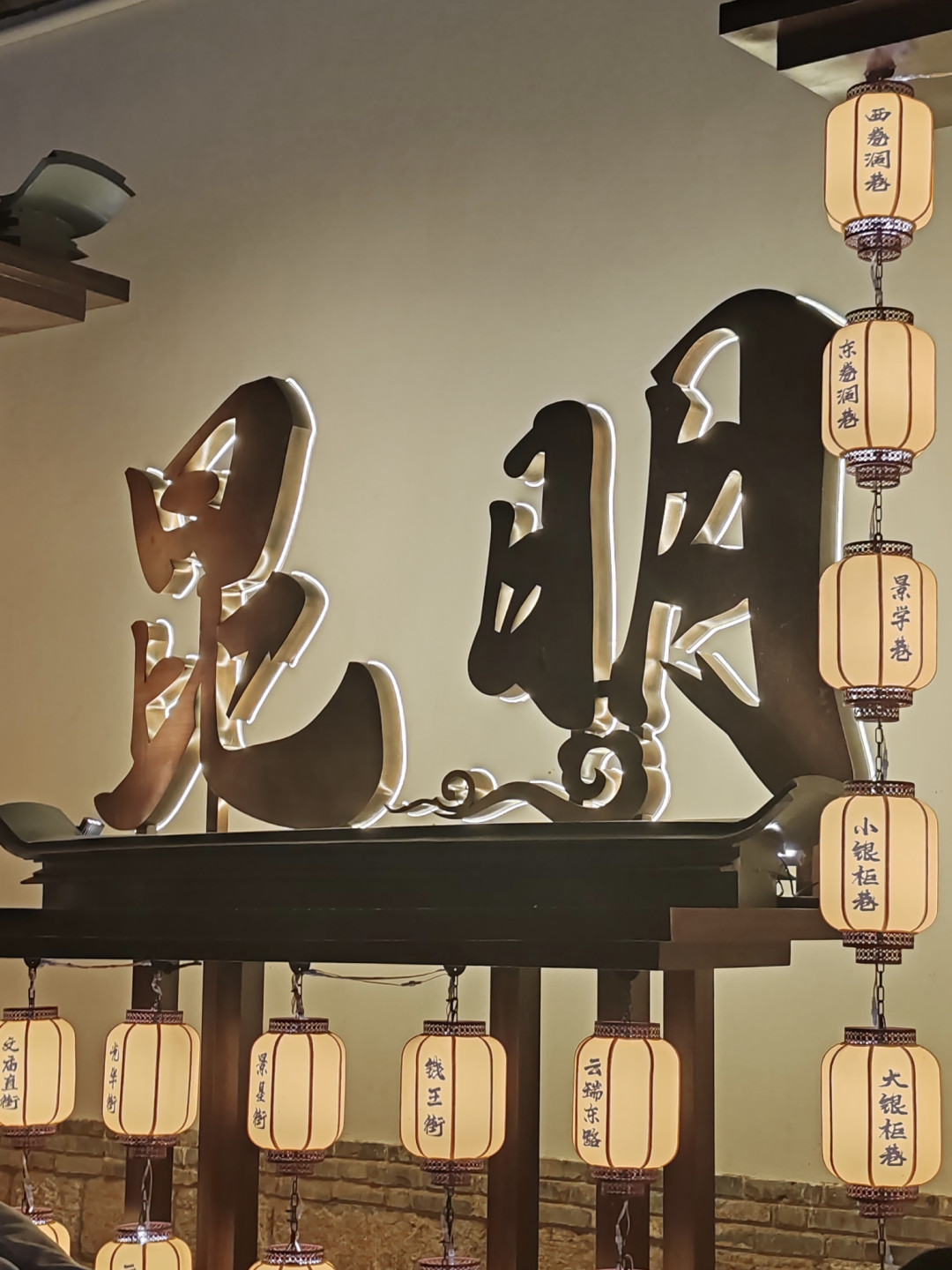
South of the Clouds, Where the Heart Belongs: A Spontaneous Winter Journey to Yunnan
Departure: From Sub-Zero Temperatures to Spring Blossoms
On a certain morning at the end of the year, right after my child's school break began, a thought suddenly popped into my head—let's go to Yunnan. It wasn't a spur-of-the-moment whim, but a journey I had longed for. To be honest, though, I had my doubts before setting off: I had little experience traveling in winter, and it was right before the Spring Festival—would the crowds be overwhelming? With the flu season in full swing, would I end up sick halfway through? During peak tourist season, would I get ripped off so badly I wouldn't recognize myself? These worries spun through my mind like a revolving lantern. But then I thought, since I've made up my mind, I'll just deal with whatever comes my way.
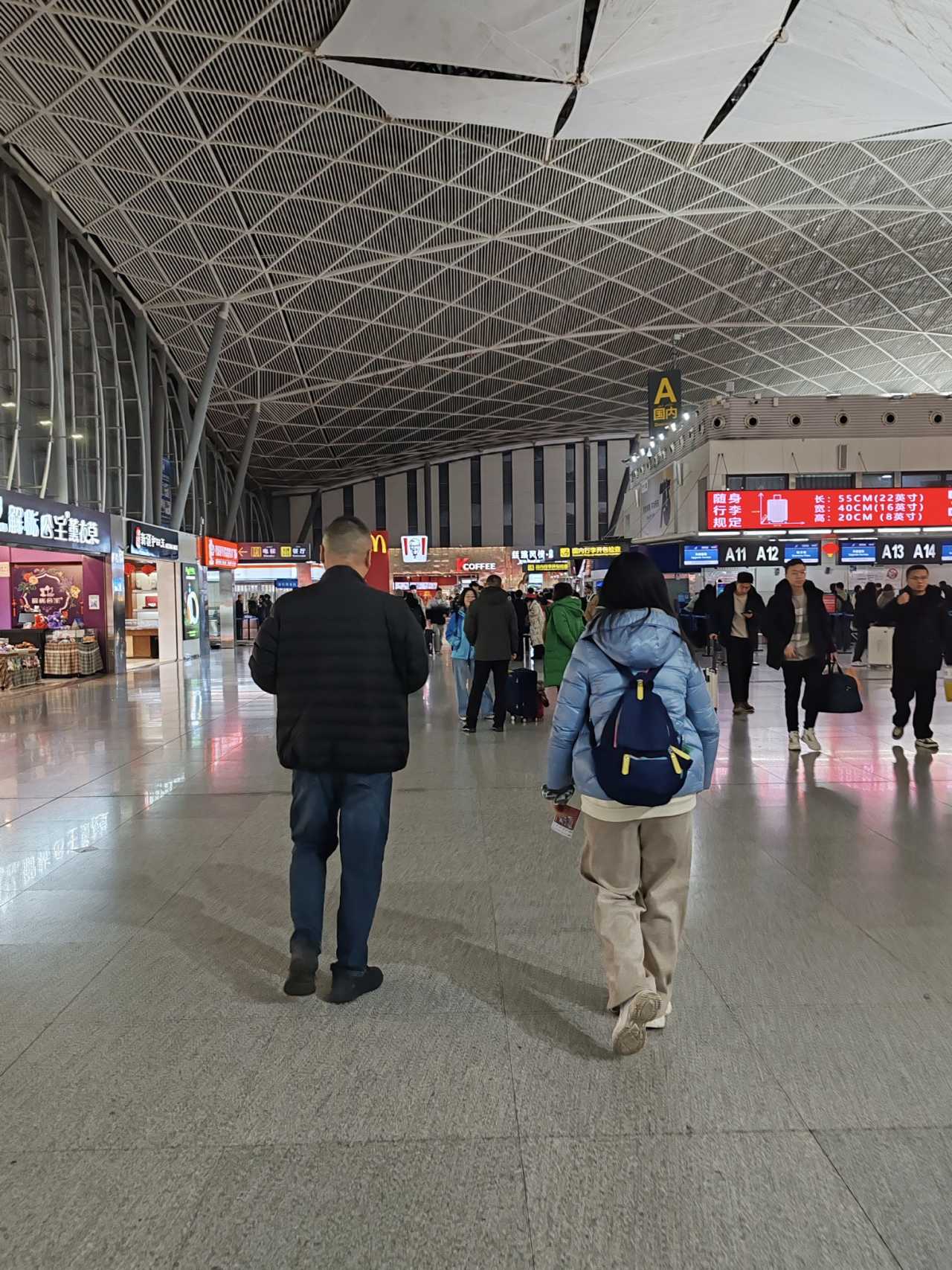
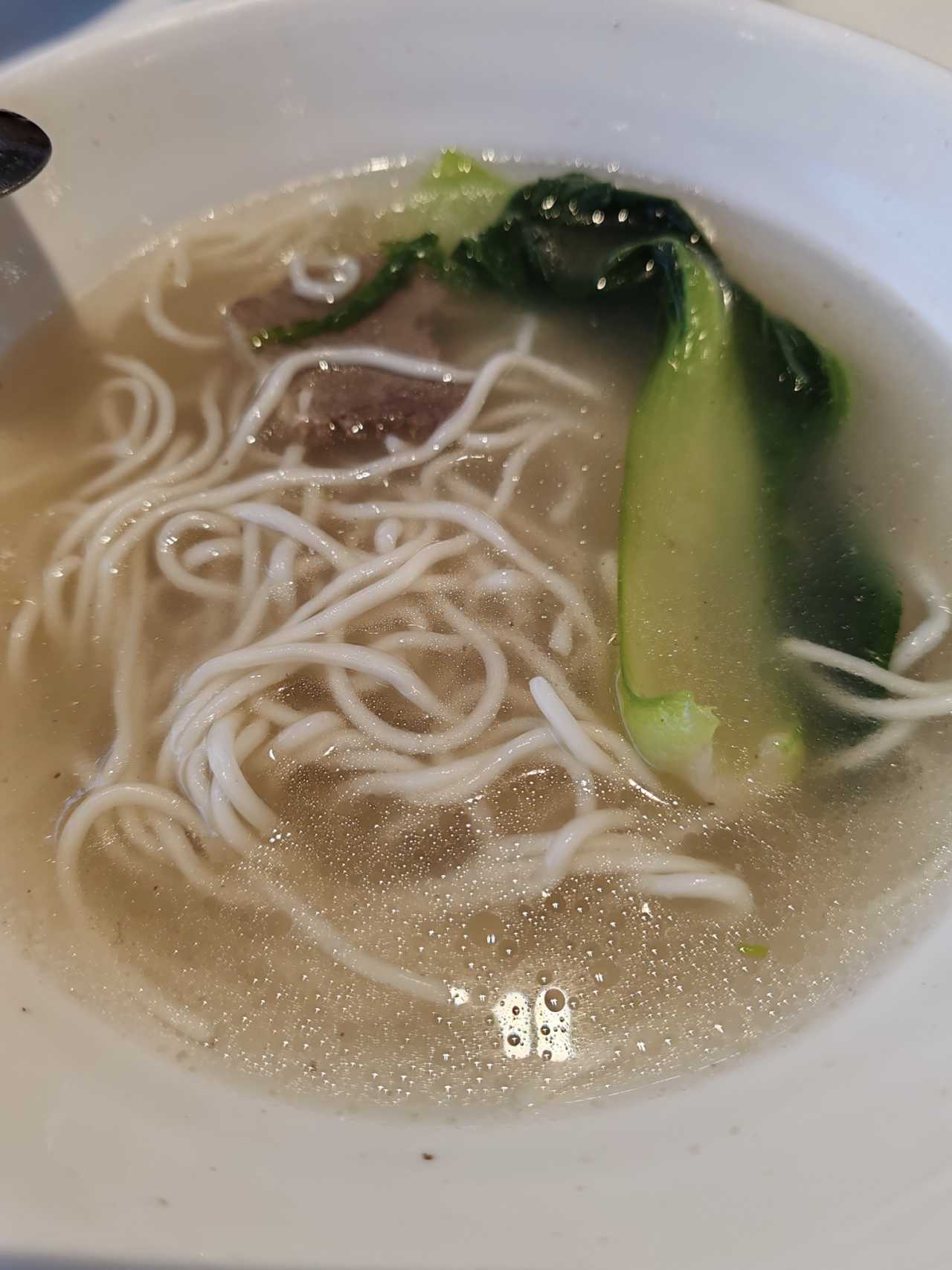
At 8 a.m., we arrived at Ürümqi Diwopu International Airport. The air was biting cold at minus ten-something degrees Celsius, but the ground was covered in liquid. I was puzzled—wouldn't this freeze and become slippery? The plane's announcement cleared things up: "To prevent ice from forming on the wings, de-icing operations are underway." Four mechanical arms, resembling elevated work platforms, simultaneously sprayed de-icing fluid onto the wings. In just a minute, the wings were completely covered. It turned out to be a special liquid with a lower freezing point, ensuring the plane could take off safely.
The in-flight meal was surprisingly tasty, while my little monster (as I affectionately call my child) seized every moment to finish homework—otherwise, after the trip, they'd have to work at "Chinese speed" around the clock. Two hours later, we made a stop at Lanzhou Zhongchuan Airport. Its control tower had a unique design, with a 360-degree glass room at the top where air traffic controllers calmly managed the bustling skies. At the airport, a "Travel Buddy" station offered free 20-minute phone charging—though the power was low and slow, it was a lifesaver.
As usual when leaving Xinjiang, we had to check out Starbucks—even though I normally don't drink coffee, tea, or milk tea, I never tire of finding a Starbucks. It's probably a kind of ritual.
First Glimpse of Yunnan: Terraced Fields, Flowers, and the Bustling Charm of Old Streets
Around 2 p.m., the plane entered Yunnan's airspace. Through the window, the sky was clear, the mountains were beautiful, and everything was lush and green. The most striking sight was the patchwork of terraced fields, rising and falling with the hills, still showing vast stretches of green even in winter. I imagined that in summer, these terraces must be a symphony of nature.
The control tower at Kunming Changshui Airport looked a lot like the "Little Waist" tower in Guangzhou. After picking up our luggage, we rented a car (88 yuan per day) and drove 29 kilometers into the city. We checked into the Longyin Garden Hotel (near Kunming South Railway Station's Wanda Plaza). The room was fully equipped with smart Xiao Du voice control, clean and convenient, at 266 yuan per night per room, just a 5-minute drive from the train station.
After dropping off our bags, we hit Kunming's rush hour. The streets were filled with a sea of electric scooters, forming a stunning sight—chaotic at first glance, but surprisingly orderly. Tonight's destination: Kunming's Old Street.
First Stroll Through the Old Street: Succulents, Snacks, and Century-Old Architecture
Before entering the old street, a succulent garden completely changed my perception of these plants. I always thought succulents were delicate, destined to wither in tiny pots. But here they were, growing outdoors in the bare earth, bursting with life. It turns out these plants can thrive on nature alone, with such tenacity.
At the center of the succulent garden was a group of cosplayers, each in a different costume, their eyes full of confidence. While I'm not into it myself, I can appreciate it.
Leaving the succulents behind, we were greeted by a snack street. First stop: Huize Fried Potatoes. I had tried Yunnan's small potatoes back in Xinjiang, but now I got to taste the real deal. Golden-fried potato chunks, crispy on the outside and soft on the inside, tossed with seven or eight seasonings—fragrant with a kick of spice, fresh with a punch of garlic water. A small portion for 7 yuan was enough to fill me up, though I didn't dare try the local favorite soul ingredient: "zhe'ergen" (a type of Chinese herb with a strong taste).
At the center of the commercial street stood the Kunming Department Store. Outside, a Huawei store was using a Mate 70 Pro to take free New Year photos for passersby—the results were genuinely impressive.
After a few twists and turns, we reached the real Kunming Old Street, with its antique-style buildings and a dazzling array of handicrafts and local delicacies. This ancient neighborhood is said to carry over 900 years of history. Flower-filled pastries (鲜花饼, a Yunnan specialty made with edible rose petals) were a must-try—filled with budding edible rose petals and baked in a flaky oil pastry, crispy and fragrant. The downside: they only last 9 days. Pan Xiangji and Jiahua are the two major brands.
Rice noodles (米线) are everywhere in Kunming, much like pulled noodles (拉面) in Xinjiang—each place has its own unique flavor. A bowl with added pork intestines and stinky tofu was only 16 yuan, while a regular bowl cost 12 yuan—a very fair price. Fresh milk rice pudding (鲜奶米布), made from rice and milk, was thick and smooth, with a rich milky taste. Grilled milk fan (烤乳扇) almost fooled me—the name made me think of roasted suckling pig, but it looked more like a flatbread. Once in my mouth, it had a chewy texture and a milky aroma, a unique sensation. Kudzu root and Poria cocos brittle (葛根茯苓酥) tasted like sesame candy, slightly sweet with a popcorn-and-sesame fragrance, sold at 25 yuan per pack or 7 packs for 100 yuan.
The old street's Instagram hotspot—the "Wine Glass Building" (also called the "Paper-Thin Building")—was built to commemorate the victory in the War of Resistance Against Japan and offers the best photo spot in Kunming's Old Street. Hidden in the alley was Nie Er's former residence, but it was already closed when we visited late at night.
At midnight, the area was still buzzing with life. Although Yunnan has a two-hour time difference from Xinjiang, Kunming's Old Street was bustling with crowds, neon lights flashing, and laughter echoing—a truly intoxicating scene.
Museums, Flower Market, and Wetlands: Three Sights in One Day
Yunnan Provincial Museum: Treasures Spanning a Thousand Years
The hotel breakfast was hearty—the four of us ate five steaks. We drove to the Yunnan Provincial Museum, a comprehensive museum covering 150 mu (about 25 acres) with a building area of 60,000 square meters, the largest collection of cultural relics in Yunnan.
The museum's treasures were breathtaking: a gold crown inlaid with rubies and sapphires, studded with precious stones, all made of gold, with some gems weighing dozens of carats, showcasing the luxurious life of ancient Dian kings. A gilded copper five-pronged vajra (ritual weapon), unearthed in 1979 from the Qianxun Pagoda of Dali's Chongsheng Temple, displayed exquisite craftsmanship and high-level gilding. And then there was Nie Er's violin—a second-hand instrument with which he first played "March of the Volunteers" (the Chinese national anthem).
The museum's exit was lined with flowers and plants, with wide, straight paths bridging the ancient and the modern, showcasing cultural heritage. Across the way stood the Yunnan Grand Theater, with uniquely shaped stone benches in the square, and magnolia flowers in full bloom.
Dounan Flower Market: Asia's Largest Flower Paradise

Dounan Flower Market is Asia's largest flower trading market, a true paradise for flower lovers. Roses, lilies, hydrangeas, and other cut flowers were everywhere, along with niche seasonal blooms. The advice: look around first before buying, compare prices and quality, and don't be fooled by low prices.
I'm not particularly fond of flowers, but even I was awed by the scale of the place. I casually snapped a few price tags: sugar apples (释迦) at 30 yuan per kilogram (I later found even cheaper ones), Snow White strawberries at 50 yuan per kilogram, and milk strawberries at 35 yuan per kilogram—all sweet and juicy.
For lunch, I found a nearby restaurant online specializing in "firewood chicken" (柴火鸡, a rustic chicken stew cooked over wood fire), which even came with added pork intestines. The owner was picking vegetables, and after five rounds of communication, I still couldn't understand what he called that particular vegetable—but it looked delicious.
Haihong Wetland: Red Woods, Green Water, and Dancing Seagulls
At 5 p.m., we arrived at Haihong Wetland Park. In autumn and winter, the metasequoia forest turns from yellow to red, creating a "red forest" that reflects beautifully in the water. Red trees, green water, blue sky, white clouds, and seagulls swirling in the air.
My husband had done his research, saying 5 p.m. was the best time to feed the seagulls. Sure enough, the lakeside was packed with people, all raising their arms and shaking food to attract the birds. Flocks of black-headed gulls circled and soared above the lake, their numbers staggering. We bought special seagull feed, and when the birds gathered around us, even landing on our hands to peck at the food, the close interaction was incredibly joyful.
As the sun set, the seagulls, now well-fed, shifted from low-altitude swooping to high-altitude gliding. We captured some precious moments and prepared to head back. By the roadside in the parking lot, I spotted a familiar figure—could it be Abdu Memet from Xinjiang, carrying his barbecue grill all the way to Kunming?
In the evening, we hit the night market again, checking out Nanqiang Night Market next to the old street. Grilled milk fan, grilled squid... food tastes best when you're fighting over it.
All three attractions today were free, yet the experience was fantastic—highly recommended.
Jiuxiang Karst Caves: A Fantastical Underground World from 600 Million Years Ago
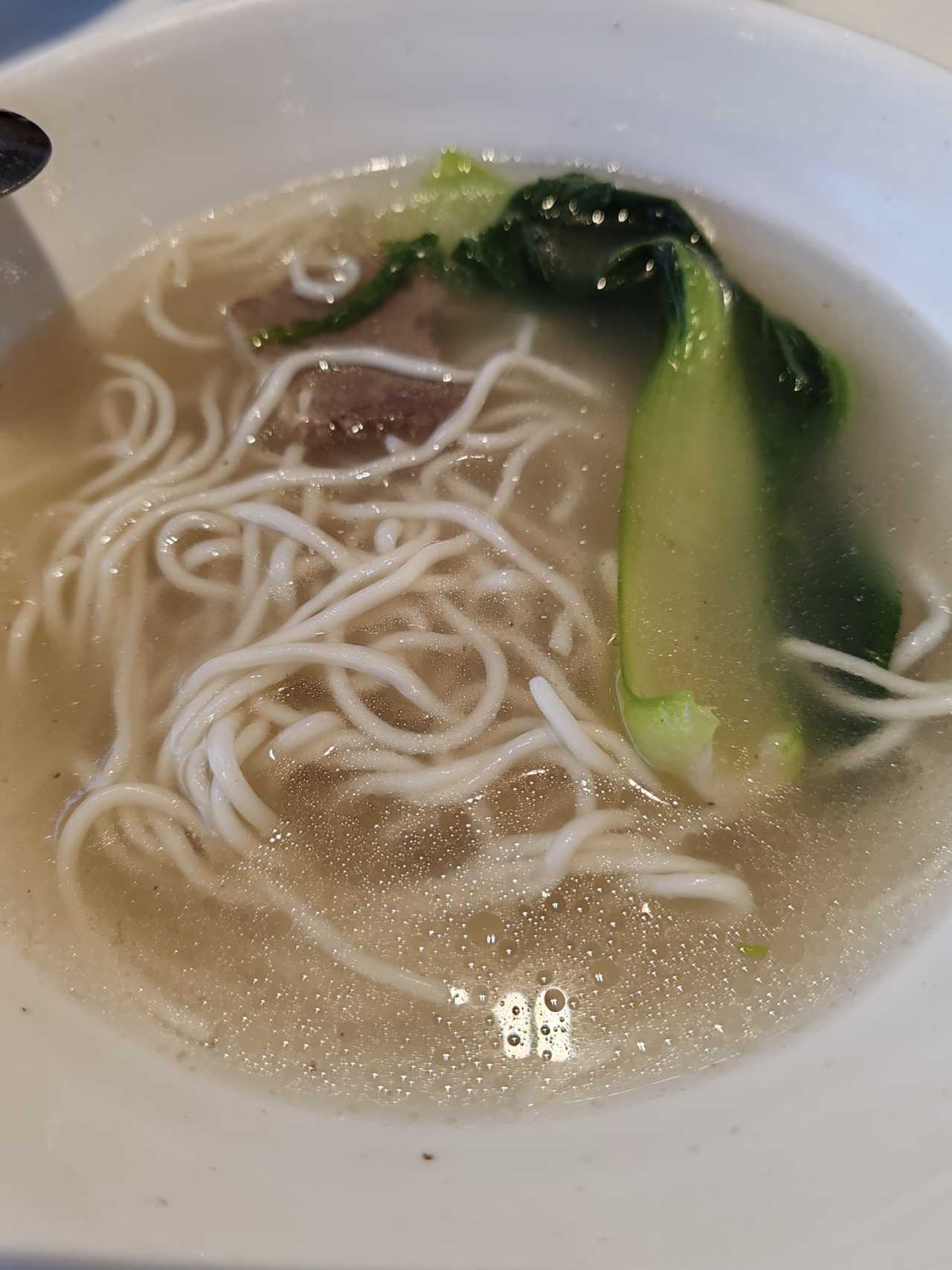
Early in the morning, I DIY'd a luxurious bowl of rice noodles at the hotel, checked out, and set off. Today's target: Jiuxiang Scenic Area in Yiliang County, about 100 kilometers from Kunming, a 1.5-hour drive. As we entered the mountains, thick fog set in, and the sun was still hidden when we reached the entrance. The basic combo ticket was 169 yuan per person (covering entrance, Maitian cable car round trip, Maitian boat ride, Yinxiu Gorge boat ride, Jiuxiang Caves, Zhangkou Cave cable car, and shuttle bus), with discounts for seniors and children.
The scenic area was nearly empty, so we walked alone along the small train tracks (the train was suspended due to low visitor numbers), which had its own charm. Riding the Maitian cable car, we got a bird's-eye view of Yunnan's iconic reddish-brown soil.
Jiuxiang boasts over a hundred caves of various sizes, making it the largest, most numerous, and most spectacular cave cluster system in China, earning it the title "Museum of Caves." After the cable car, we boarded a boat along the Maitian River, with its emerald-green waters like jade embedded in the mountains. The second boat ride was a speedboat, zipping through the Yinxiu Gorge flanked by towering peaks, with the narrowest sections allowing only one-way passage.
Disembarking, we finally stood at the cave entrance. Jiuxiang's most famous slogan is: "Above ground, see the Stone Forest; underground, tour Jiuxiang." The caves, formed 600 million years ago, are masterpieces of crustal movement, combining danger, beauty, wonder, and seclusion. Inside, it's cool in summer and warm in winter, with underground rivers roaring and surging.
Cave Wonders
Ancient River Through Cave: Formed by long-term erosion from an ancient underground river channel, later lifted and diverted by crustal uplift, leaving the old channel suspended halfway up the riverbank, creating a cave-within-a-cave spectacle. This was the filming location for the Spider Demon's cave scene in "Journey to the West (Part II)."
Lion Hall: The entire hall has no supporting pillars, formed naturally, and served as a filming location for the movie "The Myth." The "ceiling erosion potholes" on the roof vary in size, ranging from 1.5 to 8.5 meters in length, 0.5 to 4 meters in width, and less than 1 meter in depth—magnificent and awe-inspiring.
Edge Stone Dams: Formed by karst processes, these carbonate-calcium deposits built up over time into a series of dam-like structures.
Solitary Peak: Standing 5.4 meters tall with a diameter of 4 meters, formed by cave debris wrapped in layers of calcified deposits.
The caves have many stairs, so elderly visitors with mobility issues should be cautious. There's also a narrow crevice to test your figure—legend has it that anyone who passes through smoothly has a good physique.
After a 2-hour exploration, we took the Zhangkou Cave cable car back, then a shuttle to the Maitian cable car to return the same way. It was overcast when we entered the cave, but by the time we emerged, the sky had cleared.
By 8 p.m., we arrived at Mile City in Honghe Prefecture and checked into the Lavande Hotel (Mile Giant Buddha Branch) for 247 yuan per night per room.
Dongfengyun and the Mile Giant Buddha: A Blend of Art and Faith
Dongfengyun: A Fairytale World of Red Brick Castles
Under a drizzling rain, we drove 16 kilometers to the Dongfengyun Scenic Area. Known for its red brick architecture and flower fields, the entrance fee was 80 yuan per person (including round-trip shuttle).
Stepping into Mile's Dongfengyun, the red brick castles seemed to whisper secrets from a thousand years. The Kaleidoscope Art Gallery was the landmark building, constructed from red bricks, shaped like a giant kaleidoscope. Its internal lighting and acoustics were unique, making every photo look like a masterpiece. The distinctive architecture stretched the reverberation of music, capturing the beauty of sound.
A peculiar structure in the courtyard made me think—not all long legs are necessarily beautiful. The drizzle made Dongfengyun especially serene, the air fresh, and a 3-hour stroll didn't tire me at all. At the entrance, a young woman was selling white strawberries, and the price had hit a new low—45 yuan per kilogram. One bite, and they were as sweet as honey.
For lunch, I found a local specialty online: a dual combo of dry-pot beef and five-spice pork trotters for 138 yuan. The beef was spicy, tender, and fragrant; the trotters were rich, savory, and fall-off-the-bone tender; the greens were refreshingly sweet—absolutely divine. The owner also brewed a local tea that tasted like soap water, but she said it was good for health. She showed me the raw ingredients, and we had a completely barrier-free conversation—meaning I couldn't understand her, she couldn't understand me, and we were both happy with that.
Jinping Mountain: Gazing Up at the Mile Giant Buddha
The rain let up, but the sun hadn't yet broken through the clouds. From afar, we could see the Longhua Pagoda piercing the sky. The trees at the entrance looked like giant Harry Potter sorting hats, neatly lined up.
A vendor was selling oranges at 6 yuan per kilogram, and a "long tube" beside him caught my curiosity. Kindly, he picked it up and demonstrated—it was a water pipe (水烟). He said in the local dialect, "Water pipe is cheap; cigarettes are too expensive."
Jinping Mountain Scenic Area cost 50 yuan for entry, with a one-way shuttle at 15 yuan. If you took the shuttle both ways, you could only visit the Mile Giant Buddha. A security guard told us that climbing to the top to see the Buddha required 1,999 steps. Considering our 70-year-old "young lady" (my mother-in-law), we decisively chose to take the shuttle up.
The shuttle reached the top in 5 minutes. The Maitreya Buddha (弥勒菩萨) is known as the "Buddha of the Future, the Buddha of Hope." This gleaming golden laughing Buddha was completed in December 1999, standing 19.99 meters tall on a 4.96-meter base, adorned with golden lotus petals and wish-fulfilling jewels, making it the world's largest seated laughing Buddha. The inscription "Mile Giant Buddha" on the base was penned by the Taiwanese Buddhist scholar Nan Huai-Chin.
"A belly that can hold all the unbearable things in the world; a smile that is always open, laughing at all the ridiculous people in the world." This saying inspires everyone's heart.
After making our wishes, we decided to hike down. Passing by Mile Temple, we looked down at the Longhua Pagoda—nine stories visible on the outside, seven inside, an octagonal pavilion-style tower 64 meters tall, a landmark of Mile City. The "First Buddha Hand of Mile" symbolizes the boundless power of the Buddha, reminding people to reflect on their own actions.
As we stepped out of the scenic area's gate, the sun broke through the clouds, shining down like Buddha's light.
Epilogue: Yunnan, Worth a Return
Though my Yunnan trip was brief, it deeply made me fall in love with this land. From the bustling烟火气 (lively atmosphere) of Kunming's Old Street, to the breathtaking craftsmanship of the Jiuxiang Caves, to the blend of art and faith in Mile, every place left me reluctant to leave.
Practical Tips: - Winter in Yunnan has large temperature swings; days are warm, but evenings require an extra layer - Renting a car is very cost-effective, starting at 88 yuan per day, great for flexible travel - At Dounan Flower Market, compare prices before buying - At Haihong Wetland, 5 p.m. is the best time to feed seagulls - Jiuxiang Caves have many stairs; elderly visitors should be cautious - Yunnan's fruits are cheap and delicious—don't miss sugar apples and strawberries
If you're also dreaming of a spontaneous trip, Yunnan will never disappoint.
You should also read:

Into the Hidden Valley: A Solo Journey Through the Mysterious Dulong River
Into the Hidden Valley: A Solo Journey Through the Mysterious Dulong River Deep in the northwestern corner of Yunnan Province, tucked away from the modern world, lies a place that feels like a secret whispered among mountains. The Dulong River Valley is not just a…
Continue reading...
God’s Abandoned Palette: A Self-Drive Journey Through Yunnan’s Dongchuan Red Land
God’s Abandoned Palette: A Self-Drive Journey Through Yunnan’s Dongchuan Red Land Travel has never been about reaching some distant geographic coordinate. It’s about encountering, along the way, the version of yourself buried beneath the rubble of daily routine. During this May Day holiday, I finally…
Continue reading...
Body in Hell, Heart in Heaven: A Pilgrimage Through Tiger Leaping Gorge — A Dialogue Between Heaven and Earth
Body in Hell, Heart in Heaven: A Pilgrimage Through Tiger Leaping Gorge — A Dialogue Between Heaven and Earth Introduction: When the Gorge Splits Open Beneath Your Feet Some say Tiger Leaping Gorge is the closest place on Earth to the border between "hell" and…
Continue reading...