South of the Colorful Clouds: A Journey Through Light and Shadow Across the New Year
South of the Colorful Clouds: A Journey Through Light and Shadow Across the New Year
Prologue: When Travel Becomes an Addiction
For me, 2016 was a special year. It felt like an extended gap year deliberately stretched by fate—I traveled alone with my backpack, crossing mountains, lakes, and seas, passing through the dawns and dusks of countless unfamiliar cities. Some say travel is a disease, and I suppose I was already terminally ill.

Originally, Yunnan wasn't on my itinerary. But when my friends Mr. X and Miss O, a couple, extended an invitation, painting vivid pictures of the starry skies over Lugu Lake and the sunsets by Erhai, my already restless heart was instantly ignited. With Miss H joining us, a four-person team was formed—two "light bulbs" accompanying two "glowing bodies"—and we got along wonderfully.
So, for the third time, I set foot on the land of Yunnan, carrying my camera and my incurable obsession with beautiful scenery, embarking on this 12-day cross-year journey.
Pre-Trip Preparation: Not a Guide, but a Survival Manual
Climate and Clothing: Don't Be Fooled by "Spring Year-Round"
Winter in Yunnan—described as "warm in winter and cool in summer"—is a huge misconception for those of us from the Guangdong and Guangxi regions. During the day, when the sun is high, temperatures can rise to around 15°C (59°F), warm enough to make you think spring has arrived. But once the sun sets, the temperature plummets to near freezing, and the biting cold will humble you in no time.
Clothing Tips: Women should definitely bring bright-colored clothes, preferably with some ethnic flair—they look stunning in photos. As for men, sunscreen is a must; otherwise, you'll end up like Mr. X, returning home looking like a burnt charcoal briquette.
Photography Gear: A Photo Enthusiast's Obsession
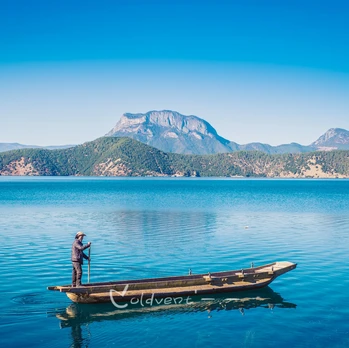
I used a Nikon D610 with two lenses: a 14-24mm F2.8 and a 24-70mm F2.8. Most photos came from the DSLR, while a few without watermarks were taken with my phone. Honestly, I still can't tell whether I fell in love with travel because of photography, or if photography made me even more obsessed with traveling.
Other Essentials
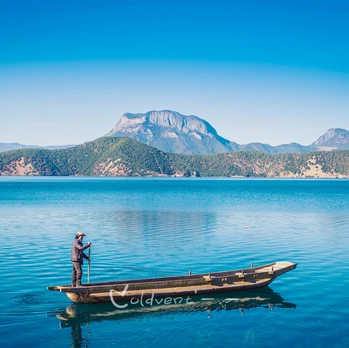
The main modes of transportation around Lugu Lake and Erhai are electric scooters, so gloves are essential—otherwise, your hands will go numb in the cold wind. Face masks, sunglasses, scarves, a thermos, a power bank, band-aids, and cold medicine—these seemingly trivial items can be lifesavers in critical moments.
Lugu Lake: A Blue Dream Under the Stars
Arriving at Lugu Lake: From Airport to the Middle of Nowhere
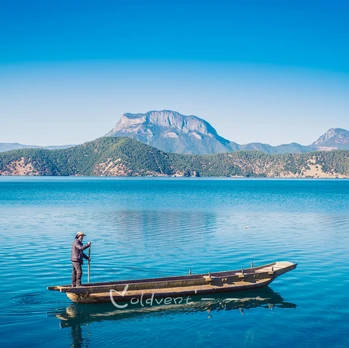
From Guangzhou, I flew to Kunming for 440 RMB, landing at 1:00 AM. I crashed at a budget hotel near the airport for 77 RMB (with free airport shuttle, though the conditions were basic). The next morning, we boarded a Lucky Air flight to Lugu Lake for 353 RMB. I have to complain about Lucky Air here—under the guise of cheap tickets, they charge for checked luggage, in-flight meals, and constantly push sales. In such a competitive aviation market, isn't this just asking for trouble?
After an hour of flying, when the sky outside the window turned so blue it looked like a glitch, the entire cabin erupted in excitement. The Lugu Lake airport has a direct bus to the scenic area, ending at Daluoshui Village for 25 RMB per person. Since our guesthouse was near Sanjia Village, we had to get off midway and arrange for the owner to pick us up. While waiting, we climbed onto the roof of an unfinished house and kicked off the journey with an "alternative" group photo.
The Sacrificial Altar and Goddess Bay: A Double Blow of Sunset and Stars
On the first night, we stayed at Lugu Lake Guiyuanju Youth Hostel for 60 RMB a night. The conditions were poor, and I wouldn't recommend it. Even worse, the address listed on Qunar didn't match the actual location, forcing us to walk 40 minutes to our first destination—the Sacrificial Altar (Jishentai).
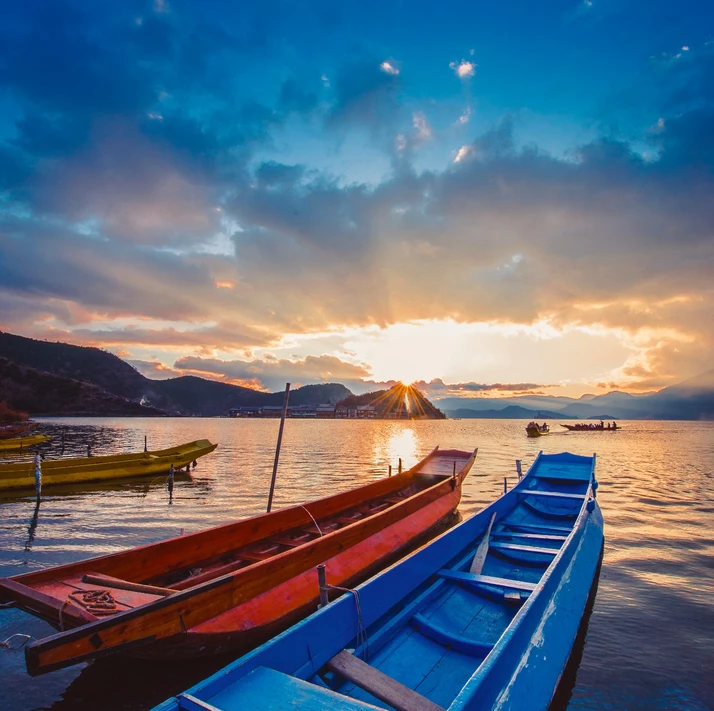
At 4:00 PM, we rushed out to catch the sunset. Climbing a steep set of stairs, we breathlessly reached the altar. The sight before us left everyone speechless—the lake shimmered gold in the backlight, with layered mountains in the distance that looked like they'd stepped out of a painting. Shooting in strong backlight isn't easy, but Mr. X and Miss O's goofy antics added a touch of fun to the photo.
After the sun dipped below the mountains, we headed to Goddess Bay (Nüshén Wān)—said to be the best spot for sunset views on Lugu Lake. Fifteen minutes later, the bay came into view, with the last rays of sunset scattering across the lake, creating an unreal beauty.
For dinner, we went to "Good People's Eatery" (Hǎorén Xiǎochī), the most famous restaurant on Lugu Lake. The menu was simple: sugar-tossed tomatoes, boiled greens, matsutake mushroom chicken stew, and clear-broth crucian carp. The chicken and fish soups were absolutely divine—I still salivate just thinking about them.
A Stargazer's Paradise: The Night Sky Over Lugu Lake
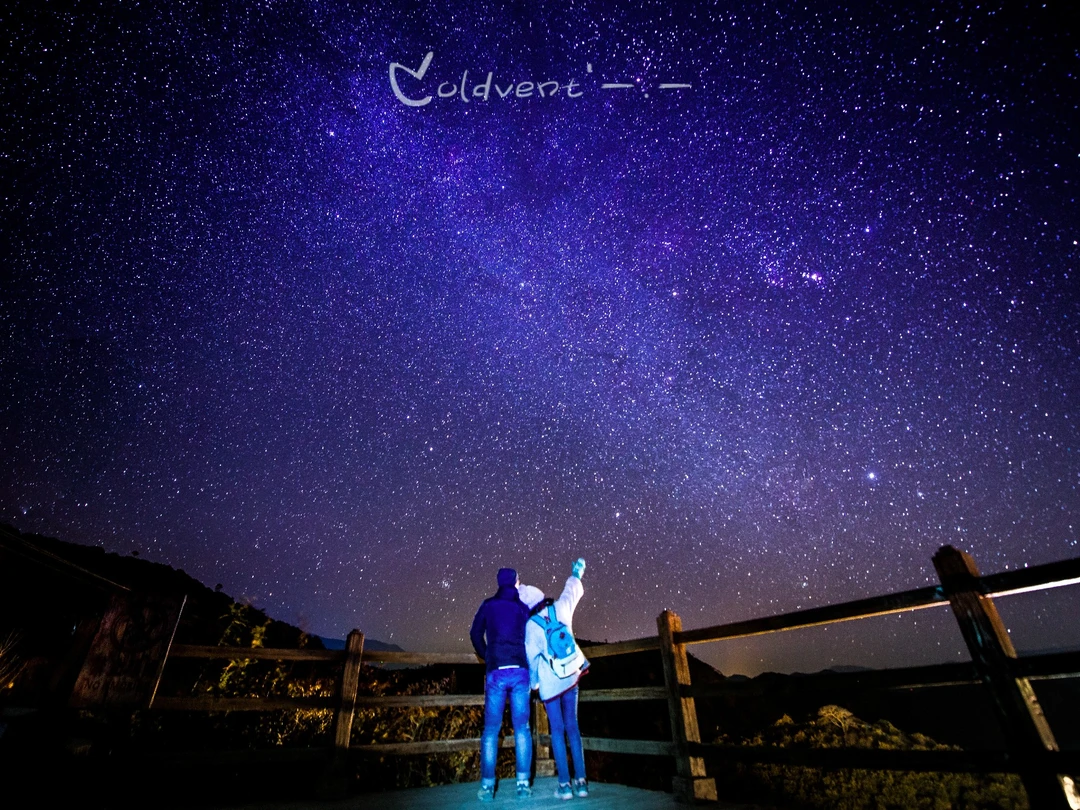
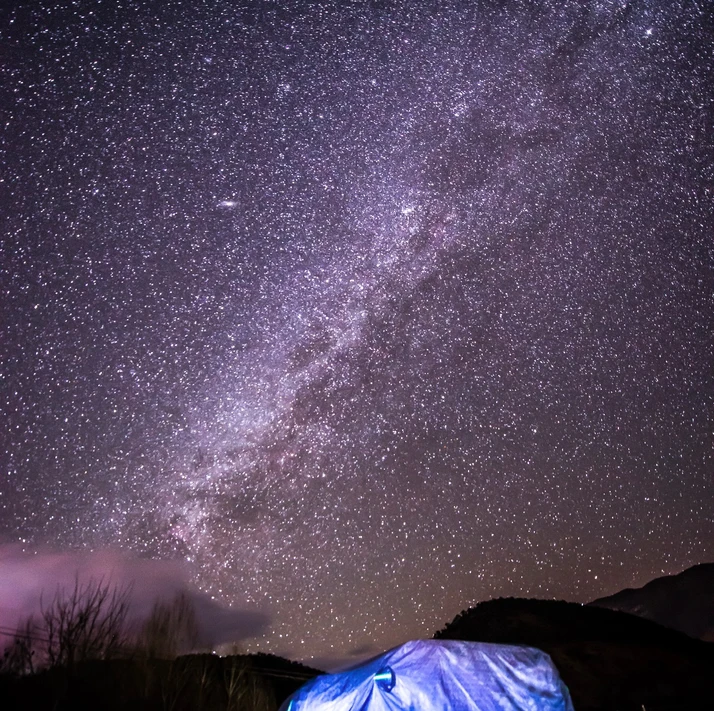
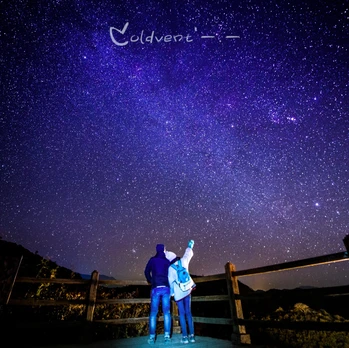
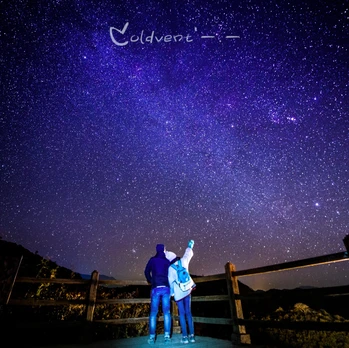
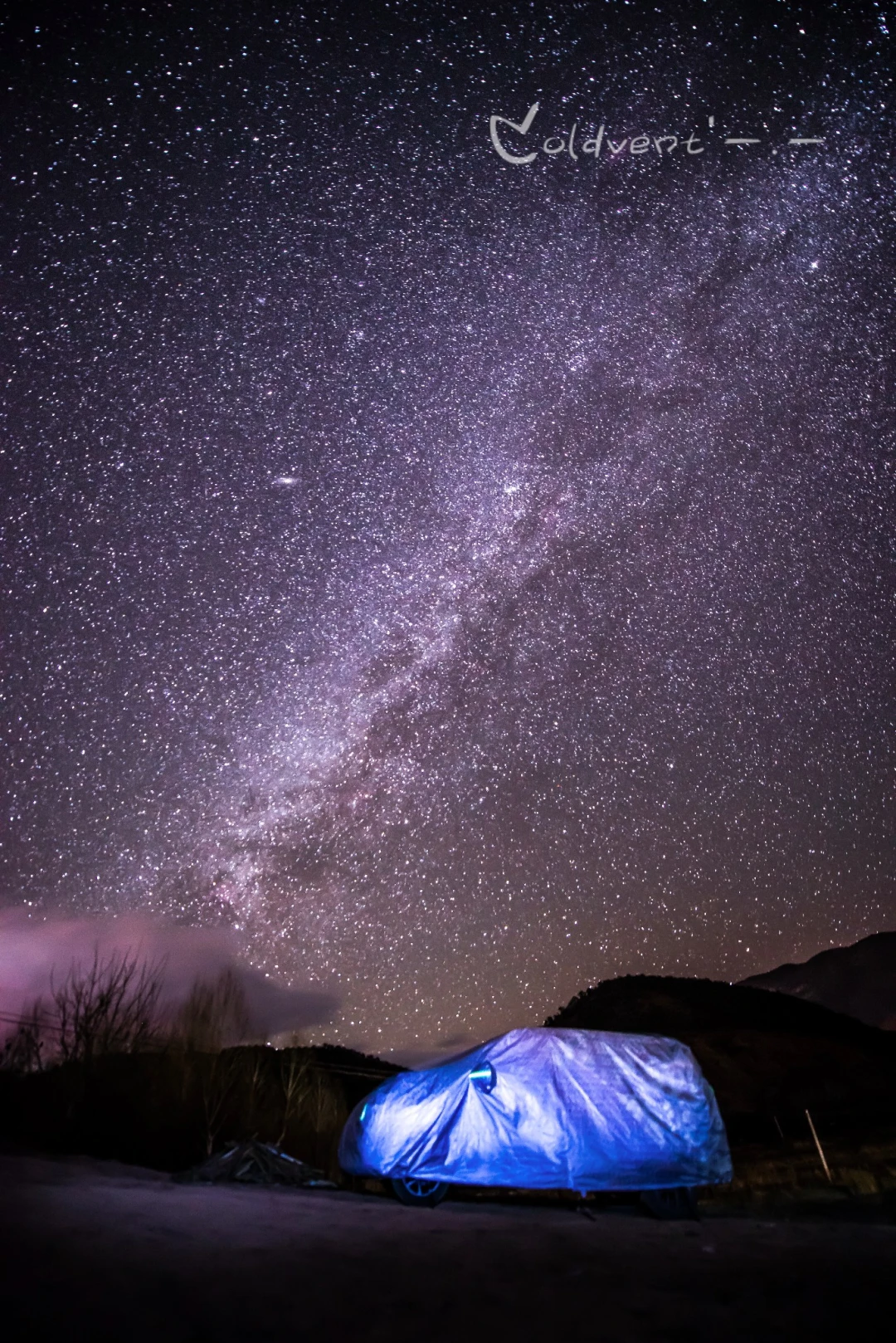
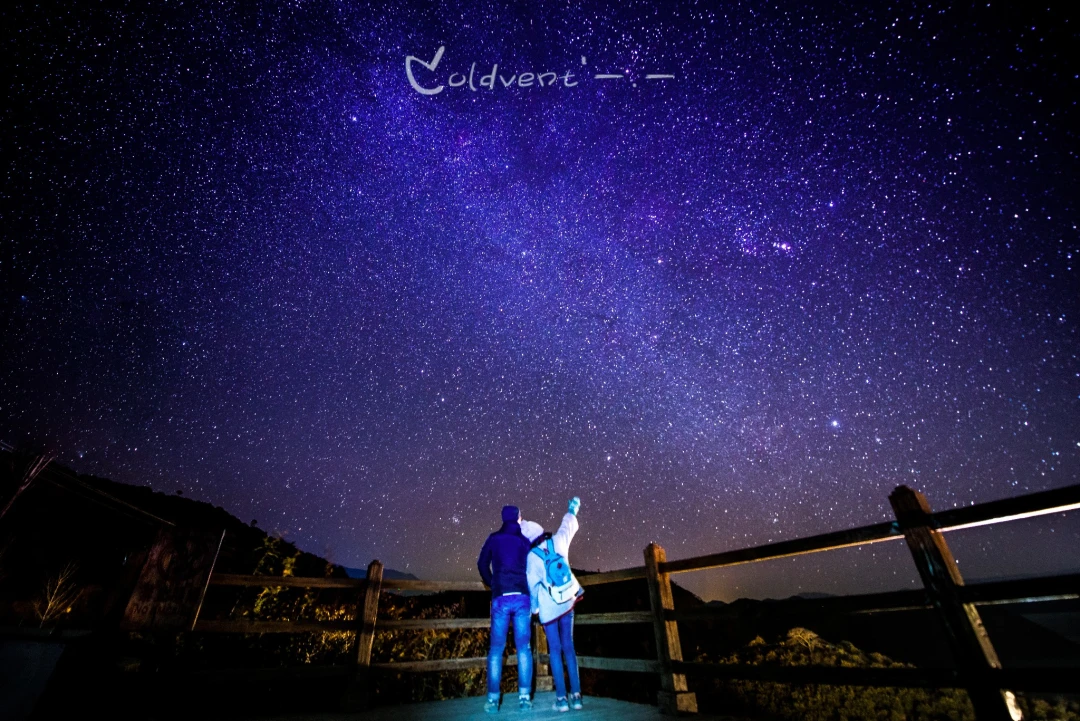
Stepping out of the restaurant, we looked up and gasped like country folk seeing a city for the first time. Lugu Lake sits at a high altitude with minimal light pollution. Though the winter Milky Way is dimmer than in summer, here it was visible to the naked eye, so clear it made you want to cry.
Zhaojia Bay (Zhàojiā Wān) is the best spot for astrophotography—desolate and nearly free of light pollution. But I wouldn't recommend staying there; it's too remote. I'd originally planned to go to the Sacrificial Altar at 3:00 AM to shoot the Milky Way, but with the wrong guesthouse location, I just didn't have the courage to walk 40 minutes in the pitch-dark cold, so I had to give up.
Cycling Around the Lake: A Battle Between Scenery and Battery Life
The next day, we moved to Caohai Bieyuan Guesthouse for 73 RMB a night. The conditions in Caohai were better than in Zhaojia Bay, with moderate development and fewer crowds. After settling in, we rented two electric scooters and began our lake loop tour.
There are three ways to circle the lake: bicycle, electric scooter, or chartered car. Bicycles are pure torture for the unfit, while chartered cars lack freedom. Electric scooters are the best choice. But when renting, you must ask how far the battery can go—otherwise, you'll end up like me, running out of power several kilometers from Caohai, desperately seeking help until a kind shop owner let me charge for 40 minutes, barely enough to limp back.
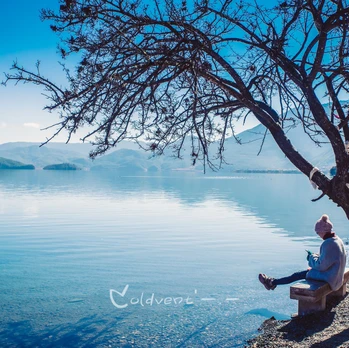
Our route was counterclockwise: Caohai → Lige. The scenery along the way was breathtaking—crystal-blue lake water, colorful prayer flags, Goddess Gemu Mountain (Gémǔ Nǚshén Shān), the Great Compassion Conch Sutra Hall (Dàbēi Hǎiluó Jīngtáng)—every spot made us stop for photos. The most iconic was the Lige Observation Deck, where you can see a heart-shaped Lugu Lake. You'll need a wide-angle lens or your phone's panoramic mode to capture it.
For lunch, we had a 150 RMB set meal at "Firepit Bistro 28" (Huǒtáng Cānbā 28) in Xiaoluoshui Village. The portions were huge—the four of us ate at most a fifth of it. The taste was average, but the generosity was commendable.
Sunset Over Caohai and the Walking Marriage Bridge
In the evening, we arrived at the Walking Marriage Bridge (Zǒuhūn Qiáo), just in time for the sunset over Caohai. Golden sunlight spilled over the withered reeds, creating a unique charm. The bridge is a classic Lugu Lake attraction not to be missed.
Lige: The Last Starry Night
On the third day, we moved to Suimengyuan Guesthouse in Lige for 73 RMB a night. The atmosphere was great, with a fierce-looking dog named "Laifu" standing guard, but the soundproofing was terrible—you could hear everything from the next room.
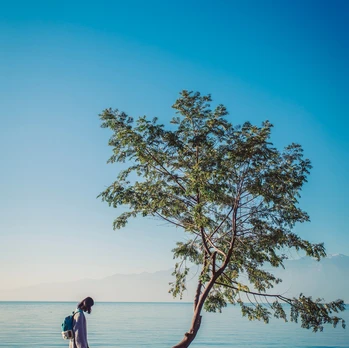
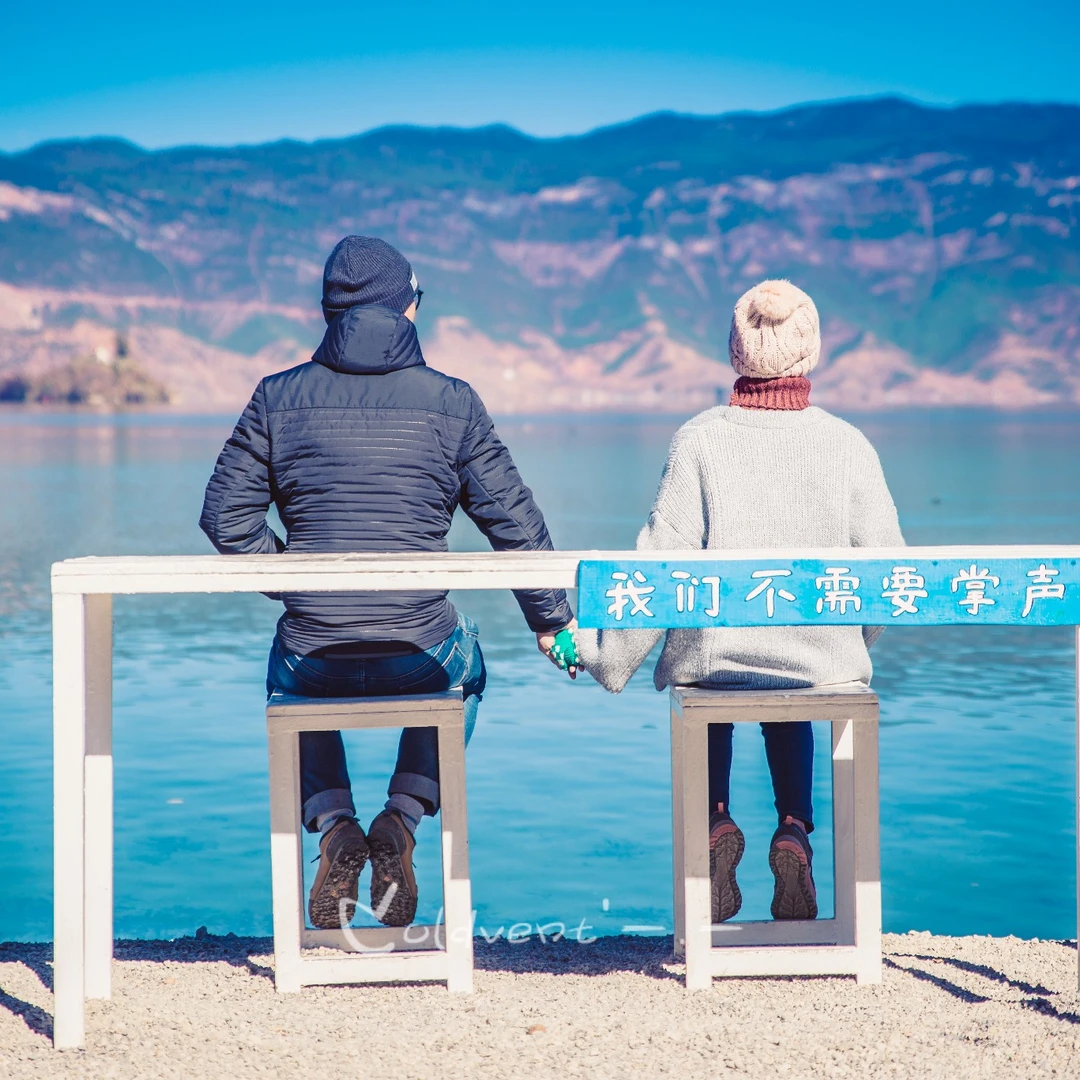
The pier in Lige is a scenic highlight of Lugu Lake, with sunbathing dogs and selfie-taking tourists everywhere. We continued our cycling loop, visiting Daluoshui Village and Lover's Beach (Qíngrén Tān), and even ran into two street performers with lovely voices.
For dinner, we went to Lige Xinqing Restaurant, where the clay-pot chicken hotpot is highly recommended. Afterward, we climbed up to the observation deck to shoot the stars, only to encounter a wave of tourists who all asked me to take their photos. I suddenly became the hot commodity. I didn't get back to sleep until midnight.
Lijiang: A Brief Stop, Just for Jade Dragon Snow Mountain
Shuhe Ancient Town: Quieter Than Dayan
From Lugu Lake to Lijiang, the new highway takes just three and a half hours—a vast improvement over the seven or eight hours it used to take. We stayed at Jiahua Guesthouse near the south gate of Lijiang Old Town for 72 RMB a night, with average conditions.
The only reason we came to Lijiang was for Jade Dragon Snow Mountain (Yùlóng Xuěshān). Neither of us had any interest in Lijiang Old Town itself. So we chartered a car to Shuhe Ancient Town for 30 RMB per car. Shuhe is much quieter than Dayan, with a more authentic ancient town feel. Wishing plaques, Qinglong Bridge, Jiuding Dragon Pool, sunbathing dogs—every corner was relaxing.
Jade Dragon Snow Mountain: The Challenge at 4,680 Meters
The next day, three of our friends signed up for a one-day tour of Jade Dragon Snow Mountain for 420 RMB per person, which included a down jacket, a bottle of water, and a small oxygen canister. I wandered around the old town, capturing golden leaves, dogs perfectly synchronized in their poses, and a girl having a photoshoot.
Jade Dragon Snow Mountain is at a high altitude, and altitude sickness varies by person. It's recommended to bring high-energy snacks like chocolate. The small electric carts at Blue Moon Valley (Lányuè Gǔ) are unnecessary—it's not far to walk.
Dali: Wind, Flowers, Snow, and Moon—Nothing More, Nothing Less
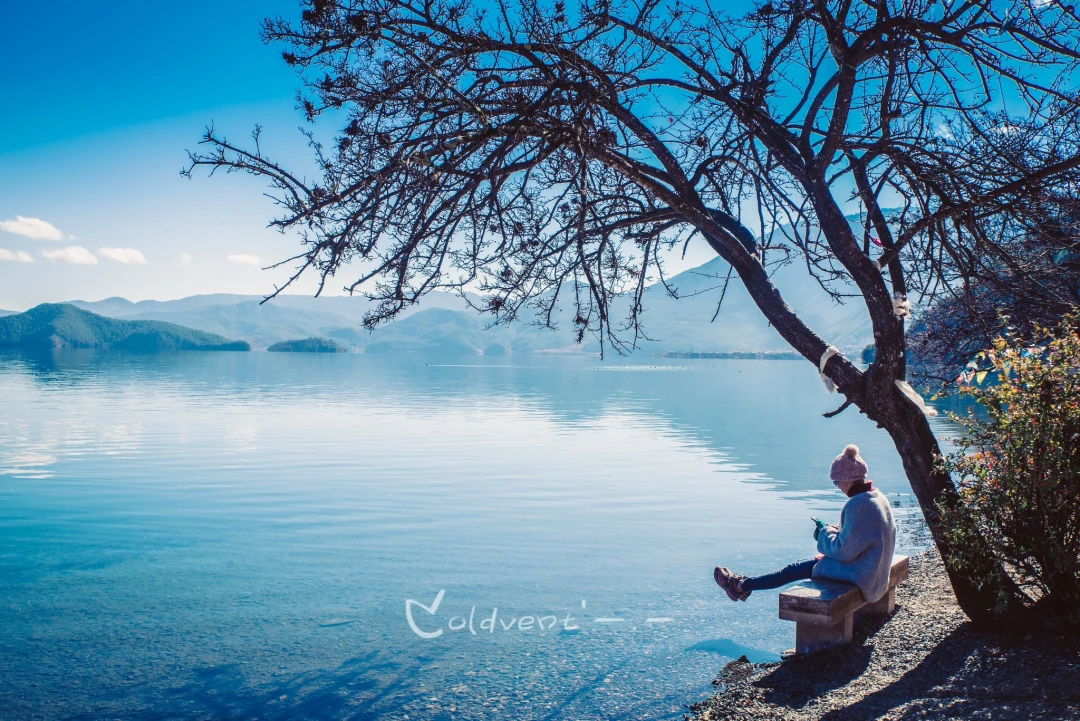
Shuanglang: Where Construction Meets Beauty
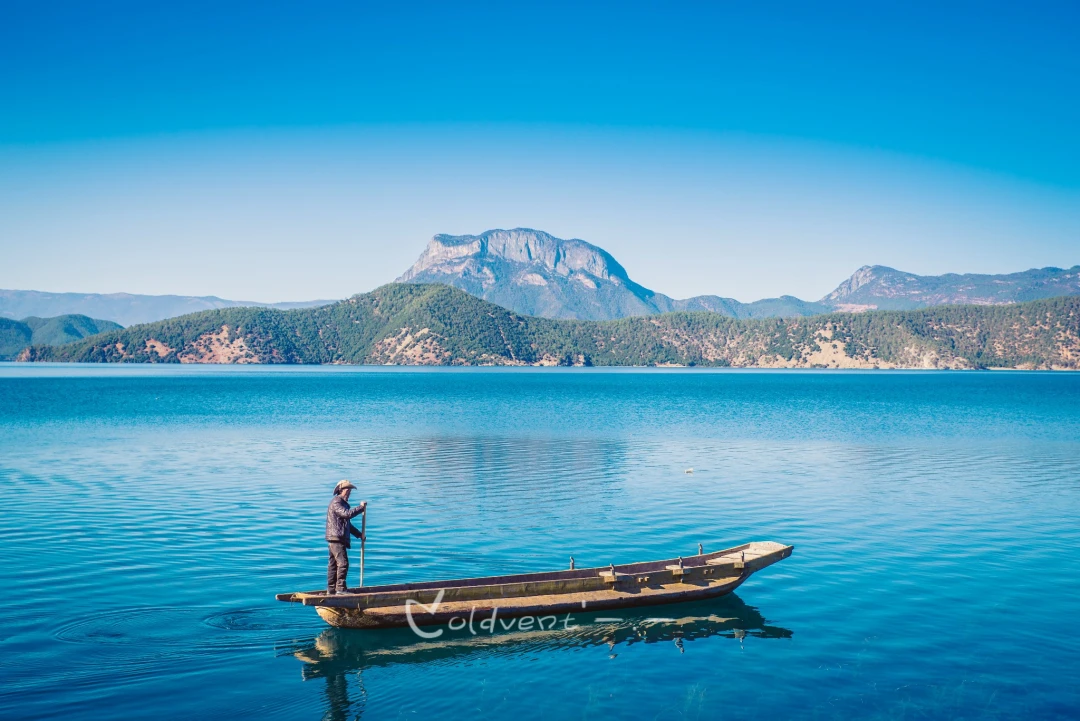
"Flowers in Shangguan, wind in Xiaguan, snow on Cangshan, moon over Erhai"—Dali's "wind, flowers, snow, and moon" (fēng huā xuě yuè) evoke endless romance. But the reality is that the entire Erhai area is one big construction site. Due to environmental issues, roads are being dug up and pipes laid everywhere, with dust flying. A short-term pain for long-term gain, I suppose.
We stayed at Lazy Bug Guesthouse (Lǎnchóng Kèzhàn) in Shuanglang for 72 RMB a night. With the room key, we could visit Yuji Island for free. The guesthouse had a nice view of the sea. After settling in, we went to Haidi Life Guesthouse (Hǎidì Shēnghuó Kèzhàn), only to find it shut down for environmental violations. Several paid photo spots had popped up nearby, which dampened our spirits.
For dinner, we went to "Happy Firewood Chicken" (Huānlè Cháifáng Cháihuǒ Jī), a five-star recommendation so good that we went back the next day.
Cycling Erhai: From Shuanglang to Xiaoputuo
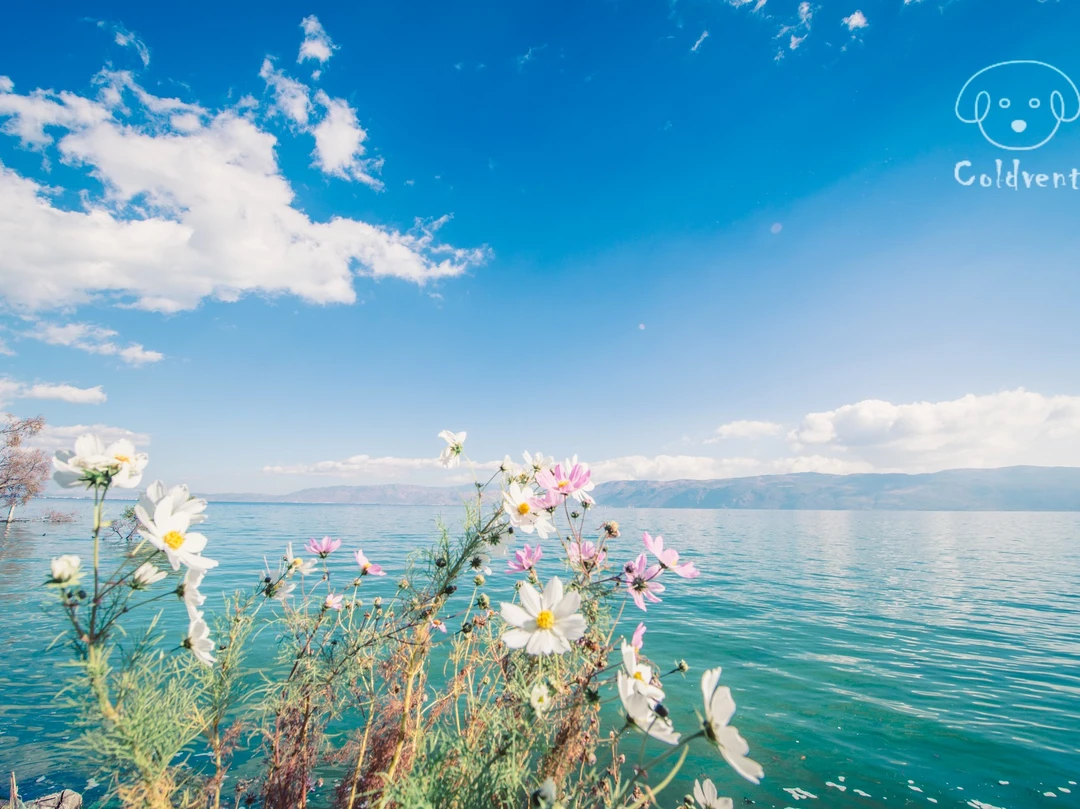
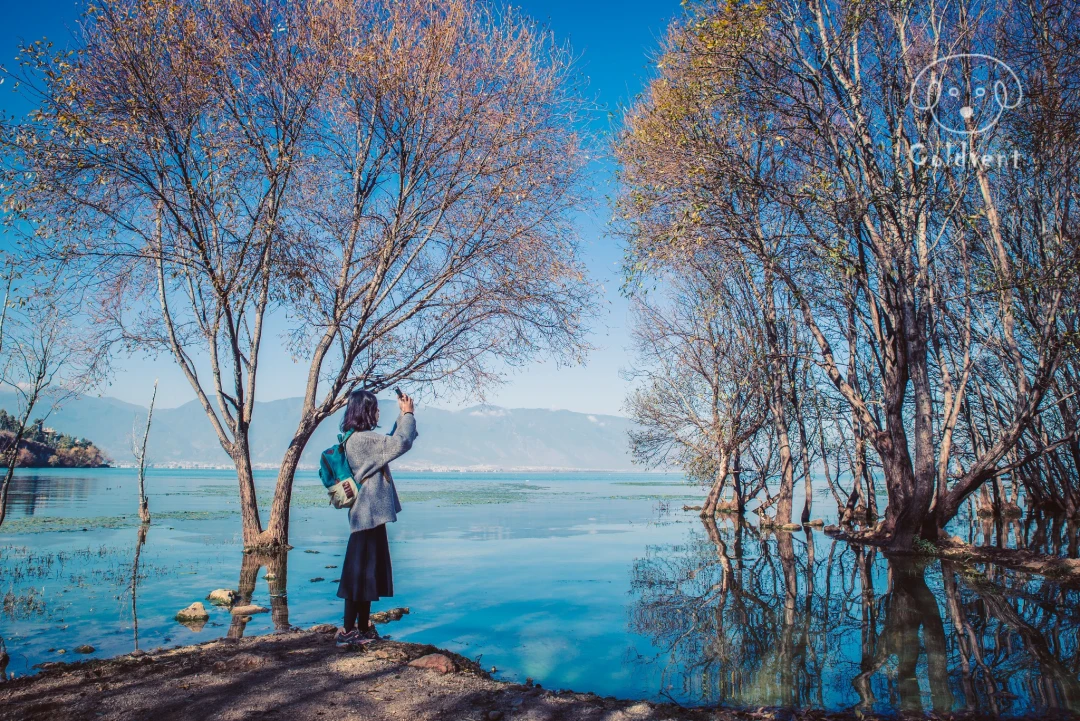
Electric scooter rentals are everywhere in Shuanglang. We rented one and rode along the eastern ring road. The roadside cosmos flowers, idyllic villages, and the majestic scenery of Cangshan and Erhai—every frame looked like a painting.
The water in Erhai isn't as clear as Lugu Lake's, but its beauty lies in its vastness and tranquility.
Epilogue: The Meaning of Travel
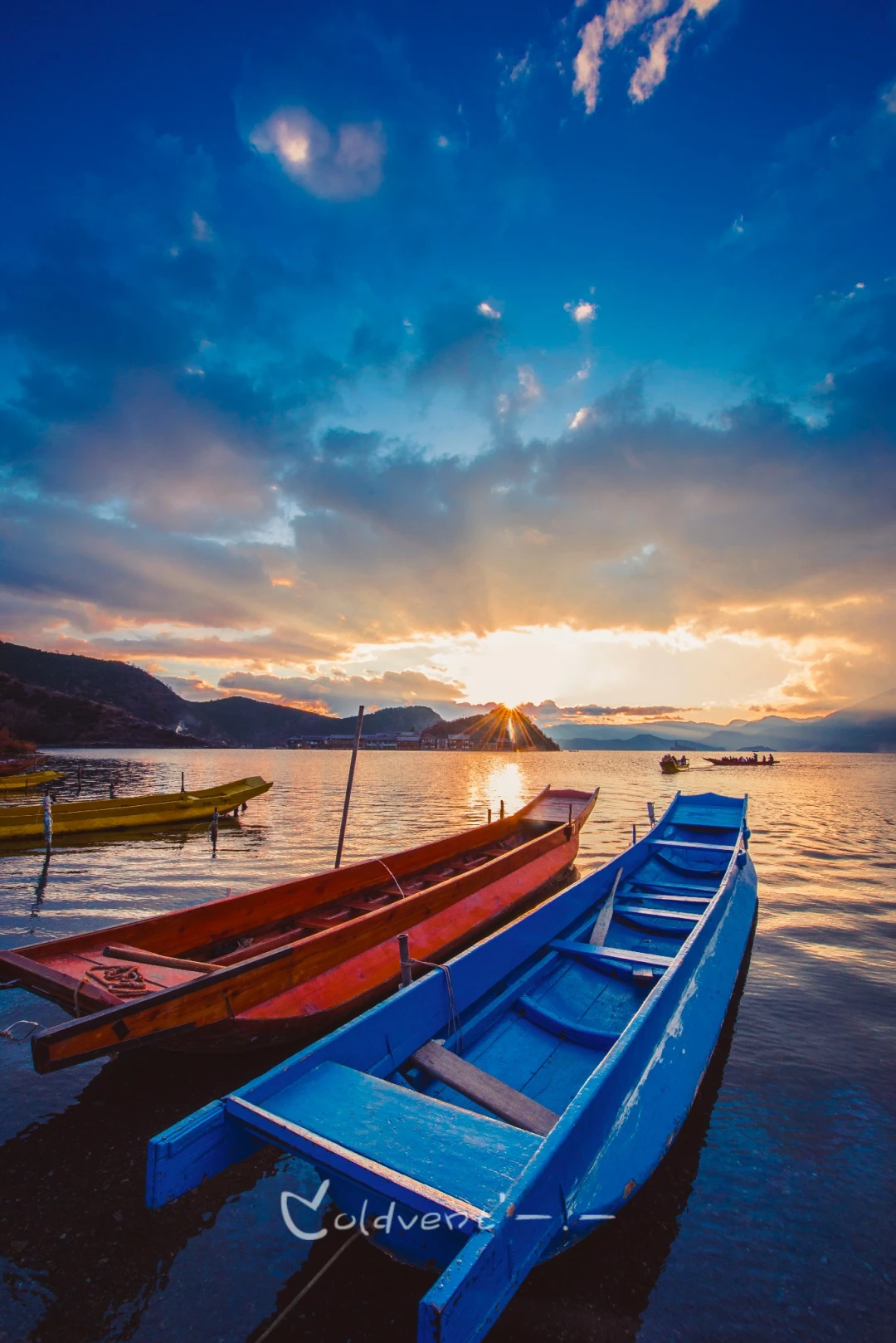
This 12-day Yunnan journey—from the starry skies of Lugu Lake to the towering majesty of Jade Dragon Snow Mountain, from the sunsets of Erhai to the romance of Dali—every moment is worth remembering.
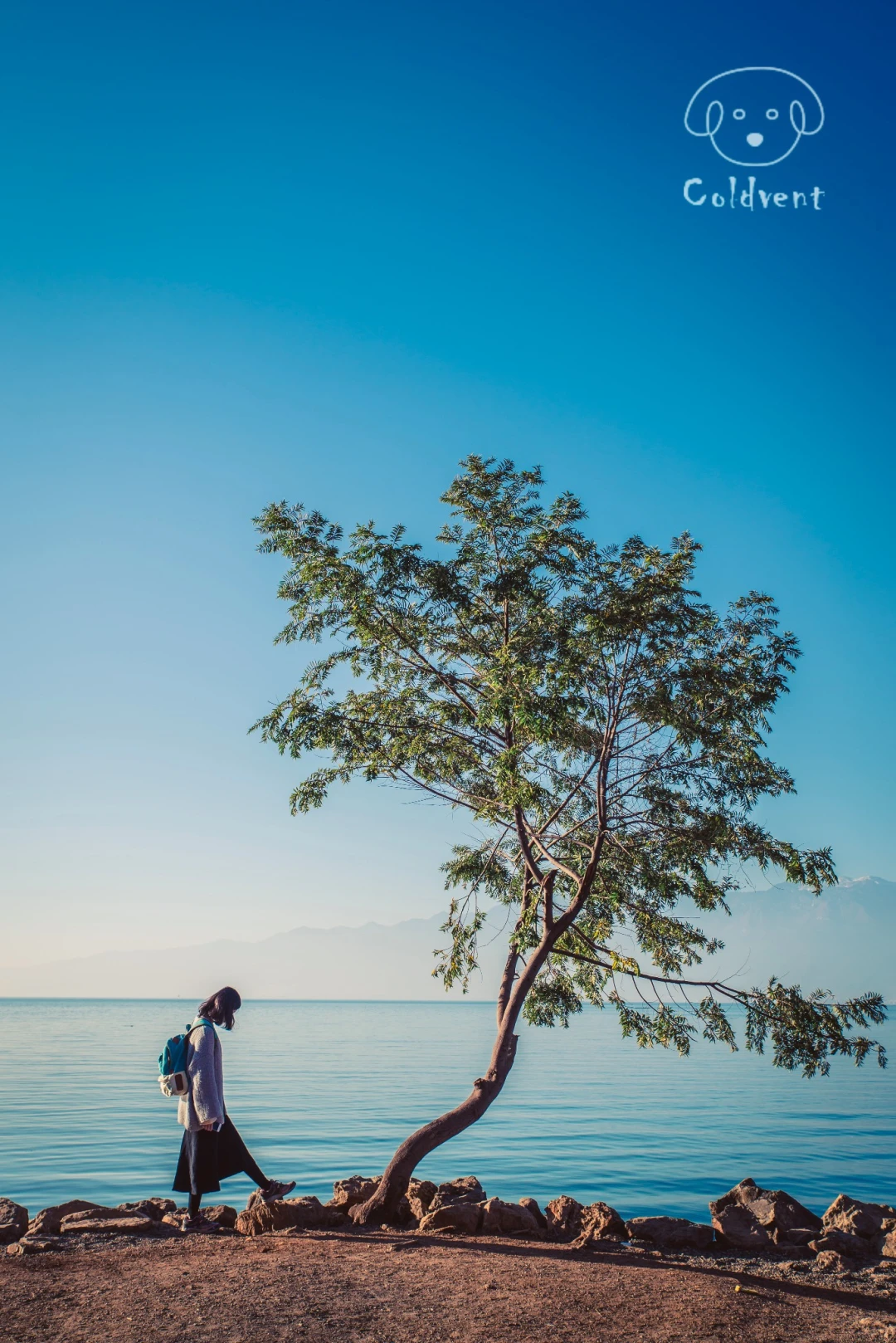
Travel has taught me not to escape life, but to love it more deeply. The roads I've walked, the sights I've seen, and the people I've met all become nourishment for the soul, enriching every day that lies ahead.
If you're thinking of going to Yunnan, my advice is: Travel in the off-season—fewer crowds, better scenery, and cheaper transportation and accommodation. Wear sunscreen—the plateau's UV rays are no joke. Bring enough clothes—the temperature swings between day and night are huge; don't be fooled by the daytime warmth. Rent an electric scooter for the lake loop—it's free and romantic, but make sure you ask how far the battery can go.
Finally, may you also find your own starry sky in the land of colorful clouds.
You should also read:

God’s Abandoned Palette: A Self-Drive Journey Through Yunnan’s Dongchuan Red Land
God’s Abandoned Palette: A Self-Drive Journey Through Yunnan’s Dongchuan Red Land Travel has never been about reaching some distant geographic coordinate. It’s about encountering, along the way, the version of yourself buried beneath the rubble of daily routine. During this May Day holiday, I finally…
Continue reading...
Body in Hell, Heart in Heaven: A Pilgrimage Through Tiger Leaping Gorge — A Dialogue Between Heaven and Earth
Body in Hell, Heart in Heaven: A Pilgrimage Through Tiger Leaping Gorge — A Dialogue Between Heaven and Earth Introduction: When the Gorge Splits Open Beneath Your Feet Some say Tiger Leaping Gorge is the closest place on Earth to the border between "hell" and…
Continue reading...
Cloud Travelogue · Dali of Wind, Flowers, Snow, and Moon: A Three-Day, Two-Night Journey of a Free Spirit
Cloud Travelogue · Dali of Wind, Flowers, Snow, and Moon: A Three-Day, Two-Night Journey of a Free Spirit I am a cultured female foodie with a touch of rogue charm. I slung on my backpack, took my lover's hand, and set off on a spontaneous…
Continue reading...