Southward in Winter: A Self-Drive Journey Through Southeast Yunnan
Southward in Winter: A Self-Drive Journey Through Southeast Yunnan
While the north is gripped by biting winds and heavy snow, half of China flocks to the northeast—and half of those people quietly fly to Yunnan instead. Here, there is no piercing cold, no damp chill. Just 20°C sunshine, skies washed clean, lakes shimmering with light, and flocks of migratory birds returning home. Beneath the colorful clouds, this land—with its unique natural scenery, profound cultural heritage, and mouthwatering cuisine—has long been the "poetry and distance" in every traveler's heart.
To be honest, Yunnan has always been our "retirement garden," that place we planned to explore slowly once we had all the time in the world. But this time, we couldn't resist anymore. Let's go—to the place where the wind blows!
Why Self-Drive?
Yunnan is enormous. The high-speed rail network hasn't formed a complete loop yet, airports are scattered, and attractions are like pearls strewn across the land. The good news? The roads are excellent. Drive anywhere, and the scenery strings itself together. Better yet, the journey itself often outshines the destination—a turn, a hill, and suddenly the colors change.
We spent a month planning, roughly dividing Yunnan into four classic routes: Northwest Yunnan, Southwest Yunnan, Central Yunnan, and Southeast Yunnan. Since our daughter and sister-in-law would join us midway, time was tight. We revised the itinerary again and again, only finalizing it on the day of departure.
Heading South: Four Days from Shenyang to Guiyang

Day 1: Shenyang → Xianghe, 639 km of Warming Up
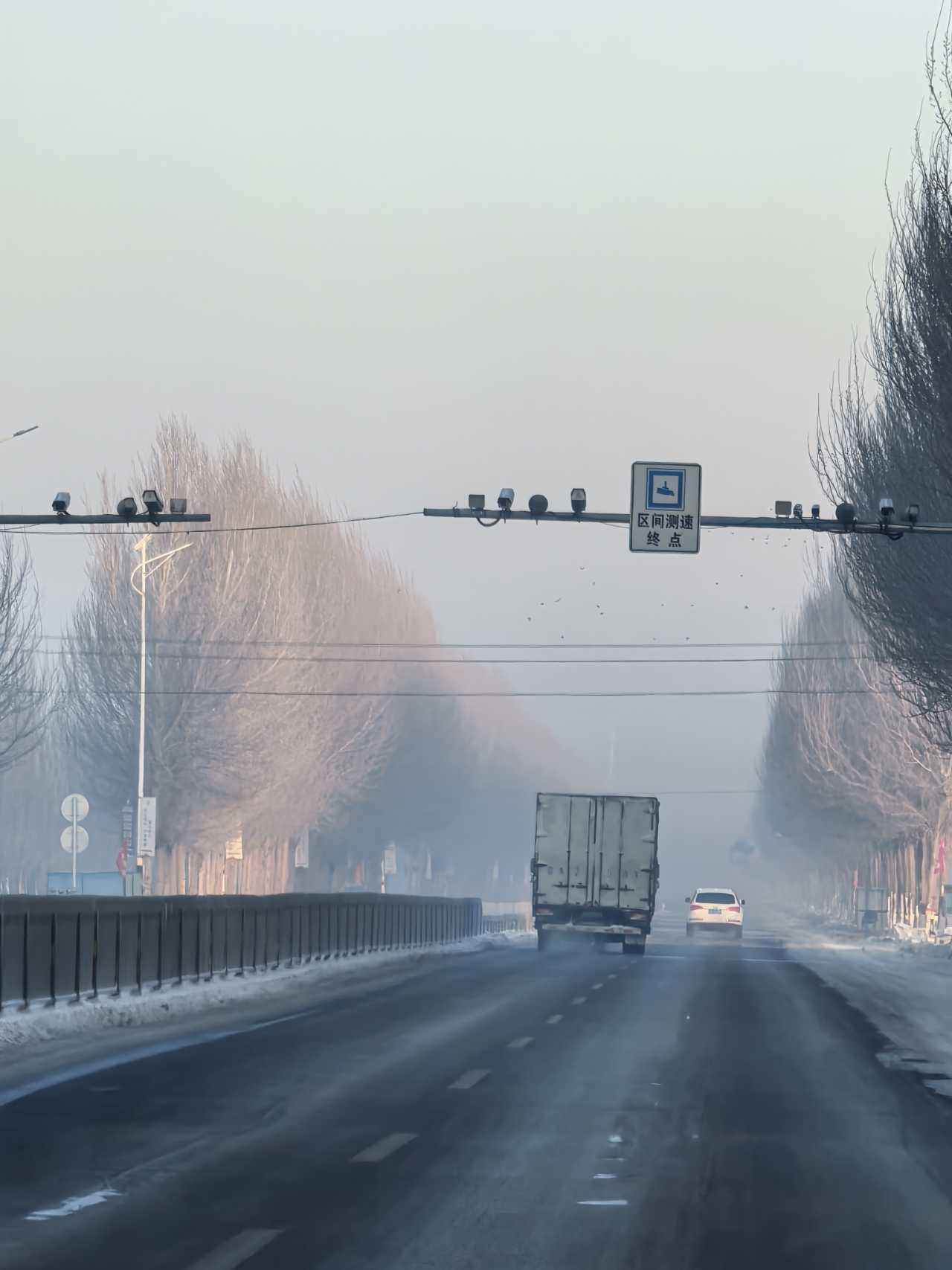
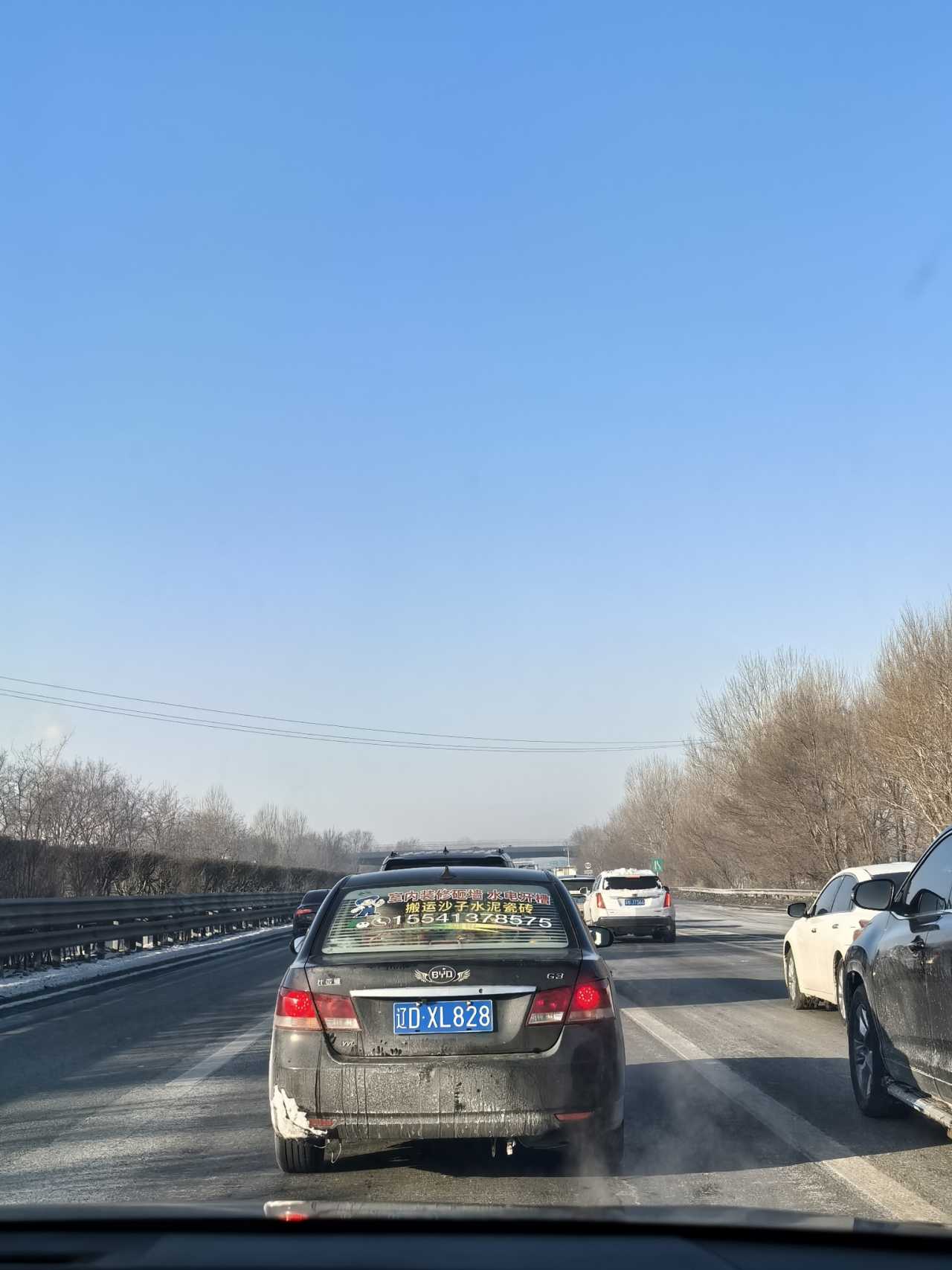
February 1, Saturday. Woke up at 6 a.m., left at 7:30. The roads after the snow were better than expected—only a short jam near Taian County. By late morning, traffic picked up. At 11:30, we stopped at Xingcheng Service Area for lunch and fuel. By 4 p.m., we arrived in Xianghe County, Hebei Province.
We checked into the Home Inn (PaiBai·Yun Hotel). Nice enough, but no breakfast during Spring Festival. So we headed to a local spot for Xianghe's famous dish: 香河肉饼 (Xianghe meat pie). Thin crust, thick meat, bursting with oil. The dough was soft, the meat tender and fresh. The walls were covered in awards—probably the highest praise for this pie. Stuffed, we wandered into a nearby mall. Spring Festival buzz filled the air, voices rising and falling in cheerful chaos.
Day 2: Xianghe → Yancheng, Henan, 756 km of Surprises
February 2. Up at 6 a.m., left at 7:15. The Beijing ring road was quiet, but once we hit the Daguang Expressway, thick fog rolled in. Visibility dropped below 100 meters. Luckily, it cleared quickly, and traffic picked up.
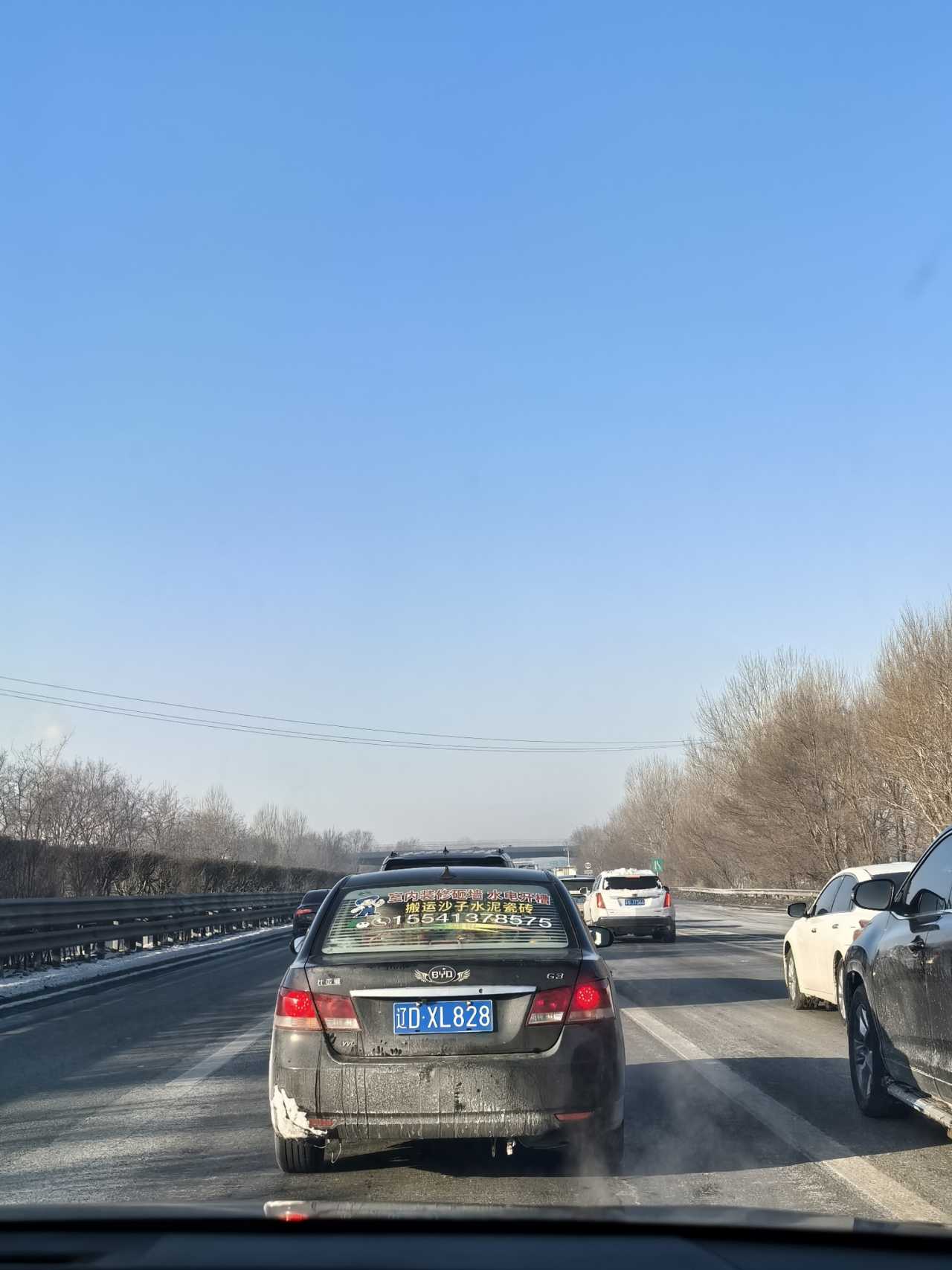
We rested at Daming Service Area at noon. Passing the Kaifeng Yellow River Bridge, we'd planned to stay in Kaifeng—but traffic was brutal, hotel prices had doubled, and we'd visited last spring anyway. So we pushed on. At 3:40 p.m., we exited at Yancheng North in Xuchang. After checking in, we walked 1.6 km to see the 乾明寺塔 (Qianming Temple Pagoda).
This pagoda is a national treasure. Hexagonal in plan, thirteen stories high. Built in 604 AD during the Sui Dynasty by order of Emperor Yang Jian. The poet Li Bai once visited Tianning Temple here, meeting a monk beneath this very pagoda and leaving behind a poem. In 1522, a massive earthquake destroyed everything above the eighth story. It was restored in 1549. Today, the surface plaster is peeling, but this tower has stood for nearly 1,400 years. Standing beneath it, you can't help but feel: in the river of time, we are but passing travelers.
On the way back, we bought freshly baked flatbread—8 yuan for six pieces—and two bowls of Northeast-style spicy hot pot. Satisfied!
Day 3: Yancheng → Changde, Hunan, 717 km of Clear Skies
February 3. Up at 6 a.m., left at 7. Finally, clear skies! Long-lost blue sky and white clouds. Our spirits lifted. We entered the newly opened Jiaotang Expressway—smooth roads, few cars, but most service areas were still under construction.
At Bailianhu Service Area, we saw a traffic jam ahead: 130 km would take 3 hours. So we took a nap in the service area and didn't get back on the highway until 3:30 p.m. Once in Hunan, traffic crawled for nearly an hour before we hit the Hangrui Expressway. We arrived in Changde at 6 p.m. This small city is shaded with green trees, clean and tidy—but traffic was terrible.
We checked into Liuye Grand Hotel, 23rd floor overlooking the city. That evening, we strolled through Wulingge Pedestrian Street. The Changde-style stinky tofu (臭豆腐) wasn't great, but the night market atmosphere was lively.
Day 4: Changde → Guiyang, Guizhou, 710 km of Mountain Roads and Traffic
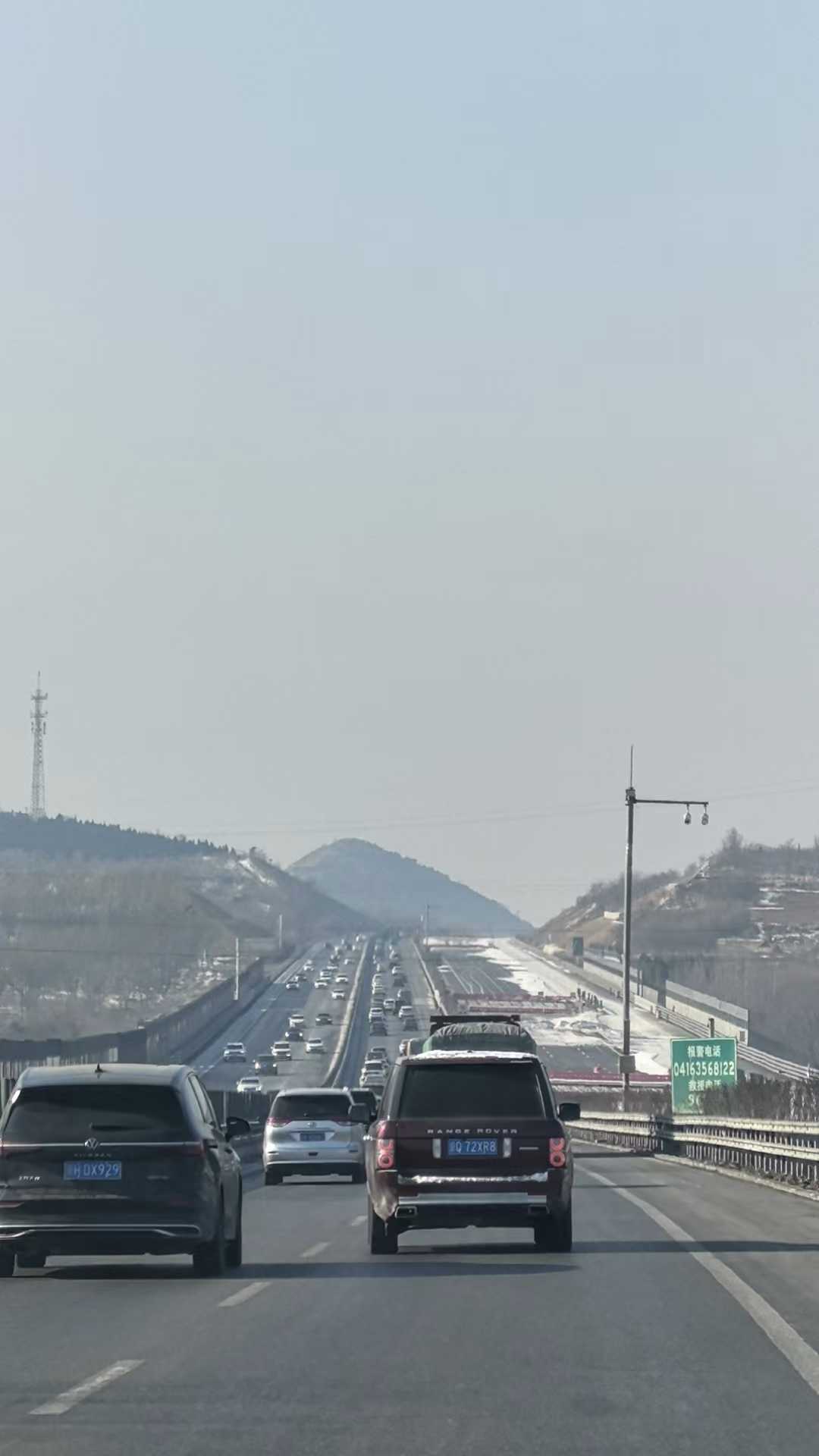
February 4. Up at 6 a.m., left at 7:30. Soon after leaving the city, we hit mountain roads. Stunning scenery, but endless tunnels, sharp curves, and swirling clouds. Important tip: fill your tank before entering the highway! At Ruanling Service Area, we were told we could only get 100 yuan worth of 95-octane fuel—limited supply due to the mountain roads.
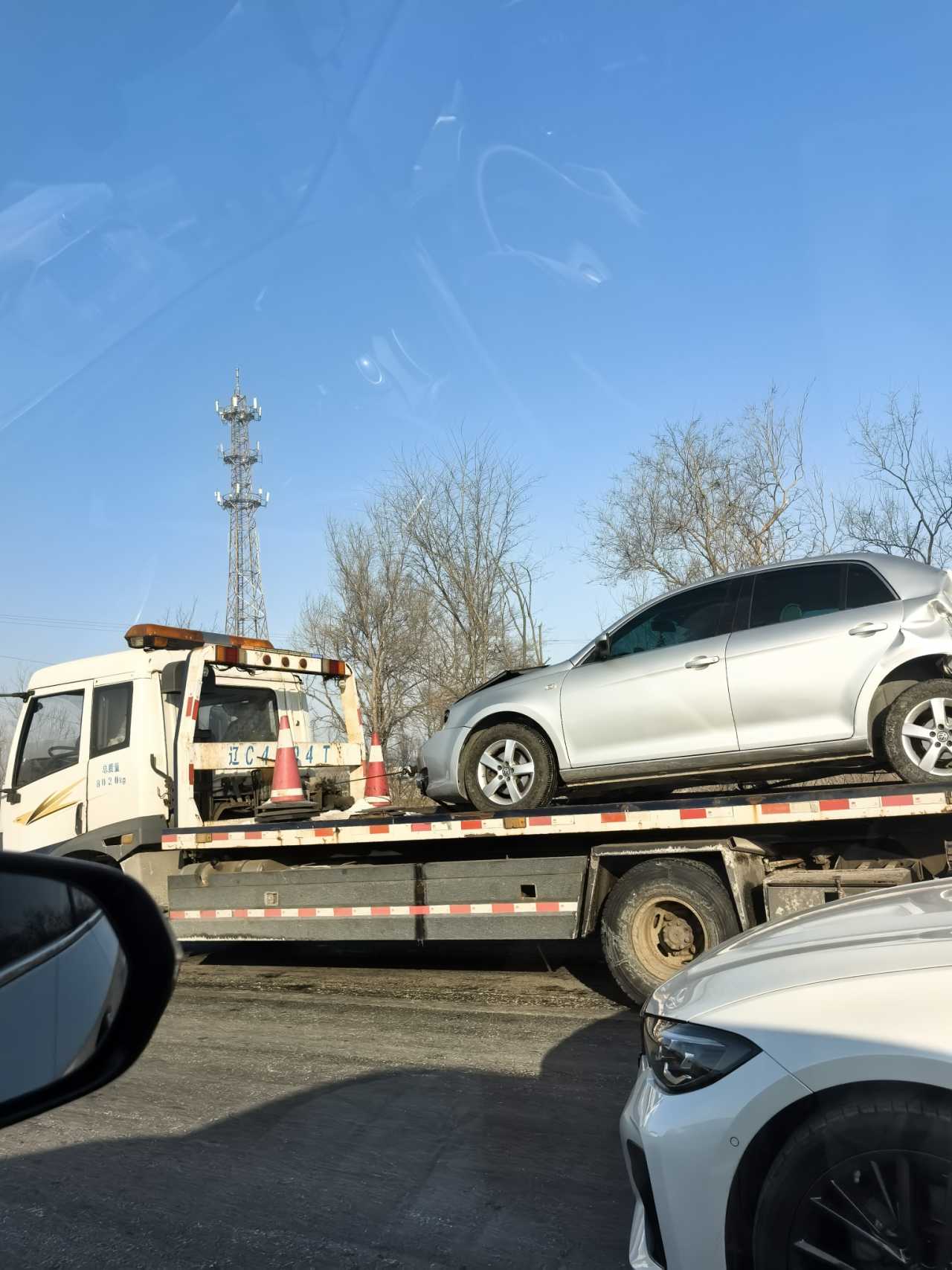
Once in Guizhou, traffic came to a standstill—inside a tunnel! We crawled out slowly. Crossing the Qingshui River Bridge was spectacular. We arrived in Guiyang at 5:10 p.m. and checked into Zheka Hotel, where we enjoyed complimentary freshly brewed coffee. Dinner was Liuyishou grilled fish (留一手烤鱼)—quite good.
The Wonders of Southeast Yunnan: From Wanfeng Forest to Yuanyang Rice Terraces
Day 5: Guiyang → Xingyi's Wanfeng Forest, 313 km of Peak Wonders
February 5. Left at 8 a.m., arrived in Xingyi just after 1 p.m. Four hundred years ago, Xu Xiake stepped into this place and exclaimed: "Of all the mountains under heaven, only here do peaks form a forest." More than 20,000 cone-shaped peaks rise like bamboo shoots after rain, stretching 200 km. China National Geographic certified it as "China's Most Beautiful Karst Peak Forest."
The scenic area ticket is valid for five days. My 60-year-old husband and I (with my teacher's ID) got in free. We took the sightseeing bus (50 yuan per person), which stops at every station. Free hot water and disposable raincoats were provided.
First stop: 将军峰 (General Peak)—like a majestic general standing at the head of ten thousand peaks. 一帆风顺 (Fair Winds Peak)—a flat-topped solitary peak like a ship under full sail. 鲸鱼峰 (Whale Peak)—shaped like a giant whale, but from another angle, a snail. 众星捧月 (Stars Around the Moon Peak)—a solitary peak as graceful as a bamboo shoot.
Soon after entering, a light rain began to fall. But the peaks in the mist had a charm all their own. At 锦绣田园 (Splendid Countryside Station), yellow-and-green rapeseed fields hit the eyes like a splash of color. Point and shoot, and you've got a National Geographic cover. 八卦田 (Bagua Field)—a naturally formed Eight Trigrams pattern, strangely magical. 福字田 (Fortune Character Field)—a giant Chinese character for "fortune" (福), planted with alternating black and white rice.
That night, we stayed at Shexia Guesthouse in Xianahui Village—a filming location for Season 5 of Dad, Where Are We Going? Near the village entrance's giant banyan trees, a snack street bustled. We couldn't get into the sour soup dishes, so we opted for beef pies. After dinner, we strolled through the rapeseed fields. Distant mountains like ink washes, smoke rising from chimneys.
Day 6: Wanfeng Forest → Luoping's Jiulong Waterfall, 75 km of Golden Frenzy
February 6. Woke up at 8 a.m. The village was nearly empty. Breakfast suited our northern tastes perfectly. Sitting by the window, gazing at the rapeseed fields, we felt pure contentment. At the village entrance, two giant banyan trees stood guard over golden blooms—like a scene from a Hayao Miyazaki film.
I ran into the flower fields like a child, touching one blossom, sniffing another. Rapeseed flowers aren't stunningly beautiful, but they have a wild, untamed charm. My husband bought a smiley-face balloon, and we took photos among the flowers. The colorful balloon against the golden yellow—the pictures came out wonderfully lively.
But the weather turned. Rain began to fall. We decided to head to Luoping to see more rapeseed fields. We got on the expressway at Xingyi West, officially beginning our Yunnan journey. We exited at Jiulong Waterfall and grabbed a bowl of rice noodles (米线) first.
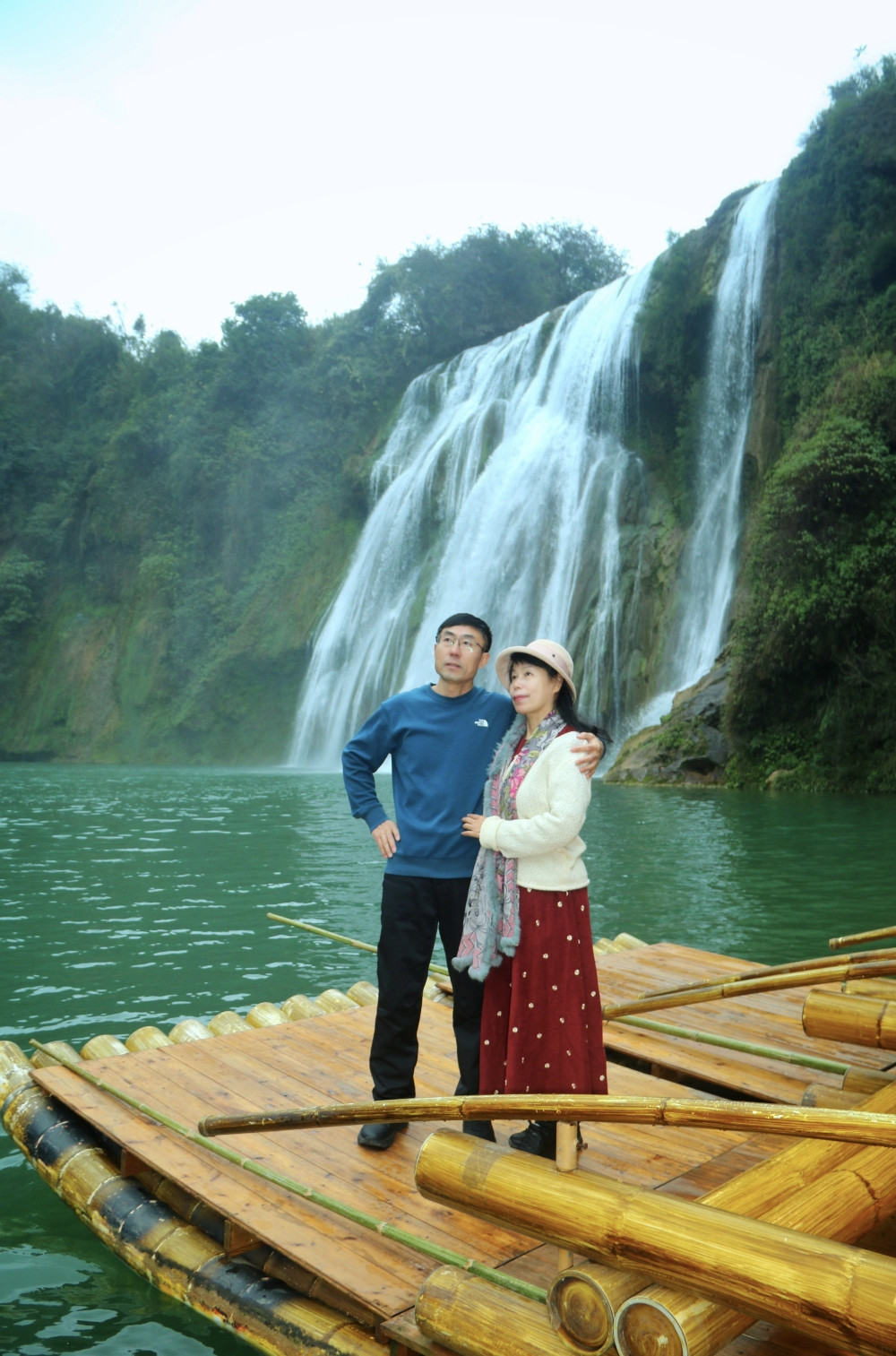
Jiulong Waterfall has two gates, east and west. We took a private car (20 yuan per person) to the west gate and walked from top to bottom. Adult tickets were 65 yuan; my husband got half price. Inside, 情人瀑 (Lovers' Waterfall) was gentle and delicate, like silk threads. 石龙漫游瀑 (Stone Dragon Roaming Waterfall) looked like a dragon playing in the water. The most spectacular was 神龙瀑 (Divine Dragon Waterfall)—120 meters wide, 70 meters high, with overwhelming grandeur. Known as "Jiulong's Number One Waterfall." Standing at its base, water droplets splashed against our faces—cool and awe-inspiring.
Jiulong Waterfall was named one of China's Six Most Beautiful Waterfalls by China National Geographic in its "Beauty of China" feature. Over a 4 km stretch of river, ten waterfalls rise in succession. It's earned the title: "Ten Waterfalls of Jiulong, a Unique Wonder of the South."
Reflections on the Road
This journey—from northern snow to southern flowers, from plains to plateaus, from ancient pagodas to waterfalls—every stretch held surprises. Yunnan's charm lies not just in its famous sights, but in every turn along the road, every pause.
Perhaps that's the true meaning of self-driving: the freedom to go when you want, stop when you want. Sleep through a traffic jam. Snap a photo of a stunning view. Grab a bowl of rice noodles from a roadside stall when you're hungry. The destination matters, yes—but the scenery and the mood along the way are what truly linger in your memory.
If you're planning a trip to Yunnan, remember a few things: - Self-driving is the freest way to travel, but always fill your tank in advance - Yunnan is huge—you can't see it all in one trip. Pick one route and go deep - Many scenic spots offer discounts: seniors over 60, teachers, and others—bring your ID - Mountain roads are plentiful. Drive safely. Don't rush.
Next stop: further south. Yuanyang for the rice terraces. Jianshui for the ancient town. Yunnan's story has only just begun.
You should also read:

Body in Hell, Heart in Heaven: A Pilgrimage Through Tiger Leaping Gorge — A Dialogue Between Heaven and Earth
Body in Hell, Heart in Heaven: A Pilgrimage Through Tiger Leaping Gorge — A Dialogue Between Heaven and Earth Introduction: When the Gorge Splits Open Beneath Your Feet Some say Tiger Leaping Gorge is the closest place on Earth to the border between "hell" and…
Continue reading...
Cloud Travelogue · Dali of Wind, Flowers, Snow, and Moon: A Three-Day, Two-Night Journey of a Free Spirit
Cloud Travelogue · Dali of Wind, Flowers, Snow, and Moon: A Three-Day, Two-Night Journey of a Free Spirit I am a cultured female foodie with a touch of rogue charm. I slung on my backpack, took my lover's hand, and set off on a spontaneous…
Continue reading...
The Meaning of Travel – A Tengchong Story: A Journey of the Heart and Personal Growth
The Meaning of Travel – A Tengchong Story: A Journey of the Heart and Personal Growth Setting Out, Only to Return a Better Self Some say travel is nothing more than leaving a place you're tired of, only to go to a place where others…
Continue reading...