Spring Festival, I Spent Summer in Xishuangbanna: A Tropical Escape from the Bitter Winter
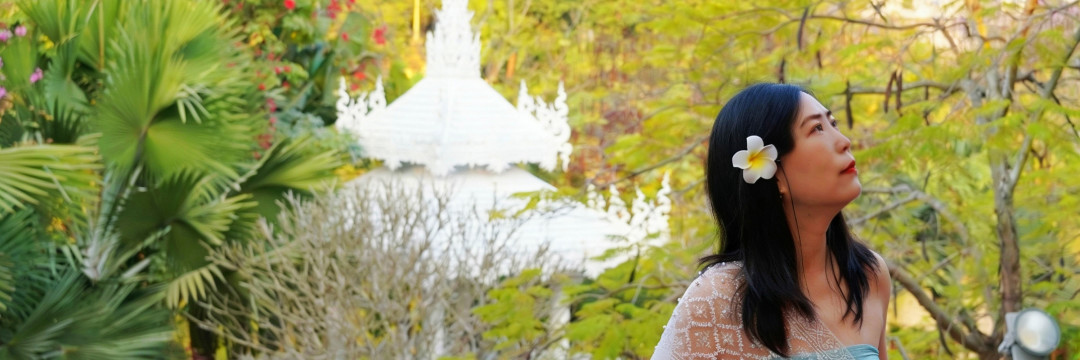
Spring Festival, I Spent Summer in Xishuangbanna: A Tropical Escape from the Bitter Winter
Why Xishuangbanna?
The land of colorful clouds always lingers in my mind. Ever since I spent an unforgettable time in Dali two years ago, I've been planning to set foot in Yunnan again. Finally, this Spring Festival, the plan became reality—bringing my parents along to escape the biting northern winter and enjoy a warm "summer" in Xishuangbanna.
To be honest, I almost got scared off by the "dissuasion posts" online before departure. Opening social media, the screen was flooded with warnings: "Don't go to Xishuangbanna during Spring Festival"—chaotic traffic, impossible taxi hailing, outrageous prices, severe overcharging... Every single one shook my resolve. But I'm stubborn—the more people badmouth a place, the more I want to see for myself whether it's truly a "trap" or a misunderstood "treasure." As it turned out, this adventure was totally worth it.
Pre-Trip Essentials: Honest Talk About Transportation and Accommodation
Planes and High-Speed Trains
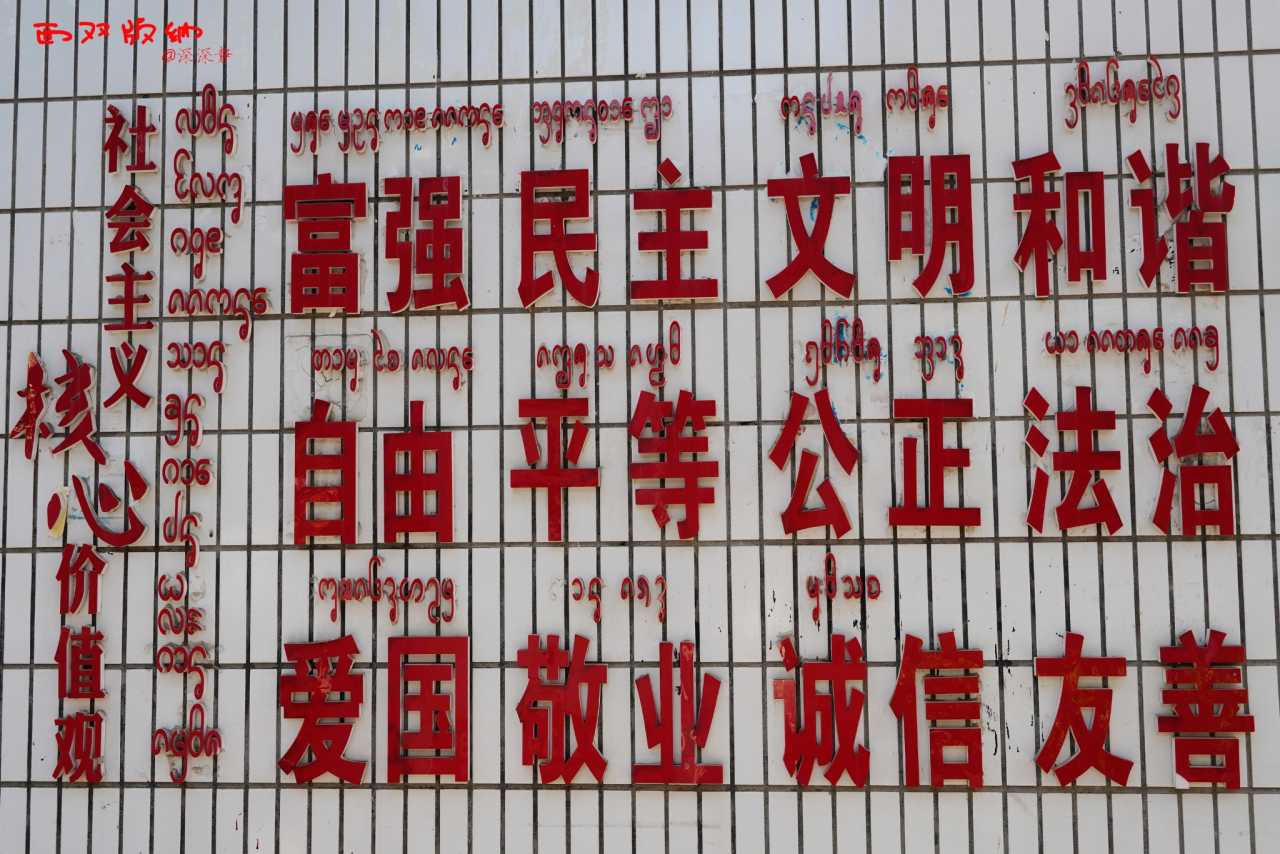
Xishuangbanna's transportation is more convenient than I imagined. Jinghong city center is close to both the high-speed rail station and the airport. From Kunming, countless intercity trains run daily, and even during Spring Festival, you don't need to fight for tickets—just buy them a few days in advance. The most interesting part was the trilingual announcements on the train—Mandarin, English, and Dai language. The Dai language sounds strikingly similar to Thai, making me feel as if I had already set foot in Thailand.
Getting Around Town: Early Birds Get the Taxis
When it comes to local transportation, I'll be honest: buses are basically unreliable—few routes, long waiting times, mostly filled with elderly locals, and tourists can hardly squeeze on. Hailing a taxi during Spring Festival is indeed a challenge—too many tourists, but many drivers have gone home for the holiday, creating a supply-demand imbalance that drives prices up.
My tip: Go out before 9 AM, when taxis are easy to find and cheap. Also, shared electric scooters are everywhere on the streets, but honestly, the sheer volume of scooters in Banna is nerve-wracking—I witnessed a minor accident myself. For safety, we adopted a "taxi out, walk back" approach, which avoided peak hours while letting us slowly soak in the city's nightlife.
Accommodation: Skip Gaozhuang, Choose the City Center
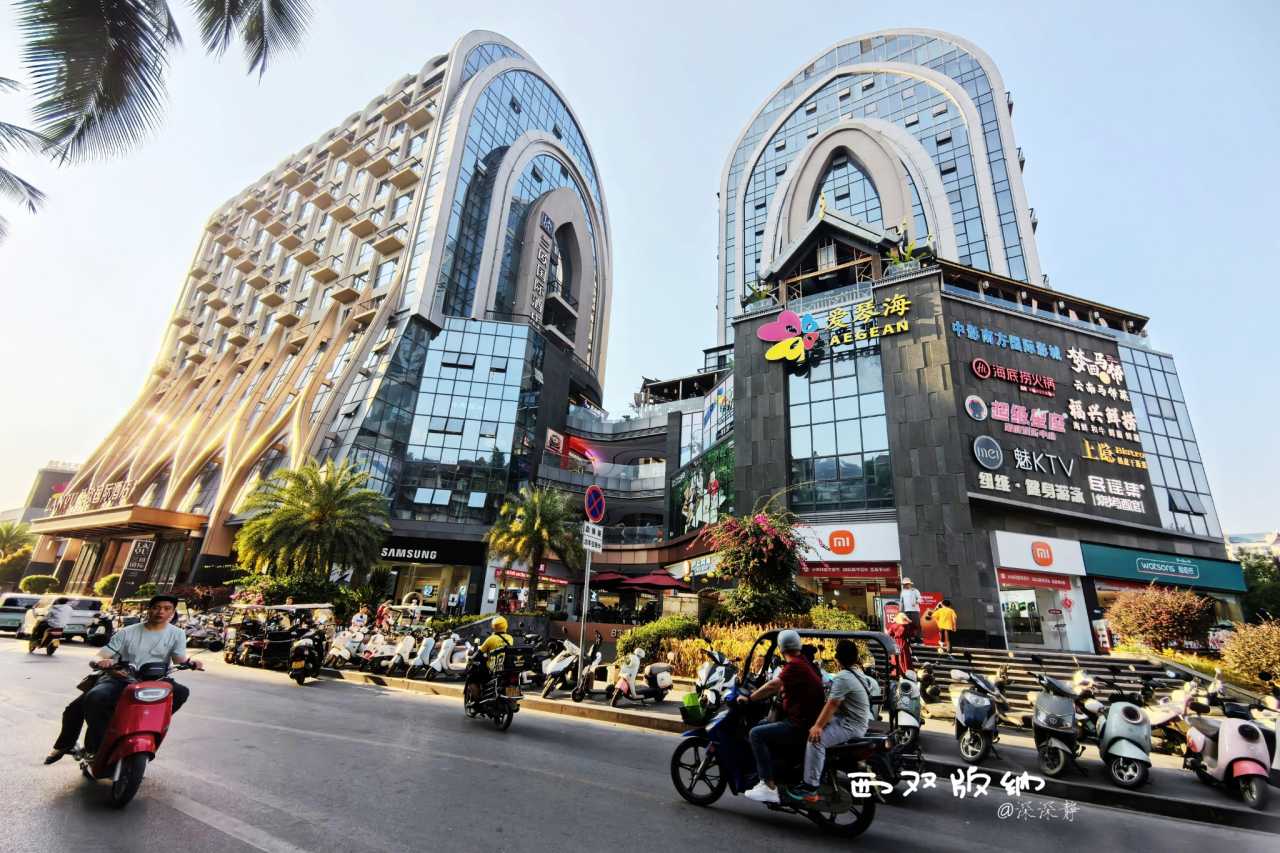
Most tourists stay in Gaozhuang, where commercialization is high and everything—food, drink, entertainment—is at your fingertips. But during Spring Festival, Gaozhuang is packed to the point of "people blocking people." I decisively gave up on Gaozhuang and booked a hotel in the city center south of the Lancang River, right next to Aegean Shopping Mall. This location was close to Splashing Water Square, Manting Park, and the Riverside Night Market—all within a 20 to 30-minute walk. When we couldn't get a taxi, our "leg-powered bus" (walking) saved the day.
Itinerary Overview: A Slow-Paced Four-Day, Three-Night Trip
During Spring Festival, Banna's temperature ranged from 15°C to over 30°C—a huge温差 (temperature difference). Mornings were 10-20°C, perfect for sightseeing; afternoons soared above 30°C, making you want to hide in an air-conditioned room; evenings hovered around 27-28°C, barely comfortable. So my itinerary followed this rhythm: go out in the morning, visit one or two attractions before noon, return to the hotel for a midday rest, then head out again in the evening. This avoided the tourist crowds and enjoyed the most comfortable temperatures—the only trade-off was waking up early!
Day 1: Kunming Station → Xishuangbanna Station → Hotel → Manjinglan Grand Buddha Temple → Splashing Water Square → Riverside Night Market
Day 2: Manting Park → General Buddhist Temple → White Elephant Beach
Day 3: Tropical Flower Garden → Dai Water City
Day 4: Xishuangbanna Station → Kunming South Station
Manjinglan Grand Buddha Temple | A Hidden Southern Buddhist Sanctuary Amidst Old Town Hustle and Bustle
Address: No. 22 Manting Road, Jinghong City
Opening Hours: 8:00 AM – 6:00 PM
Admission: Free
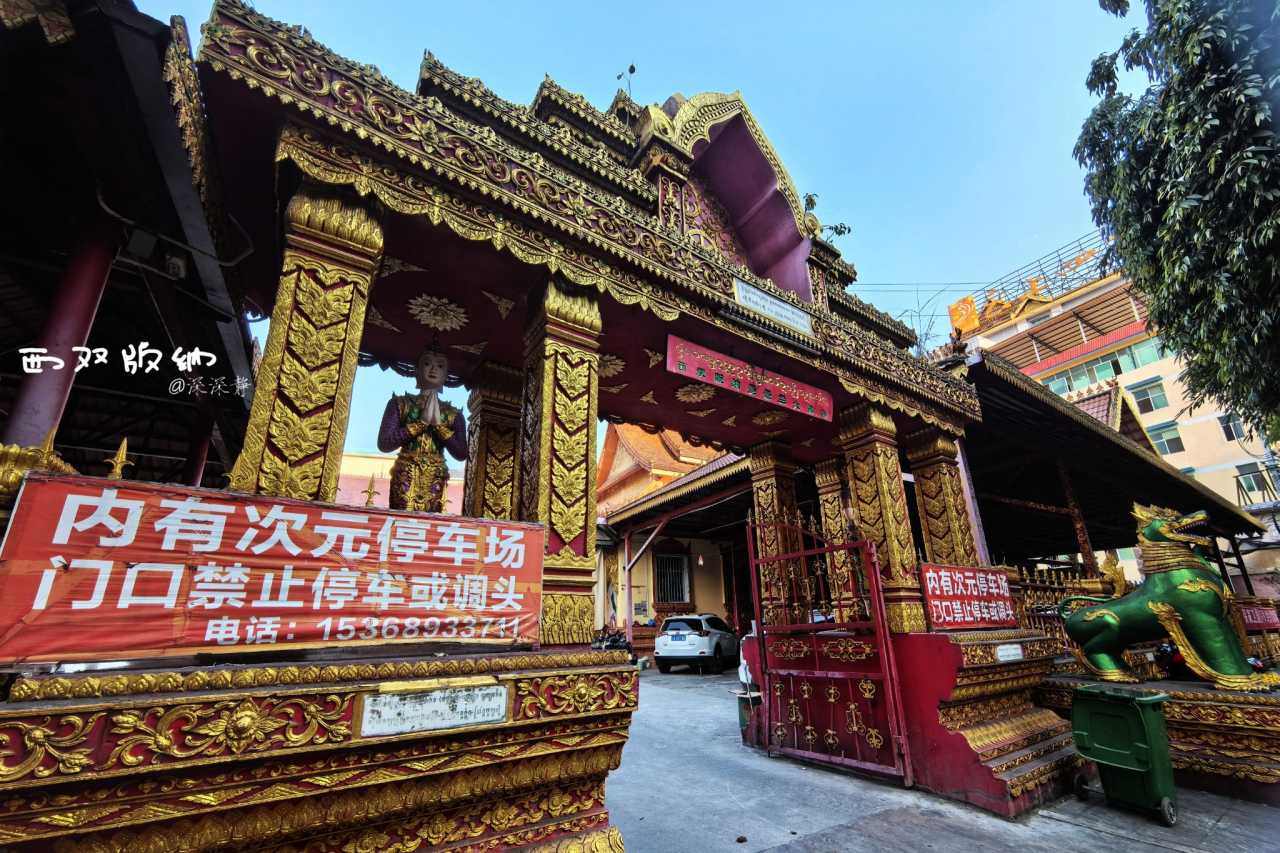
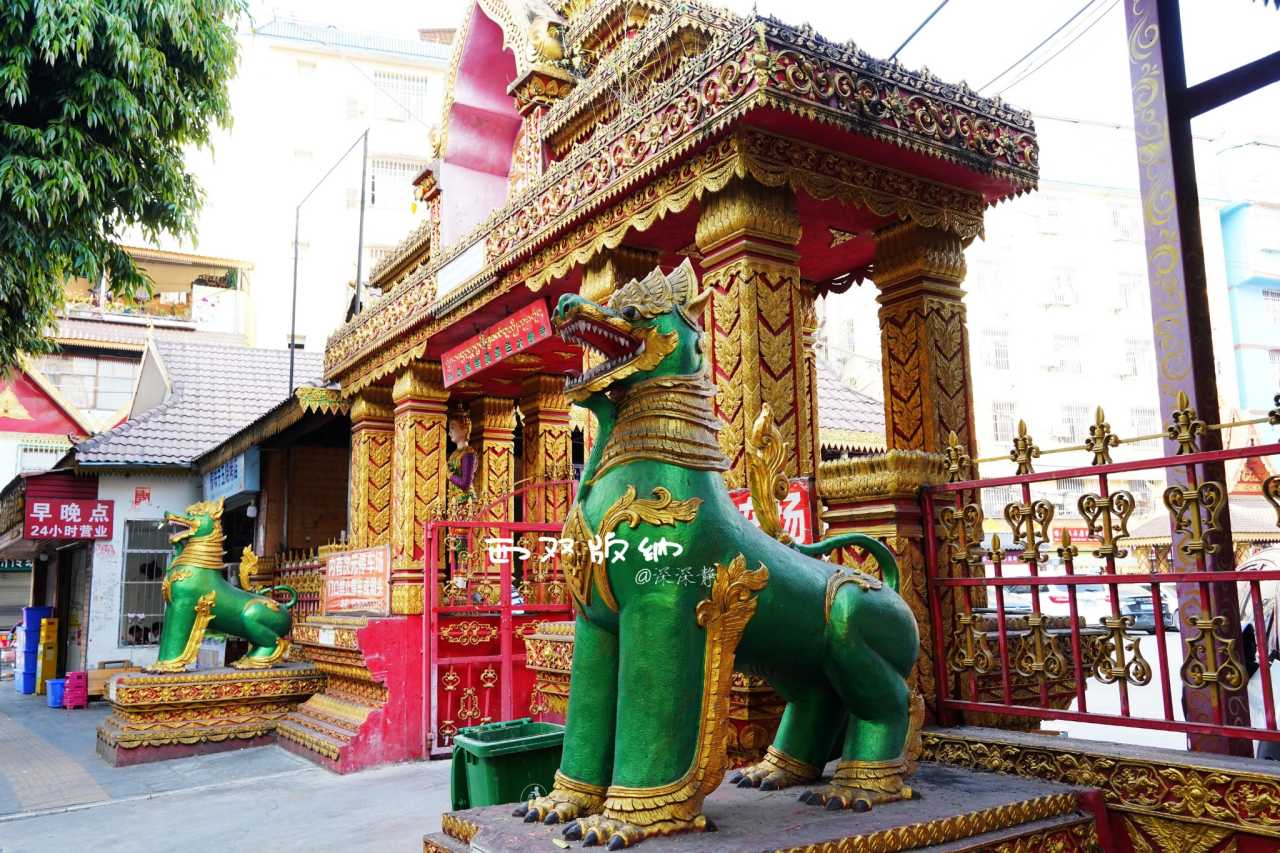
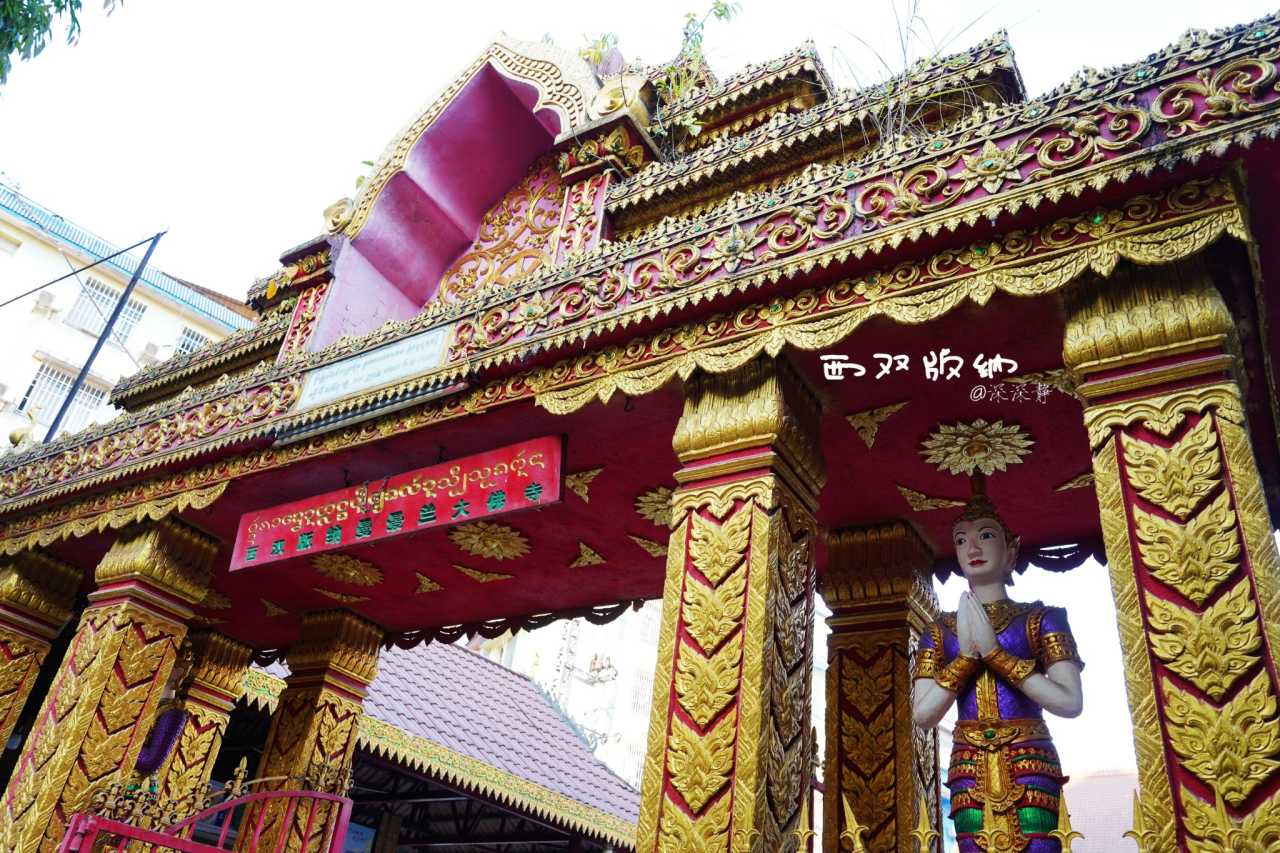
Almost every village in Banna has a temple, and locals commonly call them "Grand Buddha Temples." Note: the one I visited, Manjinglan Grand Buddha Temple, is not the well-known Mengle Grand Buddha Temple, which is larger and located in a scenic area. This one, hidden in the old town's residential neighborhoods, is full of local flavor.
Historically, the Manjinglan area was home to the descendants of the Dai royal family's gardeners, who served the Manting Royal Garden for generations, forming a unique community culture. The temple was born from this soil, carrying the faith and memories of the locals.
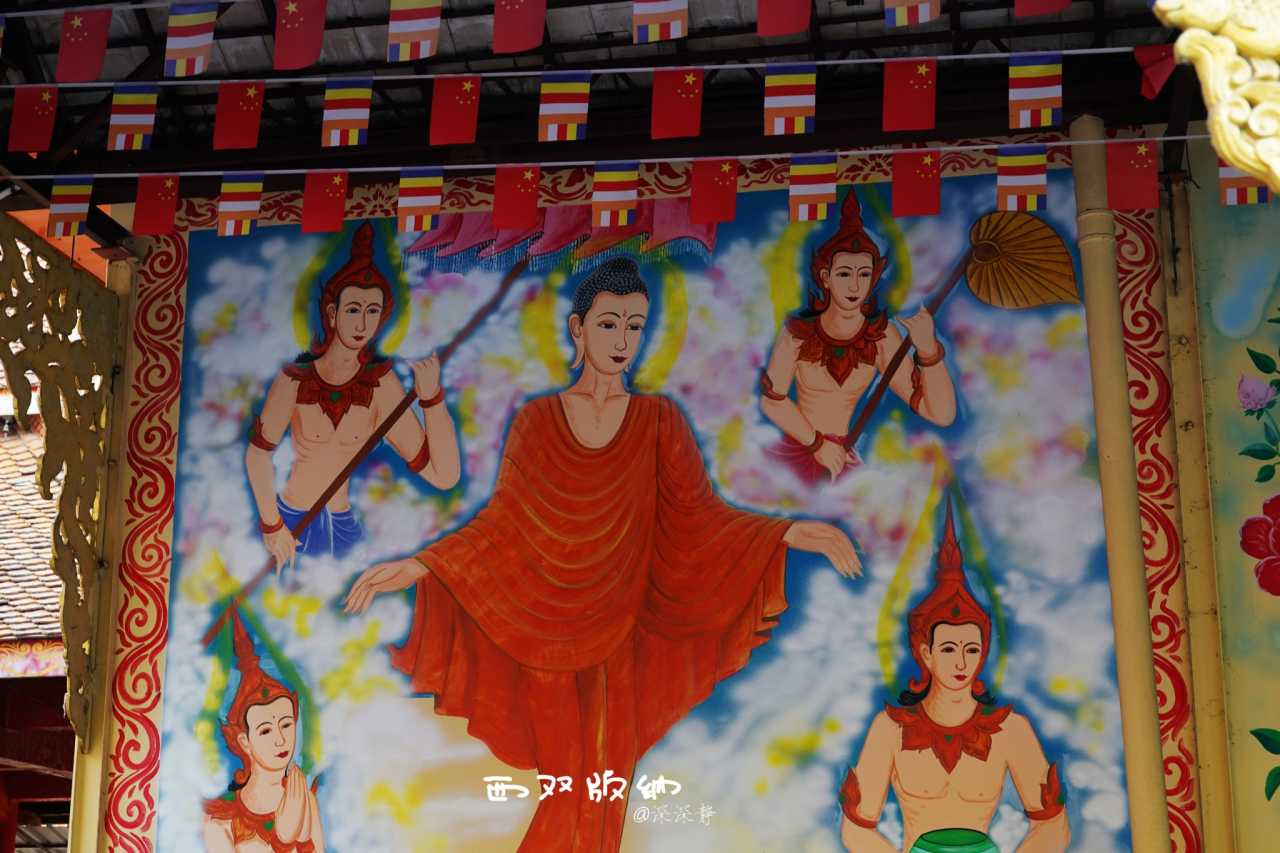
The most distinctive feature is the Buddha statues—they don't sit serenely on lotus thrones but stand, kneel, or take various poses, each with its own charm. The temple's style resembles Thai and Burmese Buddhist temples. It's worth a look if you're passing by, but not worth a special trip.
Tip: Remove your shoes before entering the main hall. Wear clothing that covers your knees as a sign of respect. Photography is prohibited inside.
Splashing Water Commercial Square | Down-to-Earth Local Life
Address: 100 meters east of the intersection of Jinglan 1st Alley and Jinglan 5th Alley, Jinghong City
Opening Hours: All day
Admission: Free

Cross a bridge adorned with Dai-style architecture, and you'll reach Splashing Water Square. This isn't the massive Splashing Water Square at Dai Ethnic Garden, but a public square in the city center. During the Water Splashing Festival in mid-April, it hosts tens of thousands of revelers; on ordinary days, it's a laid-back leisure space full of everyday life.
At sunset, the square glows golden, with a striking circular elephant sculpture at its center. I happened to catch a cultural troupe performance—the audience was mostly locals, making it feel more authentic and lively than tourist attractions. There was also a Spring Festival shopping event, with stalls full of local specialties, brimming with festive atmosphere.
Riverside Night Market | A Fireworks Show of Humanity Along the Lancang River
Address: Along the Lancang River, stretching from the New Bridge in the west to Thai Street in the east
Opening Hours: 7:00 PM – 11:00 PM
Admission: Free
The Riverside Night Market isn't as large as the Starry Night Market on the opposite bank in Gaozhuang, but its prices are more down-to-earth. I got so immersed that I barely took any photos—it was just too fun to browse!
My advice: focus on the middle and tail sections, where handicrafts and clothing stalls offer exquisite and affordable trinkets and souvenirs. Prices get cheaper the further you go, and if you're good at bargaining, you can try your hand. The food section is crowded and smoky with barbecue aromas, so if you're sensitive to that, just walk through quickly.
Manting Park | The Soul of the Dai King's Royal Garden
Address: No. 35 Manting Road, Jinghong City
Opening Hours: 8:00 AM – 5:00 PM
Admission: 40 RMB
Manting Park has a history of over 1,300 years, making it the oldest park in Xishuangbanna and the former royal garden of the Dai kings. I recommend entering from the north gate. Right at the entrance is the Premier Zhou Enlai Memorial Square, featuring a bronze statue of him in Dai attire, holding an olive branch, commemorating his celebration of the Water Splashing Festival with borderland people in 1961.
The red-walled, gold-roofed Dai King's Palace is impressive, with artifacts related to the Dai kings on display inside. It opens at 9:00 AM, but I arrived too early to enter—though that gave me the chance to take photos without any tourists in the background.
There's a beautiful local legend about Manting Royal Garden: when the Dai princess visited, she was so captivated by the scenery that her soul remained in the garden, earning it the name "Chunhuan Park," meaning "Garden of the Soul."
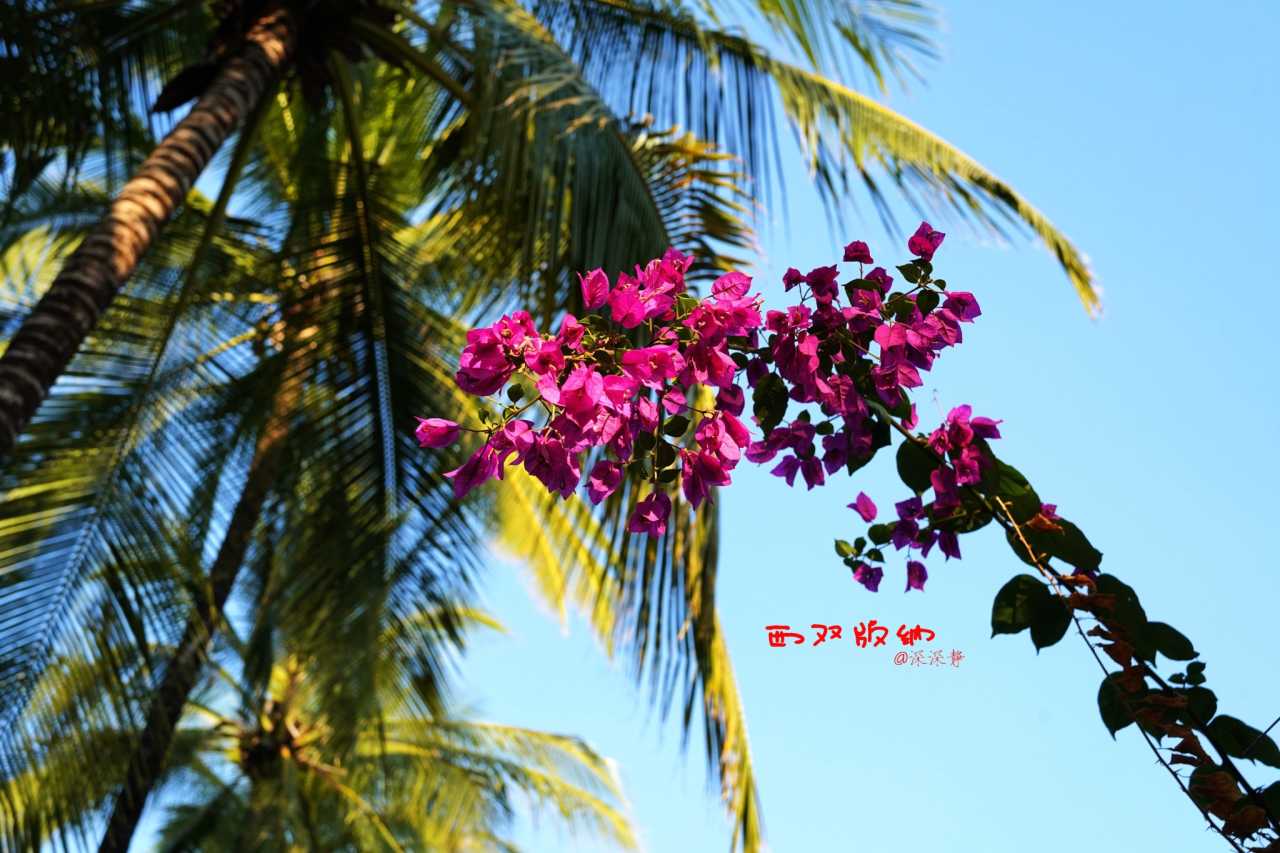
Tropical flowers bloomed everywhere, with bougainvillea in full glory. The Release Lake (Fangsheng Lake) was originally a backwater of the Lancang River. During the annual flood season, river water rushes in to form the lake, which the Dai people believe is highly spiritual and used by Buddhist followers for releasing captive animals.
At 10:00 AM, there's a Dai King's Procession performance, but I skipped it to avoid the crowds. However, I did see a white peacock spreading its tail—my first time witnessing this, and I felt incredibly lucky! There was also a parrot, unchained, freely chatting with visitors from a branch. The Royal Elephant Culture Park has an elephant show at 10:30 AM, where you can pay to enter and feed them.
The White Pagoda in the park is a replica of the "Manfeilong White Pagoda," shaped like a gourd and pure white like jade, a masterpiece of Southern Buddhist ancient architecture. There's a hand-washing basin beneath the statue of the Earth Goddess in Xishuangbanna—it's said that washing your hands there can wash away bad luck and bring good fortune. So, I washed my hands too!
A Few Thoughts: Many say Manting Park has become a huge photography studio for tourists in traditional costumes, and that the 40 RMB ticket is a bit steep. But I think it offers strong Dai and Southeast Asian vibes, exotic flowers and plants, and scheduled performances—great value for money. However, I recommend avoiding the peak photography hours between 10:00 AM and 3:00 PM. Early morning and after 4:00 PM offer soft light and fewer people.
General Buddhist Temple | The Sacred Light of Southern Buddhism
Address: No. 18 Baji Road, Jinghong City, connected to Manting Royal Garden
Opening Hours: 8:00 AM – 5:30 PM
Admission: Free
From Manting Park, you can walk directly to the General Buddhist Temple. This is the highest-ranking Southern Buddhist temple in Xishuangbanna, overseeing all temples in the prefecture. Historically, it was the core venue where Dai kings held religious ceremonies and monk ordinations.
Southern Buddhism spread from India southward, mainly found in Sri Lanka, Myanmar, Thailand, Cambodia, Laos, and China's Yunnan region. The Dai people of Xishuangbanna are universally Buddhist. According to tradition, every Dai man should become a monk at least once in his life, so every household has a shrine, and every village has a temple.
The main hall of the General Buddhist Temple is a perfect blend of traditional Dai craftsmanship and modern architecture, gleaming with gold—even the ceiling is resplendent. Compared to other temples in China, it definitely looks "wealthy." Palm-leaf manuscripts (scriptures written on palm leaves) are highly valuable cultural relics.
Since I visited Manting Park first and then the General Buddhist Temple, by the time I arrived, it was packed with people, so I could only take a quick glance. I'd love to come back for a more contemplative experience.
Tip: Remove your shoes before entering the main hall. No short skirts or slippers. No loud talking. Do not touch Buddha statues, murals, or palm-leaf manuscripts. Respect the monks—don't disturb or photograph them without permission.
Manjinglan Ancient City | A Forgotten Dai-Style District
Address: No. 10 Mengpeng Road, Jinghong City
Opening Hours: All day
Admission: Free
I stumbled upon Manjinglan Ancient City while walking from my hotel to White Elephant Beach. It's not a traditional thousand-year-old ancient city but a modern Dai-style urban complex. Originally planned as an ancient-style district with Dai-themed hotels, restaurants, and handicraft shops, it now seems abandoned.
Manjinglan's history dates back to Neolithic sites, once a settlement for Dai ancestors engaged in trade and community life. If the cultural tourism department made good use of it, this could become a popular destination. Unfortunately, it's now a "problem project." During the day, you can wander in—there are local elders playing chess, cooling off, and chatting. At night, it's pitch black inside, so skip it.
White Elephant Beach | A Healing Sunset and Nightscape Along the Lancang River
Address: 320 meters east of the intersection of Guanlan Avenue and Binjiang Avenue, Jinghong City
Opening Hours: 8:00 AM – 10:00 PM
Admission: Free (reservation required at the gate)
White Elephant Beach had been under maintenance for a while, and I was lucky to visit right when it reopened—and it was free! As soon as I entered, a Dai young man performed drumming, and Dai beauties offered water-splashing blessings, instantly making me feel welcomed.
The sand was fine and soft, like stepping on clouds. The distant Lancang River shimmered with blue-green waves, contrasting beautifully with the white sand and riverside greenery—every snapshot was a healing scene. Across the river lay Gaozhuang Xishuang Jing, which I skipped this time, hoping to visit on a non-holiday next time.
A few aunties in Hanfu (traditional Chinese clothing) were singing and dancing for TikTok videos, quite eye-catching. I also spotted someone paragliding, soaring over the Lancang River.
As night fell, White Elephant Beach revealed another charm. Lights gradually lit up along the shore, while the Starry Night Market across the river also shimmered with thousands of lights, creating a dialogue between the two banks. The most unforgettable part was the bonfire party—strangers from all over the world held hands, dancing around the fire to Dai music. There was no sense of unfamiliarity, only pure joy.
Recommendation: Enter the scenic area around dusk to enjoy the gentle beauty of the setting sun and the sky painted with twilight colors, then experience the romantic atmosphere as lights come on one by one.
Tropical Flower Garden | A Tropical Plant Kingdom in the City Center
Address: No. 99 Xuanwei Avenue, Jinghong City
Opening Hours: 8:00 AM – 6:00 PM
Admission: 40 RMB
Regarding the Chinese Academy of Sciences (CAS) Botanical Garden and the Tropical Flower Garden, I think choosing one is enough. The CAS Botanical Garden is far away, has expensive tickets, and is huge—requiring a shuttle bus. The Tropical Flower Garden is right in the city center, smaller, walkable, and cheaper, so I chose the latter.
Located within the Yunnan Tropical Crop Research Institute, the garden features shaded palm trees, golden lakes, and thousands of tropical plant species. Before entering, you pass by "Blue Water Lake," whose clear blue water gives the illusion of being in Southeast Asia. Rows of palm trees paired with Dai-style buildings feel like stepping into a fairy tale world of "The Wizard of Oz."
At the entrance, a loudspeaker promotes the shuttle bus, but you don't need to see every corner. Slowly wandering, taking photos, and soaking in the vitality of tropical plants is the most enjoyable way to experience it.
I saw the "Worry-Free Flower" (Saraca dives) for the first time—a highly representative tropical flower in Xishuangbanna and a sacred tree in Buddhism. In the palm area, towering royal palms and oil palms cast dappled sunlight, creating atmospheric shots with every click.
The garden also features a memorial for the meeting between the Chinese and Burmese prime ministers and a monument to Premier Zhou Enlai's inspection, telling precious historical stories. I was lucky to witness a rubber tapping demonstration—white latex slowly flowed along a guide groove into a small bowl, offering a vivid lesson in tropical agriculture.
In the Leaf Flower Garden, I learned that bougainvillea's scientific name is "leaf flower." The bougainvillea bloomed passionately, with petals translucent under sunlight—every shot was a bright, festive New Year photo.
I didn't explore the entire garden—there were still the Egg Flower Garden, Tropical Fruit Orchard, Palm Beach, and Natural History Museum—but I had enough. The morning was quiet with perfect temperatures. By the time I left, tourists were pouring in—perfect timing.
"Under the Tree" Market | A Small, Artistic Rest Stop
Right outside the Tropical Flower Garden exit is the "Under the Tree" Market. Both its name and decor feel very artistic. Around 11 AM, the market was just opening, with few visitors and a peaceful atmosphere. Apparently, by afternoon, it gets packed and lively.
There was aromatic coffee and authentic Dai cuisine, as well as delicate handicrafts and creative products. When tired, you can sit down for a coffee or snack. Two cute dogs roamed the shop—it couldn't have been more relaxing.
Dai Water City | An Abandoned Dai-Thai Style Destination
Address: No. 34 Mengla Road, Jinghong City
Opening Hours: All day
Admission: Free
Just across the road from the Tropical Flower Garden is "Dai Water City." It's billed as a Dai-Thai style waterfront ecological cultural scenic area, but in reality, it's an abandoned real estate project—a pity. However, it's also a filming location for the TV series "Borderland Stories" (Bianshui Wangshi), and many fans come specifically to take photos.
The iconic red-brick stilted pavilions, with few tourists, are perfect for Dai-style costume photography. If the Banna government made good use of this resource, it could become a decent scenic spot—unfortunately, it's wasted.
The covered bridge is a bit dilapidated but still photogenic. There's a popular Instagram spot—the Red House Café, where reportedly, buying a coffee lets you rent a set of Dai costumes for photos.
Honest Opinion: The photos here turn out great, but the actual environment is mediocre. It's a "looks good in photos, average in reality" spot. If you're passing by, pop in for a look; no need to make a special trip.
Ganbai (Dai Market Day) | Unlocking Dai-Style Local Flavor
Address: The other end of Dai Water City
Opening Hours: Monday and Thursday mornings (8:00 AM – 12:00 PM)
Admission: Free
Dai "Ganbai" is not just an ordinary market; it's a traditional folk festival combining religious rituals, festive celebrations, trade fairs, and youth socializing. I happened to catch a small-scale daily Ganbai, mainly featuring food and handicrafts, with a relaxed atmosphere full of local charm.
So many things I saw for the first time, and the prices were really cheap. Durian freedom! Blueberry freedom! Dried beef strips were huge, roast chicken looked and smelled amazing, and there were exotic tropical fruits and giant bean pods—many people bought them as decorations.
I bought a flatbread whose name I didn't know—crispy and delicious! This small-scale Ganbai was so fun, lively, and down-to-earth, with mostly locals and a dazzling array of goods at great prices. Here, you can truly feel the daily life and folk customs of the Dai people.
Aegean Shopping Mall | A City Center Rest and Recharge Station
The hotel I stayed at was right next to Aegean Shopping Mall, which had everything—food, drink, entertainment. When the weather outside was scorching, retreating inside for air conditioning and browsing shops was very comfortable.
Peacocks and elephants are the two mascots of Xishuangbanna, so there were文创 products (cultural creative items)—Jingjing and Honghong, cute and distinctive. There were also many postcards featuring Banna's beautiful scenery and Dai customs, perfect as souvenirs or to send to friends.
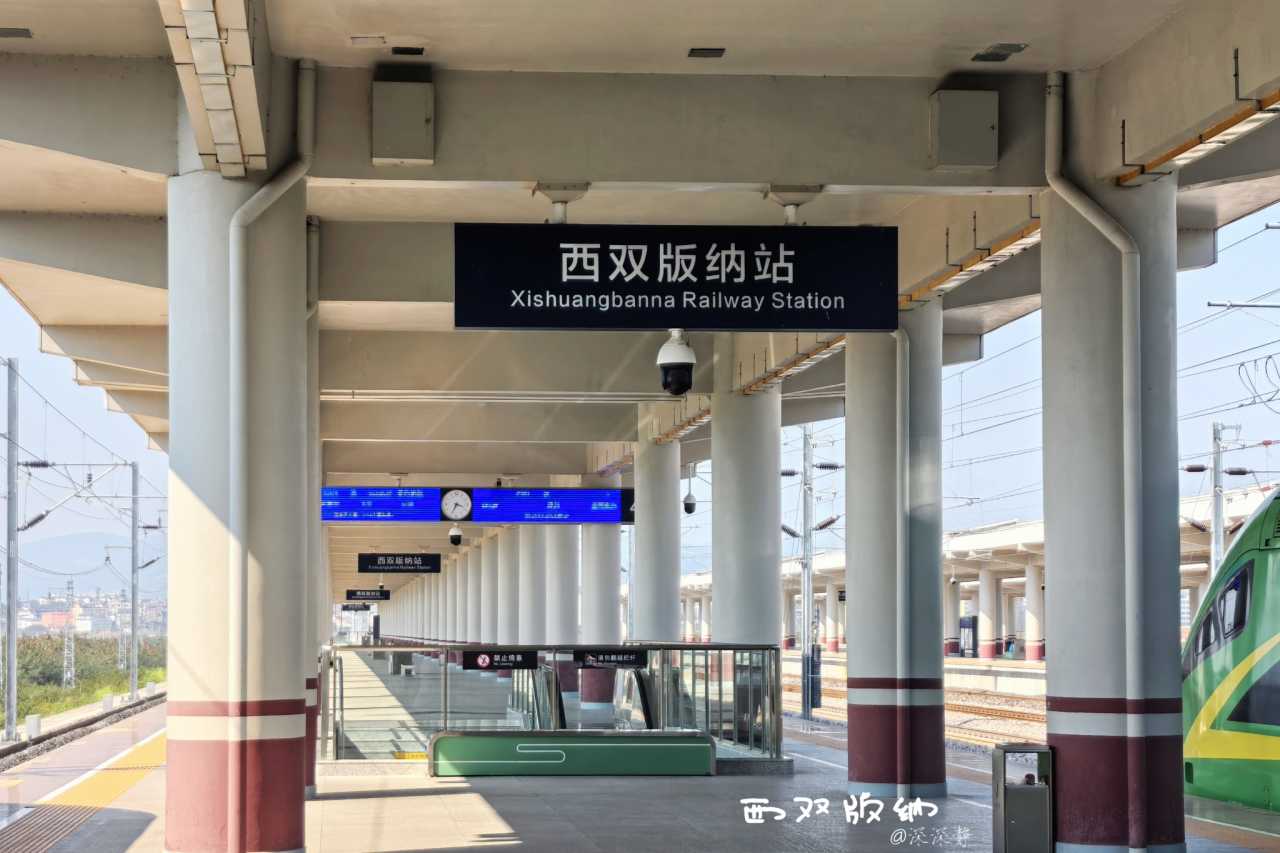
Xishuangbanna Station | A Blend of Dai Style and International Flair
Xishuangbanna Station is very close to Jinghong city center—just a ten-minute drive. As a key passenger station on the China-Laos Railway, you can take a high-speed train directly to Laos, making going abroad as simple as a trip out of town.
The station building is highly distinctive, incorporating many Dai architectural elements. The interior is small, but the square is large—if you arrive early, you can wait on the square. Half of the ticket gates were for trains heading to Laos, giving a real sense of how the China-Laos Railway has made travel convenient for people from both countries.
A Taste of Xishuangbanna: Five Restaurants Personally Tested
Xishuangbanna's cuisine is like its tropical rainforest—rich, vibrant, and layered. It blends authentic Dai flavors with Thai freshness and the unique烟火气 (bustling local atmosphere) of a border town.
Qingxia Tropical Rainforest Restaurant
Address: Inside Binjiang Park, Menghai Road, Jinghong City
Average Cost: 90+ RMB per person
Rating: ★★★★☆
On the first day of the Lunar New Year, most shops near Splashing Water Square were closed, and the few open ones had long queues. On a whim, I called this restaurant hidden in Binjiang Park, learned they had tables, and rushed over.
The environment lived up to its name—surrounded by greenery, like dining in a tropical rainforest. During Spring Festival, only set meal packages were available. Our group of four ordered a three-person set, which was just the right amount, and every dish was satisfying. Mint beef rolls, Sichuan peppercorn oil shrimp, mint fried ribs... all incorporated local flavors while being refreshing and not greasy. The only downside was a few mosquitoes—bring repellent.
Coconut Fragrance Mango · Peacock Feast Hand-Grabbed Rice
Address: 1st Floor, No. 196, Manlongkuang Village Group, Baji Road, Jinghong Street (across from the General Buddhist Temple exit)
Average Cost: 45 RMB per person
Rating: ★★★★☆
I had tried Peacock Feast in Dali and couldn't forget it, so I had to have another authentic one in Banna. This restaurant's atmosphere was even more Dai-style than the one in Dali.
We ordered a 3-4 person premium set meal online, and when it arrived, we were stunned—the portion was so generous that even four of us couldn't finish it, offering incredible value. The set included Dai-style honey-roasted chicken, lemongrass-grilled fish, charcoal-grilled meat, pineapple rice, and many other Dai specialties, each authentic and flavorful. The most impressive was the Dai-style boiled rice noodles—sour and spicy, hitting the taste buds perfectly, fresh and appetizing. It was the best rice noodles I've ever had.
Lanku Thai
Address: No. 55 Mengle Avenue, Jinghong City (inside Aegean Shopping Mall)
Average Cost: 30 RMB per person
Rating: ★★★★
This place specializes in Thai-style casual dining, located in the basement floor of Aegean Shopping Mall—a bit hard to find. The environment is just like an ordinary fast-food joint: simple and plain, with QR code ordering, focusing on practicality and convenience.
Spring rolls, pineapple fried rice with shrimp, chicken rice, Thai-style pork noodles, and fried crispy pork with Thai dipping sauce—none of the dishes I ordered disappointed. Service was a bit slow, but the food was freshly stir-fried, full of wok hei (breath of the wok), and offered great value for a casual meal.
In Closing: Xishuangbanna Deserves a Second Look
After four days and three nights, I left Xishuangbanna with a head full of memories and hundreds of photos. Looking back at my pre-trip anxiety, I can't help but smile—those "dissuasion posts" might have some truth, but more often than not, travel experiences depend on how you play, when you play, and who you play with.
Banna's transportation does have shortcomings, but getting up early solves most problems. Spring Festival does bring crowds, but by avoiding peak hours and popular spots, you can still find quiet corners. Prices are indeed high, but with some effort, you can discover great-value treasures.
For me, Xishuangbanna is not a "trap" but a misunderstood treasure. It has intense tropical vibes, deep Dai culture, mouthwatering cuisine, and the gentle nightscape along the Lancang River. If you're thinking of going, my advice is: choose the right time, plan well, and keep an open mind—and you'll fall in love with this place.
Next time, I want to come back during a non-holiday period to visit the Starry Night Market in Gaozhuang, explore Menghai and Mengla, and spend a full day at the CAS Botanical Garden. Xishuangbanna, we'll meet again.
You should also read:
A 10-Day Yunnan Journey: From Kunming to Lugu Lake — A Slow Travel Adventure with Friends
A 10-Day Yunnan Journey: From Kunming to Lugu Lake — A Slow Travel Adventure with Friends After working for a full year, I finally gathered enough courage and annual leave. I rallied three close friends, packed our bags, and set off for Yunnan. The last…
Continue reading...
Xishuangbanna Self-Drive Tour: Into the Tropical Wonderland at the Edge of the Sky (Complete Guide)
Xishuangbanna Self-Drive Tour: Into the Tropical Wonderland at the Edge of the Sky (Complete Guide) Introduction: A Dream Fulfilled Thirty Years Early Some journeys are destined to happen at a specific moment in time. For me, a self-drive trip to Xishuangbanna was originally the first…
Continue reading...
A 9-Day Yunnan Journey: From Lijiang to Dali to Tengchong – A Trip Toward Self-Reconciliation
A 9-Day Yunnan Journey: From Lijiang to Dali to Tengchong – A Trip Toward Self-Reconciliation Some say travel is simply going from a place you're tired of to a place other people are tired of. It stings to hear, but it's painfully true. Yet there's…
Continue reading...