Spring Journey Through Southeast Yunnan: When Yellow Flowers Fade and Red Gulls Depart, I Found Another Kind of Beauty in the Mountains and Waters
Spring Journey Through Southeast Yunnan: When Yellow Flowers Fade and Red Gulls Depart, I Found Another Kind of Beauty in the Mountains and Waters
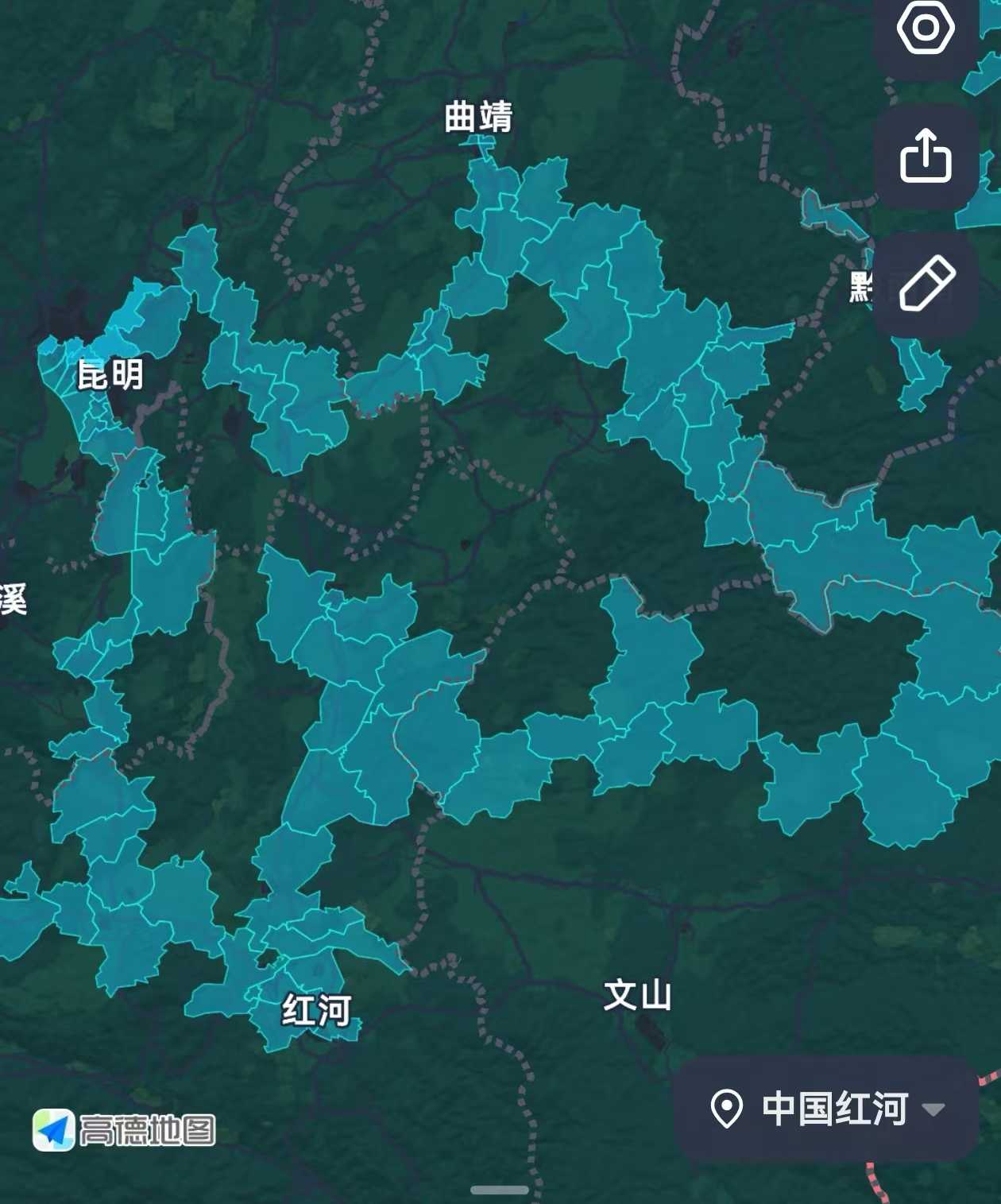
Life is like a play — but who says you have to stick to the script? Sometimes, missing the scenery you planned for leads to unexpected surprises. In early March 2026, driven by my obsession with the rapeseed flowers of Luoping, I set off on a self-driving tour through southeastern Yunnan. Ten days, 1,500 kilometers of road, from the millennium-old inscriptions of Luliang to the vast blue waves of Fuxian Lake, from the karst caves of Bamei to the ancient city smoke of Jianshui — along the way, I encountered not just landscapes, but the traces of time and the essence of life itself.
Pre-Trip Tips: The Things You Absolutely Need to Know
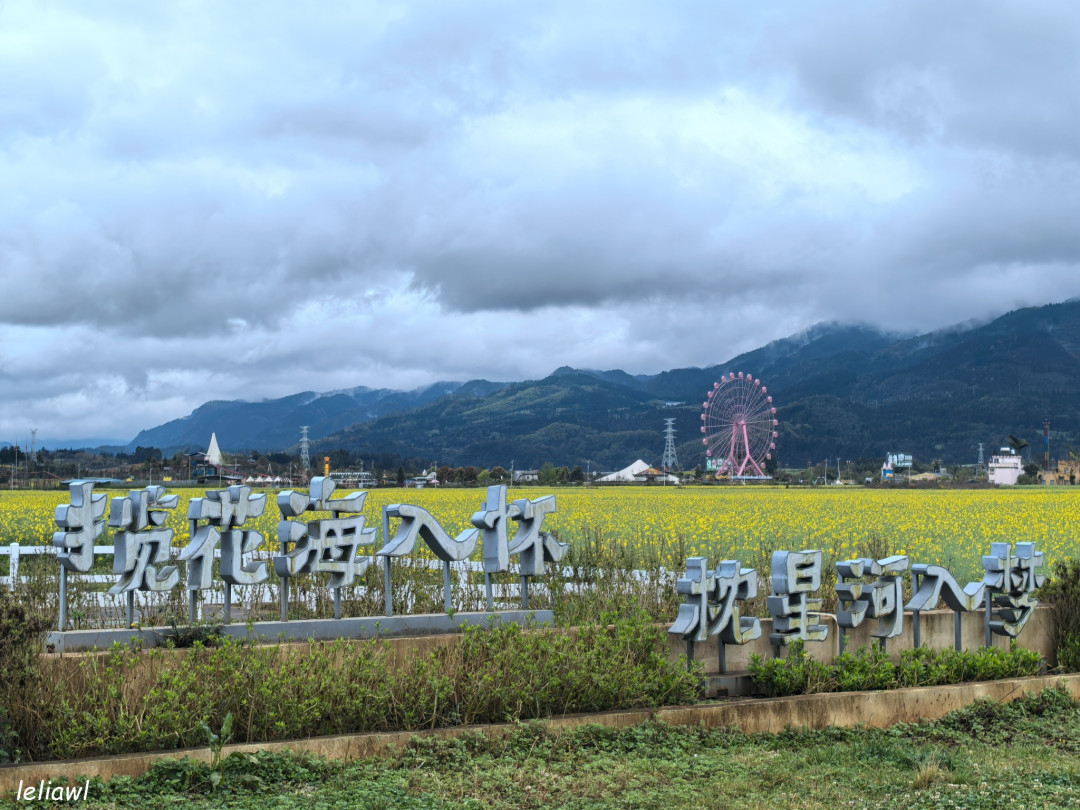
About the Luoping rapeseed flowers, here's my advice: don't trust the "tail end" — trust the "beginning." I booked my trip for March 7th back in early February, fully expecting to catch the tail end of peak bloom. By the time I arrived, Golden Rooster Peak Cluster was already mostly green, with only the main venue stubbornly holding on to its yellow. So if you're planning to see the rapeseed flowers in Luoping, schedule your trip for early March — the earlier, the better.
Bamei is a place that divides opinions. Some say it's not worth the ticket price, but I disagree. When the little boat glides through the dark limestone cave and that distant sliver of light gradually grows larger, the sheer thrill of "a village hidden beyond the willows and flowers" is worth every yuan. Of course, don't expect too much from the facilities inside. Whether to stay overnight in the village is up to you — but I wouldn't recommend dragging your luggage onto the boat.
Dongfengyun in Mile is a paradise for photographers. If you're into photography, I strongly suggest staying inside the scenic area — you get free admission, free shuttle bus rides, and more importantly, you can have the entire Kaleidoscope complex to yourself in the early morning, without fighting for photo spots with other tourists.
As for the Jianshui tourist train, I found a smarter approach: drive along the railway line, wait at each station for the train to pass, snap your photos, and move on. That way, you don't have to spend four hours on the train, but you still get the pictures you want. Win-win.
DAY 1 Beijing → Luliang: The Regret of Missing a National Treasure

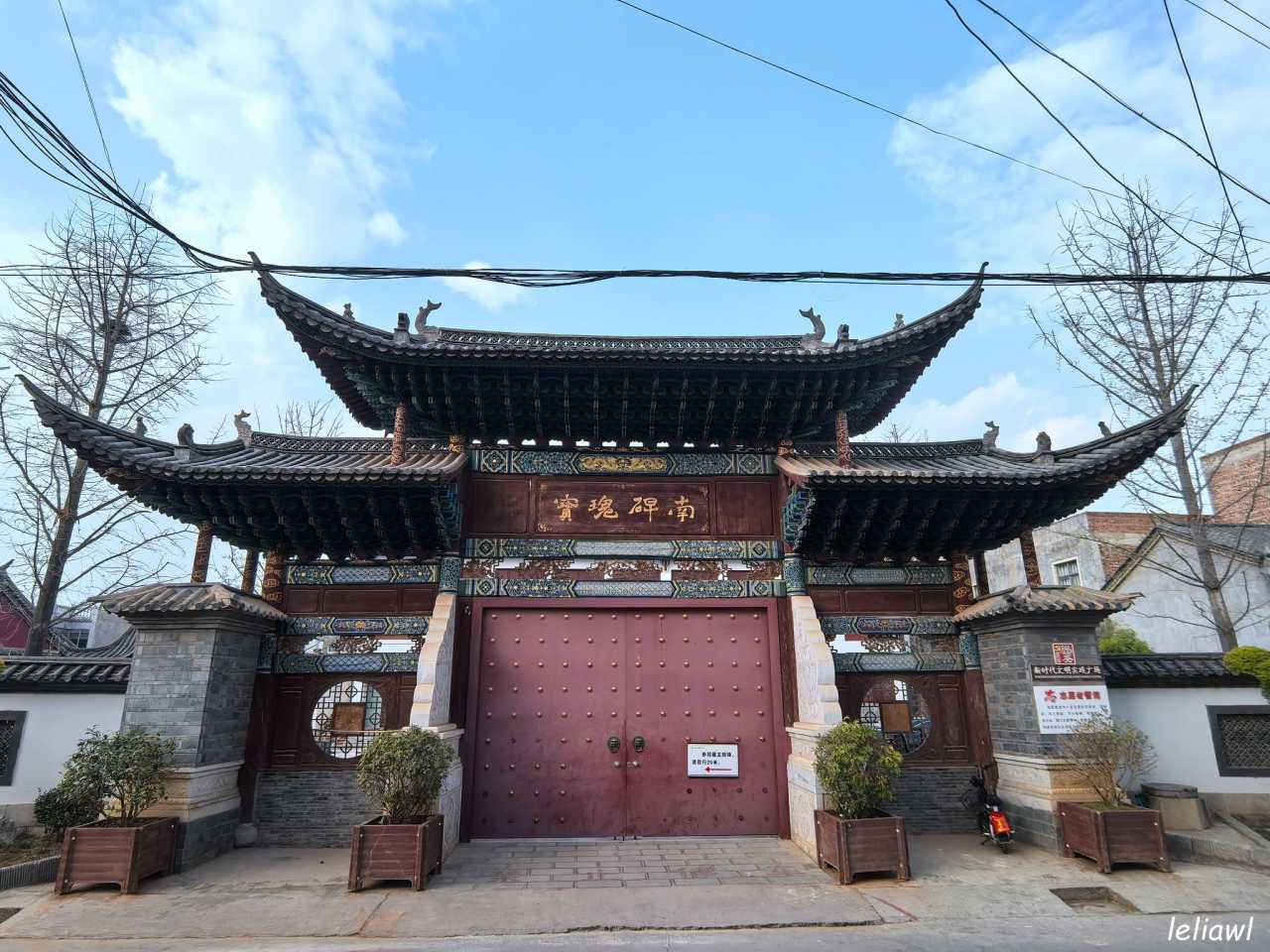
Flying out of Beijing Daxing Airport, the Xiamen Airlines flight landed on time at Kunming Changshui. Car rental prices have dropped by nearly half compared to a few years ago — probably the only silver lining from the post-pandemic tourism industry. Unfortunately, the rental company was so busy that the car didn't arrive until after 2 PM. By the time I reached the Cuan Longyan Stele in Luliang, the gates were already locked.
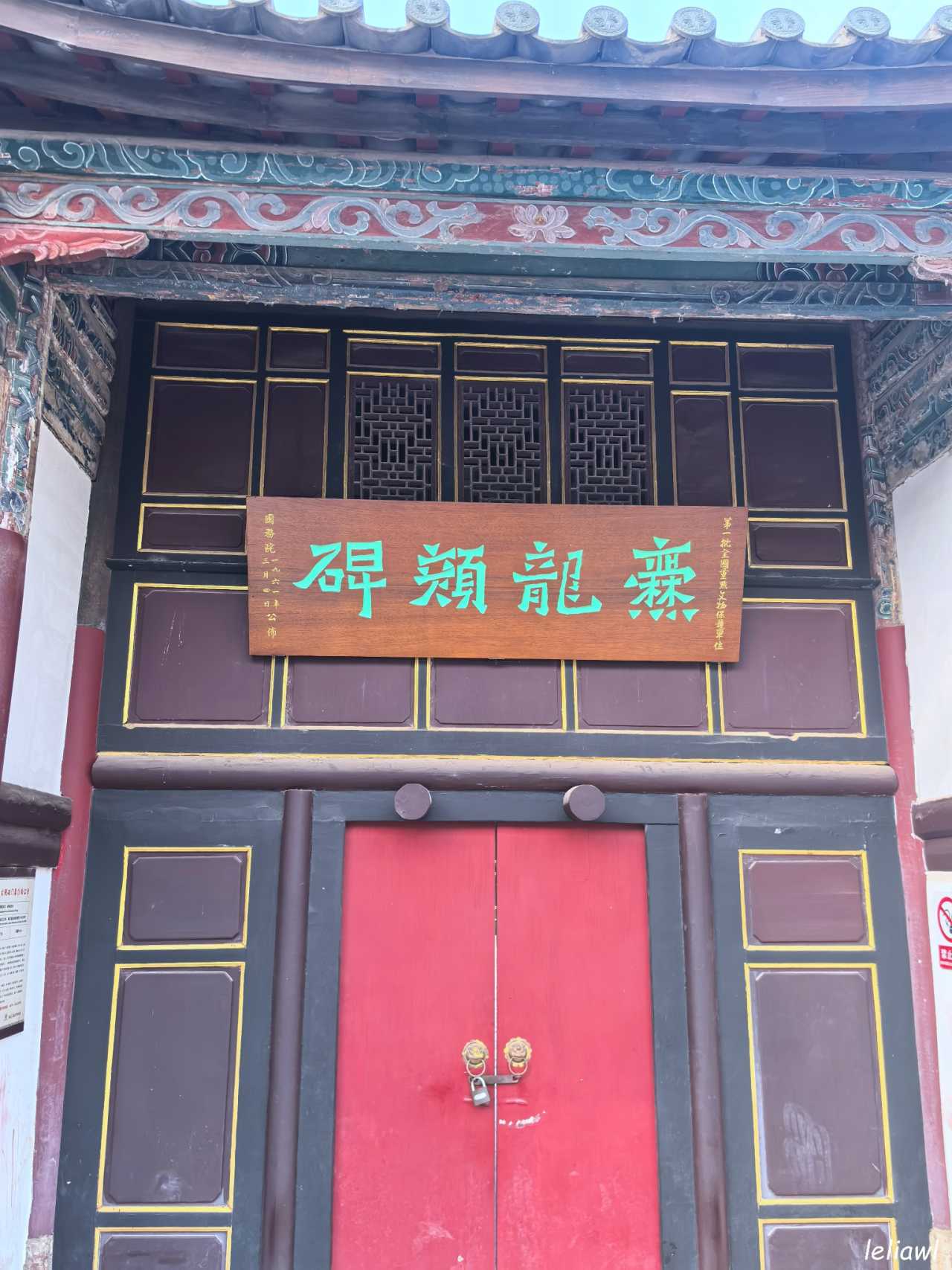
This stele is a national treasure, officially titled "Stele of Lord Cuan, Marquis of Dengdu County, General of the Dragon-Soaring Army, Protector of the Southern Barbarians, and Prefect of Ning Prefecture of the Liu Song Dynasty." Erected during the Liu Song period of the Southern Dynasties, its calligraphy sits somewhere between clerical and regular script, known as the "Cuan style." Though I missed it, fate can't be forced.
Fortunately, Luliang's food soothed my spirits. Huang Jin Di Rice Noodles — the shopfront is modest, but the place is packed. The toppings are dizzying in variety, and a small bowl is enough to fill you up. The prices are heartwarmingly cheap. Next door, the Hat Street Old Brand Fried Potatoes are crispy on the outside, tender on the inside, and absolutely irresistible when dipped in the sweet and savory sauces.
DAY 2 Luliang → Luoping: Rapeseed Flowers in the Mist
At dawn, the Great Enlightenment Temple stood quietly in the morning light. The Thousand Buddha Pagoda is covered with 1,612 brick-carved Buddha statues, and two copper roosters on the top are linked by iron chains — said to keep watch over the giant turtle beneath, ensuring good weather for the Luliang Basin. There's something charming about this kind of folk belief.
At the Cuan Culture Museum in Qujing No.1 High School, two national treasures are housed: the Cuan Baozi Stele and the Alliance Stele between the Duan Clan and the 37 Tribes. The former, known as "Little Cuan," features calligraphy that straddles clerical and regular script. Upon closer inspection, it looks surprisingly similar to today's trendy internet fonts — it turns out fashion is cyclical.
The viewing platform at Gecang Village should have been the perfect spot to overlook the terraced rapeseed fields, but the weather didn't cooperate. Overcast skies and thick fog obscured everything. The Snail Field was a different kind of sight — layered terraces resembling the fingerprints of the earth. Though most of the flowers had already faded, I could still imagine their peak-season splendor.
At Golden Rooster Peak Cluster, a 30-yuan ticket gets you a shuttle ride straight to the Laojianshan viewing platform. After climbing 20 minutes of stairs, I reached the top to find the fog so thick I could barely see. The distant peaks appeared and disappeared like a Chinese ink painting. I didn't get the golden seas of flowers I'd hoped for, but this misty, ethereal atmosphere had its own charm.
DAY 3 Luoping → Bamei Town: A Symphony of Waterfalls and Caves
The viewing platform at Daheishan offers another angle for photographing Golden Rooster Peak Cluster. Passing through Linyi Temple cost me a 10-yuan "toll," but when I saw the perfect composition of the village below against the mountain peaks, I felt it was money well spent.
At the Jiulong Waterfall Cluster, a 60-yuan ticket is best used by entering through the west gate and exiting through the east gate — the smartest route. Walking downhill, layer upon layer of waterfalls roared through the canyon. The viewing platform at the top requires a bit of a climb, but the panoramic view is worth the effort.
Bamei Town has only two hotels, and Jingxin Hotel is a decent choice. Renhe Fengwei Restaurant serves good eggplant and crispy fried fish, but the fried spare ribs are a bit disappointing — not much meat and tough to chew.
DAY 4 Bamei → Puzhehei: A Magical Journey Through the Cave
The most captivating thing about Bamei is the way you enter and exit. From the visitor center, a shuttle takes you to the cave mouth, where you switch to a small boat. As you drift through the darkness and that sliver of light hits you, the "village hidden beyond the willows and flowers" feeling is genuinely thrilling. At 173 yuan, the ticket isn't cheap, but for that experience, I think it's worth it.
Shanhe Rumeng — I initially thought it was a scenic spot, but it turned out to be a café. Great for photos, for zoning out, or for resting by the lake. You can visit without buying anything, but I ordered a coffee anyway. It was actually quite good, not as bad as some online reviews claim.
At Puzhehei, Green Dragon Mountain is the best spot for a panoramic view. Enter through the second entrance, climb straight up, and you'll reach the top in 20 minutes. The viewing platforms offer different angles — I'd recommend the first and the last. Even without the lotus flowers, the tranquility of the mountains and water is deeply soothing.
The soybean milk fish at Walu Restaurant was the biggest surprise of the entire trip. Freshly ground soybean milk is simmered into tofu pudding — you drink the pudding first, then eat the fish. It's so delicious you'll want to lick the plate clean. The crispy pork and fried purple potatoes are also worth trying.
DAY 5 Puzhehei → Mile: From Peach Blossom Paradise to the Kaleidoscope
The filming location for "Eternal Love: Three Lives, Three Worlds" may not have had any peach blossoms, but it was still stunningly beautiful. A 30-yuan ticket gets you a look at the Three Lives Tree and Three Lives Stone — perfect for a few photos and fulfilling a drama-watching dream.
Red River Water Town was purely a stop to photograph the city gate with the word "Mile" on it. There's not much to see inside, but the retirement ads along the road made me realize how competitive the senior living industry has become.
Dongfengyun is the true soul of Mile. The Kaleidoscope building complex glitters in the sunset. Staying inside the scenic area means you can enjoy this magical space all to yourself after closing time and before opening. The jade flower stir-fried potatoes at Yunwei Specialty Restaurant were the most惊艳 (amazing) dish I had on this trip. The sweet rice wine turned out to be a bowl of fermented rice — I thought it was a drink, but it was meant to be eaten. That little twist was amusing.
DAY 6 Mile → Mengzi: A Century of History on the Meter-Gauge Railway
Bisezhai is a place with two train stations. The meter-gauge track of the Yunnan-Vietnam Railway and the inch-gauge track of the Ge-Bi-Shi Railway meet here. The Tropic of Cancer marker is on the ground — easy to miss if you're not paying attention. The Yunnan-Vietnam Railway Museum, housed in the old Datong Company building, chronicles the century-long history of this railway. Annan Café, the first café in Yunnan, is worth a stop if you have time.
The Honghe Prefecture Museum isn't huge, but the "Three Treasures of Honghe" — Shiping's black copper inlaid with silver, Jianshui's purple pottery, and Gejiu's tinware — are worth seeing. The Jade Emperor Pavilion wasn't open, but the imposing presence of the "Three Pavilions Standing Together" was still impressive.
The dried fish at Jili Si Hani Ethnic Restaurant was another surprise on this trip. Crispy on the outside, tender on the inside, rich in flavor — I could finish a whole plate by myself. The wild vegetable peanut soup is also worth trying; the thick peanut broth balances perfectly with the greens — not too heavy, not too light.
DAY 7 Mengzi → Jianshui: A Time Tunnel in the Ancient City
Xiangqi Garden Crossing-the-Bridge Rice Noodles was the most ceremonial breakfast I've ever had. A single serving comes with two bowls of rice noodles. When it arrives, you add the toppings one by one, and finally the noodles. The broth is rich and delicious — a taste that lingers.
Huilan Bridge Pavilion, built during the Qianlong reign of the Qing Dynasty, spans the Yilong Lake. It's one of the "Twelve Scenic Spots of Shiping" known as "Huilan Overlapping Green." Tuanshan Village Station is actually a flag stop — back in the day, the Zhang family paid for the railway construction, so a station was specially built here for their convenience. That kind of human touch is touching.
Tuanshan Village, at 35 yuan, was the best value ticket of the trip. It hasn't been overly commercialized, and many residents still live there. The intricate wooden lattice windows and finely carved stone, wood, and brick reliefs are breathtaking. Jianlong Bridge, Xianghui Bridge, and Xianghui Bridge Station — every spot deserves a pause, a photo, and a moment to feel the passage of time.
Conclusion: Missed and Found — Both Are Scenery
On this journey through southeastern Yunnan, I missed the peak bloom of Luoping's rapeseed flowers, missed the opening hours of the Cuan Longyan Stele, missed the experience of the Jianshui tourist train. But I also encountered the mist-shrouded Golden Rooster Peak Cluster, the hidden village beyond the cave, the magical light of the Kaleidoscope, and the century-old history of the meter-gauge railway.
Life is like a play — who says you have to stick to the script? Sometimes, missing the scenery you planned for leads to unexpected surprises. Like that bowl of crossing-the-bridge rice noodles — you add the toppings one by one, saving the noodles for last. The order may be different, but the final taste is still delicious.
Southeastern Yunnan deserves a self-driving trip. Bring your camera, bring a good mood, bring an openness to the unknown — and set off.
You should also read:

Two Girls' Graduation Trip: Dali and Shuanglang – A Poetic Farewell to Mountains and Sea
Two Girls' Graduation Trip: Dali and Shuanglang – A Poetic Farewell to Mountains and Sea Preface: Catching the Tail of Youth, Heading South During our senior year of college, my roommate and I – two girls studying in Beijing – decided to bid farewell to…
Continue reading...
Body in Hell, Heart in Heaven: A Pilgrimage Through Tiger Leaping Gorge — A Dialogue Between Heaven and Earth
Body in Hell, Heart in Heaven: A Pilgrimage Through Tiger Leaping Gorge — A Dialogue Between Heaven and Earth Introduction: When the Gorge Splits Open Beneath Your Feet Some say Tiger Leaping Gorge is the closest place on Earth to the border between "hell" and…
Continue reading...
Cloud Travelogue · Dali of Wind, Flowers, Snow, and Moon: A Three-Day, Two-Night Journey of a Free Spirit
Cloud Travelogue · Dali of Wind, Flowers, Snow, and Moon: A Three-Day, Two-Night Journey of a Free Spirit I am a cultured female foodie with a touch of rogue charm. I slung on my backpack, took my lover's hand, and set off on a spontaneous…
Continue reading...