Summer in Lijiang: Spending a 20°C Summer with My Child
Summer in Lijiang: Spending a 20°C Summer with My Child
Three years ago, we took our child on a ten-day educational trip to Dali. Back then, I wrote these words: "The moment we stepped off the plane, we asked our child which day or moment during those ten days was the happiest and most unforgettable. The answers were spontaneous, all revolving around play. But after the trip ended, when we returned to our familiar routines, there was always a moment—during a busy work break, or on the way to drop our child at school—when memories of the journey would suddenly surface: the famous landmarks, the streams and wheat fields, the birds and the sky, and those blissful, carefree moments."
Time flies. Since returning from Dali, we've been to Malaysia, Qingdao, Sanya, Hong Kong, Macau, and Taiwan... Now, three years later, this summer, a sudden yearning for colorful Yunnan stirred within me. Lijiang—a place legendary for its breathtaking Shangri-La, the deep blue of Lugu Lake, the snow-capped Jade Dragon Snow Mountain, and the ancient, serene Shuhe Ancient Town—became our destination.
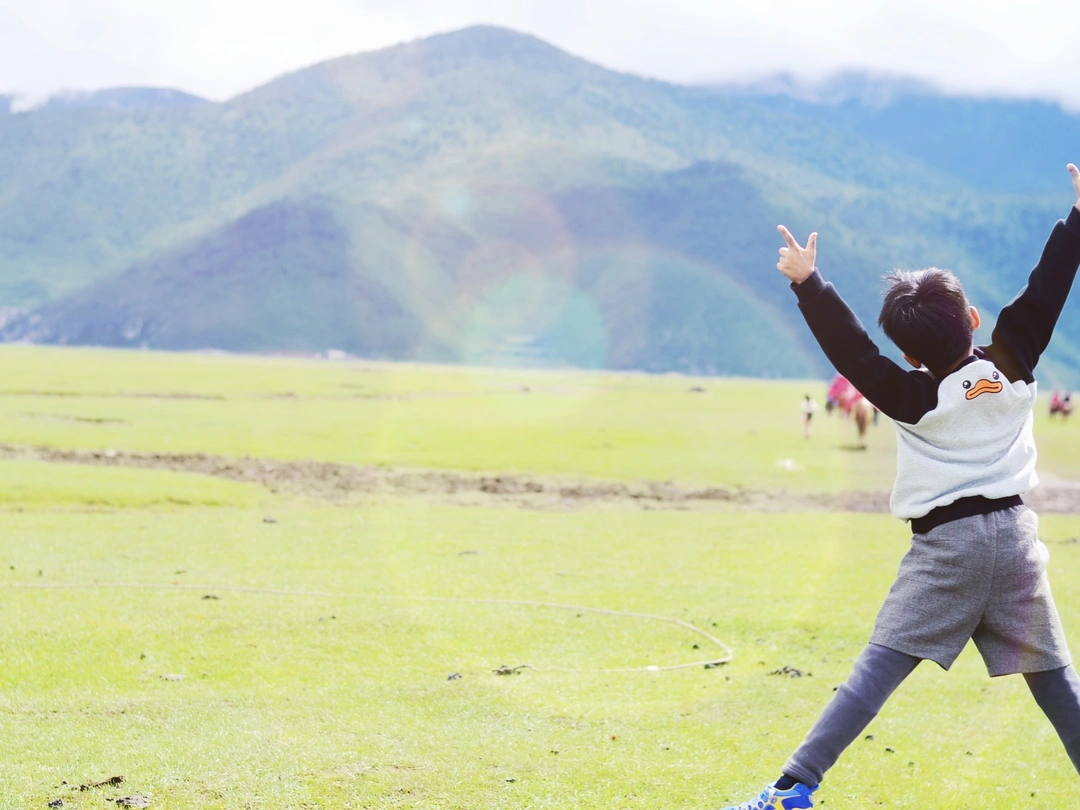
I wanted my child to spend more time in nature—to see mountains and lakes, to walk on soft soil, to run freely across endless grasslands, to greet small animals encountered along the way, and to pause and gaze at the stunning scenery. In nature, a small, free heart, like a kite, subtly blends into the blue sky and white clouds.
Why Yunnan Again?
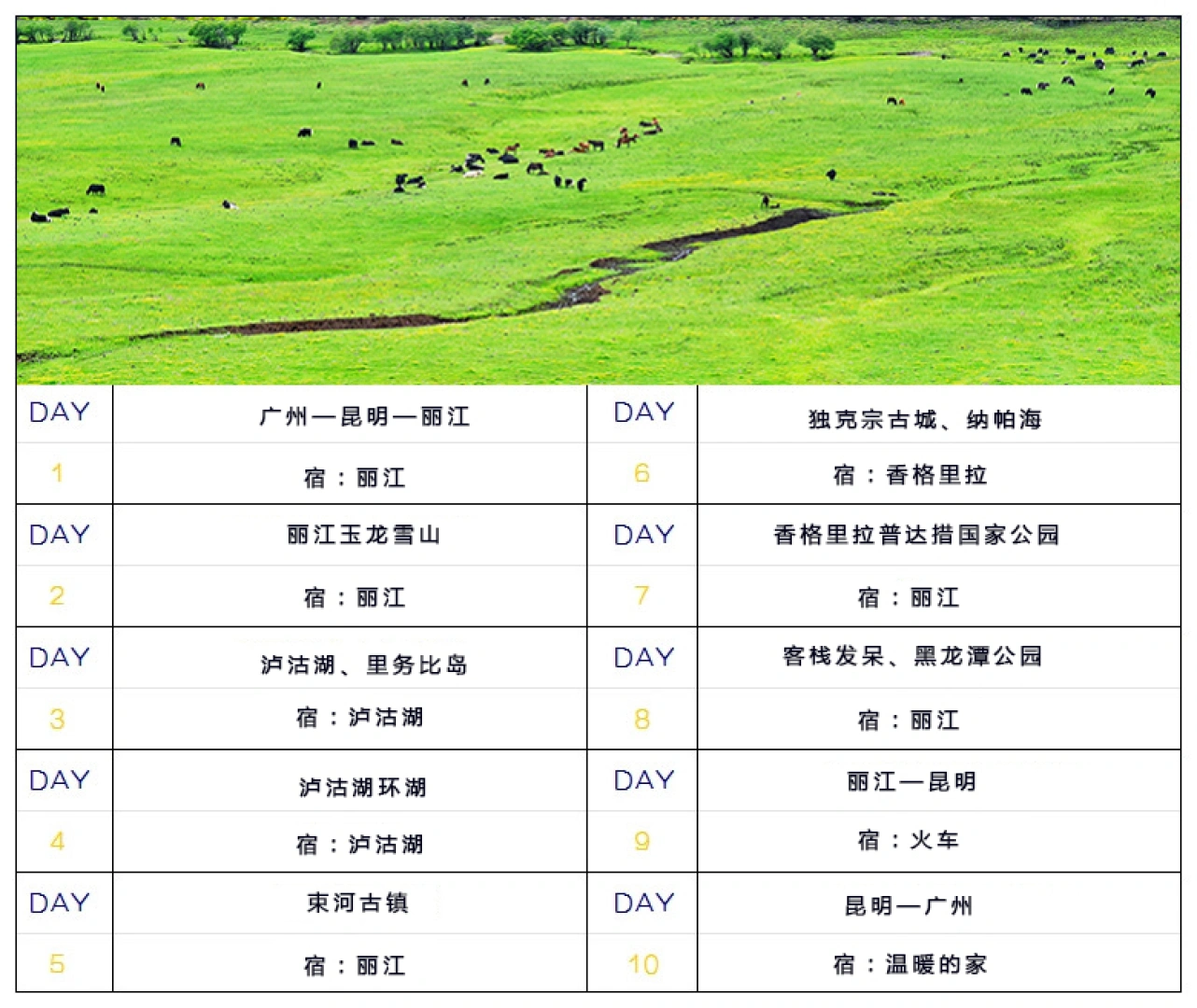
I once said that Yunnan is worth visiting every year. With its colorful landscapes and stunning scenery, the travel routes in Yunnan mainly divide into three directions: Northwest Yunnan, South Yunnan, and Southeast Yunnan. Centered around Kunming, there are four popular routes:
- Kunming—Lijiang—Shangri-La—Lugu Lake
- Kunming—Dali—Tengchong—Mangshi—Ruili
- Kunming—Jianshui—Yuanyang—Pu'er—Xishuangbanna
- Kunming—Shilin—Puzhehei—Bamei
This time, we chose the most popular northwest route: Kunming, Lijiang, Shangri-La, and Lugu Lake.
When traveling with kids, I don't recommend joining a tour group. Independent travel is more beneficial for children—travel itself is a lesson outside of school. It allows children to step out of the classroom and home, integrate into society, and learn to be independent little adults. Experiencing the hustle of transportation, the change of hotels, the ever-changing scenery along the way, and witnessing the journey unfold firsthand—each trip brings subtle changes and influences that happen quietly. That's the meaning of traveling hand in hand.
Besides, in the hot months of July and August, Lijiang's average temperature hovers around 20°C (68°F), as comfortable as spring in April. So, in this sweltering summer, we set off on a journey to find that refreshing 20°C comfort.
Traveling by Train

Direct flights to Lijiang from various cities are limited and often expensive. Most people choose to fly to Kunming first and then transfer to their destination—Kunming has more flight routes and cheaper tickets, offering greater flexibility.
If your child is older, I recommend taking the train to Lijiang. The train experience is unique: you can enjoy the scenery along the way, meet different people, and let your child realize that the world is vast and full of diverse individuals. If your child is younger, you can fly directly from Kunming to Lijiang. If you snag a discounted ticket, it's not much more expensive than a train ticket—we got a great deal this time: only 730 RMB for two adults and one child.
For the return trip, since flights from Lijiang to Kunming were pricey and we wanted our child to experience "traveling by train," we opted for a combination of train and plane.
Lijiang in the Rainy Season: A Different Kind of Beauty
A week before departure, I was closely monitoring Lijiang's weather. A local guide told me it only rained for about ten minutes each day, then cleared up, with rainbows appearing every day. But when we arrived in Lijiang in the evening, the driver who picked us up said it had been raining all day—my mood instantly plummeted.
Our first night was at the Fleur Hotel in Dayan Ancient Town. The high ceilings, illuminated by soft lighting, felt spacious and bright. The overall decor blended Naxi ethnic style with modern simplicity and elegance. The hotel was large, divided into four courtyards connected by winding paths, yet each was independent. Here, you could step into the bustling scenic area or retreat from the noise and enjoy quiet moments.
A good hotel can make up for the disappointment of a rainy day.
Jade Dragon Snow Mountain: So Close, Yet So Far
Waking up early, it was still overcast and rainy. The driver told us that seeing Jade Dragon Snow Mountain depends on fate—not everyone, in any season or weather, can witness its wonders. Once Yunnan enters the rainy season, the weather is unpredictable. The snow mountain was right before our eyes, but like a shy maiden half-hidden behind a pipa (a traditional Chinese lute), it remained elusive.
So, we gave up on the Glacier Park cable car and opted for the Yak Meadow cable car instead. Yak Meadow is located halfway up the mountain, offering wide views, and attracts many international tourists. We held onto a sliver of hope, thinking we might catch a glimpse of the snow mountain there. Unfortunately, the rain grew heavier as we ascended. By the time we reached Yak Meadow, visibility was only about ten meters—we had completely missed our chance with the snow mountain.
The rain was getting worse, so we didn't linger. We took the cable car down to Blue Moon Valley at the foot of the mountain.
Finally, a sense of openness washed over us. Blue Moon Valley was like a giant green emerald embedded between the clouds and mist. At an altitude of 2,800 meters (9,186 feet), nestled at the foot of Jade Dragon Snow Mountain, the area was lush with vegetation. Before us lay dreamlike turquoise waters, and in the distance, the snow-capped peak should have been visible—but the clouds were too thick, hiding it away. Walking along the lakeside boardwalk, breathing in the high-altitude air, Blue Moon Valley's scenery rivaled that of Jiuzhaigou in Sichuan, leaving us feeling refreshed and elated.
The driver told us to wash our hands in the lake water—legend has it that the water comes from the mouth of the Jade Dragon, carrying spiritual power and bringing good luck.
Practical Tips: - Try to avoid traveling during the rainy season; missing the snow mountain was the biggest regret of this trip - During summer vacation, students over 1.2 meters (4 feet) and under 16 years old get half-price tickets for the Glacier Park cable car, Spruce Meadow cable car, and Yak Meadow cable car; the Impression Lijiang show is free - Altitude sickness varies from person to person. Our local driver advised: start using oxygen on the way up the mountain; with enough oxygen, you won't experience altitude sickness at the top
Lugu Lake, the Land of the Daughters: Living Life Like a Poem
Visiting Lugu Lake during the rainy season in July and August is a gamble. Landslides on the winding mountain roads are common, with waiting times for reopening ranging from 4 to 7 hours. The queues of vehicles stretch like a long dragon, and some backpackers even set up tents to camp while waiting.
A few days before our departure, the new Lijiang-Ninglang highway experienced multiple landslides, and many drivers were unwilling to make the trip. The night before we left, we finally managed to find a driver through a local contact—round trip for 130 RMB per person. We felt relieved at last.
The mountain road from Lijiang to Ninglang was truly breathtaking, as if we were constantly teetering on the edge of a cliff. From the viewing platform, the winding road looked like a jade belt threading through the mountains, a spectacular sight. We were lucky—we encountered no landslides. After five hours of winding mountain roads, we finally arrived at Lugu Lake, the "Land of the Daughters."
Today, Lugu Lake has hundreds of hotels and guesthouses. We chose Langfang Village because it was developed a full decade later than other villages, preserving its original ecology. Lakeside houses with curling cooking smoke, crystal-clear water, and no tour groups—this tranquility was precious.
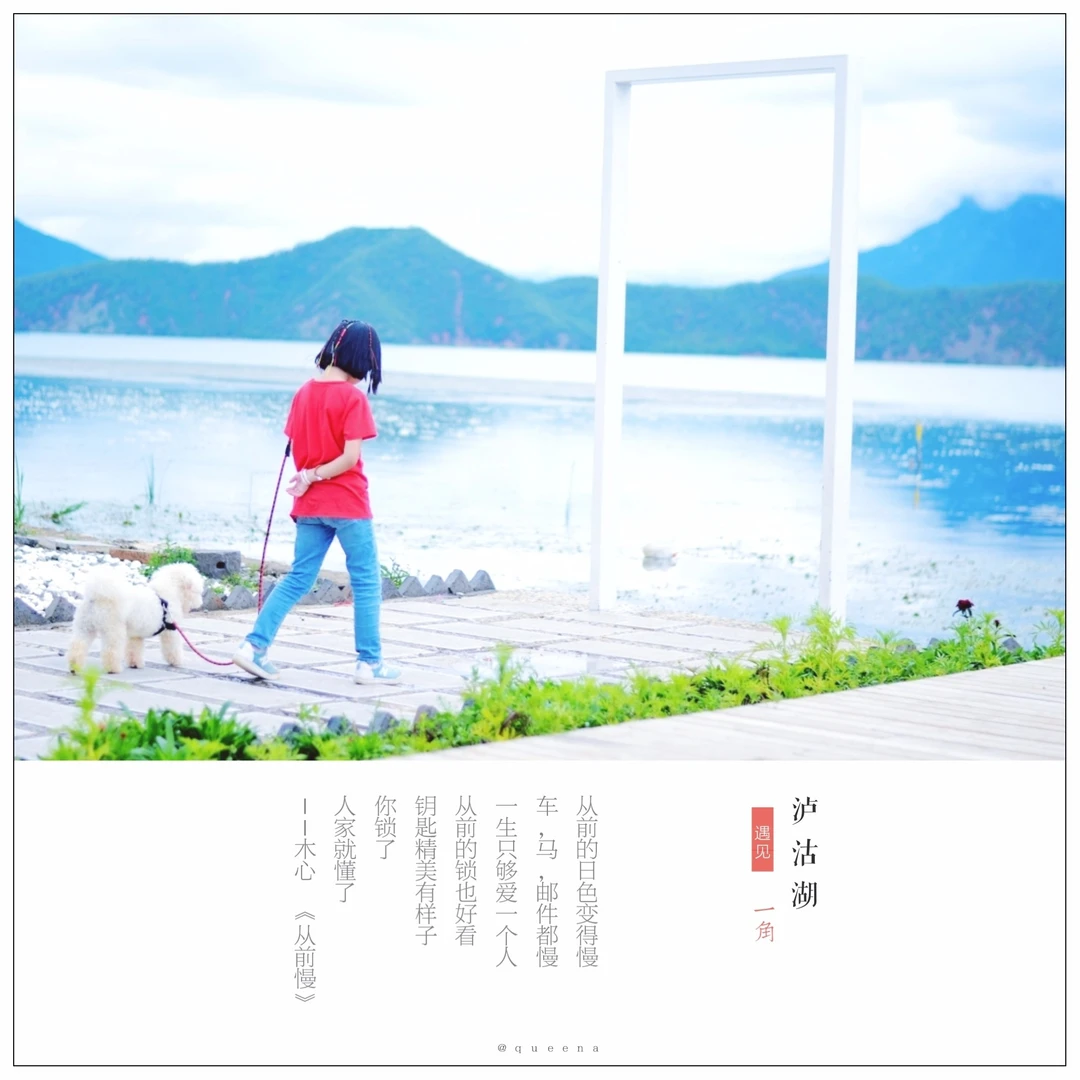
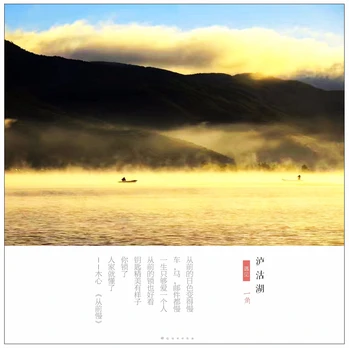
In Langfang Village, I chose the "One Life, One Encounter" guesthouse. Built by the water, facing Lugu Lake and directly opposite Gemu Goddess Mountain, its design was simple and elegant, predominantly white. It wasn't flashy, but it had a serene atmosphere that blended perfectly with Lugu Lake. The room was spacious and bright, with windows opening onto the lake and a view of the sacred mountain. We slept with the clouds. At sunrise, we watched the world light up; at sunset, we lingered with the crimson clouds until the stars filled the sky.
Staying in a lakefront guesthouse made enjoying the scenery effortless and saved us a lot of hassle—the guesthouse manager could directly arrange a boat for us, so we didn't need to return to the dock.
We chartered a boat from the guesthouse to Liwu Bi Island. The journey was a bit long, taking some time on the water—100 RMB per person, 50 RMB for children. The lake and mountain views were a feast for the eyes, washing away all travel fatigue.
Liwu Bi Island, located on the south-central side of Lugu Lake, is the most famous islet on the lake. Covered in lush trees, it houses a Tibetan Buddhist temple called Liwu Bi Temple. No entrance fee is required. Following a small path to the island's summit, we could gaze around at the lake, enjoying the beautiful scenery.
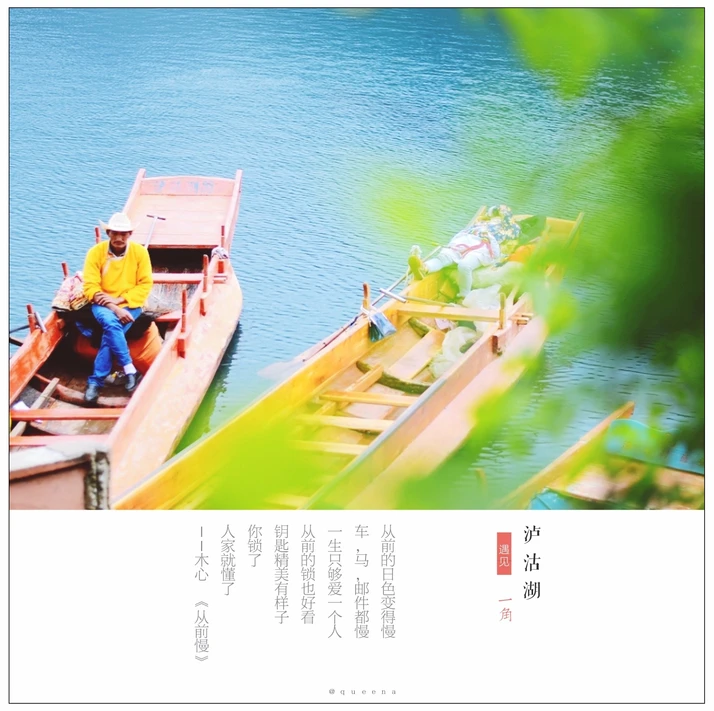
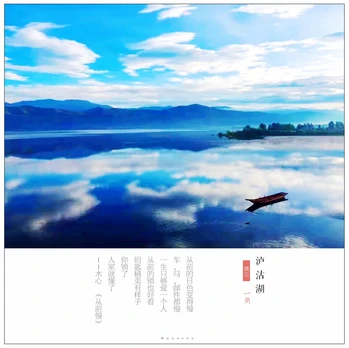
Lugu Lake's water was as clear as a mirror, dotted with algae flowers. The Mosuo people's unique pig-trough boats glided slowly across the blue waves, and Mosuo folk songs drifted softly between water and sky, far from the noise and dust of the world—ancient, peaceful, and serene.
Practical Tips: - The mountain road from Lijiang to Ninglang is really tough. If you're prone to motion sickness, it's better to fly from Kunming to Lugu Lake. The advantage is safety; the disadvantage is that flights are infrequent—about one every four or five days - During summer vacation, students over 1.2 meters (4 feet) and under 16 years old get free admission - Don't participate in Mosuo family visits; they're often a trap where they try to sell you things. Instead, find a lakefront guesthouse and spend your time idly—that's the real deal
Shuhe Ancient Town: Life Flows Like a Still River
Returning from Lugu Lake to Lijiang, it was already noon. Many people dislike Lijiang's old town, finding it too commercialized. But Lijiang still has beautiful corners—like Qingxi Village at the foot of Jade Dragon Snow Mountain.
Qingxi Village currently has only three guesthouses. We stayed at "Idle Clouds and Moon Creek." The front courtyard was a traditional Naxi residence, classic with three rooms and a screen wall, its solid wooden construction reflecting the simplicity of the Naxi people. The back courtyard was romantic and European-style, with plenty of sunlight and vibrant life. Opening the window, we could see Qingxi Reservoir. Looking up, there was blue sky; stepping out, we were by the lakeside; everywhere we looked, there was lush greenery.
Traveling with a child naturally means taking things slowly. If a normal itinerary includes two attractions, with a child, it's better to thoroughly enjoy just one.
Shuhe Ancient Town, quieter than Dayan Old Town, is perfect for a leisurely stroll. Ancient stone bridges, smooth stone-paved roads—every step made our hearts flutter. If you want to escape the hustle and bustle of Lijiang, Shuhe definitely has the tranquility you're looking for.
Napahai: Wind Blows, Grass Bends, and Cattle and Sheep Appear
On the way to Shangri-La, sitting on the bus, we could already enjoy the pure and vast alpine grassland scenery. In the distance, Songzanlin Monastery glimmered solemnly in the sunlight. At Moonlight Square, we saw the world's largest prayer wheel, visited the Diqing Red Army Long March Museum, and then slowly strolled into Dukezong Ancient Town.
A chartered car from Dukezong Ancient Town to Napahai cost only 40 RMB. Napahai is the most enchanting place in Shangri-La—in the dry season, it's the green, grassy Yila Prairie; in the rainy season, it's the gentle Napahai Lake. Whether it's Yila Prairie or Napahai, they're essentially the same place. Many animals make their home here: horses galloping freely, yaks lazily basking in the sun, flocks of birds practicing their songs...
Looking up at the clouds, the endless green pastures were dotted with cattle and sheep, a breathtaking sight. It painted a beautiful picture of "wind blows, grass bends, and cattle and sheep appear." The sky over Shangri-La had a serene beauty; on this land, even time seemed to flow more slowly.
Potatso: Where Dreams Begin
Potatso National Park was the most soul-stirring place on this trip. Each season offers a different landscape—spring brings melting snow and thawing lakes; summer brings distant green mountains, blue water, and clear skies; autumn brings changing colors and high, vast blue skies; winter brings stillness, purity, and white snow.
Our first stop was Shudu Lake. The water was clear and blue, surrounded by an endless alpine pasture, lush and green in spring and summer. A wooden boardwalk circled the lake, and every step brought new surprises. Playful little squirrels would dart out from the forest, making visitors stop to take photos. These squirrels, used to tourists, were unafraid—they posed, flicked their tails, and struck various poses, happily letting people snap away.
The second stop was Militang. Standing on a high viewing platform, we looked down at a green, grassy meadow, lush and vibrant, with many horses and yaks grazing quietly.
The third stop was Bita Lake. The lakeside boardwalk stretched for 5 kilometers (3.1 miles), requiring about 1.5 hours of walking. The lake water was so clear it seemed to cleanse the heart, immersing us in the beauty of harmony between heaven and humanity. "Bita Lake" means "Lake with Oak Trees Like a Carpet" in Tibetan. The oak trees along the shore were dense, forming a green carpet. Wildflowers spread from our feet to the horizon, and the grassland was dotted with lakes and filled with cattle and sheep.
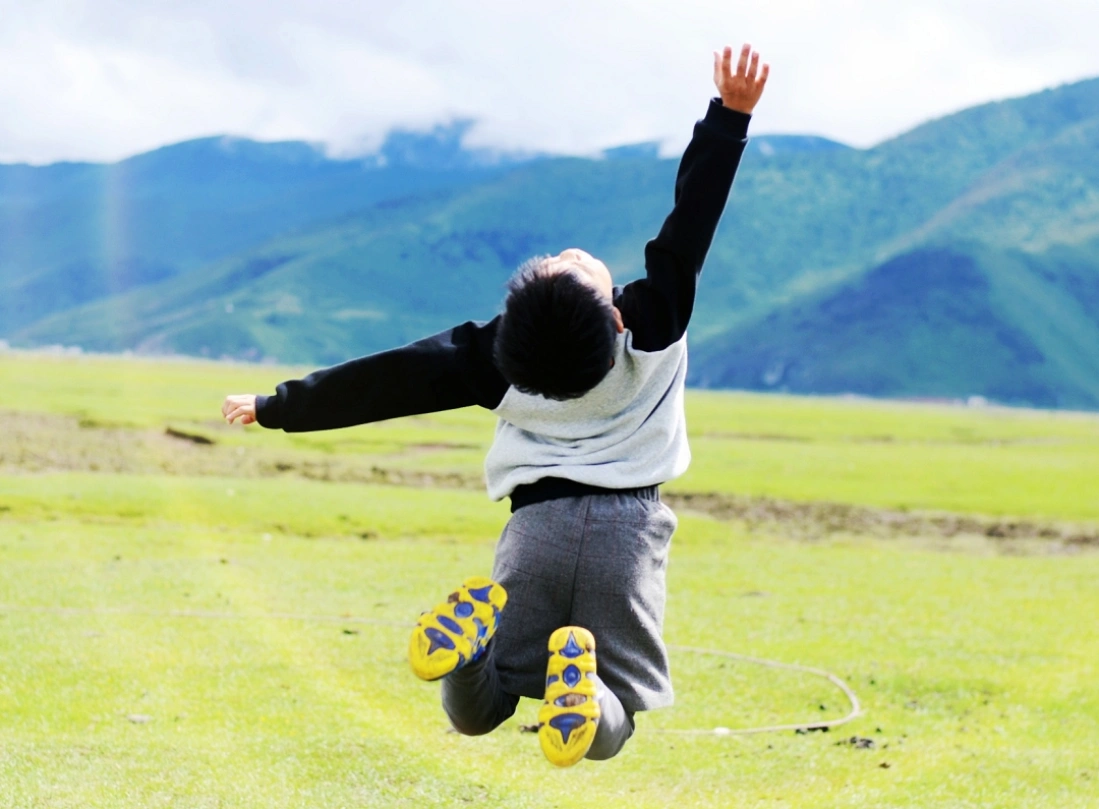
In nature, children naturally find their best state. I truly admire this kid—loves sports from a young age, and good fitness is built this way. He trekked 10 kilometers (6.2 miles) in Potatso, hopping and skipping the whole way without any altitude sickness. He spent five hours a day riding through mountains, chatting and laughing all the way—I feel like he and his dad could take on Tibet.
Practical Tips: - A chartered car from Dukezong Ancient Town to Potatso costs 150 RMB; the driver will wait at the park entrance - Tickets are 258 RMB per person, 189 RMB for children, including the park's sightseeing bus - Route: Buy tickets at Potatso entrance → Take the sightseeing bus to Shudu Lake → Walk the lakeside boardwalk for 1 hour (or take a boat for 50 RMB) → Take the sightseeing bus to Militang viewing platform → Take the sightseeing bus to Bita Lake → Hike 5 kilometers (3.1 miles) around the lake, about 1.5 hours
Experiencing Lijiang's Slow Life
Travel isn't about rushing from one attraction to another; it's about savoring this precious, unhurried time.
The rain in Lijiang kept falling, disrupting many plans. We holed up in the guesthouse, chatting and drinking tea with the owner, picking and eating fruit from the garden, enjoying this exclusive comfort. In the afternoon, the rain eased, and we went to Black Dragon Pool Park. Lijiang Old Town had already abolished the 80 RMB maintenance fee, but entering Black Dragon Pool Park still required paying it—such a rip-off, we refused. I tried sneaking in through the back gate, and sure enough, I slipped in easily.
The park was small. On clear days, Black Dragon Pool is the best spot for photographing Jade Dragon Snow Mountain. But since it rained every day, we couldn't see anything.
Final Thoughts
This summer, a gentle breeze brushed our faces, and flowers bloomed in abundance.
From Shuhe Ancient Town to Dukezong Ancient Town, from the Naxi people to the Mosuo people, from Jade Dragon Snow Mountain to Gemu Goddess Mountain, from Lugu Lake to Napahai, and the most soul-stirring Potatso National Park... Bright smiles, mottled ancient towns, memories floating like time—they flashed through my mind like slides, one after another.
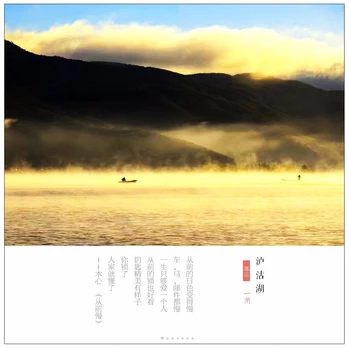
In that golden sea of rapeseed flowers, on that vast, boundless prairie, under the blue sky and white clouds, there were our small figures. We stood together, gazing into the distance, sunlight filtering through dappled tree shadows, sprinkling speckles of light on your face.
My dear, even as time passes and seasons change, even as youth fades in the gentle rain, I will love you as always.
Three Core Takeaways from This Trip:
- Slowing down is the true essence of traveling with kids—Don't try to do too much. Enjoying one attraction thoroughly is better than rushing through ten
- The rainy season has its own beauty—Although missing the snow mountain was a regret, Lugu Lake and Potatso in the rain had an ink-wash painting-like charm
- A 20°C (68°F) summer is the best gift for your child—In the heat of summer vacation, Lijiang's coolness isn't just comfortable; it lets children run freely and explore nature to their heart's content
You should also read:
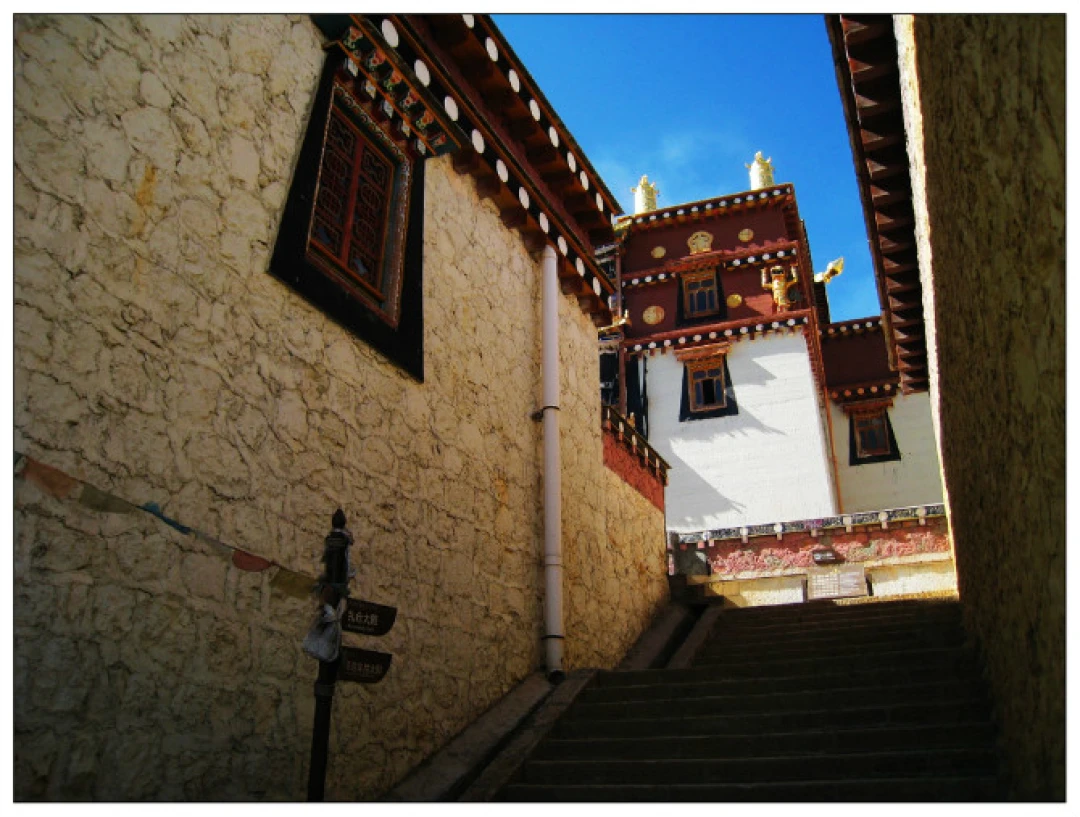
Yunnan's Colorful Clouds: Touching Shangri-La — A Dialogue with the Sky
Yunnan's Colorful Clouds: Touching Shangri-La — A Dialogue with the Sky If you ask me where in China is closest to heaven, I would tell you without hesitation: Shangri-La. The name itself carries a mysterious magic, as if every syllable whispers tales of distant lands.
Continue reading...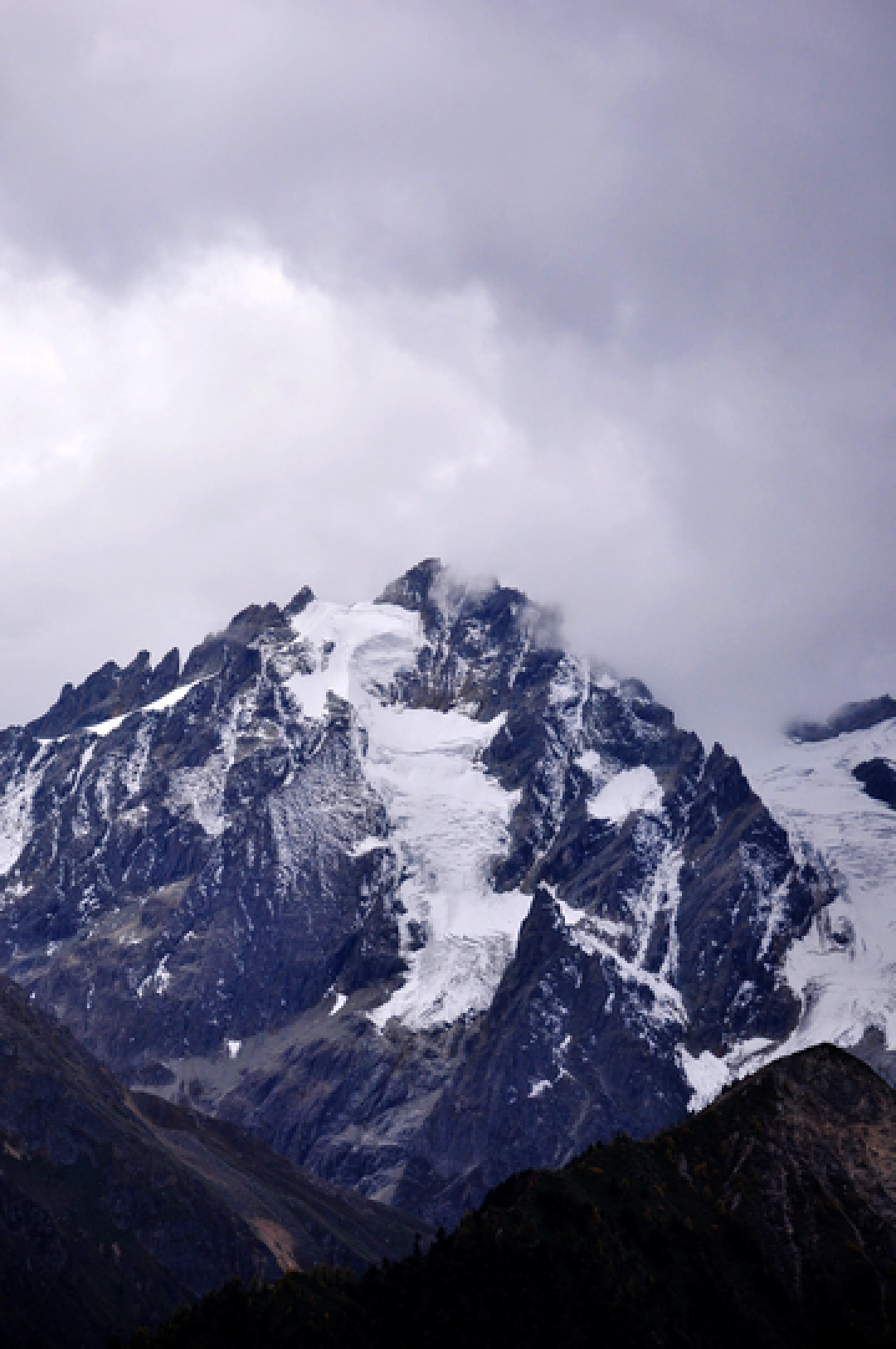
Meili Snow Mountain: A Soulful Journey of Dialogue with the Sacred Mountain
Meili Snow Mountain: A Soulful Journey of Dialogue with the Sacred Mountain Prologue: When Travel Becomes Faith Some journeys are forgotten as soon as they end. Others carve themselves into your bones. The trip to Meili Snow Mountain belongs to the latter. Waking up in…
Continue reading...
Dreamland – Lijiang: A Talking Comic Travel Guide
Dreamland – Lijiang: A Talking Comic Travel Guide Prologue: When Lijiang Takes Root in Your Heart Some places leave a mark on you forever. They're like an old song on repeat, suddenly playing in your mind on an ordinary afternoon. For me, Lijiang is that…
Continue reading...