Yunnan's Colorful Clouds: Touching Shangri-La — A Dialogue with the Sky
Yunnan's Colorful Clouds: Touching Shangri-La — A Dialogue with the Sky
If you ask me where in China is closest to heaven, I would tell you without hesitation: Shangri-La. The name itself carries a mysterious magic, as if every syllable whispers tales of distant lands. When the plane glides through the clouds, when the wheels grind over winding mountain roads, when the first ray of plateau sunlight warms your face, you'll understand that this is not just a journey — it's a pilgrimage of the soul.
As someone who loves travel and photography, I've always believed that the most beautiful scenery lies forever on the road. This time, I set off for Shangri-La with a curious heart and a compact point-and-shoot camera, ready to touch that legendary earthly paradise.
Departure: From Lijiang to Shangri-La, a Road of Songs and Scenery
Buses from Lijiang to Shangri-La run every half hour, making it very convenient. By around noon, you can reach this highland wonderland. Although the journey takes four to five hours, you'll never feel bored — because outside your window unfolds a flowing visual feast.
Compared to hiring a private car, the only downside of taking the bus is not being able to stop anytime to take photos. But if you're like me and enjoy capturing moments in motion, candid shots can be a unique pleasure. Along the way, pastures, snow-capped mountains, and gorges — every frame looks like a carefully designed postcard. The stunning scenery near Tiger Leaping Gorge, Tibetan herders grazing their livestock on the grasslands, and those clouds floating in the blue sky like cotton candy — all of it will make you forget the passage of time.
Arriving in Shangri-La: The Serenity and Mystery of a Highland Town

Shangri-La's average altitude ranges from 3,200 to 3,500 meters. Upon arriving on the plateau, remember to slow down and avoid strenuous activity — otherwise, you'll truly understand the meaning of "out of breath." The sky here is so pure blue it feels like you could reach out and touch it.
As you enter the county town, you'll see a massive white pagoda standing in the mountain hollow. It's one of Shangri-La's landmarks and the most unforgettable place for me on this trip. The white pagoda towers majestically, and only when I got closer did I notice a smaller white pagoda beside it. I climbed the mountain path alone. Although it didn't look far, every step felt especially laborious at high altitude. What made my skin crawl was that the mountain was nearly deserted — except for a woman in Tibetan clothing slowly descending. She kept glancing back at me, as if wondering what this young man climbing alone was up to. To be honest, even in broad daylight, I felt a chill. But when I stood before the pagoda and looked down at the entire town, that sense of tranquility and sanctity instantly dispelled all my unease. The pagoda faced the whole town, as if silently blessing and praying for this land.
Potatso National Park: Strolling by Highland Lakes
Potatso National Park is one of Shangri-La's must-visit attractions. Although I visited during a seasonal transition when colors weren't abundant, the vastness and openness still left me exhilarated.
Shudu Lake is the park's jewel, and I strongly recommend walking the full loop around it. Although oxygen bottles are sold in the park, I didn't use one — as long as you keep a slow pace, your body quickly adapts. Unfortunately, due to a road collapse near Bita Lake, I couldn't complete the full loop, which became a small regret of this trip. In the distance, Bita Lake appeared and disappeared through the mist and clouds, like a shy maiden, elusive and tantalizing.
Songzanlin Monastery: The Majesty and Awe of a Little Potala Palace
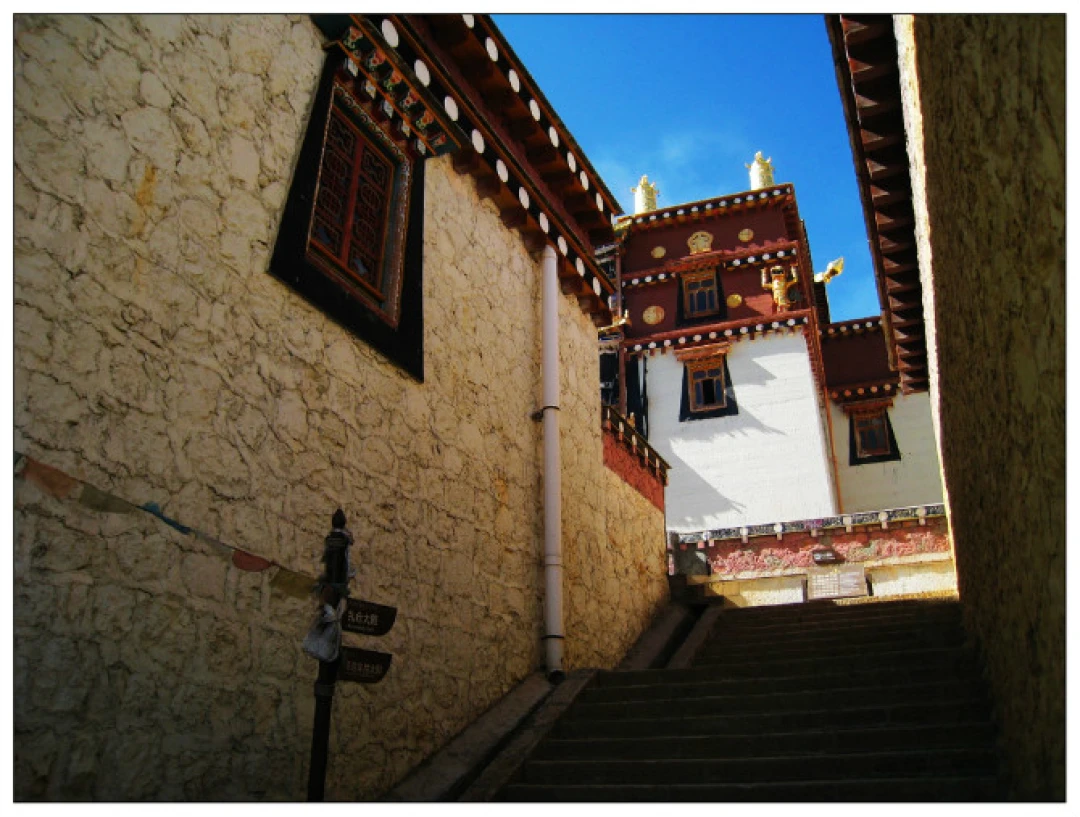
Songzanlin Monastery is another iconic site in Shangri-La, often called the "Little Potala Palace." At first sight, I was even a bit disoriented — those monk dormitories built into the hillside looked from afar a bit like a slum in Mexico. But as you get closer, you realize these are homes reserved only for monks who have achieved academic excellence, each one bearing the weight of faith and spiritual practice.
Inside the monastery, everything gleams with gold, the Buddha statues are solemn, and the air is thick with the scent of yak butter tea and Tibetan incense. Many birds fly freely around the monastery grounds, seemingly accustomed to the peace and tranquility here. I took many photos inside, each one capturing that indescribable solemnity and sanctity.
Napahai Lake and Shika Snow Mountain: The Roadside Scenery Equally Stuns
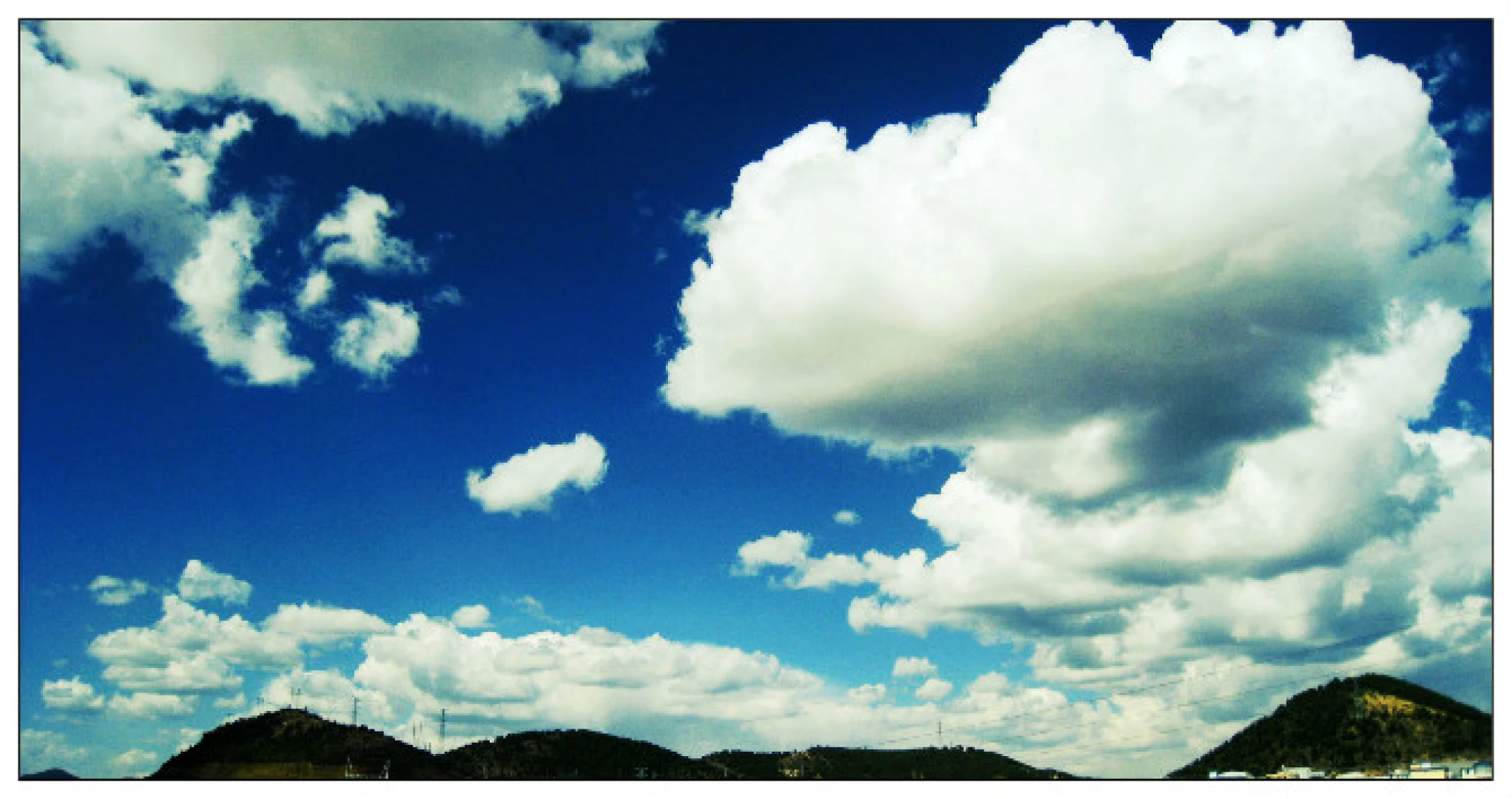
Although I didn't climb Shika Snow Mountain myself, the scenery along the way was already intoxicating. On the vast grasslands, horses ran freely, cattle and sheep grazed leisurely, and the distant snow-capped mountains sparkled under the sun. Napahai Lake was like a mirror, reflecting the blue sky and white clouds, breathtakingly beautiful.
In Shangri-La, you'll discover that the most beautiful scenery often isn't at the destination but along the way. Those unintentionally captured scenes, those candid moments — these are the most precious memories of any journey.
The Old Town and Hostel: Shangri-La by Night Is Equally Enchanting
Although Shangri-La's old town is not large, it has a unique charm at night. I stayed at a youth hostel near Sifang Street, and the environment was decent. In the evenings, travelers from all over the world gathered in the courtyard, drinking and sharing stories of the day's adventures. The hostel had two adorable rabbits that always sat in their bowls munching away, making you want to "stew them." There was also a cat that coexisted peacefully with the rabbits — a heartwarming scene that would melt anyone's heart.
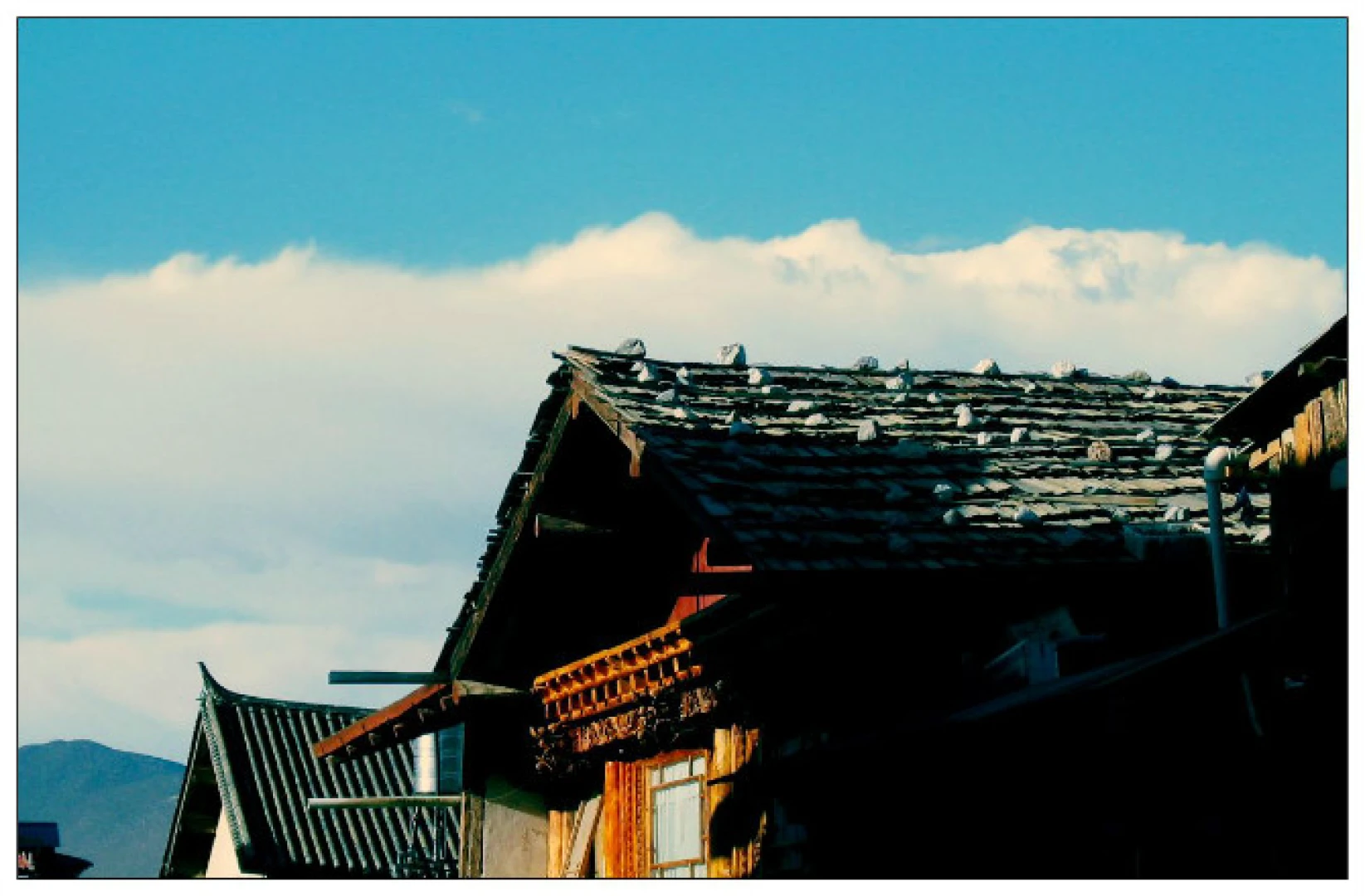
The old town's nightscape was also beautiful. Under the lights, the Tibetan-style buildings looked especially warm. If you get the chance, be sure to take a walk through the old town at night and feel the tranquility far removed from the hustle and bustle.
Practical Tips and Personal Reflections
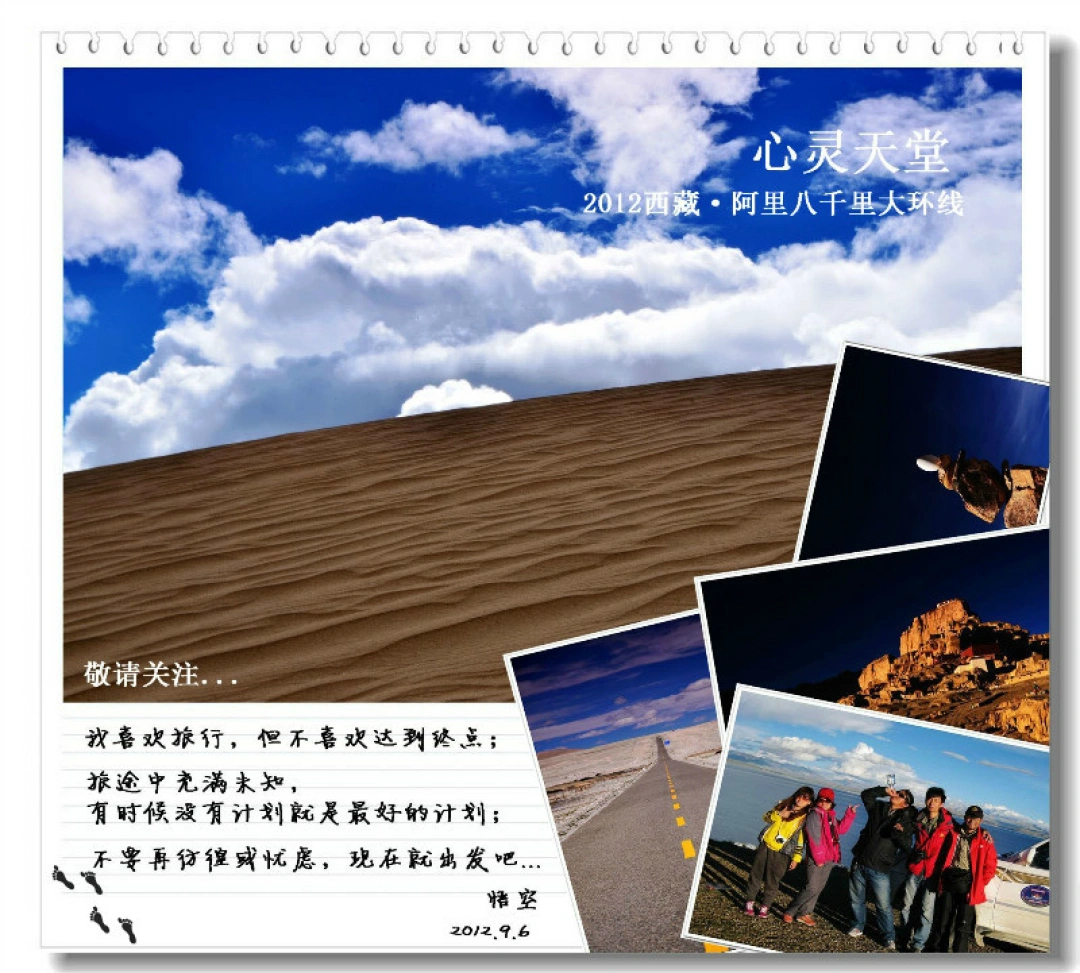
What I'll remember most about my Shangri-La trip isn't any specific attraction, but that feeling of connecting with nature, with faith, and with myself. The sky here is so blue, so close; the wind here is so gentle, brushing against my face like a mother's caress. If you want to come here too, I have a few suggestions:
- Altitude Sickness: Don't worry too much, but don't take it lightly either. Walk slowly, drink plenty of water, avoid strenuous activity — most people can adapt.
- Transportation: Buses from Lijiang to Shangri-La are very convenient, but if you want to stop anytime to take photos, hiring a private car is a better option.
- Gear: If you're not a professional photographer, a compact camera or even your phone is enough. The key is to feel and experience, not to obsess over equipment.
- Respect: In monasteries and Tibetan areas, please respect local customs and traditions. Don't take photos or make noise casually.
Conclusion: Goodbye, Shangri-La; Goodbye, the Sun and Moon of the Heart
Shangri-La — this beautiful name, every character filled with mystery and poetry. Although I only had two short days here, everything — the white pagoda, the monastery, the lakes, the grasslands, the snow mountains, the old town — has been deeply etched into my memory.
As James Hilton wrote in Lost Horizon, Shangri-La is a utopia, free from worldly troubles, where time seems to stand still. And when I truly stood here, touching the warmth of this land, I understood that Shangri-La is not just a place name — it's a state of mind, a longing for and pursuit of a beautiful life.
Goodbye, Shangri-La. I'm heading to Kunming now, but I believe that one day, I will return to this place, to this place closest to the sky.
If you also love travel and photography, feel free to connect with me. Every departure is a new discovery; every photograph is an eternal memory.
You should also read:
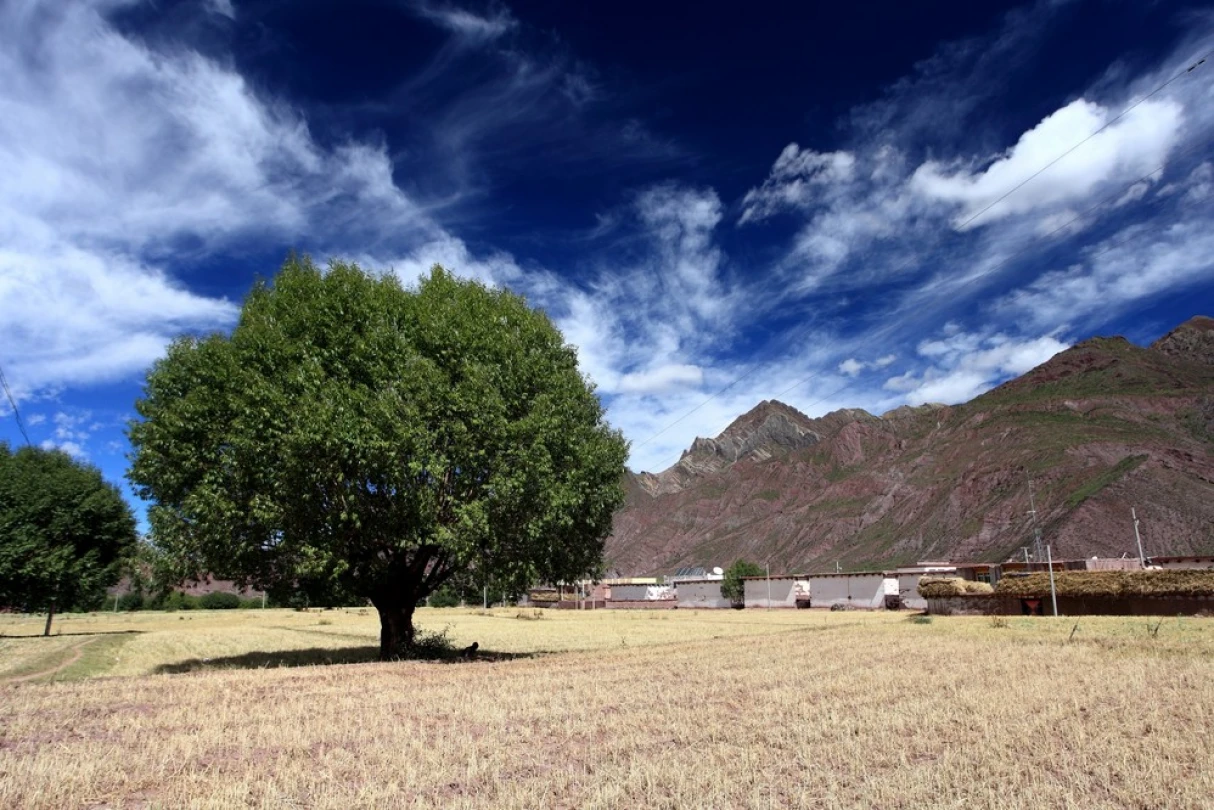
Big Bear and Little Cat Explore China: [A Self-Guided Tour of the Shangri-La Region: That Sky, So Blue It Feels Unreal!]
Big Bear and Little Cat Explore China: [A Self-Guided Tour of the Shangri-La Region: That Sky, So Blue It Feels Unreal!] Prologue: Why Shangri-La? In September 2011, my friend and I followed the Yunnan-Tibet Highway into the Greater Shangri-La region. Six days of travel, without…
Continue reading...
Dreaming of Lijiang, Dreaming of Shangri-La: A Journey That Lets Your Soul Breathe Deeply
Dreaming of Lijiang, Dreaming of Shangri-La: A Journey That Lets Your Soul Breathe Deeply Life is like a long trek. We're always rushing through the concrete jungle, searching for a glimmer of light in the monotony of our days. Then one autumn, I heard the…
Continue reading...
Body in Hell, Heart in Heaven: A Pilgrimage Through Tiger Leaping Gorge — A Dialogue Between Heaven and Earth
Body in Hell, Heart in Heaven: A Pilgrimage Through Tiger Leaping Gorge — A Dialogue Between Heaven and Earth Introduction: When the Gorge Splits Open Beneath Your Feet Some say Tiger Leaping Gorge is the closest place on Earth to the border between "hell" and…
Continue reading...