Sunshine All the Way: The Colorful Wonders of Eastern Yunnan (Part 2): Blue Dream of Fuxian Lake and the Fossil World Heritage Museum
Sunshine All the Way: The Colorful Wonders of Eastern Yunnan (Part 2): Blue Dream of Fuxian Lake and the Fossil World Heritage Museum
Some places linger in your mind long after you leave. Some landscapes, once seen, can never be forgotten. When I first encountered Fuxian Lake in 2023, that crystalline blue—clear as glass—burned itself into my memory. This time, returning with my family, I came not only to lose myself once more in that healing blend of lake and mountain, but also to explore a world heritage site waiting to be discovered: the Chengjiang Fossil Site. This journey was destined to become a dialogue across five hundred million years.
Meeting Fuxian Lake Again: From Red Sand Beach to Golden Dusk
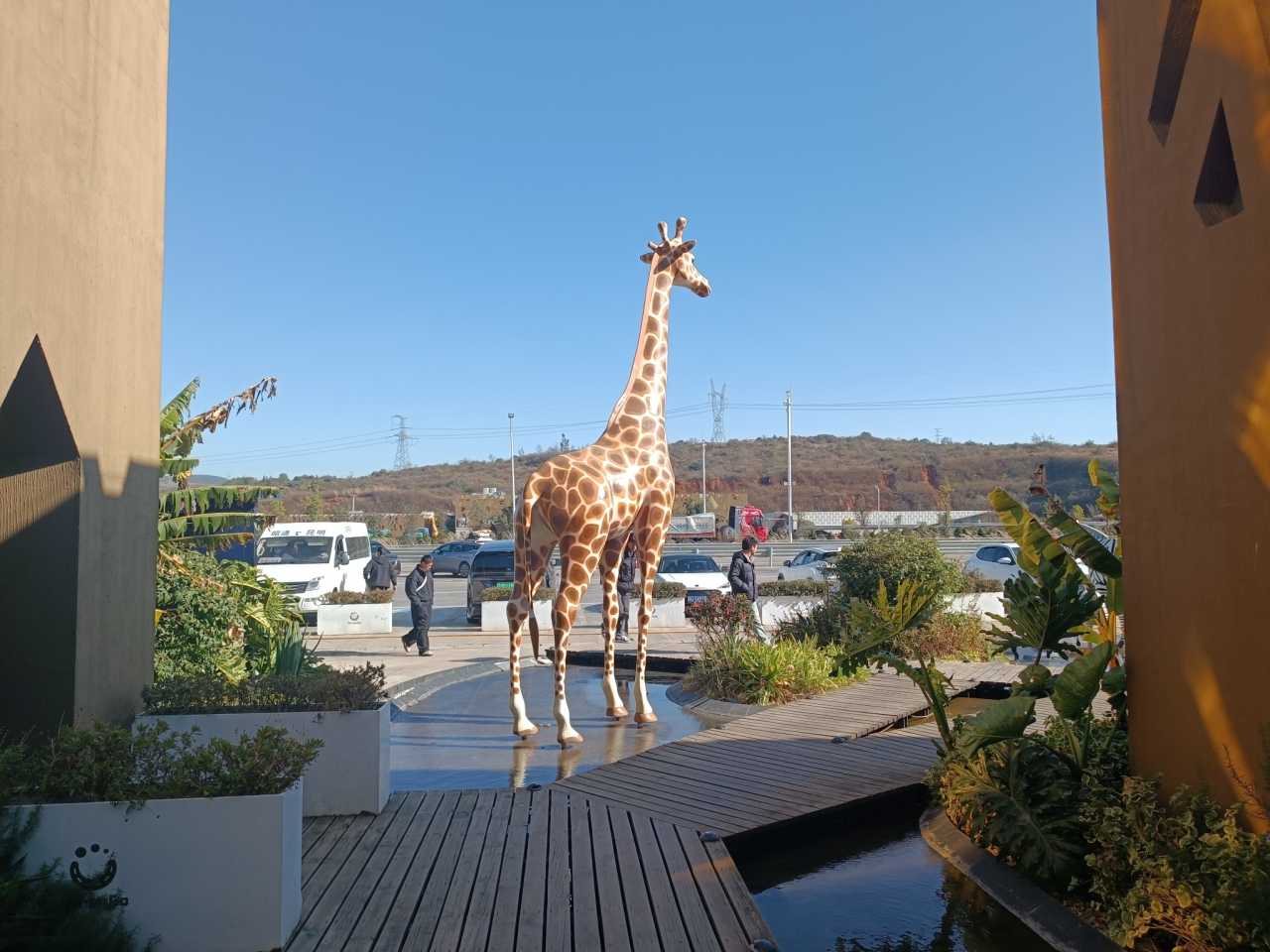
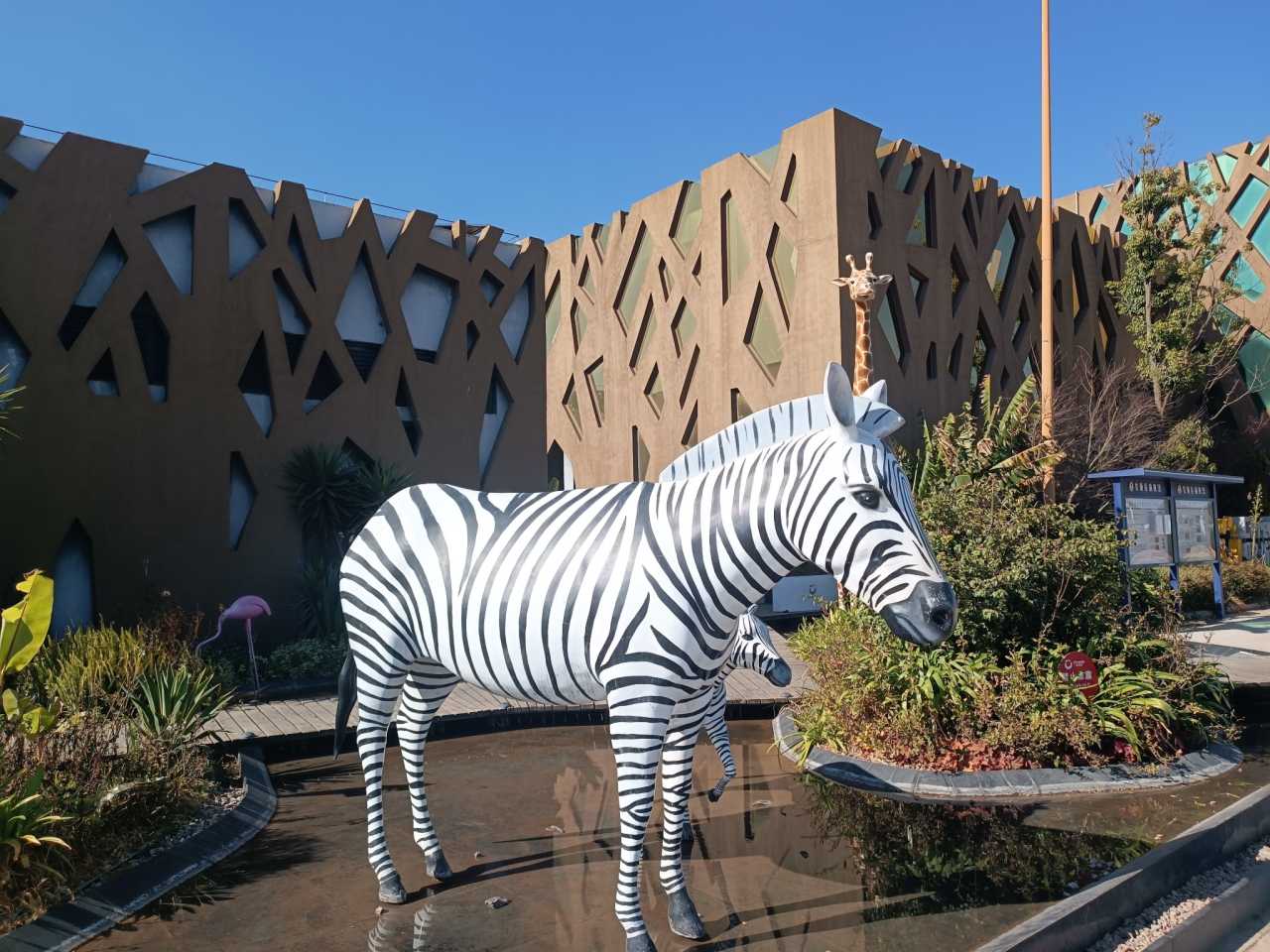
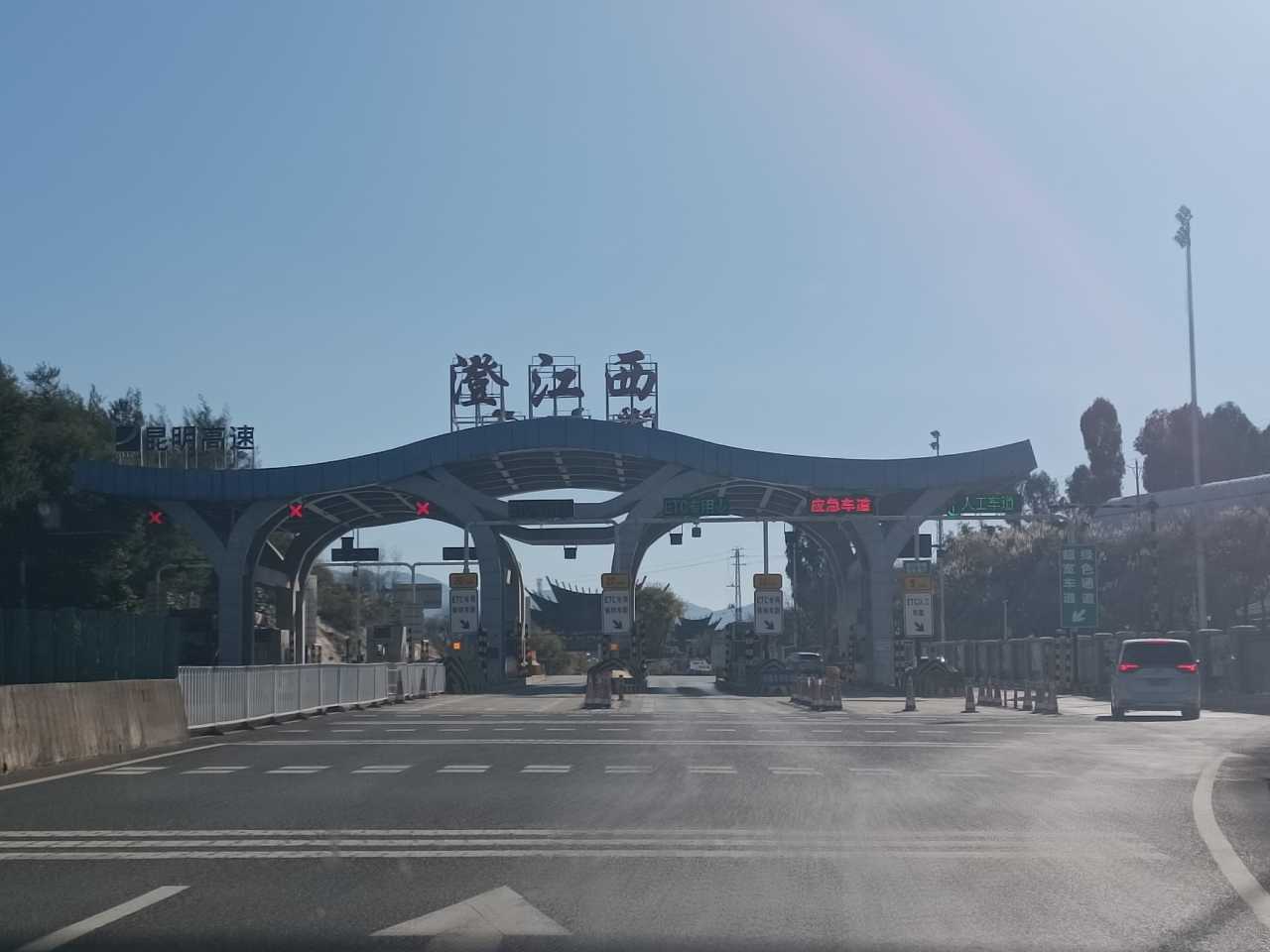
On the afternoon of January 23, after bidding farewell to the layered terraces of the Dongchuan Red Land, we drove straight toward the northern shore of Fuxian Lake. The route largely overlapped with the one we had taken the day before from Changshui Airport to the Red Land. Passing the "Dabanqiao" service area, those African wildlife sculptures still caught our eye. Continuing south, we exited the expressway at the "Chengjiang West" toll gate and entered the territory of Chengjiang County in Yuxi City.
An Unnamed Lakeshore: An Unexpected Blue Encounter
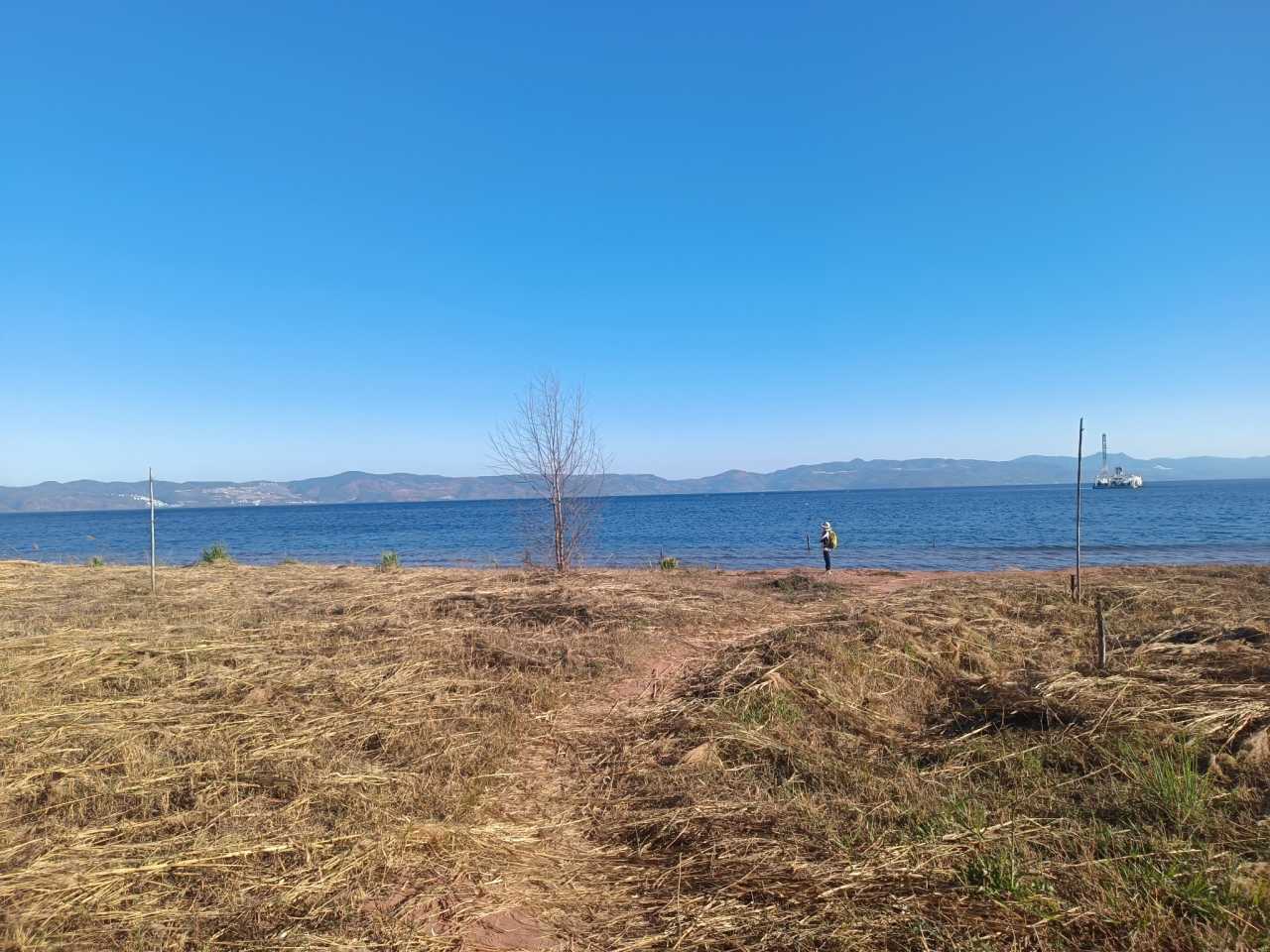
It was still early, just past four in the afternoon, so I decided to take a detour and catch a glimpse of the "Red Sand Beach." But at the entrance, I missed the parking lot and drove around in a big loop before finding a place to turn around. By chance, we ended up quite close to the lake, so I parked in an empty spot and followed a small path down.
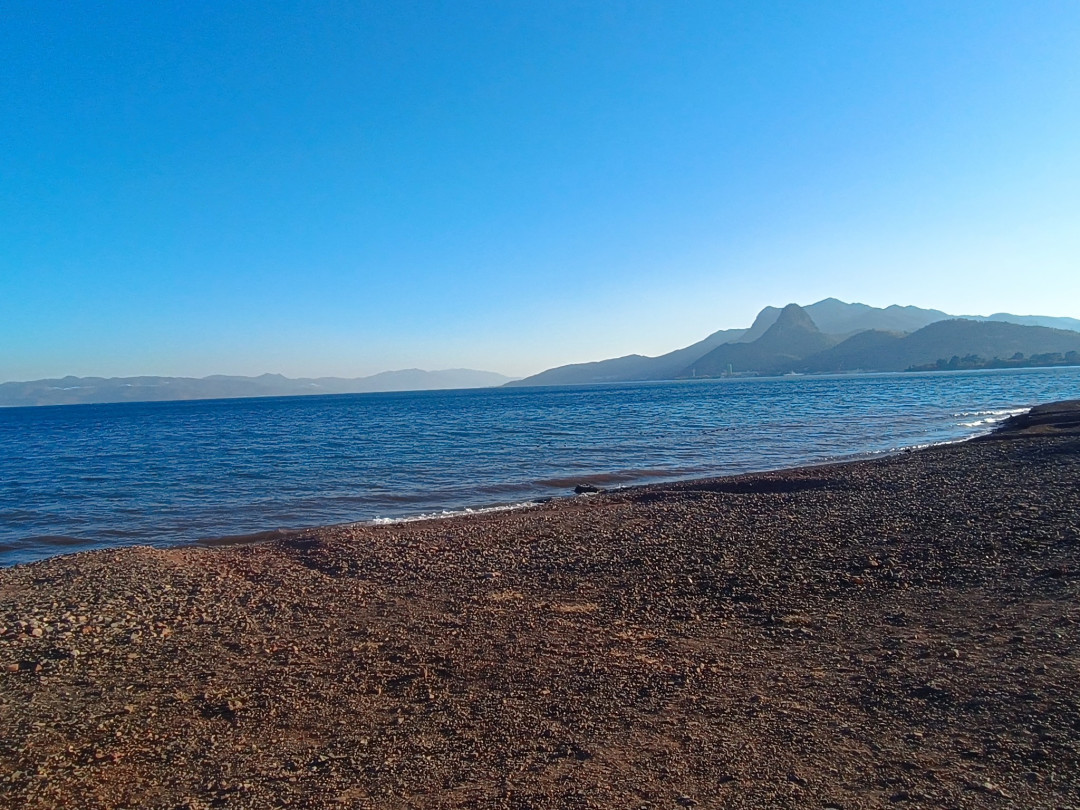
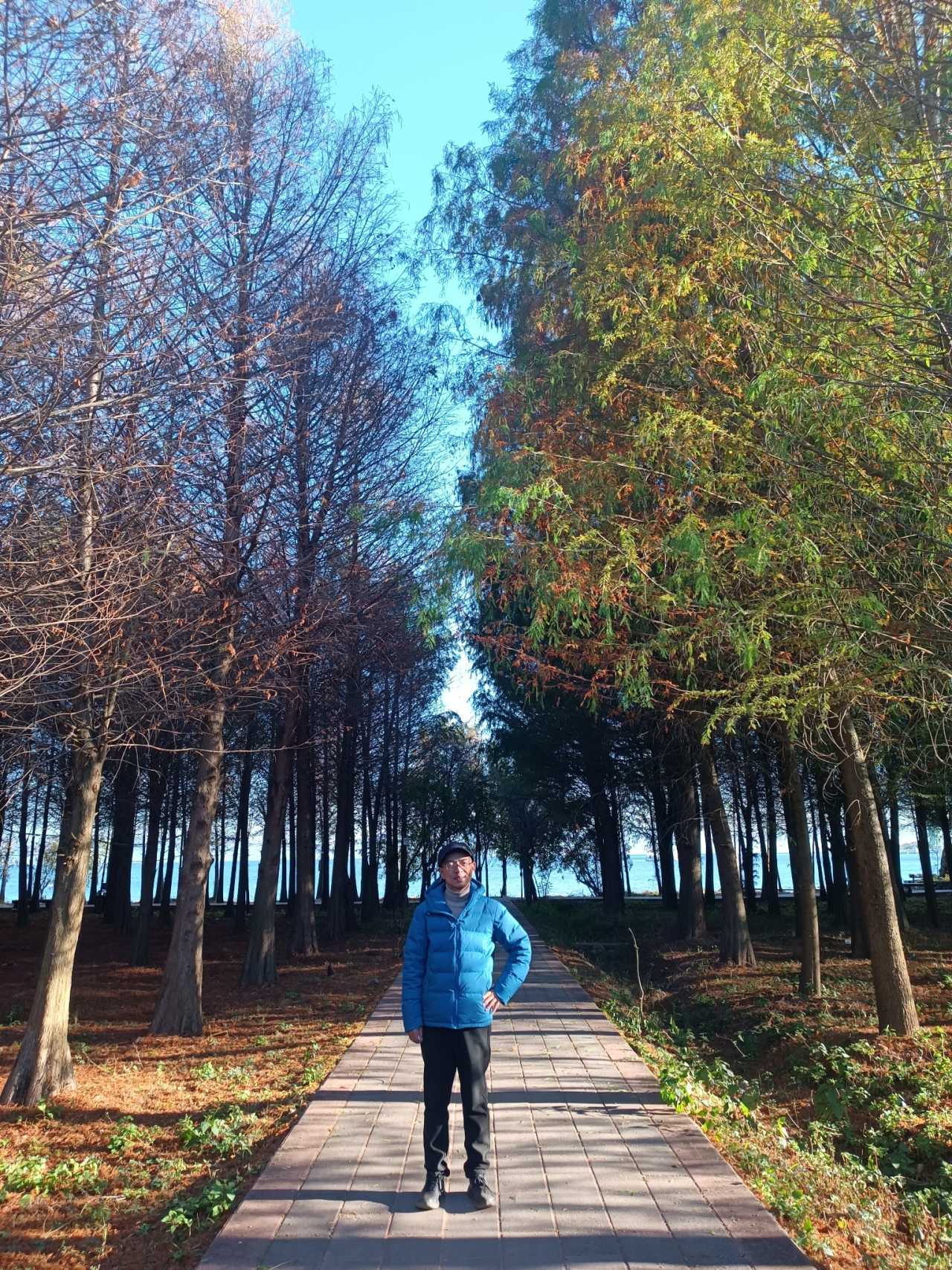
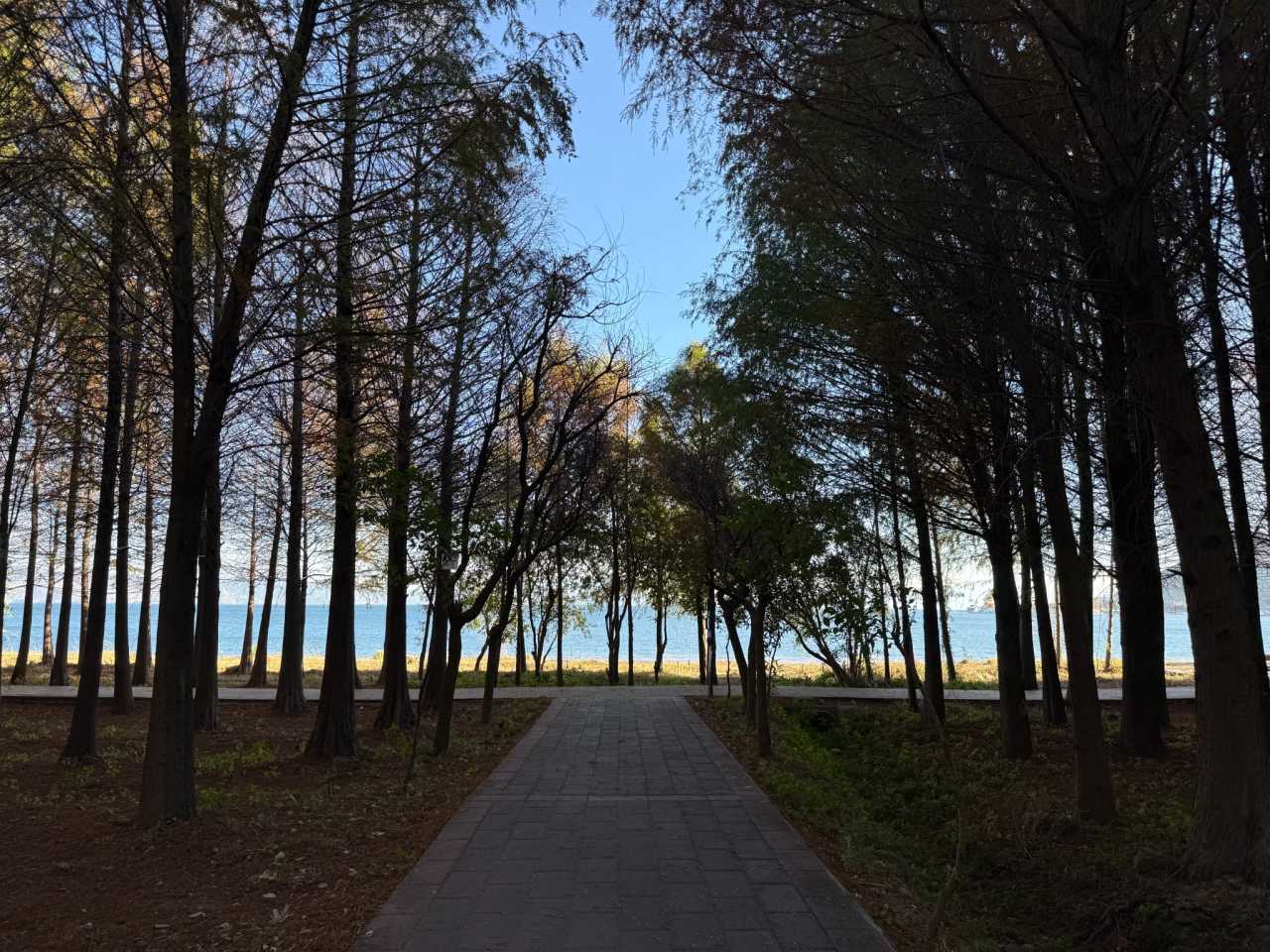
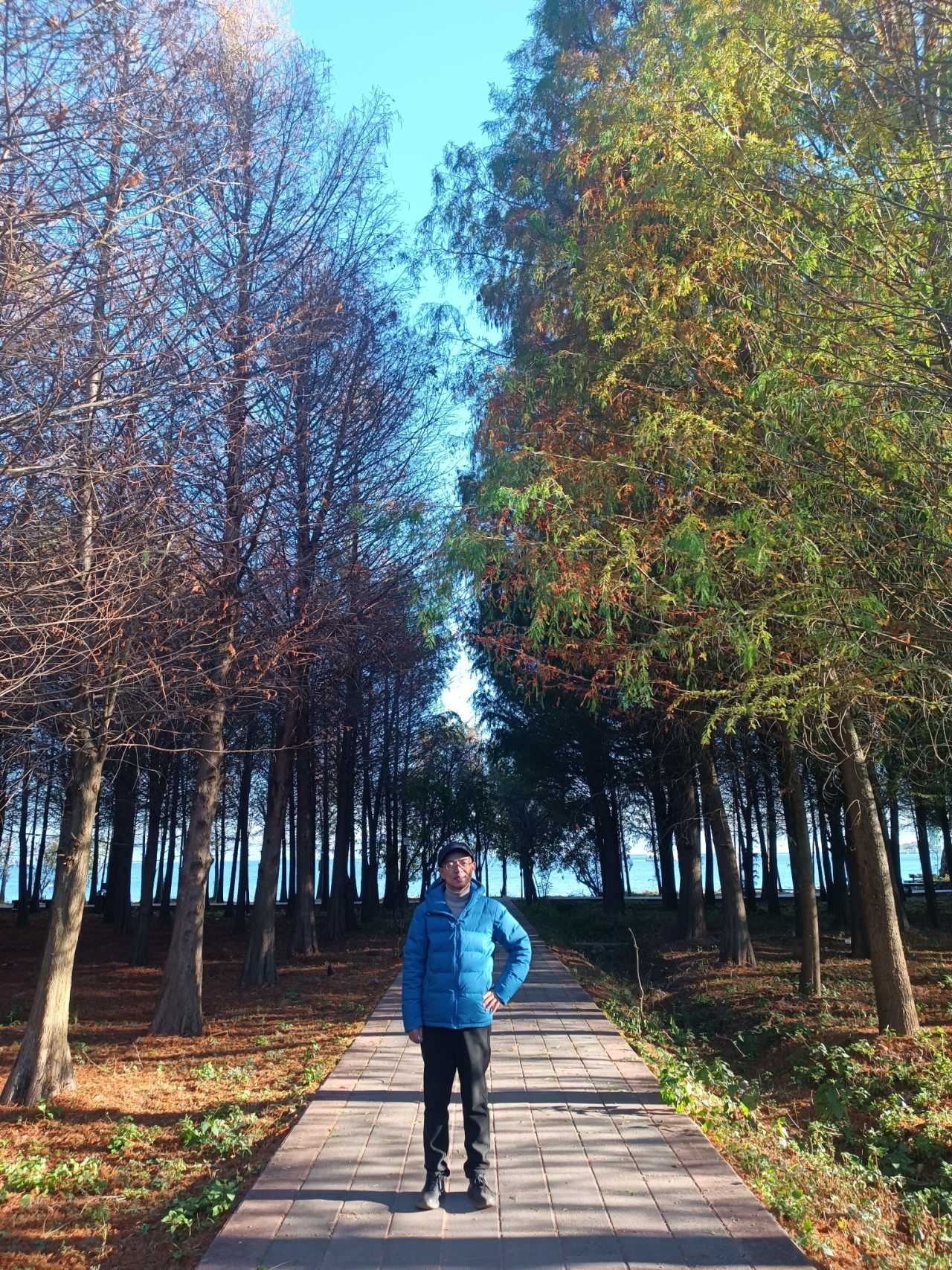
The blue surface of the lake looked deceptively close, but the walk wasn't easy. Passing through a pine forest, the towering trees blocked out the sky, creating a somewhat "enchanted forest" atmosphere. Finally, after two years, that intoxicating azure blue came into view again. Under the sunlight, the lakeshore had no crashing waves—only the gentle rustle of wind brushing the tips of the grass. In one glance, I spotted the landmark Jinzhong Mountain, with the Lucong scenic area hidden on its other side.
This wasn't the real "Red Sand Beach," but the red soil along the shore made the water near the bank look a bit murky. Yet from a distance, the blue remained so pure it was breathtaking. Fuxian Lake isn't large in area, but standing on its shore, you feel an endless, boundless expanse. It's extremely deep, with an astonishing water capacity, and the water quality is excellent, which is why its blue is so exceptionally clear. When the two kids—my "Big Cat" and "Little Cat"—saw Fuxian Lake for the first time, they marveled at its flawless purity.
Red Sand Beach: A Romantic Ocher Hue
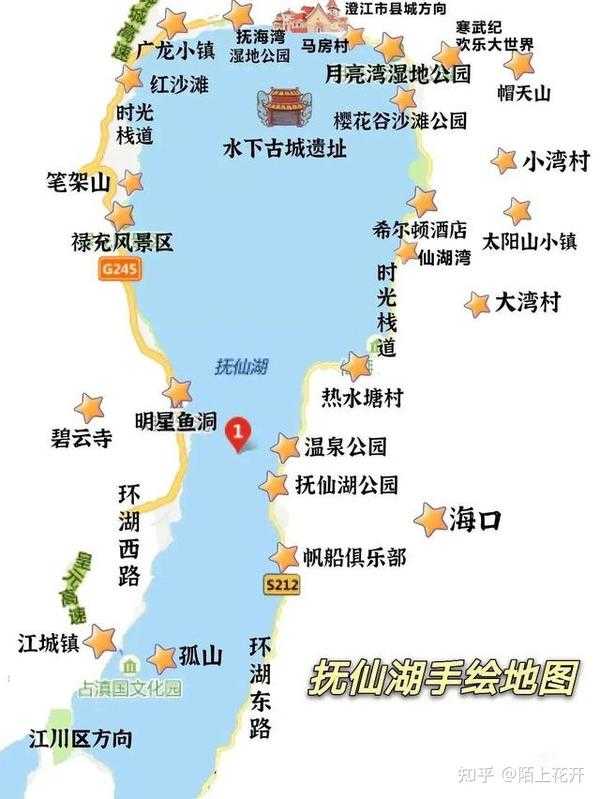
Back on the main road, we headed straight for the Red Sand Beach. The parking lot was large, with plenty of cars—a sign of its popularity. Located at the northwestern corner of Fuxian Lake, the beach displays a unique ocher-red color. Legend has it that this hue comes from iron oxide particles weathered from ancient volcanic rock. The near-shore water was stained a reddish-brown, creating a sharp contrast with the distant blue, the dividing line clearly visible.
Most tourists gathered in one area of the beach; walking a bit farther away, it became quiet. Flocks of waterbirds floated on the surface, and as I approached, they took off in a noisy flurry. Such a pristine scene reminded me once again of Li Jian's song "Fuxian Lake." Even more surprising, there were large fields of rapeseed flowers around the Red Sand Beach, blooming unusually early this year. The golden yellow and azure blue complemented each other beautifully, a pairing that brought back memories of Qinghai Lake last summer.
Sunset at Fuxian Lake: The Moment of Glittering Gold
Around six o'clock, we quickly got back in the car and drove over ten kilometers to the "Moon Bay Wetland Park" at the northeastern corner of Fuxian Lake to watch the sunset. Unfortunately, the security guard told us the park closed at six and wouldn't let us in. So we continued east a bit, parked by the roadside, and took a small path straight to the lakeshore. It seems Moon Bay Wetland Park now charges an entrance fee, but the free lakeshore next to it offered just as good a view of the sunset.
The sun was about to set, and the daytime stillness suddenly shattered. The lake became windy and choppy. Surrounded by mountains on all sides, the sunset at Fuxian Lake isn't "pure"—the sun can only sink behind the distant ridges. But in that moment, the last rays of sunlight scattered across the waves, glittering like gold, breathtakingly beautiful. Even though we couldn't see the "egg yolk" sun itself, it was just as intoxicating. "The movements of the sun and moon seem to rise from within it"—this line of poetry was the perfect description of the scene's grandeur.
Lucong: Morning at Bijia Mountain and the Peace of Boxi Bay

Sunrise: A Symphony of Starlight and Dawn
By the time darkness had fully set in, we arrived at the Lucong scenic area. The entrance fee was 15 yuan, with half price for students. The homestay we had booked, "Yipai Shiyi Hao" (Row Eleven, Number One), was very close to the main gate. A twin room cost 150 yuan, and we could park at the door. I had wanted to stay at the "Lake Light Inn" from two years ago, which had rooms facing the lake, but we booked too late and had to settle for second best.
The next morning, the kids couldn't get up, so I slipped out alone to the lakeshore at seven o'clock. At 7:20, Bijia Mountain was still a black-and-white silhouette. Looking east across the lake, the morning glow was brilliant, with a few stars still twinkling in the sky. Boats lay quietly moored at the shore, and the pre-dawn light was utterly captivating. Just like two years ago, I climbed Bijia Mountain, overlooking the vast lake and gazing at the distant peaks. At eight o'clock, the sun finally rose over the mountains. Even though it was delayed, the sunrise still filled me with excitement. I never tire of revisiting places I love. Watching the sunrise at Lucong this time—though a repeat—was still a joy.
Bijia Mountain: The Thrill from the Summit
By the time the kids caught up, it was already nine o'clock. I took them for a stroll along "Rongshu Bay" (Banyan Tree Bay) beach, and then we climbed Bijia Mountain again. The mountain isn't very high, but the scenery is stunning—the highlight of the Lucong scenic area. The "Linshen Pavilion" (Overlooking the Deep Pavilion) at Guanyin Temple is the true summit. Standing in the pavilion, looking down at the shimmering lake, was incredibly exhilarating. Leaving the temple, we headed to another protrusion of the "brush holder"—the "Yuyan Pavilion" (Jade Smoke Pavilion). In the "groove" between the two peaks, with Yuyan Pavilion, Boxi Bay, and Jinzhong Mountain ahead, and Guanyin Temple behind, the views came one after another, making it hard to leave.
Boxi Bay: The Pleasure of Lying Back in the Sun
The bay between Bijia Mountain and Jinzhong Mountain is called "Boxi Bay" (Wave Rest Bay). Here, the water was calm, with only gentle ripples, like creases on blue silk. After coming down the mountain, I noticed there were now coffee and tea stalls by the shore. Little Cat ordered a drink, which looked especially tempting against the backdrop. We posed for photos without any pretense, in no hurry to move on. First, we lay back, then slowly admired the deep blue lake, soaking up the sun. White egrets flew across the scene like brushstrokes in a painting, and small boats reflected in the water like mirrors. Ancient banyan trees and remnants of "fish caves" dotted the landscape. In a state of complete relaxation, we spent a wonderful morning.
On the way back to the inn, we passed by the Wenchang Temple (Temple of the God of Literature) and took a quick look inside. Although Yunnan is a frontier province, its reverence for culture is no less than that of the heartland. From Kunming to Mengzi, Jianshui, and even this fishing village of Lucong, there are Confucian temples or Wenchang Temples.
The Chengjiang Fossil Site: A Five-Hundred-Million-Year Dialogue on Life
At noon, we checked out and navigated to the "Chengjiang Fossil Site World Natural Heritage Museum." On the way, we got a close-up view of Jinzhong Mountain. The rapeseed flower fields by the roadside once again made me remark on how warm this year's temperatures were, causing the flowers to bloom too early. Unfortunately, the pink winter cherry blossoms had already withered—gains and losses, as always.
The Cambrian Town at the Foot of Maotian Mountain
Entering the "Cambrian Town" at the foot of Maotian Mountain, east of Chengjiang city center, we arrived at the world heritage site: "Chengjiang Cambrian Fossil Site." In the 4.6-billion-year history of Earth, the Cambrian Period (approximately 541 to 485 million years ago) was a critical time for the "Cambrian explosion" of life. Maotian Mountain, by the shores of Fuxian Lake, is the place that records this event. Here, fossils of over 20 phyla and more than 300 species of Cambrian organisms have been unearthed. The ancestors of almost all modern animal phyla can be found here.
The museum is free, and in 2024 it was upgraded to a national first-class museum. Entering the main hall, the first thing that caught my eye was a spiral "Tree of Life's Explosion" art installation hanging from the center of the dome. Below it stood a tall wall of fossil-bearing rock—a real stratum from the Chengjiang fossil site, depicting scenes of Cambrian life. Over 500 million years ago, this place was a vast ocean, where ancient creatures swam freely until a geological disaster buried them, eventually turning them into fossils over eons.
The Fossil Sanctuary: From Naraoia to Myllokunmingia
On July 1, 1984, researcher Hou Xianguang from the Nanjing Institute of Geology and Palaeontology of the Chinese Academy of Sciences climbed Maotian Mountain in the rain. After splitting countless rocks, a remarkably well-preserved fossil of Naraoia appeared before his eyes—the first discovery of the Chengjiang fossils. Since then, more and more Cambrian fossils have been found. On July 1, 2012, the Chengjiang Fossil Site was inscribed as a UNESCO World Heritage Site, becoming Asia's only fossil-based world natural heritage.
Entering the second exhibition hall, an "underwater tunnel" made with flexible OLED screens vividly brought the early Cambrian marine ecosystem to life. The museum's crown jewel—the fossil of Myllokunmingia fengjiaoa—is only 3 centimeters long, yet it is the oldest known vertebrate. It had already evolved organs like a brain, eyes, and heart, and is considered the common ancestor of all vertebrates. It took over 500 million years for evolution to go from this "first fish in the world" to humans.
The Cambrian Explosion: Anomalocaris, Hallucigenia, and Cinderella
The Chengjiang biota is incredibly diverse, covering almost all modern animal phyla, including Porifera, Cnidaria, Priapulida, Brachiopoda, Mollusca, Lobopodia, Arthropoda, Echinodermata, and Chordata. Sponges are known as the "water purification factories" of the sea. Cnidarians include corals, jellyfish, and sea anemones. Lobopodians were the first animals to walk on legs.
Anomalocaris was the "giant" of the Cambrian oceans, reaching up to 2 meters in length and sitting at the top of the food chain. Arthropods are the largest animal phylum, and the famous trilobites belong to this group. Fuxianhuia is the primitive ancestor of insects. The mascots of the Chengjiang Fossil Site, "Qiqi" and "Yuanyuan," are designed based on its image. Then there's the "Cinderella" worm, whose head shield is shaped like a "W," resembling Cinderella's evening gown cape. Yunnanozoon is even more special; some paleontologists believe it may be the earliest chordate. The New York Times once commented: "If Yunnanozoon had died out, the central nervous system of animals might never have developed, and Earth would be as lonely and desolate as the distant moon."
The Great Evolution of Life: From Crinoids to Humans
Upstairs on the second floor, the "Great Evolution of Life" exhibition hall showcased the five major mass extinctions from the Ordovician to the Cretaceous periods. Crinoids, ammonites, Stringocephalus shells, dinosaur egg fossils... Representative fossils from each geological period outlined the magnificent evolutionary history of life on Earth. Humans appeared only a few million years ago, making us the youngest of all animals. What does the future hold? I'm not optimistic, but at least we still have the chance to understand and cherish it.
Scenic Chengjiang and Biodiversity
The "Scenic Chengjiang" hall featured a multimedia film: Fuxian Lake was formed about 3.4 million years ago and reached its current size around 10,000 years ago. Its fishing culture is well-developed, with "waterwheel fishing" as evidence, giving rise to the ancient Dian civilization. "Guansuo Opera" is a famous local theatrical form, known as a "living fossil of Chinese opera." Today, Fuxian Lake serves as an important strategic water reserve, protected under a policy of "great protection, no great development," maintaining its "deep blue lake" character.
The third-floor "Biodiversity" hall housed over 200 specimens of African and North American animals donated by the Berringer Global Health and Education Foundation, arranged in ecological scenes like savannas, rainforests, tundra, and wastelands. After touring the entire museum, it felt like I had read a magnificent epic of life. The kids were full of praise, and my own assessment was equally high. For anyone visiting Fuxian Lake, beyond the lake and mountain scenery, you absolutely must set aside time to come here—only then will your trip be truly complete.
Epilogue: Farewell at Sakura Valley and S-Bend
It was already three in the afternoon when we left the museum. We drove south along the East Ring Road, passing by the "Sakura Valley" park. This year, the weather was hot, and the cherry blossoms were long gone. The entrance fee was 10 yuan, not great value. A strong wind was blowing, stirring up big waves, and the water near the shore was quite murky. The best view was from the white sand beach, but the park only had one entrance and exit, so you had to walk back the same way.
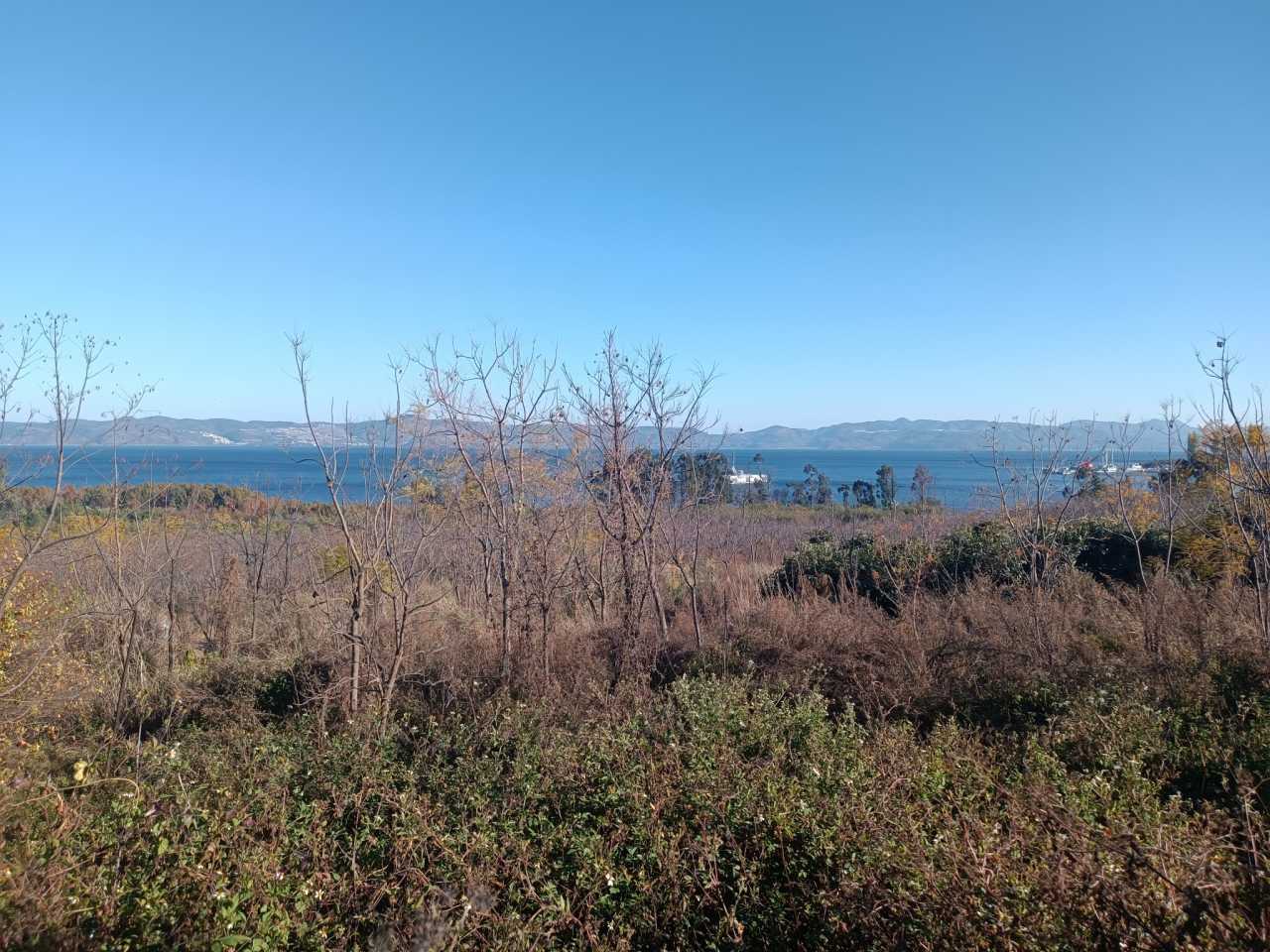
Leaving Sakura Valley and continuing south, we found a free viewpoint that offered a better view than the park itself. We pulled over, walked down, and found ourselves in a wilder area. Standing on the shore, watching Fuxian Lake in the sunset, my heart was filled with reluctance. This blue dream, this journey, this awe-inspiring encounter spanning five hundred million years—all of it would become the most precious part of my memories.
Practical Tips: - Entrance Fees: Lucong scenic area: 15 yuan, half price for students; Chengjiang Fossil Site Museum: free - Accommodation: There are many homestays in the Lucong scenic area; it's advisable to book a lake-facing room in advance - Time Planning: Allow at least 1–2 days for Fuxian Lake; the fossil museum requires 2–3 hours - Best Season: Suitable year-round; winter for black-headed gulls, spring for rapeseed flowers - Transportation: About 1.5 hours by car from Kunming; self-driving is recommended
Keywords: Fuxian Lake, Lucong, Chengjiang Fossil Site, Cambrian Explosion, World Heritage Site
You should also read:

God’s Abandoned Palette: A Self-Drive Journey Through Yunnan’s Dongchuan Red Land
God’s Abandoned Palette: A Self-Drive Journey Through Yunnan’s Dongchuan Red Land Travel has never been about reaching some distant geographic coordinate. It’s about encountering, along the way, the version of yourself buried beneath the rubble of daily routine. During this May Day holiday, I finally…
Continue reading...
Golden Luoping: A Romantic Encounter with Sunshine and Seas of Flowers
Golden Luoping: A Romantic Encounter with Sunshine and Seas of Flowers Introduction: The Third Time's the Charm Some landscapes are destined to be seen at the right moment. For me, that was exactly the case with Luoping's rapeseed flowers. On February 22, 2011, the Luoping…
Continue reading...
A Spiritual Journey to Lugu Lake in Lijiang: Experiencing the Legend of the Kingdom of Women! (Reproduction and Hotlinking Prohibited)
A Spiritual Journey to Lugu Lake in Lijiang: Experiencing the Legend of the Kingdom of Women! (Reproduction and Hotlinking Prohibited) Off-road自驾, food, hotel and民宿 reviews, Featured Traveler, Tank 300 owner, 200,000 km of self-driving experience. WeChat: y01294987 Ninglang Yi Autonomous County 2010.11.08 · 7 days…
Continue reading...