Sweet, Sour, Bitter, Spicy, and Savory: The Ultimate Flavors of Southeast Yunnan — A Culinary Journey Through Yunnan During the Pandemic Era
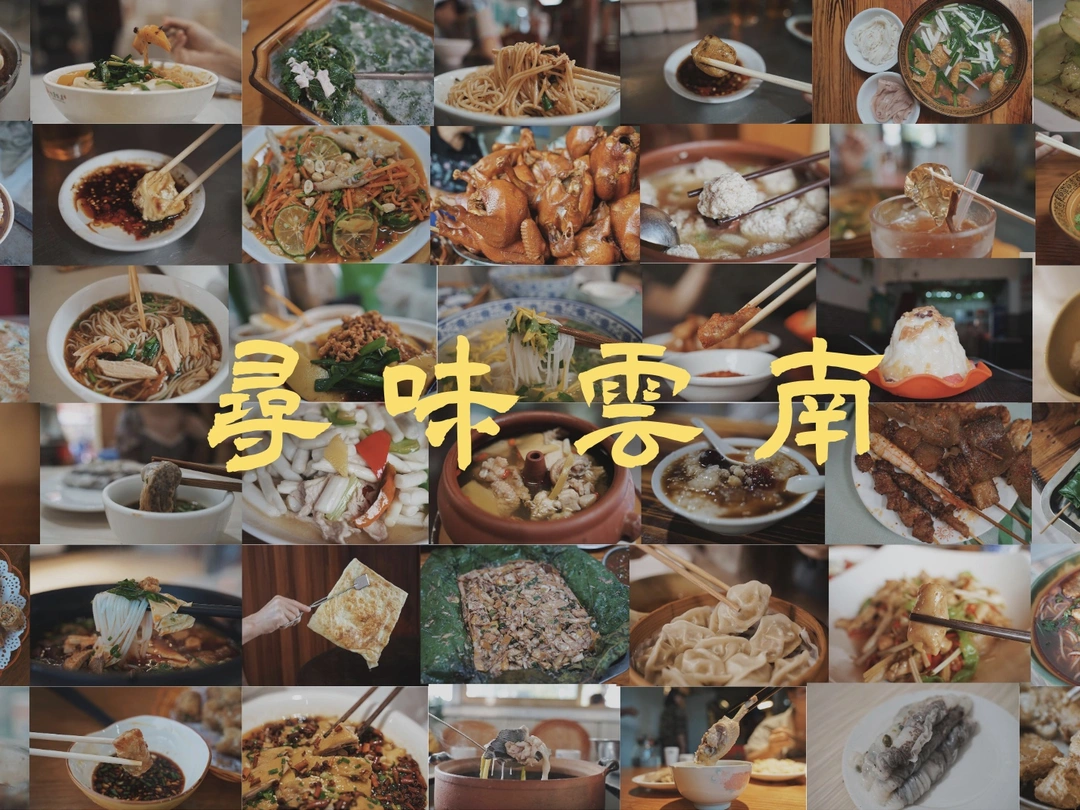
Sweet, Sour, Bitter, Spicy, and Savory: The Ultimate Flavors of Southeast Yunnan — A Culinary Journey Through Yunnan During the Pandemic Era
Prologue: When Taste Buds Become Travel Guides
Before ever setting foot in Yunnan, my imagination of "the land of colorful clouds" lingered in a distant unfamiliarity — the romance of Lugu Lake, the mystery of Shangri-La, the tropical charm of Xishuangbanna had all appeared repeatedly on my travel list, yet never materialized into an actual trip.
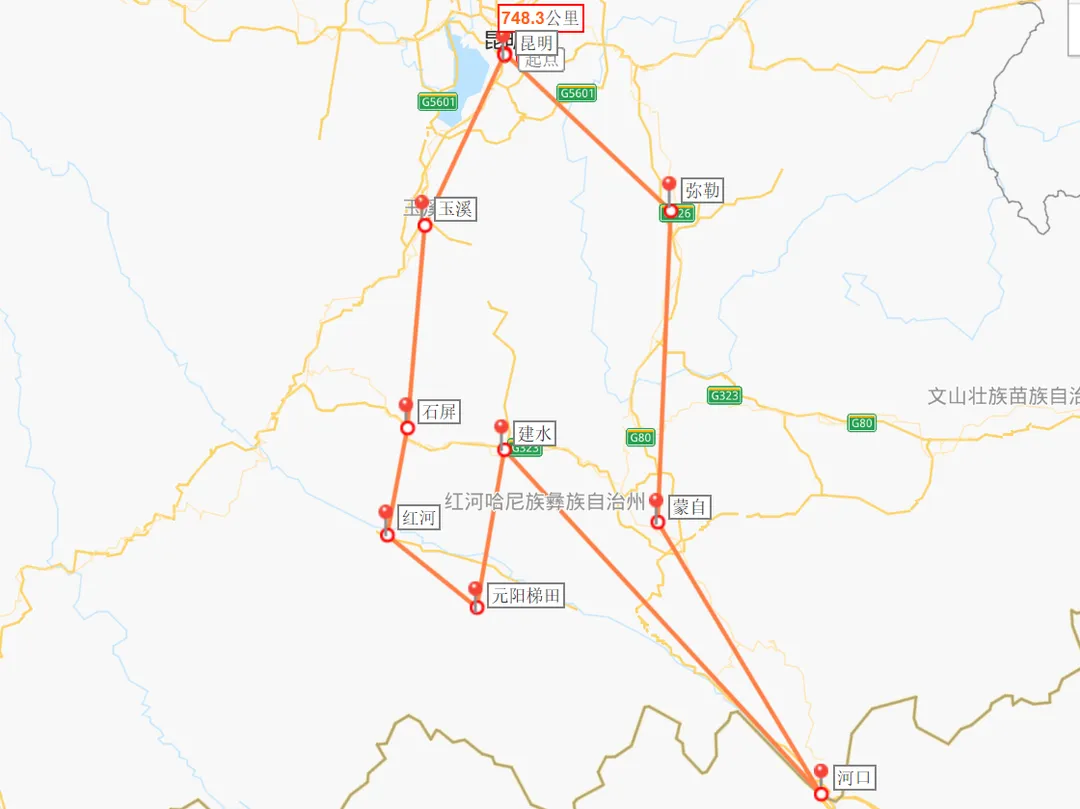
Until one day, an article about "a gourmet train journey through Yunnan" caught my eye. In it, the author rode a green train, weaving through Kunming, Yuxi, Mengzi, and Hekou, sketching out the flavor map of southeast Yunnan with bowls of rice noodles, plates of wild mushrooms, and pieces of tofu. In that moment, I suddenly understood: my destiny with Yunnan was meant to begin at the tip of my tongue.
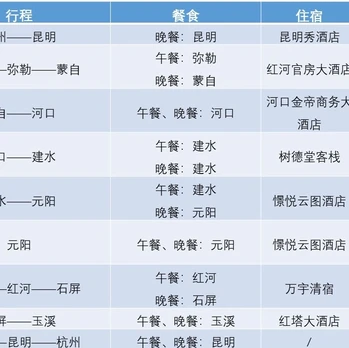
July 2020. The pandemic hadn't fully receded, but the long-suppressed craving for travel could no longer be contained. Nine days, 1,000 kilometers of self-driving, nine cities — Kunming, Mile, Mengzi, Hekou, Jianshui, Yuanyang, Honghe, Shiping, and Yuxi. At every stop, I tried to find the most authentic local food through the eyes of a native. Perhaps these dishes seemed too "touristy" for locals born and raised there, but for a first-time visitor, tasting unfamiliar ingredients and discovering unprecedented flavors was itself the most precious reward of the journey.
Sweet, sour, bitter, spicy, and savory — the ultimate flavors all converge in southeast Yunnan.
Stop One: Kunming — A Symphony of Mushrooms and Rice Noodles
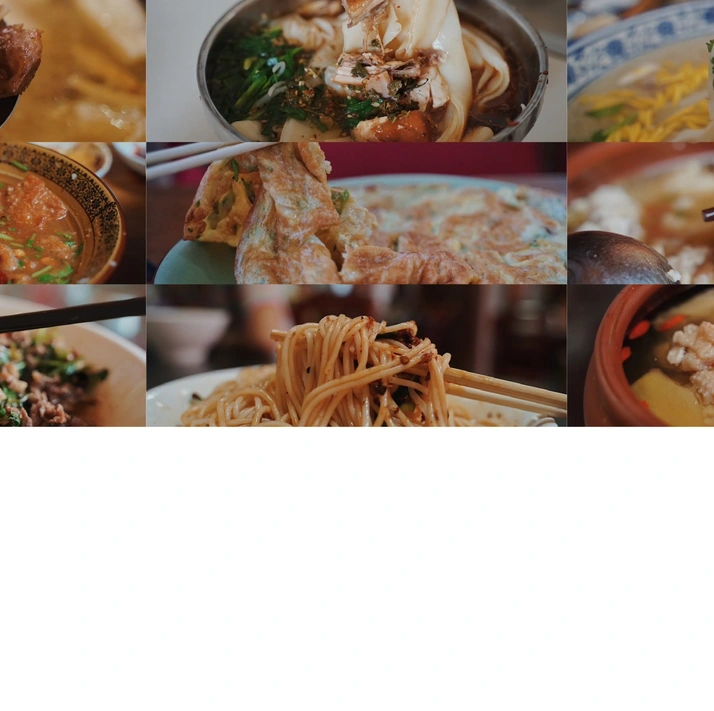
Arriving in the Spring City, Fresh After Rain
After six months without flying, stepping out of the cabin door, the unique crispness of the plateau air hit me. Kunming had just been washed by rain, the sky so clear it looked scrubbed clean, the mountains especially verdant in the post-rain freshness. "Empty mountains, fresh after rain" — that ancient poem could not have described the weather more perfectly.
After wandering through the vast Kunming airport, I finally picked up the rental car. The self-driving journey officially began. The air outside the window was moist and cool, carrying an unfamiliar sweet floral fragrance. Sunlight slowly retreated behind the clouds, the western sky dyeing the city orange-red, then gradually softening its glow, surrendering the earth to the night.
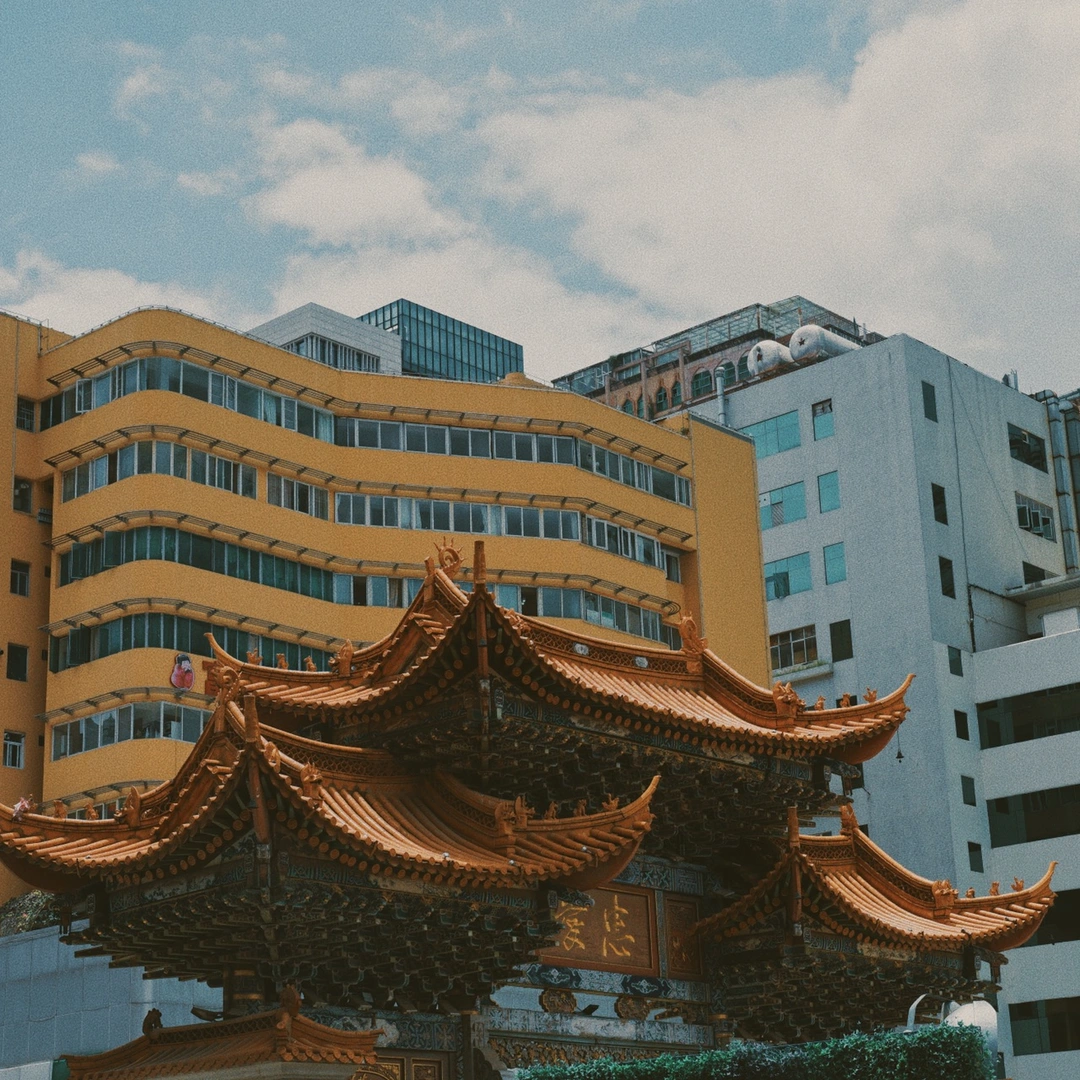
This provincial capital is vast and inclusive, with ancient memorial arches standing shoulder to shoulder with modern skyscrapers. The crisscrossing overpasses sometimes stacked several levels high — for a directionally challenged female driver, one wrong turn could easily lead astray. Yet even so, Kunming's charm remained irresistible: wild mushrooms, rice noodles, flower pastries, and countless old-fashioned street flavors pieced together my fragmented memories of the city.
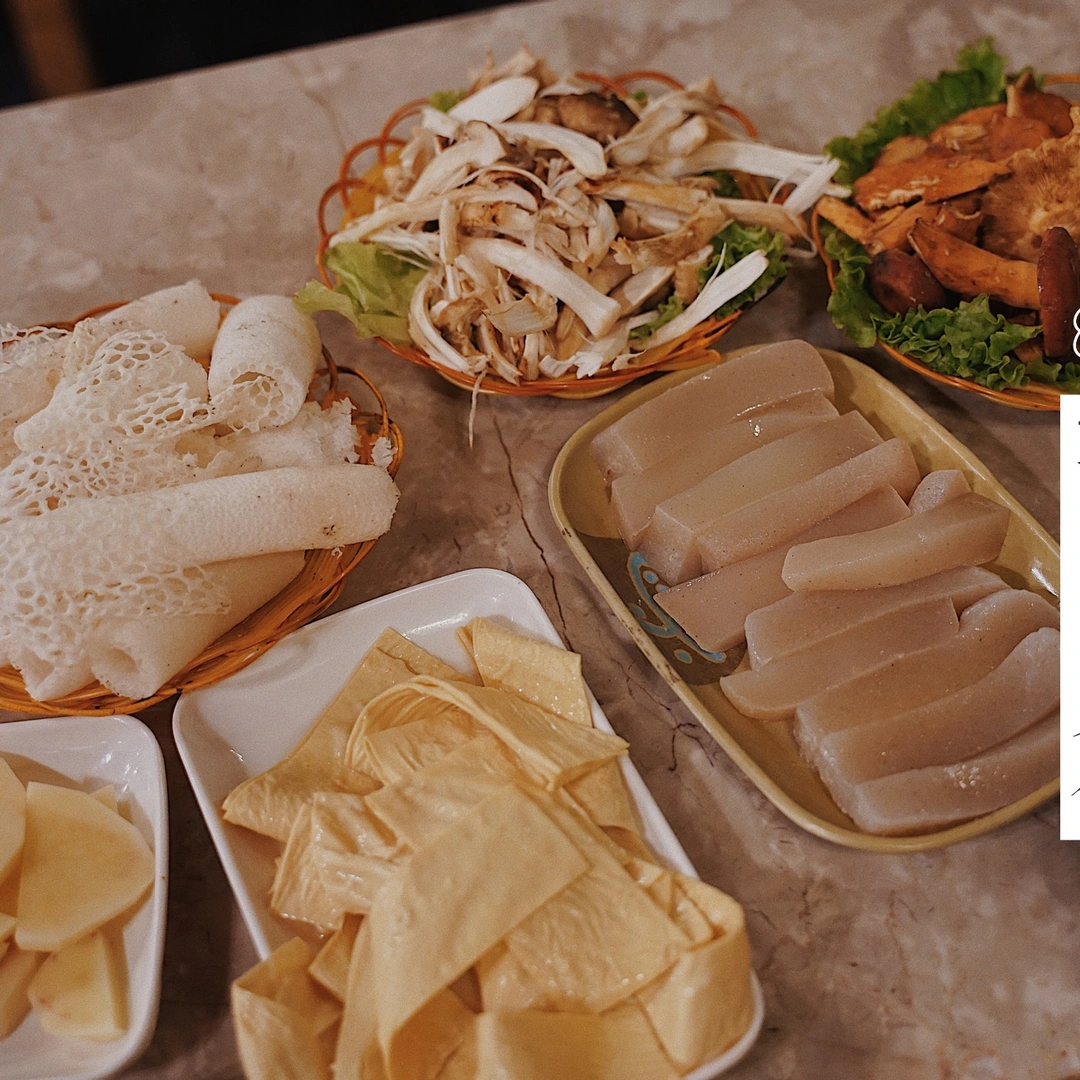
Wild Mushroom Hotpot: The Taste of Mountain Forests in the Rainy Season
From July to September each year is Yunnan's rainy season, also the peak season for mushroom growth. In the moist mountain soil, mushrooms of all shapes quietly break through the earth. Locals call mushroom foraging "picking up," suggesting just how abundant they are — practically lying everywhere for the taking.
Mushrooms have been considered delicacies since ancient times. The Book of Songs says, "The mountains have hazelnuts, the lowlands have ling." Ling, or poria cocos, is a type of fungus. Today, every rainy season, wild mushrooms like termite mushrooms (jizong), porcini mushrooms (niuganjun), and green-headed mushrooms (qingtoujun) become the stars of Yunnan dinner tables. A local friend recommended: if you visit Yunnan during the rainy season, you absolutely must try wild mushroom hotpot.
The mushroom names on the menu were mostly unfamiliar: milk-cap mushrooms (naijiangjun), coral mushrooms (shanhujun), tiger-paw mushrooms (huzhangjun), skin-picking mushrooms (pitiaojun) — I could only order blindly by imagination. Once the chicken broth base came to a boil, all the mushrooms were added at once, simmering for nearly 20 minutes. I fidgeted anxiously, waiting for the timer to hit zero — many mushrooms are toxic before fully cooked, so eating before the countdown ends was strictly forbidden.
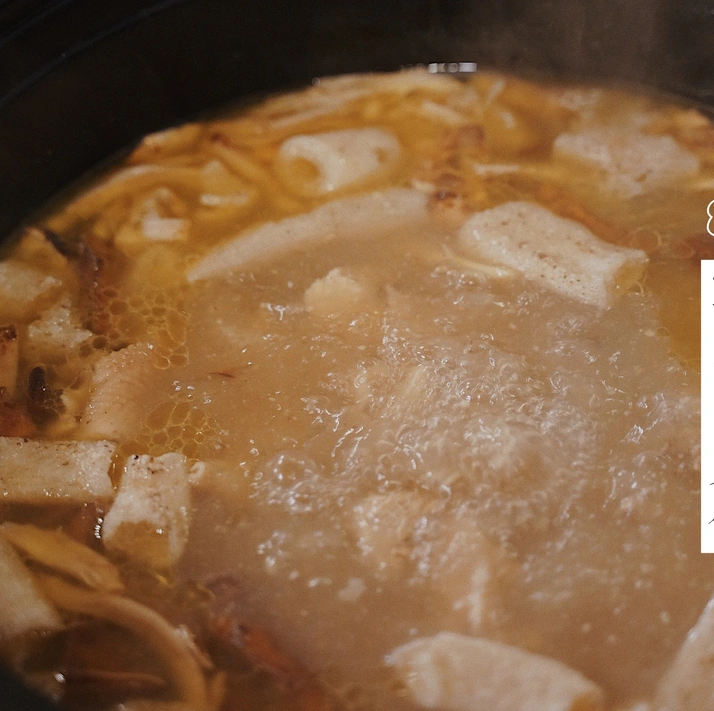
The "beep beep beep" pierced through the fairy-tale-like entrance. What burst out from under the lid was an honest, pure fragrance from the mountains — carrying the moist scent of soil, the breath of the rainy season forest.
The soup kept boiling, a thick layer of oil constantly shifting shape under the force from below. Boiling soup is the most back-to-basics way to enjoy mushrooms. The oil from the chicken broth trapped the heat, allowing the mushroom aroma to release more purely into the liquid.
I ladled myself a bowl of soup. Gently sipping, the umami arrived as promised, but without aggression — it crept in faintly from the tip of the tongue, then gradually engulfed the entire palate a few seconds later, leaving me feeling almost weightless. After several sips, the freshness spread through every organ, wandering through my body. Unlike seafood's strong possessiveness over the taste buds, the mushroom fragrance was graceful and gentle, detached from worldly competition. After its elegant arrival, it felt as if my palate had been reset, with a lingering aftertaste permeating my body.
The mushrooms in the pot were even more stunning. After simmering for dozens of minutes, their porous structures had absorbed the soup fully. I asked the server to prepare the most authentic dipping sauce, then dipped a steaming-hot mushroom into the glossy, oil-bright sauce and popped it into my mouth — each mushroom had a different texture: bamboo fungus and matsutake were tender and delicate, with loose, porous structures that absorbed more soup, bursting with liquid when chewed; black porcini and milk-cap mushrooms were slightly rougher, chewier, with a satisfying meatiness.
Driven by curiosity, I tried the legendary mushroom that supposedly lets you "see little people" — jianshouqing (blue-staining boletes). These are a category of porcini mushrooms that turn indigo blue when bruised. Improper preparation can cause diarrhea, vomiting, or even hallucinations. But in正规 restaurants with proper cooking, most of these mushrooms are rendered non-toxic. The most "mind-blowing" preparation involves stir-frying sliced mushrooms with lots of oil, dried chilies, and sliced garlic until nearly moisture-free and thoroughly cooked. The result is dry, chewy mushrooms with the aromatic heat of chilies and garlic — the more you eat, the more addictive it becomes. After finishing that plate, I finally understood why locals risk poisoning just to indulge.
Half a day of travel had left me ravenous, but luckily I had ordered a basket of matsutake steamed dumplings in advance. The generously sized dumplings were stuffed with a filling where you could clearly see small chunks of matsutake. The matsutake aroma, mingling with the meat's fragrance, was not at all jarring, yet it didn't hide its presence, subtly adding an unusual freshness to the otherwise plain meat filling.
Restaurant Info: Yimen Congshan Wild Mushroom House · Zhajing Old Hotpot
Crispy Blood Rice Noodles: A Century-Old Shop's Street Flavor
With over a century of history, Jianxinyuan is one of Kunming's few "China Time-Honored Brands." Going back to the late Qing Dynasty, after the imperial examination system was abolished, three Kunming scholars took inspiration from Guizhou's changwang noodles (intestine and blood noodles) and opened Kunming's first "intestine and blood rice noodle" shop, which was immediately bustling with customers. Later, Jianxinyuan adapted to local tastes by removing the intestine topping and replacing it with crispy pork crackling, Yunnan-style cold boiled pork slices, five-spice tofu, and pig blood curd — creating the "crispy blood rice noodles" that became this century-old shop's signature dish.
The original Jianxinyuan location on Baoshan Street still sees long lines every day. With insufficient seating inside, many people simply sit on small stools by the entrance, eating their rice noodles.
A bowl of crispy blood rice noodles doesn't blow you away on first taste. The broth is the usual rich crossing-the-bridge rice noodle broth, the noodles are the usual smooth and springy rice noodles. Only the generous "topping" covering the noodles stands out — large chunks of blood curd fill one corner of the bowl, thin yet chewy tofu skin, and crispy fried pork crackling. The soul is probably the dense layer of fragrant but not overly spicy red oil on top. To an outsider lacking local taste memory, this looks like nothing more than a well-stocked but ordinary bowl of rice noodles.
The more ordinary, the more enduring — that might be the survival philosophy of a bowl of rice noodles.
Restaurant Info: Jianxinyuan Crossing-the-Bridge Rice Noodles
Flower Pastries: Sweet Bombs from Blossoms
When buying souvenirs for friends in Kunming, the top choice that came to mind was flower pastries. Yunnan's tradition of eating flowers has deep roots, and flower pastries are one example.
From a distance, the rich, tempting aroma of butter hit me first. Then came the sight of a long line waiting for freshly baked pastries — this turned out to be the longest queue of my entire Yunnan trip.
Previously, my only concept of flower pastries was the classic rose variety. But at the shop, I discovered how many derivatives had emerged: rose pastries, jasmine pastries, and various small treats made with flowers as a base, combined with cheese, yogurt, lemon, raisins, and other ingredients...
The counter staff worked with practiced efficiency — one person handled packaging, another handled payment. In the back kitchen, several bakers were busy wrapping flower fillings in pastry skins and placing them in the oven. Inside the large oven, rows of soft embryos waited patiently to be awakened by heat and time, to be gifted golden-brown cheeks and a gentle fragrance radiating from within.
Freshly baked flower pastries are absolutely not to be missed. The fleeting warmth and aroma vanished quickly — with the slightest pressure, the outer pastry skin crumbled into pieces. Beneath the mixed fragrance of flour and butter, a floral aroma burst forth from within: jasmine was refreshing, rose was intense. The pastry dissolved into powder the moment it touched my mouth, wrapping around the petals as they swirled and danced, radiating sweet energy.
In this spring city where flowers bloom everywhere, I devoured an entire sweet bomb made from blossoms.
Restaurant Info: Jiahua Flower Pastries
Stop Two: Mile — Street-Fire Smoke in Braised Chicken Rice Noodles

About 130 kilometers from Kunming, the city of Mile is famous not only for the Mile Giant Buddha but also for its stunning braised chicken. For the most authentic braised chicken rice noodles, head to the suburban town of Zhuyuan.
After passing through a stretch of dusty gravel road, I arrived at the center of Zhuyuan Town. On either side of the not-so-wide main road, cars and electric scooters were parked haphazardly. Occasionally, women in headscarves peddled snacks and fruits along the street. Dense tree canopies obscured shop signs, but the most frequently appearing characters were barely visible — "braised chicken" (卤鸡).
Braised Chicken Rice Noodles & Rice Rolls: The Golden Sign of Zhuyuan Town
In front of nearly every household, cauldrons of braising liquid infused with dozens of Chinese herbs steamed and bubbled, constantly replenished day after day, year after year, emitting a fragrance as aged as fine wine. Young roosters weighing about one kilogram, just beginning to crow, were cleaned and simmered whole in the braising stock. When the time was right, the chickens emerged golden all over, exuding an aroma born from the fusion of meat and herbs. Every morning, these braised chickens were piled up at the most visible spot in front of each shop, becoming the shiniest golden sign on Zhuyuan's streets.
Then came the business of welcoming customers. Braised chicken shops large and small lined the streets and alleys, selling braised chicken or chicken gizzards on one side while boiling rice noodles on the other. Scalded rice noodles or rice rolls were doused with braising liquid, then topped with pieces of braised chicken — that was the locals' favorite street food: braised chicken rice noodles or rice rolls. Customers came in an endless stream; the shop auntie skillfully grabbed a chicken, chopped it up with swift knife work, then scalded noodles, poured broth, added chicken pieces — all in one fluid motion. A bowl of noodles, still steaming, was carefully carried by the customer to a low table inside.
The dark braising liquid was savory and delicious, the chicken meat tender, carrying the special aroma of the braising spices. Paired with the shop's homemade chili oil, the fragrance became even richer and more lingering. The chicken was cut into fine shreds, distinct yet not tough or dry, with a tenderness that was just right. The rice noodles were smooth and thin, the rice rolls soft and chewy — it was hard to tell which was better. But comparatively, the rice rolls undoubtedly trapped more broth, delivering more of the braised chicken's essence to the mouth.
Most customers here were locals — elementary school kids on lunch break, office workers after a morning's work, neighbors who mostly knew each other. The near-"market-standard price" of 5 yuan per bowl was an unspoken agreement among everyone. Two men at the next table sat with legs splayed on low stools, boldly adding two large spoonfuls of chili to their bowls, stirring gently, then raising the big bowls and slurping loudly, devouring everything in a whirlwind. Before I could react, the hot soup in their bowls had turned into beads of sweat on their foreheads, gathering together and rolling down into the dust.
The travel guide recommended two neighboring shops; unable to choose, I decided to try both. My travel companion joked, "Kids make choices, adults take both." Actually, it was more because the 5-yuan bowls, though great value, weren't very generous in portion — someone with a normal appetite would probably need extra noodles to feel full.
Each shop's braising recipe was different, so the broth and chicken naturally varied in flavor and texture. The shop on the right, "Baocimei Braised Chicken Rice Rolls," had a lighter, more delicate broth with tender, firm chicken — the "light school." The shop on the left, "Yang Shusheng Braised Chicken Shop," had a slightly heavier broth with a hint of Sichuan peppercorn, and the chicken was a bit drier compared to the former — the "heavy school." It was hard to say which was better; I'd recommend starting with the right one and then the left, from light to heavy, tasting both.
Restaurant Info: Baocimei Braised Chicken Rice Rolls, Yang Shusheng Braised Chicken Shop
Stop Three: Mengzi — The Hometown of Crossing-the-Bridge Rice Noodles, and a Small Town's Elegant Moments

The name Mengzi first appeared in my history textbook — in the early 20th century, China's first private railway was inaugurated here. The second time was on the promotional posters in crossing-the-bridge rice noodle shops, where the love story behind the dish's origin added a touch of legend to this food.
"Long rice noodles sold in front of the street" has since become a Yunnan scene, spreading from this small southwestern town to become the initial impression of Yunnan cuisine for all of China.
Mengzi isn't large, but it's clean and tidy. The streets feel spacious relative to the city's size, giving it an air of generosity. The beautiful South Lake nestles in a corner of the city, its pavilions and bridges still in their old-fashioned style. The stone arch bridge that inspired the "crossing-the-bridge rice noodle" legend still stands on South Lake today. In the evening, while searching for parking, I accidentally wandered into an urban village — stall after stall buzzed with noise: grass shoots, mushrooms, dragon fruit, and many unfamiliar vegetables and fruits were neatly piled together. Locals rode electric scooters home from work, shopping for groceries; delivery drivers entered the evening rush; the city began to come alive.
Chrysanthemum Crossing-the-Bridge Rice Noodles: Craftsmanship in a Bowl of Soup
An article once said that in a year, the rice noodles consumed by Yunnan people could knit a sweater for the earth. With a long history, rice noodles were first recorded in the Northern Dynasties' Essential Techniques for the Common People, and over centuries of transmission, they evolved into countless forms and preparations. Among Yunnan's many rice noodle dishes, crossing-the-bridge rice noodles remain the most iconic.
A boiling pot of chicken soup was brought to the table. Following the principle of "raw first, cooked later," I quickly added the ingredients: first the quail egg yolk, then mixed the meat slices and fish fillets in the egg white before dropping them into the soup, and finally added chives, tofu skin, and other accompaniments along with the rice noodles. On top, I sprinkled chrysanthemum petals, cilantro, and chopped green onions — a bowl of "chrysanthemum crossing-the-bridge rice noodles" was born right in my hands.
In the eyes of local connoisseurs, a "presentable" bowl of crossing-the-bridge rice noodles must have excellent soup, excellent ingredients, and excellent noodles. The soup should be simmered for six or seven hours with free-range chicken, old duck, pork shank bones, and Xuanwei ham bones, then strained to a clear, fragrant broth. The accompaniments should follow seasonal specialties and ensure a balance of meat and vegetables without clashing flavors. The rice noodles must be Yunnan's traditional fermented kind, retaining the aroma of rice while having tiny internal gaps that better absorb the soup.
I searched for three of the highest-rated crossing-the-bridge rice noodle shops in town, only to find they had already closed by afternoon. In this city where most shops operate with a "Buddhist attitude," online information never seemed quite accurate. Early closures, temporary breaks, and store renovations were all common occurrences. To get a good meal, sometimes you needed luck and fate.
So I randomly picked a shop by the roadside. The display window also sold fast food — many locals came here for a simple meal of a few meat and vegetable dishes. "Chrysanthemum crossing-the-bridge rice noodles" seemed to have become an exclusive dish for outsiders. Set meals ranged from over ten yuan to several dozen yuan, probably depending on the number and variety of accompaniments. A few minutes after I sat down, the auntie had prepared everything in the back and quickly brought it out. Frantically trying to take photos while worrying the soup would cool too quickly, I clumsily added all the ingredients into the soup in roughly the right order. I watched as the heat of the broth made the meat slices curl slightly at the edges, turn white, and gradually cook through.
The thick layer of oil on the chicken soup looked rich and tempting. I lifted a spoonful to my lips — the broth was clear yet not bland, refreshing yet not lacking in umami. This was probably the most refined aspect of the soup. I picked up a few strands of rice noodles, still clinging to a few chrysanthemum petals — even visually, it was a delight. The chrysanthemum had no strong taste; when I asked, I learned that it was added to balance the "heatiness" of the chicken soup, making it less likely to cause internal heat in summer, and also to add visual richness — the finishing touch that gave the bowl of noodles both form and spirit.
Restaurant Info: Hongxinyuan Chrysanthemum Crossing-the-Bridge Rice Noodles
Pig Trotter Rice Noodles: The First Bowl of Warmth in the Morning
Someone online recommended the pig trotter rice noodles near the Xin'ansuo toll station as the best in Mengzi. This shop didn't open in the afternoon, so when I first arrived in Mengzi, I struck out. The next morning, I made it my breakfast destination.
Though it was past the usual breakfast time, I was still startled to find the shop packed with customers. The friendly老板娘 first guided us to choose a set meal at the entrance, with different prices for different numbers of accompaniments. Inside the glass display case, golden pig trotters, fried pork skin, crispy pork, pork tenderloin, egg dumplings, and more were all available for selection — if I hadn't been following the locals ahead of me, I would have been completely lost. After the shopkeeper arranged the chosen meats and accompaniments in a bowl, she poured in a bowl of "soulful broth." With a "whoosh," steam rose from the bowl. From there, it was up to the customers to "help themselves."
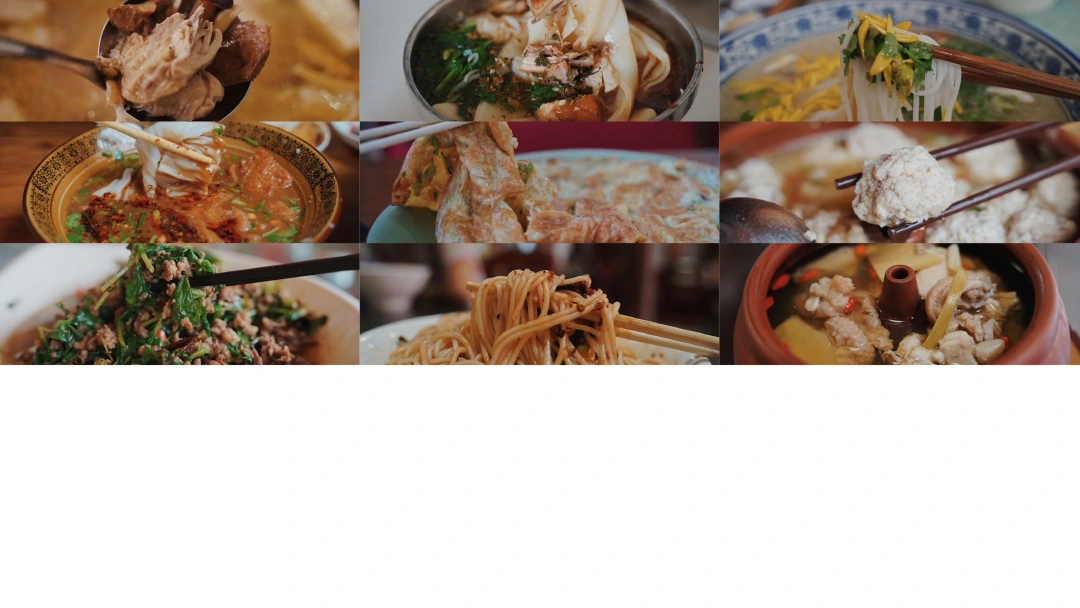
Rice noodles and rice rolls were placed on the side, self-serve and free of charge. The rice noodles were traditional white ones, while the rice rolls might have been made with red rice, showing a faint, beautiful pink hue. If you preferred a chewier texture, you could add the noodles directly to your soup; if you liked them softer, you could blanch them in boiling water first.
The pig trotters were deep-fried first, then braised, cut into bite-sized pieces that were neither too soft nor too hard, with a crisp, fragrant texture. They lacked the greasy, sticky quality of normally stewed trotters, so even eating several pieces didn't cause cloying heaviness. Unlike crossing-the-bridge rice noodles, the pork bone broth here had been skimmed of fat beforehand, leaving only the essence — clean, rich, and mellow. As the meat soaked in the broth, the tiny pores created by deep frying eagerly sucked up the liquid. With each bite, soup burst out, and the meat's aroma filled the air. A few drops of homemade chili oil were essential — the spicy oil mixed with the broth's fragrance brought an instant morning refreshment.
The owner said that because her trotters were fried before braising, they were light and not greasy, and the low-fat broth made them especially suitable for breakfast. Many locals would stop by for a bowl of rice noodles before work or before heading out of town. Sitting at a low table by the inner courtyard, I lowered my head to sip soup and gnaw on trotters, then looked up at the sky. Watching the locals walk in, sit down, drink their soup, eat their noodles, then stand up, stretch, and slowly leave — only then did the day truly begin. The passage of time in this small town was always so elegant and unhurried, each morning unfolding like a scroll, never rushed.
The day began with a bowl of rice noodles and might end with another. Strand after strand of translucent rice noodles wove through time, slowly knitting together the fabric of days in this small town.
Restaurant Info: Yangji Hejiayuan
Mengzi Barbecue: The Smoke and Fire of Late Night
To find a city's vibrant energy, head to its late-night barbecue stalls.
The grill was piled high with glowing charcoal. Skewers of food were neatly arranged, turned back and forth over the searing heat. Moisture either evaporated into the air or condensed and dripped down, sizzling on the coals with a "tsk" sound, then rising again as a wisp of white smoke.
Since the Paleolithic era, fire has been humanity's most trusted companion. From slash-and-burn agriculture to cooking, the discovery of fire fundamentally changed human history. Roasting food over fire is humanity's most primitive and purest cooking method. High heat gives food a crispy exterior and tender interior; the absence of added water locks in the original flavors; and the reaction between charcoal and protein adds a hint of smoky char to the tongue.
In every city, barbecue stalls are never in short supply. In the late-night city, what never disappoints is the aroma and deliciousness of barbecue, infused with local character.
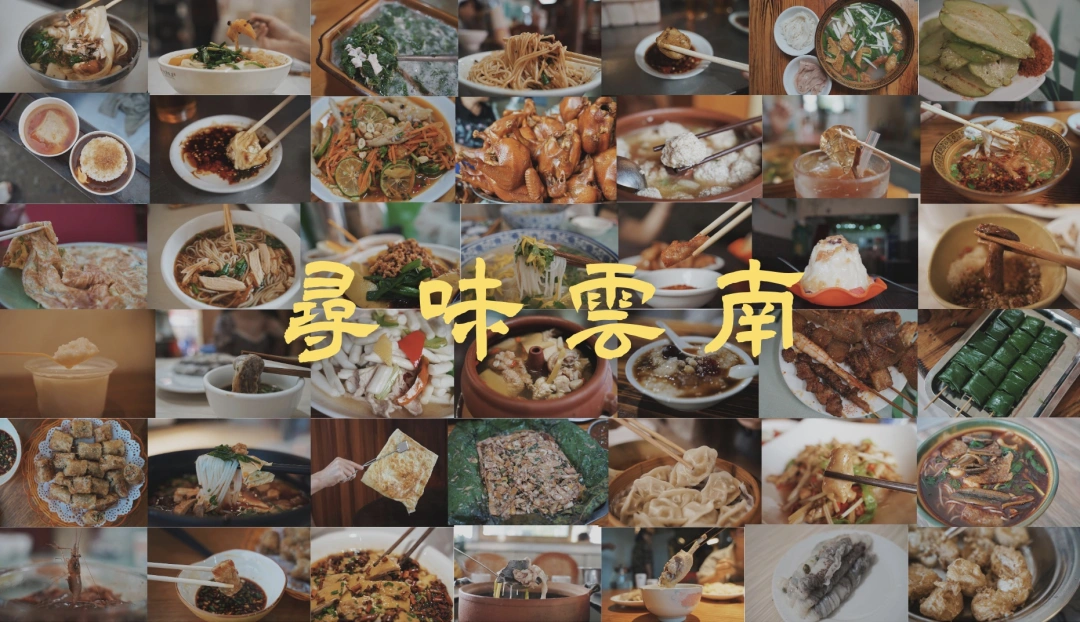
Almost none of the barbecue shops here had menus. All ingredients were pre-skewered and displayed in cold cabinets, left entirely for customers to choose. Each shop had its specialty. At this one, "Wacheng Roast Chicken," the signature dish was grilled black-boned chicken. Every part of the black chicken — wings, wing tips, skin, head, liver, carcass — could be transformed into magical delicacies on the owner's grill.
While waiting for the owner to finish his busy work, I wandered next door. The two shops had a good relationship; you could order from one and have it delivered to the other. The neighboring shop, "Jinping Mengla Barbecue," specialized in the Dai style of Mengla. Walking in, I saw the owner wrapping meat filling in green leaves like origami, skewering them one by one, then grilling them until the leaves wilted. This was a Dai ethnic specialty — fragrant leaf-wrapped meat. The leaves, called hao yao luo in the Dai language, come from a pepper plant with natural aromatics. Usually, pork belly filling was wrapped in the leaves, then fried or grilled, and eaten together with the leaves, producing an indescribably delicious fragrance.
The Dai and Hani ethnic groups also like to cook with banana flowers. The yellow, tubular banana flowers were washed, chopped, mixed with seasonings, then wrapped in banana leaves and thoroughly heated over fire. The banana flowers had a soft, sticky texture, looking and feeling like fully cooked scallions, but with a subtle banana aroma when chewed carefully, leaving a slightly sweet aftertaste.
Perhaps because of the black chicken's dark skin, the skewers didn't look very appealing — they even seemed a bit burnt — but they were incredibly crispy and fragrant, with chewy meat. The chicken skin in particular was as thin as paper, with no trace of fat. The accompanying chili sauce was fiery — indeed, when it comes to eating spicy food, no one in the southwestern provinces concedes to anyone else.
The passion fruit and lemon chicken feet, with Yunnan's signature sweet-and-sour freshness, provided the perfect palate cleanser amid this barbecue feast.
Epilogue: Taste Buds as Road Signs, Guiding Steps Forward
Nine days, 1,000 kilometers, nine cities. From Kunming's mushroom hotpot to Mile's braised chicken rice noodles, from Mengzi's chrysanthemum crossing-the-bridge rice noodles to pig trotter rice noodles, to the late-night barbecue stalls — every flavor of southeast Yunnan, sweet, sour, bitter, spicy, and savory, is etched into my memory.
I took one last look at the stunning colorful clouds, swallowed the remnants of broth at the bottom of my bowl. My free spirit leaped up from the tip of my tongue, eager to continue telling the story of this elegant journey walking atop my taste buds.
The aromas of food from distant lands have since become road signs for my soul, tirelessly guiding my steps forward.
If this article has sparked your interest in a culinary journey through southeast Yunnan, feel free to leave a comment below — I'll share detailed itineraries and tips.
About the Author: University lecturer | Travel blogger | Host. Travel, culture, and food are the three primary colors of my life. For collaboration, contact WeChat: SpongeMel (please note Mafengwo).
Destination: Yunnan Travel Dates: July 25, 2020, 9 days total Travel Companions: With a friend Per Person Cost: Details in comments below
You should also read:

Body in Hell, Heart in Heaven: A Pilgrimage Through Tiger Leaping Gorge — A Dialogue Between Heaven and Earth
Body in Hell, Heart in Heaven: A Pilgrimage Through Tiger Leaping Gorge — A Dialogue Between Heaven and Earth Introduction: When the Gorge Splits Open Beneath Your Feet Some say Tiger Leaping Gorge is the closest place on Earth to the border between "hell" and…
Continue reading...
Cloud Travelogue · Dali of Wind, Flowers, Snow, and Moon: A Three-Day, Two-Night Journey of a Free Spirit
Cloud Travelogue · Dali of Wind, Flowers, Snow, and Moon: A Three-Day, Two-Night Journey of a Free Spirit I am a cultured female foodie with a touch of rogue charm. I slung on my backpack, took my lover's hand, and set off on a spontaneous…
Continue reading...
The Meaning of Travel – A Tengchong Story: A Journey of the Heart and Personal Growth
The Meaning of Travel – A Tengchong Story: A Journey of the Heart and Personal Growth Setting Out, Only to Return a Better Self Some say travel is nothing more than leaving a place you're tired of, only to go to a place where others…
Continue reading...