Taking Mom to the Plateau: A 7-Day Summer Journey Through Kunming, Lijiang, and Shangri-La
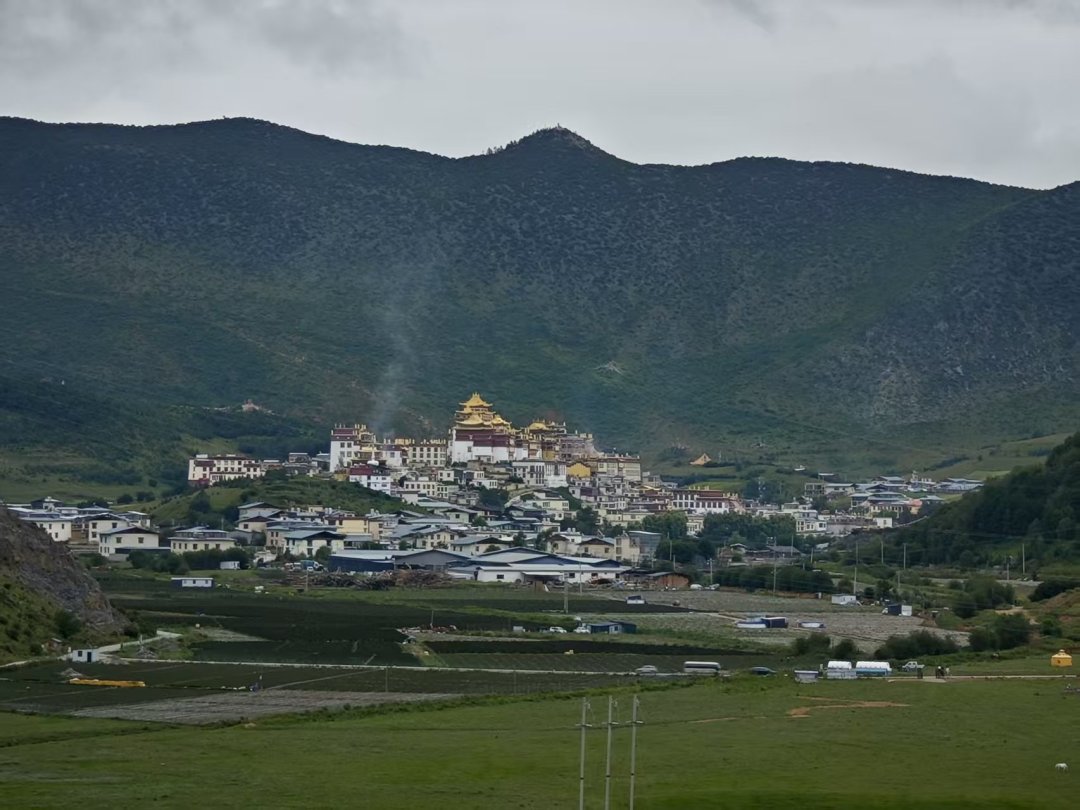
Taking Mom to the Plateau: A 7-Day Summer Journey Through Kunming, Lijiang, and Shangri-La
Foreword: A Spontaneous Family Adventure
In the summer of 2025, my husband (whom I'll call Fan) and I made a bold decision—to take my mom up to the plateau. My mom suffers from severe motion sickness, making long road trips a nightmare for her, so we opted for high-speed rail instead. Departing from Huaihua in Hunan Province, we headed west, crossing through Guizhou and over the Wumeng Mountains, bound for that dreamlike land so many yearn for: colorful Yunnan.
This wasn't just a trip; it was a challenge. Could my mom adapt to the altitude? Would she experience altitude sickness? With these questions lingering, we embarked on this journey into the unknown.
Day 1: From Huaihua to Kunming – A First Taste of the Yunnan-Guizhou Plateau by Rail
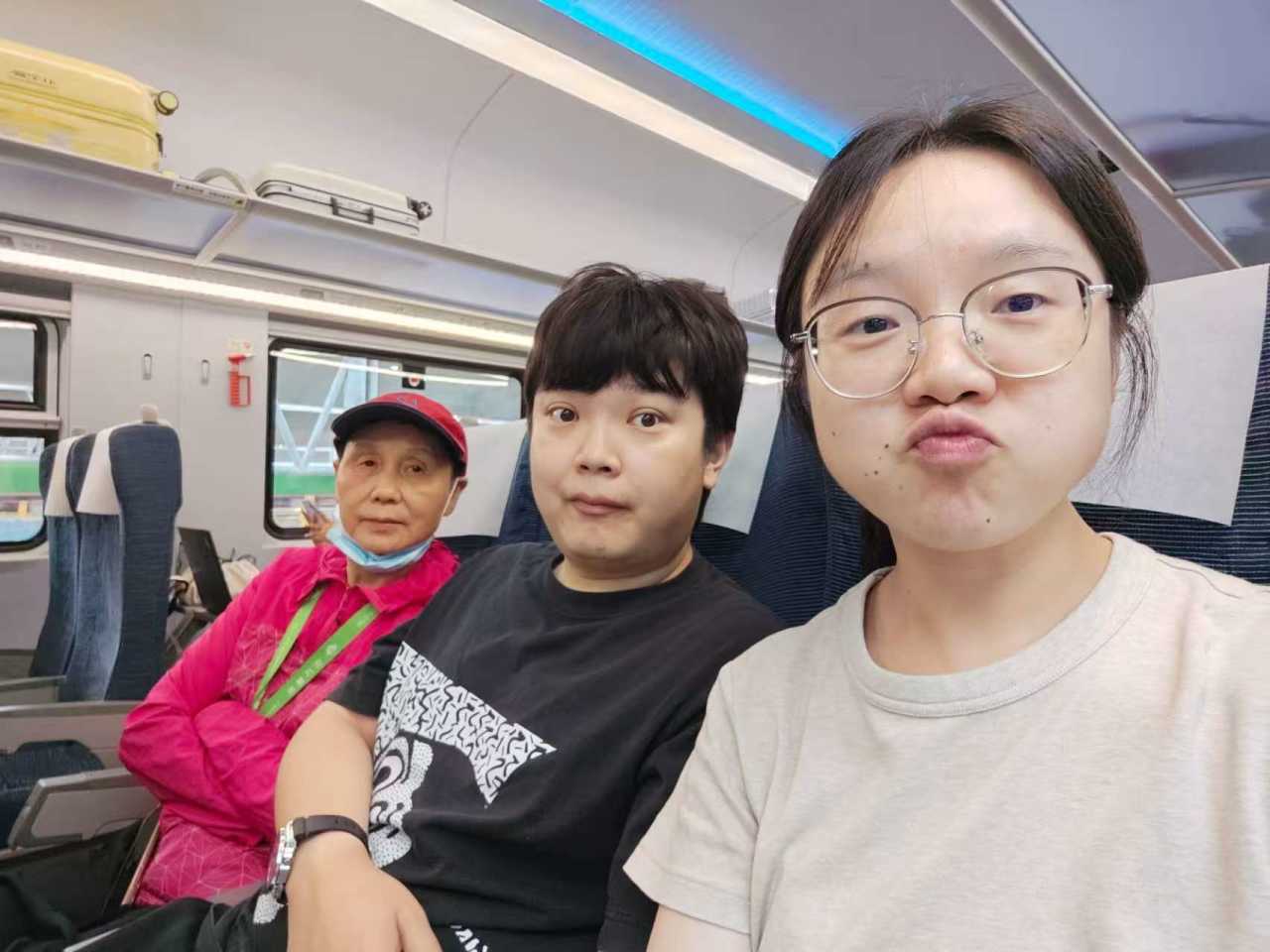
At 4:00 PM, the high-speed train departed punctually from Huaihua South Station. My mom's motion sickness ruled out driving, and the smooth ride of the train kept her comfortable throughout. Over the four-and-a-half-hour journey, the scenery outside the window gradually shifted from the rolling hills of Hunan to the mountainous terrain of Guizhou, and finally into the highlands of Yunnan.
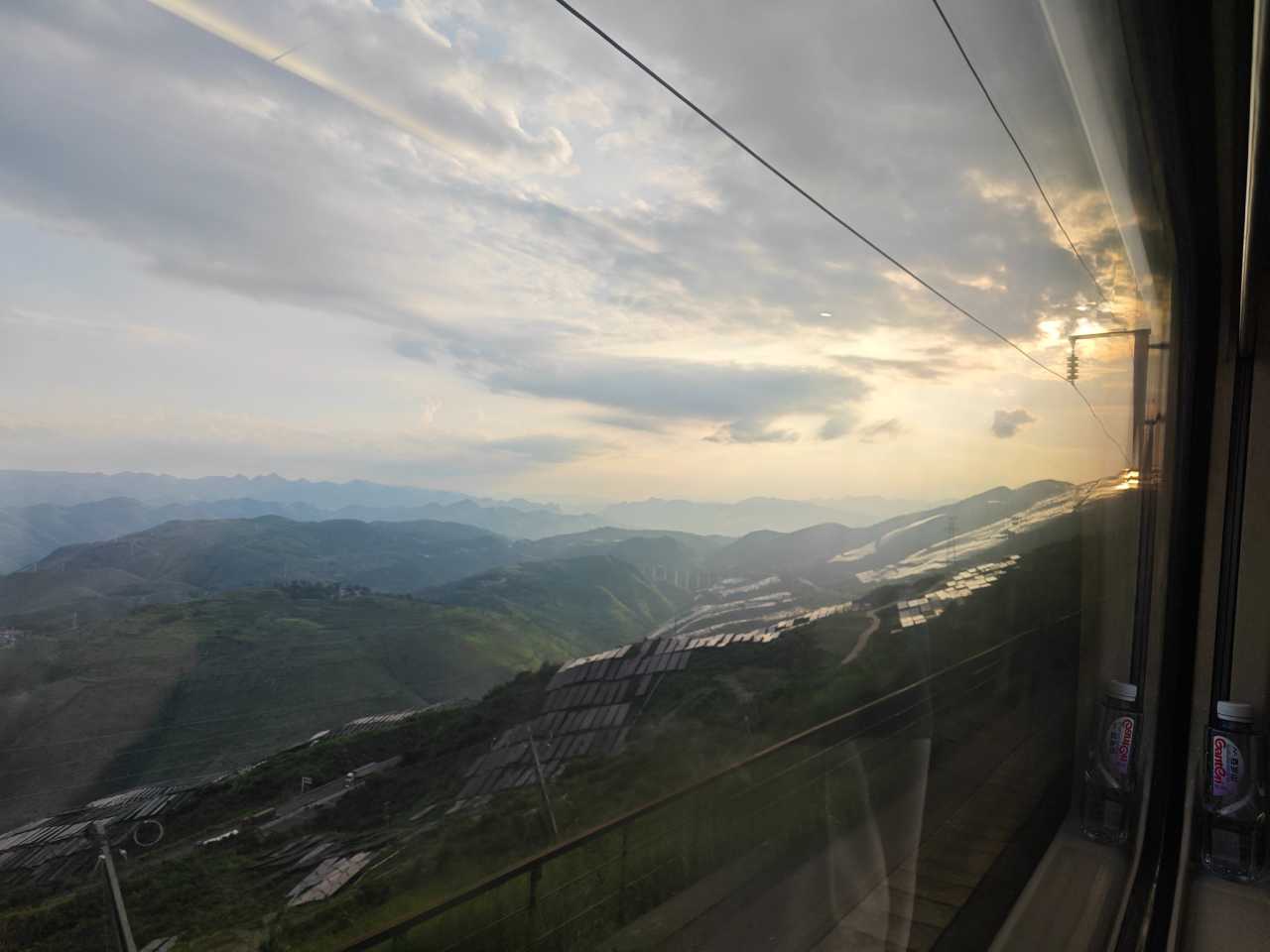
As the train passed through the Wumeng Mountains, I could clearly feel the altitude rising. Dense clusters of solar panels on the mountainsides glistened in the sunset, like silver scales spread across the earth. At 8:30 PM, the train arrived on time at Kunming South Station.
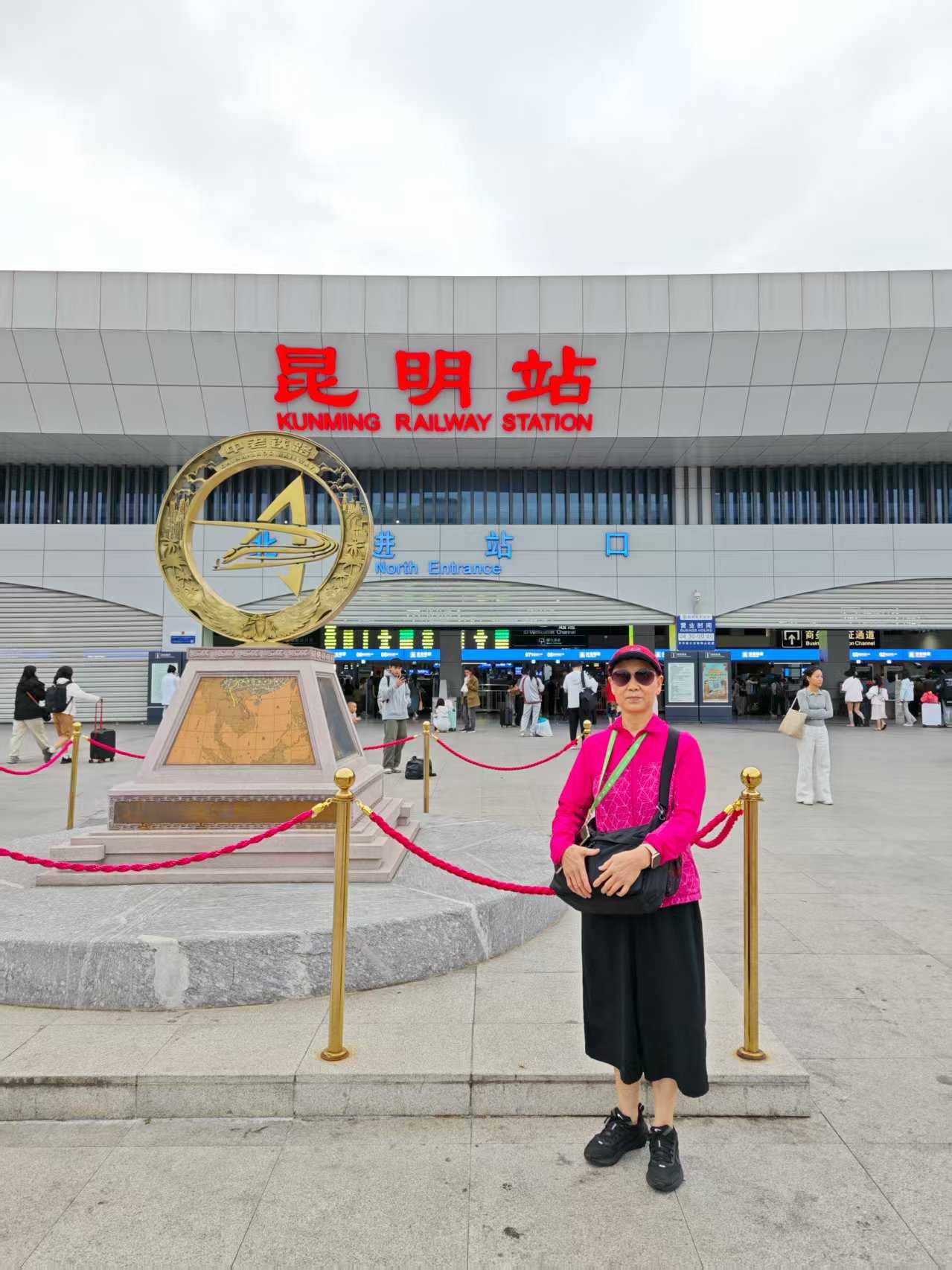
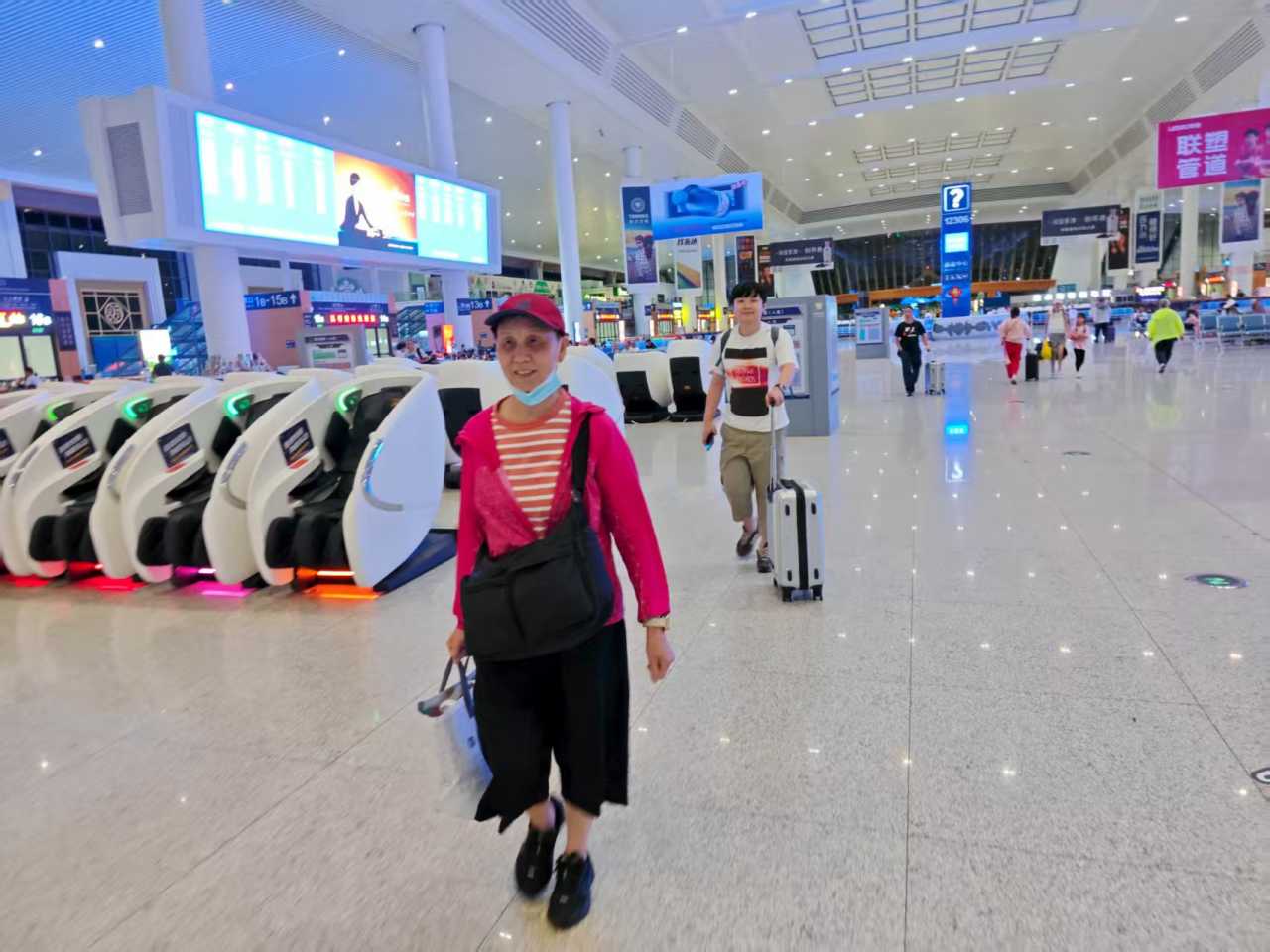
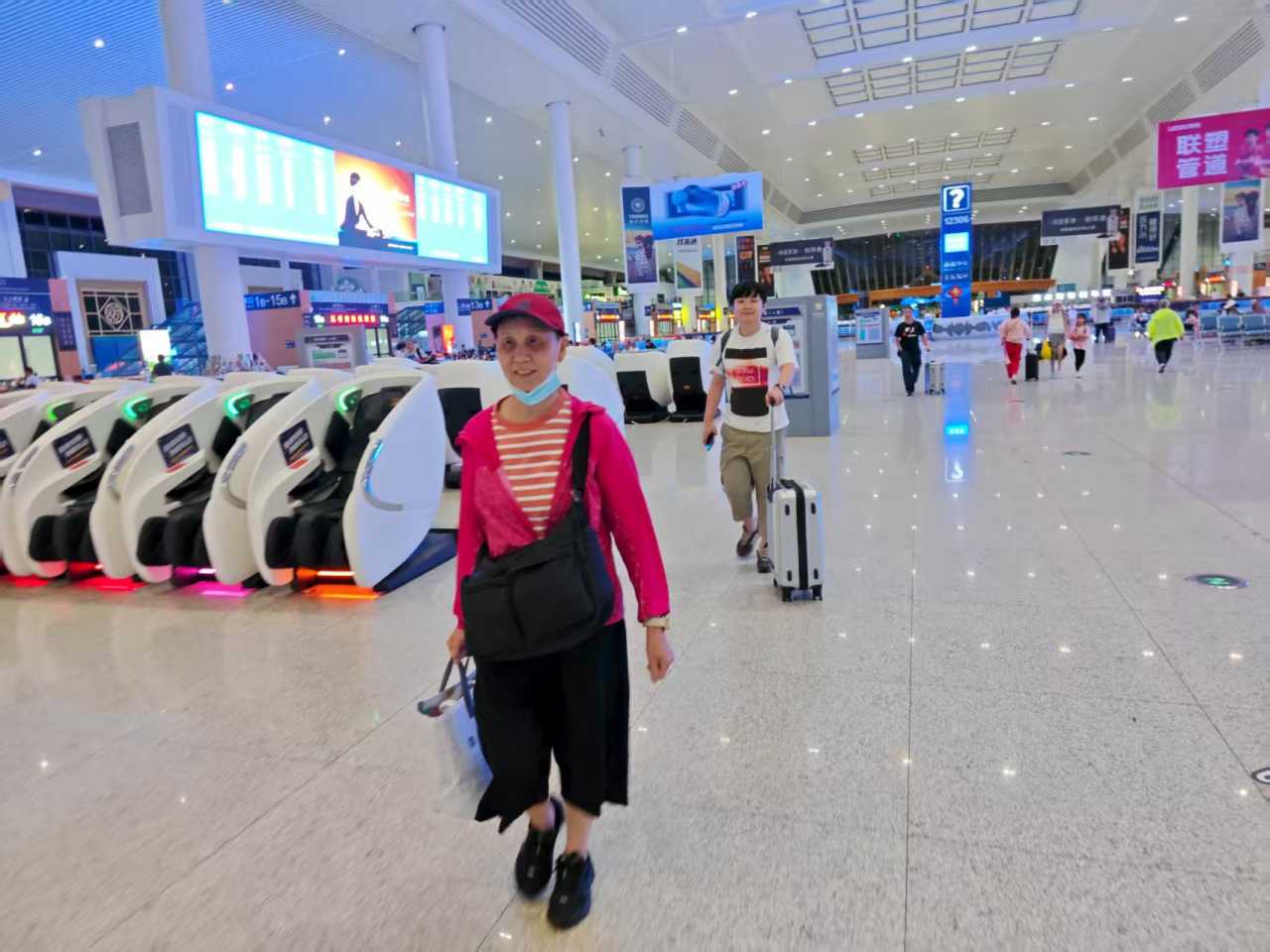
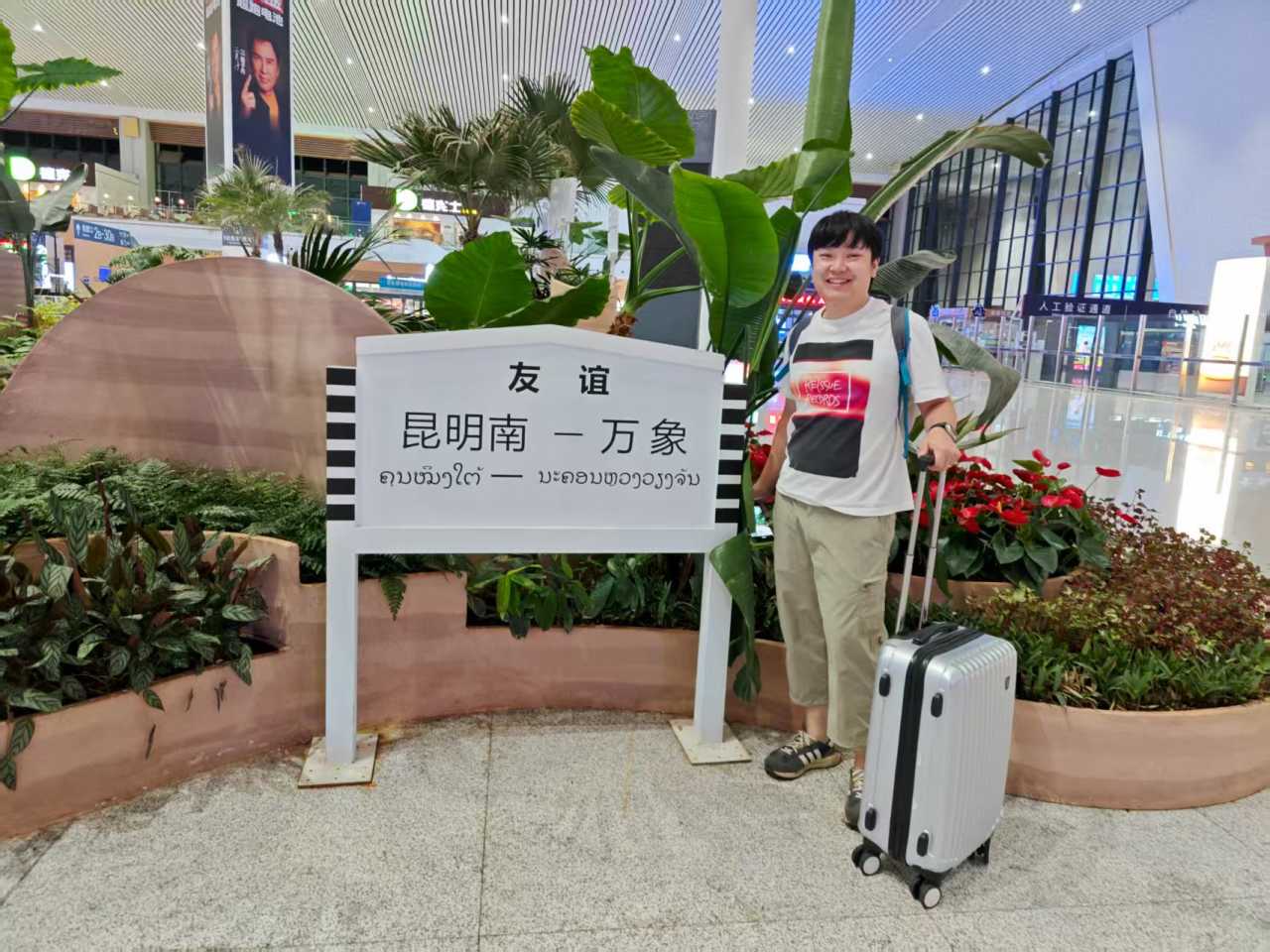
Since we planned to catch a train from Kunming Station to Shangri-La early the next morning, we needed to transfer from Kunming South to Kunming Station via a connecting train. As we exited through Gate 1A, my mom—always impatient—shifted into "hustle mode," walking briskly without stopping. I noticed a commemorative sign near the gate for the China-Laos Railway and snapped a quick photo.
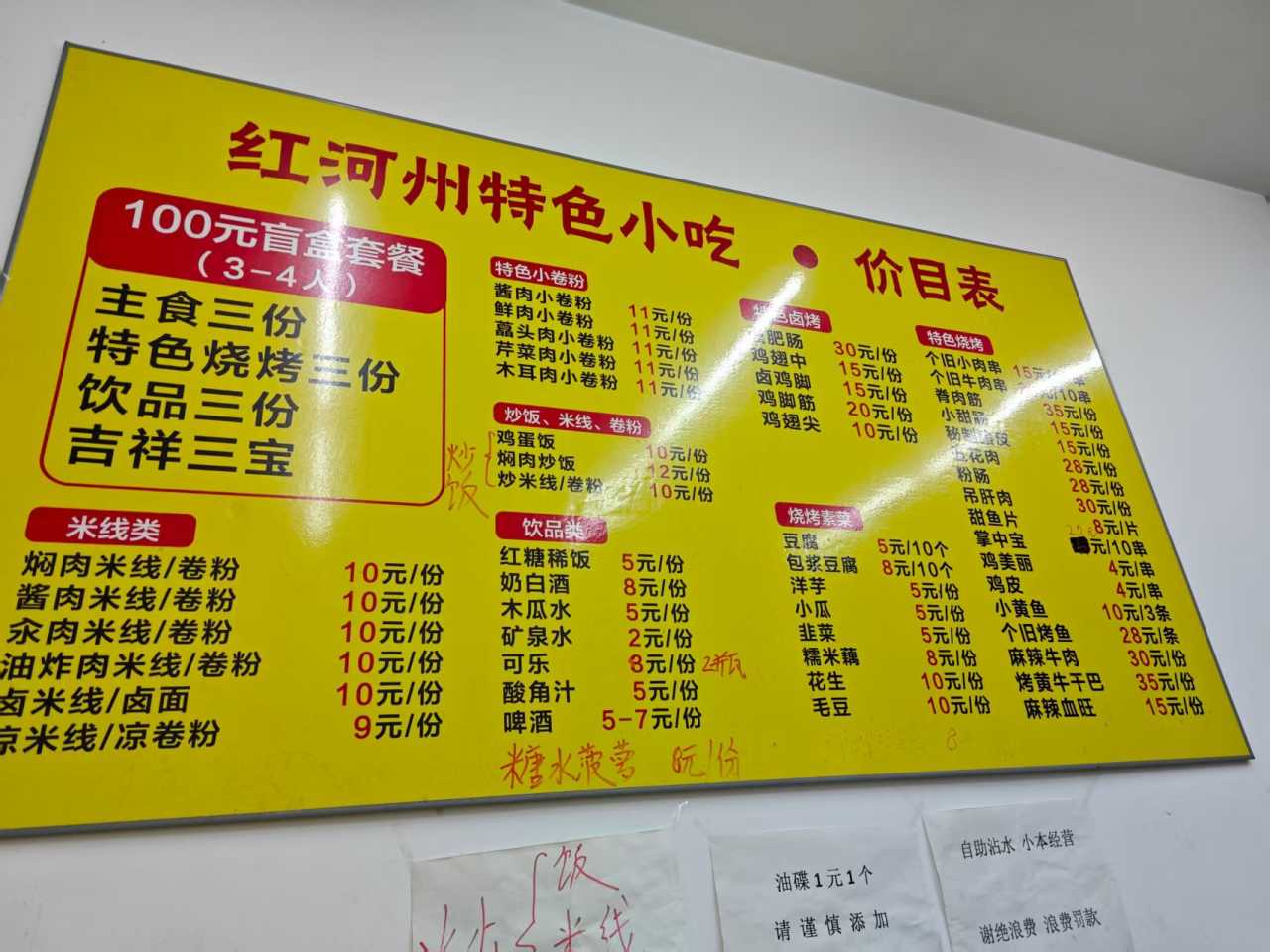
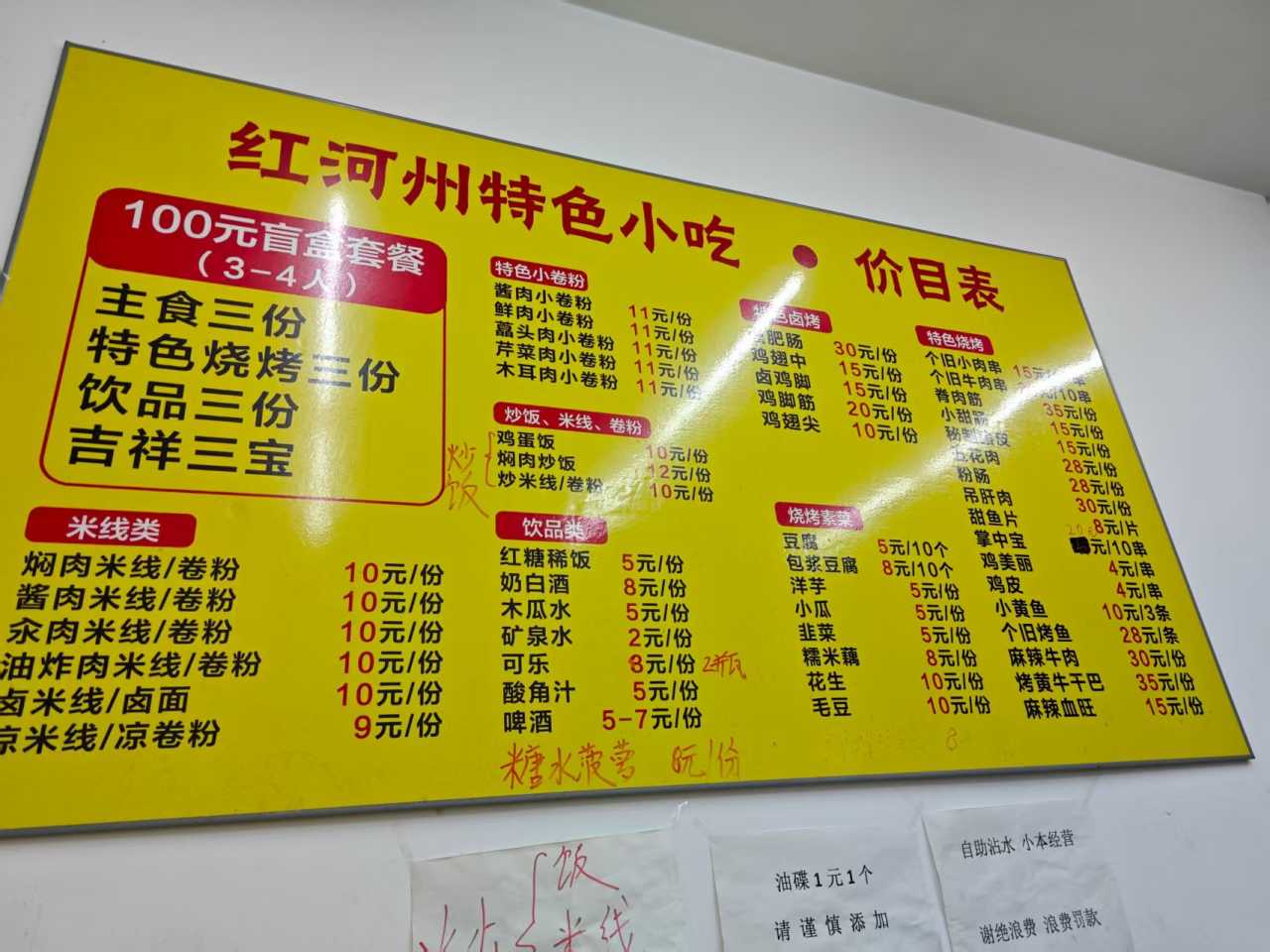
After checking into a hotel near Kunming Station, my mom went straight to rest. Fan and I headed out to find food, stumbling upon a lively barbecue joint that looked full of local character. The place was packed with railway staff, likely grabbing a bite after getting off work. We ordered small meat skewers, chicken feet, and grilled tofu, dipping them in chili powder and white sugar—savory and addictive. A late-night bowl of fried rice filled our empty stomachs and warmed our travel-weary spirits.
Day 2: Kunming to Shangri-La – The Awe of 3,200 Meters
Summer in Yunnan is far cooler than in Hunan. I'd worried about the heat and booked a room with air conditioning, but it turned out completely unnecessary. At 7:53 AM, we boarded the train to Shangri-La. The route passed through Dali and Lijiang, with the altitude climbing steadily.
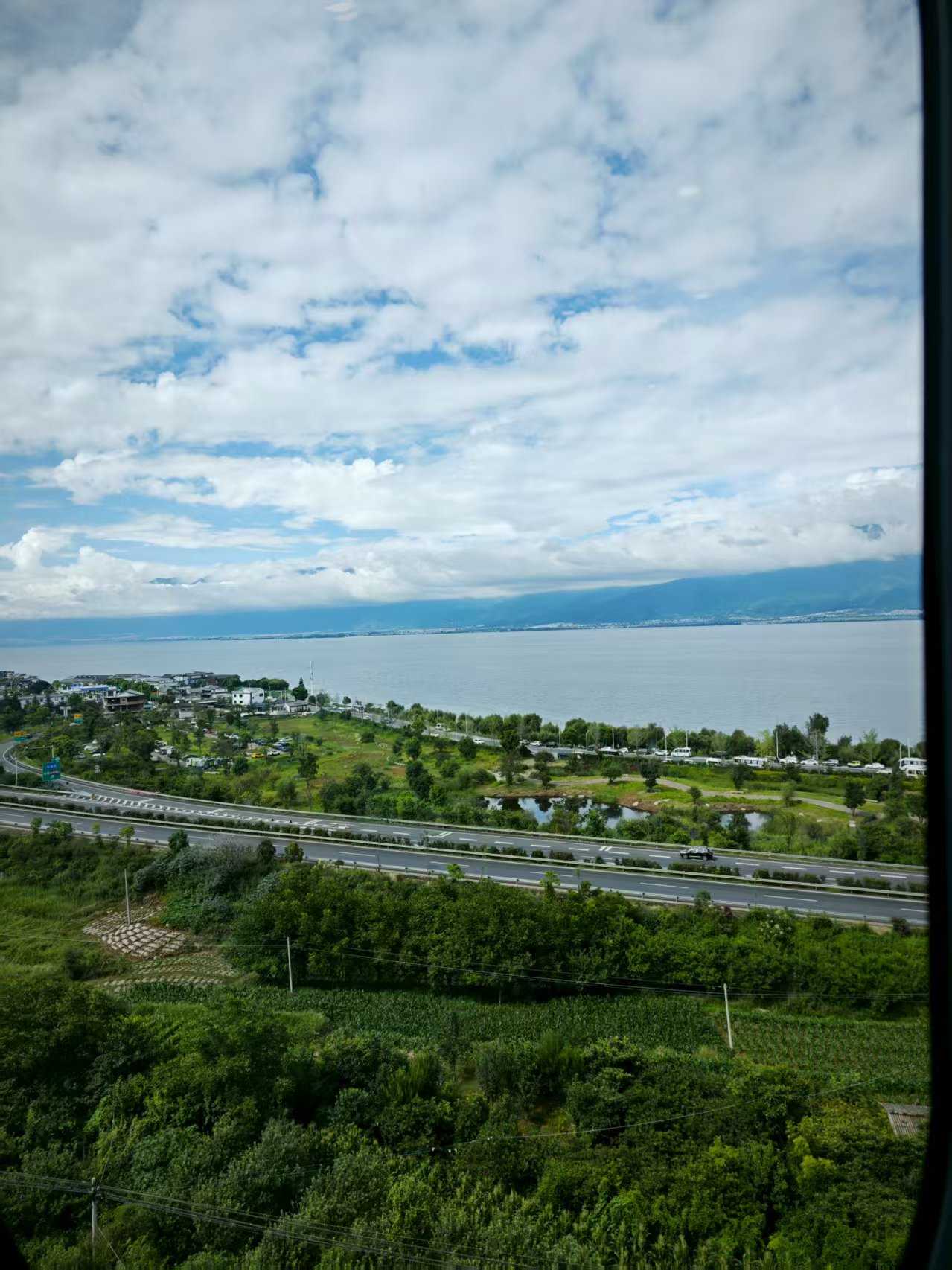
Erhai Lake in Dali flashed by the window—just a distant glimpse. The farther north we went, the more distinct the Hengduan Mountains became. For most of the journey, the train tunneled through mountains. Just before reaching the Jinsha River, the conductor announced over the intercom to look outside. The moment we emerged from the tunnel, every passenger pulled out their phones—in just a few seconds, the train crossed the Jinsha River. The sheer spectacle was beyond words.
Around 1:00 PM, we arrived at Shangri-La Station. At 3,200 meters above sea level, the air was so clear that even my nearsighted eyes felt sharper. My mom posed for photos on the platform, wearing a hat that wrapped around her face—perfect for the plateau.
Our guesthouse was inside Dukezong Ancient Town, a traditional Tibetan-style building. The owner, a talkative Tibetan uncle, told us that Tibetan names are given by lamas. His name was Norbu Yongqing, meaning "longevity treasure." The courtyard was enclosed with glass, likely to let in sunlight.
For lunch, we found a small eatery in the old town and ordered clay pot rice noodles, butter tea, and highland barley cakes. Afterward, we returned to the guesthouse to rest—our first lesson on the plateau: if you don't take it easy, you'll tire out quickly.

Waking up in the afternoon, we strolled through Dukezong Ancient Town. Fan had read online about a free Tangka painting experience at the town's Intangible Cultural Heritage Center, so we headed straight there. After registering, a guide named Dekyi Lhamo led us upstairs for a tour. She came from a family of Tibetan incense makers and, besides explaining the exhibits, offered a hands-on incense-making experience. The entire tour took over two hours, and by the time we started painting Tangkas, it was already 8:30 PM.
The free Tangka activity was fascinating. Before painting, the paper was blank; afterward, it was a vibrant work of art. We followed templates but chose our own color combinations. My design was simple, yet it still took half an hour. I paid 10 yuan to have it laminated, so it would last longer.
By the time we finished, it was 9:00 PM, and we grabbed a quick snack. A barbecue stall advertised yak meat skewers at a special price of 10 yuan each, so we bought two. Later, at another stall, we saw identical skewers labeled as duck meat—well, our own fault for not being careful.
The old town was crowded at night. After being destroyed by fire in 2014 and rebuilt, it now felt like many other ancient towns, with cookie-cutter shops. Only the young people in Tibetan costumes posing for photos and the giant golden prayer wheel glowing in the park reminded us we were in this high-altitude city.
Day 3: Deep Dive into Shangri-La – Napahai Lake and a Serendipitous Encounter with Matsutake Mushrooms
Today, we rented a three-person electric scooter for 120 yuan per day. In the morning, we set off for a loop around Napahai Lake. Fan, an experienced driver, got the hang of it instantly.
July and August are the rainy season in Yunnan. As soon as we stepped outside, the wind made us regret not dressing warmer. The sky was overcast, and it started drizzling as we rode. This was why we chose the electric scooter—it had a roof, unlike a two-wheeler.
Napahai is a vast lake. In good weather, stopping along the way would have been delightful. Unfortunately, the rain intensified, and all we could think about was a hot lunch. After completing the loop, we returned to the old town to eat.
For lunch, we chose a cozy Tibetan restaurant in the old town and ordered a yak meat hotpot. We used a group-buying coupon for two, but it was enough for three. On the plateau, you shouldn't eat too much—it can trigger altitude headaches. The set meal included hotpot and grilled meat, both delicious. I ordered some tsampa (roasted barley flour) for my mom to try. She said it reminded her of a kind of cake she ate as a child—coarse in texture.
In the afternoon, we visited the Matsutake Mushroom Trading Center. Outside, vendors sold loose matsutake for 160 yuan per kilogram. Inside, the center was small, with stalls selling mushrooms ranging from over 100 to several hundred yuan per kilogram. We bought some at 150 yuan per kilogram, keeping a portion for dinner and shipping the rest to Fan's parents.
We'd planned to take photos outside Songzanlin Monastery, but a sudden downpour forced us back. For dinner, we asked the restaurant owner to cook our matsutake. The ones without wormholes were sliced and eaten raw with soy sauce and wasabi; the rest were stir-fried with other mushrooms. The raw matsutake were crunchy and intensely earthy, but my mom preferred them cooked.
Day 4: Shangri-La to Lijiang – The Challenge and Surprise of Tiger Leaping Gorge
Today was a challenge for my mom. We were driving to Tiger Leaping Gorge, and her motion sickness is at its worst—she's been known to vomit. Her strategy was to fall asleep as soon as she got in the car, hoping her body would doze off before her brain could react.
We took a national highway, hoping for scenic views, but the mountains were shrouded in thick fog. We passed a snowy mountain viewpoint without stopping—there was nothing to see.
When we arrived at Tiger Leaping Gorge, the crowds were immense, and we had to queue slowly to enter. Admission was 45 yuan per adult; my mom, being over 60, got a half-price ticket. After buying tickets, we took a scenic shuttle to the official entrance, catching glimpses of the Jinsha River roaring below. My mom said she couldn't look down—she's afraid of heights.
Although many online reviews said the stairs down into the gorge weren't that long and you could skip the escalator ticket, our trio firmly believes in spending money to save effort. We bought escalator tickets for 70 yuan each, making the descent much easier.
The Jinsha River rushed furiously. As I stepped onto the viewing platform, I couldn't help thinking: if I fell in, I'd be swept away in seconds—no chance of rescue. Despite the rain, the iconic giant tiger statue drew crowds of enthusiastic tourists.
After leaving the gorge, we stopped at a roadside stall for a bowl of plain noodles (20 yuan) and continued our journey. My mom, convinced we'd reach Lijiang soon, dozed off again. But we secretly made a detour to the First Bend of the Yangtze River—the Jinsha River's first major turn, where it shifts from flowing north-south to south-north.
The viewing point for the First Bend is in Shigu Town. We drove up a hill, but the rain made the ground slippery, so we skipped the climb and used a drone instead. The aerial footage was stunning: the small town nestled against the mountain, appearing and disappearing in the mist.
By 7:00 PM, we arrived in Lijiang and headed straight to dinner. Craving fish, we ordered a whole fish in a sour-spicy sauce with tender tofu. The Naxi-style grilled meat tasted deep-fried, served on a bed of fried mint. I tried fried milk fan (a dairy product) for the first time—rich and creamy, absolutely delicious.
Our guesthouse was inside the old town, accessible only via cobblestone streets. The owner picked us up in a small electric cart. Fan and I returned the rental scooter, while my mom went with the owner to the guesthouse. She later told us the bumpy ride was so jarring it felt like it worsened her osteoporosis—she got off and walked halfway.
That evening, my mom summarized the day in the family group chat, saying she was thrilled because she'd set a personal record for not getting carsick. I was genuinely happy for her. With this experience, she'll only grow more confident.
Day 5: Wandering Lijiang – From the Old Town to the Sleeper Train
Today was a "Lijiang walk" day. Breakfast started with a bowl of rice noodles. Since it had been raining nonstop, we bought new gear and walked all day without our shoes getting wet.
Many shops in Lijiang's old town looked the same as those in other ancient towns, but the flowers and plants were unmatched. Everywhere you looked, there were lush greens and sprawling succulents growing so well you'd wonder if they were fake and replaced when they died.
For lunch, we chose a restaurant on a hill in the old town. Overall, the food was neither bad nor great. I'd wanted to order cured pork rib hotpot, but when the staff warned it would get saltier the longer it cooked, I switched to yak meat hotpot instead.
In the afternoon, we visited the Mu Mansion. I'd first heard of the Naxi people as a child watching the TV drama Mu Mansion. Nearby, there was a Xu Xiake Memorial Hall. Xu Xiake, the famous Ming dynasty traveler, came to Lijiang in his later years to trace the source of the Yangtze River, by which time his legs were already failing.
For dinner, we found a Dai-style restaurant. Ever since I'd seen videos of dishes like pounded chicken feet online, I'd been craving that flavor. Dai cuisine is sour and spicy, but the sourness comes not from vinegar but from ingredients like lemons, passion fruit, and aromatic herbs. The tilapia had no small bones, making it easy to eat. Sweet bamboo shoots were refreshing and crisp—I could eat them endlessly without getting tired.
At the station that evening, Lijiang Station wasn't large, but it was packed with summer travelers. We boarded a double-decker sleeper train, similar to a soft sleeper with upper and lower bunks. Though slow, the tickets were hard to come by. There were three overnight sleeper trains, and we put in waitlist requests for all of them, ultimately securing tickets for the 8:53 PM to 5:03 AM train.
The arrival time was way too early. The train lights came on at 3:40 AM, and the conductor announced over the intercom urging everyone to get up and use the restroom. We stumbled off the train, bleary-eyed, having woken up at 3-something.
Day 6: A Day in Kunming – A Feast of Wild Mushrooms
Today started far too early. From Kunming Station, we took a taxi to the hotel to drop off our luggage, then collapsed onto the lobby sofas for a rest. My mom's ability to sleep anywhere is remarkable—she dozed off even in that short time.
Fan had eaten at a great rice noodle shop on a previous trip to Kunming, so we went back. At this shop, you choose your own "toppings" (called mao in local dialect, similar to the shaozi we use for noodles back home). Fan alone ordered 12 toppings; my mom and I only had three. The noodles were cooked in a boiling pot, and the broth was excellent.
After breakfast, we took the subway to the Kunming World Horticultural Expo Garden. The 1999 World Horticultural Exposition was held here, and Fan had visited as a child with his grandparents. Today, he was revisiting old memories. The garden had electric carts for rent at 80 yuan per hour—more flexible than the shuttle buses.
Around noon, we decided to head back to the hotel to rest. On the subway, both Fan and my mom nodded off, leaving me to stay awake and watch for our stop.
For lunch, we picked a random restaurant on the way back to the hotel. We had a proper meal of jian shou qing (a type of toxic but delicious mushroom) and porcini mushroom fried rice. The jian shou qing was fantastic—smooth and crunchy, utterly addictive. The "flower heart" potatoes were fried to crispy perfection. The porcini fried rice was loaded with large mushroom pieces; my mom loved it and had three bowls.
The cold appetizer was green mango and pineapple mixed with bitter melon—the people of Southwest China truly excel at sour flavors. There was also a steamed chicken soup (qi guo ji), which seemed ordinary compared to the other dishes.
We slept until 4 or 5 PM, missing our scheduled visits to the Yunnan Military Academy and the旧址 of Southwest Associated University. Instead, we took a taxi to the area around Kunming's Old Street, ate stinky but delicious tofu, saw the famously flat building, and stopped by Cuihu (Green Lake) Park for photos.
Dinner was another random pick. We ordered the renowned gan ba jun (a prized wild mushroom). At first sniff, it smelled like dried shiitake mushrooms, but with many layers of flavor. We saved some to have it stir-fried with rice—another three-bowl meal.
The blanched ban lan gen (isatis root) tasted like a thinner, slightly firmer version of choy sum. Stir-fried seaweed with taro—the seaweed, also called "watery willow," was soft and slippery, reminiscent of pumpkin flowers. The fish cooked with lemon, pineapple, and passion fruit reaffirmed my love for how locals use fruit to create sour notes.
Day 7: Dounan Flower Market – Saying Goodbye to Colorful Yunnan
Our final day was spent at Dounan Flower Market. We took a taxi there and stored our luggage nearby. A tout offered to keep our bags in her shop for just 10 yuan a day. At first, I was worried about safety, but when we picked them up at noon, I realized I'd overthought it—the tiny shop was crammed with luggage, and finding ours was the real challenge.
We started the day with a bowl of stinky tofu rice noodles. Yunnan's stinky tofu is nothing like Changsha's version. It's plain-looking, white, and soft—smelly and tasty in its own way, and surprisingly addictive.
The first floor of the flower market mainly sold fresh flowers, which we couldn't easily take home, so we didn't linger. We focused on the second floor, which sold succulents, buying six for 10 yuan. There was also a flower-themed post office where stamp enthusiasts could get their passports stamped.
We made a quick visit to the nearby Dounan Wetland Park—a brief stop, but at least we'd seen Dianchi Lake. Lunch at a restaurant inside the market was disappointing, so we took the subway to Kunming South Station.
Fan took another photo at the spot where our journey began. We rode first-class seats for the first time and received a small gift bag with snacks.
Happy times always fly by. On this first trip to the plateau with my mom, she showed no obvious signs of altitude sickness and set a personal record for not getting carsick. From the awe of Tiger Leaping Gorge to the tranquility of Napahai, from the freshness of matsutake to the feast of wild mushrooms, from the lively old towns to the colorful flower market—every moment was unforgettable.
Final Tips: Practical Advice for a Plateau Trip
Transportation: For traveling with elders prone to motion sickness, high-speed rail is the best choice. The route from Kunming to Shangri-La offers spectacular scenery, especially those few seconds crossing the Jinsha River.
Altitude Adaptation: Don't shower or wash your hair on the first day. Rest plenty. If altitude sickness strikes, oxygen is the most effective relief.
Clothing: Yunnan's rainy season is cool; a lightweight down jacket is essential. Shoes must be waterproof.
Diet: Don't eat too much on the plateau—it can trigger altitude headaches. Matsutake and other wild mushrooms are a must-try, but be careful to distinguish real from fake.
Attractions: Tiger Leaping Gorge is worth visiting, though you can skip the escalator tickets. Napahai is best on a clear day. Lijiang's old town is perfect for aimless wandering.
Money-Saving Tips: The Intangible Cultural Heritage Center in Shangri-La offers free Tangka painting. Dounan Flower Market has cheap and portable succulents.
This trip taught me that traveling with parents isn't about how many places you visit, but about the memories you create together. Looking forward to the next challenge—taking my mom to Tibet!
You should also read:

Body in Hell, Heart in Heaven: A Pilgrimage Through Tiger Leaping Gorge — A Dialogue Between Heaven and Earth
Body in Hell, Heart in Heaven: A Pilgrimage Through Tiger Leaping Gorge — A Dialogue Between Heaven and Earth Introduction: When the Gorge Splits Open Beneath Your Feet Some say Tiger Leaping Gorge is the closest place on Earth to the border between "hell" and…
Continue reading...
Cloud Travelogue · Dali of Wind, Flowers, Snow, and Moon: A Three-Day, Two-Night Journey of a Free Spirit
Cloud Travelogue · Dali of Wind, Flowers, Snow, and Moon: A Three-Day, Two-Night Journey of a Free Spirit I am a cultured female foodie with a touch of rogue charm. I slung on my backpack, took my lover's hand, and set off on a spontaneous…
Continue reading...
The Meaning of Travel – A Tengchong Story: A Journey of the Heart and Personal Growth
The Meaning of Travel – A Tengchong Story: A Journey of the Heart and Personal Growth Setting Out, Only to Return a Better Self Some say travel is nothing more than leaving a place you're tired of, only to go to a place where others…
Continue reading...