Taking Parents on a Trip: A Self-Drive Journey Through Western Yunnan Blending Food, Scenery, and History
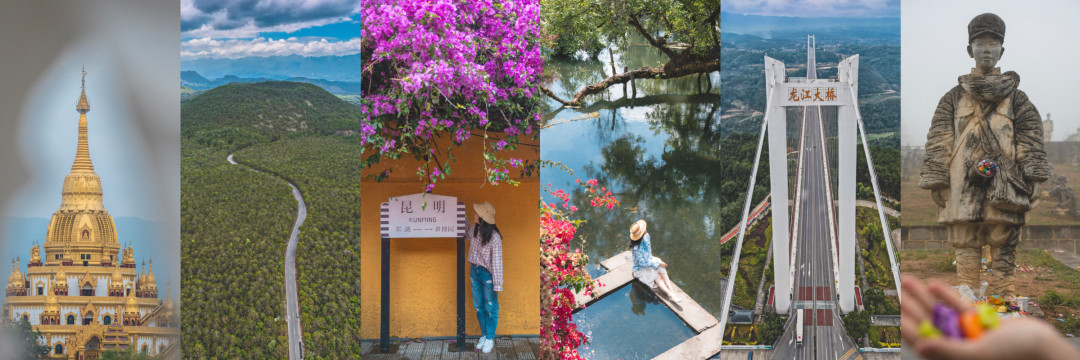
Taking Parents on a Trip: A Self-Drive Journey Through Western Yunnan Blending Food, Scenery, and History
If every trip needs a theme, then this time, mine was “Self-Driving Through Western Yunnan.” I’ve been to Yunnan no fewer than ten times, and the route I know best is Dali, Lijiang, and Shangri-La. When I was younger, I was captivated by natural beauty—places so stunning they deserved multiple visits. Later, I fell in love with culture and history, so I ventured to lesser-known ancient towns like Shaxi, Nuodeng, and Jianshui. Now, my interest has shifted toward history itself. That’s why, for this Yunnan trip, I chose the Baoshan–Tengchong–Mangshi route.
To be honest, the first destination on this trip was the cemetery of the child soldiers in western Yunnan. After some research, I learned it’s part of the Songshan Campaign site. The entire route connects the National Martyr Cemetery, the Songshan Campaign ruins, and, in Kunming, the旧址 of Southwest Associated University and the Yunnan Military Academy. These aren’t so-called “Instagram-worthy spots”—they are history itself.
I remember watching My Chief and My Regiment for the first time and being completely lost. Years later, when I rewatched it, I finally understood what the director was trying to tell us: “At first, you don’t grasp the meaning of the song; by the time you do, the music has already ended.” That kind of realization only comes with the passage of time.
Of course, this trip also included my parents and my best friend. Although I planned the itinerary, I couldn’t just follow my own preferences. The route had to include beautiful scenery and delicious food. Among the highlights were Heshun Ancient Town, where you could spend an entire afternoon photographing within a hundred-meter radius, and the ethnically distinctive Menghuan Golden Pagoda and Silver Pagoda. After the trip, everyone was satisfied—mission accomplished, haha.
Photo Preview
(Images inserted here)
Itinerary Overview
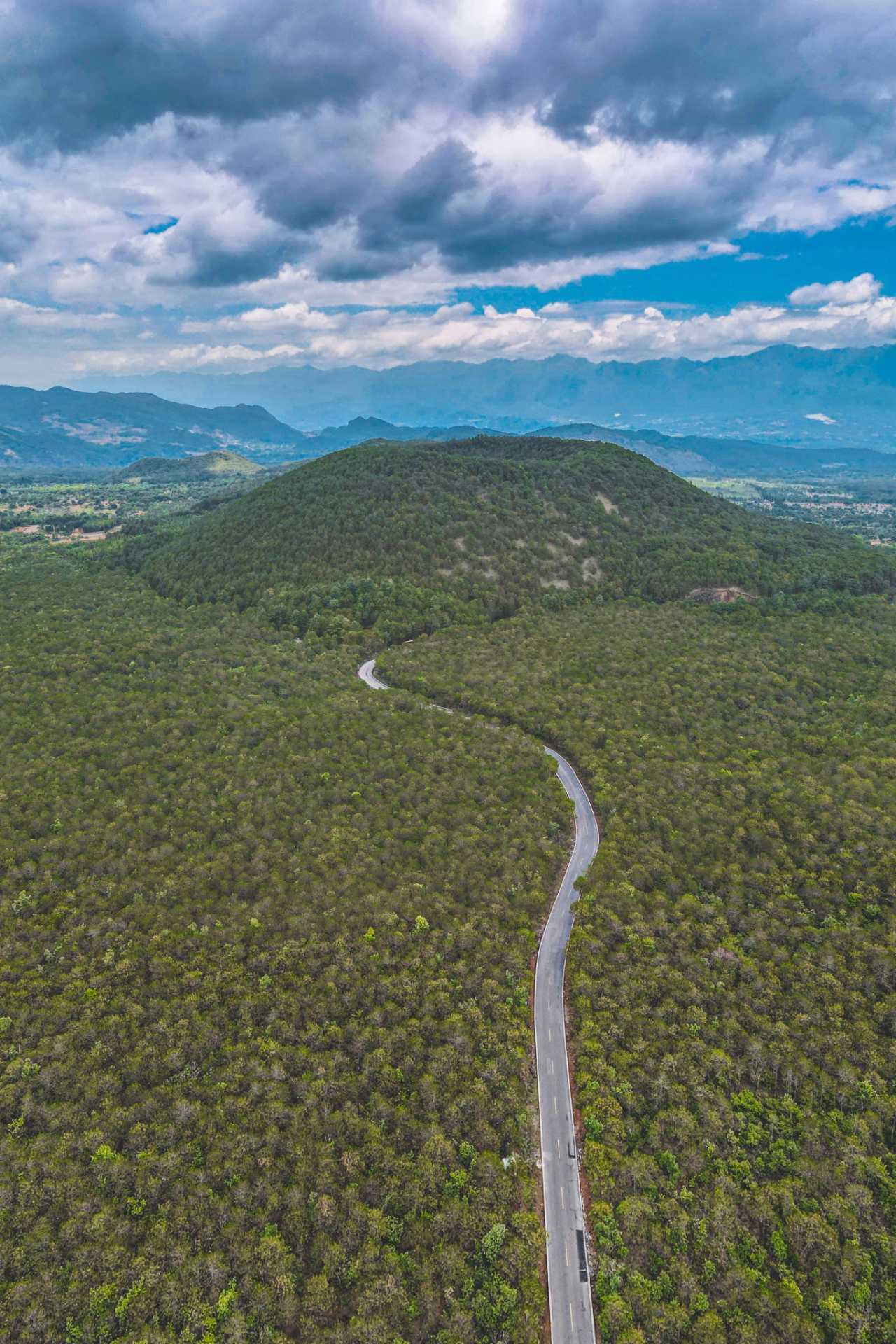
The overall schedule wasn’t tight, and since we rented a car, it was relatively relaxed. However, with two people over 65, some parts of the trip involved climbing slopes or hills, which posed a bit of a challenge. Add to that heavy rainfall toward the end of the trip and a “Black Monday” when many venues were closed—some plans got disrupted, but we still visited the core attractions, so it felt fulfilling.
Meet the Travel Crew
My Family
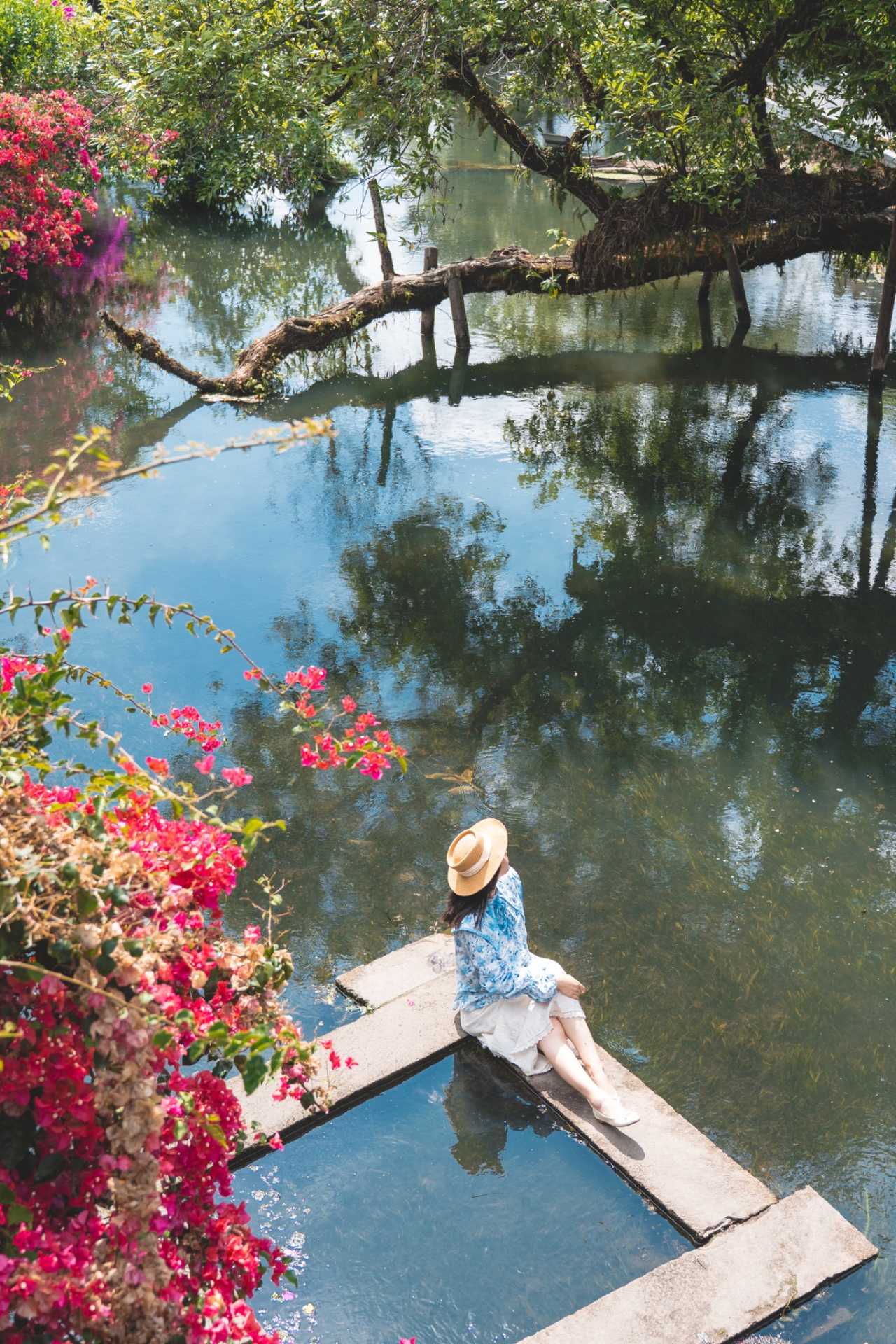
On the left is Mr. Wang (my dad), the pillar of our family. In the middle is Leader Zhang (my mom), and on the right is me—serving as tour guide, driver, accountant, cashier, planner, photographer… everything. When I sorted through the photos afterward, I realized this was the only group shot of our family, taken by our clueless friend.
The Clueless Friend
I met her at my first job after graduation, and we ended up working together at three different companies. We’ve been close friends for over a decade. I still remember our first trip together to Thailand—afterward, we didn’t talk for months, haha. We genuinely annoyed each other back then. Later, frequent work travel helped us understand each other’s boundaries, and now she’s the perfect travel and dining companion. This time, she served as assistant guide, assistant accountant, assistant cashier, assistant planner, assistant photographer… Why no assistant driver? Because I wouldn’t dare ride in a car she drives.
Day 1: Arrival in Baoshan
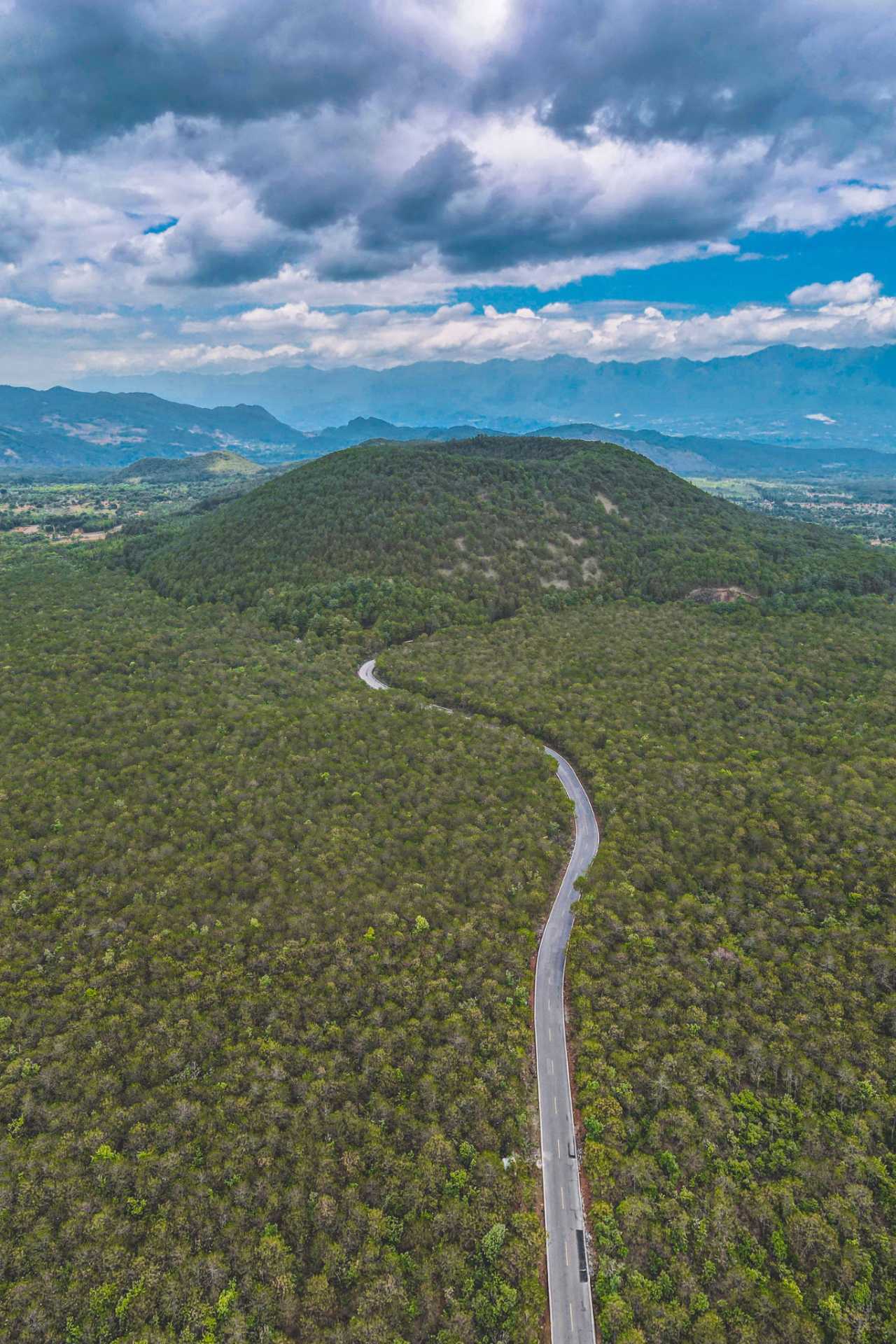
The first day was mostly spent on the high-speed train, so I didn’t make any special plans. The main tasks were finding good food in Baoshan and booking a centrally located hotel for easy access to pick up our rental car the next day.
Yongchang Huo Niu (Fire Pot Beef)
I noticed this restaurant while searching for food. Later, when deciding between two accommodations, I found it was only 600 meters from one of them, so I chose that hotel. The thought of charcoal-fired hotpot with beef tripe and beef made my mouth water.
Baoshan’s fire pot beef is a local specialty from Jinning Township, using a distinctive copper pot. The “fire pot” beef hotpot was created by master chef Chen Lin in 1988. The dish is cooked in a copper pot, hence the name “fire pot beef,” also called “copper pot beef.”
We arrived right at mealtime, but the first floor was empty and quiet, making me doubt my choice. I even considered switching restaurants. But when we went upstairs—bingo! The second floor was almost full. It happened to be May 20th, and the place was packed with couples. This was what a proper mealtime crowd looked like.
Many people recommended the pickled cabbage. It was decent, but hotpot can get greasy, and the pickled cabbage helped cut through the richness. We ordered half a jin (250g) of beef and half a jin of tripe. The beef that comes with the pot is already cooked; any extra beef you order is raw and sliced. For greens, we chose mint—my first time blanching mint leaves in hotpot. It didn’t taste like “eating toothpaste” as I’d imagined. The tripe was even better than the beef, tender and flavorful. The red spicy broth looked intimidating but wasn’t actually very spicy. By the way, this is a halal restaurant, so don’t bring outside food inside.
Axiang BBQ
Whenever I visit a new place, I have to try the local barbecue. After extensive research, I found this hidden gem favored by locals. I arrived early to avoid the peak queue—apparently, wait times here are measured in hours.
Yunnan’s barbecue has a strong charcoal flavor, and this place’s beef skewers come highly recommended. Looking at the people in line, everyone was grabbing dozens of fatty beef skewers—clearly regulars. No wonder the charcoal flavor was so intense. Back home, anything burnt would be trimmed off, but here, it’s served just as it is, haha.
I recommend the fatty beef and pork belly. The fatty beef was fantastic—crispy on the outside, juicy when you bite into it. The meat must be fresh. There were two dipping sauces, and I preferred the dry one.
Day 2: Tengchong
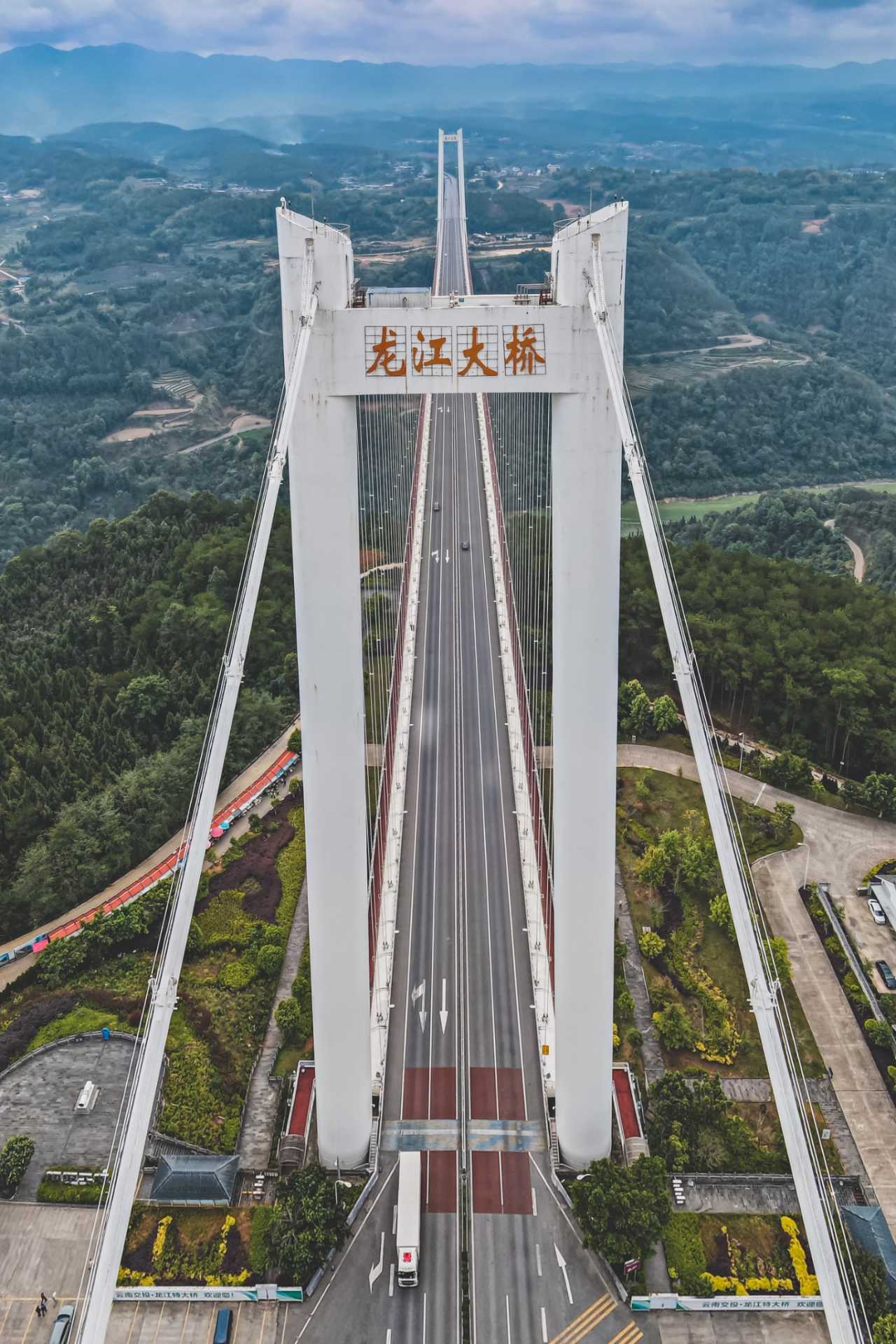
In the morning, the rental car company delivered the car to the hotel. After a bit of inspection, we left half an hour late. I’d originally planned to visit Longjiang Bridge on the return trip, but we passed it right after departure, so we decided to stop there first. As it turned out, we never passed it again, so it worked out perfectly.
About Tengchong
Tengchong is known as the “Land of Geothermal Heat” and the “First City at the Border’s Edge.” It’s a key gateway from China to South and Southeast Asia. Famous as a hometown of overseas Chinese and a city of literature, it’s also a provincial-level historical and cultural city. It marks the southwestern endpoint of the “Hu Huanyong Line,” China’s demographic dividing line. The area boasts one of the world’s rarest and most typical coexisting volcanic and geothermal zones, and it’s one of China’s youngest volcanic regions.
Last year, a video of Tengchong banning Japanese tourists went viral online. Meanwhile, Tengchong had been on my travel list for years. I always wanted to visit the first city recaptured during China’s War of Resistance Against Japan, lay flowers at the National Martyr Cemetery, see “Xiao Zui’s” home in Heshun Ancient Town (a filming location for My Chief and My Regiment), try the温泉-boiled eggs at Rehai, and see the volcanoes in southwest China. This time, I finally made it happen with my parents.
Longjiang Bridge
When I visited Guizhou, I made a point to see the Pingtang Bridge. Like that one, Longjiang Bridge has a dedicated service area with restaurants and restrooms, but no gas station or accommodation.
Longjiang Bridge is a crucial section of the Baoshan–Tengchong Expressway. Completed on April 20, 2016, and opened to traffic on May 1, it’s Asia’s largest highway suspension bridge and Yunnan’s first extra-long-span steel box girder suspension bridge. Spanning the middle reaches of the Longjiang River in the southern Hengduan Mountains, it connects the majestic Gaoligong Mountains on one end to the border city of Tengchong on the other. It was also featured in CCTV’s documentary Super Engineering.

A Quick Introduction to the Gaoligong Mountains
First, the Gaoligong Mountains aren’t a single peak but a mountain range. Located on the suture line where the Indian and Eurasian plates collided, it links the Eastern Himalayas, the Hengduan Mountains, and the India-Myanmar region. Known as the “World’s Gene Bank of Species,” it also serves as a natural barrier in southwest China. Its main peak, Gawagap Peak, rises to 5,128 meters. The routes through this range have always been strategically contested, and during World War II, it was the highest-altitude battlefield. The Songshan Campaign site we’d visit later is also part of the Gaoligong Mountains.
From a strategic perspective, the bridge’s significance is clear. Seeing its span from a drone’s view, it truly lives up to the name “Super Engineering.” There are parking areas on both sides of the highway for sightseeing, but the deceleration zone is short—visitors should slow down well in advance.
Why is it called “Super Engineering”? First, it’s a double-tower, single-span steel box girder suspension bridge with a main span of 1,196 meters, a total length of 2,471 meters, and a deck height of 280 meters above the valley floor. Those are the numbers on paper. But looking at the cross-section of the main cable displayed in the service area, you understand why it deserves the title. The bridge has two main cables (left and right), each consisting of 169 strands, with each strand made of 91 high-strength galvanized steel wires, 5.25 mm in diameter. Just seeing that cross-section, you know it’s incredibly sturdy.
There’s a sightseeing walkway by the bridge, but it didn’t seem open. There’s also a small park below, where you can walk to the edge and see the Longjiang River and the scenery beneath the bridge. You can even walk to the opposite side of the highway. We took a group photo—our first checkpoint.
Mingji Roast Pork Rice Noodles
Roast pork rice noodles are a famous snack in Baoshan. We arrived around noon, so we found a small, lesser-reviewed shop to try them. Mingji was tucked away in a narrow alley where passing cars was a challenge, and parking was even harder. I’d pre-plotted a parking spot on the map: Yuecai Commercial Plaza (a small dried-goods market) 200 meters from the shop, with about a dozen spaces.
The shop was small, with five or six tables—a true “hole-in-the-wall.” We arrived half an hour before peak mealtime, so there were few dine-in customers, but takeout orders never stopped. The small counter was piled high with golden, crispy roast pork and various seasonings. Staff were busy chopping meat and mixing sauces.
There were five types of noodles to choose from, and you could mix them freely. The pea jelly was a must-try. The pre-cooked pork skin was especially chewy. Large chunks of roast pork were finally shredded into thin strips. The rice noodle sheets were cut into strips, then combined with rice noodles, pea jelly, or cold noodles. A handful of roast pork and pork skin was added, along with seasonings, and finally a generous spoonful of salted plum vinegar—and a bowl of authentic roast pork rice noodles was ready. Mine came with extra meat. There were ten jars of seasonings and a bucket of vinegar—thumbs up, definitely.
National Martyr Cemetery
After the noodles, we headed straight to the National Martyr Cemetery.
Ticket: Free, but reservation required (bring ID)
Parking: The small car parking lot is on Tengyue Road. Near the intersection where you can see the cemetery, there’s an entrance to the underground garage. On Longguang Road, you’ll find the exit of the small car lot and private parking spots. Longguang Road is narrow and busy, so the underground garage on Tengyue Road is safer.
Opening Hours: Tuesday to Friday, 9:00 AM to 5:00 PM
The National Martyr Cemetery was built to commemorate the fallen soldiers of the Chinese Expeditionary Force’s 20th Army Group, who recaptured Tengchong in 1944. Its name comes from the “Guo Shang” (National Mourning) chapter of the Chu Ci (Songs of Chu). The name itself carries a heavy, somber weight.
Our first stop in Tengchong was this cemetery (which includes the Western Yunnan Anti-Japanese War Memorial Hall). However, the memorial hall was closed for renovation, with no reopening date set. Missing a hall I really wanted to see was a bit disappointing.
The souvenir shop had some nice items—steel helmets that felt heavy in your hands. Too bad they weren’t made into refrigerator magnets.
Loyal Martyr Shrine
Under the eaves of the shrine hangs a plaque inscribed by Chiang Kai-shek: “Heroic Spirits of the Mountains and Rivers.” The main door bears the calligraphy of Yu Youren, a senior Kuomintang member and master calligrapher, reading “Loyal Martyr Shrine.” Pillars inside and outside are adorned with couplets from He Yingqin and generals of the 20th Army Group. The corridors display proclamations from the Nationalist Military Commission, signed by Chiang Kai-shek, as well as accounts of the Tengchong Campaign and inscriptions. On both walls are stone tablets listing the names of 9,618 fallen soldiers.
Beside the shrine are tombstones for 19 Allied soldiers. Behind it, on Little Tuan Slope, row upon row of over 3,000 tombstones are neatly arranged.
Expeditionary Force Martyrs Memorial Pagoda
Little Tuan Slope is arranged radially around the pagoda at its peak, symmetrical along the central axis. On the left are buried the fallen of the 53rd Army, and on the right, those of the 54th Army.
At the entrance of the memorial plaza, the words “Heroic Spirits of China” are inscribed. The plaza is flanked by 20 steles of varying sizes. Starting from the right, they list: “Introduction to the Chinese Expeditionary Force,” “Combat Sequences of the Expeditionary Force in Three Periods,” “Ten Major Battles of the Expeditionary Force,” “Thirteen Senior Officers Who Died for the Country,” “Partial List of Fallen Expeditionary Force Soldiers,” and “Partial List of Participating Expeditionary Force Soldiers.”
Japanese War Criminal Graves
Located at the lowest point of the cemetery, these graves contain the bodies of three Japanese officers: Colonel Yasuhiko Kurakane (commander of the 148th Regiment, 56th Division), Acting Commander Major Tadashi Ota, and Captain Ko Hiro. They were buried in a kneeling position, facing Little Tuan Slope. I’ve heard that Japan once offered to invest heavily in Tengchong in exchange for these remains, but Tengchong refused. They will remain here forever, kneeling before the martyrs on Little Tuan Slope.
The northeast gate of the cemetery is an exit only. Before the memorial hall was built, this was likely the main entrance, as it aligns with the central axis.
Heshun Ancient Town (East Route)
Ticket: 55 yuan per person (valid for 3 days). If driving to Jiajiaba Parking Lot, you need to show your ticket.
Parking: There are plenty of spots in front of the visitor center. Park as close as possible to minimize walking. For the east route, park at the visitor center; for the west route, use Jiajiaba Parking Lot.
Golf Cart: 15 yuan for the east route, 10 yuan for the west route. The cart from the visitor center to Bolian Hot Spring Hotel and then to Qian Shou Guan Yin (the west route’s cart is operated by the hotel, not sold at the visitor center).
East Route Recommendation: Jie Xiao Archway → Laundry Pavilion → Shuanghong Bridge (overhead shot) → Library → Wenchang Palace → Heshun Alley → Laundry Pavilion opposite McDonald’s
West Route Recommendation: Qian Shou Guan Yin Ancient Tree Group → Big Tree Fork Food House → Zhang Family Ancestral Hall → Xiao Zui’s House → Cun Family Ancestral Hall
Heshun Ancient Town is home to temples, Taoist shrines, ancestral halls, and numerous alleys, along with over 100 Qing-dynasty residences. It blends the elegance of Huizhou architecture with the clarity of Western styles. Key attractions include the Heshun Shunhe Archway, Shuanghong Bridge, Wenchang Palace, the Heshun Family Culture Corridor, and Yuanlong Pavilion.
For over 600 years, Central Plains culture, Western culture, Nanzhao culture, and borderland culture have converged and clashed here.
Heshun Shunhe Archway, built in 2001, is a landmark of the town. Chinese people love the characters “He” (harmony) and “Shun” (smoothness), which embody hopes for a good life and well-wishes for others. On the back, the words “Ren Li” (Benevolence and Righteousness) were written by Zhao Fan, a famous scholar and former Tengyue magistrate, meaning that Heshun is a place of traditional Confucian virtue.
Yuzhou Pavilion was built in memory of Cun Shusheng, the first principal of Yiqun Middle School and former vice president of Yunnan University. The path beside the lotus pond is called “Qiunong Road,” named after the second principal, Li Zuhua (styled Qiunong), reflecting Heshun’s tradition of respecting teachers and valuing education. I quickly asked my parents to pose for a photo.
Suddenly, heavy rain started, and villagers took shelter under the Jie Xiao Archway.
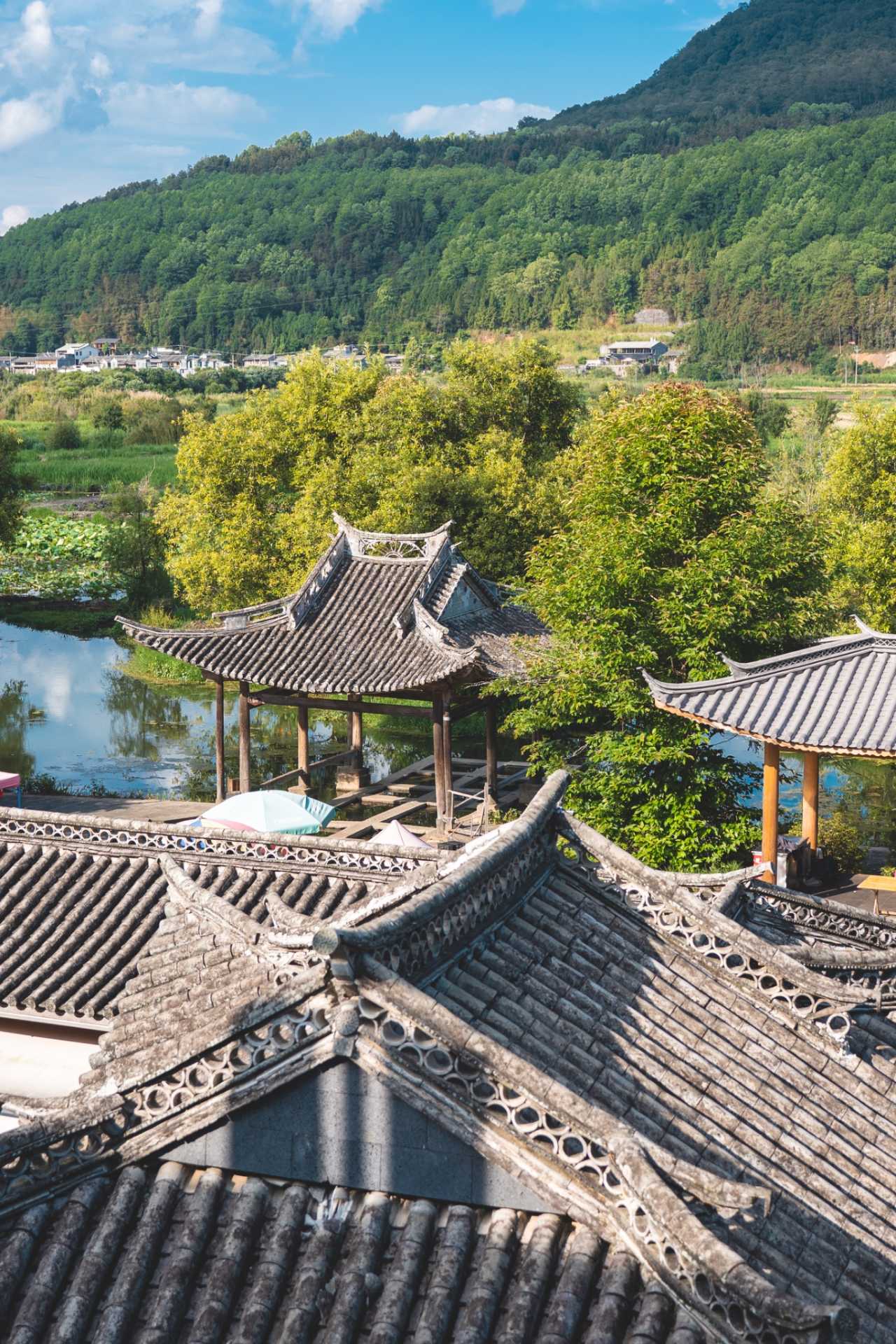
Shuanghong Bridge: The old bridge was first built during the Jiajing era of the Ming dynasty (early 1500s), reportedly led by local official Cun Yu. It was rebuilt in 1884 during the Qing dynasty. The new bridge was built in 1921. The two bridges look like a pair of rainbows lying on the waves, hence the name. They are beautifully designed, with green willows and red lotuses nearby. There’s a laundry pavilion not far away. The view from Shuanghong Bridge is especially photogenic. This spot had a queue—initially just two girls taking photos, but after we finished, a crowd gathered.
Heshun Library, founded in 1928, is a village library funded by overseas Chinese from Heshun to revitalize local education. It now holds over 110,000 books, divided into ancient texts, Republican-era works, modern reprints, and contemporary collections. Inside are calligraphy pieces by Hu Shi, Xiong Qinglai, and Li Shizeng. The library’s plaque was inscribed by Hu Shi. The overall style is vintage, and stepping inside feels like traveling back in time.
Next to the library is Heshun Wenchang Palace, built during the Daoguang era (1821–1850) of the Qing dynasty. It comprises a main hall, rear hall, Kuixing Pavilion, Zhuyi Pavilion, corridors, a gate, and a large terrace at the front. Embedded in the walls are the “Heshun Imperial Examination Honor Roll,” listing 809 people from Heshun who achieved scholarly success during the Ming and Qing dynasties, with over 180 holding official positions. Clearly, Heshun is a place of outstanding talent. The entrance to Wenchang Palace also offers a great view of Yuzhou Pavilion.
Heshun Alley runs along the Sanhe River, built from nearly 10,000 square meters of ancient structures, including the old residence of Zhang Songlin, a Qing-dynasty general from Tengyue. It borders Heshun’s wetlands, fields, and lotus ponds. Walking along the Sanhe River gives a sense of living on the water, and you can even take a boat ride through the town. The east route is relatively flat, with more shops and commercial activity but less cultural atmosphere. There are many chain restaurants here—great for dining and relaxation.
Heshun General’s Residence, the old home of Zhang Songlin, a first-rank Qing official and general, was built in the late Guangxu era. It has been converted into a hotel, adjacent to the wetlands, with a laundry pavilion nearby.
When Heshun’s ancestors went abroad to trade (“walking the barbarian roads”), they always worried about their families at home. To provide shelter for women doing laundry in the rain, six unique laundry pavilions were built along the river starting in the Guangxu era. These are the most distinctive and tender public works in Heshun. They’re also popular photo spots. Many cafes have outdoor seating, but it’s quite sunny. In the evening, sitting by the river would be lovely.
I’d originally booked accommodation in the ancient town, but all the options were on the west route, requiring a short uphill climb. Two consecutive nights there would have been tough for my parents, so I chose a hotel in the city instead. That meant no evening coffee by the river.
This was the third laundry pavilion we saw, and it really made me feel for the women left behind. Nearby, local vendors sold specialties and handmade crafts. This was also a three-way intersection: uphill leads to higher-altitude old alleys, and downhill leads to a stroll around Wild Duck Lake.
Songhua Cake, 5 yuan for 3 pieces, reportedly handmade. We bought three to try—just okay. We chose to go uphill, but it was a constant climb, and my parents were getting tired. So, our Heshun tour for the day turned back. We’d return the next afternoon for the west route.
Wild Duck Lake, covering about 150 mu (10 hectares), is named for the waterfowl that inhabit it. The clear blue water, with houses built against the mountains in the distance, gave it a slight Dali vibe. On the way back, we looked down at the laundry pavilion we’d passed and returned to Yuzhou Pavilion. The lotus pond was beautiful in the sunlight, though we’d missed the peak blooming season. In the distance, Heshun’s signature screen wall peeked through the trees. We took another photo in the sun.
Big Tree Fork Food House
Take the first traffic light exit from the visitor center, turn into a small alley, and you’ll find a small parking lot with limited space. Walk along the alley, climb a small slope, and you reach the food house. It’s an old residence converted into a two-story restaurant with a courtyard. Several restaurant signs hang on the building—wild mushrooms, copper pot dishes—and it ranks high on Dianping (China’s Yelp). But honestly, the price-to-ambiance ratio wasn’t worth a special trip.
We ordered some local specialties:
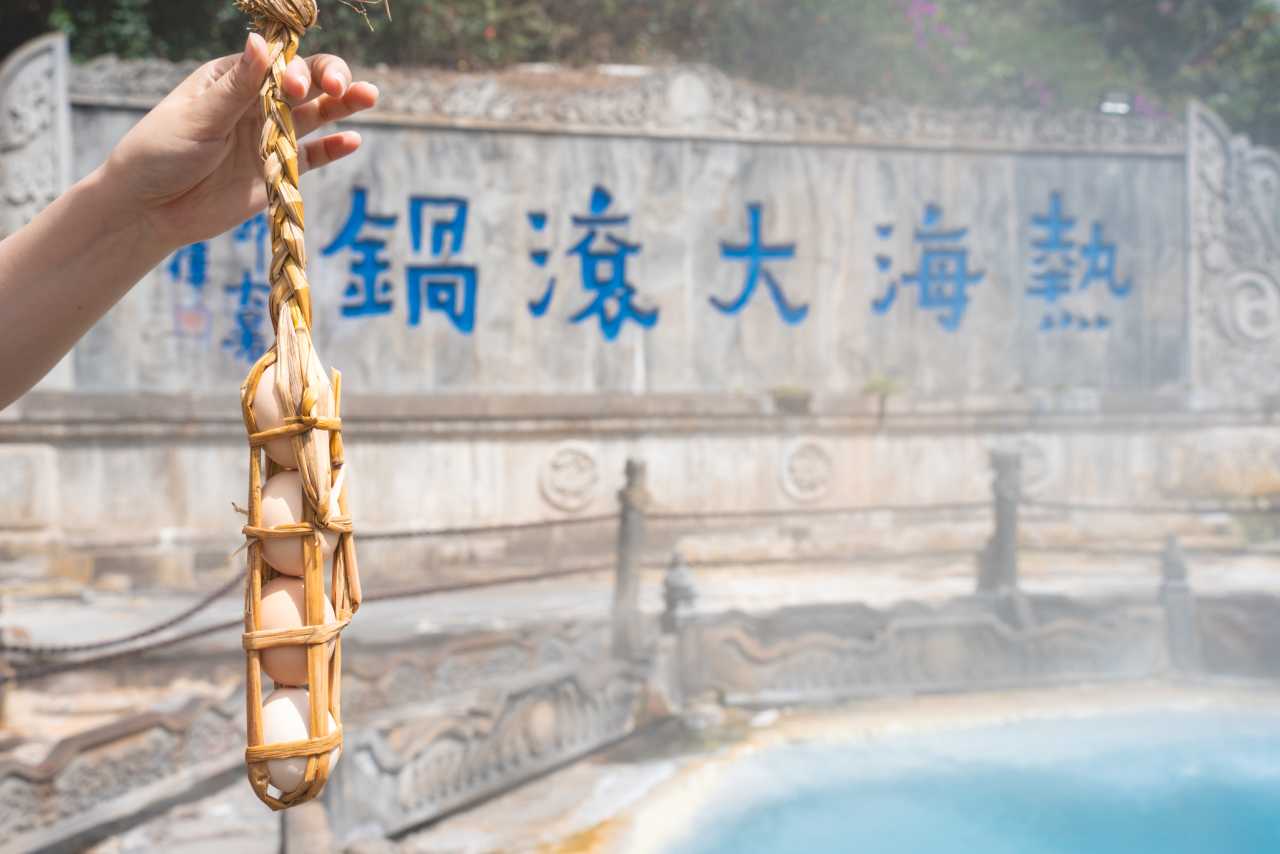
Da Jiu Jia (The Great Rescue) — This famous imperial dish is actually Tengchong-style stir-fried rice cakes. It’s one of Yunnan’s top ten classic dishes and a local specialty. Why is a simple stir-fry called “The Great Rescue”? Legend has it that when Wu Sangui led Qing forces into Kunming, the Ming emperor Zhu Youlang fled to western Yunnan. Li Dingguo, a leader of the peasant army, ordered General Jin Tongwu to escort the emperor to Tengchong. Exhausted and starving after a day’s march, they found a farmhouse. The owner stir-fried the best ingredients available—rice cakes, ham, eggs, and vegetables. The emperor praised it, saying, “This stir-fried rice cake saved my life.” Hence the name.
Mint Ribs — A popular dish in Yunnan. The freshness of mint combined with fried ribs makes it hard to stop eating.
Earthen Pot Hotpot — This can be simply understood as Tengchong’s traditional hotpot. Since every family has its own recipe, each pot has a unique flavor. Tengchong is the only place in China with coexisting volcanic and geothermal activity, and the Volcanic Geological Park and Rehai Hot Springs are famous attractions. Given the pot’s appearance, it’s also poetically called “Volcano and Hot Sea.”
Day 3: Still in Tengchong
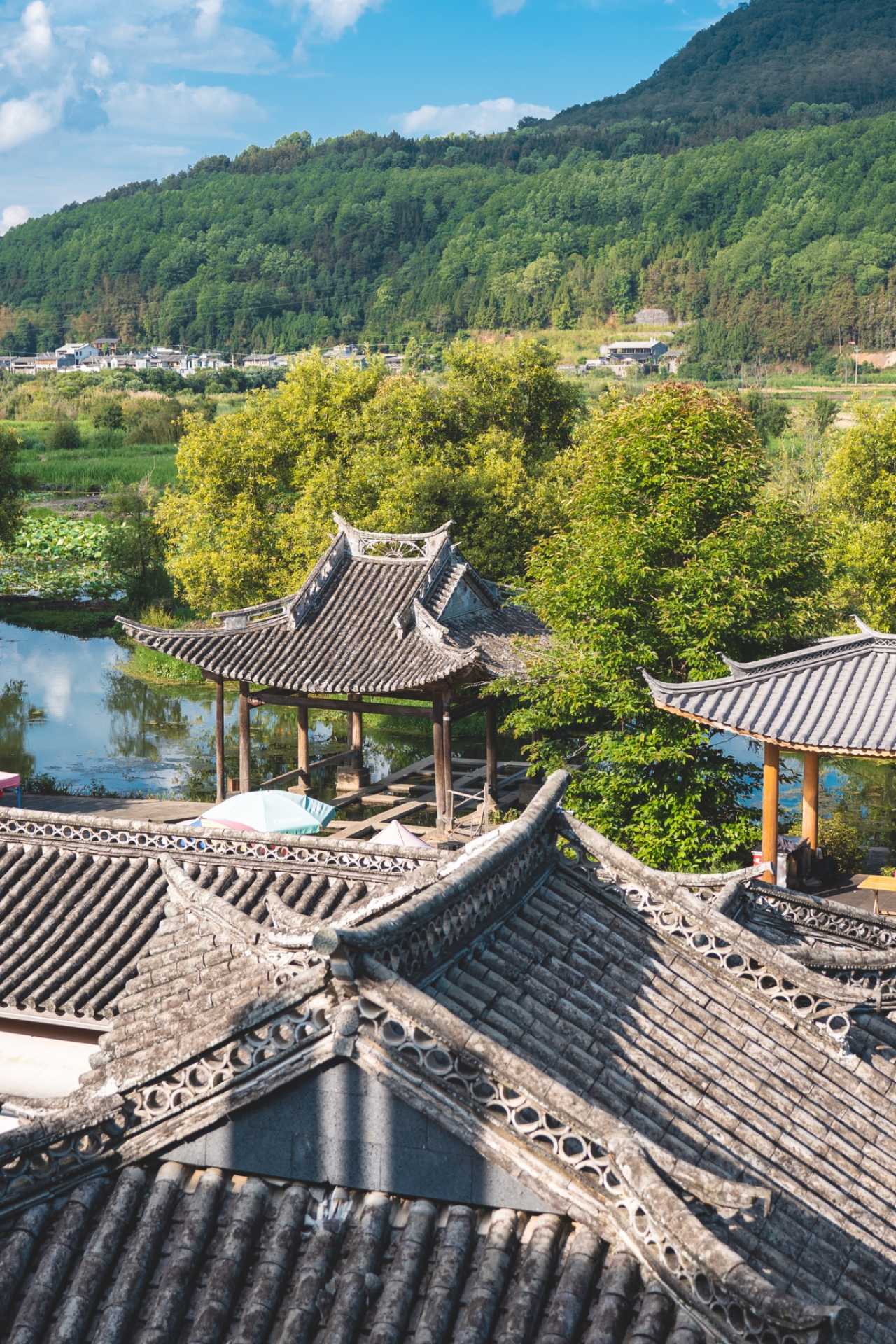
I woke up too late for breakfast, so I ordered delivery of po su bao (flaky steamed buns). Po su bao is a traditional Yunnan snack, and in Tengchong, you must try the rose-flavored ones. After breakfast, we headed to the Rehai Scenic Area. Today’s theme: geothermal heat and volcanoes.
Rehai Big Boiling Pot
Ticket: 50 yuan
Parking: No worries about parking at large scenic areas.
According to my research, the scenic loop was about 5 kilometers, and people said it took two hours to walk. But no one mentioned it involved climbing! My parents had to tough it out to reach the Big Boiling Pot at the top. I recommend buying a ticket for the golf cart—ride up, walk down. Honestly, walking down was easy, but the uphill was tough, especially for my parents.
Rehai is famous for its geothermal wonders, hot spring therapies, and rich cultural experiences. It covers about 9 square kilometers and has over 80 hot spring groups. The core attraction, the “Big Boiling Pot,” has water temperatures ranging from 96.6°C to 102°C. Natural sights include the Big Boiling Pot, Huaitai Well, Drumming Spring, Glasses Spring, Pearl Spring, Spring Flower Skirt, Toad Mouth, and Lion Head.
It took about 5–8 minutes to walk from the parking lot to the large archway. Along the way, we spotted a little squirrel.
Toad Mouth — The only pulsating boiling spring in China. Located next to the Zaotang River waterfall, this spring group is named for its shape, resembling a toad with its mouth open. The high-temperature water mixes with gas, creating intermittent eruptions. Over time, white silica deposits have formed at the mouth, surrounded by green heat-tolerant algae. From a distance, it looks like a giant toad. This intermittent spring seems like a group of toads spitting water, hence also called “Toad Spitting Water.” This angle makes it look most like a toad.
Passing some small springs, you could feel the heat even from a distance. From this angle, it didn’t look much like a toad—more like a toad’s rear end. Photo op, definitely. Even the small bridge we crossed was worth a shot.
Halfway up the hill, a staff member invited us to feel the hot spring water. There was a small ditch with milky-white hot spring water flowing down. This was the only place non-bathing visitors could touch the water. Moss had grown where the water met the rocks, showing that plants can survive even in such harsh conditions.
Pearl Spring — Why is it called Pearl Spring? Because the bubbles rising from the spring look like pearls, often described as “the earth’s breath.” Hundreds of fumaroles release strings of bubbles. At that moment, a beam of light fell through the steam, creating a beautiful scene.
Following the mountain path, we came to Glasses Spring. Also called Sister Spring, it’s located below Pearl Spring. The sinter deposits form a shape resembling glasses, hence the name. Another nickname is “Bottomless Pit,” because the spring’s outlet is spiral and tilted, sucking in sediment as it discharges.
Looking back from the hillside, we could see the area where visitors soak in hot springs. We weren’t planning to bathe, so we skipped it. Geothermal features were visible everywhere.
Huaitai Well — Comprising two similar wells: the left one is Dragon Well, the right one is Phoenix Well. This spring is rich in trace elements that promote metabolism and regulate hormones, earning it the nickname “Nature’s Fertility Goddess.” Cups were sold nearby, so we bought one to scoop up some water. The water was still very hot—don’t touch it directly. Everyone was eager to get some.
Big Boiling Pot — With a diameter of 3–6 meters and a depth of 1.5 meters, the boiling water churns like thousands of galloping horses, resembling a giant pot of boiling water. Locals call it the “Big Boiling Pot.” The water temperature reaches up to 102°C, and the rising steam creates an iconic scene. Over 300 years ago, Xu Xiake, the famous Ming-dynasty traveler, visited and recorded his observations of this spring.
You should also read:

Body in Hell, Heart in Heaven: A Pilgrimage Through Tiger Leaping Gorge — A Dialogue Between Heaven and Earth
Body in Hell, Heart in Heaven: A Pilgrimage Through Tiger Leaping Gorge — A Dialogue Between Heaven and Earth Introduction: When the Gorge Splits Open Beneath Your Feet Some say Tiger Leaping Gorge is the closest place on Earth to the border between "hell" and…
Continue reading...
Cloud Travelogue · Dali of Wind, Flowers, Snow, and Moon: A Three-Day, Two-Night Journey of a Free Spirit
Cloud Travelogue · Dali of Wind, Flowers, Snow, and Moon: A Three-Day, Two-Night Journey of a Free Spirit I am a cultured female foodie with a touch of rogue charm. I slung on my backpack, took my lover's hand, and set off on a spontaneous…
Continue reading...
The Meaning of Travel – A Tengchong Story: A Journey of the Heart and Personal Growth
The Meaning of Travel – A Tengchong Story: A Journey of the Heart and Personal Growth Setting Out, Only to Return a Better Self Some say travel is nothing more than leaving a place you're tired of, only to go to a place where others…
Continue reading...