Tengchong: A Borderland Secret Forgotten by Time, Home to Hot Springs, Jade, and the Warmth of Everyday Life
Tengchong: A Borderland Secret Forgotten by Time, Home to Hot Springs, Jade, and the Warmth of Everyday Life
On the southwestern border of China lies a低调的小城 that tugs at the heartstrings—Tengchong. It hasn't been swept up in the commercialization of Lijiang, nor has it been overrun by the artistic crowd like Dali. Instead, it rests quietly in the embrace of the Gaoligong Mountains, waiting for those who truly appreciate it—with the steam of its hot springs, the gleam of its jade, and the smoky charm of its ancient towns.
The famed Ming dynasty traveler Xu Xiake once wrote here: "I envy not the birds of the Heavenly Pool; I would rather be a man of the hot springs." Today, I want to take you into this "First City on the Frontier" and show you why it keeps drawing people back.
Why Tengchong Is Worth a Special Trip
Tengchong is called the "First City on the Frontier," and the title is no empty boast. Nestled in the Hengduan Mountains of western Yunnan, it sits right next to the Gaoligong Mountains—a range known as the "World's Gene Bank" for its biodiversity. The geology here is extremely complex: fractured rock, numerous fault lines, and severe water seepage. That's why Tengchong still has no high-speed rail. But ironically, this "inconvenience" has preserved Tengchong's authenticity.
Here, volcanoes, hot seas, jade culture, the lively atmosphere of Heshun Ancient Town, and a rich overseas Chinese heritage combine to create a one-of-a-kind travel destination. And for people from the humid Sichuan-Chongqing region, Tengchong's hot springs are a gift from nature—soak in them, and the dampness melts away.
How to Get to Tengchong?
The most convenient way is to fly directly into Tengchong Tuofeng Airport, but during the summer rainy season, flights often can't land. The safest bet is to fly to Mangshi or Baoshan, then take a bus. Mangshi is closer to Tengchong—just an hour on the expressway. In the dry winter season, there's no need to worry; flights are reliable.
Hot Springs: The "Liquid Gold" Bestowed by the Earth

Across Tengchong's 5,845 square kilometers, there are 74 hot springs with temperatures above 21°C. This isn't just a scattering of "soaking spots"—it's a true "City of Hot Springs." From the "Sea of Boiling Water" described by Xu Xiake to the private baths hidden near ancient towns, from rustic forest pools to high-end spa resorts in the countryside, there's something for every traveler.
The benefits of hot springs are well-known: they relieve fatigue, improve skin health, and help with conditions like arthritis, osteoporosis, gout, and skin diseases. Think of them as a "natural external medicine cabinet" for chronic ailments. And Tengchong's hot springs come in a rich variety—sulfur springs, carbonated springs, and radon-fluorine springs, among others.
After multiple visits, I've handpicked a few that offer fewer crowds, a great experience, and notable therapeutic effects:
Beidong Hot Spring: Fresh Pools in the Mountain Wilderness
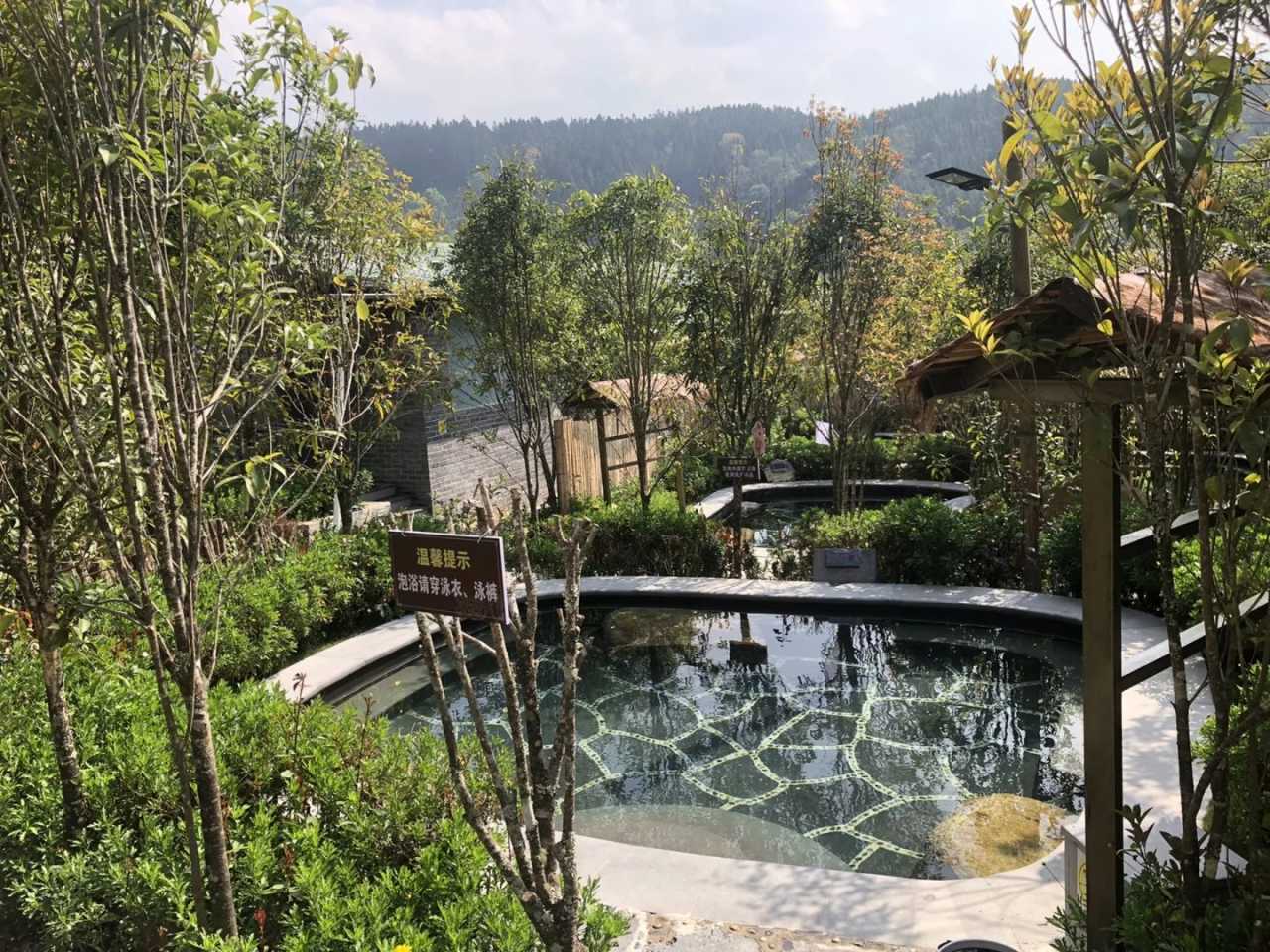
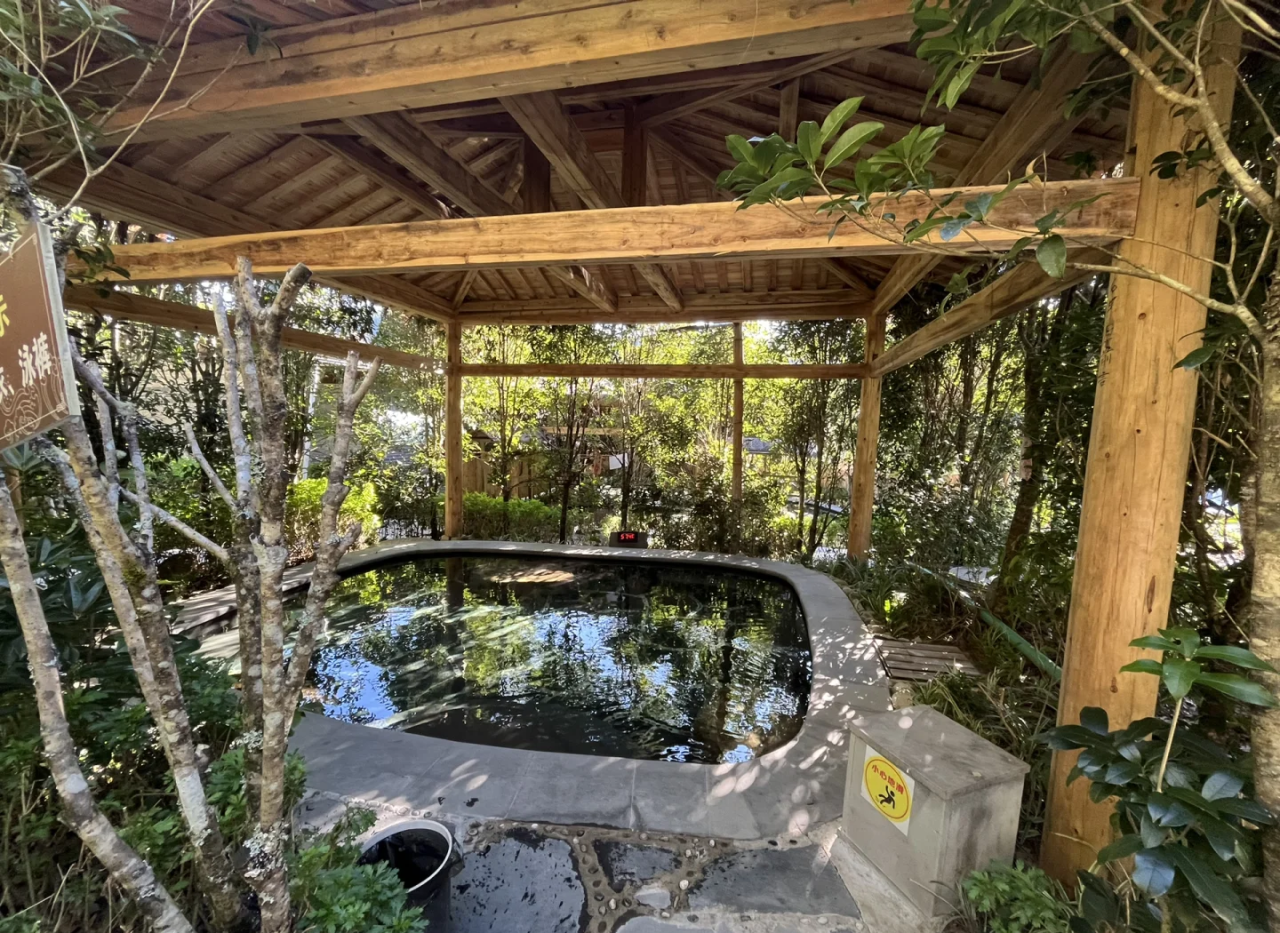
Beidong Hot Spring is primarily carbonated. What I love most are its outdoor pools—hidden in the mountains, with fresh air, few people, and clean water. The indoor pools are housed in wooden cabins with tiled roofs, offering good ventilation, unlike stuffy brick rooms. A tip: soak for 20–30 minutes at a time. Afterward, avoid cold drinks and don't let yourself get chilled—your pores are open, so staying warm is key.
Longling Banglazhang Hot Spring: The Healing Power of "Three-Spring Divine Soup"
"Banglazhang" is a Dai language term meaning "the place where elephants are tied." Here, you'll find the unique coexistence of radon-fluorine, carbonated, and sulfur springs—known as the "Three-Spring Divine Soup." The water contains 23 mineral elements, including radon and fluorine, and is said to aid skin conditions and rheumatoid arthritis. What's more, the Longling County Traditional Chinese Medicine Hospital has set up a wellness center here, offering special features like herbal medicine baths and foot reflexology pools.
What stunned me most was the radon-fluorine spring—reportedly, there are only two such springs in the world: one at Mount Fuji in Japan, and the other right here at Banglazhang, earning it the title "Miracle Spring of Western Yunnan." The pools even have little fish that nibble away dead skin. If you're ticklish, stay away; if not, dip your feet in for ten minutes, and the dead skin is gone—it's a tingly, soothing sensation.
Laxing Village Hot Spring: The Best Value for Money
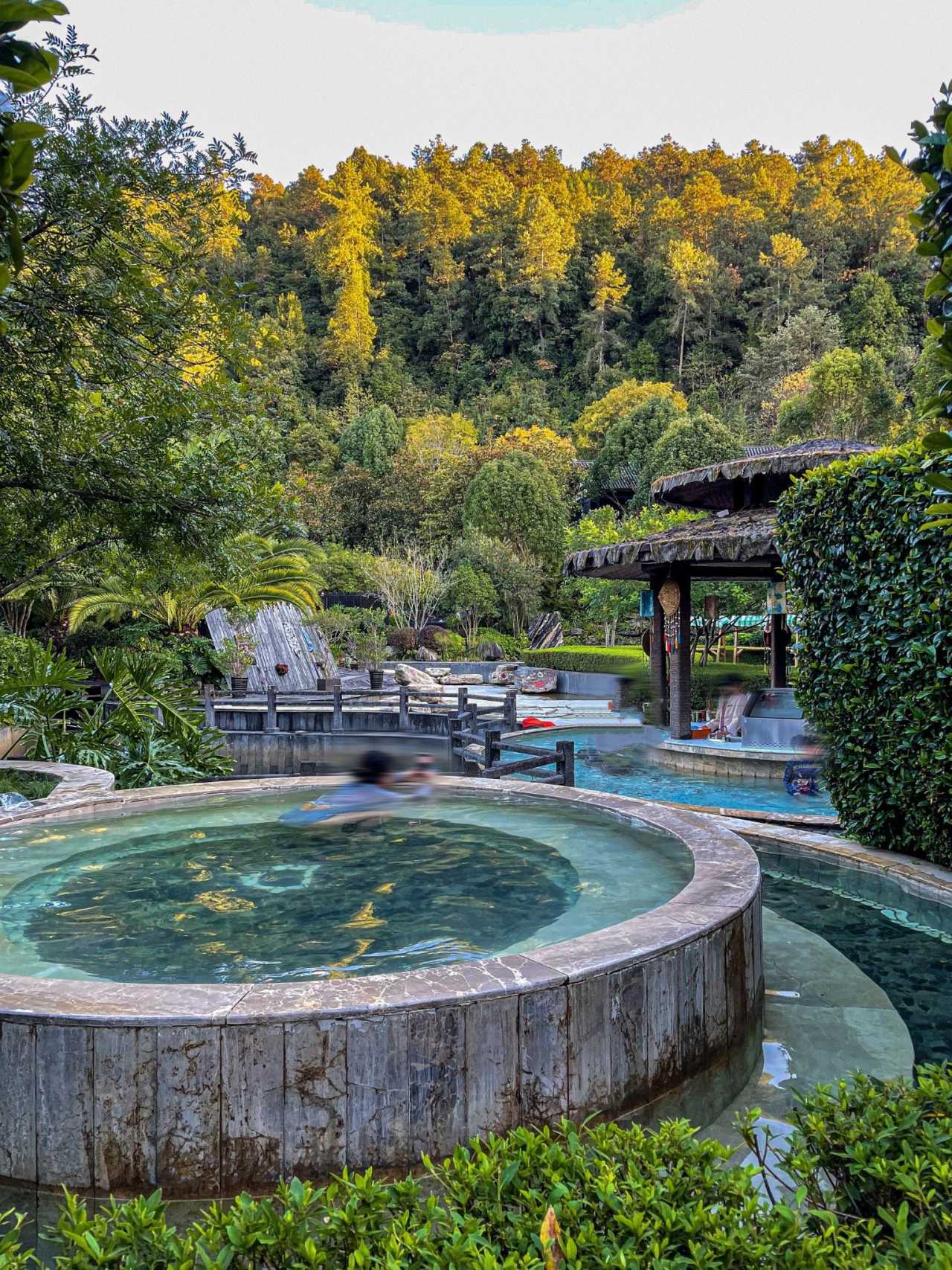
Laxing Village, near the border with Myitkyina in Myanmar, is rich in sulfur springs. The setting is beautiful, and while the facilities aren't as luxurious as the first two, the prices are low, and it's close to the spring source. We tried the Fairy Cave Hot Spring and the Supply Cooperative Hot Spring—both were excellent. The Supply Cooperative one has heated stone beds to lie on and even a hot spring swimming pool.
Sanlian Village: The Home of Coarse Pottery
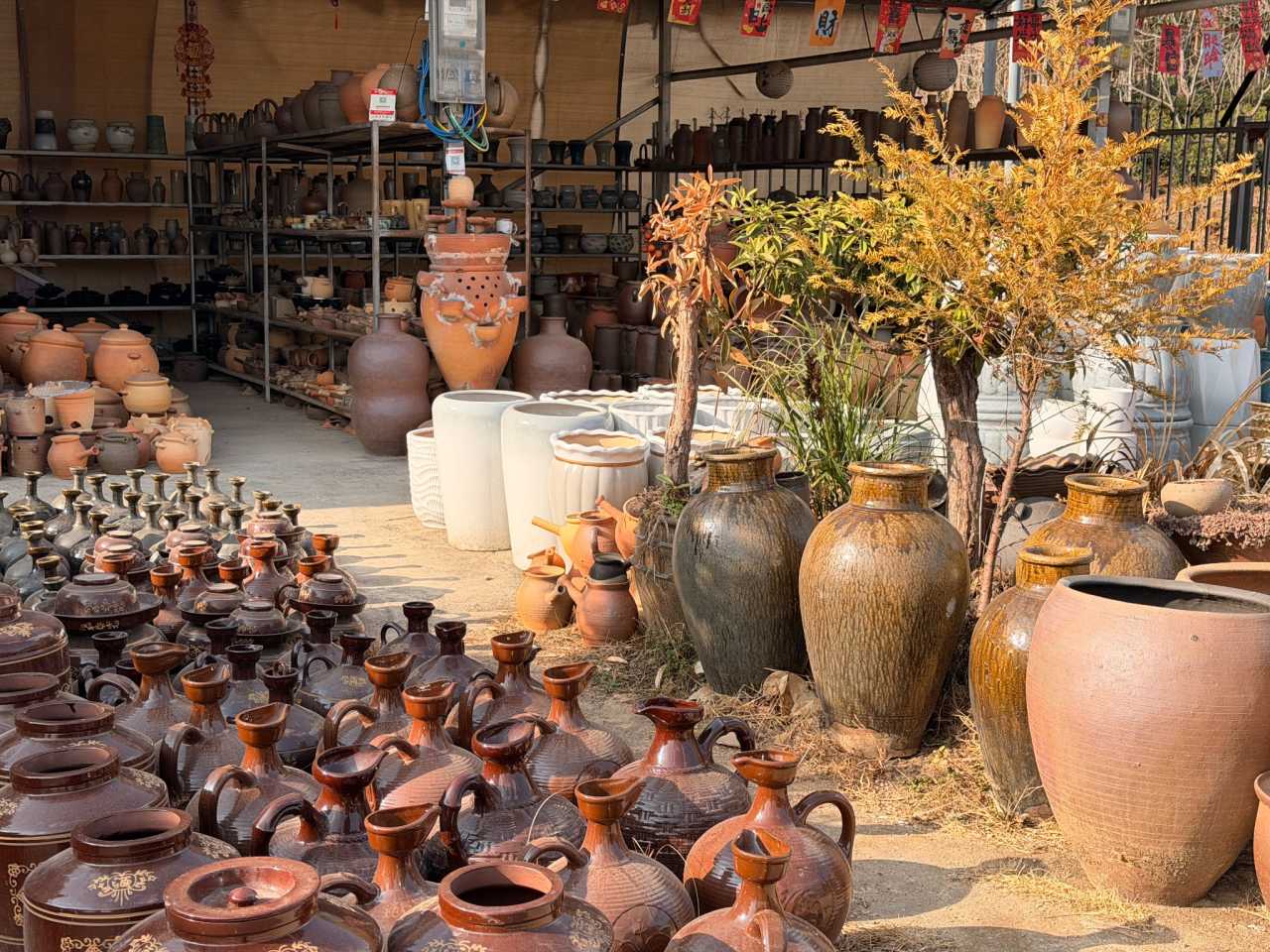
On the way from Tengchong to Laxing Village, you'll pass through Sanlian Village, a place famous for its pottery. Here, you can buy all kinds of earthenware and even try your hand at making it—a fantastic hands-on activity for kids. Many study tours come here for practical workshops.
Rehai Park: The Awe of a Geothermal Museum
South of the city center, Rehai Park is Tengchong's most famous attraction. The Ming dynasty traveler Xu Xiake visited and left detailed accounts of its geothermal wonders. Known as the "Geothermal Museum," the park features fumaroles, steaming ground, boiling springs, geysers, and hot spring sinter formations.
The iconic "Big Boiling Pot" is breathtaking, along with natural marvels like "Toad Spring" and "Pearl Spring." The most fun activity? Boiling eggs in the hot spring water—this is where the Yunnan saying "eggs sold on a string" comes from. Take a bite, and you'll find a subtle salty flavor and aroma, completely different from ordinary boiled eggs.
Dongshan Mountain: The Best View of Tengchong
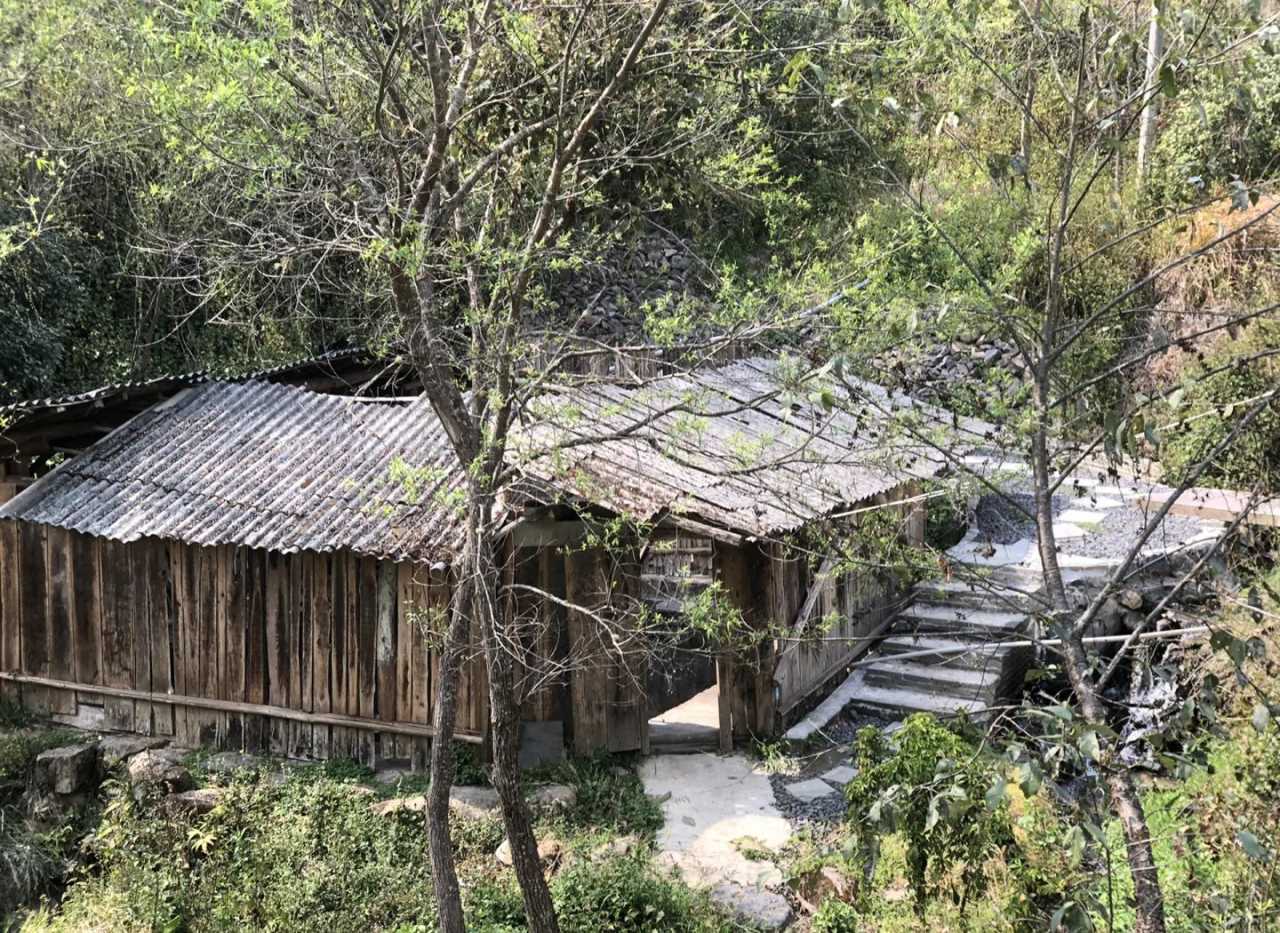
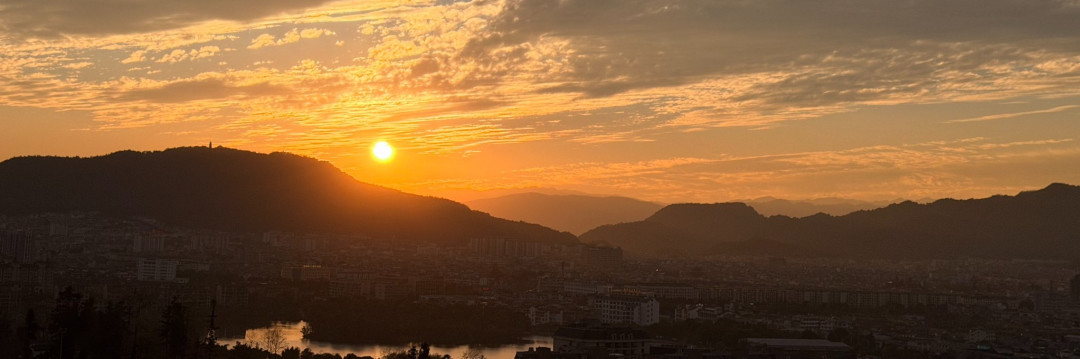
Skip the tourist-packed spots and head up Dongshan Mountain. From here, you can take in the entire panorama of Tengchong, especially at sunset when the evening glow spreads across the sky, recharging both body and soul.
On Dongshan, there's a scenic restaurant called "Shi Bu Yu" (Stone Doesn't Talk), with a view that will steal your heart. There's also the "Shu Shu" hotel, where stone walls and wood complement each other beautifully, creating a warm and cozy atmosphere. The hotel's western restaurant serves what I believe is the best pizza in all of Tengchong—the aroma wafting from the oven is irresistible.
Dongshan also has forest trails that run from the base to the summit, passing by several large hotels. Kids can collect pinecones here, and every pine tree seems to have its own breath.
Simola Wa Village: Searching for "The Happy Place"
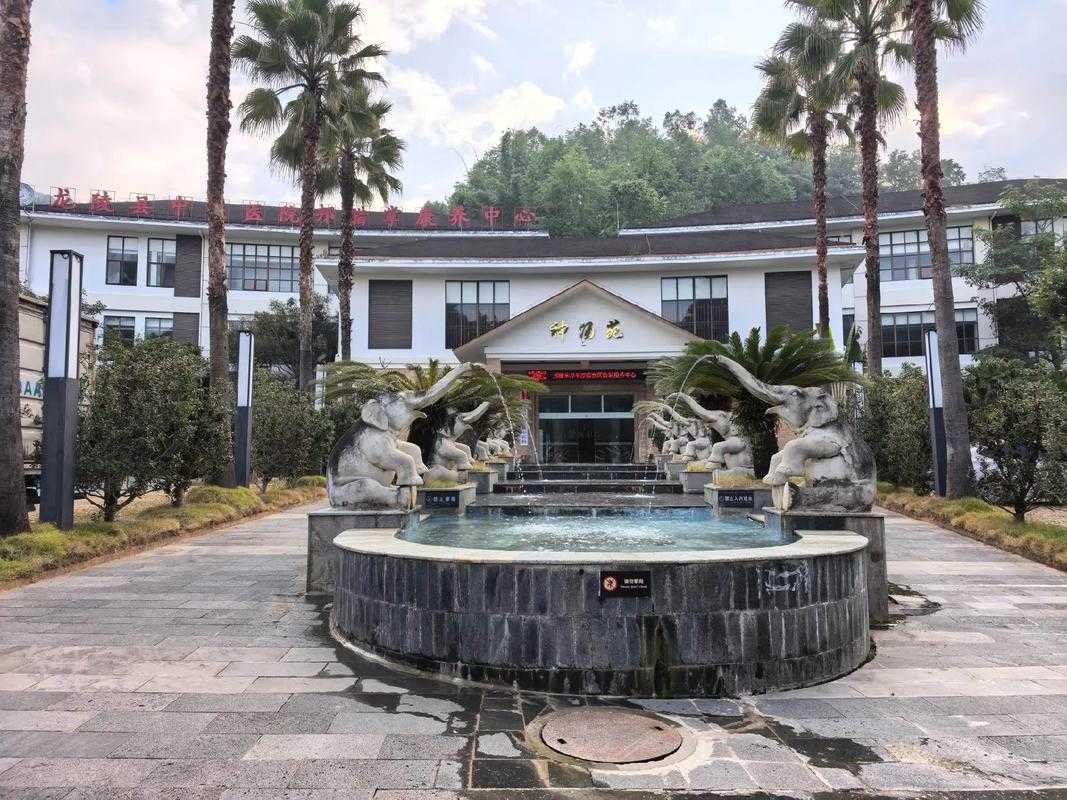
This ancient village, whose name in the Wa language means "the happy place," has a history of 500 years. It's just 13 kilometers from downtown Tengchong and offers free entry. Around the 2020 Spring Festival, Chinese President Xi Jinping visited here. He went into the home of a villager named Li Fashun to make rice cakes, saying with a smile, "Press a 'fortune' character, then a 'joy' character—fortune and joy together."
Since then, Li Fashun's home has become a hotspot. Visitors stop by to sit and try Wa cuisine. We went too—the food was good, and we sampled the traditional rice cakes. For a Sichuanese palate like mine, they were just okay, but tasting local food is an essential part of travel.
There's also a small shop in the village called "Everything Sells Well." The name comes from when President Xi asked the shopkeeper about sales, and the nervous owner replied, "Everything sells well!" The name stuck.
Bapai Giant Spring: A Real-Life "Monet's Garden"
Bapai Giant Spring is a lesser-known gem in Tengchong, accessible only by car or taxi. It's about a 30-minute drive from the city center, with an entrance fee of 20–30 yuan. As the largest low-temperature hot spring in Yunnan Province, its scenery is unique—any photo you take looks like a masterpiece.
The name "Bapai" comes from the Dai language, meaning "a flatland full of fragrant herbs." For the Dai people, who live by the water, this giant spring is not just a natural wonder but a faith that flows in their veins.
Food: A Taste of Tengchong
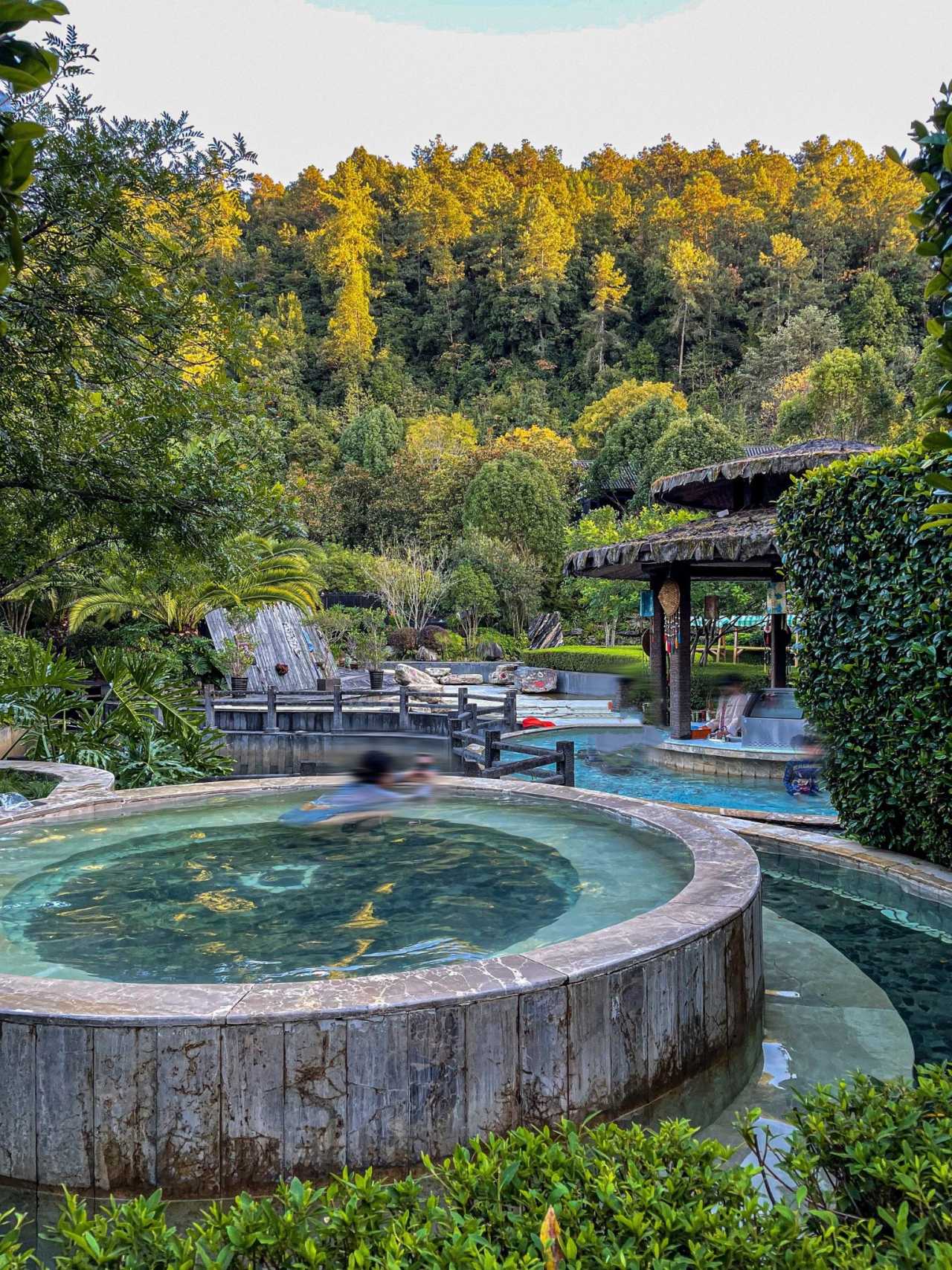
Qiaoxiangzhai: A Feast in an Ancient Mansion
For our first meal in Tengchong, a friend took us to Qiaoxiangzhai. Here, you can sample almost all of Tengchong's signature dishes, and each one is authentic. What makes it special is that it's housed in an ancient mansion, full of historical charm. Their "Three Drops" set meal requires advance booking, and their "thin bean jelly" is the best I've had in all of Tengchong—no contest.
Shi Bu Yu: Sunset Dining on Dongshan
Shi Bu Yu, the private kitchen sunset restaurant on Dongshan, has beautiful decor and delicious food. Locals took us there—it's not a tourist-trapped网红 spot.
Shu Shu Na Li Western Restaurant: A Feast for Eyes and Palate
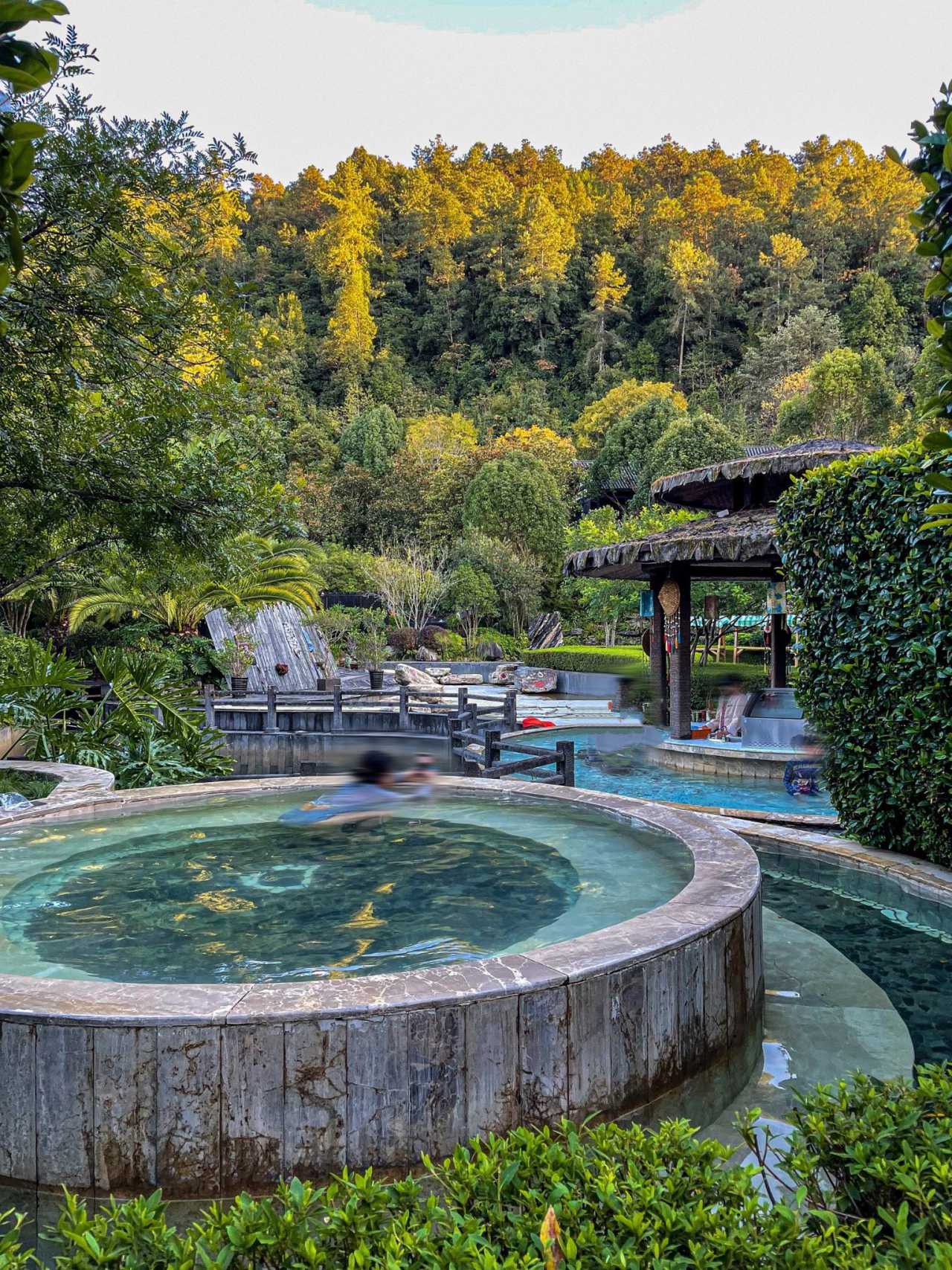
Perched on the summit of Dongshan, Shu Shu Na Li Western Restaurant is the most beautiful Western restaurant I've ever been to. Dining here or enjoying afternoon tea is a dual delight for the senses.
Accommodation: Choose Right, and Half the Journey Is Won
Comfort on a trip is 70% about where you stay. Tengchong's top-end options include Banyan Tree, the Bolian Hot Spring Hotel in Heshun Ancient Town, and high-end guesthouses like Yuebo Banshan and Shu Shu Na Li on Dongshan.
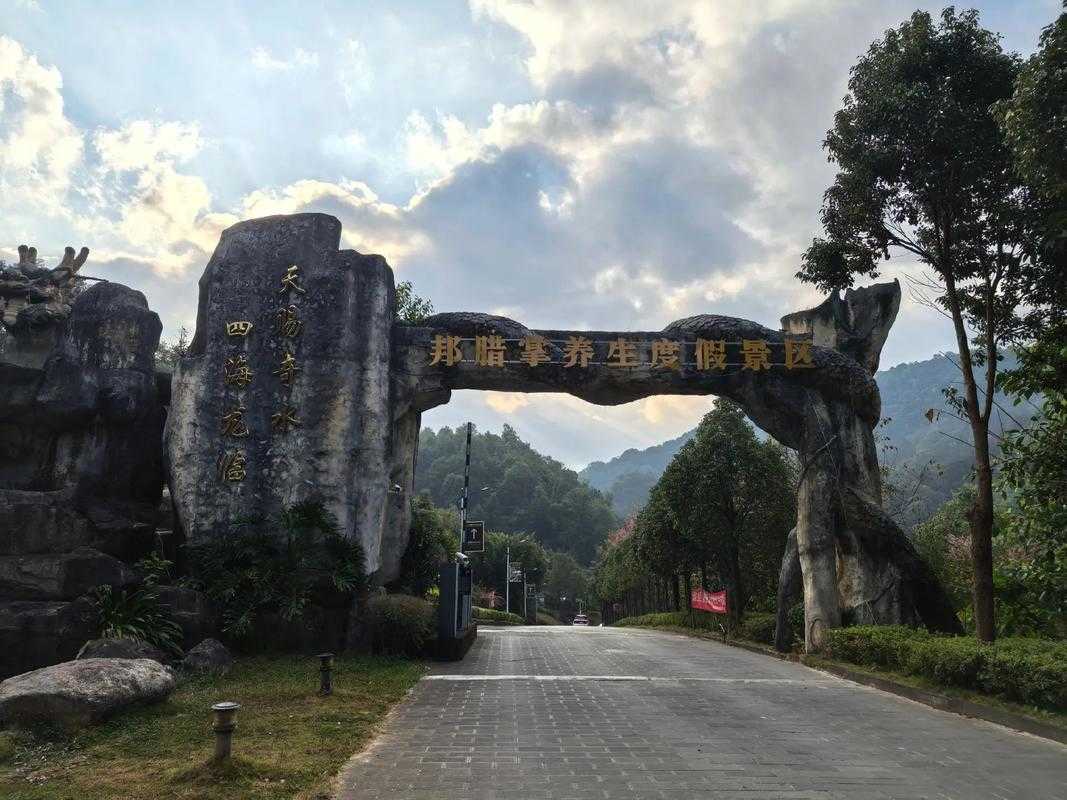
I chose the cost-effective Shiguang Memory Hot Spring Hotel. Its hot spring water shares the same source as Rehai Park, so you can enjoy genuine sulfur springs without leaving your room. The rooms are clean, the decor is minimalist, and it met all my needs.
The hotel is in the Rehai Shiguang complex, close to Rehai Park and the airport. The complex has many hotels and guesthouses, ranging from high-end to budget. Because the entire complex taps into the Rehai Park hot spring pipeline, all residents and guests can enjoy the same sulfur springs.
Another hotel sits on a hundred acres of tea plantations amidst clouds and mist. Kids can play all day in the "Wild Fun Park," and there's a swimming pool and gym. Living in the mountains, you can look up at night and see a sky full of stars. You can also take the community bus to nearby Qiluo Ancient Town to shop at the market—a perfect blend of tradition and modernity.
Qiluo Ancient Town: Uncommercialized Everyday Charm
Qiluo Ancient Town has preserved its original, unspoiled character. The morning market here is a lively affair, full of the warmth of everyday life. As a Sichuanese person, I thought I'd seen my share of vegetables and fruits, but coming to Yunnan and seeing the market's bounty made me feel like a country bumpkin visiting a grand city—the variety of vegetables, fruits, and flowers is overwhelming. Here, flowers are edible.
Heshun Ancient Town: More Original Than Lijiang or Dali

Heshun Ancient Town, along with Rehai Park, is a must-visit in Tengchong. Compared to the commercialized ancient towns of Lijiang and Dali, Heshun feels more rustic and ancient, and it's also more spacious. The entrance fee is 50 yuan for a seven-day pass. During Spring Festival, it gets crowded, so try to avoid the peak times.
The Shu Shu Library is a highlight here, run by the same owner as the Shu Shu on Dongshan. It's a library-themed space with an entire wall of books. Dining on the rooftop offers a view of endless fields. The piano is a signature element of Shu Shu, and the phrase "If there's a heaven on earth, it must be the look of a library" truly resonates here.
Coffee Estate: Make Your Own Cup of Coffee
A one-hour drive takes you to Lujiangba, where Yunnan's small-bean coffee is produced. Major brands like Starbucks and Luckin have coffee bases here. Along the way, you'll see the famous Arabica coffee beans.
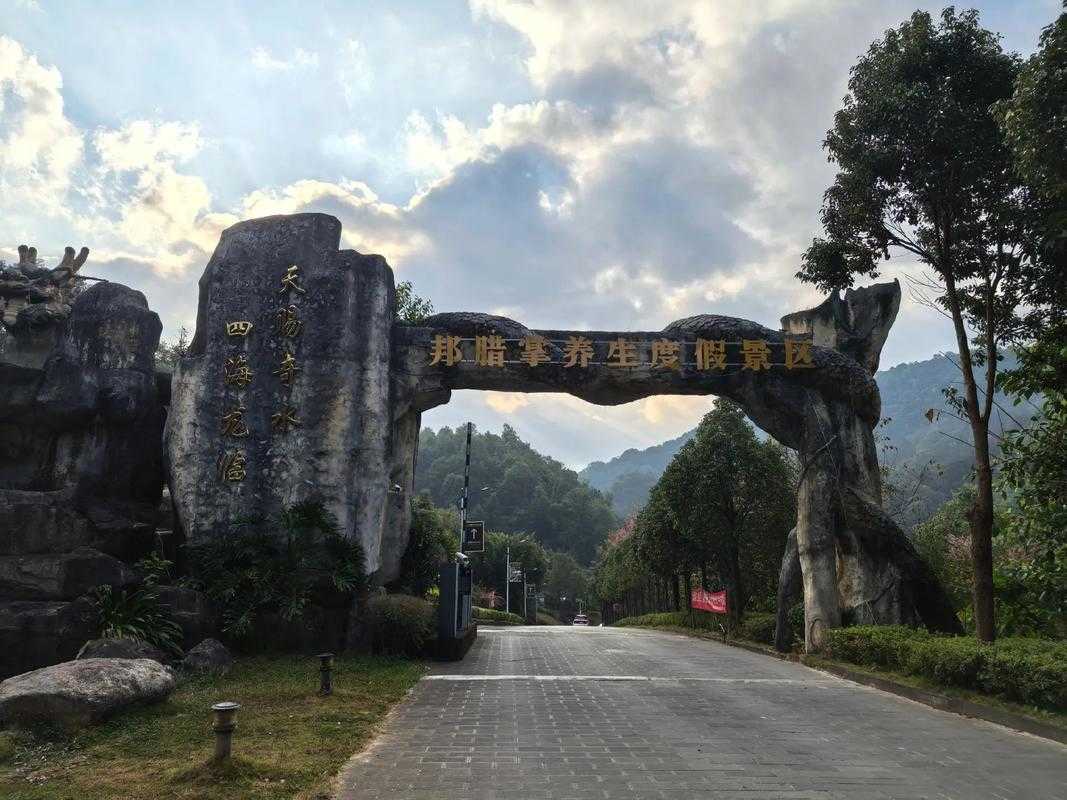
The first stop is Huke Coffee Estate, nestled at the foot of the Gaoligong Mountains, overlooking the Nujiang River Valley. It's located in the summit area of Xinzhai Village, known as "China's First Coffee Village." Surrounded by thousands of acres of coffee fields, the estate features Dai-style architecture, a swimming pool, and high-end, tasteful guesthouse design.
The second stop is Bidun Coffee Estate, which offers a complete coffee culture experience: from picking coffee cherries to grinding and roasting, all the way to drinking the coffee you made yourself. It's a great place to bring kids for a coffee-making experience. Bidun has more activities than Huke, making it the top choice for family trips.
On the way back that evening, we happened to catch a Spring Festival fire show on the Nujiang River, featuring the intangible cultural heritage of "beating iron flowers." Even I, at my age, had never seen anything like it—let alone the kids.
Final Thoughts
Tengchong has so much more to offer—good food and fun activities. Although we skipped the popular online spots like Dongshan Grassland, the Volcanic Geopark, the Wetland Park, and the Ginkgo Village, avoiding the crowds and immersing ourselves in local life and rhythms is what travel is truly about.
Tengchong, this severely underestimated border town, has none of Lijiang's commercialization or Dali's strong winds. Its attractions are scattered in all directions, waiting for us to discover and appreciate them with our hearts. Let's take a break from the hustle and bustle of city life to find a bit of tranquility and wild charm.
Its rich cultural heritage and abundant intangible cultural heritage also deserve our exploration. The Stilwell Road and the Western Yunnan Anti-Japanese War Memorial—those will have to wait until next time.
If you're tired of the crowds at网红 spots and looking for a place where you can soak in hot springs for wellness while experiencing authentic local culture, then Tengchong will not disappoint you.
You should also read:
Travel: A Spiritual Journey of Life (A Trip to Lijiang)
Travel: A Spiritual Journey of Life (A Trip to Lijiang) Introduction: When Youth Meets the Horizon Some say that if you still have youth left, you should go to the horizon. I'm not sure how much youth I have left, but I'm certain that a…
Continue reading...
A Journey Through Shuanglang's Guesthouses: Finding Life as It Should Be on the Shores of Erhai Lake
A Journey Through Shuanglang's Guesthouses: Finding Life as It Should Be on the Shores of Erhai Lake Prologue: When Life Hits the Pause Button Have you ever had one of those moments? When the city's towering buildings press down on your chest, when you're swept…
Continue reading...
September: Finding Unexpected Warmth in Yunnan (Kunming, Dali, Shuanglang, Lijiang, Lugu Lake)
September: Finding Unexpected Warmth in Yunnan (Kunming, Dali, Shuanglang, Lijiang, Lugu Lake) Foreword: One Person's Journey, A Crowd's Story Before I set off, like every first-time solo traveler, I printed out a thick stack of travel guides and rehearsed countless possible scenarios in my head—getting…
Continue reading...