Travel: A Spiritual Journey of Life (A Trip to Lijiang)
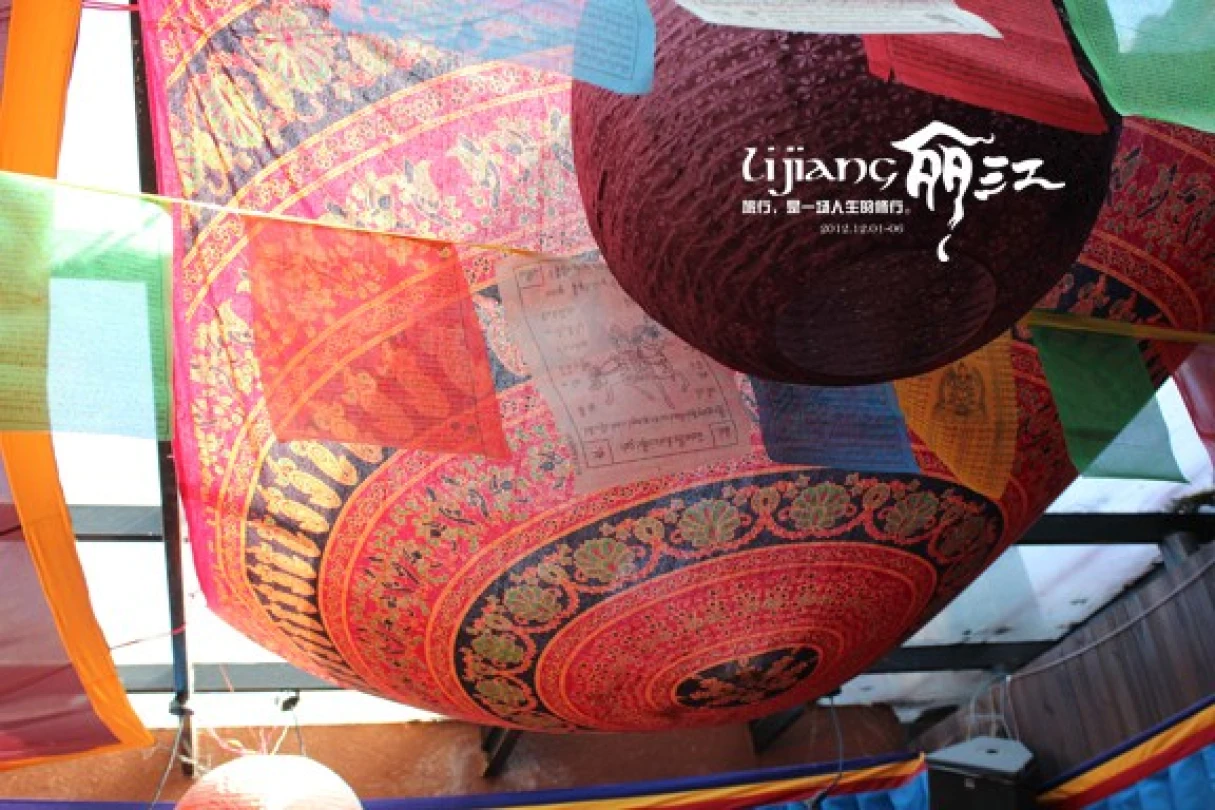
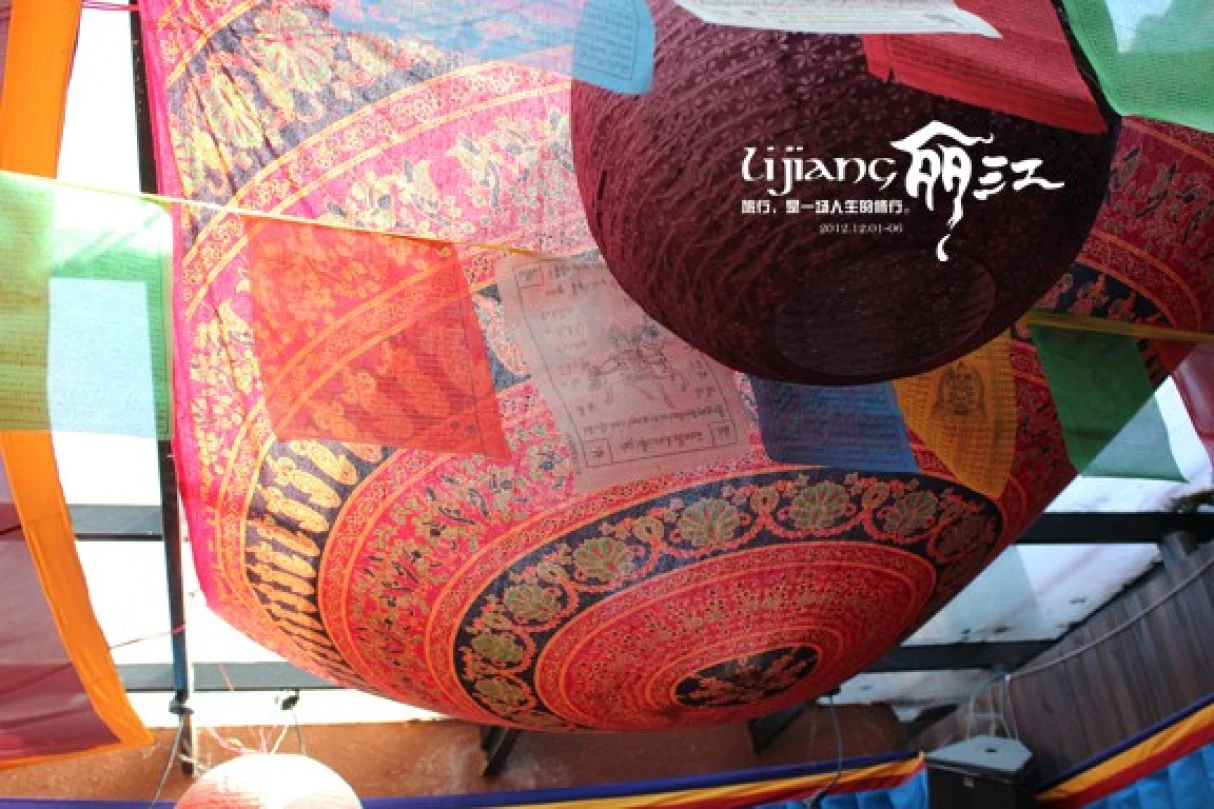
Travel: A Spiritual Journey of Life (A Trip to Lijiang)
Introduction: When Youth Meets the Horizon
Some say that if you still have youth left, you should go to the horizon. I'm not sure how much youth I have left, but I'm certain that a life without travel is merely survival. There might be a hundred interpretations of travel's meaning, but for me, traveling alone is a form of spiritual practice—a compulsory course in life about self-discovery, solitude, and encounter.
In December 2012, I finally embarked on this long-planned journey. There was none of the excitement I had imagined; instead, I set off with a hint of loneliness. But it was precisely this solitude that, through a series of encounters along the way, led me to discover the true meaning of travel.
Chapter One: Dali—The Beginning of Solitude
The Bus as a Training Ground
December 1st, Dali.
The moment I sat down on the bus, my calmness surprised me. The cabin was filled with unfamiliar smells, and the start of the journey felt desolate. I had a bread roll for lunch—perhaps going hungry is also a form of spiritual practice on the road. Outside the window, clouds stretched like silk, smooth and soft, and my mood began to lift a little. I forgot to use the restroom before boarding, and the urgent need to pee made me wryly smile: Is holding it in also part of the practice? Fine, I'll accept it.
First Encounter at the New Season Youth Hostel
After arriving in the ancient town of Dali, I easily found the New Season Youth Hostel. A six-bed dorm, 35 yuan per bed. The environment was surprisingly good—a small internet café, a reading lounge, a chill-out area, and a billiard room, all available. There, I met a young guy from Beijing. His skin was smooth, like a fresh graduate.
"Took time off to travel?" I asked.
"Quit my job," he answered matter-of-factly.
I teased him: "Been watching too much of that Beijing youth TV drama?"
He laughed. "No, the show hadn't even aired when I left."
Smart guy, I thought.
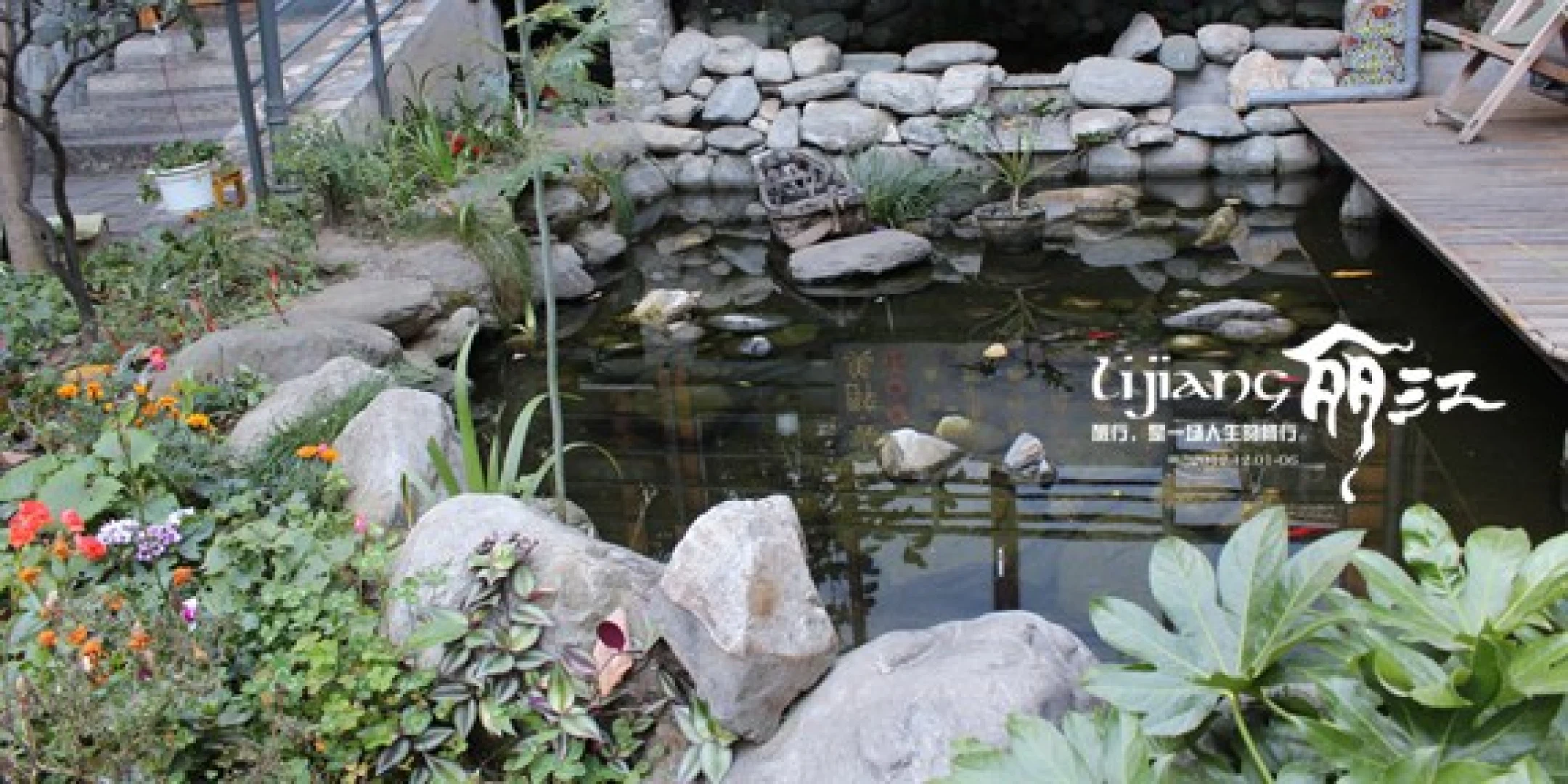
I washed my face, grabbed a bite to eat, and wandered around the ancient town. I was no stranger to Dali, but each visit felt different. The small pond at the hostel had a charming atmosphere. The quiet commercial streets were just as I remembered. The city gate stood the same as always, but the state of mind with which I viewed it had changed.
Chapter Two: Lijiang—From Disappointment to Delight
An Early Morning Rush and a Stunning First Sight
December 2nd, 6:45 AM. I was forced out of my warm bed. Dali's temperature swings were extreme; the morning was so cold I felt like sleeping in my down jacket. My roommates were still dreaming. I washed up in the dark, not daring to turn on the light. I had planned to sleep in and take a bus to Lijiang later, but instead, I was suffering from an early start.
Two female college students from Guangdong left the hostel with me. They were also taking the train to Lijiang. We exchanged a few words, but they didn't seem interested in an "old guy" like me—fine, I wasn't into naive little girls either.
On the train, I spotted Jade Dragon Snow Mountain in the distance. I had seen countless photos online, but seeing the real mountain face-to-face was still breathtaking. That feeling is something a screen can never convey.
Disappointment at the Migrant Bird Base

I shared a taxi with the two girls into the ancient town. The alleys were dense and winding. It took me a while to find the "Migrant Bird Base Hostel" I had booked online. Honestly, I was disappointed—no proper entrance, and a tiny courtyard. At 11:30 AM, the owner was still asleep. I woke him up, and he received me yawning while brushing his teeth. I got a ground-floor standard room for 88 yuan. Fine, I'd switch tomorrow.
Wandering the Ancient Town by Instinct
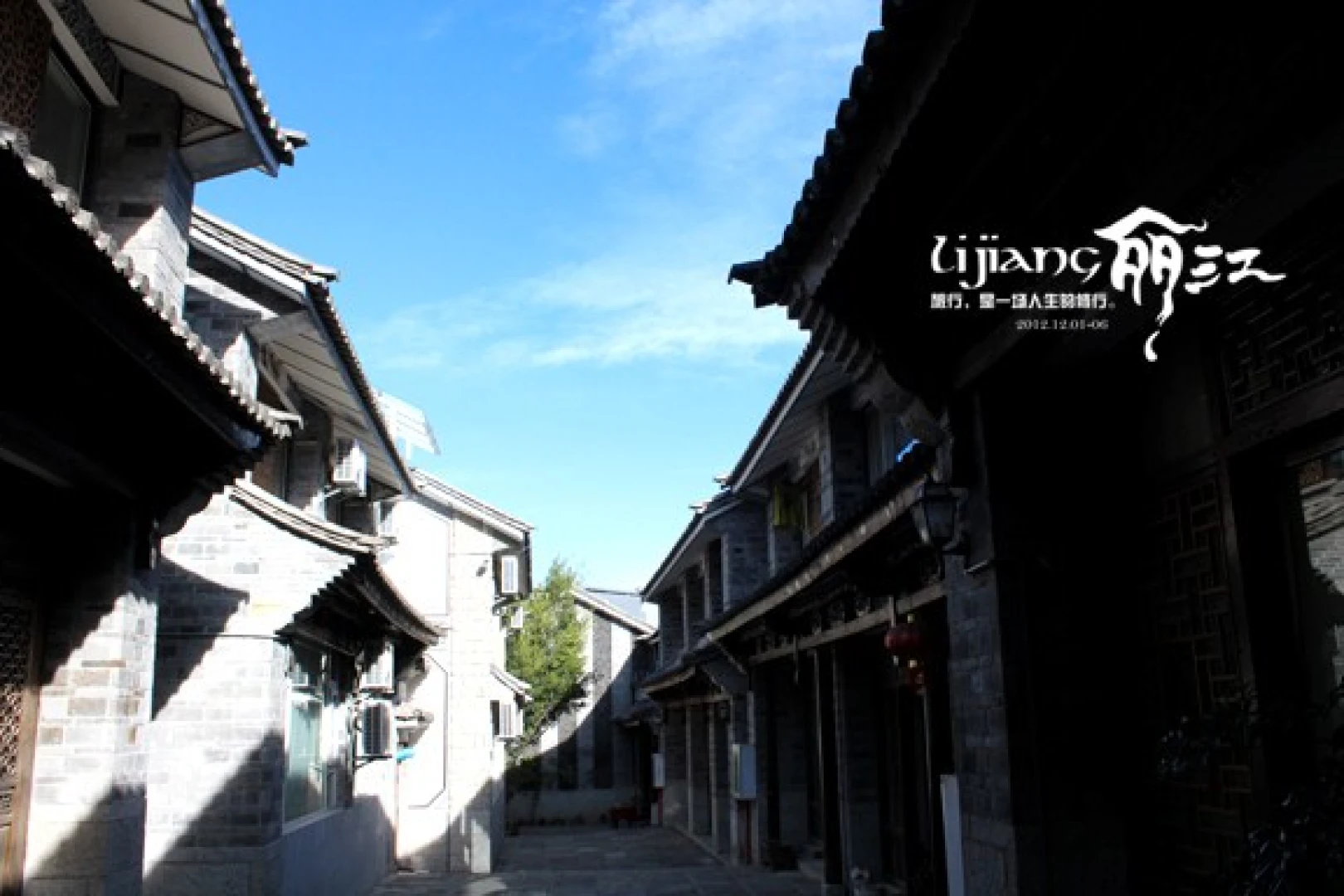
I pulled myself together and started my official Lijiang tour. I didn't know the way, so I just followed my sixth sense—I figured I wouldn't get lost anyway. A few steps in, I looked up and saw the "Mu Mansion" (Mu Fu). It's famous, but I wasn't interested. Further on, the crowds grew thicker, and the commercial vibe intensified. A bad feeling crept in.
I kept wandering aimlessly, heading toward quieter spots, but there were still too many people. I snapped a few photos out of boredom. Turning west, I finally reached the legendary Sifang Street (Square Street)—disappointment. Maybe my expectations were too high.
Before I knew it, I had stumbled onto the most famous bar street. Those familiar yet unfamiliar names I'd seen online so many times made my mood lift a little. Not because I like bars, but because I had finally found a bit of that "Lijiang feeling." Sakura Island, One Meter Sunshine, Riding Alone for Thousands of Miles, Little Paris, Myth... These names lay quietly in the afternoon sun, waiting for night to fall.
The Big Waterwheel and a McDonald's Cone
I quickly passed through and saw the iconic Big Waterwheel—a must-photograph spot, if only to prove you've been to Lijiang. I bought a soft-serve cone at McDonald's, sat by the roadside, and quietly ate it, watching countless tour groups of middle-aged aunties and uncles strike outdated poses with the waterwheel. Watching them pose was entertaining in itself.
Finding the Perfect Hostel
I headed uphill. The crowds thinned, it became very quiet, and I could see a panoramic view of the ancient town. I checked a few places, but prices were all over 200 yuan, some around 500. Finally, I came to a hostel called "Panoramic View." The courtyard was large and comfortable, with lounge chairs and sofas that made you want to stay forever. When I asked the price, it was surprisingly reasonable—100 yuan for the ground floor, 120 for the second. After seeing the room, I booked it immediately.
Lijiang at Night
For dinner, I had a dry-pot cured pork ribs (干锅腊排骨) and a local seaweed dish called "Water Spirit Flower" (水性杨花)—68 yuan and 10 yuan, reasonably priced. After eating, I returned to the ancient town to see if the bar street had "come alive." And it had. The bar staff were shouting at the top of their lungs, using every trick to lure customers. The bars were alive, though not yet packed. This was Lijiang—the neon-lit city of romance.
Crowds of people passed by, but I couldn't find my own pleasure. Wish lanterns floated down the river, releasing emotions while polluting the environment.
Chapter Three: Shuhe Ancient Town—An Unexpected Companion
The Joy of Sleeping In
December 3rd. I finally got to sleep in as I had wished. After washing up, I rushed out for a bowl of chicken rice noodles (土鸡米线)—it was exactly to my taste, so I had it again. I'm a creature of habit.
My new hostel was halfway up the hill, very quiet and peaceful, just my style. I dropped my luggage and sat on a hanging chair in the courtyard, soaking up the sun. Just as I was getting comfortable, a girl came down from the second floor. She smiled politely, and I smiled back. After a few words, I learned she was also on vacation from Beijing, alone, and planning to visit Shuhe today.
"Perfect, I'm heading there too. Want to go together?" I said.
She happily agreed. "Great, I was worried about having no one to take my photos."
Ha, meeting a photographer like me was her lucky break. Was this the legendary "romantic encounter"? Maybe. It was certainly a rare kind of spiritual practice on the road.
Shuhe: Dreams Shattered Again
We took the No. 11 bus. On the way, we saw the snow mountain again—so beautiful it looked like a fake backdrop, like a painting. After getting off and walking a bit, the gate of Shuhe Ancient Town appeared before us. Stepping inside, my dreams shattered once more—too commercial, like an ethnic theme park. Sigh.
We walked a little further. Gradually, it started to feel right. Various bars and restaurants lined the waterways. The clear river washed away my initial displeasure. Second-rate musicians played third-rate guitars, singing fourth-rate songs, but the overall atmosphere was decent, with a touch of charm. The further we went, the more it grew on me—quiet cafés exuding a lazy, bourgeois vibe, with much better taste in music.
A Bookstore as a Sanctuary
There were many unique little shops. One bookstore kept us lingering for a long time. The owner—a guy with shoulder-length hair and a goatee, let's call him "Brother What's-His-Name"—was very welcoming. "Feel free to look around. Fruit is over there, help yourself." An air of elegance emerged, didn't it?
Most of the books were about Tibet, Buddhism, and travel. I chatted with him a bit. Turns out he wasn't the owner, just minding the shop for someone. He had spent a few years in Tibet and was now living a laid-back life in Lijiang, working odd jobs.
"Why drift around?" I asked.
He said calmly, "Everyone chooses a different way of life."
That hit me—this was the true spiritual practice of travel.
Fields and a Café
Further on, we reached the area where local Naxi people lived, with small vegetable gardens. The Beijing girl was a bit clueless, pointing at the crops and asking all sorts of questions. Fine, I gave her a crash course in agriculture—free of charge, and more detailed than any classroom lesson.
We got hungry. She couldn't handle spicy food, so I went along with her—after all, I'm an easygoing kind of guy. We stopped at a café, ordered coffee and cake for 70 yuan—not outrageously overpriced. The café also had a live singer, playing songs I actually liked. We sat there for over an hour.
An Unexpected Film Set
We wandered again, heading east. The buildings here were newly built, with few people and empty shops—clearly not yet developed. Then suddenly, it got lively, and a bunch of "ancient people" were walking around. Oh, we had stumbled onto a film shoot.
I quickly asked if any big stars were around. A gossipy extra told us the film featured Huang Xiaoming and Lu Yi, but they weren't on set yet. Lu Yi was supposed to come at 7 PM. I'm not a fan-chaser, so I took a quick look and moved on.
Back to the Hostel
We exited Shuhe, having finished our tour. It was okay, but not worth staying overnight.
Back at the hostel, I agreed with the girl to rest a bit and then go for local food. Fine, it's hard to order dishes alone anyway. We went to a Naxi grilled fish restaurant and ordered Naxi grilled fish, drunken beef, hot and sour soup, and crown daisy greens. The taste was average, nothing special—maybe because I'm from Yunnan. The girl said it was too spicy. Understandable.
After dinner, we went back, showered, and went to bed. I noticed the sink leaked a bit. Oh well, the bed was comfortable enough, so I let it slide. Lights out. See you tomorrow.
Chapter Four: Doing Nothing in the Ancient Town—The Essence of Slow Living
Woken by a Phone Call
December 4th. Before I could sleep in, a damn phone call woke me. I stubbornly stayed in bed until 9:30, then got up, showered, and had breakfast. No plans for today—just wandering and sunbathing. I grabbed my beloved little sketchbook, planning to write in my journal and draw at a café. This was what I had originally wanted.
Lazy Hours at the Blue Bird Café
The café was called "Blue Bird" (青鸟), a poetic name, right next to Sifang Street Square. Perfect for sunbathing, daydreaming, and people-watching. I sat on the second floor, ordered an iced mocha and a black forest cake for 76 yuan—a touch of bourgeois indulgence. The live singers, a man and a woman, were quite good, and they played songs I liked.
Yes, this was the feeling—this slow life, this lazy sunshine, this gentle breeze, this urge to share it all with someone you love.
Daydreaming is a pleasure. Just as I was getting drowsy, the singer started playing "Goodbye, Youth." It was deeply moving. It seemed that wandering singers always had stories in their youth, and it made me a little melancholic too. I stayed at the café for nearly three hours, until the sun nearly melted me, then got up and left.
Switching Hostels: Secret Garden
My current hostel wasn't bad, but it was a bit cold and the sink leaked, so I wanted to try another. Experiencing different hostels was part of the fun. I searched in quieter areas and found one called "Secret Garden" (秘密花园). It was lovely—lush with greenery, had a literary atmosphere, and the price was fair. I took a double-bed room for 120 yuan. Done.
Disappointment at the Bar Street
After dinner, I thought about going to a bar. It's rare to be here; I shouldn't miss Lijiang's best nightlife. But on the bar street, the red lanterns gave off a suggestive glow. Men and women in flashy clothes filled the seats. The music was loud and grating. The live singers weren't great, and the performances were all "Most Dazzling National Style" (最炫民族风) and the like—far from the quiet, cozy, bourgeois vibe I was after.
No, this really wasn't my style. I took a few photos for memory's sake and went home to sleep. Tomorrow was the snow mountain trip—the one thing I was truly looking forward to.
Chapter Five: Jade Dragon Snow Mountain—Nature's Awe
The "Transporter" Experience of Sneaking In
December 5th. I got up early, packed my luggage, and moved to the new hostel. It had a very artistic vibe, and the owner was a cultured, friendly woman. I dropped my bags and set off for the snow mountain—the only scenic spot I planned to visit on this trip.
I went to the No. 7 bus stop I had scouted the night before. No bus—what a rip-off. Then various private drivers showed up, offering various ways to sneak in without paying the entrance fee, of course taking a cut for themselves. I had no other choice, so I got on their boat.
There was an old man and a young girl in the car, claiming to be father and daughter—looked more like a mistress to me, but none of my business. As we neared the ticket checkpoint, the driver told me and the girl to hide in the trunk. Seriously? This was like something out of the movie The Transporter. What kind of travel experience was this? But hey, it was an adventure.
Reaching 4,680 Meters
Buying the cable car ticket, taking the bus, riding the cable car from 3,680 meters—I'll skip the details.
Finally, I saw the snow mountain in all its glory—towering, majestic, and mysterious. Stepping onto it, I felt a thrill. I snapped a ton of photos and walked along the boardwalk. No altitude sickness at all. The mountain was pristine, almost barren, with only millennia-old pale blue ice and gray-black rocks. The colors were pure and proud. The combination of blue, white, and gray from the mountain and sky was incredibly soothing.
The boardwalk was short—at most 300 meters—and I quickly reached the highest point at 4,680 meters. It felt too short, leaving me a bit unsatisfied. Watching out-of-town girls gasping for oxygen, I secretly felt smug.
I stayed there for a while. Facing such scenery, my mind was completely at peace. I had always been skeptical about how "mysterious" or "great" a snow mountain could be, but standing before it, I was humbled by nature's power. I finally understood why climbers are so obsessed and passionate.
Facing it, I had to say something to my dearest one. I finally understood why the TV drama Beijing Youth set its final scene on Jade Dragon Snow Mountain—the same feeling.
The Surprise of Blue Moon Valley
On the way down, I ran into a "divine beast"—an alpaca.
I switched transport and headed to Blue Moon Valley (蓝月谷). I had low expectations for this spot, which is exactly why it surprised me. The water was an impossibly vivid blue, even clearer and calmer against the backdrop of the snow mountain. No wonder it's called "Little Jiuzhaigou." It truly lived up to the name.
The only downside was the overabundance of man-made features. Why can't it stay purely natural? In this浮躁 (restless) age, finding something truly pure is hard. Maybe I'm just too picky.
Chapter Six: Farewell—Goodbye, Lijiang
The Final Hours
December 6th. I was woken by a phone call at 9 AM again, unable to sleep in as planned. Oh well, such is my luck. My train was at 9:45 PM, so today's task was to kill time.
I checked out. The owner was kind enough to let me leave my big luggage at the hostel and even thoughtfully advised me on timing for the bus.
After lunch, I scouted the route to the train station for the evening. Then I went back to Sifang Street to daydream and sunbathe, slowly letting the hours slip away. I wanted to absorb a little more of Lijiang's essence—who knows when I'd be back?
Goodbye
It was time to say goodbye. There was a hint of reluctance.
Goodbye, Lijiang's lazy sunshine. Goodbye, Lijiang's ambiguous bars. Goodbye, Lijiang's bustling crowds. Goodbye, the pure and mysterious Jade Dragon Snow Mountain. Goodbye, my seemingly youthful six days. Goodbye, Lijiang.
Lijiang, I will miss you.
Afterword: On Romantic Encounters
Someone will surely ask: Did you have a romantic encounter?
In my understanding, "romantic" (艳) means beautiful, and "encounter" (遇) means meeting.
I encountered A Li, the naive college girl from Guangzhou; Gao Yuan, the quiet girl from Shandong who worked in Beijing; Xiao Yu, the kind-hearted girl from Dali; and the warm hostel owner. They brushed past my life briefly, leaving their marks.
I encountered the ancient yet commercial Dayan Ancient Town, the quiet and comfortable Shuhe Ancient Town, the mysterious and serene Jade Dragon Snow Mountain, and the stunningly beautiful Blue Moon Valley. These scenes planted seeds in my memory, taking root and growing.
These were my beautiful encounters, my wonderful romantic encounters.
Practical Information: Expense Breakdown
Total Cost: 1,860 yuan
- Transportation: 400 yuan
- Entrance Fees: 350 yuan
- Accommodation: 460 yuan (6 nights)
- Meals: 650 yuan
Accommodation Reference: - Dali New Season Youth Hostel: 35 yuan/bed (6-bed dorm) - Lijiang Migrant Bird Base Hostel: 88 yuan/standard room - Panoramic View Hostel: 100–120 yuan/room - Secret Garden Hostel: 120 yuan/double bed room
Food Recommendations: - Chicken Rice Noodles (土鸡米线): affordable and tasty - Dry-Pot Cured Pork Ribs (干锅腊排骨): 68 yuan - Water Spirit Flower (水性杨花): 10 yuan - Naxi Grilled Fish Restaurant: Naxi grilled fish, drunken beef, etc.
Conclusion: The Meaning of Travel
My six-day trip to Lijiang taught me one thing: Travel is not about escape, but about facing reality; not about searching, but about discovering. It is a spiritual practice about oneself—meeting strangers in unfamiliar places, then carrying those beautiful memories forward.
Youth may fade, but the call of the horizon never disappears. Where will I go next? I don't know. But I do know that as long as I'm on the road, the practice will never end.
You should also read:
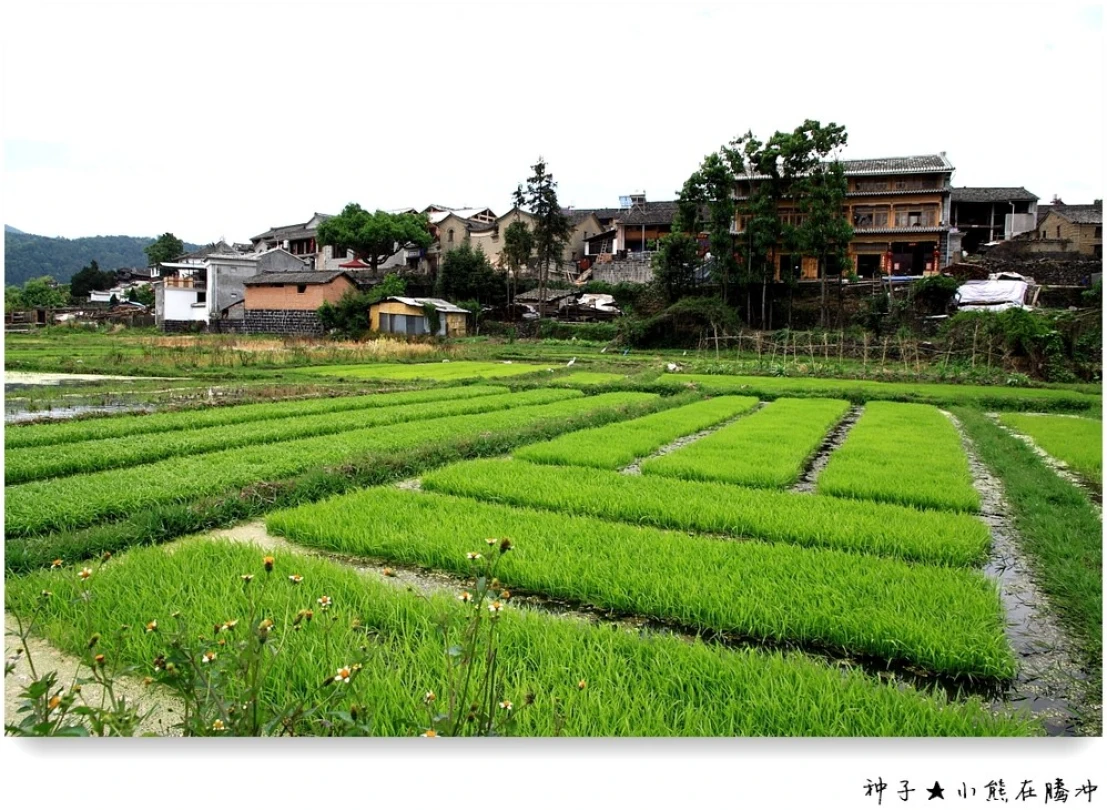
Tengchong·Heshun: Finding Life as It Should Be in a Border Town Where Time Stands Still
Tengchong·Heshun: Finding Life as It Should Be in a Border Town Where Time Stands Still The long journey of over twenty days was over. On my first day back at the office, I was still in a daze. My fingers couldn't find the keys on…
Continue reading...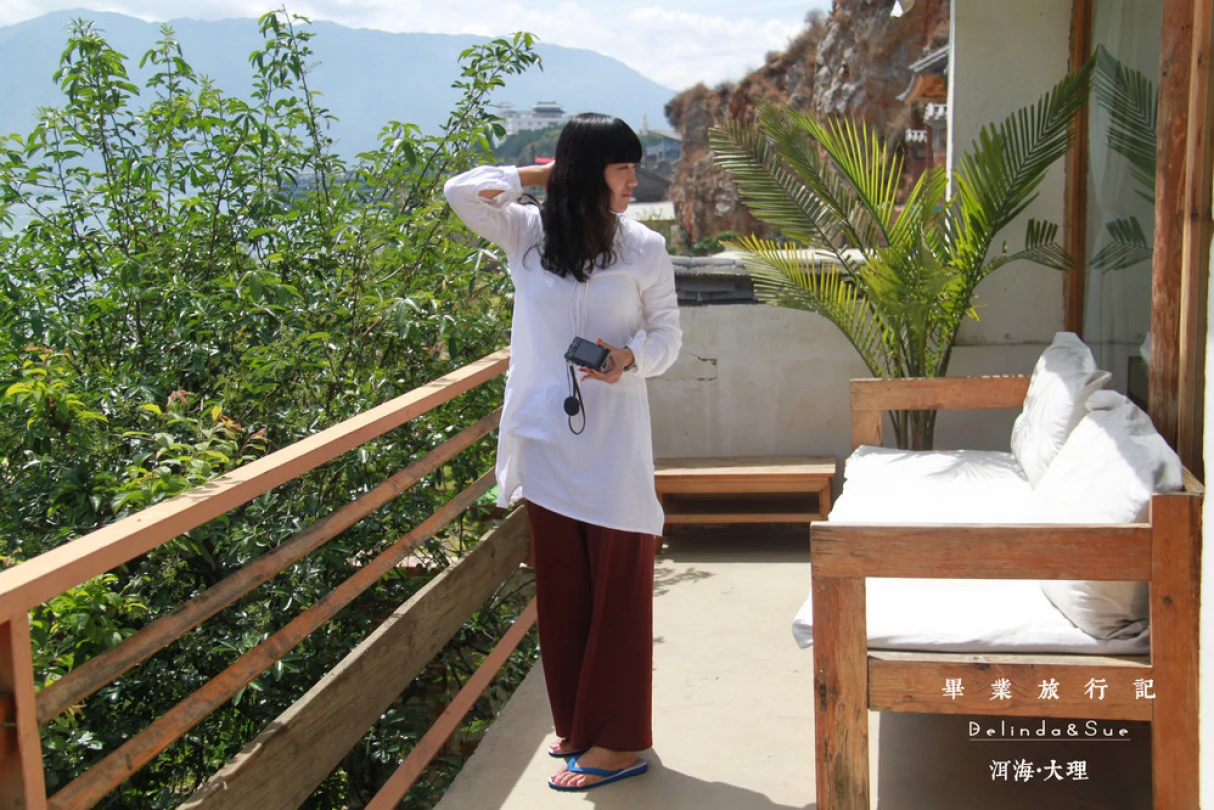
Two Girls' Graduation Trip: Dali and Shuanglang – A Poetic Farewell to Mountains and Sea
Two Girls' Graduation Trip: Dali and Shuanglang – A Poetic Farewell to Mountains and Sea Preface: Catching the Tail of Youth, Heading South During our senior year of college, my roommate and I – two girls studying in Beijing – decided to bid farewell to…
Continue reading...
Cloud Travelogue · Dali of Wind, Flowers, Snow, and Moon: A Three-Day, Two-Night Journey of a Free Spirit
Cloud Travelogue · Dali of Wind, Flowers, Snow, and Moon: A Three-Day, Two-Night Journey of a Free Spirit I am a cultured female foodie with a touch of rogue charm. I slung on my backpack, took my lover's hand, and set off on a spontaneous…
Continue reading...