The Enchanting Nanna: Seven Slow Summer Days in Xishuangbanna
The Enchanting Nanna: Seven Slow Summer Days in Xishuangbanna
Some places captivate you at first sight. In the summer of 2015, I spent only two days in Xishuangbanna, yet I left spellbound, my heart haunted by the tropical rainforest. So in the summer of 2017, I decided to fulfill a promise to myself—to spend seven whole days slowly sinking into the soul of this land.
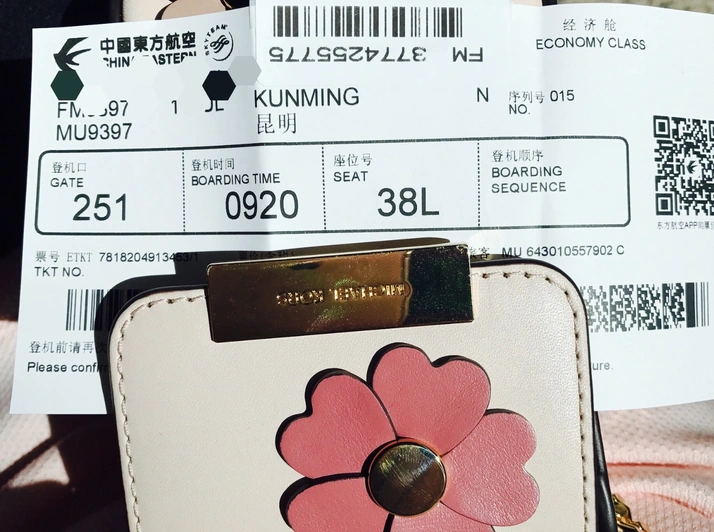
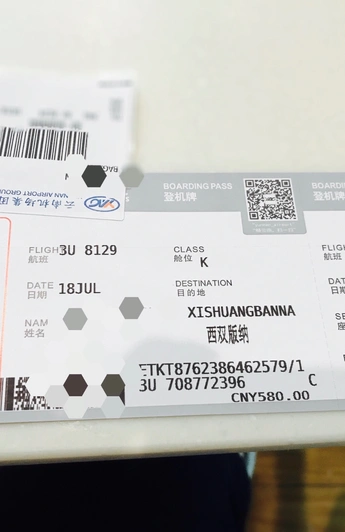
Traveling from Shanghai via Kunming, I finally landed at Xishuangbanna Gasa Airport. The journey wasn't easy, but the moment you step off the plane, the humid air wraps around you, carrying the scent of vegetation, and all the fatigue of travel melts away.
Pre-Trip Planning: Budget and Transportation
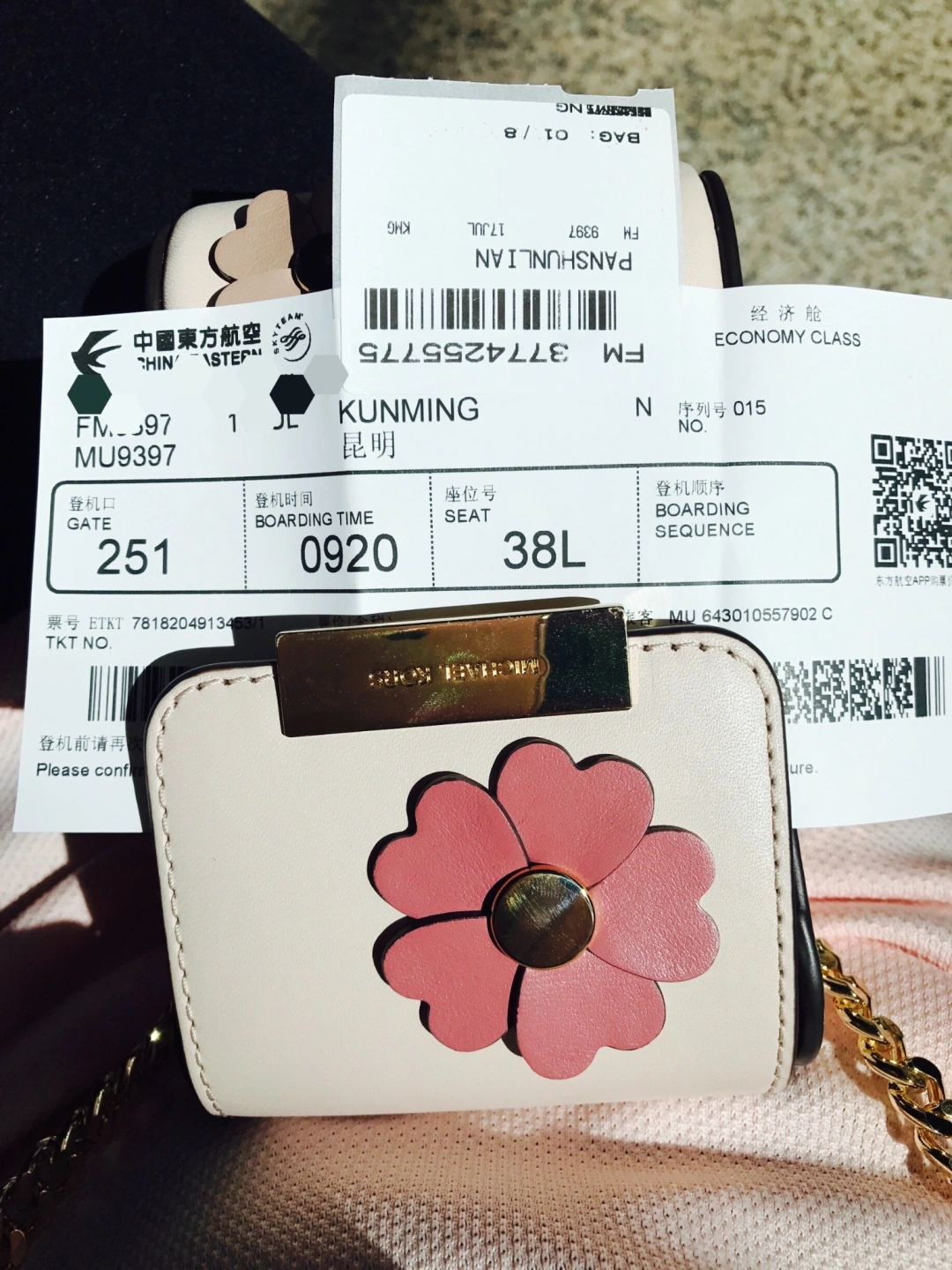
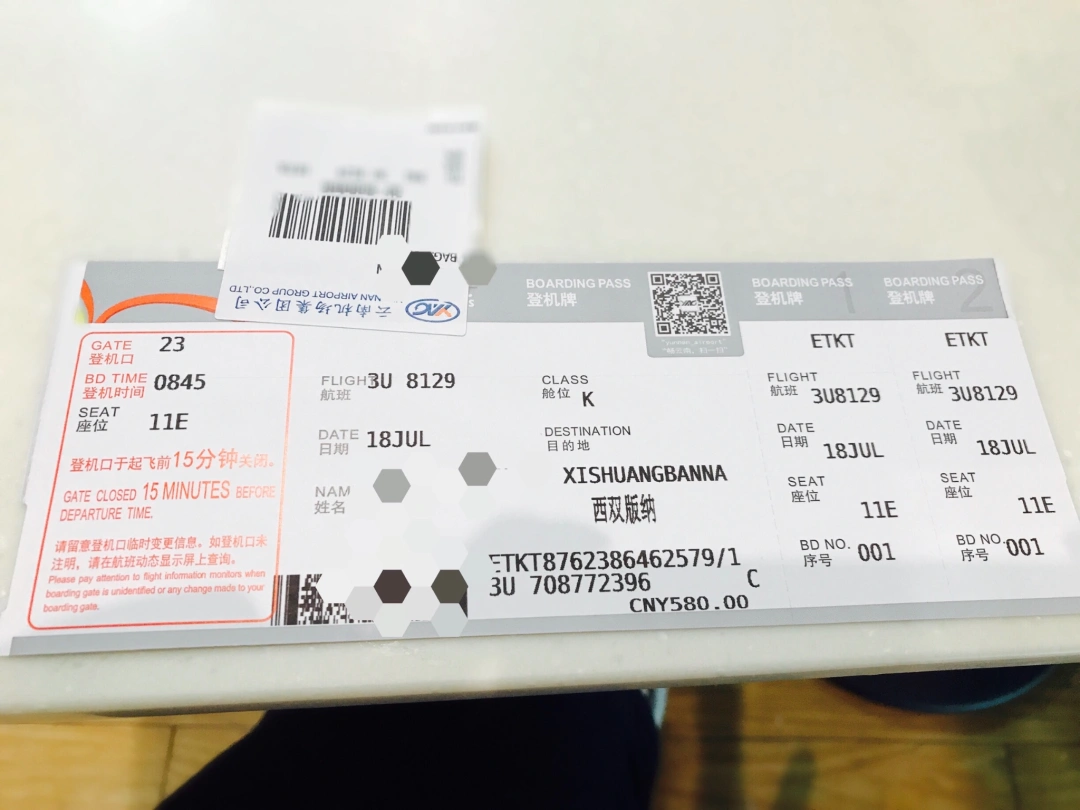
We traveled as a pair, and the total cost for seven days came to about 8,700 RMB. Flights took the biggest bite—round trips from Shanghai to Kunming and Kunming to Xishuangbanna totaled 3,800 RMB. For accommodation, the Caiyunke Hotel near Kunming Airport cost 268 RMB per night, while the Xiangyue Banna Hotel in Xishuangbanna cost 1,290 RMB for five nights—great value. Charter car and entrance fees for five days added up to 2,500 RMB, and food for six days came to 1,200 RMB—a reasonable spending level.

The flight from Kunming to Xishuangbanna takes only 50 minutes. If you're not in a hurry, you could take a 12-hour sleeper bus, but word on the street is that the hygiene is questionable—better to grit your teeth and spring for the plane ticket.
Half a Day in Kunming: An Afternoon at Yunnan University
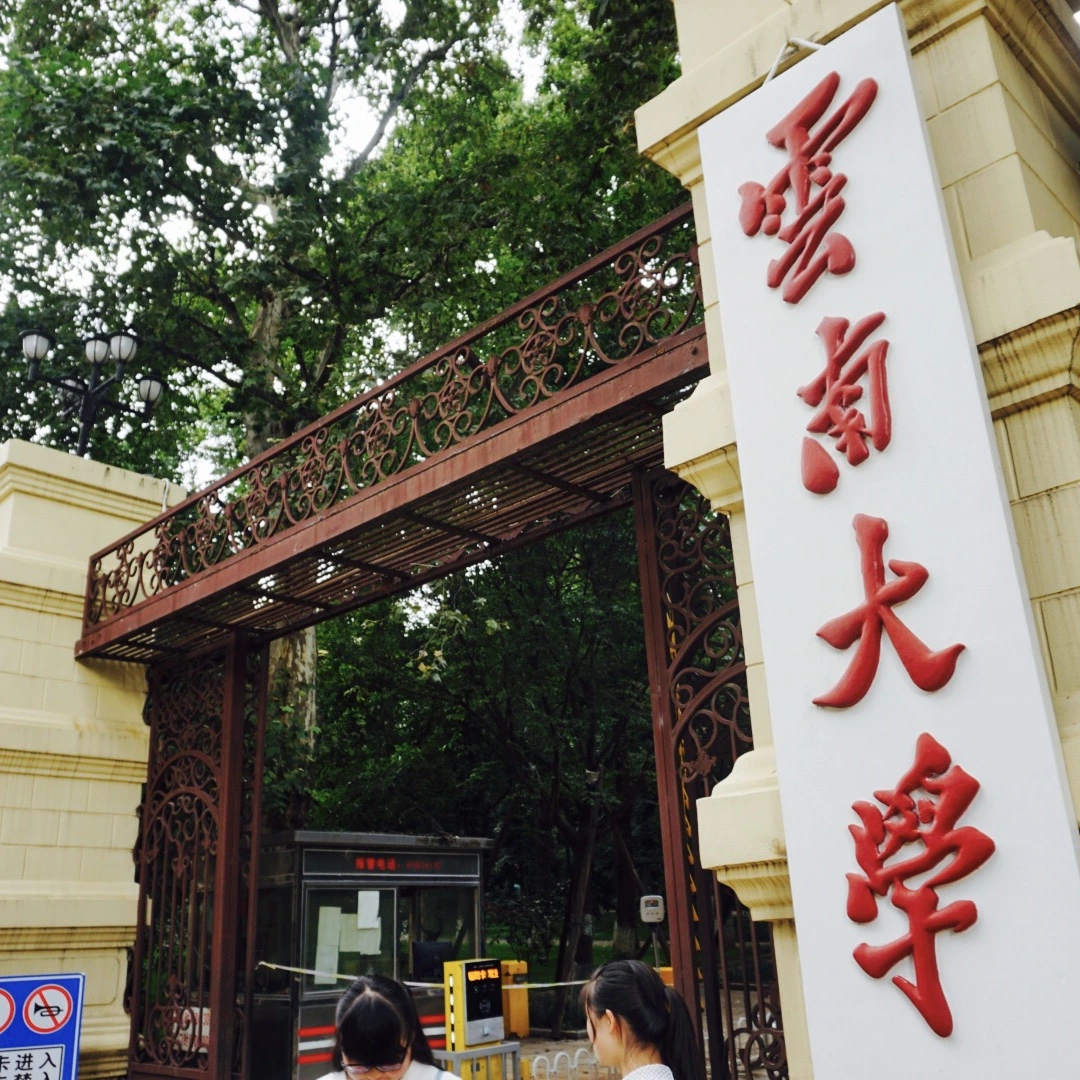
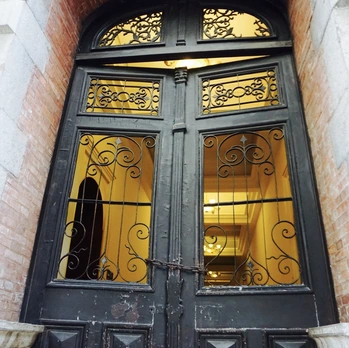
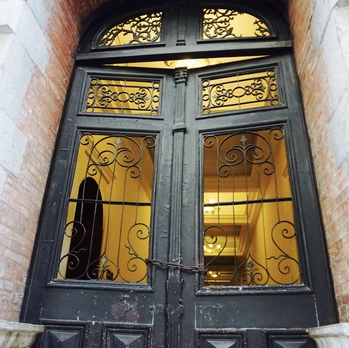
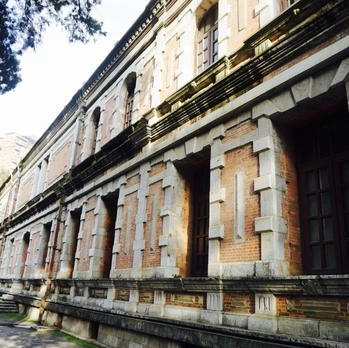
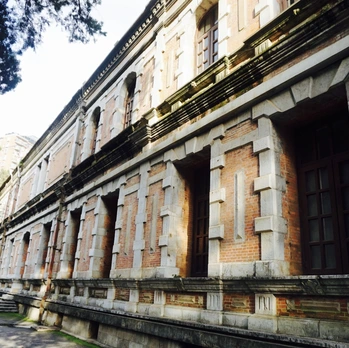
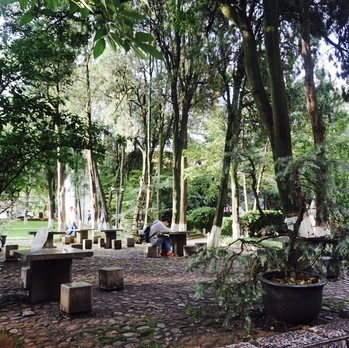
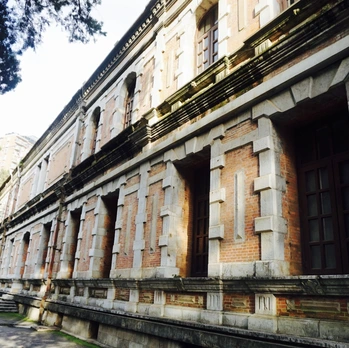
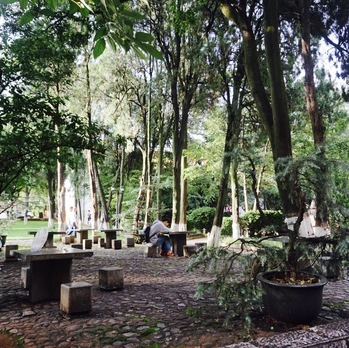
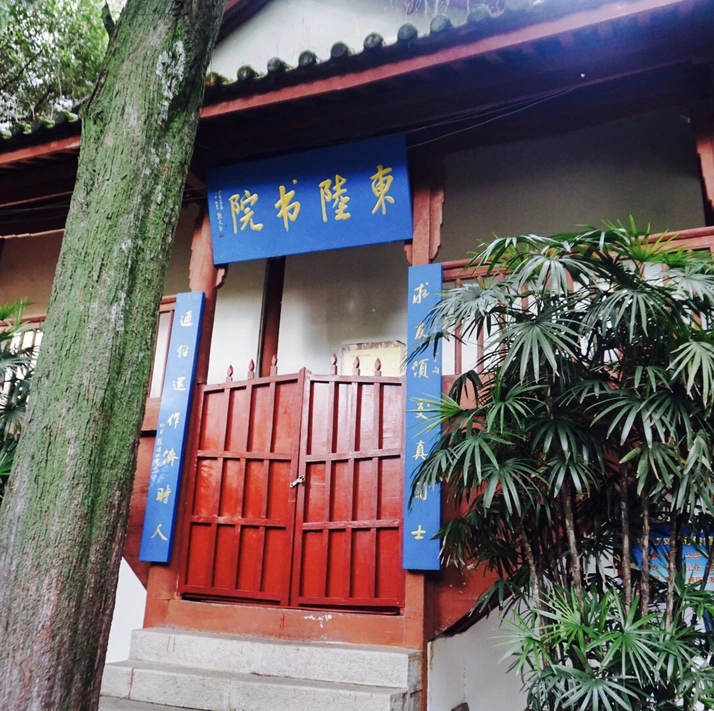
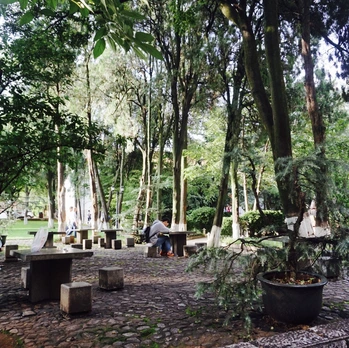
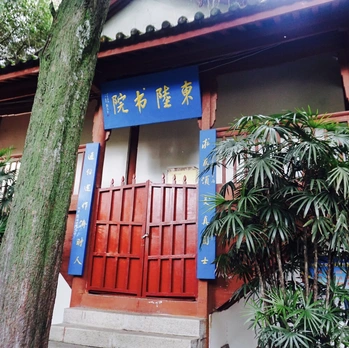
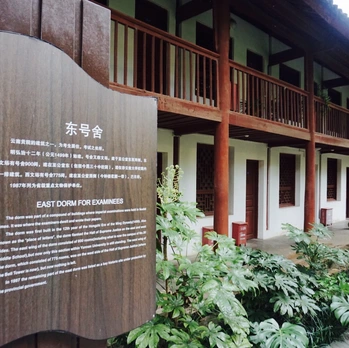
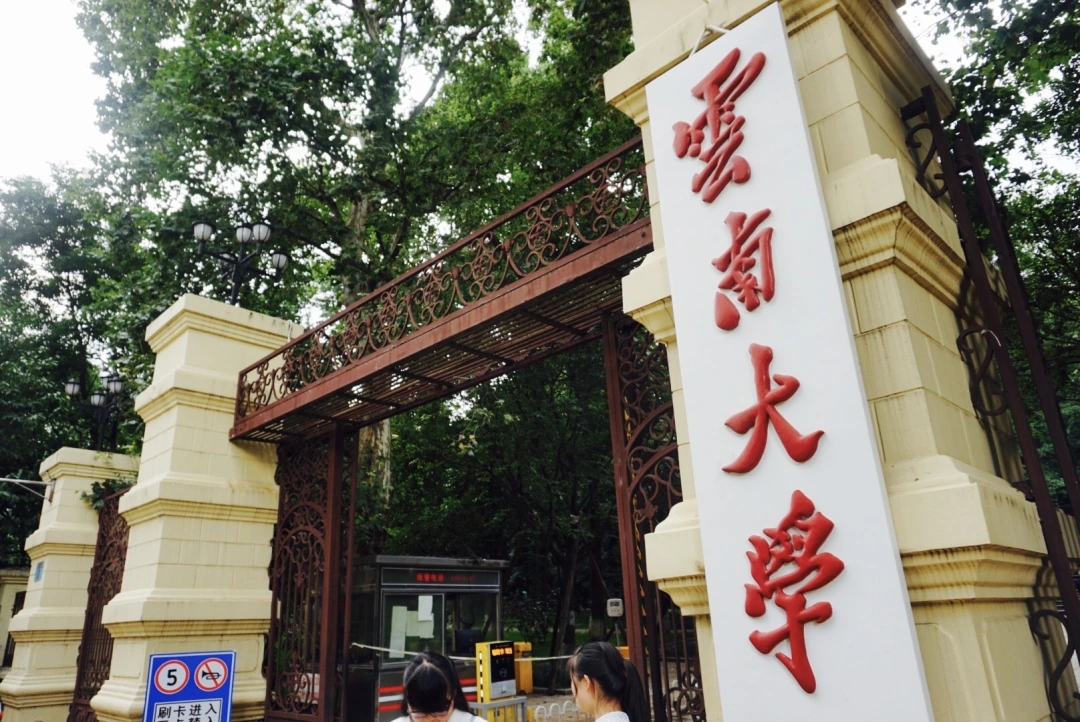
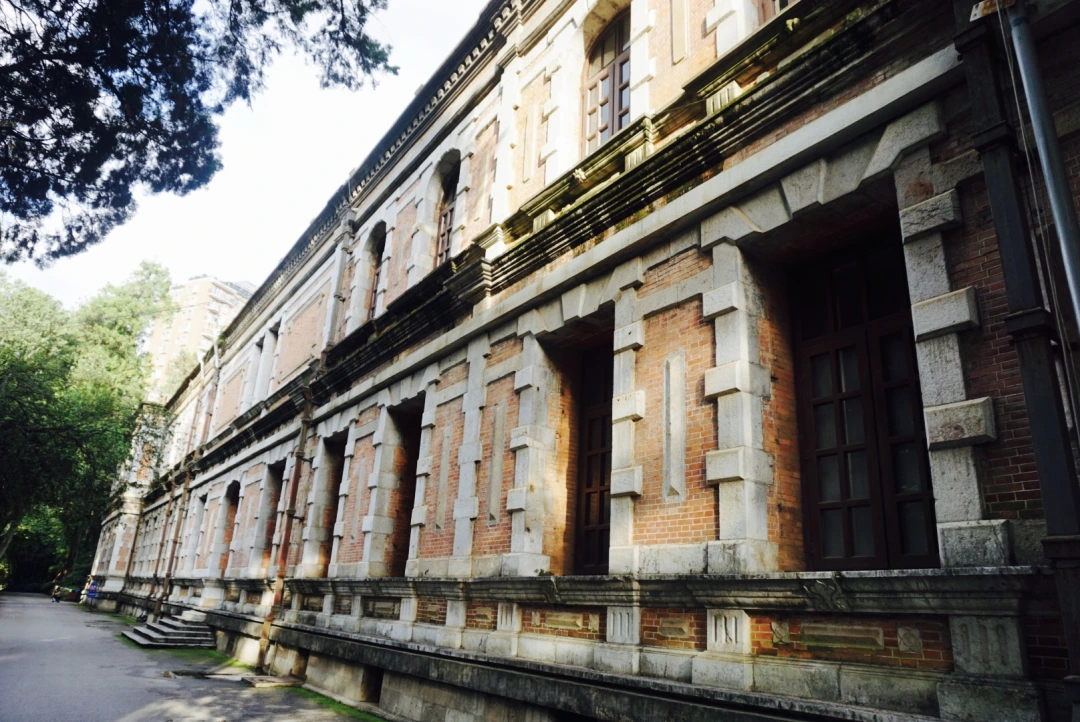
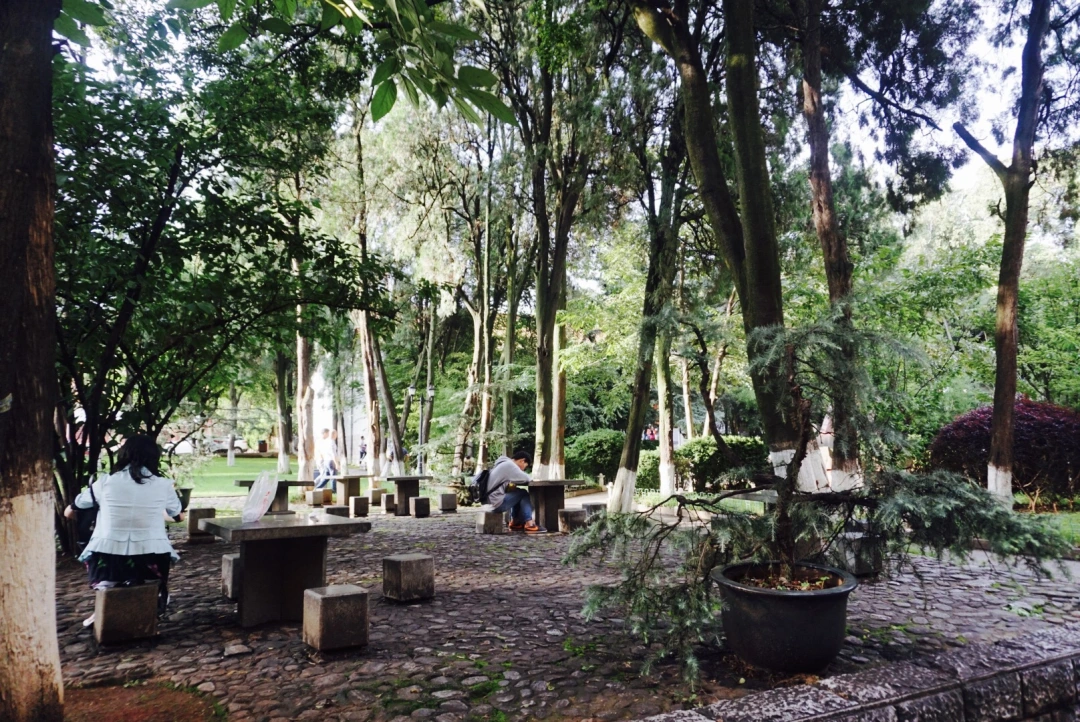
Our flight schedule left us with an afternoon in Kunming. A taxi from the airport to Yunnan University cost about 80 RMB. Compared to the famous Xiamen University, this campus has a quieter, more scholarly atmosphere. The grounds still preserve Ming Dynasty imperial examination hall architecture—elegant and dignified.
The cats at Yunnan University are another attraction. A tiny kitten approached us without a hint of fear, rubbing against our legs for affection. When we gently scratched its head, it closed its eyes and smiled, as if to say, "You're finally here."
Accommodation in Xishuangbanna: A River View Night in Gaozhuang
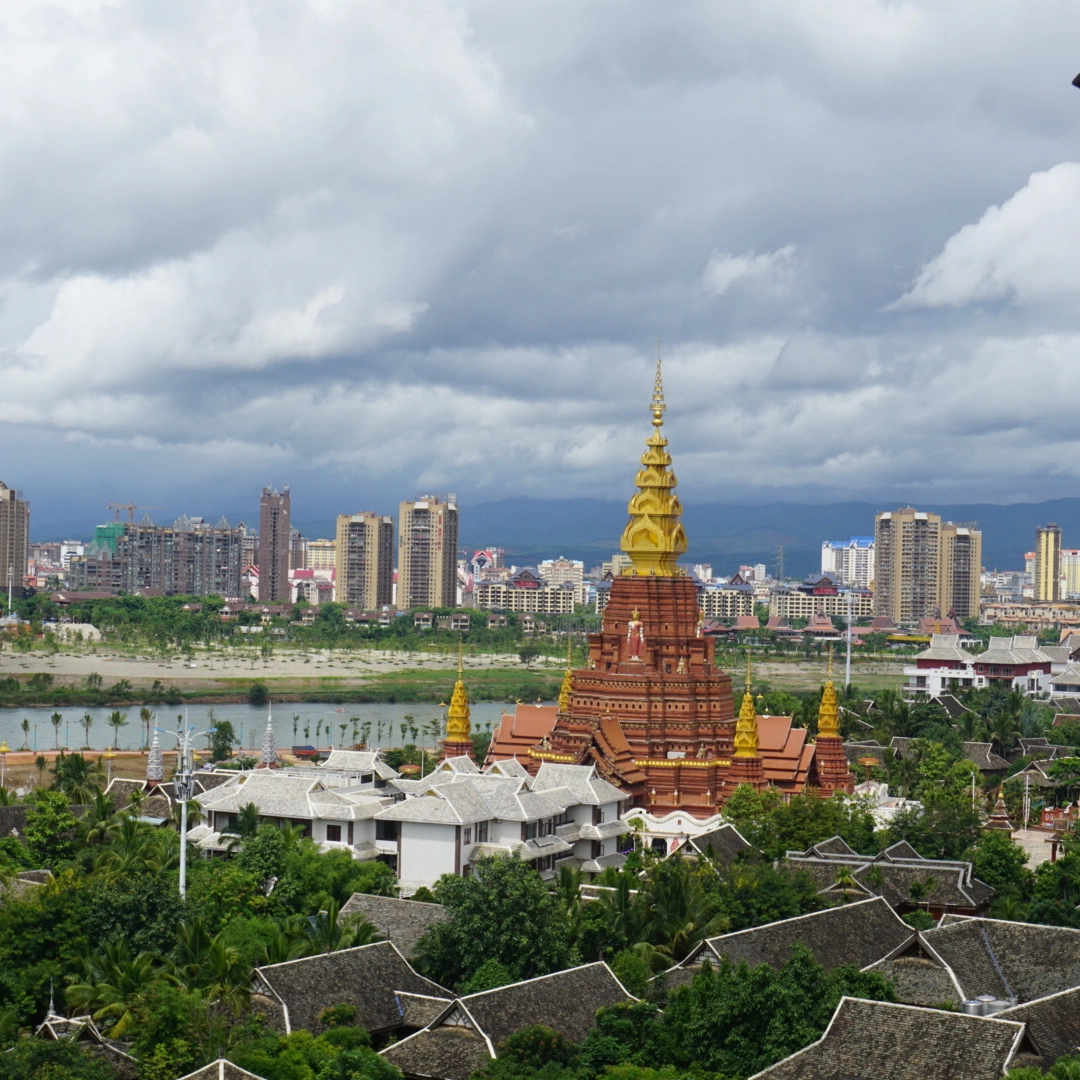
The heart of Xishuangbanna is Jinghong City. The urban area is small, but hotels are abundant. I strongly recommend staying in Gaozhuang—centered around the Grand Golden Pagoda and the Lancang River (Mekong River), this lively circular area makes dining, shopping, and joining tours incredibly convenient.
We stayed at the Xiangyue Banna Hotel. In July, rooms cost around 200 RMB per night and included airport transfers. We booked a river-view room with a wide vista of the Lancang River at dawn and dusk. Some people prefer garden-style inns with ethnic charm, but there's a practical issue in the tropics—those low-rise guesthouses are crawling with mosquitoes. Just thinking about it makes my skin crawl.
Day One: The Primitive Forest Park—Peacock Ballet in the Sky
The Primitive Forest Park is only about seven or eight kilometers from Gaozhuang. The park combines valley rainforest, peacock releases, folk song and dance, and water-splashing festivities. The highlight is undoubtedly the peacock release—at the peacock pond dining area, order a drink and a plate of fruit, then watch as flocks of peacocks soar from the forest, glide across the sky, and land on the lawn. In that moment, time itself seems to slow down.
Entrance fee plus electric cart costs about 100 RMB. During summer break, Jinghong offers free admission to visitors under 18, so families with children shouldn't waste money on unnecessary tickets. Prices inside the park are reasonable: fruit 18 to 38 RMB, drinks under 20 RMB. Peacock shows run roughly every hour, with the last one at 5:00 PM.
Day Two: The China-Myanmar Border—Border Town Charm in Daluo
Daluo Town lies in the southwestern part of Menghai County. A round trip by charter car from Jinghong takes about five hours and costs 500 RMB. The drive passes through Menghai, where rice paddies stretch out in brilliant green—the rice here grows three seasons a year. Be sure to bring your ID card; there are border checkpoints along the way.
At the border, you can pay 50 RMB to visit the Myanmar border gate. But since northern Myanmar is part of the Golden Triangle, even with a passport you can't get a visa to cross. Many people pay a few dozen RMB to "sneak across." We didn't. Our guide, a young woman, laughed and said, "If you want to be polite, this border gate has 'character.' If you're being honest, it's just poor." At Boundary Marker 218, there wasn't even a guard. The desolation was striking.
Taking photos with peacocks is a Xishuangbanna tradition. They say it's free, but afterward they'll try to sell you the prints—10 RMB each, not too bad.
Day Three: Manting Park + General Buddhist Temple + Wanda Paradise—From Ancient to Modern
Manting Park was once the royal garden of the Dai kings. Legend says the soul of a queen was captivated by the scenery, giving the park its name. Tickets bought online cost 40 RMB—excellent value. Inside, the Dai King's palace has seats said to be blessed. In summer, the lotus pond looks like a watercolor painting.
The Xishuangbanna General Buddhist Temple is right next to Manting Park and is free to enter. The two sites are connected; you can go back and forth with a Manting ticket, but entering from the temple side requires a separate ticket. The temple houses a statue of Ganesha, with incense smoke swirling and devotees praying devoutly.
In the afternoon, we headed to Wanda Theme Park—Asia's first comprehensive rainforest theme park. Tickets cost about 190 RMB, covering both land and water sections. The land park has five zones: Jungle Adventure, Fisherman's Wharf, the Ancient Tea Horse Road, Butterfly Kingdom, and Waterfall Plaza. While the overall design isn't particularly stylish, the rides and shows are top-notch. There's a roller coaster where you face downward the entire time, spinning 360 degrees—thrilling enough to make you scream.
The performance at Butterfly Kingdom is the highlight: a seamless blend of figure skating, acrobatics, and song and dance—don't miss it. The show at Fisherman's Wharf also exceeded expectations. The 60-meter Wangtianshu Drop Tower was still being tested and wasn't open—just looking at it made my knees weak. The park's toy souvenirs are remarkably realistic; I couldn't resist bringing home a large parrot for 78 RMB. The float parade starts at 5:00 PM, and the park closes at 6:00 PM—perfect timing.
Day Four: Xishuangbanna Tropical Botanical Garden—A Kingdom of Plants
Located on Hulu Island in Menglun Town, Mengla County, the Xishuangbanna Tropical Botanical Garden is China's largest and most diverse botanical garden. The park is divided into an East Zone and a West Zone; we only visited the West Zone, and one day was enough. Entrance costs 90 RMB, with electric carts charged separately—50 RMB for the East line and 50 RMB for the West line.
I don't know much about plants, so I mostly just wandered. But some images stay with me: the giant Victoria water lilies with leaves big enough for a child to sit on; rain-soaked butterfly orchids looking pitifully delicate; pretending to make funny faces under a pomelo tree; hearing that the cycad king in Xishuangbanna blooms year-round (male ones have broad cones, female ones pointed); bodhi trees and golden phoenix flowers shimmering in the sunlight.
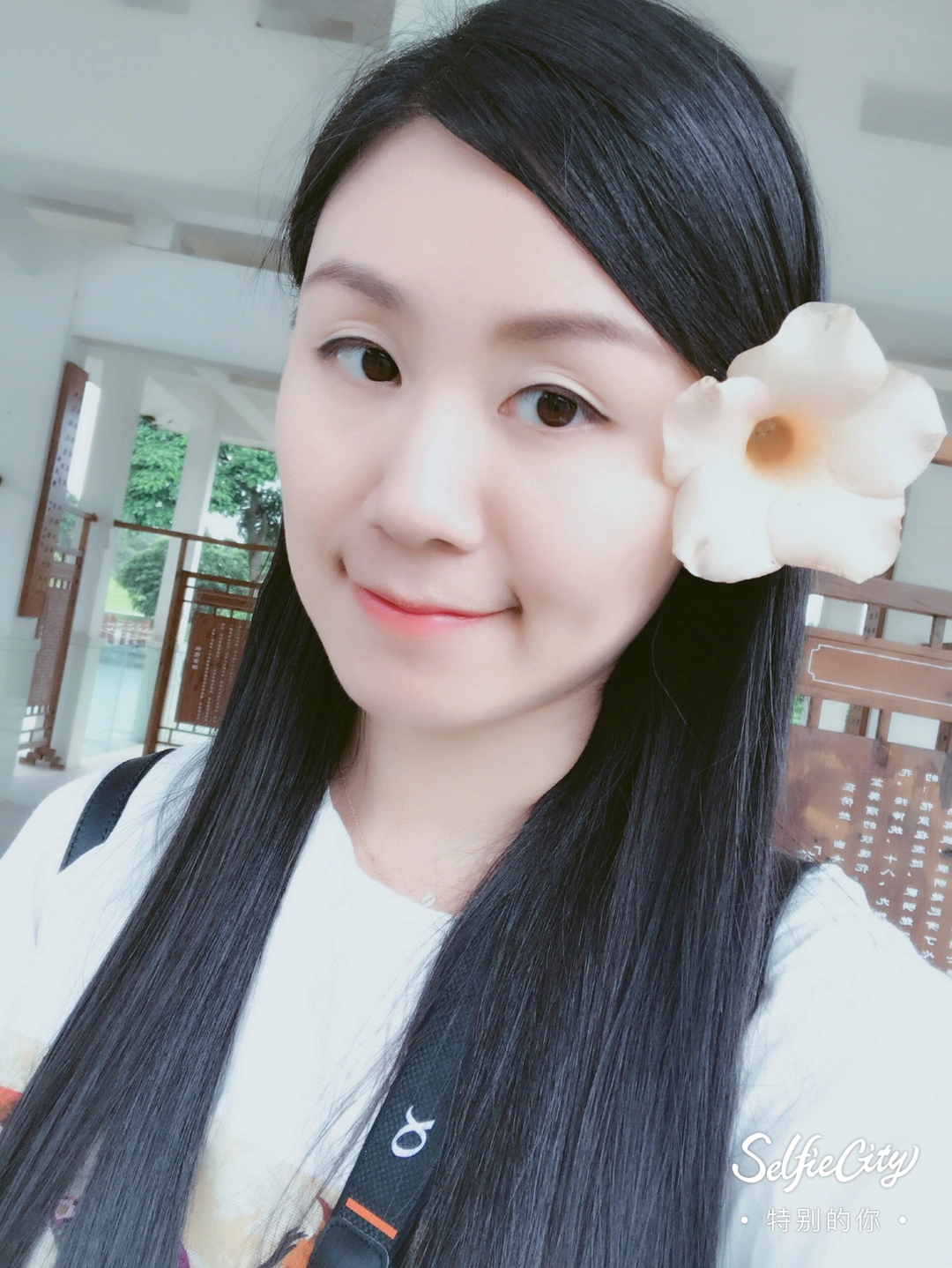
After days of heavy rain, the Luosuo River had turned red. A massive suspension bridge spanned it, creating a scene of rugged beauty. I picked up fallen flowers and tucked them in my hair, pretending to be part of a painting.
Day Five: Wild Elephant Valley—An Encounter with Asian Elephants
Xishuangbanna is the only habitat for Asian elephants in China, and Wild Elephant Valley is the closest you can get to wild herds. Entrance costs 85 RMB, with the cable car costing 50 RMB round trip or 40 RMB one way. The park's real gem is that rickety 70-minute cable car ride—it doesn't stop, so you have to keep your distance from your partner as you board; one person goes up, and the other must sprint to catch the next car, or you'll miss it. Getting off is just as chaotic—you have to stand up early and let a staff member yank you out. Exhilarating and ridiculous.
Lucky for us, we actually spotted a wild elephant family playing in the water. They were adorable, clumsy and endearing, melting our hearts. The elephant school performance here was far more impressive than the one at Manting Park—the elephants were highly trained and astonishingly clever. After the cable car, we walked a kilometer along a boardwalk to the Asian Elephant Museum—which turned out to be tiny. We walked two kilometers round trip for that. Hilarious. The park also has a bird garden, butterfly garden, and lizards and pythons—quick glances suffice. Dead-leaf butterflies resting on leaves were impossible to distinguish from actual leaves.
The Grand Golden Pagoda and Night Market: Where Faith Meets Daily Life
The Grand Golden Pagoda in Jinghong, Xishuangbanna, has a central tower housing the "Weekday Buddha." It's also the Bayleaf Palm Leaf Scripture Museum, symbolizing Jinghong. Four smaller towers around it represent Kengtung (Myanmar), Chiang Rai (Thailand), Chiang Mai (Thailand), and Luang Prabang (Laos). At night, the market beneath the pagoda comes alive, blending religious solemnity with everyday bustle. With the Lancang River at its back and Buddha statues reclining nearby, you can eat street food, buy handicrafts, and hunt for Thai medicines. But during the rainy season, the market can be canceled at any moment—guessing whether it'll be open each night becomes a game in itself.
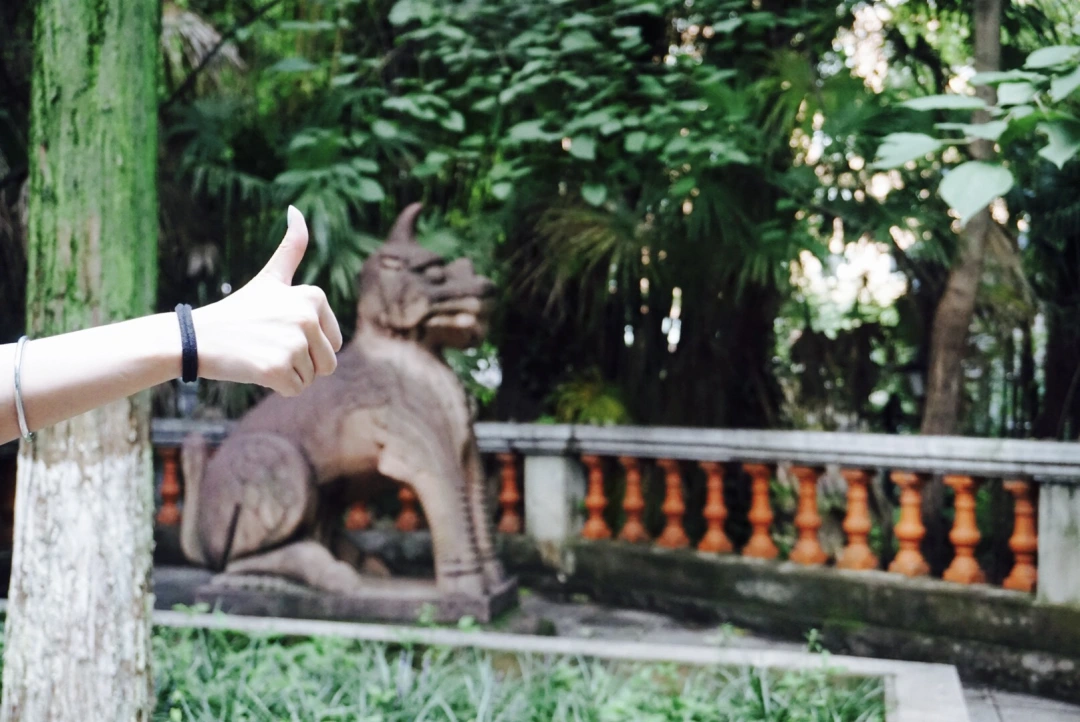
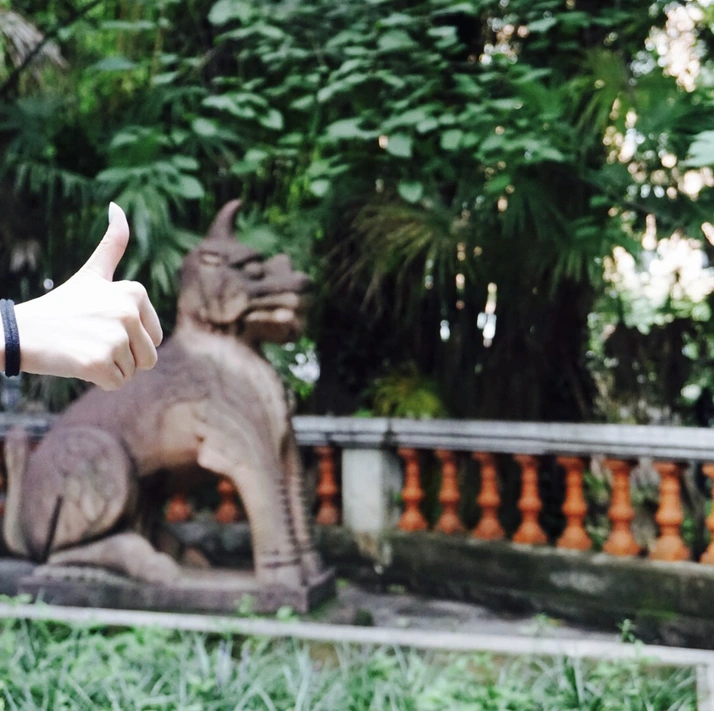
Mini pineapples are a local specialty—three for 10 RMB, impossibly sweet. The guardian spirits of the market, human-faced mythical beasts, watch silently over the crowds.
Xishuangbanna Cuisine: A Tropical Feast on the Tongue
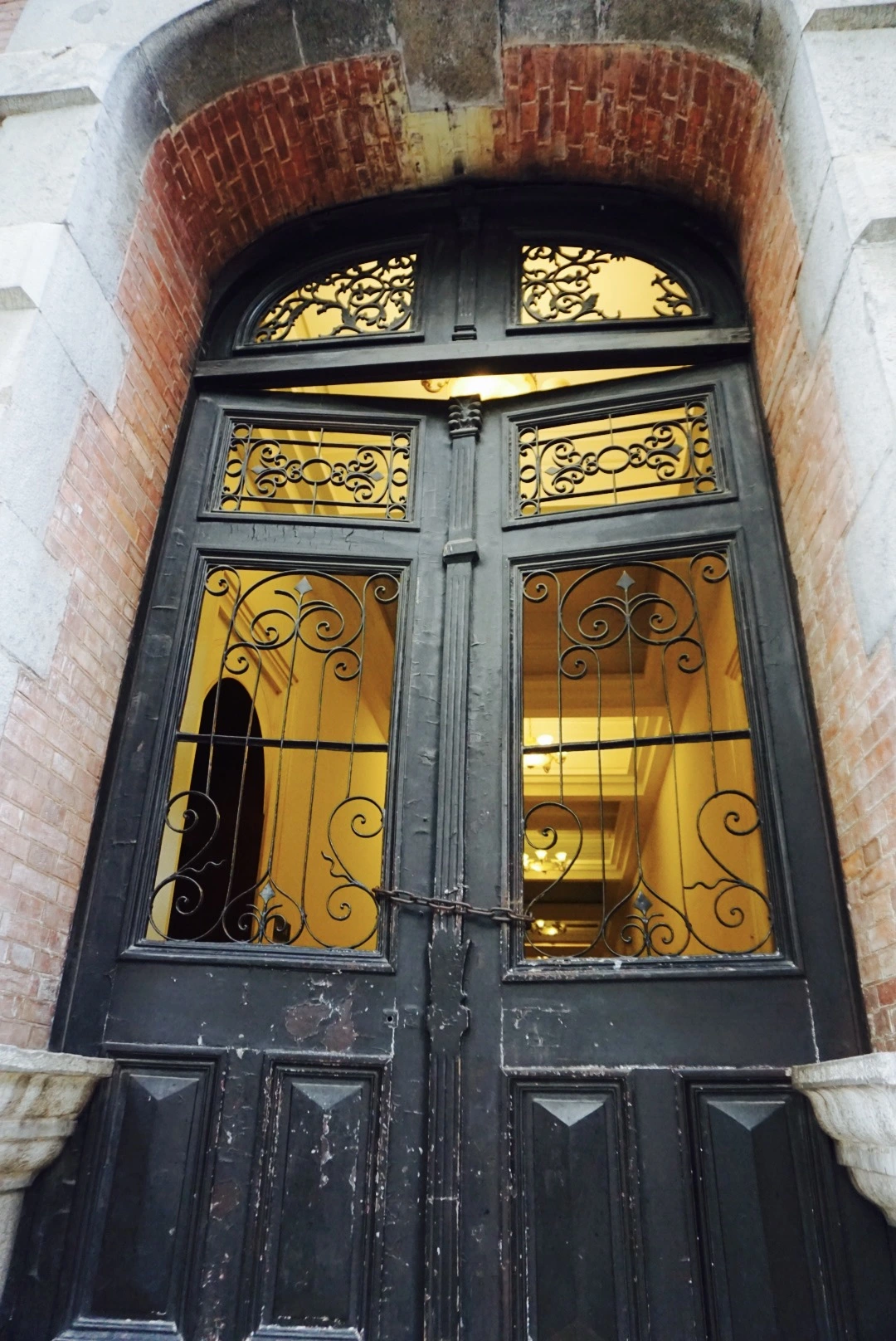
During our days in Xishuangbanna, we mainly ate at two restaurants: Manfeilong Roast Chicken and Dai Manor. Manfeilong's roast chicken has crispy skin and tender, juicy meat—so good we ordered it every day. Their furniture is old Dai-style, low to the ground, full of character. Dai Manor's pineapple rice is a knockout—fresh pineapple chunks with sweet sticky rice, paired with a glass of pineapple juice, pure bliss.
Other recommended dishes: stir-fried banana flowers, mango stir-fried beef, mixed vegetable soup (mainly ice plant), lemongrass cucumber salad, wrapped tofu, and lemongrass grilled fish. There's also a wild vegetable so bitter it makes you cry, but with a sweet aftertaste. Sticky rice wrapped in banana leaves is a local staple.
Final Thoughts: Xishuangbanna's Summer, Worth Savoring Slowly
Seven days in Xishuangbanna—not too long, not too short. But enough to remember the arc of peacocks crossing the sky, the clumsy charm of wild elephants playing, the sweetness of mini pineapples at the night market, and the evening breeze along the Lancang River.
Xishuangbanna's summer is humid, intense, and gentle. It doesn't rush like a big city, nor is it as commercialized as some tourist spots. It has its own rhythm—rain comes and goes as it pleases; the night market opens or cancels on a whim. You just have to go with the flow, following the land's breath, walking slowly, looking carefully.
If you're planning a trip to Xishuangbanna, my advice is: set aside at least five days, don't rush; stay in Gaozhuang for convenience and liveliness; bring mosquito repellent—tropical bugs are no joke; and finally, slow your heart down. Let Xishuangbanna's summer seep into your memory, drop by drop.
After all, some beauty is worth taking the time to savor.
You should also read:
24 Days, 1400 Yuan: A Solo Journey Along the Sichuan-Yunnan Route, Trading Stories for Scenery
24 Days, 1400 Yuan: A Solo Journey Along the Sichuan-Yunnan Route, Trading Stories for Scenery Setting Out, Not to Escape, but to Find Myself The year I graduated from university, I did two "crazy" things: I quit my job, and I set off on a…
Continue reading...
Xishuangbanna Self-Drive Tour: Into the Tropical Wonderland at the Edge of the Sky (Complete Guide)
Xishuangbanna Self-Drive Tour: Into the Tropical Wonderland at the Edge of the Sky (Complete Guide) Introduction: A Dream Fulfilled Thirty Years Early Some journeys are destined to happen at a specific moment in time. For me, a self-drive trip to Xishuangbanna was originally the first…
Continue reading...
Slow Sounds, Gentle Steps: My Wandering Journey Through Lijiang
Slow Sounds, Gentle Steps: My Wandering Journey Through Lijiang Prologue: A Spontaneous "Red-Eye" Escape Some journeys begin just like Lijiang itself—with a touch of spontaneity and a hint of laziness. Late one Sunday night, I was scrolling through my phone while lying in bed when…
Continue reading...