The Last-Minute Honeymoon: Chasing Clouds and Sunshine Through Yunnan's Hidden Gems
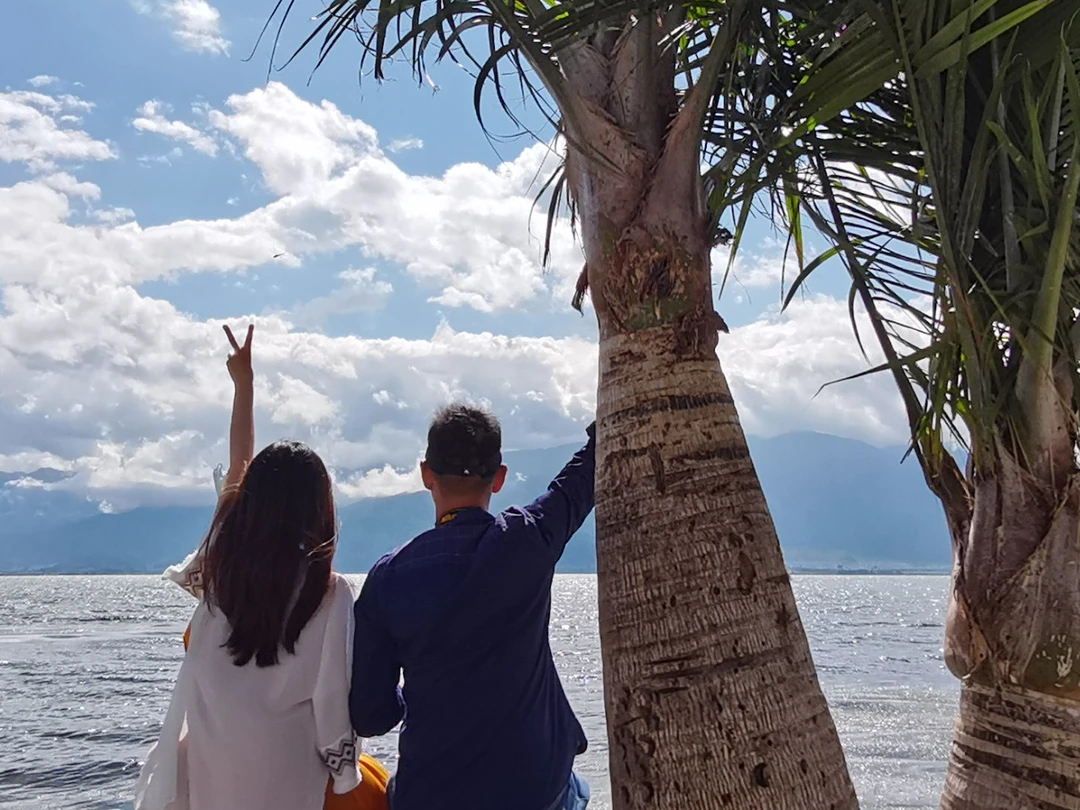
The Last-Minute Honeymoon: Chasing Clouds and Sunshine Through Yunnan's Hidden Gems
When your hard-earned marriage leave is about to expire, and every destination you've planned seems to be swallowed by a pandemic, you learn to pivot fast. That's exactly what happened to us. Originally, we had our hearts set on Xinjiang—weeks of research, a meticulously crafted itinerary, all ready to go. Then came the outbreak. We pivoted to Western Sichuan, dreaming of snow-capped peaks and turquoise lakes. Another outbreak. Qinghai? Same story. Finally, we landed on Yunnan, and honestly, it turned out to be the best decision we could have made.
This wasn't just a trip; it was a testament to the beauty of letting go of expectations and embracing the unexpected. Over ten days in September 2022, we traversed from Fuzhou through Dali, Lijiang, Shangri-La, and even a quick stop in Chongqing. Here's how it all unfolded.
The Route: A Whirlwind of Ancient Cities and Alpine Dreams
Our final itinerary was a carefully crafted loop: Fuzhou → Dali (3 days) → Lijiang (2 days) → Shangri-La (4 days) → Chongqing (half day) → Fuzhou. Each destination offered a completely different flavor—from the romantic lakeside of Dali to the misty mountains of Shangri-La and the spicy chaos of Chongqing.
Day 1: Dali – The First Glimpse of Nanzhao Grandeur
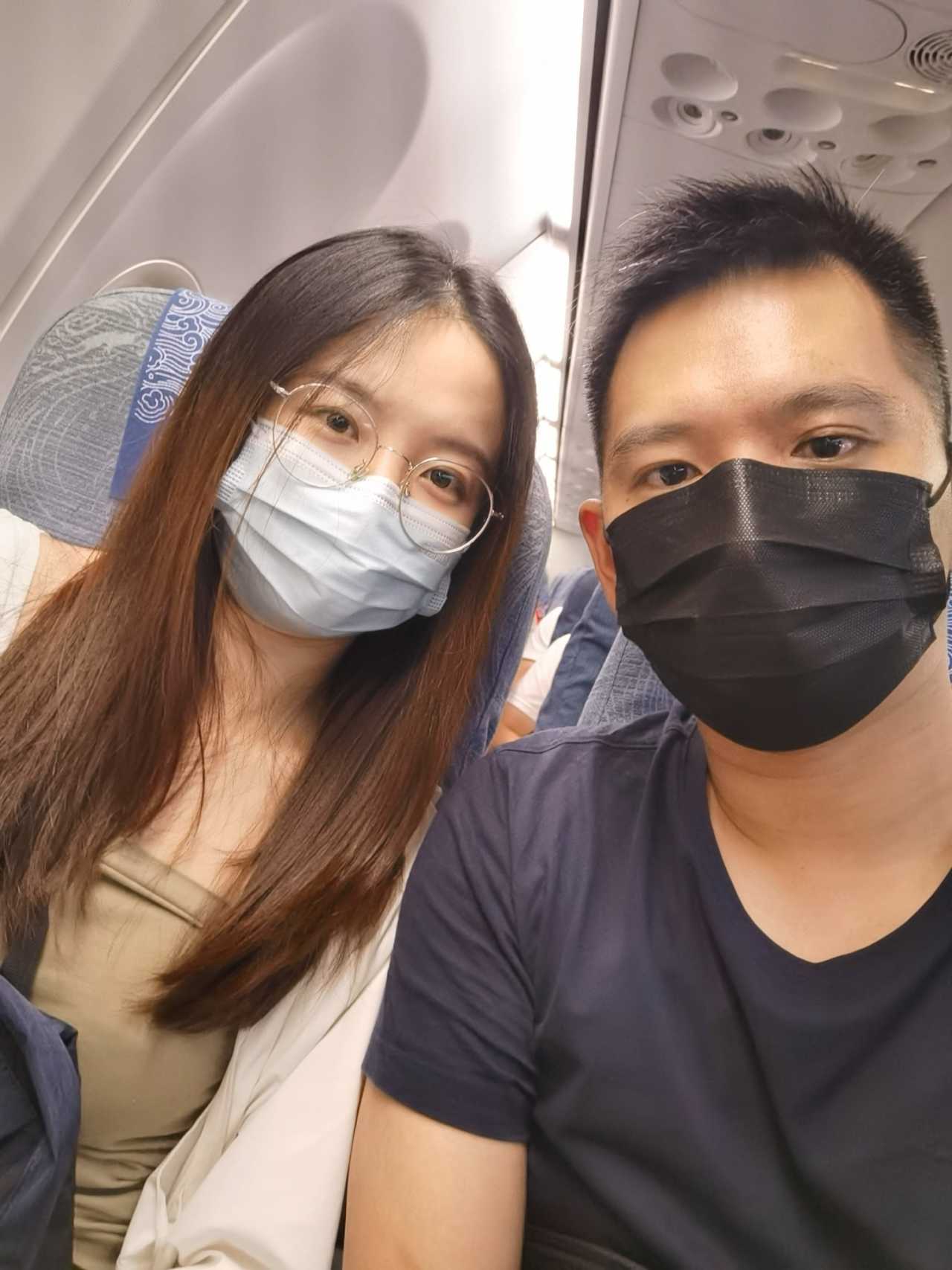
We arrived in Dali after a night of first-time airport sleeping in Chongqing. Yes, you read that right. Our flight from Fuzhou had a midnight layover in Chongqing, and we ended up sleeping in the public rest area of the airport. The down jacket I packed for the mountains? It came in handy for the freezing airport air conditioning.
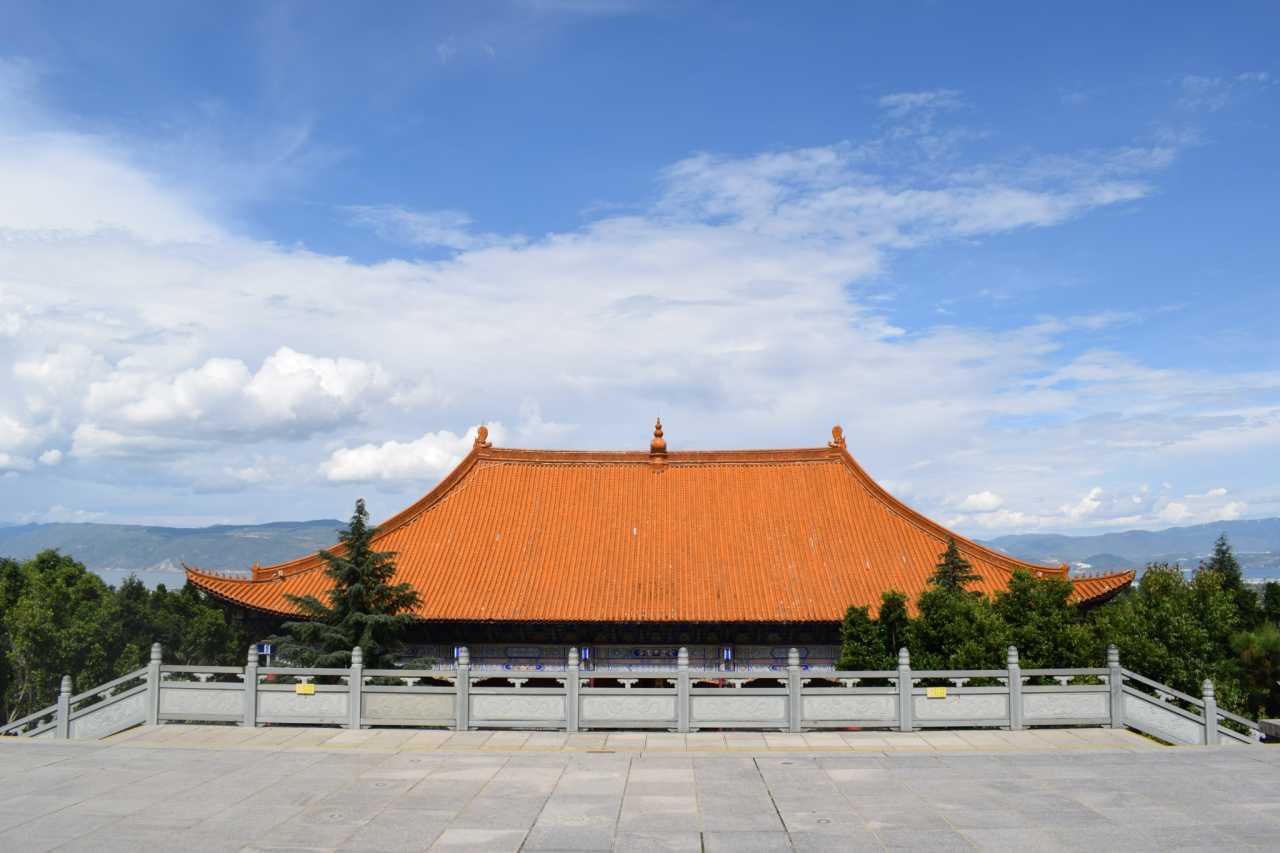
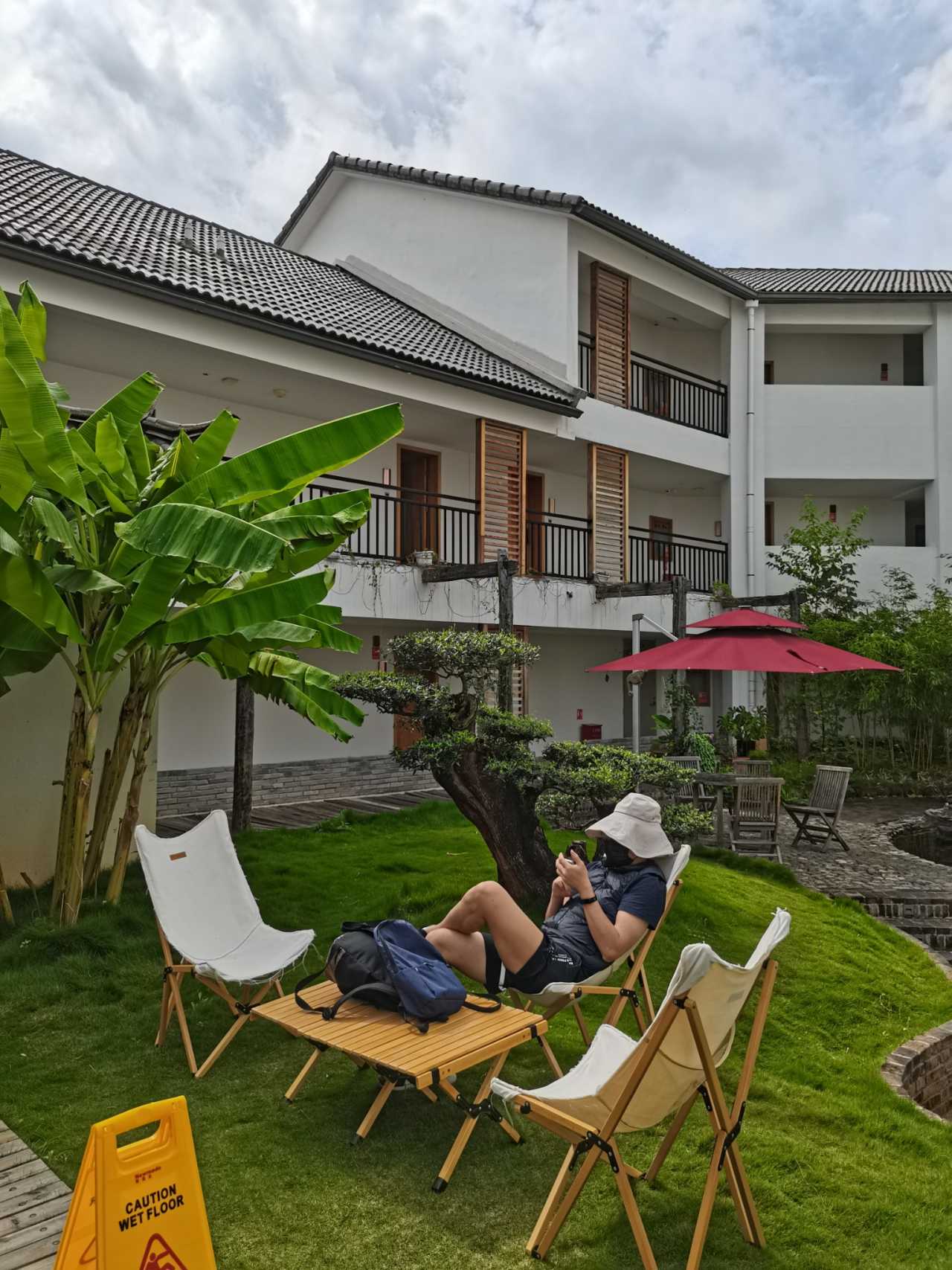
By 10 AM, we were at our hotel—the best accommodation of the entire trip, hands down. After a quick nap, we headed straight for Chongsheng Temple.
Why Chongsheng Temple is a Must-Visit:

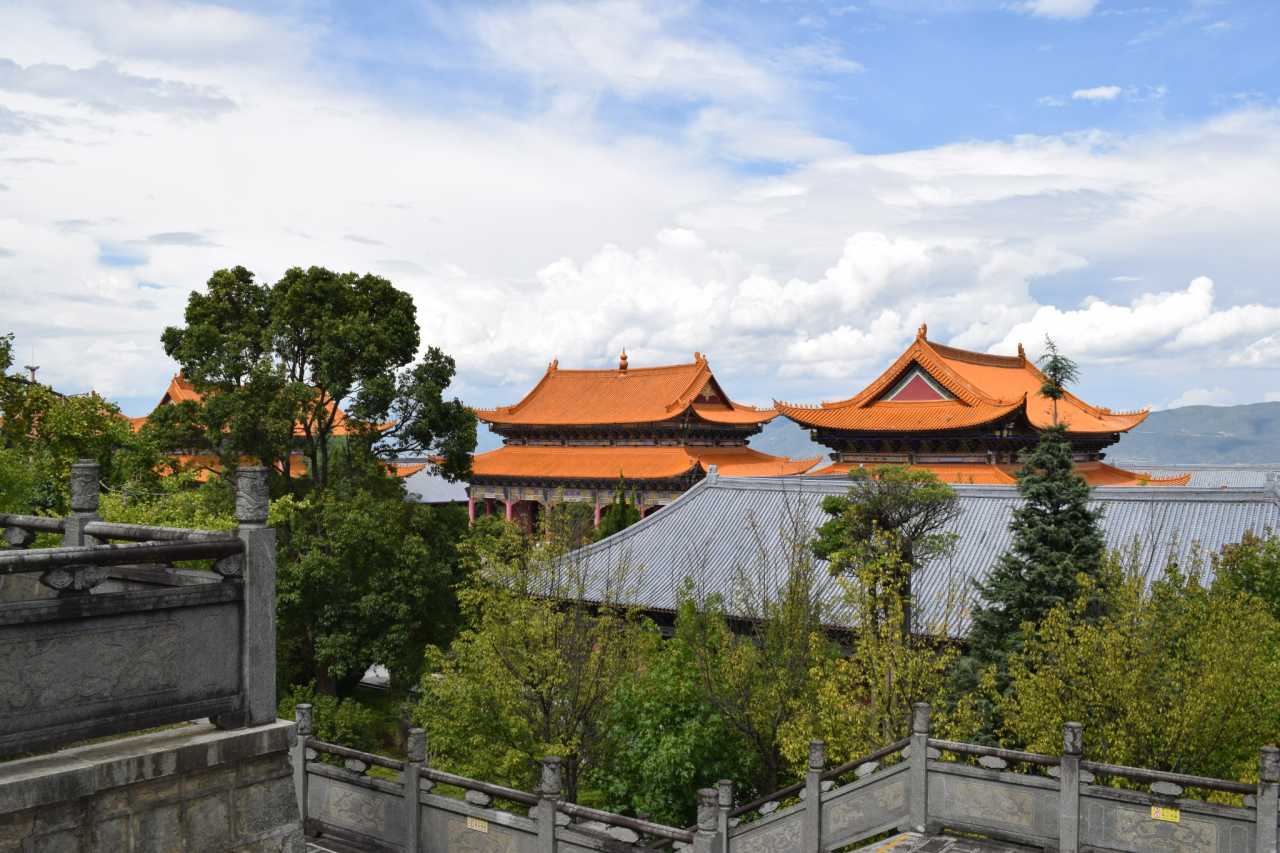
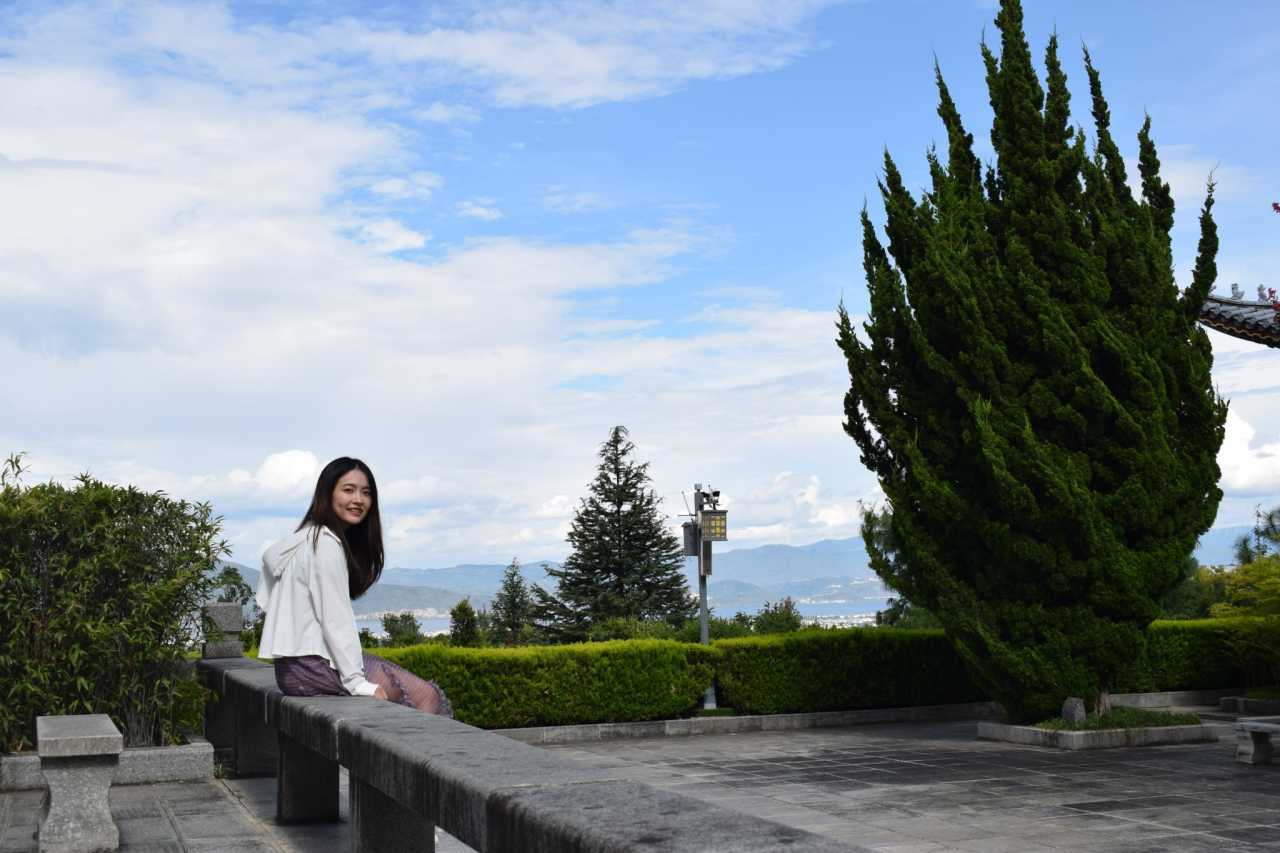
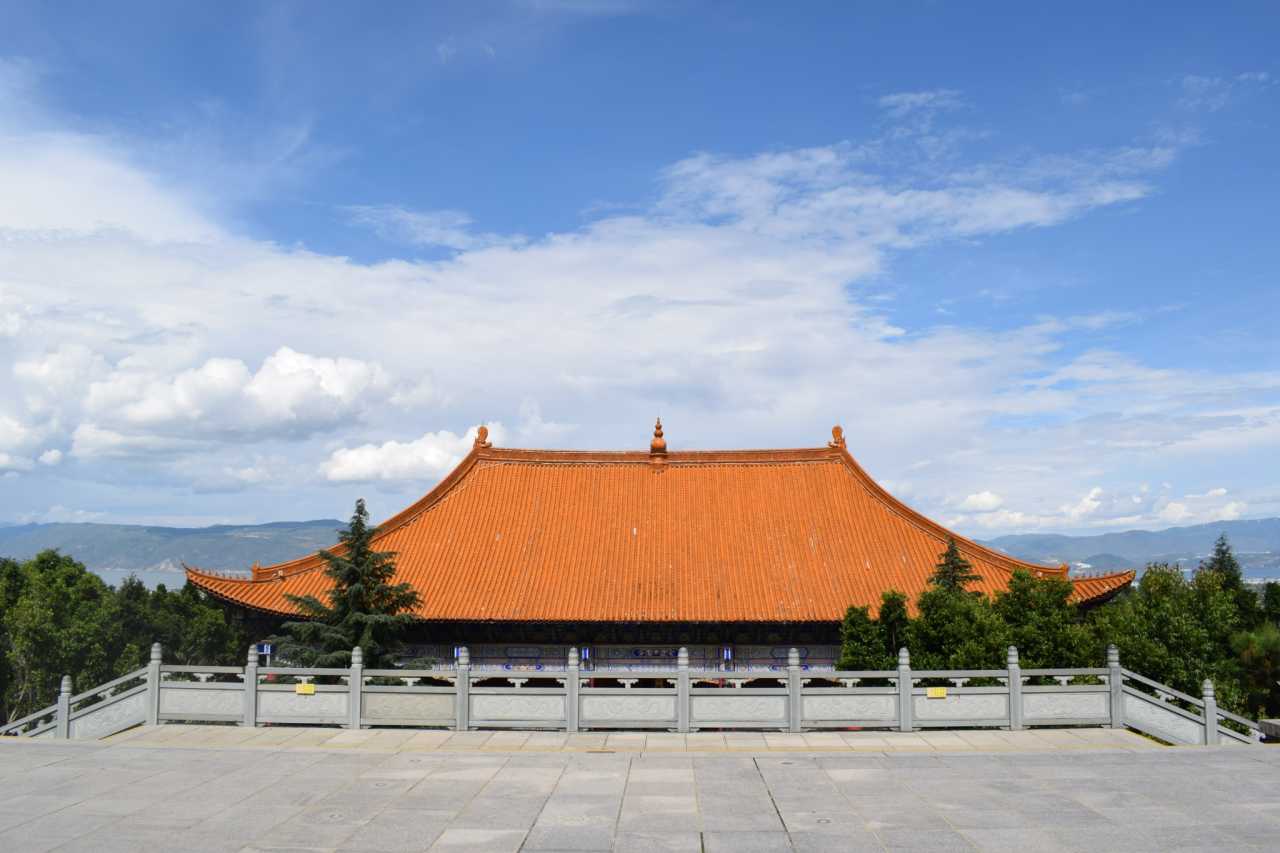
This is Dali's only 5A-rated scenic spot, and for good reason. Historically, nine Dali emperors became monks here. In Jin Yong's martial arts novels, it's known as the "Tianlong Temple." We took a one-way electric cart to the top (the Grand Hall) and then walked down. The view from up there—overlooking the entire temple complex and distant Erhai Lake—was breathtaking.
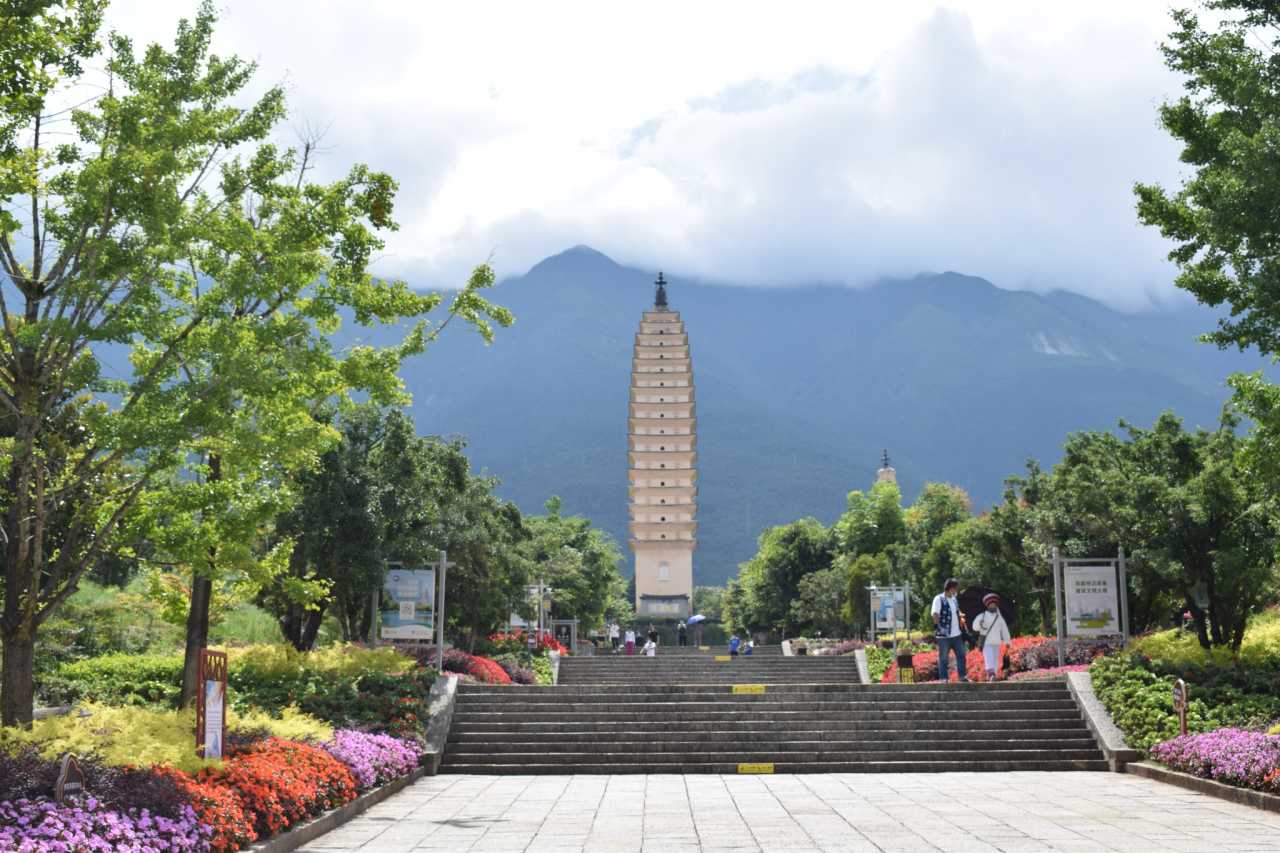
The architecture is a feast for the eyes: vibrant colors, symmetrical layouts, and intricate details. The Three Pagodas and the Jujian Grand Bell create a perfect frame for photos, especially at the Juying Pool, where the pagodas reflect in the water. Just bring mosquito repellent—trust me.
Dinner was a mixed bag: We tried a famous internet-famous restaurant called Duan Gongzi in Dali Ancient Town. The food was average and overpriced. Later, we found a hidden gem, A Wang Private Kitchen, which was better but a bit salty.
Dali Ancient Town itself was a letdown. It's heavily commercialized, with shops that all look the same and aggressive touts outside bars. The only highlight was the Wuhua Tower, which offers a nice panoramic view. But overall, we felt it lacked the charm we'd expected.
Day 2: Cycling the Romantic West Coast of Erhai
This was the day that made everything worth it. We rented a yellow bicycle (not the ones that need to be returned to the same spot—important tip!) and started our 15-kilometer ride from Longkan Ancient Ferry to Xizhou Ancient Town.
The Route: - Longkan Ancient Ferry: Perfect for photos with the trees growing out of the water. - Longkan Ecological Park: A vast lawn where we spent way too much time taking silly photos. - Cai Village: When the sun came out, the lake reflected the blue sky, creating a mirror-like effect. - Xiajiyi & Majiuyi: This stretch felt like retirement life—slow, peaceful, and beautiful. We found a less crowded S-curve (the famous spot at Panxi was packed) and had it all to ourselves.
The weather was unpredictable—cloudy in the morning, sunny by afternoon—but that's the beauty of Yunnan. The lake's mood changes with the sky. We saw water lilies, dried tree trunks, and even a few water birds. It was pure magic.
Food highlight: We ended the day in Xizhou with an incredible yak hotpot. It was so good we forgot to take a photo.
Day 3: Driving the East Coast – From Xizhou to Wenbi Village
We rented a cute mini car for the day (250 RMB) and started with a morning in Xizhou Ancient Town. Unlike Dali Ancient Town, Xizhou felt authentic. The Yan Family Courtyard is a must-see—a well-preserved Bai ethnic residence with intricate wood carvings. The Xilin Courtyard and its surrounding rice paddies are Instagram gold, especially after the rain when the colors pop.
We stopped for coffee at Peiasuo Coffee (their cold brew was excellent) and watched the clouds roll over the fields.
The East Coast Drive: From Xizhou, we drove to Shuanglang Ancient Town. This place is intense—the main street is lined with vibrant flowers, and every alley leads to the lake. It felt more like a seaside town than a lake. We skipped the paid attractions (like Yang Liping's Sun Palace) and instead found a lakeside café, Shanjian Coffee. Their fruit tea was divine, and we stayed for over an hour watching the sunlight create a shimmering path on the water.
Next, we drove to Luwo Mountain for a cliffside view, then to Wenbi Village (the "Little Kamakura" of Dali). Honestly, it's overrated—too many wedding photo couples and cars. But the sunset over the lake from there was beautiful.
Day 4: Lijiang – Rain, Rain, and More Rain
We took a shared car from Dali to Lijiang (1.5 hours, 160 RMB). The COVID restrictions were strict—a couple from Guiyang was turned away at the checkpoint. We almost didn't make it because of our Chongqing transit.

Lijiang greeted us with a torrential downpour. We spent the entire day in Lijiang Ancient Town, and despite the rain, we fell in love with it. Unlike Dali's ancient town, Lijiang has character—canals, stone bridges, and intricate Naxi architecture. The phrase "Tianyu Liufang" is everywhere, which in Naxi language means "Go read books." It's a beautiful reminder of the town's scholarly heritage.
We missed Mufu (Mu Palace) because it closed early—a lesson in checking hours beforehand. But we did catch a double rainbow at Sifang Street, which felt like a reward for braving the rain.
Dinner: We tried Yunxueli, a popular restaurant. The coconut milk and bread drink and self-ground tofu were amazing. The second time we went, the hotpot wasn't as good, but the chicken was still excellent.
Day 5: Jade Dragon Snow Mountain – Worth Every Drop of Rain
Despite the rain, we rented a car (148 RMB) and headed to Jade Dragon Snow Mountain. Our plan was to skip the main peak (no snow in September) and focus on Yunshanping (Clouds and Pines Meadow) , Blue Moon Valley, and the hidden gem—Ganheba (Dry River Valley) .
Yunshanping: The rain was relentless, but the misty spruce forest had a haunting beauty. We saw yaks and sheep wandering freely. The instant noodles we bought at the small shop were the most satisfying meal of the trip.
Blue Moon Valley: Even in the rain, the water was a vivid turquoise—like a sapphire set in the mountains.
Ganheba: This is a wild, off-the-beaten-path spot. We had to hike for 30 minutes in the rain, and we were completely exhausted. But when we saw the milk-white river—formed by limestone particles from the glacier—it was worth every step. The water looked like liquid milk, and we had the whole place to ourselves. My camera fogged up from the humidity, so we switched to phones. If you have a drone, this is the spot for epic shots.
Day 6-7: The Long Drive to Meili Snow Mountain
We decided to push directly to Deqin County to see Meili Snow Mountain, despite the forecast showing rain. The drive from Shangri-La took 8 hours. The road wound through alpine forests, past Tibetan villages, and over high passes where prayer flags flapped in the wind. The rain followed us the entire way, but when we finally arrived, the clouds parted just enough to reveal the sacred peak of Kawagebo. It was a moment of pure awe—a reminder that sometimes the best views come after the hardest journeys.
We stayed at a small guesthouse in Feilai Temple Village, where the owner served us butter tea and homemade yak cheese. The next morning, we woke at 5 AM to catch the sunrise over the snow mountain. The sky was clear, and the golden light hit the peaks like fire. We stood there, shivering and speechless, watching the "Sun's Golden Cup" ceremony unfold. It was worth every kilometer of that long, rainy drive.
Day 8-9: Shangri-La – The Land of Peace and Prayer
From Deqin, we drove back to Shangri-La (formerly known as Zhongdian). This high-altitude plateau city feels like a Tibetan dream. The main attraction is Songzanlin Monastery, often called the "Little Potala Palace." We spent a full day there, wandering through its halls, watching monks debate, and climbing to the rooftop for a panoramic view of the surrounding mountains.
We also visited Dukezong Ancient Town, which was largely rebuilt after a devastating fire in 2014. The Giant Prayer Wheel at the top of the hill is a must—spinning it three times while making a wish is said to bring good fortune. The town itself is more touristy than we'd hoped, but the Tibetan culture shines through in the food (we had the best yak meat skewers of the trip) and the warmth of the locals.
A note on altitude: At 3,300 meters, Shangri-La hits hard. We both got headaches and shortness of breath. The hotel provided oxygen canisters, which helped, but the best remedy was simply taking it slow and drinking endless cups of ginger tea.
Day 10: Chongqing – A Spicy Farewell
Our final stop was a half-day layover in Chongqing, the "Mountain City." We had just a few hours, so we focused on the essentials: Hongya Cave (a stunningly lit stilted complex by the river) and a bowl of authentic Chongqing noodles at a local hole-in-the-wall. The city is a sensory overload—the heat, the spice, the neon lights, the endless stairs. It was the perfect chaotic contrast to the serene mountains of Yunnan.
Final Reflections: Why Yunnan Stole Our Hearts
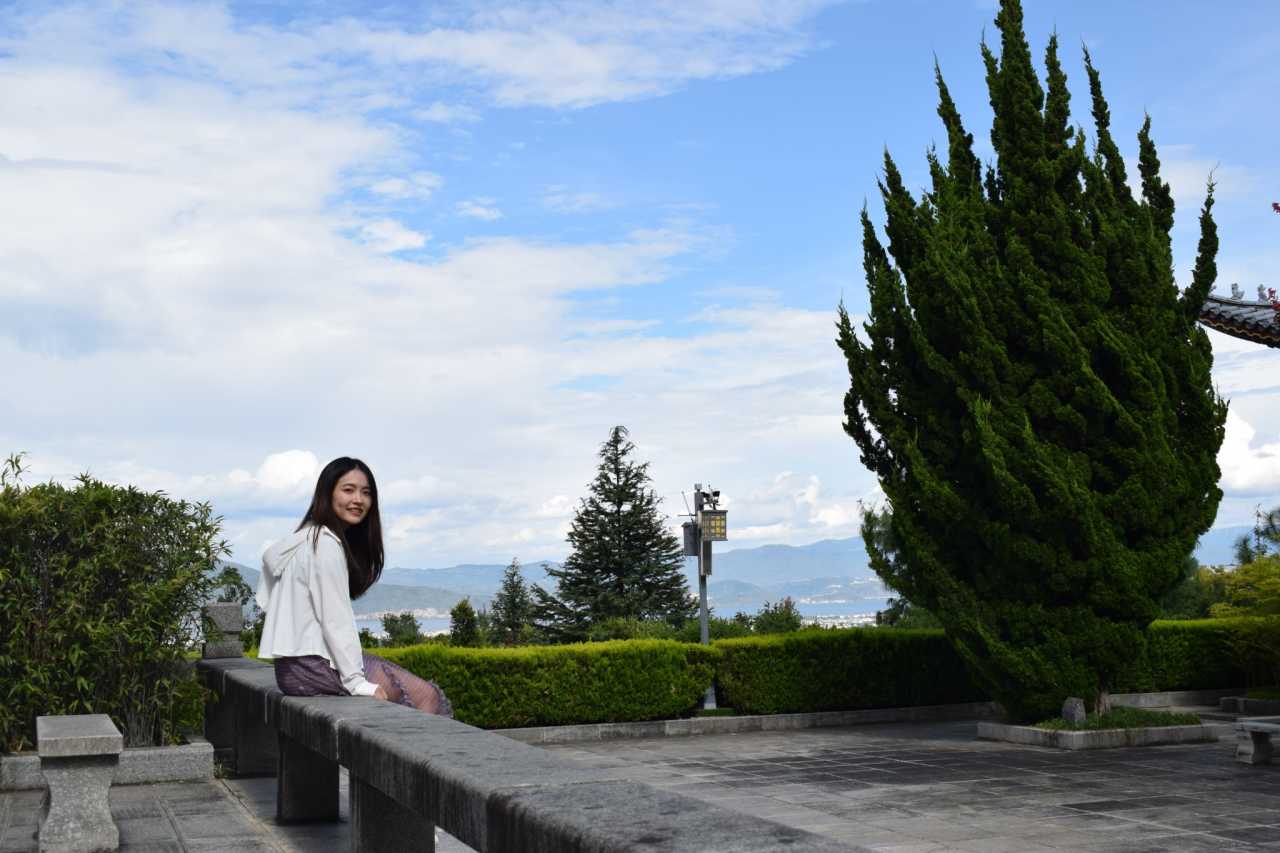

This trip taught us that the best adventures are often the ones you didn't plan. Yunnan isn't just a destination; it's a mood. It's the mist over Erhai Lake, the taste of yak butter tea, the sound of prayer flags in the wind, and the kindness of strangers who shared their umbrellas when the rain caught us off guard.
If you're planning a similar trip, here's my advice: Go slow. Don't try to see everything. Pick two or three places and really sink into them. Rent a car when you can, eat street food, get lost in the ancient towns, and don't be afraid of the rain. Some of our best memories happened when we were soaked and laughing.
And if your marriage leave is about to expire? Just go. The world is waiting.
You should also read:
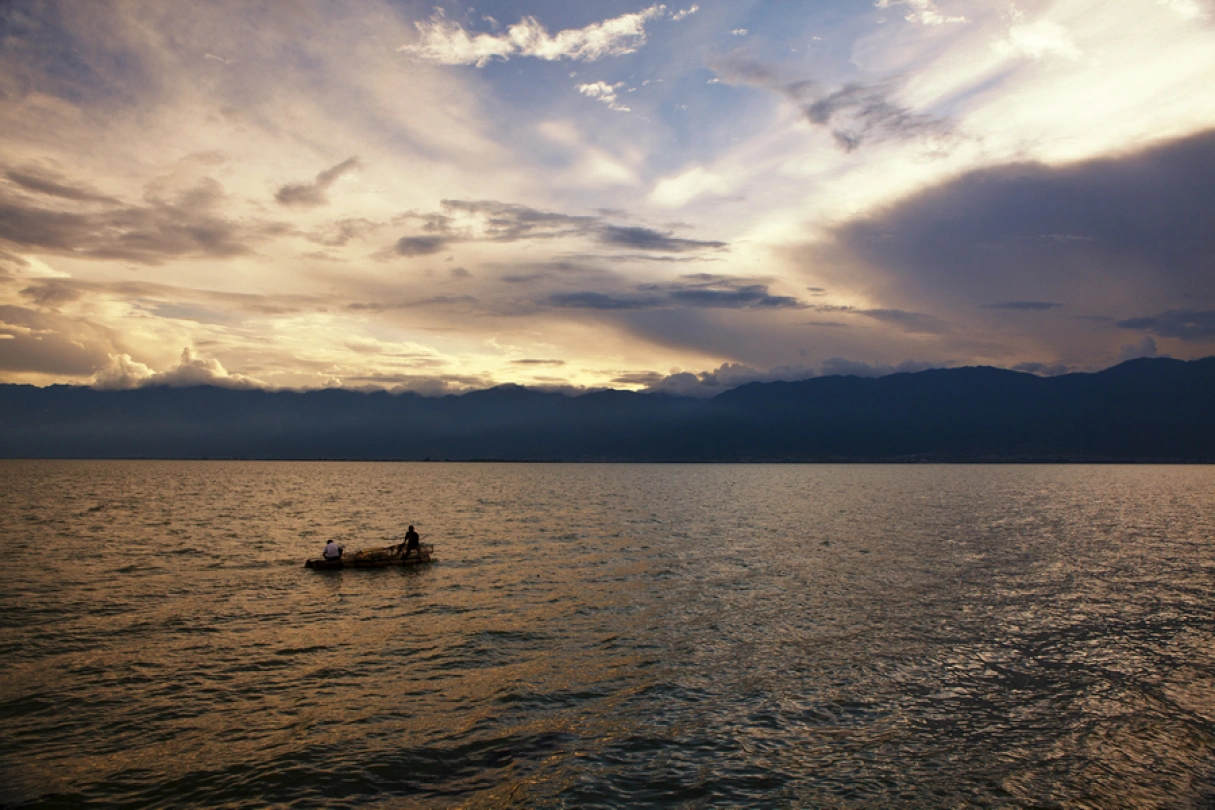
A Journey Through Shuanglang's Guesthouses: Finding Life as It Should Be on the Shores of Erhai Lake
A Journey Through Shuanglang's Guesthouses: Finding Life as It Should Be on the Shores of Erhai Lake Prologue: When Life Hits the Pause Button Have you ever had one of those moments? When the city's towering buildings press down on your chest, when you're swept…
Continue reading...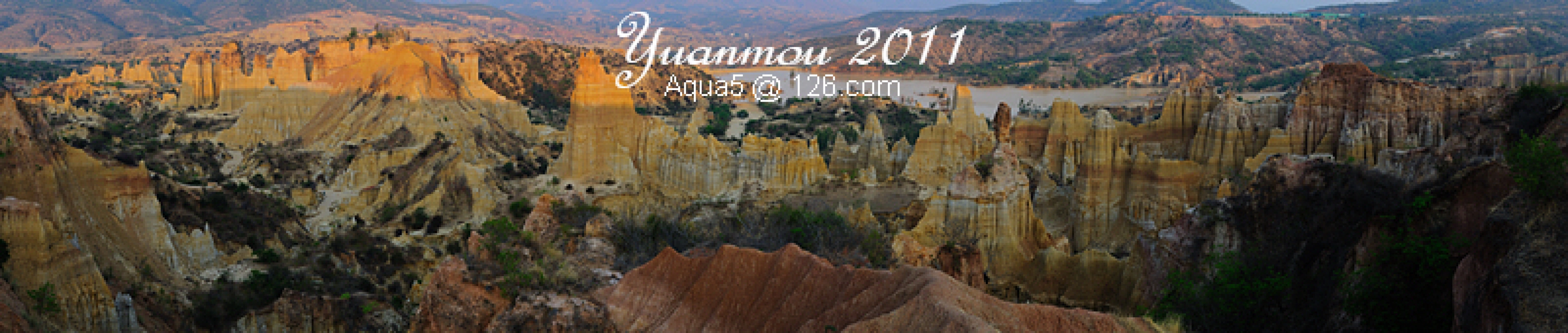
A Journey Through Time: The Earthen Forest of Yuanmou — April 2011 Chuxiong & Yuanmou Self-Drive Guide
A Journey Through Time: The Earthen Forest of Yuanmou — April 2011 Chuxiong & Yuanmou Self-Drive Guide Some journeys are destined to take root in your memory. In April 2011, I set out from Shuhe in Yunnan, heading north toward the Chuxiong Yi Autonomous Prefecture,…
Continue reading...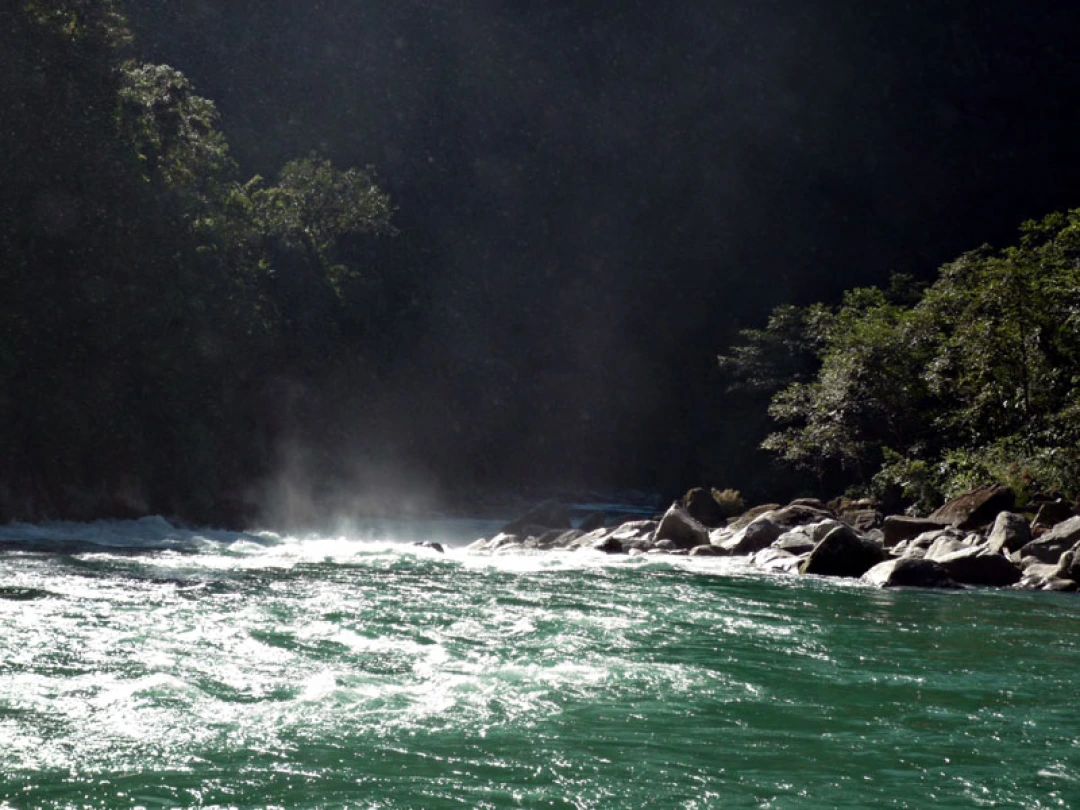
Into the Hidden Valley: A Solo Journey Through the Mysterious Dulong River
Into the Hidden Valley: A Solo Journey Through the Mysterious Dulong River Deep in the northwestern corner of Yunnan Province, tucked away from the modern world, lies a place that feels like a secret whispered among mountains. The Dulong River Valley is not just a…
Continue reading...