The Long-Awaited Birthday Season: An 11-Day Parent-Child Trip to Lijiang and Dali, with a Magical Finale at Shanghai Disneyland
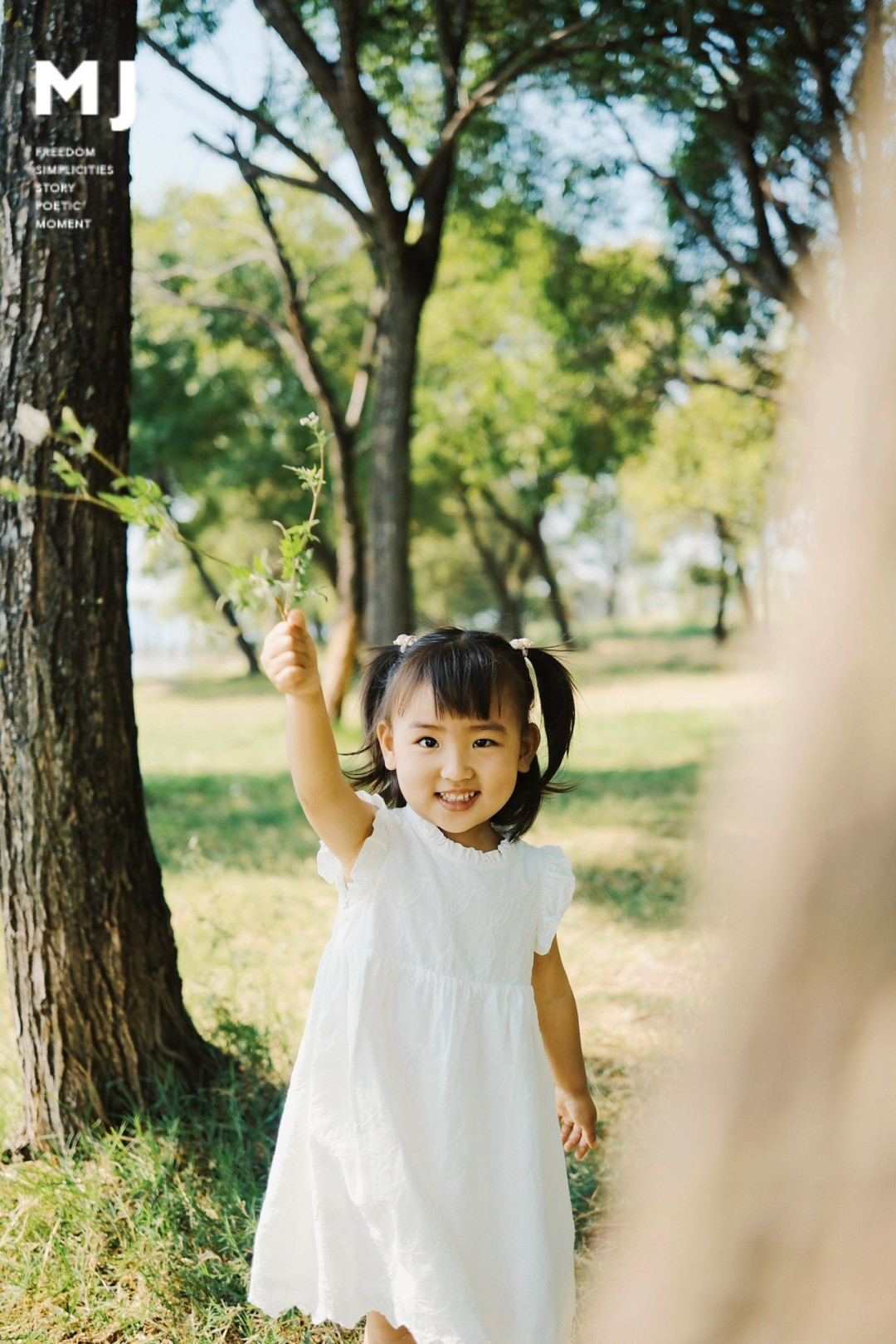
The Long-Awaited Birthday Season: An 11-Day Parent-Child Trip to Lijiang and Dali, with a Magical Finale at Shanghai Disneyland
Why Dali? To be honest, I can't quite put it into words myself. Maybe it was the healing scenery from the hit Chinese drama "Meet Yourself" (去有风的地方), maybe it was the study-tour trend flooding my social media feed, or perhaps it was simply the urge to take my daughter June and her grandmother on a real trip—to finally breathe fresh air in the post-pandemic era. I had visited Lijiang and Dali ten years ago, but my memories had become as blurry as looking through frosted glass. I couldn't even piece together where I went or what I ate back then. But this time, I decided to get reacquainted with them.
Originally, the plan was just Dali—I wanted to give June a taste of the study-tour lifestyle. The second destination bounced from Xishuangbanna to Pu'er, then to Jianshui and Tengchong, before finally settling on Lijiang. The itinerary changed over and over again: I worried Xishuangbanna would be as hot as a steam bath for June, fretted that Jianshui's only appeal for a child would be the narrow-gauge railway, and found the detour from Dali to Tengchong too exhausting. Traveling with a young child means juggling so many factors that it makes your head spin. After all that back-and-forth, we circled back to Lijiang. Sure, it's a popular destination, but any scenery you haven't seen is worth your time. Besides, even popular places hide niche surprises.
It's rare to get out for half a month. The journey may be full of uncertainties, but with a happy heart, everything is lovely.
Lijiang Chapter: From the Bustle of the Old Town to the Grandeur of the Snow Mountain
A line from a travel video suddenly came to mind: "Set off, head to a distant city, and listen to the sounds from the other side of the world." While our destination wasn't exactly "the other side of the world," from the moment we closed the front door and stepped into the airport, we were already on the road, brimming with anticipation.
Day 1: Flying Across Mountains to Meet You
Route: Tianjin → Lijiang → Lijiang Old Town

The flight from Tianjin to Lijiang had its share of drama. Our original flight was canceled. The rescheduled flight got a delay notification the night before departure, and then another one at 4 AM on the day itself. I woke up at 5, quickly discussed it with my husband, and decided to cancel and rebook. It actually turned out cheaper. And it was the right call—the original flight ended up being delayed for hours.
June is now a pro at flying: she buckles her own seatbelt, reads a bit, messes around, eats lunch, and takes a nap. The three-hour flight flew by. We landed around 2 PM and took a taxi straight to the hotel.
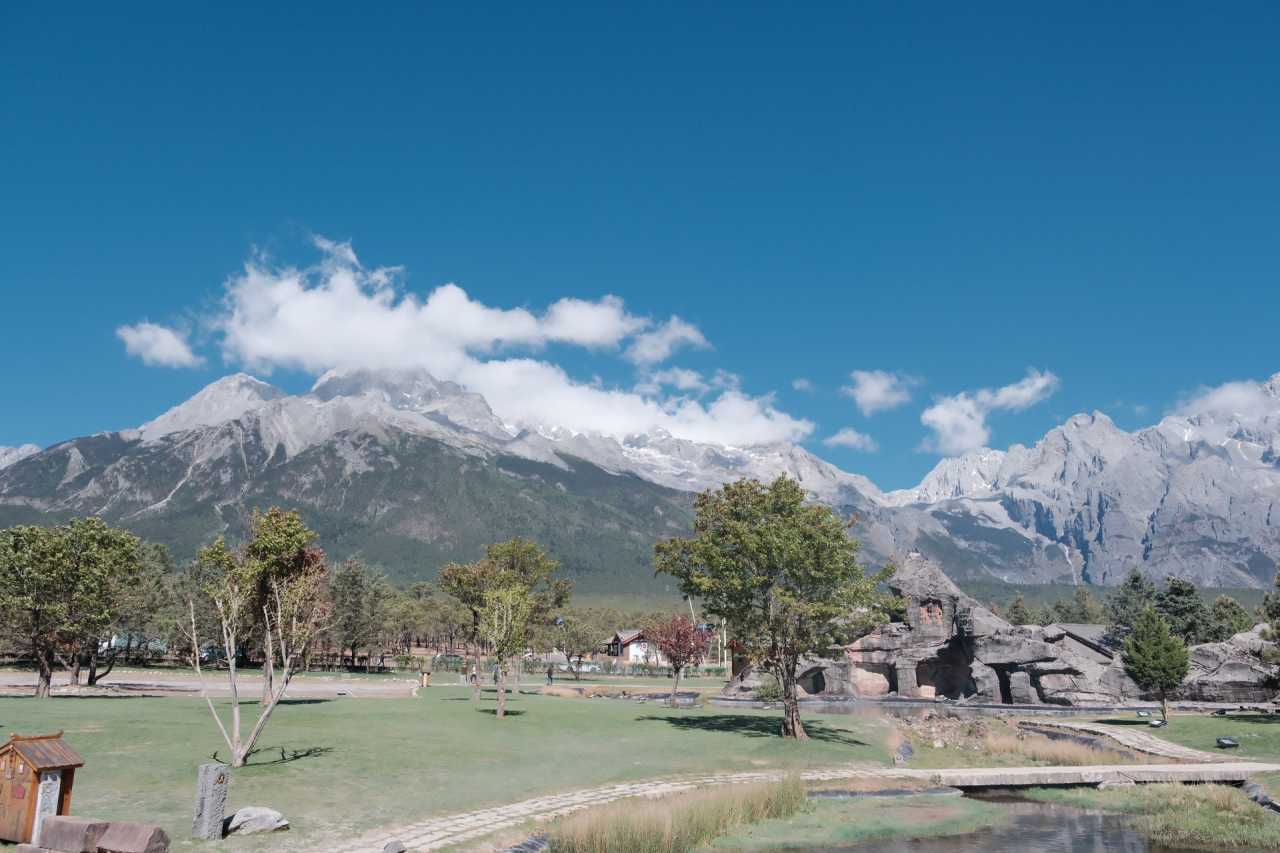
For the first two nights, we stayed at the InterContinental Lijiang Ancient Town Resort. The entire property was steeped in classical charm, with individual rooms scattered throughout the courtyard. From the hotel's north gate, we could walk directly into the old town, and the lobby offered a distant view of the snow mountain. The heat in Lijiang was the kind of direct sun that beats down on you, but the morning and evening breezes were incredibly pleasant. In Tianjin's summer, you rarely get that kind of comfort at dawn or dusk.
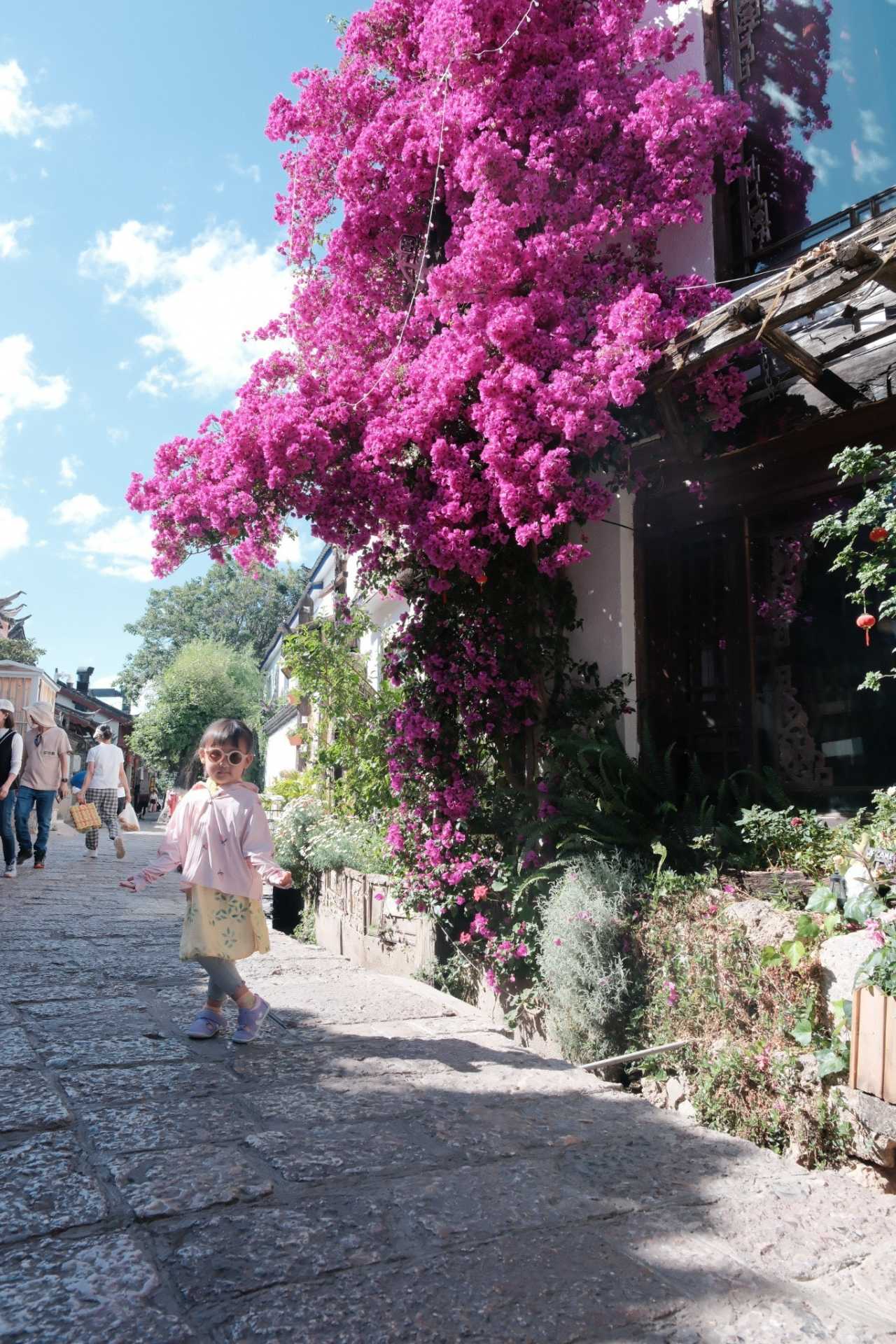
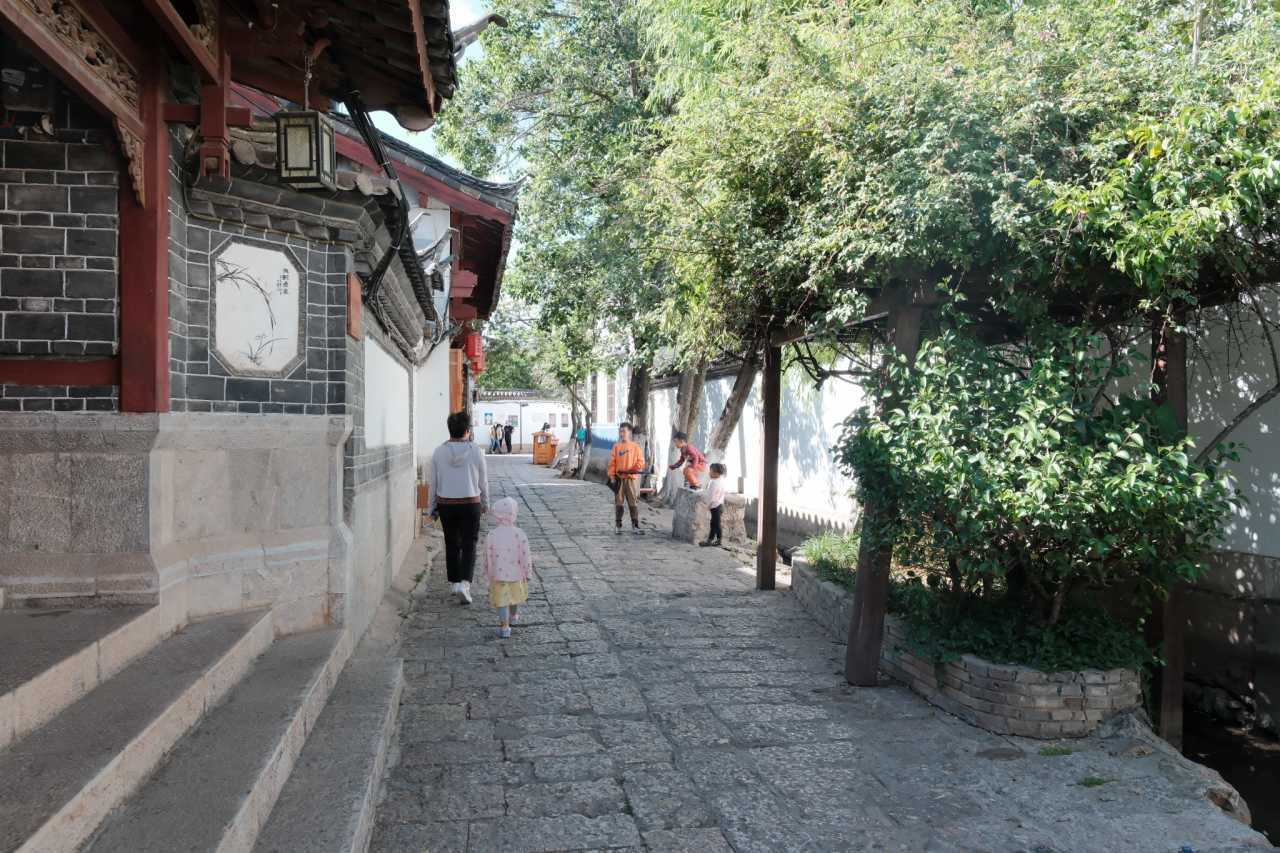
After dropping off our luggage, we strolled into the old town. The streets of Lijiang Old Town are so narrow that cars can't even pass through. Every path might lead you to your destination—or let you wander aimlessly. We had no must-see spots, so we just walked and looked around. The old town is undeniably commercialized—restaurants, specialty shops, photography studios, and silverware stores line the streets—but you can always find quiet little corners in the bustling alleys, filled with blooming flowers. We ended up walking through Xianwen Alley, Qiyi Alley, Sifang Street, Dashi Bridge, and the Big Waterwheel. We skipped the Mu Palace (木府) and Lion Hill (狮子山) because of the child.
Sunset in Lijiang comes late—the sun was still high in the sky past 8 PM, which pushed our daily schedule back quite a bit. For dinner, we ate at Yunxueli (云雪丽), a chain restaurant serving Yunnan cuisine. The food was good and fairly refined. It was just a short walk from the hotel.
That evening, we walked along the quiet paths of the old town and said goodbye to our first day of travel.
Practical Tips: - During the non-peak season, you can book the InterContinental Lijiang Ancient Town Resort at the last minute—same-day rates might be more favorable. - Lijiang doesn't have Cao Cao (曹操) ride-hailing service. Didi, Shouqi (首汽), and Ctrip (携程) all work fine. - Don't stress about a fixed route for the old town attractions. Just wander, and you'll find your way to the places you want to see. - It's best to stay on the edge of the old town—easy access in and out, and convenient for handling luggage.
Day 2: Snow Mountain with Spruce Meadow—Absolutely Stunning
Route: Yunshanping (Spruce Meadow) → Blue Moon Valley → Lijiang Old Town
Jade Dragon Snow Mountain has three cable cars: the Big Cable Car (Glacier Park, 4,506 meters), the Middle Cable Car (Maoniuping or Yak Meadow, 3,800 meters), and the Small Cable Car (Yunshanping or Spruce Meadow, 3,240 meters). Considering the physical condition of our young daughter and my elderly mother, we chose Yunshanping and Blue Moon Valley.
We had a leisurely breakfast and took a taxi from the hotel to the Jade Dragon Snow Mountain Visitor Center. The drive was quite long. But the scenery when we got off was breathtaking—blue skies, white clouds, and the snow mountain. It was beautiful.
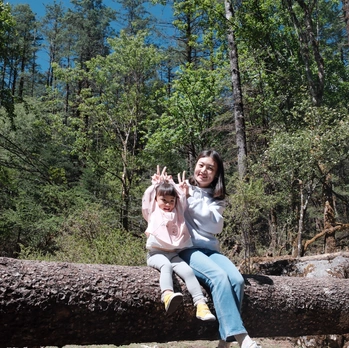
Our cable car time slot was 10:30–10:59, and there weren't many people. We took the scenic green shuttle bus to the Yunshanping cable car station. The cable car ride was short. After getting off, we chose to walk the boardwalk instead of taking the sightseeing car. The path was shaded by greenery, so it wasn't too sunny, and at 3,240 meters, it wasn't cold at all. The thick clothes we brought ended up being a burden in our hands. Those who rented down jackets were even more unfortunate.
The boardwalk was quite long—officially marked as 950 meters to the Yunshanping scenic area—but with plenty of photo stops and scenery to take in, it didn't feel tedious. The Yunshanping area is a loop. We took the smaller loop, and in some spots, we could walk onto the meadow for photos. There were many couples taking wedding photos, and the results must have been stunning.
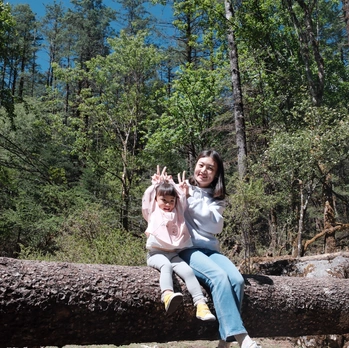
After walking a long loop, our whole family's legs were tired, so we decisively took the sightseeing car back to the cable car station. After a quick bite, we continued on the scenic green shuttle bus to Blue Moon Valley. Blue Moon Valley was much sunnier, but the scenery was nice. With limited energy because of the child, we started walking in the direction of the sightseeing car as soon as we arrived. We saw quite a bit of scenery, but the sightseeing car stop was so far away. When we finally got on, it only took us to the drop-off point—a bit of a design flaw.
From the drop-off point, we took another scenic green shuttle bus back to the parking lot. There were plenty of cars in the lot offering rides back to the old town. We paid 100 yuan for the three of us and one child, which was a bit cheaper than a taxi. After a short rest at the hotel, we went back to the old town to find a photography studio for a family portrait. For dinner, we stumbled into a rice noodle shop, kicking off our first taste of Yunnan rice noodles (米线). By the time we finished eating, it was past 9 PM, so we hurried back to the hotel to wash up and sleep.
Practical Tips: - Cable car tickets are purchased through the official "Lijiang Tourism Group" (丽江旅游集团) mini-program on WeChat, where you can choose your time slot. Ctrip (携程) doesn't offer this option. - To get to Jade Dragon Snow Mountain from the south gate of the old town, a taxi costs around 100+ yuan. For Maoniuping and Yunshanping, set your destination as "Jade Dragon Snow Mountain Visitor Center." - After coming down from the Yunshanping cable car, take the scenic green shuttle bus to the "Shuiyue Pavilion" (水月阁) stop for Blue Moon Valley. - The mountain entry fee is 100 yuan per person, free for children. You pay each time you enter. - The photography studio "Chenxi" (晨汐) in the old town is good—they have a wide selection of costumes from various ethnic groups.
Day 3: The Couple's 4,860-Meter Adventure
Route: Glacier Park → Shuhe Ancient Town
Today was a split-day adventure. The night before, we logged into the "Lijiang Tourism Group" mini-program at exactly 8 PM to snatch tickets for the next day's Glacier Park Big Cable Car. The mini-program was a pain to use—the puzzle verification kept jumping and jumping. My husband and I struggled for over ten minutes and only managed to grab the 12:00–12:30 slot. Still, we were grateful.
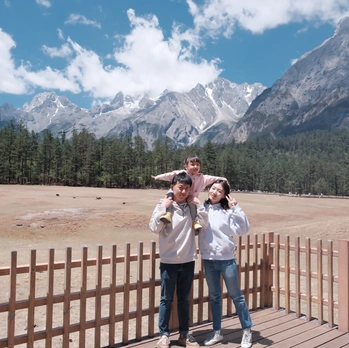
In the morning, my husband insisted that many people on Xiaohongshu (Little Red Book) said you could enter outside your time slot, so he dragged me out of bed early. We left our daughter with her grandmother, had a quick breakfast, and took a taxi there. We arrived around 10 AM and watched people trying to enter early get turned away by the staff. So much for the reliability of Xiaohongshu tips.
Luckily, the Glacier Park cable car area had good facilities—KFC, McDonald's, Luckin Coffee, and various convenience stores. We sat at Luckin until after 11 AM. The official rule allows you to enter 20 minutes before your reserved time. We checked in right at the deadline and took the shuttle bus to the cable car.
We had bought 3 cans of oxygen from the old town beforehand, just in case. Almost everyone on the Big Cable Car had at least one can—you can't be sure you won't have a reaction above 4,000 meters. This was the most tour groups I've ever seen in one place; many people probably couldn't get individual tickets and opted for a day tour instead. The official system for releasing tickets to individual travelers is really not user-friendly.
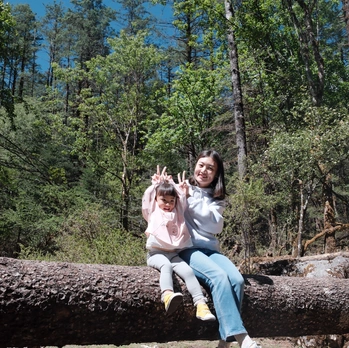
Worried about the cold, I wore thermal underwear and a fleece hoodie, borrowed my mom's lightweight down jacket as a backup, and put on leggings and jeans. My ears started feeling uncomfortable during the cable car ascent, so I took occasional hits of oxygen. I actually felt a bit better when we got off at 4,506 meters. The view from the 4,506-meter platform was already impressive. It was lucky there was still some snow at the end of May, otherwise the mountains would have been completely bare.
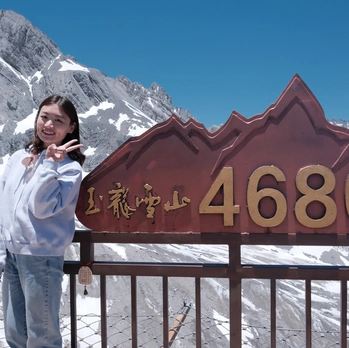
Since we didn't have the child with us, we had to make it to 4,680 meters. So my husband and I started climbing the stairs. I'd take a few steps, then a hit of oxygen; my husband barely needed any. The wind wasn't strong at the top. I put the down jacket on and took it off again, and in the end, my husband was just wearing a hoodie and didn't feel cold. With stops for photos and rest, we reached 4,680 meters quickly. There was a long line of people waiting to take a photo with the 4,680-meter marker, but you can get a good shot from different angles—no need to queue.
Since we had to check out of the hotel today, we rushed back down. We were practically jogging on the descent. We queued for the cable car, and at the parking lot, we shared a ride back to the hotel with others for 20 yuan per person. My mother and daughter had wandered around the old town in the morning, stumbled upon the popular "Zhazha Rice Noodles" (渣渣米线), napped, packed up, and were waiting for us at the hotel's small children's play area. We shipped our thick clothes directly by courier to lighten our luggage.
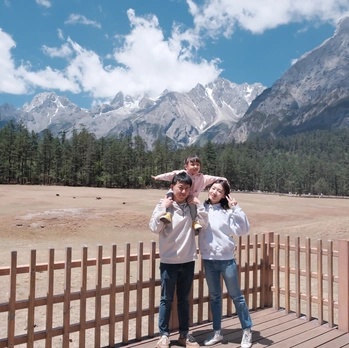
We took a taxi to the Pullman Hotel. The area was very quiet. The view of the snow mountain from here wasn't much different from what we saw at the InterContinental lobby, but the hotel was close to both Shuhe Ancient Town and Baisha Ancient Town.
It was too hot to go out, so we dawdled until nearly 6 PM. The hotel was closer to the south gate of Shuhe, but we took a taxi to the north gate. Shuhe Ancient Town was quieter, with a less intense commercial atmosphere. While the streets were wider than Lijiang Old Town, the cobblestone paths were still unfriendly for strollers. We visited Jiuding Longtan (Nine Cauldron Dragon Pool), which didn't really feel like a scenic spot. Qinglong Bridge (Green Dragon Bridge) wasn't worth a special trip either—we just stumbled upon it. Our family wasn't particularly fond of Shuhe overall. For dinner, we ate at Grandma Wen's Yunnan Restaurant (文氏奶奶云南菜), which was just okay.
One distinctive feature of Shuhe is the nightly bonfire party at Sifang Tingyin (四方听音). It starts after dark. We waited until past 8:30 PM. When the bonfire was lit, someone called out for everyone to form a circle and dance. At first, there weren't many people, but gradually more joined in, and it got quite lively. Our daughter was very interested too, but we eventually had to drag her away… Blowing in the pleasant evening breeze of Lijiang—it was wonderful.
Practical Tips: - Glacier Park Big Cable Car tickets go on sale the day before at 8 PM on the "Lijiang Tourism Group" mini-program. Morning slots are harder to get. - It's recommended to bring one can of oxygen. It costs 15 yuan at the foot of the mountain and 60 yuan at the top. - Know your limits at Glacier Park. If you feel unwell, don't push yourself to go higher. - What to wear: The high temperature in Lijiang that day was 29°C. I wore thermal underwear + a fleece hoodie + tights + jeans, and I wasn't cold. - You can enter at most 20 minutes before your reserved time. Arriving earlier won't help.
Day 4: The Joy of "Junk"
Route: Wilderness Kingdom → Baisha Ancient Town
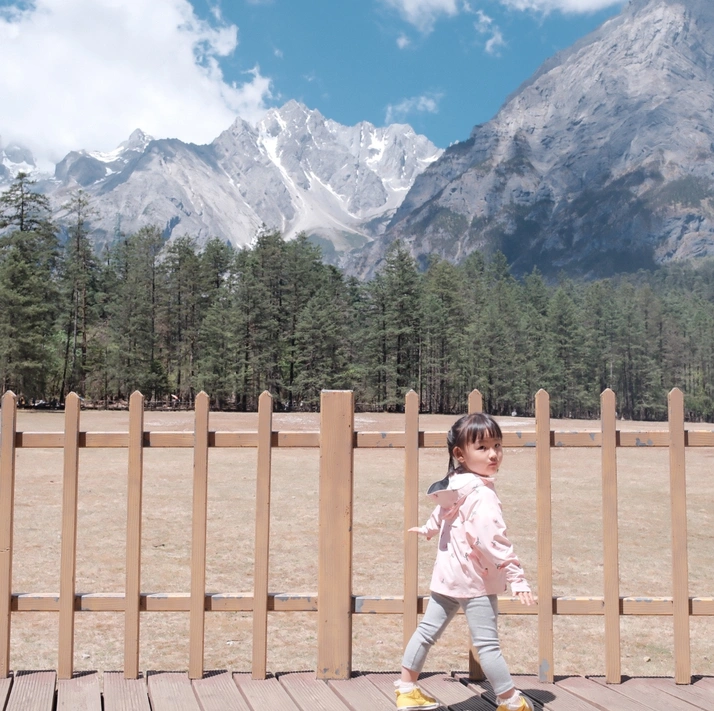
A very relaxed day—no need to wake up early, just let ourselves wake naturally. The breakfast at the Pullman was a bit disappointing; nothing tasted great. The hotel restaurant had bread for feeding pigeons and ducks, and our daughter's favorite thing was holding bread by the water to feed the ducks and fish. The hotel also had a complimentary horse-drawn carriage, and the carriage driver was very kind—we took two rides.
Our morning destination was a niche spot in Lijiang: Wilderness Kingdom (荒野之国). It was less than a 10-minute drive from where we were staying, but when we arrived, we were told it was closing at 11:30 AM due to maintenance. The owner was very kind and only charged us for two people's tickets.
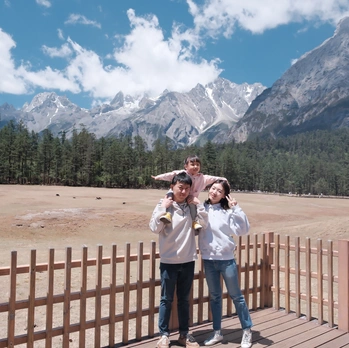
This place was fascinating. What we would normally call "junk" had been given a new life here. Though our time was short, our daughter went back and forth on all kinds of strange slides and rode all sorts of weird vehicles, having a blast. It was extremely sunny, and with the time limit, we made a quick round. Given enough time, you could play for hours—there were surprises you couldn't even imagine.
Not wanting to eat in Shuhe again, we ordered Pizza Hut delivery and took a nice afternoon nap. In the afternoon, we took a taxi to Baisha. Compared to Shuhe, I liked Baisha more. Baisha isn't big; we mostly just walked along the main street, which is also quite commercialized.
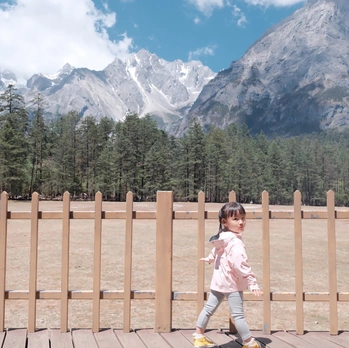
Baisha has several famous cafes where you can get a shot of the Baisha archway with the snow mountain in the background. The scorching sun drove us indoors, so we went to Yiwatang (一瓦堂) and ordered cake and coffee to rest. Yiwatang is right next to 7 See Bar, and across from Hexi (合喜). Each place has a good spot for photographing the Baisha archway and the snow mountain. Lots of girls dressed up beautifully and spent a long time taking photos—people really go the extra mile for that perfect shot.
Baisha's "internet-famous" items are the Mantou Poet's (馒头诗人) rose steamed buns and Ke Bu Ke Song (可不可颂) croissants. We passed by Ke Bu Ke Song, but they were closed. The steamed buns from Mantou Poet were good—big and fluffy. Just buy one for the group to try. When it got less sunny, we left the cafe and walked along the old town streets. Baisha is still under development, with many places being renovated, and the lively area isn't large. But every house had flowers, which made the walk pleasant.
For dinner, we ate at the popular "Liang Chu" (梁厨) in Baisha. The overall taste was decent, and the dry-pot cabbage was especially good. Baisha was our last stop in Lijiang. Saying goodbye to every city, you never know when you'll meet again. Lijiang, in this brief encounter, added many more memories—every beautiful day, and the good mood of being on the road.
Practical Tips: - Wilderness Kingdom is close to Shuhe. Make sure to use sunscreen. Children under 1.2 meters enter for free.
Dali Chapter: From the Winds of Erhai Lake to the Charm of Intangible Heritage
Day 5: Arriving in Dali on the Hottest Day
Route: Bullet train to Dali → Shuanglang Ancient Town
We slept in comfortably, had breakfast, fed the ducks and fish at the hotel again, took one more ride on the old carriage driver's cart, and played a bit in the hotel's small children's playground. It was time to say goodbye to Lijiang.
Actually, driving from Lijiang to Shuanglang in Dali only takes about an hour and a half, but our daughter had never taken a bullet train before, so we wanted to give her the experience. The Lijiang high-speed rail station is small, but it has a Bawang Chaji (霸王茶姬) tea shop, a local Yunnan brand with good drinks. The bullet train ride to Dali takes over two hours, with long stretches going through tunnels at a moderate speed.
When we arrived in Dali, we were greeted by the intense afternoon sun. It was scorching—we had hit Dali's hottest period in years, and it hadn't rained for a long time. Just walking from the train station across the pedestrian bridge to find our rental car, I was already melting.
We rented an economical car this time. Our first stop was the hospital—my mother thought she might be getting shingles. After seeing the doctor, we drove to Shuanglang, which took nearly an hour from the city center. For this trip to Dali, we chose to stay two nights on the east side of Erhai Lake. In Shuanglang, we booked a seaside room with a direct sea view.
Cars can't enter Shuanglang Ancient Town, so we had to park outside. A小哥 (young man) from the guesthouse used a three-wheeled cart to haul our luggage in. It was hot, scorching hot—even at 5 or 6 PM, the heat was relentless. After settling in at the guesthouse, we set out to explore Shuanglang Ancient Town. My impression of Shuanglang was just okay, but the seaside frontage was really nice. We walked to Siji Yuye (四季云野) for our first and only mushroom hotpot (菌菇火锅) of the trip.
Shuanglang has many three-wheeled vehicles, similar to tuk-tuks, that are convenient for zipping through the narrow alleys. After dinner, we took one to the most bustling street for a look around, and I even picked up a cheap dress from a street stall. There were many music bars near our guesthouse. Our daughter was drawn to one, so we took her into a bar called Walnut (胡桃里). She was absolutely thrilled. We let her enjoy it for a bit, then quickly dragged her back to sleep.
Practical Tips: - From Lijiang to Shuanglang, it's recommended to rent a car directly. It only takes about an hour and a half. - The bullet train is slow, and once you arrive in the city center, Shuanglang is still nearly 50 kilometers away. - We rented a car through Ctrip's Junming Car Rental (携程军明租车). The total cost for 7 days was around 700 yuan, including gas and the fee for returning the car at a different location.
Day 6: The Joy of Children's Day Was All About Luge
Route: East Erhai: Xiaoputuo → Wencun Village → Dali Luge
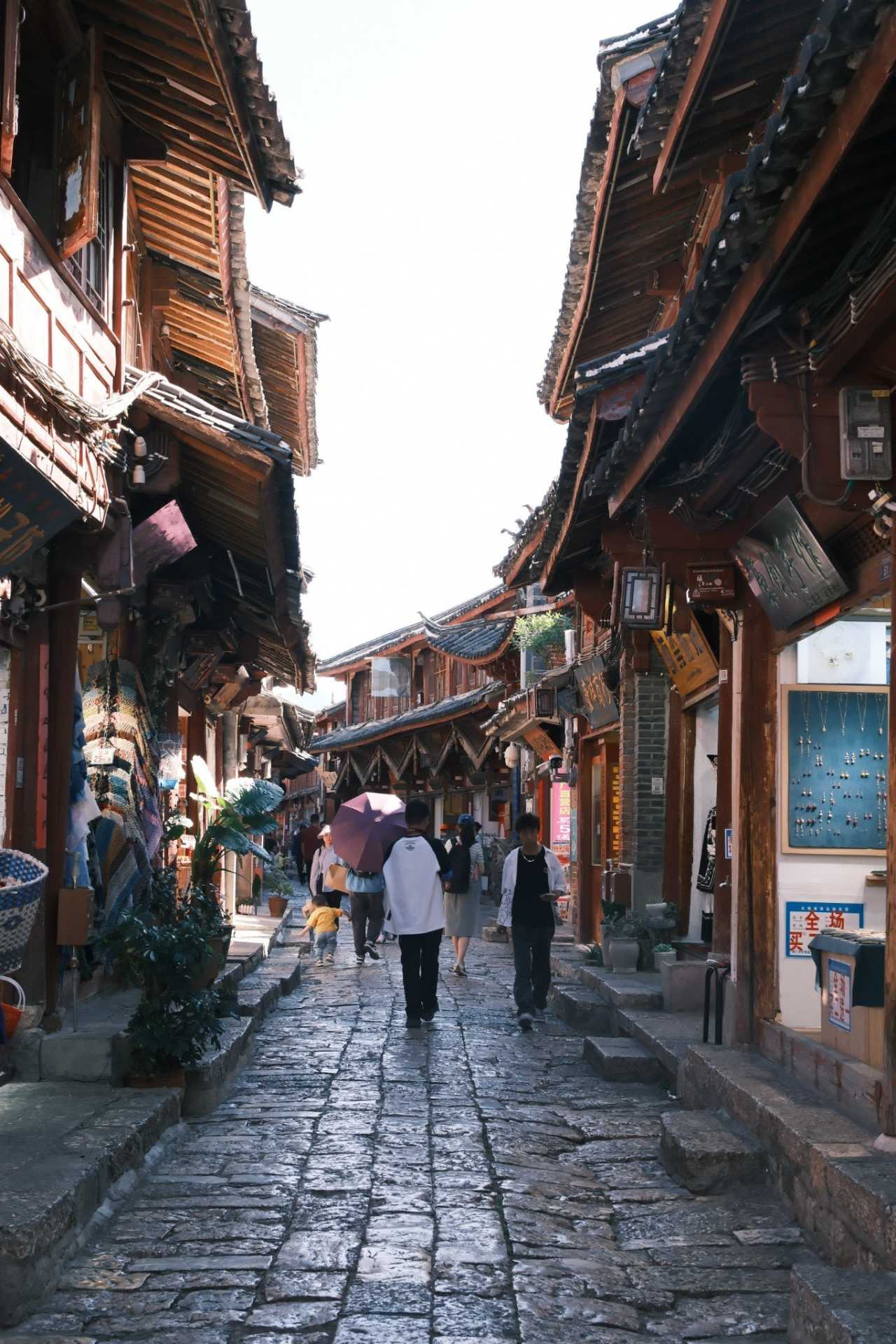
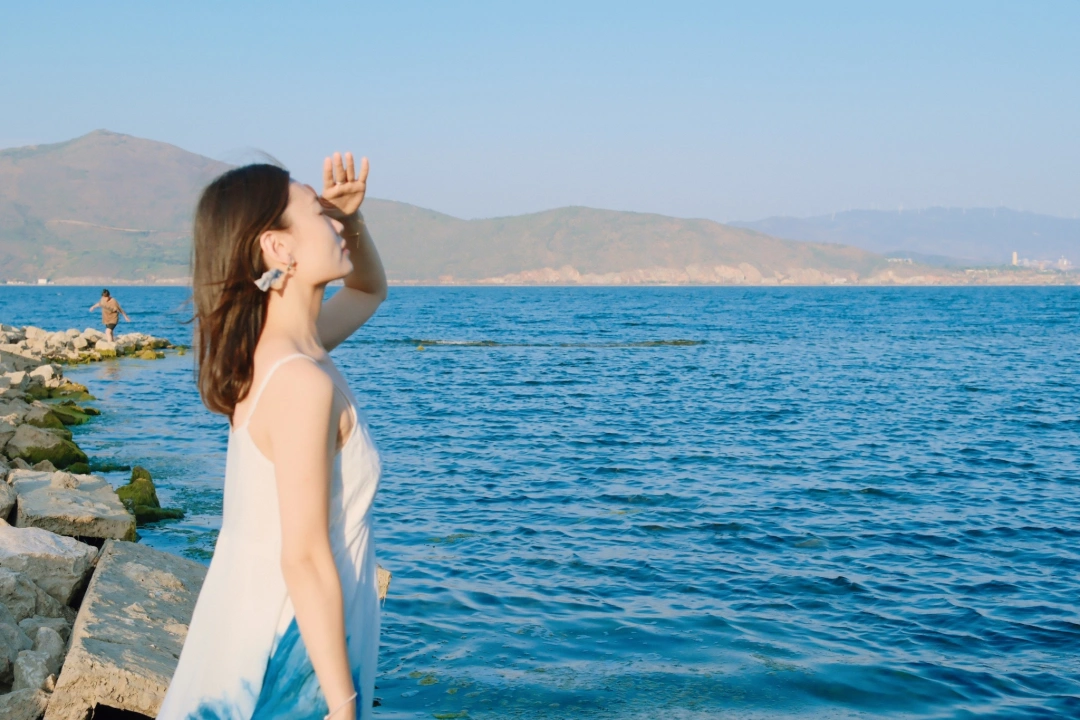
Today was a day trip along the east side of Erhai Lake. The morning in Dali was very pleasant. The sun wasn't too strong yet, the sunlight on Erhai Lake was beautiful, and there were seagulls flying by. It was quiet. Most shops weren't open yet, and the tourists hadn't arrived. Walking along the lakeside, it felt like time had slowed down.
The breakfast at our guesthouse was tasty—the rice noodles (米线) were excellent, and the congee was good too. After a hearty meal, we took a walk along the lake. There weren't many people yet, so we took some photos. Then, our daughter stepped into a hole and cut her mouth… After dealing with her dirty clothes, it was already past 10 AM, and the scorching sun had arrived. We rushed to the parking lot to get the car.
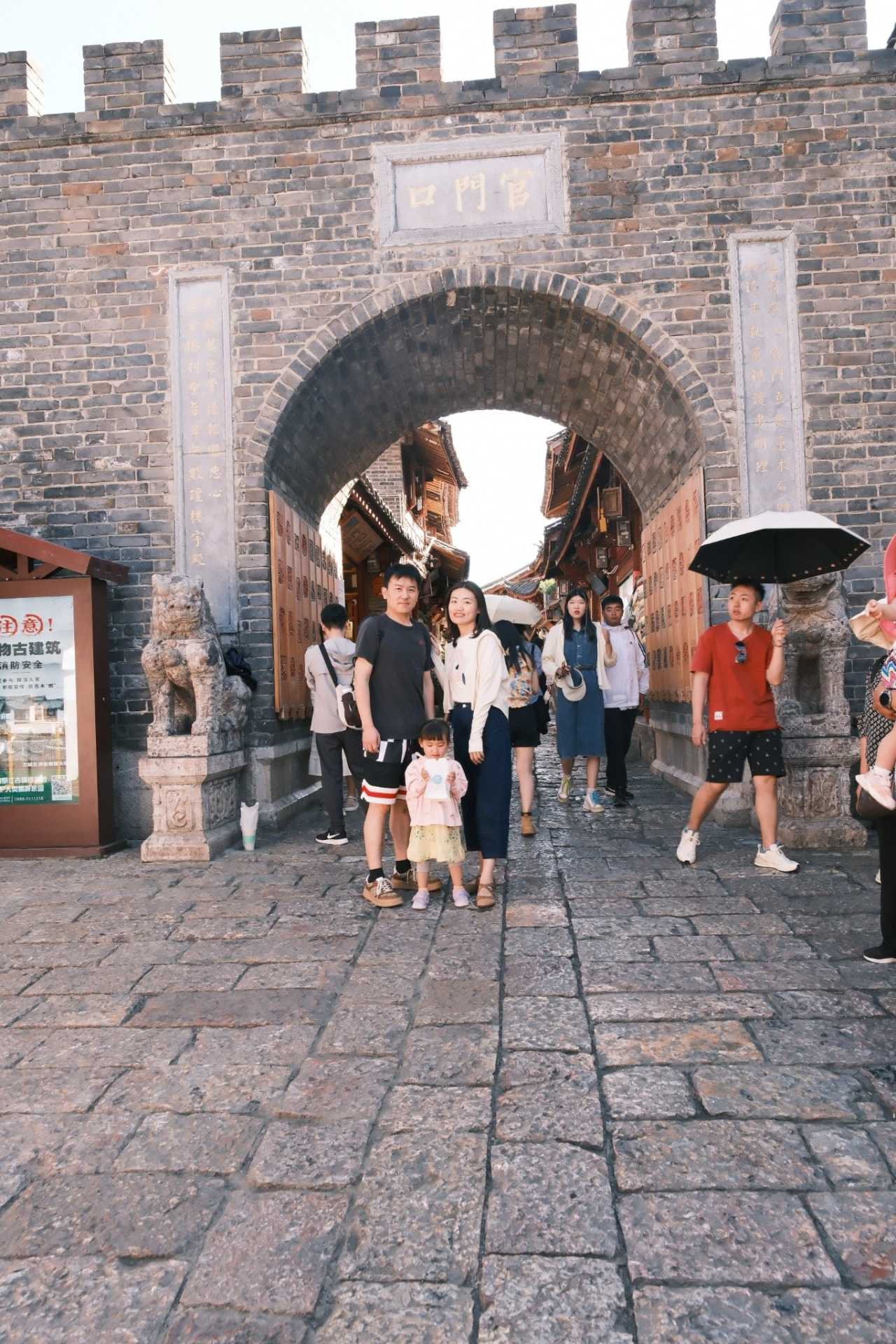
There are many attractions on the east side of Erhai—Luwo Mountain (鹿卧山), Wase (挖色), Ideal State (理想国), and more. But some weren't suitable for a child, and some were only good for photo ops. After cutting things down, we were left with only Xiaoputuo (Little Putuo) and Wencun Village. Xiaoputuo wasn't really worth it. It's just a small temple on the lake. You can take a boat to get there, but we gave it a pass, just took a few photos to prove we'd been there. I had higher hopes for Wencun Village, but it's primarily a place for taking pictures. There are dedicated photography bases, and the "Rainbow Road" takes some effort to get a good shot. In the end, I never got the photo of the Rainbow Road that I wanted.
For lunch, we looked up "Gansimiduo" (甘思咪哚) on Dianping (大众点评) and found it was a restaurant in a hotel. The hotel's design was very nice and clean, and we even snuck into their photo spots. After lunch, even though it was still early, there wasn't much else we had to do on the east side, so we headed straight for the luge track.
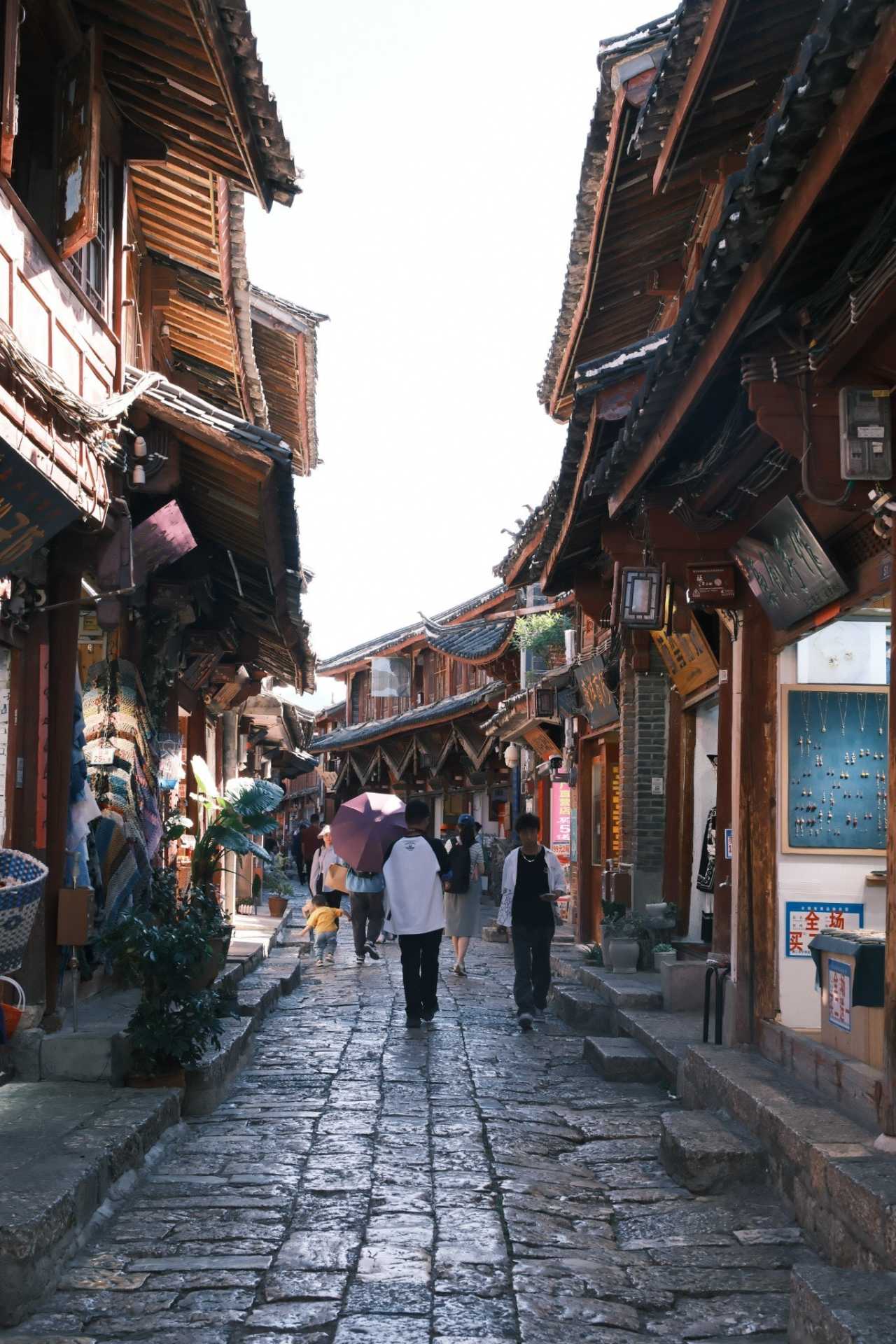
The luge is at Yunxiang Mountain (云想山) in Dali city. Our daughter slept the whole way there, but perked up when we arrived. The main hall had toys and snacks for kids, so she wasn't bored. The sun was blinding. We bought a family three-ride ticket and did two runs around 4 PM. Our daughter was thrilled—she thought it was incredibly fun. We went straight for the more advanced track on our first run. The sun drove us away, so we did one run at around 5 PM. Our daughter wasn't satisfied, so at 7 PM we bought another three-ride ticket and did three consecutive runs, finishing just before they closed at 7:30 PM. It was a bit windy, and the chairlift was closed after one ride, so we took the shuttle bus for the rest.
Yunxiang Mountain is a popular spot for wedding photos. It's a high point in Dali, and the sunset views from there are stunning.
Practical Tips: - On the east side of Erhai, you can hire a driver for the day, usually around 8 hours. - There are many "S-curves" on the east side. Keep an eye out; if you can find a place to park, the photos can be just as good as on the west side. - The family three-ride ticket for the luge costs 398 yuan. Children must ride in the same cart as an adult. Helmets and protective gear are provided. - You can complete three runs in about 30 minutes. One run down, plus the shuttle bus back up, takes about 10 minutes. - It's uncertain whether it's easy to get a taxi down from Yunxiang Mountain. Self-driving is recommended.
Day 7: Experiencing Intangible Heritage, My Beloved Xizhou
Route: Xizhou Ancient Town → Dali Old Town
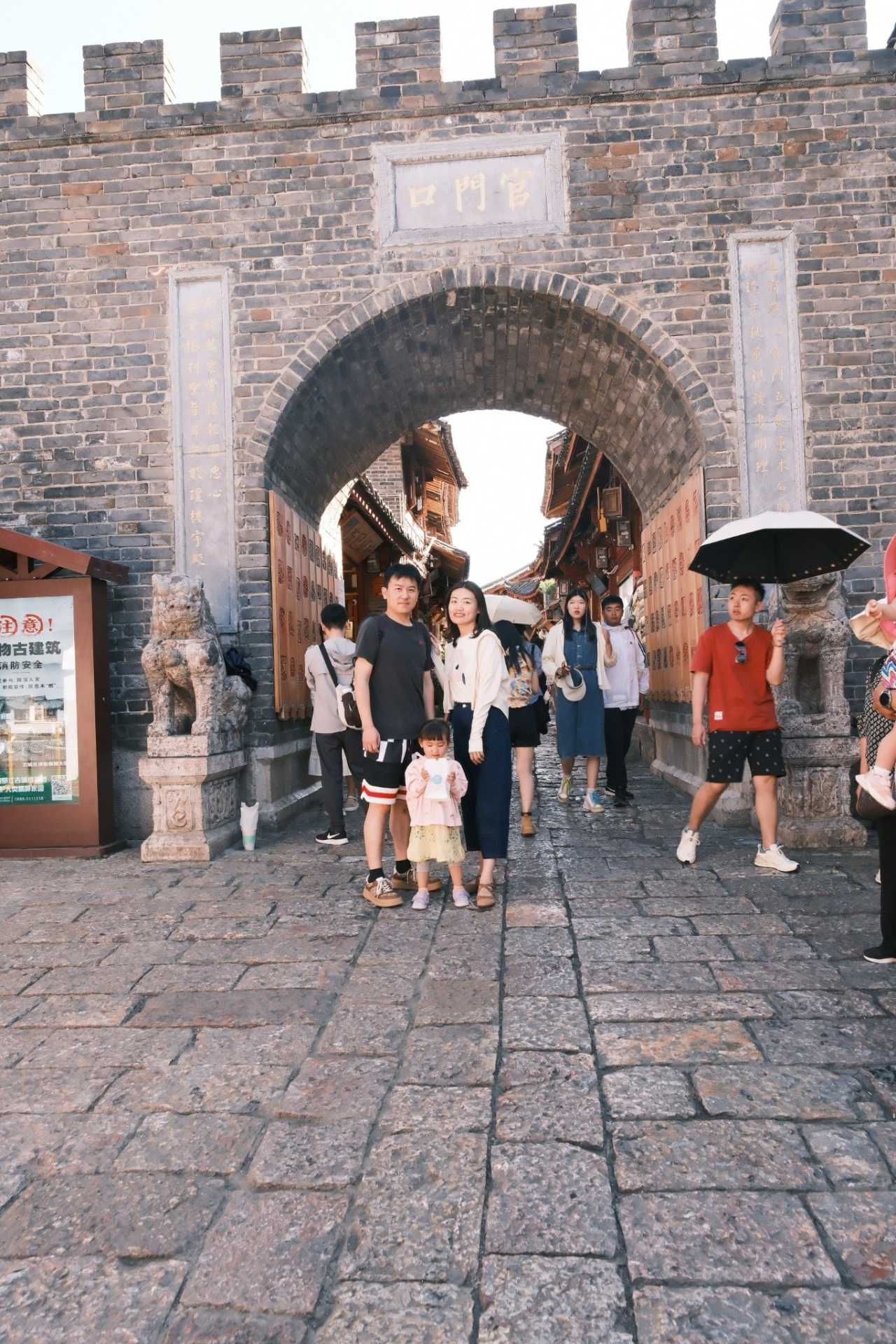
Today, it was time to say goodbye to the east side of Erhai. The weather was still beautiful. After breakfast, we took another walk along the lake. The shops by the water are always decorated with their own unique style. If it weren't so hot, buying a cup of coffee and just sitting on a chair in front of a shop, staring blankly, would be a beautiful thing. No wonder so many people come to Dali and end up staying. Sometimes, during our travels, we feel that same impulse.
We asked a小哥 from the guesthouse to take our luggage to the parking lot, and we walked out, starting our journey to the west side of Erhai. On the way to Xizhou, we encountered a local market—stalls lined both sides of the road, selling food, daily necessities, and clothes. People were dressed in their ethnic costumes, shopping. It felt like a significant festival.
Our first stop in Xizhou was Jiangzhiji (匠志集), a place that gathers folk arts and crafts, allowing you to experience intangible cultural heritage from all over Yunnan. We started our hands-on experience with woodblock printing of "Jia Ma" (甲马), a type of folk print. The teacher demonstrated once, and our daughter listened very attentively. She was very serious when doing her own printing. She looked quite cute when she was focused.
Jiangzhiji isn't just about Jia Ma; it also has papermaking. We didn't try it ourselves, but the inheritor showed us the process, and we bought some paper as a souvenir. For lunch, we chose Xilinyuan (喜林苑), which is actually a hotel, but the food was good. On the way, we also bought ice cream from Shentao Pottery Society (申窑陶社) and Jiayidou's stuffed tofu (迦喜豆包浆豆腐)—the tofu shop is right next to Yinmi (银米), and both the ice cream and the tofu were delicious.
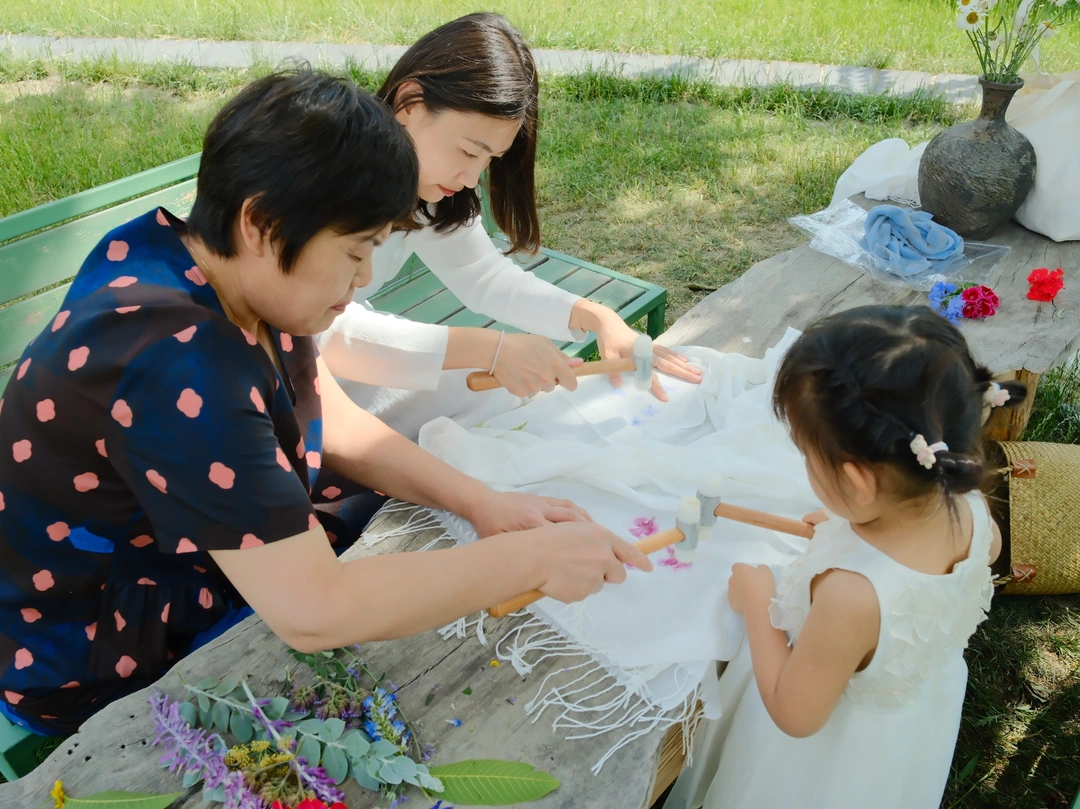
After eating, we went up to the terrace at Xilinyuan, which overlooks the farmland. Before mid-May, it was a wheat field, but it had been harvested just before we arrived. So now we were looking at the young, still-short green rice seedlings. Today was a craft day. We went to the well-known Lanxu Tie-Dye (蓝续扎染). You can choose what you want to dye from a booklet, and the teacher teaches different tie-dye techniques. In the end, we dyed a small handkerchief and three dresses—one for me, one for our daughter, and one as a birthday gift for my niece. The dress our daughter was wearing that day was bought in Lijiang Old Town, and it fit the occasion perfectly.
While our dyed items were drying, we went to the rice paddies to take some photos. The effect wasn't as good as the wheat field would have been, but there were still quite a few people taking pictures. There are many cafes by the fields. I suddenly felt a strong desire to own a cafe. After the photos, we continued to explore Xizhou. We saw the Corner Tower (转角楼) when it wasn't too crowded in the afternoon, ate ice cream from "Qingliang Xiaowu" (清凉小屋), and tried the flower cakes (鲜花饼) from "Shihuaji" (食花记). I really liked Xizhou. Even though it's also quite commercialized, the addition of so much intangible cultural heritage gives it a unique charm.
Final Thoughts: The Meaning of Travel
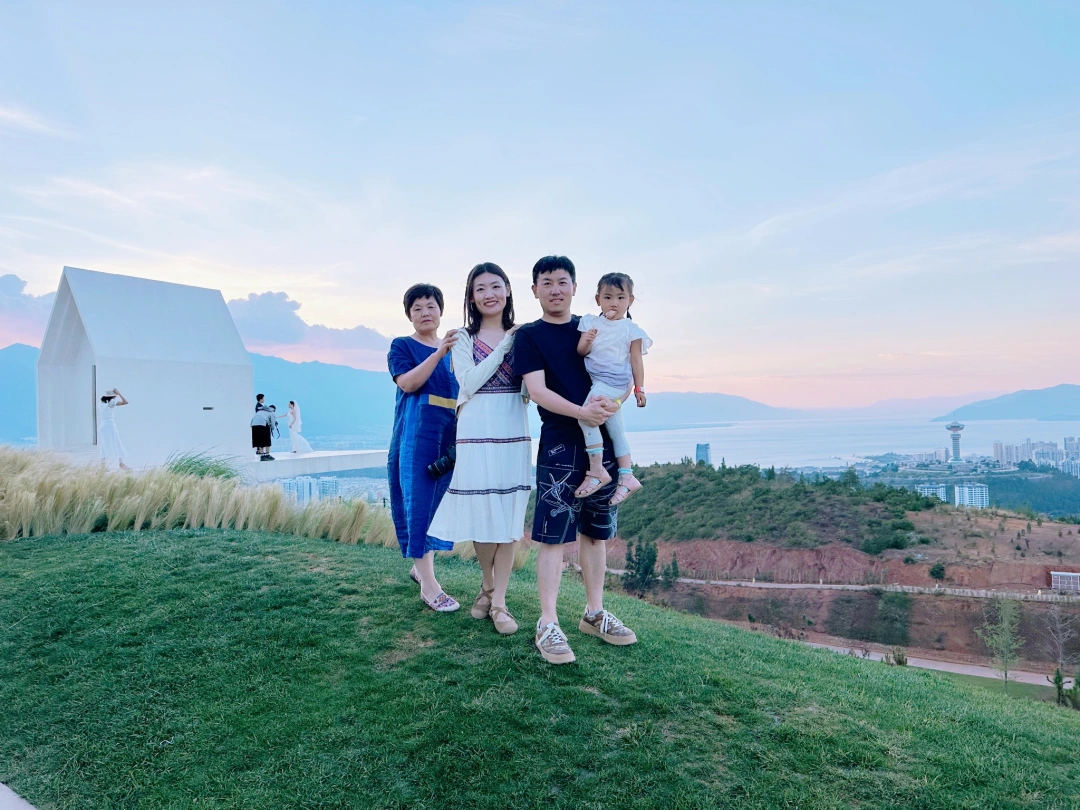
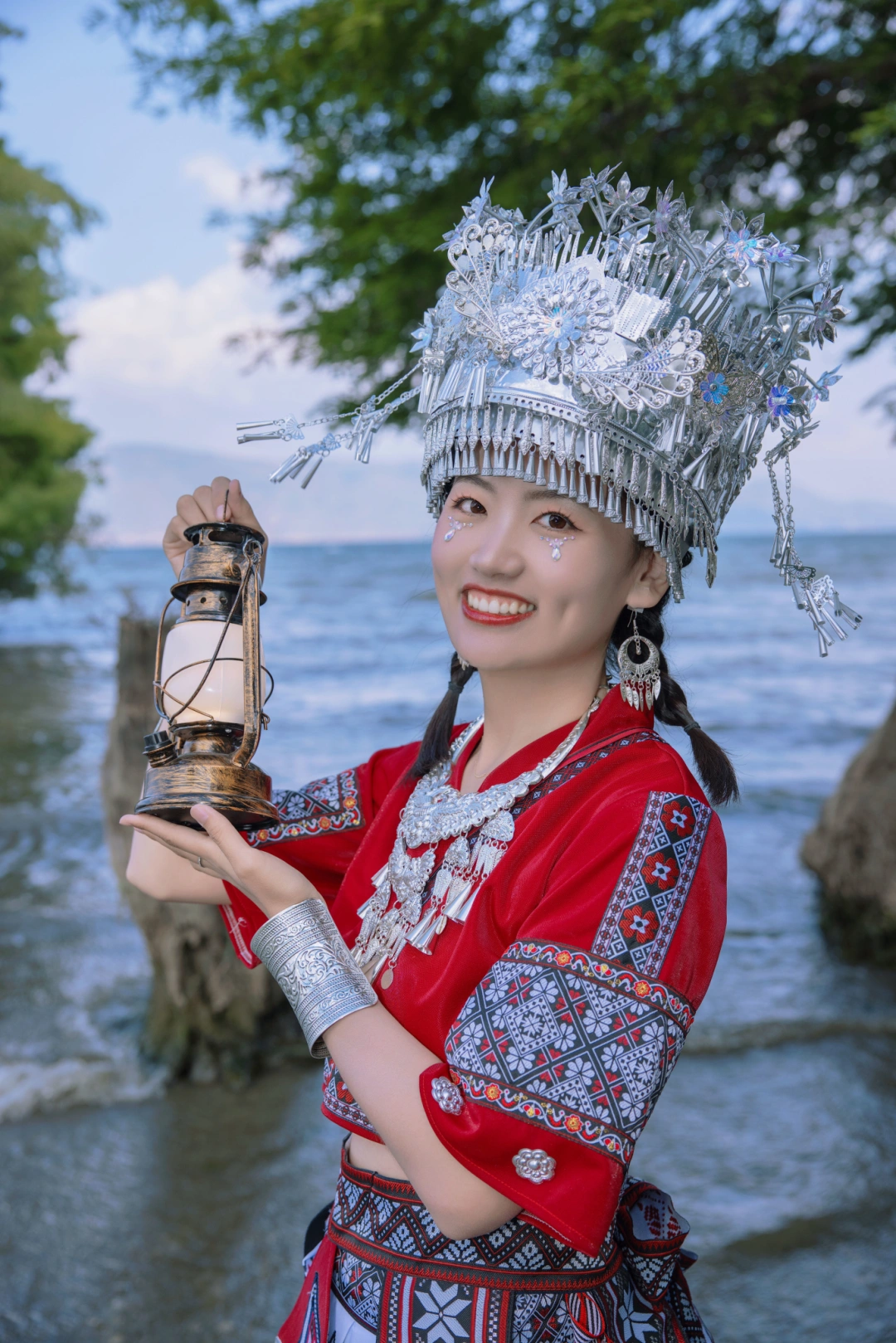
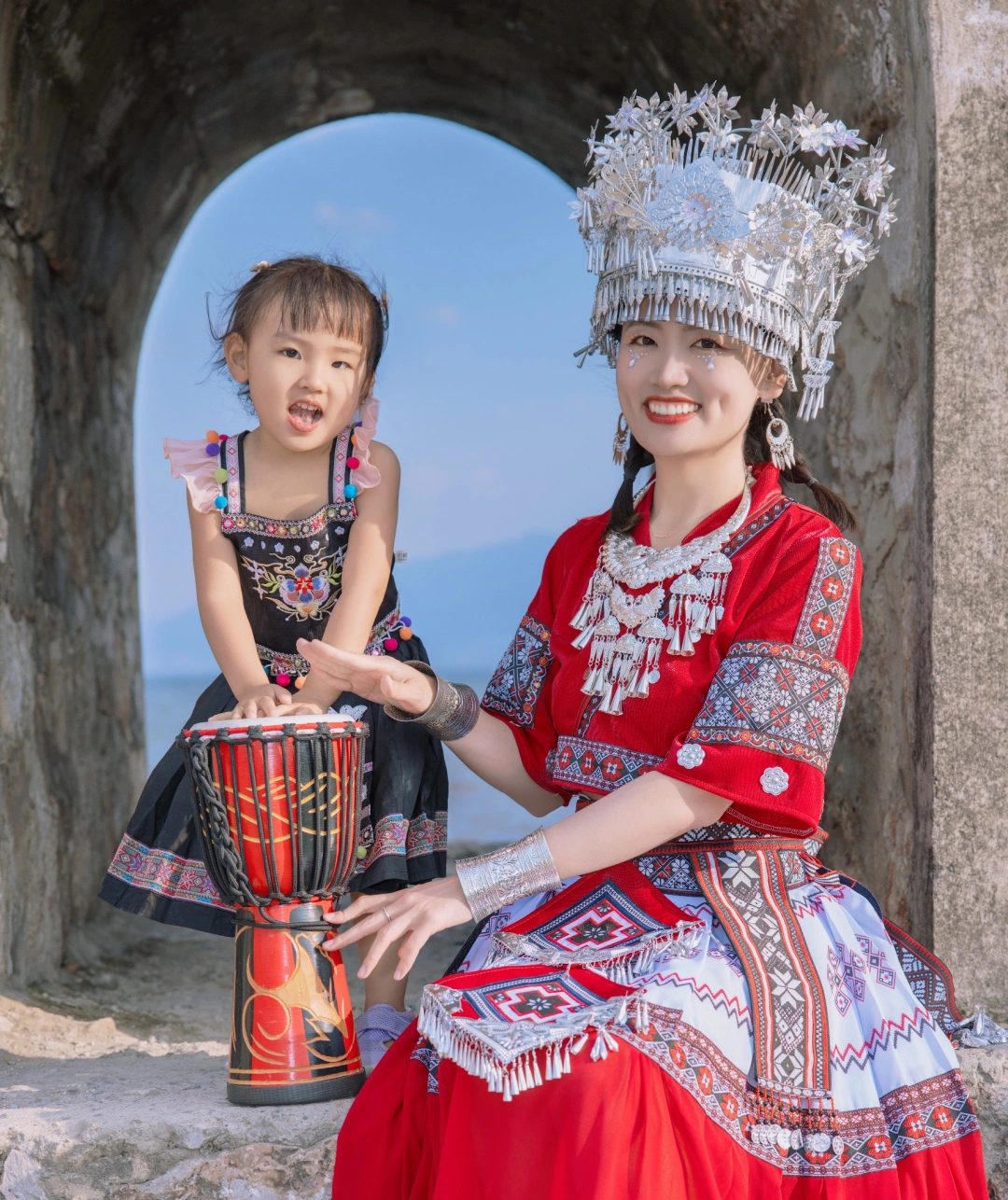
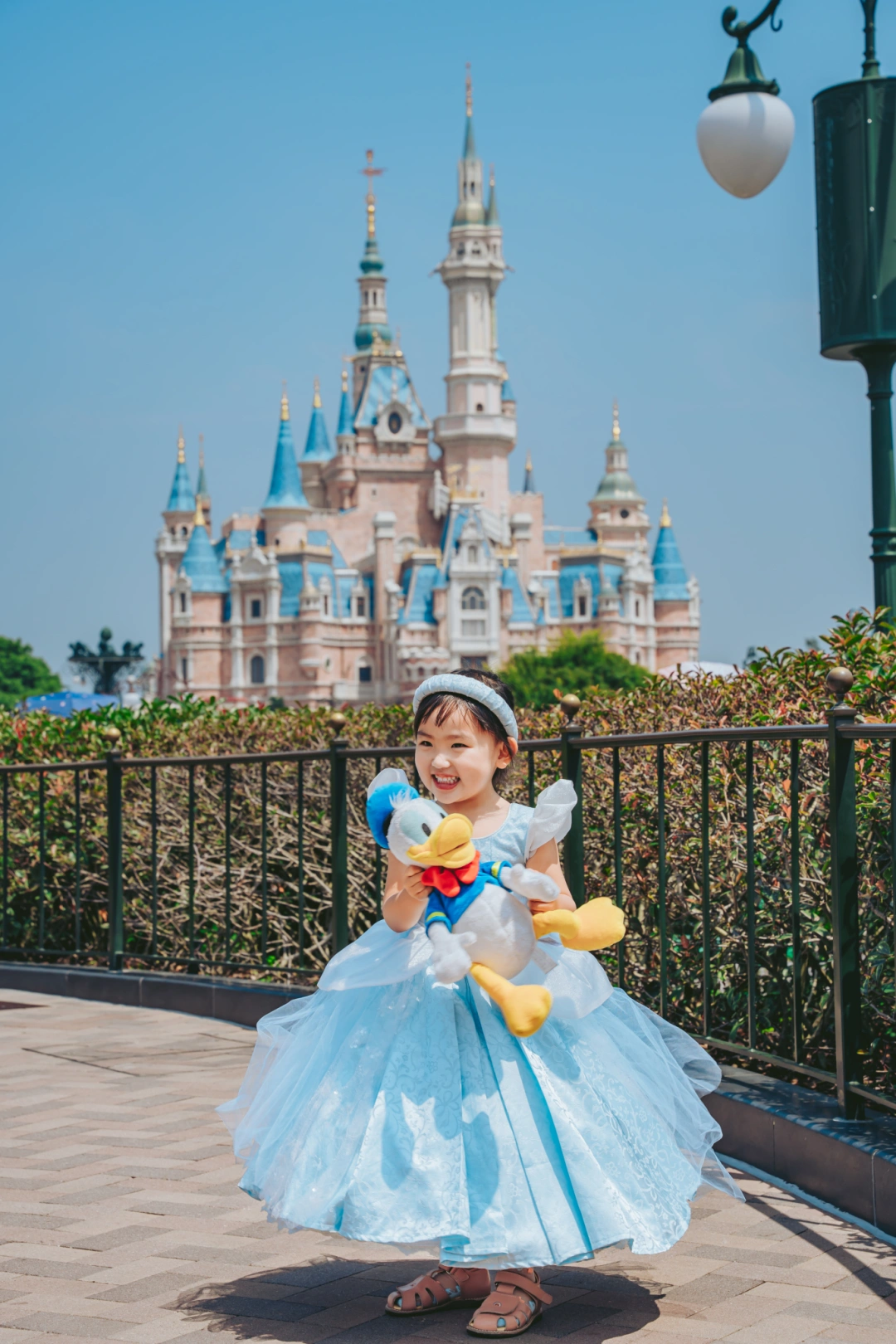
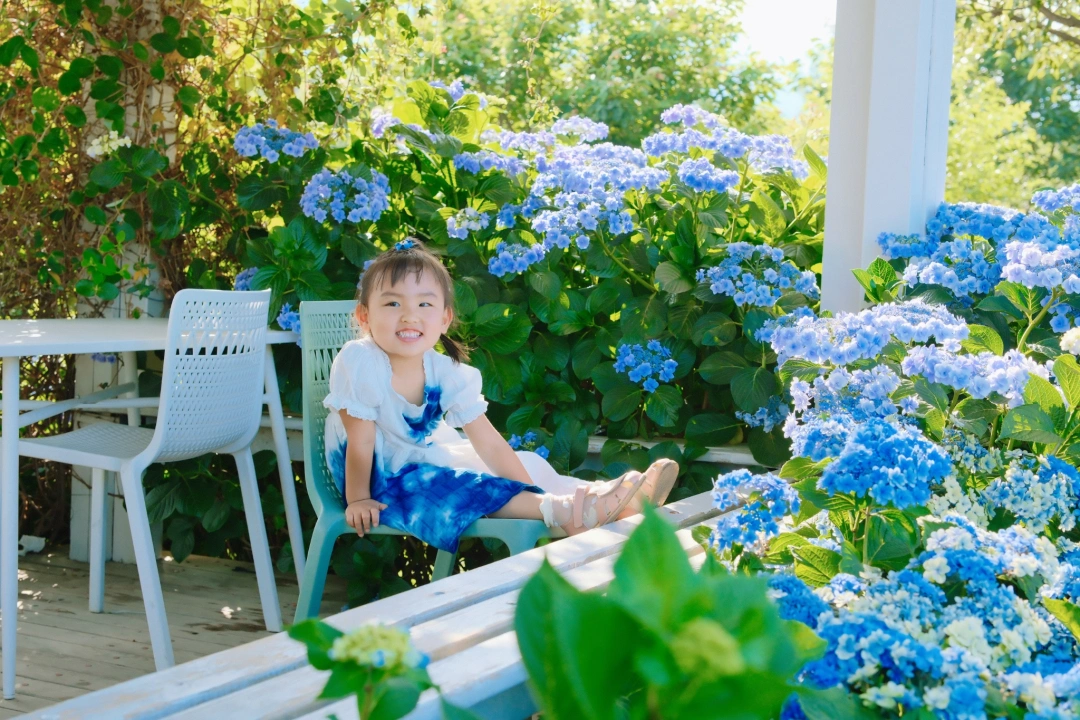
An 11-day journey, from the ancient charm of Lijiang to the majesty of the snow mountain, from the shores of Erhai Lake in Dali to the intangible heritage of Xizhou—each stop left its own unique memories. Traveling with a child is indeed tiring, but seeing June sweating with joy at Wilderness Kingdom, screaming with excitement on the luge track, and looking so focused and serious during the tie-dye class—it made all the effort worthwhile.
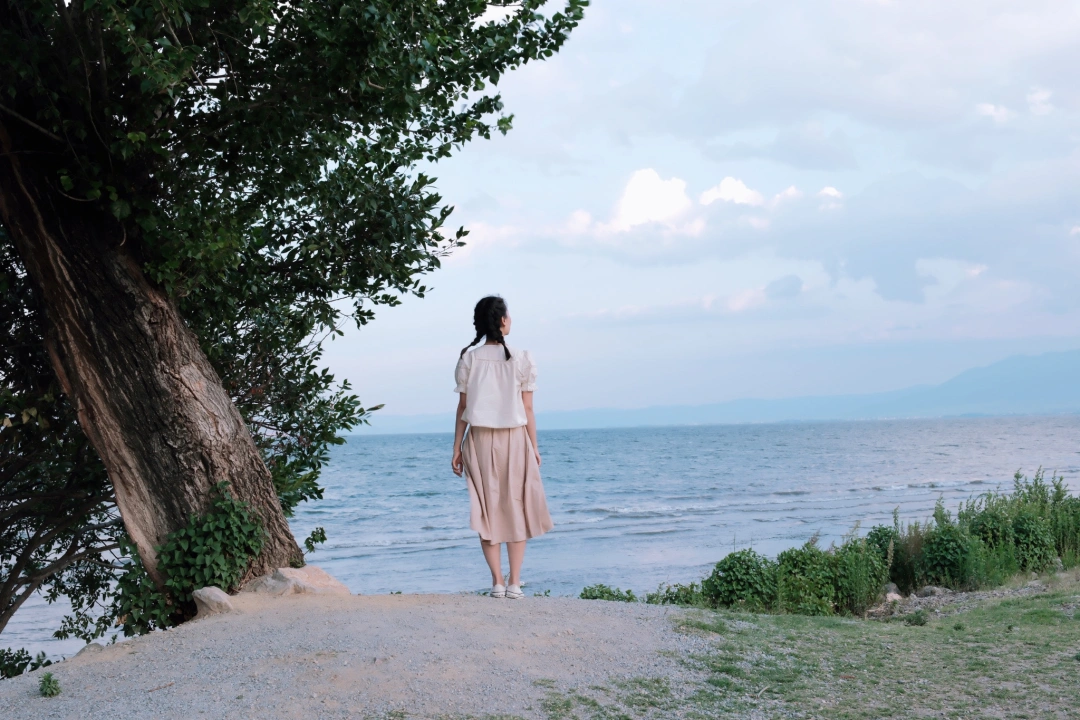
What travel teaches us isn't how many places we've been, but how to find happiness on the road. The evening breeze of Lijiang, the scorching sun of Dali, the tie-dye of Xizhou—these fragments, pieced together, form the most precious birthday gift.
If you're also planning a parent-child trip, remember this: Don't be afraid of popular places—they always hold surprises. Don't be afraid of the hassle—the process itself is part of the scenery. Pack a good mood, and set off.
You should also read:
Escaping Nanning, Falling Under Lijiang's Spell: Our Four-Person, Ten-Day Yunnan Dream
Escaping Nanning, Falling Under Lijiang's Spell: Our Four-Person, Ten-Day Yunnan Dream Before We Set Off: No Pain, No Obsession Have you ever had that impulse—suddenly tired of the office fluorescent lights, the crush of the subway, the endless parade of identical takeout boxes, and just…
Continue reading...
Two Girls' Graduation Trip: Dali and Shuanglang – A Poetic Farewell to Mountains and Sea
Two Girls' Graduation Trip: Dali and Shuanglang – A Poetic Farewell to Mountains and Sea Preface: Catching the Tail of Youth, Heading South During our senior year of college, my roommate and I – two girls studying in Beijing – decided to bid farewell to…
Continue reading...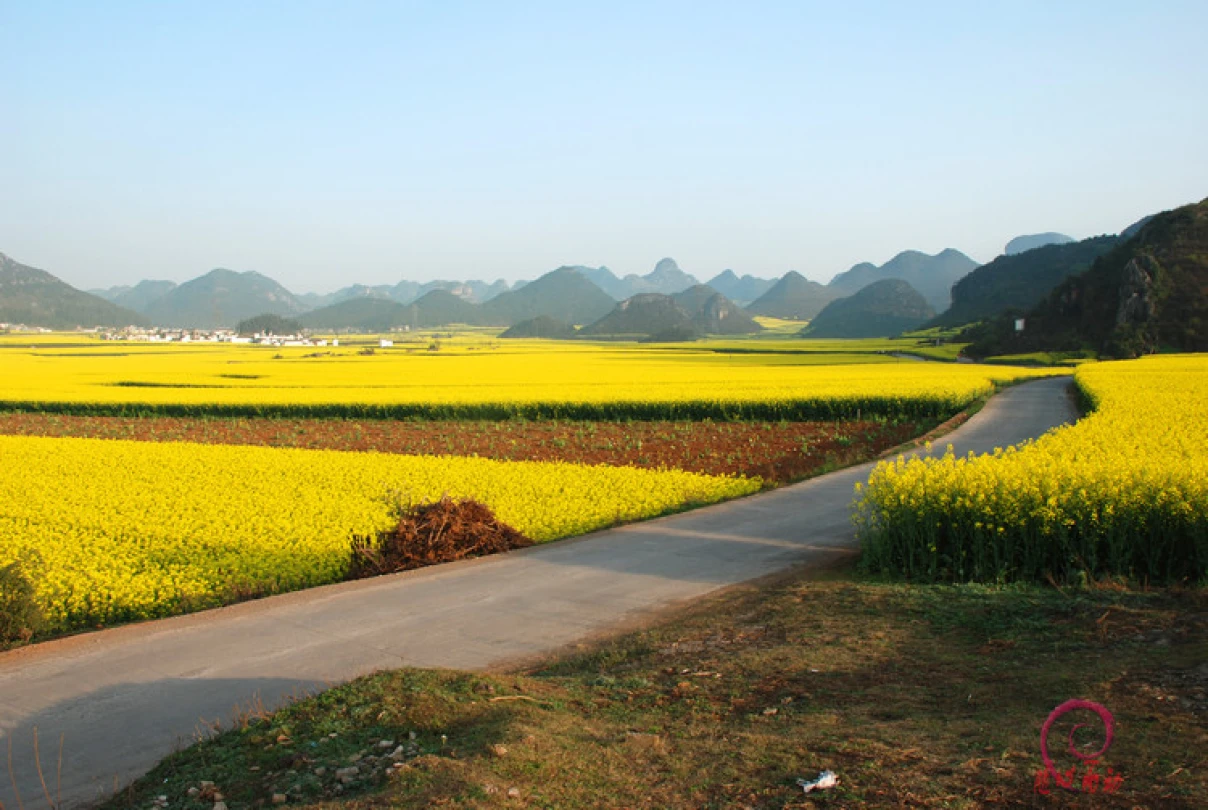
Golden Luoping: A Romantic Encounter with Sunshine and Seas of Flowers
Golden Luoping: A Romantic Encounter with Sunshine and Seas of Flowers Introduction: The Third Time's the Charm Some landscapes are destined to be seen at the right moment. For me, that was exactly the case with Luoping's rapeseed flowers. On February 22, 2011, the Luoping…
Continue reading...