The Ordeal of Yubeng: A Realistic Record and Survival Guide for Trekking Meili Snow Mountain in the Rainy Season
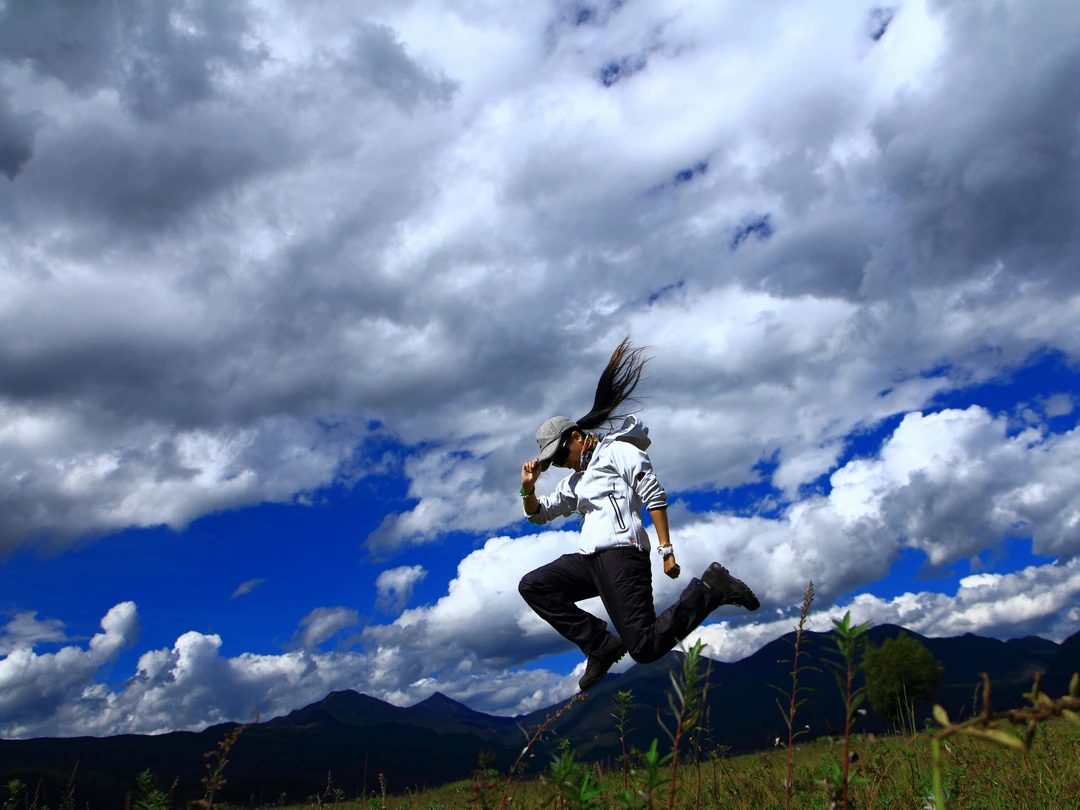
The Ordeal of Yubeng: A Realistic Record and Survival Guide for Trekking Meili Snow Mountain in the Rainy Season
Prologue: When Dreams Meet Muddy Reality
"Yubeng" – in Tibetan, the name means "scripture." But among hiking enthusiasts, there's a more blunt interpretation: a place that falls apart the moment it rains.
On September 28, 2012, I set foot on this legendary land with a pilgrim's heart, heading for Meili Snow Mountain. Over twelve days, including six days and five nights of trekking through Yubeng, I rode the full emotional rollercoaster – from anticipation to awe, from breakdown to release. As my fellow traveler, Uncle Qiaofu, put it: "Completing a pilgrimage to Meili Snow Mountain and crossing Yubeng during National Day week was a dream I'd had for over a decade. This year, it finally came true, though not without some regrets. But of course, no journey in life is ever perfect."
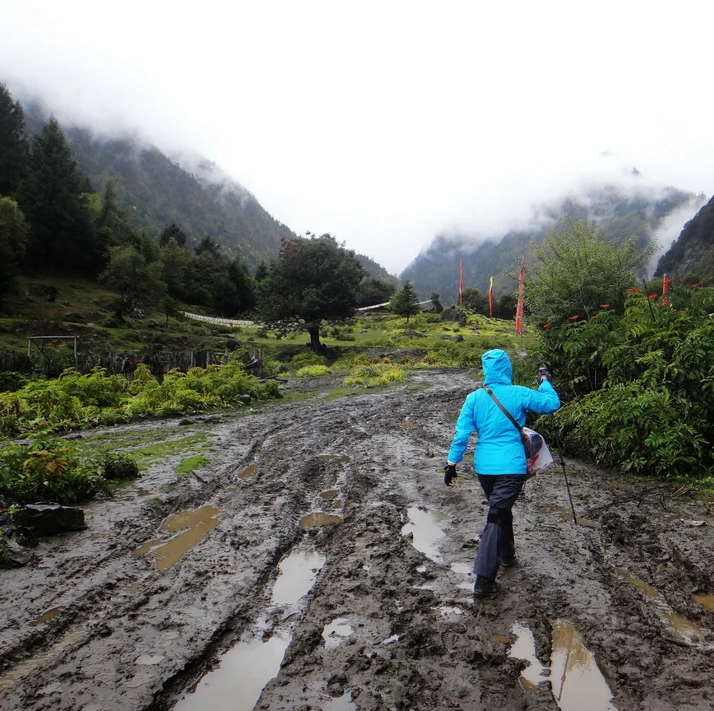
Travel, like life, rarely goes according to plan. Mafengwo is already flooded with idyllic Yunnan travelogues, but what I want to present here is the reality that gets buried under filters and poetic embellishments – the mule trails caked with mud and dung, the tour guide who changed the itinerary without warning, the waterproof jacket that soaked through in the monsoon, and those moments that make you curse but stay with you forever.
True travel isn't about how many places you've been, but how many times you've become a new version of yourself.
Itinerary Overview: Six Days, Five Nights on the Yubeng Trek

Timeline at a Glance
| Date | Route | Highlights |
|---|---|---|
| Day 1 (Sep 30) | Lijiang → Middle Tiger Leaping Gorge → Xiaozhongdian Pasture → Shangri-La Old Town | First taste of high altitude, prayer wheel blessings |
| Day 2 (Oct 1) | First Bend of the Yangtze → Jinsha River → Benzilan → Baima Snow Mountain Pass (4,292m) → Feilai Temple | First glimpse of snow mountains, heart racing |
| Day 3 (Oct 2) | Xidang Hot Spring → Yubeng → Sacred Waterfall | First day of trekking, heaven and hell |
| Day 4 (Oct 3) | Base Camp → Ice Lake | Rain never stops, on the verge of collapse |
| Day 5 (Oct 4) | Yubeng → Xidang Hot Spring → Benzilan | Escaping the monsoon, returning to civilization |
| Day 6 (Oct 5) | Back to Lijiang | Looking back at the road traveled |
Cost Breakdown
- Total cost (excluding round-trip airfare): Approximately 3,000 RMB per person
- Yubeng 6-day/5-night package: Approximately 2,000 RMB per person (including meals, accommodation, and transport)
- Meal costs: For groups of 5 or more, breakfast 10 RMB (fried rice or noodle soup), lunch/dinner split roughly 20 RMB per person. Total for six days: about 300 RMB
Yubeng Survival Guide: 15 Hard-Learned Lessons
High-Altitude Adaptation and Health
Rhodiola isn't a miracle cure: Besides taking rhodiola, locals in Yunnan recommend tofu and tofu pudding to help you adjust to the altitude – an old family trick from Yunnan relatives. But butter tea (酥油茶) is the real game-changer for altitude sickness. Carry a small flask with you (about 15 RMB, enough for 5-6 people).
A cold can be deadly: If you catch a cold, abandon the trek without hesitation. If you absolutely can't let go, you can take a mule. But during peak season, the prices will sting – 275 RMB from Xidang to Yubeng, 305 RMB from Yubeng to Xidang, 405 RMB round trip from the Sacred Waterfall trailhead, and 480 RMB round trip to the Base Camp. A small backpack costs an extra 30-60 RMB; a large pack requires renting a second mule.
Time and Route Traps
Local time ≠ your time: When you ask a local, "How long to get to X?" they'll give you their own speed – the pace of someone who sprints down the trail in sandals. Automatically multiply by 1.5 to 2.
Your lodging determines your difficulty: Most Mafengwo guides use the "Trekker's Home" guesthouse (located between Upper and Lower Yubeng Village) as the baseline.
- Staying in Upper Yubeng: Add 1-2 hours to reach the Sacred Waterfall, but save 1 hour to the Ice Lake.
- Staying in Lower Yubeng: Save 1-2 hours to the Sacred Waterfall, but add 1-2 hours to the Ice Lake.
Rainy days: Add another 1-2 hours to everything.
Don't trust your guide blindly: Our guide said, "Upper Yubeng to the Sacred Waterfall and back takes 4 hours." Mafengwo recommends 5 hours. It was raining. Result: only 1 out of 11 in our group made it to the top; everyone else stumbled back in the dark. Choosing a responsible guide is important. Choosing an honest one is even more important.
Mule Riding Shenanigans
Weight limits are a joke: Departing from Xidang, the limit is 180 jin (90 kg). Departing from Yubeng, it's 150 jin (75 kg). Overweight? Pay extra. No standard, no consistency.
The pass mule swap scam: The route from Xidang Hot Spring to the pass is managed by Xidang villagers. From the pass to Yubeng Village, it's Yubeng villagers. Some shady Xidang mule handlers will dump you at a "pass starting point" (still a 30-minute walk from the real pass) and claim you've arrived. A teammate saw an old man's luggage dumped halfway – he waited over an hour before realizing the trick. Book the full ride and make sure you reach the actual pass.
Never trust a promise: When a local says, "Half an hour," or "I'll pick you up on time tomorrow," take it with a boulder of salt. Mules typically arrive about 2 hours late.
Gear and Practical Tips
Women must bring an umbrella: Need to pee on the trail? Pop open the umbrella, block the view, and you've got a natural bathroom.
Rainy season gear checklist:
- Mid-to-high-cut waterproof boots: On Yubeng's "original" (read: manure-covered) trails, this is non-negotiable.
- Technical base layer (Patagonia Capilene 3 recommended): Wicks sweat and resists odor. Getting a cold at high altitude can be fatal.
- Waterproof jacket and pants: Better than a rain poncho. Ponchos let you sweat from the inside, so you're wet either way.
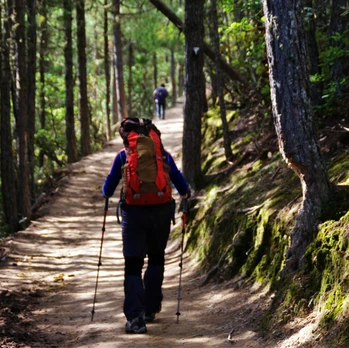
- Two trekking poles: One isn't enough. Two is the way.
- Weather-sealed camera: A DSLR in the monsoon is a paperweight. My camera saved this entire trip.
If you get motion sickness, think twice: Yunnan's roads can rattle everything you've ever eaten out of you. Our group got lucky – no one got sick.
Environment and Mindset
- Yubeng is being commercialized: Power lines have ruined countless photo angles. The numbered old-style garbage baskets have been replaced with generic green bins. "At least I used to count the baskets to feel myself getting closer to Yubeng" – that feeling is gone.
Seeing Meili's main peak is fate: The "Golden Sunrise" on the peaks is for the blessed. Just catching a clear view of the main peak is incredibly lucky. One guide, a local from Shangri-La, started dancing when he saw the peak – sometimes it stays hidden in clouds for 10 days straight.
Avoid the rainy season and peak season: In the rainy season, clouds kill the views. In peak season, crowds and prices are brutal, and your freedom is limited. If you can, go in the off-season on your own.
Keep your expectations in check: Travel, like life, rarely delivers 100% satisfaction. As Uncle Qiaofu said, "Everything in this world is the same – why bother being sad?"
Trekking Diary: Twelve Days from Lijiang to Yubeng
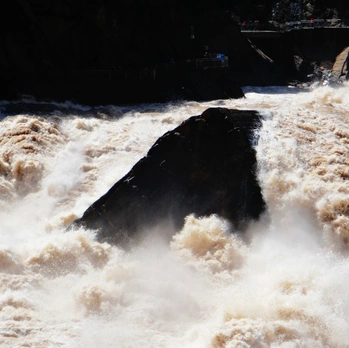
Day 1: Leaving Lijiang, the Shock of Tiger Leaping Gorge
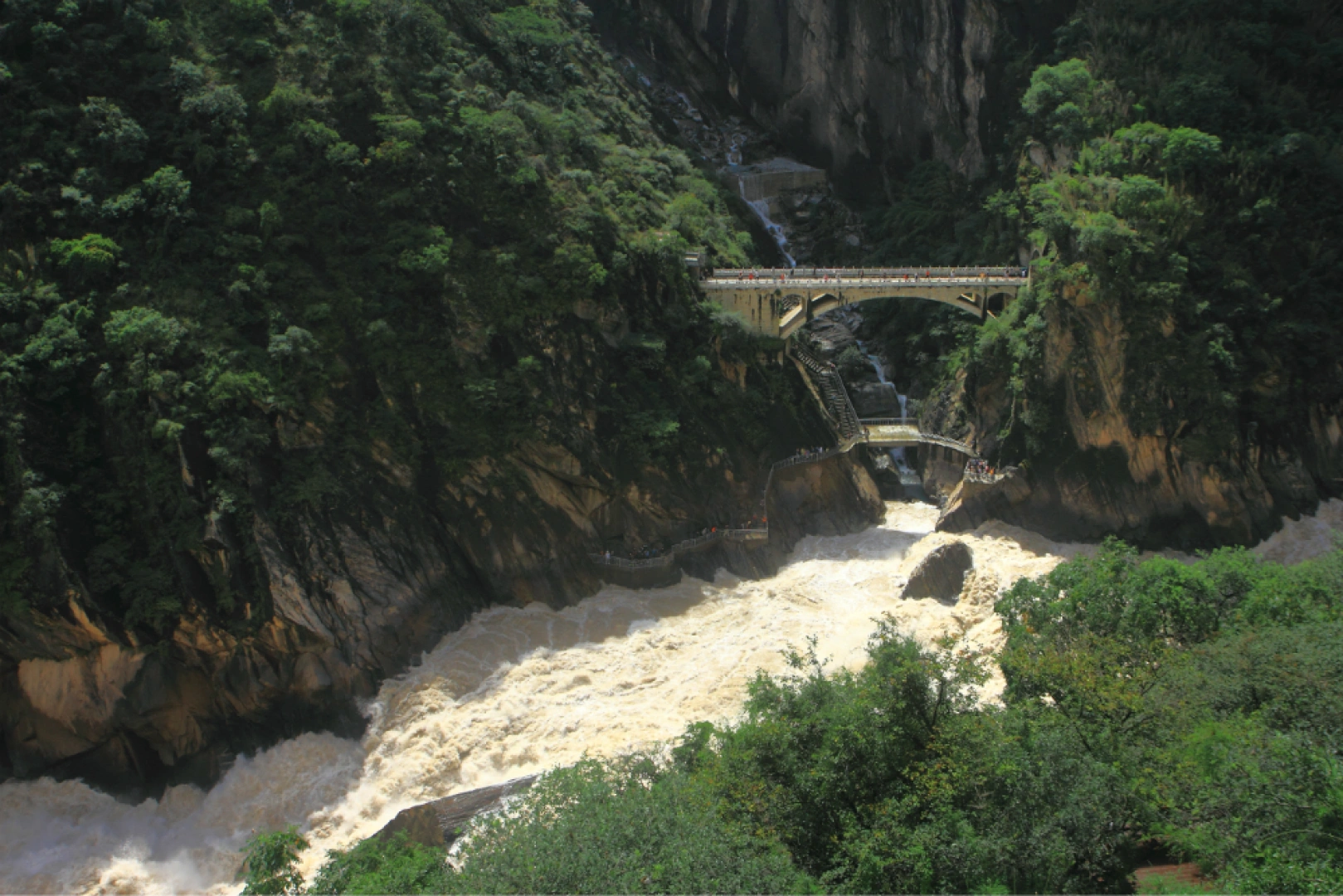
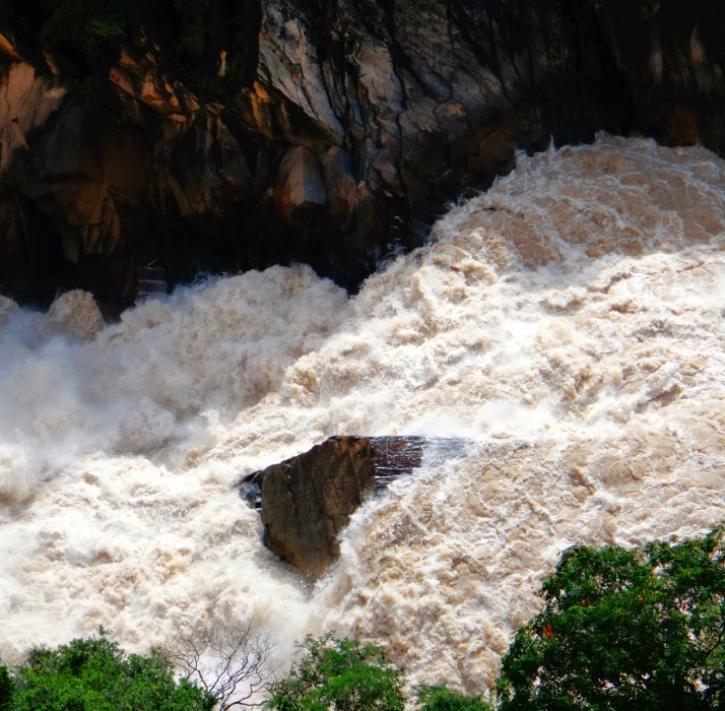
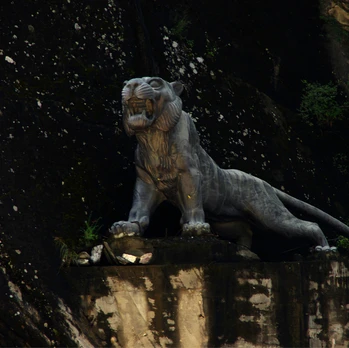
We set off from Lijiang's Big Waterwheel, heading first to Upper Tiger Leaping Gorge. Middle Tiger Leaping Gorge was closed due to a landslide, so we had just an hour to take it all in. Tiger Leaping Gorge is a polarizing place – some people think it's just a big rock, others find it breathtaking. My advice: Tiger Leaping Gorge is best experienced on a full hiking loop. That's how you truly get it.
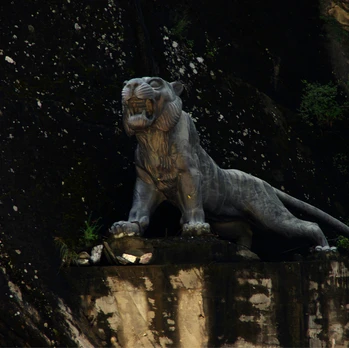
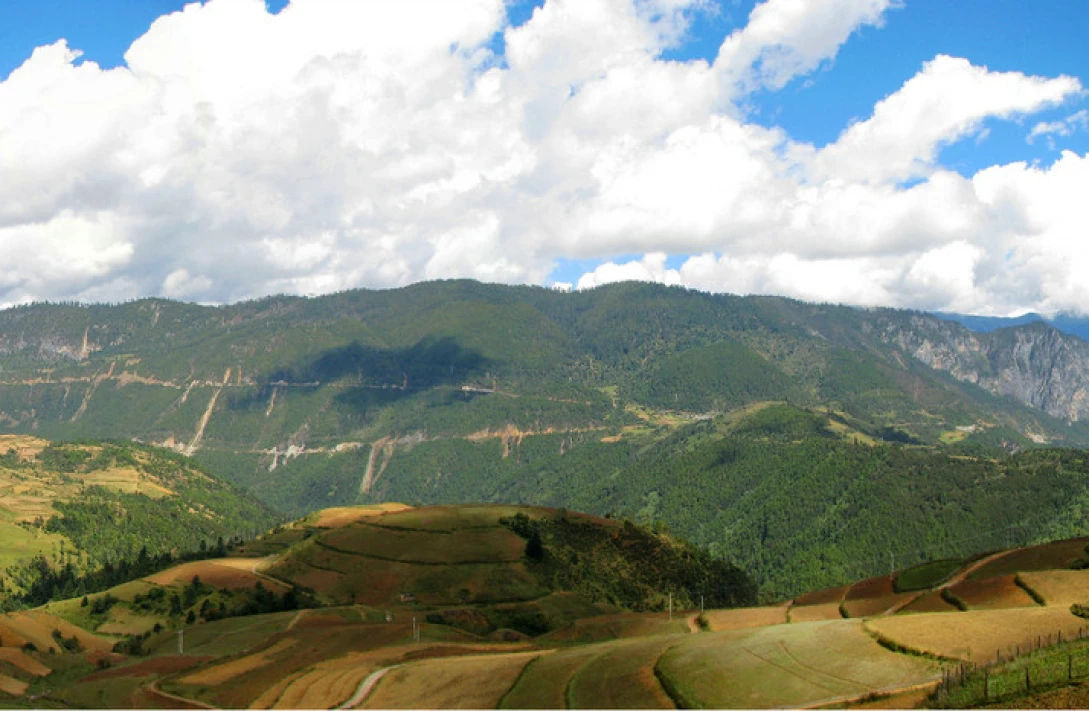
We passed through the Yi village of Hongqi (Red Flag Village), with layered terraced fields, fiery red sorghum, and golden millet – a scene straight out of a painting. In Xiaozhongdian Pasture, cattle grazed lazily. Our guide, Luosang, warned us: "Those flowers are poisonous. If the sap touches your skin, it'll swell and hurt."
By afternoon, we reached Shangri-La. At Guishan Park, the giant prayer wheel is the world's largest – 21 meters tall, 60 tons, made of gilded bronze. It takes several people to pull it, and you spin it three times. Postcards in Shangri-La cost 1 RMB each (plus 1 RMB for stamps) and have better designs than Lijiang's. Worth stocking up.
Dinner tip: When you visit a Tibetan home for dinner, eat lightly beforehand. The snacks they lay out will stuff you to bursting. There's no menu – just a spread of vegetables in front of you, and you figure out the combination yourself.
Day 2: The Omega Bend of the Jinsha River and Meili Snow Mountain's First Appearance
The road rattled us all the way. Napahai Lake's scenery was "harmonized" by the tinted bus windows – I had to crank the color saturation back home just to bring back those two laser-like beams of light. Napahai is also Yila Grassland – a lake in the wet season, a pasture in the dry season.
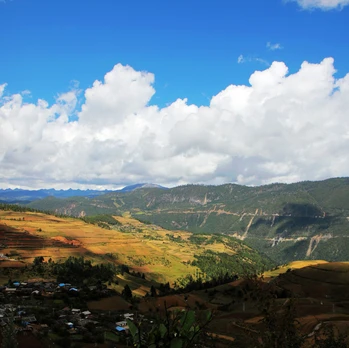
The "Omega" bend of the Jinsha River lives up to its name, a perfect Ω shape. At Baima Snow Mountain Pass, elevation 4,290 meters, the wind was near freezing.
Then came the moment we'd been waiting for. Luosang suddenly shouted with excitement: "The main peak! Kawagebo!" As a local from Shangri-La, he was practically dancing. His reaction made us realize: just seeing the main peak of Meili Snow Mountain is a gift from the gods. He gestured with an open palm – never point at a sacred mountain with your finger. That's a grave disrespect.
At the Thirteen Welcome Pagodas, the sun was blazing, throwing out rays of light in every direction. We didn't see the Golden Sunrise, but the sunset was stunning enough. One teammate captured a photo with a rainbow halo – a masterpiece for the ages.
Day 3: First Day of Trekking in Yubeng – 18 Kilometers of Mule Trail
We woke at 5:30 AM to catch the Golden Sunrise, but the clouds were too thick. We set off early instead. Altitude sickness had me half-asleep all night, with a splitting headache. I bought a flask of butter tea, poured it into a 1.5-liter water bottle, and drank it throughout the day. It helped a lot.
From Xidang Hot Spring to Yubeng Village: 18 kilometers of mule trail. 12 kilometers up to the pass, then 6 kilometers down to Upper Yubeng. It didn't rain the whole day. Our group averaged 5.5 hours.
Fighting altitude sickness, sucking on ginseng lozenges, I pushed myself up the trail. Teammate Pengpeng didn't say a word – just kept his head down and took tiny steps. That method worked wonders. Some people regretted starting after just a few minutes. Others started complaining halfway. A few began questioning their life choices.
I remembered Gu Xiaobai's words: "At the moment you want to give up, think about why you held on to get here in the first place."
We reached the "Instant Noodle Wall" – the price had gone up to 15 RMB. The owner was annoyed that we weren't buying his noodles and kept saying, "If you eat, don't make a mess." After a 30-minute rest, we moved on – rest too long and your legs stiffen up, making the next stretch even harder.
The most striking sight came around a bend: a family trekking with a 4- or 5-year-old child. The kid was wearing open-crotch pants and ordinary cloth shoes, carrying a bamboo stick, and walking faster than we were. Old Wu sighed: "Look at all our gear. And this kid? Open-crotch pants. And he's still doing Yubeng."
Food in Yubeng: Flavors to Love and Loathe
Must-Eat Recommendations
- Pork stir-fried with potatoes: Black Tibetan pork + purple-heart potatoes. Divine. Don't miss it.
- Stir-fried yak meat: 30 RMB per plate.
- Butter tea (酥油茶): The altitude sickness remedy. Small flask, 15 RMB.
- Flatbread (大饼): 7 RMB each. Will stuff you to bursting.
Price Reference
| Item | Price |
|---|---|
| Breakfast (fried rice / noodle soup) | 10 RMB |
| Bottled water | 5 RMB (2 RMB in Shangri-La) |
| Rain poncho | 15 RMB |
| Meat stir-fry | 30 RMB per plate |
| Vegetables | 10 RMB per plate |
| Soup | Negotiable |
| Yak meat soup | Pricey, small portions |
Note: No menus. You pick ingredients, they quote a price. Guides taking kickbacks from restaurants is standard practice. Nothing you can do about it.
Conclusion: After the Breakdown, Rebirth
The Yubeng trip is over. Regrets remain. But so do countless precious moments. Uncle Qiaofu summed it up best: "Though some regrets linger, no journey in life is ever perfect. Everything in this world is the same – why bother being sad?"
What travel teaches us isn't how to avoid every pitfall, but how to climb out of them and keep moving forward.
If you're planning a Yubeng trip, remember this: - In the rainy season, Yubeng will fall apart. But after the breakdown comes rebirth. - The main peak of Meili Snow Mountain and the Golden Sunrise are gifts for the fortunate. - When a local says "half an hour," multiply by 2. - Mules come with scams, promises are unreliable, but the scenery is worth it.
And finally: If you have questions, just ask. I'll reply as soon as I see them. And if you enjoyed this travelogue, give it a thumbs up!
"Even if the trails are caked with mud and dung, I'd cross mountains and rivers just for you." – Yubeng, we may meet again. Or maybe not.
You should also read:
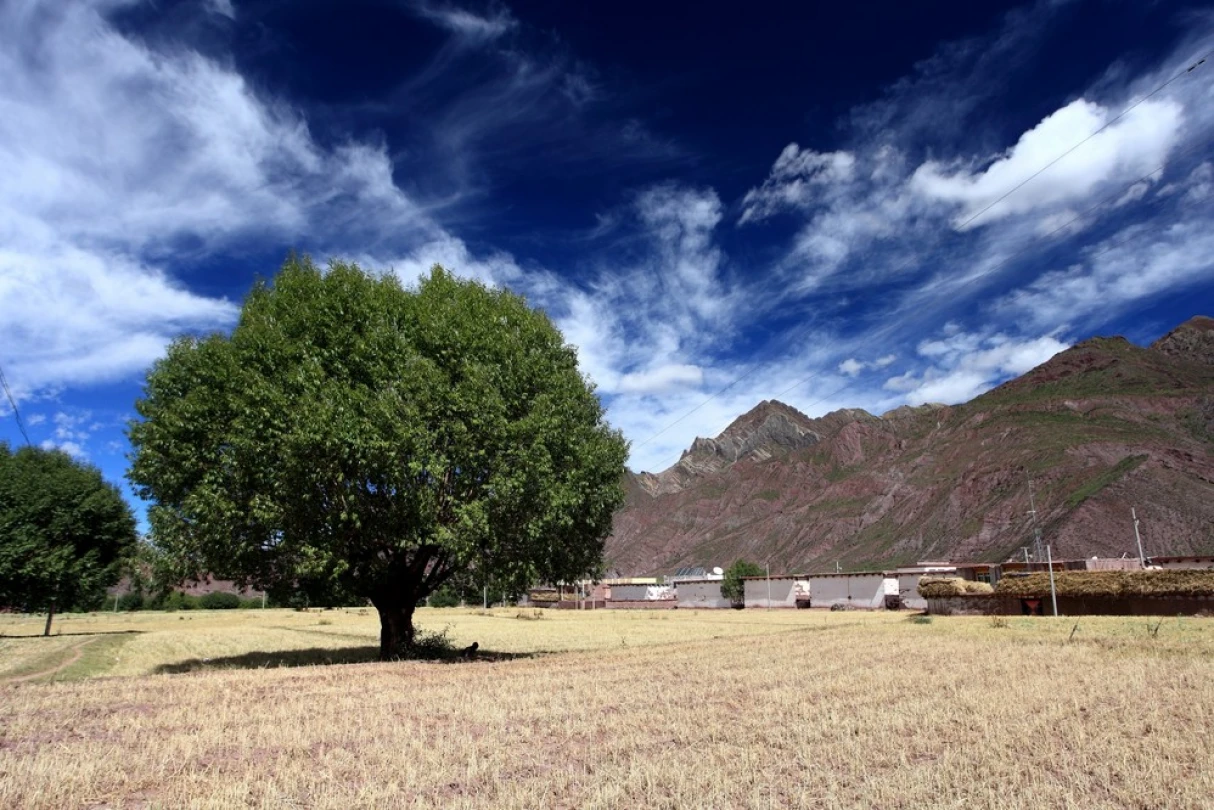
Big Bear and Little Cat Explore China: [A Self-Guided Tour of the Shangri-La Region: That Sky, So Blue It Feels Unreal!]
Big Bear and Little Cat Explore China: [A Self-Guided Tour of the Shangri-La Region: That Sky, So Blue It Feels Unreal!] Prologue: Why Shangri-La? In September 2011, my friend and I followed the Yunnan-Tibet Highway into the Greater Shangri-La region. Six days of travel, without…
Continue reading...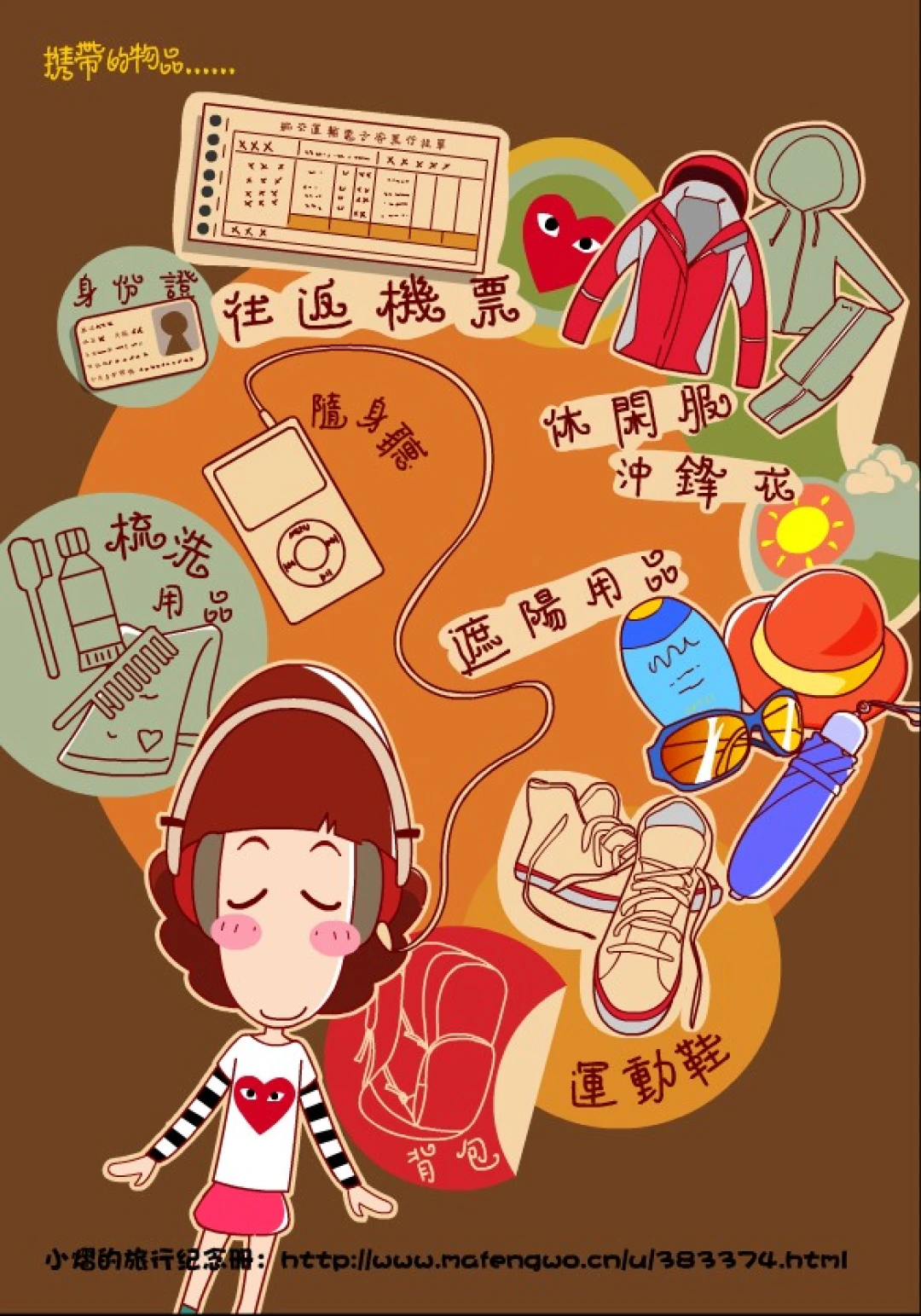
Dreamland – Lijiang: A Talking Comic Travel Guide
Dreamland – Lijiang: A Talking Comic Travel Guide Prologue: When Lijiang Takes Root in Your Heart Some places leave a mark on you forever. They're like an old song on repeat, suddenly playing in your mind on an ordinary afternoon. For me, Lijiang is that…
Continue reading...
Solo in Yunnan: A Wanderer’s Guide to the Land of Eternal Spring
Solo in Yunnan: A Wanderer’s Guide to the Land of Eternal Spring There’s something magical about traveling alone. No compromises, no schedules to keep, no one to please but yourself. I’ve been on the road for nearly three months now, and not once have I…
Continue reading...