The Scenery in Lijiang Really Does Glow!
The Scenery in Lijiang Really Does Glow!
Have you ever had one of those moments—just casually scrolling through your phone when a single photo hits you, and you instantly decide, "I need to go there"? For me, that place was Lijiang. Not because it's some trendy hotspot, but because when I finally stood on that land, I realized: beautiful scenery really does glow. It's not just the sunlight sparkling on the water; it's that warmth rising from deep inside, the kind that makes you smile without even realizing it.
This trip, I didn't plan much. You could even call it a spontaneous getaway. But it was exactly that carefree attitude that led me to all those unexpected surprises. From the cozy, lived-in feel of Shuhe Ancient Town (束河古镇) to the breathtaking majesty of Jade Dragon Snow Mountain (玉龙雪山), and the dreamlike beauty of Blue Moon Valley (蓝月谷)—every step felt like unwrapping a gift. Let me share these "glowing" moments with you, one by one.
Shuhe Ancient Town: A Tiny Pot of Rice That Warms Your Heart
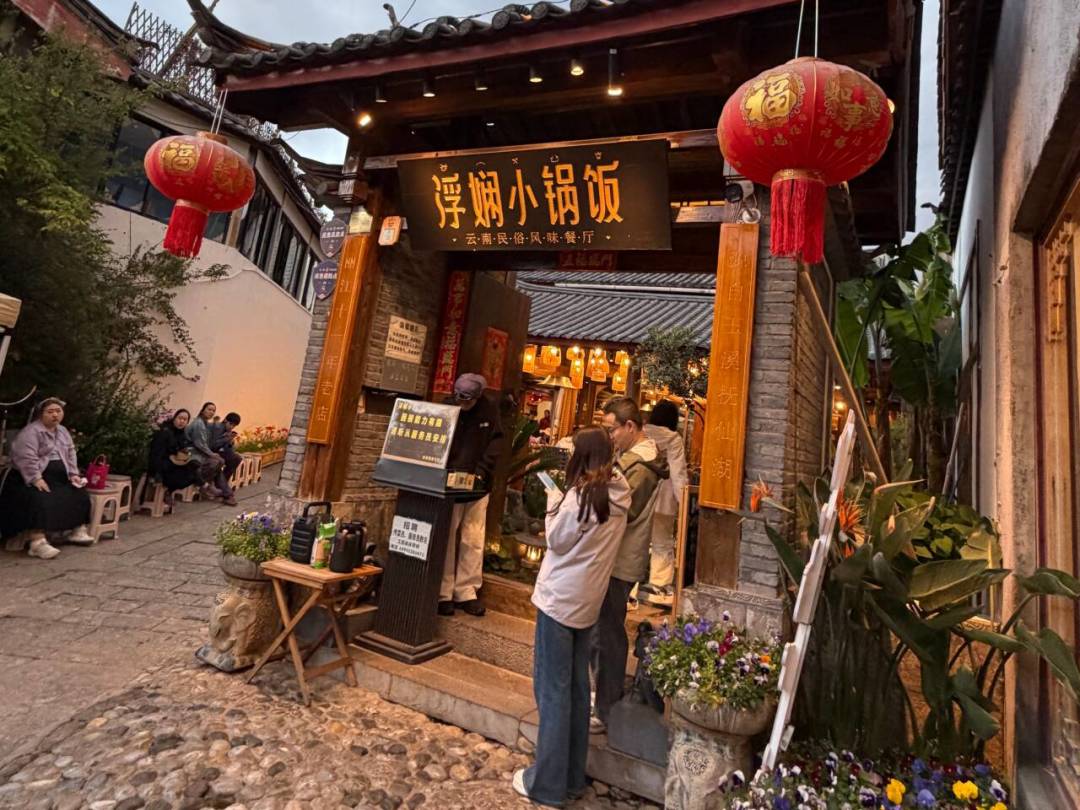
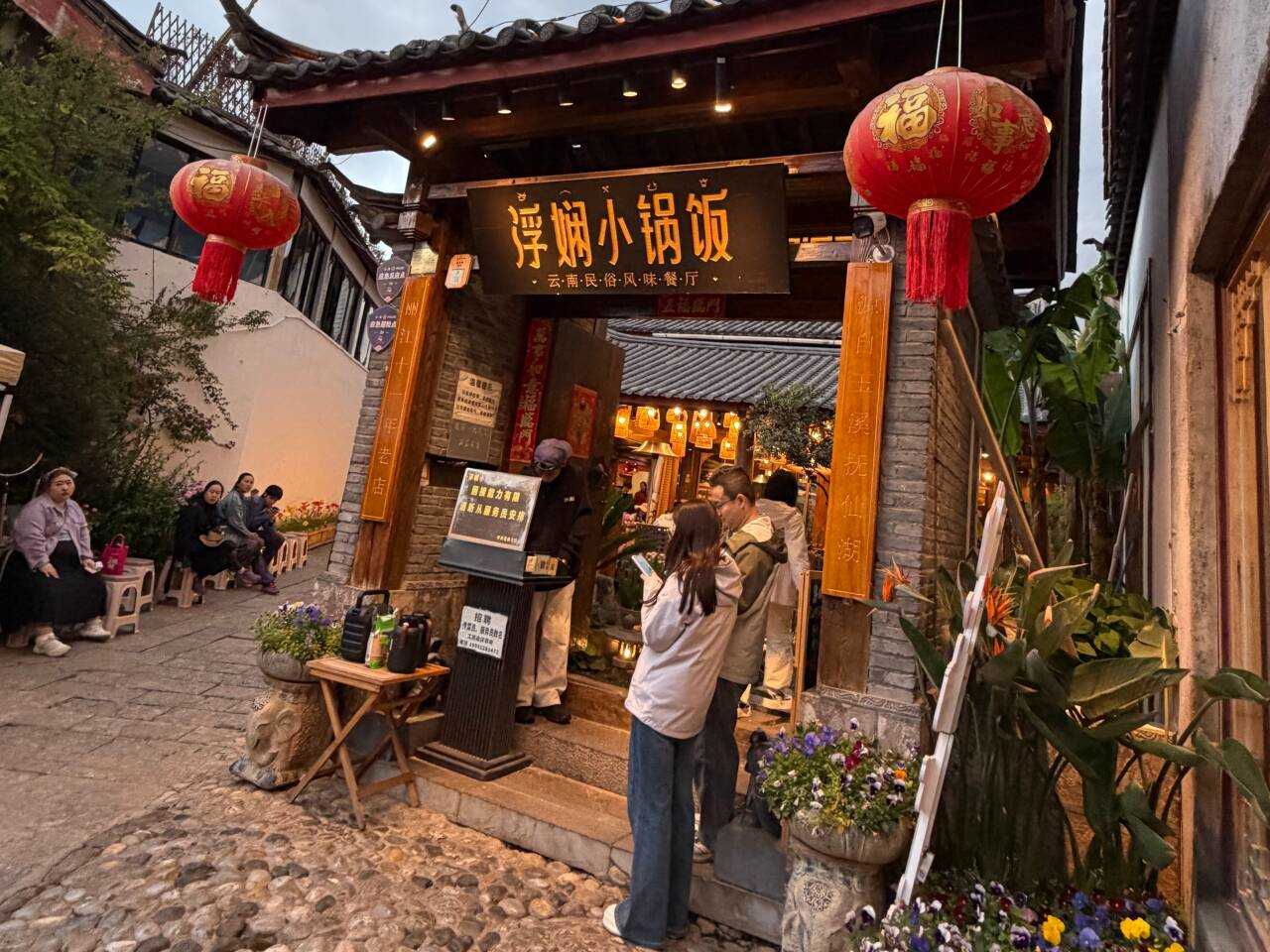
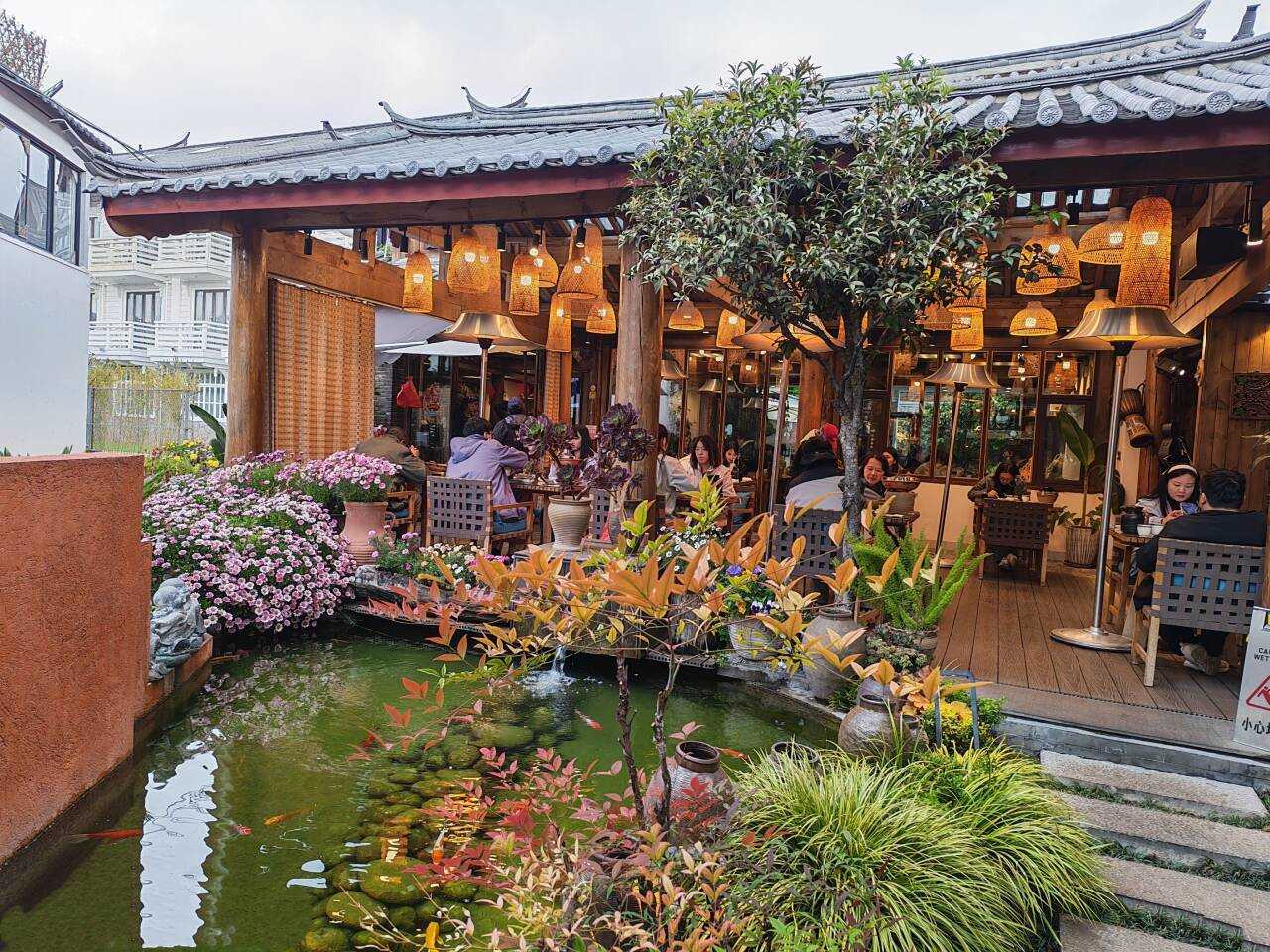
If you ask me which part of Lijiang feels the most comforting, I'd say without hesitation: Shuhe Ancient Town. Compared to the hustle and bustle of Dayan Old Town, Shuhe is more like a quiet neighbor—calm, unhurried, waiting for you to explore at your own pace. And what made me fall completely in love with this place? An utterly ordinary lunch.
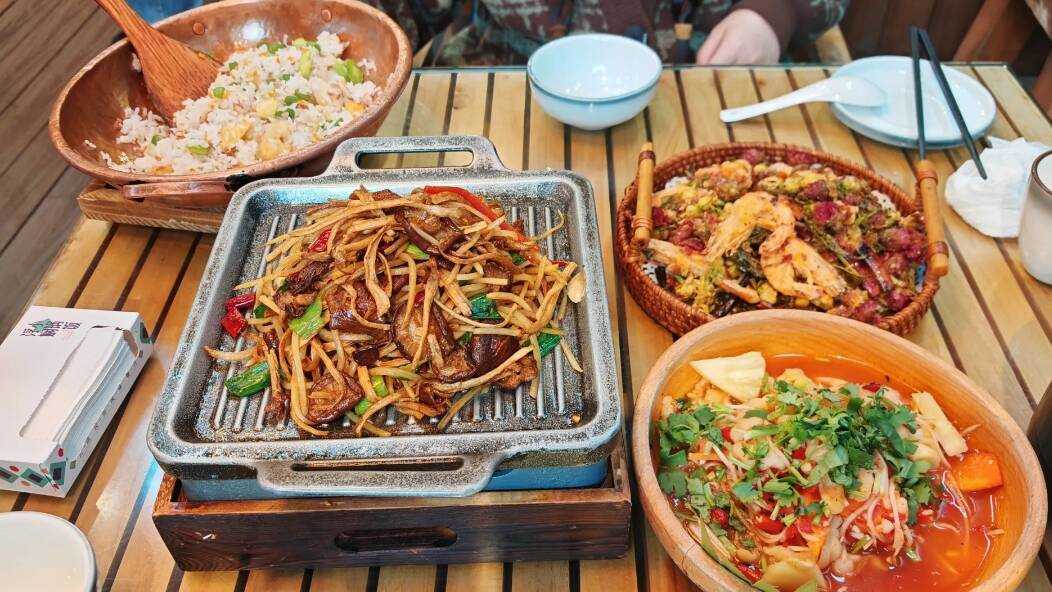
I walked into a small eatery and ordered their signature small-pot rice (小锅饭). When the steaming bowl arrived, the aroma hit my nose instantly—each grain of rice was distinct, with a slightly crispy, caramelized bottom that smelled irresistible. The side dish, stir-fried tea tree mushrooms with shredded potatoes (茶树菇炒土豆丝), was an absolute winner. The umami of the mushrooms blended perfectly with the soft, tender potatoes, and every bite made me reach for more. As for the shrimp, honestly, they were just okay—nothing special, a minor letdown in the meal. But that didn't matter, because what truly surprised me was the service.
As soon as I stepped inside, the server handed me a warm towel to wipe my hands. That little detail instantly elevated the entire experience. On a chilly day, the warmth of the towel felt like a mini spa for my hands, and it built anticipation for the food to come. When the dishes finally arrived, they were a feast for the eyes and the palate—each one seemed tailor-made to accompany the rice. Paired with the comfort of that warm towel, the meal felt both grounding and deeply satisfying.
Tip: Shuhe Ancient Town has plenty of great food, but don't overorder. When ordering, ask the staff what their specialties are. Dishes like small-pot rice are local must-tries. As for shrimp, if you're picky about seafood, feel free to skip it.
Jade Dragon Snow Mountain: From "Waitlist #700" to Reaching 4,680 Meters
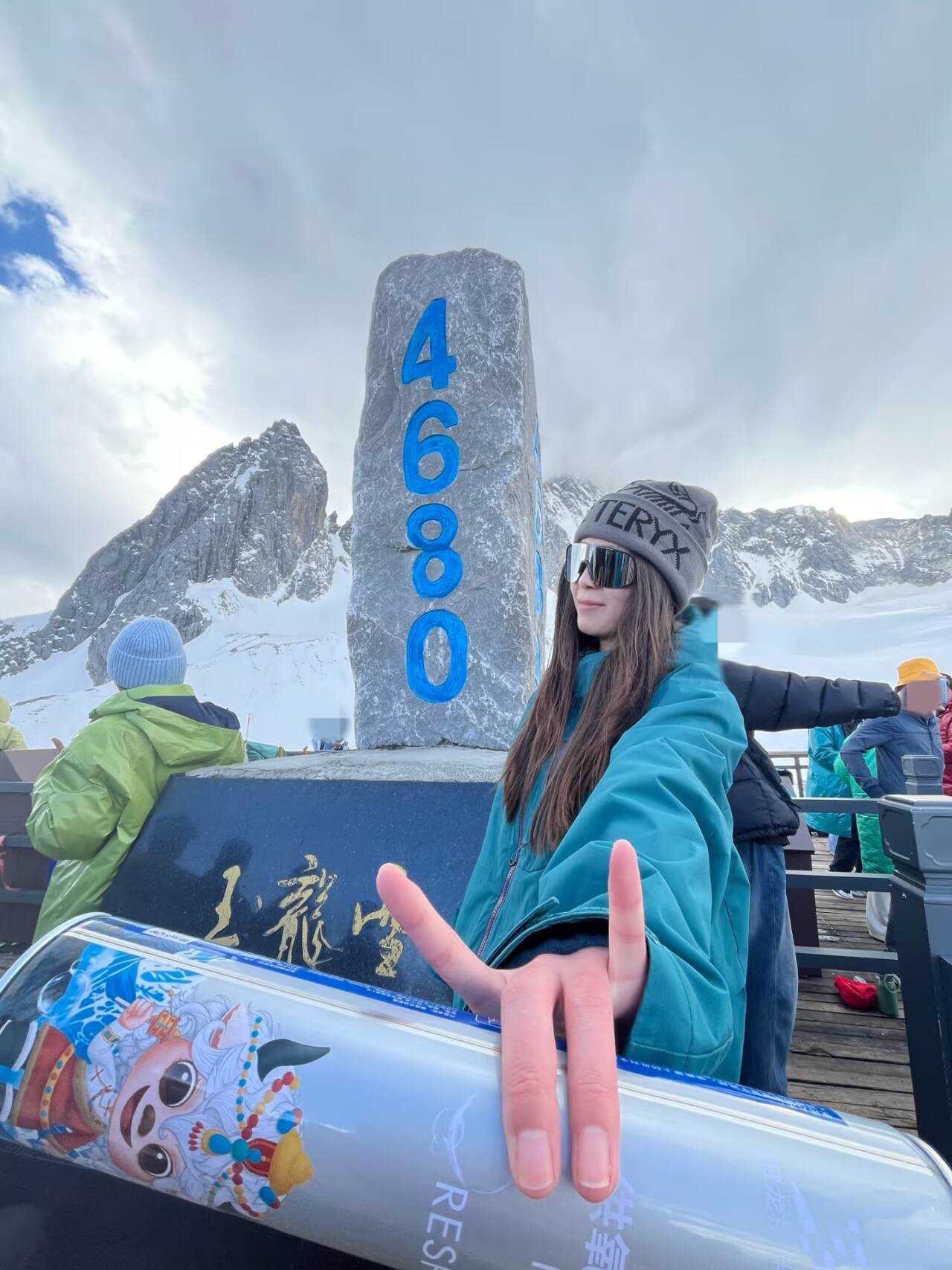
When it comes to Jade Dragon Snow Mountain, my experience can only be described as ridiculously lucky. As someone who never plans ahead, I didn't even think I'd make it to the 4,680-meter peak. But sometimes, travel works in mysterious ways—the less you expect, the more it surprises you.
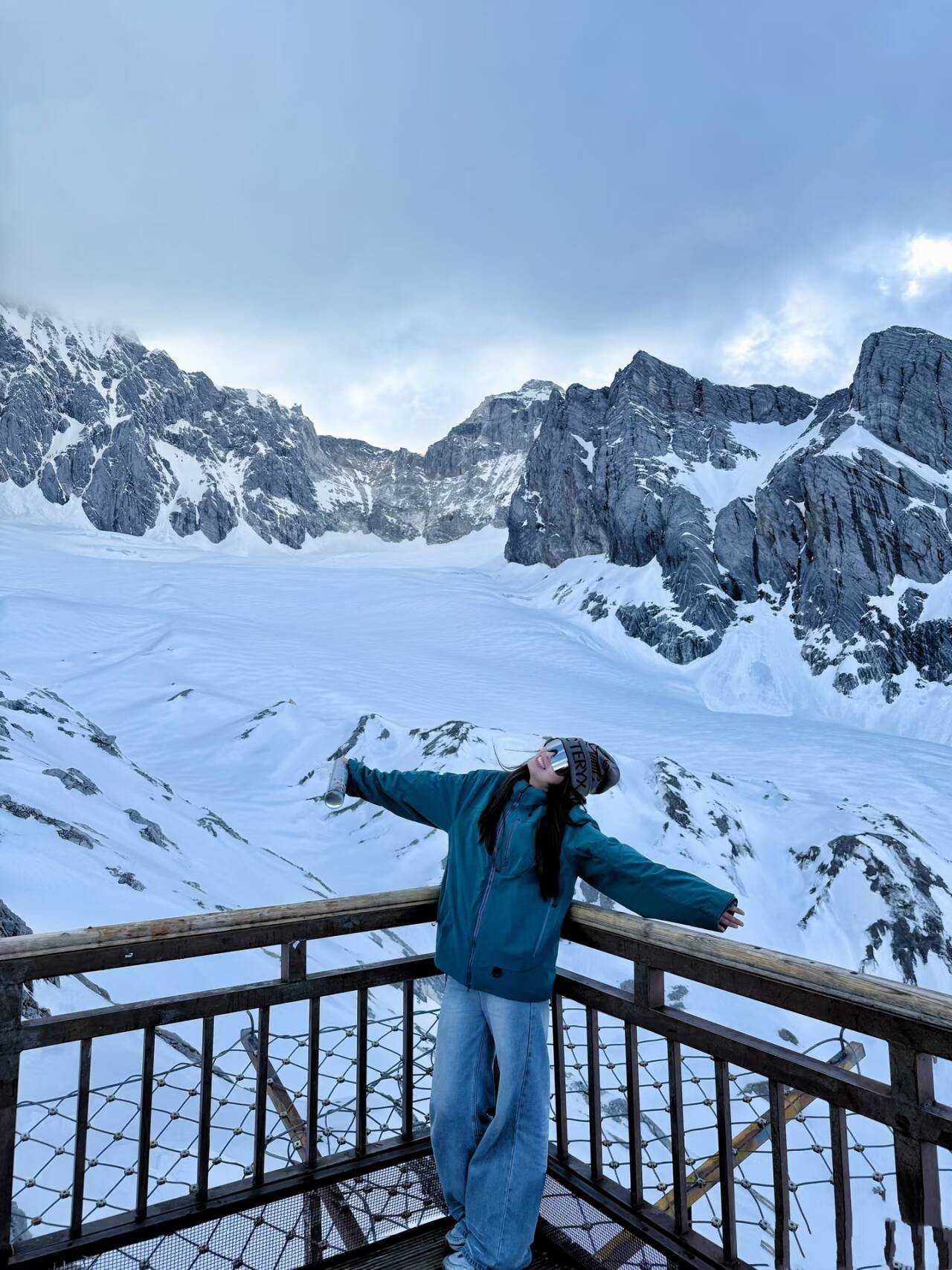
The day before my visit, I suddenly remembered I needed to buy a ticket for the big cable car (大索道). I checked the waitlist and, wow, I was number 700-something. I thought to myself, "Oh well, whatever happens, happens." Then the next morning, I woke up to my phone lighting up—a notification that I'd made it off the waitlist! I nearly jumped out of bed. At noon, I slowly got up and went to rent some warm clothes. By 3 PM, I was in line for the cable car. By the time I stood in front of the 4,680-meter altitude marker, there were hardly any other people around—which meant I had the place almost to myself for photos, no jostling for a spot.
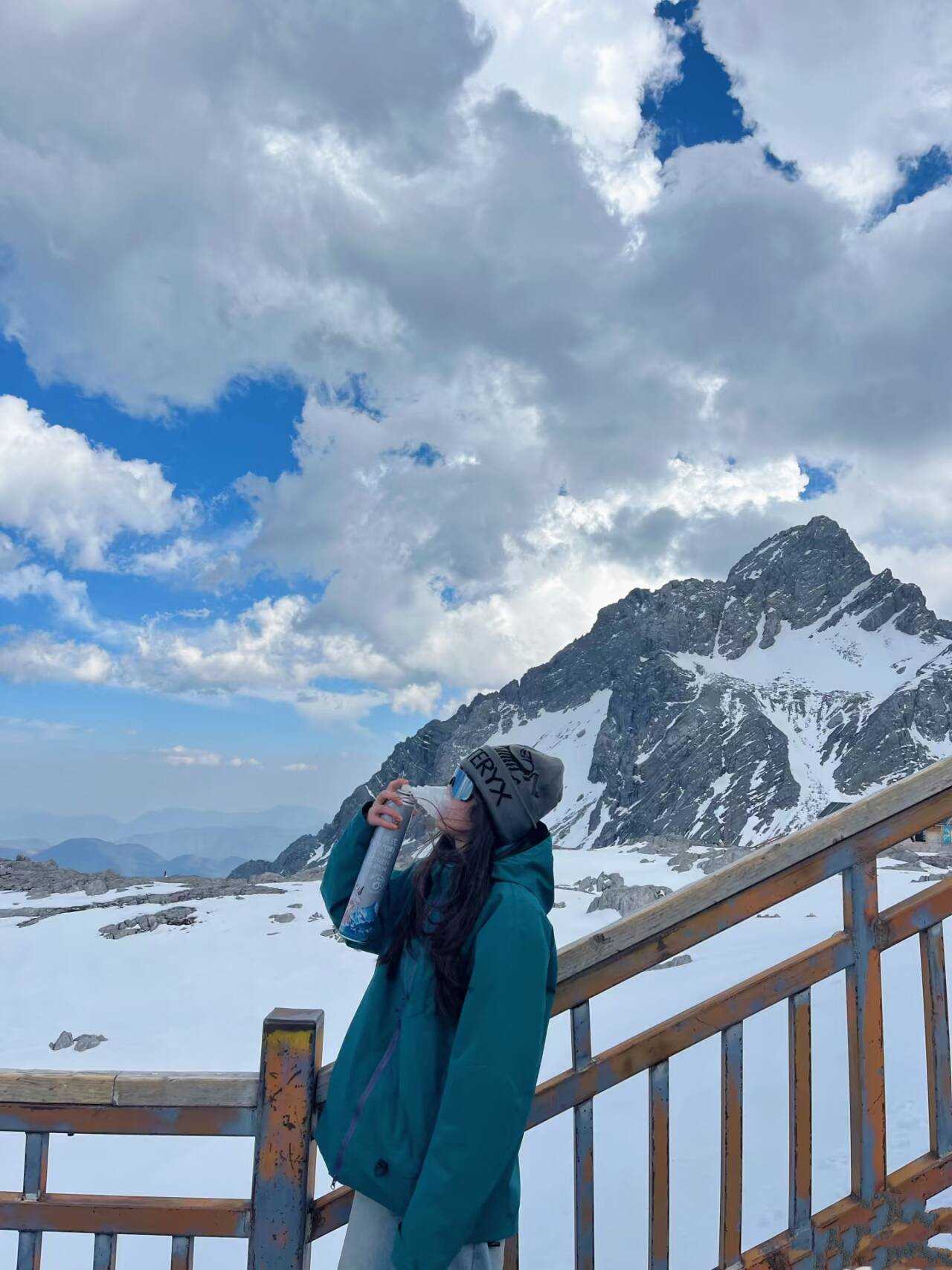
Standing at the summit, with snow-covered rocks beneath my feet and endless mountain ranges stretching into the distance, the sky was a brilliant, washed-out blue. In that moment, I finally understood why so many people are willing to "fight" for this mountain. It's not about conquering it—it's about feeling that strange mix of being both insignificant and part of something grand. The wind was fierce, my breathing was a little labored, but my mind was completely at peace.
Tip: Cable car tickets for Jade Dragon Snow Mountain are extremely competitive. I recommend checking the official channels well in advance. If you're as last-minute as I was, try the waitlist feature—you might just get lucky. Also, make sure to rent warm clothes and buy oxygen canisters ahead of time. The temperature and altitude at the top are no joke.
Blue Moon Valley: The Water Glows, and Your Eyes Feel Cleansed

If Jade Dragon Snow Mountain was awe-inspiring, then Blue Moon Valley was pure fantasy. To catch the early shuttle bus, I dragged myself out of bed at 7 AM, shivering and rubbing my hands together for warmth. But the moment I stood before Blue Moon Valley, all that discomfort vanished.
The lake was so blue it didn't look real. Sunlight danced on the surface, shimmering, and I could see every little pebble at the bottom. The snow-capped mountain peeked in and out of the clouds, and when the wind blew, the water rippled gently, as if someone was softly shaking a giant sapphire. I stood by the shore, feeling like my eyes had been washed clean—that kind of purity can't be captured by a filter.
What's even more magical is how the color changes with the light. In the morning, the blue was cool and slightly mysterious. At noon, it turned bright and clear, like a translucent piece of jade. By dusk, the golden rays of the setting sun spilled over the water, blending gold into the blue. Every moment offered a different scene. I stayed by the lake for a long time, watching the flickering points of light on the water, and I suddenly realized: this is what "glowing" truly means. It's not blinding—it's a gentle power from nature that calms your heart.
Tip: The temperature difference between morning and evening at Blue Moon Valley is significant, so bring a jacket. If you want to avoid the crowds, arrive as early as possible. Also, pay attention to the angle when taking photos—the blue of the lake looks deeper and more intense in backlight.
Lijiang Old Town: A Time Travel Through Mu Residence
A lot of people say Lijiang Old Town is too commercialized, but I think if you know where to go, it still holds plenty of beauty. The narrow alleys, the cobblestone streets, the little bridges over flowing water—every corner carries the marks of time. And the place that made me think, "This is actually quite interesting to explore," was Mu Residence (木府).
Mu Residence is the heart of Lijiang Old Town and a microcosm of Naxi culture. Stepping inside feels like traveling back in time—ornate carvings, deep courtyards, every detail exuding elegance. Standing at the highest point of Mu Residence, you can overlook the entire old town, with its gray tiles and white walls looking especially serene under the blue sky and white clouds. Compared to the noise outside, this place feels like a sanctuary, allowing you to quietly absorb the weight of history.
Of course, the old town itself is beautiful too. At night, the lights come on, music drifts from small bars, and willow trees sway gently by the river. Walking along the stone paths, you might run into a wandering guitarist or a street vendor selling handmade crafts. This mix of modern and traditional gives the old town its unique charm.
Tip: Mu Residence is a must-visit in the old town. The entrance fee is modest, but it gives you a much deeper understanding of Lijiang's history. To avoid the crowds, I suggest visiting early in the morning or around dusk—that's when the old town feels most authentic.
Final Thoughts: Scenery Glows, But You Have to See It With Your Heart
This trip to Lijiang taught me one thing: beautiful scenery really does glow, but that glow can't be captured by a filter or a camera. It's hidden in the warm towel at a Shuhe eatery, in the snow-capped peak of Jade Dragon Snow Mountain, in the turquoise waters of Blue Moon Valley, and under the eaves of Mu Residence. You have to see it with your heart, feel it, and experience it.
If you ask me whether Lijiang is worth visiting, I'd say: absolutely. Not for the check-in photos, but for those "glowing" moments—when you stand at 4,680 meters, looking down at the sea of clouds; when you sit by the lake, watching the stones beneath the water; when you walk into a small shop and are warmed by a simple bowl of rice. These moments are what travel is truly about.
So don't hesitate. Pack your bags and go. The beauty of Lijiang is waiting for you—to discover its light.
One last piece of advice: Don't rush your trip. Leave room for wandering, for doing nothing, for chance encounters. The unplanned moments are often the most unforgettable. I hope you, too, will find your own "glowing" moments.
This article is based on a real travel experience. All information reflects personal experience and is for reference only. Please contact the author for reprints.
You should also read:
Dreaming of Lijiang, Dreaming of Shangri-La: A Journey That Lets Your Soul Breathe Deeply
Dreaming of Lijiang, Dreaming of Shangri-La: A Journey That Lets Your Soul Breathe Deeply Life is like a long trek. We're always rushing through the concrete jungle, searching for a glimmer of light in the monotony of our days. Then one autumn, I heard the…
Continue reading...
A 9-Day Yunnan Journey: From Lijiang to Dali to Tengchong – A Trip Toward Self-Reconciliation
A 9-Day Yunnan Journey: From Lijiang to Dali to Tengchong – A Trip Toward Self-Reconciliation Some say travel is simply going from a place you're tired of to a place other people are tired of. It stings to hear, but it's painfully true. Yet there's…
Continue reading...
Dreamland – Lijiang: A Talking Comic Travel Guide
Dreamland – Lijiang: A Talking Comic Travel Guide Prologue: When Lijiang Takes Root in Your Heart Some places leave a mark on you forever. They're like an old song on repeat, suddenly playing in your mind on an ordinary afternoon. For me, Lijiang is that…
Continue reading...