The Ultimate Guide to Visiting the Forbidden City: Unlocking the Secrets of the Purple Forbidden City (Including Insider Routes)
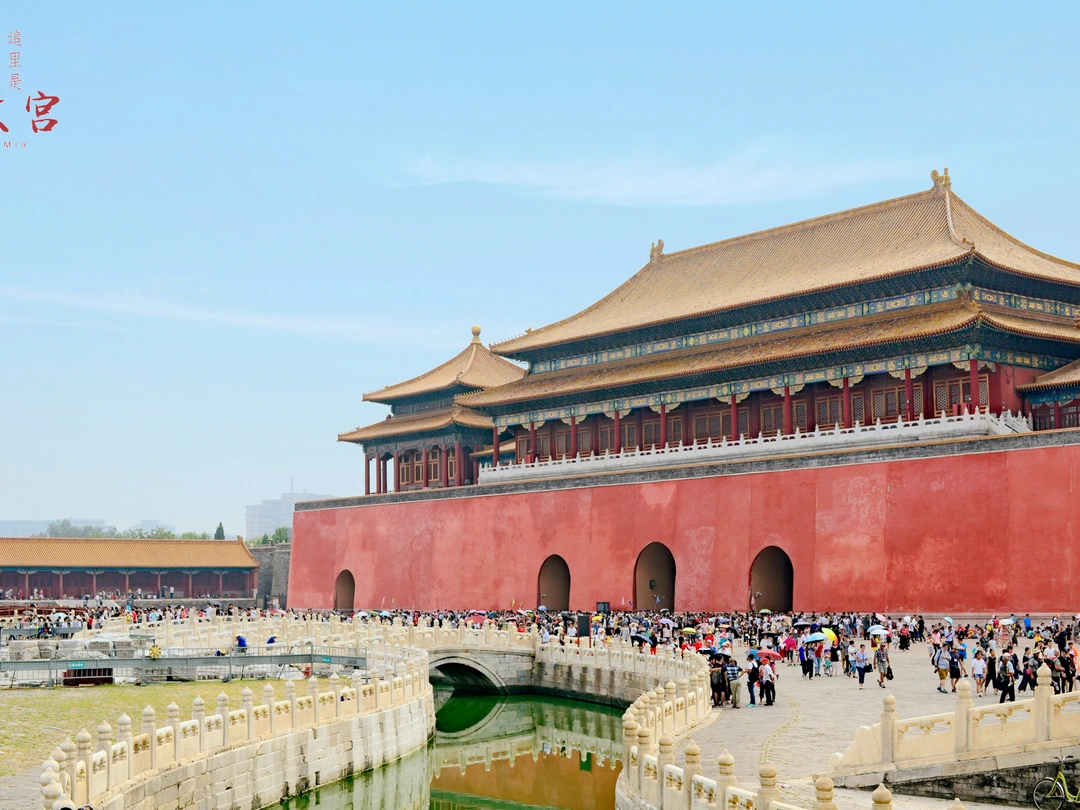
The Ultimate Guide to Visiting the Forbidden City: Unlocking the Secrets of the Purple Forbidden City (Including Insider Routes)
Introduction: Why Every Chinese Person Should Visit the Forbidden City at Least Once
In China, there is one place that features on almost everyone's travel bucket list—the Beijing Forbidden City. This palace complex, once known as the Purple Forbidden City, served as the home of 24 emperors from the Ming and Qing dynasties. It is a witness to 600 years of imperial history and a living archive of Chinese civilization. Some say that if we were to pick "the one place every Chinese person must visit in their lifetime," the Forbidden City would undoubtedly take the crown.
But here's the challenge: the Forbidden City covers 720,000 square meters, with over 70 palaces and more than 9,000 rooms. A rushed, superficial tour will only leave you lost in the crowds. How can you truly understand this palace? How can you dodge the masses and carve out your own memory of the Purple Forbidden City?
As a travel enthusiast who has lived in Beijing for years, I spent an entire day walking through every open area of the Forbidden City, and I've distilled my experience into this ultra-practical guide. Whether you're a first-timer or a seasoned explorer looking for deeper insights, this article will help you unlock the right way to experience the Forbidden City.
Part 1: Understanding the Core Palace Layout

To tour the Forbidden City efficiently, you first need to grasp its spatial logic. The complex is divided into two main zones, separated by the Gate of Heavenly Purity (Qianqingmen):
South: The Outer Court—The Emperor's Workplace
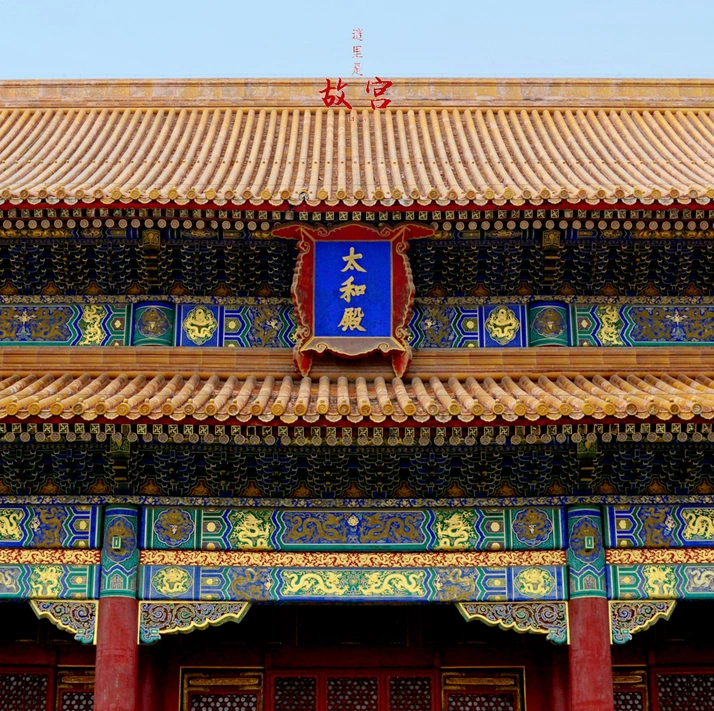
This is where the emperor handled state affairs and held grand ceremonies. The core is the Three Great Halls: - Hall of Supreme Harmony (Taihe Dian): Commonly known as the "Hall of Golden Throne," this is the most magnificent building in the Forbidden City. Major ceremonies such as the emperor's enthronement, wedding, and military campaigns were held here. It is the largest surviving wooden structure in China, topped with the highest等级的 roof style—double-eaved hip roof. - Hall of Central Harmony (Zhonghe Dian): A resting and preparation area for the emperor before entering the Hall of Supreme Harmony—essentially a "green room." - Hall of Preserving Harmony (Baohe Dian): Used during the Ming dynasty for the emperor to change clothes and for the enfeoffment of empresses and crown princes; during the Qing dynasty, it was used for banquets honoring princes and high-ranking officials from vassal states.
North: The Inner Court—The Emperor's Private Living Quarters
This is where the emperor and his family lived, centered around the Three Rear Palaces: - Palace of Heavenly Purity (Qianqing Gong): The emperor's bedchamber and daily office. - Hall of Union (Jiaotai Dian): Where the empress received congratulations on her birthday. - Palace of Earthly Tranquility (Kunning Gong): Many mistakenly believe this is the empress's main hall, but during the Qing dynasty, it was primarily used for Shamanic rituals. The empress could only stay in the Warm Chamber on her wedding night.
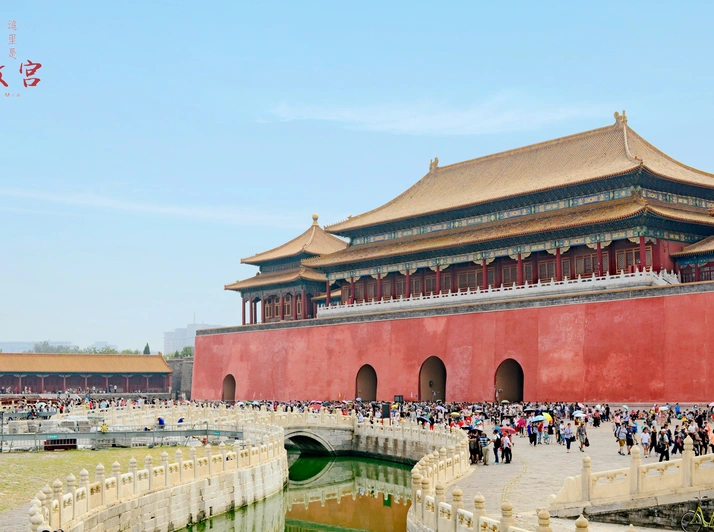
These six palaces are preserved in their original state and are must-sees. They sit neatly along the central axis, which is also the most crowded area.
Part 2: Architectural Highlights—Imperial Aesthetics in the Details
The Forbidden City is not just a palace; it is the world's largest wooden architectural complex and the pinnacle of traditional Chinese building art. If you only stare at the palaces, you'll miss countless wonders.
1. The Roof's Hierarchy Code
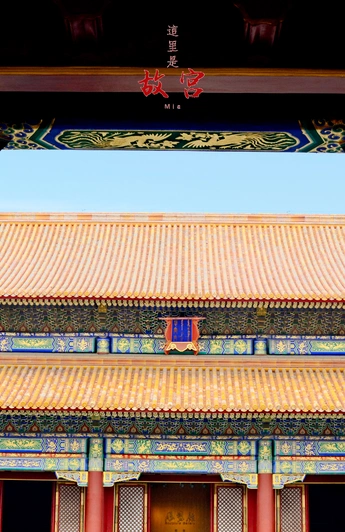
The Forbidden City features a rich variety of roof styles, each reflecting the status of its occupant. The Hall of Supreme Harmony uses the highest等级 double-eaved hip roof—the largest of its kind still standing in China.
2. The "Divine Beast Squad" on the Eaves
Look closely, and you'll notice small mythical beasts perched on the ridge corners of each palace. Originally used to secure roof tiles, they later evolved into status symbols—the more beasts, the higher the palace's rank.
- Hall of Supreme Harmony: 10 beasts (dragon, phoenix, lion, heavenly horse, sea horse, suanni, xiayu, xiezhi, douniu, and xingzhi)—the only building in China with 10.
- Palace of Heavenly Purity: 9 beasts
- Palace of Earthly Tranquility: 7 beasts
- Eastern and Western Six Palaces: 5 beasts
Beyond the beasts, dragon and phoenix motifs on the eaves were exclusive to imperial buildings; commoners could only use landscapes, flowers, and plants.
3. The "Black Technology" of Ancient Chinese Architecture: Dougong Brackets
The Forbidden City's buildings were constructed without a single nail, relying entirely on a structural system called dougong (bracket sets). Square wooden blocks are called dou, curved short beams are gong, and diagonal long beams are ang. They interlock like building blocks to support the massive roofs.
I once tried to assemble a small dougong model at the Dongyue Temple but failed—not because I'm not smart; the staff said most participants can't put it back together. The Forbidden City's Southeast Corner Tower is the only one open to visitors. The entrance is on the west side of the Meridian Gate (to your left as you enter), and it houses an exhibition on ancient architecture—don't miss it.
4. The "Thousand Dragons Spitting Water" on the Terraces
The terrace of the Three Great Halls is 8 meters high—the tallest in Chinese ancient architecture. The rows of dragon heads on the terrace are actually drainage spouts. During heavy rain, the Forbidden City's drainage system creates the spectacular sight of "a thousand dragons spitting water"—not a special effect, but 600-year-old engineering genius.
5. Interior Furnishings: Genuine Artifacts
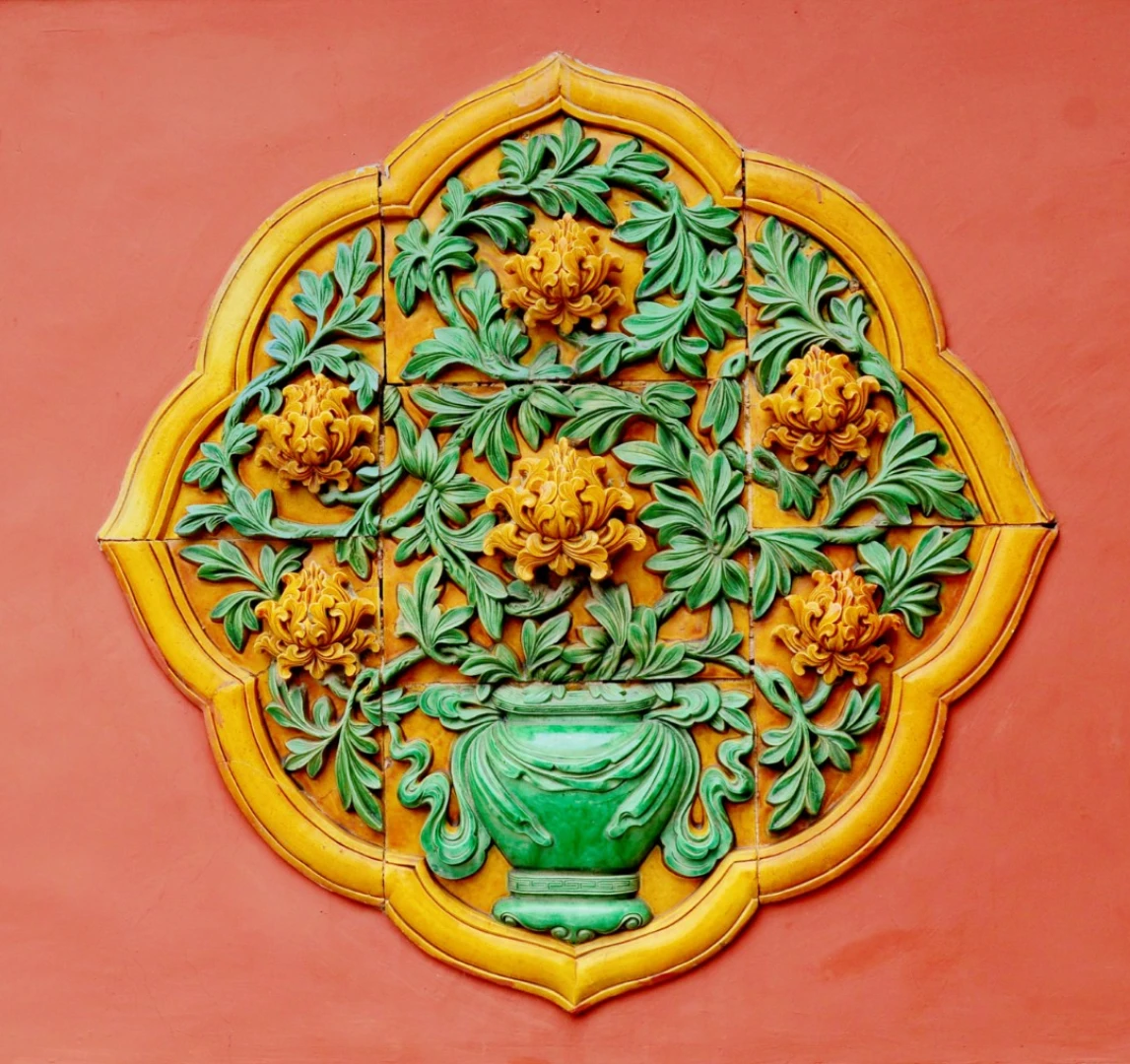
Thirteen palaces in the Forbidden City are preserved in their original state. Unlike the Louvre or Versailles, the objects in these halls are centuries-old originals, not replicas.
6. The Often-Overlooked Ceiling: Caisson Ceilings (Zaoling)
Look up! The dome-shaped ceiling is called a zaojing (caisson), used only in the most prestigious spaces, such as above Buddha statues and the emperor's throne. Made of intricate patterns, painted decorations, and carvings, they are a showcase of Chinese architectural skill.
7. The Four Gardens of the Forbidden City
The Forbidden City has four gardens: the Imperial Garden, the Cining Garden, the Qianlong Garden, and the Jianfu Palace (destroyed by fire). The Imperial Garden is exquisite but overcrowded; the Cining Garden is relatively peaceful and once housed sika deer; the Qianlong Garden is within the Palace of Peace and Longevity (Ningshou Gong) and requires a ticket to the Treasure Gallery.
Part 3: The Exhibitions—Underrated Treasures
Many people overlook the full name: "The Palace Museum." As one of the world's top five museums, the Forbidden City houses 1.86 million artifacts, with a daily exhibition count of around 10,000—five times that of the Taipei Palace Museum. Those who claim "there are palaces but no treasures" simply misunderstand the museum.
Recommended Permanent Exhibitions
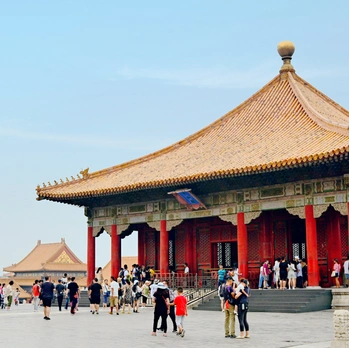
- Clock and Watch Gallery (Fengxian Hall): 10 RMB, well worth it
- Treasure Gallery (Ningshou Gong): 10 RMB, includes the Nine-Dragon Wall, Zhenfei Well, and Qianlong Garden
- Painting and Calligraphy Gallery (Wenhua Hall): Free, exhibits rotate regularly
- Ceramics Gallery (Wuying Hall): Free, a highlight of Chinese ceramic history
- Ancient Architecture Hall (Southeast Corner Tower): Free, learn the secrets of Forbidden City architecture
- Sculpture Gallery (Cining Gong): Free, fine examples of ancient sculpture
Temporary Exhibitions: The Forbidden City's "Hidden Menu"
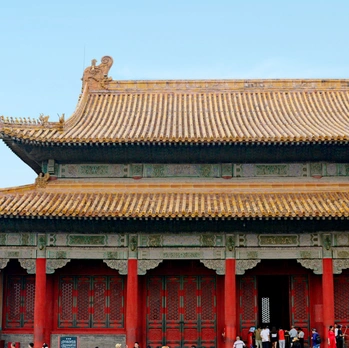
The Forbidden City frequently collaborates with domestic and international institutions to host high-quality temporary exhibitions. For example, the 2018 "Along the River During the Qingming Festival 3.0" high-tech exhibition featured the world's largest ultra-high-definition LCD screen showing a dynamic scroll, a life-size recreation of a Northern Song dynasty tavern, and a 4D dome boat ride. These exhibitions usually require advance booking with limited spots—check the official website.
Part 4: Insider Routes—Choose the Best Plan Based on Your Time
The Forbidden City is too vast for a single "best route." Instead, here are three time-based plans:
2-Hour Express: Central Axis Highlights
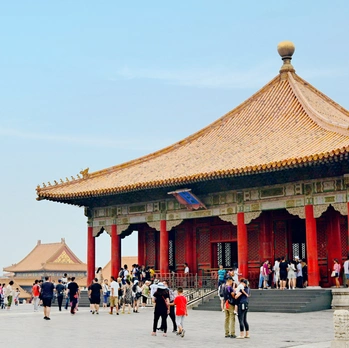
Best for group tours or tight schedules. Route: Meridian Gate → Hall of Supreme Harmony → Hall of Central Harmony → Hall of Preserving Harmony → Palace of Heavenly Purity → Hall of Union → Palace of Earthly Tranquility → Imperial Garden → Exit through Gate of Divine Might (Shenwumen). No detours, no backtracking—but be prepared for crowds.
Half-Day (4 Hours): Central Axis + Curated Exhibitions
Recommended route: Meridian Gate → Southeast Corner Tower (Ancient Architecture Hall) → Painting and Calligraphy Gallery (Wenhua Hall) or Ceramics Gallery (Wuying Hall) → Three Great Halls → Cining Gong or Treasure Gallery → Three Rear Palaces → Imperial Garden → Exit through Gate of Divine Might. Pick two or three exhibitions that interest you for a deeper experience.
Full Day (5-8 Hours): In-Depth Exploration
Important tip: Wear the most comfortable shoes possible! Last time I walked for 6 hours in sandals, they were completely destroyed.
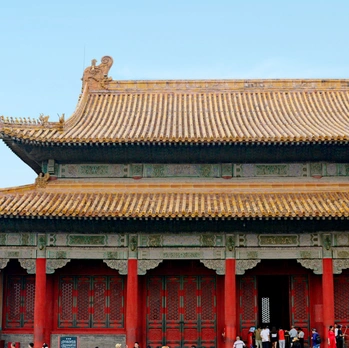
Recommended route: Meridian Gate → Southeast Corner Tower → Painting and Calligraphy Gallery (Wenhua Hall) → Clock and Watch Gallery → Treasure Gallery (Ningshou Gong) → Imperial Garden → Three Rear Palaces → Cining Gong → Three Great Halls → Ceramics Gallery (Wuying Hall) → Inner Golden Water Bridge → Exit through East Glorious Gate (Donghuamen)
Why exit through East Glorious Gate? In the last hour before closing, the Three Great Halls and Inner Golden Water Bridge area are nearly empty—prime photo time. Most visitors exit through the Gate of Divine Might; going the opposite way lets you capture the Forbidden City with "no one in sight."
Part 5: Practical Tips—Make Your Visit Smoother
Transportation and Entrance
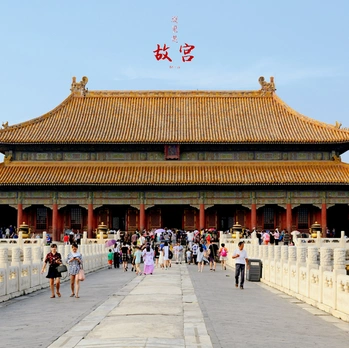
- The only entrance to the Forbidden City is the south gate (Meridian Gate), which you must pass through Tiananmen.
- Tip: Take the subway to Tiananmen West Station (Exit B)—it has shorter lines than Tiananmen East Station.
Tickets and Purchase
- The Forbidden City has eliminated on-site ticket counters. You must buy tickets in advance online or scan a QR code at the entrance.
- Arrive early on weekdays; I arrived at 10 AM and waited 40 minutes to get in.
Audio Guides
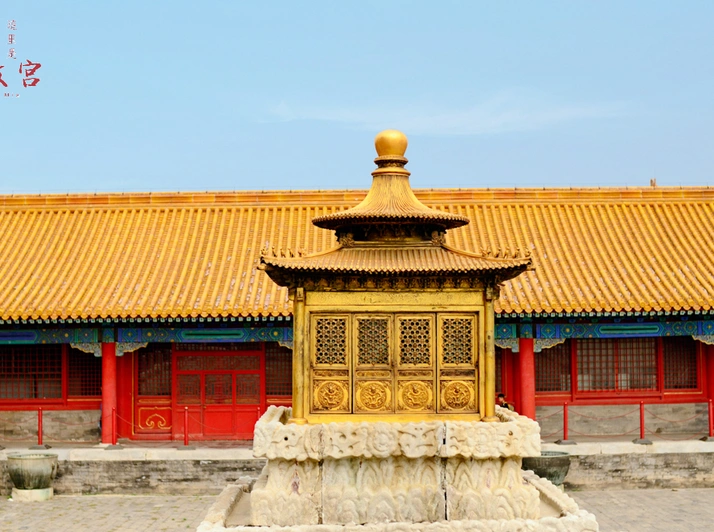
- Official audio guide: 20 RMB (Chinese version), but content is basic.
- Strongly recommended: Use the Amap (Gaode) app to search for "Forbidden City" and select Ma Weidu's commentary (12 RMB, 38 stops). Ma Weidu is a famous collector and founder of the Guanfu Museum. His commentary is lively and engaging, with a classic Beijing accent—far better than the official guide.
Photography Tips
- Want "clean" photos? Wait at the gate before opening, then sprint in to grab shots. But more people are doing this now, so it's a test of speed and luck.
- One hour before closing, the Three Great Halls area is least crowded.
Other
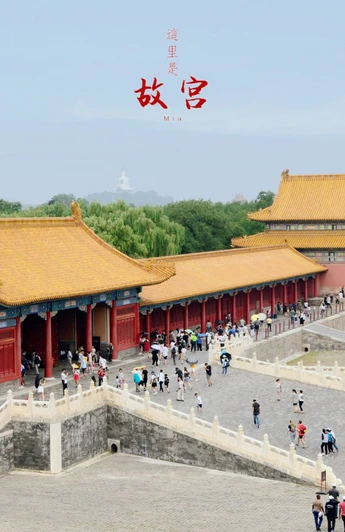
- Luggage storage: Deposit at the Meridian Gate entrance, pick up at the Gate of Divine Might exit.
- The Forbidden City's official website has comprehensive information—spend half an hour browsing before you go.
Conclusion: The Forbidden City Is Worth Visiting Again and Again
My first visit to the Forbidden City was when I was about 11 or 12, led by my mother, craning my neck to see the palaces through the crowds. When I returned as an adult, I still had to look up, but my perspective had completely changed.
My third visit was for the "Along the River During the Qingming Festival" exhibition. I did extensive homework beforehand and was still reluctant to leave when the museum closed. Afterward, I wrote this travelogue. The culture of the Forbidden City is so profound that the more I learn, the more I realize I've only glimpsed the tip of the iceberg.
From meticulous artifact restoration to innovative exhibitions, from a thorough official website to creative cultural products, from immersive apps to documentaries—many say, "If it's from the Forbidden City, it must be top quality." I believe this 600-year-old palace is gradually approaching the ideal of what a Chinese museum should be.
If you haven't visited yet, save this guide. And if you have, it's worth going again—because every time, you'll discover a different Purple Forbidden City.
Final Recommendation: The documentary Masters in the Forbidden City (exclusive to iQiyi), three episodes. It will give you a whole new appreciation for the palace.
This article is original content. Unauthorized reproduction is prohibited.
You should also read:

Fly to Yuanyang! — A Complete Photography Guide
Fly to Yuanyang! — A Complete Photography Guide A Spontaneous Photography Journey Every year after the Spring Festival, airfare to Kunming hits its lowest point. This year, the holiday came unusually early, and February is precisely the most captivating season for the Yuanyang rice terraces.
Continue reading...
Xishuangbanna Self-Drive Tour: Into the Tropical Wonderland at the Edge of the Sky (Complete Guide)
Xishuangbanna Self-Drive Tour: Into the Tropical Wonderland at the Edge of the Sky (Complete Guide) Introduction: A Dream Fulfilled Thirty Years Early Some journeys are destined to happen at a specific moment in time. For me, a self-drive trip to Xishuangbanna was originally the first…
Continue reading...
Idle Clouds in Autumn, a Moonlit City: A Slow Travelogue Through Lijiang and Shuhe
Idle Clouds in Autumn, a Moonlit City: A Slow Travelogue Through Lijiang and Shuhe When the autumn wind brushes across the ancient city's eaves, when sunlight spills onto the mottled cobblestone streets, when the melodies of folk songs mingle with the aroma of plum wine…
Continue reading...