The Ultimate Lijiang Travel Guide: My Romantic Date with This Ancient City (Latest Edition, December 2023)
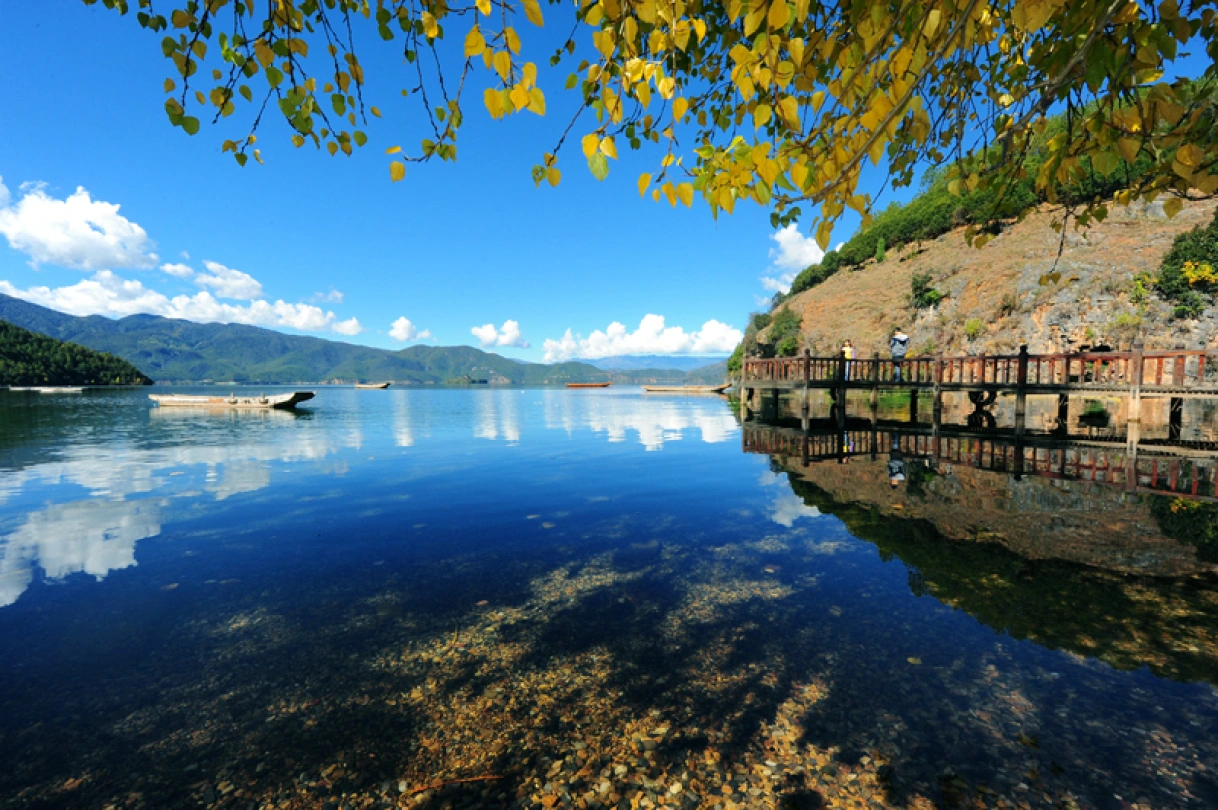
The Ultimate Lijiang Travel Guide: My Romantic Date with This Ancient City (Latest Edition, December 2023)
Before We Begin: Why You Need This Guide
I first set foot in Lijiang in the summer of 2018, and from that moment, I formed an unbreakable bond with this ancient city. Over the past five years, I've traveled back and forth to Lijiang dozens of times, witnessing its transformation firsthand—from the reform of the Ancient City Maintenance Fee collection system, to the capacity restrictions on the Jade Dragon Snow Mountain cable car, and most recently, the opening of the Lijiang-Shangri-La Railway. Every time something changes, I update this guide immediately.
Why am I so dedicated? Because I've seen far too much outdated information online: people still recommending the 40-yuan Ancient City Maintenance Fee, telling you that you can eat a cured pork rib hotpot for 25 yuan, or even claiming there are 10-yuan tickets and 25-yuan Bita Sea entries... These decade-old figures won't just mislead your itinerary—they could land you right in a tourist trap.
This guide will be continuously updated. As soon as information changes, I'll correct it immediately. Feel free to save it, share it, or even print it out and take it with you. If you find it useful, a like or a comment is the greatest encouragement you can give me.
Important Reminder: Plan your itinerary first, then book your accommodation. Don't get the order wrong, or your entire trip will be a headache.
Latest Transportation Updates: December 2023
The Lijiang-Shangri-La Railway Is Officially Open: Ride the Train to Shangri-La
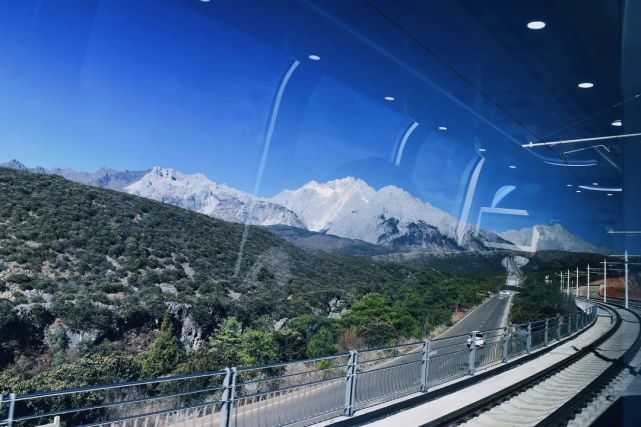
Just last week, the Lijiang-Shangri-La Railway (abbreviated as the "Li-Xiang Railway") officially began operation. This 139-kilometer line, with a designed speed of 140 km/h, is a key section of the Yunnan-Tibet Railway. It ends the era of no train service for Diqing Prefecture, officially integrating Shangri-La into the national railway network.
From Kunming, you can reach Shangri-La in as little as 4 hours and 30 minutes; from Dali, 3 hours and 58 minutes; and from Lijiang, just 1 hour and 18 minutes. This means you can sit back on the train, traversing Yunnan's landscape of mountains and rivers, and easily arrive at the place often called "Heaven on Earth." You'll experience its unique ethnic culture and religious atmosphere, and truly understand what people mean by "There's a kind of life called Yunnan."
Jade Dragon Snow Mountain Scenic Tram: 20 Minutes to the Snow Mountain

In March 2023, the panoramic sightseeing mountain tram from Lijiang Ancient Town to Jade Dragon Snow Mountain officially launched. This 20.47-kilometer line starts from the tourist distribution center near the ancient town, passes through Baisha Ancient Town, Baishui Terrace, and Dongba Valley, and finally arrives at Ganhaizi on Jade Dragon Snow Mountain. The entire journey takes just 20 minutes.
The tram has 5 stations and one depot. Plans call for 16 trains, with first-class (business cabin) and second-class seating options. This is the world's first panoramic sightseeing mountain tourism train, blending Lijiang's traditional ethnic culture with its natural scenery, allowing you to start enjoying a visual feast even before you reach the snow mountain.
Essential Information for Key Attractions: Changes You Must Know
Jade Dragon Snow Mountain: Cable Car Capacity Limits & New Ticket Purchase Method
As one of the world's lowest-latitude snow mountains, Jade Dragon Snow Mountain attracts countless visitors every year. However, global warming is causing its ice and snow to melt at an accelerating rate, the snow line is rising, and the scenic area is under increasing pressure.
Capacity Restrictions: Since May 22, 2018, the Jade Dragon Snow Mountain big cable car has been limited to selling 10,000 tickets per day. The maximum daily visitor capacity for the entire mountain area is 28,000 people. Under adverse weather conditions, the cable car may slow down or even suspend operations. At normal capacity, transporting 10,000 people round trip takes 8 hours. Adding preparation and inspection time, handling the daily 10,000-person capacity takes roughly 11 hours. So, during peak season, queuing for several hours is not uncommon.
Ticket Purchase Method: Since April 21, 2018, individual visitor cable car tickets have been available for reservation through the official WeChat public account. Tickets are released at 7:00 AM daily (in the off-season, they might be released one day in advance). A real-name ticketing system is in effect. Both tour groups and individual visitors must pre-book their time slot for the cable car and pass through facial recognition check-in. Visitors holding military officer ID cards must bring their military support card, as random checks may occur.
Environmental Reminder: During peak season, the scenic area has to transport over 100 jin (50 kg) of human waste down the mountain every day, and sanitation workers pick up 150 to 200 bags of trash daily. Jade Dragon Snow Mountain really "can't take it anymore." Please be a responsible traveler: take your trash with you.
Lijiang Ancient City Maintenance Fee: No Longer Collected at Entrances, But Still Things to Know
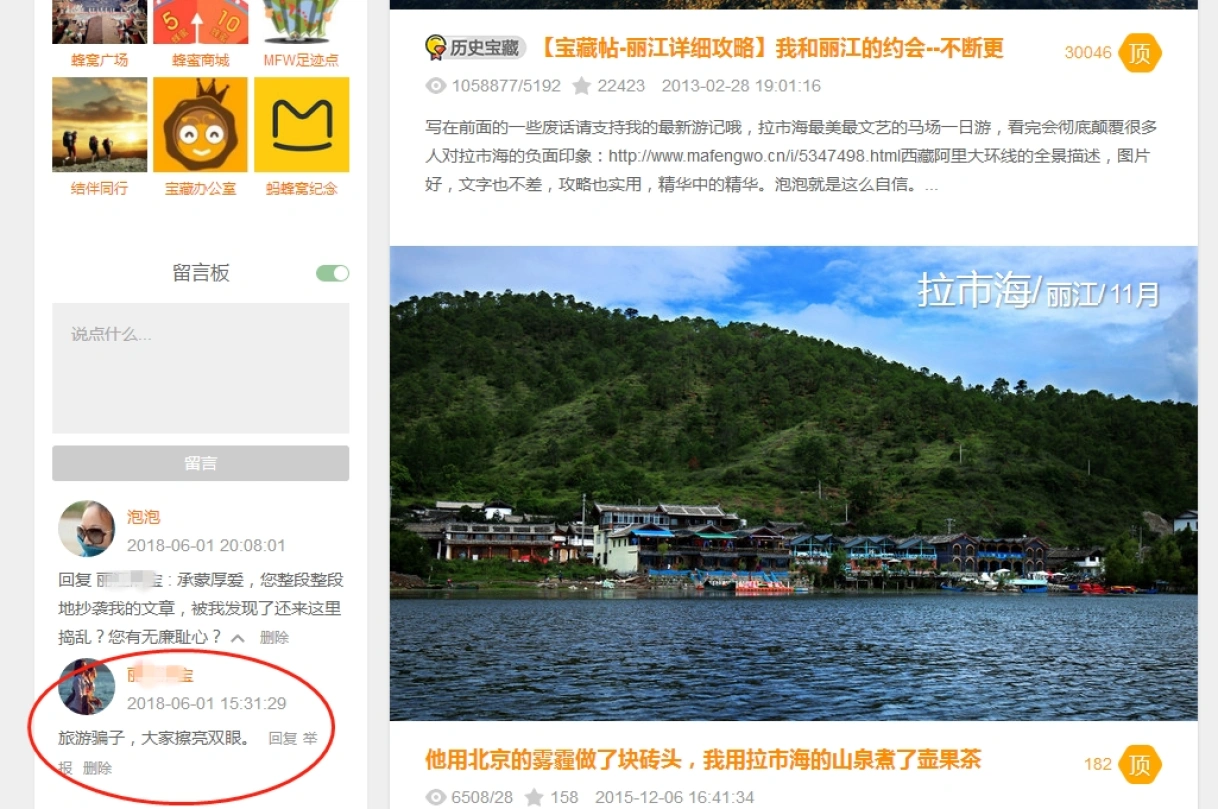
The widely criticized "Ancient City Maintenance Fee" has finally changed! Since June 10, 2017, checkpoints at the ancient city's various entrances have stopped checking and collecting the fee. For tour groups, it's collected by the travel agency on their behalf. Individual visitors can pay at the Lijiang Ancient City Tourism Service Center, various tourist service kiosks, or online.
The fee is 50 yuan per person, is real-name registered, and is valid for 7 days. Please keep your receipt safe. One payment grants you access to all scenic areas within the ancient city.
Important Reminder: Most guesthouses, wanting to stay in business, won't force their guests to buy the Ancient City Maintenance Fee. However, a few guesthouses, after failing to upsell guests on secondary services like tour packages, might deliberately make guests purchase the fee at the guesthouse as a form of "revenge." My advice: before booking a room, call ahead and ask clearly: "Do guests staying at your place need to pay the Ancient City Maintenance Fee?" This will save you from unnecessary frustration.
Lugu Lake: New Road Open, But Risks Remain
In November 2016, the Lijiang-Ninglang secondary highway officially opened. The stretch from Lijiang to Ninglang is 119.5 kilometers, a two-lane road taking about 2 hours. From Ninglang to Lugu Lake is another 73 kilometers, taking about 1.5 hours. Theoretically, the whole journey is 3.5 hours, but self-driving tourists usually take 4-5 hours (including stops for photos and rest).
Caution: As long as there's heavy rain or continuous light rain, landslides or mudslides can still occur. This isn't a road quality issue—it's a geological hazard. The mountain soil is crumbly like a biscuit, and falling rocks or mudslides can block traffic. However, rest assured, the road is cleared quickly: small landslides take an hour or two, large ones take a day or two. Catastrophic landslides are very rare, and hopefully, no one will ever encounter one.
Lashi Lake: A Scenic Spot That Requires "Street Smarts"
Can You Go or Not? Yes, But You Need a Strategy
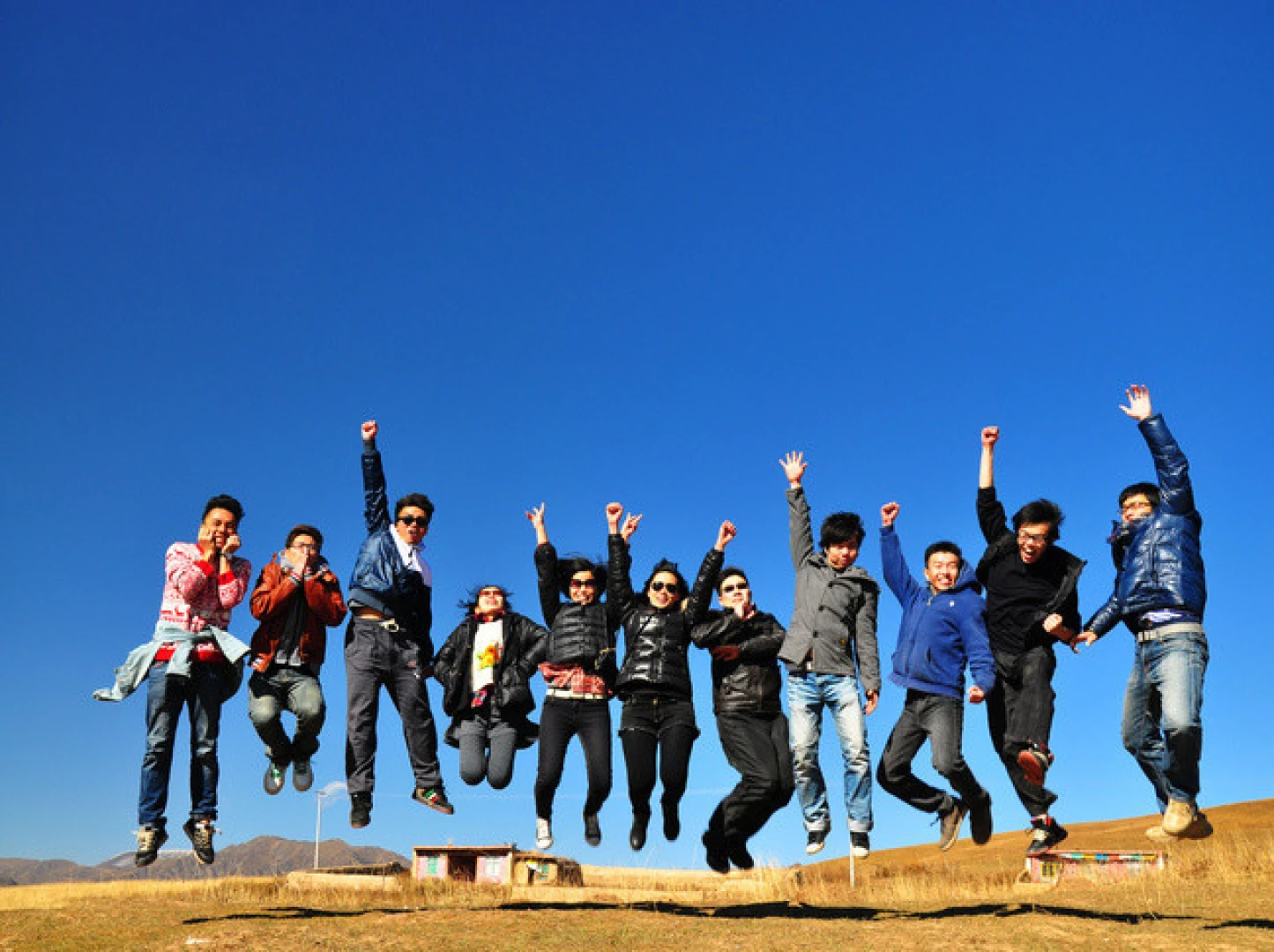
Online, there are countless posts complaining about getting "ripped off" on Lashi Lake day trips. The truth is, Lashi Lake itself is a very worthwhile scenic spot—beautiful scenery, famous for its highland apples, snow peaches, and other local specialties. The problem lies in the local tourism industry, which is run by the villagers themselves. Dozens of horse stables vary wildly in quality.
Government-Guided Price: Since June 18, 2018, the government has implemented a guided price for the horse-riding and boat-touring experience at Lashi Lake. Note that this price only includes horse riding and boating; it does not include transportation or meals. So, those day trips you see online and on the streets of the ancient city, offering horse riding, boating, transportation, and meals for just a few dozen yuan—please choose carefully. Cheap doesn't always mean bad, but when it's below the government-guided price, you need to be extra cautious.
"Pitfall Avoidance Guide" for Independent Travelers
Lashi Lake is the only scenic spot in Northwest Yunnan that is not suitable for independent travel. If you insist on going independently, remember these "Three Don'ts" principles:
- Don't buy medicinal herbs, tea, or similar items at Lashi Lake.
- Don't enter any so-called "folk museums."
- Don't burn incense.
There are also shills there; don't engage with them. Just pretend you're deaf. Trust me on this!
How to Choose a Reliable Horse Stable?
The only safe and reliable way to visit is to book a pure-tour group or a semi-independent travel package. This is the only place in Lijiang where booking a day tour is actually better value than going independently. Of course, don't book anything too cheap—in tourism, you get what you pay for.
As for those offering 5-yuan or even free rides to Lashi Lake... anyone who falls for that has an IQ below zero.
Eating in Lijiang: From Street Snacks to Authentic Hotpots

Snack Recommendations
鸡豆凉粉 (Chickpea Jelly): Look for stalls set up by Naxi grandmothers in small alleys. You can have it pan-fried or cold with sauce, whichever you prefer. If you can find the version from Shigu Town, consider yourself lucky—it's the best kind.
丽江粑粑 (Lijiang Flatbread): A unique Naxi snack made from local refined wheat flour, mixed with ham, lard, sugar, and other ingredients. It's shaped into a plate-sized, inch-thick round cake and baked slowly over low heat. Locals prefer the "Naxi flatbread," which comes in sweet and savory versions. It's best eaten fresh out of the pan.
酸梅汤 (Sour Plum Drink): The "October Sour Plum Drink" found everywhere in the ancient city is very popular. It's made from smoked plums (乌梅, wūméi), and you can see the plums at the bottom of the cup. It's perfectly sweet and sour. However, the best sour plum drink is in Baisha Ancient Town—just take bus route 6 to get there.
阿安酸奶 (A'an Yogurt) & 丁丁当当酸奶 (Ding Ding Dang Dang Yogurt): Lijiang has two types of yogurt. The bottled yak milk yogurt (5 yuan, glass bottle with a blue cap) is exceptionally good. A'an yogurt is fresh and rich, even better with red beans or fruit added. Ding Ding Dang Dang's yogurt is thicker and creamier, and their freshly baked bread is fantastic—a great spot for afternoon tea.
Hotpot Recommendations
腊排骨 (Cured Pork Rib Hotpot): Take a taxi from the Big Waterwheel at the ancient city's entrance to the South Gate. The area around Xianghe Road is full of cured pork rib hotpot restaurants. The main ingredient is cured pork ribs, cooked with celery, tomatoes, chive roots, and other ingredients. It's delicious, though it might be a bit salty. It's best enjoyed from the twelfth lunar month to May. Avoid it during the rainy season—some suppliers might have sprayed the ribs with insecticide, which can cause stomach upset. Dining environment: food stall style.
太安洋芋鸡 (Tai'an Potato Chicken): Located 300 meters east of Xiangshan Market. It uses potatoes from Tai'an in Lijiang, which are soft, fluffy, and flavorful. They're cooked in a hotpot with local free-range chicken. The chicken is tender and savory, and the potatoes absorb all the delicious flavors. Dining environment: food stall style.
黑山羊火锅 (Black Goat Hotpot): Near Jinkai Square, the whole street is lined with black goat hotpot restaurants. The black goats are raised free-range on the mountains. After special preparation, the meat has almost no gamey smell (if you specifically want that gamey flavor, this isn't for you). It has certain nourishing properties, so don't miss it, ladies. Some restaurants also offer donkey meat. Dining environment: neighborhood eatery.
三文鱼 (Rainbow Trout): There are several good places on Huama Street. Lijiang has no sea, only freshwater and snowmelt-raised fish. What's called "三文鱼 (salmon)" here is actually rainbow trout. The fry were originally imported from Norway and raised in water from melting snow on the glaciers. Live-killed rainbow trout has an incredibly fresh, tender, and smooth texture—a world apart from frozen products. It's killed and prepared to order, with one fish served three ways: the bones are boiled for soup, the skin is deep-fried, and the meat is served as sashimi. Dining environment: mid-to-high-end restaurants.
Recommended Dining Locations
Inside the Ancient City: Restaurants are concentrated on Qiyi Street, Wuyi Street, and the Cherry Blossom Food Square. However, I personally don't recommend eating inside the ancient city—it's expensive, and to cater to tourists' palates, the flavors are no longer authentic. The most common item is rice noodles, but many ancient city restaurants serve a version that millions of us Yunnan natives have never tasted in our lives.
The New City: Huama Street, Jinkai Square, Xiangshan Market, Qixing Street, and Jinxing Street are the main restaurant hubs. However, Huama Street and Jinkai Square have now "fallen" to becoming tourist favorites. Since 2016, a large number of new restaurants have opened around the Walmart area, and locals have started migrating there.
About "XX小吃" (XX Snack) Shops: Yunnan has many shops with signs reading "XX小吃." They are not snack shops; they are small restaurants. Some have menus, some don't—you order based on the ingredients on display. The environment is average, the hygiene is average, but the food is usually very good, and most customers are locals. Famous ones in Lijiang include: Yongxia Snacks, Xinyuan Snacks, Zhongyi Snacks, Suiyi Snacks, No. 88 Snacks, Xueyuan Snacks, Dashiqiao Snacks...
Accommodation in Lijiang: Not Staying in a Guesthouse Means Missing Out
Why You Absolutely Must Stay in a Guesthouse
There are four to five thousand guesthouses in the ancient city, with prices ranging from a few dozen to several thousand yuan. You could say the guesthouse is the soul of Lijiang—it has Lijiang's character and Lijiang's stories. Many people forgo star-rated hotels to stay in the ancient city's guesthouses, precisely to experience that unique atmosphere.
Guesthouse Features: Most are wooden structures converted from traditional Naxi residences, complete with courtyards. Personally, I feel that Naxi architecture and Naxi culture should be the core theme of a guesthouse. Those Mediterranean, European, Maldivian, Southeast Asian, Japanese, Korean, and other styles just don't seem to fit Lijiang—even though Lijiang is a very inclusive city.
Things to Note: Wooden doors and windows might not offer perfect soundproofing, but it's generally not a problem. The owners of these family-style guesthouses are usually very welcoming. Guests from all over the country and the world can get along like one big family—this is something a hotel can't replicate.
How to Choose a Guesthouse Location?

- Junction of the Ancient City and New City: Convenient transportation, Naxi characteristics, room rates much lower than inside the ancient city.
- Sifang Street Area: Central location, easy access, but close to the bar street, very crowded, expensive, and noisy. Good for those who like a lively atmosphere.
- Lion Hill: Great views, you can see the entire ancient city, some rooms offer sunrise views. However, going up and down the hill is tiring, and access is inconvenient.
- Wuyi Street: Has many quiet bars and unique little shops, a bohemian vibe, and is right next to Sifang Street.
Booking Advice
It's recommended to book in advance on platforms like Qunar, Ctrip, Fliggy, or Meituan. You could try to find a room upon arrival, but the ancient city is all cobblestone paths. Dragging your suitcase or carrying your backpack around looking for a place to stay is really tough. If you're arriving in Lijiang in the evening, it's best to book your first night's stay in advance.
Some guesthouses offer free airport or train station pickup, but the cost is built into the room rate—there's no such thing as a free lunch.
Peak Season Reminder: Winter and summer breaks, as well as Golden Week holidays, are peak seasons. Room rates rising is normal, so don't complain. It's like this across the entire ancient city, or rather, across all tourist cities in China. Guesthouses that are too cheap are either in very remote locations, have poor facilities, are unsanitary, or are extremely aggressive in pushing secondary consumption.
About the Guesthouse "Unspoken Rules": What You Need to Know
The business model for Lijiang guesthouses isn't based on surviving off room rates, but on the secondary consumption of guests after they check in. This is the norm across the entire ancient city—a legacy issue from the past.
How It Works: Guesthouses recommend shopping, dining, tour packages, car rentals, ticket bookings... Here's the simplest example: many guests want to have meals together with the host. The best-case scenario is the host invites you for free. If not, they might charge for a shared meal, around 30 yuan per person per meal. Some guesthouses also have small kitchens offering a la carte service. But does the guesthouse have a food and beverage operating license? Is charging for shared meals legal? You guess!
Similarly, guesthouses recommend tour packages, car rentals, and ticket bookings from travel agencies, earning commissions in return. Does the guesthouse have a travel agency operating license? Is this legal? You guess!
Important Reminder: If you've inquired about tour packages or similar services at your guesthouse, don't go and book them online or on the street. Otherwise, some guesthouses might try to trick you into talking, then go to the travel agency you booked with to "claim compensation" for the commission they "lost." A friend of mine had an experience where the guesthouse caretaker tricked him into talking and recorded it, even went into his room to secretly photograph his ticket receipts to use as evidence for their "claim."
Of course, if you don't mind this and are willing to spend on other services at the guesthouse, then going with the flow can be fine. Almost all guesthouses here provide attentive service and are full of enthusiasm. They make you comfortable, and you're happy to let them make a bit of money off you. It's understandable.
Final Words: How to Use This Guide
This guide has been updated since 2018, now over five years. The reason I persist in updating it is simple: Lijiang is changing, and a travel guide can't become outdated. From transportation to tickets, from accommodation to food, I strive for accuracy in every piece of information.
A Few Final Reminders:
- Plan your itinerary first, then book your accommodation. Don't get this order wrong.
- Book in advance during peak season. Don't expect to find a room when you arrive.
- Don't go to Lashi Lake independently. Choosing a pure-tour group is much more reliable.
- For Jade Dragon Snow Mountain cable car tickets, book them in advance on the official WeChat public account.
- Be aware of guesthouse secondary consumption. Keep it in mind, and don't let their enthusiasm cloud your judgment.
Lijiang is a city worth visiting again and again. There's always something new to discover. I hope this guide helps you avoid the common pitfalls and makes your trip to Lijiang even more wonderful.
If you have better experiences or information, please let me know, and I'll keep adding to it. If there's anything I've gotten wrong, please point it out, and I'll correct it promptly.
I wish you, in Lijiang, the romance that is yours to find.
Sina Weibo: @一念一凊净 | WeChat: 397312342
You should also read:
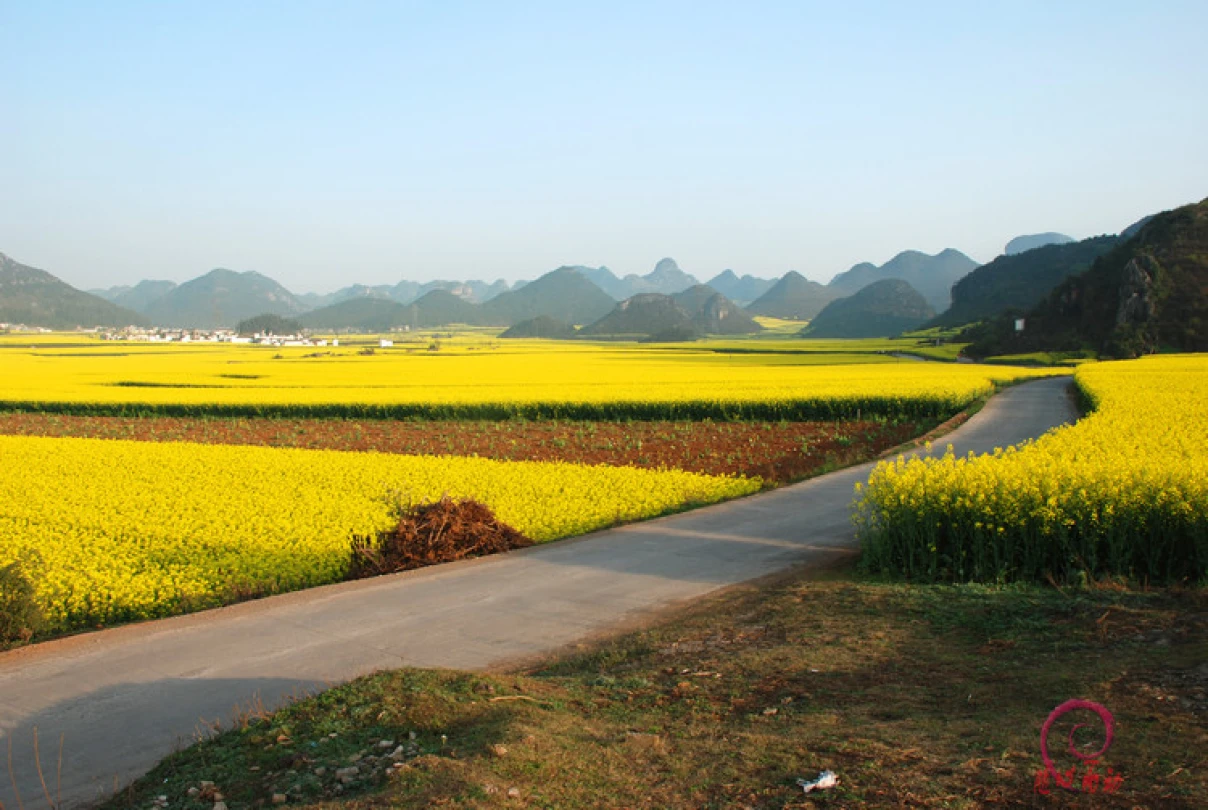
Golden Luoping: A Romantic Encounter with Sunshine and Seas of Flowers
Golden Luoping: A Romantic Encounter with Sunshine and Seas of Flowers Introduction: The Third Time's the Charm Some landscapes are destined to be seen at the right moment. For me, that was exactly the case with Luoping's rapeseed flowers. On February 22, 2011, the Luoping…
Continue reading...
The Meaning of Travel – A Tengchong Story: A Journey of the Heart and Personal Growth
The Meaning of Travel – A Tengchong Story: A Journey of the Heart and Personal Growth Setting Out, Only to Return a Better Self Some say travel is nothing more than leaving a place you're tired of, only to go to a place where others…
Continue reading...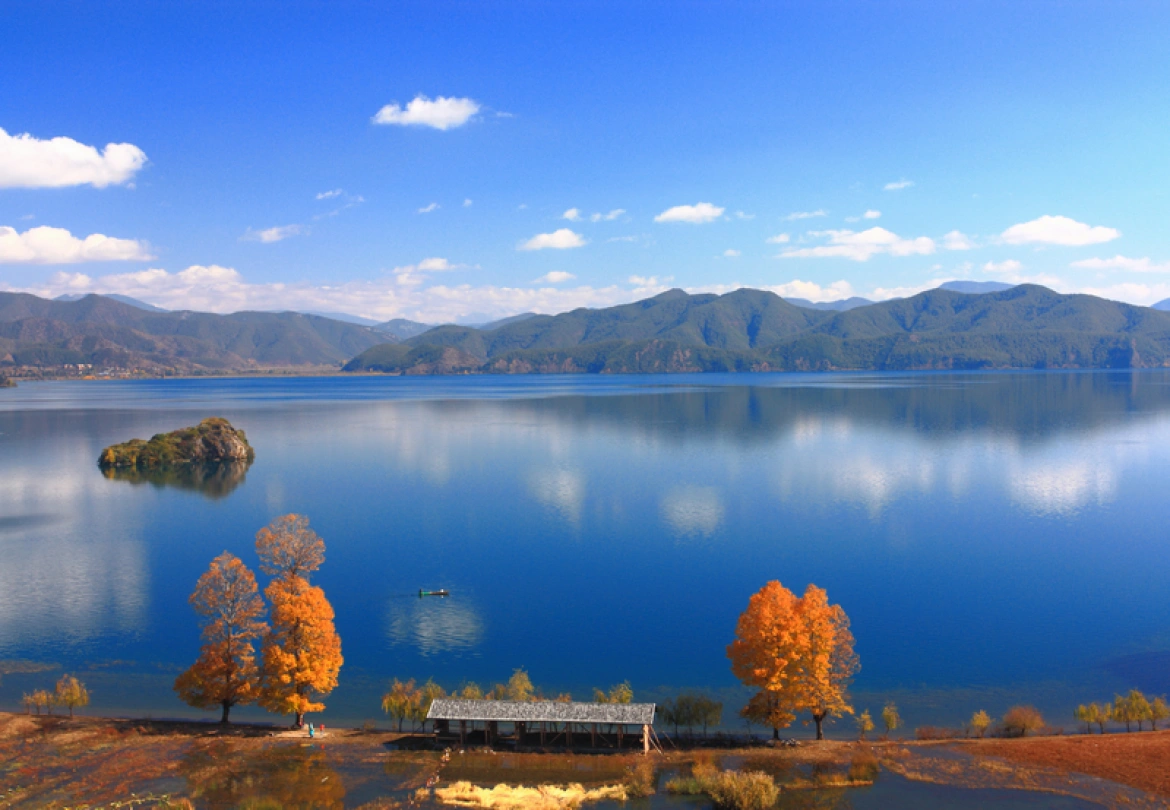
A Spiritual Journey to Lugu Lake in Lijiang: Experiencing the Legend of the Kingdom of Women! (Reproduction and Hotlinking Prohibited)
A Spiritual Journey to Lugu Lake in Lijiang: Experiencing the Legend of the Kingdom of Women! (Reproduction and Hotlinking Prohibited) Off-road自驾, food, hotel and民宿 reviews, Featured Traveler, Tank 300 owner, 200,000 km of self-driving experience. WeChat: y01294987 Ninglang Yi Autonomous County 2010.11.08 · 7 days…
Continue reading...