The Ultimate Yunnan Road Trip: A Romantic Adventure from Lijiang to Lugu Lake

The Ultimate Yunnan Road Trip: A Romantic Adventure from Lijiang to Lugu Lake
Some say Yunnan is a dream about the distant horizon. But I'd argue that when you set foot on this land, you're not just dreaming — you're stepping into a living, breathing painting. During the 2017 Dragon Boat Festival holiday, my boyfriend Mateo and I — a couple of complementary body types and shared wanderlust — spent seven days driving from Lijiang to Lugu Lake. The journey was packed with surprises, unexpected turns, and a few regrets, but mostly it gifted us with moments worth cherishing for a lifetime.
The Pre-Trip Plot Twist: Forced Detour from Dali to Lijiang
Originally, we had planned to visit Dali. Flights and guesthouses were booked. Then came the news in early April that Dali was undergoing a tourism cleanup. The seaside inns in Xizhou and Shuanglang began canceling reservations left and right. We stood frozen, like someone had dumped a bucket of cold water over us. Our non-refundable tickets were already paid for. After agonizing over the situation, we gritted our teeth and made a decision: switch to Lijiang!

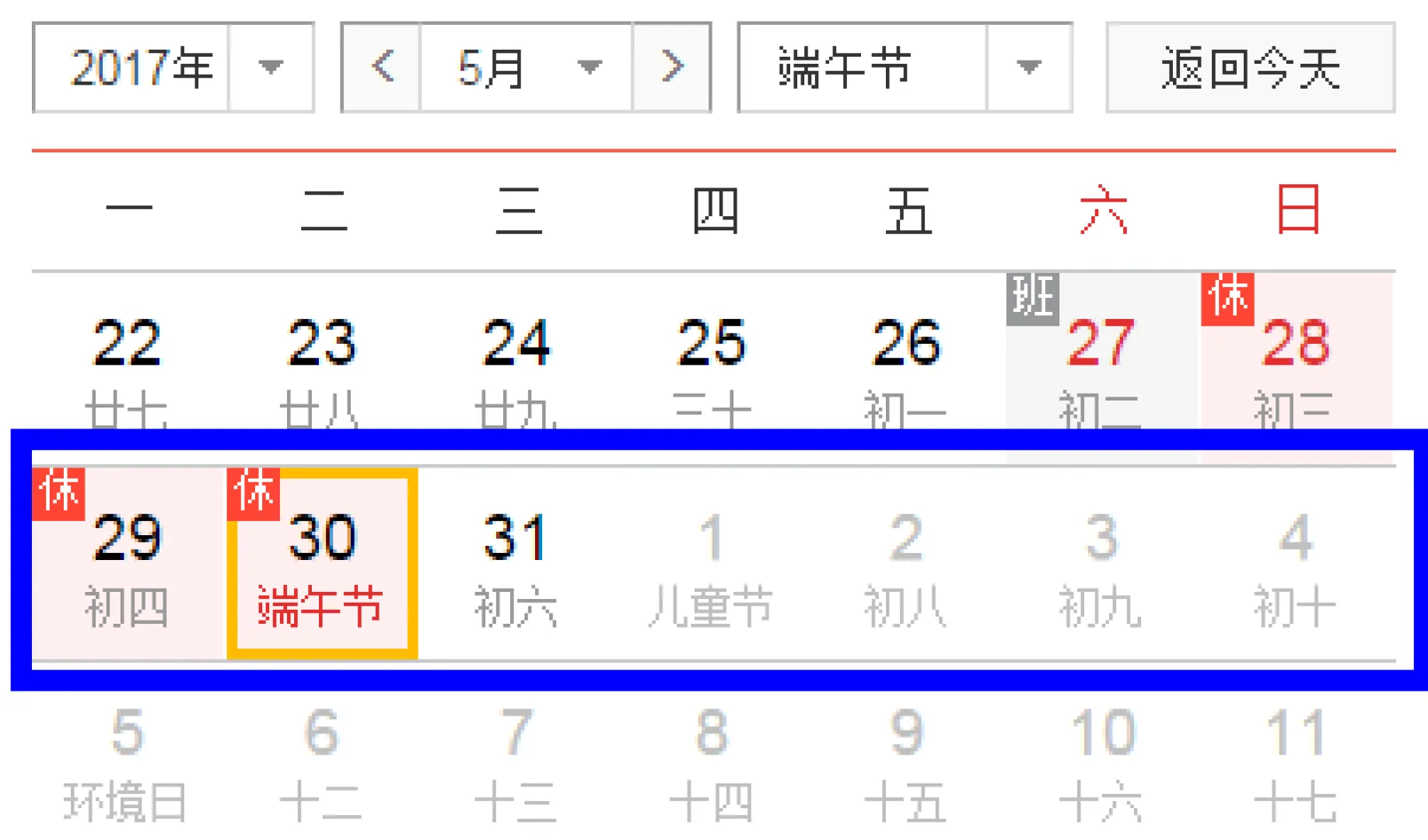
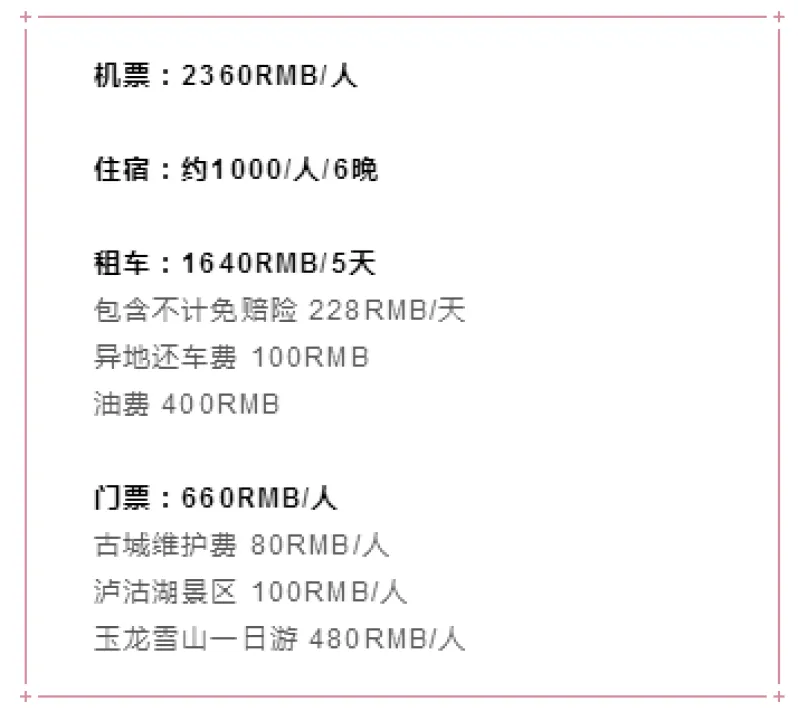
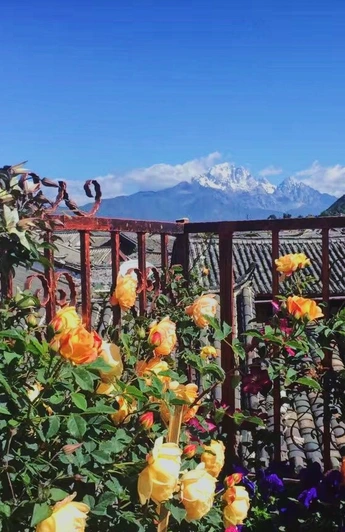
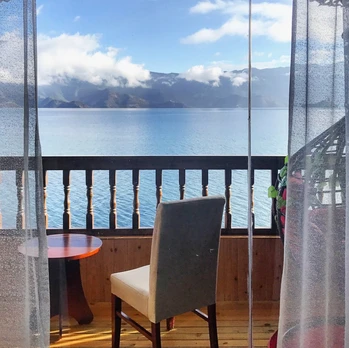
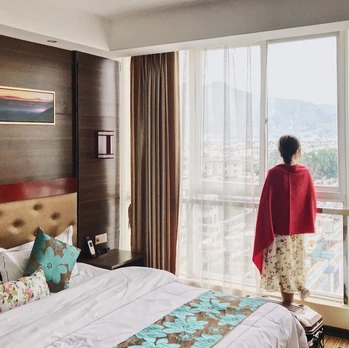
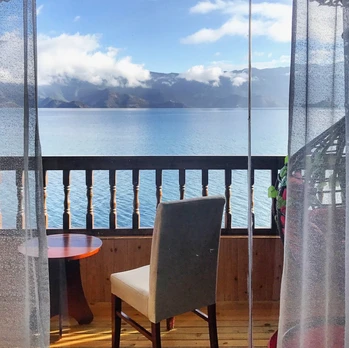
For this trip, we pieced together two days of Dragon Boat holiday, three days of annual leave, and a weekend to create a seven-day vacation. Our per-person cost came to 5,660 RMB (excluding medical expenses). Round-trip flights were 1,760 RMB per person, and the Kunming-to-Lijiang round trip cost 600 RMB per person. We booked accommodations through Ctrip: the first night at Lijiang Yunting Garden Boutique Hotel (around 100 RMB), where we got an unexpected upgrade to a high-end one-bedroom suite outside the old town; three nights at Lugu Lake's Nahu Boutique Hotel in a deluxe sea-view room (335 RMB per night) in Daluoshui Village, with windows opening directly onto the lake; and the final three nights at Tinghuatang Private Garden Inn (448 RMB per night), near the Mu Mansion, with a courtyard full of flowers and a terrace overlooking Jade Dragon Snow Mountain.
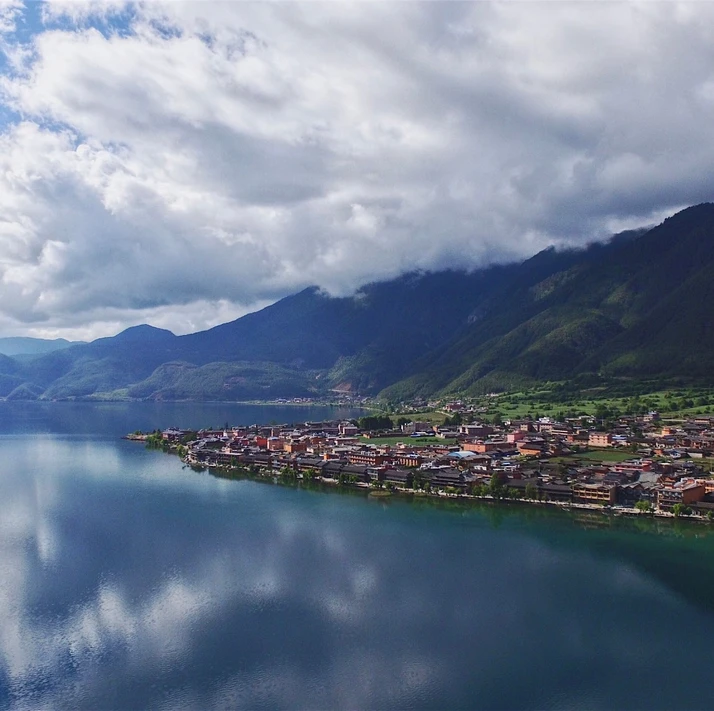
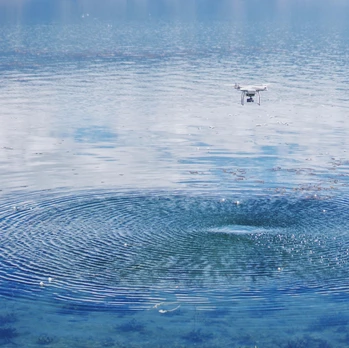
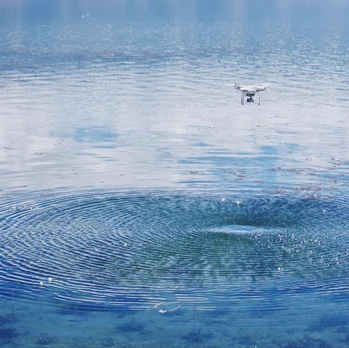
Our gear was simple: an iPhone 7 Plus, a DJI Phantom 3 drone, and a Sony NEX6 with a 35mm lens. But these humble tools captured the most authentic version of Yunnan we could ever have hoped for.
First Impressions of Lijiang: Surprises and Shocks in the Ancient City Night
Before leaving, we followed our tradition of taking a Polaroid photo. This time, we asked a random middle-aged woman to help. She pressed the shutter without even giving us a heads-up, wasting one of our 10-RMB photo sheets. And Mateo's gaze was wandering elsewhere — it was both hilarious and frustrating.
On the plane, I couldn't stop snapping pictures. From tens of thousands of feet above, the sprawling mountain ranges peeked through the clouds. At that moment, I felt genuine pride for the magnificent landscapes of our homeland. We arrived in Lijiang in the late afternoon. The sun sets later here than in Beijing, so the sky was still bright, with rays of holy light filtering through the clouds.
When we picked up our rental car, we got a pretty beat-up vehicle. But having any car at all in an emergency was enough to make us grateful. We snapped a selfie: "Yunnan, here we come!"
But the closer we drove to the city center, the worse the traffic got. Frustrated, I pulled out my phone and did a ten-pull in Onmyoji — clearly, I was cursed with terrible luck in my past life.
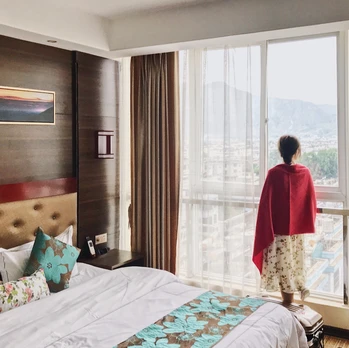
After winding through narrow streets, we found our lodging: a one-bedroom suite with an incredible view. The sunset was visible right outside the window, so I quickly set up a time-lapse video.
For dinner, we had an average smoked pork rib hotpot near the old city gate. Afterwards, we decided to explore the ancient town. I'd heard about how commercialized it had become, but the Dragon Boat Festival crowd still shocked me. It was shoulder-to-shoulder, back-to-back, with deafening club music blasting from every direction — my heart felt like it was going to vibrate out of my chest. The alleys were lined with flower-pastry shops, souvenir stores, and bars. Every city seems to have one of these cookie-cutter tourist attractions.
But since we were here, we had to get some decent photos for social media. The sea of people made it nearly impossible. In my imagination, the pictures would be artistic and dreamy. In reality, they were a series of disasters. The durian stall was one of the few spots with fewer people, and I stood there in despair, not knowing what to do.
After countless retakes by Mateo, we managed to get a few decent shots (all from the phone). Overall, the ancient city is beautiful, and the night is enchanting. But if you're looking for a slow-paced experience, the old town at night is not the place.
Driving to Lugu Lake: The Best Decision We Made
We read countless travel blogs about how to get to Lugu Lake. Most people opt for a chartered car or bus, costing around 135 RMB per person round trip. Very few choose to drive. The blogs were full of terrifying descriptions: "The mountain road has eighteen hairpin turns and is extremely dangerous," "You'll get terribly carsick," "The journey is way too long."
But those warnings only piqued Mateo's interest. We checked the navigation and found two routes: the old "Lijiang-Ninglang Eighteen Turns" road (the filming location for Riding Alone for Thousands of Miles, with old, rough pavement), and the newly built Lijiang-Ninglang Highway (with better road conditions). Both routes took about four and a half hours.
Despite many people advising against self-driving, we're the type who, once an idea takes hold, have to follow through. I took motion sickness pills in advance and let Mateo, our designated driver, take the wheel.
That morning, Lijiang was covered in thick clouds with sporadic drizzle. My mood sank — I was terrified that Lugu Lake would be stuck in the same gloomy weather. But the road was fine, with no real driving challenges. We followed the old route, and our first stop was the Lijiang-Ninglang Eighteen Turns observation deck.
Standing there, looking at the winding, treacherous road, I felt genuine gratitude. Without the sweat and blood of the road workers, the distant villages would be so isolated, and we would never have been able to experience the beauty hidden deep in the mountains. To the right of the observation deck was the new highway. Locals suggested we take the new road on the way back for a different view — we took that recommendation to heart.
We pulled out the drone and snapped a few "couple show-off" photos before continuing. Along the way, steep cliffs and rugged mountains surrounded us, with occasional rockslides. We passed mountains of every shape and nameless little villages. We saw the mirror-like Jinsha River and plump, healthy cattle and sheep. The hours flew by, and before we knew it, we had arrived at the Lugu Lake scenic area.
The entrance fee was 100 RMB per person. After entering, we still had to drive a stretch of mountain road to reach our guesthouse. When I got out of the car, I realized I didn't feel carsick at all! At that moment, we knew: choosing to drive ourselves was the smartest move.
First Impressions of Lugu Lake: Understated Yet Pure Beauty
Our guesthouse was a quaint, traditional-style building right by the lake, with an unbeatable view. After dropping off our luggage, we went in search of food. We found a local restaurant serving farm-style dishes — the presentation was simple, but the flavors were surprisingly good.
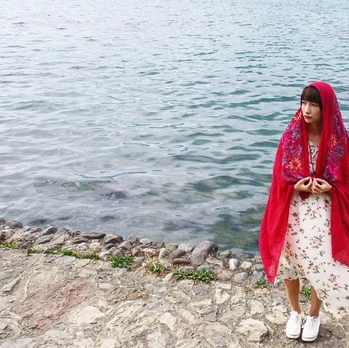
That day, we planned to explore the Daluoshui and Lige Village areas. Here, the pace of life naturally slows down. The weather was mostly cloudy, with occasional patches of sunlight. In the evening, a sunshower came and went. We waited in the rain and were rewarded with a sunset.
My first impression of Lugu Lake: it's beautiful in an understated, unpretentious way. Compared to the commercialization of Lijiang's old town, this place felt like a pristine sanctuary. Because of the weather, we didn't get to see the famous mirror-like lake surface — a small disappointment. But I silently hoped that the next day would bring sunshine.
Circumnavigating the Lake in the Rain: A Frosted-Glass Lugu Lake
The next morning, I pulled back the curtains — and saw drizzle outside. The lakeshore was nearly empty of tourists. My heart sank. I felt terrible.
Mateo comforted me, and I quickly adjusted my mindset: we'd already seen a sunset yesterday. Experiencing the rain was a unique memory in itself. Maybe it would clear up later? With that thought, my mood lifted. "Let's go, mountain girl!" Mateo declared.
Our lake circuit started from Daluoshui Village, heading north into Sichuan Province, crossing the Grass Sea, and looping back to the starting point. Along the way, we passed undeveloped Mosuo villages like Dayuba and Xiaoyuba, eventually reaching Lige Peninsula — the most popular spot on Lugu Lake, swarming with tourists. We joined the crowd at the observation deck for the obligatory photos. In the rain, Lugu Lake looked like frosted glass — hazy and dreamlike.
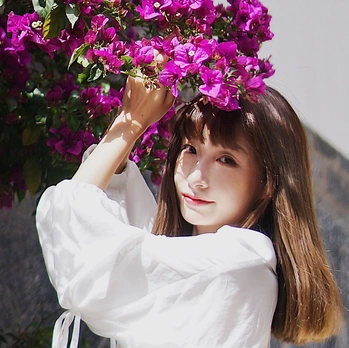
Lige Peninsula had many guesthouses, but it felt more commercialized and noisier than Daluoshui. We were glad we'd chosen to stay in Daluoshui and quickly moved on. Continuing our circuit, the rain-soaked lake resembled an ink-wash painting.
On the shore, we saw a group of graduates in their academic gowns taking graduation photos, radiating youthful energy. I don't remember exactly where we stopped next — it wasn't a famous spot — but the scenery was just as stunning. I felt sorry for the tourists crammed into the crowded viewpoints.
We continued until hunger struck. We found another local restaurant — affordable, generous portions, and rich flavors. Eating a hot meal on a rainy day was pure comfort.
After lunch, the rain stopped. We headed to the famous "Walking Marriage Bridge." From a distance, we could see the crowds of tourists and chartered vans gathered at the bridgehead. Up close, the 300-meter wooden bridge was packed with people. We didn't want to linger in the crowd, so we walked across, took a few close-up photos, and left.
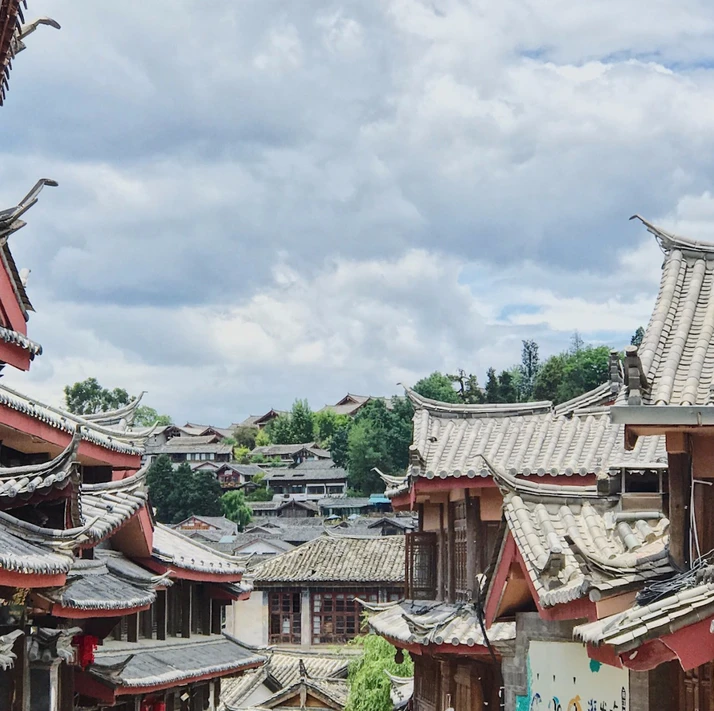
The Grass Sea is vast. Continuing along the circuit helped us escape the crowds. Drones were allowed here, and the local villagers were genuinely curious — most had never seen such a gadget. Every time we flew the drone, they would look up at a 45-degree angle, utterly amazed.
We waited and waited, but the sun never came. Instead, a second wave of drizzle arrived. Just as we gave up hope and were about to leave the Grass Sea, the sky miraculously cleared — in less than half an hour! There were still plenty of clouds, but I was more than grateful. We jumped out of the car for photos. For our couple shot, we propped the phone on the car. The light was harsh and backlit, so we ended up with silhouettes.
Just then, an elderly woman and a little girl approached us, begging. The little girl kept saying, "Auntie, you're so pretty!" My heart melted, and I gave her the bag of local "Angel" potato chips I'd just bought.
We continued driving, passing by the Lugu Lake entrance. We could have stopped at the main observation deck, but we decided to save it for the fourth day. There was no point in visiting on a rainy day — better to head back early and find dinner.
We found a highly-rated restaurant on Dianping called "Spring Water Stone Pot Fish House," right downstairs from our guesthouse. The owner chopped up a fat fish, arranged the pieces on the stone pot wall, steamed them, then added a rich broth with corn, mushrooms, and cucumber. The fish was tender, and the soup was incredibly flavorful. Even now, thinking about that taste makes my mouth water.
The day ended with another light drizzle outside the window. I silently prayed: tomorrow will be sunny. It has to be.
Mirror-Surface Lugu Lake: The Gift of a Clear Sky
On the third day, we weren't woken by our alarm, but by the sun over Lugu Lake! A strong beam of light jolted me from my sleep. Groggy and a little annoyed, I glanced out the window — the sky was clear! A perfect, partly cloudy sunny day!
It was 7:30 AM. Who needs more sleep? Time to get up!
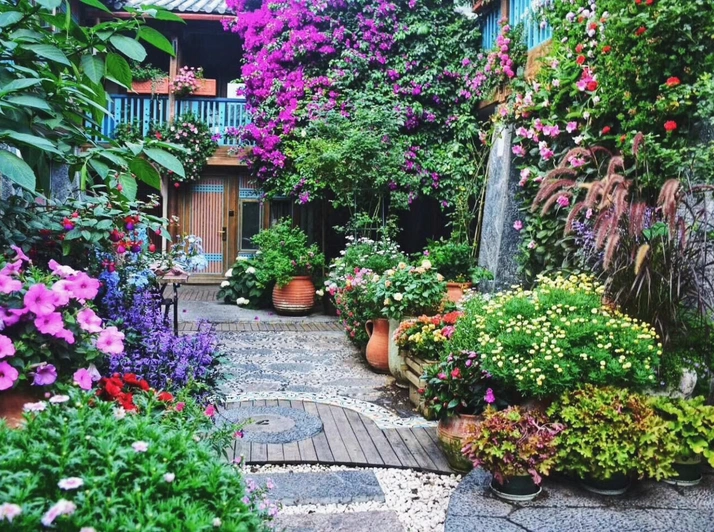
While Mateo went to buy breakfast, I finished my makeup in under half an hour (usually it takes at least an hour). I took a selfie and posted a cheesy caption: "Only when you come to Lugu Lake do you understand why so many people fall in love with this place."
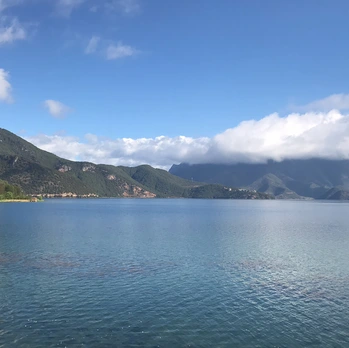
Mateo bought some Lugu Lake-style fried dough sticks and insisted I take a photo of him with them. Under the clear sky, Lugu Lake finally revealed its mirror-like surface. As midday approached, the reflections of clouds and hills on the lake became sharper and more symmetrical. The water was crystal clear — you could see the mud and algae at the bottom. A few proud "water hyacinths" floated lazily on the surface.
A big dog from a nearby guesthouse came over to join us, but it refused to cooperate for photos. In the end, I only got one blurry shot.
Our last stop was the Lugu Lake observation deck. Sitting in the car, I watched the clusters of clouds in the distance. It felt like if we kept driving straight, we'd reach a kingdom in the sky. The best spots on the deck were already occupied by a tour group of retirees. When a spot finally opened up, a friendly middle-aged woman offered to take our photo — let's just say her photography skills were questionable.
Since the crowds were too much, we switched to a bird's-eye view. Under the curious gaze of dozens of onlookers, we flew the drone high into the sky. These photos had no filters — just a simple adjustment of brightness and contrast. Judge for yourself — aren't they beautiful?
It was time to say goodbye to Lugu Lake. I was incredibly reluctant, but at least we'd had a perfect ending.
The Return Trip: Scenery Captured at the Risk of Our Lives
With clear skies, the drive back became an adventure in itself. The same road looked a hundred times more magnificent than on the way there. Everywhere we turned were winding mountain roads with cliffs right beside them. Looking down from the car, my legs would go weak.
We rounded one mountain, passed a small village, and entered another mountain range. There were so many spots worth stopping for. The next few photos were taken at the risk of our lives — beyond the scattered rocks lay a thousand-foot abyss. But safety comes first.
If Lugu Lake showed us the gentle side of Yunnan, the scenery along the road revealed its rugged, untamed beauty. The grand landscape painting unfolding before us was something photos simply couldn't capture.
Before we knew it, we were passing the Jinsha River again. We found an observation platform and stopped. We pulled out the drone and took photos with the magnificent landscape — truly at our own risk. The wind was fierce; I swayed with every step, and the drone wobbled as it flew. My heart was in my throat the whole time, but watching Mateo calmly operate the drone gave me some reassurance.
After countless more mountain turns, we finally reached the Lijiang-Ningning Highway and saw the "Lijiang-Ninglang Eighteen Turns" across the river. We said our goodbyes and headed back to Lijiang.
The excitement of the journey still hadn't worn off. And once again, I didn't feel carsick. Mateo kept boasting about his driving skills — fine, I'll give him the credit.
Shuhe Ancient Town: An Unexpected Nightmare
We still had time, so I suggested we visit Shuhe Ancient Town first, then drop off our luggage in Lijiang's old town, and end the day with a hearty dinner. That turned out to be the beginning of a nightmare.
The security guard at the town gate didn't charge us the ancient city maintenance fee — how considerate. First, we bought some milk fans to celebrate! There were very few tourists here, so we could take photos without any pressure. The alleys were lined with charming little shops and lush greenery — perfect for relaxing. At one shop, two dogs were on duty, posing for photos with tourists at a price. Almost every shop had flowers and plants at its entrance — essential props for those "aesthetic" shots.
After a peaceful stroll, we headed to our guesthouse. Expectations were high; reality was harsh. As we walked through a picturesque alley, out of nowhere, four or five dogs came charging at us, barking wildly.
In a panic, Mateo grabbed my hand and we ran. But his leg got badly bitten — blood was streaming down. He decided to go back and confront the dog's owner. But the owner — an elderly person living in the alley — was incredibly hostile, insisting that we had provoked the dogs and refusing to compensate us.
Remembering the widely reported assault incidents in Lijiang, we worried that further argument could lead to trouble. So we went to the local hospital for rabies shots. By the time the first injection was done, it was almost 10 PM. Our grand dinner plans were downgraded to a fast-food meal at Dicos. Mateo's second shot was scheduled for the early morning of our flight back to Beijing.
After this ordeal, all our goodwill toward Shuhe Ancient Town evaporated. The scenery and pace of life in Shuhe are beautiful and enjoyable. But in terms of safety, Lijiang's old town is far superior. So, no matter where you are, try to stay away from stray dogs (or cats) on the street. Be especially careful in places with limited medical facilities.
Lijiang Under the Sun: Chasing the Sunset at the Foot of the Snow Mountain
We had originally planned to visit Lashi Lake Wetland Park that day. Instead, we went with Plan B: sleep in, have a leisurely lunch, enjoy afternoon tea, and find a spot to watch the sunset.
Of course, if you haven't been to Lugu Lake or you enjoy outdoor activities, Lashi Lake is worth a visit. A young couple staying next door to us had a great time there. Besides booking day trips on various apps, most guesthouses also offer these services.
We slept until we naturally woke up. The sky was still blue with white clouds. On a weekday, the old town was much less crowded — a far better experience than our first night.
First order of business: find food. We searched Dianping and found a popular spot called "Little Pot Naxi Cuisine." There was already a long line outside. Since we had plenty of time, I convinced Mateo to take photos of me while we waited. Having a boyfriend who can take good pictures is so important!
After waiting, we finally got our food. We ordered the signature Naxi grilled meat, assorted wild mountain vegetables, and fragrant tofu. The flavors were decent but didn't quite live up to the hype. We had a window seat, which was great for photos — I transformed from a foodie into a proper lady for the camera.
After lunch, we continued wandering. As the afternoon wore on, more tourists trickled in. We realized we hadn't had a proper afternoon tea since arriving in Lijiang. The sun was too strong anyway, so we decided to find a café to escape the heat.
We found "Mu Guan Café," a two-story building by a small stream, full of character. Sitting by the window, listening to the flowing water and embraced by the gentle breeze, it was incredibly relaxing.
When it cooled down outside, we resumed our stroll. The light at 5 PM was perfect — a soft, backlit glow. In this romantic atmosphere, we took more "couple show-off" photos using the phone's self-timer, running back and forth multiple times. Passersby must have thought we were crazy.
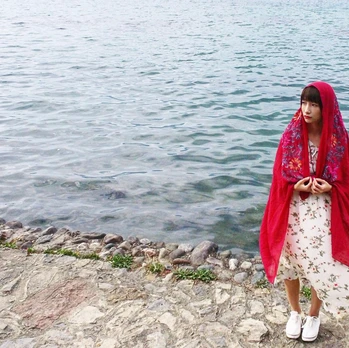
In June, the sun sets in Lijiang around 7:30 PM. We figured it was time to chase the sunset. I imagined the colors would be orange and purple. To make the photos look better, I changed into a bright red dress for a more cohesive color palette.
We didn't have a specific spot in mind for watching the sunset. We decided to just drive and see where the road took us. It felt like setting off on an unknown adventure.
Leaving the old town, we drove straight ahead. The streets became less bustling as we moved away from the city center. Gradually, our GPS showed we were in the Naxi Autonomous County. The buildings disappeared, replaced by dark green pine trees and grasslands.

And then, at the end of the wide road, we saw it: Jade Dragon Snow Mountain, bathed in the embrace of the setting sun. The blue of the sky had softened, and the clouds on the horizon looked like a giant tornado — spectacular, but a little eerie.
Our mood was that of explorers who had just achieved a great victory! We got out of the car and stood on a large, open patch of land at the foot of the mountain. The wind howled. I was shivering from the cold, but I stood there stubbornly, waiting for the sunset.
A photography studio had brought a couple here for wedding shoots — the models were stunningly beautiful. The makeup artist was so enthusiastic that we couldn't say no. She snapped dozens of photos of us, directing our poses and energy like a pro. I call this next photo "Phoenix Legend."
Gradually, the clouds turned into a gradient of gold and purple. The sky softened even more. The sun was finally about to set. In the photos, I look elegant, but in reality, I was freezing, thinking, "I just want to get back in the car!"
Then, the clouds on the mountain turned into a blazing sunset. The sun quietly hid behind the peaks, playing hide-and-seek with us. I captured a time-lapse video.
The sun went down, and the surroundings turned into cool tones. To maintain the image of a carefree mountain girl, I forced a stiff smile onto my face. All those glamorous models and photographers you see? They work with their lives on the line.
Epilogue: Yunnan, a Place Worth Remembering
What touched me most about this journey is this: no matter why you come to Yunnan — to soak in the beauty, to escape the pressures of life — this place is worth remembering.
From the chaos of Lijiang's old town to the tranquility of Lugu Lake; from the thrill of the mountain roads to the romance at the foot of the snow mountain — every experience was like a piece of a puzzle, coming together to form the most complete picture of Yunnan in our hearts.

Of course, there were regrets. We didn't see the mirror-like surface of Lugu Lake. There was the incident in Shuhe. We didn't make it to Lashi Lake. But it's precisely these imperfections that made the trip more real, more unforgettable.
Finally, some advice for those planning a trip to Yunnan:
- Drive to Lugu Lake yourself: If time permits, definitely drive. The mountain roads may be winding, but the scenery along the way is absolutely worth it. Take motion sickness pills in advance, and prioritize safety.
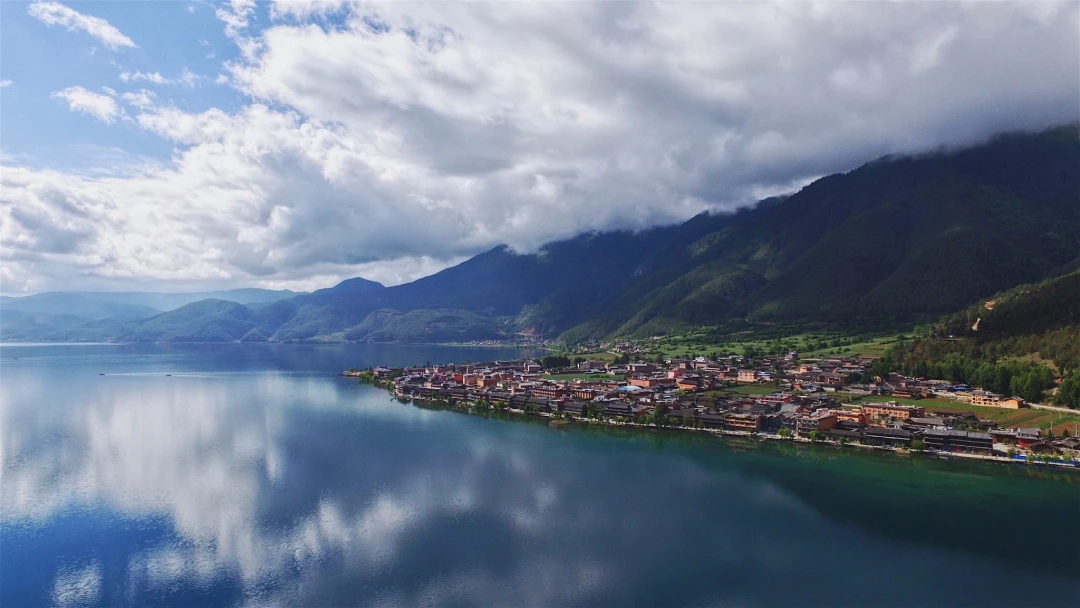
Choose your accommodation wisely: At Lugu Lake, stay in Daluoshui Village — it's quieter and more authentic than Lige Village. In Lijiang's old town, choose an area near the Mu Mansion for convenience without sacrificing peace.
Stay safe: In Shuhe Ancient Town or anywhere else, keep your distance from stray dogs (or cats). If something happens, stay calm and handle it carefully. Safety comes first.
Plan your itinerary: If you have enough time, spend at least two nights at Lugu Lake to experience the lake in different weather conditions. Lijiang's old town offers completely different experiences during the day and at night — try both.
Keep an open mind: The weather in Yunnan is unpredictable. You might encounter rainy days. But look at it from another angle — Lugu Lake in the rain, Lijiang in the drizzle — they have their own unique charm.
Yunnan is a dream about the distant horizon. And I never want to wake up.
You should also read:
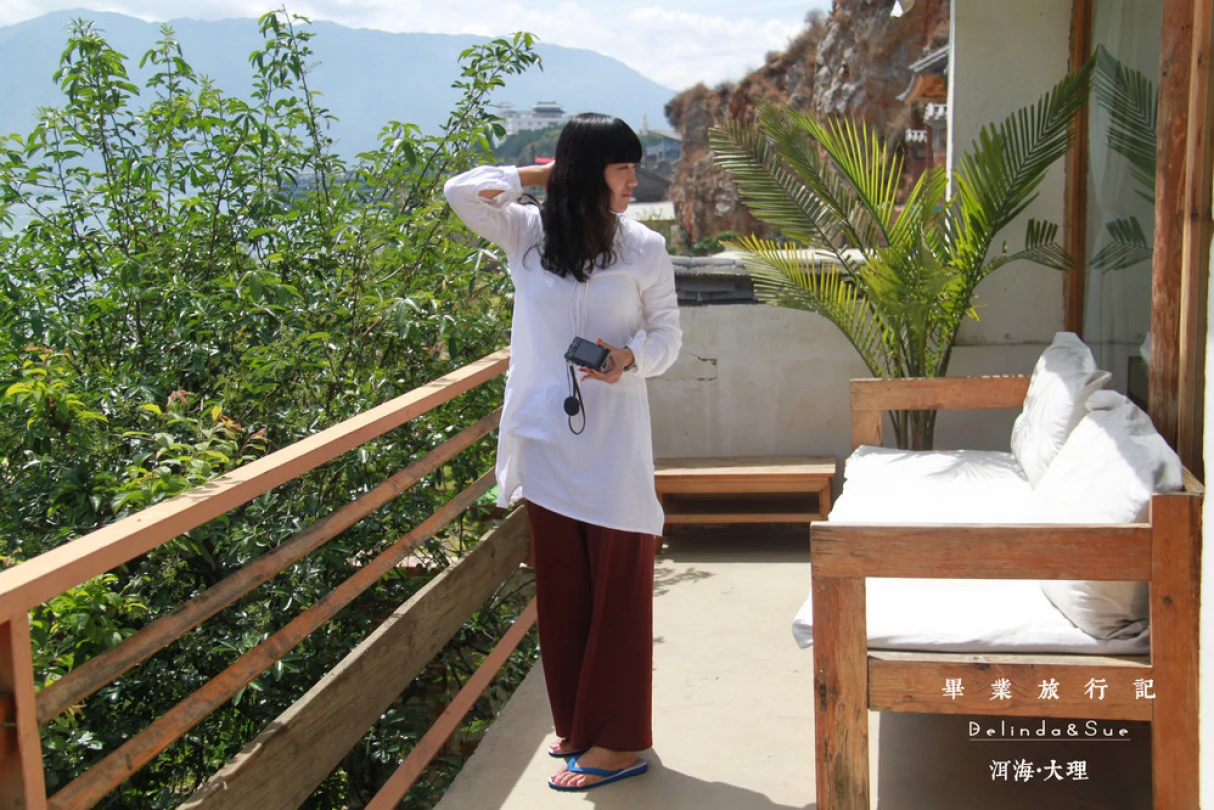
Two Girls' Graduation Trip: Dali and Shuanglang – A Poetic Farewell to Mountains and Sea
Two Girls' Graduation Trip: Dali and Shuanglang – A Poetic Farewell to Mountains and Sea Preface: Catching the Tail of Youth, Heading South During our senior year of college, my roommate and I – two girls studying in Beijing – decided to bid farewell to…
Continue reading...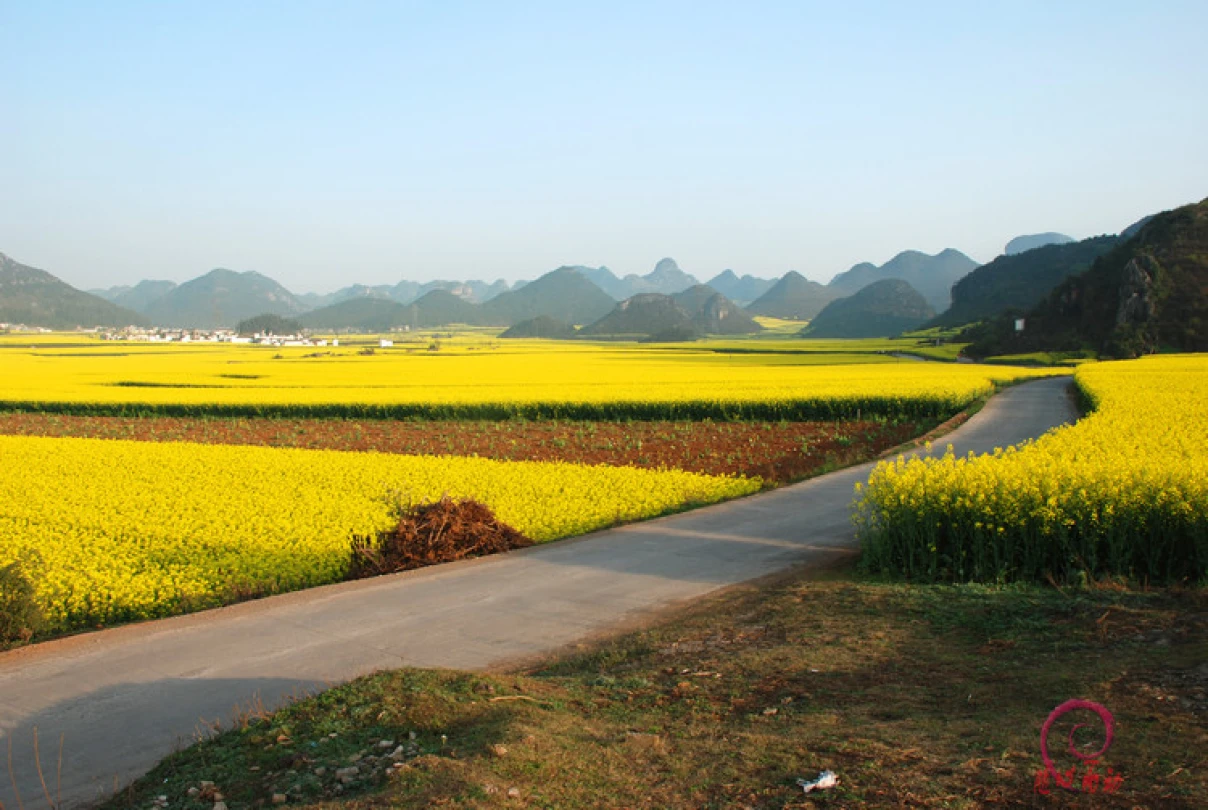
Golden Luoping: A Romantic Encounter with Sunshine and Seas of Flowers
Golden Luoping: A Romantic Encounter with Sunshine and Seas of Flowers Introduction: The Third Time's the Charm Some landscapes are destined to be seen at the right moment. For me, that was exactly the case with Luoping's rapeseed flowers. On February 22, 2011, the Luoping…
Continue reading...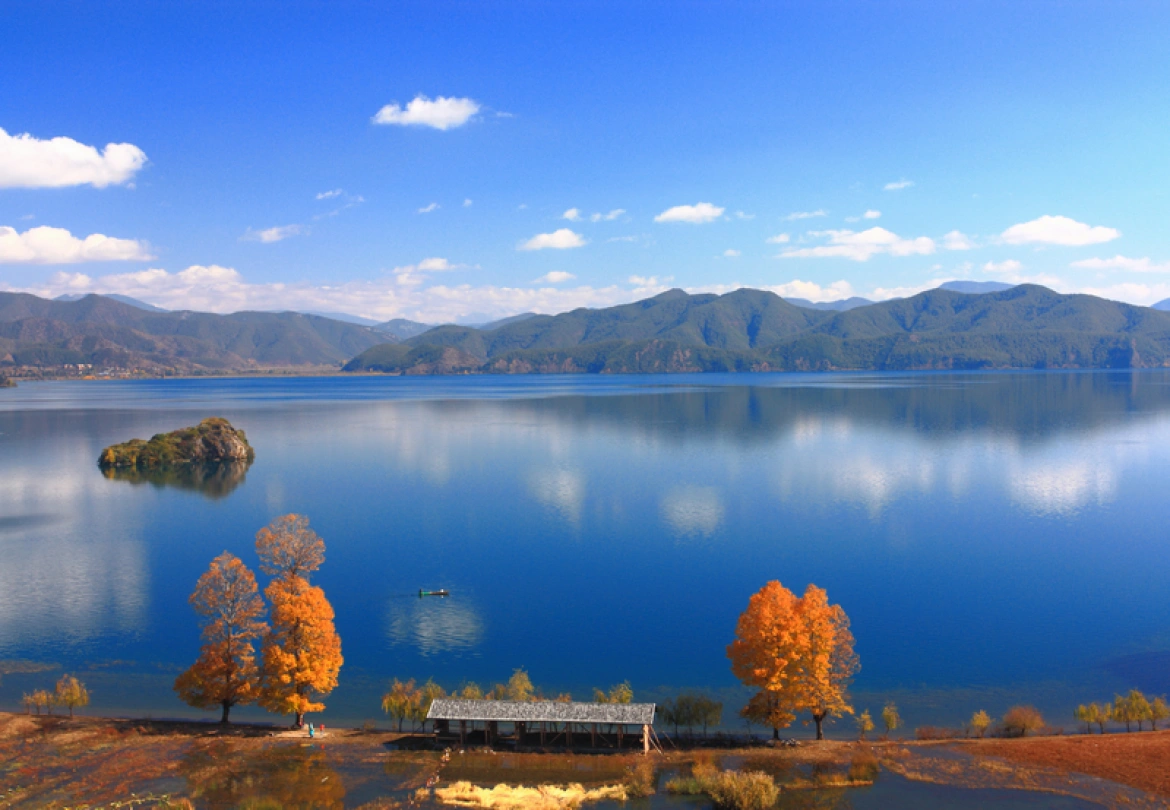
A Spiritual Journey to Lugu Lake in Lijiang: Experiencing the Legend of the Kingdom of Women! (Reproduction and Hotlinking Prohibited)
A Spiritual Journey to Lugu Lake in Lijiang: Experiencing the Legend of the Kingdom of Women! (Reproduction and Hotlinking Prohibited) Off-road自驾, food, hotel and民宿 reviews, Featured Traveler, Tank 300 owner, 200,000 km of self-driving experience. WeChat: y01294987 Ninglang Yi Autonomous County 2010.11.08 · 7 days…
Continue reading...