The Wind Rises, the Snow Falls: Dali's "Wind, Flowers, Snow, and Moonlight" — A Slow Journey That Heals the Soul
The Wind Rises, the Snow Falls: Dali's "Wind, Flowers, Snow, and Moonlight" — A Slow Journey That Heals the Soul
Introduction: Why Do We Keep Returning to Dali, Again and Again?
Have you ever had those moments — when your spirits hit rock bottom, when it feels like the whole world is against you, and all you want is to find a place to hide? I once heard a beautiful answer: go see the sea. The ocean is vast enough to hold all your grievances and sorrows.
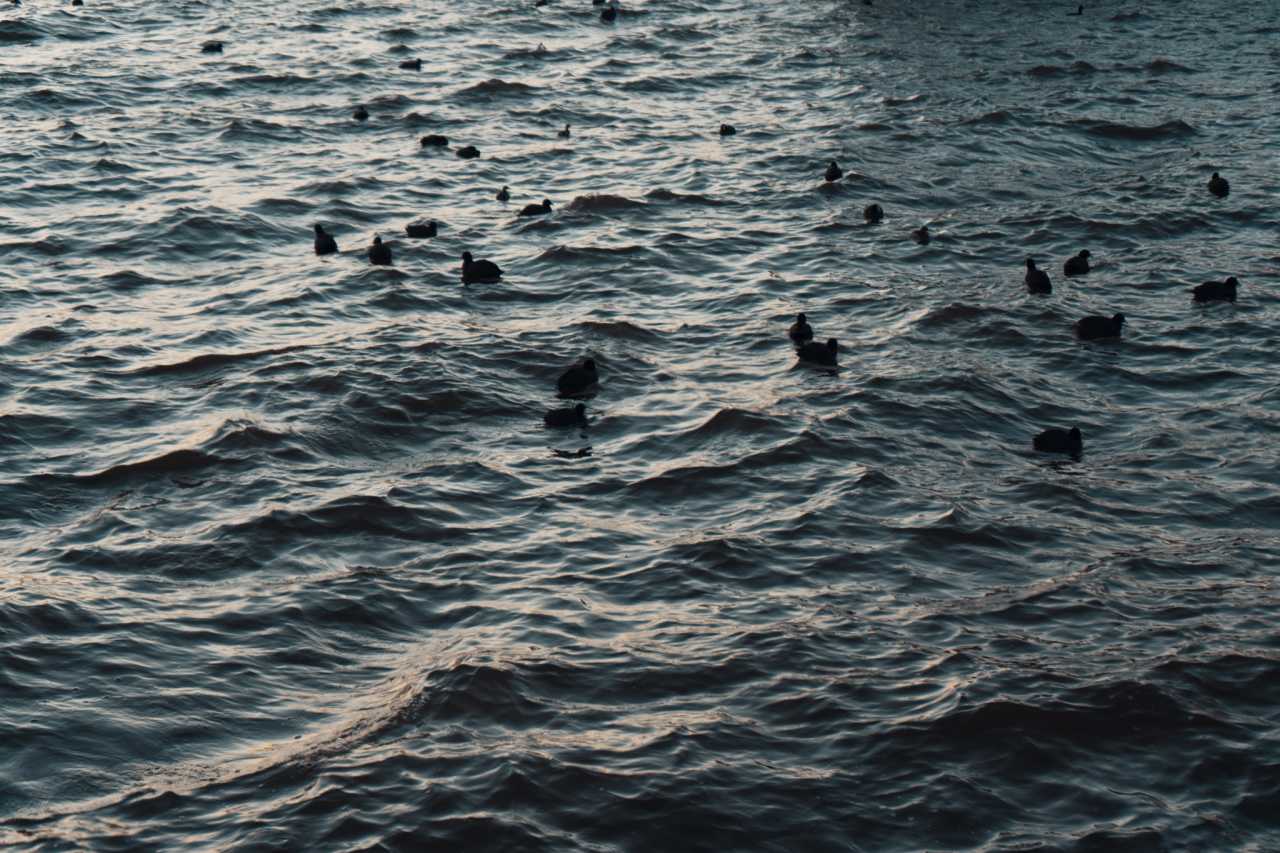
And Dali is that place that has "sea" etched into its very name. Erhai Lake (洱海) isn't actually a sea, but it understands the human heart better than any ocean ever could. It's gentle, expansive — like an old friend who never rushes you, quietly waiting for you to let down your guard.
On the first day of 2022, I set foot on this land again. Strange as it sounds, I had rented a place here two years ago and stayed for over two months. Every day I bought groceries, cooked, watched the clouds, and daydreamed. By all logic, I should have grown tired of it long ago. But Dali works like magic — every time I leave, a voice inside me whispers, "Go back." The clouds here change every second. The cats here bask in the sun with a lazy philosophy that seems to say: don't rush, take your time.
Why Is Dali So Addictive? Ten Moments Are All You Need
If you ask me what's so great about Dali, I can't give you a single answer — but I can give you ten moments that stole my heart:
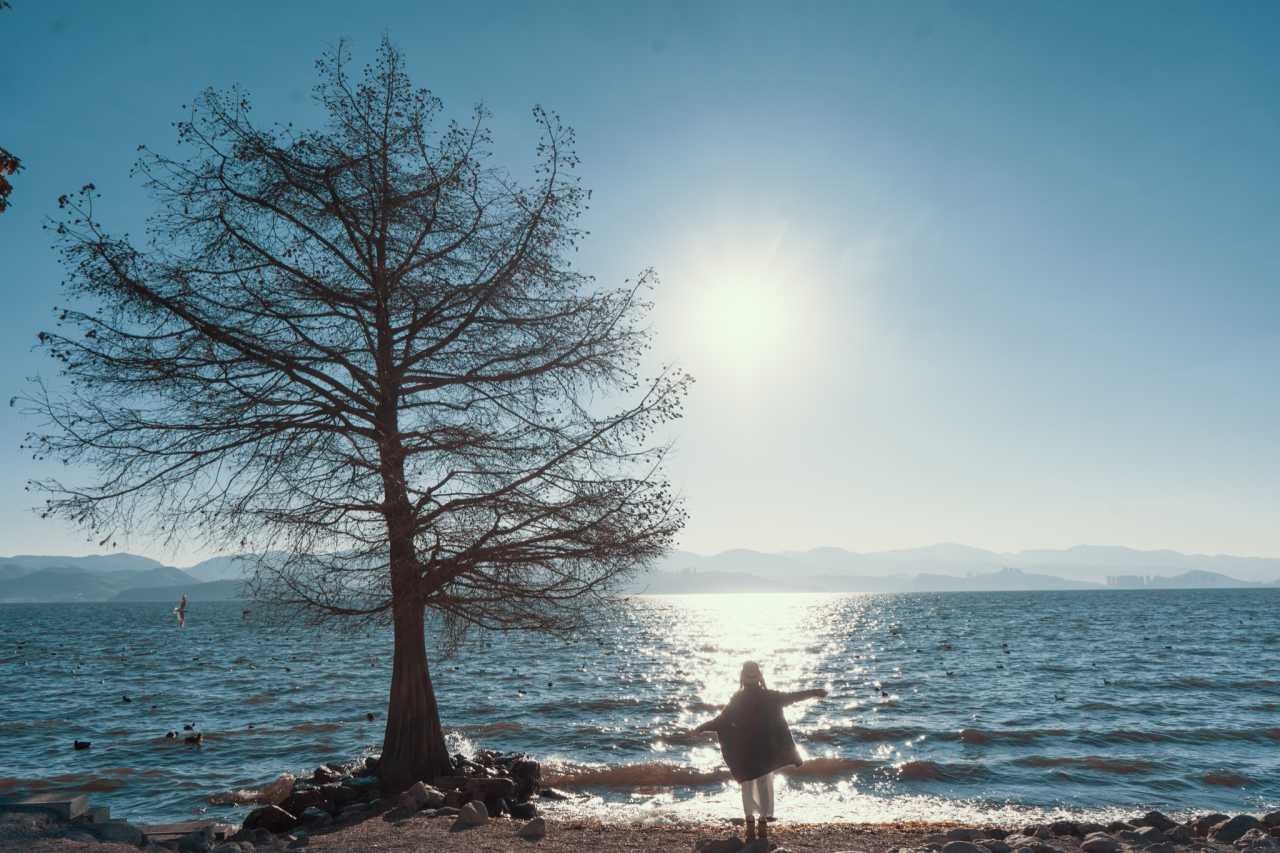
- Erhai Lake — People with "sea" in their name are probably born with an obsession for water. Erhai isn't a sea, but it gives you the same healing.
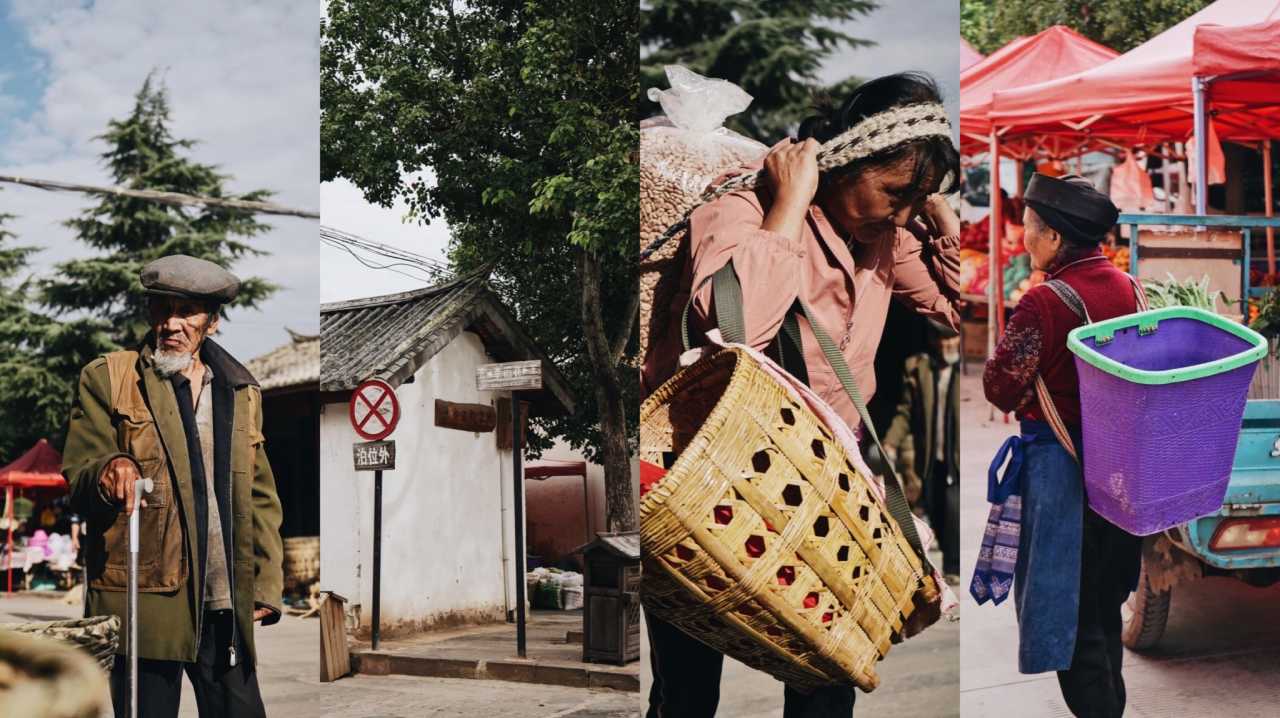
- The Market's Lively Chaos — Fruit so cheap it makes you question reality, and so delicious you'll want to settle down on the spot. For foodies, that's reason enough.
- Dali's Clouds — The clouds here are alive. They dance, they perform magic tricks, and every second paints a different picture.
- Jesus Light (crepuscular rays) — A regular guest in Dali. After rain, rainbows are practically guaranteed.
- Grasslands — Beyond the lake, there are alpine meadows that double the healing power.
- Untouched Villages — Corners that haven't been overdeveloped, hiding the most authentic Bai ethnic life.
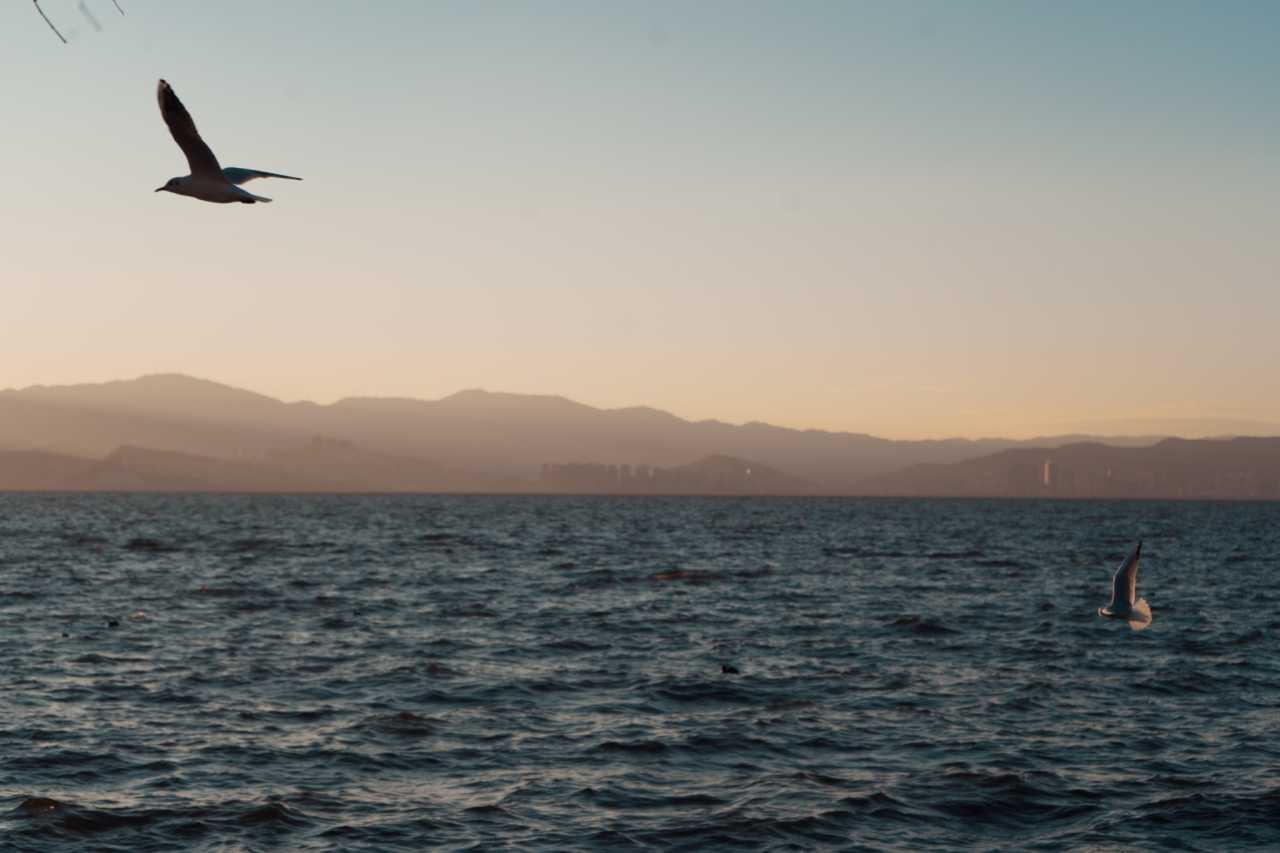
- Sunrises and Sunsets — Forever unbeatable. Especially the sunrise at Longkan Pier (龙龛码头) — so beautiful it makes you want to cry.
- Four Seasons, Three Meals a Day — Spring has wheat fields, summer has anime-like skies and canola flowers, autumn has rice paddies, and winter has winter cherry blossoms. Every season is worth waiting for.
- The State of Slowing Down — In Dali, you don't need an itinerary. You don't need to check off landmarks. The moment you enter the ancient town, your pace naturally slows.
- Small, Quick Happiness — The warm elderly ladies at the market, the sunset you can see every day... These little things make happiness come fast and feel real.
Practical Guide: A 2-3 Day Self-Guided Route for All Seasons

Weather and What to Wear
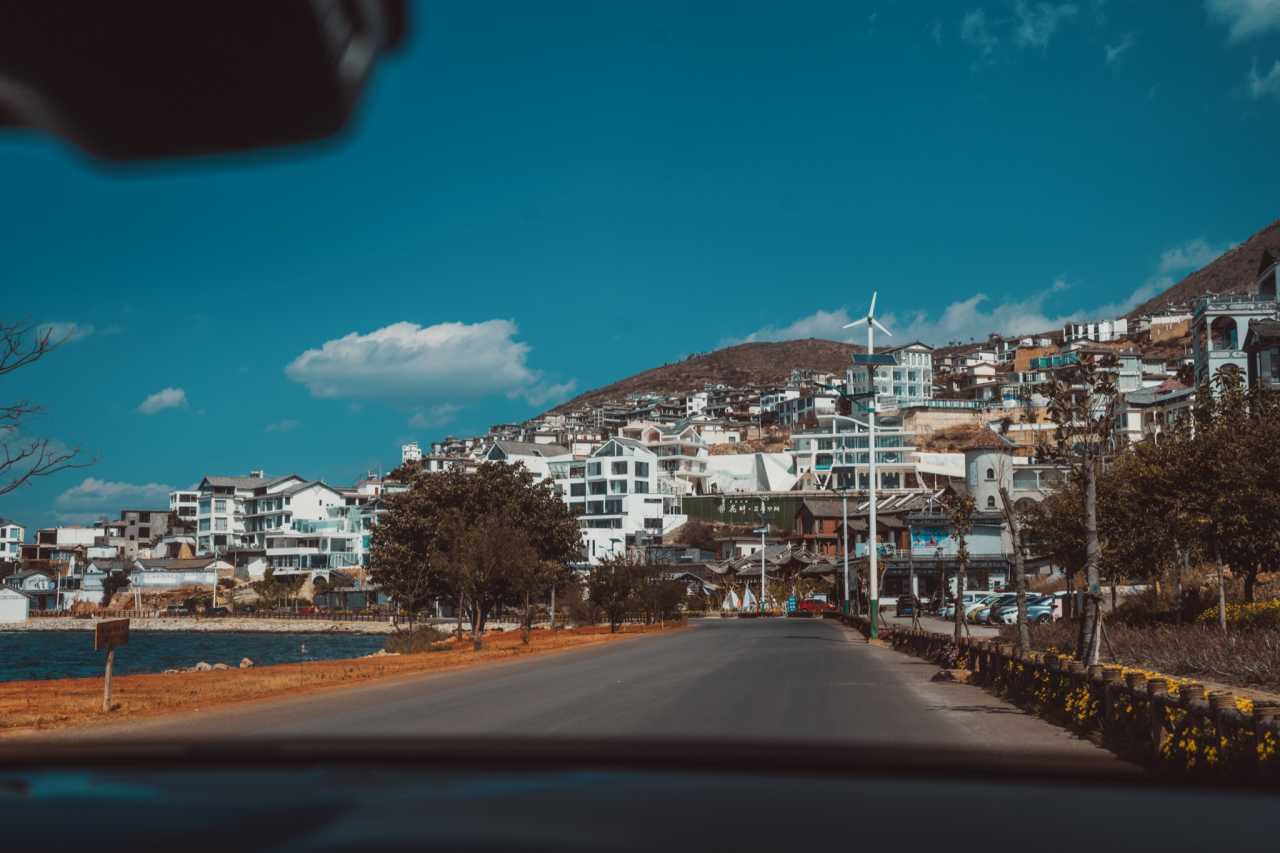
Dali's weather is willful — if the sun is out, it's summer; in the shade, it's autumn or winter. So sunscreen is mandatory, but the temperature difference between morning and evening is huge, so bring a jacket. Long dresses, straw hats, and sunglasses are the standard uniform. When cycling around Erhai Lake, you can easily shoot vacation-worthy photos.
Recommended Route (2-3 Days)
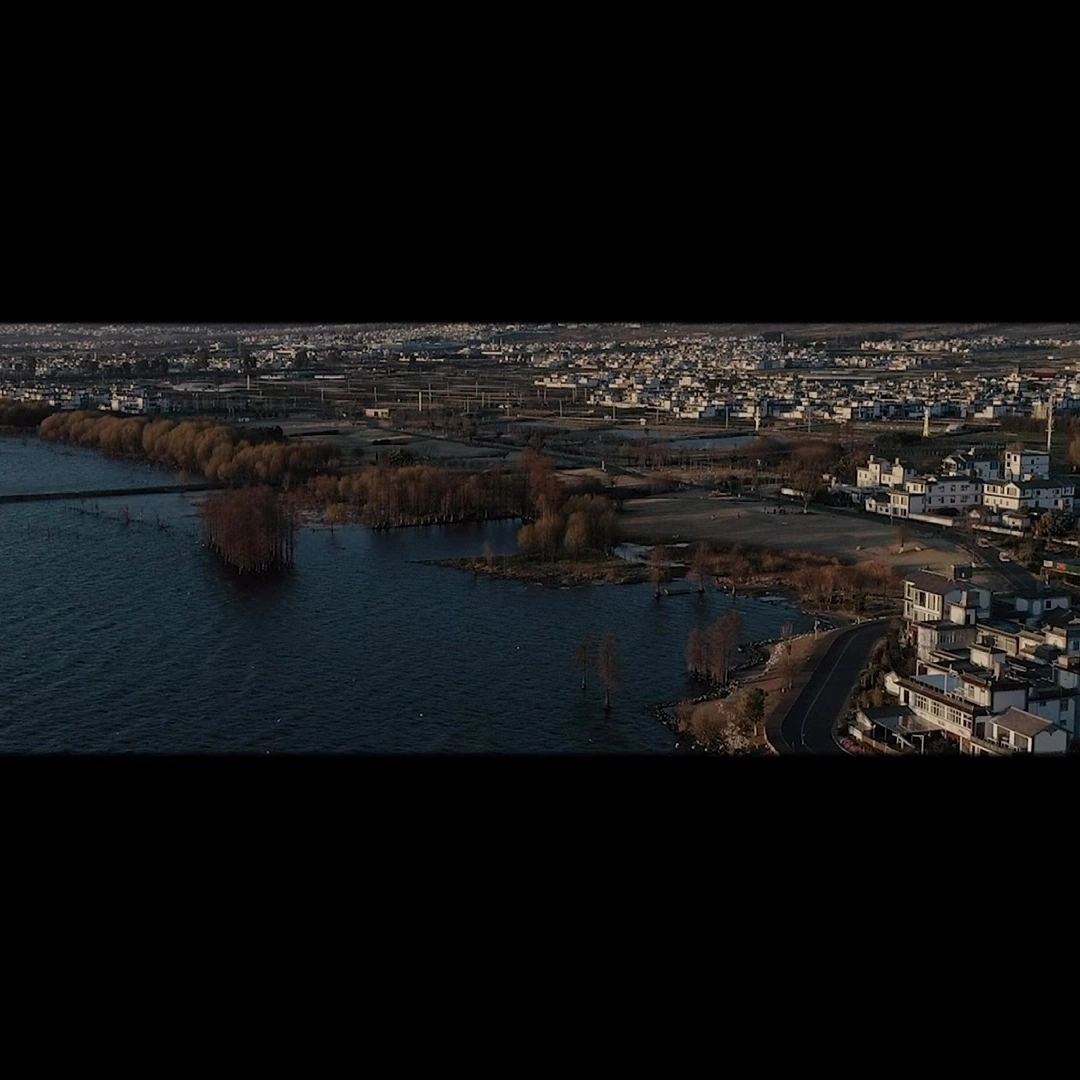
Day 1: Dali Ancient Town → Longkan Pier - Morning: Start from Dali Ancient Town and head to Longkan Pier to wait for sunrise. At six in the morning in winter, the pier is almost empty — but stunningly beautiful. The sun rises from behind Cangshan Mountain (苍山), and the golden light spreads across Erhai Lake. At that moment, you'll feel that waking up early was totally worth it. - Afternoon: Wander around the ancient town. Try Xizhou baked cake (喜洲粑粑) — make sure it's the sweet version. Stroll along the Tie-Dye Street (扎染一条街) and immerse yourself in Bai culture.
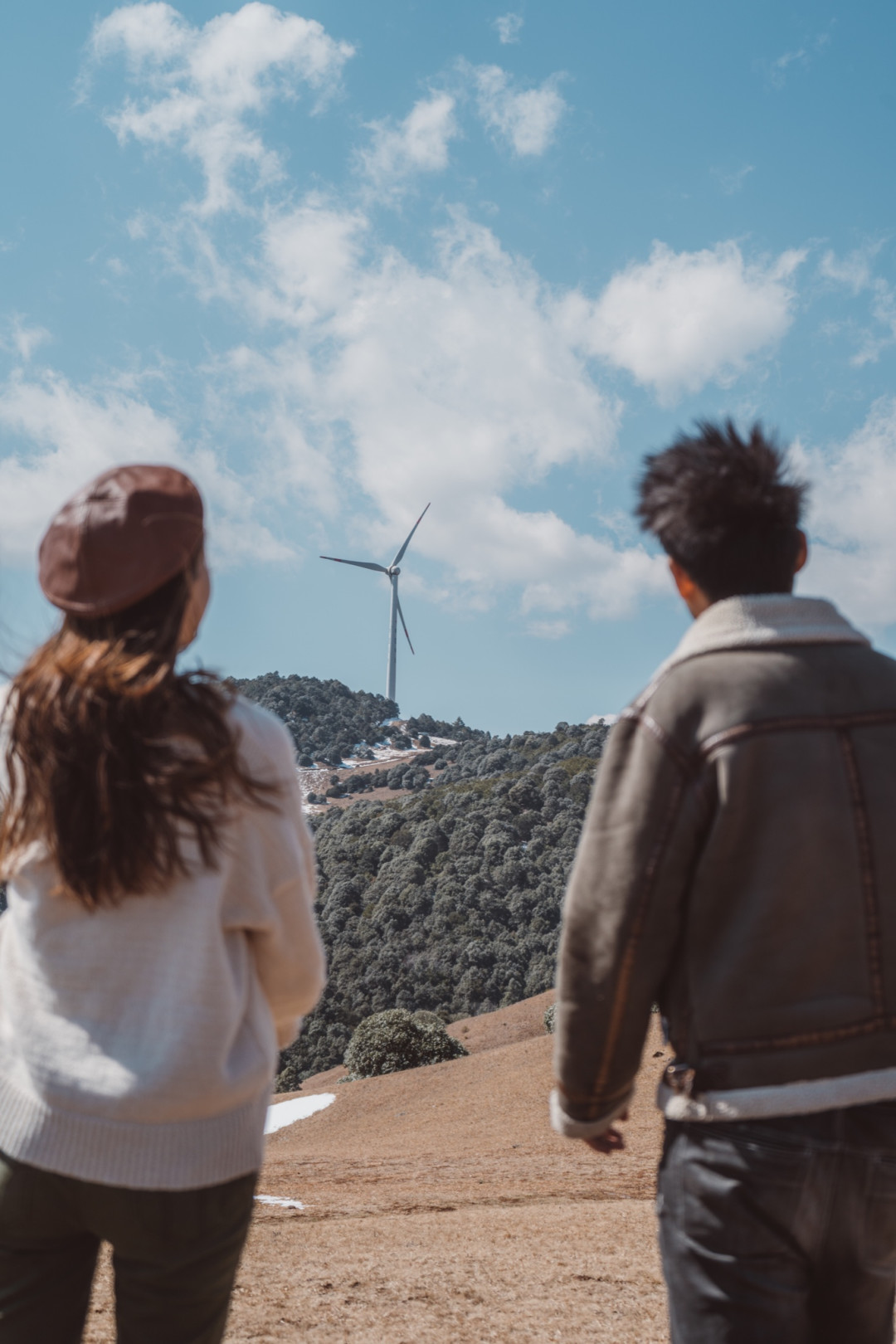
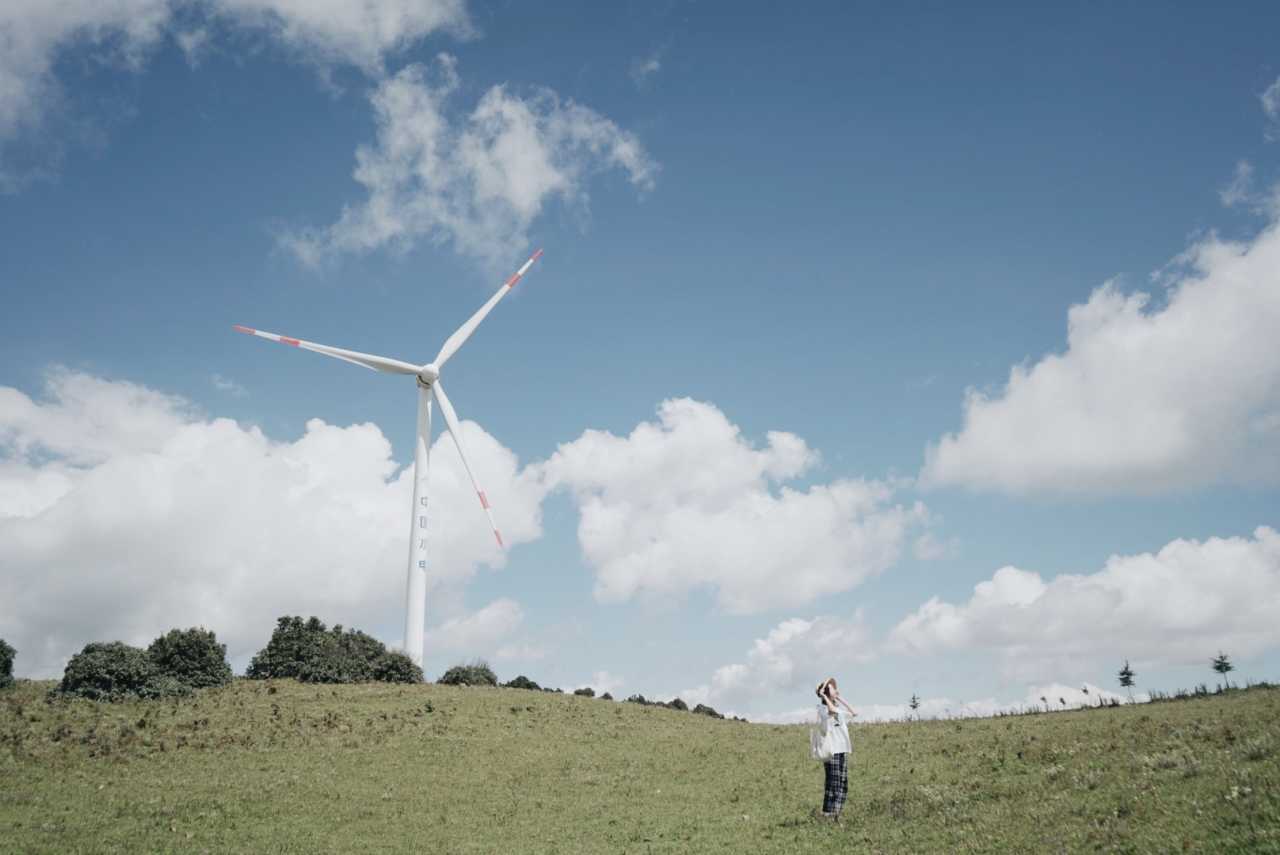
Day 2: Windmill Mountain → Erhai Lakeside Drive → Wenbi Village → Wase/Shuanglang - Morning: Head to Windmill Mountain (风车山, navigate to "Shangyangliu Village" / 上杨柳村). At 2,800 meters above sea level, you'll find alpine meadows, grazing sheep, and giant wind turbines. If you're lucky, you might even encounter snow — yes, I saw snow in Dali! Unmelted snow scattered across the grassland like a fairyland. - Afternoon: Drive around Erhai Lake. From Windmill Mountain, head south along the East Lakeside Road. Reeds, sunken boats, dead trees — every spot is a perfect photo opportunity. - Evening: Stay overnight in Wase (挖色) or Shuanglang (双廊). Pick a lakeside guesthouse, listen to the wind, and gaze at the stars.
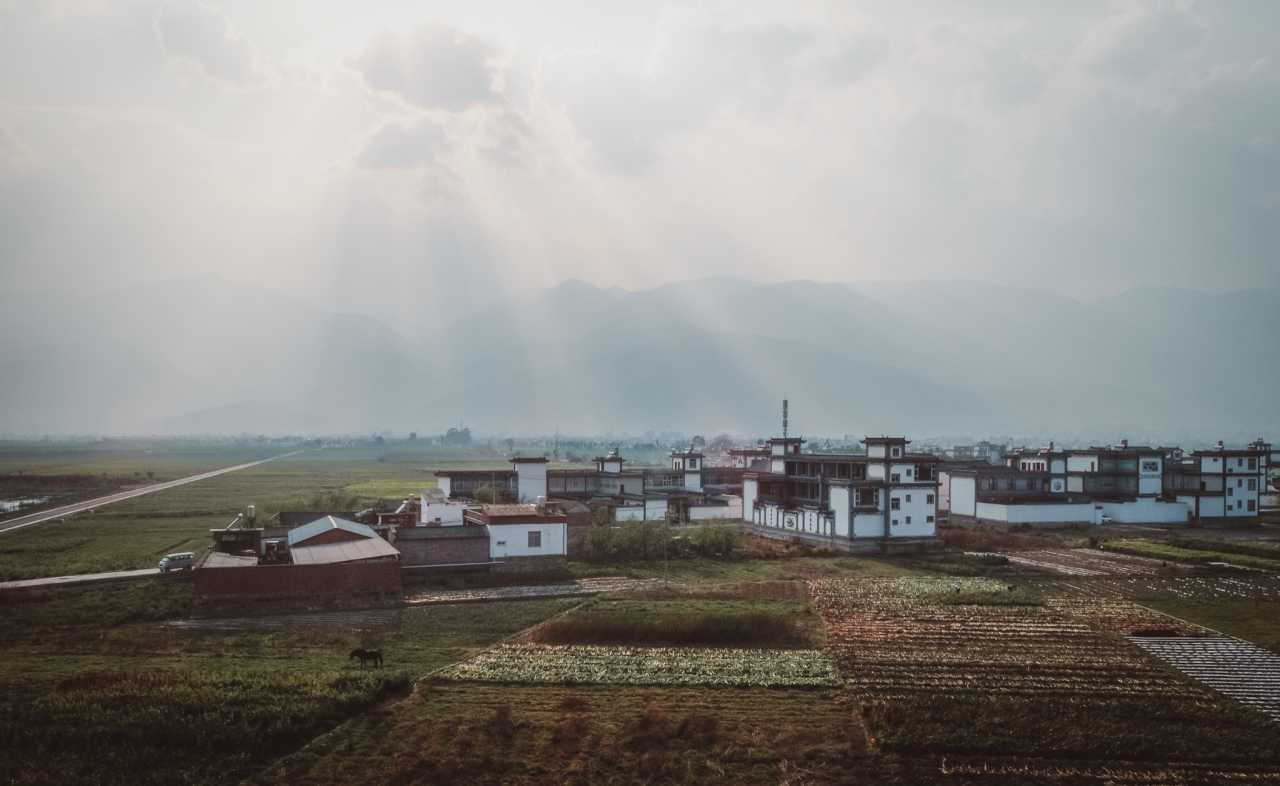
Day 3: Shuanglang → Xizhou Ancient Town → Dali - Morning: Depart from Shuanglang for Xizhou Ancient Town (喜洲古镇). This is the place that writer Lao She called a "miracle" — it preserves the most complete cluster of Bai ethnic residential architecture. Take a horse-drawn carriage ride, or rent an electric scooter to cruise through the fields and soak in the slow pace of life. - Afternoon: Return to Dali Ancient Town. Buy some tie-dye souvenirs, slurp down a bowl of crossing-the-bridge rice noodles (过桥米线), and wrap up your trip.
Windmill Mountain: I Saw Snow in Dali
Windmill Mountain was the biggest surprise of this trip. Before coming to Dali, it never crossed my mind that I might see snow here. But this time, at the 2,800-meter summit, unmelted snow lay scattered across the grassland, creating a breathtaking scene against the green meadows and white wind turbines.
Navigate to "Shangyangliu Village" (上杨柳村). It's about an hour's drive from downtown Dali. The last ten kilometers are unpaved — stone and mud roads — so an SUV or off-road vehicle is recommended. At the summit, local herders charge a 5 yuan per person grassland management fee, and you can take as many photos as you like. This spot is also popular for wedding photos, but it's never crowded — after all, the road conditions are a bit rough on your car.
Tip: If there's rain or snow, it's best not to go up. The wind at the summit is relentless — 360 degrees, no shelter — so bring a thick jacket.
The Erhai Lakeside Drive: Every Kilometer Is a Scenic View
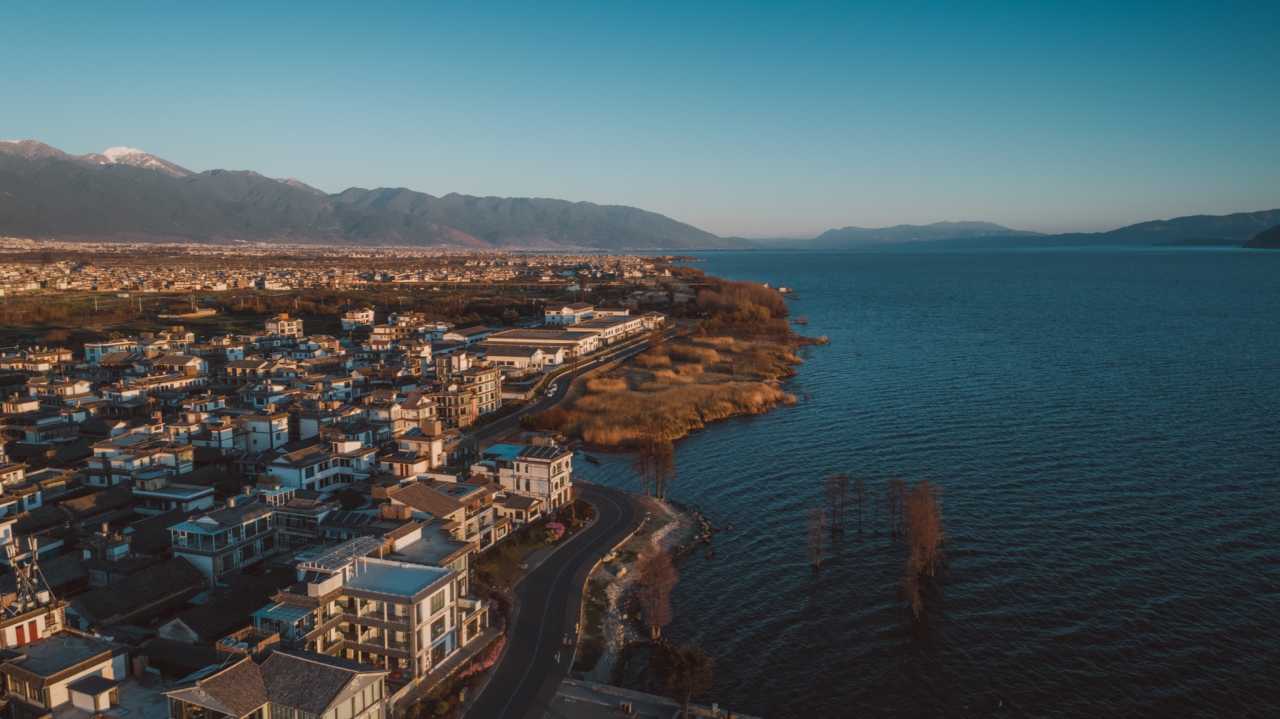
Driving around Erhai Lake is my favorite thing to do in Dali. My personal record? Four times in half a month. Whenever friends visit, the must-do activity is the Erhai loop.
Recommended stops:
- Reed Marshes and Sunken Boats (navigate to "Yinsuo Fishery Village / Haifeng Jiayuan" / 银梭渔庄/海峰嘉园)
In summer, it's a fresh green; in autumn, a golden expanse. At low tide, you can walk right up to the boats. Shoot silhouettes at sunset — absolutely stunning.
East Lakeside Road (环海东路)
This road covers almost all the highlights of Erhai Lake. There are safe parking spots all along the way. On a clear day, you won't trade this for "Little三亚" (a nickname for Sanya's beaches).
Lakeside Camping Spot (navigate to "Liangsu Inn" / 良宿客栈)
You can drive right to the lake's edge here, with dead trees and boats that create an incredible atmosphere. Overnight camping isn't allowed, but setting up a tent and chairs during the day for a camping-style photoshoot? Your Instagram nine-grid won't be enough.
China's "Cinque Terre" (navigate to "Lu'e Mountain Ruins" / 鹿鹅山遗址)
- Just before Wase Town (挖色镇), at the downhill slope of Luwo Mountain (鹿卧山). Few tourists, stunning scenery — it looks like a hidden island from above. You can drive down, and every shot looks like a movie still.
Xizhou Ancient Town: Wind, Flowers, Snow, and Moonlight Hiding Everyday Life
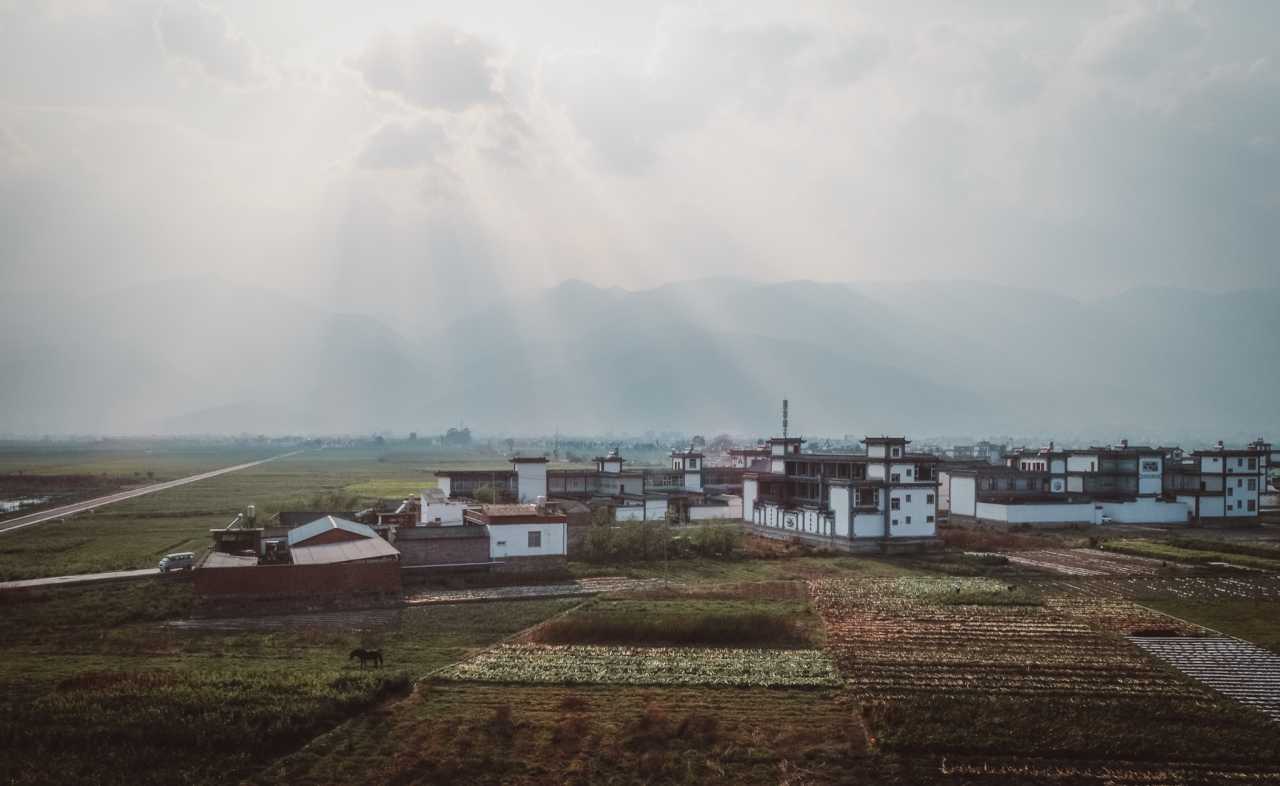
Xizhou Ancient Town is located 18 kilometers north of Dali Ancient Town, with Erhai Lake to the east and Cangshan Mountain to the west. It preserves the largest and best collection of Bai ethnic residential architecture. Writer Lao She once exclaimed, "This is a miracle."
Three Must-Do Activities: 1. Eat Xizhou Baked Cake (喜洲粑粑) — Get the sweet version! Crispy on the outside, soft on the inside, sweet without being cloying. 2. Take a Horse-Drawn Carriage Ride — The driver will tell you stories about Xizhou's history and local anecdotes, and might even sing a Bai folk tune. 3. Visit the Corner Tower (转角楼) — Xizhou's iconic building. Many young people come here for portrait photos.
Dali Ancient Town: Street Photography Is a Pleasure in Itself
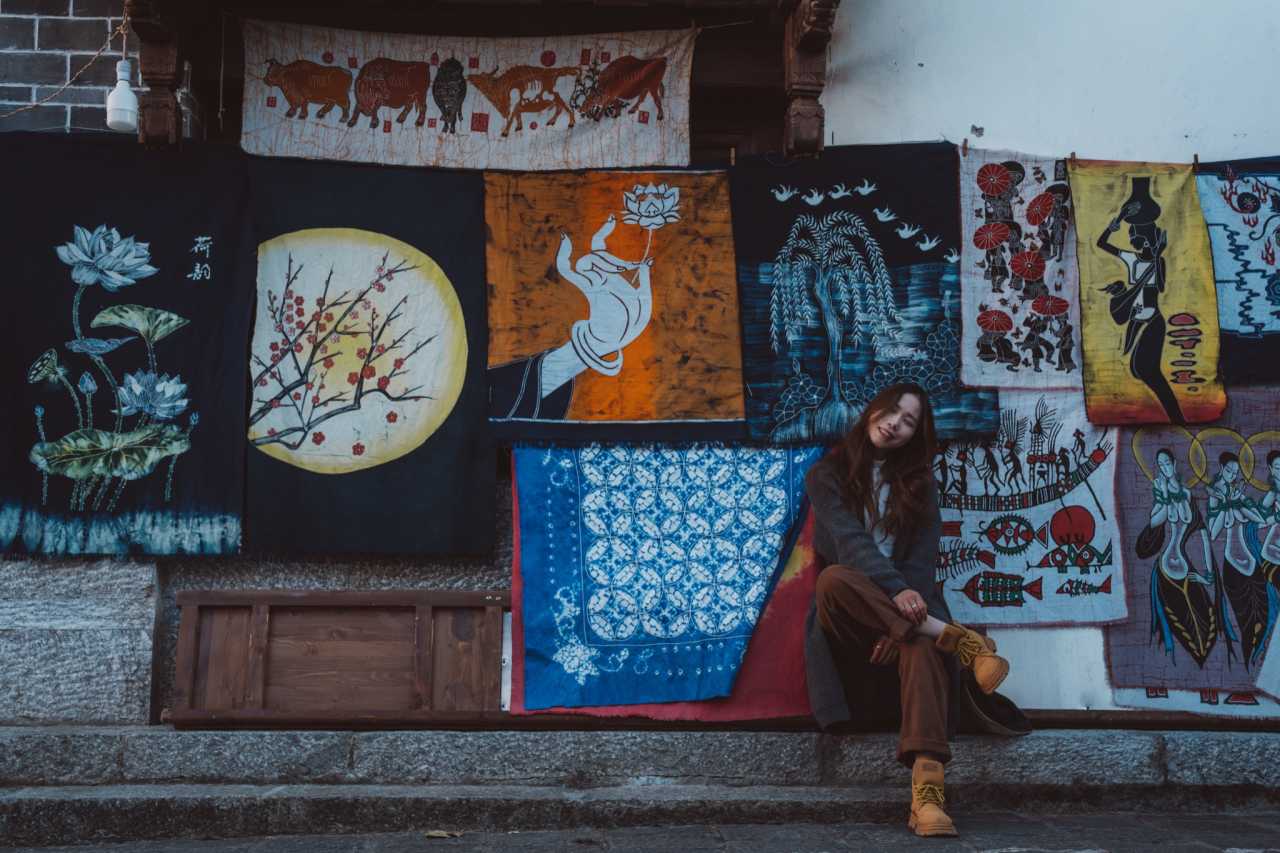
For me, Dali Ancient Town is like a tree hollow. If you want to talk, it listens quietly. If you want to daydream, it keeps you company all afternoon.
Recommended Spots: - Tie-Dye Street (扎染一条街, near Foreigner Street / 洋人街): Buy a few pieces of tie-dye fabric — great for photos and as souvenirs. - The Catholic Church: A fusion of Dali's local architectural style with Western design — worth a visit. - Nuodeng Ham (诺邓火腿): A place I've always wanted to visit. Next time, for sure.
Conclusion: Dali Is a Date That Doesn't Need to Be Rushed
In Dali, you don't need an itinerary. You don't need a plan. The clouds here will teach you that time is meant to be spent. The cats here will teach you that basking in the sun is a serious business.
The wind rises, the snow falls. Dali's "wind, flowers, snow, and moonlight" (风花雪月) has never been just a legend. It's the six o'clock sunrise at Longkan Pier. It's the unmelted snow on Windmill Mountain. It's the effortlessly cinematic shots along the lakeside drive. It's the sweet, soul-warming bite of Xizhou baked cake in the ancient town.
If you're tired too, come to Dali. You don't need to prepare much. Just bring a good mood — and leave the rest to this city.
Three Keywords: - Slow Down: Dali's rhythm will make you forget about time. - Get Out: Don't just stay in the ancient town. Windmill Mountain, the lakeside drive, Xizhou — every place is worth exploring. - Capture It: Every frame here looks like a movie. You'll regret not taking photos.
And finally, a parting thought: Dali never lets down those who live life with sincerity.
(All suggestions in this article are based on personal experience. Routes and attraction information are subject to actual conditions.)
You should also read:

Clouds Over the Rainbow: A Five-Day Soul Journey Through Kunming, Dali, and Lijiang
Clouds Over the Rainbow: A Five-Day Soul Journey Through Kunming, Dali, and Lijiang Prologue: The Decision to Fly into the Clouds In February, the chill of the North still lingered. A single discounted airfare sparked this spontaneous trip. Round-trip from Beijing to Kunming—1,700 yuan made…
Continue reading...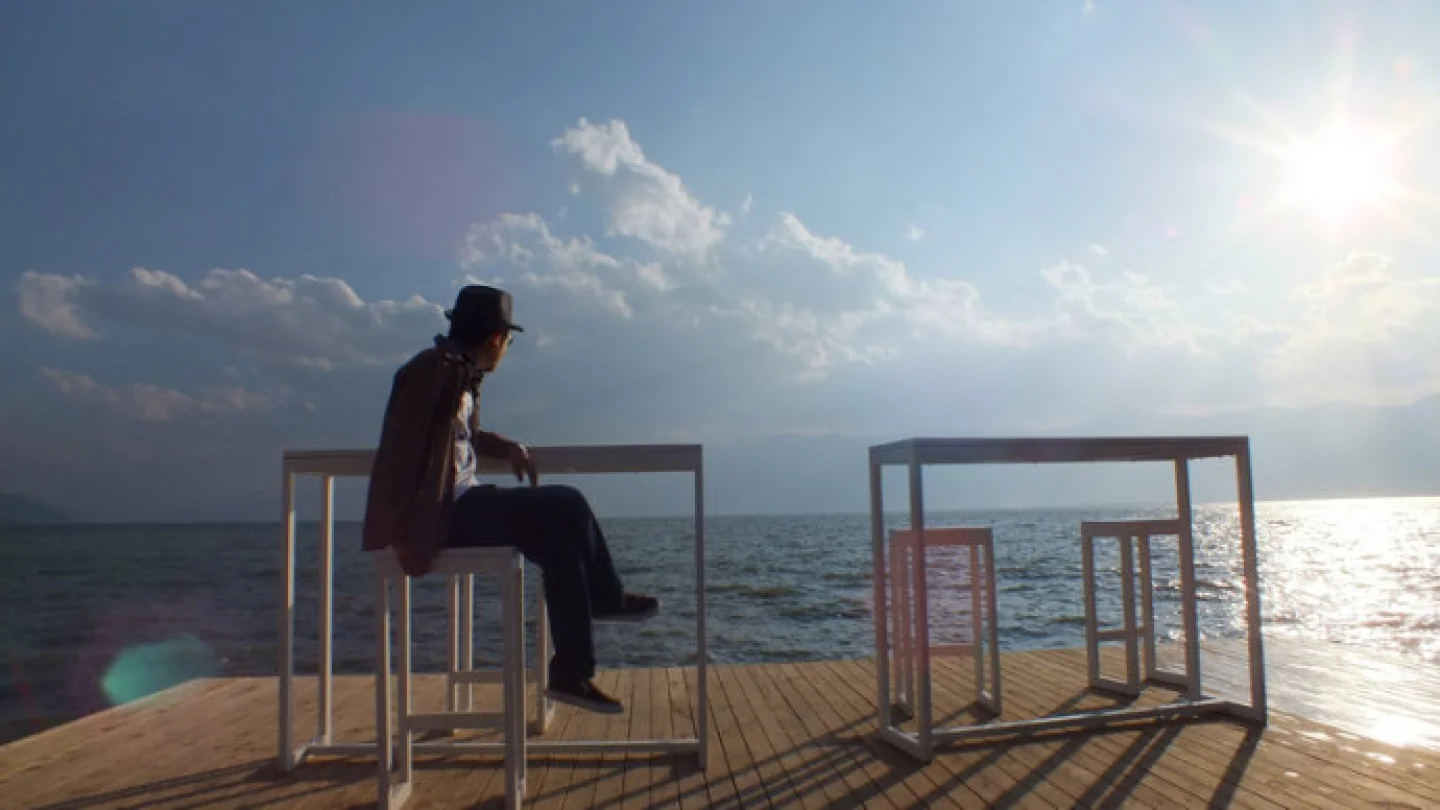
Let the Knight's Soul Take Flight in Shuanglang
Let the Knight's Soul Take Flight in Shuanglang Prologue: Yunnan, a Journey of the Soul Some places, once you set foot in them, take root in your heart and grow. Yunnan is that kind of place for me. Two years ago, I set foot on…
Continue reading...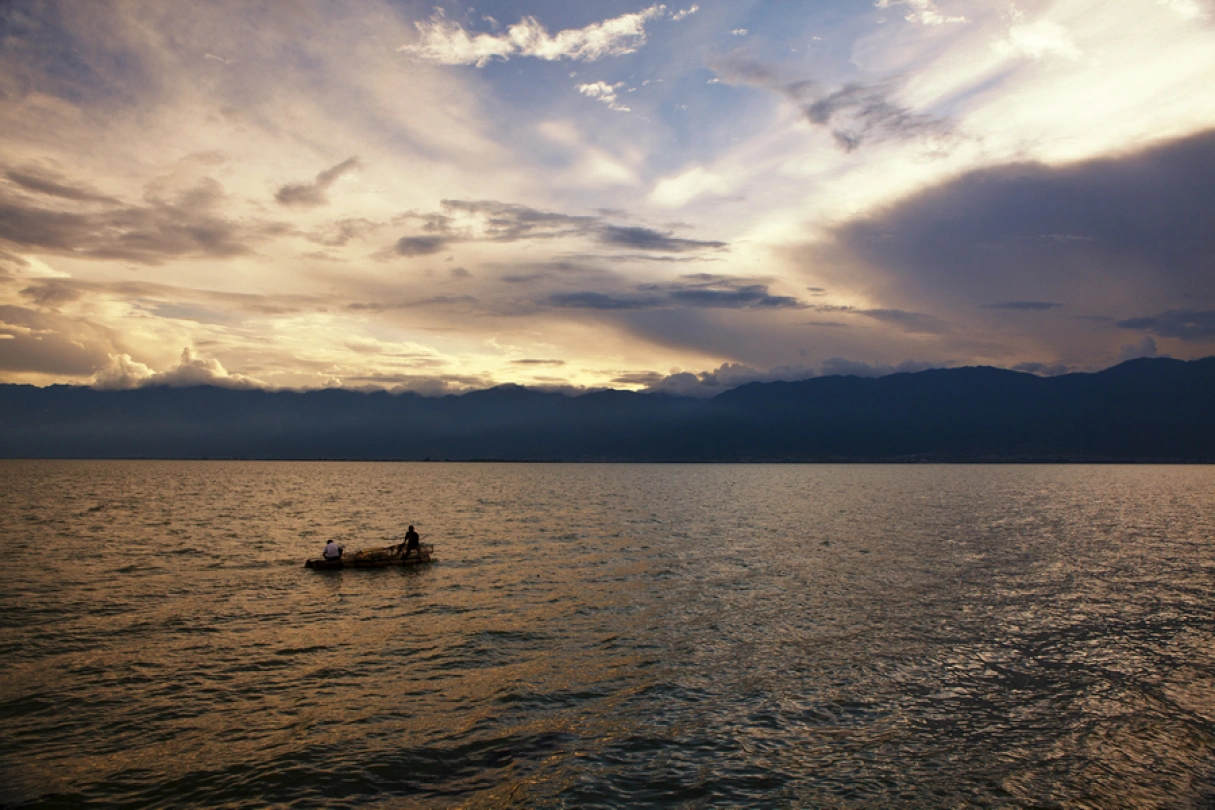
A Journey Through Shuanglang's Guesthouses: Finding Life as It Should Be on the Shores of Erhai Lake
A Journey Through Shuanglang's Guesthouses: Finding Life as It Should Be on the Shores of Erhai Lake Prologue: When Life Hits the Pause Button Have you ever had one of those moments? When the city's towering buildings press down on your chest, when you're swept…
Continue reading...