Three Days at Mid-Autumn, Encountering the Pearl of the Far East: A Complete Self-Guided Guide to Vladivostok
Three Days at Mid-Autumn, Encountering the Pearl of the Far East: A Complete Self-Guided Guide to Vladivostok
Preface: An Unexpected Choice of a "Small Fishing Village"
As the Mid-Autumn Festival holiday approached, the question haunted me: where could I go with just three days off? As a travel novice who had never set foot outside China, a friend’s casual suggestion—”Why not try going abroad?”—made me scan the map. A three-day overseas trip sounded like a fantasy, but after careful calculation, one name jumped out: Vladivostok.
When I first heard the Chinese name "Haishenwai" (海参崴), my mind conjured up images of a desolate beach and fishermen gathering sea cucumbers. Later, I learned that this rustic-sounding name actually comes from the Manchu language, meaning "small fishing village by the sea." During the Qing Dynasty, this territory belonged to China until the Treaty of Peking in 1860, when it became Russia’s key Far Eastern stronghold. Today, its official name is Vladivostok, but many still prefer the simple, affectionate "Haishenwai."
Vladivostok lies on the same latitude as Jilin City and is just a two-and-a-half-hour flight from Yanbian. With a population of only 600,000, three days is enough for an in-depth exploration. What’s even more enticing is that it has been developed into a seaside city brimming with European charm, where unique bay views intertwine with rich history—absolutely worth a visit.
Pre-Trip Preparation: Visas, Flights, and Luggage

E-Visa: Free and Convenient
Since August 2017, Russia has offered a free e-visa for Chinese citizens to enter Vladivostok’s free port zone. It’s valid for a single entry, lasts 30 days, and allows a stay of up to 8 days. The application process is straightforward: simply apply online and print out the paper copy. Before departure, make sure you have your passport and the printed visa—they are essential for crossing the border.
Flights and Luggage: The Challenge of Red-Eye Flights
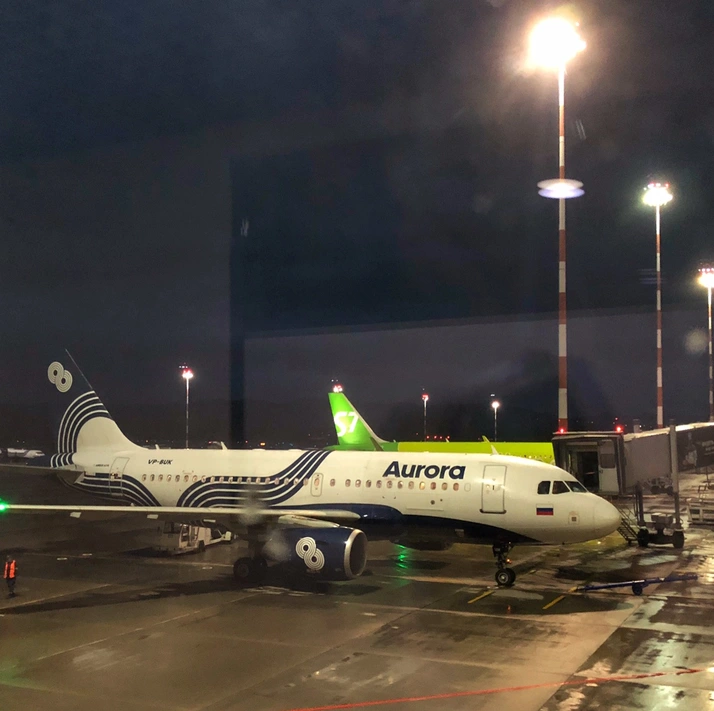
To maximize our time, we chose a red-eye flight departing late on September 22 and returning late on September 25. The outbound leg was operated by Aeroflot, with free checked luggage; the return was with S7 Airlines, which didn’t include a baggage allowance. If your luggage exceeds 10 kg or your suitcase is larger than 21 inches, you’ll need to pay around 300 RMB for checked baggage; over 23 kg, there’s an additional charge. It’s a good idea to bring a portable luggage scale to avoid last-minute stress at the airport.
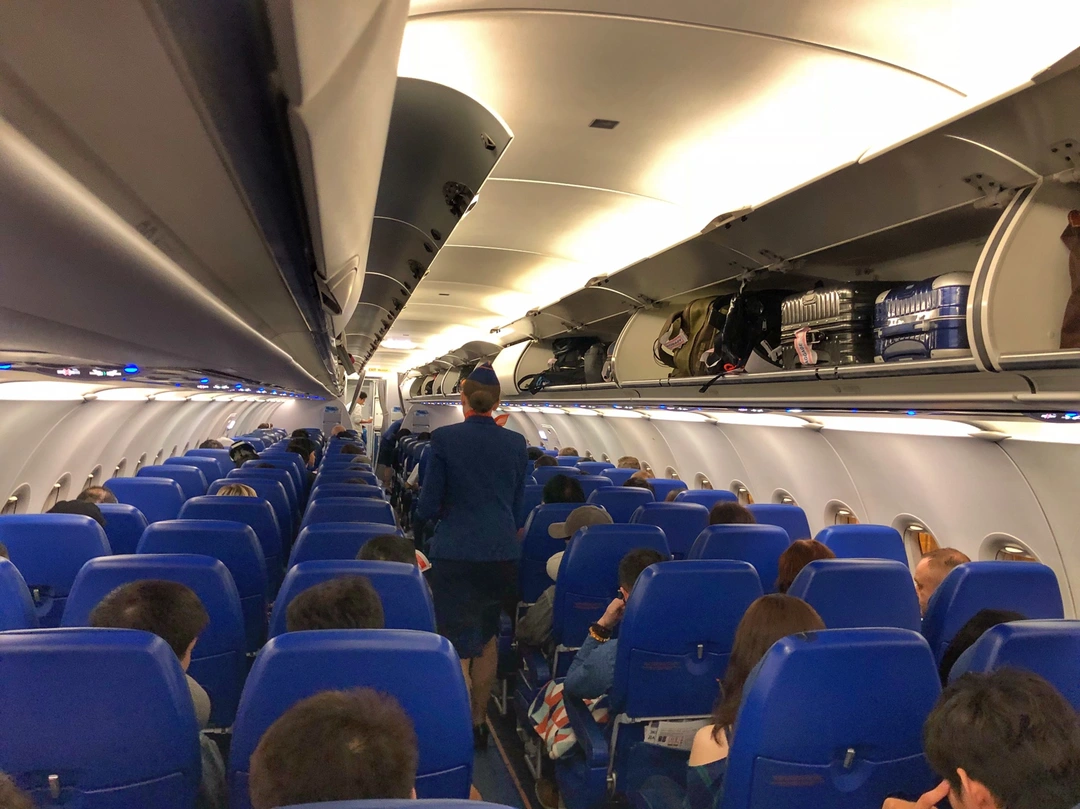
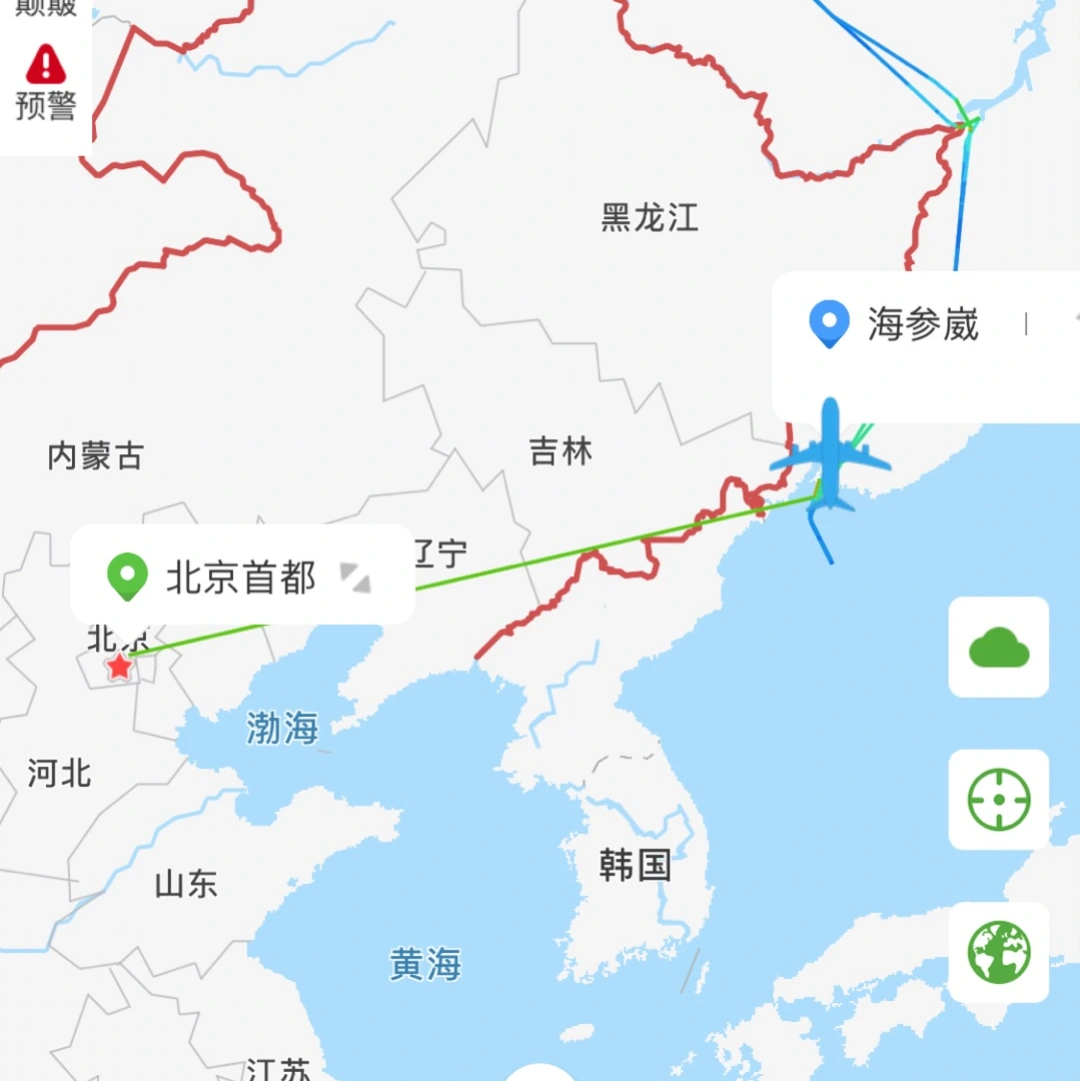
The plane was scheduled to take off at 1:55 AM but was delayed until 2:26 AM. Most passengers were tourists heading to Russia, and the "fighting nation" flying style left a strong impression—during landing, the plane dove sharply, creating a weightless sensation for over ten seconds, then suddenly climbed again, like a roller coaster. Nervous passengers couldn’t help but gasp, but we landed on time in the end.
Day 1: Clearing the Clouds to See the Sun
Entry and Transportation: First Impressions from Airport to City Center

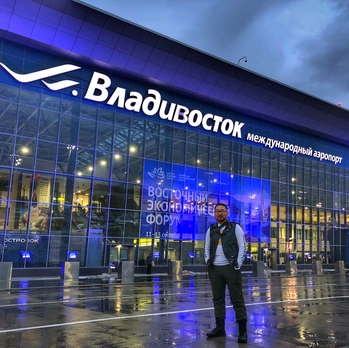
At 7:00 AM local time, the plane touched down at Vladivostok International Airport. The airport is much smaller than Beijing Capital International Airport, but the purple and blue interior stood out vividly in the morning rain. Immigration was a bit slow; customs officers handed out a small white card recording entry details—keep it safe, as you’ll need to show it when leaving.
The best way to get from the airport to the city center is by train. The station entrance is inside the terminal; just follow the signs to the ticket office and queue up. The fare is similar to Beijing’s Airport Express, but trains are less frequent—if you miss one, you’ll wait an hour. This railway is the final stretch of the Trans-Siberian Railway. The scenery along the way was a bit dull due to the rain, but it was still fascinating to imagine traveling on the world’s longest railway.
Accommodation: A Chinese-Run Homestay, Surprisingly Warm
We booked a homestay run by Chinese owners, a 20-minute walk from the train station. The host was warm and welcoming, let us check in early, and recommended nearby restaurants. I was initially worried about the stereotype of "Chinese people ripping off other Chinese," but the experience was genuinely pleasant.
Strolling Through the City: From Squares to Bays, a Visual Feast
At 3:00 PM, we woke up and headed out; the weather had cleared. Vladivostok’s traffic was impressive: drivers always yield to pedestrians—a stark contrast to the "pedestrians vs. cars" chaos back home. The streets were gradually filling with people, and we even stumbled upon a Xiaomi store.
Central Square (officially known as Ploshchad Bortsov Revolutsii, or Square of the Fighters for Soviet Power) is the heart of the city. A band of unknown origin was performing, with a style reminiscent of Finnish bands, drawing a decent crowd. In the center stands a monument built in 1961, commemorating the Bolshevik fighters who established Soviet power in the Far East—it’s the largest monument in the region. A nearby golden-domed church was under renovation, while a billboard in the southwest corner announced a China-Russia friendship marathon happening that day.
Golden Horn Bridge: The City’s Landmark and Soul
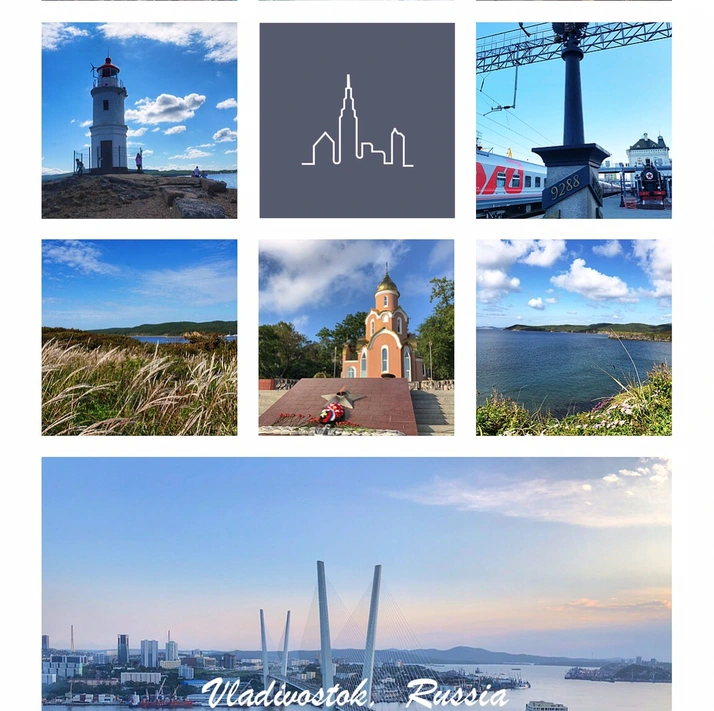
From the square, heading southwest, the Golden Horn Bridge came into view. This cable-stayed bridge spans 1,388 meters and opened in 2012, becoming one of Vladivostok’s icons. The boats moored in the bay aren’t for tourists but are patrol vessels. Beside a small pier under the bridge, a memorial ship named the Krasny Vympel (Red Pennant) sits quietly; boarding costs just 50 rubles (about 5 RMB). Built in 1910, this warship was the first vessel of the Pacific Fleet and is now a museum.
Submarine and Triumphal Arch: Echoes of History
Across the street, submarine C-56 stands still. This WWII hero submarine sank 69 enemy ships and was later converted into a museum. Next to it, the Eternal Flame burns day and night. Behind it, an Eastern Orthodox church built in 1907 honors soldiers who died in the Russo-Japanese War. The Triumphal Arch behind the church was built in 1891, blending European and Russian architectural styles—another landmark of Vladivostok.
High Above: The Stunning Night View from Eagle’s Nest Lookout
In the evening, we headed to Eagle’s Nest Lookout (Orlinoye Gnezdo). On the way, a friendly Russian guy offered to lead us; after a 15-minute uphill walk, we reached the platform. From the lookout, the Golden Horn Bridge unfolded in full view. The railings were covered in love locks, while statues of Saints Cyril and Methodius reminded visitors that they created the Slavic alphabet. As dusk fell, the bridge lights came on, and the headlights and streetlights formed a brilliant dragon, reflecting on the shimmering sea. The city felt peaceful and serene.
Dinner: A Quest for a Trendy Restaurant
Having missed lunch, we were starving. The restaurant Studio, recommended by Google Maps, was packed. Eventually, behind a shopping mall, we found a Western restaurant called lz brasserie. There was no Chinese menu, so we ordered by pictures. I recommend the 红菜汤 (borscht)—sweet and savory, refreshing without being greasy. The 鹿肉饺子 (venison dumplings) tasted similar to lamb but weren’t tender enough. The 炸土豆配肥猪肉 (fried potatoes with fatty pork) was hard to stomach. The bill came to over 200 RMB per person, a bit pricey.
Day 2: Roaming Free to the Ends of the Earth
Breakfast and Transportation: Tackling Hard Bread and Buses
Breakfast was a sandwich and yogurt from the supermarket. The sandwich bread was so hard it was almost inedible, while the yogurt had a faint salty taste—completely different from the sweet, creamy versions back home. Today’s plan was to visit Cape Tobizina and then Far Eastern Federal University in the afternoon. A private car would have cost 800 RMB per day, so we opted for buses and walking—saving money and getting some exercise.
Cape Tobizina: The Majestic Beauty of the Edge of the World
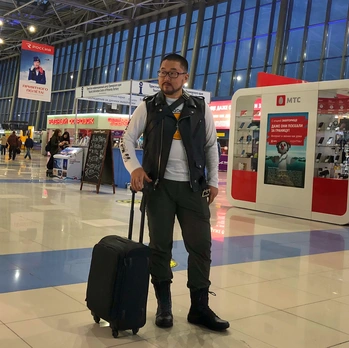
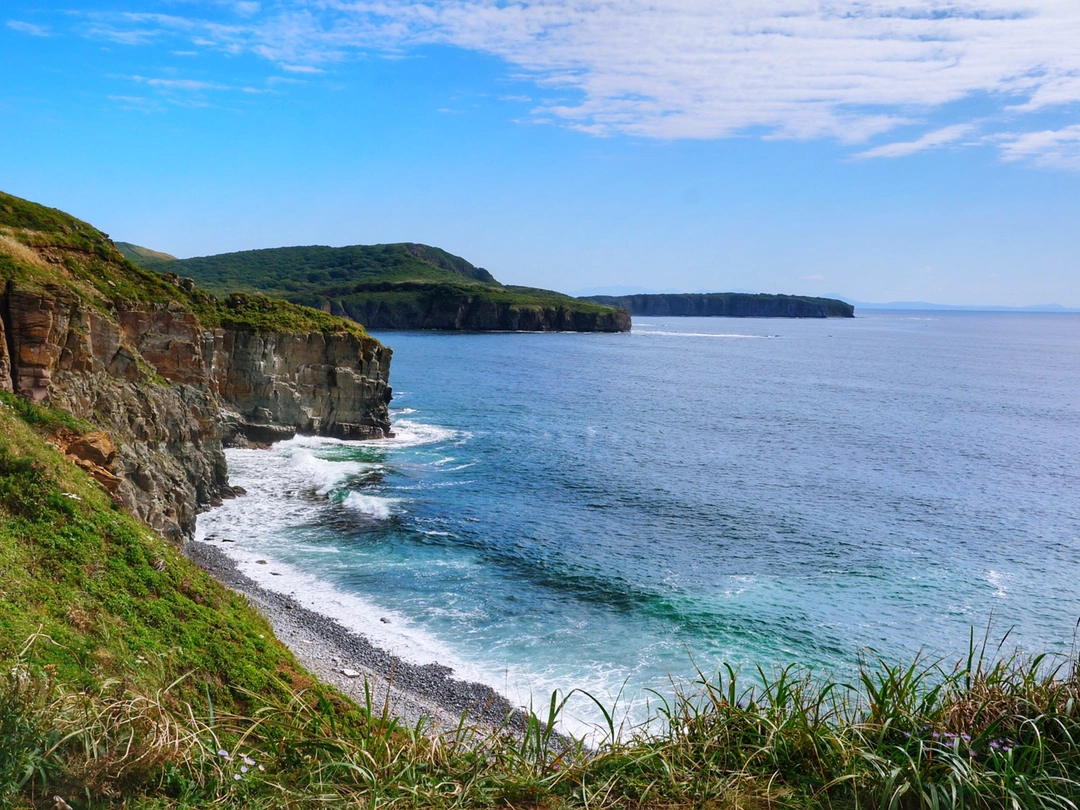
Cape Tobizina is named after Vice Admiral Ivan Tobizina. Its steep, jagged cliffs and azure waters create a breathtaking scene. Take the bus to the last stop, then hike a mountain trail to reach it. The scenery was awe-inspiring—the cover photo of this travelogue was taken here. Standing at the cliff’s edge, with the wind howling and waves crashing, it felt like being at the end of the world.
Far Eastern Federal University: Where Academia Meets Scenery
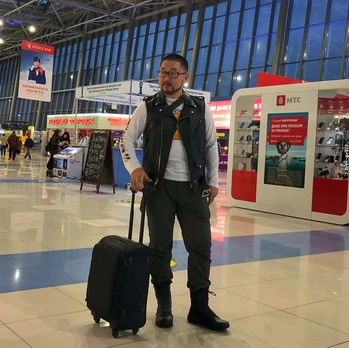
In the afternoon, we visited Far Eastern Federal University. The campus, located on Russky Island, is beautiful, with modern buildings surrounded by lush greenery and sea breezes—a great place for a stroll and photos.
Day 3: Final Explorations and Departure
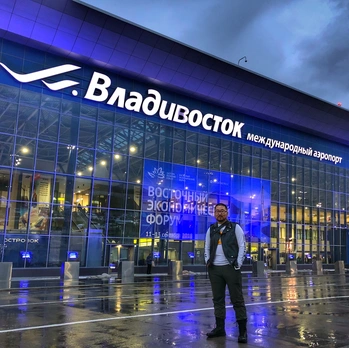
City Stroll: Discovering Small Surprises
On the last day, we wandered through the city center, visited a local market, and bought souvenirs. Vodka in Vladivostok is cheaper than in China, but if you’re not checking luggage on the return flight, it’s better to buy it at the airport. Juice and meat at the supermarket are affordable, while the ice cream is startlingly sweet.
Return: The Luggage Test
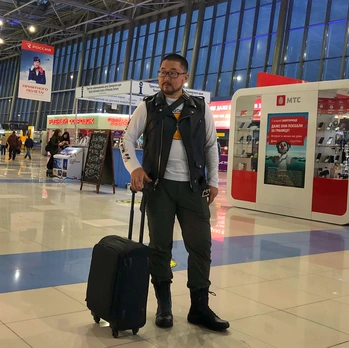
In the afternoon, we headed to the airport. S7 Airlines strictly checked luggage on the return leg—any overweight or oversized bags meant extra fees. Our portable luggage scale came in handy, saving us from unnecessary costs.
Practical Tips: Making Your Trip Smoother
- Visa and Documents: Print two copies of your e-visa; keep your entry card safe.
- Currency and Payment: Exchange rubles at Bank of China before you go. Outside of shopping malls and restaurants, almost everything is cash-only.
- Internet and Communication: Buy a short-term data SIM card on Taobao; I recommend an 8-day, 20GB plan.
- Navigation and Translation: Google Maps, Google Translate, Yandex (local map), and TripAdvisor are essential.
- Luggage: If your return flight is with S7, weigh your bags in advance to avoid overweight fees.
- Language: Most Russians speak limited English, but gestures, translation apps, and a smile will get you through.
Conclusion: The Pearl of the Far East, Worth a Return Visit
Vladivostok—once a small fishing village—has become a clean, civilized city full of European charm. Three days may be short, but it’s enough to fall in love with its bays, history, and culture. From the turbulence of the red-eye flight to the night view from Eagle’s Nest, from the challenge of hard bread to the warmth of borscht, every moment became an unforgettable memory. If you’re craving a short overseas trip, Vladivostok definitely deserves a spot on your list.
You should also read:
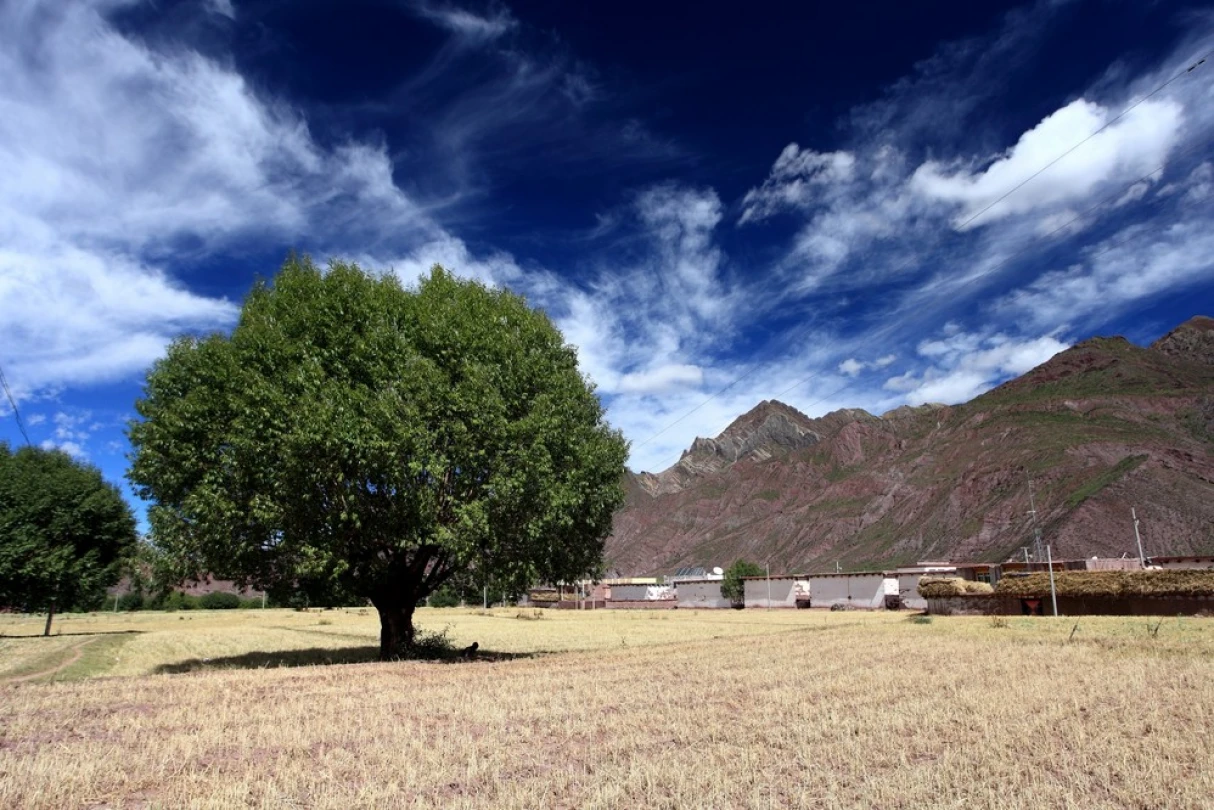
Big Bear and Little Cat Explore China: [A Self-Guided Tour of the Shangri-La Region: That Sky, So Blue It Feels Unreal!]
Big Bear and Little Cat Explore China: [A Self-Guided Tour of the Shangri-La Region: That Sky, So Blue It Feels Unreal!] Prologue: Why Shangri-La? In September 2011, my friend and I followed the Yunnan-Tibet Highway into the Greater Shangri-La region. Six days of travel, without…
Continue reading...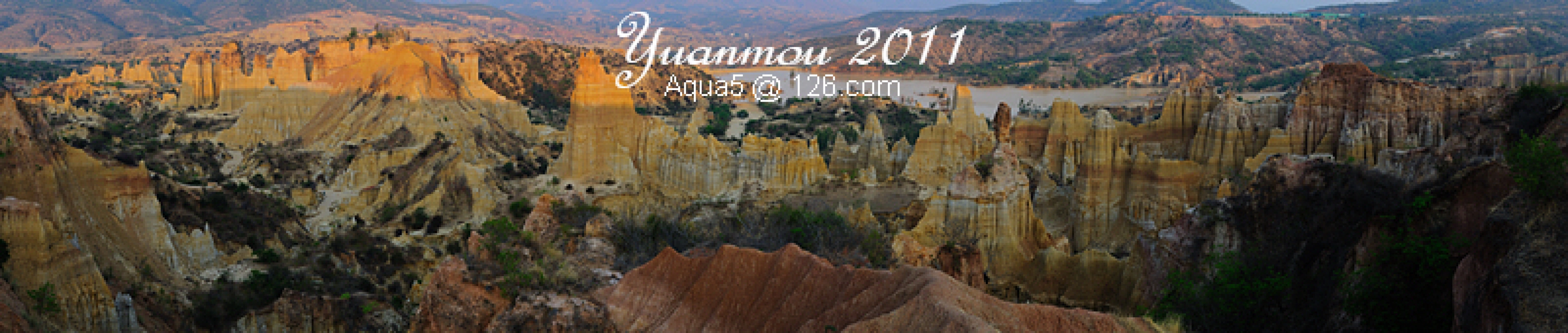
A Journey Through Time: The Earthen Forest of Yuanmou — April 2011 Chuxiong & Yuanmou Self-Drive Guide
A Journey Through Time: The Earthen Forest of Yuanmou — April 2011 Chuxiong & Yuanmou Self-Drive Guide Some journeys are destined to take root in your memory. In April 2011, I set out from Shuhe in Yunnan, heading north toward the Chuxiong Yi Autonomous Prefecture,…
Continue reading...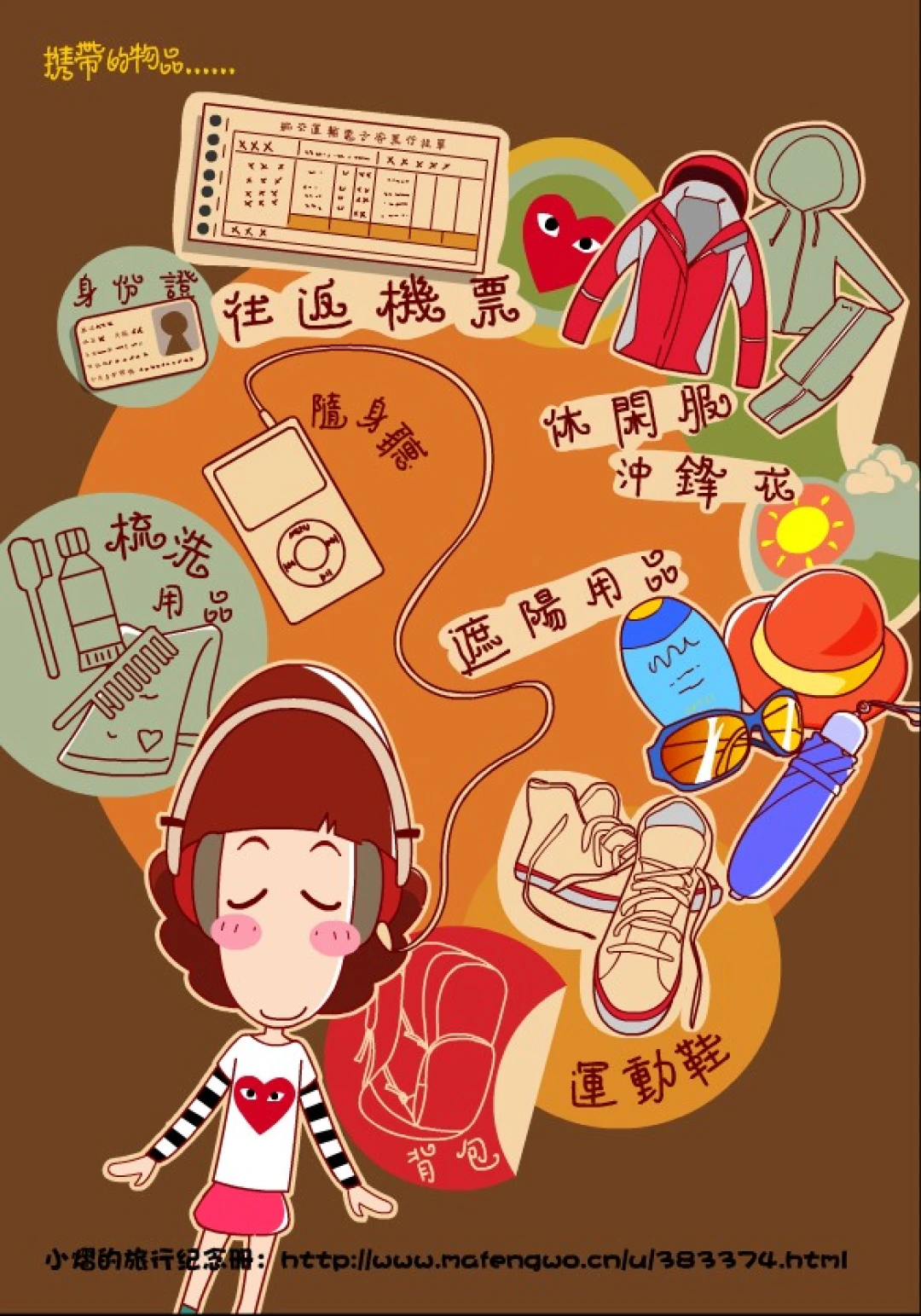
Dreamland – Lijiang: A Talking Comic Travel Guide
Dreamland – Lijiang: A Talking Comic Travel Guide Prologue: When Lijiang Takes Root in Your Heart Some places leave a mark on you forever. They're like an old song on repeat, suddenly playing in your mind on an ordinary afternoon. For me, Lijiang is that…
Continue reading...