Three Days in Lijiang: A Gentle Encounter in Passing
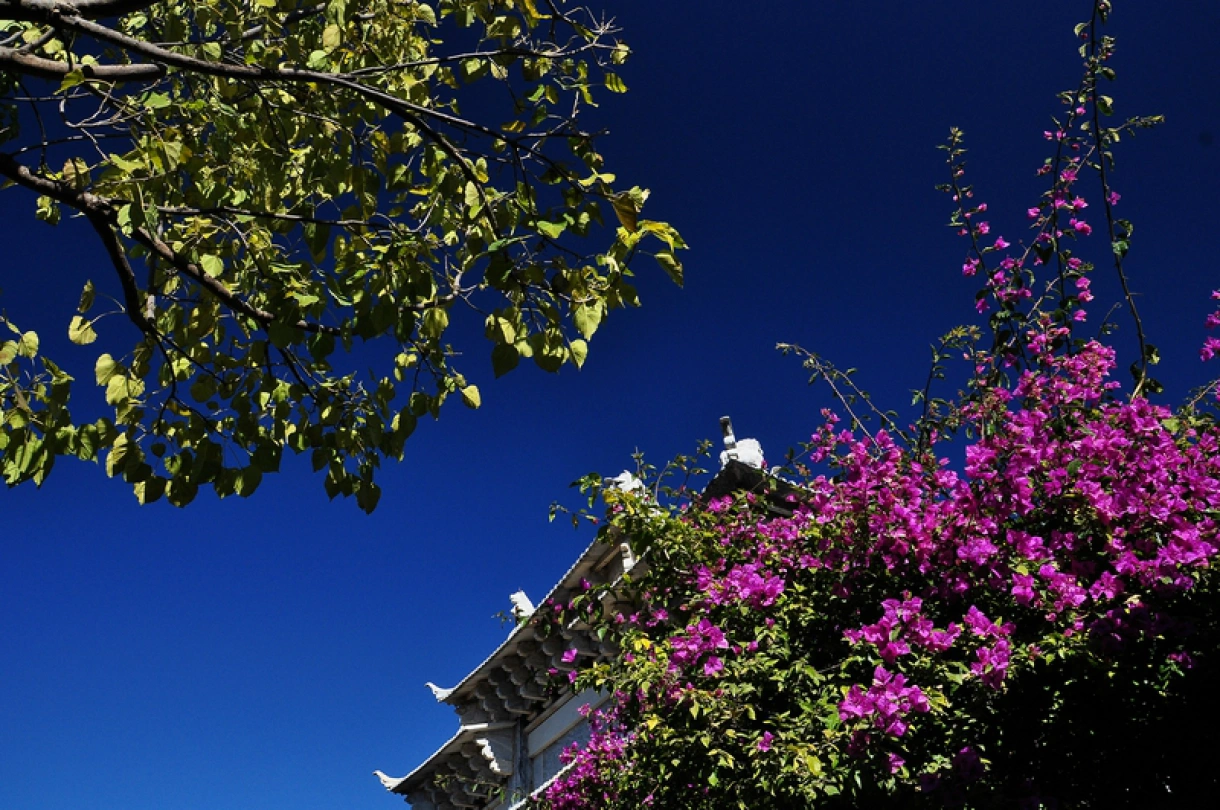
Three Days in Lijiang: A Gentle Encounter in Passing
Prologue: First Sight Above the Clouds
As the plane pierced through the cloud layer and the jagged silhouette of snow-capped peaks suddenly emerged outside the window, I truly realized—Lijiang, I have arrived.
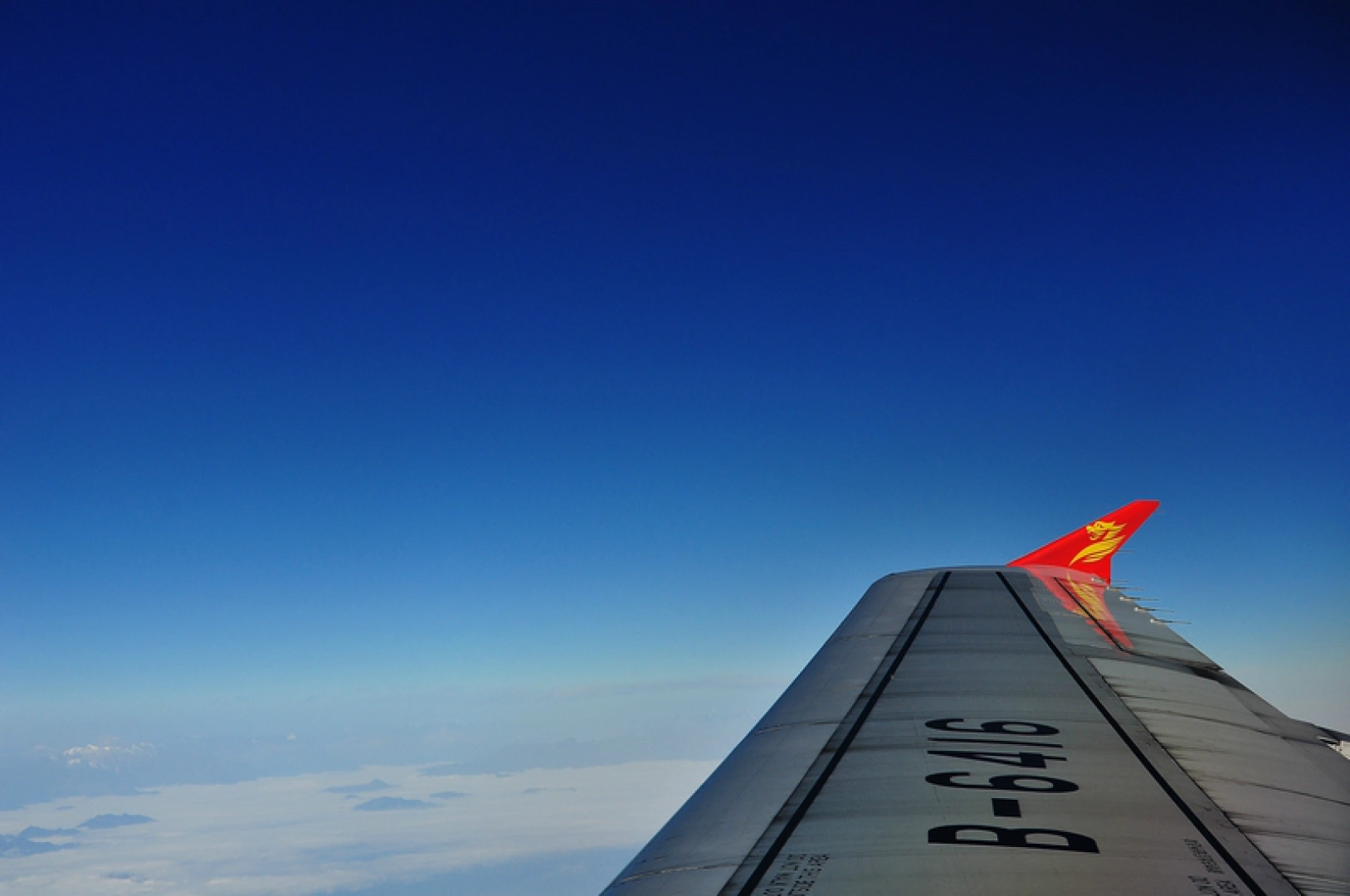
This wasn't a meticulously planned trip. It was a chance to steal three days of leisure during my company's annual conference. From December 22nd to 24th, flying from Beijing to Lijiang on flight JD5181, I spent most of the three-plus-hour journey dozing off. It wasn't until the announcement came over the intercom—"Landing in 20 minutes"—that I groggily opened my eyes, pulled up the window shade, and was instantly struck by the scene outside.
In the distance, the snow-covered peaks shimmered with a pale golden light in the morning sun, like swords thrusting into the azure sky. I pulled out my phone and snapped a photo of this magnificent view through the window. To the geography buff sitting next to me, I wondered—is that Meili Snow Mountain? I later learned it was Jade Dragon Snow Mountain (Yulong Xueshan), though by this season, the snowcap at the summit was already sparse.
The plane descended slowly, and the new city of Lijiang spread out below. I noticed a neatly arranged cluster of buildings in the lower right corner, resembling a train station. But what truly stunned me was the sky—so pure and almost transparent that it felt unreal. In a big city, I hadn't seen such a blue sky in a long time.
A Stroll Before Dawn: Encountering a Quiet Lijiang

Two days of the conference passed in meeting rooms. It wasn't until the third morning that I finally had Lijiang to myself.
Before dawn, I slipped out of the hotel. Shangri-La Avenue stretched northward, with Jade Dragon Snow Mountain appearing and disappearing in the early light. The streets were empty, save for a few early-rising cleaners sweeping fallen leaves. I stood at an intersection, watching the horizon gradually lighten to a pale white. Then, the first rays of sunlight hit the mountain, and the entire peak was instantly painted gold.
In that moment, I suddenly understood why people say Lijiang is a place for idling. It's not because of any particularly stunning scenery, but because when you stand under a sky like this, watching the mountain change colors in the morning light, you instinctively slow your breathing and let your mind go blank.
The Old Town of Dayan: Two Faces of Noise and Tranquility

Finally, after the conference ended, I arrived at the legendary Old Town of Dayan (Dayan Gucheng). To be honest, my first impression was disappointing—too many people. During the day, Sifang Street (Square Street) was a sea of people, bars blasted deafening music, and vendors hawked their wares from every corner. They say Lijiang is perfect for zoning out, but in this environment, how could anyone find peace?
But the old town at dawn was a completely different story. I deliberately switched to a different guesthouse, this time on Mishi Lane in Xinyi Street within Dayan Old Town. The inn had two courtyards: the front one cost 200 yuan, the back one 220 yuan. Both had air conditioning and hot water, and the owner was straightforward and honest. At six in the morning, I stepped out alone and walked slowly along the cobblestone paths. The shops were still closed, with only a few cats strolling leisurely through the alleys. Occasionally, I'd pass another early-rising traveler; we'd exchange a knowing smile and go our separate ways.
This kind of quiet—this is what Lijiang should be.
Mu Palace and the Ten Thousand Flower Tower: A Dialogue Across Time

Mu Palace (Mufu) is a must-see, with an entrance fee of 60 yuan, and I felt it was worth every cent. Even though I had already watched the TV series The Legend of Mu Palace, stepping into this actual chieftain's residence still left me awestruck. Amid the carved beams and painted rafters, I could almost hear the echoes of horse hooves and political debates from centuries past.
After leaving Mu Palace, I decided to climb to the Ten Thousand Flower Tower (Wangu Lou) for a panoramic view of the old town. From the southwest corner of Sifang Street, I followed the stone steps upward and arrived shortly. The ticket was 15 yuan. If you want to shoot night scenes, I recommend going up around six in the evening, when the light is at its best.
Standing on the tower, the entire old town lay before me. Rows of gray-tiled, white-walled houses stretched layer upon layer all the way to the foot of the distant mountains. Mu Palace spread out below like a miniature palace. I set up my camera and waited for the light to change. As the sun dipped toward the horizon, golden rays bathed the old town, warming every tile. Unfortunately, I hadn't brought a tripod, so as dusk deepened, I had to reluctantly leave.
Jade Dragon Snow Mountain: Regret and Surprise in the Wind
On the third day, I bought a combo ticket, planning to visit Dongba Valley, Spruce Meadow (Yunshanping), Blue Moon Valley (Lanyuegu), and the Baisha Murals. Unfortunately, the Impression Lijiang show was canceled because it was the last ten days of the year—something to catch next time.
The wind that day was fierce. The main cable car was closed, so we had to take the smaller one up to Spruce Meadow. First, we stopped at Dongba Valley, which showcases Naxi traditional culture. The most amusing part was the Naxi pictographic script. Everyone in our group was guessing the meaning of one symbol, and I blurted out "family harmony," which got a good laugh. There were also elderly musicians playing ancient Naxi music, their tunes carrying a sense of timeless melancholy.
Inside Dongba Valley, there was an exhibition on the "Taliu people," with a sign explaining it as "one of Yunnan's great oddities—falling in love while lying in bed." I stared at it for a while but couldn't quite figure out what it meant. There was also a "climbing a mountain of knives" performance that made everyone's heart race.
Finally, we arrived at the foot of Jade Dragon Snow Mountain. Even though we didn't make it to the summit, the views at Spruce Meadow were already spectacular. The distant peaks appeared and disappeared through the mist, while the nearby spruce forest was lush and green. The most stunning sight was Blue Moon Valley. The water was an unreal shade of blue-green, like a giant emerald embedded in the valley.
Lashi Lake and Baisha: A Love-Hate Experience

Lashi Lake (Lashihai) is a place that inspires both love and hate. Love it for its beautiful scenery—the lake shimmering under the sun, the distant mountains reflected in the water like an ink painting. Hate it because it's been privatized, and every corner feels like a trap. My advice: take a taxi there on your own, don't go horseback riding, and just walk up into the village to overlook the lake from afar—it's still very beautiful. If you absolutely must ride a horse, haggle hard, and I mean hard.
Baisha Ancient Town (Baisha Gucheng), on the other hand, was a pleasant surprise. It's virtually untouched by commercialism, still retaining its original character. Walking down the streets, you see locals sitting in the sun, chatting, and children chasing each other through the alleys. The Baisha Murals are the main attraction, but photography isn't allowed, so I could only commit the exquisite patterns to memory.
Shuhe Ancient Town (Shuhe Gucheng) was similar to Dayan—already commercialized—so I gave it a quick glance and moved on.
Epilogue: What I Took and What I Left Behind
The three-day crash course was over. Sitting on the return flight, I scrolled through the photos on my phone and felt a bit dazed. What exactly is Lijiang? Is it the quiet of the old town at dawn? The carved beams of Mu Palace? The turquoise waters of Blue Moon Valley? Or the wind by Lashi Lake?
Maybe all of it. Maybe none of it.
Lijiang is a place that makes you slow down. It doesn't actively tell you what to see or do. It simply exists, waiting for you to discover it. You can live like a local—soaking up the sun in a courtyard, sipping tea, chatting. Or you can do as I did—skim the surface, snap some photos, and leave with memories.
But most importantly, Lijiang reminds you that life should be like this: blue skies, snow-capped mountains, quiet mornings, and lively nights. And we are just passing travelers, sharing a gentle encounter with this city for a fleeting moment.
Practical Tips: - Accommodation: I recommend the guesthouse on Mishi Lane, Xinyi Street, Dayan Old Town. Two courtyards available, prices ranging from 200 to 220 yuan. - Mu Palace: Entrance fee 60 yuan. Worth a visit. - Ten Thousand Flower Tower: Entrance fee 15 yuan. Best to go up around 6 PM for night photos. - Jade Dragon Snow Mountain: The main cable car may close due to weather. Check in advance. - Lashi Lake: Take a taxi on your own. Avoid horseback riding; if you must, haggle aggressively. - Baisha Ancient Town: Worth a visit, virtually free of commercialism.
You should also read:

Slow Sounds, Gentle Steps: My Wandering Journey Through Lijiang
Slow Sounds, Gentle Steps: My Wandering Journey Through Lijiang Prologue: A Spontaneous "Red-Eye" Escape Some journeys begin just like Lijiang itself—with a touch of spontaneity and a hint of laziness. Late one Sunday night, I was scrolling through my phone while lying in bed when…
Continue reading...
Dreamland – Lijiang: A Talking Comic Travel Guide
Dreamland – Lijiang: A Talking Comic Travel Guide Prologue: When Lijiang Takes Root in Your Heart Some places leave a mark on you forever. They're like an old song on repeat, suddenly playing in your mind on an ordinary afternoon. For me, Lijiang is that…
Continue reading...
Cloud Travelogue · Dali of Wind, Flowers, Snow, and Moon: A Three-Day, Two-Night Journey of a Free Spirit
Cloud Travelogue · Dali of Wind, Flowers, Snow, and Moon: A Three-Day, Two-Night Journey of a Free Spirit I am a cultured female foodie with a touch of rogue charm. I slung on my backpack, took my lover's hand, and set off on a spontaneous…
Continue reading...