"Two People, One Car, One World": The Ultimate Guide to Hidden Gems Around Chengdu for Hardcore Road Trippers
"Two People, One Car, One World": The Ultimate Guide to Hidden Gems Around Chengdu for Hardcore Road Trippers
Foreword: Why "Two People, One Car, One World"?
We're a couple who've packed our lives into the wheels of a car. As global travel content creators, we've spent years searching for the travel style that suits us best — I love extreme sports, islands, and luxury getaways, while he's obsessed with nature, animals, and that visceral freedom of having the steering wheel in his hands. So we moved our everyday life into the vehicle.
Back in China, we drive to uncover those hidden corners — secret spots, off-the-beaten-path check-ins, and the most value-for-money scenery. Abroad, whenever conditions allow, we rent a car, crank up the music, snack on fruit, and wander aimlessly. This time, we decided to turn our gaze closer to home and properly explore the overlooked treasures around Chengdu.
I'll admit it's a bit embarrassing. After years of traveling near and far, marking off half the world map, we hadn't even properly warmed the ground at our own doorstep. One day while packing, I pulled out an old map and casually sighed at this realization. To my surprise, my usually quiet partner immediately chimed in: "Then let's pack up and go." His eyes were as serious as a child's, and I almost let myself be convinced. But the next second, reality hit: "Train tickets must be sold out, right? Do we have to take a bus?" He just laughed: "Of course we're driving!" Even though he usually complains about how tiring driving is, his volunteering this time caught me off guard — and secretly delighted me. No more travel fatigue, full control over our pace — why not? So we packed our bags and set off again, to rediscover a place both familiar and strange.
Part 1: Forests and Lakes from Behind the Wheel

This is a route where you can drive directly into stunning scenery without ever leaving the car — perfect for a "lazy traveler" like me. You really can skip walking altogether and take in mountains, rivers, and lakes from your seat.
Quick Itinerary: - Day 1: Qingxi Ancient Town → Jiaoding Mountain - Day 2: Jiaoding Mountain → Shimian - Day 3: Shimian → Yele Lake
Qingxi Ancient Town: A Time Capsule of Authenticity
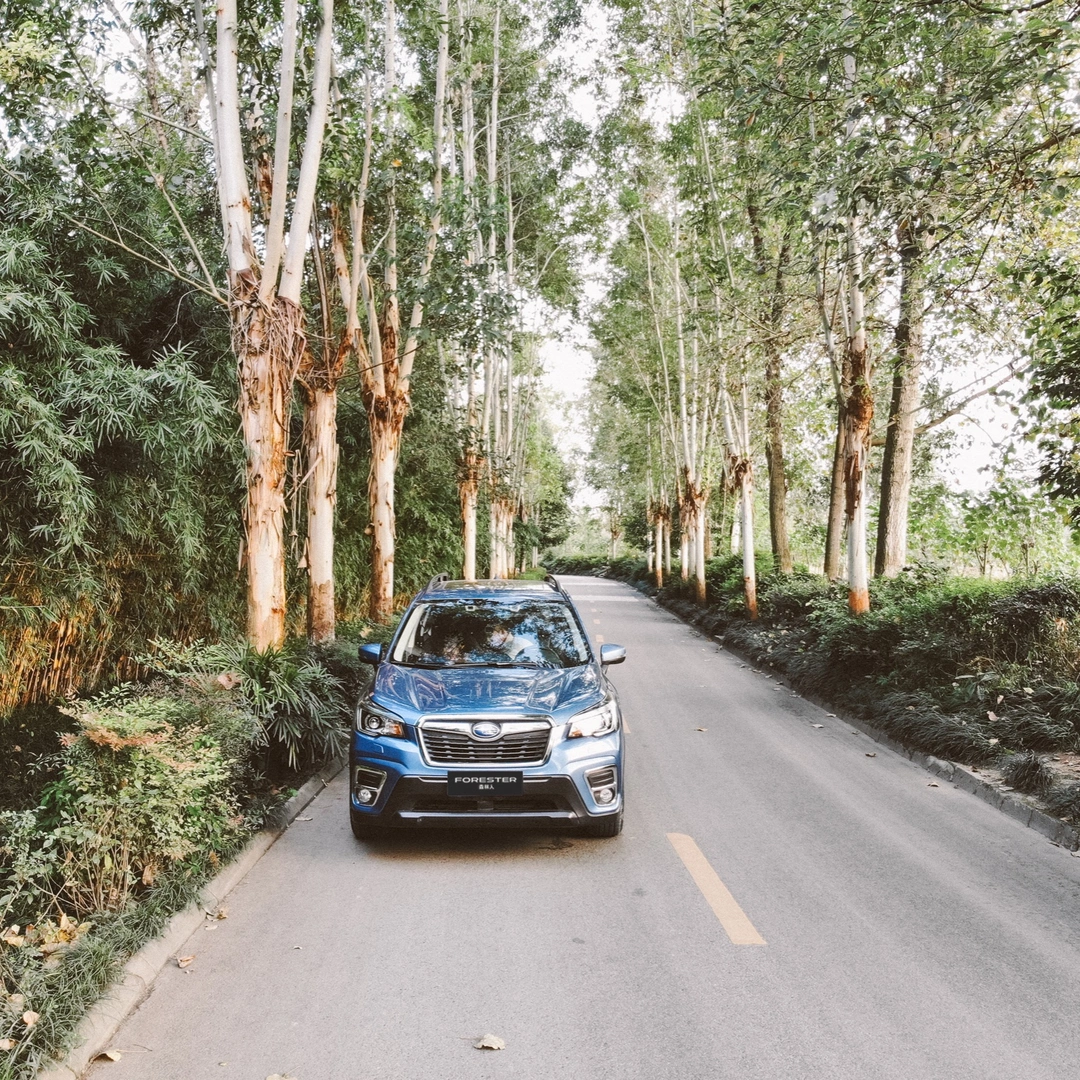
On departure day, my partner was waiting in our Subaru. I appeared slowly behind the car, dragging three massive suitcases — the trunk was already stuffed with camping gear, but I figured there were only two of us and the backseat could hold more, so I brought everything I could think of. Without a word, he neatly stacked the luggage, and after a crisp slam of the trunk door, he said: "Plenty of space. You can stretch out in the back if you get tired."
He started the engine and asked where I wanted to go. The first word that popped into my head was "ancient town" — one that was quaint, authentic, and untouched by commercialization. I thought it would be a tough request, but that's the beauty of travel: the unknown and the surprises.
One of the best things about road trips is the continuous enjoyment of changing landscapes. Though it was late autumn, the scenery remained vivid with color. I kept gasping in delight, making my focused driver itch to look. Luckily, the car had a driver monitoring system, so I didn't worry about him getting distracted. I snapped photos, dozed off, and three hours later, we arrived at our first stop — Qingxi Ancient Town.
This hidden Sichuan town is known as the "Home of Jasmine." If you visit during bloom season, the intoxicating fragrance of jasmine will greet you. Because it's remote and off-season, there were almost no tourists. Locals busied themselves with their daily chores, while beneath our feet lay moss-covered stone paths, and ancient trees towered beside us. The town sits on short, narrow old streets, untouched by overdevelopment, with its original Ming and Qing dynasty layout still clearly visible. Following a local's directions, we found the Qingxi Ancient Temple — a shrine without excessive repainting or renovation, housing statues of Confucius and Zengzi. Here, asking for directions worked better than any GPS.
Walk a stretch of the Ancient Tea Horse Road. This vital trade route in southwestern China flourished during the Tang and Song dynasties and peaked in the Qing dynasty. Qingxi Ancient Town was a key stop on both the Tea Horse Road and the Southern Silk Road. Misty clouds shrouded the mountainside, revealing traces of history from ancient to modern times — a small town carrying immense historical weight.
Later, I looked up information and found this description: "Rather than calling it an ancient town, it feels more like a village — untouched, simple, and pure, without a hint of commercialism." If we had more time, I would have loved to stay a few days, shed our burdens, and rediscover the most carefree version of ourselves.
Jiaoding Mountain: Driving into the Clouds
I once witnessed a volcanic eruption in Vanuatu, marveling at nature's unpredictability. We constantly travel far to find wonders, yet somehow believe the best scenery is always elsewhere — until we reached Jiaoding Mountain.
Leaving Qingxi Ancient Town meant another three-hour drive, but this leg was far from easy. You can drive all the way to the summit of Jiaoding Mountain, but the steep mountain roads test the driver's skill. Though my partner was experienced, watching the deteriorating road conditions after an evening frost made me nervous for him. But he calmly handled the wheel, working in perfect sync with the car's X-MODE system and all-wheel drive. As the temperature dropped, I knew we were getting closer to the peak and instinctively curled up. He noticed and quietly turned on the seat heaters. Later he told me he should have turned them on earlier but got distracted by the road conditions. I silently gave him a thumbs-up.

The沿途 mist and clouds made it feel like a fairyland. Jiaoding Mountain is the eastern extension of the Daxiangling mountain range, running north-south across 75 square kilometers. Its summit is flat and broad, surrounded by sheer cliffs shaped like a sedan chair — hence its name, "Sedan Chair Mountain." It's a natural 360-degree viewing platform. In late autumn, one moment there's a faint sunset glow, and the next, night spreads across the sky. The cold air at the summit hit hard, but our luggage came to the rescue. In the silent night, the Milky Way felt close enough to touch. Starlight spilled into my eyes, reflecting the same brightness. Even my teacup caught a few stars — I quickly took two sips, hoping to stash them in my stomach before they escaped.
When we got tired, we transformed the folded-back seats into a "makeshift bedroom" and slept soundly through the night. My partner woke me at dawn, when the night had retreated and morning light was just emerging. Shivering, I watched the deep blue clouds fade to white, then blush with orange. As the sun slowly rose, I felt the temperature rising with it — it turns out the best starry skies and seas of clouds were never far away.
Practical Tips: - Jiaoding Mountain has extreme temperature swings; bring plenty of warm clothes in autumn and winter - On clear days, you'll see starry skies and cloud seas; even if you're unlucky, the clouds beneath your feet and the rolling mountains are worth the trip - Consider staying overnight to catch the sunrise — remember to bring camping gear
Yele Lake: A Highland Pearl in a Painting
Passing through Shimian, it's just a short 90-minute drive to another paradise on earth. While my partner handled the driving, I — the resident foodie — quietly searched for Shimian's famous barbecue spots. Shimian barbecue is legendary! Since we were there, we had to feast before hitting the road again.
Yele Lake is located in Yele Township, Mianning County, Sichuan — actually a reservoir within the Yele Nature Reserve. At over 2,600 meters above sea level, this highland lake offers breathtaking scenery. A word of caution: if you're new to high altitudes or haven't been above 2,500 meters in two years, it's wise to bring emergency medication.
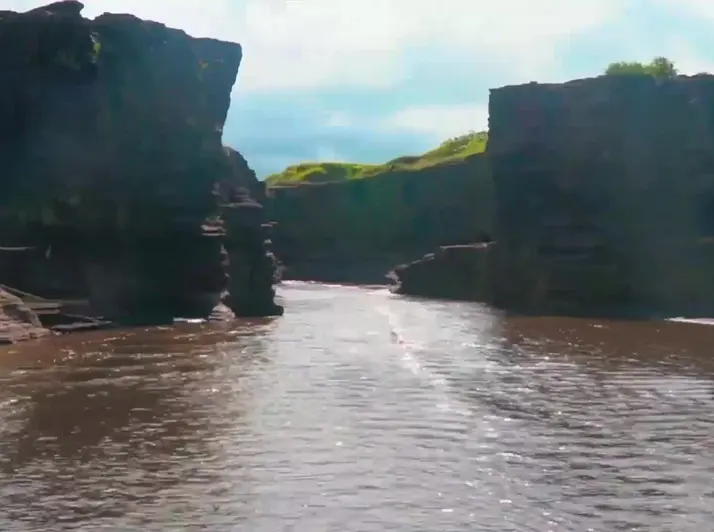
When we came across a shallow pool of water on the road, my partner didn't stop — instead, he accelerated, sending up a huge spray like we were on a log flume ride at an amusement park. We couldn't stop laughing. He parked by the water's edge and started rummaging in the trunk, while I rushed to an open area. This remote spot had few visitors and remained largely undeveloped. I ran along the shore, my excitement impossible to contain.
When he called me back, the trunk was already lined with blankets and cushions — like he'd moved a corner of our living room sofa outside. We leaned back in the trunk, and the massive rear door frame became a picture frame, framing the lake and mountains before us. It was like a natural projector with surround sound better than any cinema. On the way, I'd joked: "Being able to lie in the car and take in all the beauty — that's the definition of high-quality living."
We barbecued on the grassy shore beside the lake and forest — the satisfaction of cooking for ourselves and the joy of eating with such a view washed over us. In autumn, Yele Lake's water is crystal clear, like a mirror reflecting the surrounding mountains and forests. When clouds drifted by, the lake mimicked the sky like a playful child.
Listening to the wind sing, watching clouds roll and unfold, chasing cows and sheep grazing contentedly — time seemed to speed up here, making you want to stay forever.
Practical Tips: - Restaurants and accommodations near Yele Lake are hard to find; consider camping and bring plenty of food and supplies - The area is undeveloped, so you can have campfires and picnics — but be careful with fire, clean up afterward, and protect the environment
Part 2: Unlocking Unknown Sichuan Treasures
Quick Itinerary: - Day 1: Mianzhu → Jiuhuang Mountain (Back Mountain) - Day 2: Jiuhuang Mountain (Front Mountain) → Dujiangyan - Day 3: Dujiangyan → Barkam
Mianzhu New Year Paintings: Intangible Heritage at Your Fingertips
Mianzhu New Year paintings are one of China's four major New Year painting styles and were among the first to be listed as national intangible cultural heritage. Originating in the Northern Song dynasty and flourishing in the Qing dynasty, they've now evolved to suit modern aesthetics.
Upon arriving at the Mianzhu New Year Painting Museum, we were struck by its grand architecture and a giant Go board at the entrance. Inside, an ancient door greeted us, its door gods painted so vividly they seemed alive and mighty. The museum houses works like Master Huang Ruigu's "Spring Welcome Scroll" from the Qing dynasty — often called the "Qing Dynasty Along the River During the Qingming Festival" — though unfortunately, we missed seeing it this time.
The collection includes wooden door panel paintings and various traditional works, each with annotations to help understand the stories behind them. However, the museum is small, and for some reason, the lighting was dim, with few visitors — a pity.
If you want more, head to the Sancai Painting Workshop in the New Year Painting Village to try making your own. The teacher explained the four steps: drafting, carving, rubbing, and coloring. Just four steps, but they require patience. Making your own painting — even if it can't compare to a master's — deepens your understanding through practice. That's probably one of the most meaningful things you can do while traveling.
Jiuhuang Mountain: Walking on Clouds, Challenging Yourself
From Jiangyou, it's an hour's drive to Jiuhuang Mountain Scenic Area. Note: if you're staying at a hotel within the scenic area, you'll need to park at the foot of the mountain and take a cable car up.
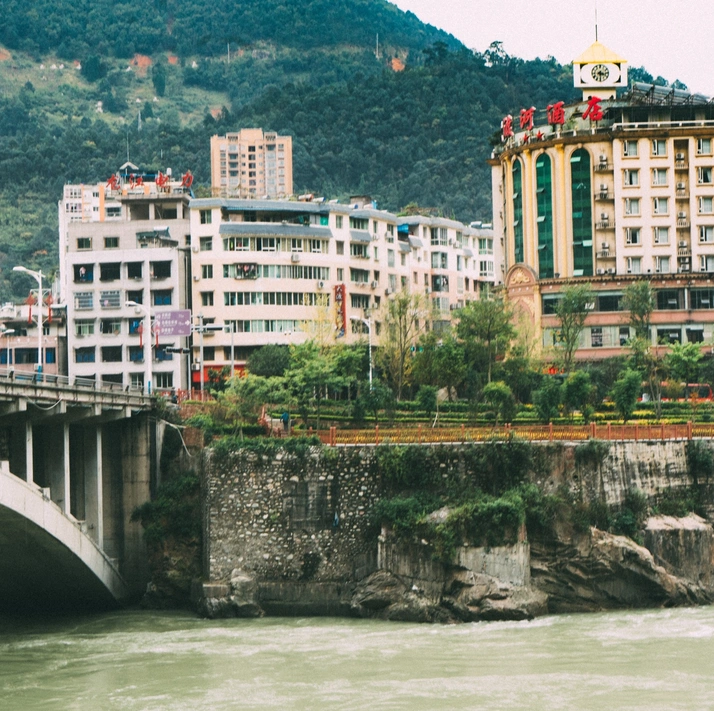
Walking through the back mountain leads to the Cloud Farm at the top, with picking and egg-collecting zones where you can harvest vegetables and wild eggs yourself — great fun. There's also a cloud swing that's gone viral on social media — for the brave. And the First Qiang Watchtower in Western Sichuan offers panoramic mountain views.
But what I was most looking forward to was the glass walkway. I always thought I was brave enough, but when I actually stood on it, I was terrified! A kind tourist tried to drag me across, forcing me into an accidental split (laughing). But once I adapted, my focus shifted from my feet to the distance — mountain mist swirling around, making me feel like I was in a fairyland. I even started doing jumping jacks on the high platform.
After the glass walkway, we descended to the front mountain, passing through the Dayu Corridor and Front Hall to reach the cable car for Yuanwang Cave and Lovers' Bridge. On clear days, there's also a zip line. Timing is everything — right next to Lovers' Bridge, they'd just opened a new skywalk attraction. After the "trial by fire" of the glass walkway, all that was left was pure enjoyment.
Dujiangyan: Echoes of History in a Millennia-Old City
Guanxian Ancient City, a town that has stood alongside the thousand-year-old Dujiangyan Irrigation System, blends city and scenery into one living experience. Key sights include Nanqiao Bridge, West Street, the Confucian Temple, the Water Administration Office, and Yangliu River.
Entering through the city gate, the streets are lined with Ming and Qing-style buildings, with shops on the ground floor. The city channels water into its core, so small bridges over flowing streams are everywhere. Climbing the West Street city wall, I couldn't see the ground at all — the street is only 340 meters long but has witnessed the historical changes of Guanxian Ancient City.
The old town still preserves workers' dormitory buildings from the 1970s and 80s, mostly one or two stories, retaining the look of old Sichuan. Walking these streets, I imagined what life was like back then — was it as bustling and lively as today? Continuing to West Street, I felt the starting point of the Ancient Tea Horse Road — for a thousand years, this was the lifeline connecting Sichuan and Tibet economically. At the edge of the old city, I could see the Yulei Pavilion on the distant mountaintop, gazing back at the ancient town from afar.
Part 3: Exploring Hidden Lands, Toward the Place of Blazing Fire
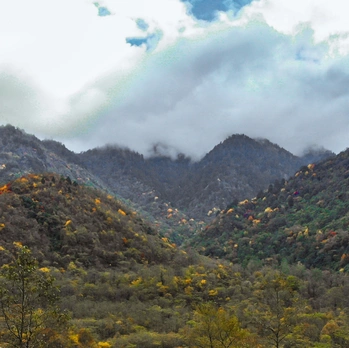
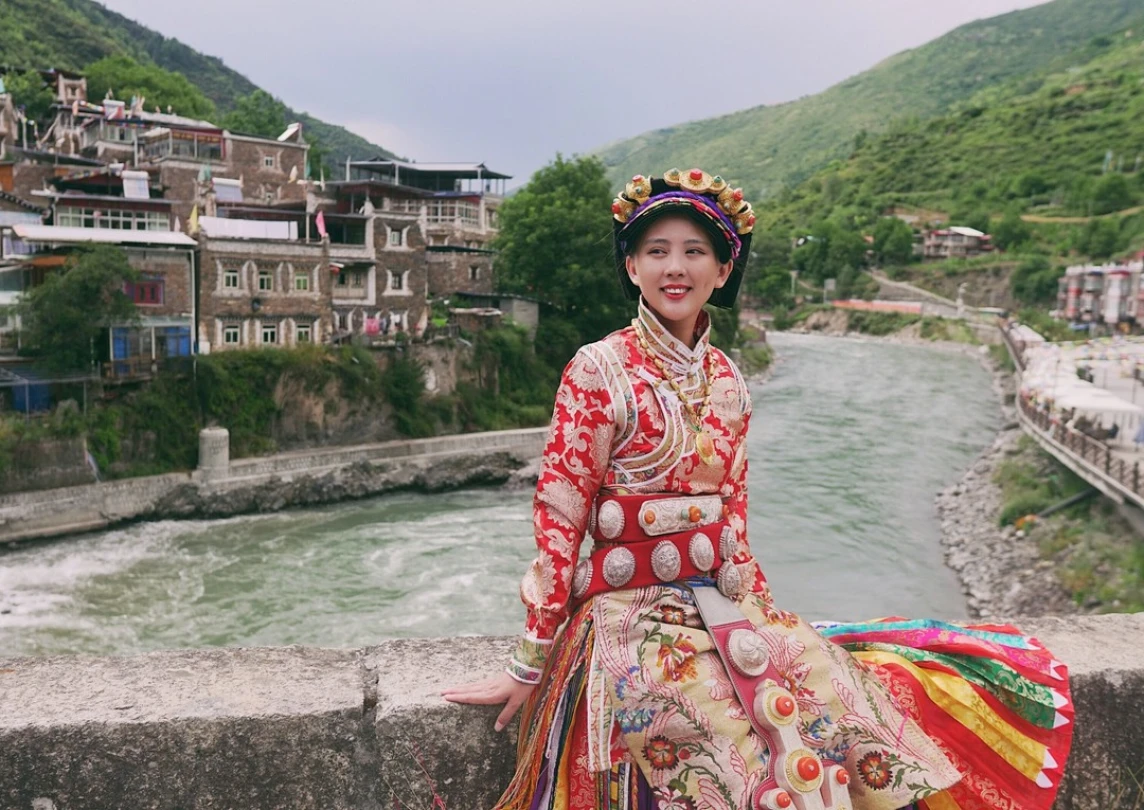
Barkam, in Tibetan, means "the place where flames burn bright." At 2,600 meters above sea level, this is the heartland of Gyalrong culture. The Gyalrong Tibetan people are known for their singing, dancing, and warm hospitality. This was also a place where the Red Army passed during the Long March — with beautiful mountains and rivers, talented people, and a unique blend of ethnic, religious, costume, and architectural cultures that make it both mysterious and timeless, yet never clichéd.
Jinchuan Guanyin Temple: A Devout Pilgrimage
We wound our way up narrow mountain roads to reach Jinchuan Guanyin Temple. Perched halfway up Mount Nale at 3,685 meters, this temple was built in 1806 (the 10th year of the Jiaqing reign of the Qing dynasty) and is named for the Four-Armed Guanyin (Avalokiteshvara) enshrined there. With over 1,300 years of history, it's commonly known as the Red Sect and is hailed as "the Second Potala Palace of Tibet." From a distance, amidst the towering mountains, the temple stands out like a spot of red in a sea of green. As we approached step by step, that red filled our视野, and I couldn't help but feel a sense of reverence — even without religious faith, the solemnity was palpable.
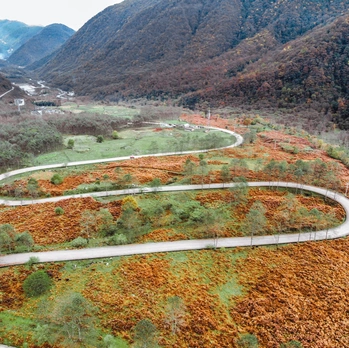
Visiting Notes: 1. It's best to visit temples in the morning 2. Women should not enter temples or turn prayer wheels during menstruation (it's said that yin energy is strong and may be overwhelmed by yang energy) 3. Photography of the main hall's Buddha statue is prohibited
After paying our respects, we continued uphill to the summit where prayer flags and wind horses are released. Amidst the roaring wind, prayer flags carrying wishes were carried to the mountaintop, as if heard by the Buddha — watching a sky full of wind-horse snow.
Songgang Zhibo Watchtowers: China's Leaning Tower of Pisa
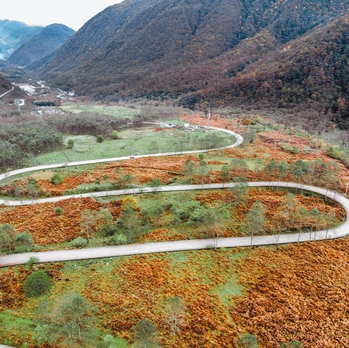
The Songgang watchtower group, officially called "Songgang Zhibo Bajiao Ancient Watchtowers," is located in Zhibo Village, Songgang Township, 17 kilometers from Barkam county seat. The Tibetan name means "official fortress at the mouth of the gorge." There were only a few tourists — us — and scattered locals going about their work. Nervously, we climbed the ladder into the watchtower, then up to the top platform. The moment we stepped out, sunlight blazed in our eyes, and the entire landscape around the tower spread out before us.
Pilu Sacred Cave: A Place of Cultivation Hidden in the Cliff
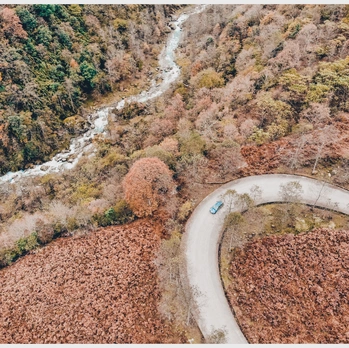
From Barkam to Zhuokeji, then follow the river toward Suomo Township for about 3 kilometers. On the left, you'll see a gully with a water prayer wheel standing within. From there, climb up, or continue 200 meters to a rough tractor path that winds up to Pilu Sacred Cave. The round trip on foot takes about 4-5 hours — more like a spiritual and physical cultivation.
The entire temple is embedded in a cliffside cave, seamlessly blending with Pilu Sacred Mountain. Though I've seen similar structures before, each time I can't help but bow my head in admiration for the artisans who built it — breathtaking craftsmanship, nothing less.
Zhuokeji Tusi Official Village: Playing the Lead in "Dust Settled"
Located in Xisuo Village, Zhuokeji Town, 7 kilometers from Barkam county seat, this official village was built in 1718 (the Qianlong reign of the Qing dynasty) as a four-story watchtower-style building. Seventy years ago, Chairman Mao stayed here and praised it, saying, "In ancient times there was Mei Wu; today there is this official village." Twenty years ago, American journalist Harrison Salisbury called it "a pearl in Eastern architectural history." For a 60 yuan ticket, you can enter and explore its historical splendor.
Dress up in traditional Tibetan clothing, transform into a local, and under the story backdrop of "Dust Settled," pretend to be the male and female leads — we had a blast.
Lixian Guergou & Ergu Creek: Swinging in the Clouds
Guergou is located in Lixian County, Aba Prefecture, with National Highway 317 running through the town. After a night's rest, we set off for Ergu Creek, 50 kilometers away — a paradise on earth at 3,720 meters.
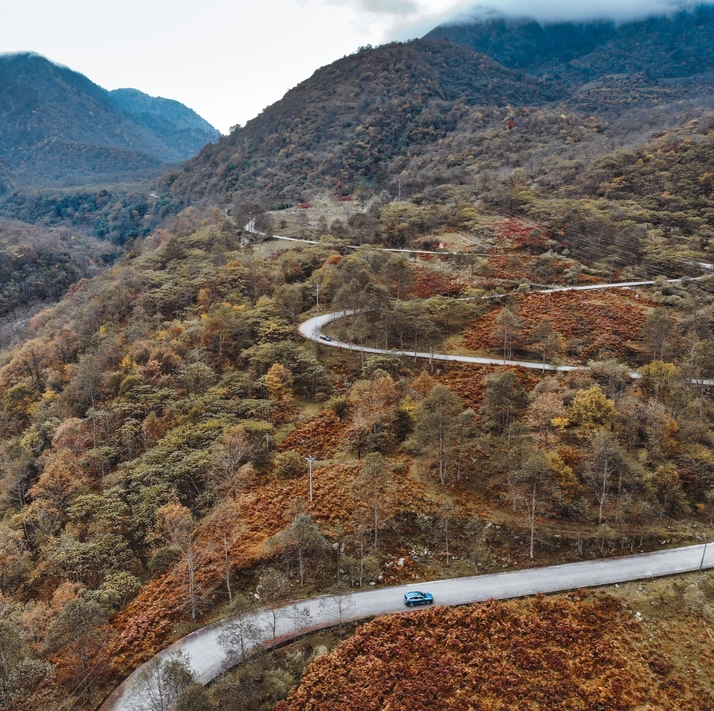
Ergu Creek is adjacent to the Miyaluo Scenic Area and is one of the largest, most accessible, and most promising alpine meadows yet to be commercially developed — a great place for hiking and enjoying views. From the starting point, if you're fit, you can start from the first section and reach the summit in about 4 hours; starting from the third section, it takes at most 1.5 hours. We made it to the top in 2.5 hours.
Along the way, cattle and sheep grazed as if we didn't exist, while eagles circled overhead. At that moment, I suddenly felt so close to nature — no, I was already in it. Standing at the summit, exhausted, I looked out at the vast天地 and felt that classic mountaintop perspective: all lesser mountains look tiny below. Physical fatigue became unimportant.
After a day of climbing, a hot spring is the ultimate cure. The hot springs at Huameida Hotel in Guergou, fed by snowmelt from thousand-year-old雪山, are revered by the peoples of the Western Sichuan Plateau as a "divine hot spring." The outdoor pools offer views of Miyaluo's red leaves. Soaking in the springs, watching the scenery, the fatigue of days on the road melted away, and every cell in my body came back to life.
Part 4: Life Between Ice and Fire on the Mountainside
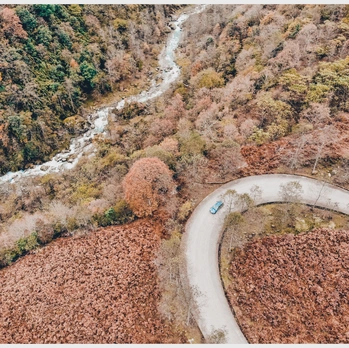
Mount Emei & Leshan: Warmth at Qiliping Mid-Mountain
As winter approaches, my favorite outdoor activity is soaking in hot springs — it's a selfish preference, but I can't help sharing. A 3-hour drive from Chengdu brings you to Qiliping. Located halfway up Mount Emei, the climate is pleasant and hot spring resources are abundant. In the cold season, soaking in steaming hot springs while watching mountain mist swirl around you, feeling the interplay of ice and fire — this might be the most comfortable winter pastime.
Final Thoughts: The Best Scenery Is Never Far Away
This road trip allowed us to rediscover the areas around Chengdu. From the simplicity of Qingxi Ancient Town to the starry clouds of Jiaoding Mountain; from the tranquility of Yele Lake to the challenges of Jiuhuang Mountain; from the devotion of Barkam to the vastness of Ergu Creek — each stop was like a scattered pearl, strung together by our wheels into a necklace.
We often say we'll wait until we have time, until we have money, until the opportunity comes, before going far away. But the truth is, the best scenery is often right beside us. It doesn't require crossing mountains and rivers, doesn't cost a fortune — it only needs a willing heart and a car that can take you anywhere.
So don't wait. Pack your bags, start the engine, bring the ones you love, and explore those hidden corners. You'll find that the world is big, but your wheels can take you anywhere.
Finally, a few road trip tips:
- Vehicle Check: Before departure, inspect tires, brakes, oil, coolant, etc. — especially for high-altitude routes
- Supplies: Bring warm clothes, emergency medication, plenty of food and water, and full camping gear
- Route Planning: Check road conditions in advance, especially in mountain areas, and watch the weather
- Environmental Awareness: Take all trash with you, protect the natural environment, and let the beauty last
- Safety First: Drive carefully on mountain roads, never drive tired — enjoy the journey, but safety always comes first
May every departure you make bring you home满载而归.
You should also read:
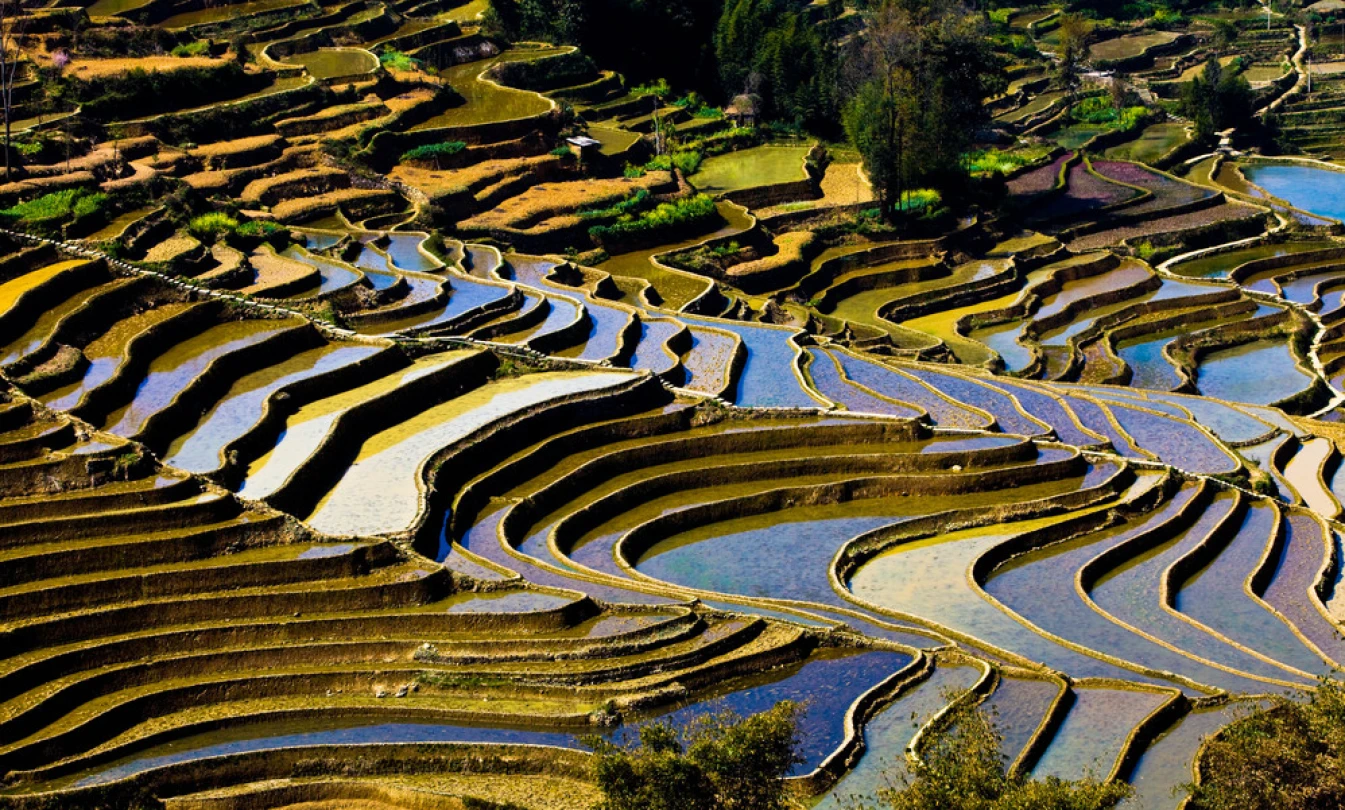
Fly to Yuanyang! — A Complete Photography Guide
Fly to Yuanyang! — A Complete Photography Guide A Spontaneous Photography Journey Every year after the Spring Festival, airfare to Kunming hits its lowest point. This year, the holiday came unusually early, and February is precisely the most captivating season for the Yuanyang rice terraces.
Continue reading...
Xishuangbanna Self-Drive Tour: Into the Tropical Wonderland at the Edge of the Sky (Complete Guide)
Xishuangbanna Self-Drive Tour: Into the Tropical Wonderland at the Edge of the Sky (Complete Guide) Introduction: A Dream Fulfilled Thirty Years Early Some journeys are destined to happen at a specific moment in time. For me, a self-drive trip to Xishuangbanna was originally the first…
Continue reading...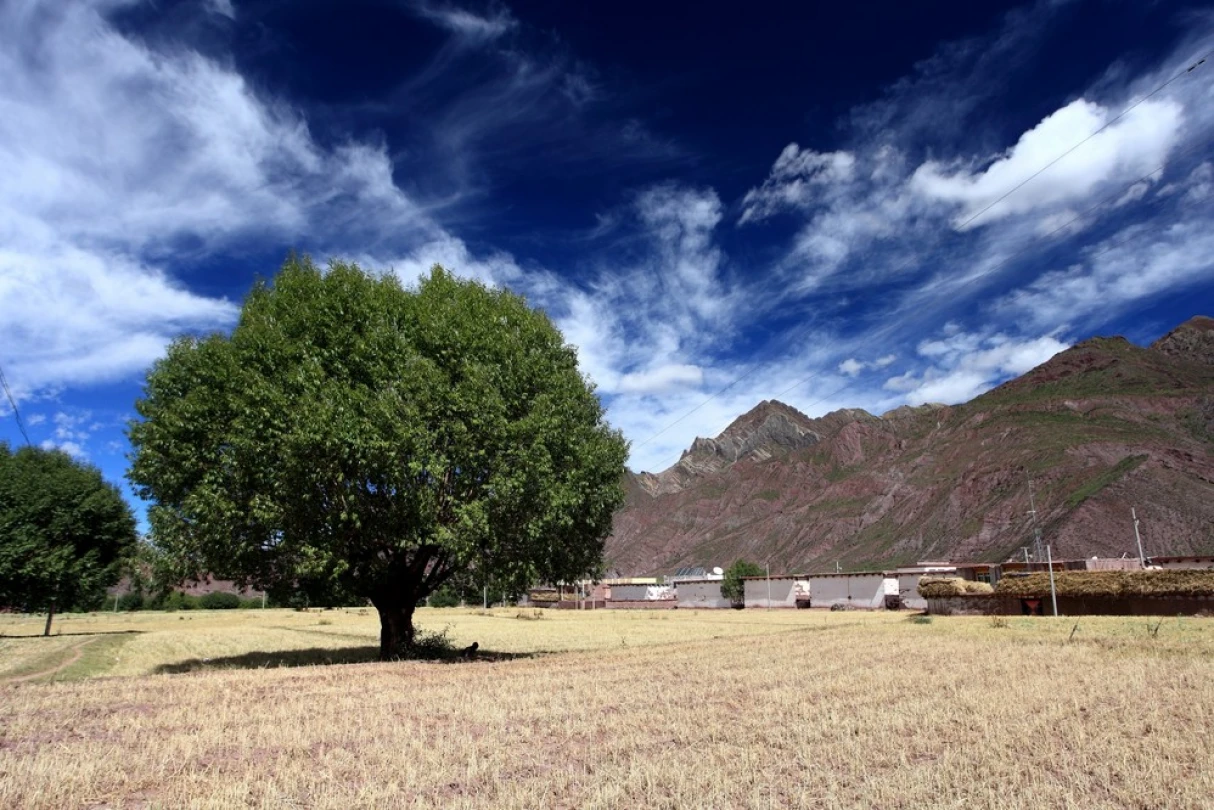
Big Bear and Little Cat Explore China: [A Self-Guided Tour of the Shangri-La Region: That Sky, So Blue It Feels Unreal!]
Big Bear and Little Cat Explore China: [A Self-Guided Tour of the Shangri-La Region: That Sky, So Blue It Feels Unreal!] Prologue: Why Shangri-La? In September 2011, my friend and I followed the Yunnan-Tibet Highway into the Greater Shangri-La region. Six days of travel, without…
Continue reading...